Fun Hee Haw facts that will take you back to the farm
Growing up in the late 60s and 70s often meant gathering around the TV to watch Hee Haw, a show that seamlessly blended comedy with country music.
Known for its slapstick humor and catchy tunes, Hee Haw became a Saturday night staple for many families. It captured the heartland’s spirit, offering a slice of rural Americana that resonated with audiences across the nation.
The Birth of Hee Haw: How It All Started
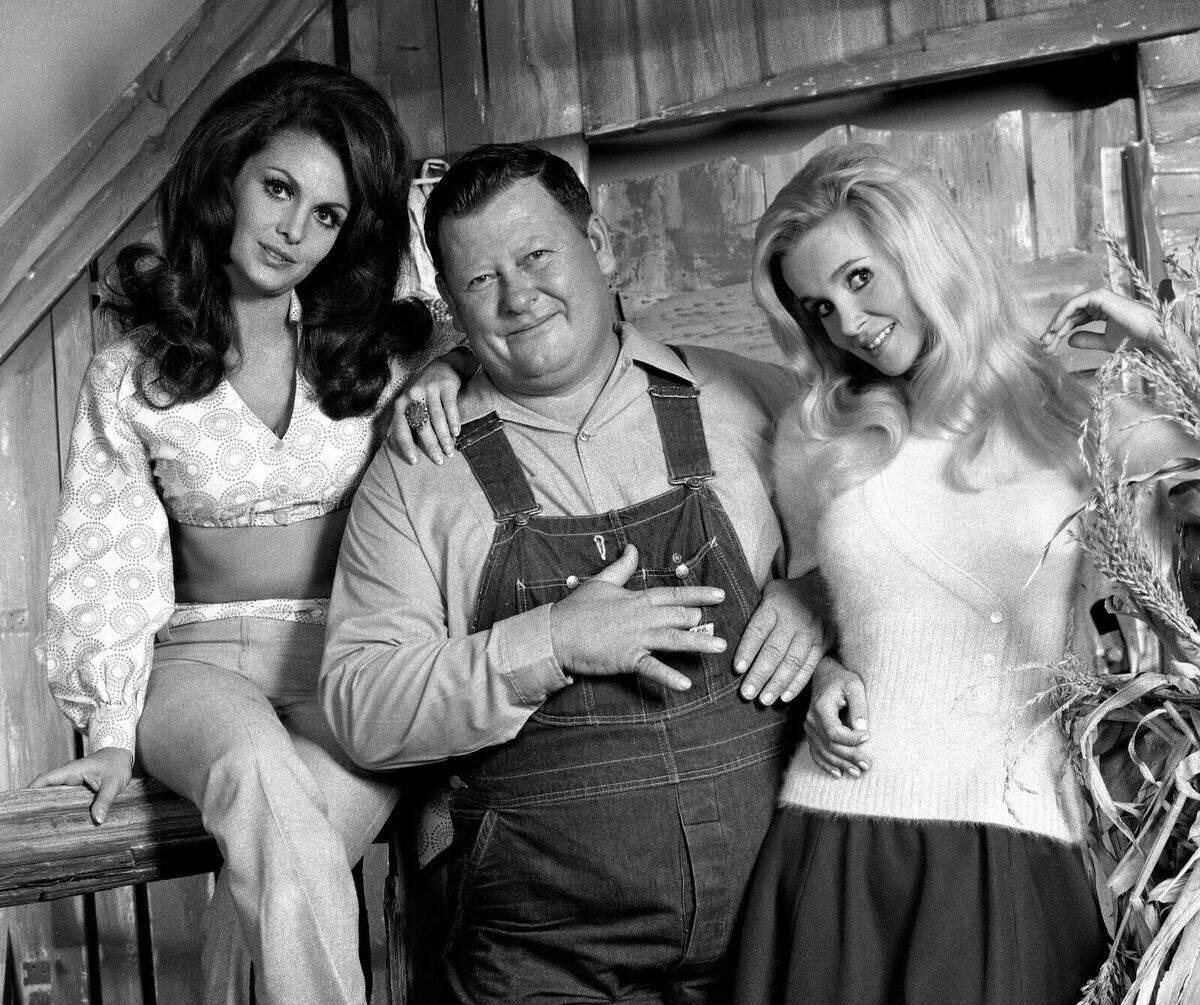
Hee Haw first hit the airwaves in 1969, created as a rural alternative to Rowan & Martin’s Laugh-In. Conceived by John Aylesworth and Frank Peppiatt, the show aimed to bring humor and country music to mainstream audiences.
It quickly gained traction, thanks in part to its relatable content and the growing popularity of country music at the time.
The Creators: Meet the Minds Behind the Show
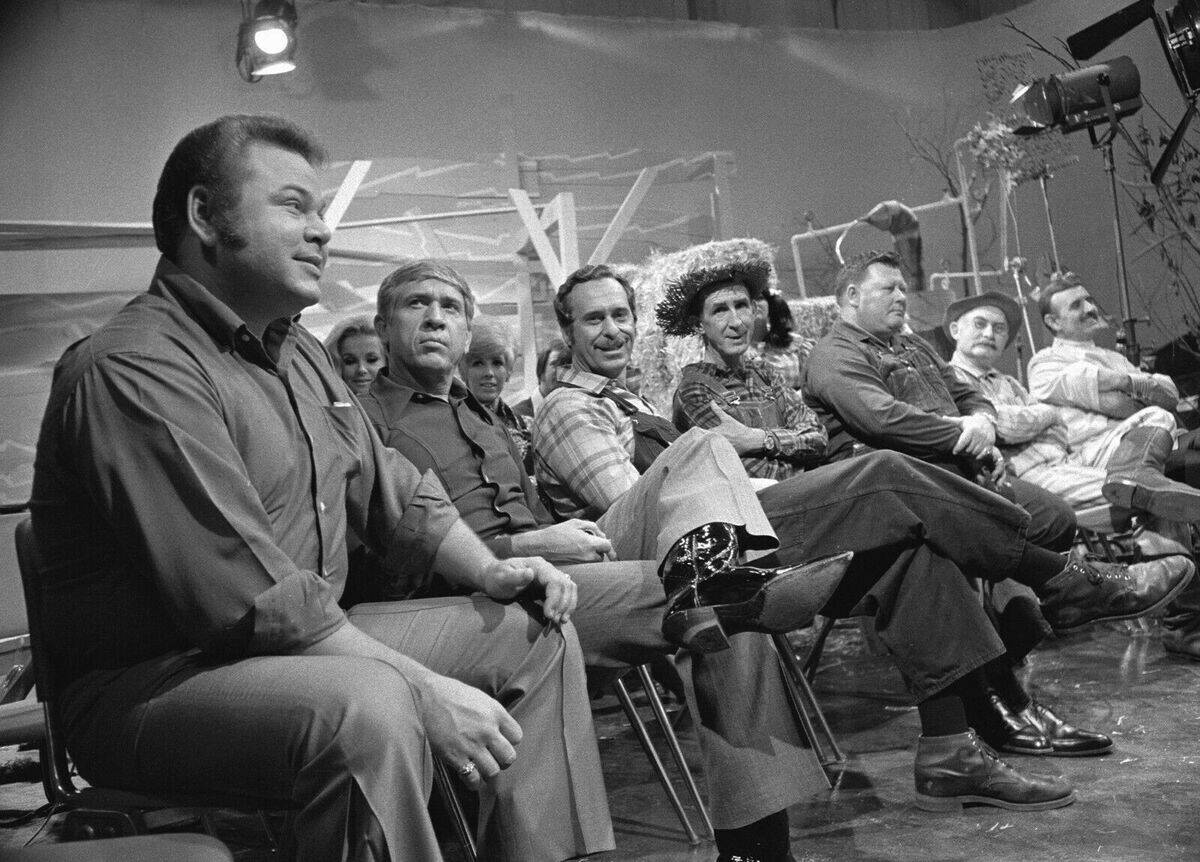
Canadian writers John Aylesworth and Frank Peppiatt were the creative duo behind Hee Haw. They were seasoned comedy writers who had previously worked on The Jimmy Dean Show.
Their expertise in sketch comedy and understanding of the entertainment industry allowed them to craft a show that was both endearing and humorous, appealing to a wide range of viewers.
The Unique Blend of Comedy and Country Music
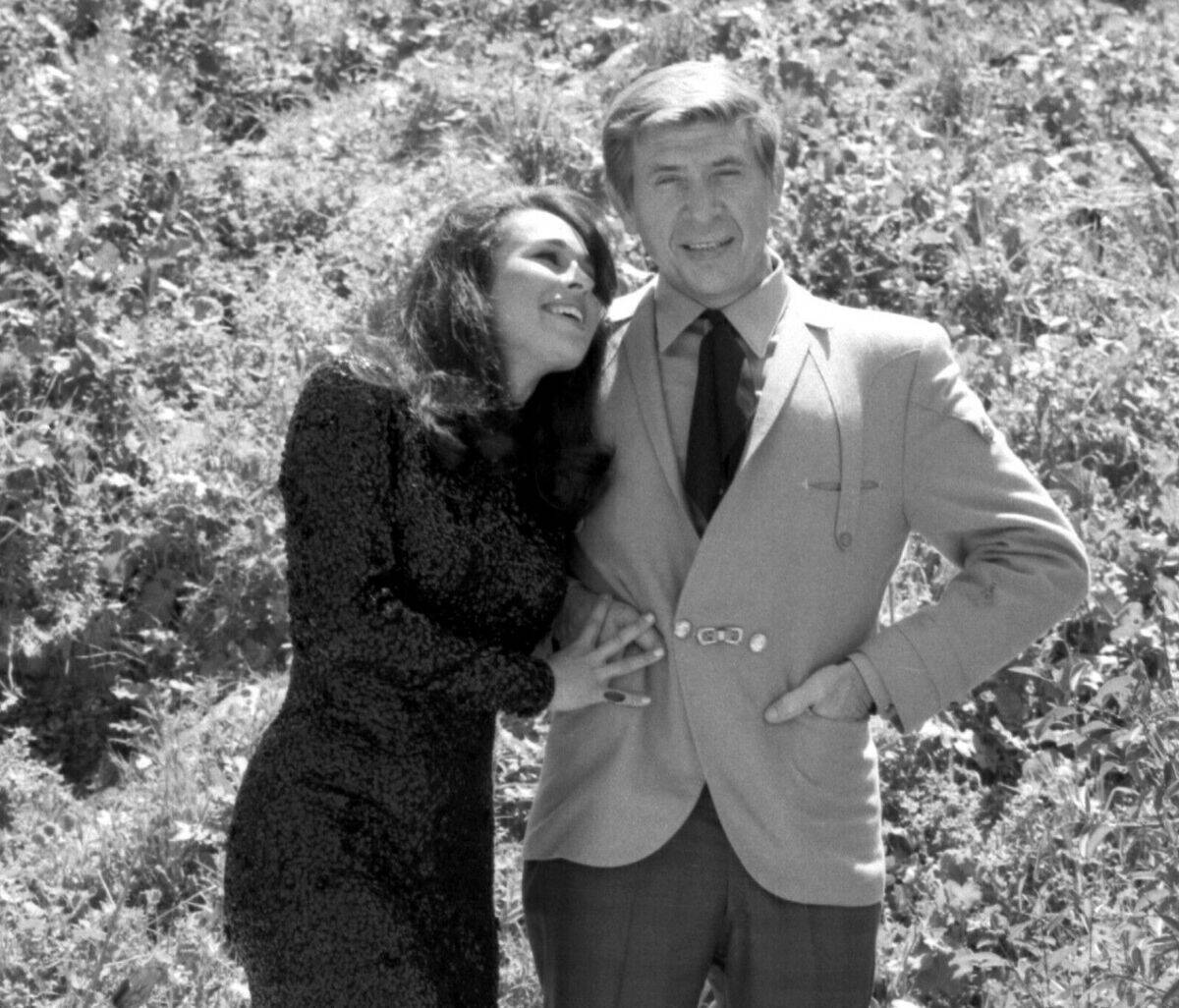
Hee Haw’s charm lay in its seamless fusion of comedy sketches and country music performances. The show featured recurring gags and musical numbers that were both lighthearted and entertaining.
This blend was key to its success, as it provided something for everyone—laughter for comedy fans and top-notch performances for music lovers.
Hee Haw’s Original Cast: Who Were the Stars?
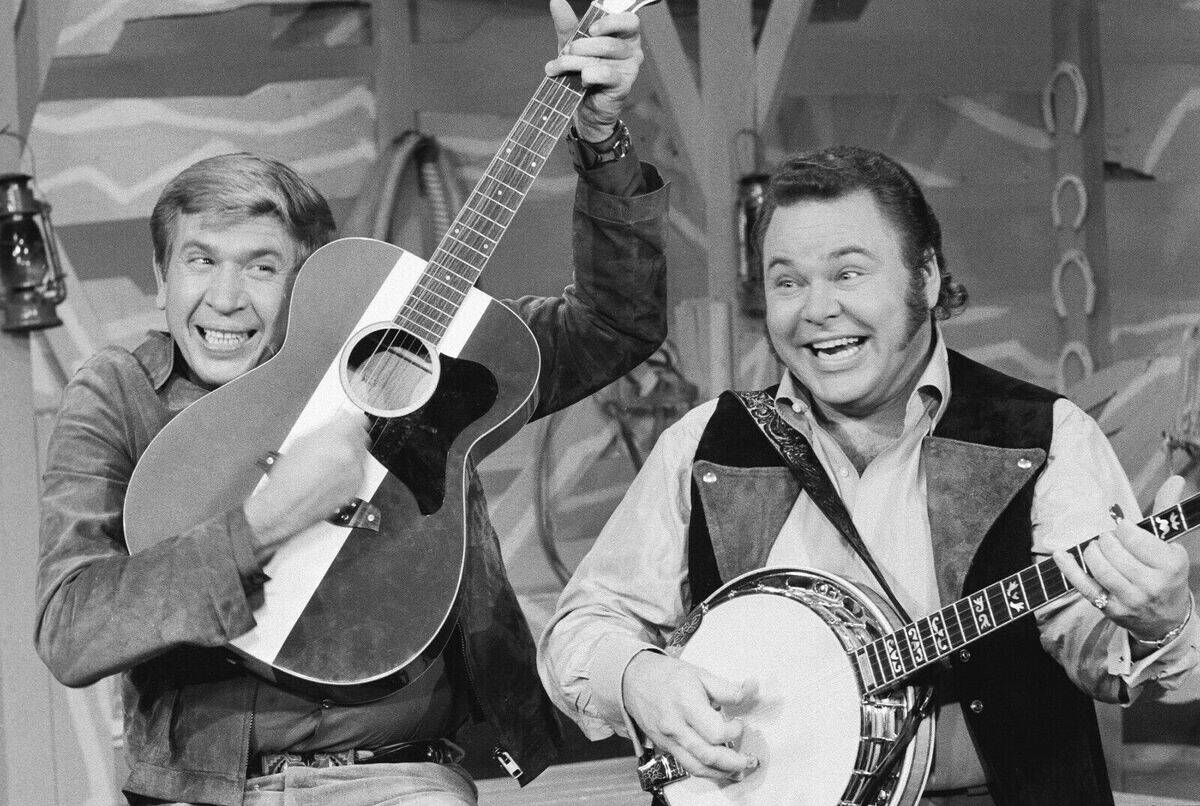
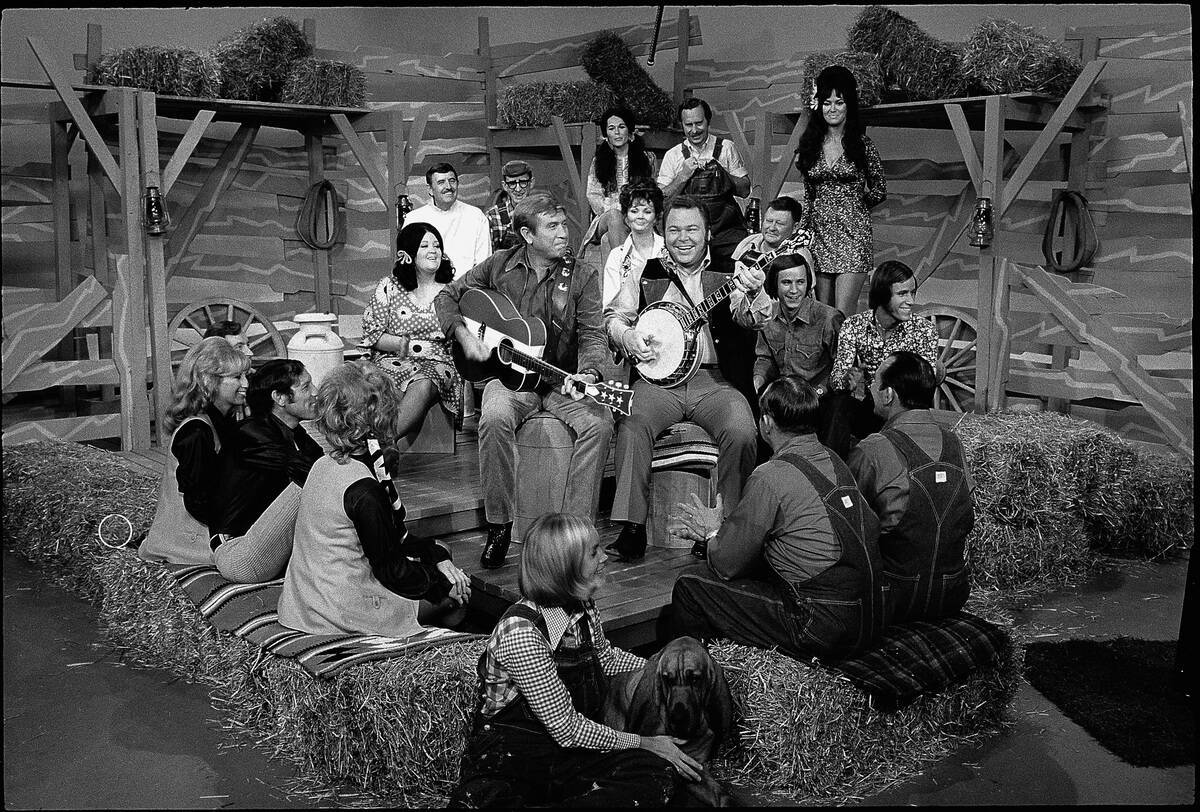
The original cast of Hee Haw included some memorable personalities like Buck Owens and Roy Clark, who were both renowned musicians and congenial hosts.
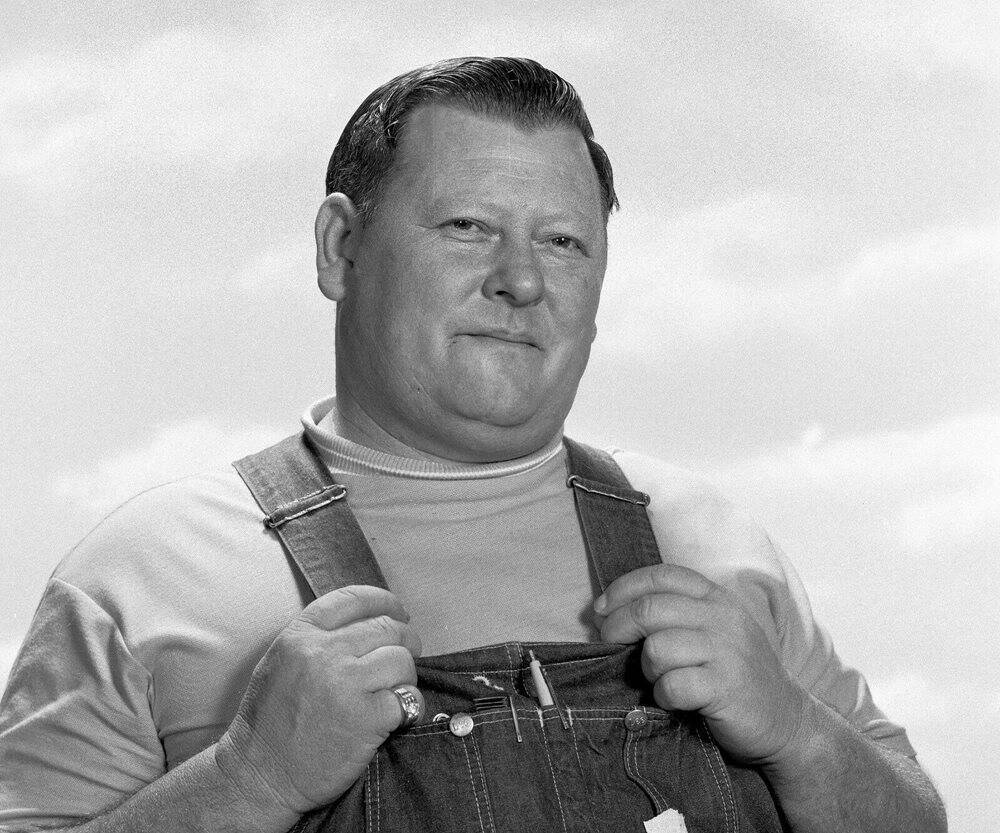
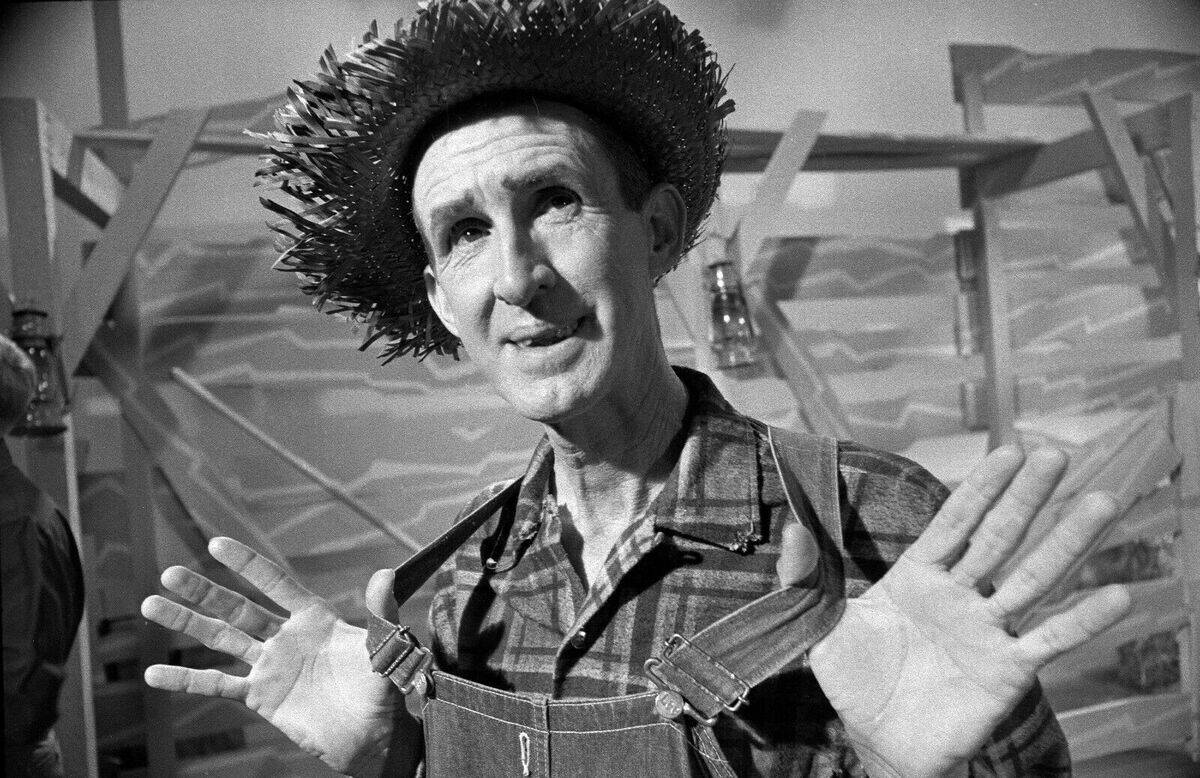
They were joined by a talented ensemble of comedians and performers, including the likes of Minnie Pearl and Grandpa Jones, each bringing their own flair to the show.
Audiences: More Than Just Rural Appeal
Despite its homespun, rural setting, Hee Haw resonated with audiences far and wide. While it was expectedly popular in rural areas and “flyover country,” it also found success in every major market.
This somewhat unexpected degree of success in cities like Los Angeles and New York — the cities where networks were based — helped the show become a massive hit.
The Iconic Setting: Kornfield Kounty Explained
Kornfield Kounty was the fictional rural setting where much of Hee Haw’s humor unfolded. It was a whimsical place filled with cornfields, rustic barns, and down-to-earth characters.
This setting provided a backdrop that was not only visually engaging but also a perfect canvas for the show’s country-themed comedy.
Show Taping: Behind-the-scenes Magic
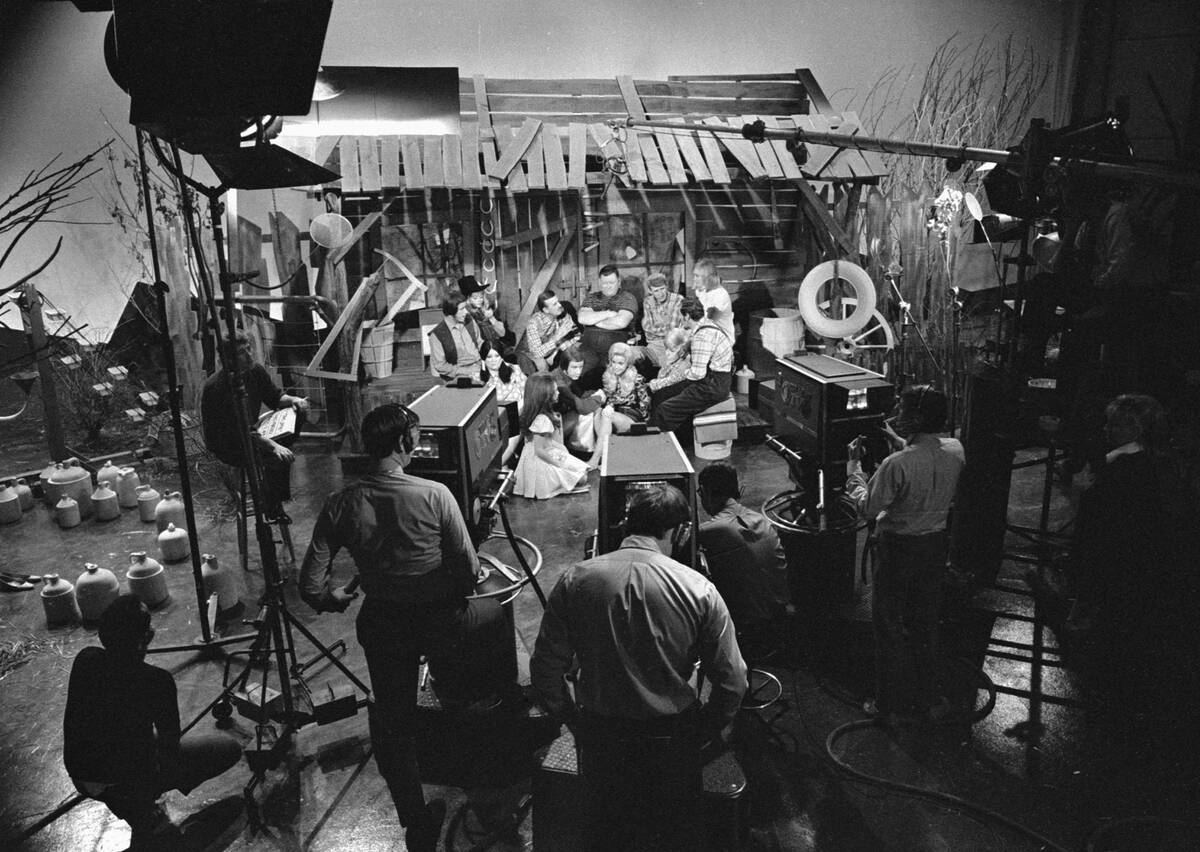
Like other variety shows of the era, only the musical performances on Hee Haw were recorded using a live studio audience.
For all skits, a laugh track was used. In order to minimize production costs, the show’s production team would gather all cast and crew for a marathon, week-long recording session, during which they’d tape an entire season.
Memorable Sketches: The Humor That Defined Hee Haw
Hee Haw was renowned for its comedic sketches like ‘PFFT! You Was Gone!’ and ‘Gloom, Despair, and Agony on Me,’ which became instant classics.
These sketches often featured the cast in exaggerated situations, poking fun at rural life with a lighthearted touch that audiences found both amusing and relatable.
The Musical Guests: A Stage for Country Legends
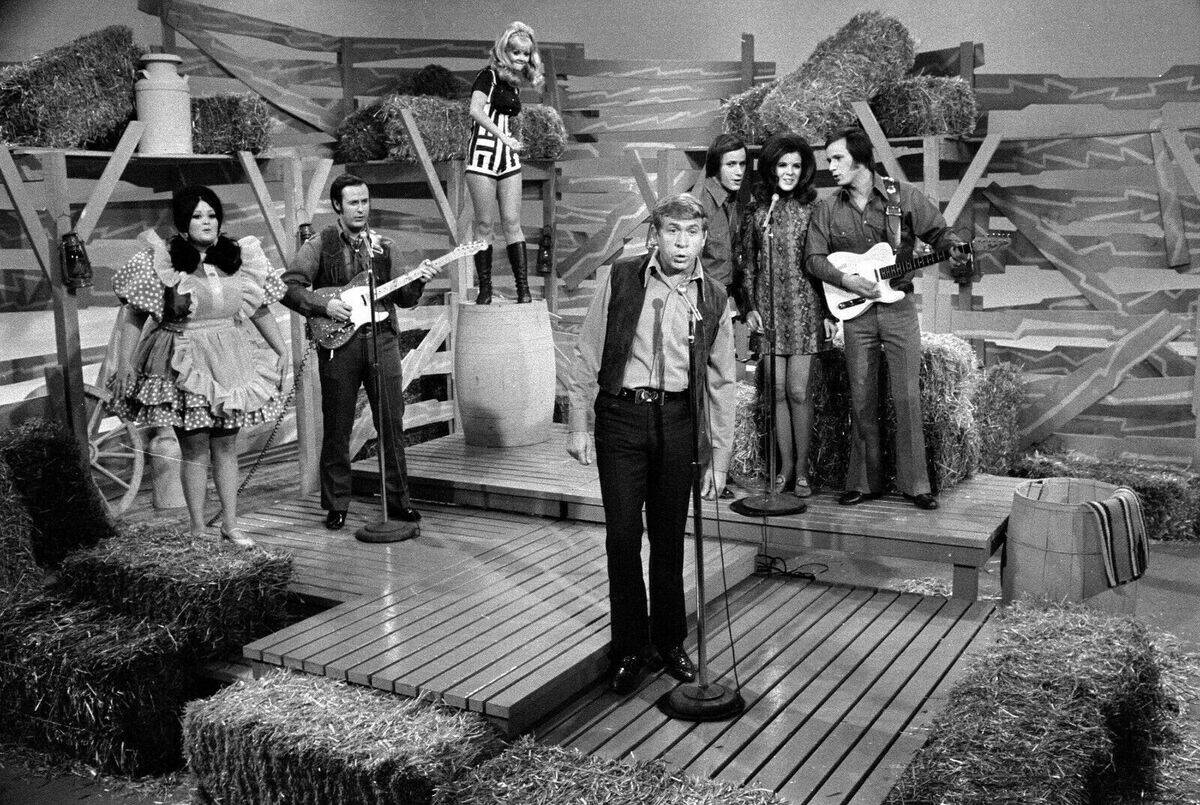
Hee Haw became a prestigious platform for country music legends, showcasing performances by the likes of Johnny Cash, Loretta Lynn, and Dolly Parton.
These appearances not only elevated the show’s status but also provided artists with a broader audience, further cementing Hee Haw’s role in the country music landscape.
KORN News: A Rural Alternative
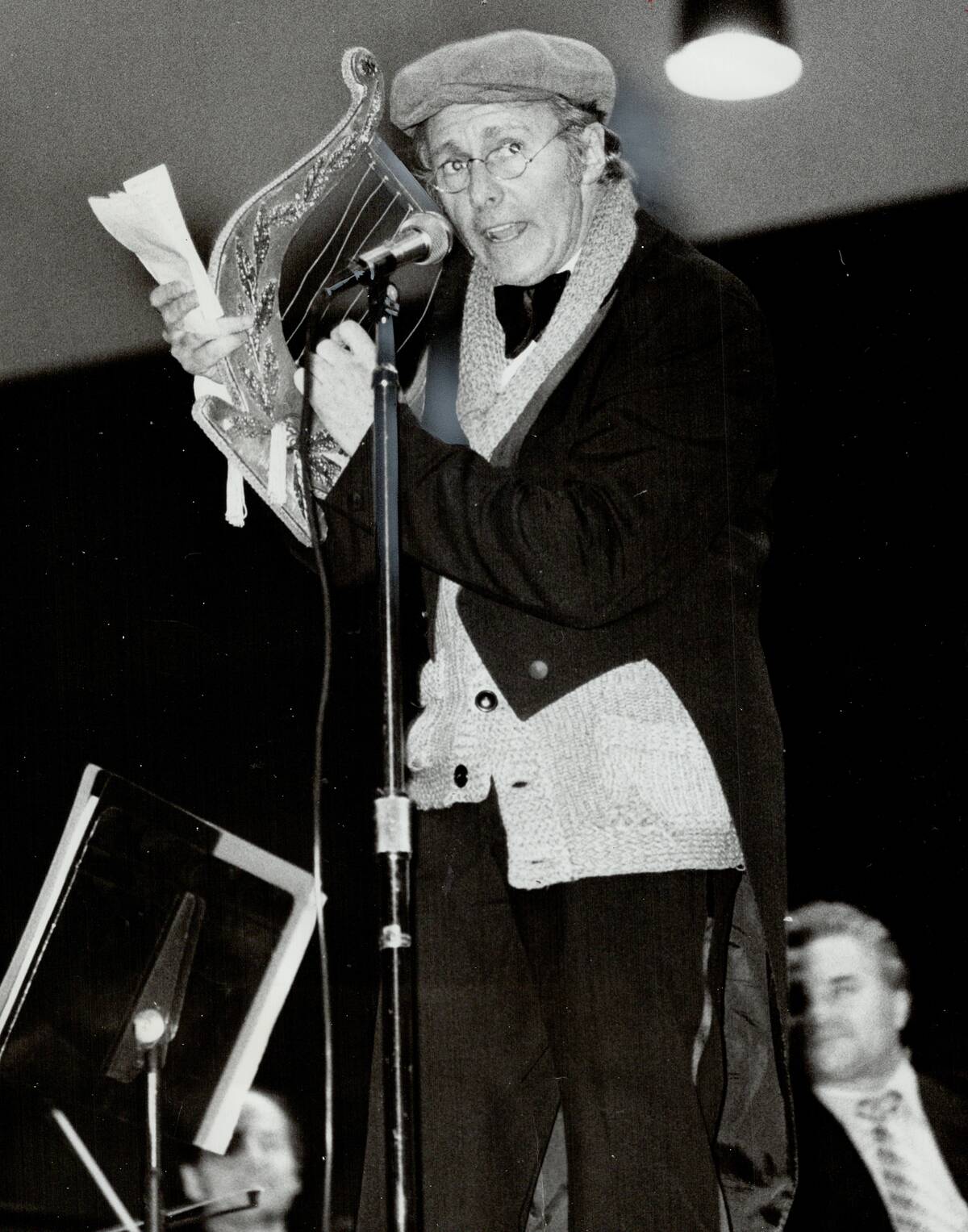
Like some other shows with a satirical bent, Hee Haw featured a parody of local newscasts, known as KORN News.
The segment featured Don Harron in the role of Charlie Farquharson. Interestingly, this character first originated on Canadian television in the years before Hee Haw aired, and would continue after the show went off the air.
Hee Haw’s Popularity: Ratings and Fanbase
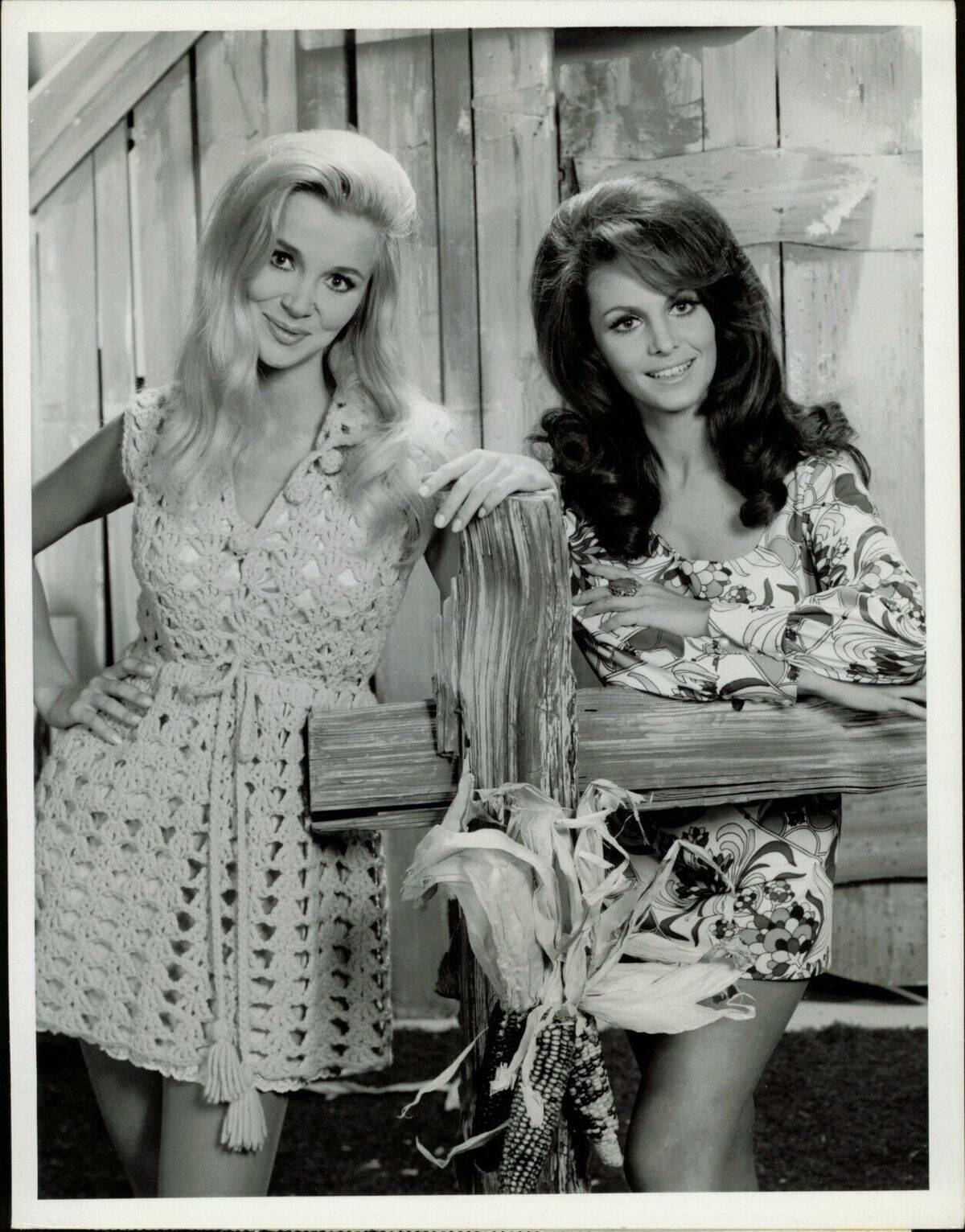
Despite being initially canceled by CBS, Hee Haw’s popularity soared in syndication, drawing millions of viewers each week.
Its dedicated fanbase appreciated the show’s humor and musical talent, making it a beloved fixture in American homes for over two decades. The show’s broad appeal was a testament to its enduring charm.
Beloved Performers: The Best Cast Members
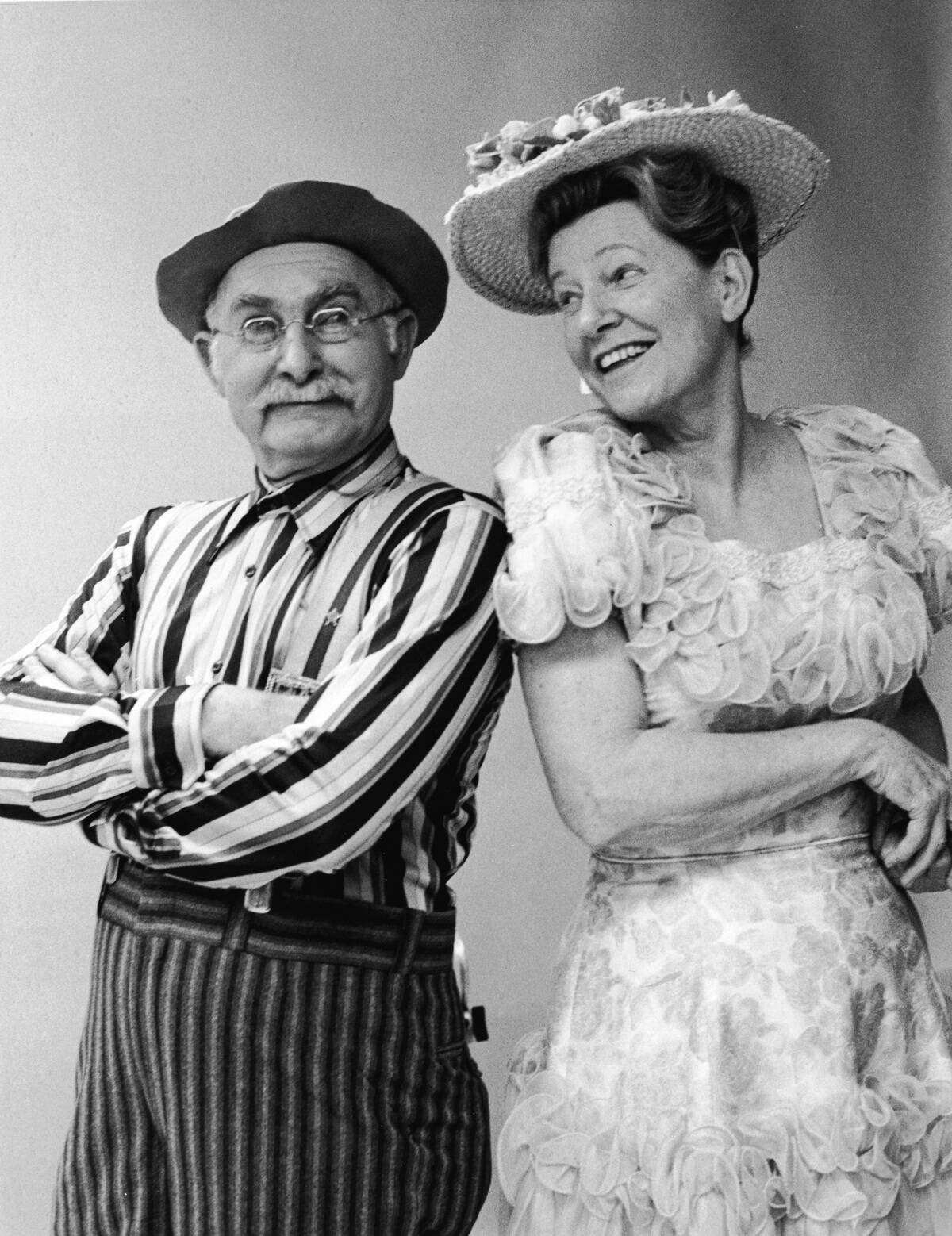
Hee Haw featured a large, rotating cast over the years, but two of the most beloved and enduring cast members were Grandpa Jones and Minnie Pearl.
Both were country singers from the early Nashville era and displayed their musical chops — as well as some comedic stylings — on Hee Haw for multiple seasons.
The Show’s Signature Style: Overalls, Straw Hats, and More
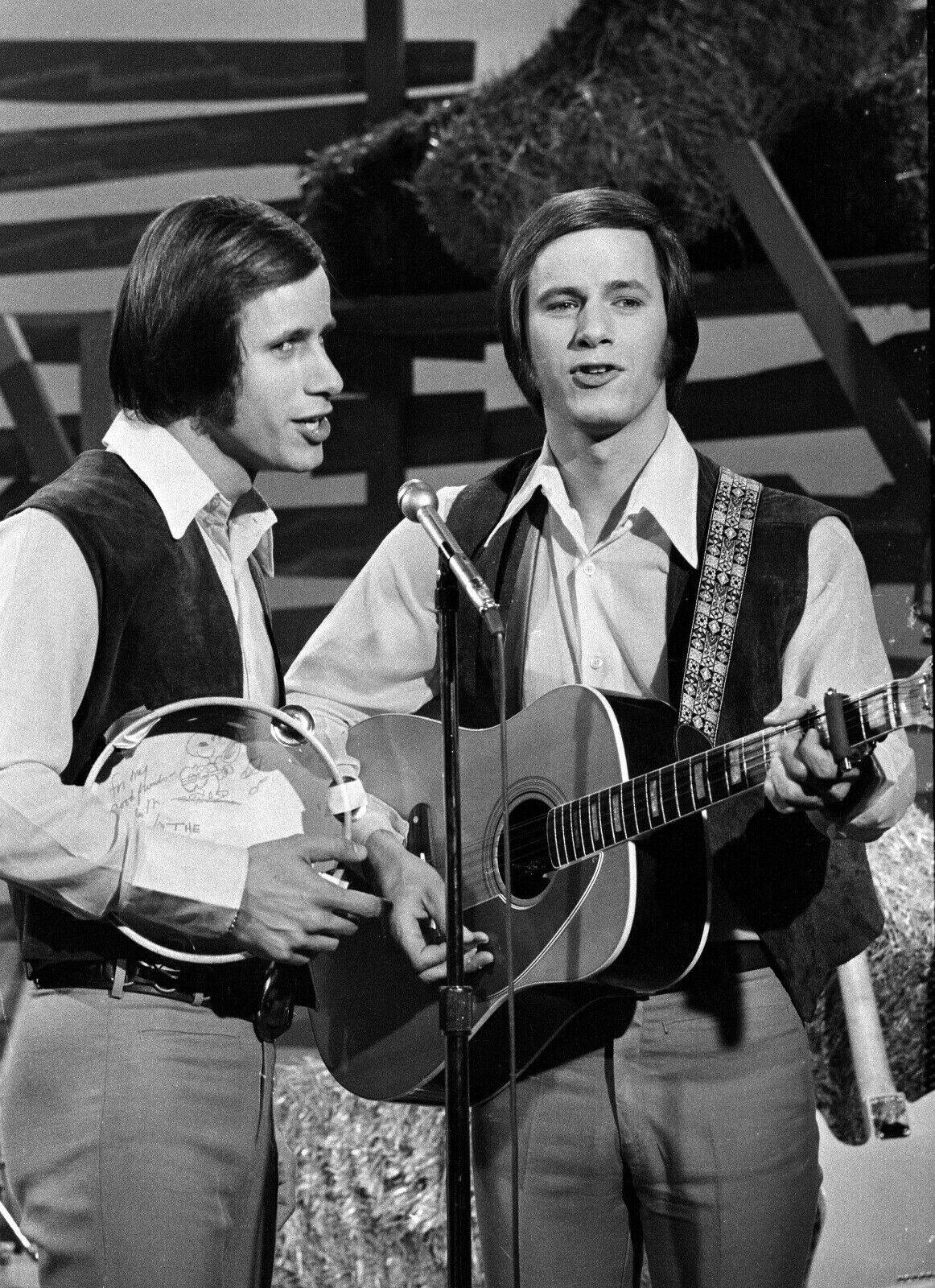
Hee Haw’s visual style was as distinctive as its content, with cast members often donning overalls and straw hats.
This rustic, homespun aesthetic was part of the show’s charm, reinforcing its rural theme and making the cast’s comedic antics even more relatable to viewers who identified with country life.
Ratings: A True Juggernaut
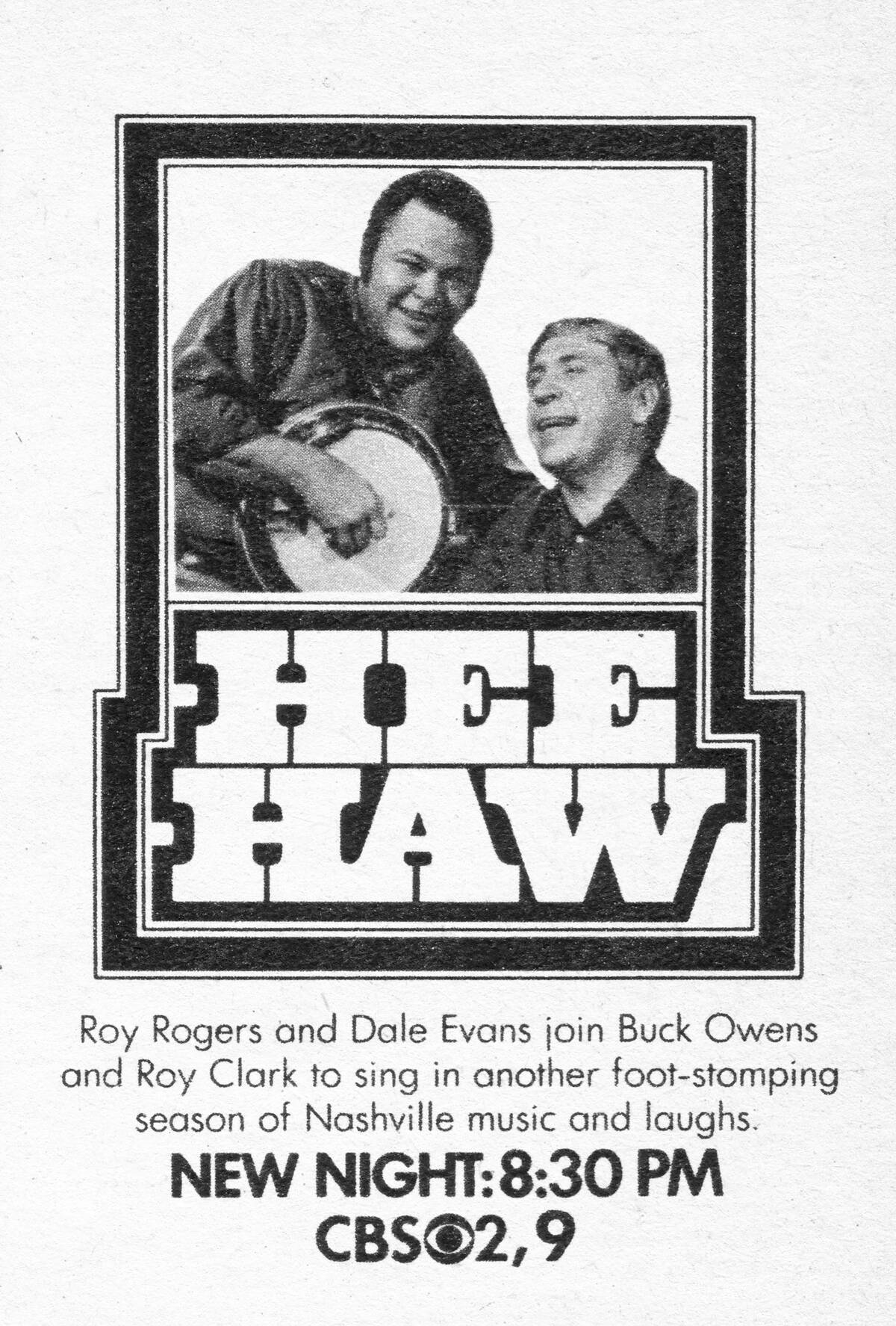
The series started as an unassuming variety show, one that would air solely during the summer months. However, it was used as a last-minute replacement for the hastily cancelled Smothers Brothers Comedy Hour, which gave it an unexpected spotlight.
Moving into the early ’70s, Hee Haw proved popular. This caused issues within CBS’s corporate structure, as some execs didn’t like the homespun humor.
Hee Haw’s Impact on Country Music Television
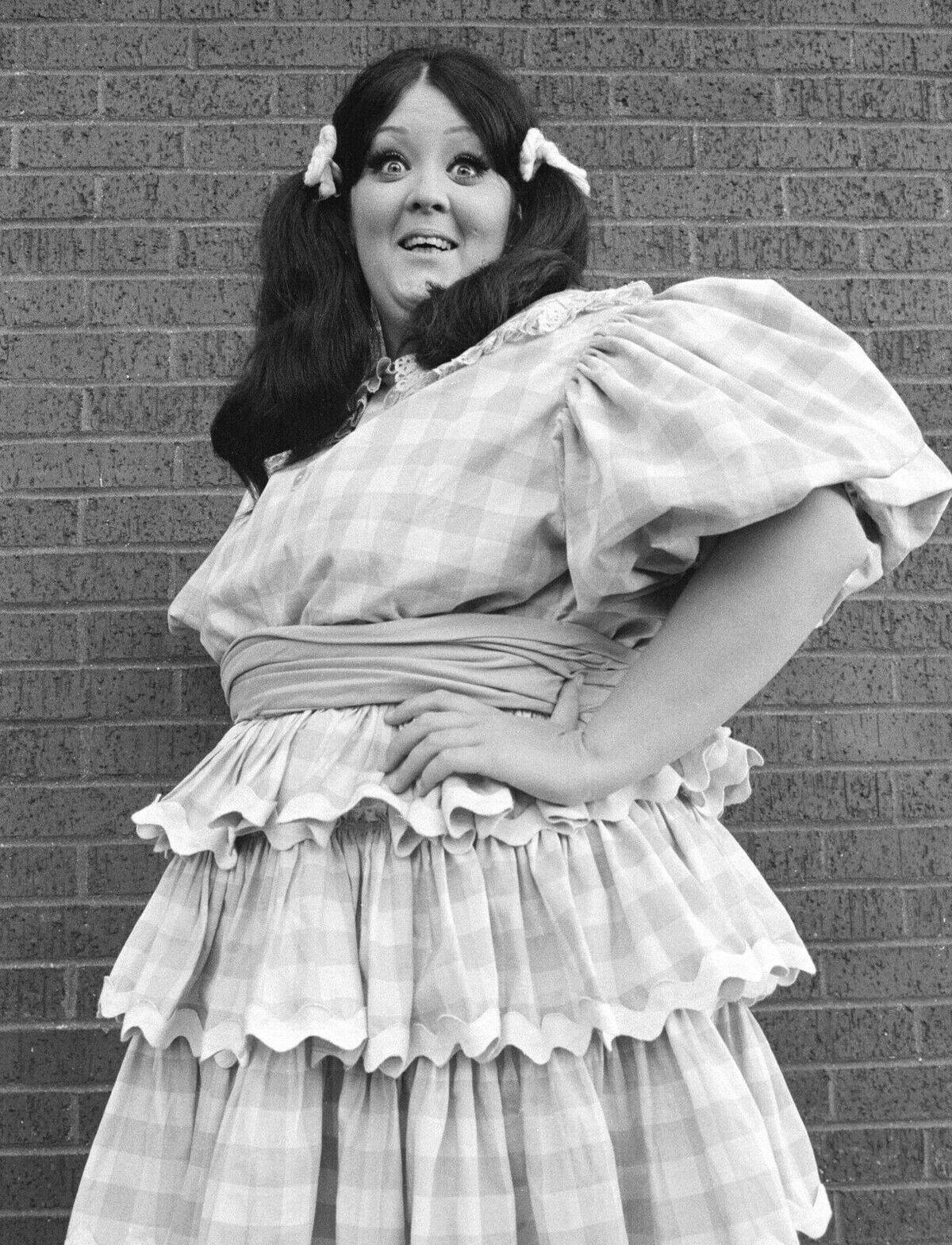
Hee Haw’s success paved the way for other country-themed television shows, influencing the format and style of subsequent programs.
It helped popularize country music on television, creating a demand for similar content and contributing to the genre’s mainstream acceptance and growth in the entertainment industry.
Celebrity Fans: The One Star Who Didn’t Appear
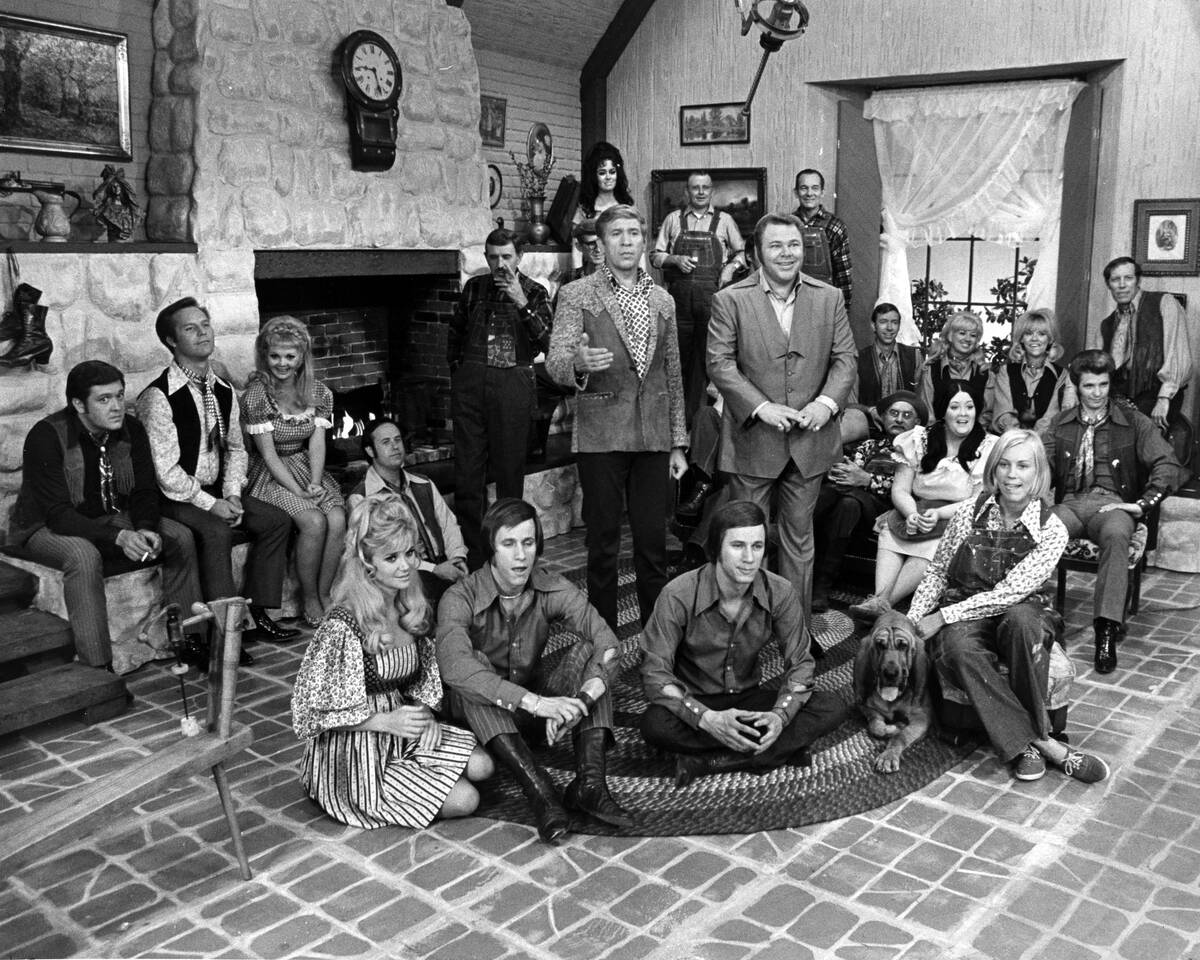
Hee Haw was a veritable who’s-who of the music world during its years on the air, and one star — perhaps the biggest star of the era — who didn’t appear on the show was Elvis Presley.
Presley was a noted fan of the show and wanted to appear on it — he even dated a couple of the Hee Haw Honeys. However, he knew that a guest appearance would cause issues with his manager, Colonel Tom Parker.
The Show’s Run: How Long Did Hee Haw Last?
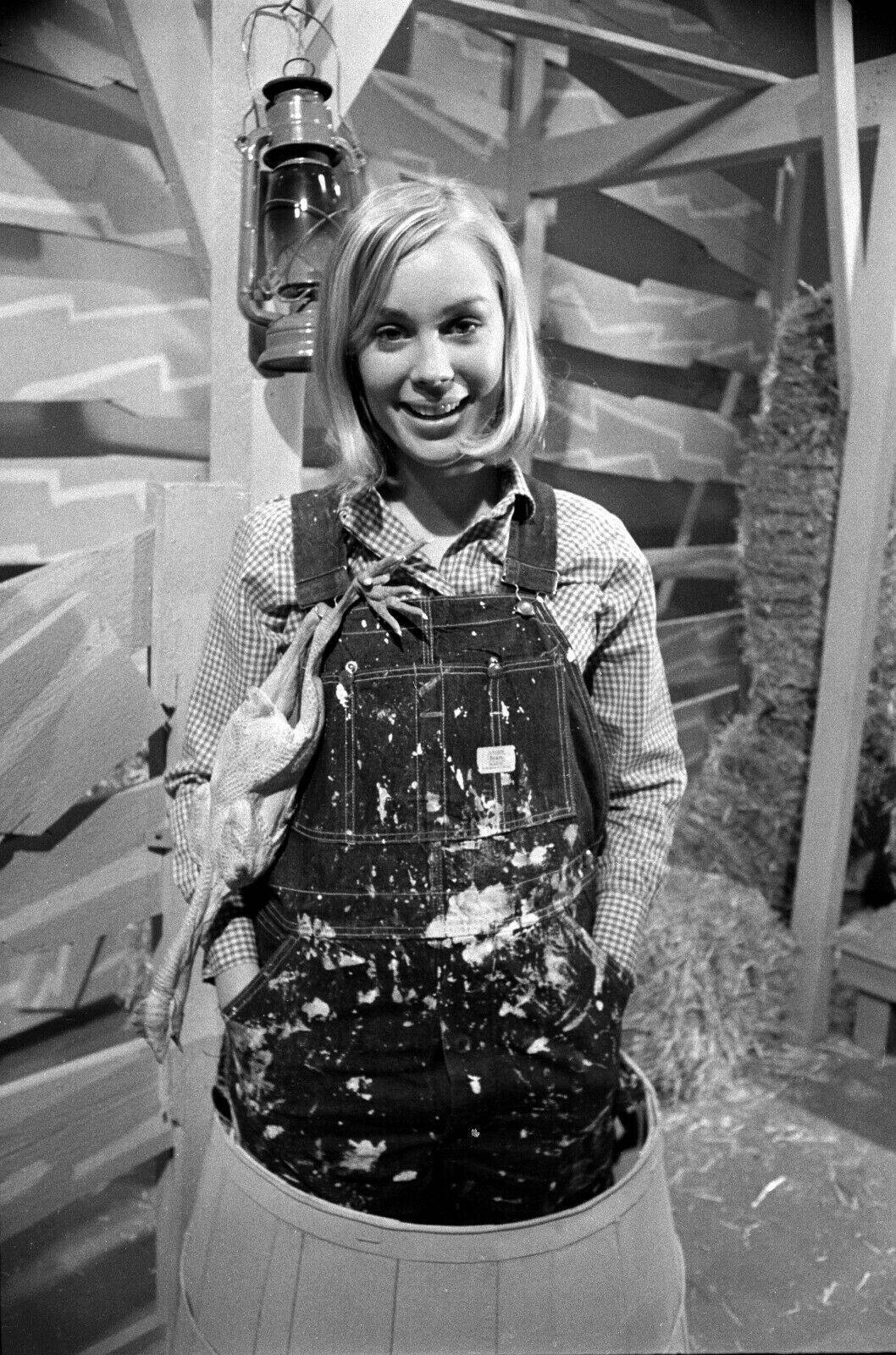
After its initial run on CBS, Hee Haw continued in syndication from 1971 until 1993, making it one of the longest-running variety shows in television history.
Its impressive 25-year run is a testament to its widespread appeal and the lasting affection fans had for its unique brand of humor and music.
Country Stars: Showcasing the Younger Generation
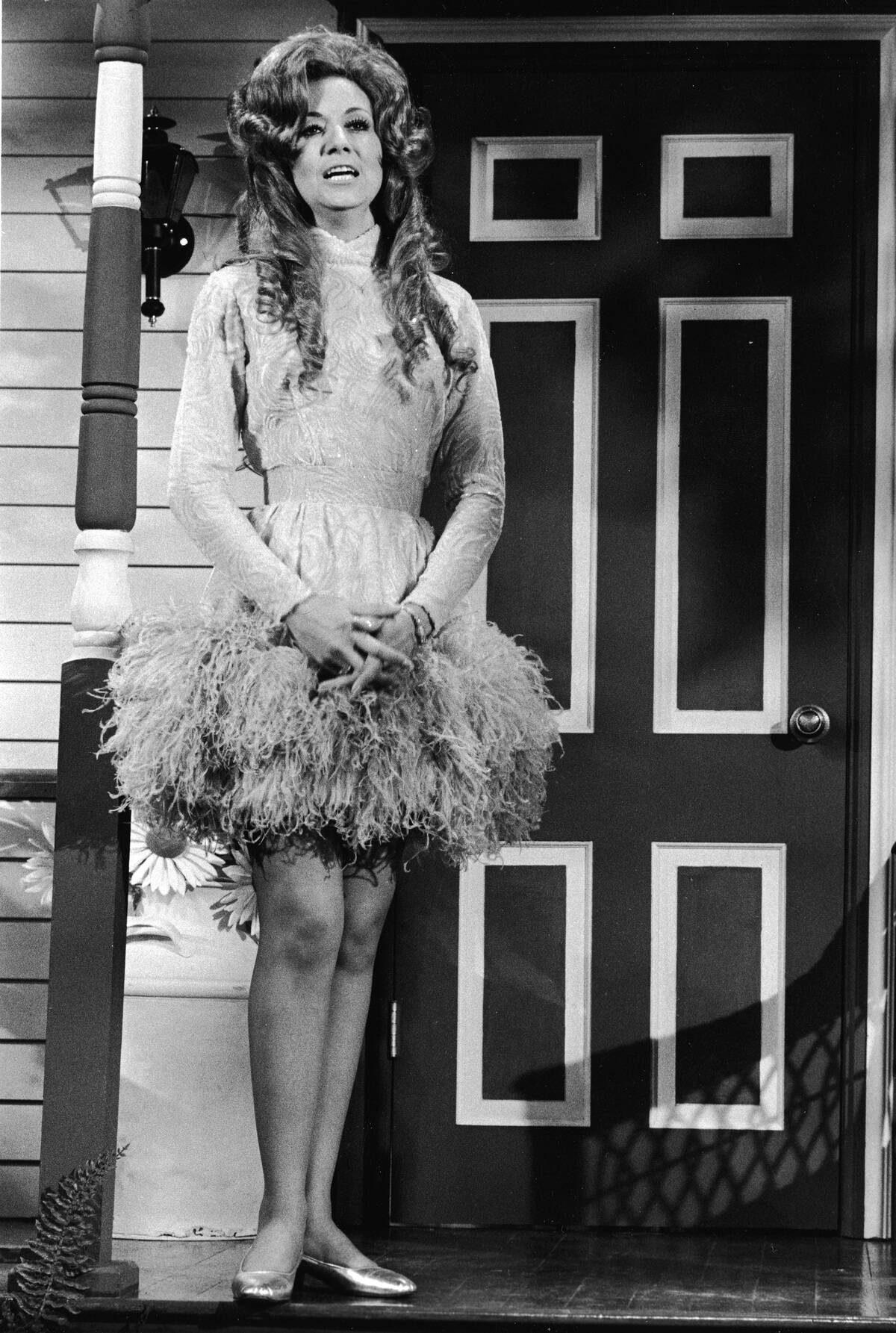
Hee Haw was rooted in a kind of idealized, nostalgic image of rural life, but the show still managed to stay current thanks to an impressive roster of up-and-coming artists.
This shows Dottie West as a guest star on the show in 1970, during the early years of her venerable singing and acting career.
Notable Guest Appearances: Celebrities on the Show
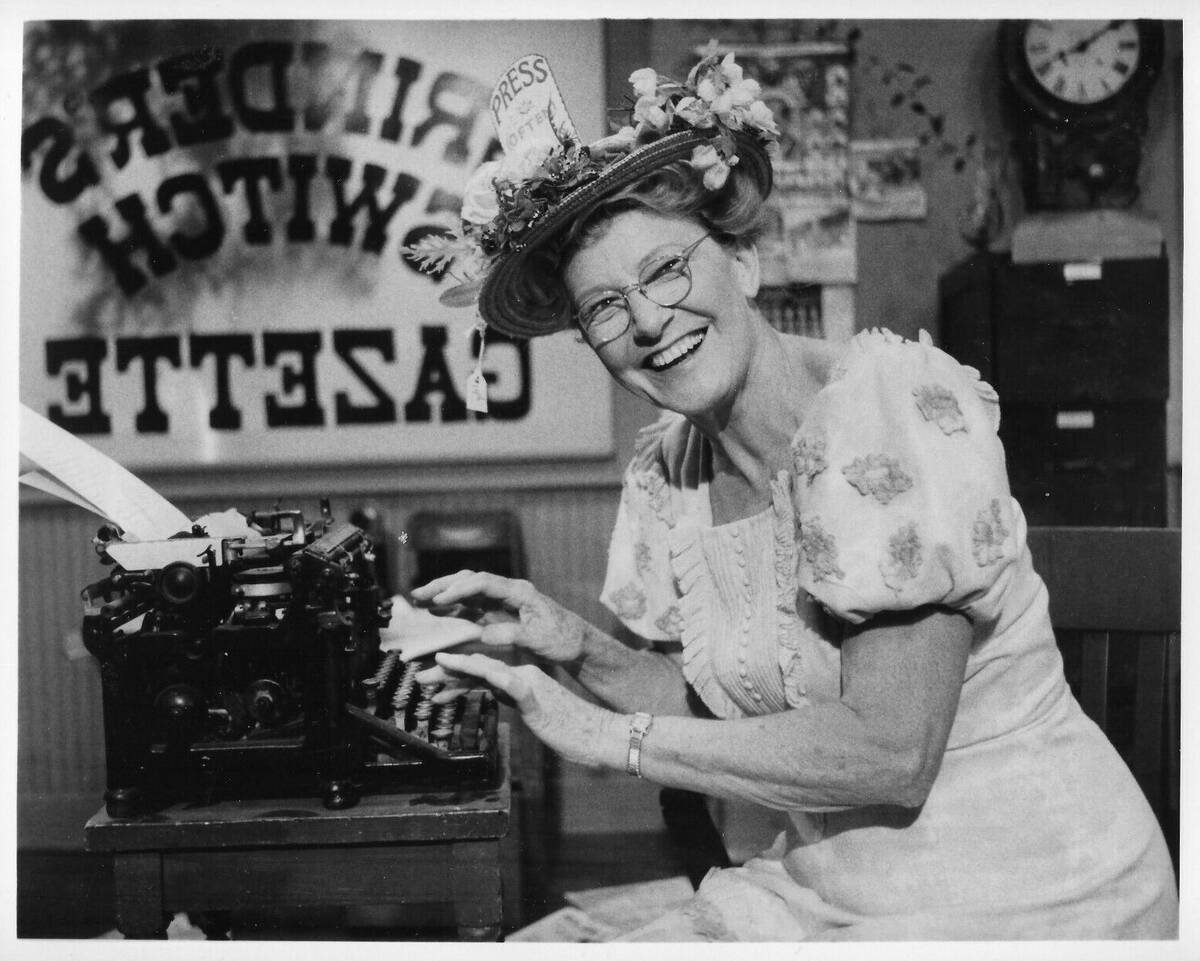
Over the years, Hee Haw attracted a variety of celebrity guests, including non-country stars like Dean Martin and Burt Reynolds.
These appearances added an extra layer of excitement and variety to the show, as famous personalities often participated in sketches or performed alongside the regular cast and musical guests.
Guest Stars: All Eras Represented
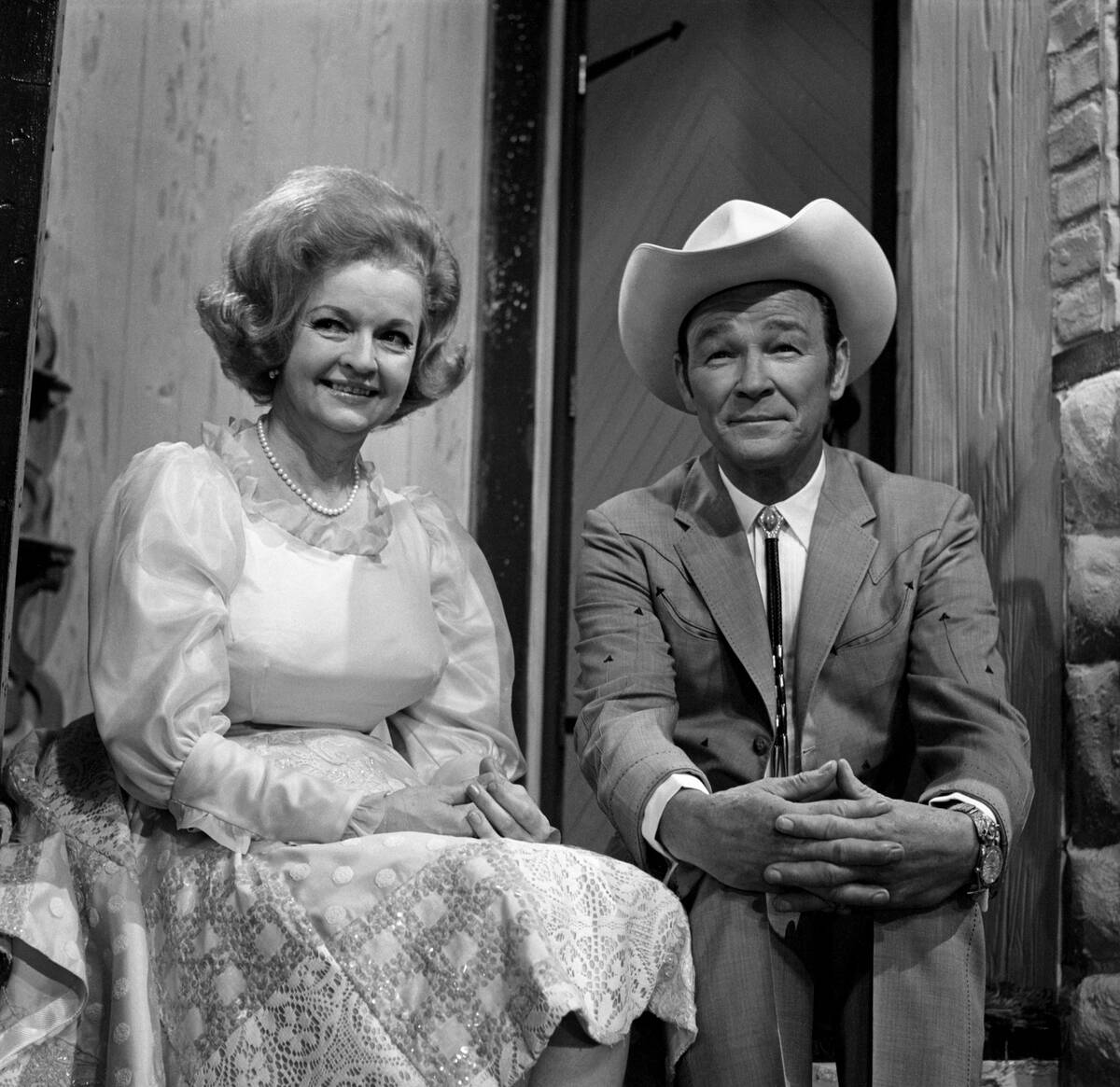
Hee Haw, like other variety shows, gave musicians a place to be seen by a national audience — along with an opportunity to showcase their personality and sense of humor.
This image of Roy Rogers and his wife Dale Evans comes from a 1970 taping of the show in Los Angeles. While both were nearing the ends of their careers, they still had plenty of popularity in the early ’70s.
Hee Haw Honeys: The Spin-Off Series
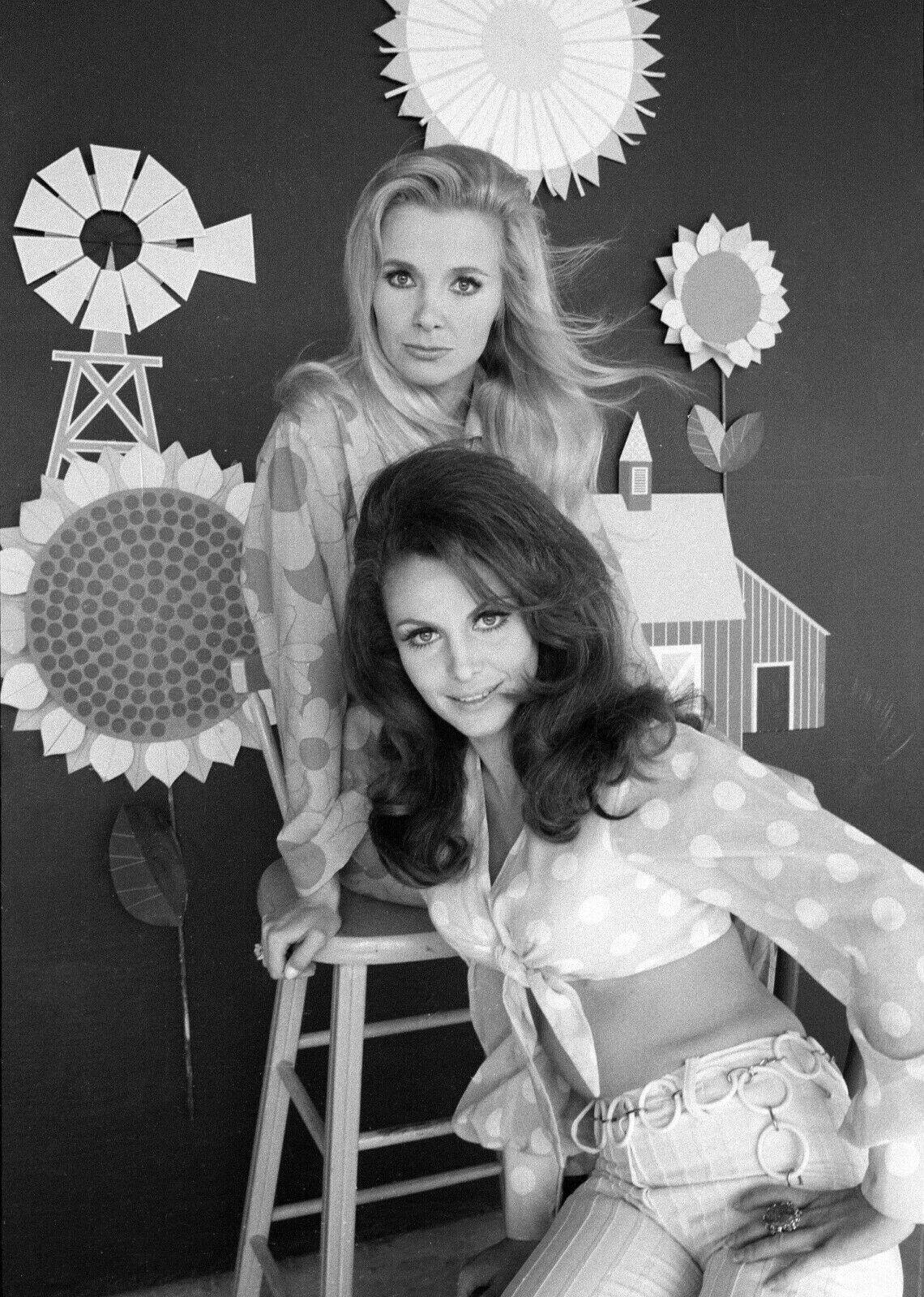
In 1978, Hee Haw spawned a spin-off series called Hee Haw Honeys, which focused on the comedic and musical adventures of a family running a country diner.
Though it didn’t achieve the same level of success as the original, it still managed to capture some of the charm and appeal that made Hee Haw a household name.
The Unexpected Stars: A Reason to Tune In
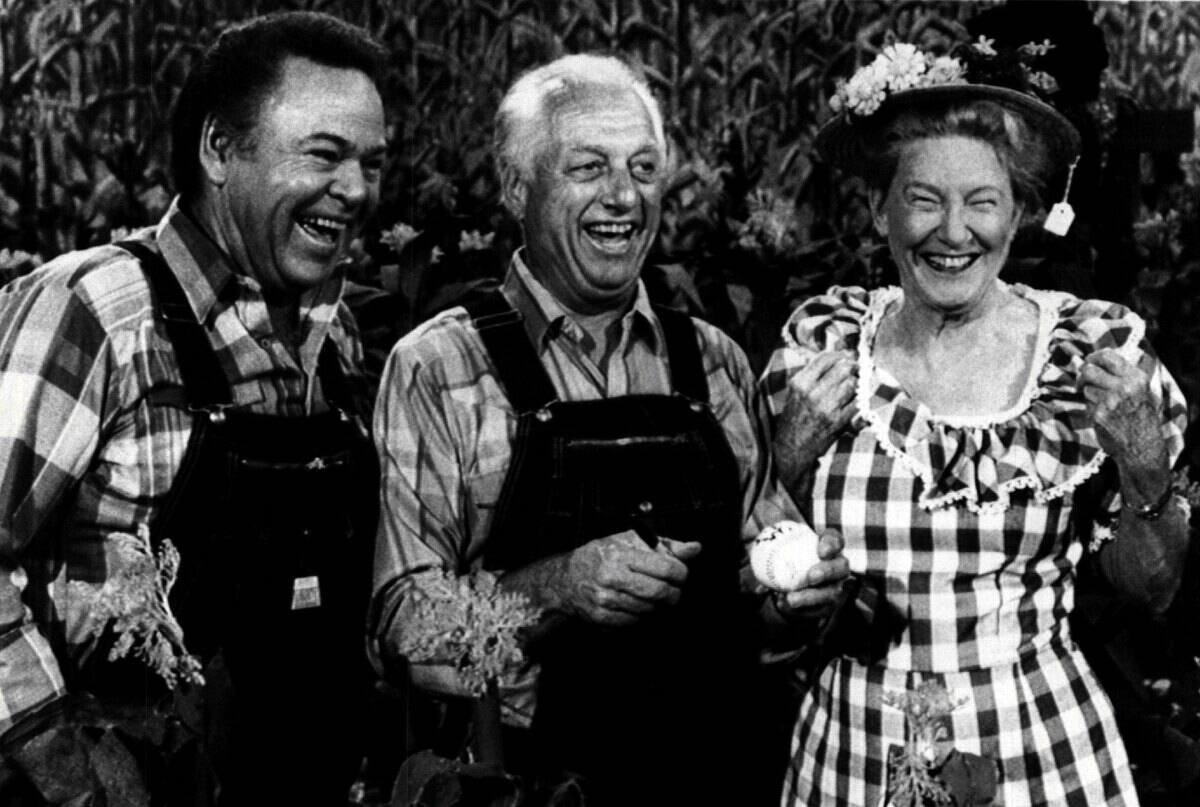
Hee Haw would often advertise upcoming guest stars ahead of time in order to build buzz for episodes that would soon air, but some stars appeared on the show completely out of the blue.
These stars didn’t even need to have connections to the country or rural worlds, as evidenced by this still of baseball manager Tommy Lasorda making a guest appearance on a 1984 episode.
Hee Haw’s Cultural Influence: Beyond the TV Screen
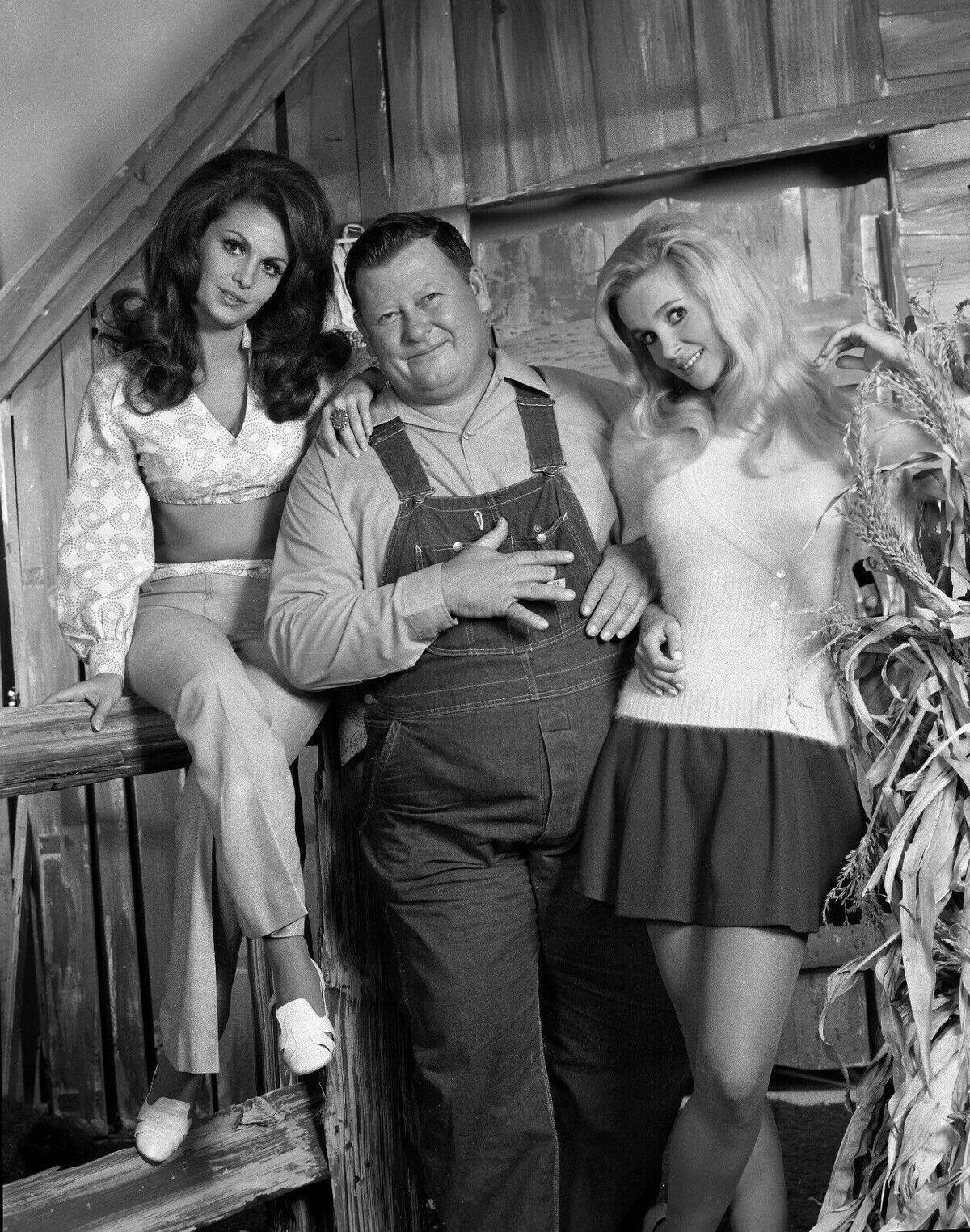
Hee Haw’s influence extended beyond television, impacting fashion, comedy, and even language. Its catchphrases and comedic style were often mimicked and parodied, while its down-home fashion sense found its way into mainstream trends.
The show’s legacy lives on in the nostalgia it evokes and the way it shaped perceptions of country life.
The End of an Era: Why Hee Haw Was Canceled
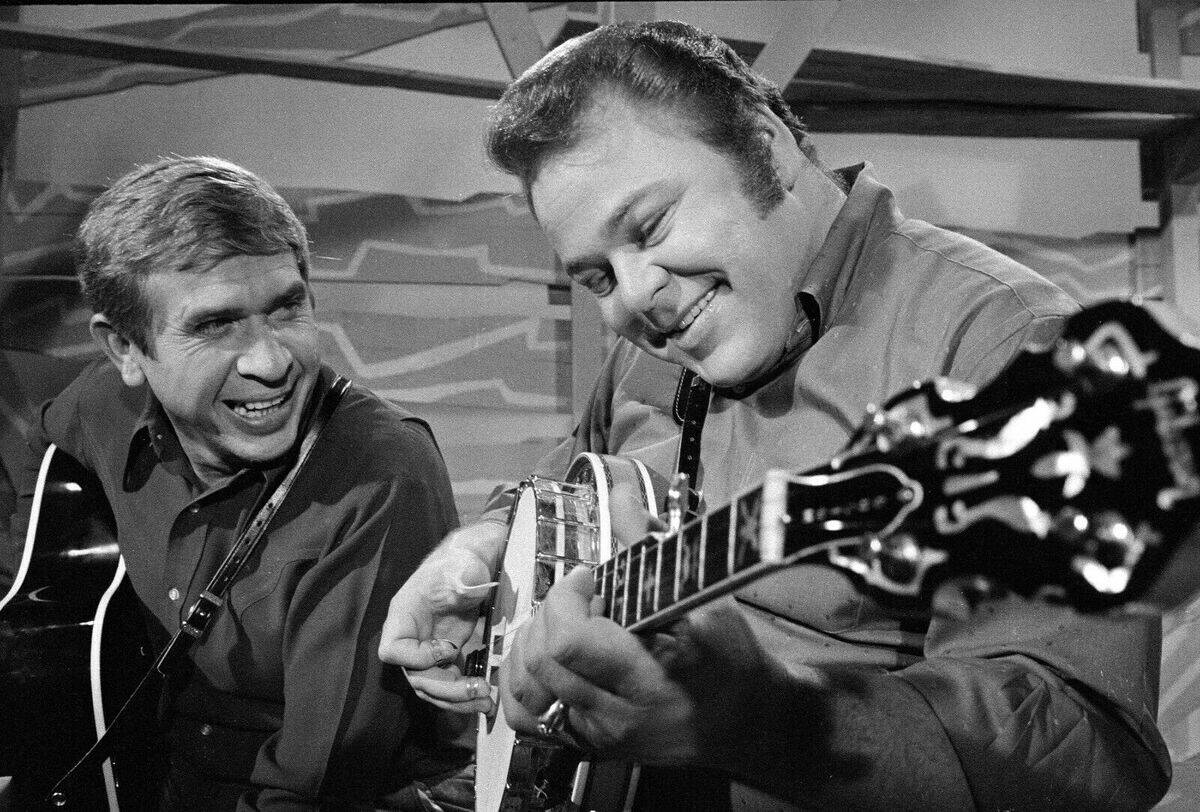
Despite its popularity, Hee Haw eventually ended in 1993, primarily due to changing audience tastes and the evolving television landscape.
As networks shifted towards more modern programming, Hee Haw’s folksy charm felt increasingly out of step with contemporary trends, leading to its cancellation after an impressive 25-year run.
A Long Legacy: How it Continues to Influence
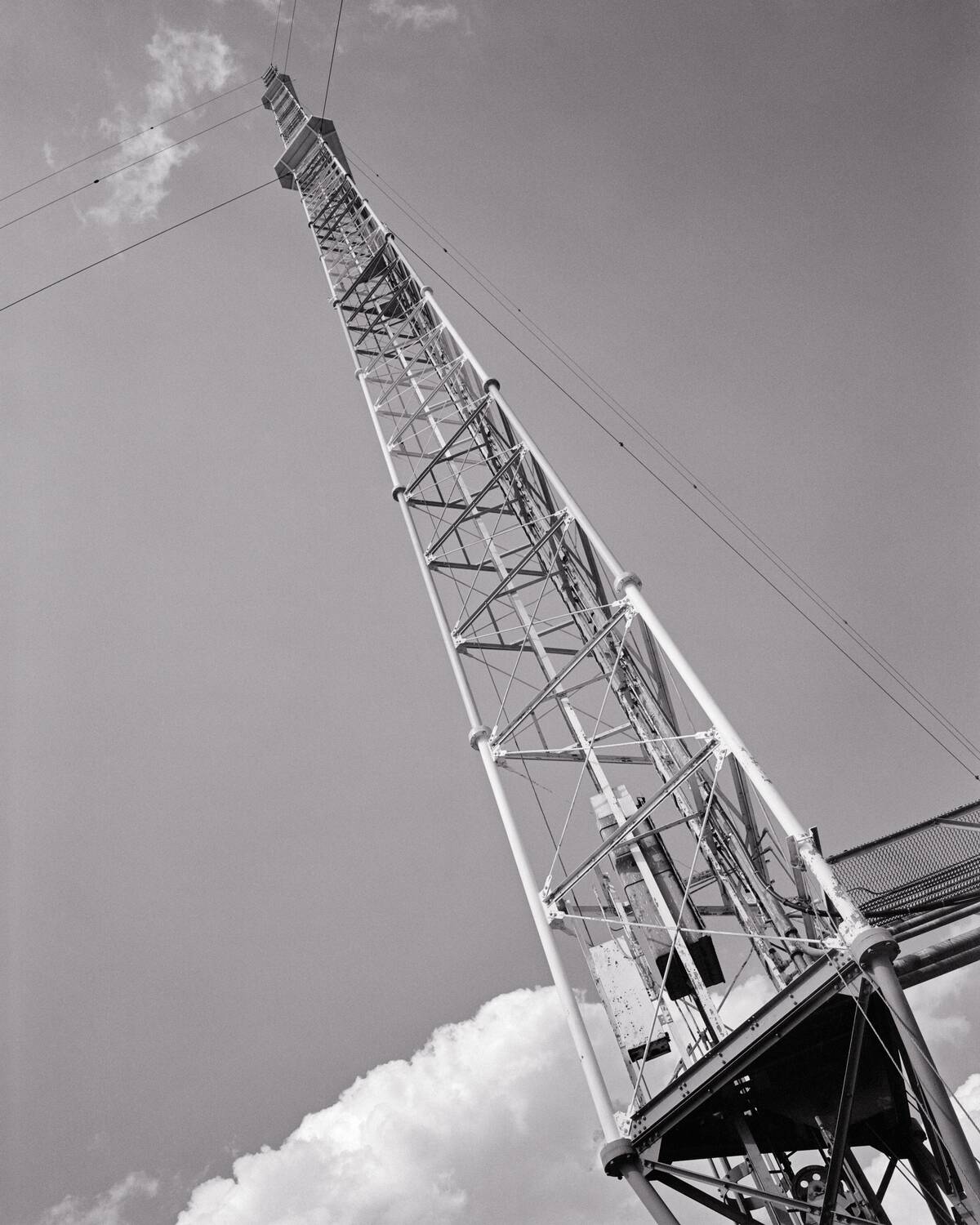
While Hee Haw might be viewed as an artifact of the past by some viewers, the show is still beloved enough within a certain subset to still be watched, years later.
Shortly after it went off the air, the cable network TNN began airing reruns. From there, RFD-TV, Circle, and RuralTV continued to air old episodes — a practice that continues to this day.
The Legacy of Hee Haw: Its Place in Pop Culture
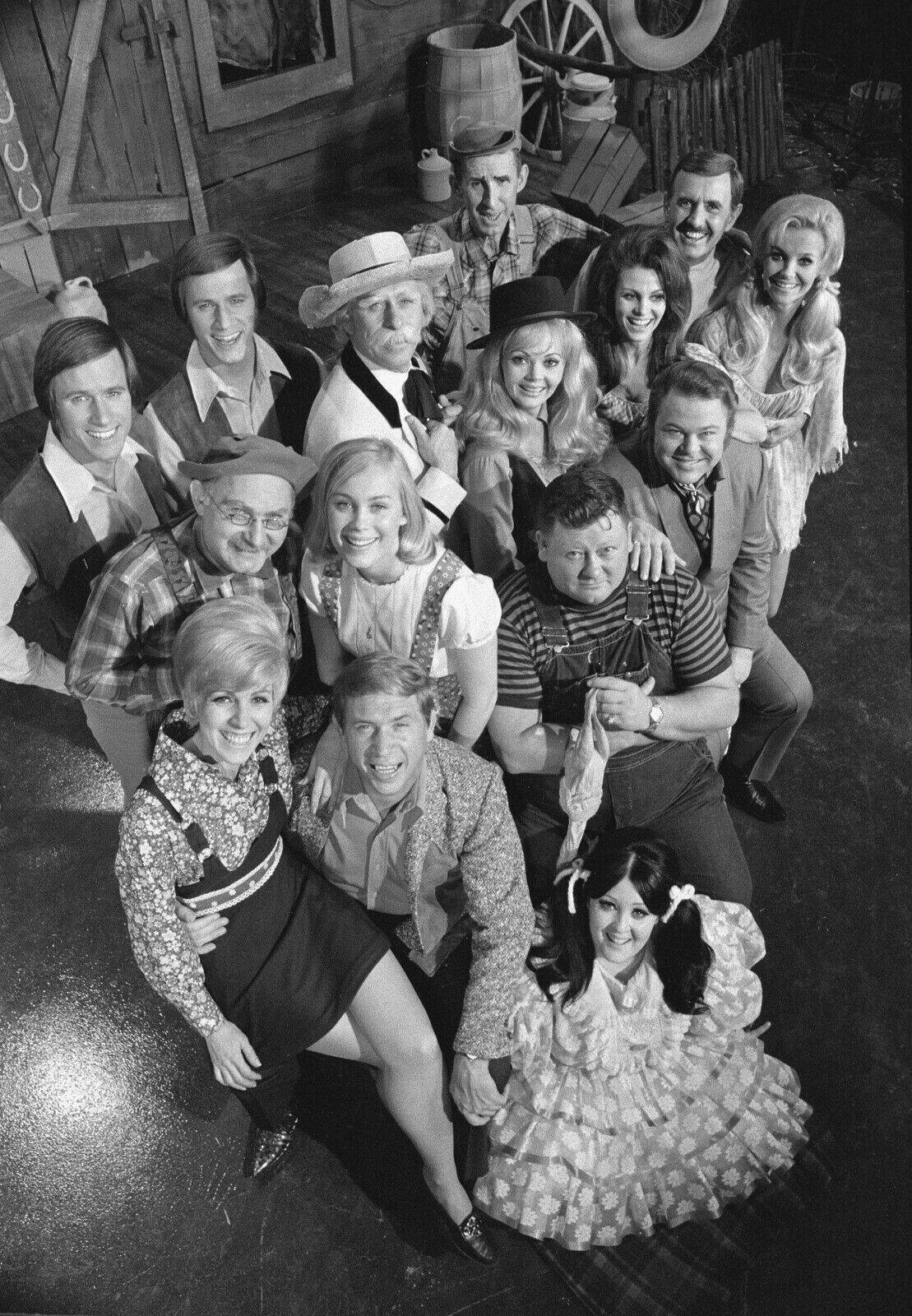
Hee Haw remains a beloved part of American pop culture, remembered fondly by those who grew up watching it. Its unique blend of humor and music, combined with its indelible cast and iconic sketches, have left a lasting impression.
Even decades after its final episode aired, Hee Haw continues to be celebrated and referenced as a significant piece of television history.




