Iconic inventors blamed for technological failures
Ah, the world of iconic inventors! They’re the brilliant minds who’ve driven our progress, yet often left us with a trail of complex legacies. It’s a love-hate relationship we have with them, isn’t it?
We admire their genius, but sometimes their inventions came with unexpected consequences. From electric mishaps to social media nightmares, let’s delve into the stories of these inventors who changed the world—sometimes in ways they never intended.
Thomas Edison: The Electric Fiasco
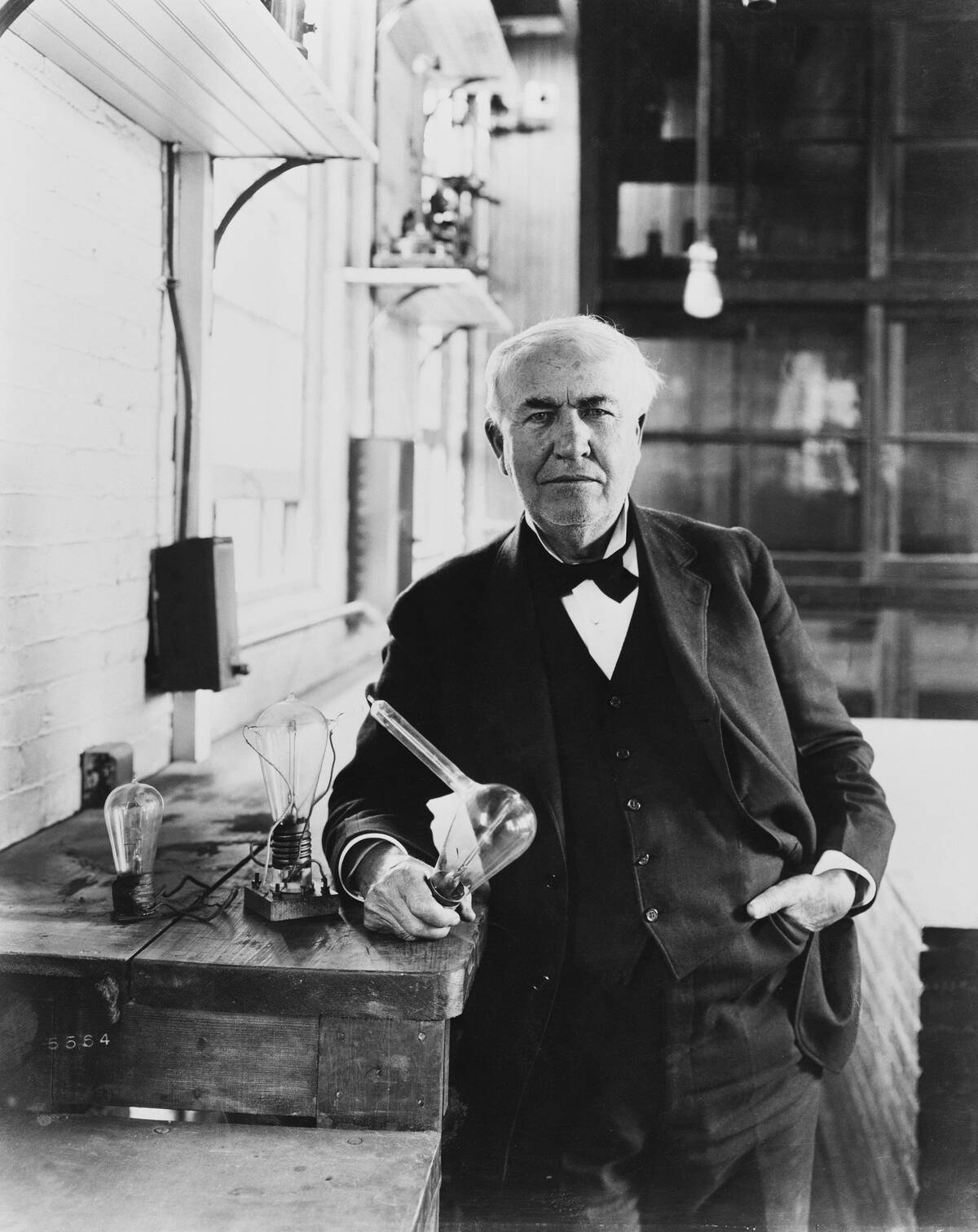
Thomas Edison, the wizard of Menlo Park, is celebrated for his 1,093 patents, yet not all ended in triumph. His promotion of direct current (DC) led to the infamous ‘War of Currents’ with Nikola Tesla, who championed alternating current (AC).
Edison’s smear campaigns against AC involved public electrocutions of animals—yikes! Regardless, his contributions to electric lighting and sound recording remain invaluable. Edison’s tale reminds us that even great minds sometimes take shocking routes.
Nikola Tesla: The Misunderstood Genius
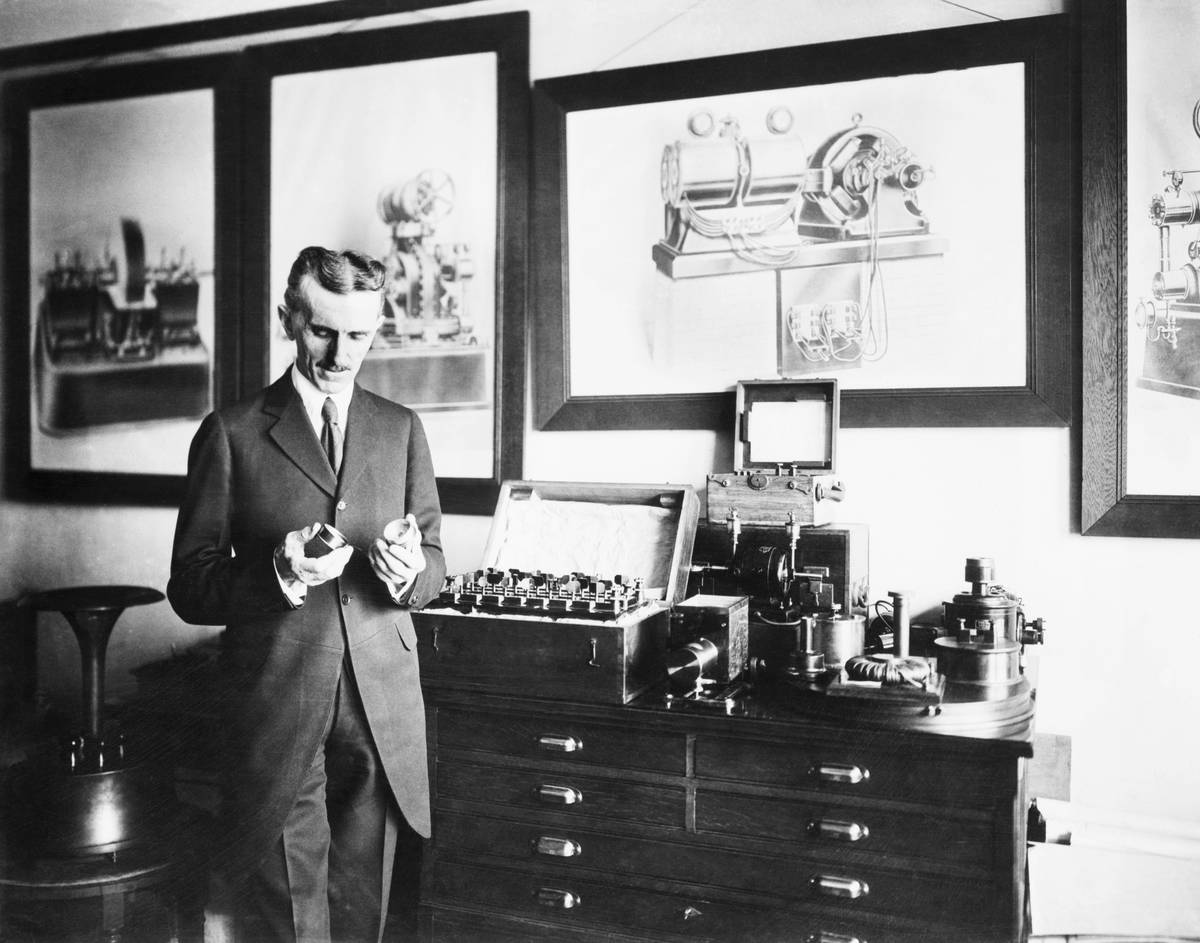
Nikola Tesla, the eccentric genius, gave us AC power, yet died penniless in a New York hotel. His ambitious Wardenclyffe Tower hoped to provide wireless energy, but funding ran dry. Tesla’s visions were often misunderstood and deemed impractical.
Moreover, his supposed ‘death ray’ plans fueled controversy. Despite these hurdles, Tesla’s work laid the foundation for modern electrical engineering. His story is a testament to the struggles of turning visionary ideas into reality.
Alexander Graham Bell: The Telephone Troubles
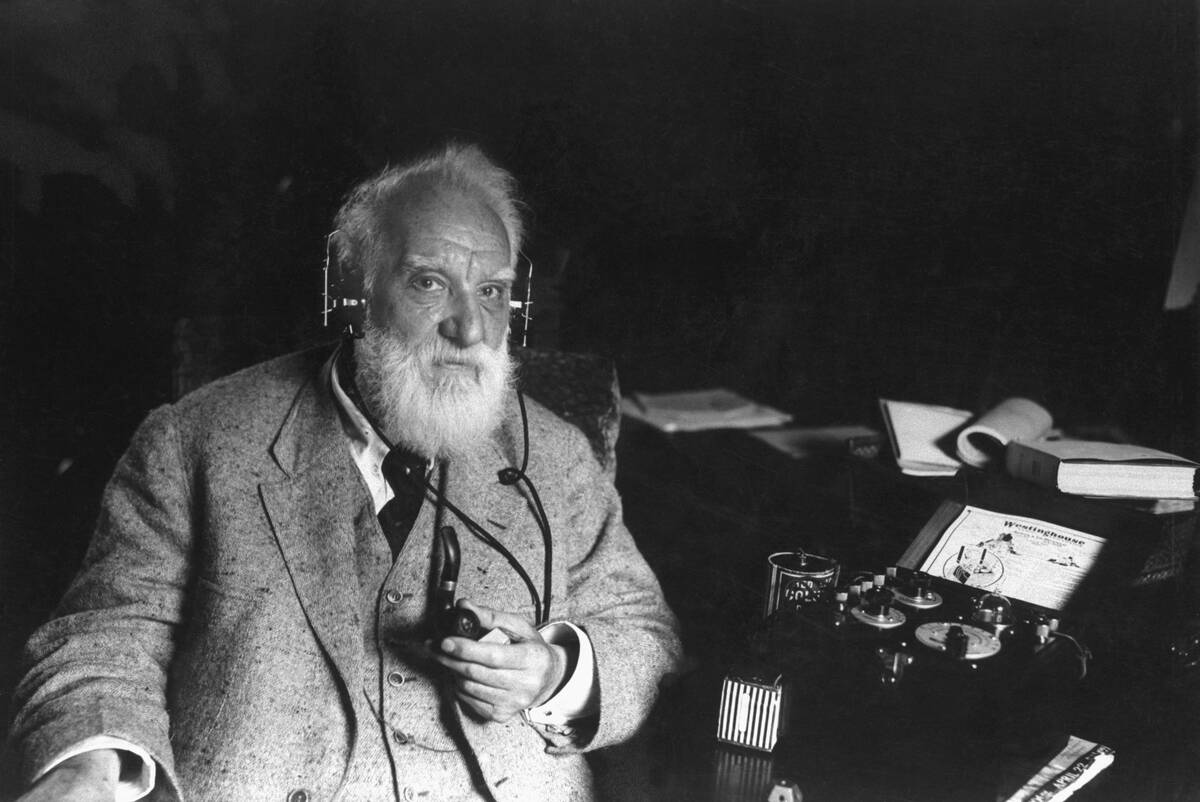
Alexander Graham Bell, credited with inventing the telephone, actually faced a cacophony of patent battles. One notable dispute with Elisha Gray even resulted in allegations of bribery and foul play.
Bell’s invention transformed communication, yet was initially viewed as an unnecessary luxury by many. Interestingly, Bell himself refused to have a phone in his study, fearing it would disrupt his work. It seems even the inventor had a complicated relationship with his creation!
Steve Jobs: The Apple That Fell Short
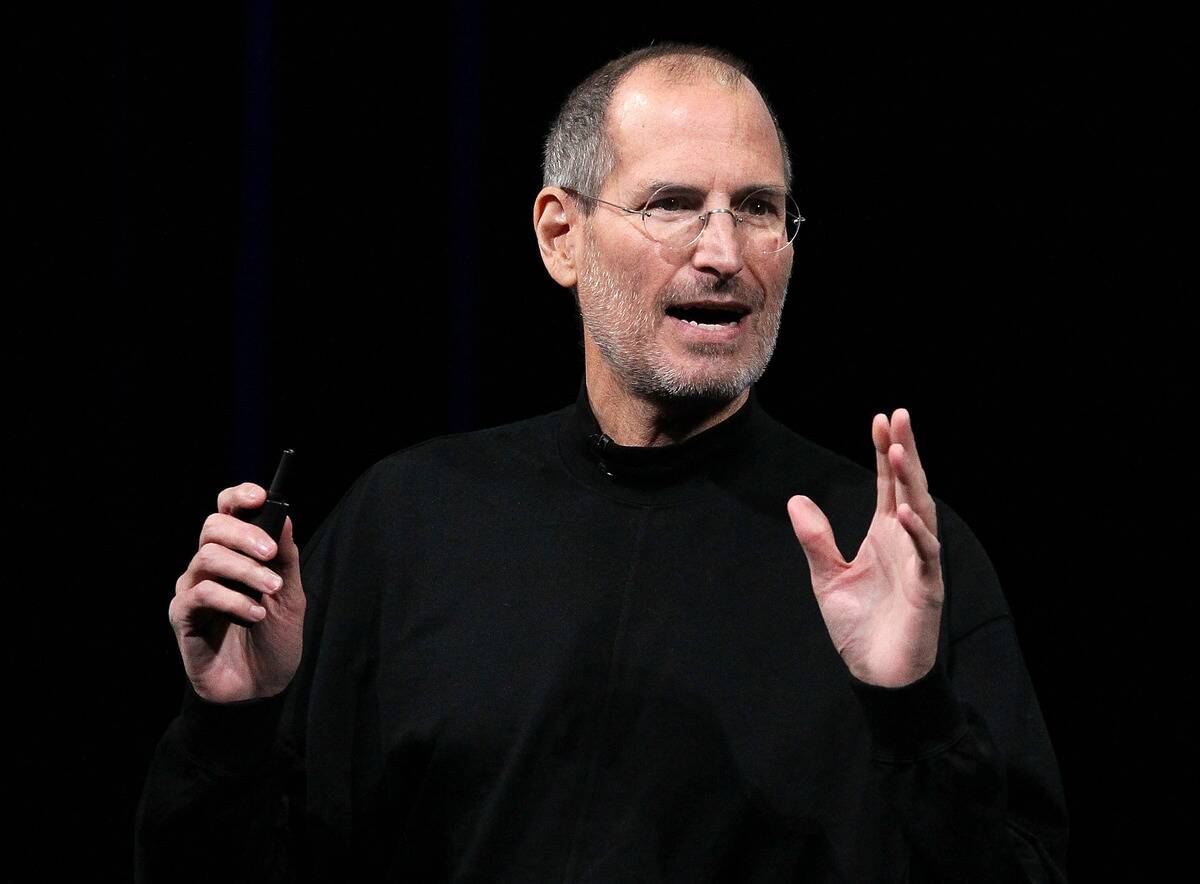
Steve Jobs, co-founder of Apple Inc., revolutionized personal technology with the iPhone and iPad, but his journey wasn’t without a few rotten apples. The Apple Lisa, an early personal computer, was a commercial flop despite its innovative graphical interface.
Jobs’ insistence on closed ecosystems also drew criticism. Yet, his relentless pursuit of perfection changed how we interact with technology. Jobs’ story is a reminder that perfectionism can sometimes bear unexpected fruits.
Bill Gates: The Blue Screen of Blame
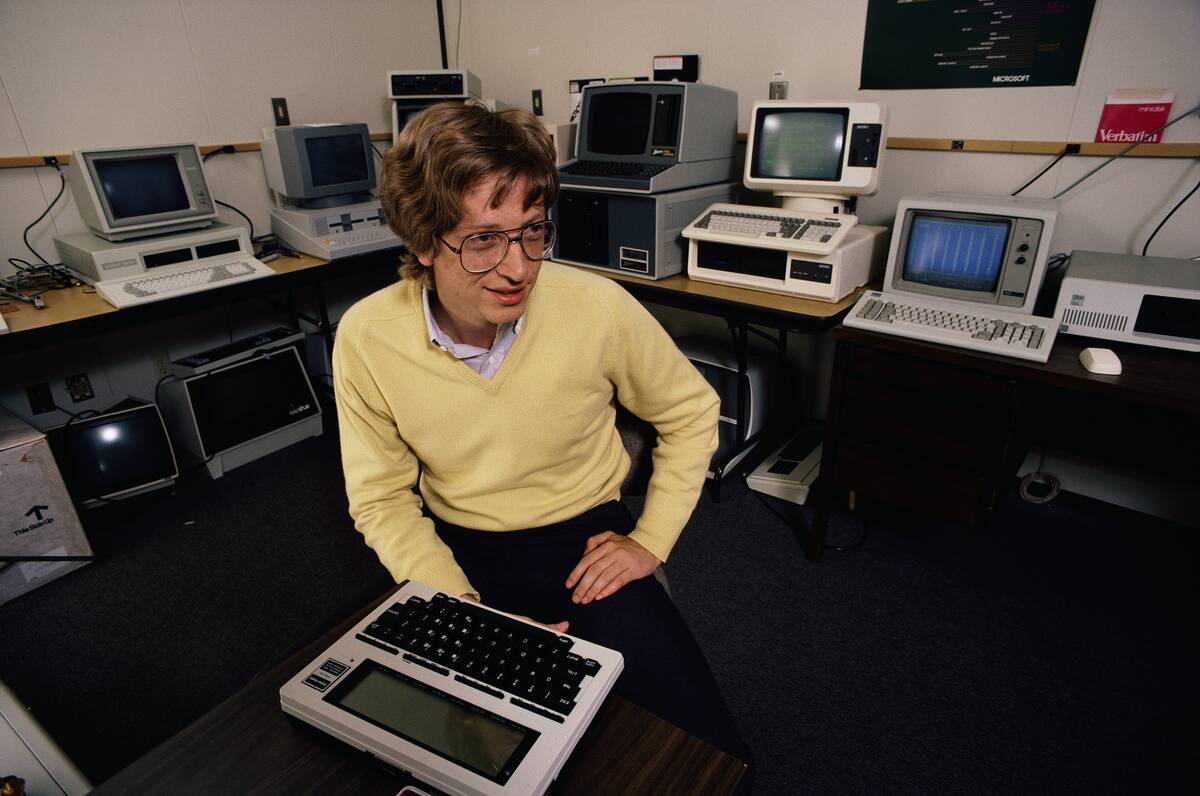
Bill Gates, Microsoft’s co-founder, brought computing to the masses, but not without some infamous glitches. The ‘Blue Screen of Death’ became a notorious symbol of Windows’ early instability.
Gates’ aggressive business tactics also stirred controversy, leading to antitrust lawsuits. Nevertheless, his philanthropy through the Bill & Melinda Gates Foundation has had a profound global impact. Gates’ legacy shows that even tech giants must navigate the occasional crash.
The Wright Brothers: Turbulence in the Skies
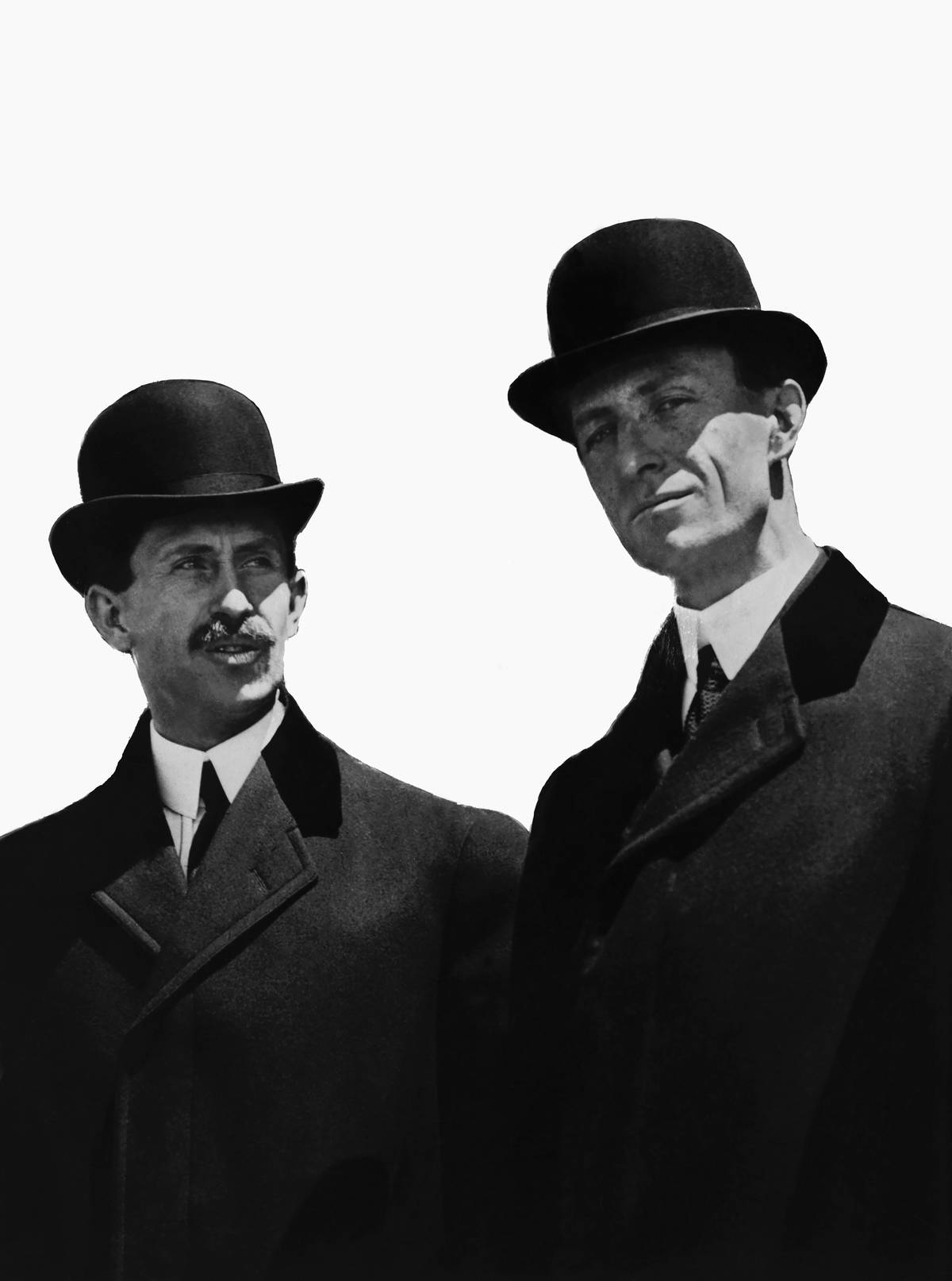
Orville and Wilbur Wright soared into history with the first powered flight in 1903, but not without turbulence. Their patent wars with other aviation pioneers were fierce, and accusations of stifling innovation flew high.
The Wrights’ focus on legal battles over further innovation eventually caused them to lose their competitive edge. Despite these trials, their pioneering work laid the groundwork for modern aviation. Their tale is one of both flight and fight.
Elon Musk: The Space-Xpectations Gone Awry

Elon Musk, the visionary behind SpaceX, Tesla, and more, is no stranger to ambitious projects and equally ambitious controversies. His plan to colonize Mars raised eyebrows, and Tesla’s production delays have been notorious.
Musk’s tweets have also sparked market chaos and legal scrutiny. Yet, his audacious ventures have pushed the boundaries of technology and space exploration. Musk’s story shows that aiming for the stars sometimes means navigating through meteor showers.
Tim Berners-Lee: The Web We Weave

Tim Berners-Lee, the father of the World Wide Web, gave us the internet as we know it, but not without unintended consequences. The rise of cybercrime, misinformation, and privacy concerns were unforeseen challenges.
Berners-Lee has since advocated for a more open and ethical web through initiatives like the Contract for the Web. His legacy is a reminder that even the most groundbreaking inventions need constant nurturing to serve the greater good.
James Dyson: The Vacuum of Criticism

James Dyson revolutionized household cleaning with his bagless vacuum cleaner, yet faced a whirlwind of patent disputes and criticism over product prices. His initial prototypes flopped, and Dyson took over 5,000 tries to perfect his design.
Critics often point to his vacuum’s hefty price tags, arguing they suck up more than just dust. Nevertheless, Dyson’s persistence and innovation have made him a household name, proving that even clean ideas can stir up dust storms.
Mark Zuckerberg: The Social Network Nightmare

Mark Zuckerberg, who co-founded Facebook, transformed social networking, but not without facing a deluge of privacy scandals and misinformation issues. The Cambridge Analytica scandal sparked global outrage and regulatory scrutiny.
Facebook’s role in spreading fake news continues to be a contentious topic. Despite these nightmares, Facebook remains a pivotal platform in global communication. Zuckerberg’s story highlights the complex balance between innovation and ethical responsibility in the digital age.
Jeff Bezos: The Prime of Errors

Jeff Bezos, the mastermind behind Amazon, redefined e-commerce but weathered a storm of controversies. From labor practices to antitrust concerns, Amazon’s rapid expansion has not been without criticism.
The Fire Phone was a notable flop, yet Bezos’ focus on customer service and innovation has cemented Amazon’s dominance. Bezos’ journey illustrates the challenges of maintaining a corporate giant while navigating the pitfalls of rapid growth.
Henry Ford: The Model of Missteps
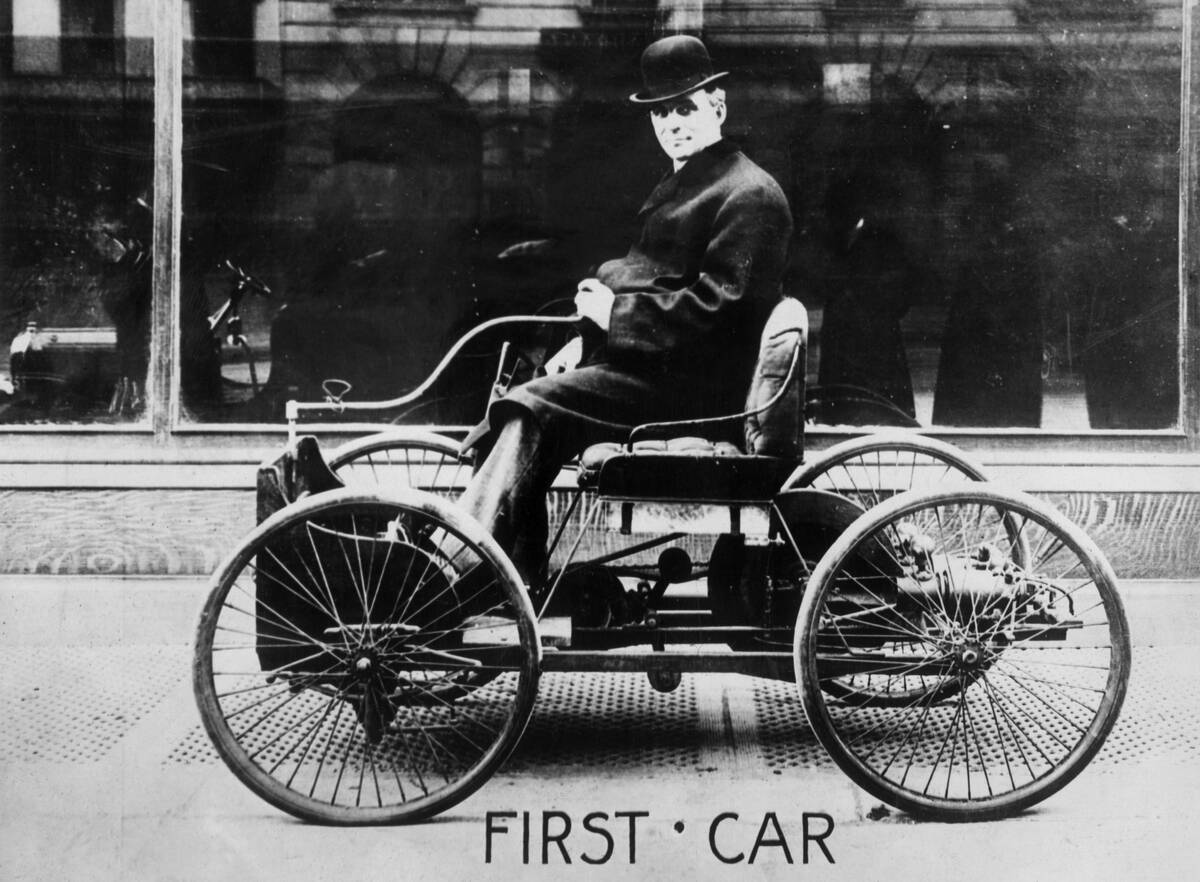
Henry Ford revolutionized manufacturing with the assembly line, yet faced backlash for his anti-Semitic publications and labor practices. The Model T made cars accessible, but Ford’s resistance to innovation eventually cost him market share.
His attempts at a utopian industrial city in Brazil, Fordlândia, ended in failure. While Ford’s impact on industry is undeniable, his missteps remind us that innovation alone doesn’t guarantee a smooth ride.
Hedy Lamarr: The Frequency of Frustrations
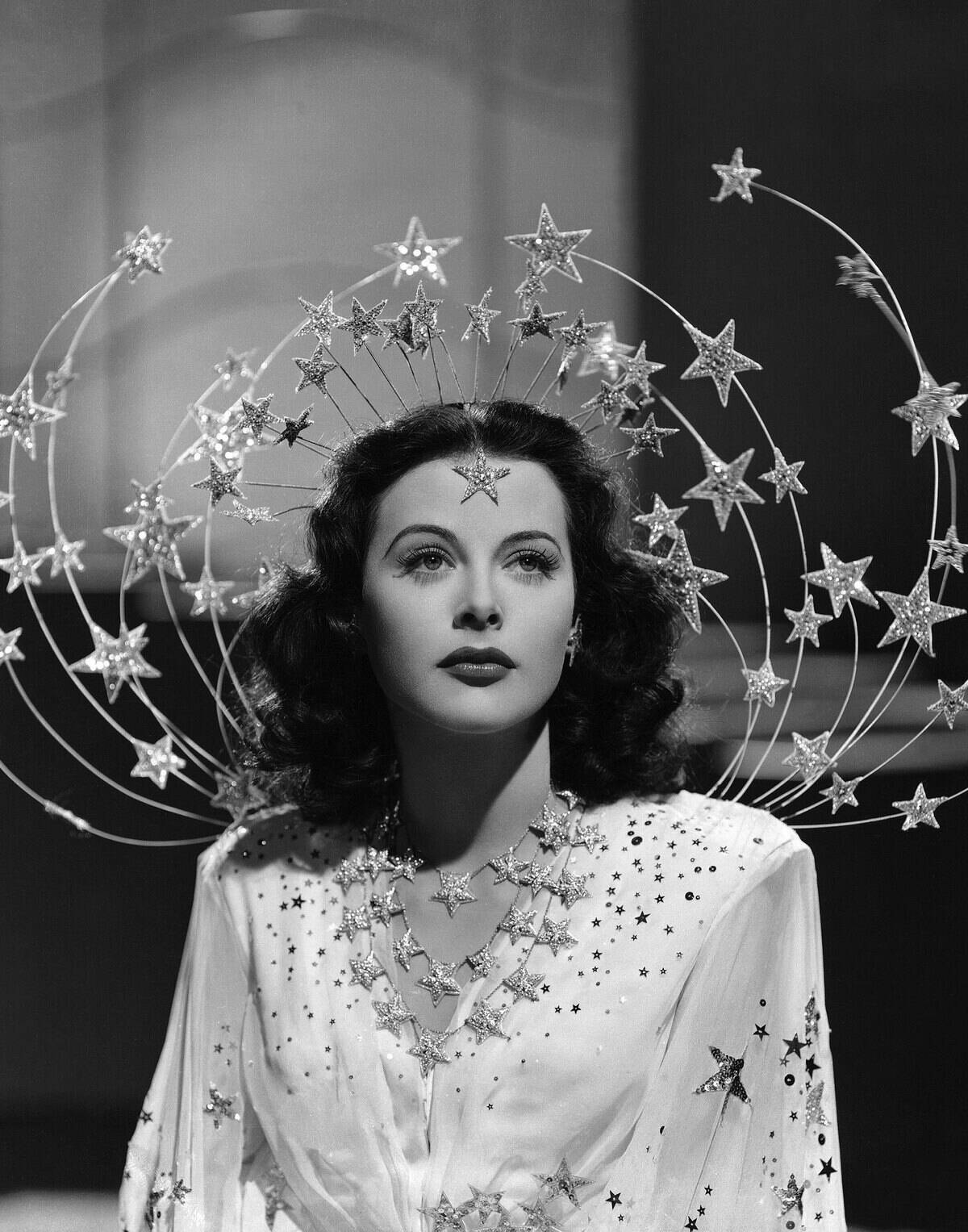
Hedy Lamarr, the glamorous actress turned inventor, co-developed frequency-hopping technology, yet her contributions went unrecognized for decades. This technology, initially designed for torpedo guidance, laid the foundation for modern wireless communication.
Lamarr struggled to be taken seriously due to her Hollywood fame, facing frustrations in a male-dominated field. Her story is a poignant reminder of the overlooked contributions women have made to technology and innovation.
Ada Lovelace: The Algorithm Anomalies
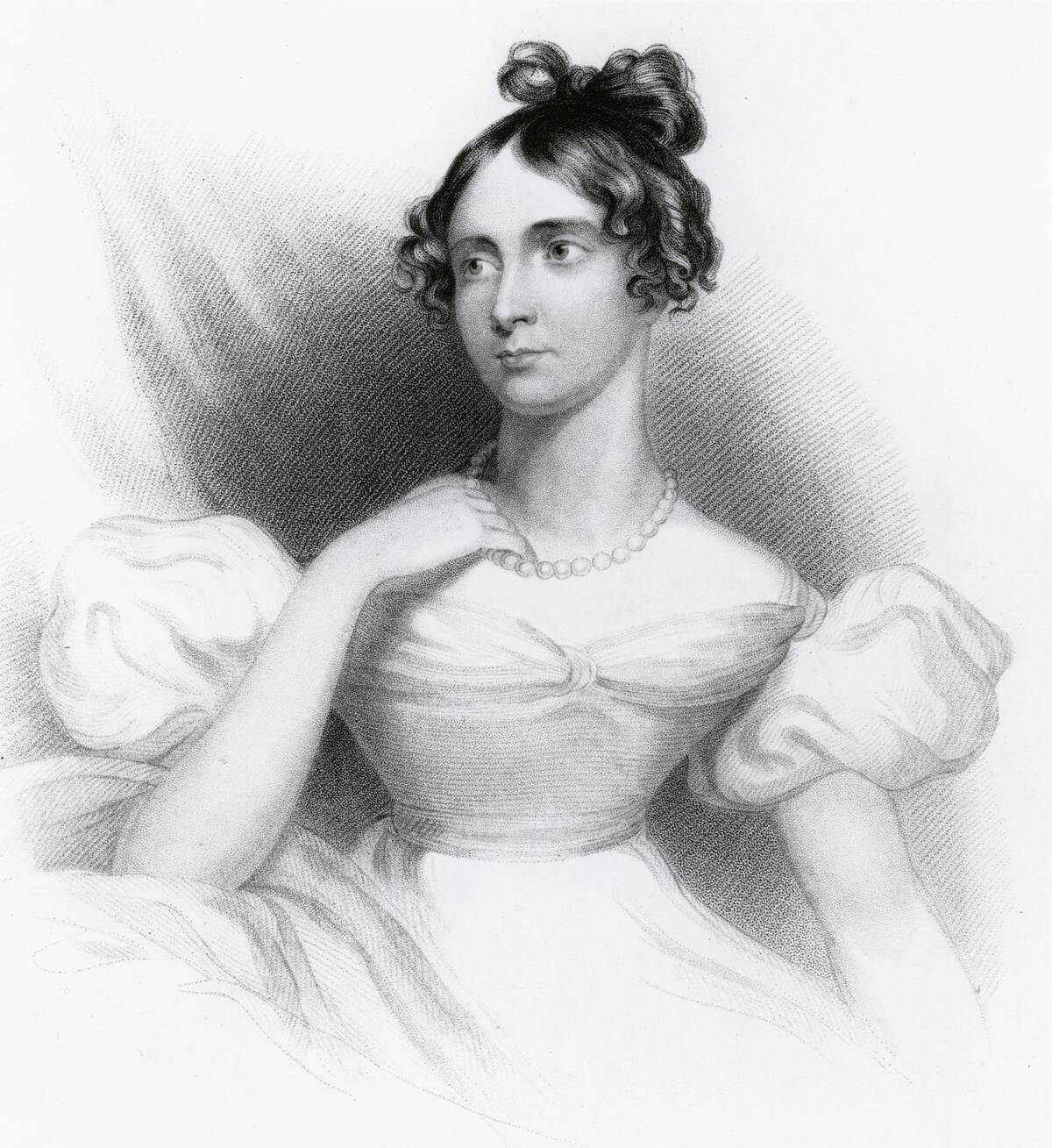
Ada Lovelace, often hailed as the first computer programmer, worked on Charles Babbage’s Analytical Engine, but her vision was ahead of its time. Her notes contained the first algorithm intended for a machine, yet her contributions were largely ignored until the 20th century.
Lovelace’s foresight into the potential of computers to go beyond mere calculation was groundbreaking. Her story highlights the challenges women historically faced in gaining recognition for their intellectual achievements.
Johannes Gutenberg: The Printing Press Predicaments
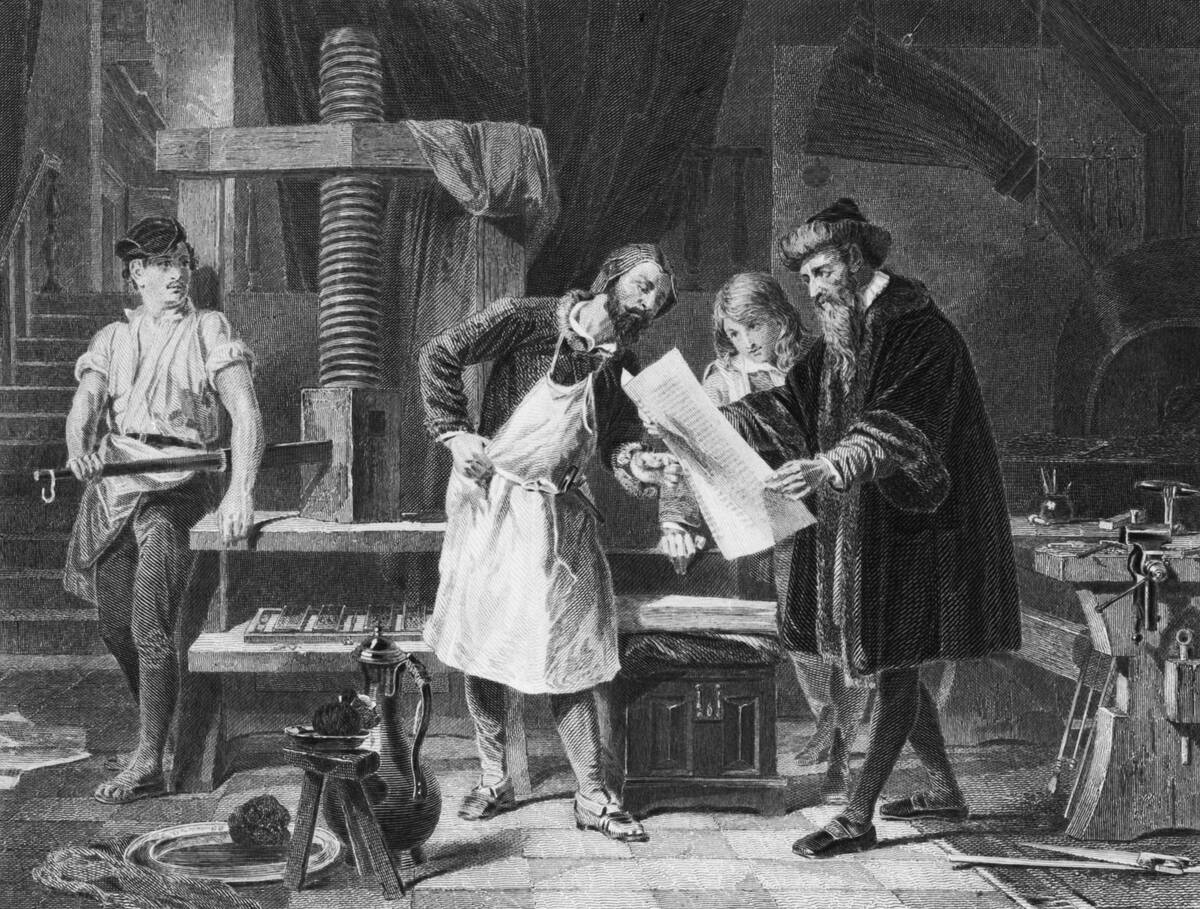
Johannes Gutenberg’s printing press revolutionized the spread of knowledge, yet he faced financial ruin due to legal disputes. His invention allowed for the mass production of books, but he lost control of his press to creditors.
Despite these setbacks, Gutenberg’s press paved the way for the Renaissance and the modern knowledge economy. His story shows how transformative ideas can sometimes lead to personal predicaments, yet still leave a lasting legacy.




