Things every kid had in their bedroom decades ago
Open the door and you can practically hear the hinge squeak: a small kingdom with posters taped to textured walls and a comforter that doubled as a cape. For many of us, that kingdom took shape in the late 1980s through early 2000s, when CRT TVs were still standard and a landline jack stared back from the baseboard. Particleboard bookcases from big-box stores bowed under the weight of paperbacks, and shag carpeting gave way to berber and then to peel-and-stick tiles as trends rolled on.
It was a room synced to the times. Cable boxes had coaxial jumpers, alarm clocks glowed red LEDs, and surge protectors groaned under boomboxes and game consoles. Scholastic Book Fair flyers piled near a desk with a wobbly keyboard tray, while a doorframe measured growth spurts in pencil. AC window units clattered through July, box fans hummed through August, and somewhere, a poster putty stain outlived the poster by a solid decade.
Posters and magazine tear-outs plastered from wall to wall
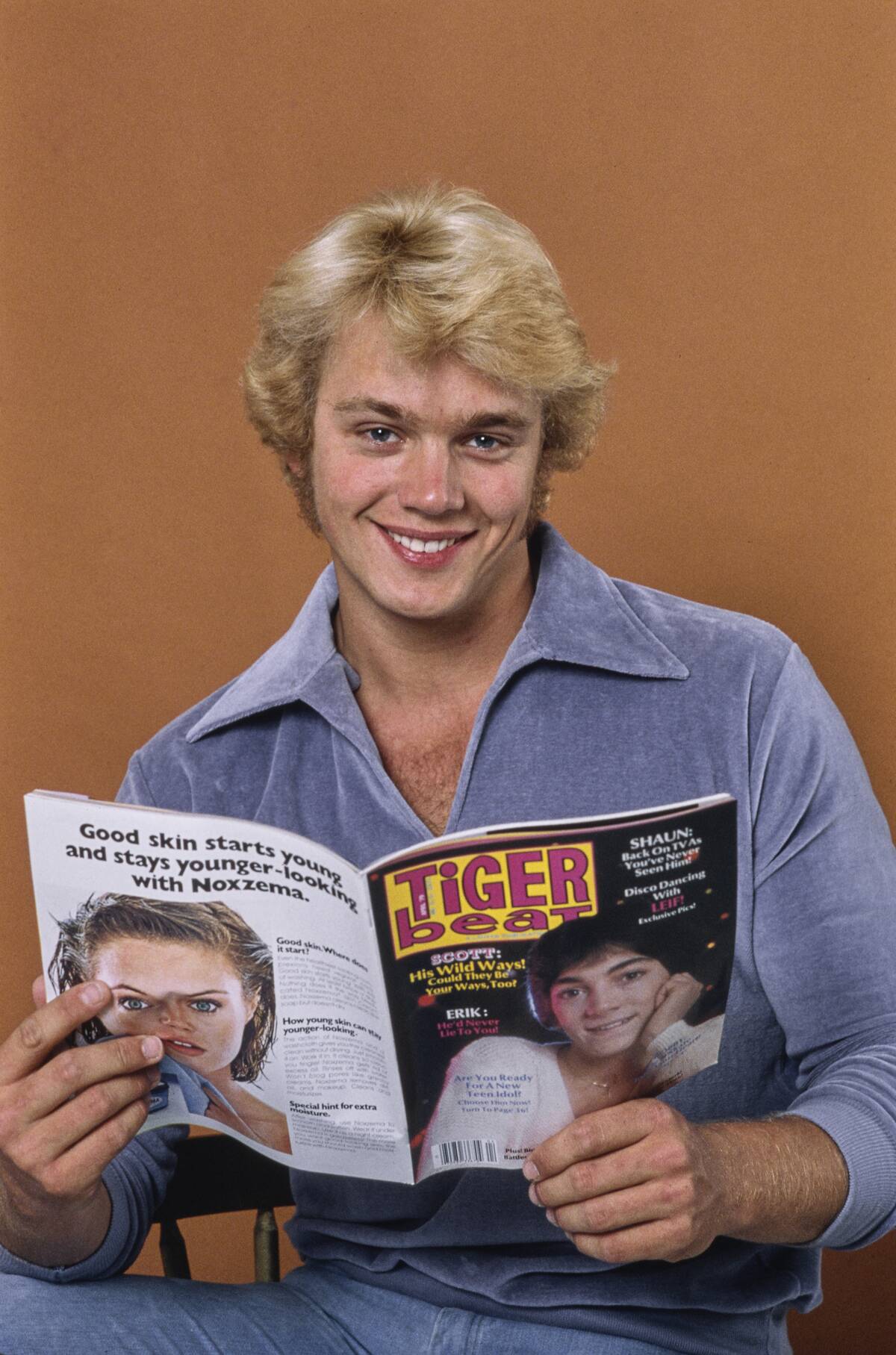
Walls became mood boards long before Pinterest. Teen titles like Tiger Beat (founded 1965), BOP (launched 1983), and Seventeen supplied glossy pinups that got taped, tacked, or stuck up with Blu Tack (Bostik, 1971). Music mags like Rolling Stone ran fold-out center spreads, and movie posters arrived courtesy of theater giveaways or Suncoast stores at the mall. Sun-faded edges told you which side caught the afternoon light, and tape pulled a little eggshell paint when you moved that collage one inch to the left.
The etiquette was precise: four pieces of Scotch Magic Tape on corners, maybe a hidden loop in the center for stubborn curls. Some kids leveled posters by eye; others used a bubble level filched from the garage. Even dormitory RA wisdom trickled into bedrooms—no nails in the wall, so pushpins only into cork strips. Limited wall space meant rotations tied to album release dates, summer blockbusters, and the monthly crush crowned in the latest issue.
The boombox or dual-cassette stereo that ruled the room
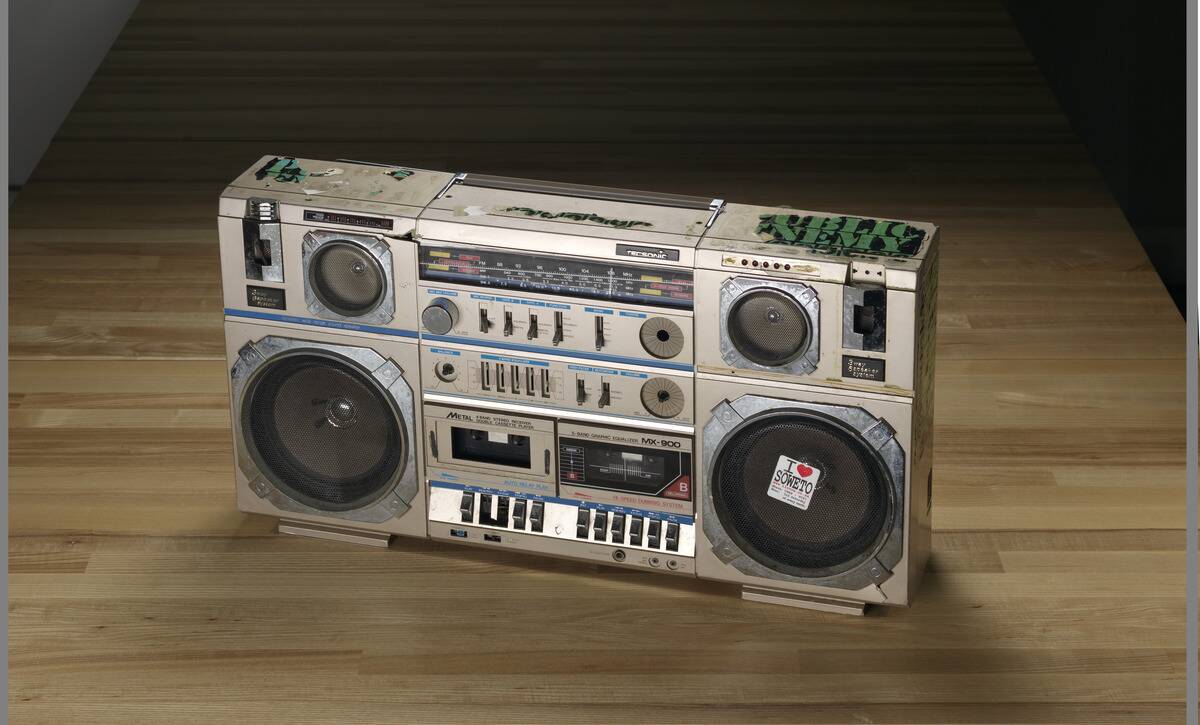
Every room had a throne, and often it was a boombox. Icons like JVC’s RC-M90 (1981) earned “King of Boomboxes” status, while more modest Panasonics and Sonys packed AM/FM tuners, detachable speakers, and dual-cassette decks. High-speed dubbing—typically 2×—let you copy a tape in half the time, though with a minor hit to fidelity. Many units devoured D batteries (eight or more wasn’t unusual), yet also offered DC jacks to spare your allowance when the power outlet was in reach.
Tuning the dial was a tactile ritual—sliding a wheel until the stereo indicator lamp flickered to life. Graphic equalizers—tiny sliders for bass, mids, and treble—made us feel like producers, and telescoping antennas arced to just the right angle for a clean Top 40 signal. Tape counters clicked along for mix timing, while brushed-metal faceplates and chrome speaker grills lent a “mini hi-fi” vibe that felt wildly sophisticated between math homework and Saturday cartoons.
Mixtapes, blank cassettes, and a tangle of wired headphones
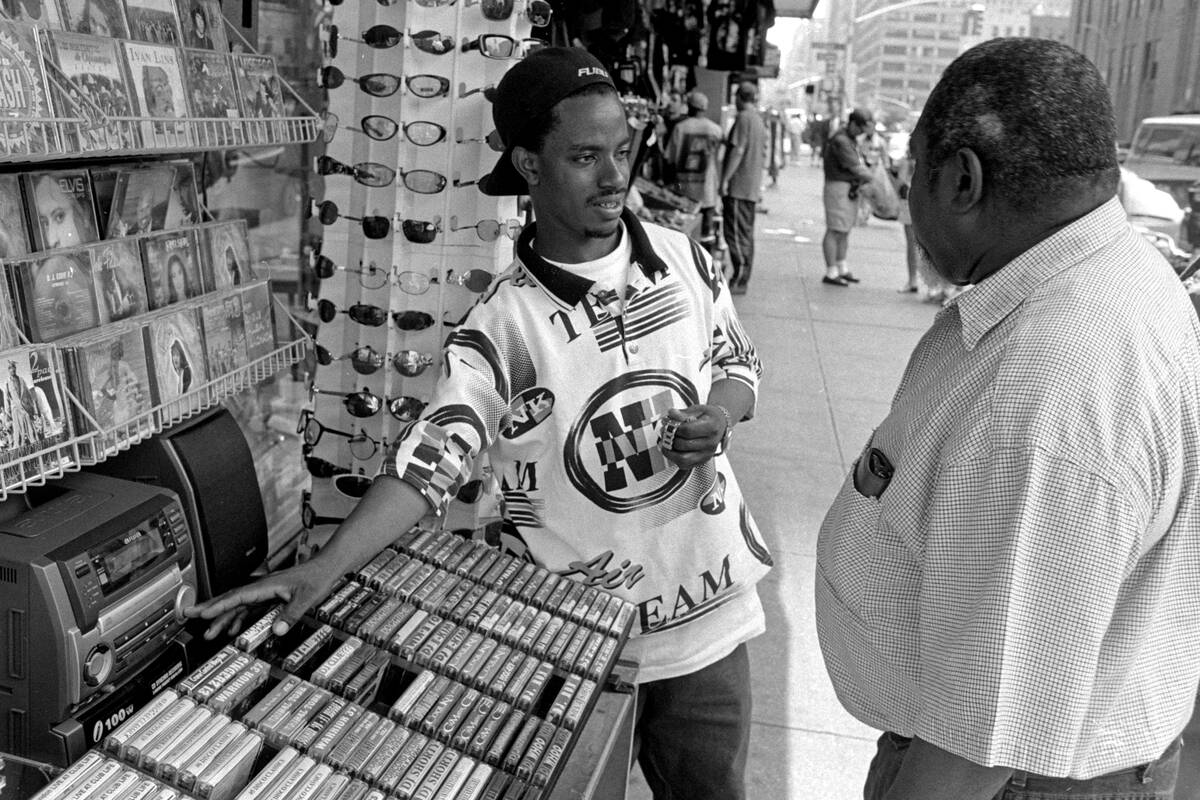
Blank cassettes were currency. TDK, Maxell, and Sony racks at electronics stores offered C60 and C90 lengths, the latter squeezing in roughly 45 minutes per side at 1⅞ inches per second. You learned to dodge “copyguard” volume swings when taping off the radio, and you became fluent in the difference between Type I (ferric), Type II (chrome), and the fancy, deck-dependent Type IV (metal).
Liner notes got handwritten in micro-script, and you learned to leave two seconds of silence between tracks like a courteous DJ.
Headphones? Always wired, always tangled. Lightweight on-ears with foam pads—think Sony MDR-series—clipped hair and slipped during sudden headbangs. The 3.5 mm plug became a reflex reach, and adapters to 6.35 mm seemed to vanish exactly when needed. Pencil rewinds rescued chewed tape, while the “Memorex test” pun—“Is it live, or is it Memorex?”—still lived in TV-commercial lore. A proud squeak of the tape door shut said: recording in progress, please knock.
Discman or Walkman tucked under the pillow for late-night tunes
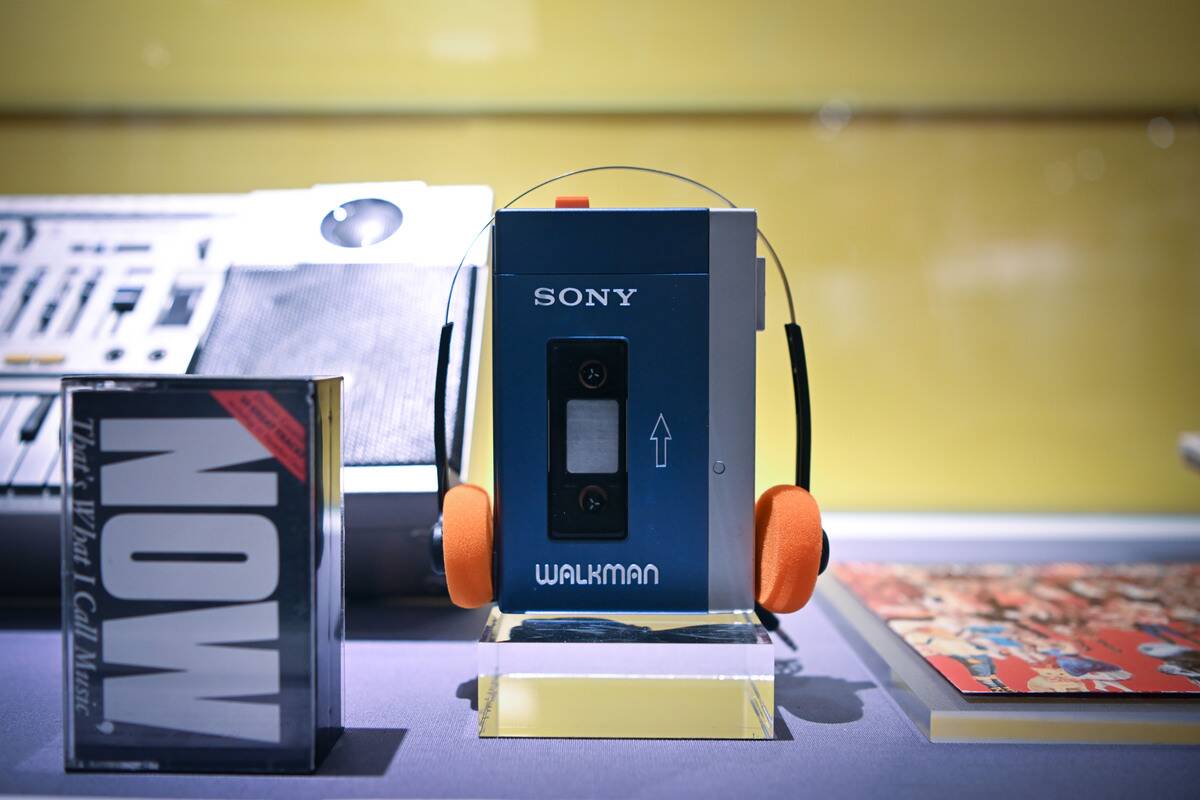
Sony’s Walkman began in 1979 with the TPS-L2, and by the early ’90s, sleek cassette players slid under pillows for stealth listening. The Discman line arrived with the Sony D-50 in 1984, bringing portable CDs into the picture. Early portable CD players skipped if you breathed wrong, but electronic skip protection—buffer memory branded ESP and later G-Protection—arrived in the 1990s to smooth out bumps.
The Hold switch saved your place from accidental button presses when you shifted in the dark.
Bedtime engineering got serious: volume low, one earcup off to hear creaky floorboards, and batteries rotated like pit-stop tires. CDs ran 74 minutes at first (80-minute discs followed), and clamshell jewel cases clacked loud enough to betray you. The flat remote inline on some models felt futuristic, and the orange backlight on premium units was a midnight beacon. Mom’s hearing proved superior to any DSP—somehow she always knew when the music was a little too loud.
The towering CD rack or zip-up binder full of favorites
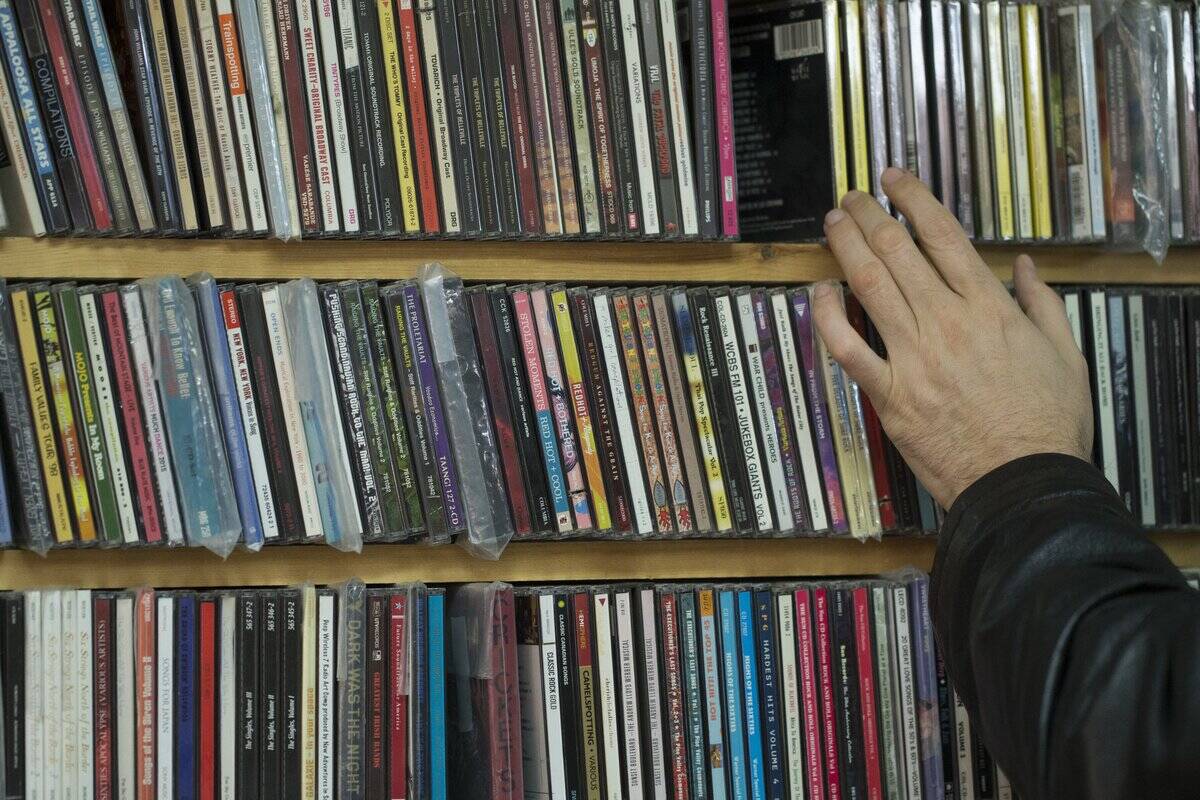
CD storage said a lot about you. Vertical wire racks soared toward the ceiling, jewel cases stacked by artist, genre, or chaotic neutral. Liner notes became reference books—lyrics, producer credits, and thank-yous with cameos from entire tour crews. The compact disc promised “perfect sound forever,” at least until a careless slide across the carpet etched a radial scratch. Multi-disc changers sat like anchors on dressers, but in bedrooms, single-disc players and boom boxes did most of the playing.
Then came the zip-up revolution. Case Logic binders (brand founded 1984) swallowed hundreds of discs in plastic sleeves, streamlining parties and road trips while leaving a graveyard of empty jewel cases behind. Sharpie-labeled CD-Rs joined the collection as PC burners spread in the late 1990s. You learned the choreography: don’t stack unprotected discs, avoid direct sunlight, and always—always—return the disc to the sleeve, or face a next-day fingerprint archaeology project.
Stack of VHS tapes and a clunky little tube TV for weekend marathons
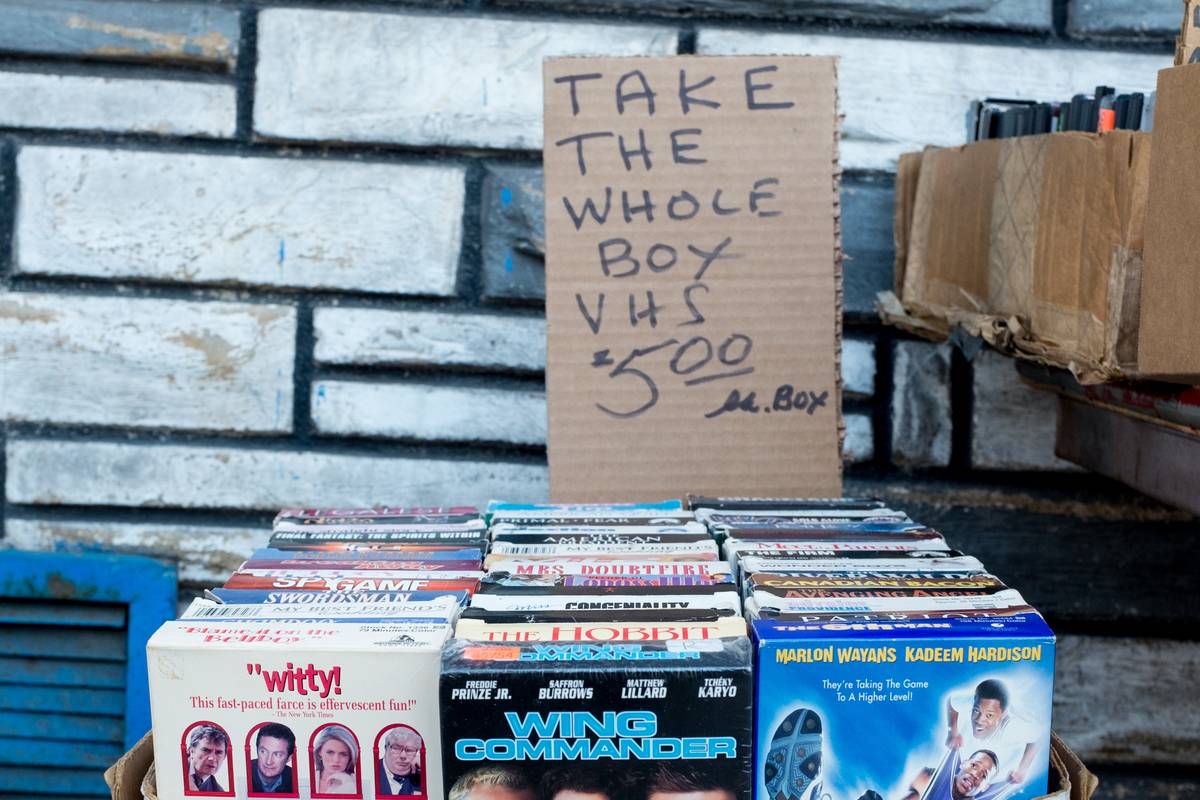
The bedroom theater ran on a 13-inch CRT with a curved glass screen and a coaxial input you tightened by hand. Yellow/white/red composite jacks felt deluxe if your set had them. A VCR below handled SP/LP/EP recording speeds; EP turned a T-120 cassette into six hours of programming—perfect for overnight cartoon blocks. Tracking dials hunted for a clear picture, while Disney clamshell cases lined the shelf like pastel bricks.
“Be Kind, Rewind” stickers from Blockbuster became house rules, and handwritten labels chronicled entire summers. TV/VCR combo units from brands like Magnavox and Sanyo simplified the stack by the late ’90s. Commercial breaks meant dashes to the kitchen, and pause buttons got worn glossy for ad-skipping on taped sitcoms. Nothing bonded siblings like a fuzzy copy of a favorite movie that had clearly survived five birthday parties and one ill-timed attempt at taping over it with a soccer match.
Nintendo or Sega console with a shoebox of game cartridges
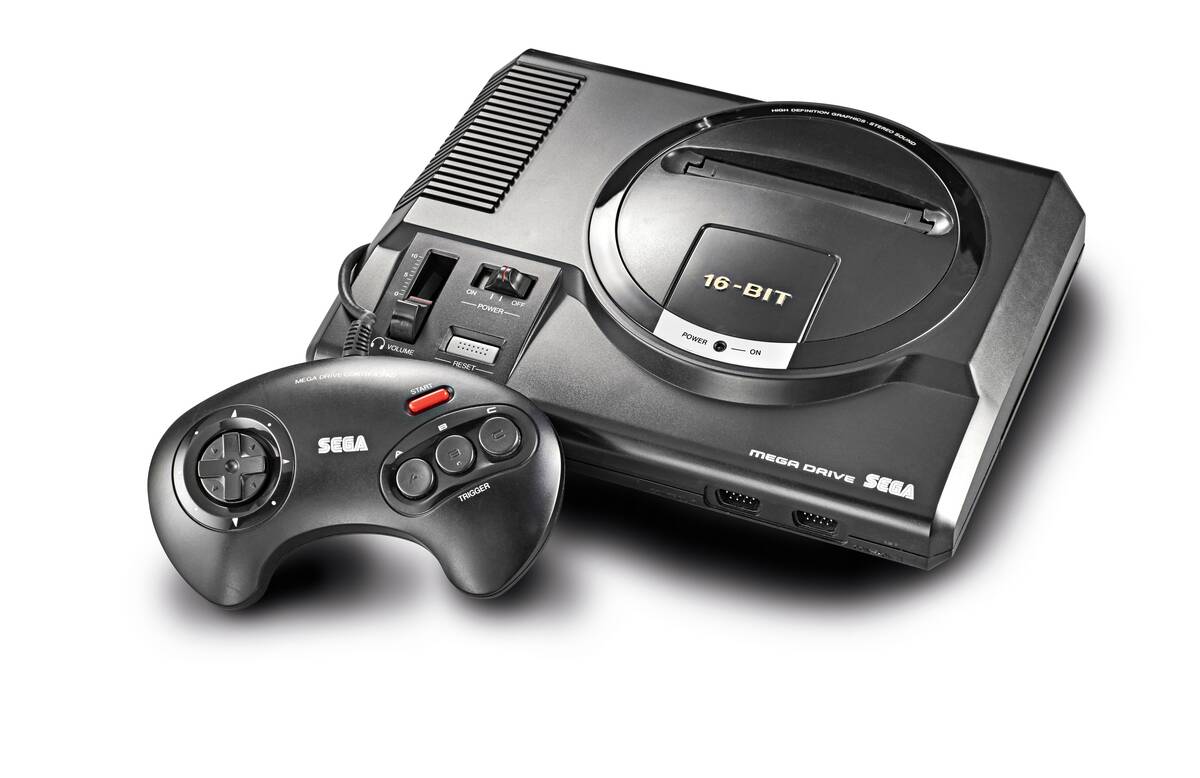
Under the TV, the 8- and 16-bit wars raged. The Nintendo Entertainment System landed in the U.S. in 1985; the Sega Genesis followed in 1989, with the Super Nintendo arriving in 1991. Cartridges clicked into zero-load-time bliss, and some—like The Legend of Zelda—hid coin-cell batteries for save files. Game Genie by Galoob (1990) turned mortals into level-skippers, while extra controllers tangled themselves whenever you so much as looked away.
Everyone knew the ritual: reseat the cart, maybe blow into it (folklore, not a fix), press reset, then victory.
The Genesis boasted blast processing bravado and a six-button pad for fighters, while the SNES countered with Mode 7 tricks for faux-3D spins. Coaxial RF switches made cable spaghetti inevitable, and printed manuals doubled as bedtime reading. Shoeboxes kept libraries mobile; swap meets and flea markets filled them, one cardboard sleeve at a time.
Lava lamp or fiber-optic lamp casting neon vibes
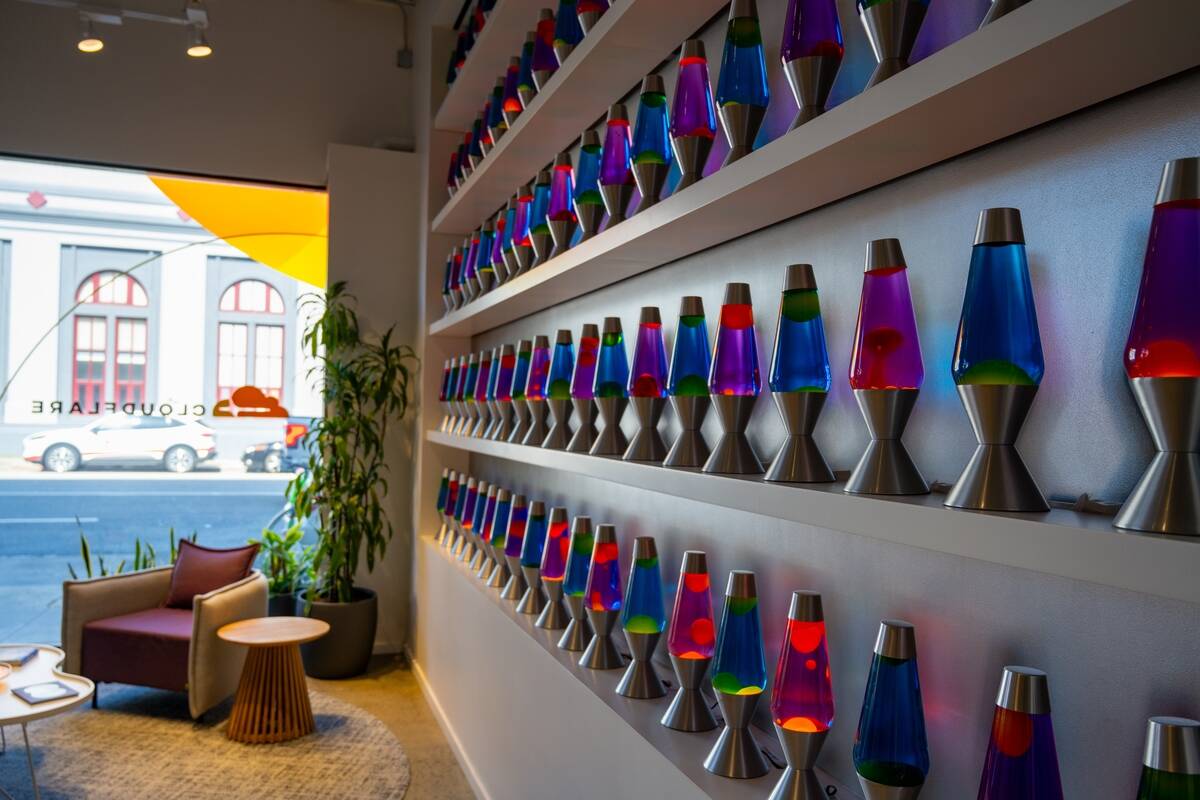
The lava lamp’s slow dance started in 1963, courtesy of inventor Edward Craven Walker and his company Mathmos. A 40-watt bulb warmed the waxy globules into hypnotic blobs—give it 45–60 minutes to really flow. Safety tips passed down like lore: don’t shake it hot, don’t run it all day, and keep it away from direct sunlight. Colors ranged from psychedelic oranges to deep purples, turning a nightstand into a tiny, mesmerizing meteorology experiment.
Fiber-optic lamps were the futurist cousin.
A spray of plastic fibers fanned out while a color wheel in the base rotated, sending pinpricks of shifting light across the ceiling. Popular in the 1990s, they shared shelf space with plasma globes that buzzed faintly as fingers chased little lightning bolts. Bedrooms glowed like mini arcades, and those soft hues became unofficial curfews—when the room turned aquarium-blue, it was probably time to wrap up the last level.
Glow-in-the-dark stars and planet decals on the ceiling

Ceilings became planetariums with phosphorescent stars that soaked up light and released it slowly after bedtime. Early kits used zinc sulfide pigments, but brightness leapt in the 1990s as strontium aluminate pigments, commercialized in 1993 by companies like Nemoto in Japan, took over. Peel-and-stick constellations joined DIY scatterings, and a few astronomy nerds even mapped Orion and Cassiopeia accurately.
The gentle afterglow lasted just long enough for late-night storytelling.
Brand kits like Great Explorations packaged stars, comets, and even a modest Saturn. Blacklight posters amplified the effect, though the stars themselves recharged fine under regular bulbs. Adhesive dots sometimes betrayed you in daylight, revealing your “random” layout as the chaotic masterpiece it was. When the room finally went dark, tiny galaxies blinked on, a perfect encore after the lava lamp dimmed and the Discman clicked into pause between tracks.
Beanbag chair and the brief inflatable-furniture era

The beanbag has serious design pedigree: the Sacco, created in 1968 by Italian designers Gatti, Paolini, and Teodoro, turned relaxed seating into a statement. Bedroom versions filled with polystyrene beads adapted to marathon gaming sessions and Saturday stacks of comics. Zippers got safety locks to thwart catastrophic bead avalanches, and double-stitched vinyl covers tried (often failed) to survive siblings’ wrestling matches.
They were cheap, cheerful, and perfect for flopping after a long school day.
Then came the inflatable moment of the late 1990s. Clear PVC chairs and ottomans—often sold at chains like Spencer Gifts and Limited Too—promised bedroom chic with a hand pump. They squeaked, they stuck to skin in summer, and they could deflate instantly if a pet’s claw so much as looked at them. Patch kits became a rite of passage. For a few luminous seasons, though, they made rooms look like Y2K lounges ready for a boy-band listening party.
Alarm clock radio with glowing red digits and a brutal buzzer
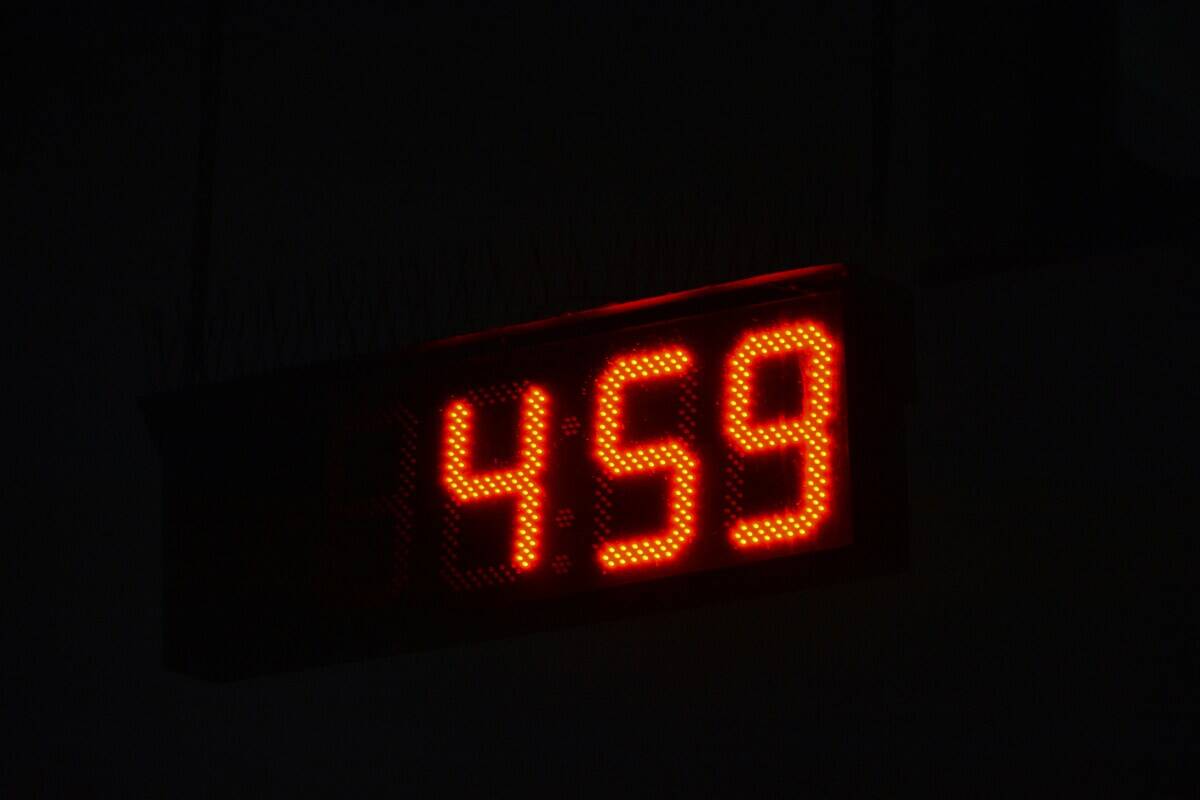
Bedside tables hosted clock radios with seven-segment LEDs in that unmistakable red. Sony’s Dream Machine line became shorthand for the category, offering AM/FM presets, battery backup, and dual alarms. Many units featured the classic nine-minute snooze—an industry quirk rooted in legacy gear ratios and tradition. The piezo buzzer’s 2–4 kHz rasp could lift you out of the deepest sleep, with a sliding switch between Radio, Buzzer, and sometimes a gently escalating Beep.
Setting time required a long press and surprising dexterity, and daylight saving adjustments were semiannual mini-boss fights. Ferrite-rod AM antennas pulled in scratchy late-night talk shows, and the foam ring around the speaker disintegrated after a decade like clockwork. Dimmer buttons were essential; too bright and those digits lit up the room like runway lights. If you fell asleep to the Top 40 countdown, odds are you woke to the same station’s traffic report.
Corkboard covered in Polaroids, ticket stubs, and doodles
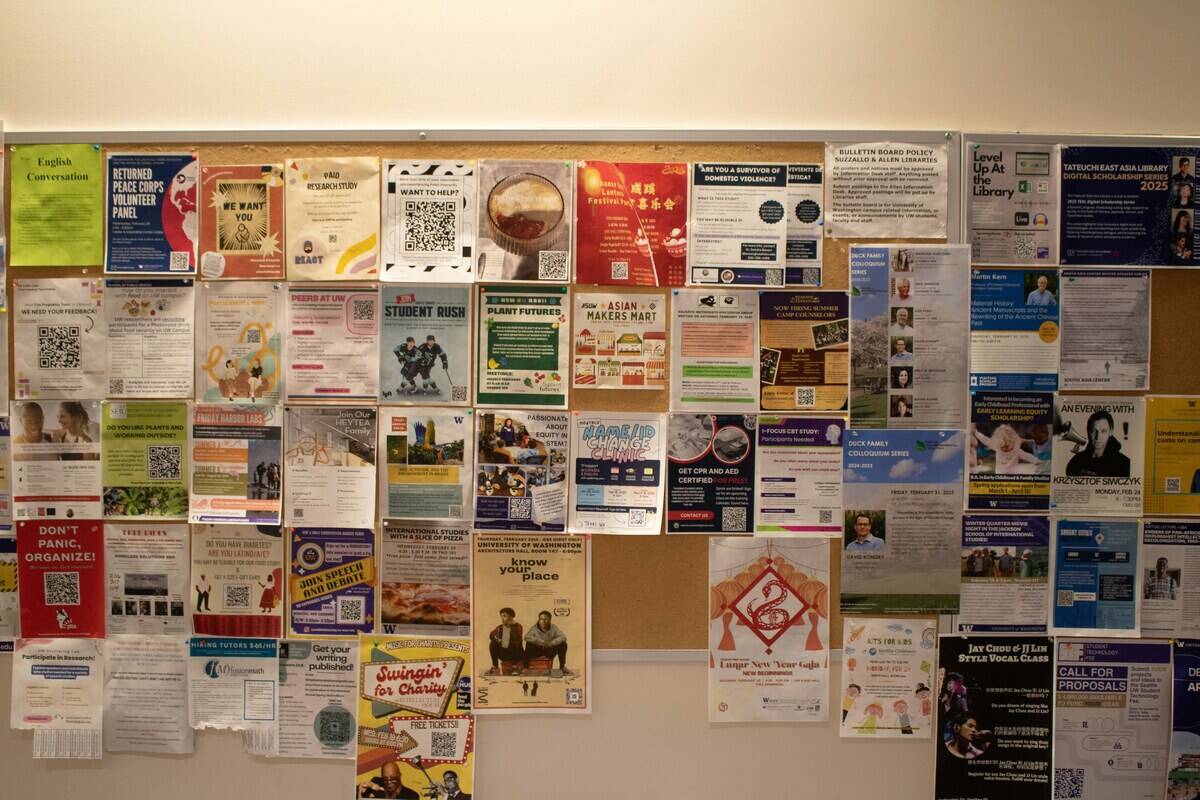
The corkboard was analog social media. Push-pins—popularized by Edwin Moore’s push-pin company in 1900—held Polaroid 600 snapshots (the 600-series launched in 1981) with their square images and instant chemistry magic. Concert and movie ticket stubs aged to soft beige, curling at the edges, while camp badges and swim ribbons overlapped like shingles. Schedules from fold-out school planners gathered in clusters: semester calendars, homeroom assignments, and a surprisingly resilient dentist reminder card.
There was art, too: gel-pen doodles, highlighter sunsets, and magazine clippings cut with safety scissors that left charmingly wobbly borders. A postcard from a relative parked near a fortune cookie slip. The board, framed in pine, bore the map of a year—each pinhole a breadcrumb. Over time, the cork darkened where sunlight hit hardest, and the oldest items migrated higher and higher, out of reach but safely beyond the chaos of daily rearranging.
Trapper Keeper, Lisa Frank folders, and a desk of gel pens
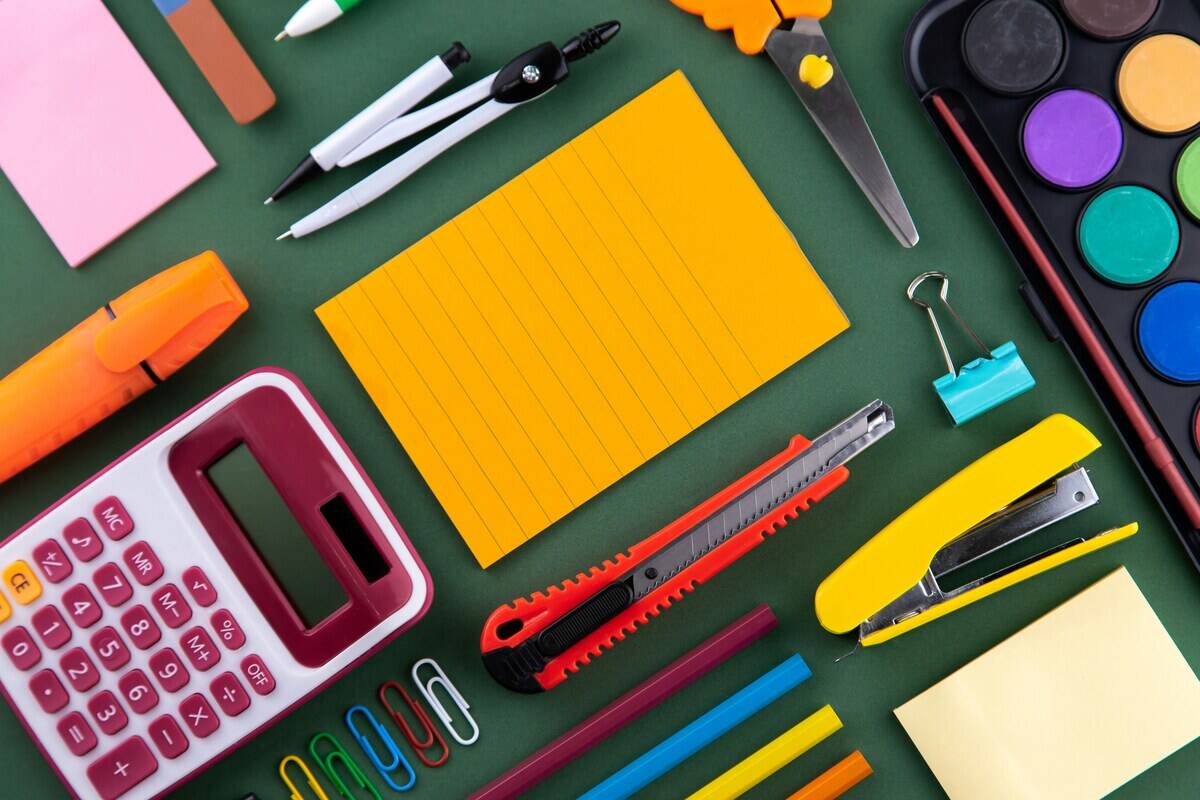
School supplies doubled as identity statements. Mead introduced the Trapper Keeper nationally in 1981—Velcro flap, plastic rings, and “Trapper” folders designed to keep papers corralled. Some schools even banned them for bulk and distraction. Meanwhile, Lisa Frank, the Tucson-based brand founded in 1979, splashed neon dolphins, rainbows, and leopards across folders and binders.
A backpack stuffed with those made every hallway a parade, especially when a matching pencil case zipped open to reveal gleaming accessories.
On the desk: the gel-pen arsenal. Sakura’s Gelly Roll, introduced in 1984, popularized opaque ink that glided on dark paper; metallics and glitter pens soon followed. Pentel and Pilot joined the fray with pastels and bolds perfect for note headings and secret-code letters. The pen cup also hid white-out tape, a trusty ruler, and highlighters lined up like a candy display. Even the faint solvent smell of new markers felt like a fresh-start promise.
Secret diary with a tiny lock and key

Beneath the mattress or in a drawer: a diary with a lock so small a paperclip could outsmart it. Floral covers and gilded edges framed entries about cafeteria drama and grand life plans. Those dime-size heart-shaped keys ended up on shoelace necklaces or vanished into sock-laundering limbo. Some diaries had prompts—“Best thing today?”—and some simply dated pages waiting for crush initials cryptically disguised as algebraic variables.
By the late 1990s, electronic upgrades appeared.
Tiger Electronics released the Dear Diary organizer in 1998, adding passwords and digital phone books. Girl Tech’s Password Journal (late 1990s) touted voice-activated locks that worked better in commercials than with sore throats. Still, whether paper or plastic, the ritual was the point: clicking a lock, hearing the spine creak, and writing with a favorite pen while the bedroom fan spun a steady, secret-keeping hum.
Goosebumps, Babysitters Club, or comic-book stash on the shelf
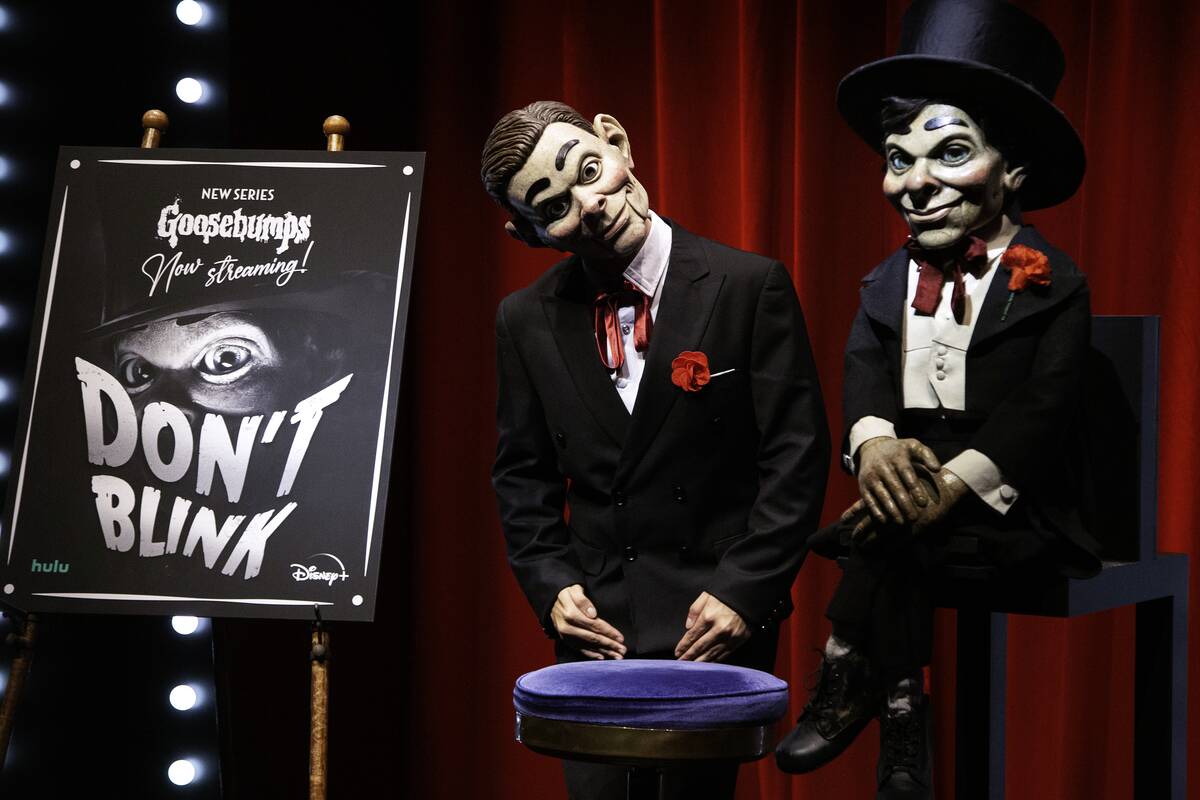
Reading corners overflowed with series that defined eras. R.L. Stine’s Goosebumps, launched in 1992, ran 62 original titles by 1997 and sold over 350 million copies worldwide. Ann M. Martin’s The Baby-Sitters Club started in 1986 and grew into a franchise with spin-offs and graphic novel adaptations, racking up more than 176 million copies sold. Scholastic Book Fairs and school flyers funneled paperbacks home in backpacks that already had no room.
Comics had their own ecosystem.
Poly bags and backing boards kept issues crisp, long boxes swallowed hundreds, and a Saturday bike ride to the local shop synced to new-release day. 1990s kids remember the X-Men boom, Image Comics launches, and trading-card inserts tucked into special issues. The shelf became a timeline: dog-eared favorites, key issues carefully filed, and a stack of free-issue samplers that somehow multiplied when you weren’t looking.
Toy chest bursting with action figures, dolls, and loose Lego bricks
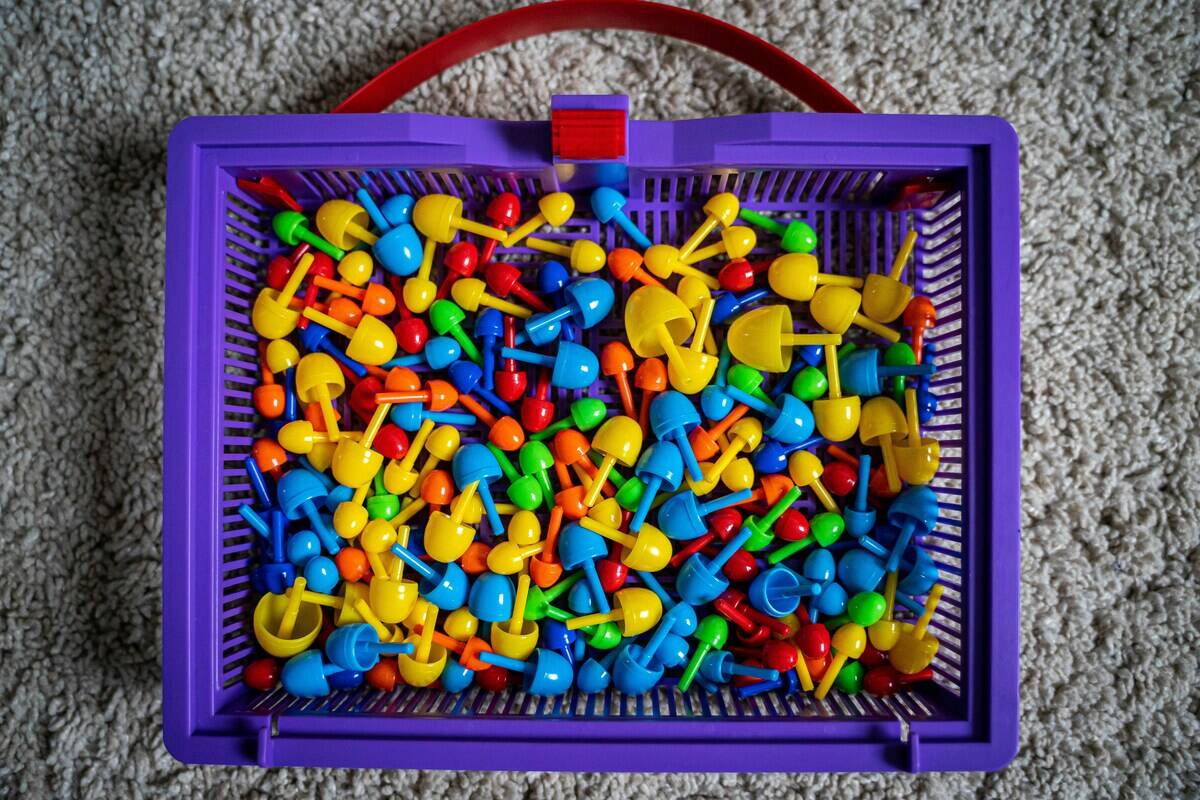
Open the lid and history spills out. LEGO bricks—whose modern minifigure debuted in 1978—clicked into castles until an errant 2×4 punished a midnight barefoot mission. G.I. Joe’s 3.75-inch line (relaunched 1982) battled Kenner’s Star Wars figures, while Barbie—born 1959—swapped outfits faster than a pop-star tour. Playmates’ Teenage Mutant Ninja Turtles (1988) staged sewer showdowns, and Polly Pocket’s tiny compacts (Bluebird Toys, 1989) packed whole worlds into a palm.
Accessories were everywhere: capes, doll shoes, plastic pizza slices, and that one LEGO minifig head you swore was in there yesterday. The toy chest creaked under the weight of birthdays and yard-sale rescues. Saturday cleanups sorted by size and theme—action figures to the left, building toys to the right—only for the categories to mingle again by Tuesday. A few scuffs and sun-faded helmets told the story of true playtime veterans.
Shelves lined with participation trophies, ribbons, and medals
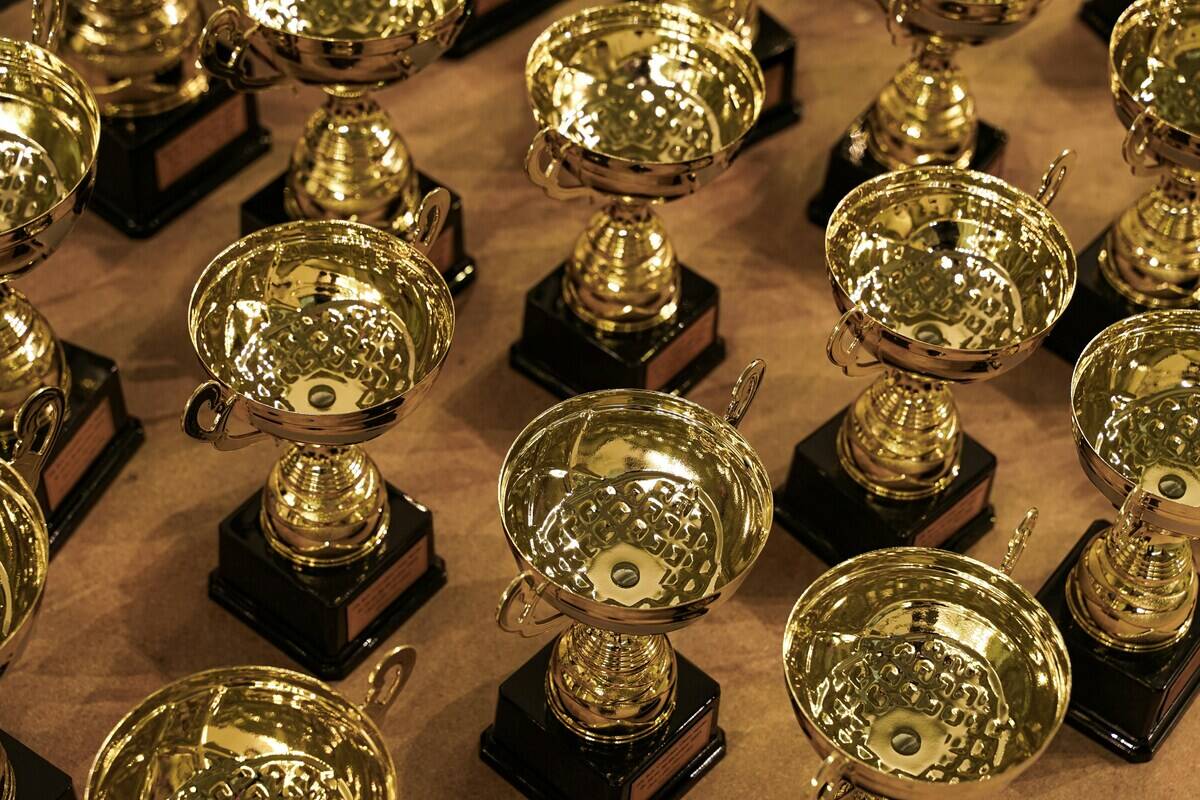
Every shelf became a tiny hall of fame. Plastic-column trophies from local shops featured gold-tone toppers—soccer kicks, baseball swings, or a triumphantly generic star figure—engraved with team names and seasons. Ribbons from school field days and science fairs—blue, red, and the occasional rainbow “Participant”—draped over book spines.
Medals clinked faintly when the desk drawer shut, their neck ribbons picking up the faintest scent of gym varnish years later.
Whether you won or just showed up, the collection tracked a calendar of efforts. Picture-day smiles hid the memory of 7 a.m. swim practices, and a dusty trophy base recorded the league sponsor: the hardware store or diner that bought uniforms. The acrylic tops clouded over time, and the brass plates tarnished a little, but the lineup stood guard all the same, proof that everything from chess club to karate class got its moment in the sun.
Phone with an extra-long curly cord (or that see-through cordless)
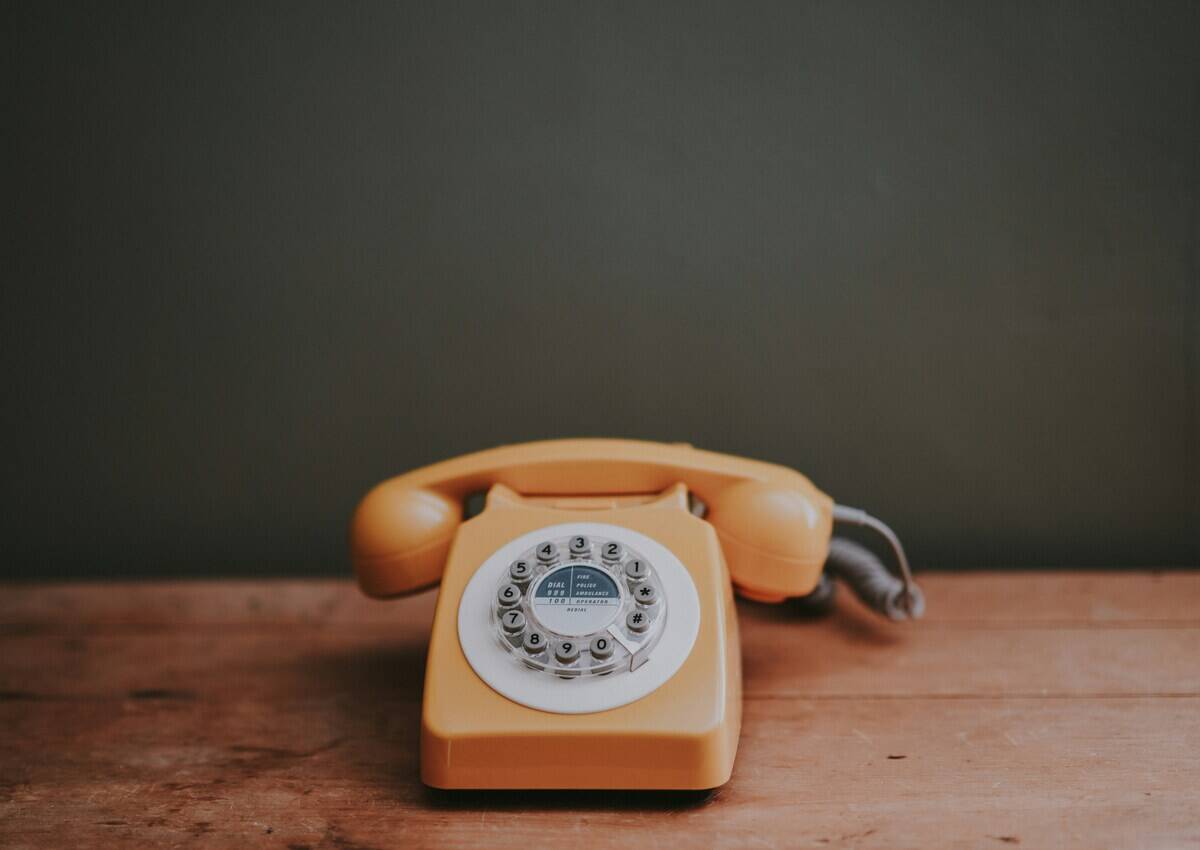
Before group texts, there was the hallway landline dragged into the bedroom by a 25-foot curly cord. Detangler swivels snapped between handset and cord to fight the dreaded twist. Caller ID rolled out widely in the mid-1990s, and star codes like *69 returned missed calls with a tap. For cordless fans, early models hummed at 46/49 MHz; 900 MHz sets arrived around 1994, boosting range and clarity before 2.4 GHz models took over later in the decade.
Then there was the see-through trend: transparent landline phones with flashing LEDs revealed their circuitry like a science fair project. Brands like Unisonic and Southwestern Bell sold them in bright, candy colors throughout the 1990s. Keypad tones chirped, base units blinked, and the ringer’s volume switch saved friendships with sleeping siblings. Whether corded or cordless, that ring cut through everything—TV, boombox, even lava lamp reveries—sending you sprinting past laundry drifts to answer first.
Beaded doorway curtain or a poster pretending to be a door
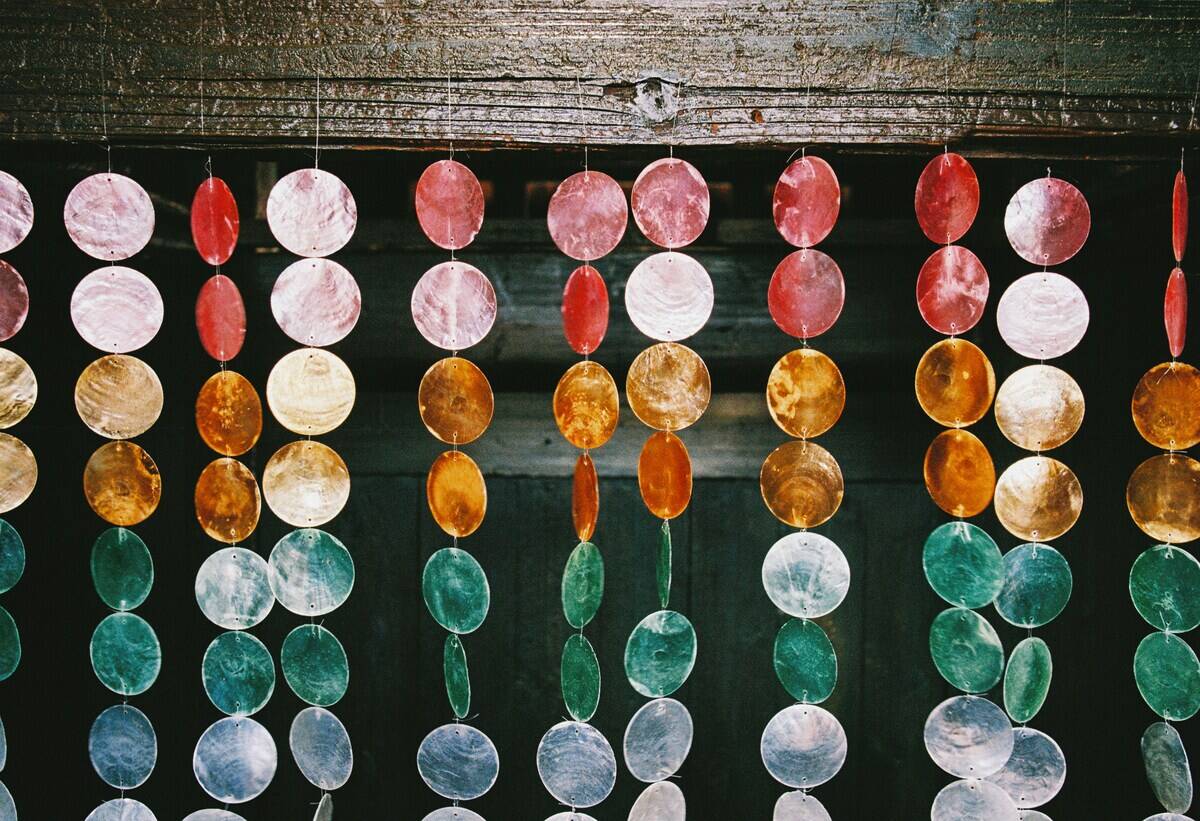
A beaded curtain turned a doorway into a soundtrack. Popular since the 1960s and rebounding in the 1990s, strands clicked and swished with every entrance like a lo-fi applause track. Plastic cylinder beads in neon or faux bamboo hung from a simple rail, inevitably tangling if the family pet investigated. They didn’t block sound or siblings, but they did announce vibes: boho, beachy, or “this is a recording studio, please and thank you.”
If you couldn’t mount hardware, a door poster did the trick.
Classic “Keep Out” signs shared space with full-size prints—surf scenes, cityscapes, or movie art—attached via over-the-door hooks or copious tape. Some posters faked another door entirely, trompe-l’oeil style. The practical perk: instant backdrop for photos and a barrier for wandering eyes when your corkboard secrets or unmade bed were not ready for prime time.
Piggy bank and a covert stash of allowance and arcade tokens

Change clinked into ceramic pigs with rubber-stopper bellies and, occasionally, into novelty banks that counted coins digitally. Allowances parked there until Saturday mall runs or comic-shop raids. Paper rolls from the bank turned loose quarters into organized ammo for vending machines. The occasional $2 bill felt like treasure, while wheat pennies and state quarters quietly started a numismatic side quest you pretended wasn’t nerdy at all.
Arcade tokens had hometown pride.
Chuck E. Cheese, founded in 1977, minted dated brass tokens that piled up in plastic cups, their serrated edges catching on pocket linings. Laundromat tokens migrated in, too, with sizes just off enough to jam the wrong machine. Secret stashes hid under false-bottom boxes or inside old film canisters, perfect for emergency skee-ball tournaments or the day the gumball machine finally stocked blue raspberry again.
Sticker album, scratch-and-sniff sheets, and a binder of trading cards
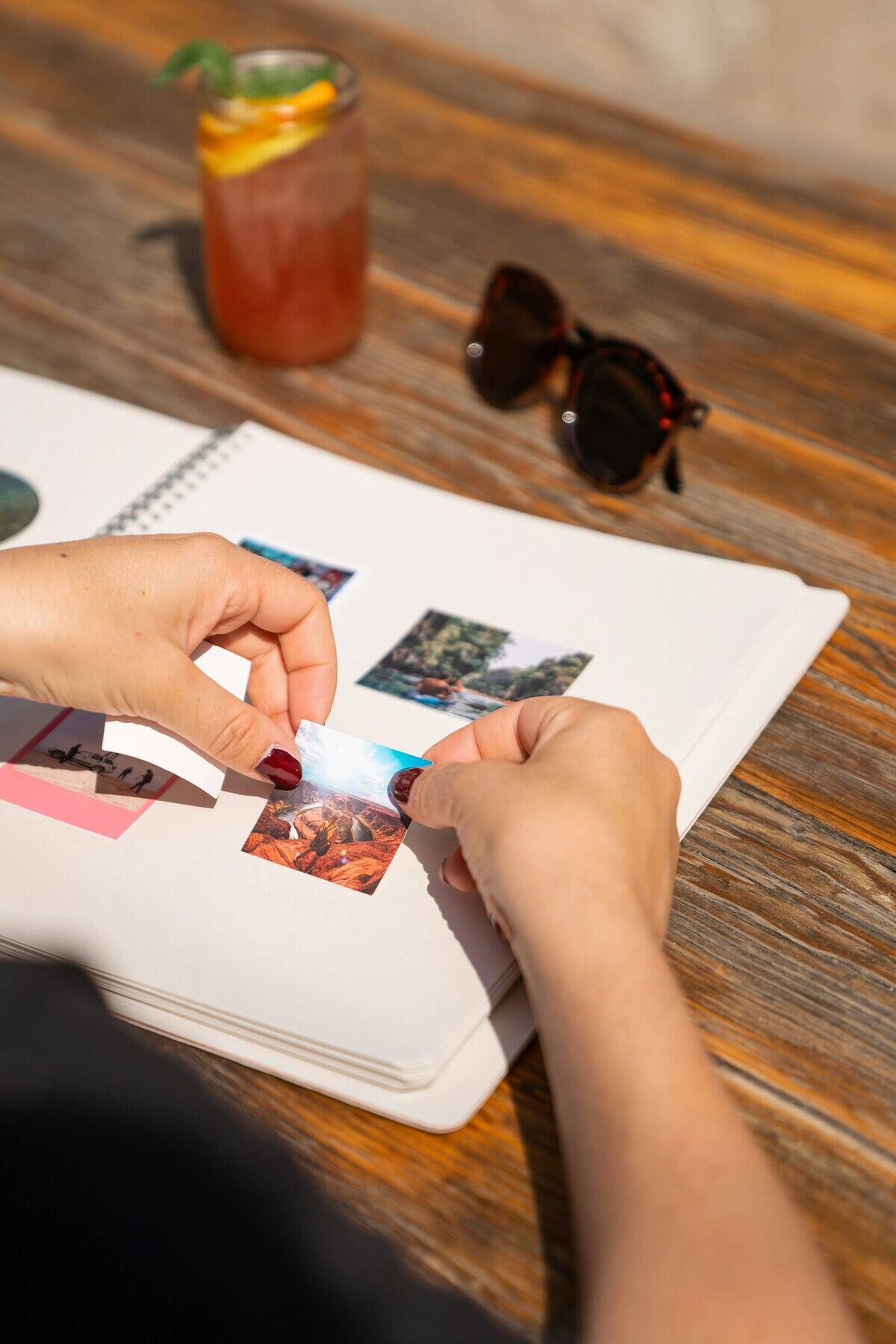
Stickers were tiny declarations. Panini albums tracked everything from World Cups (Panini’s first was Mexico 1970) to cartoon casts, while Lisa Frank sheets exploded with rainbows and leopard spots. Scratch-and-sniff technology, based on microencapsulation first patented in the 1960s, perfumed pages with grape, pizza, and the occasional suspicious “dirt” scent.
School binders collected puffy stickers so tactile they dented notebook covers two folders away.
Trading cards demanded nine-pocket pages—Ultra PRO’s clear sheets became standard by the 1990s. Topps baseball anchored collections, Upper Deck shook things up in 1989 with crisp photography, and the Pokémon TCG’s U.S. debut in 1999 turned recess into a stock exchange. Garbage Pail Kids (1985) added gleeful chaos, and protective sleeves saved holographics from backpack calamity. Checklists lived at the back, meticulously ticked, with one maddening card always, always missing.
Over-the-door shoe organizer stuffed with everything but shoes

Clear vinyl pockets turned backs of doors into command centers. A 24-pocket organizer filed away TV remotes, game controllers, walkie-talkies, and spare AA batteries with military precision. Craft supplies took over a column—glue sticks, safety scissors, glitter tubs that should’ve come with NDAs. Tamagotchis (Bandai, 1996) nested in a top row where they could beep for attention without disappearing under a hoodie avalanche.
At kid height, pockets became treasure troves: Pogs stacks in plastic tubes, slammers with chipped holograms, and a yo-yo or two ready for a quick sleeper. Label-maker tags tried to impose order: cables, cards, caps. The best part was visibility; you actually used what you could see. The worst part was gravity; heavy items drooped in slow motion until a mid-homework thunk announced one more surrender to entropy.
Bedspread and curtains repping your favorite cartoon or team

Bedding doubled as a billboard. Teenage Mutant Ninja Turtles sets stormed rooms in the early ’90s, followed by Mighty Morphin Power Rangers (debut 1993) and Space Jam (1996) tie-ins. Disney cycles delivered Aladdin (1992), The Lion King (1994), and later Toy Story (1995) prints. Thread counts were irrelevant; it was all about the characters running across your comforter like a Saturday-morning parade that didn’t care whether you made the bed.
Sports fandom got the home-field treatment.
NFL, NBA, MLB, and NHL-licensed sets bundled duvet covers, sheets, and matching drapes, complete with team logos approved by league properties. Coordinated valances and bed skirts pulled it together with surprising gravitas for a room that also contained a poster of a skateboarder mid-kickflip. Laundry day told the truth: even champions and superheroes need a spin cycle and a sunny spot on the clothesline.
Milk crates doing double duty as shelves and record storage

Sturdy, stackable, and stamped “Property of” a local dairy, milk crates made instant furniture. Their roughly 13-inch square footprint fit 12-inch LPs like a glove, each crate swallowing 50 to 60 records without bowing. Made of tough HDPE plastic with interlocking lips, they stacked into ad hoc bookcases that actually survived teenage engineering.
Slid sideways, they became nightstands with enough airflow to keep a PlayStation or VCR from overheating.
There was a wink of rebellion, too—borrowing a crate was technically a no-no in many states, with fines on the books. Retail versions solved the ethics while keeping the vibe. Cable management snaked through the grid, zip ties kept speakers perched, and a folded hoodie made a shockingly decent cushion on top. In the vinyl revival years later, those crates simply shrugged and went back on duty without a complaint.
Trash can basketball hoop and a floor that was 70% clothes
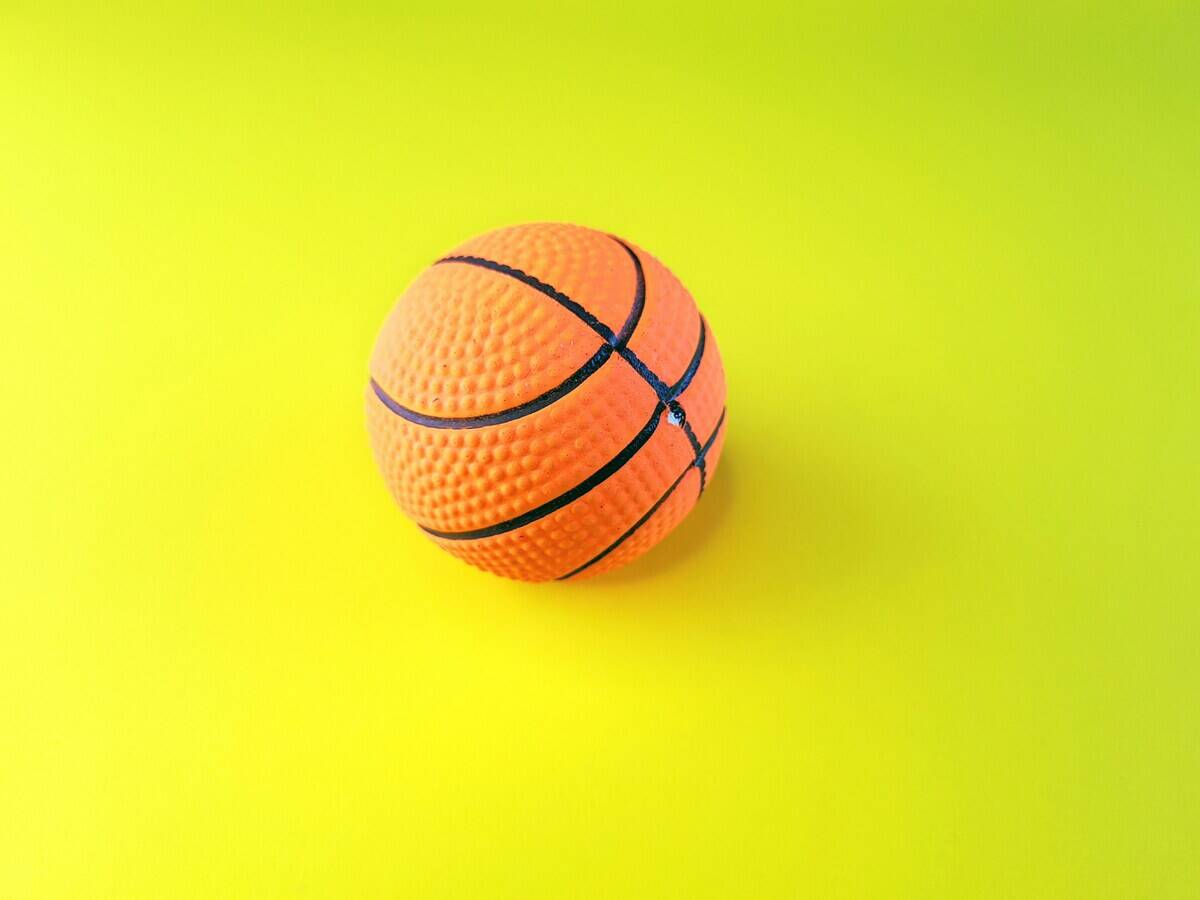
Every room had a three-point line—imaginary, but strictly enforced. Nerf’s mini hoops (the “Nerfoop” dates to the 1970s) hung over doors, while wastebasket rims turned homework drafts into buzzer-beaters. Bank shots off closet doors left a constellation of little dents only visible at sunset. Paper-ball aerodynamics favored notebook paper over cardstock, and the swish of a perfect arc was worth the inevitable, “Are you cleaning or playing?” interrogation.
As for the floor, let’s be honest: it felt 70% clothes on most weekdays, even if the official statistic was “a work in progress.” Clean piles, dirty piles, undecided piles—all coexisted like precincts in a city. A laundry hamper stood by, heroic and mostly ignored until Sunday night. Somewhere under a hoodie nested a library book, a single sock, and the TV remote you were sure the couch had eaten.




