What family vacations were like before smartphones
Before smartphones, family vacations were a delightful mix of spontaneity and planning. Families relied on tangible tools and shared experiences to navigate their journeys. The absence of digital distractions meant more time for conversation and connection.
Every trip was an adventure filled with unexpected twists and turns, making each vacation a unique story to tell. These trips were more than just destinations; they were about the journey and the memories created along the way.
The Art of Planning: Maps, Guidebooks, and Travel Agents
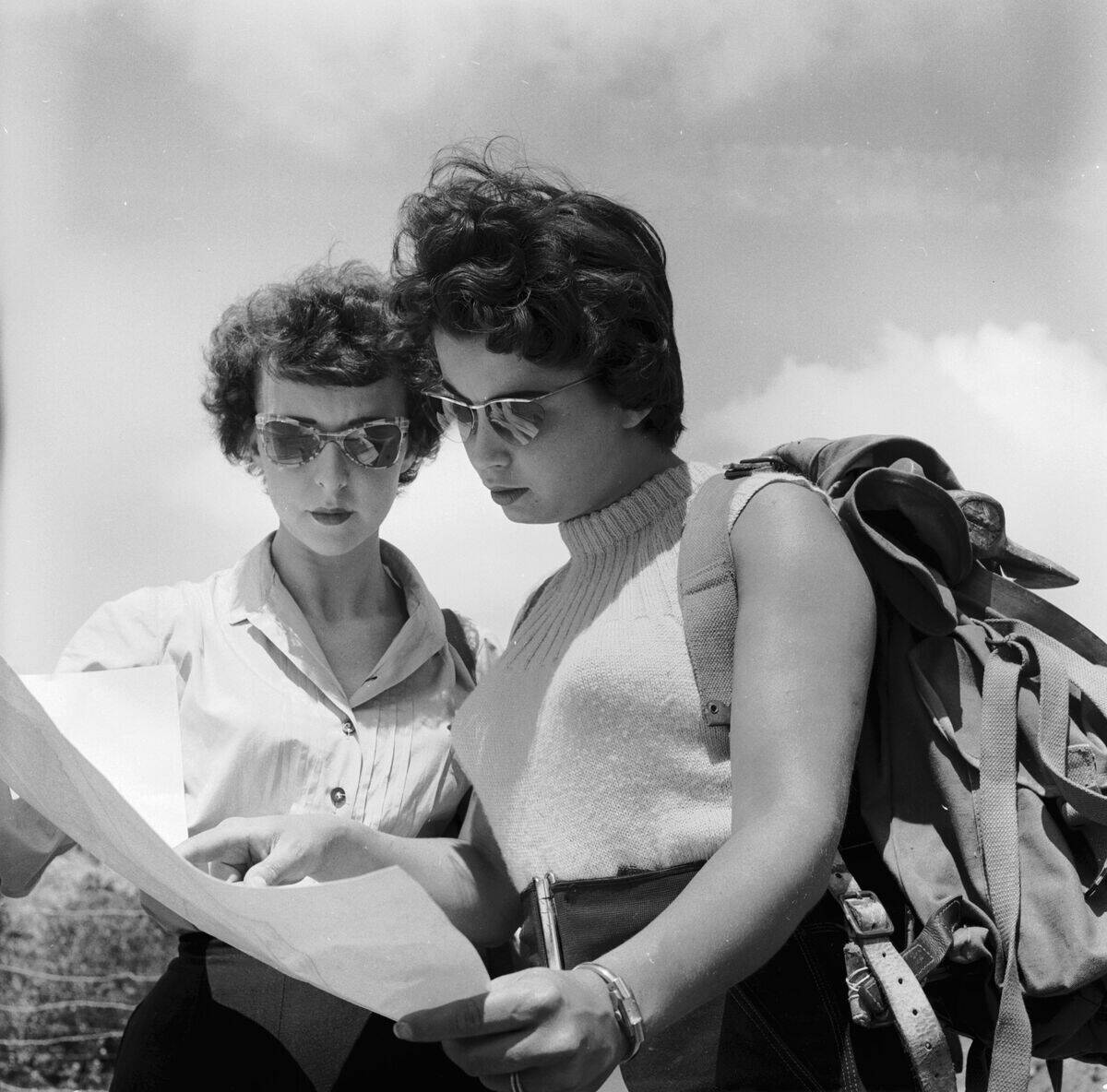
In earlier periods of travel planning, people often used printed maps and guidebooks to organize trips. Travel agents frequently assisted with booking accommodations and suggesting routes and destinations.
Families sometimes planned trips together by reviewing materials and marking preferred stops. Physical maps and printed guides were common tools used before the widespread adoption of digital navigation and online booking systems.
Road Trips: The Ultimate Family Bonding Experience
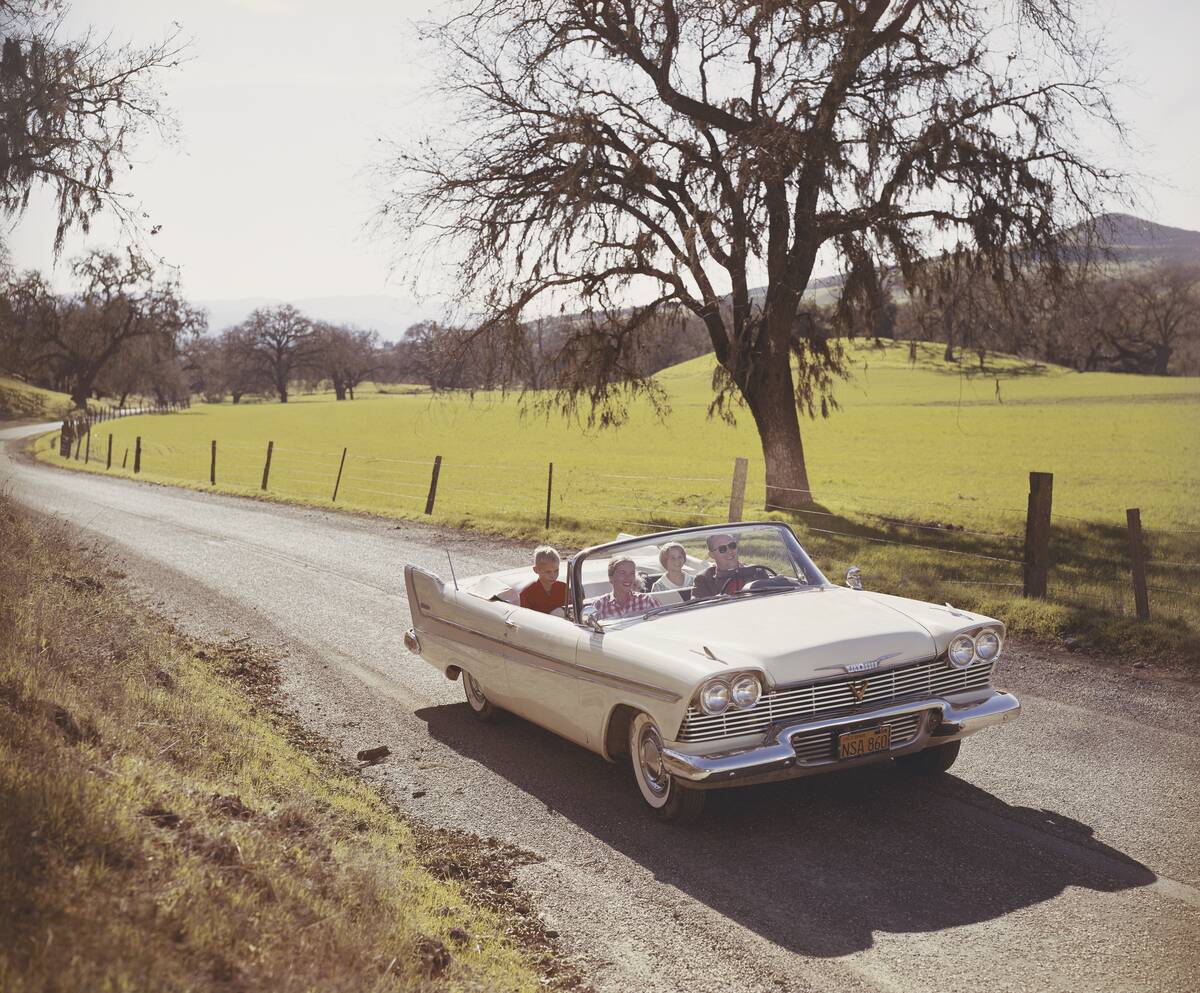
Road trips became a popular form of travel for families, particularly in the United States during the 20th century as automobile ownership increased.
Highway networks made long-distance travel by car more accessible, and many routes included scenic areas and roadside stops. Families often traveled together by car to reach vacation destinations, using highways that connected cities, towns, and tourist sites.
Navigating Without GPS: The Role of the Co-Pilot
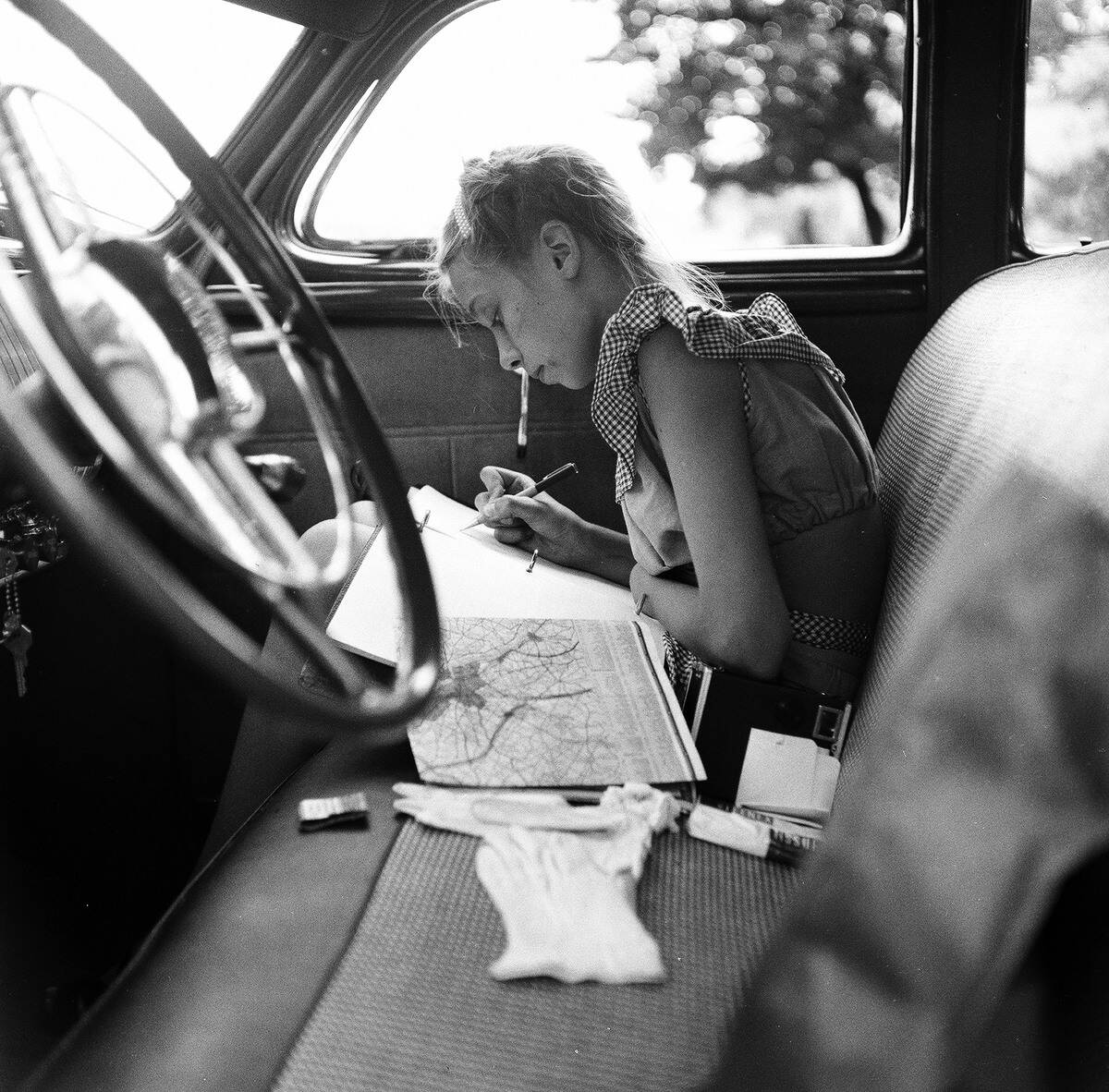
Before the widespread use of GPS technology, drivers commonly relied on printed maps, road atlases, and written directions for navigation.
In many cases, passengers assisted by reading maps, identifying landmarks, and interpreting road signs to help guide travel. Navigation required attention to physical maps and road-based information to determine routes, particularly in unfamiliar areas.
Entertainment on the Road: From I Spy to 20 Questions
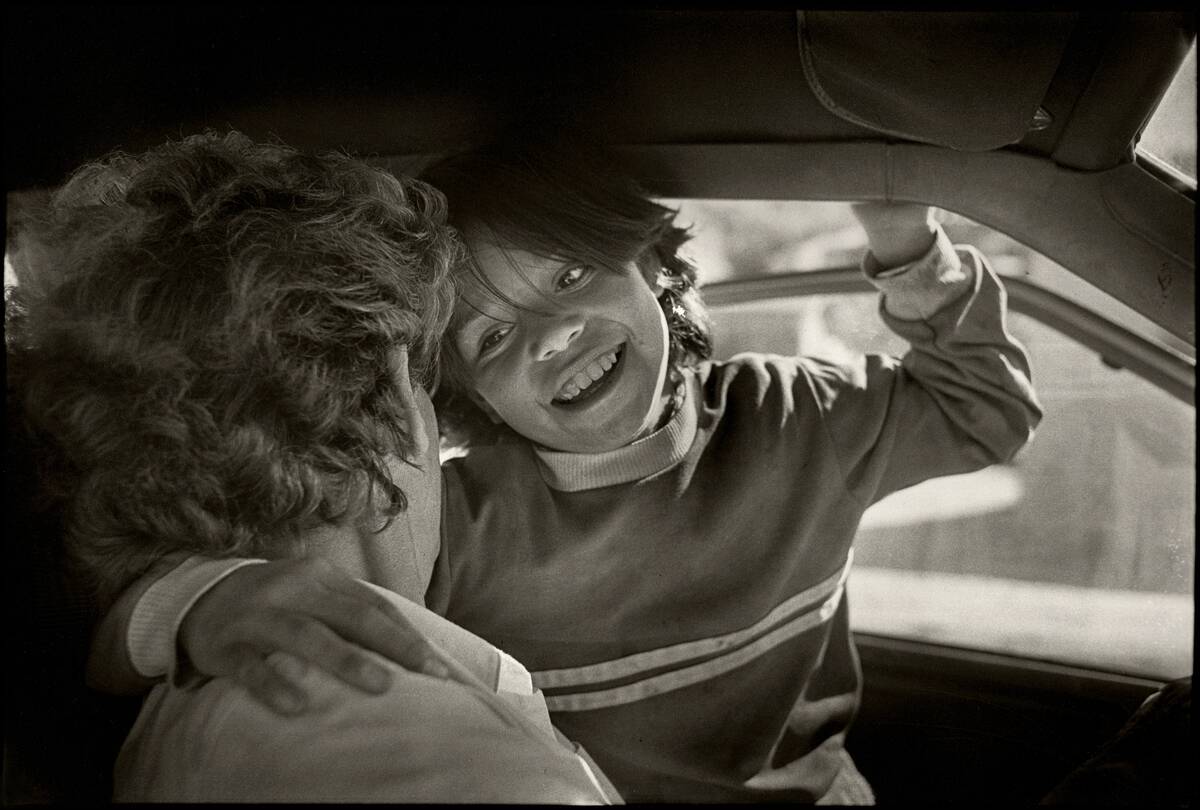
Long car rides were filled with classic games like I Spy and 20 Questions, keeping everyone entertained for miles. These games sparked creativity and conversation, turning the journey into an interactive experience.
Without screens to distract, families engaged in playful banter and friendly competition. These simple games required nothing more than imagination and observation, making them perfect for passing the time on the road.
Capturing Memories: Disposable Cameras and Film Rolls
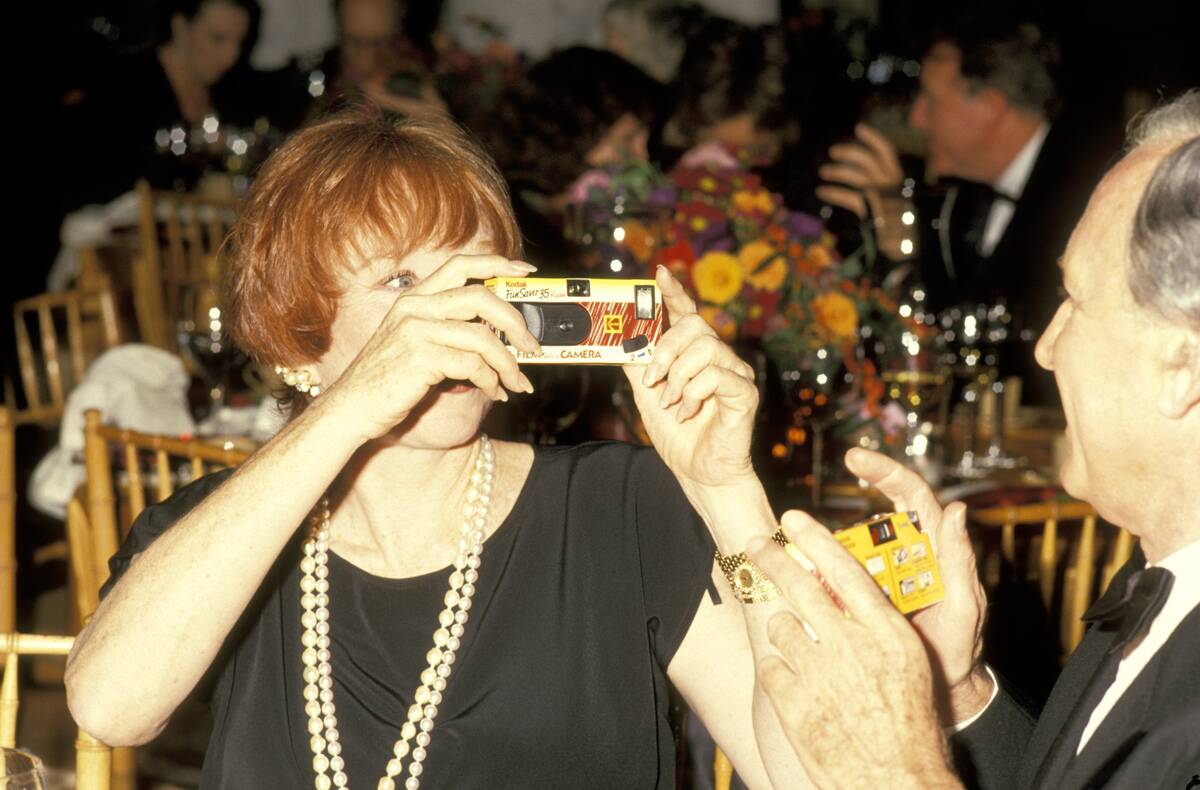
Capturing vacation memories involved disposable cameras and film rolls, with each click of the shutter holding the promise of a perfect shot. Families would eagerly wait to develop their photos, reliving their adventures through glossy prints. The anticipation of seeing how pictures turned out added an element of surprise to the process. These tangible photos became cherished keepsakes, capturing moments that would be treasured for years to come.
Communication: Payphones and Postcards
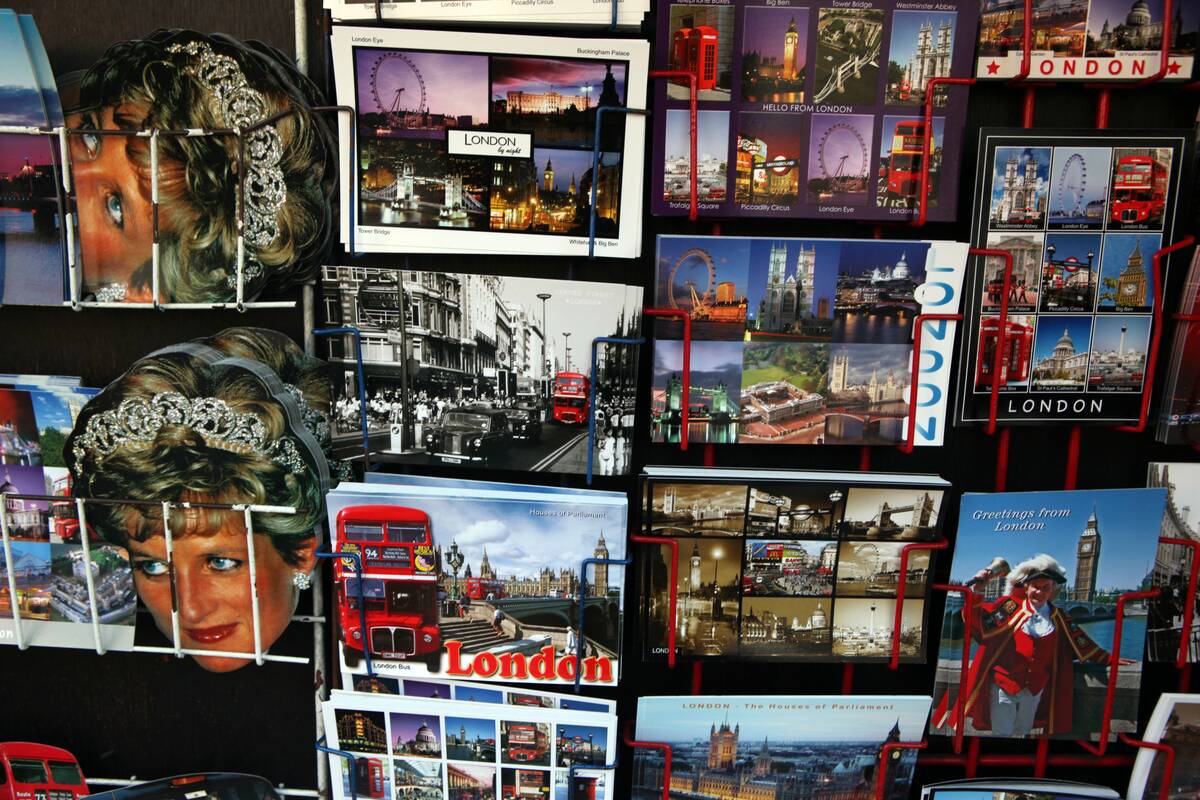
Before mobile phones and widespread internet access, travelers commonly used payphones to make calls from public locations or sent postcards through postal services to communicate while away.
Payphones were installed in many public areas such as streets, transport hubs, and service stations, although their numbers have declined over time. Postcards were often used to send brief written updates and images from visited locations.
The Joy of Getting Lost: Unplanned Adventures and Discoveries

Getting lost was part of the adventure, leading to unplanned discoveries and unexpected detours. Without digital maps to guide every step, families often stumbled upon hidden gems and local treasures.
These serendipitous moments added a sense of wonder to the journey, turning potential mishaps into memorable experiences. Embracing the unknown allowed for a more relaxed and open-minded approach to travel, where the journey was as important as the destination.
The Family Photo Album: A Treasure Trove of Memories
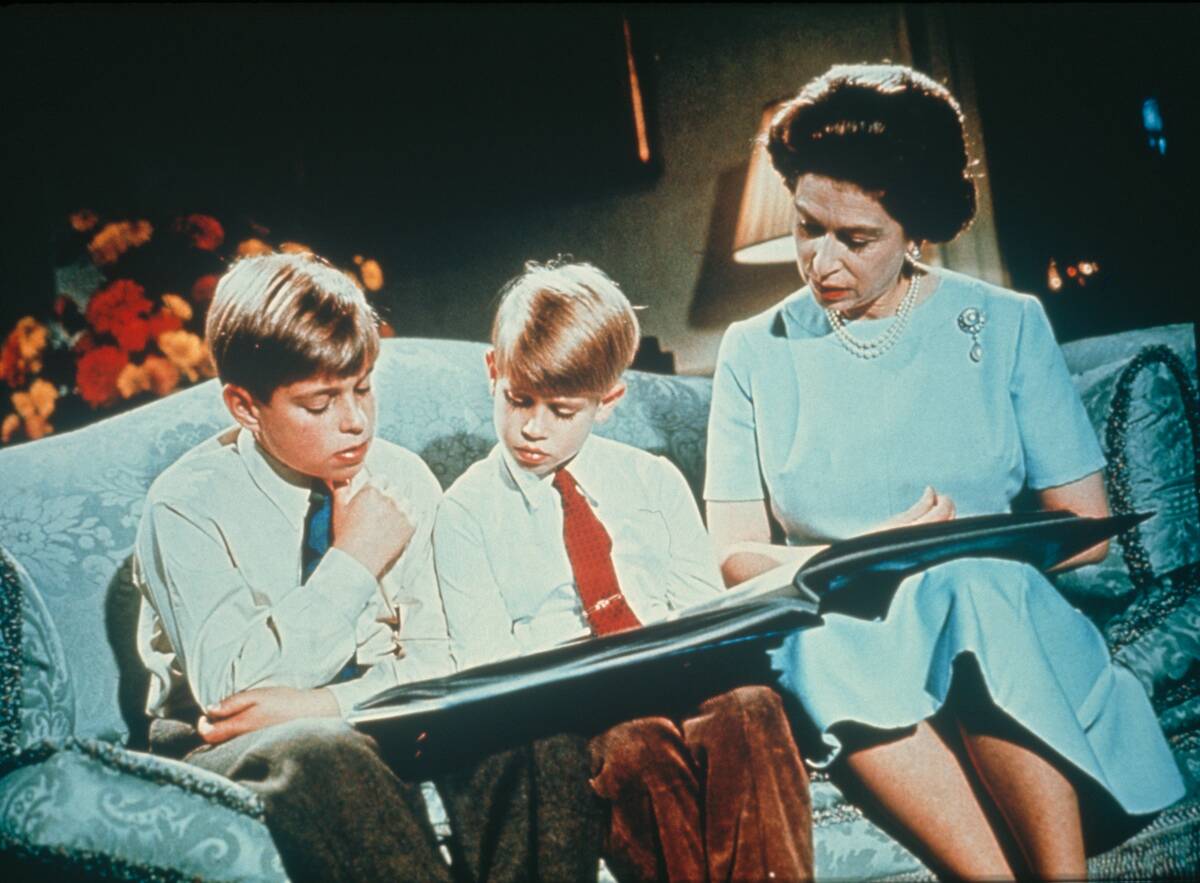
Family photo albums were treasure troves of memories, filled with snapshots of vacations past. Each page told a story, with candid moments and posed portraits capturing the essence of family adventures.
Flipping through the pages was a nostalgic journey, sparking conversations and laughter as memories were relived. These albums were more than just collections of photos; they were tangible reminders of the bonds and experiences shared on each trip.
Reading Material: Books, Magazines, and Travel Brochures

Books, magazines, and travel brochures were essential companions on long journeys, providing entertainment and inspiration. Families would pack their favorites, diving into stories and articles during quiet moments.
Travel brochures offered a glimpse into potential adventures, with colorful images and enticing descriptions. These reading materials provided a welcome escape, sparking imagination and wanderlust as the miles rolled by.
Music on the Go: Cassette Tapes and Portable Radios
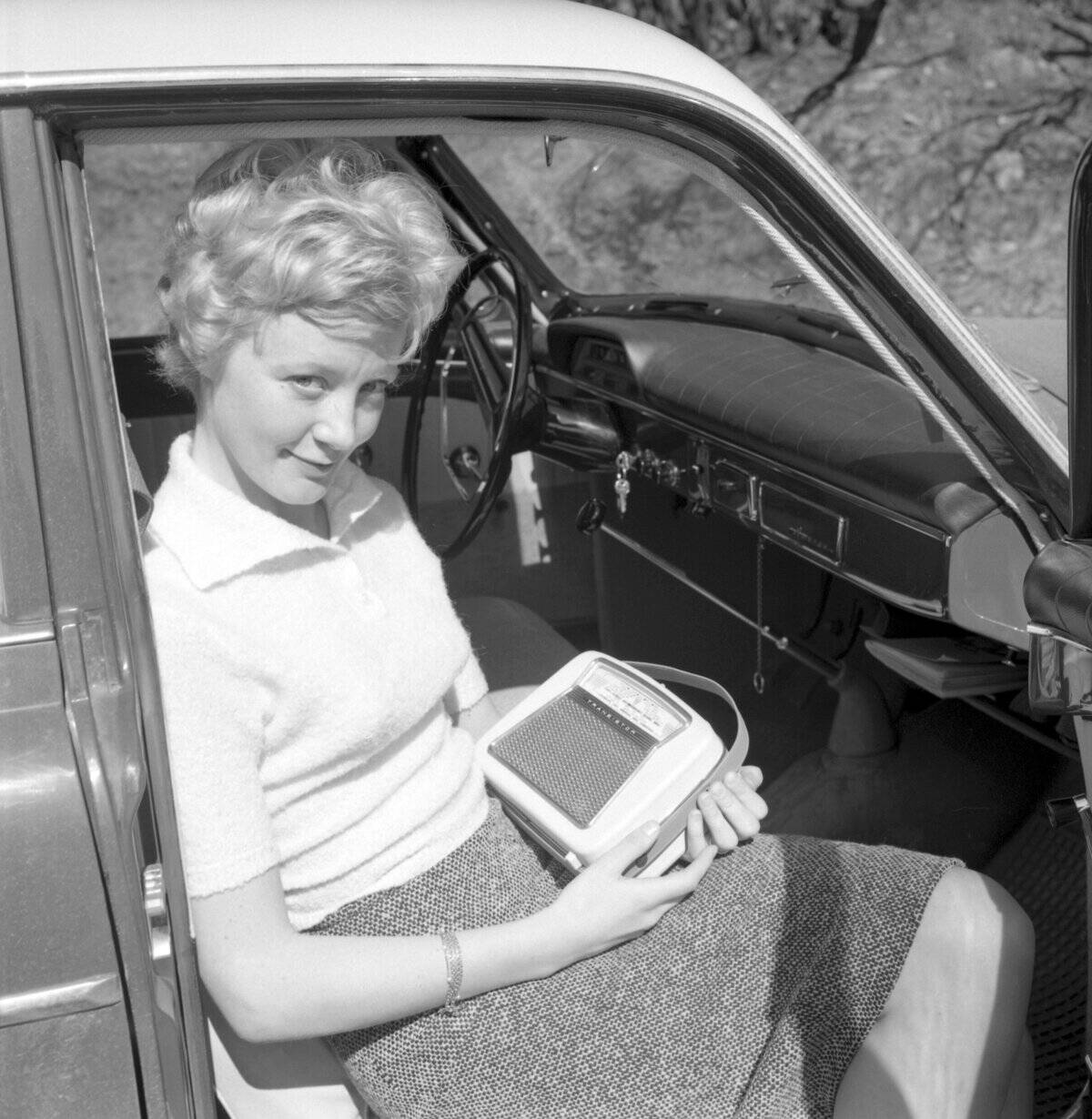
Music on the road came from cassette tapes and portable radios, with each song adding to the soundtrack of the trip. Families would create mixtapes, curating playlists that captured the spirit of the journey.
Portable radios offered a connection to local stations, with regional hits and news providing a sense of place. Music became a shared experience, with everyone singing along and creating memories tied to each tune.
Dining Out: Relying on Word of Mouth and Local Recommendations
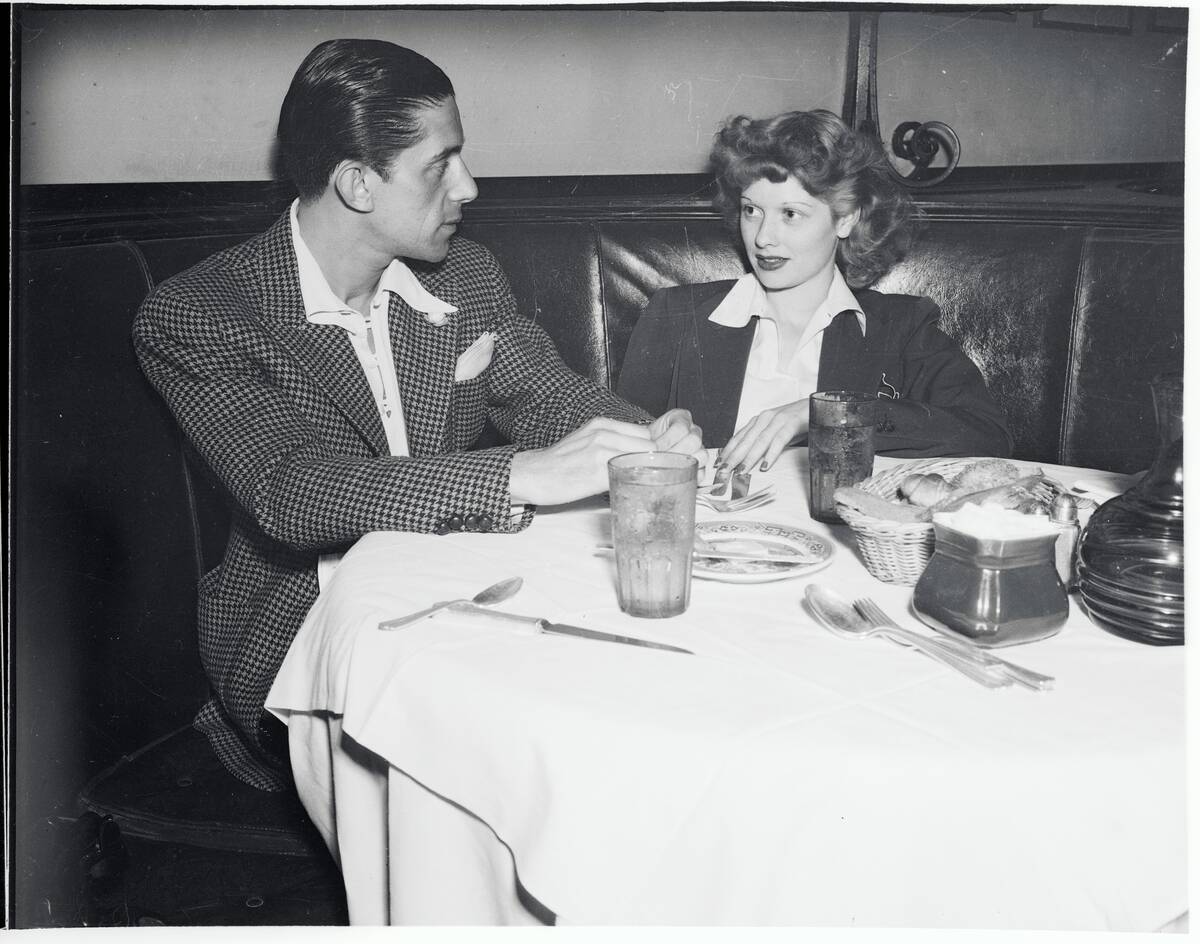
Finding a good place to eat relied on word of mouth and local recommendations, with each meal offering a taste of the region. Families would ask locals for their favorite spots, discovering hidden gems and authentic flavors.
This approach led to culinary adventures, with each meal becoming a memorable part of the trip. Dining out was more than just sustenance; it was an opportunity to connect with the culture and people of the area.
The Importance of Souvenirs: Tokens of the Journey
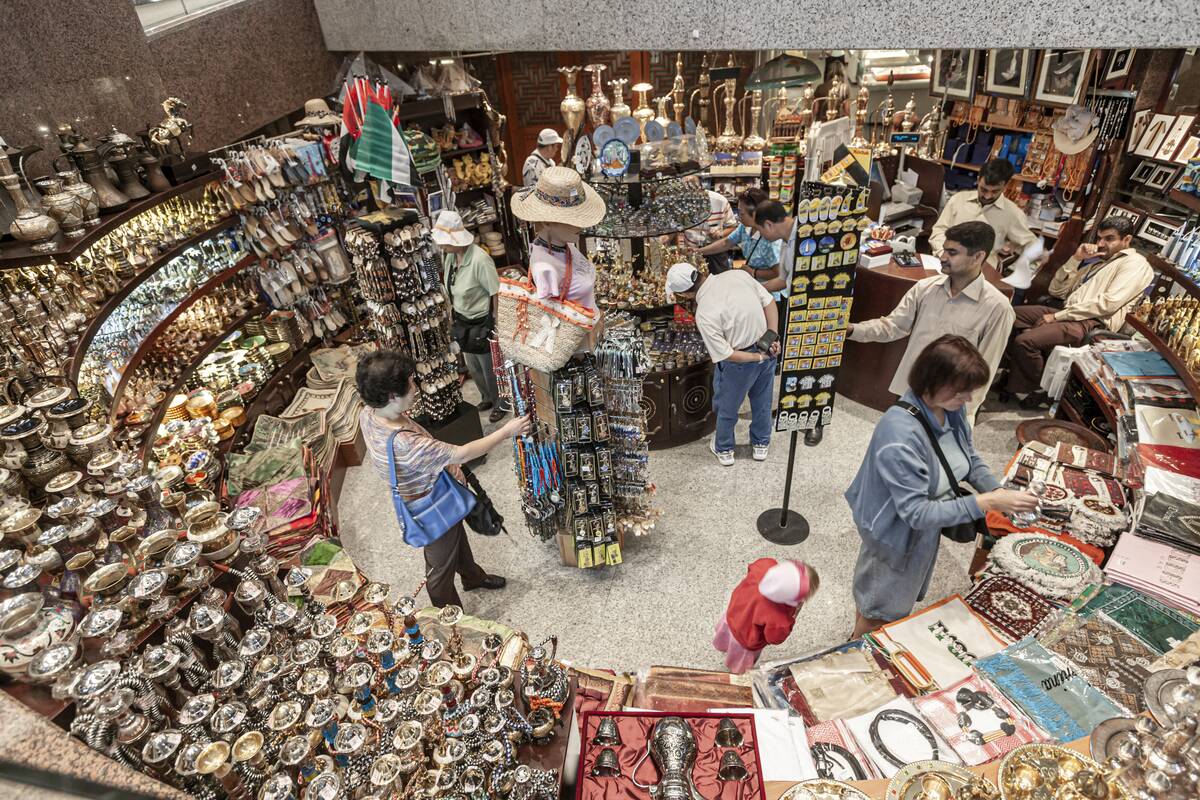
Souvenirs were tokens of the journey, each item holding memories of the places visited. Families would collect mementos, from keychains to local crafts, as reminders of their adventures.
These items became cherished keepsakes, sparking stories and nostalgia long after the trip ended. Souvenirs were more than just objects; they were tangible connections to the experiences and emotions of the vacation.
Hotel Reservations: The Art of Calling Ahead
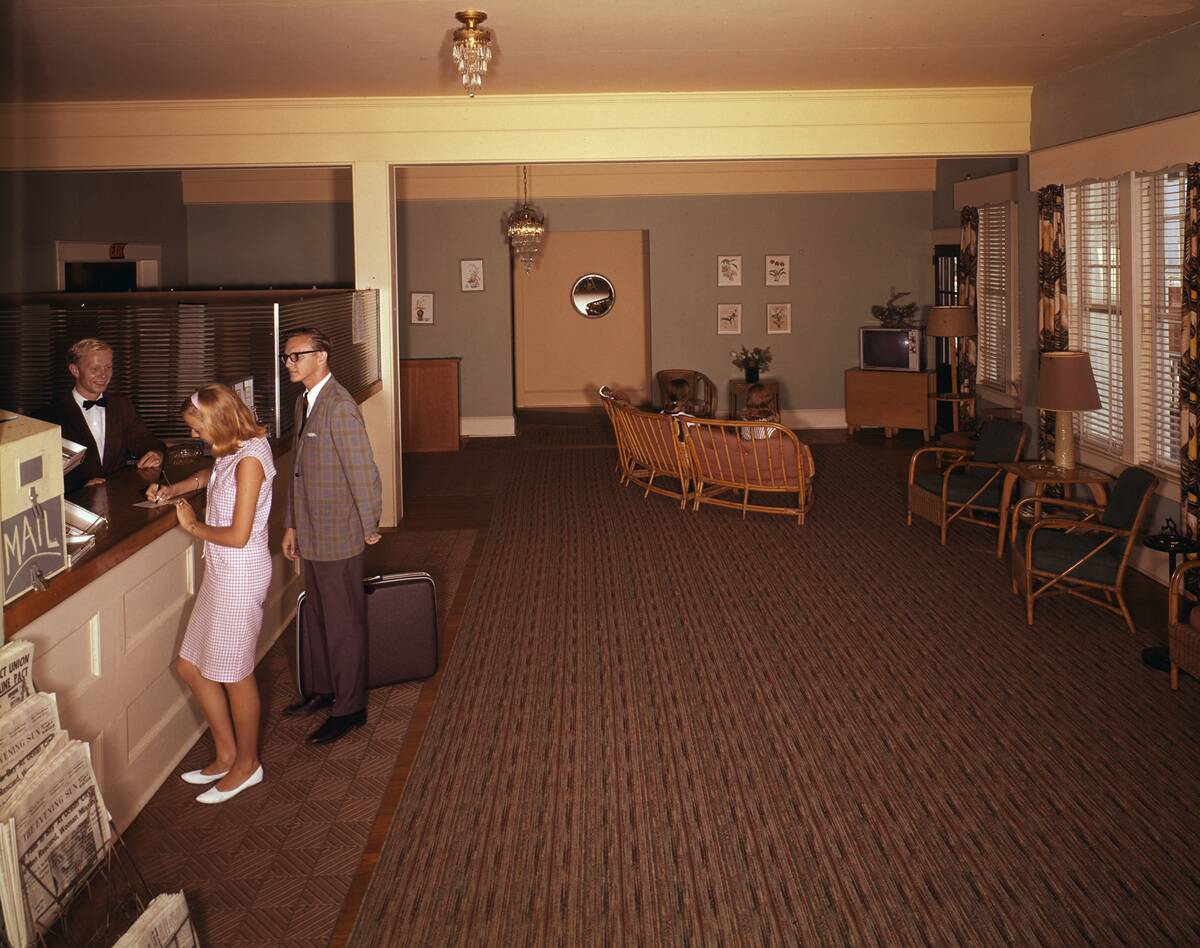
Before online booking systems became widespread, hotel reservations were commonly made by telephone, travel agents, or in-person inquiries.
Availability and pricing were confirmed directly with hotel staff or booking services. Travelers would often plan accommodations in advance when arranging trips, particularly for longer journeys.
The Role of Travel Journals: Documenting the Journey
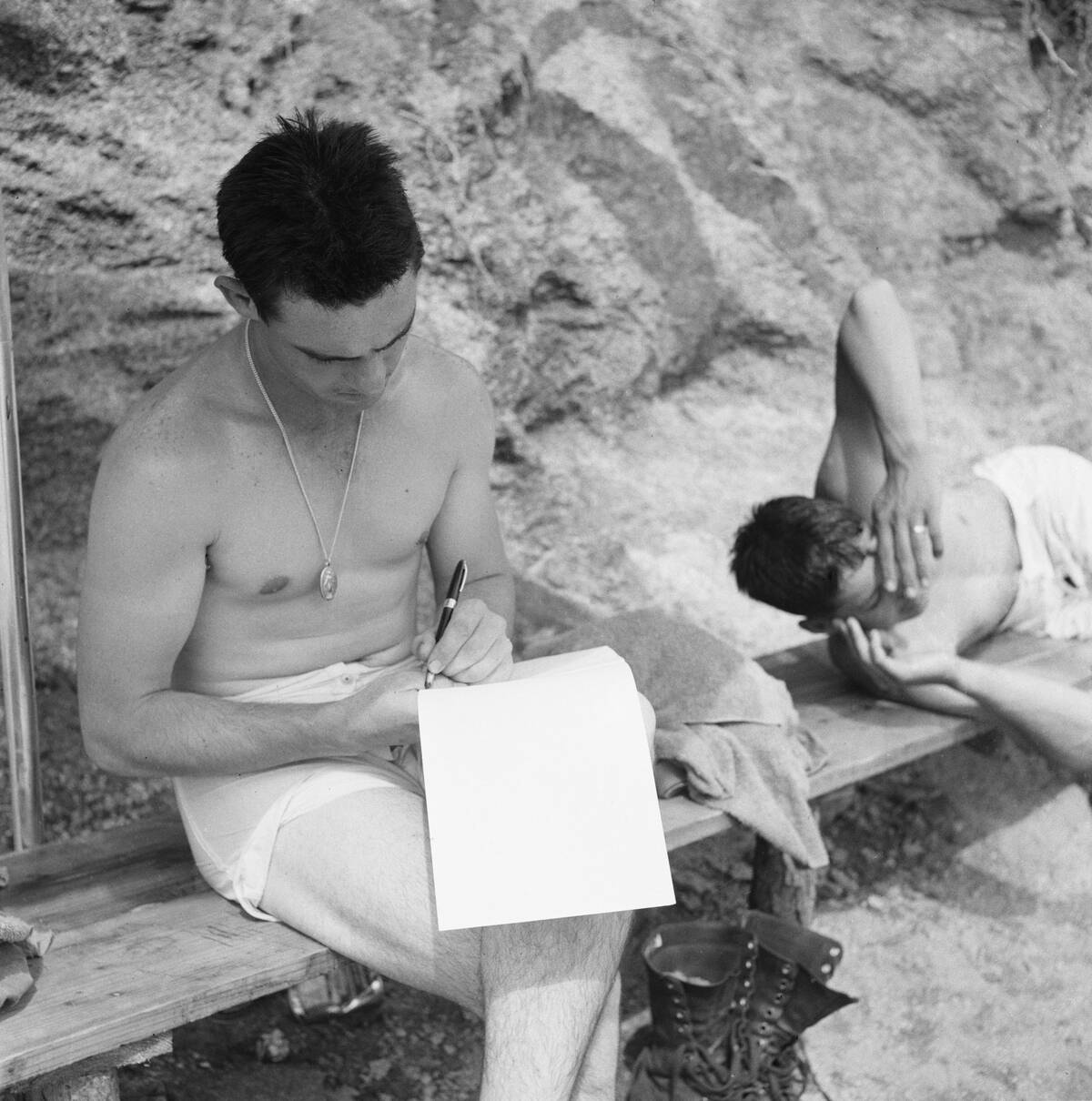
Travel journals were personal chronicles, capturing the details and emotions of the journey. Families would jot down notes and sketches, documenting their adventures in real-time.
These journals became treasured keepsakes, offering a glimpse into the thoughts and experiences of each trip. Writing in a travel journal was a reflective practice, allowing for a deeper connection to the places visited and the memories created.
Navigating Theme Parks: Paper Maps and Meeting Spots
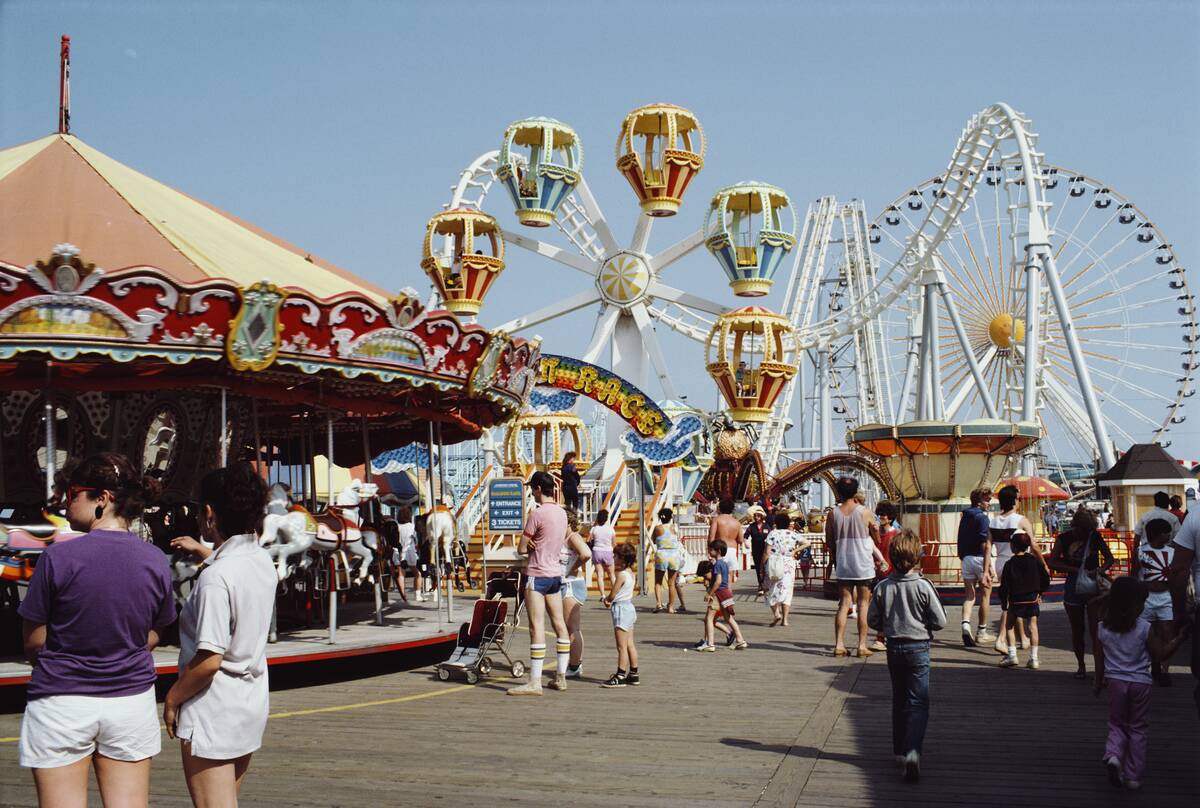
Navigating theme parks involved paper maps and designated meeting spots, ensuring everyone stayed connected. Families would gather around the map, planning their route and deciding on attractions to visit.
Meeting spots provided a sense of security, with everyone knowing where to regroup if separated. This approach required teamwork and communication, turning a day at the park into a collaborative adventure.
Family Bonding: Conversations and Shared Experiences
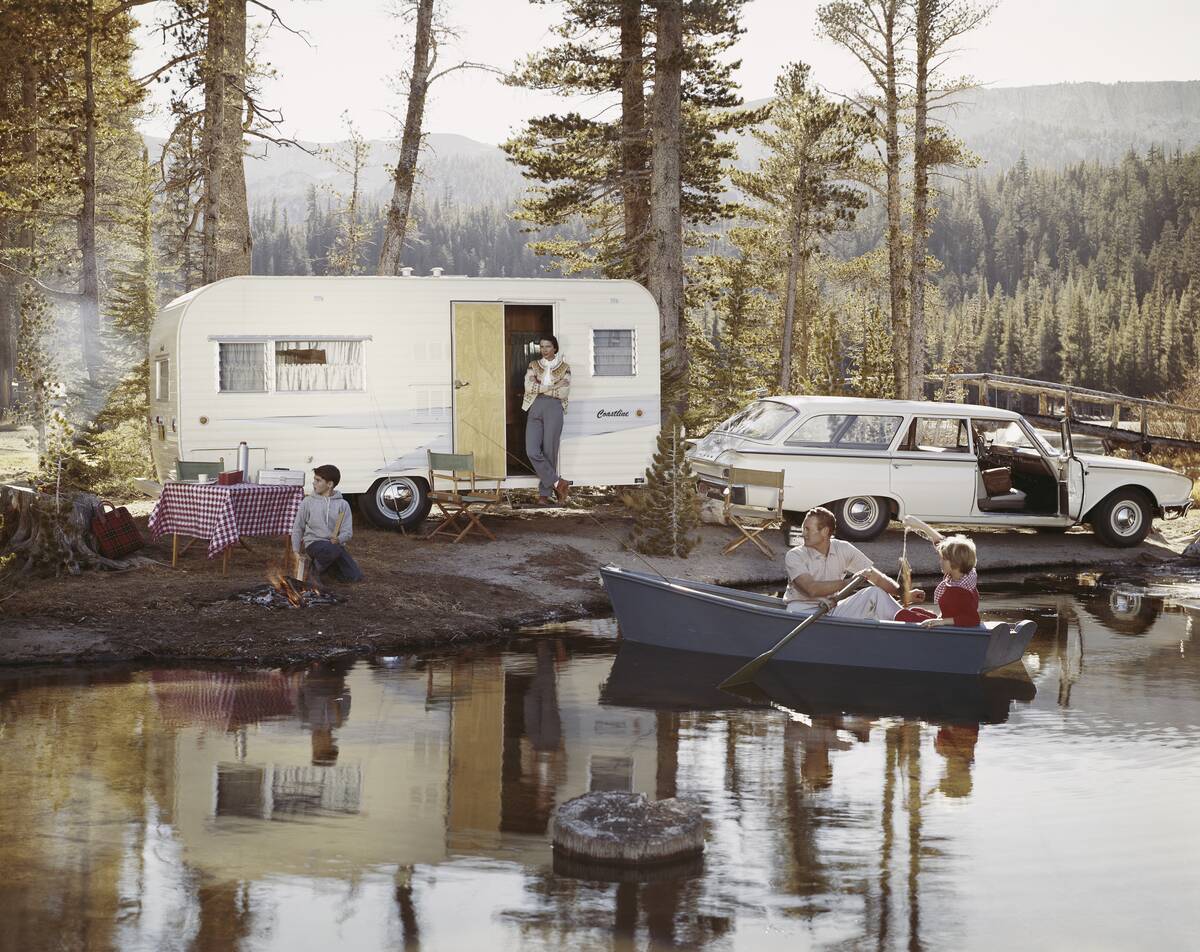
Family vacations were a time for bonding, with conversations and shared experiences bringing everyone closer. Without digital distractions, families engaged in meaningful discussions and playful banter.
Each moment was an opportunity to connect, with the journey offering a backdrop for laughter and storytelling. These shared experiences created lasting memories, strengthening the bonds between family members and fostering a sense of togetherness.
The Return Home: Developing Photos and Reliving Memories
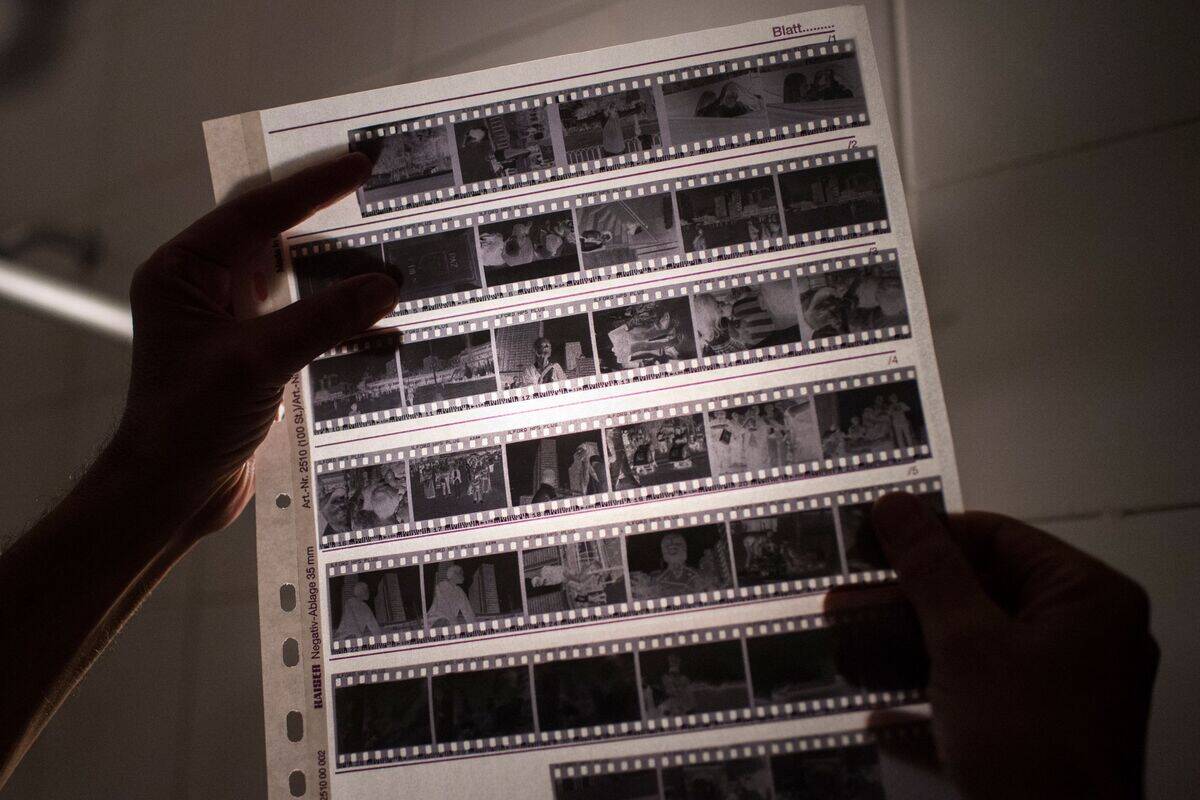
Returning home marked the beginning of reliving memories, with photos developed and stories shared. Families would gather around, flipping through albums and reminiscing about their adventures.
Each photo sparked laughter and nostalgia, bringing the trip to life once more. Developing photos was a ritual, with the anticipation of seeing each image adding to the excitement. These tangible memories became cherished keepsakes, preserving the essence of the journey.