16 Unusual historical medical treatments
Throughout history, humans have tried countless ways to cure ailments, some more peculiar than others. From ancient rituals to questionable concoctions, the medical practices of the past often seem bizarre to us today.
This journey through time will explore some of the strangest methods once used to heal the sick. While modern medicine has come a long way, these historical treatments offer a fascinating glimpse into the evolution of healthcare.
Bloodletting: Draining to Heal
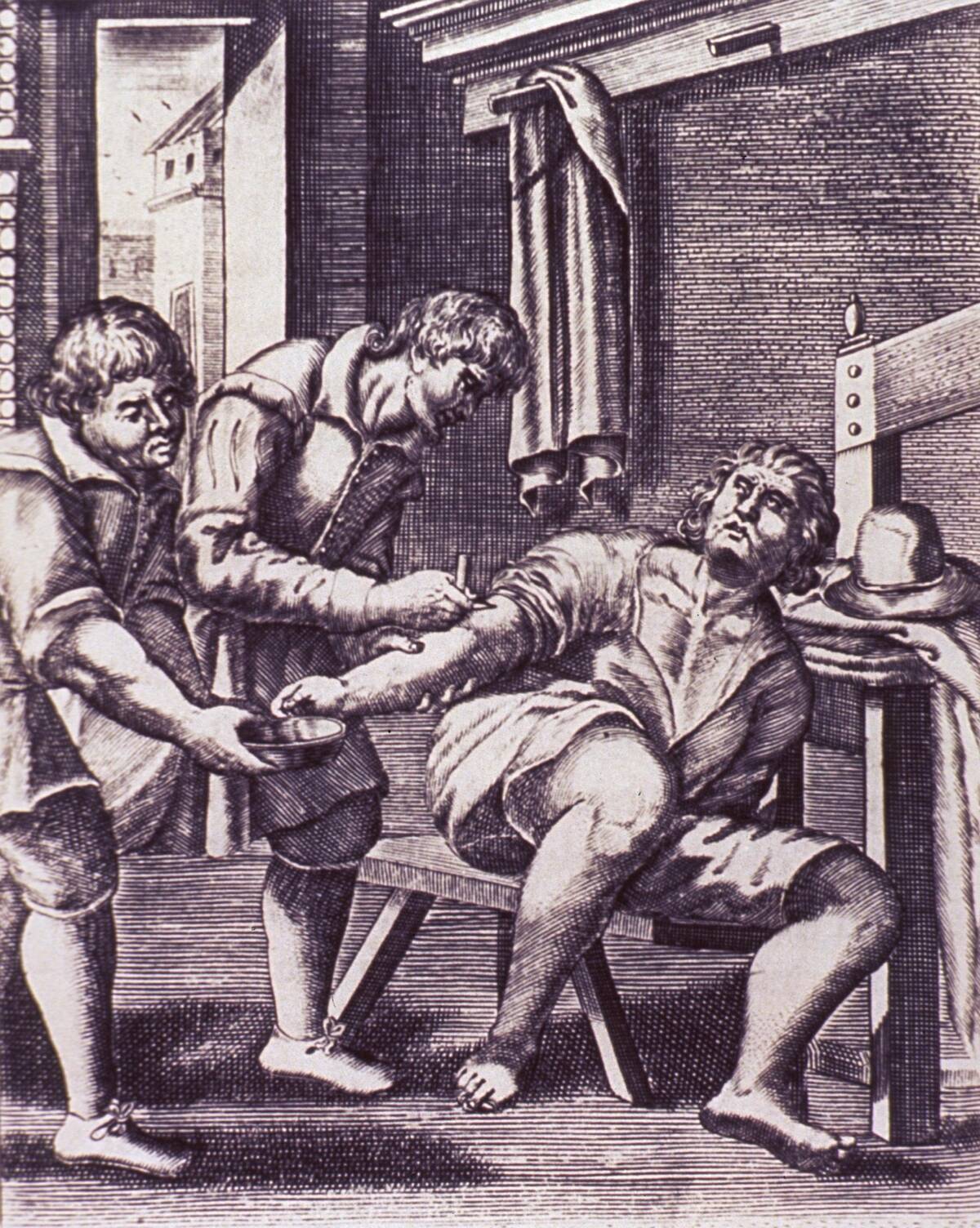
Bloodletting was once a go-to treatment for a variety of ailments, based on the belief that it could balance the body’s humors. Physicians would use leeches or lancets to draw blood, hoping to cure everything from fevers to headaches.
This practice dates back to ancient Egypt and persisted well into the 19th century. While it sounds alarming today, bloodletting was considered a standard medical procedure for centuries.
Trepanation: The Ancient Brain Surgery
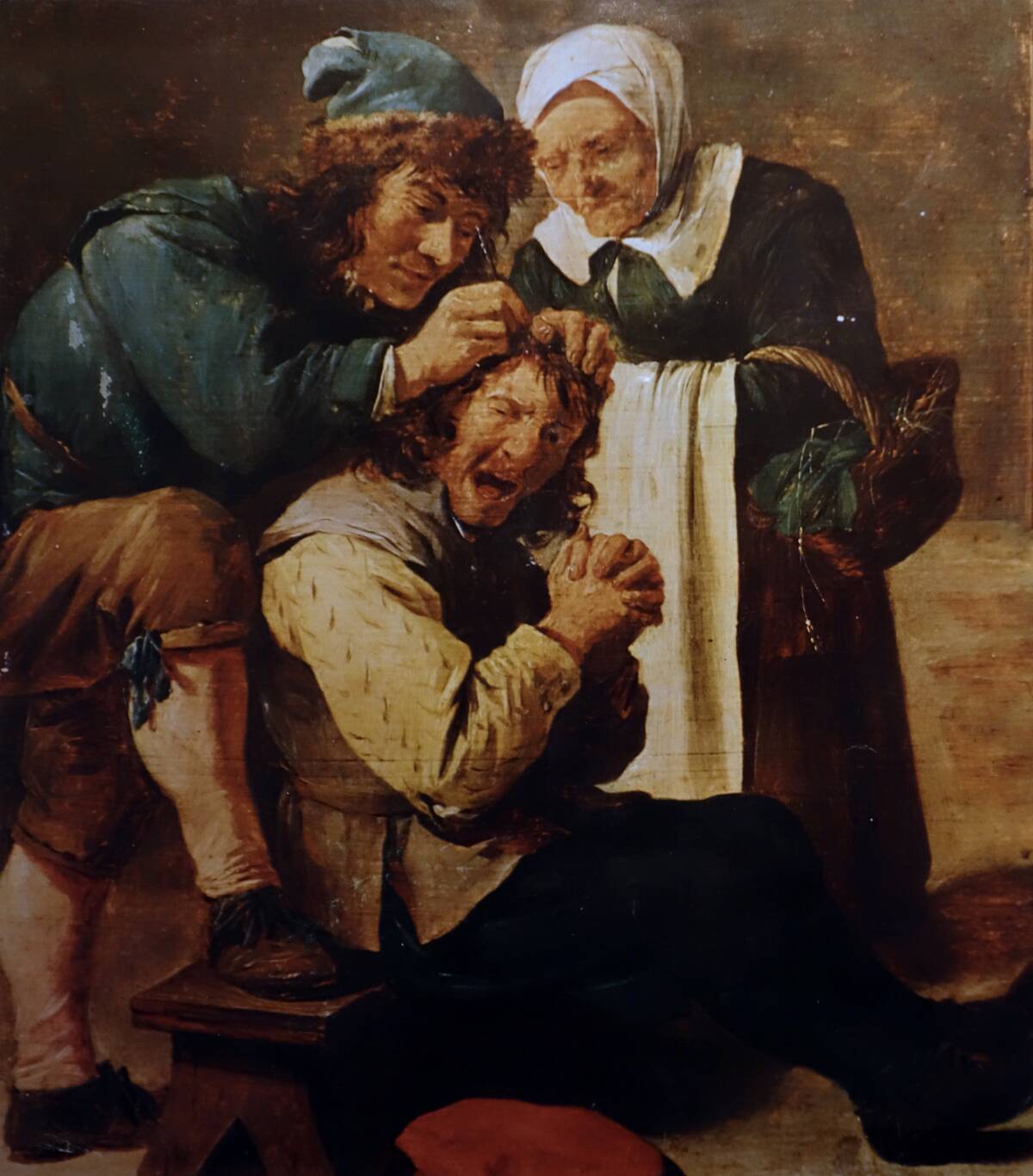
Trepanation involves drilling a hole into the skull, a practice that dates back to prehistoric times. It was believed to release evil spirits or treat conditions like epilepsy and migraines. Remarkably, evidence shows that many patients survived these procedures.
While trepanation is no longer a common medical practice, it highlights the lengths to which ancient cultures would go in the pursuit of health.
Mummy Powder: Consuming the Dead for Health
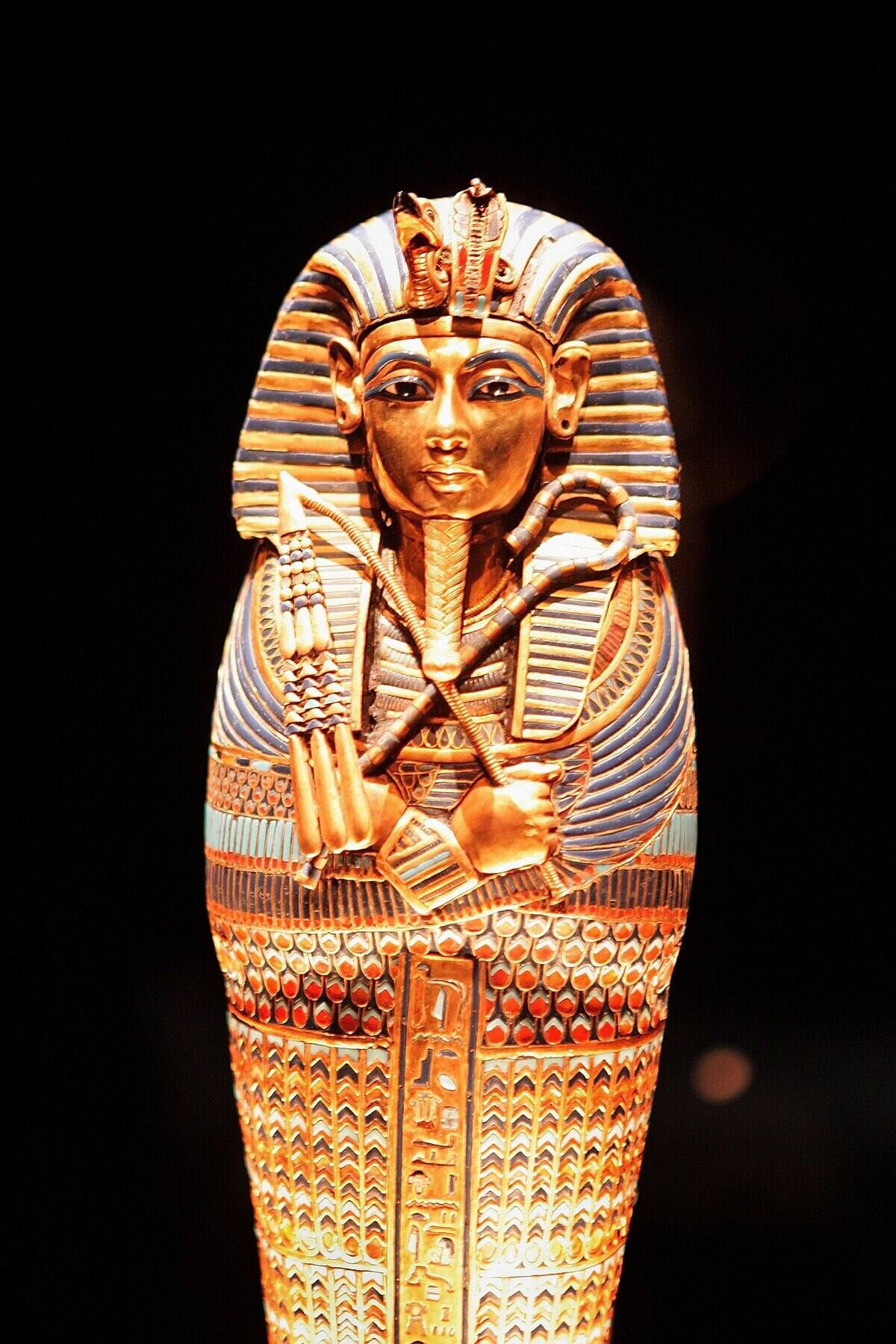
In the Middle Ages, Europeans believed that consuming ground-up mummies could cure various ailments. Known as “mummy powder,” this remedy was thought to possess healing properties.
The demand for mummy powder led to a booming trade in Egyptian mummies. While it may seem macabre today, this practice was rooted in the belief that the preserved bodies held mystical powers.
Snake Oil: The Original Miracle Cure
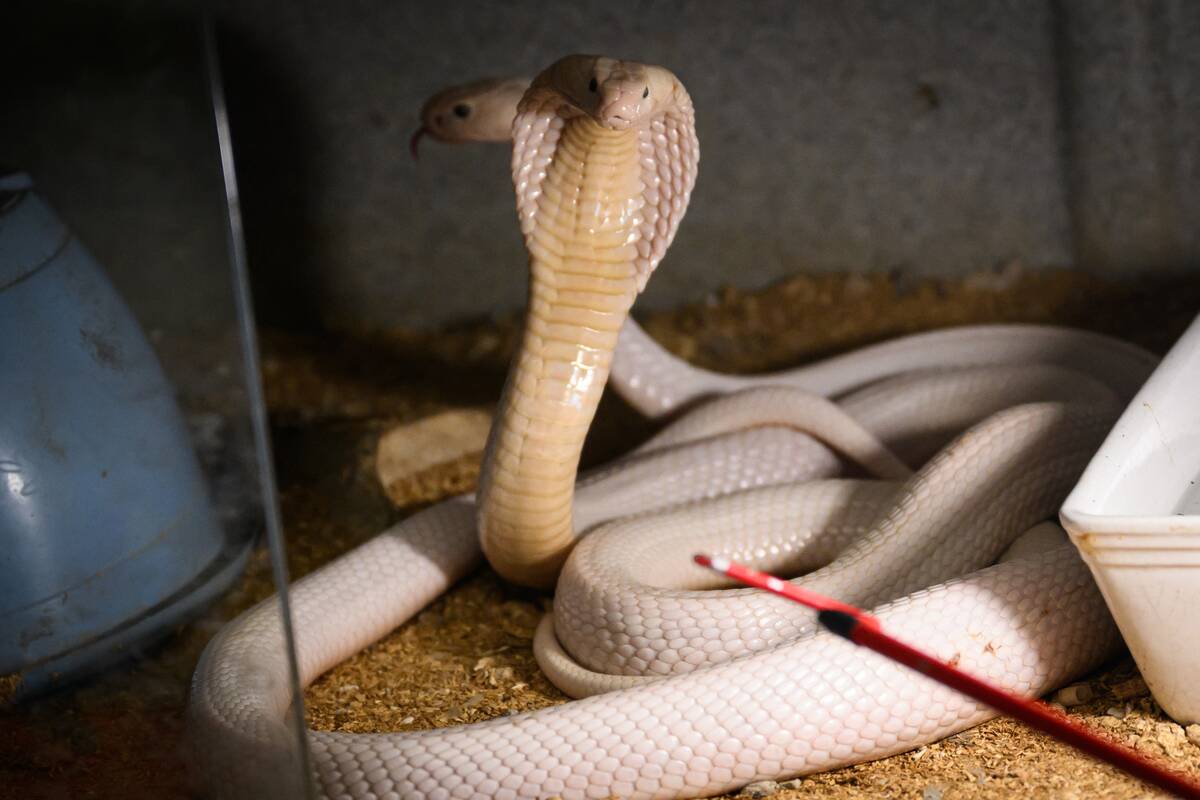
The term “snake oil” is synonymous with quackery, but it originally referred to a traditional Chinese remedy made from water snake oil. Rich in omega-3 acids, it was used to treat inflammation.
However, when it reached America, unscrupulous salesmen began selling fake versions, leading to its dubious reputation. Despite its origins, snake oil became a symbol of false promises in medicine.
Mercury Treatments: A Toxic Solution

Mercury was once hailed as a cure-all, used to treat everything from syphilis to parasites. The metal’s toxic properties were not understood at the time, leading to severe side effects and even death.
Despite its dangers, mercury treatments were popular for centuries. Today, we recognize the risks of mercury exposure, but its historical use underscores the trial-and-error nature of early medicine.
Leeches: Bloodsucking for Balance
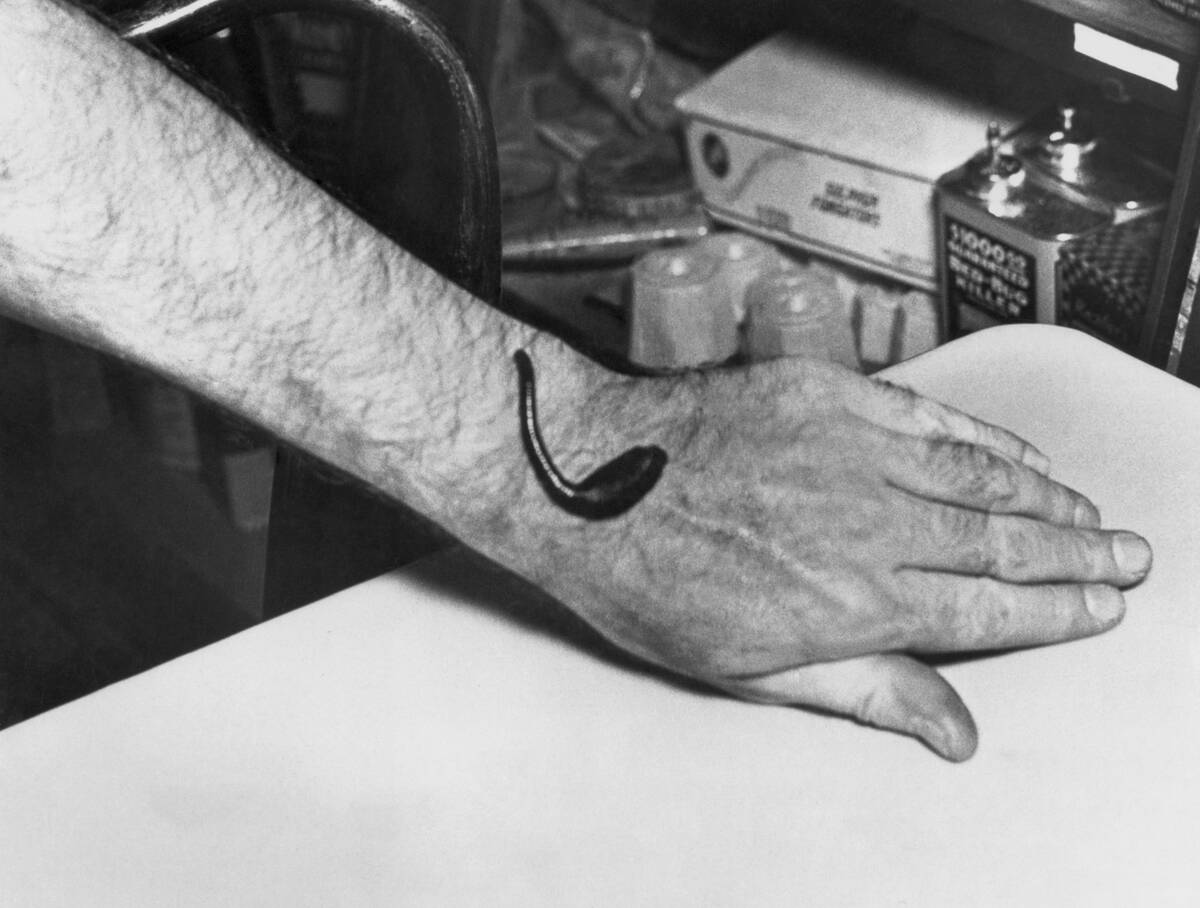
Leeches have been used in medicine for thousands of years, primarily for bloodletting. Their anticoagulant properties made them ideal for this purpose. In the 19th century, leeches were so popular that they were nearly driven to extinction in Europe.
Surprisingly, leeches have made a comeback in modern medicine, used in microsurgery to restore blood flow to damaged tissues.
Lobotomy: The Ice Pick Cure
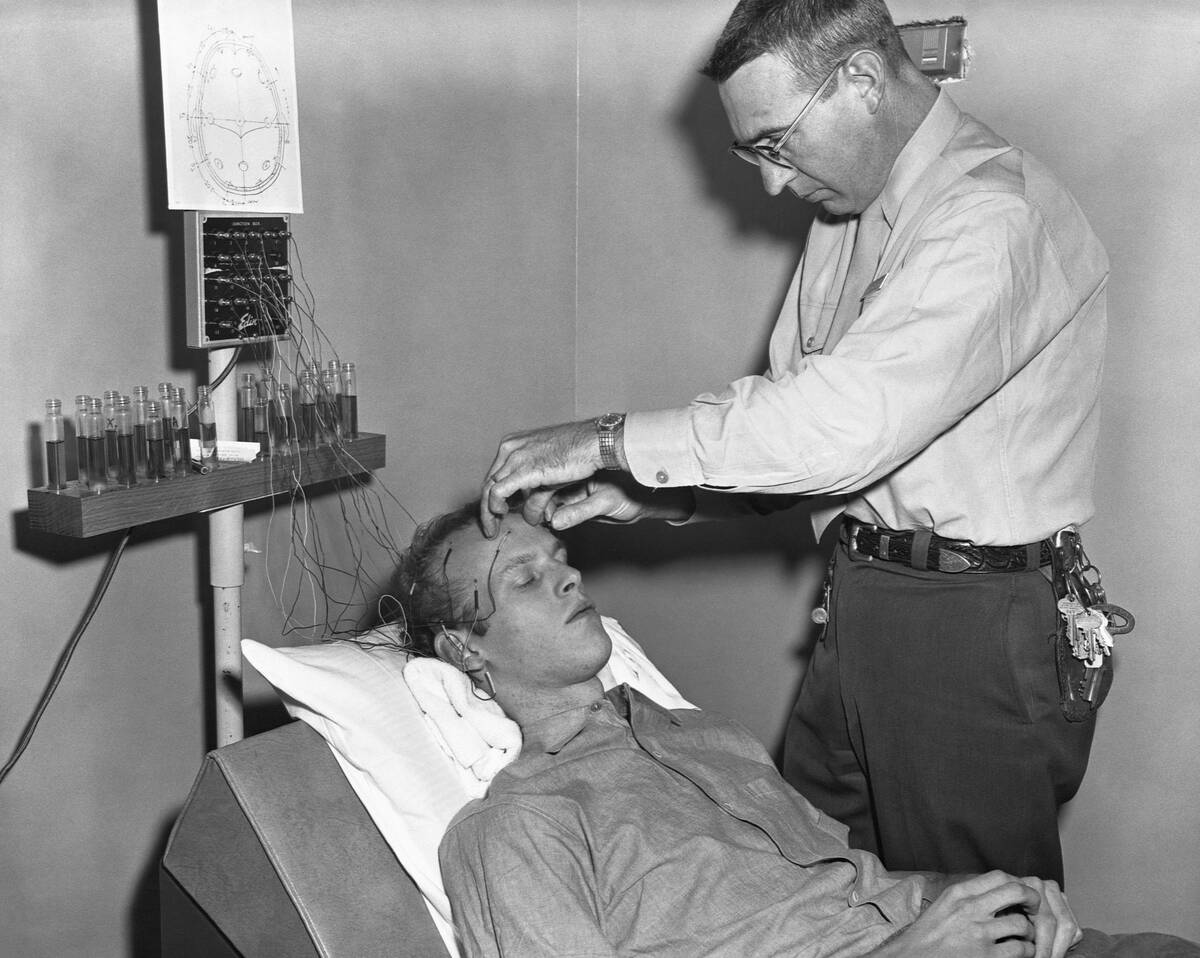
The lobotomy was a controversial procedure aimed at treating mental illness by severing connections in the brain’s prefrontal cortex. Popularized in the 20th century, it was often performed using an ice pick-like instrument.
While some patients showed improvement, many suffered severe side effects, leading to its decline. The lobotomy serves as a cautionary tale of the potential dangers of invasive psychiatric treatments.
Radium Water: Glowing with Health
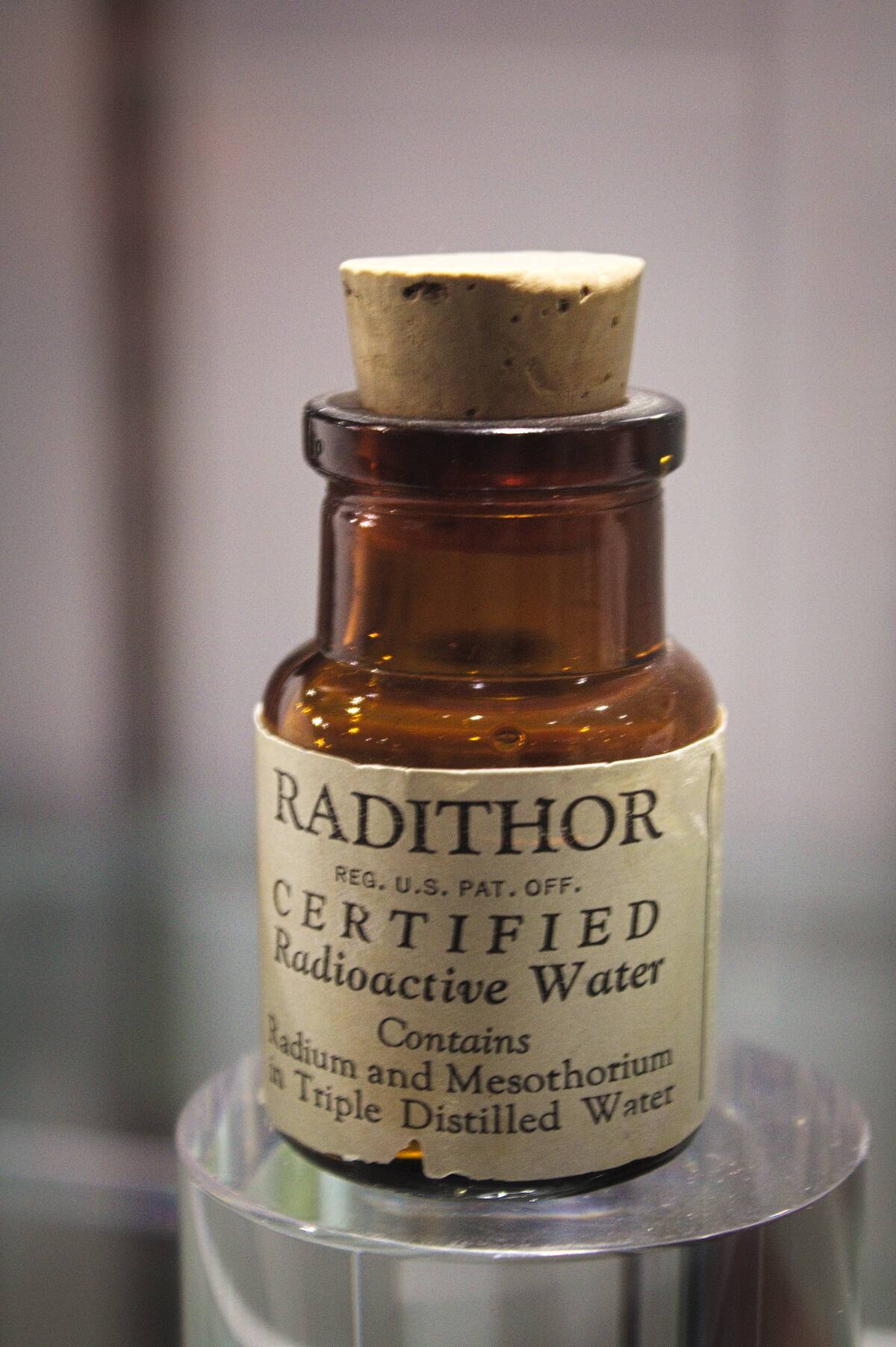
In the early 20th century, radium was marketed as a health tonic, believed to boost energy and vitality. Radium water was consumed by those seeking its supposed benefits, despite the radioactive element’s harmful effects.
The tragic case of Eben Byers, who died after consuming large quantities, highlighted the dangers of radium. This practice is a stark reminder of the importance of scientific understanding in medicine.
Tobacco Smoke Enemas: Blowing Smoke for Revival
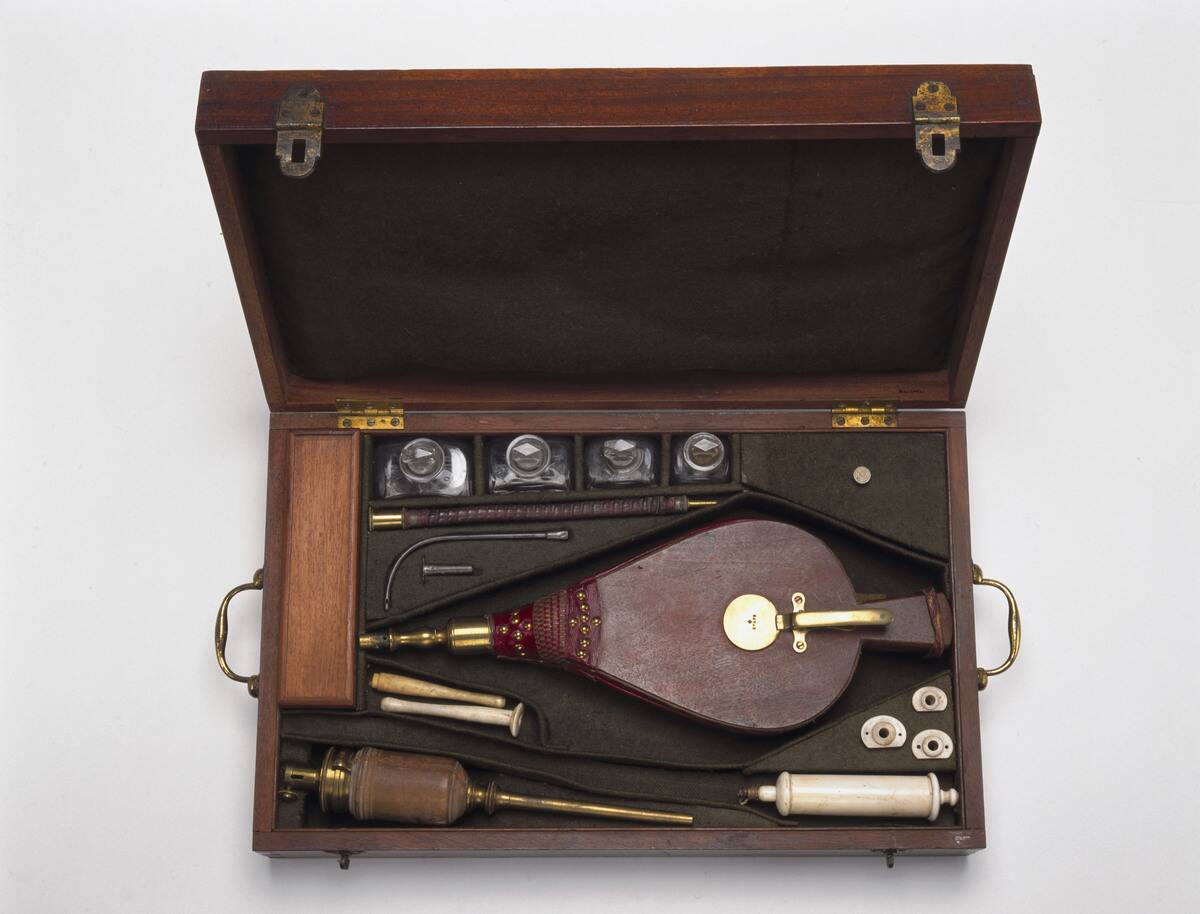
Tobacco smoke enemas were once used to resuscitate drowning victims, based on the belief that nicotine stimulated respiration. The practice involved blowing smoke into the rectum using a bellows.
Popular in the 18th century, it was eventually abandoned as more effective resuscitation methods were developed. This peculiar treatment illustrates the creative, albeit misguided, approaches to medical emergencies in the past.
Animal Dung Ointments: The Ancient Balm
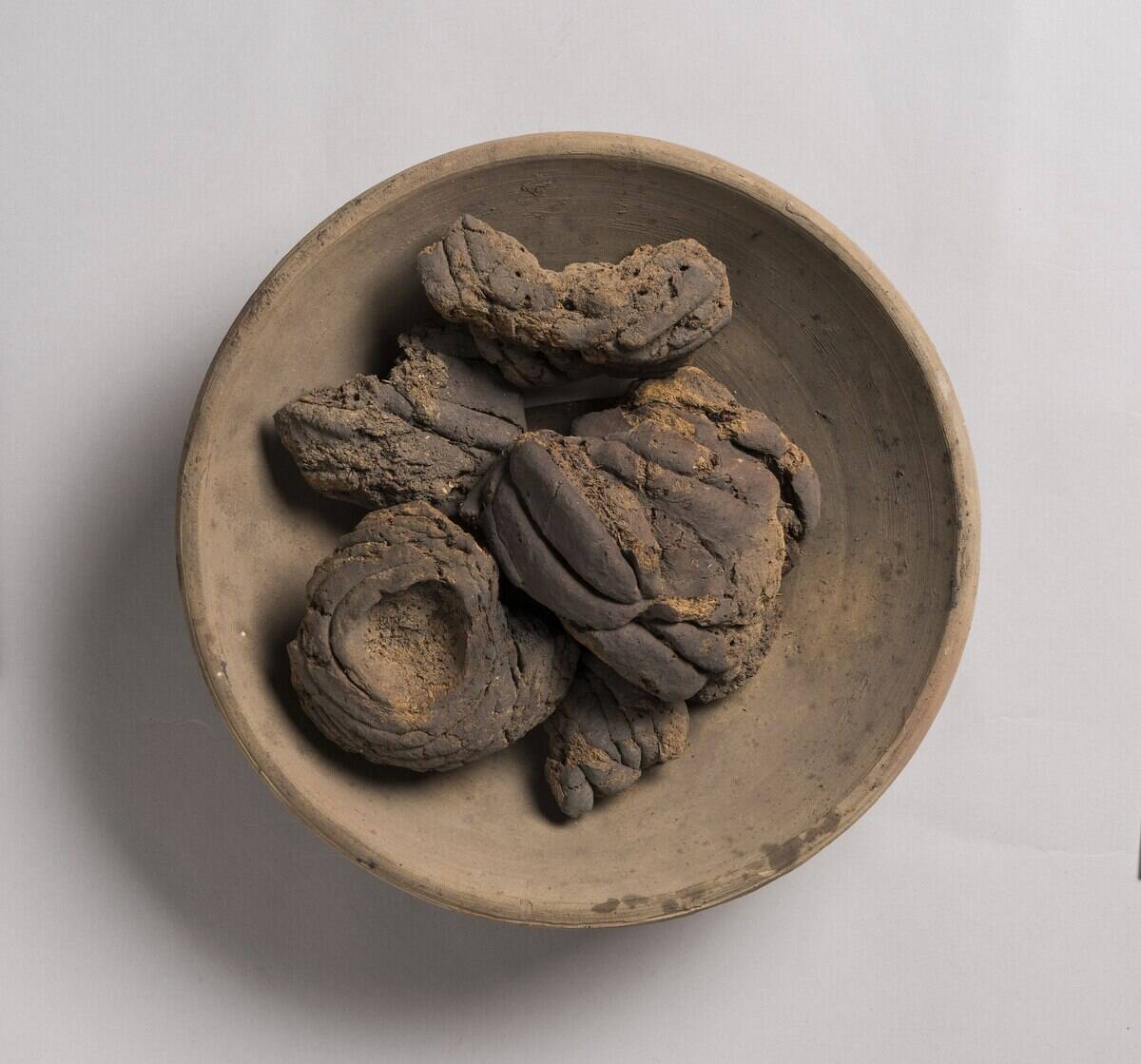
Ancient Egyptians and Greeks used animal dung in ointments, believing it had healing properties. Crocodile dung is especially documented in ancient Egyptian contraceptive recipes.. While the antibacterial properties of dung were not understood, its use reflects the resourcefulness of ancient healers.
Today, we might cringe at the thought, but such remedies were part of the trial-and-error process in developing effective treatments.
Electroshock Therapy: A Shocking Solution

Electroshock therapy, or ECT, was developed in the 1930s as a treatment for severe mental illness. It involves passing electrical currents through the brain to induce seizures.
While its early use was controversial, ECT has since been refined and is still used today for certain conditions. The evolution of ECT highlights the ongoing quest to balance efficacy and safety in psychiatric treatments.
Urine Therapy: The Golden Elixir
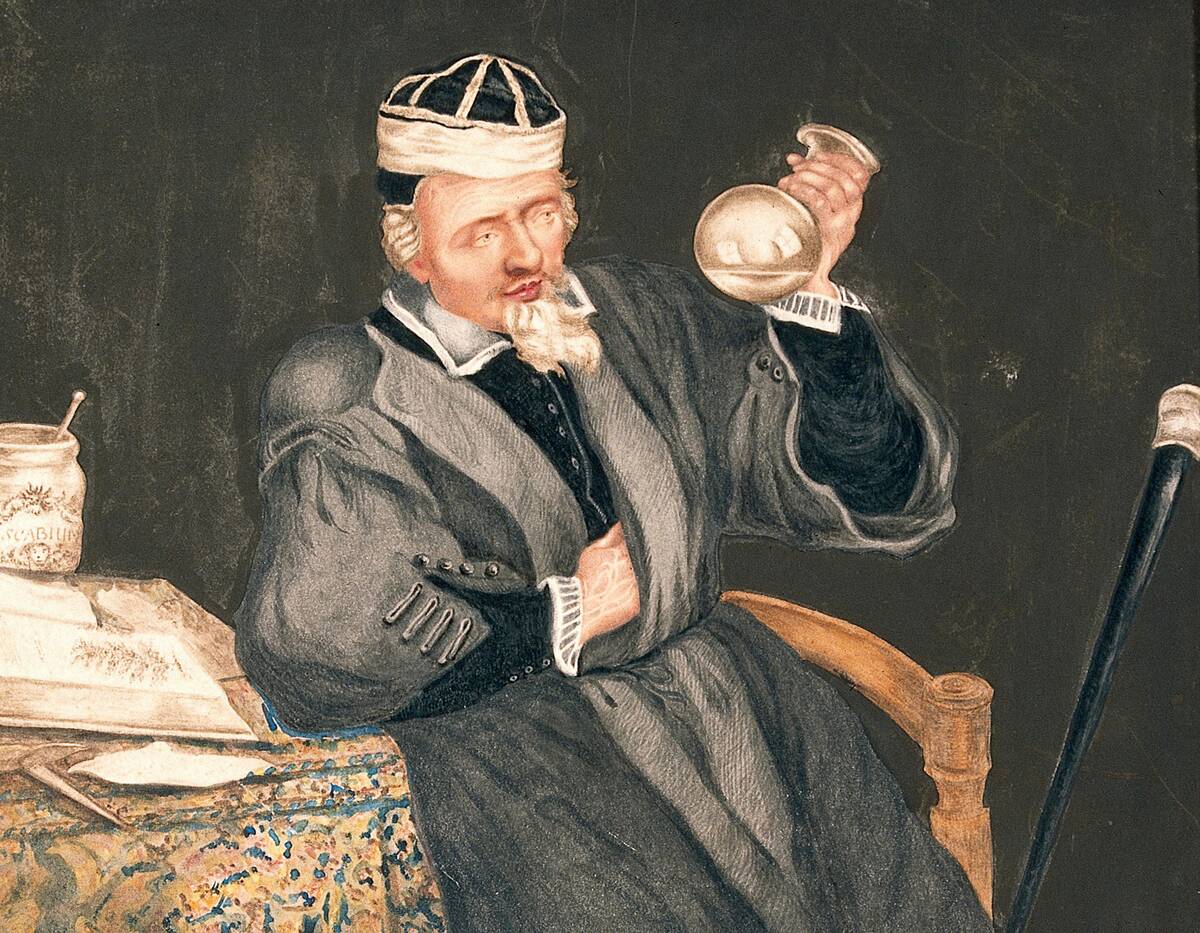
Urine therapy, the practice of using one’s urine for medicinal purposes, has been around for centuries. Advocates claim it can cure ailments ranging from acne to cancer, though scientific evidence is lacking.
Despite its dubious reputation, urine therapy persists in some cultures. This unconventional treatment underscores the lengths to which people will go in search of health and healing.
Pliny’s Remedies: Ancient Roman Cures
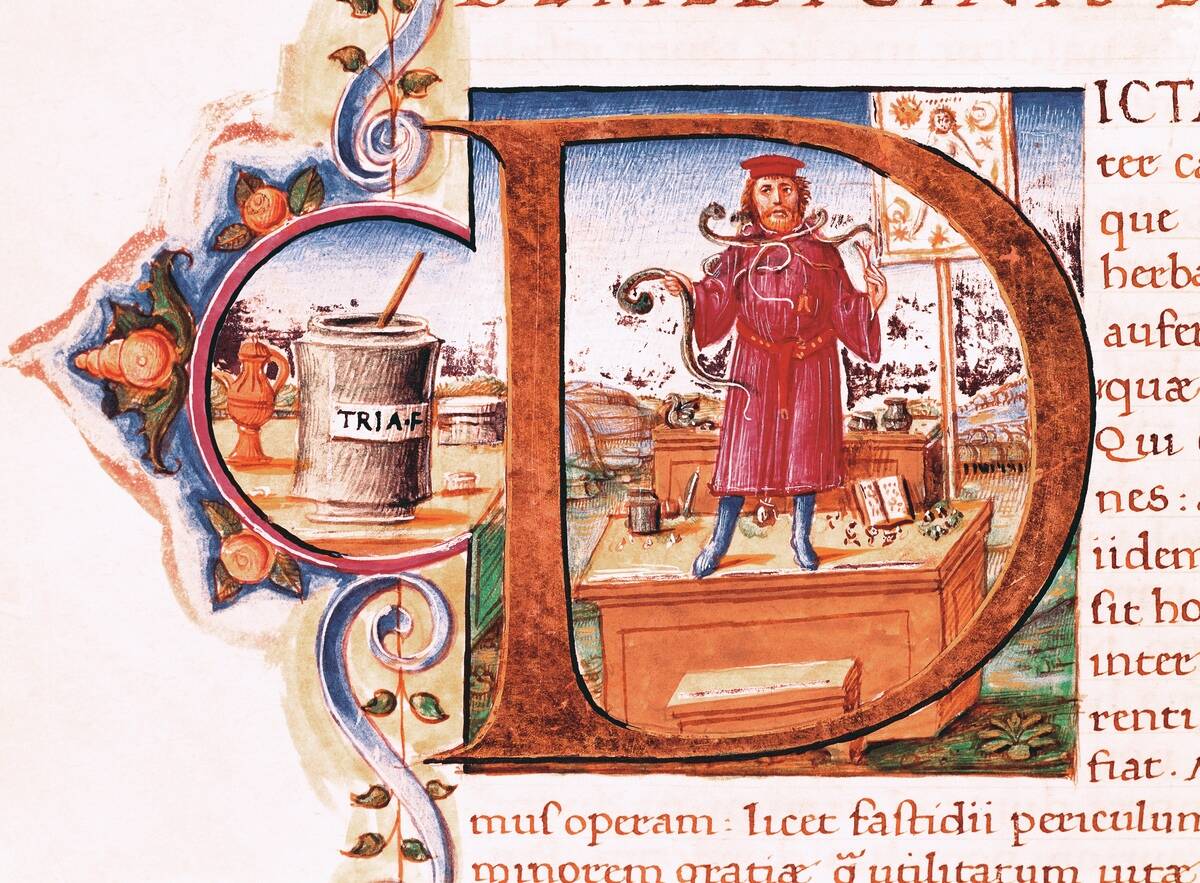
Pliny the Elder, a Roman author, documented numerous natural remedies in his work, “Natural History.” His cures included using cabbage for hangovers and applying spider webs to wounds.
While some of Pliny’s remedies were based on observation, others were purely speculative. His writings offer a glimpse into the early attempts at understanding and treating various ailments using the natural world.
Arsenic Pills: Poison as Medicine
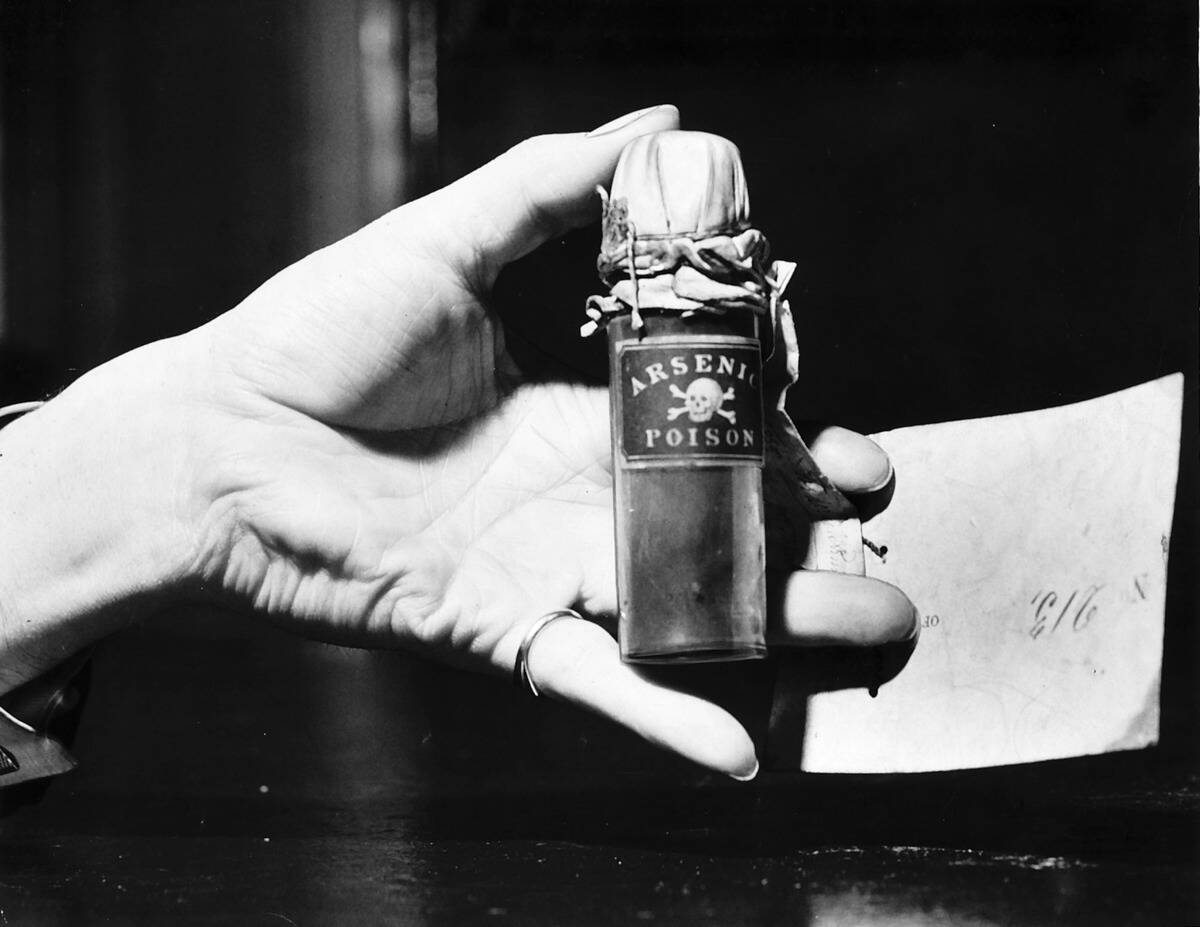
Arsenic was once used as a treatment for various conditions, including syphilis and psoriasis. Despite its toxicity, small doses were believed to have therapeutic effects. Arsenic pills were popular in the 19th century, often marketed as “beauty” treatments.
The use of arsenic in medicine is a reminder of the fine line between poison and cure, and the importance of dosage in treatment.
Clysters: The Royal Flush
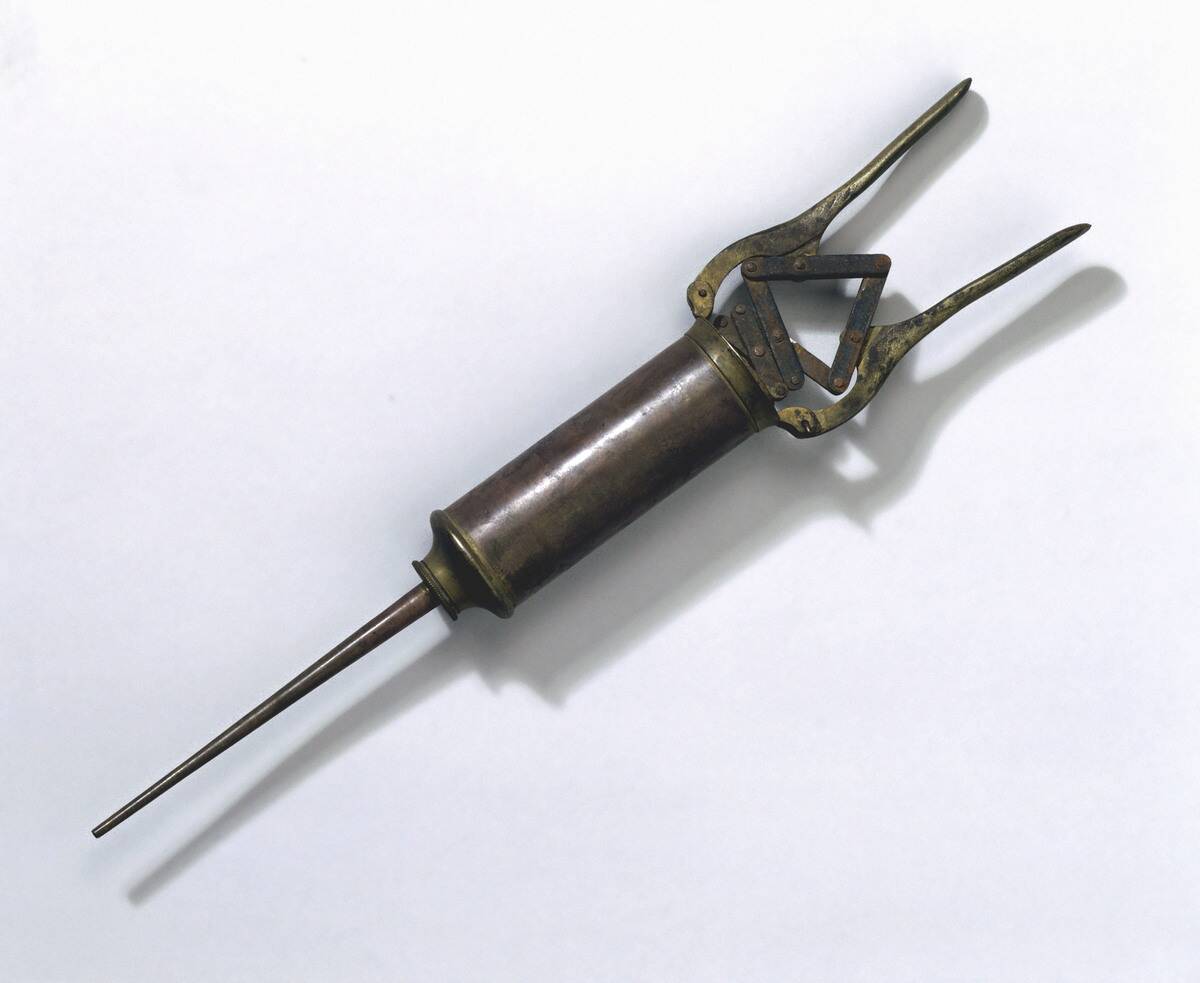
Clysters, or enemas, were a popular treatment in the 17th and 18th centuries, used to cleanse the bowels and treat various ailments. They were often administered with ornate syringes, sometimes made of silver.
While the practice may seem invasive today, clysters were considered a standard part of medical care for the elite. This treatment highlights the historical focus on internal cleansing as a path to health.
The Tapeworm Diet: Slimming with Parasites
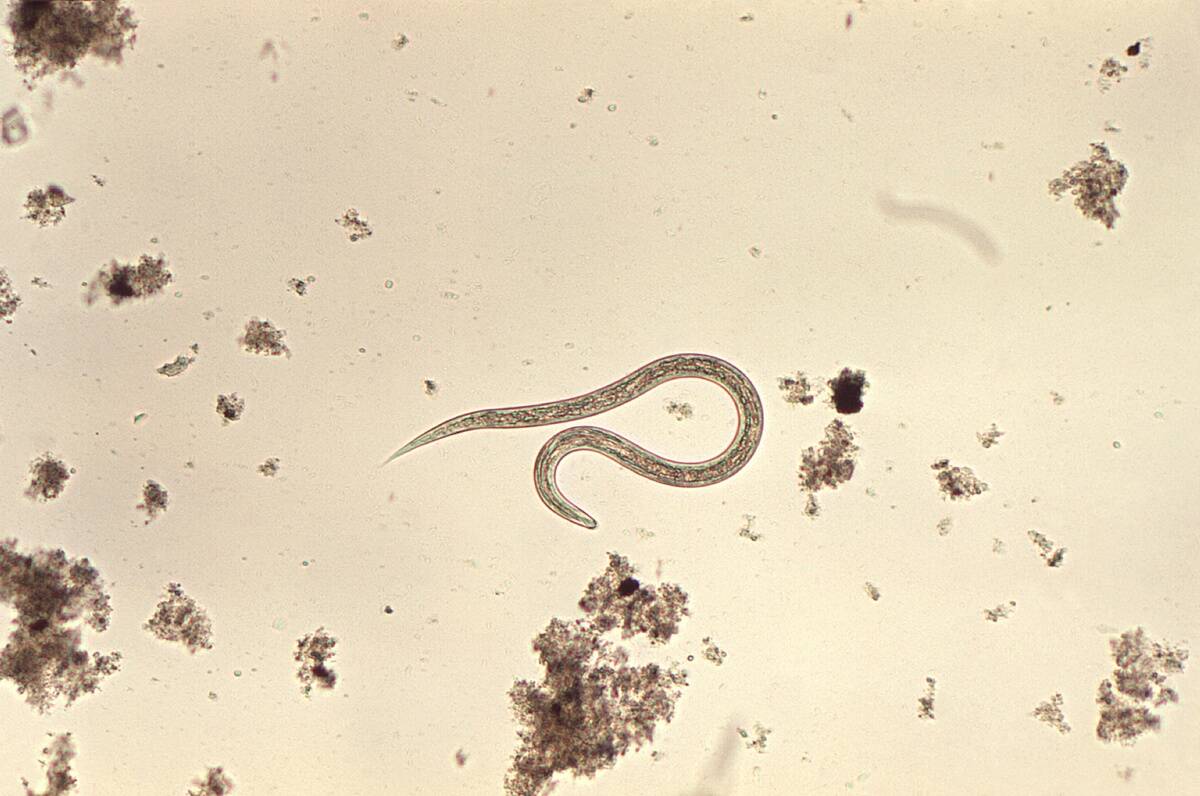
The tapeworm diet involved ingesting tapeworm eggs to lose weight, based on the idea that the parasite would consume calories within the host’s body.
Popular in the early 20th century, this method was fraught with health risks, including malnutrition and infection. While it might sound extreme, the tapeworm diet reflects the lengths to which people will go in pursuit of beauty and the ideal body image.




