Historic theaters that shaped Hollywood
Hollywood’s historic theaters are more than just buildings; they are the heartbeats of cinematic history. These architectural marvels have witnessed the rise of stars and the evolution of film.
Each theater tells its own story, from the opulent designs to the legendary premieres they hosted. As you walk through their doors, you’re stepping into a world where the past and present of Hollywood’s entertainment legacy converge.
The Birthplace of Stars: Grauman’s Chinese Theatre
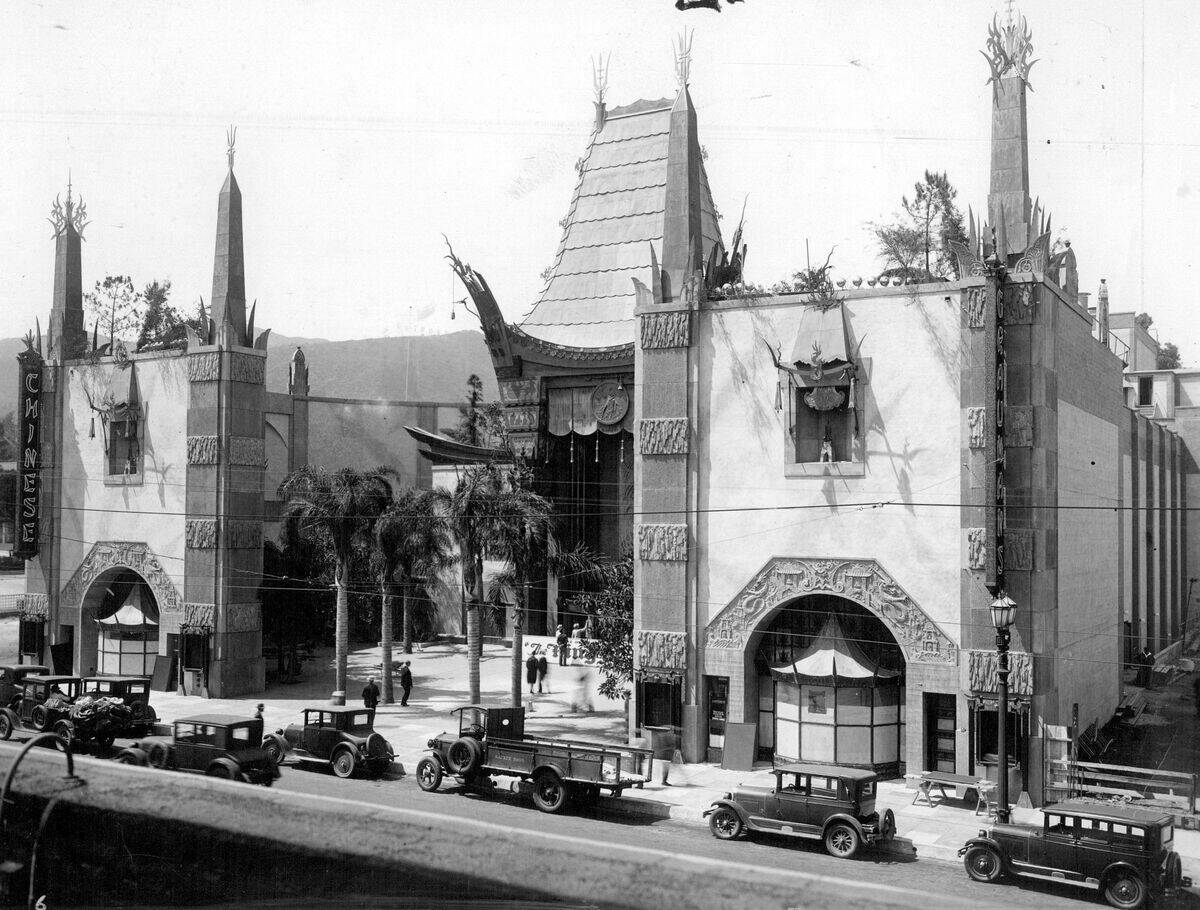
Grauman’s Chinese Theatre, opened in 1927, is famous for its iconic Forecourt of the Stars, where celebrities have left their handprints and footprints in cement. The theater has hosted countless film premieres, including the 1977 debut of Star Wars.
Its distinctive Chinese-inspired architecture, featuring temple-style design elements and ornate decorations, makes it one of the most recognizable landmarks on Hollywood Boulevard. Visiting the theater offers a glimpse into Hollywood’s rich cinematic history and enduring glamour.
The Glamour of the Golden Age: The Egyptian Theatre
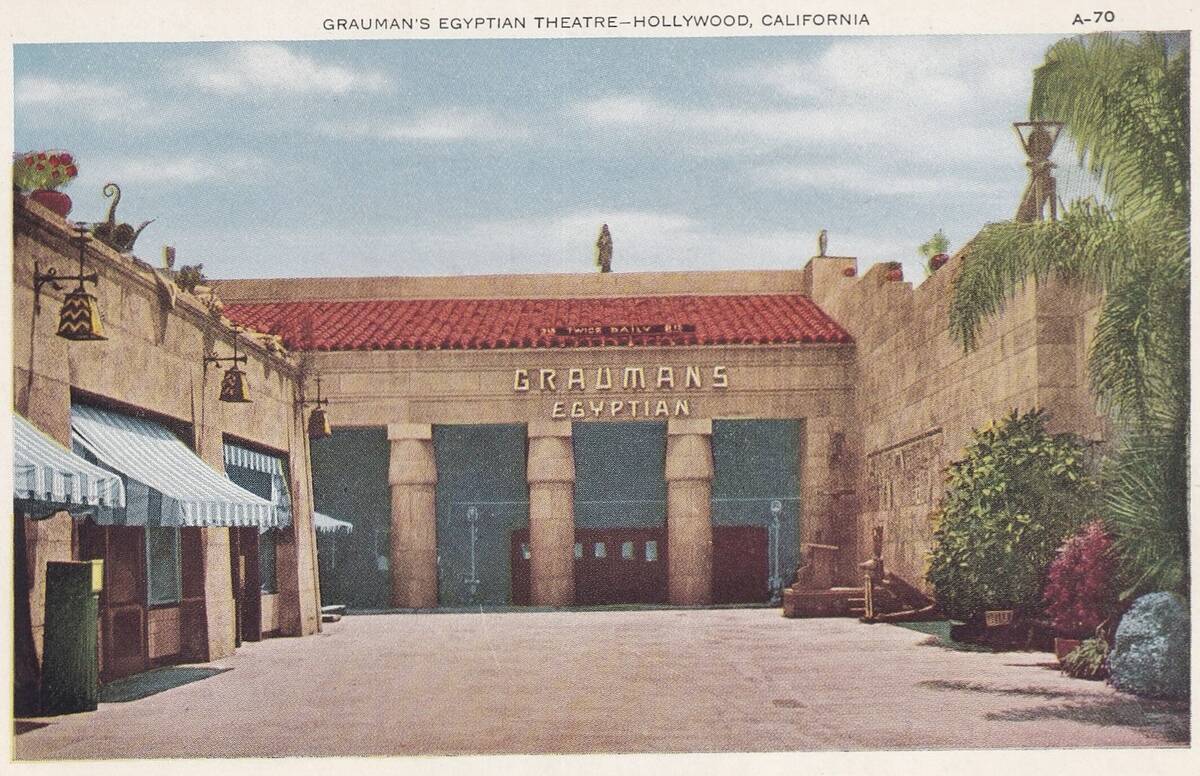
The Egyptian Theatre, opened in 1922, hosted the Hollywood premiere of Robin Hood starring Douglas Fairbanks, an event widely regarded as the first major Hollywood movie premiere. Its design reflects the Egyptian Revival style that became popular in the early 1920s, featuring grand columns and Egyptian-inspired decorative motifs.
Recently restored, the theater continues to serve as a venue for film festivals, premieres, and classic movie screenings, preserving the glamour of Hollywood’s earliest days.
A Stage for Legends: The El Capitan Theatre
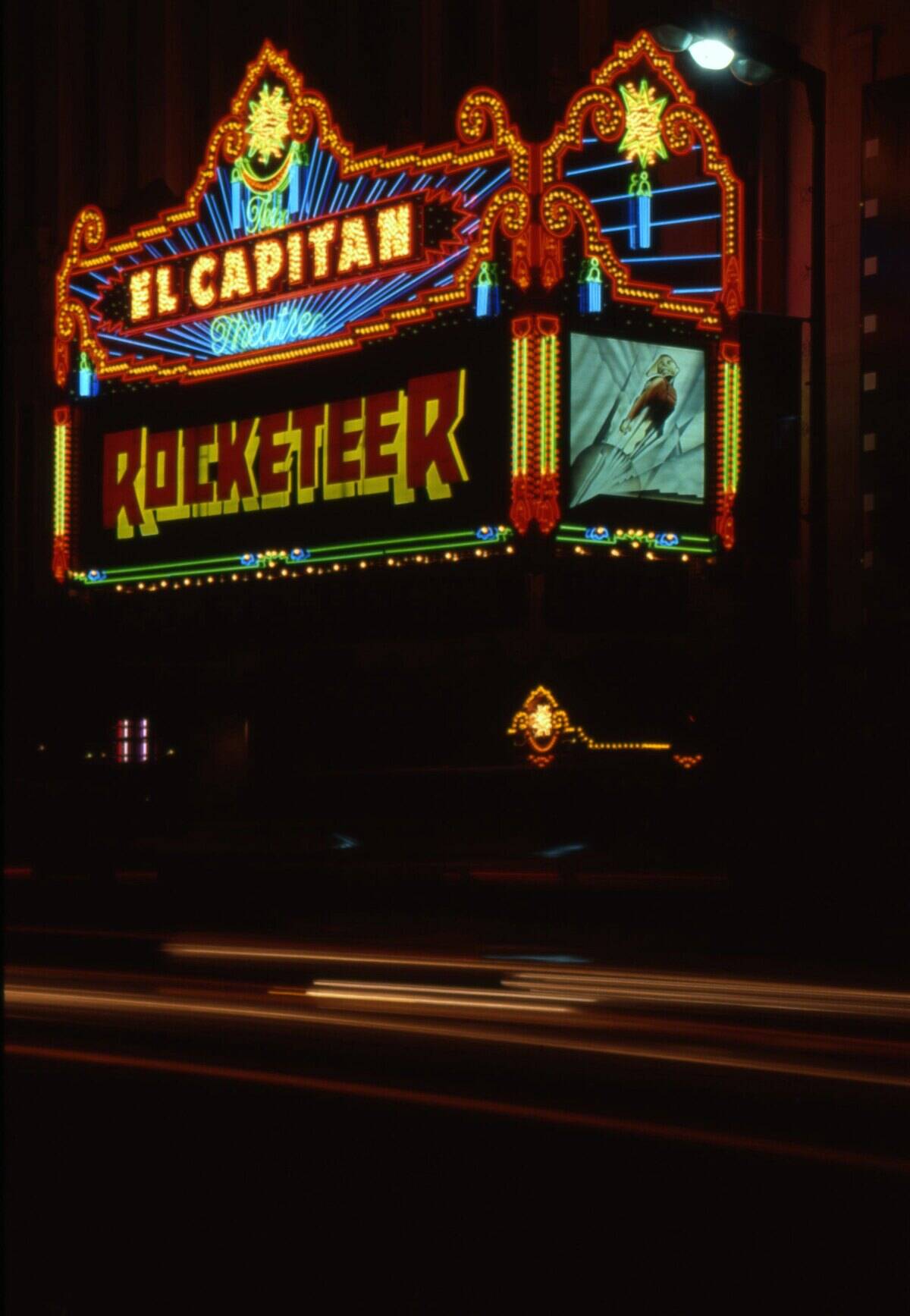
El Capitan Theatre, originally opened in 1926, has long been one of Hollywood’s most celebrated movie palaces. Disney restored the historic venue in the early 1990s, and it now hosts many of the studio’s film premieres and special screenings.
The theater’s lavish interior, complete with a historic Wurlitzer organ, offers a magical experience that transports audiences to the grandeur of Hollywood’s golden age of entertainment.
The Heart of Hollywood Premieres: The Pantages Theatre

The Pantages Theatre, opened in 1930, is an Art Deco masterpiece that has hosted numerous Hollywood premieres and served as the home of the Academy Awards from 1949 through 1959.
Known for its stunning interiors and iconic marquee, the theater is now one of Southern California’s premier venues for touring Broadway productions. Its rich history and architectural beauty make it a must-visit landmark for anyone exploring Hollywood’s entertainment legacy.
The Iconic Home of the Oscars: The Dolby Theatre
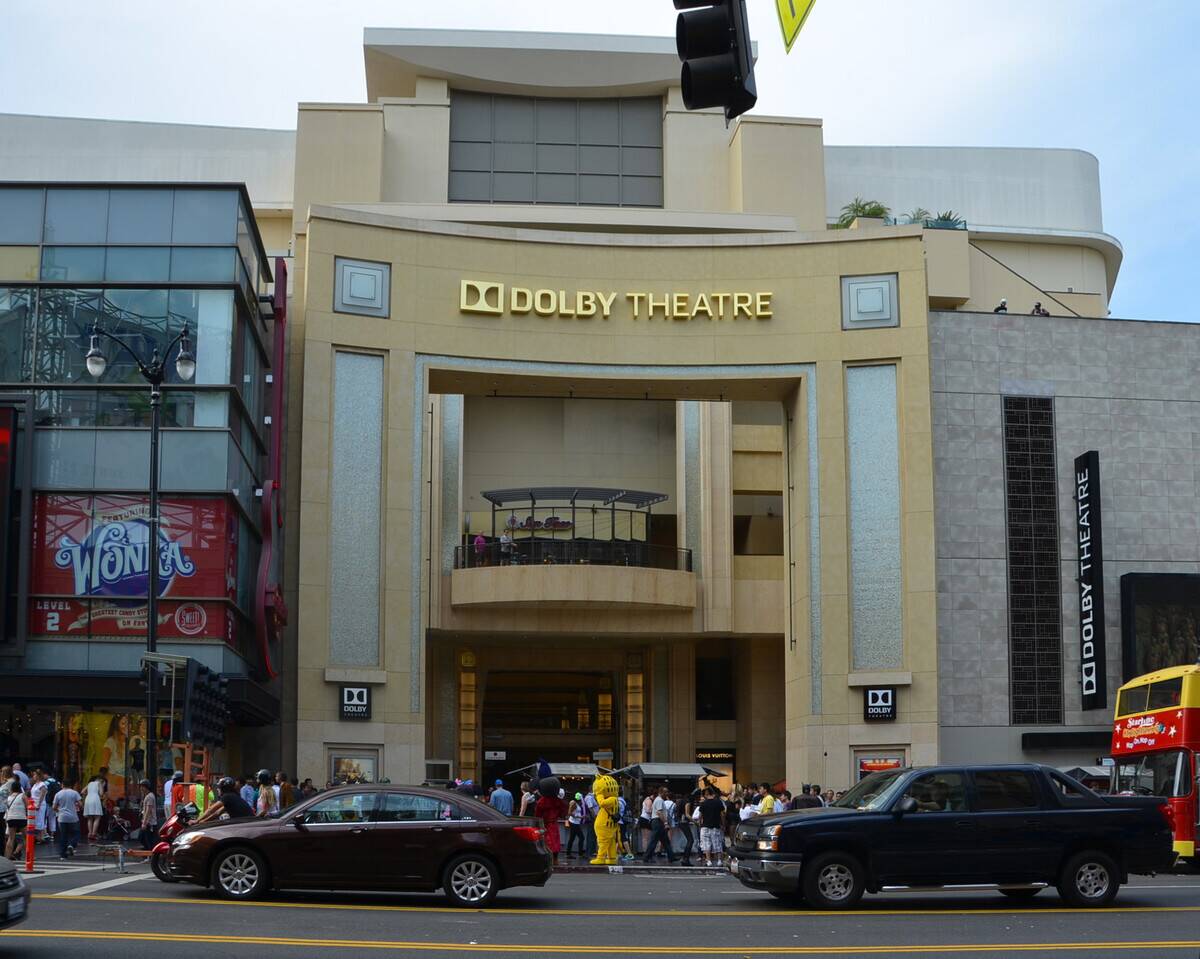
The Dolby Theatre, opened in 2001, is the current home of the Academy Awards. Located within the Ovation Hollywood entertainment complex, it was designed specifically to host the Oscars with state-of-the-art facilities.
With a seating capacity of more than 3,400, it has become synonymous with Hollywood’s biggest night. Its modern design complements the historic theaters surrounding it, bridging Hollywood’s rich past with its present-day entertainment industry.
A Hidden Gem: The Orpheum Theatre
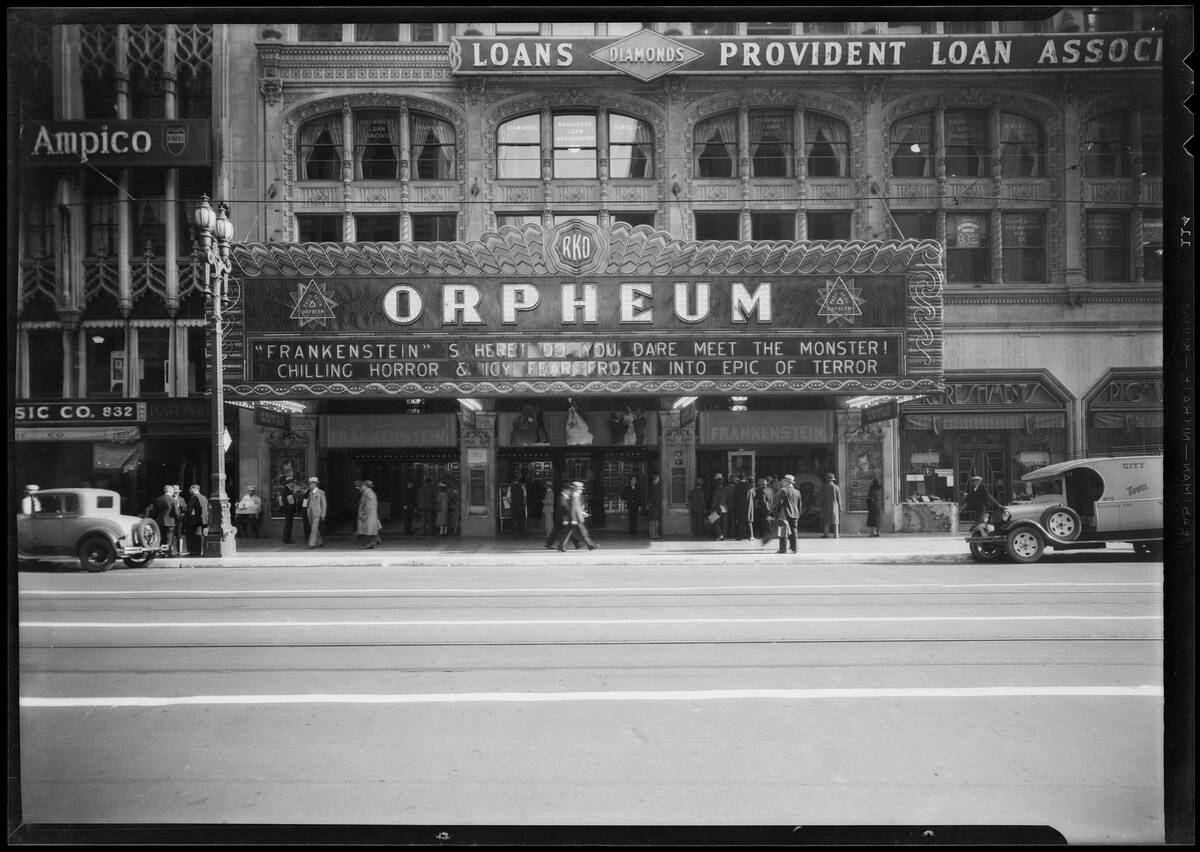
The Orpheum Theatre, part of Downtown Los Angeles’ Broadway Theater District, opened in 1926 and is one of the best-preserved vaudeville-era theaters in the city. Its elegant French Beaux-Arts-inspired architecture and vintage charm make it a favorite venue for live performances, concerts, and film screenings.
The theater still features its original Wurlitzer organ and magnificent chandelier, adding to its nostalgic atmosphere and attracting visitors seeking a glimpse of classic Hollywood-era entertainment.
The Majestic Movie Palace: The Los Angeles Theatre
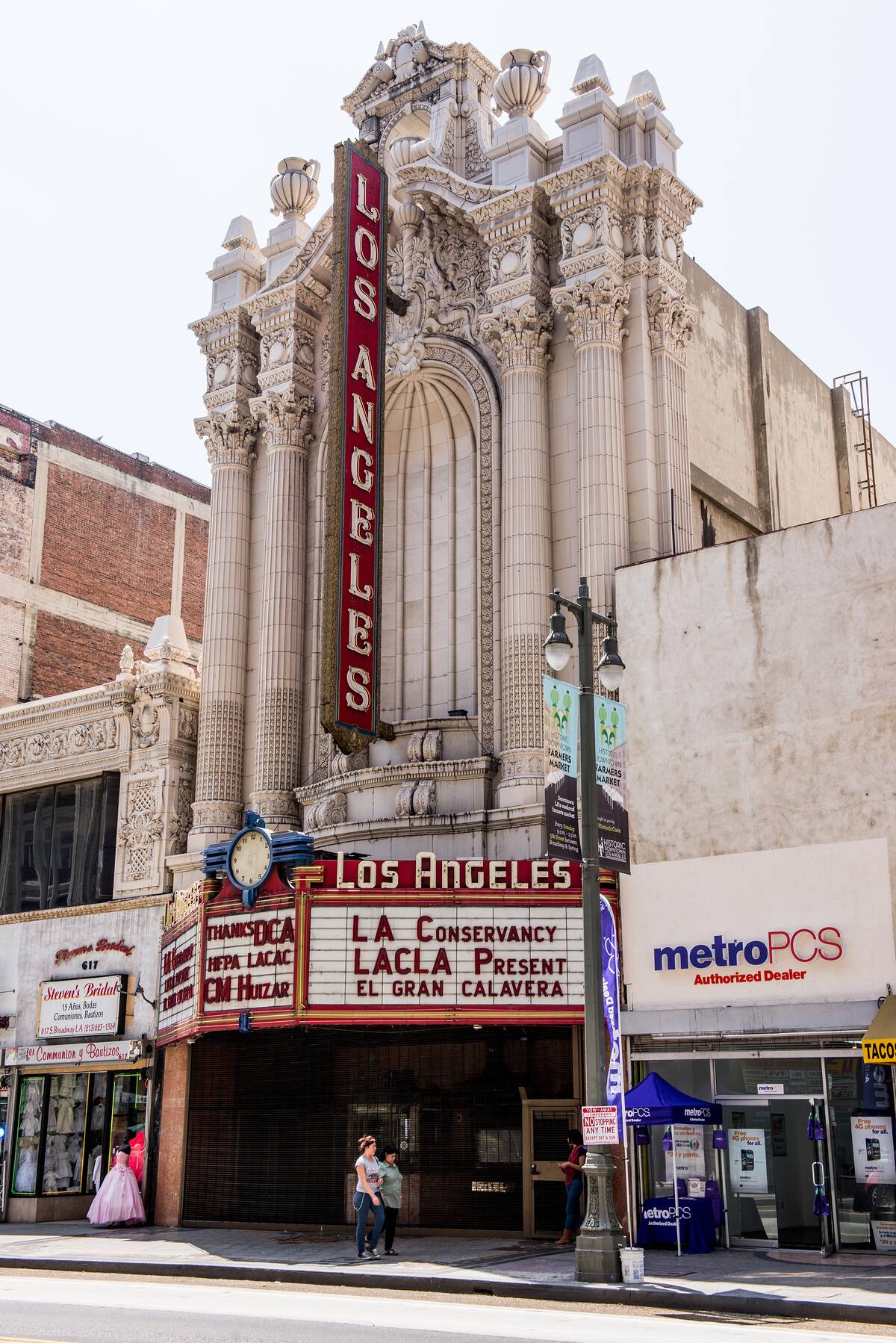
The Los Angeles Theatre, opened in 1931, is renowned for its opulent French Baroque design, featuring crystal chandeliers and a grand staircase.
It was the site of Charlie Chaplin’s ‘City Lights’ premiere. Although it no longer functions as a regular movie theater, its stunning architecture continues to captivate visitors and serves as a venue for special events and film shoots.
Echoes of the Past: The Avalon Theatre on Catalina Island
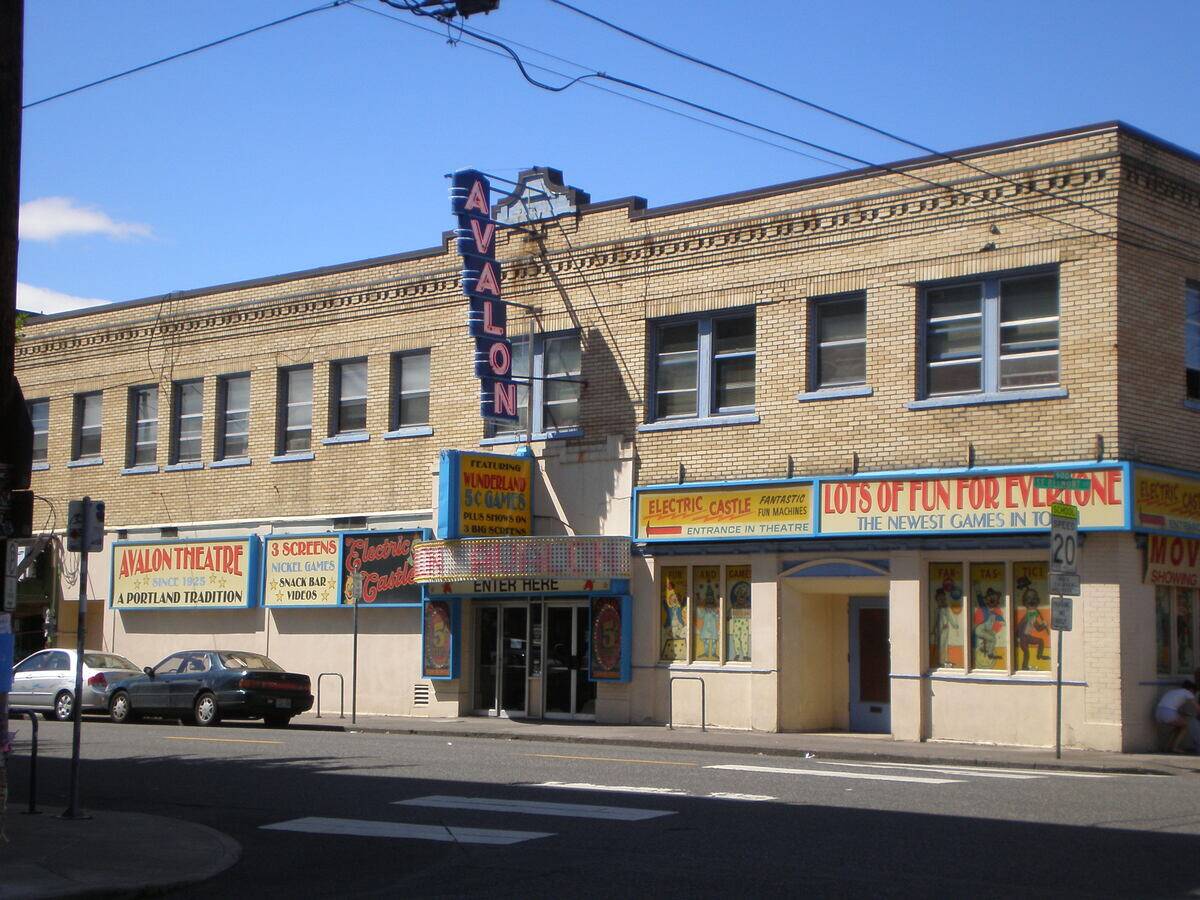
The Avalon Theatre, located on Catalina Island, opened in 1929 and is part of the iconic Catalina Casino building. Known for its Art Deco murals and circular design, it offers a unique movie-going experience.
The theater still screens films and hosts events, providing a nostalgic escape just a short ferry ride from the bustling streets of Los Angeles.
The Art Deco Marvel: The Wiltern Theatre
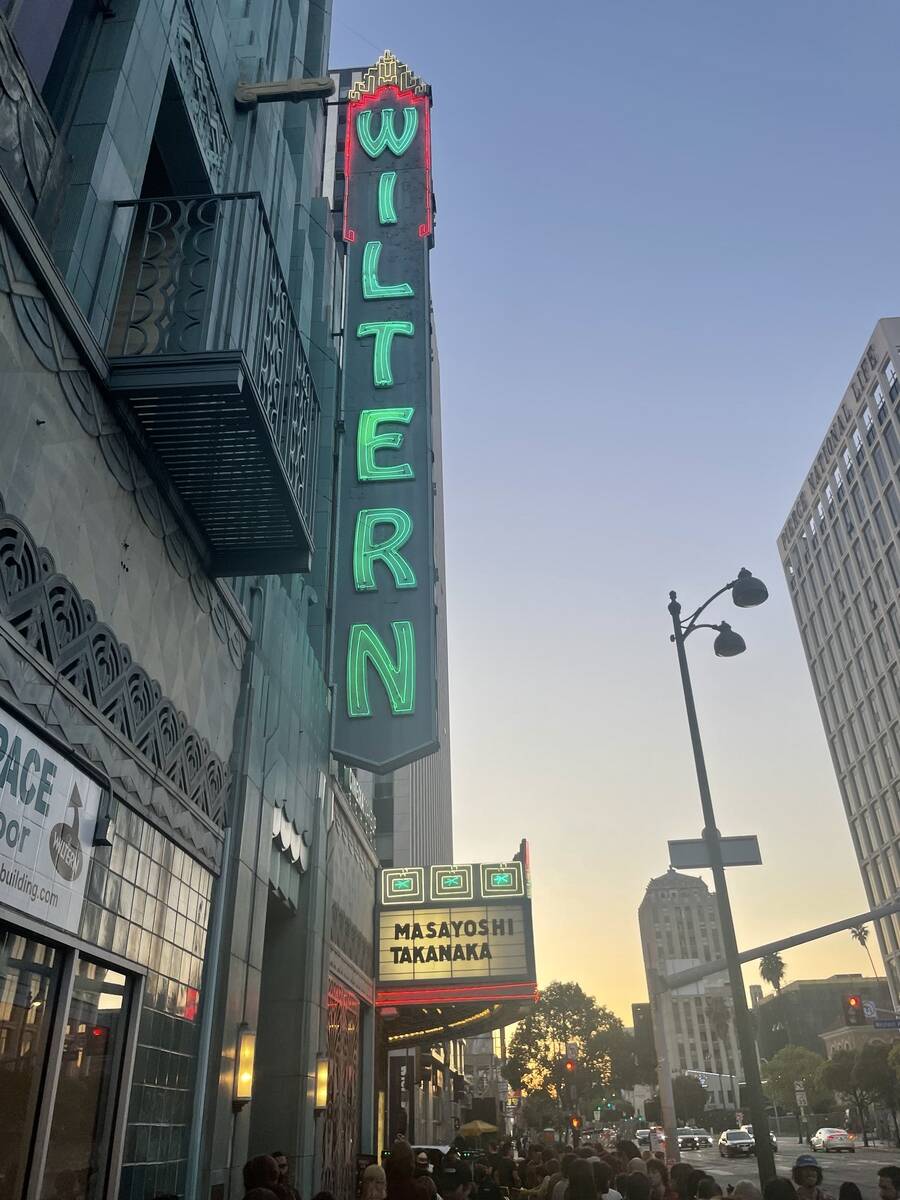
The Wiltern Theatre, opened in 1931 as the Wilshire-La Brea Theatre, is an Art Deco landmark located at the corner of Wilshire Boulevard and Western Avenue. Originally built as a movie theater, it now serves as one of Los Angeles’ most popular concert venues.
Its striking turquoise exterior and intricate interior designs make it a standout in the city’s architectural landscape. The Wiltern’s rich history and continued use preserve the spirit of Los Angeles’ classic entertainment era.
A Star-Studded Landmark: The Fox Theatre in Westwood Village
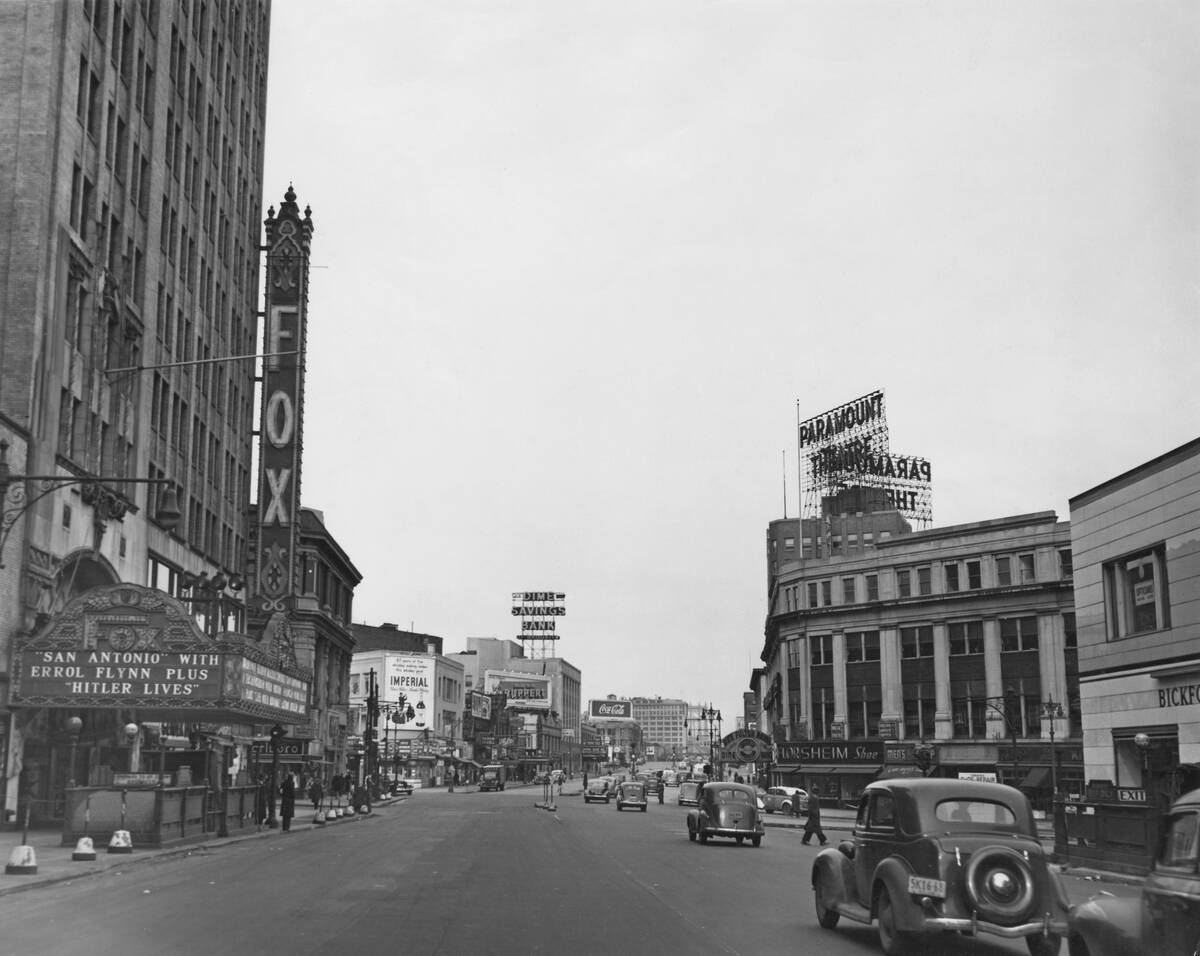
The Fox Village Theatre in Westwood Village, now known as the Regency Village Theatre, opened in 1931 and has been a star-studded landmark ever since. Known for its iconic Art Deco-inspired tower and neon marquee, it has hosted numerous film premieres and special screenings.
Its grand auditorium and historic charm make it a favorite among filmmakers and audiences alike, cementing its status as one of Los Angeles’ most treasured movie palaces.
The Historic Hub of Entertainment: The Warner Grand Theatre
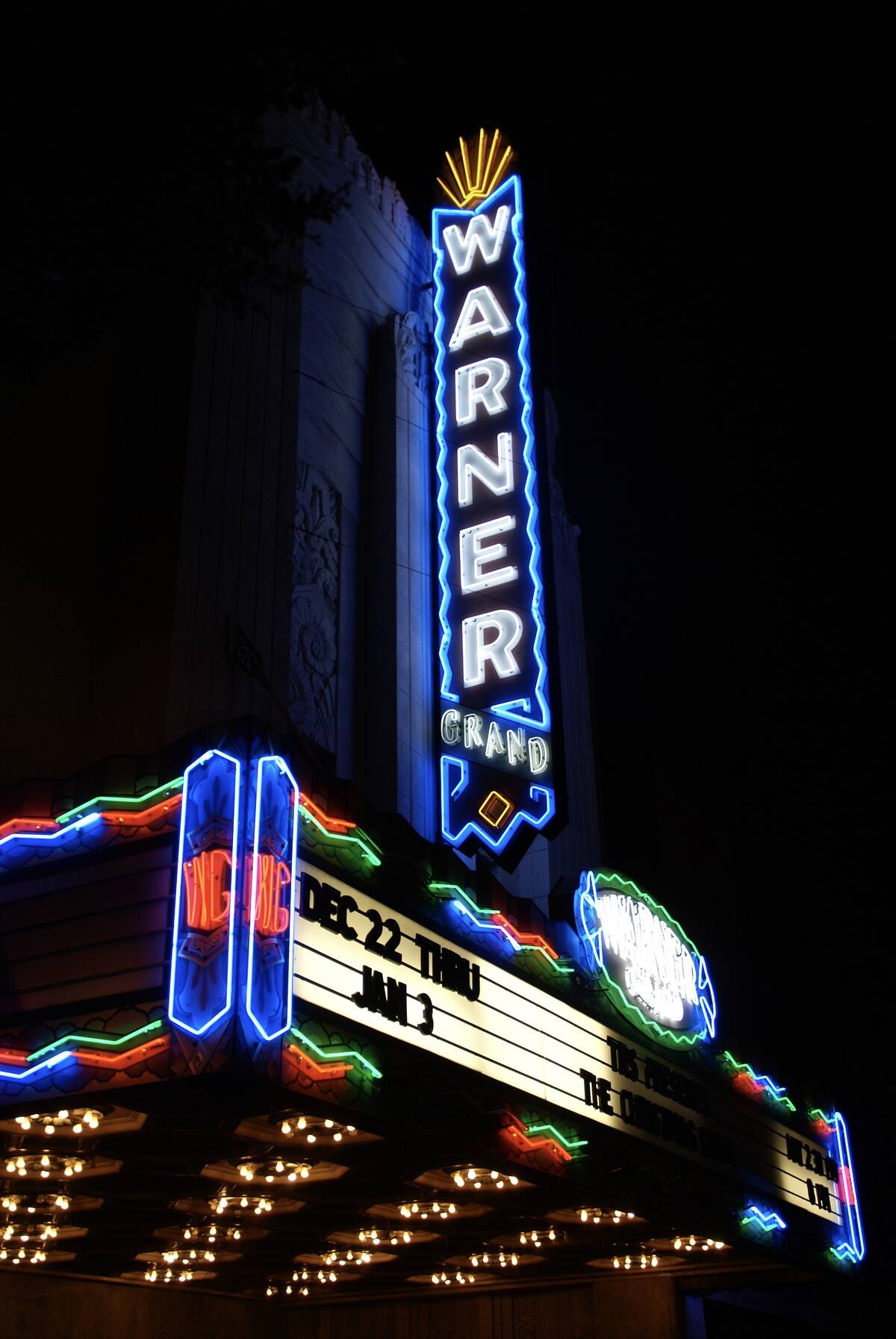
The Warner Grand Theatre, located in San Pedro, opened in 1931 as a luxurious movie palace. Its Art Deco design and lavish interiors reflect the grandeur of the era.
While it no longer shows first-run films, it remains a hub of entertainment, hosting concerts, plays, and classic film screenings. The theater’s rich history and community involvement make it a cherished cultural landmark.
The Oldest Surviving Theater: The Million Dollar Theatre
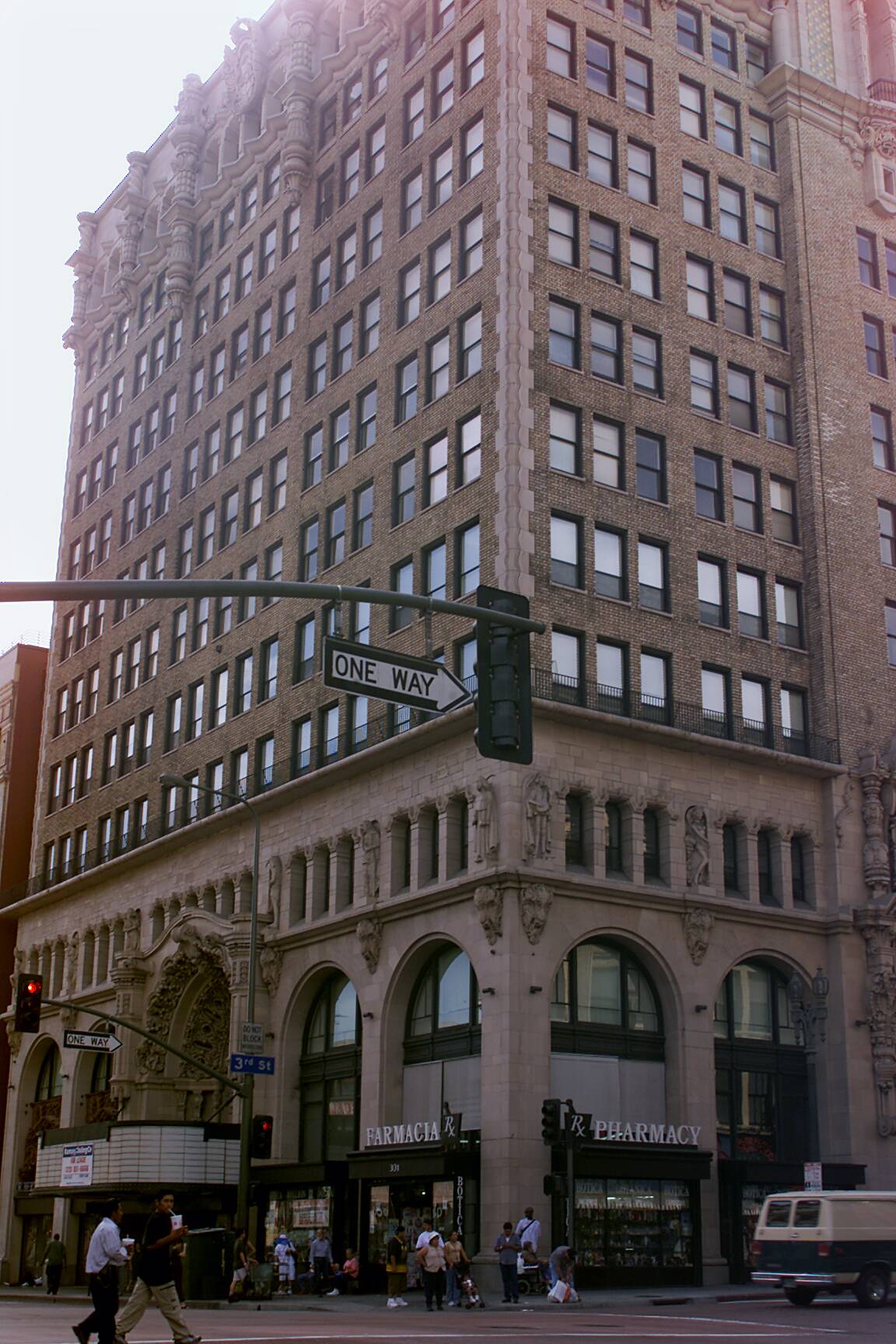
The Million Dollar Theatre, opened in 1918, is one of Los Angeles’ oldest surviving theaters. Located in the historic Broadway Theatre District, it was developed by Sid Grauman and designed with an ornate Spanish Colonial Revival-style facade featuring Baroque influences.
Though its use has evolved over the years, it remains a symbol of the city’s early cinematic history, attracting visitors with its architectural beauty and storied past.
A Testament to Hollywood’s Evolution: The Vista Theatre
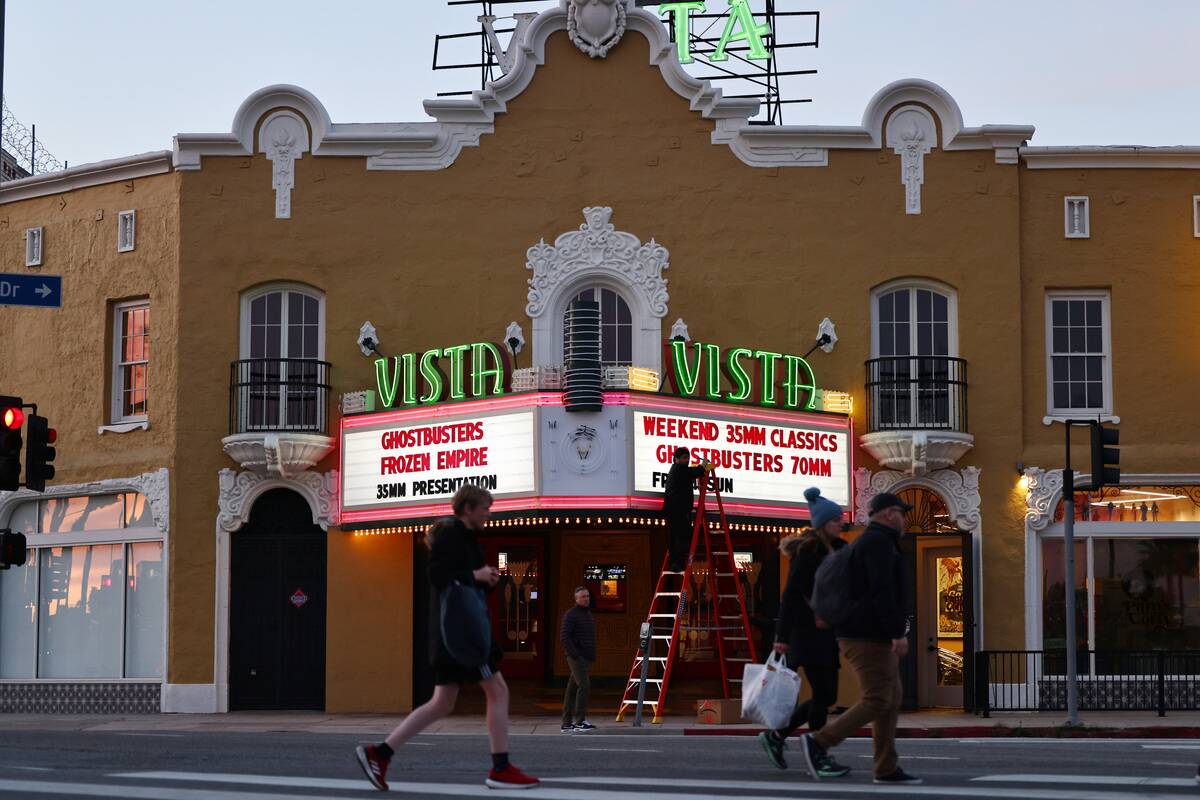
The Vista Theatre, opened in 1923, is a historic Los Angeles movie palace that reflects Hollywood’s evolution from the silent film era to modern cinema. Known for its Egyptian Revival-inspired decor and single-screen format, it offers an intimate movie-going experience.
The theater’s efforts to preserve its historic charm while continuing to showcase contemporary films have made it a beloved venue for film enthusiasts and history buffs alike.
The Revival of a Classic: The United Artists Theatre
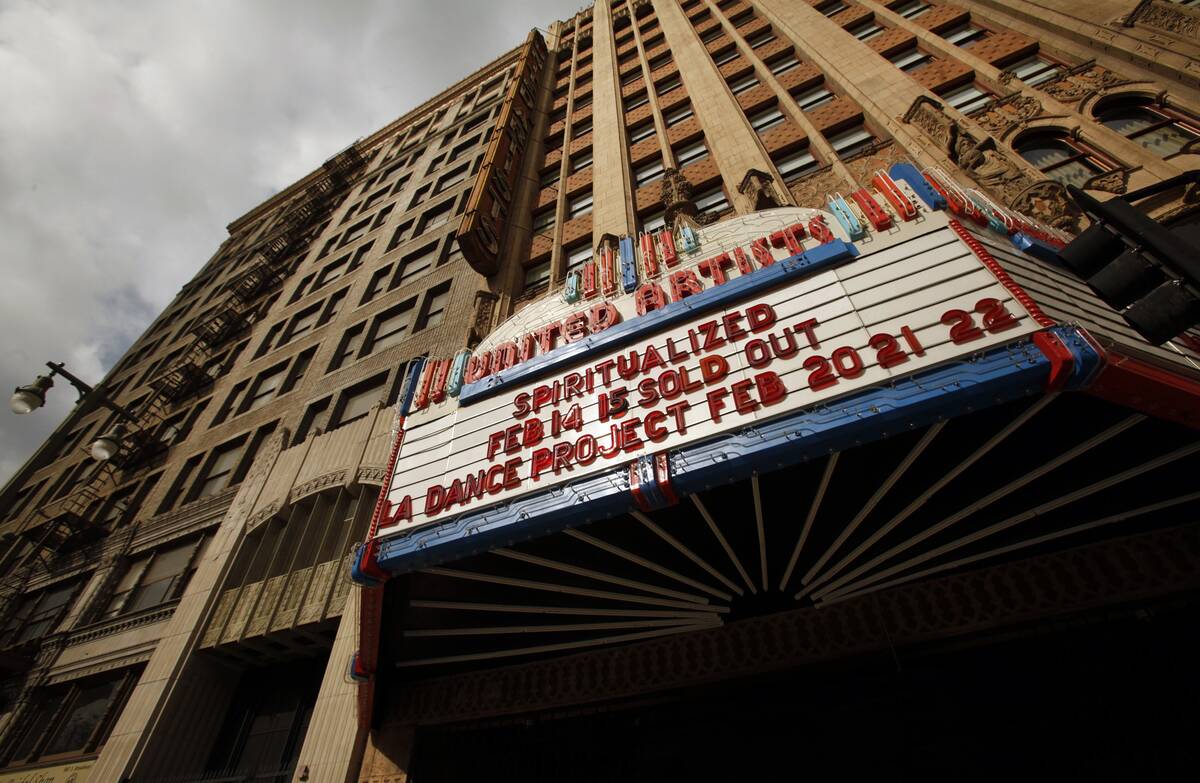
The United Artists Theatre, now known as The Theatre at Ace Hotel, opened in 1927 and was designed by architect C. Howard Crane in collaboration with other architectural firms. Its Spanish Gothic Revival style and ornate interiors reflect the opulence of Hollywood’s golden age.
After a major restoration, it reopened as a live performance venue, blending its historic charm with modern amenities. The theater’s revival is a testament to the enduring appeal of classic Hollywood architecture and entertainment.
The Cinematic Jewel: The Alex Theatre in Glendale
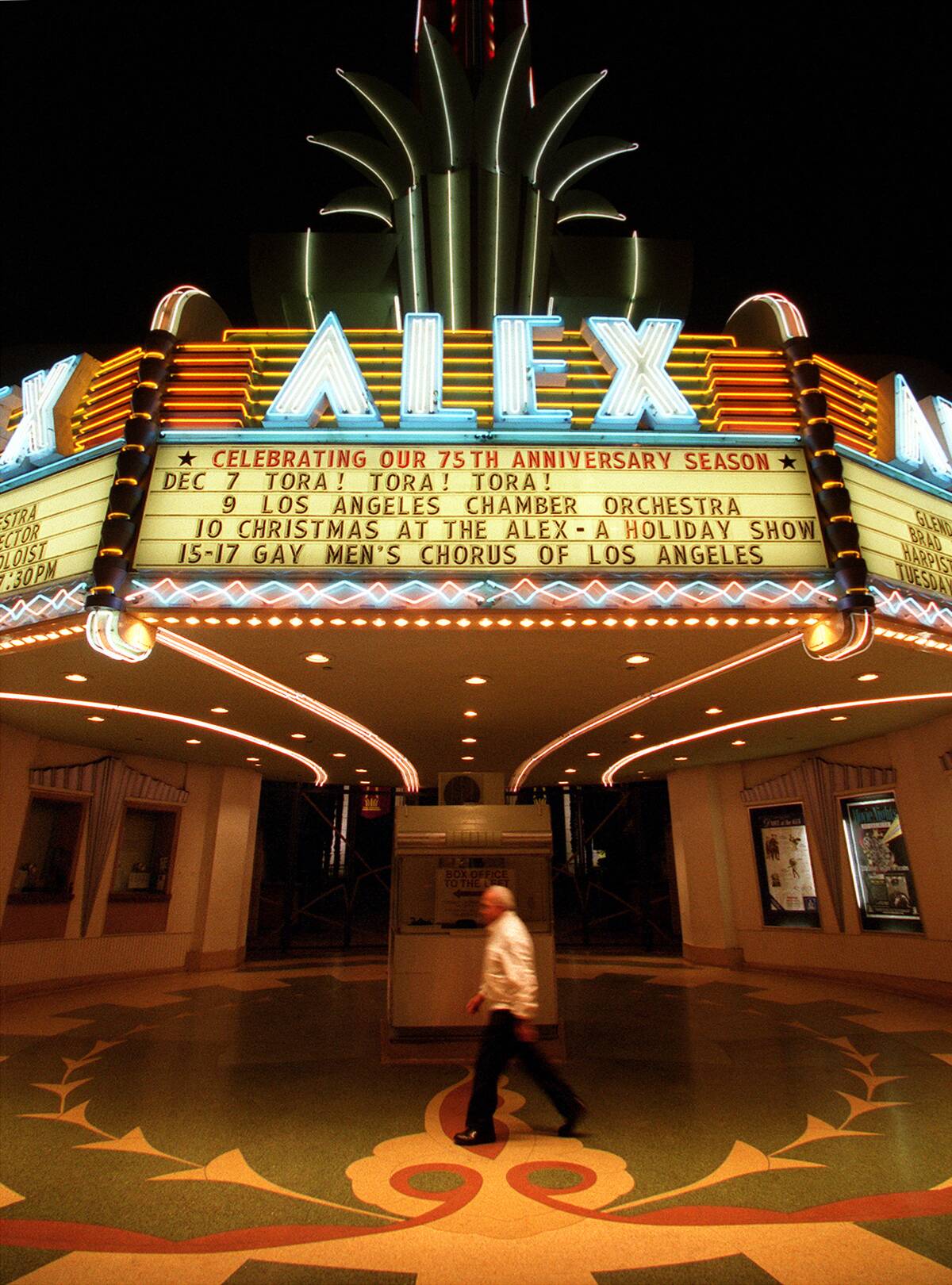
The Alex Theatre in Glendale, opened in 1925, is a cinematic jewel known for its Art Deco design and iconic neon tower. Originally a vaudeville and movie theater, it now hosts a variety of performances, from concerts to film screenings. The theater’s commitment to preserving its historic character while offering diverse programming makes it a cultural hub for the community and a testament to the enduring allure of classic theaters.




