What school cafeterias looked like decades ago
School cafeteria was a place where memories were made, friendships were forged, and food fights occasionally erupted. For many of us, the cafeteria was more than just a place to eat; it was a microcosm of school life itself.
From the clatter of trays to the aroma of mystery meat, school cafeterias have evolved over the decades, reflecting broader societal changes and trends.
The 1950s: Post-War Simplicity and the Rise of the Lunch Lady
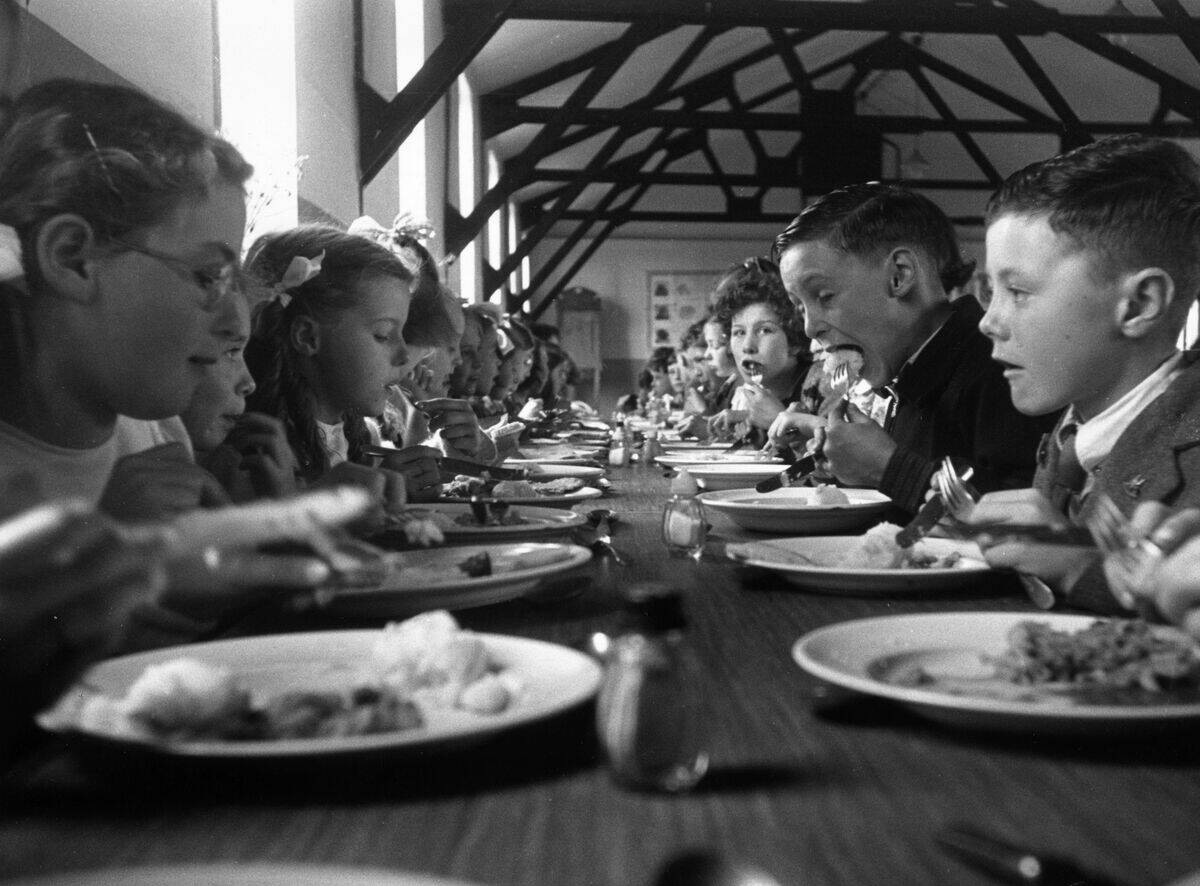
In the 1950s, school cafeterias focused on simplicity and efficiency as post-war America expanded organized school meal programs. The familiar image of the “lunch lady” became a staple in schools across the nation, with cafeteria workers serving affordable, filling meals to students.
These dedicated workers helped provide nutritious meals designed to fuel students through their school day. It was a time when dishes like meatloaf and mashed potatoes were popular, and the lunch lady became a familiar and often beloved figure in the school community.
Classic Lunch Trays: A Staple of School Dining
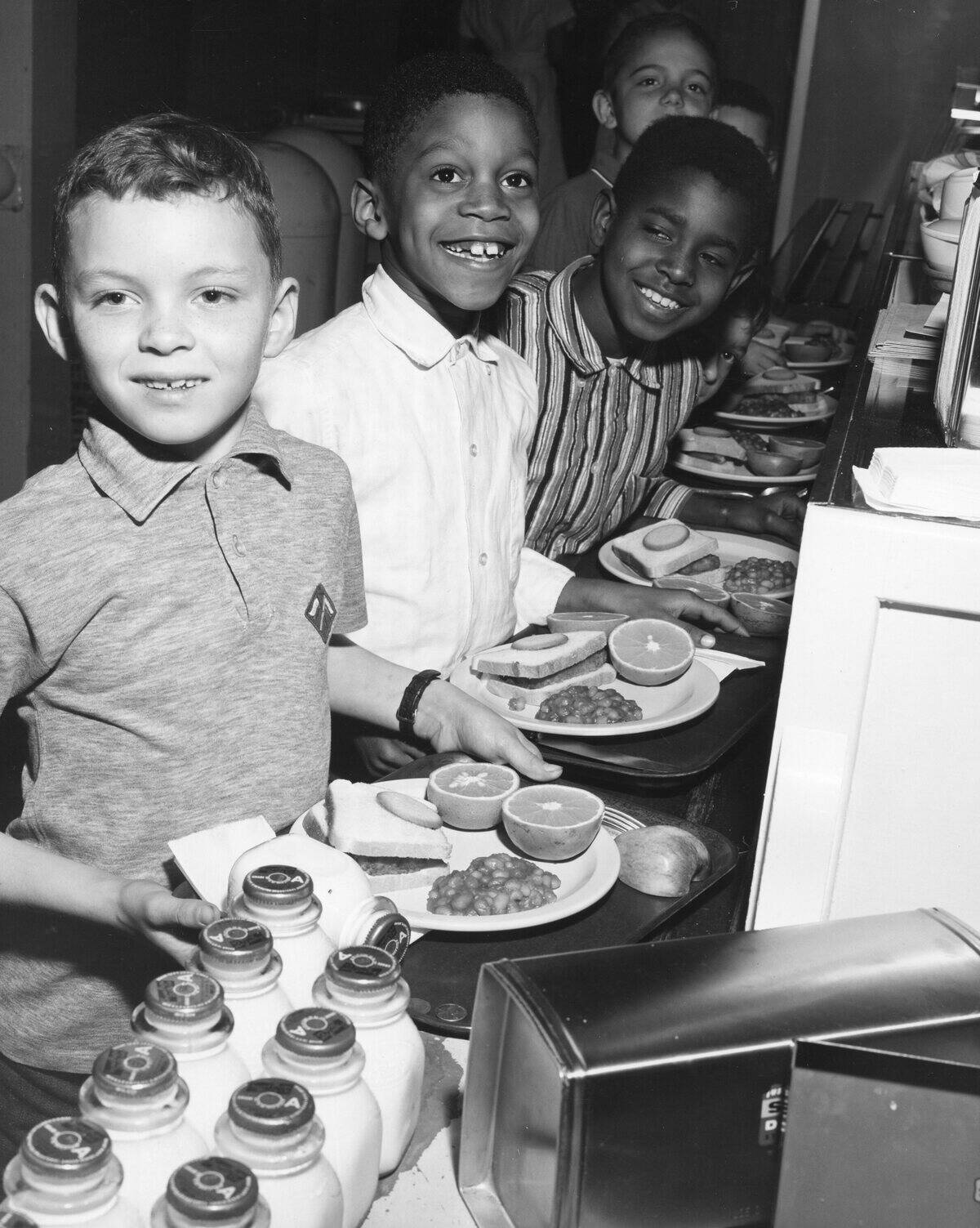
Remember those classic lunch trays with their perfectly portioned compartments? They were designed to make serving and eating as efficient as possible. Typically made of durable plastic or metal, these trays were a staple in school cafeterias for decades.
Each compartment had a specific purpose, from holding the main dish to cradling a carton of milk. The design was all about practicality, ensuring that students received a balanced meal without any fuss.
The Evolution of School Lunch Menus Over the Decades
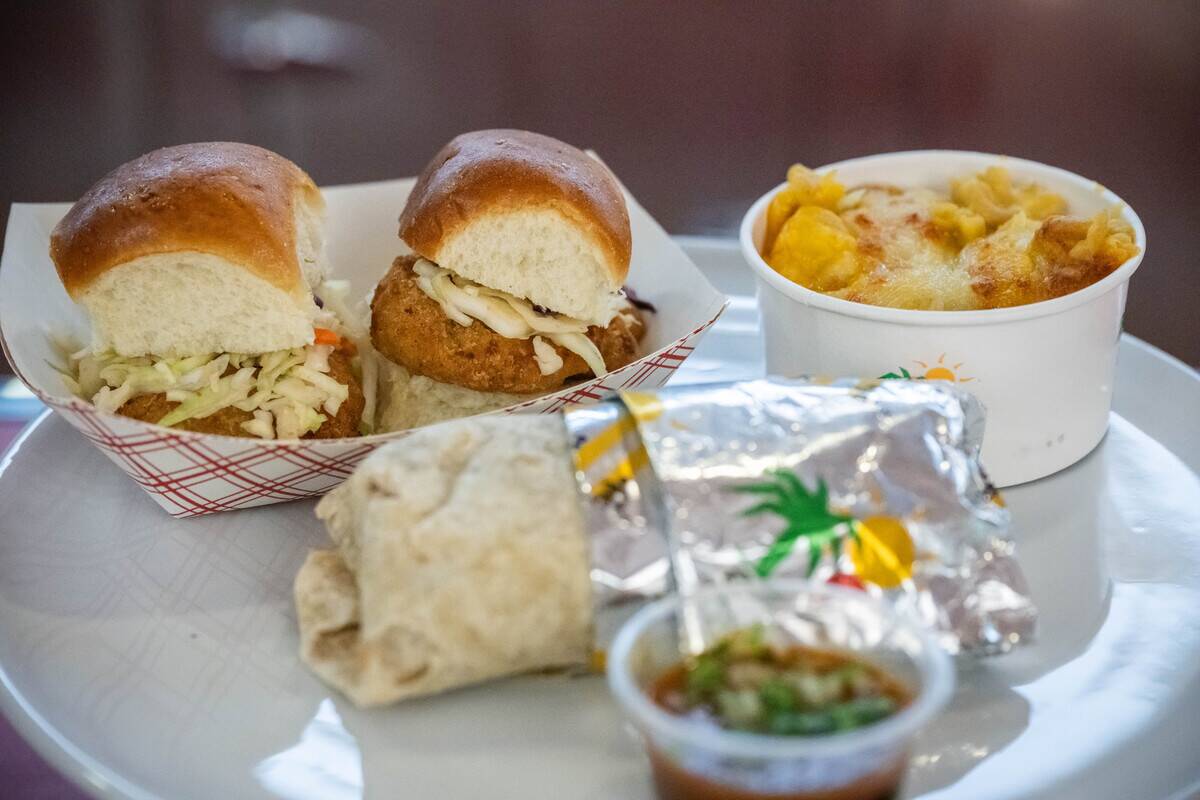
School lunch menus have evolved significantly over the years, reflecting changes in dietary guidelines and cultural preferences. In the early days, meals were simple and hearty, focusing on basic nutrition.
As time went on, menus began to include more diverse options, catering to different tastes and dietary needs. Today, students can enjoy a variety of cuisines, from classic American dishes to international flavors, all while adhering to nutritional standards set by the government.
Cafeteria Décor: From Institutional to Inviting
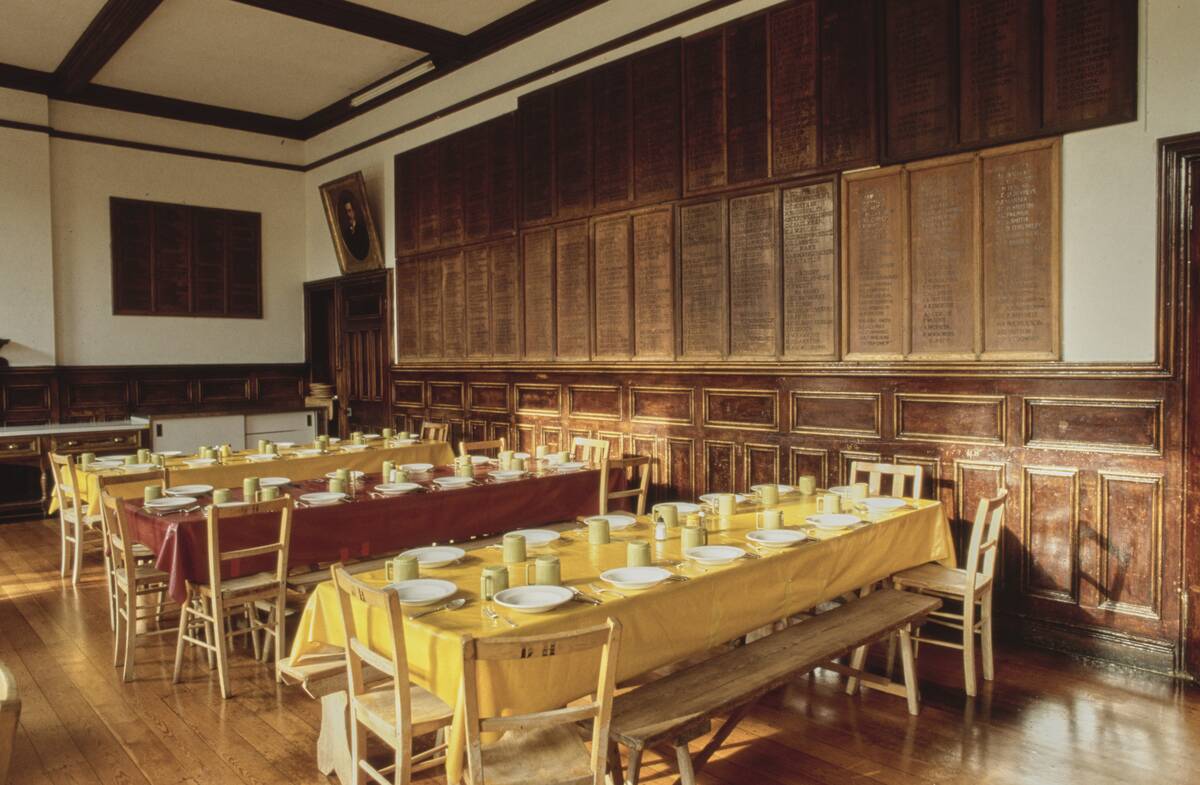
Gone are the days when many school cafeterias were designed purely for function rather than comfort. Over the years, some schools have made efforts to create more inviting dining spaces for students.
Bright colors, flexible seating, and creative designs have been introduced in many modern cafeterias, replacing some of the more utilitarian environments of the past. The goal is to make cafeterias places where students can enjoy meals, socialize, and have a more positive dining experience. It is part of a broader effort to create welcoming school environments.
The 1960s: Introduction of Government Nutrition Standards
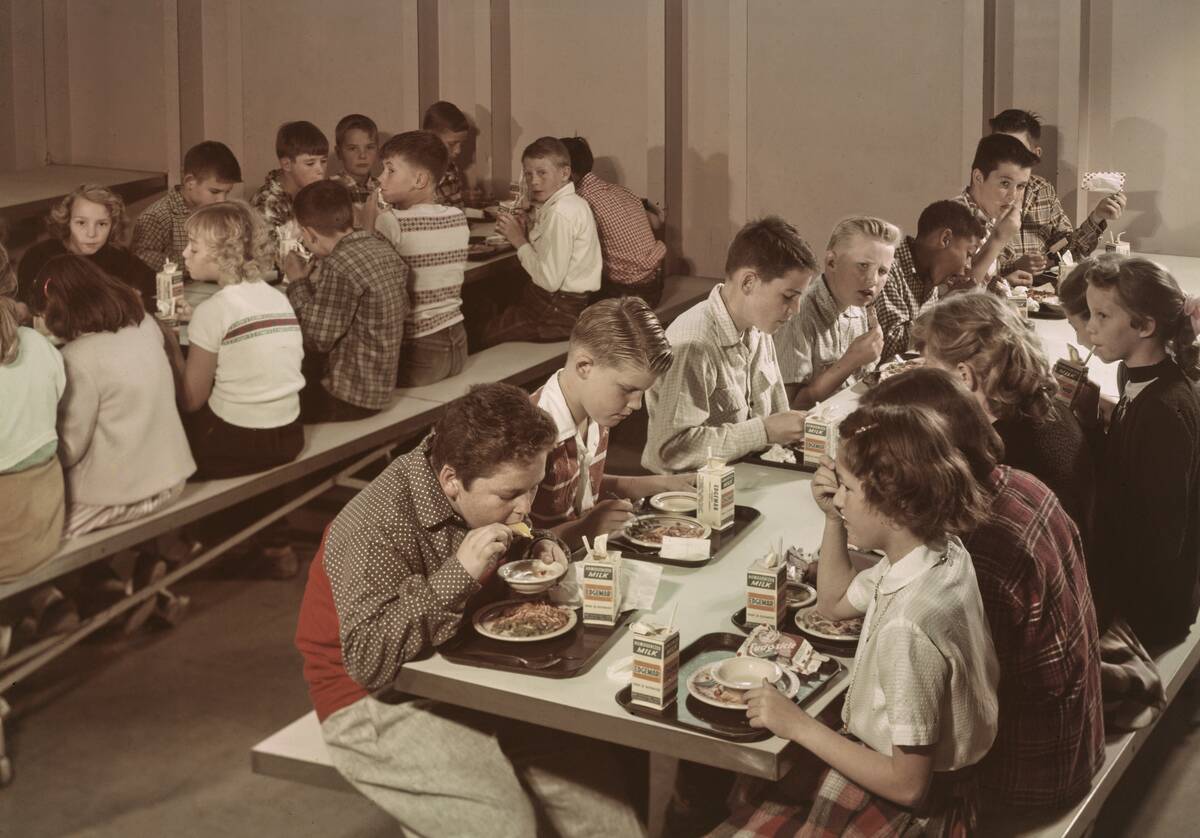
The 1960s brought further developments in school cafeterias as government efforts to improve child nutrition expanded. Building on the National School Lunch Act of 1946, later legislation and nutrition standards helped ensure that school meals provided balanced options that met specific requirements.
These changes responded to growing concerns about child health and nutrition, with the goal of providing students with essential nutrients to support their academic and physical development.
Milk Cartons and Glass Bottles: A Dairy Dilemma
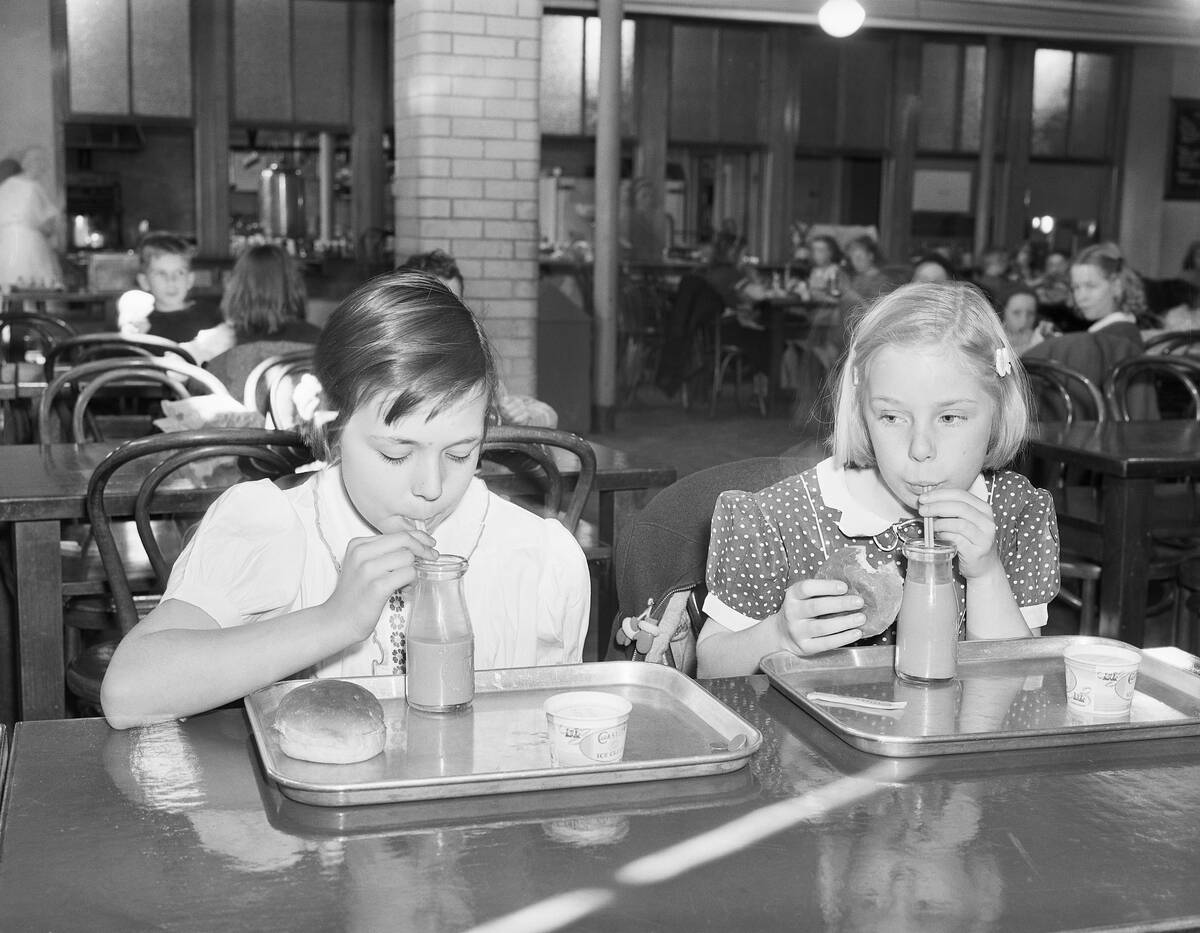
For decades, milk has been a staple in school cafeterias, but the way it was served has changed over time. In the early days, glass bottles were commonly used, offering a familiar tradition but creating challenges due to their weight and risk of breakage.
As school meal programs expanded, paper milk cartons became increasingly popular because they were lighter, easier to handle, and more practical for large-scale distribution. This shift improved convenience and safety while influencing the development of modern school food packaging.
The 1970s: The Era of TV Dinner-Inspired Meals
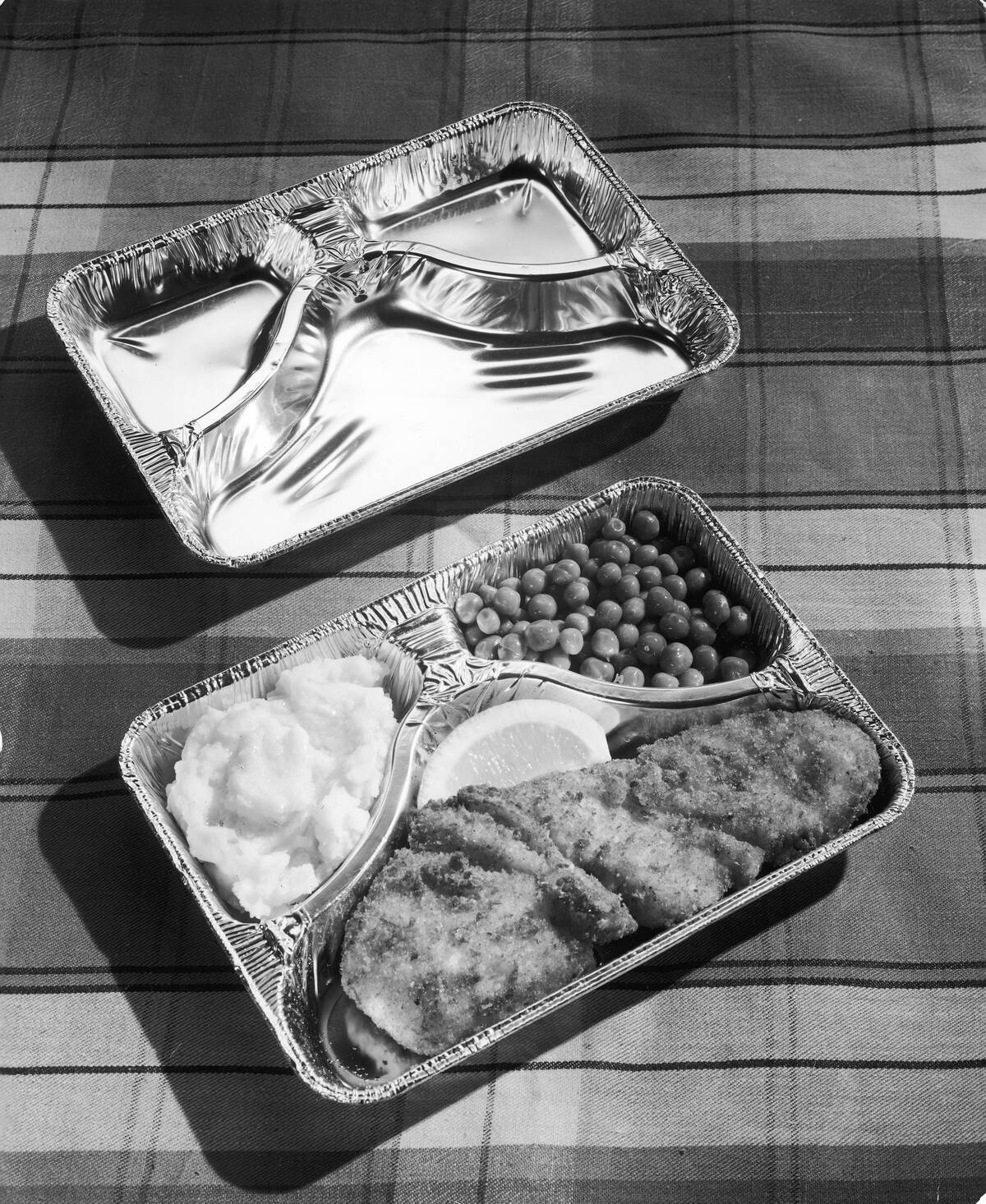
The 1970s continued a shift toward convenience in school cafeterias, influenced by the growing popularity of processed and pre-prepared foods. As efficiency became a priority, meals were often designed to be quick and easy to serve to large numbers of students.
Some cafeterias introduced more pre-portioned foods and compartmentalized trays that reflected the convenience culture of the era. While these meals were practical and popular with many students, they were also sometimes criticized for being less nutritious than freshly prepared alternatives.
Iconic Cafeteria Foods: Pizza, Burgers, and Mystery Meat
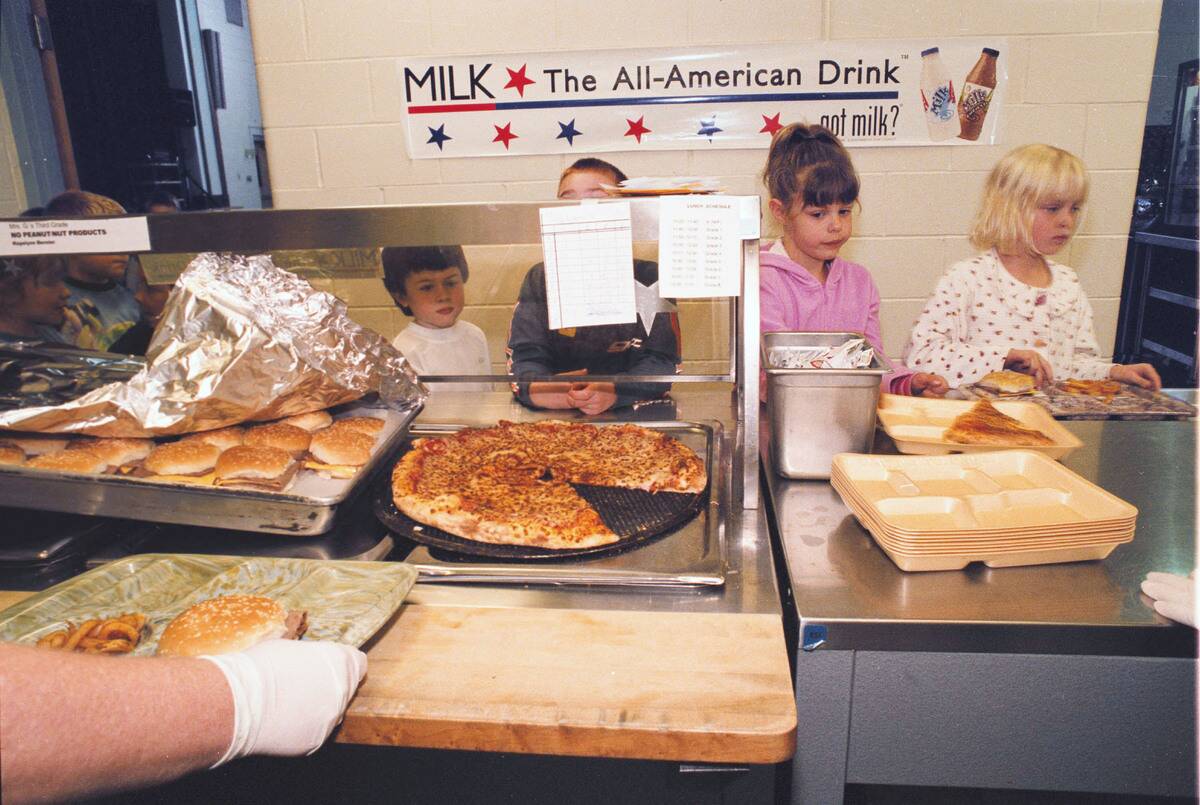
Certain foods have become closely associated with school cafeteria culture, including pizza, burgers, and the infamous idea of “mystery meat.” Pizza became a favorite among many students, with some schools even featuring special pizza days as a break from traditional meals.
Burgers were another popular option, often served with classic sides like fries. The phrase “mystery meat” became a humorous nickname for cafeteria dishes that students found unfamiliar or questionable. Despite its reputation, it remains a memorable part of school lunch nostalgia.
The 1980s: Fast Food Influence and the Birth of the Salad Bar
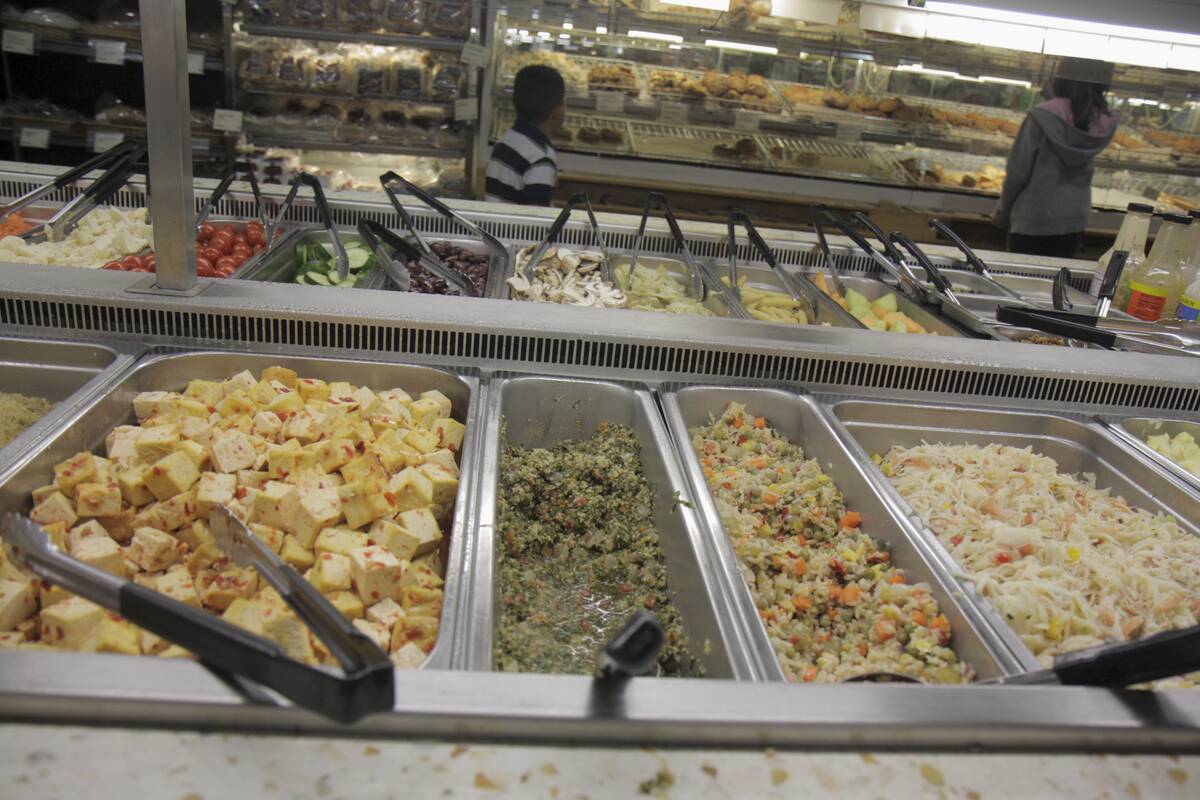
The 1980s saw the continued influence of fast food culture on school cafeterias. As students became familiar with the flavors of popular fast food restaurants, some schools incorporated similar items into their menus, including burgers, pizza, and other convenience-style meals.
This era also saw salad bars become more common in many cafeterias, offering students a healthier alternative with fresh vegetables and toppings. The addition of salad bars helped expand choices and balance the more indulgent options available.
Cafeteria Fashion: Hairnets, Aprons, and Uniforms
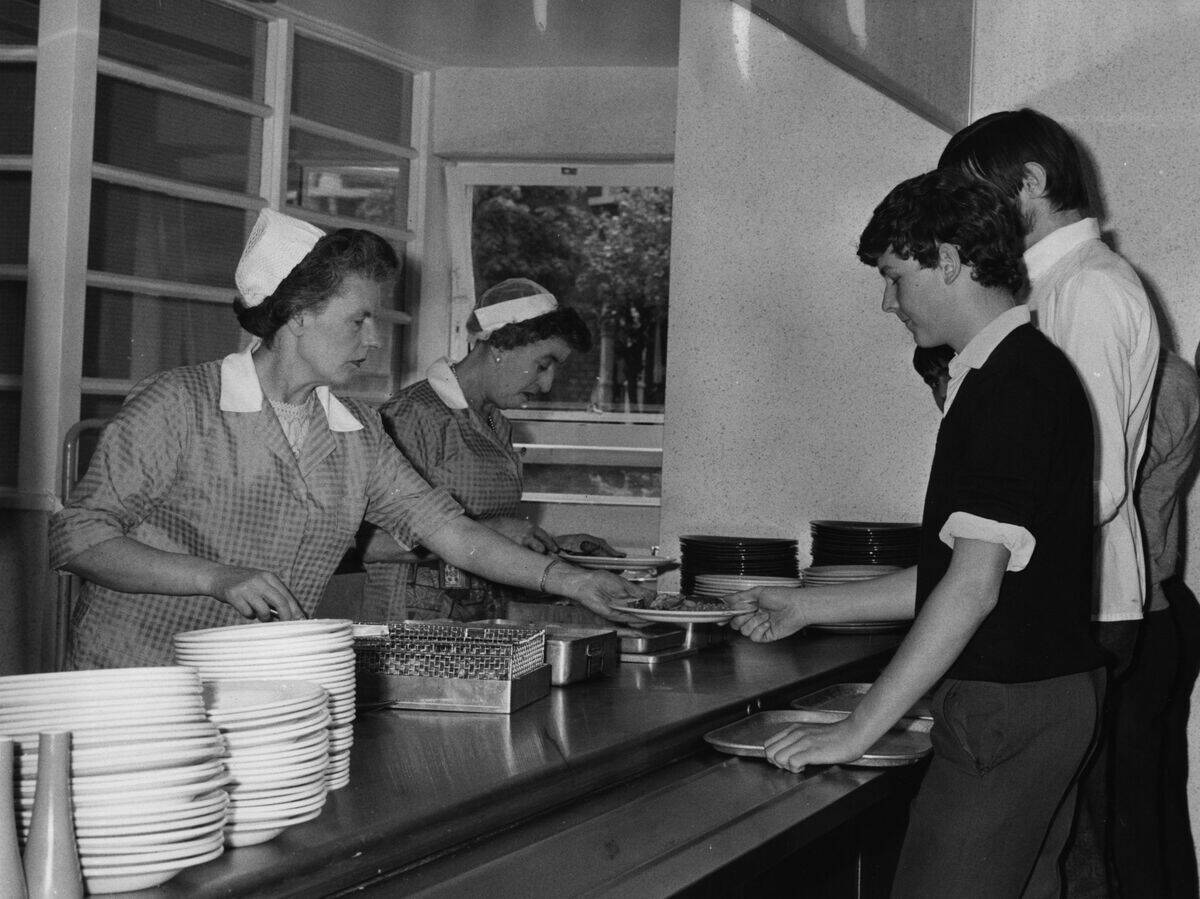
Cafeteria fashion may not have been runway-worthy, but it was certainly iconic. Hairnets, aprons, and uniforms were the standard attire for cafeteria staff, ensuring hygiene and professionalism.
These garments were practical, designed to withstand the rigors of food service while maintaining a clean and tidy appearance. Over the years, some schools have modernized their uniforms, adding a touch of style while still adhering to health and safety standards.
The 1990s: Healthier Options and the Rise of Vegetarian Choices
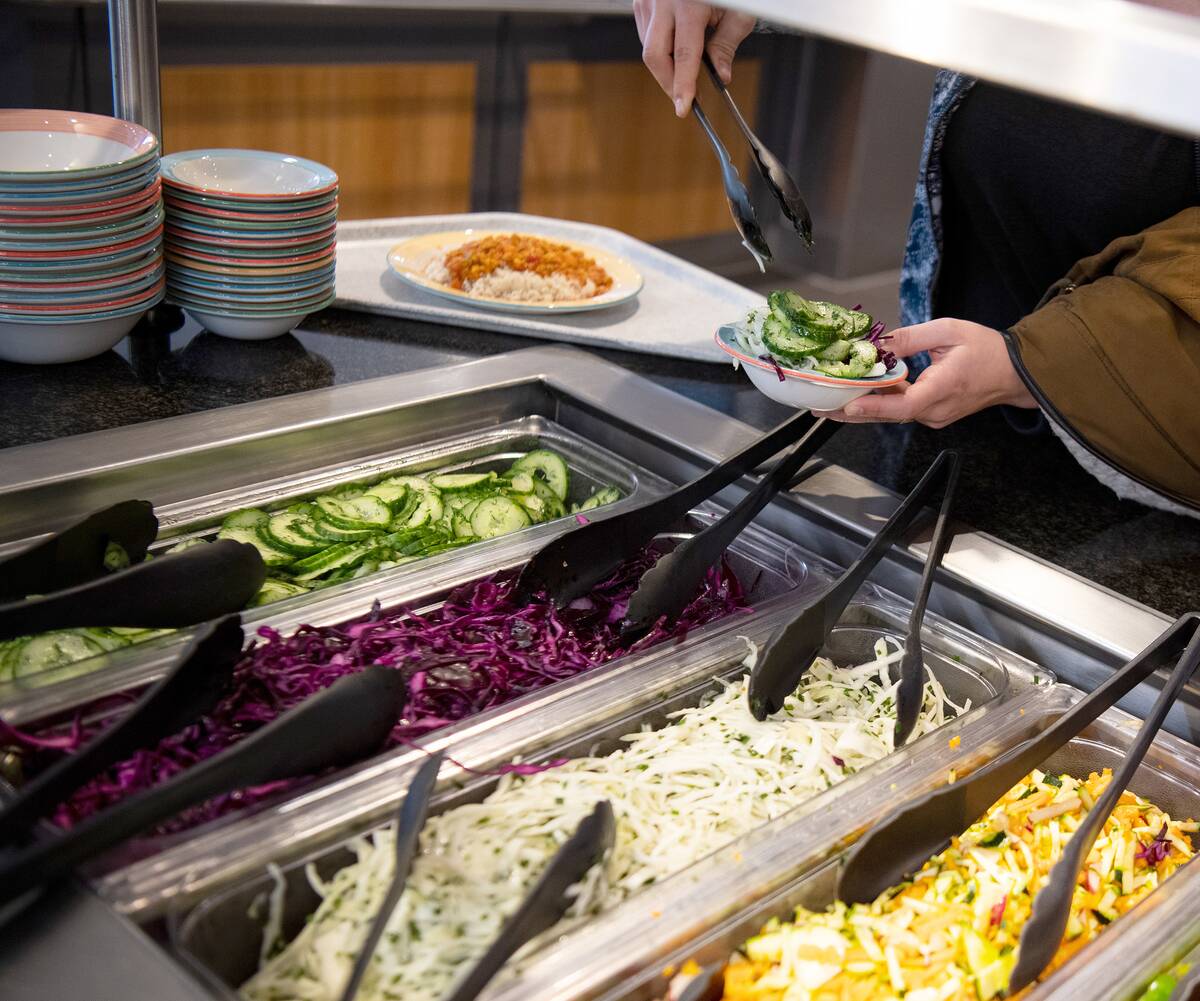
The 1990s brought increased attention to health and nutrition in school cafeterias. As awareness of dietary needs and preferences grew, some schools began expanding their menus to include healthier options and more vegetarian choices.
This shift was influenced by changing nutrition guidelines, broader food trends, and evolving student preferences. Vegetarian dishes like veggie burgers and salads became more common in many cafeterias, providing alternatives for students seeking plant-based meals. This decade contributed to the continued evolution toward the more diverse menus found in schools today.
Memorable Cafeteria Moments: Food Fights and Friendship
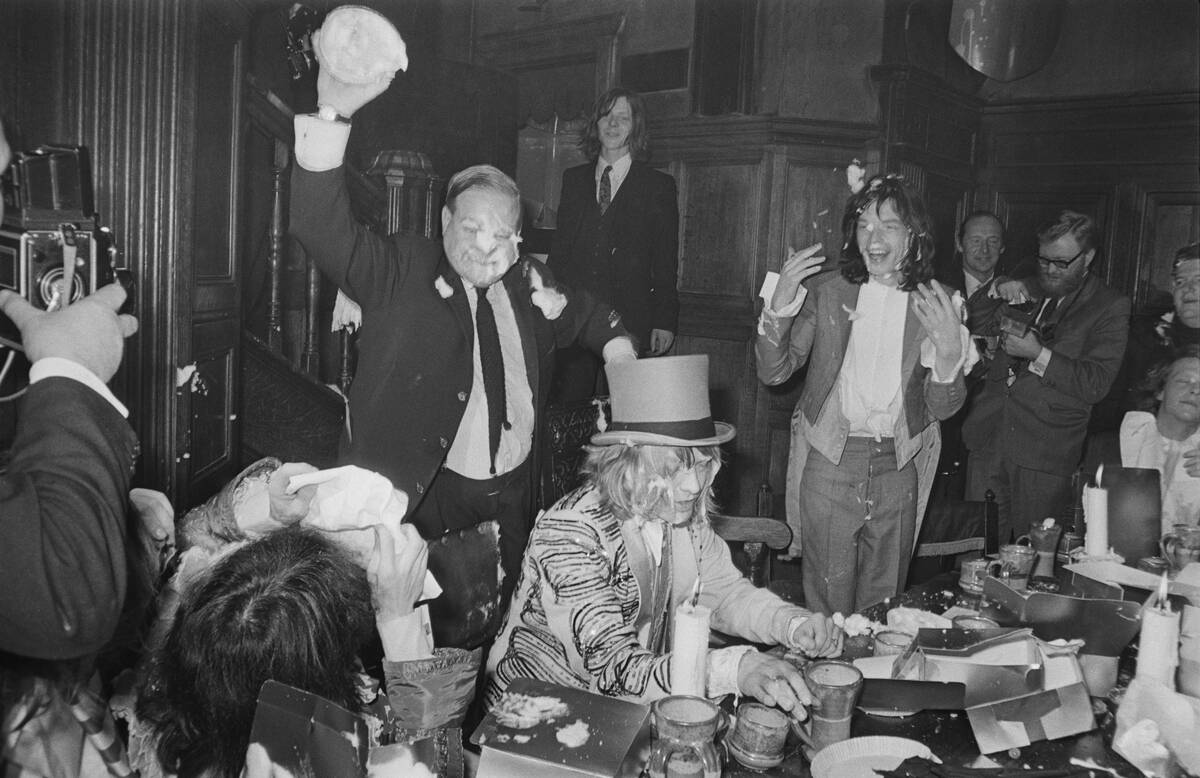
School cafeterias have long been hubs of activity, where memorable moments unfold daily. From the occasional chaos of food fights to the everyday moments of friendship over lunch, these experiences often become part of students’ memories.
Food fights, while discouraged and considered disruptive, became a familiar theme in school culture and popular media. Meanwhile, the cafeteria was also a place where friendships blossomed, as students gathered around tables to share stories, laughter, and, of course, food.
The Role of the Lunch Lady: More Than Just Serving Food
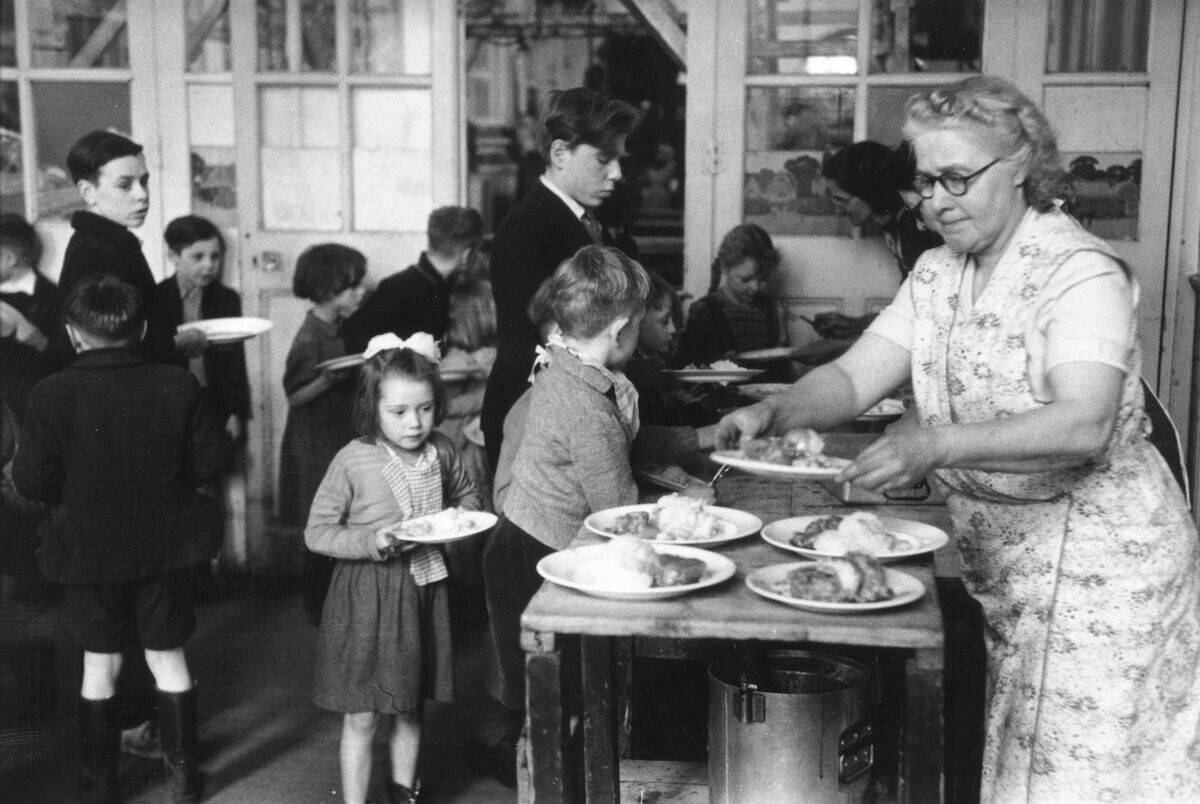
The lunch lady has long been more than just a person who serves food; she is often a familiar and valued member of the school community. These dedicated individuals play an important role in school cafeterias, building connections with students through daily interactions.
They help provide meals to students and often work to accommodate dietary needs when possible. The lunch lady remains a cherished figure in school memories, offering nourishment and a friendly presence in the busy environment of the cafeteria.
The Impact of Pop Culture on School Cafeterias
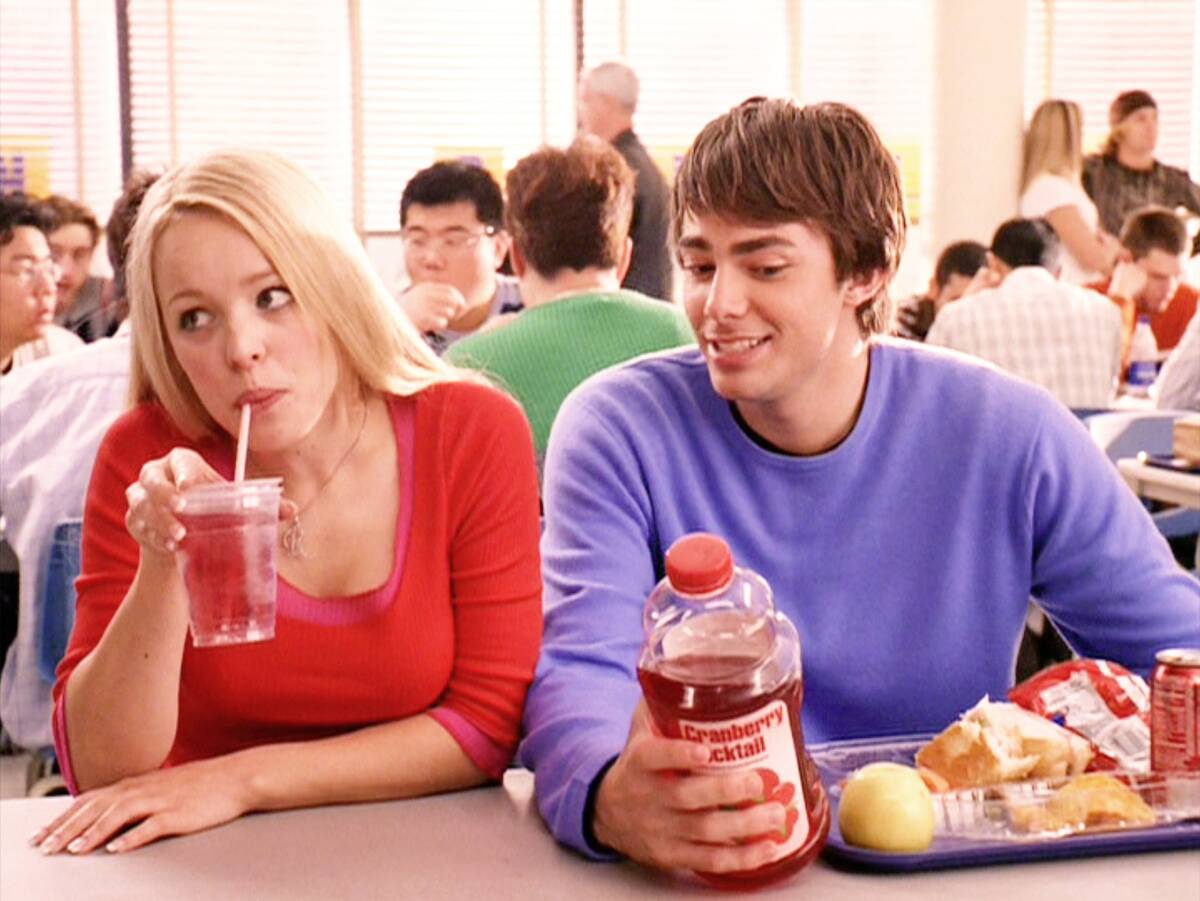
Pop culture has influenced how school cafeterias are viewed and remembered, shaping the way they appear in movies, television, and student experiences. Entertainment often depicts the cafeteria as a central setting for school life, highlighting its role as a social gathering place.
At the same time, broader food trends and changing dietary preferences have influenced school menus over the years. This connection between culture, food trends, and student experiences has helped keep cafeterias an important part of school life for each new generation.
The 2000s: Emphasis on Farm-to-Table and Organic Options

The 2000s saw growing interest in farm-to-school and healthier school dining initiatives. These programs aimed to provide students with fresher, locally sourced ingredients while supporting health, sustainability, and local agriculture.
Some schools began partnering with nearby farms to supply produce and other ingredients, incorporating more locally grown foods into their menus. This shift reflected a broader societal interest in conscious eating and food awareness, influencing how some cafeterias approached meal planning and nutrition.
School Cafeteria Traditions: Taco Tuesdays and Pizza Fridays
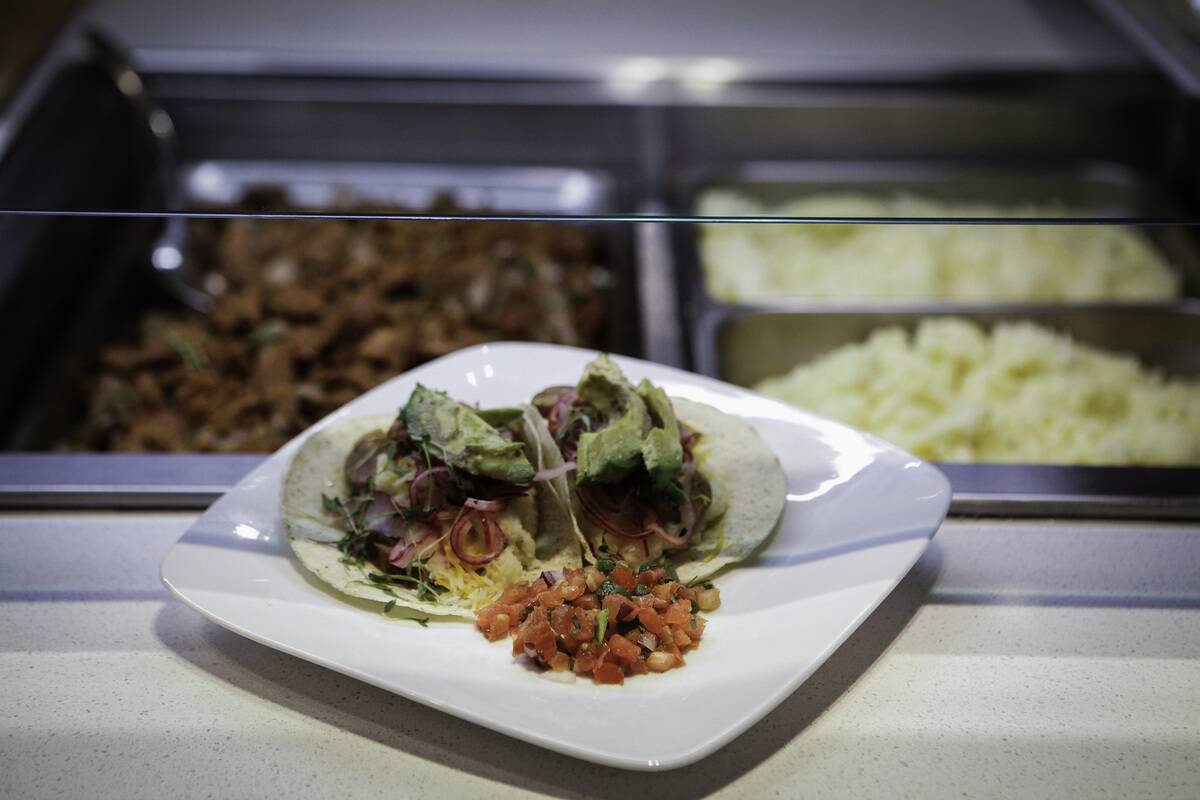
School cafeterias are often known for beloved traditions, with themed meals like Taco Tuesdays and Pizza Fridays becoming popular features in many schools. These special menu days can give students something to look forward to and add variety to the school week.
Taco-inspired meals bring familiar flavors from Mexican cuisine to cafeterias, while pizza remains a favorite choice for many students. These traditions can create a sense of community and shared experiences that students remember long after graduation.
The Importance of Cafeteria Design in Student Experience
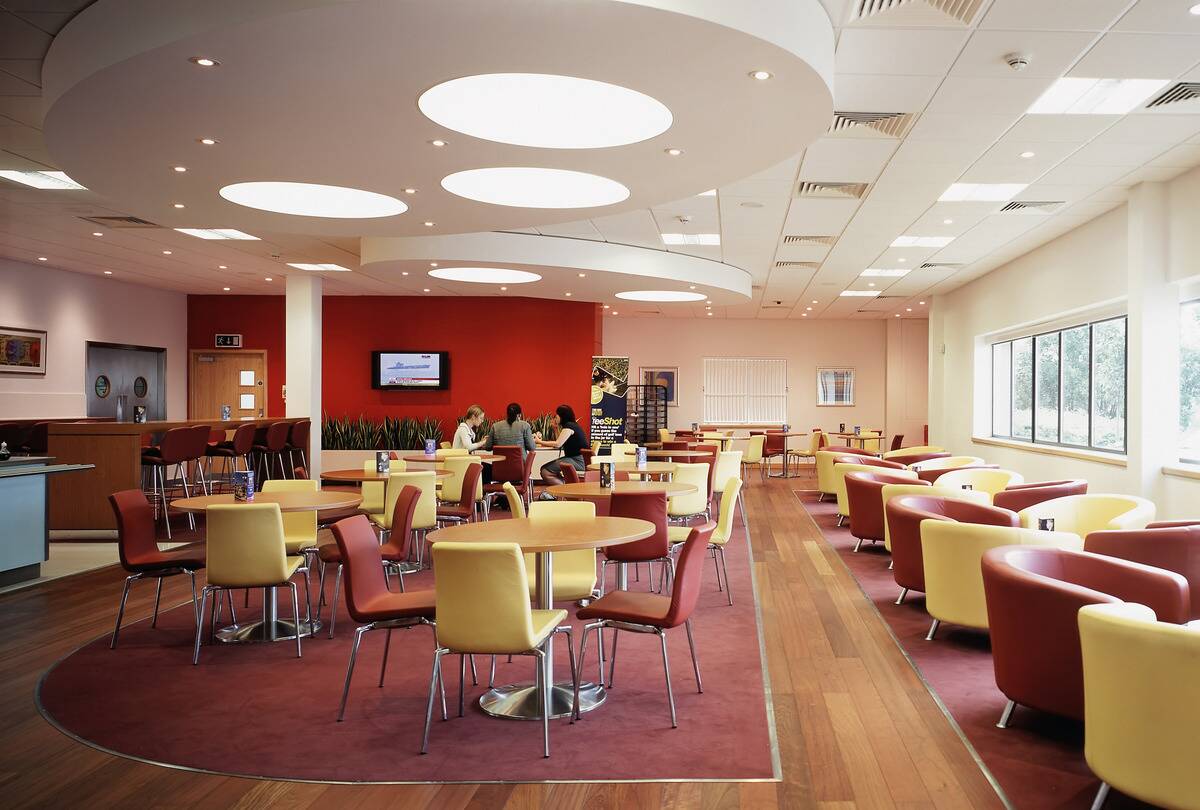
Cafeteria design plays an important role in shaping the student experience, influencing everything from social interactions to meal enjoyment. A well-designed cafeteria can create a welcoming atmosphere where students can eat, relax, and socialize comfortably.
Elements like seating arrangements, lighting, and acoustics all contribute to the overall environment. Many schools are increasingly recognizing the value of thoughtful design, creating cafeterias that are not only functional but also inviting spaces that support positive student engagement.
The Role of School Cafeterias in Community Building
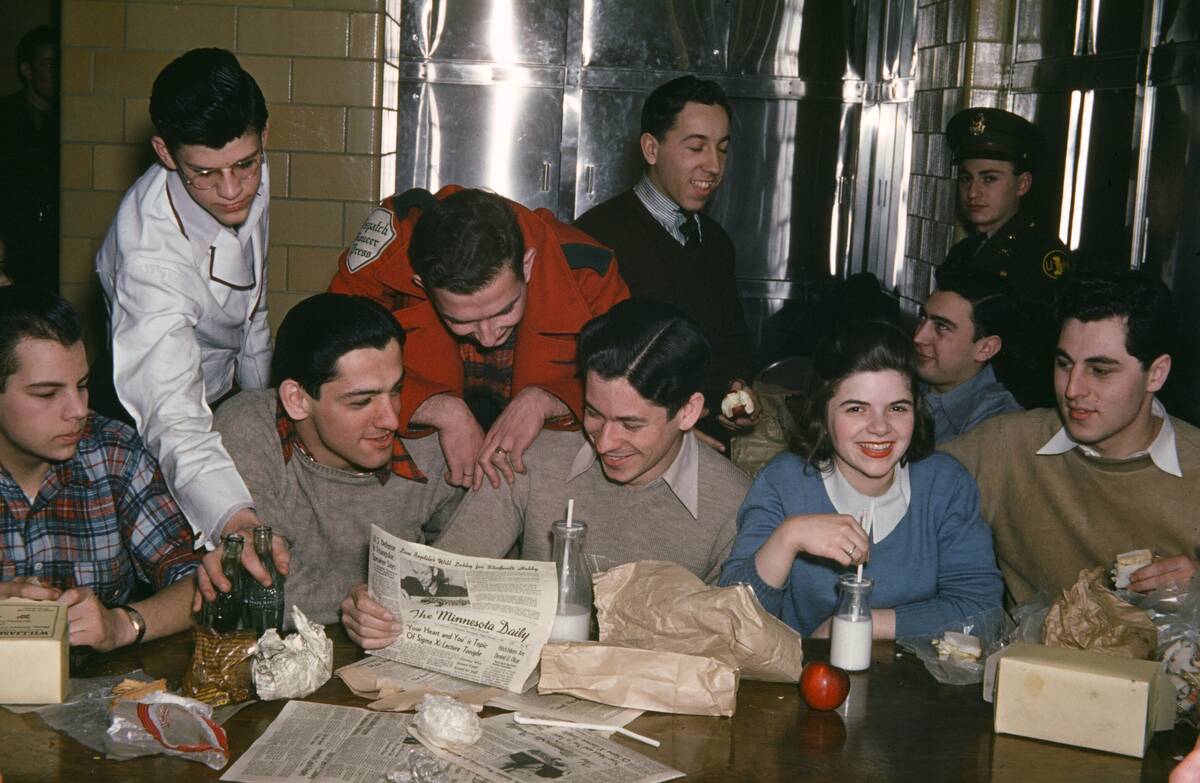
School cafeterias are more than just places to eat; they often serve as important community spaces within schools. They provide opportunities for students to gather, share meals, and build relationships with their peers.
Beyond daily lunches, many cafeterias can also serve as flexible spaces for school activities, meetings, and celebrations. This communal role helps foster a sense of belonging among students, staff, and the wider school community. By bringing people together, school cafeterias contribute to creating a supportive and inclusive environment.