Why pineapples were once rented instead of eaten
In the 18th century, pineapples were more than just a tropical fruit; they were a symbol of opulence and curiosity.
Imagine a time when these spiky fruits were so rare and expensive that people would actually rent them to display at social gatherings. Yes, rented pineapples were a thing!
The Pineapple’s Exotic Origins
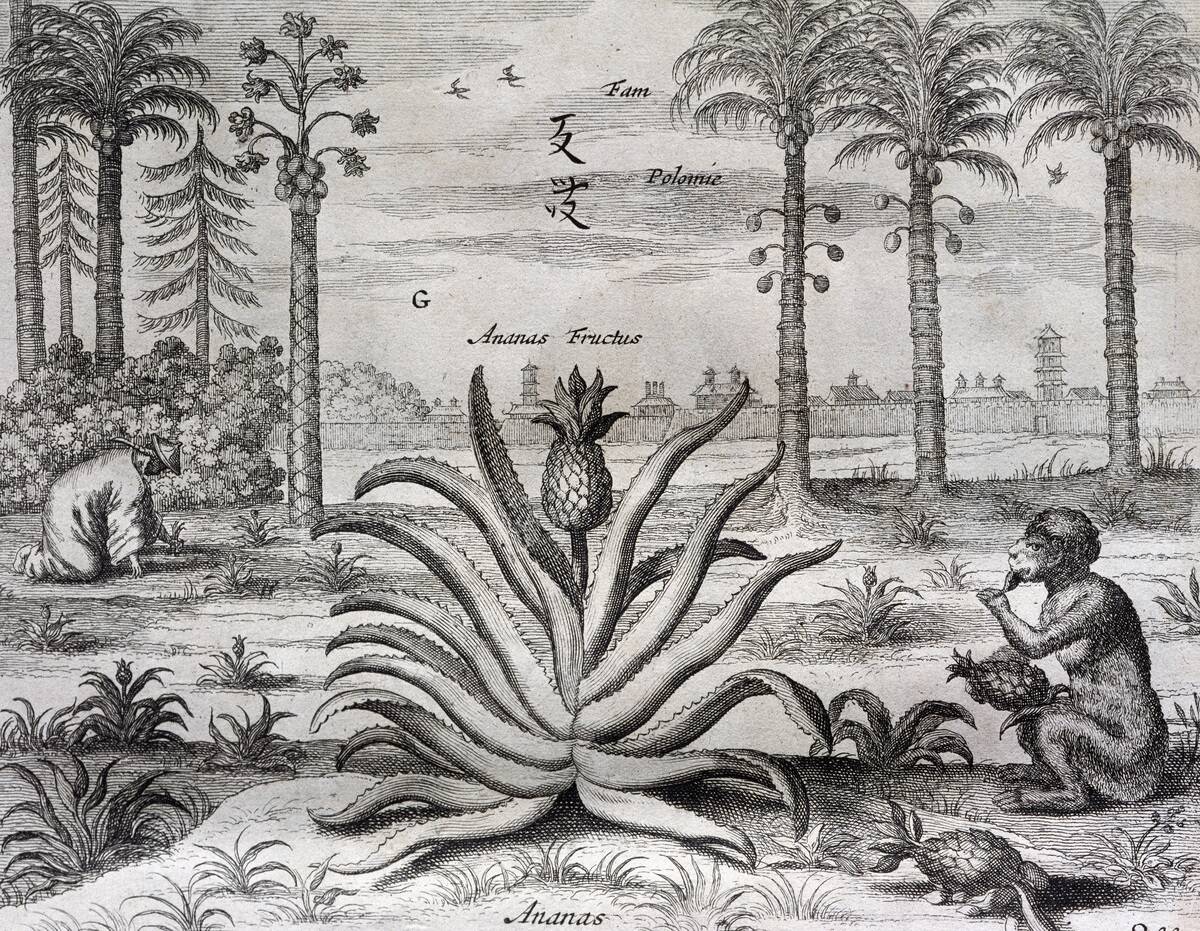
Native to South America, the pineapple was first cultivated by the indigenous Tupi-Guarani people. Known as ‘nanas,’ meaning ‘excellent fruit,’ the pineapple was introduced to Europe by Christopher Columbus in 1493.
Its exotic allure and sweet taste quickly captured the imagination of Europeans, who had never seen anything quite like it. The fruit’s journey from the New World to the Old World marked the beginning of its status as a luxury item.
The Pineapple’s Journey to Europe
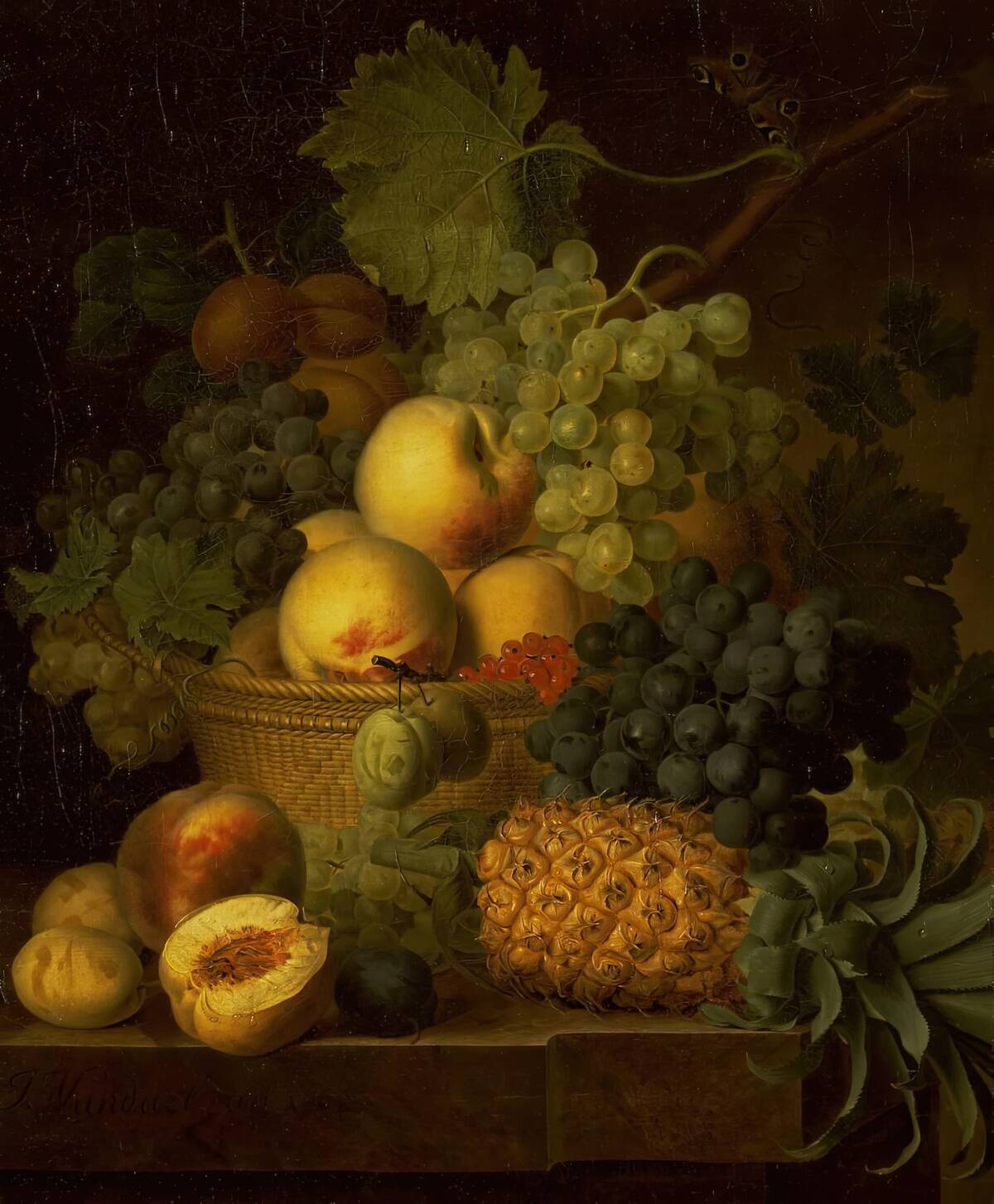
After Columbus brought the pineapple to Europe, it became a sensation among the aristocracy. However, growing pineapples in the European climate proved challenging, requiring special greenhouses called ‘pineries.’
These structures were costly and complex, making the fruit even more exclusive. The difficulty in cultivating pineapples only added to their mystique and desirability among the wealthy.
A Symbol of Wealth and Status
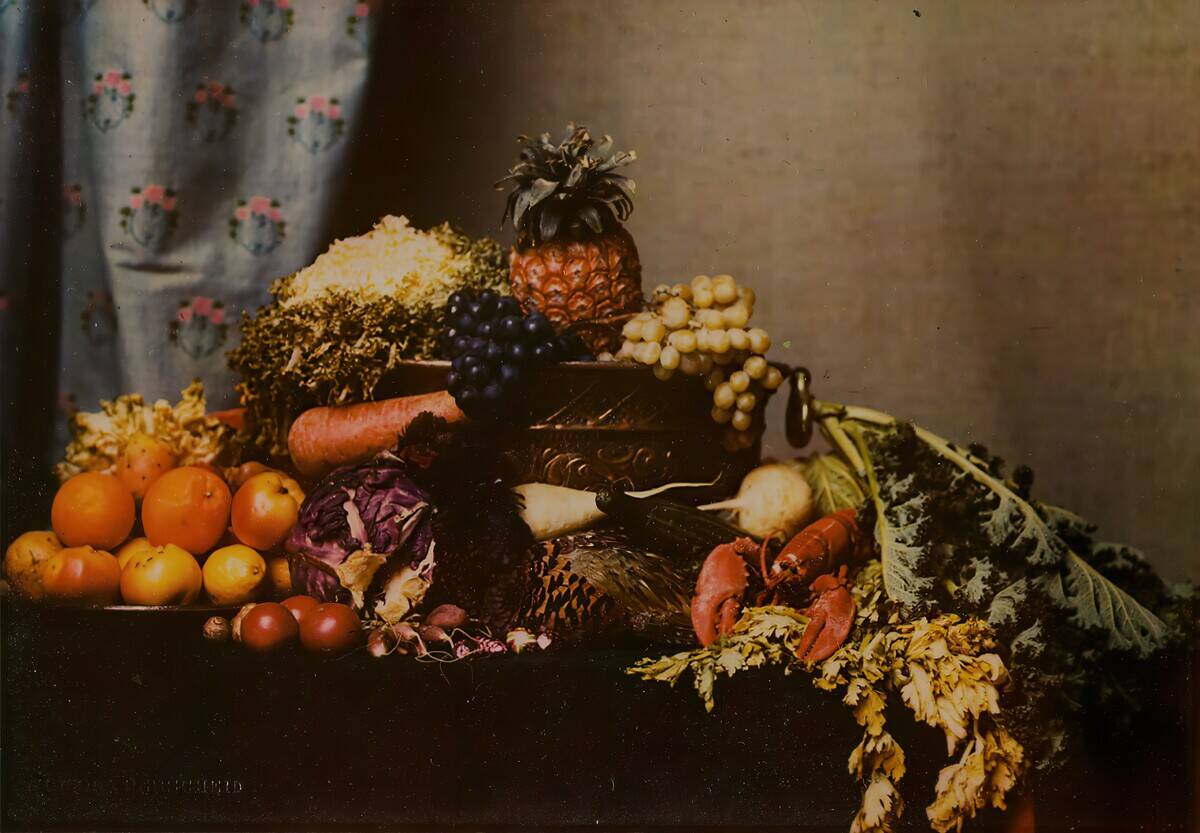
Owning a pineapple in 18th century Europe was akin to owning a luxury car today. The fruit’s rarity and the expense of growing it made it a powerful status symbol.
Displaying a pineapple at a gathering was a way to flaunt one’s wealth and sophistication. It was more than just a fruit; it was a statement of social standing and influence in high society.
The Pineapple’s Role in High Society

In high society, the pineapple was often the centerpiece of lavish banquets and events. Its presence signaled the host’s affluence and taste, elevating the occasion’s prestige.
Guests would marvel at the exotic fruit, which was often displayed prominently on the dining table. The pineapple’s role in these gatherings was as much about spectacle as it was about consumption.
The Pineapple as a Conversation Starter

The presence of a pineapple at a social event was sure to spark conversation. Guests would discuss its origins, cultivation, and the host’s ability to procure such a rare fruit.
The pineapple served as an icebreaker, bringing people together through shared admiration and curiosity. Its exotic nature made it a topic of intrigue and fascination, perfect for engaging dialogue.
Renting Pineapples: A Lucrative Business

The high demand for pineapples led to the emergence of a unique business: pineapple rentals. Entrepreneurs saw an opportunity to profit by renting out these coveted fruits to those who couldn’t afford to buy them outright.
Renting allowed hosts to enjoy the prestige of displaying a pineapple without the hefty price tag, making it a popular option for social climbers.
How Pineapple Rentals Worked
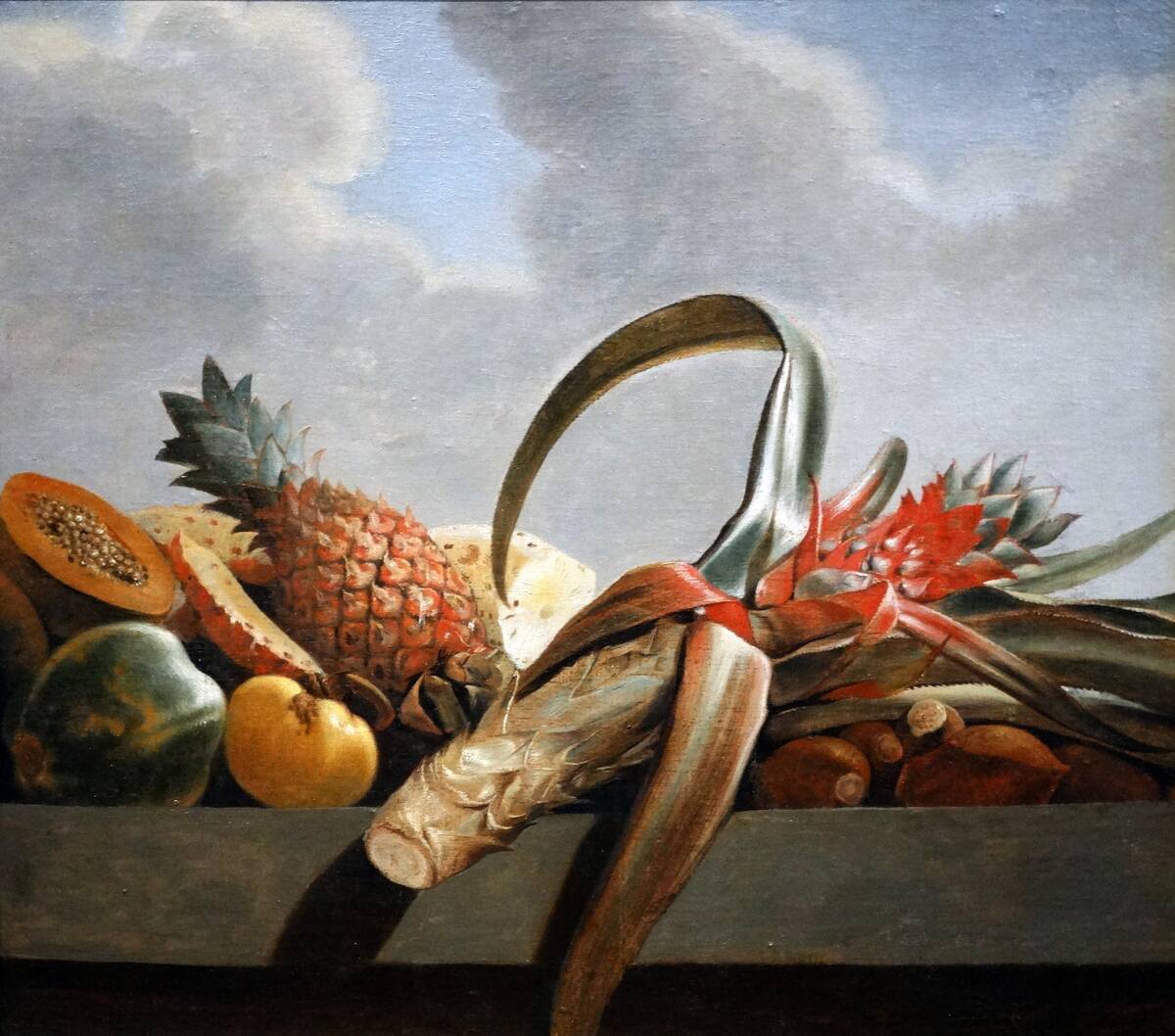
Pineapple rentals operated much like modern-day luxury rentals. Clients would pay a fee to borrow a pineapple for a specific event, ensuring it was returned in good condition. The fruit would then be rented out again, maximizing its value.
This business model allowed more people to experience the allure of the pineapple, even if only temporarily, while keeping the fruit in circulation.
The Decline of Pineapple Rentals
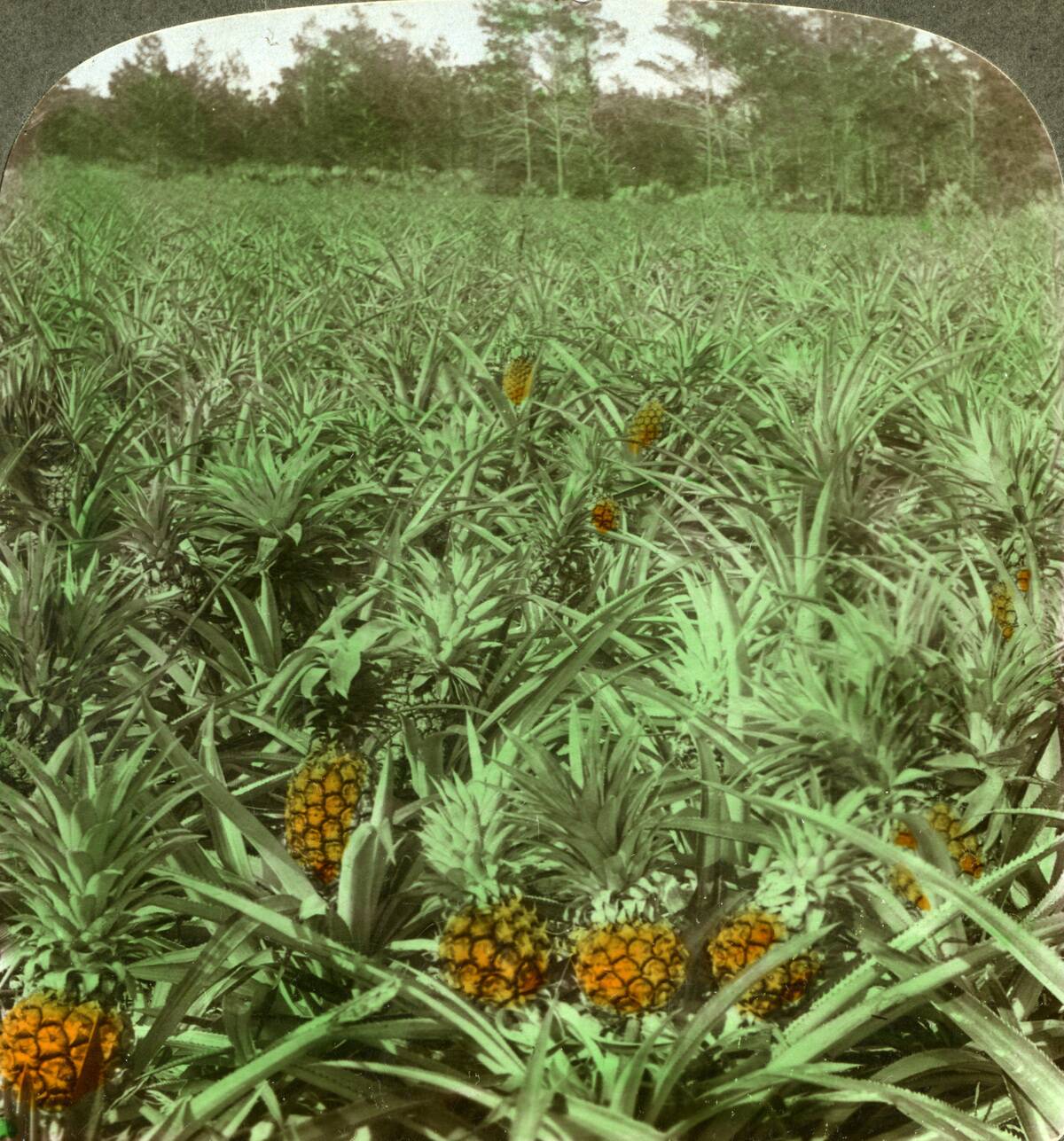
As pineapples became more accessible, the need for rentals diminished. Advances in transportation and cultivation made the fruit more affordable, reducing its exclusivity. The decline of pineapple rentals marked the end of an era where the fruit was a rare and coveted luxury.
However, the pineapple’s legacy as a symbol of hospitality and wealth endured, even as it became more commonplace.
Fun Pineapple Facts You Might Not Know
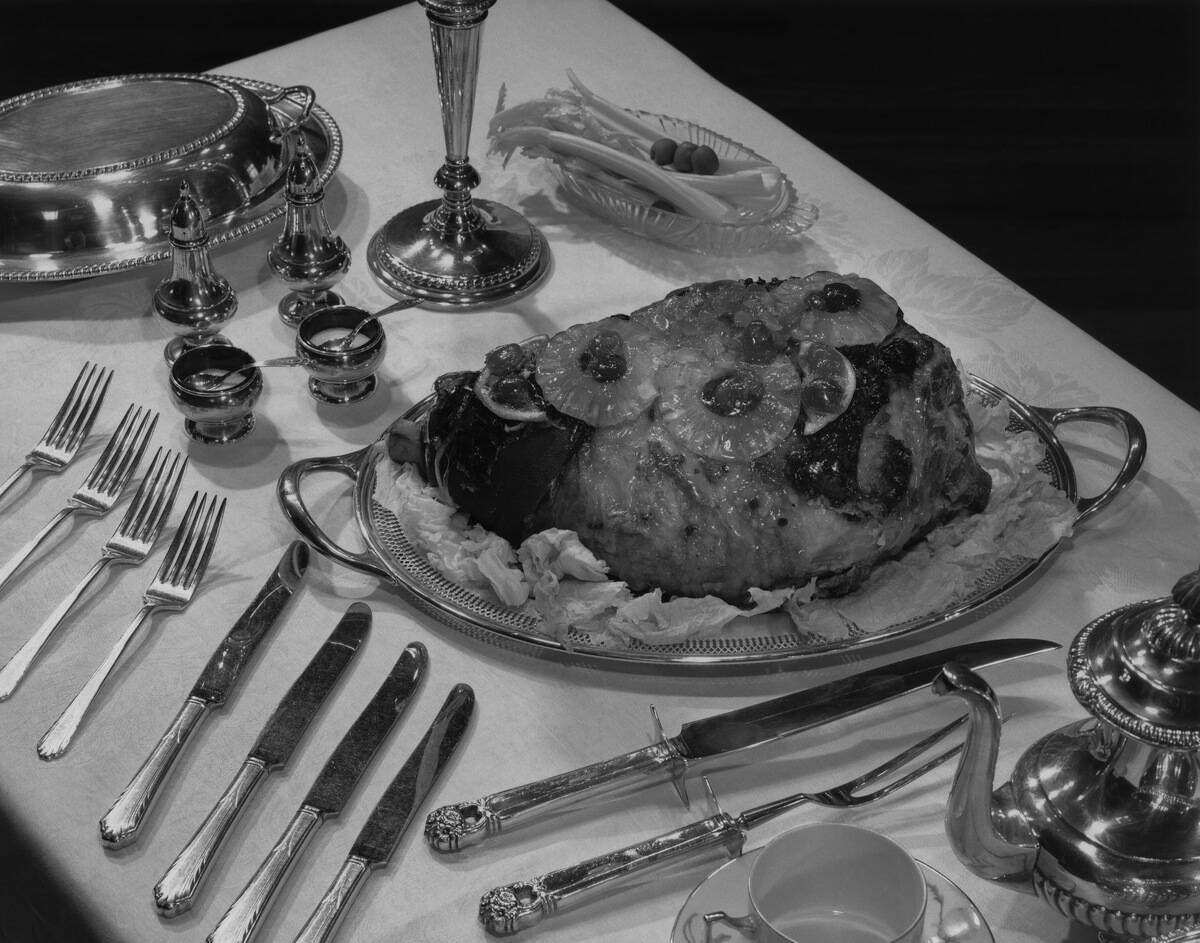
Did you know that pineapples can take up to two years to grow? Or that they contain bromelain, an enzyme that breaks down protein, making them a natural meat tenderizer?
These fun facts highlight the pineapple’s unique characteristics and fascinating biology. The fruit’s intriguing properties continue to captivate and surprise, adding to its charm and mystique.