Why elevators once needed human operators
In a world where technology is constantly evolving, the role of the elevator operator may seem like a relic of the past. However, these individuals once played a crucial part in the daily lives of city dwellers.
With a friendly smile and a steady hand, operators guided passengers to their destinations, ensuring a smooth and safe ride. Their presence added a personal touch to the otherwise mechanical experience of vertical travel.
The Birth of Elevators: A Step Back in Time
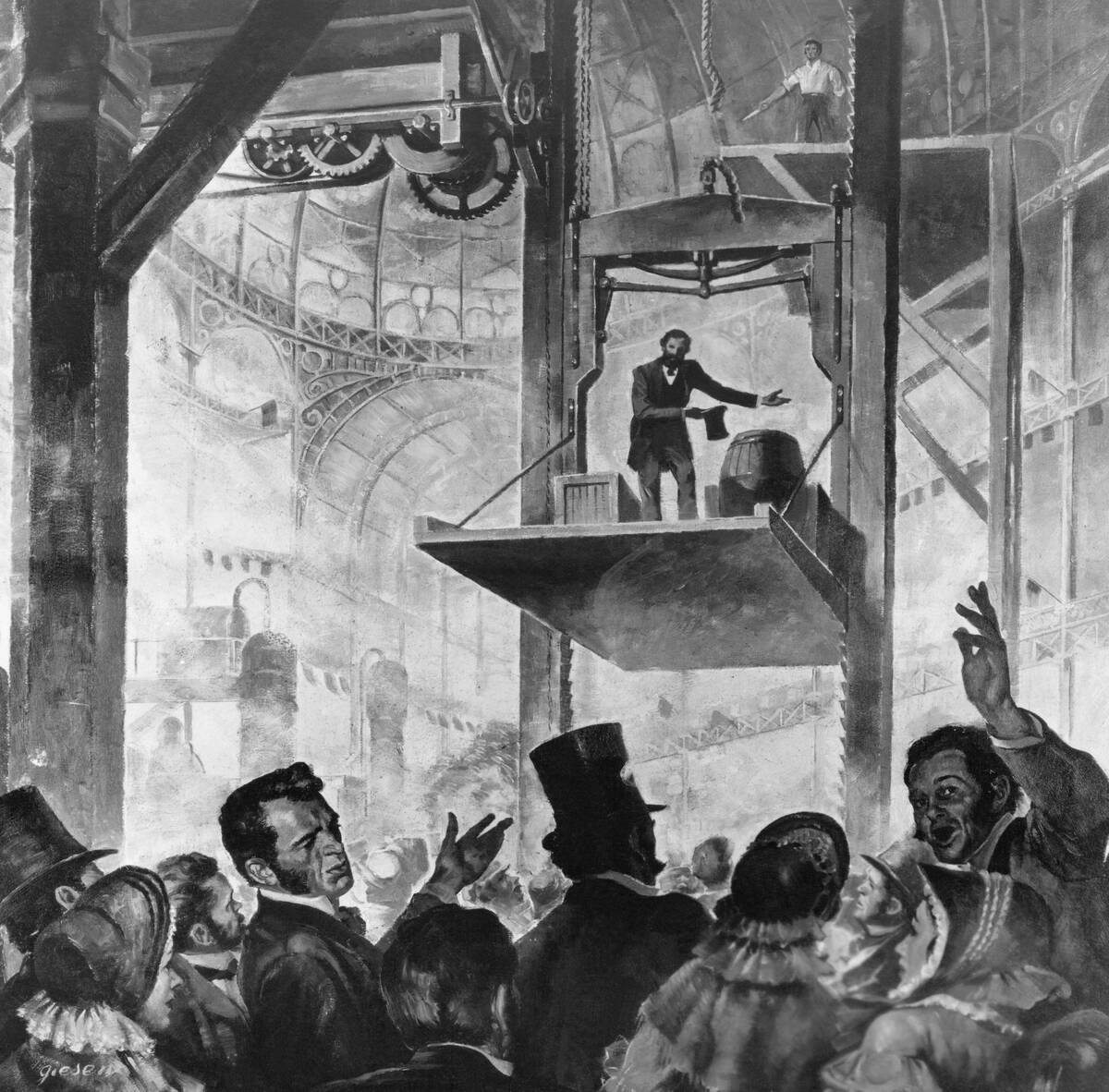
Elevators as we know them began to take shape in the mid-19th century, thanks to the pioneering work of Elisha Otis. In 1853, Otis introduced the first safety elevator, which featured a mechanism to prevent the car from falling if the hoisting cable broke.
This invention paved the way for the development of modern skyscrapers, forever changing urban landscapes. Before Otis’s innovation, elevators were considered too dangerous for public use.
Early Elevators: A Complex Mechanism
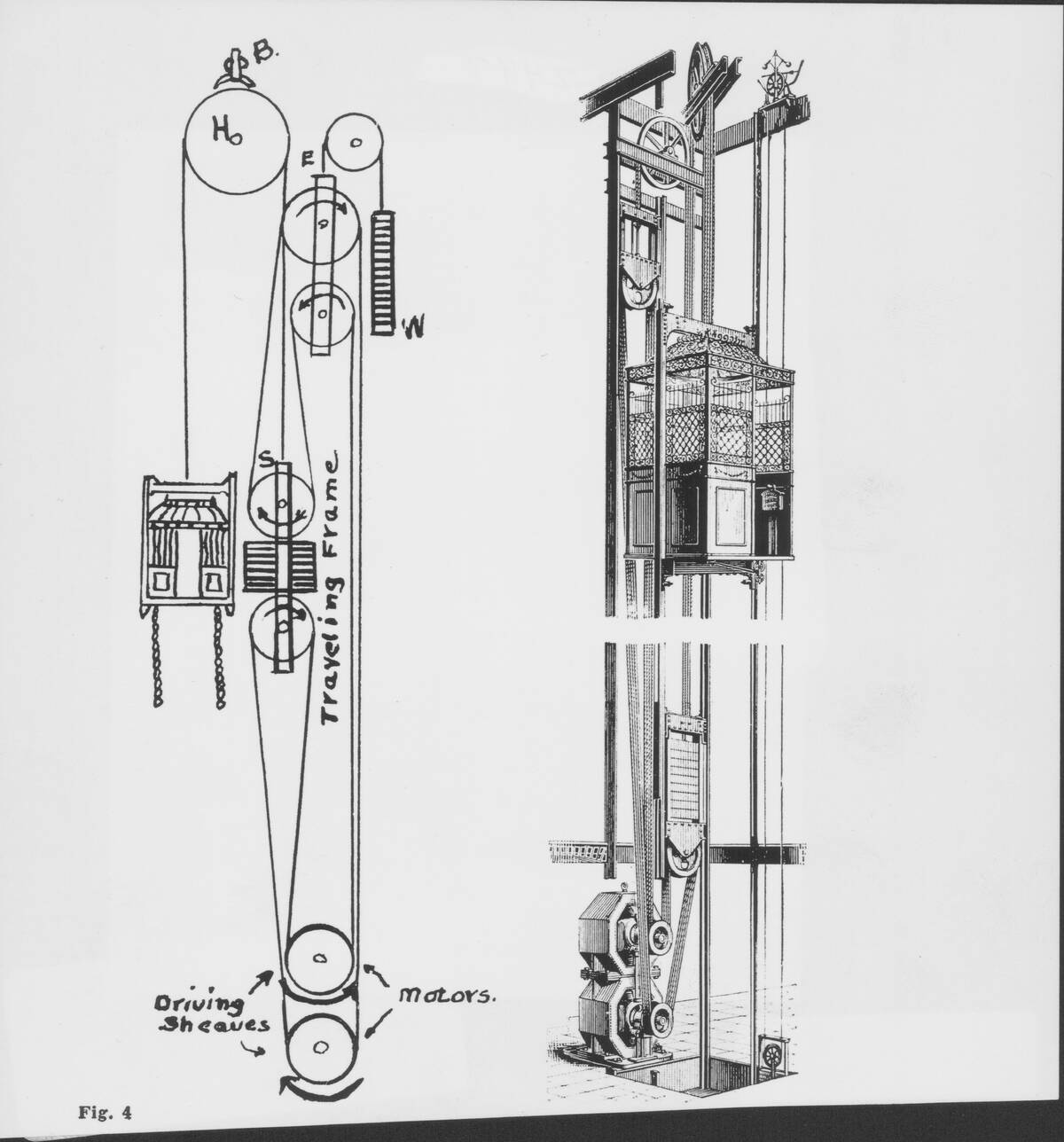
Early elevators were a marvel of engineering, relying on steam or hydraulic power to lift passengers between floors. These complex machines required skilled operators to manage the intricate system of pulleys and levers.
Without the precision and expertise of these operators, the risk of accidents was high. The introduction of electric elevators in the late 19th century simplified the process, yet the operator’s role remained indispensable.
The Role of the Elevator Operator: More Than Just a Button Pusher
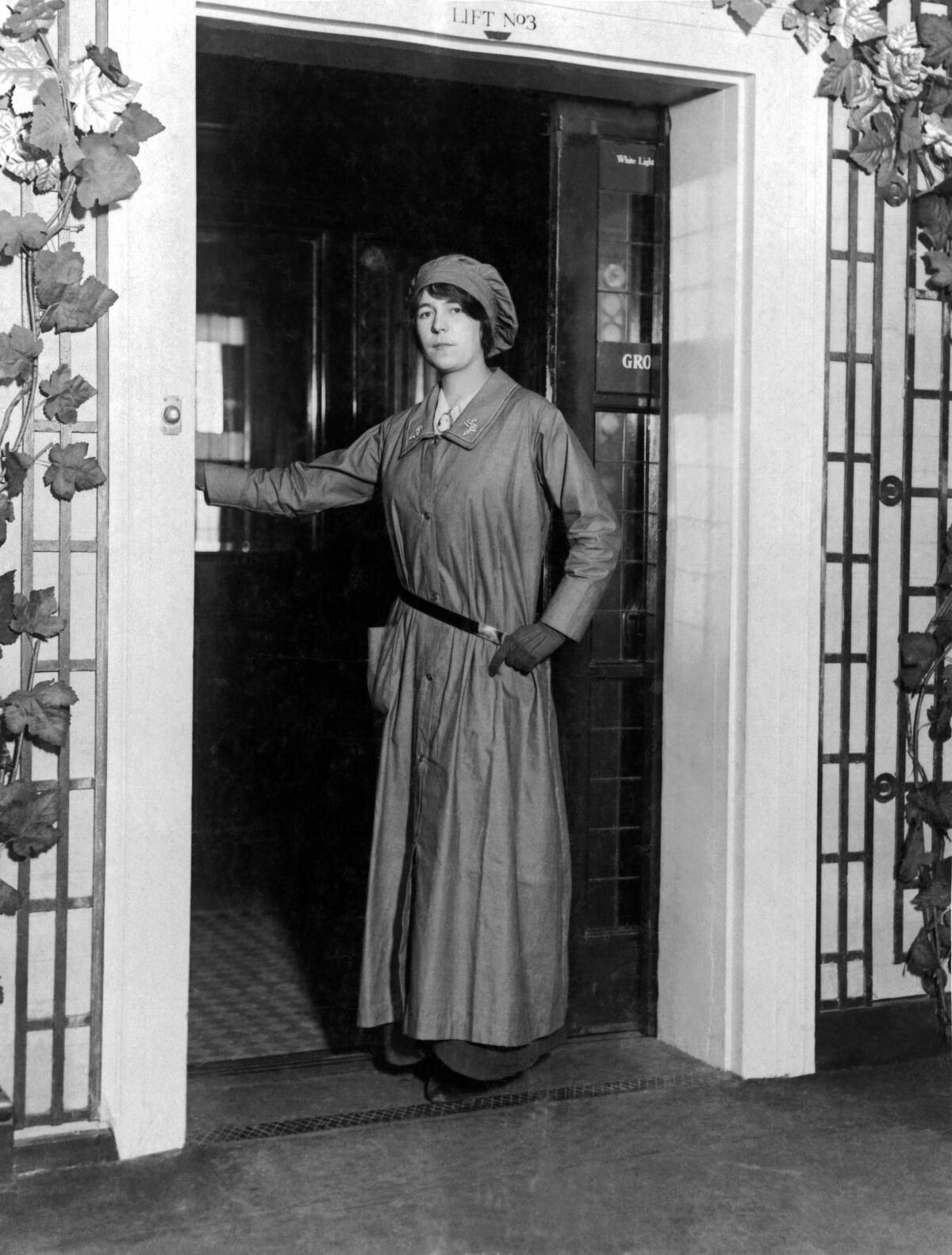
Elevator operators were far more than mere button pushers; they were the conductors of a vertical symphony. Responsible for controlling the speed and stopping of the elevator, they ensured passengers arrived safely and comfortably.
Their job required a keen understanding of the machinery and the ability to react quickly to any issues. Operators also provided a sense of security, reassuring passengers with their presence and expertise.
Safety First: Ensuring Passenger Security

Safety was paramount for elevator operators, who were trained to handle emergencies and maintain calm under pressure. They were well-versed in the safety protocols of their time, including manual braking systems and emergency stop procedures.
Operators were the first line of defense in the event of a malfunction, and their quick thinking could prevent accidents. Their vigilance and training were crucial in ensuring the safety of all passengers.
The Art of Smooth Operation: Mastering the Controls
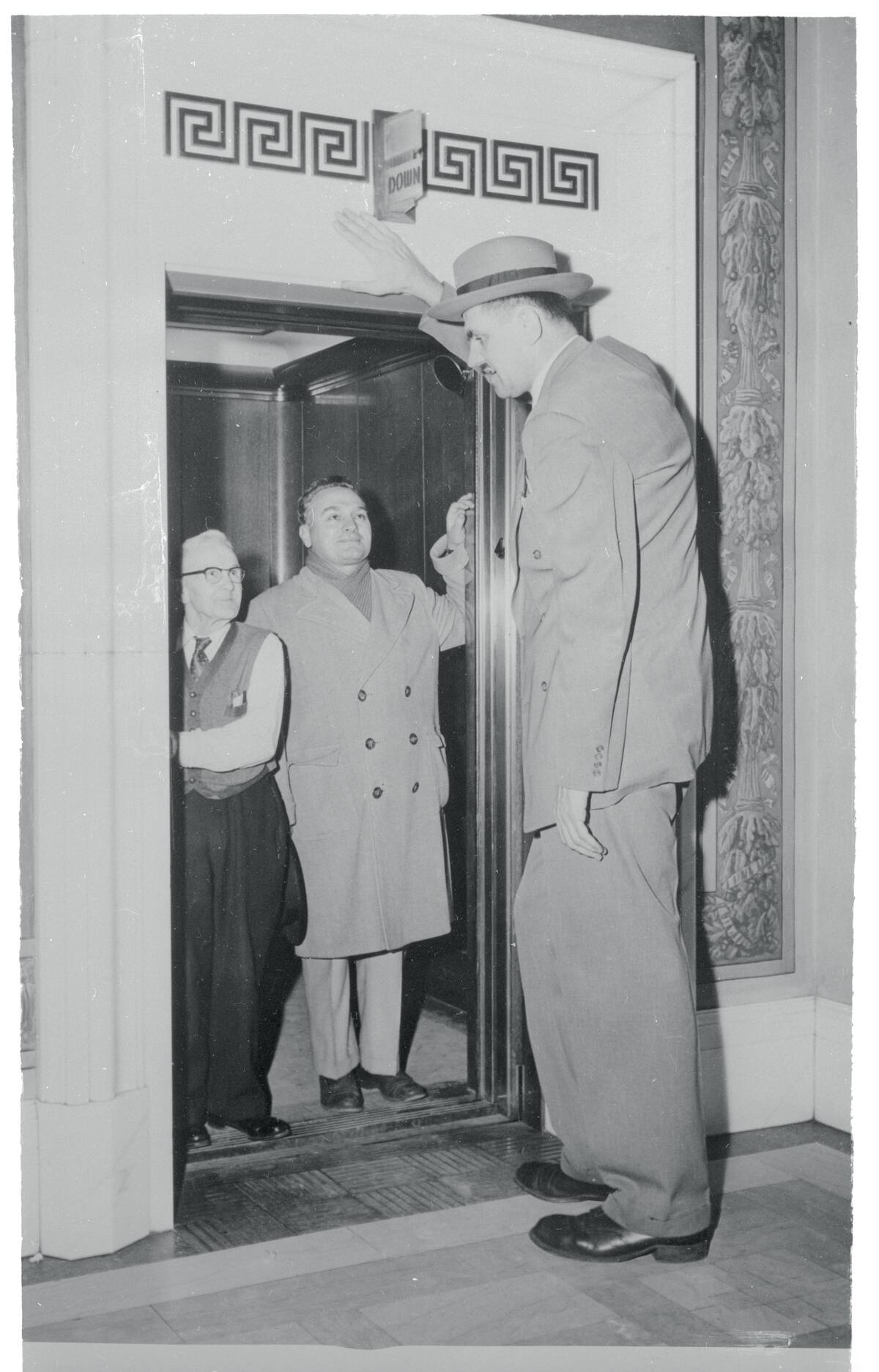
Operating an elevator smoothly was an art form, requiring a delicate touch and precise timing. Operators had to master the controls to provide a seamless ride, avoiding abrupt starts and stops that could jolt passengers.
This skill was particularly important in older elevators, where manual control was necessary. A smooth ride was a testament to an operator’s expertise, and passengers appreciated the comfort it provided.
Navigating the Manual Doors: A Delicate Dance
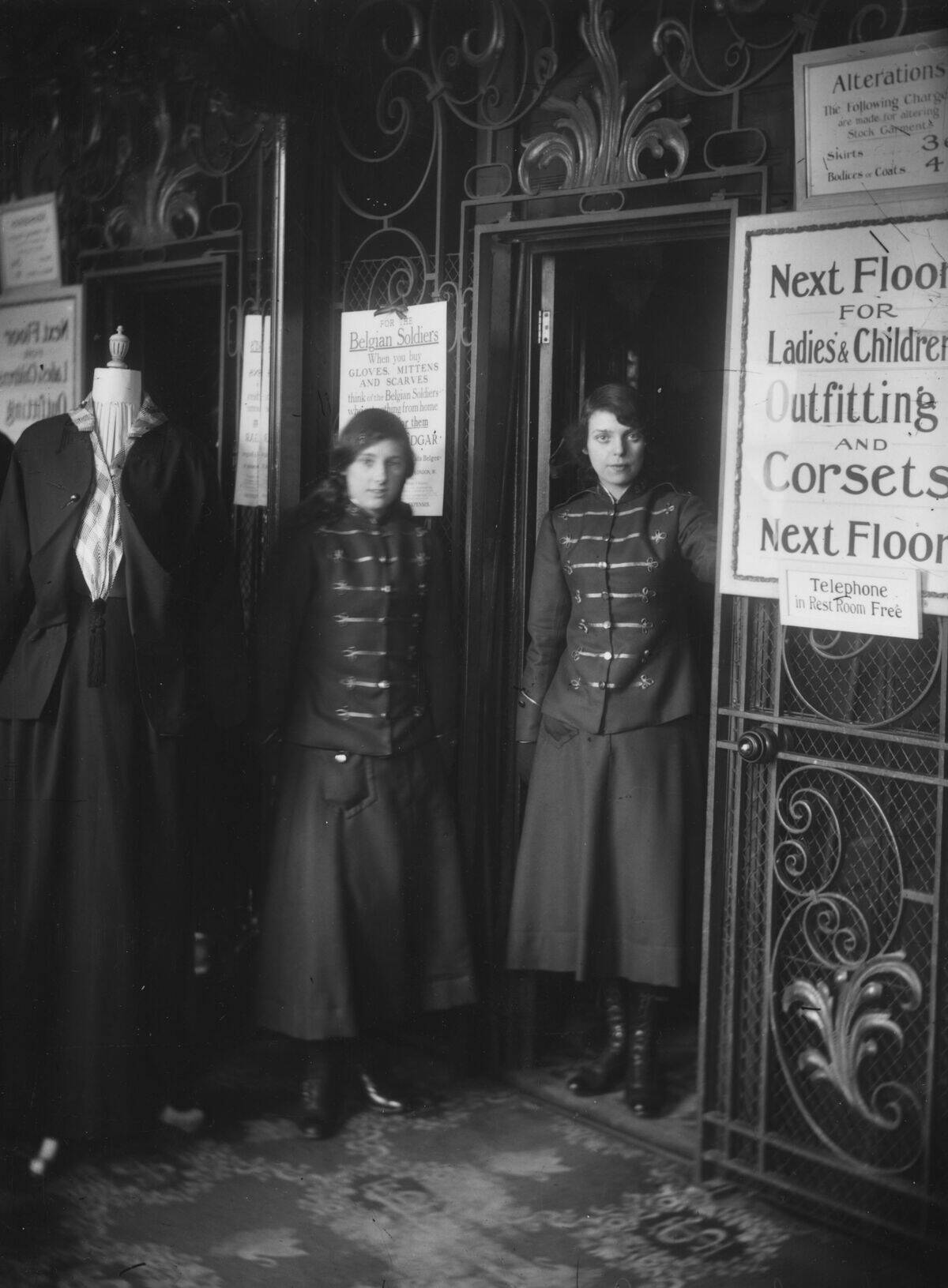
In the era of manual doors, elevator operators had to perform a delicate dance to ensure smooth operation. Opening and closing the doors required coordination and timing, as they had to align perfectly with the floor.
This task demanded both physical dexterity and a keen eye for detail. Operators became adept at this choreography, adding a touch of elegance to the otherwise mechanical process of boarding and disembarking.
Communication Skills: The Operator as a Guide
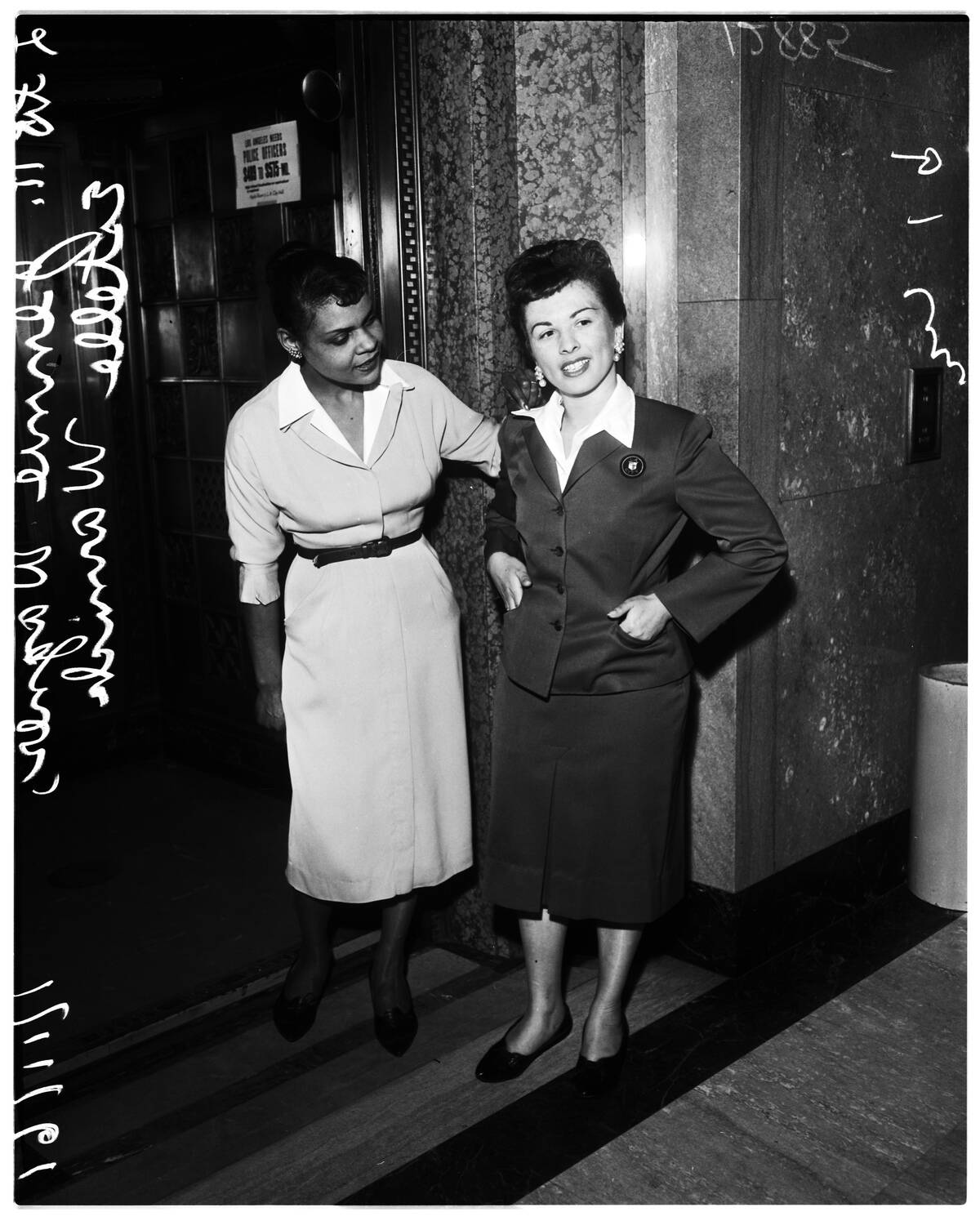
Elevator operators were not just mechanical guides; they were also social navigators. With a friendly demeanor and a wealth of knowledge about the building, they often served as informal concierges.
Passengers could rely on them for directions, recommendations, or a bit of friendly conversation. This personal interaction made the elevator ride more than just a means of transport; it became a moment of human connection in a bustling city.
Troubleshooting on the Fly: Handling Malfunctions
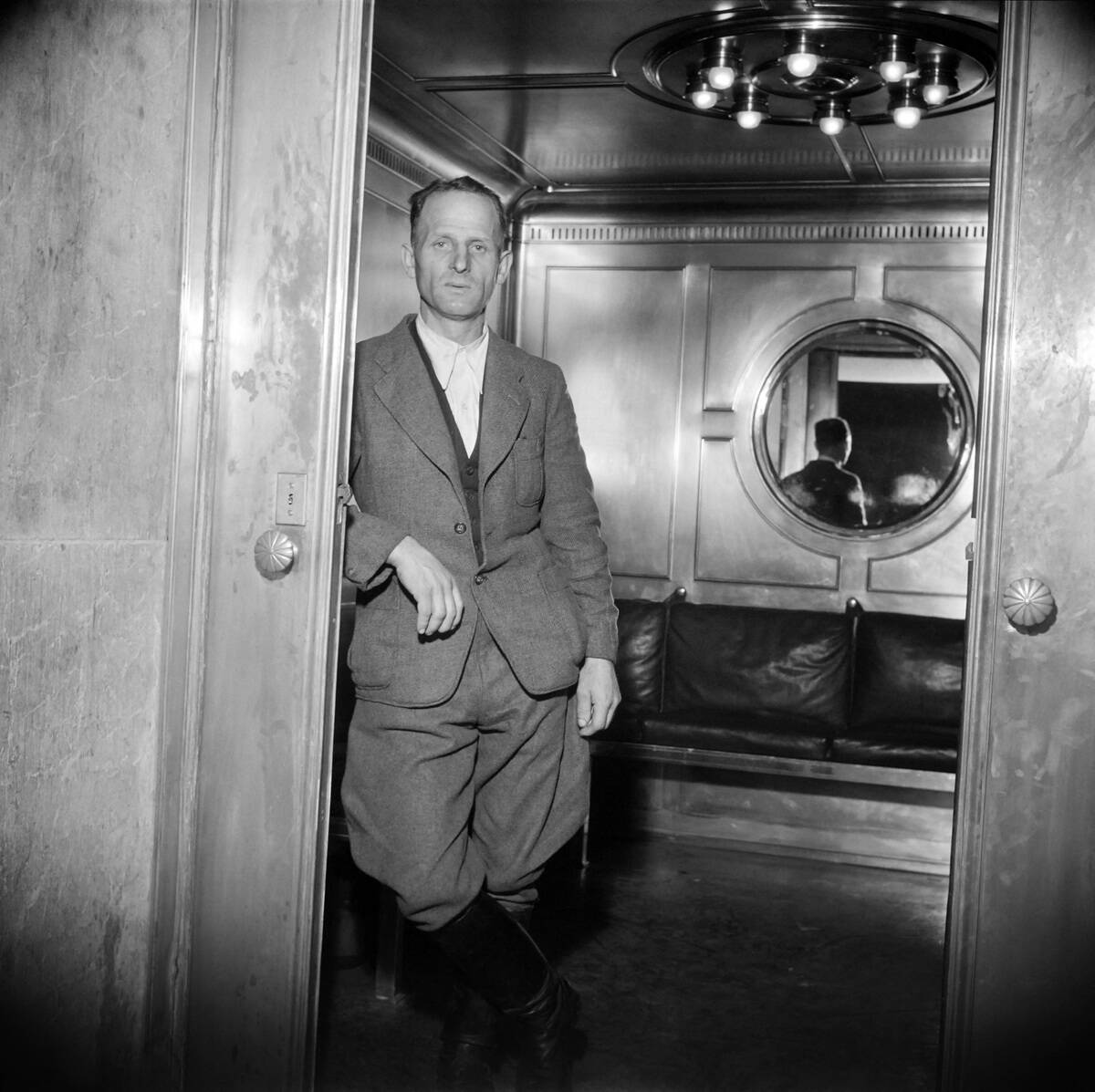
When technical glitches occurred, elevator operators were the first responders. Equipped with a practical understanding of the machinery, they could often troubleshoot minor issues on the spot.
Whether it was a stuck door or a sudden halt between floors, operators had the skills to address problems quickly. Their ability to remain calm and composed in such situations was vital, as it reassured passengers and minimized disruption.
The Human Touch: Personalized Service in Vertical Transport
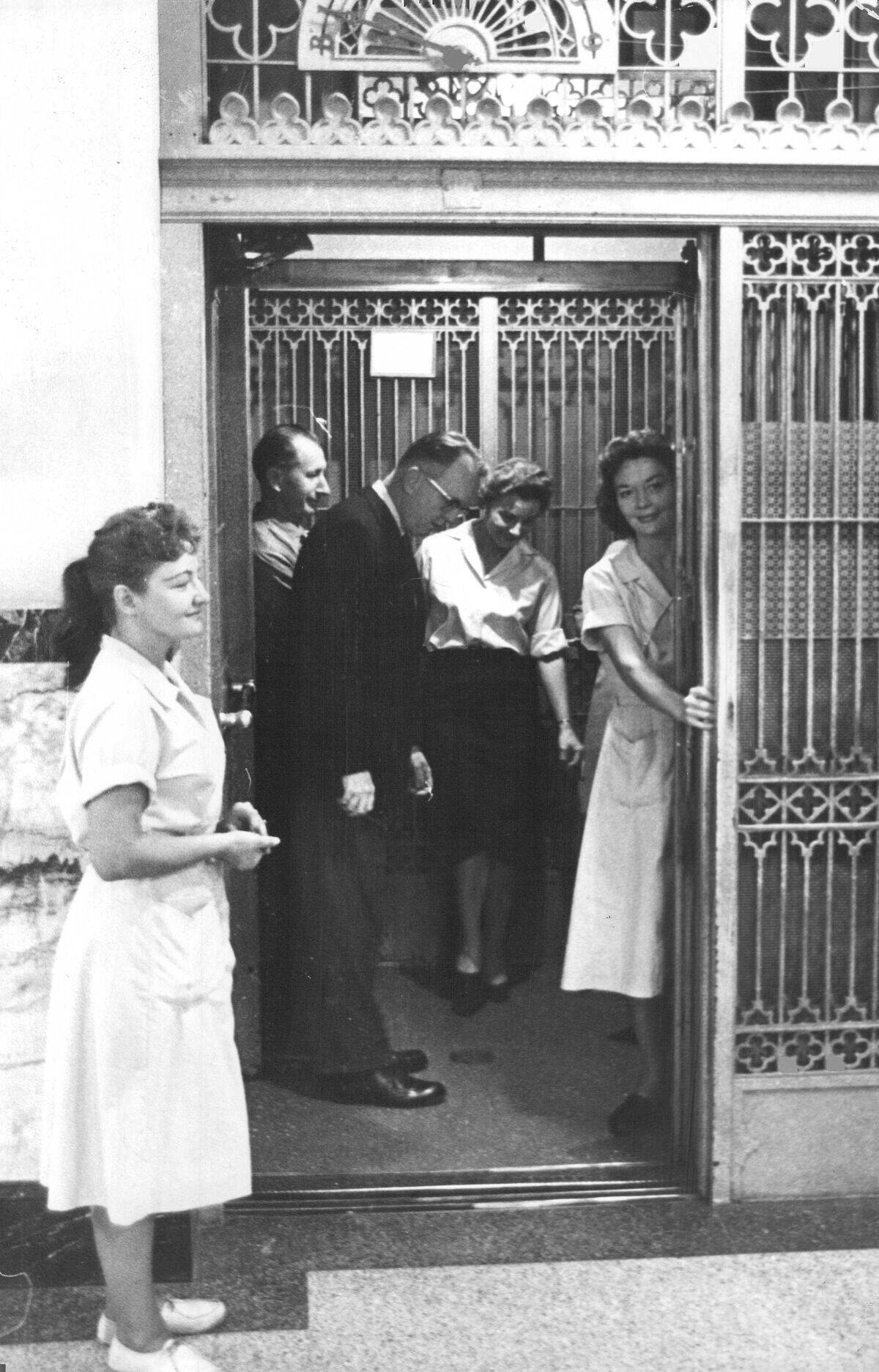
The presence of an elevator operator added a human touch to the otherwise impersonal experience of vertical transport. Operators greeted passengers with a smile, remembered regulars, and even engaged in light banter.
This personalized service made the ride feel special and created a sense of community within the building. In an age of automation, the human element provided by operators was a cherished aspect of daily life.
The Fashion of the Job: Uniforms and Etiquette
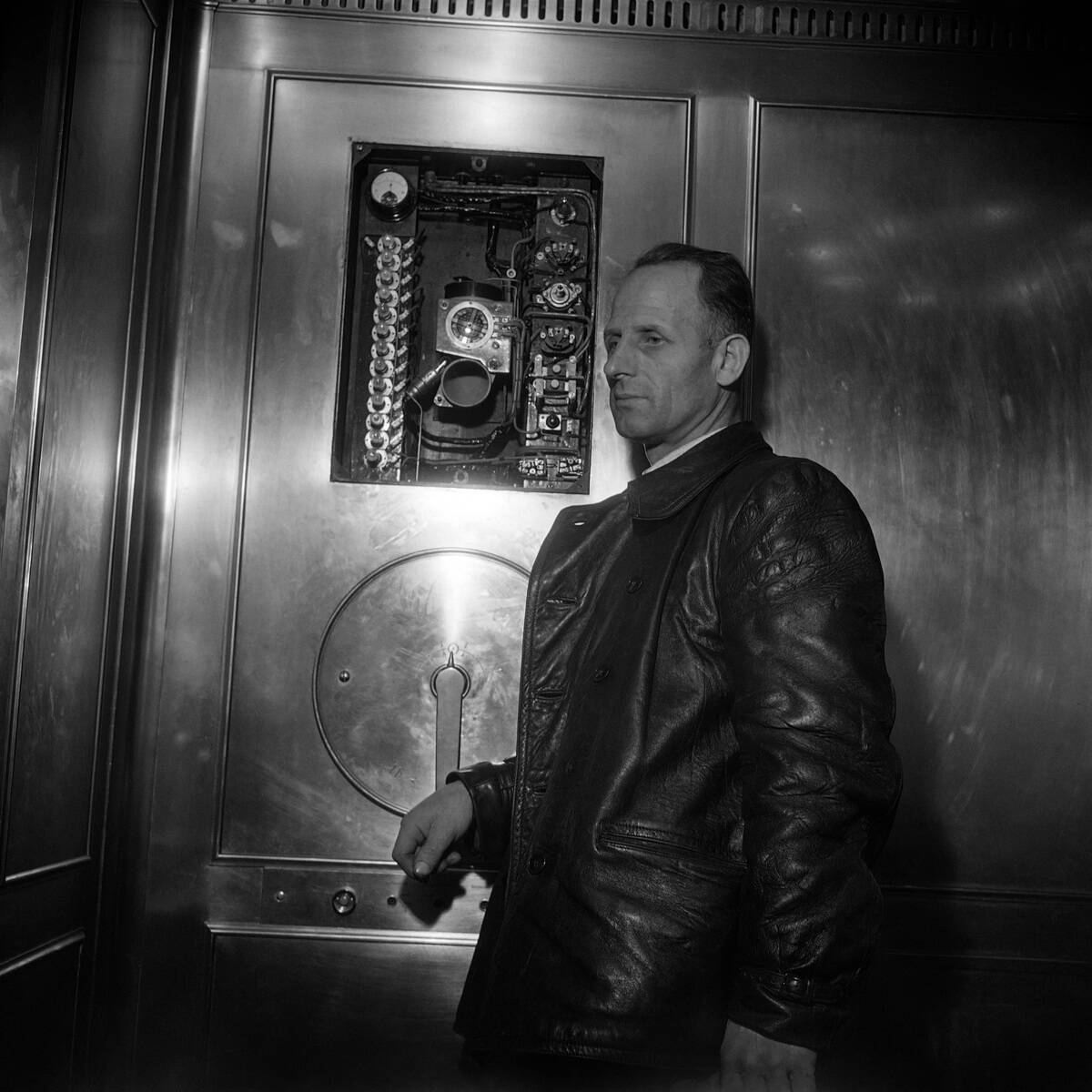
Elevator operators were often seen as the face of the building, and their appearance reflected this status. Dressed in smart uniforms, they projected an image of professionalism and reliability.
The attire varied from building to building, with some operators donning tailored suits or military-style uniforms. Alongside their attire, operators adhered to a code of etiquette, ensuring they were always polite and attentive to passengers’ needs.
The Transition to Automation: The Rise of Self-Service Elevators
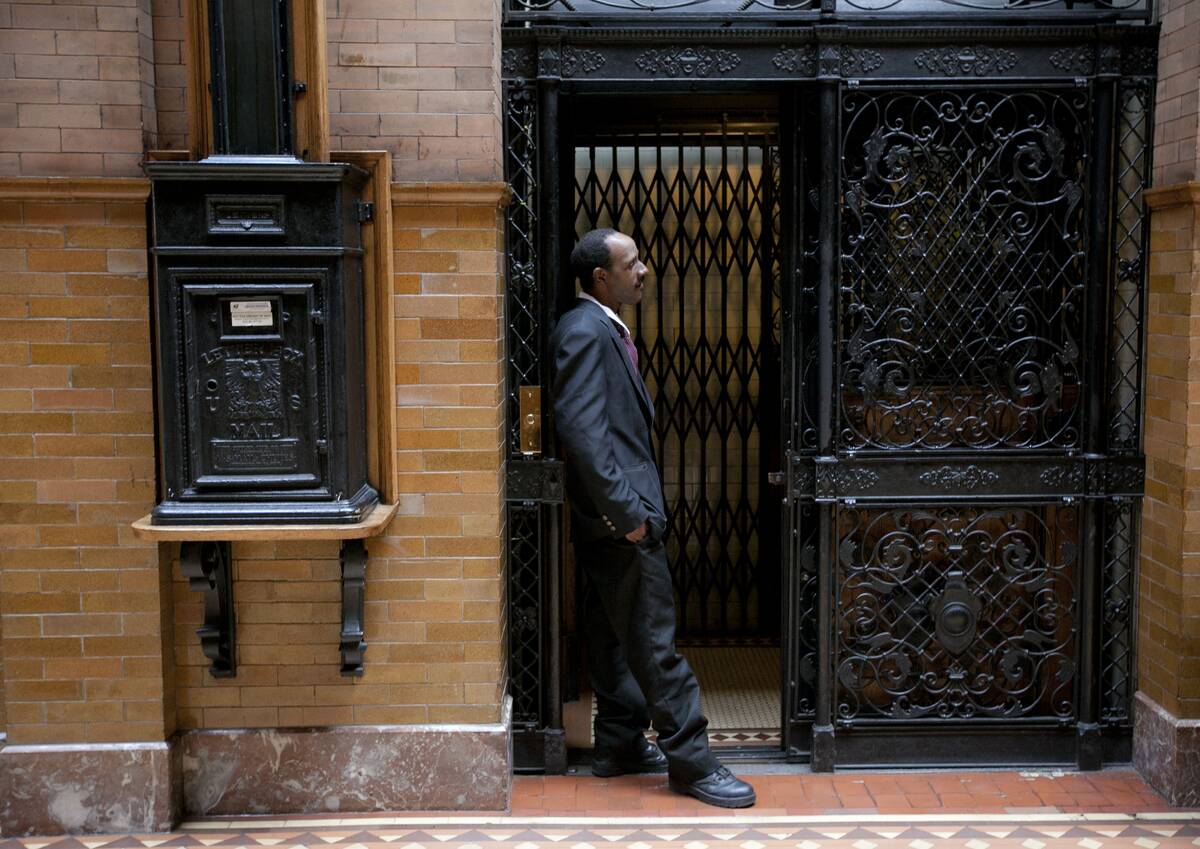
The transition to automated elevators marked a significant shift in the industry. As technology advanced, self-service elevators became more common, reducing the need for operators. This change was driven by the desire for efficiency and cost-effectiveness.
While automated systems offered convenience, they lacked the personal touch that operators provided. The shift to automation was a reflection of broader societal changes, as technology increasingly replaced human roles.




