Why ancient civilizations settled near rivers
Rivers have long been the lifeblood of ancient cities, serving as the foundation upon which civilizations were built. From the fertile banks of the Nile to the bustling trade routes of the Tigris and Euphrates, rivers provided the essential resources and connectivity that allowed societies to thrive.
These waterways were not just physical features but were deeply woven into the cultural, economic, and spiritual fabric of ancient life.
The Lifeblood of Civilization: Rivers as Sources of Water
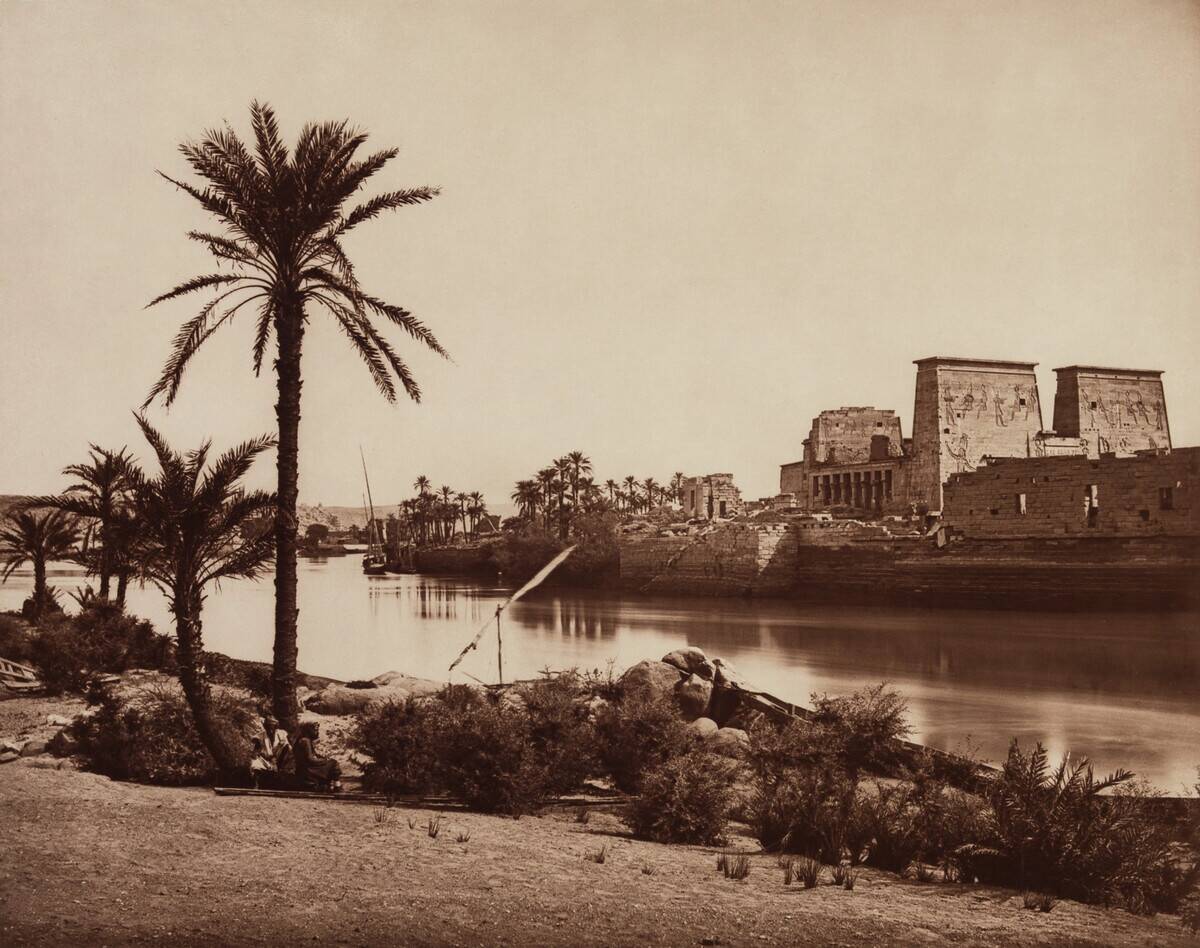
Water is fundamental to life, and rivers were the primary sources of fresh water for ancient cities. The Nile, for instance, provided a consistent and reliable water supply, allowing Egyptian civilization to flourish in an otherwise arid landscape.
Similarly, the Indus River supported the Harappan civilization, offering water for drinking, agriculture, and sanitation. These rivers ensured that communities could sustain large populations and develop complex societies.
Fertile Grounds: How Rivers Boosted Agriculture
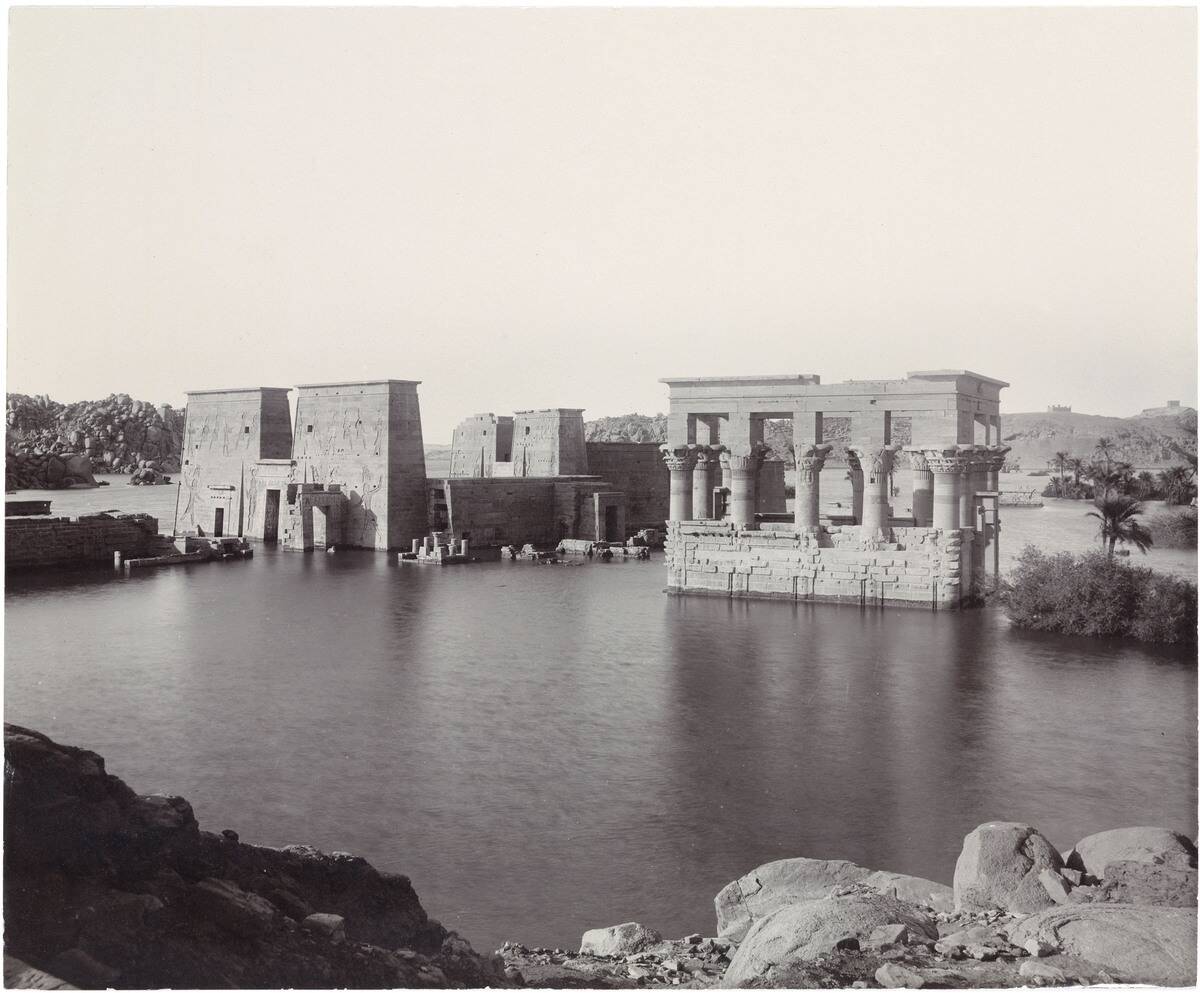
Rivers deposited nutrient-rich silt onto their floodplains, creating fertile grounds ideal for agriculture. The annual flooding of the Nile left behind black silt, which was perfect for growing crops like wheat and barley.
This abundance of food allowed societies to support larger populations and fostered the growth of cities. In Mesopotamia, the Tigris and Euphrates rivers enabled the development of irrigation systems, transforming the region into a cradle of civilization.
The Trade Routes: Rivers as Ancient Highways
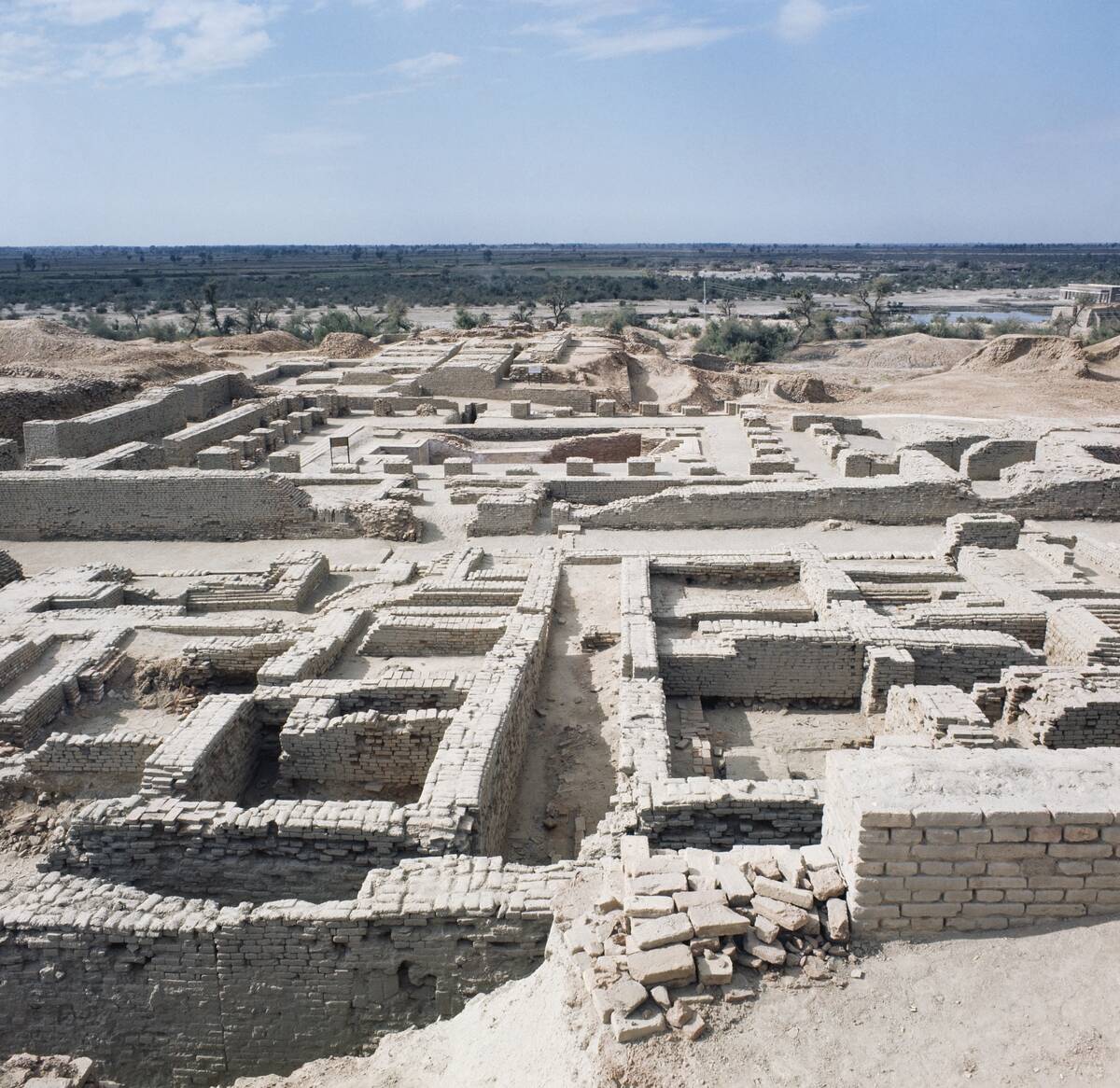
Rivers served as natural highways, facilitating trade and communication between distant regions. The Indus River connected the Harappan civilization with other cultures in the Persian Gulf and beyond, allowing for the exchange of goods and ideas.
Similarly, the Tigris and Euphrates rivers were vital trade routes in Mesopotamia, linking cities and fostering economic prosperity. These waterways enabled the flow of not just goods, but also culture and innovation.
Natural Defense: Rivers as Protective Barriers
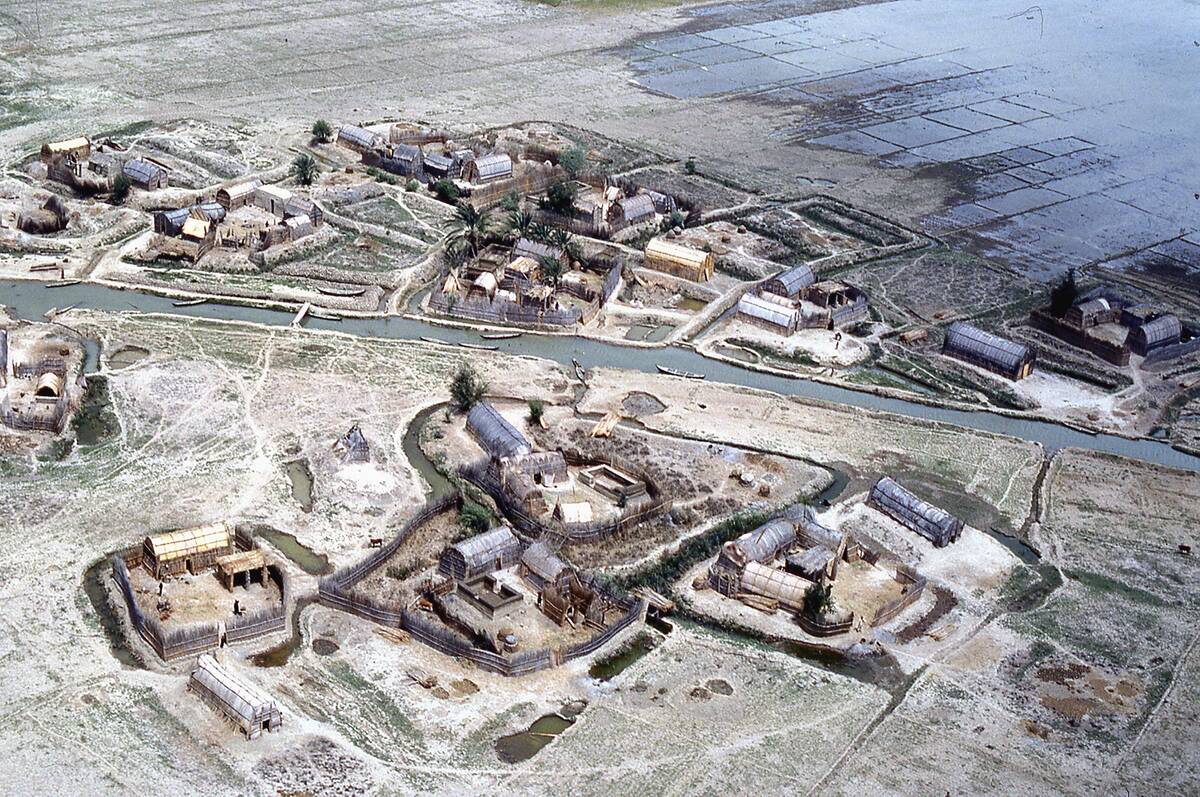
Rivers often acted as natural defensive barriers, protecting ancient cities from invasions. The Nile, for example, provided a formidable obstacle to potential invaders, helping to secure Egypt’s borders.
In Mesopotamia, the Tigris and Euphrates rivers created natural boundaries that were difficult for armies to cross. These geographical features allowed civilizations to develop relatively secure environments in which to grow and prosper.
Cultural and Spiritual Significance of Rivers

Rivers held deep cultural and spiritual significance for ancient peoples. The Ganges River, for instance, is considered sacred in Hinduism and has been a site of pilgrimage for centuries.
Similarly, the Nile was revered by the ancient Egyptians, who believed it was a gift from the gods. These rivers were not only vital for survival but also played central roles in religious rituals and cultural narratives, shaping the identities of the civilizations they nurtured.
The Role of Rivers in Communication and Connectivity

Rivers facilitated communication and connectivity, linking cities and regions that would otherwise be isolated. The Yangtze River in China, for example, connected various communities, enabling the exchange of information and cultural practices.
This connectivity allowed for the spread of technological innovations and ideas, contributing to the development of more complex societies. Rivers were the original information superhighways, bridging distances and fostering unity.
Rivers and the Birth of Urban Planning
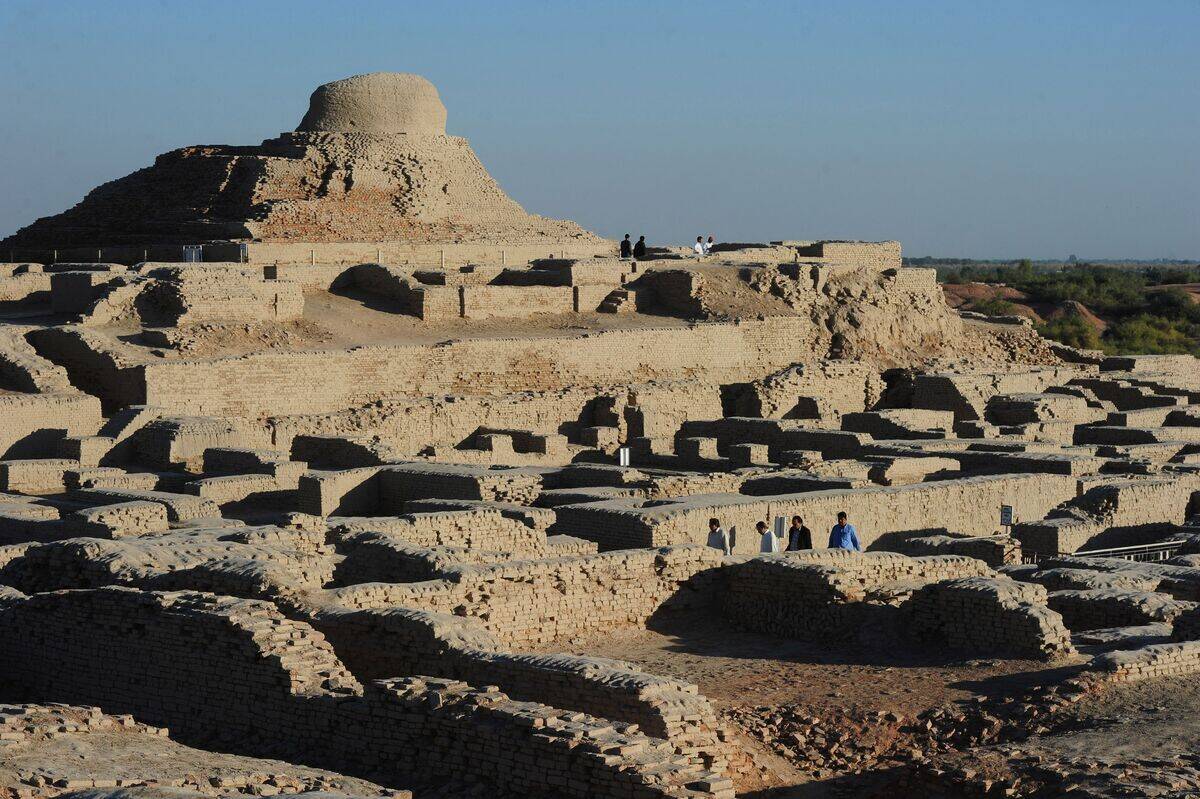
The presence of rivers influenced the layout and planning of ancient cities. The city of Mohenjo-Daro, part of the Harappan civilization, was strategically built near the Indus River, with advanced drainage systems and grid-like streets.
Similarly, the ancient city of Babylon was designed around the Euphrates, with canals and walls that integrated the river into its urban fabric. These examples highlight how rivers shaped the development of organized and sustainable urban environments.
Rivers as Sources of Food and Sustenance
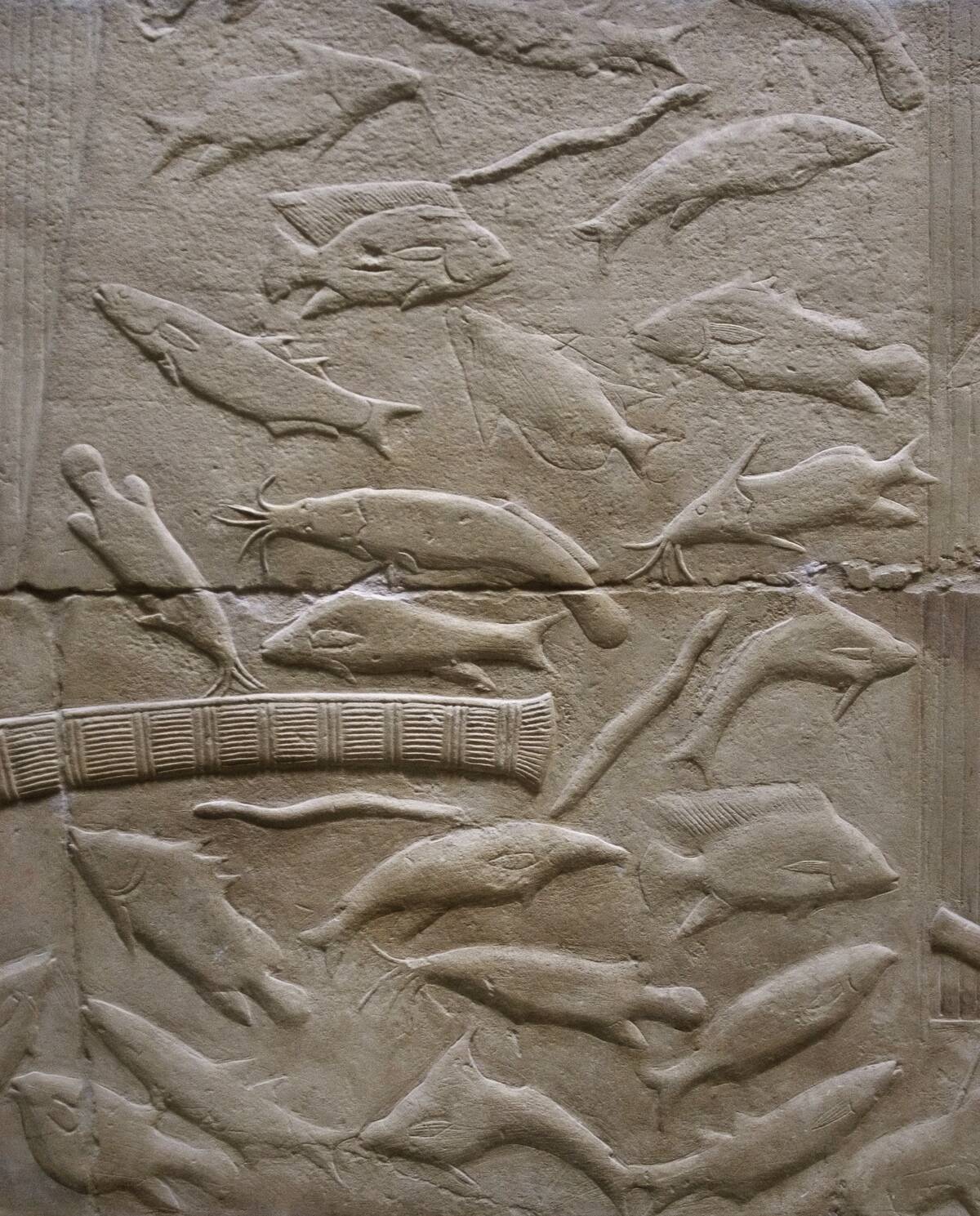
Rivers provided abundant food resources, supporting the diets of ancient civilizations. The Nile was teeming with fish, which were a staple in the Egyptian diet, while its floodplains supported agriculture.
In Mesopotamia, the Tigris and Euphrates rivers supported fishing and irrigation, ensuring a steady food supply. These resources allowed populations to grow and sustain themselves, contributing to the stability and prosperity of ancient societies.
Rivers and the Development of Early Technologies
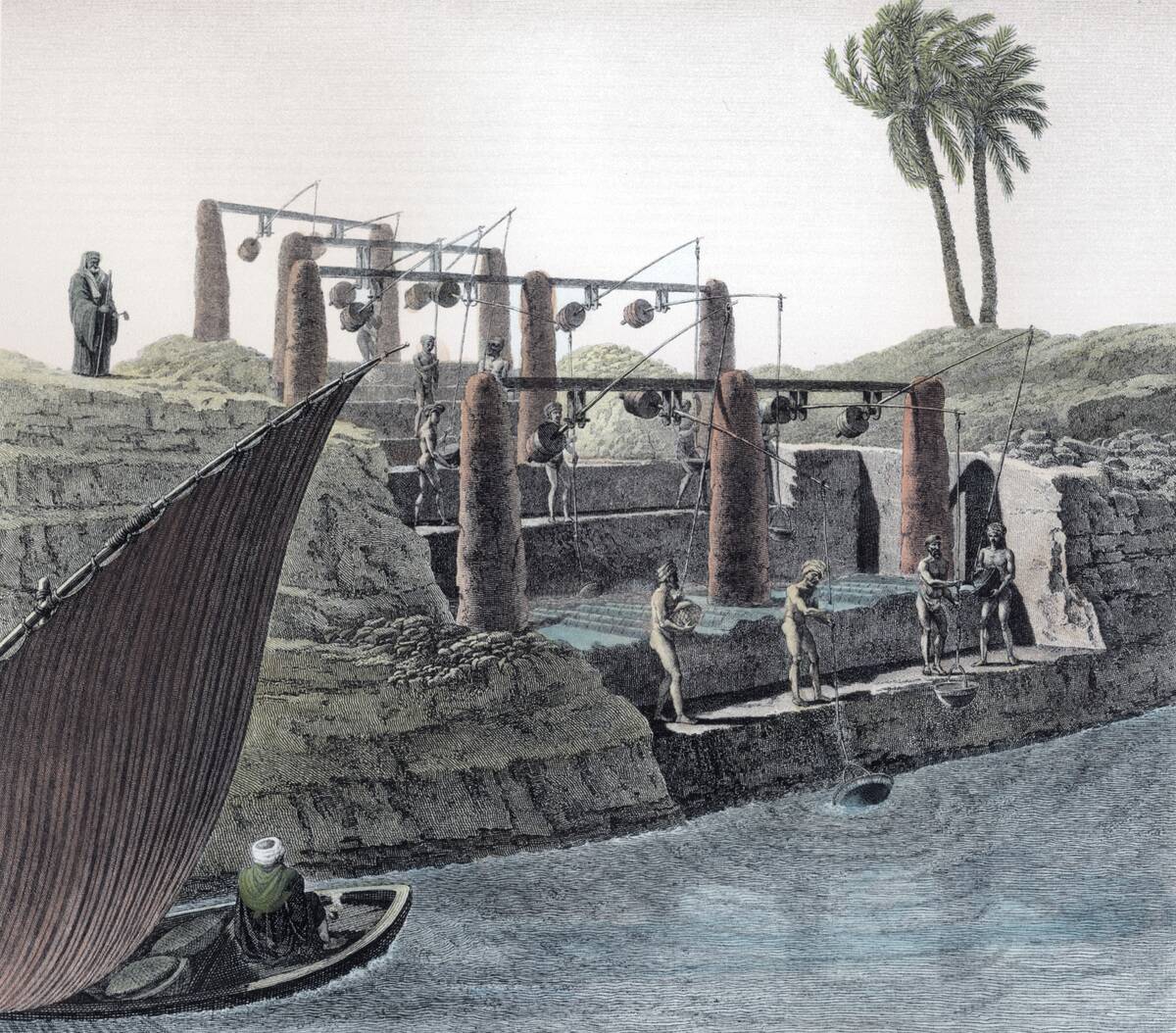
The challenges and opportunities presented by rivers spurred technological innovations in ancient societies. The need to control and harness river waters led to the development of irrigation systems, such as those in Mesopotamia, which allowed for more efficient agriculture.
The Egyptians invented the shaduf, a device for lifting water from the Nile for irrigation. These technologies were crucial for maximizing the benefits of rivers and ensuring the survival and prosperity of civilizations.
Case Study: The Tigris and Euphrates in Mesopotamia

The Tigris and Euphrates rivers were the heart of Mesopotamia, known as the “Cradle of Civilization.” These rivers supported agriculture through irrigation, enabling the growth of cities like Babylon and Ur.
They also served as trade routes, connecting Mesopotamia with other regions and fostering cultural exchange. The rivers’ unpredictable flooding required innovative solutions, driving technological advancements. Mesopotamia’s reliance on these rivers shaped its history, culture, and technological progress.




