What living rooms looked like in the 20th century
Welcome to a delightful journey through the living rooms of the 20th century! Each decade brought its own unique flair and style, reflecting the cultural and technological shifts of the time.
From the opulence of the early 1900s to the minimalist trends of the 1990s, living rooms have been a canvas for both innovation and nostalgia. Let’s explore how these spaces evolved, offering a glimpse into the lives of those who called them home.
The Early 1900s: Victorian Elegance and Overstuffed Furniture
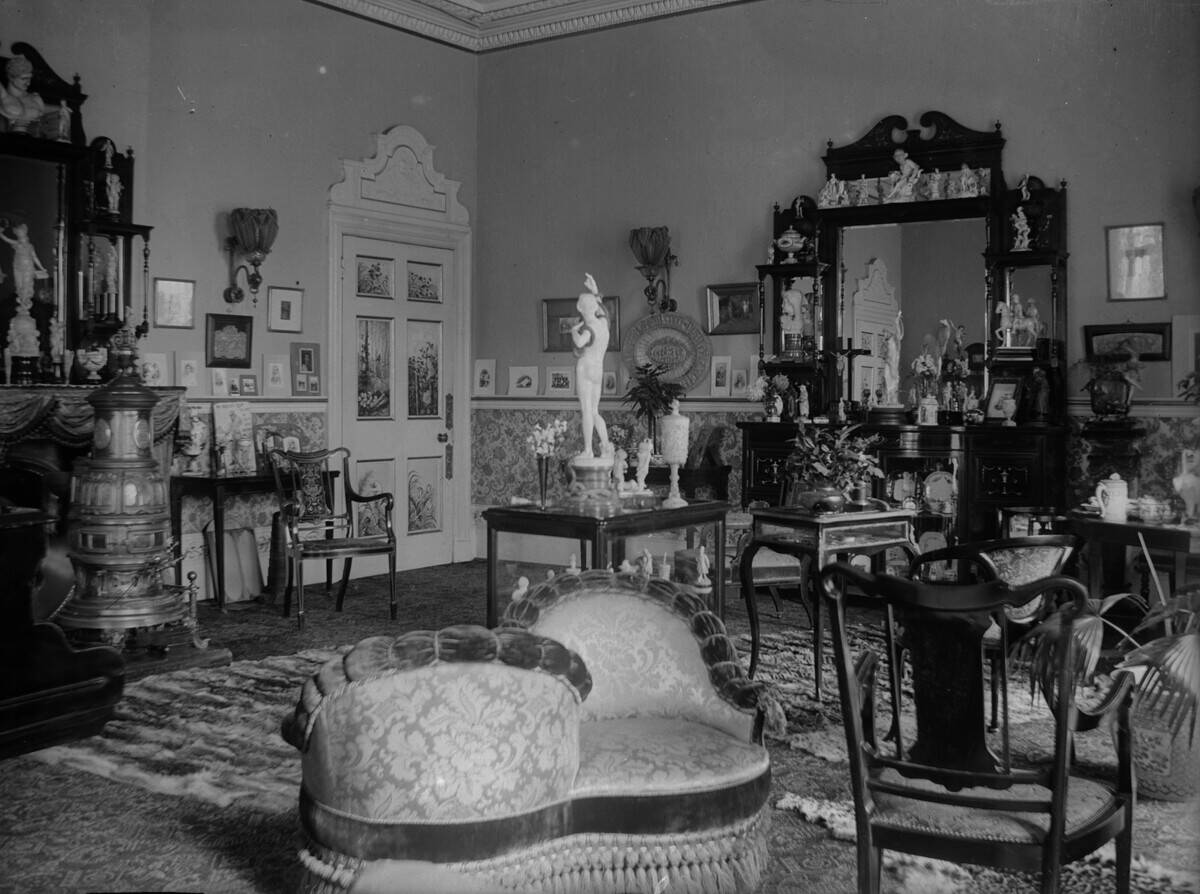
In the early 1900s, many living rooms still reflected the influence of Victorian design, with ornate furniture and decorative details. Overstuffed sofas and armchairs, often upholstered in patterned or dark fabrics, were common features, along with heavy draperies and carved woodwork.
At the same time, newer styles such as Arts and Crafts and Art Nouveau were beginning to influence home interiors. The legacy of the Industrial Revolution made mass-produced furniture more widely available, allowing many middle-class households to furnish their homes in fashionable styles.
The Roaring Twenties: Art Deco Glamour and Jazz Age Influences
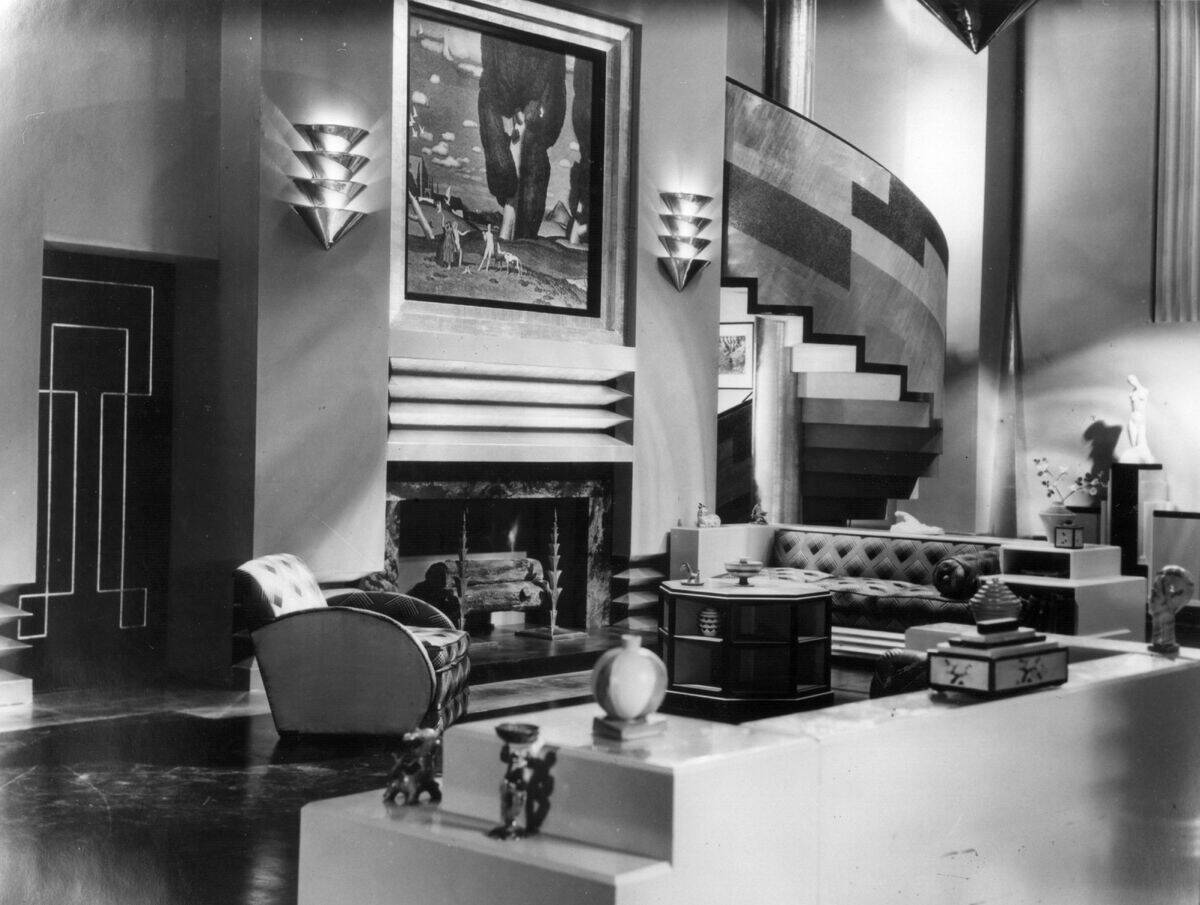
The 1920s saw the rise of the Art Deco movement, bringing geometric shapes, bold decorative patterns, and luxurious materials like chrome, glass, and lacquer into living rooms. The style emphasized glamour, sophistication, and modernity, reflecting the spirit of the Jazz Age.
Furniture became sleeker, with streamlined designs and symmetrical forms replacing the heavier styles of earlier decades. The popularity of jazz music and the growing influence of Hollywood added a fashionable flair to home décor, making living rooms stylish spaces for entertaining family and guests.
The 1930s: Depression-Era Simplicity and Functional Design
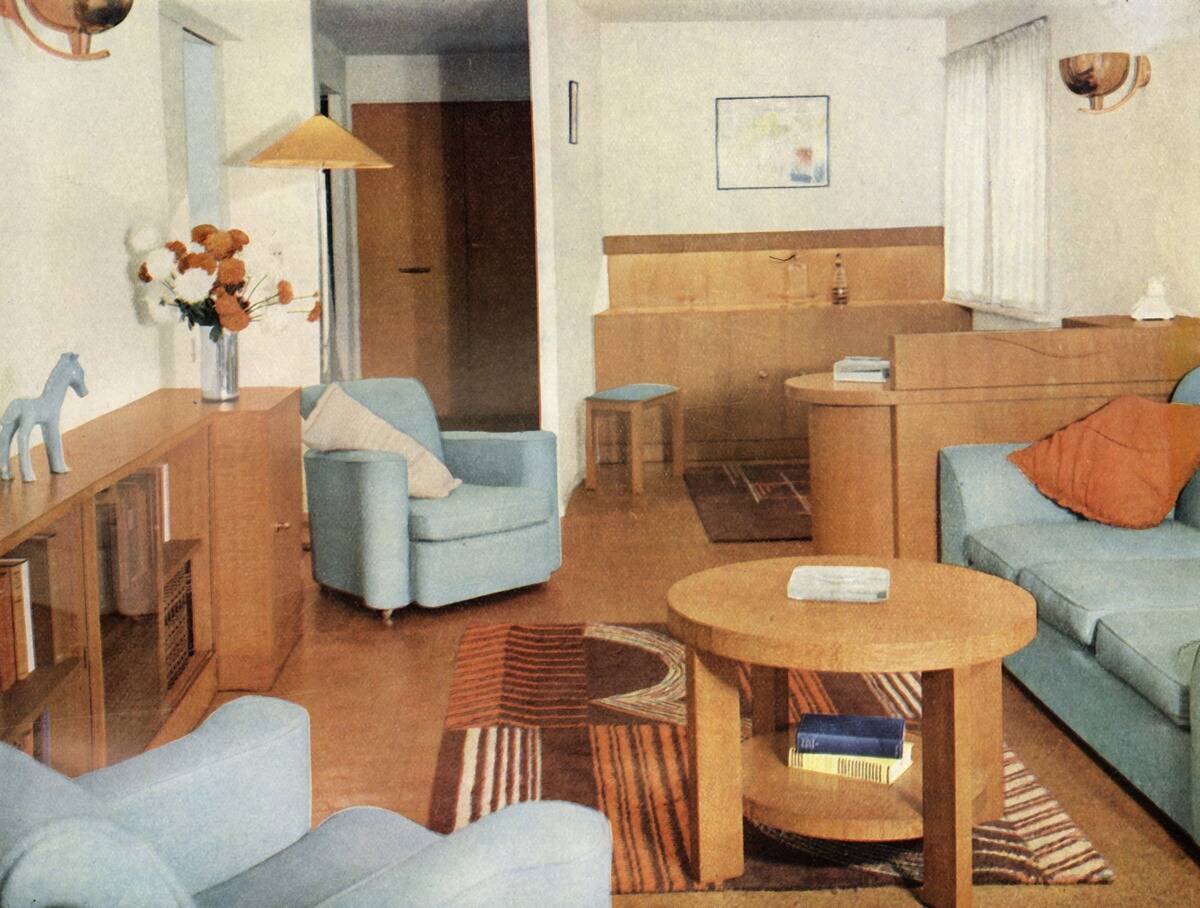
The Great Depression of the 1930s encouraged many families to prioritize simplicity, durability, and functionality in their living rooms. Households often sought affordable furniture, repaired existing pieces, or chose versatile items that could serve multiple purposes.
While decorative styles such as Art Deco remained popular in some homes, many families focused on practical furnishings that fit limited budgets. Despite economic hardships, living rooms became comforting gathering places where families emphasized warmth, togetherness, and everyday comfort over extravagance.
The 1940s: Wartime Practicality and Cozy Comfort
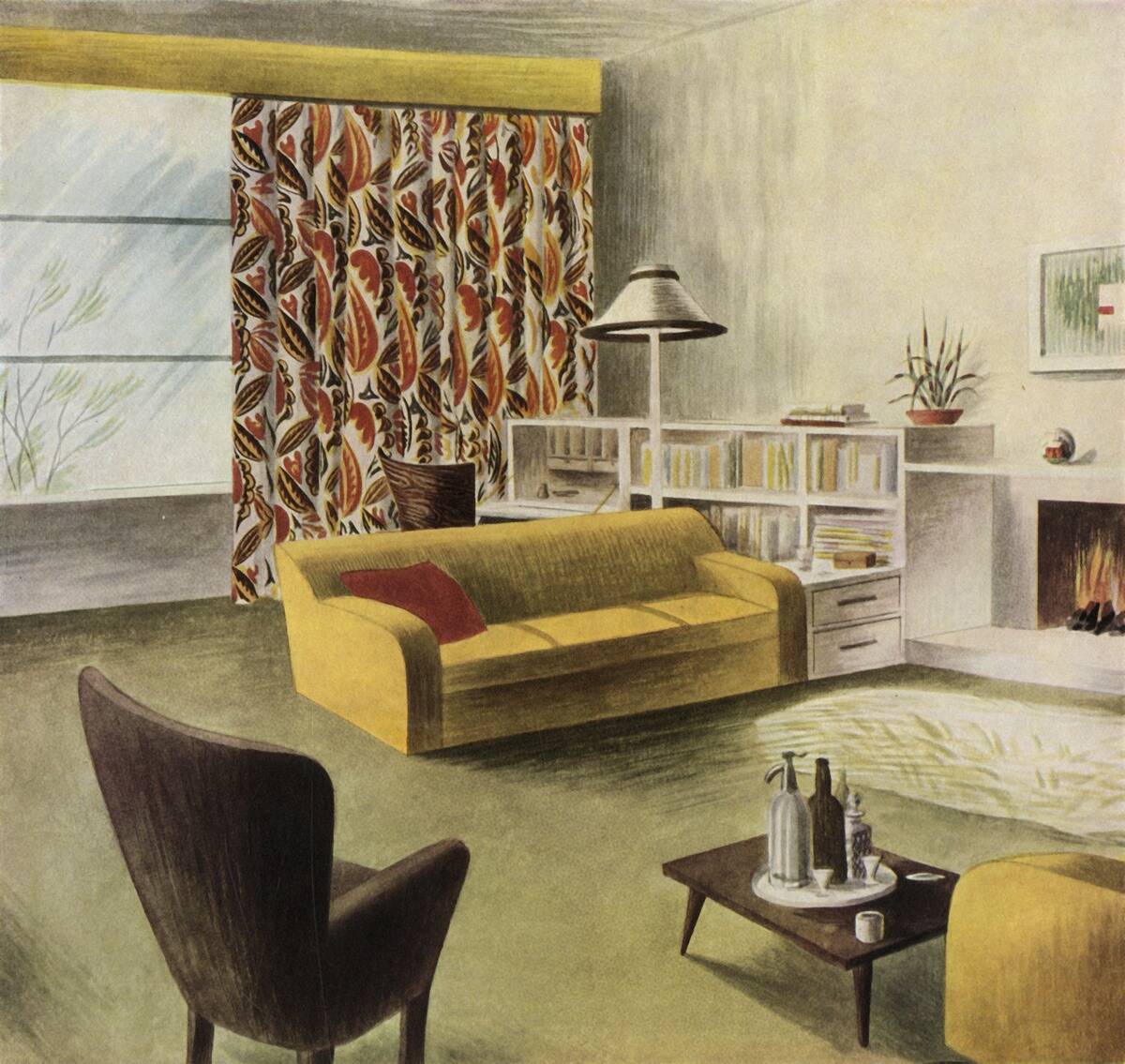
During the 1940s, World War II influenced living room aesthetics, leading to a focus on practicality and resourcefulness. Materials were often repurposed, and furniture was built to last.
The design was understated, with an emphasis on warmth and comfort. Floral prints and soft textures added a touch of coziness, providing a comforting retreat during uncertain times. The living room became a place for families to gather and support one another.
The 1950s: Mid-Century Modern Marvels and Atomic Age Flair
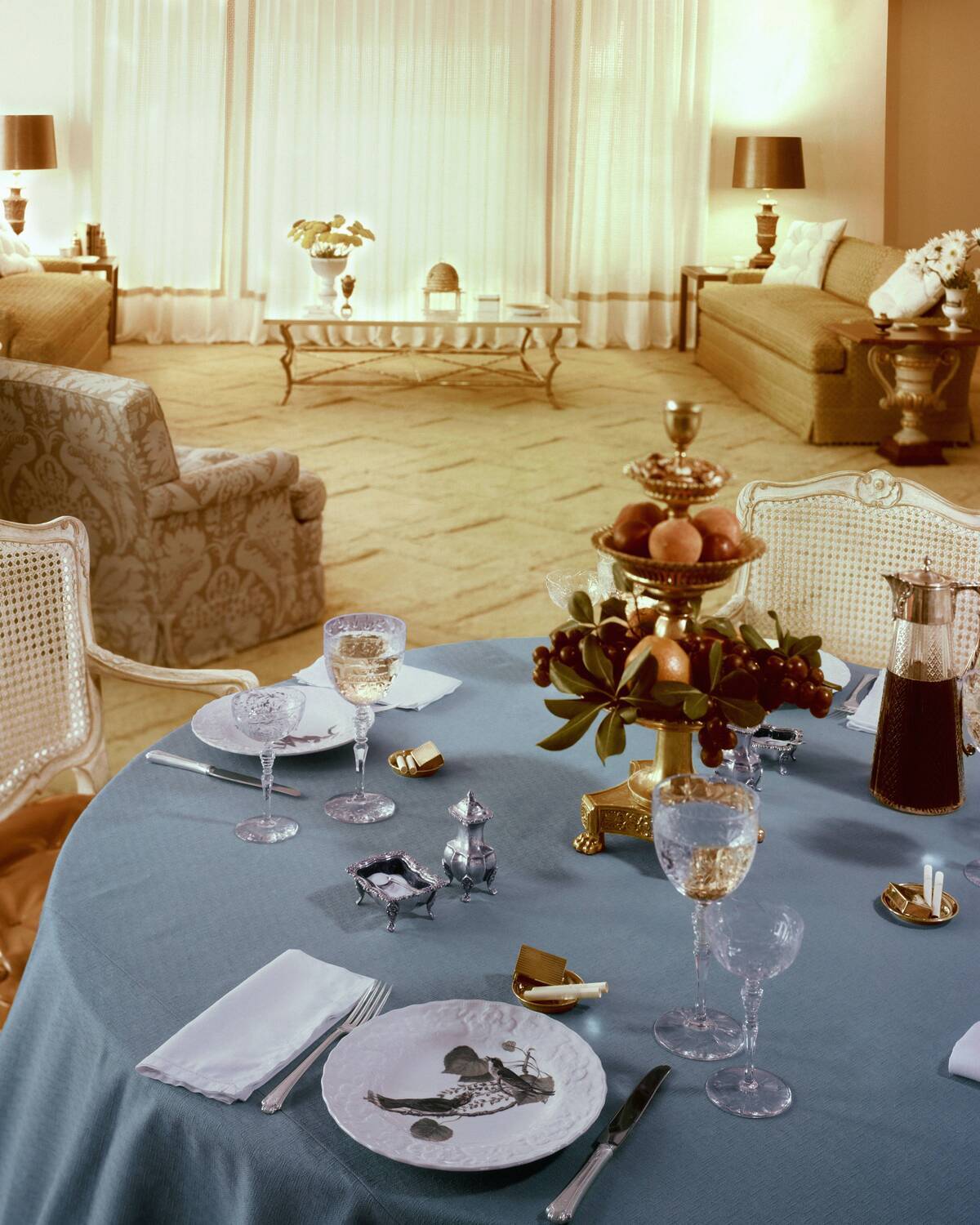
The 1950s saw the rise of mid-century modern design, characterized by clean lines, organic forms, and a futuristic flair. This era embraced the optimism of the Atomic Age, with bold colors and innovative materials like molded plywood and fiberglass.
Living rooms became more open and airy, reflecting a sense of freedom and progress. Iconic designers like Charles and Ray Eames left a lasting impact, making this decade a pinnacle of design innovation.
The 1960s: Groovy Patterns and Psychedelic Colors
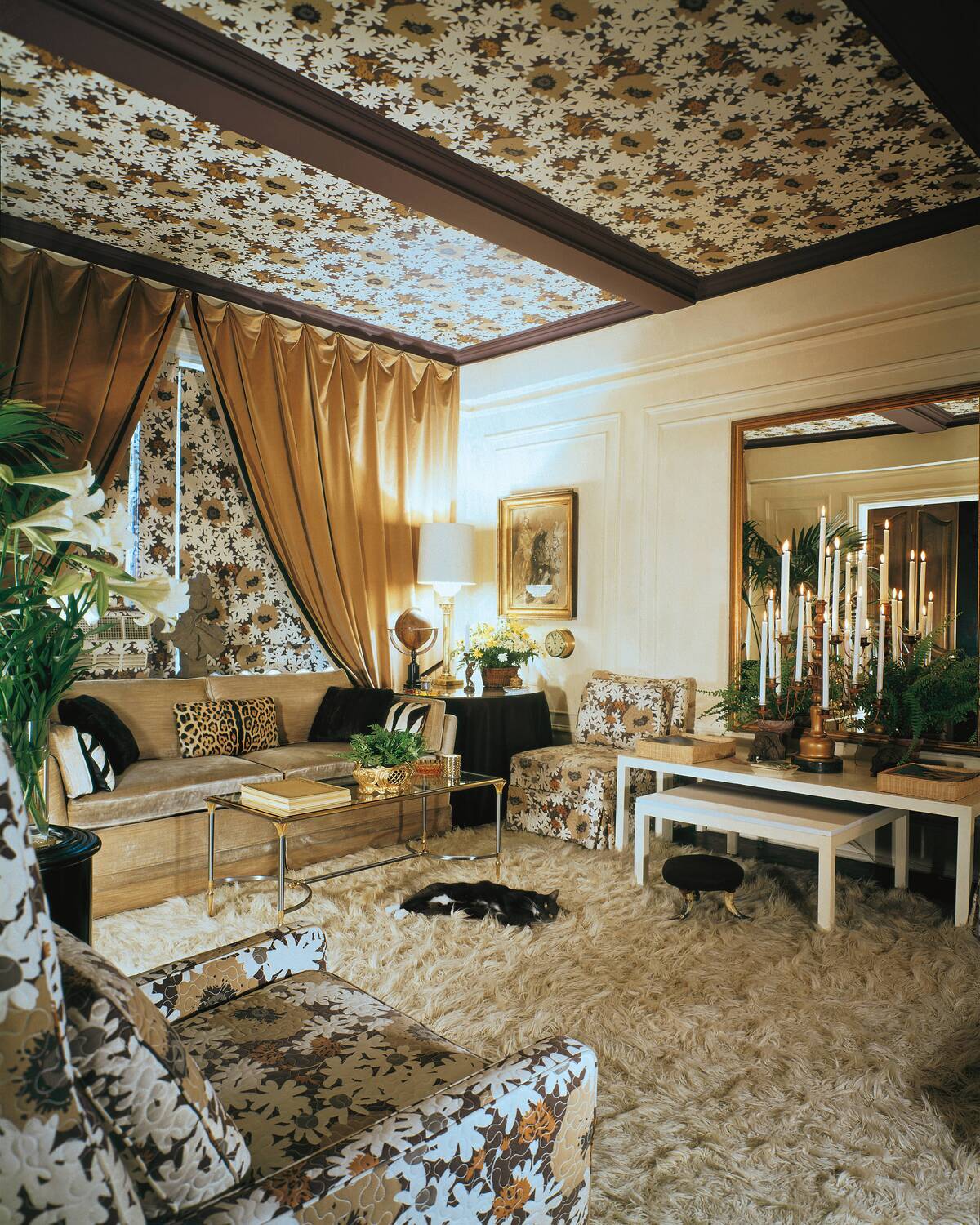
The 1960s were all about breaking conventions, and living rooms reflected this cultural revolution with groovy patterns and psychedelic colors. Bold, swirling designs adorned everything from wallpaper to upholstery, creating vibrant and energetic spaces.
The influence of pop art and the counterculture movement was evident, as people sought to express their individuality. Bean bags and modular furniture became popular, offering flexibility and a laid-back vibe.
The 1970s: Earth Tones and Bohemian Vibes
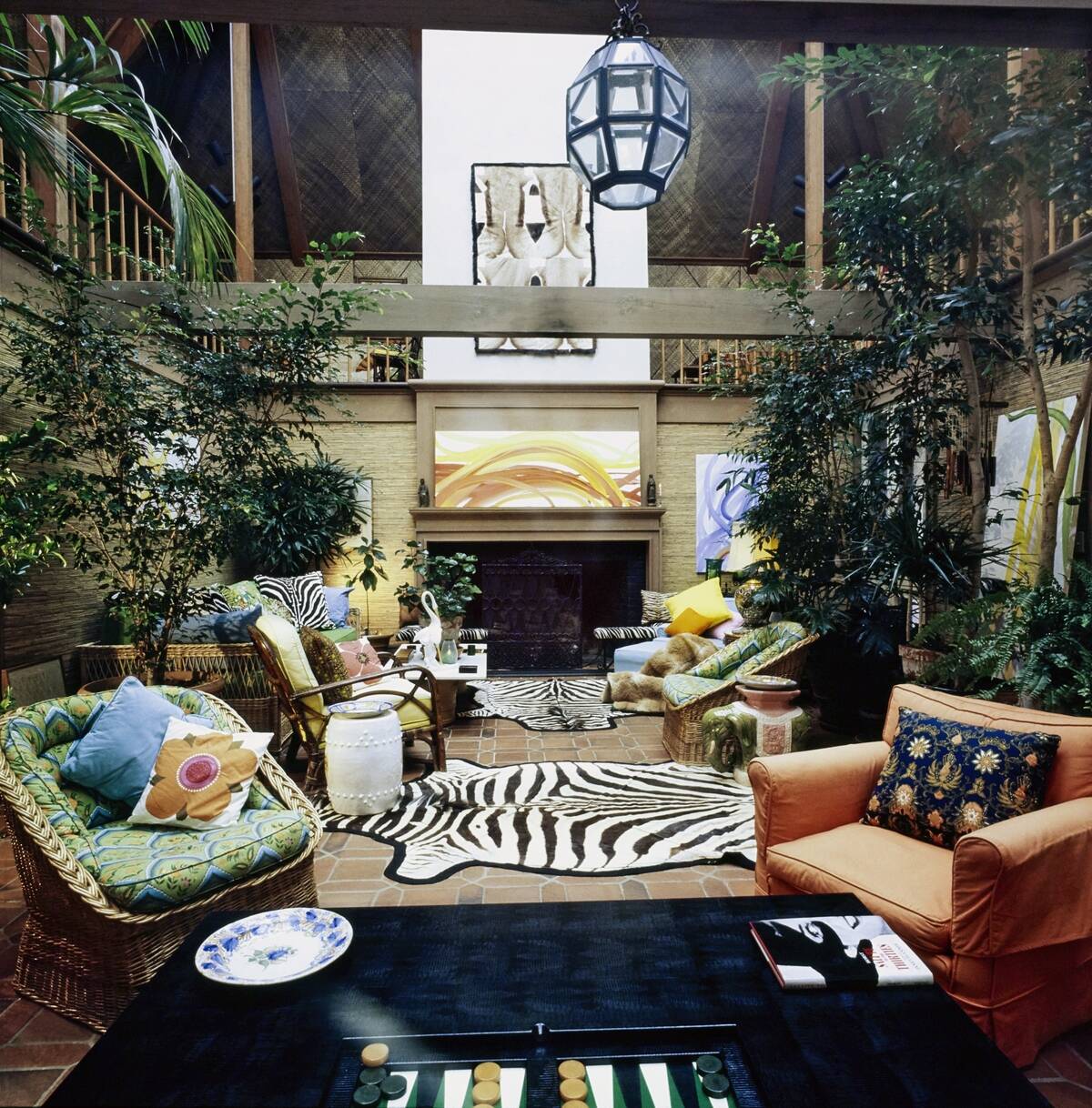
The 1970s embraced a natural aesthetic, with earth tones and bohemian influences becoming defining features of many living rooms. Warm hues such as avocado green, mustard yellow, and burnt orange appeared alongside macramé wall hangings, rattan furniture, and an abundance of houseplants to create relaxed, inviting spaces.
The decade’s emphasis on self-expression encouraged eclectic combinations of colors, textures, and decorative styles, allowing many homeowners to create living rooms that reflected their individual tastes.
The 1980s: Bold Colors and High-Tech Gadgets
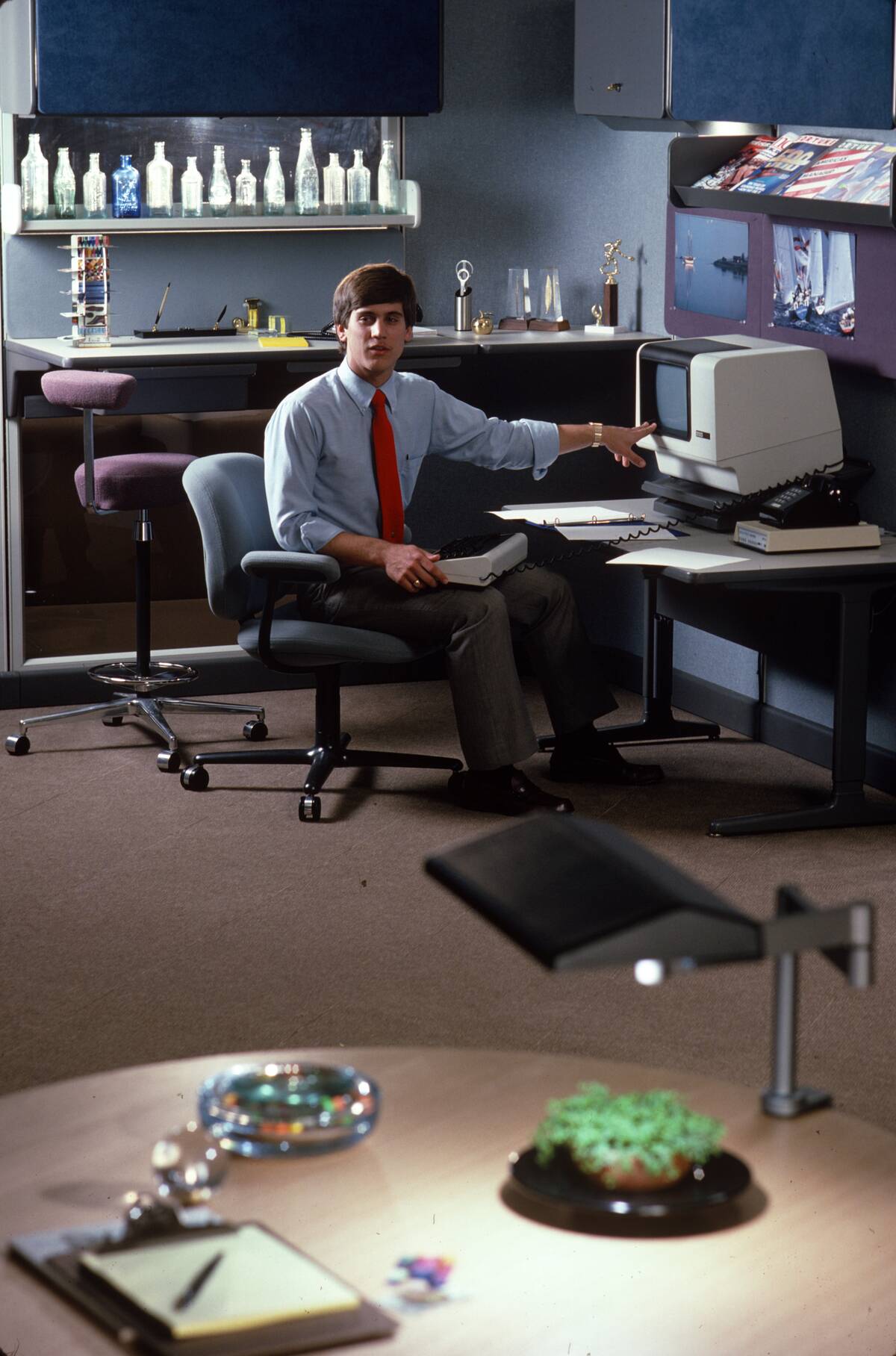
The 1980s were marked by bold colors and a fascination with technology, as living rooms became a showcase for high-tech gadgets and entertainment systems. Neon hues and geometric patterns were popular, reflecting the era’s exuberance and love for excess.
The rise of home video game consoles and VCRs transformed living rooms into entertainment hubs. This decade also saw the introduction of oversized, plush furniture, emphasizing comfort and leisure.
The 1990s: Minimalism Meets Maximalism
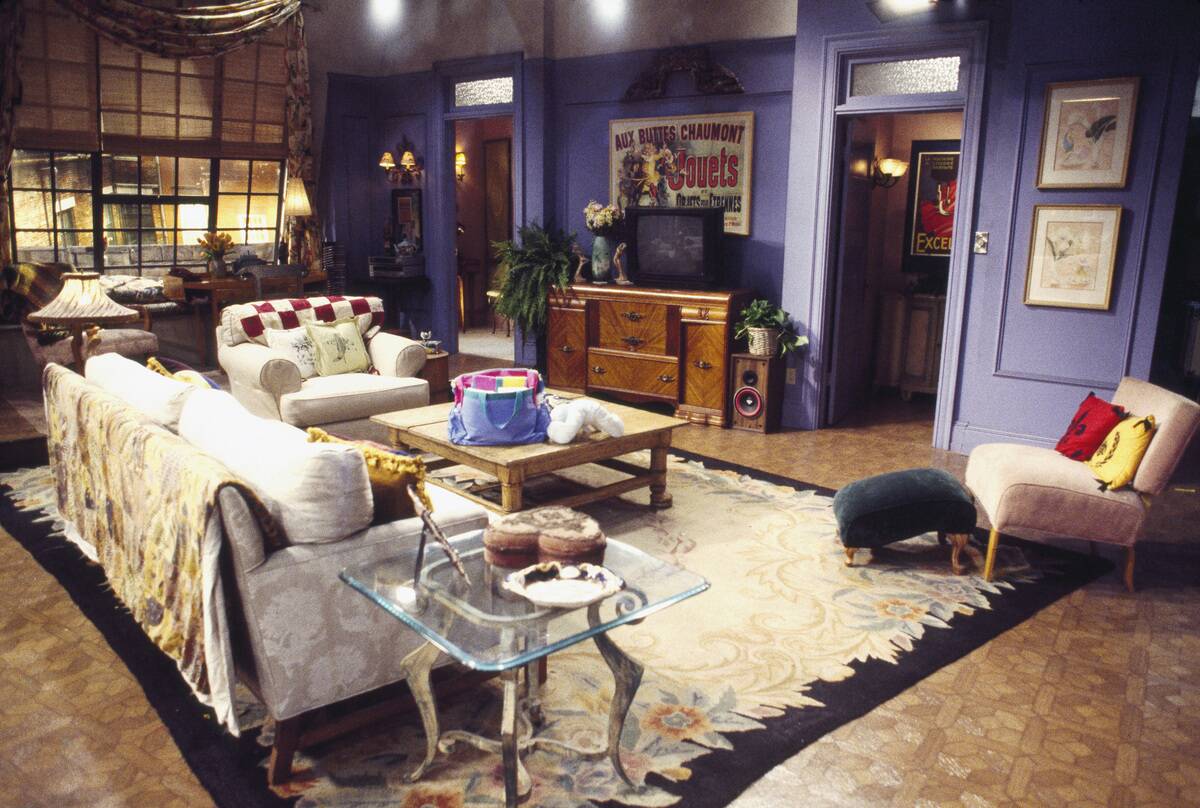
The 1990s were a decade of contrasts, with minimalism and maximalism coexisting in living room design. Some embraced a pared-down aesthetic, favoring neutral colors and sleek lines, while others indulged in eclectic decor and bold patterns.
The influence of global cultures became more prominent, with a mix of styles and textures creating a rich tapestry of design. This era also saw the rise of multifunctional furniture, catering to the needs of modern living.
Iconic Furniture Pieces That Defined Each Decade
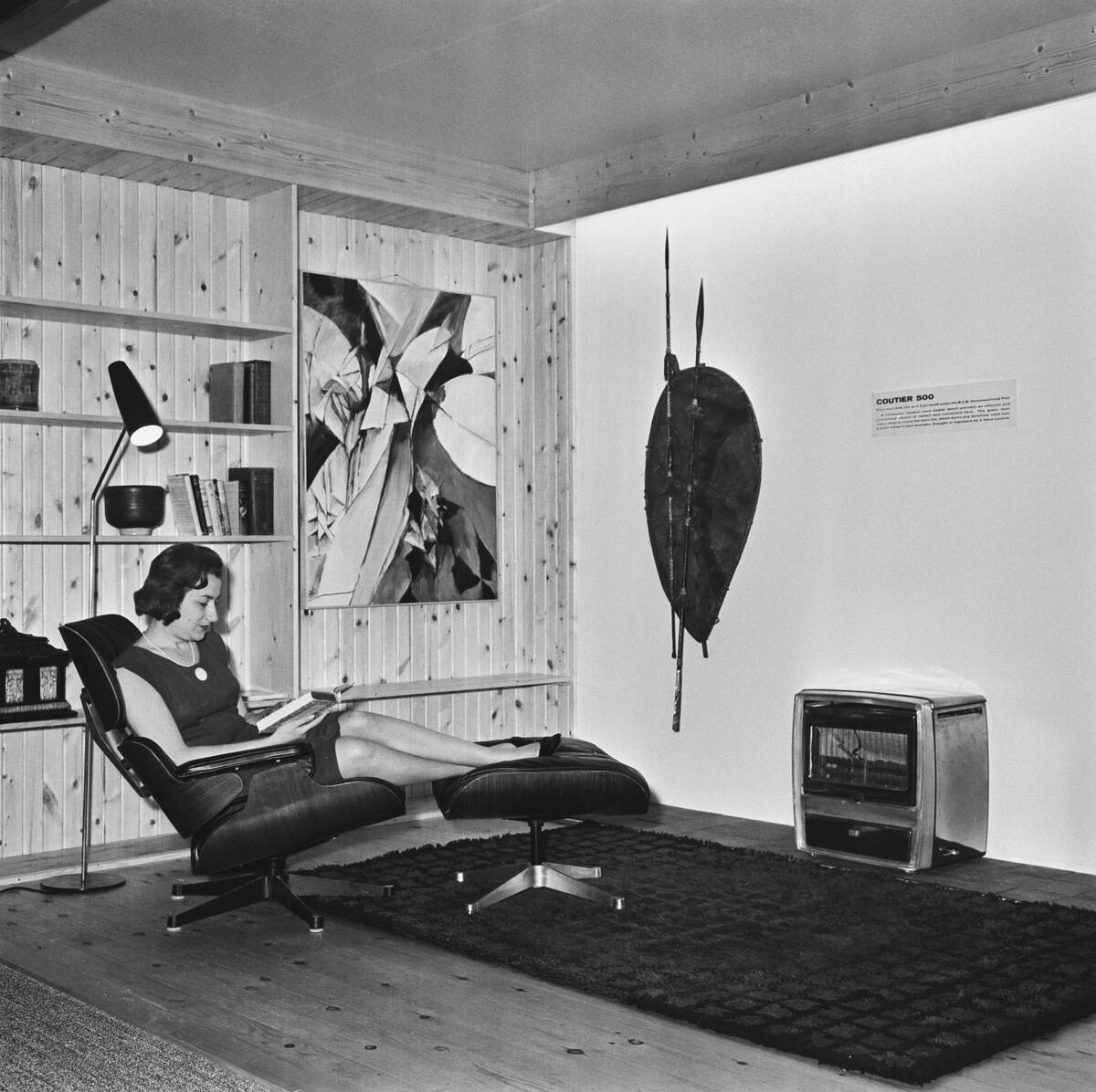
Throughout the 20th century, many iconic furniture pieces shaped living room design and continue to influence interiors today. The classic Chesterfield sofa, which originated in the 18th century, remained a popular choice for elegant living rooms well into the 1900s. The 1950s introduced the Eames Lounge Chair, a lasting symbol of mid-century modern design.
During the 1970s, the Papasan chair gained widespread popularity in Western homes with its relaxed, bohemian appeal. These timeless designs continue to inspire furniture makers and remain favorites among homeowners today.
The Evolution of Entertainment Centers and Television
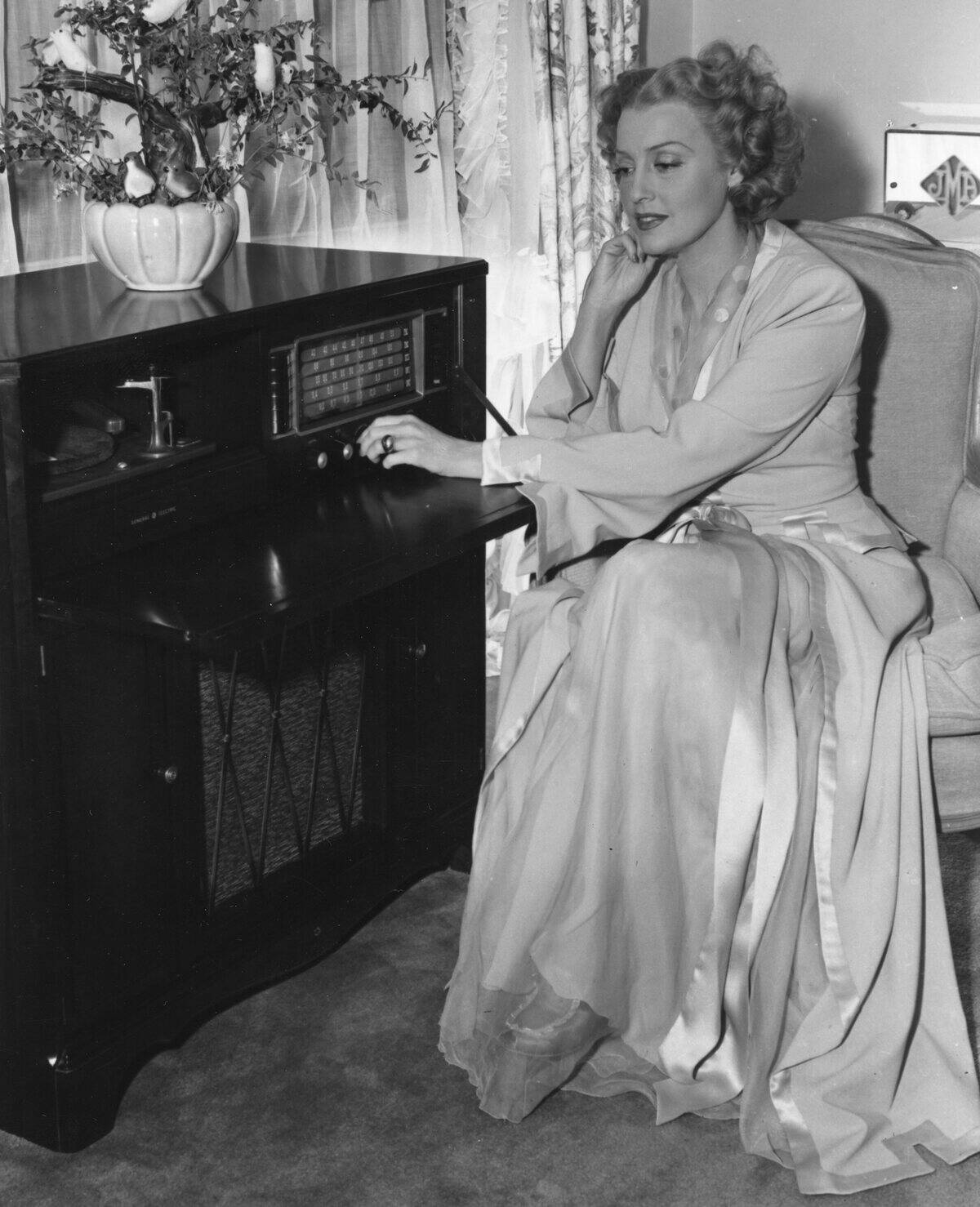
The evolution of televisions and entertainment centers dramatically shaped living rooms throughout the 20th century. In the 1950s, television sets became a focal point in many homes, often housed in wooden cabinets designed to blend with other furniture.
By the 1980s, larger entertainment centers were commonly used to hold televisions, VCRs, stereo equipment, and home video game consoles, with more modular designs becoming popular in the years that followed. Today, sleek wall-mounted televisions and minimalist media units reflect the continuing trend toward integrated, space-efficient, and sophisticated living room design.
The Role of Art and Decor in 20th Century Living Rooms

Art and décor have always played an important role in defining the atmosphere of living rooms. In the early 1900s, ornate paintings, decorative objects, and sculptures often reflected the wealth and tastes of affluent households. During the 1960s, Pop Art introduced bold graphics, vibrant colors, and contemporary imagery into home décor.
By the 1990s, eclectic art collections and decorative pieces inspired by cultures around the world became increasingly popular, reflecting growing global influences. Together, these decorative elements enhanced living spaces while offering a glimpse into the personalities and interests of the people who called them home.
The Influence of Celebrity Homes and Pop Culture
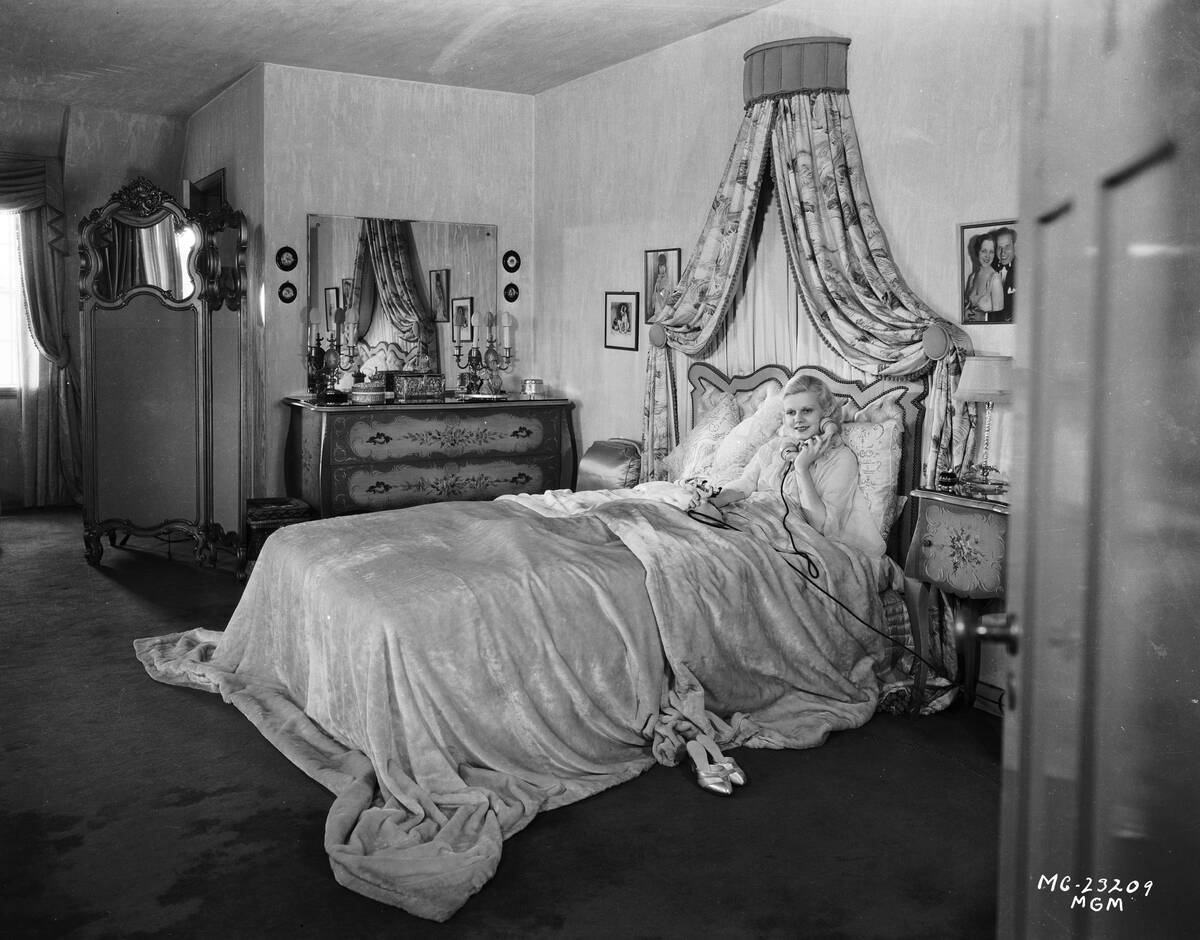
Celebrity homes and pop culture have long influenced living room trends, with iconic interiors featured in magazines, films, and television. The glamorous Hollywood homes of the 1950s helped define ideas of luxury and style for many Americans. In the 2000s, MTV Cribs showcased extravagant celebrity living spaces that inspired viewers and brought home design into popular culture.
Today, social media offers an even closer look at celebrity lifestyles, with influencers and public figures setting décor trends that spread rapidly. These influences continue to shape how many people imagine the ideal living room.
Nostalgic Trends Making a Comeback in Modern Homes
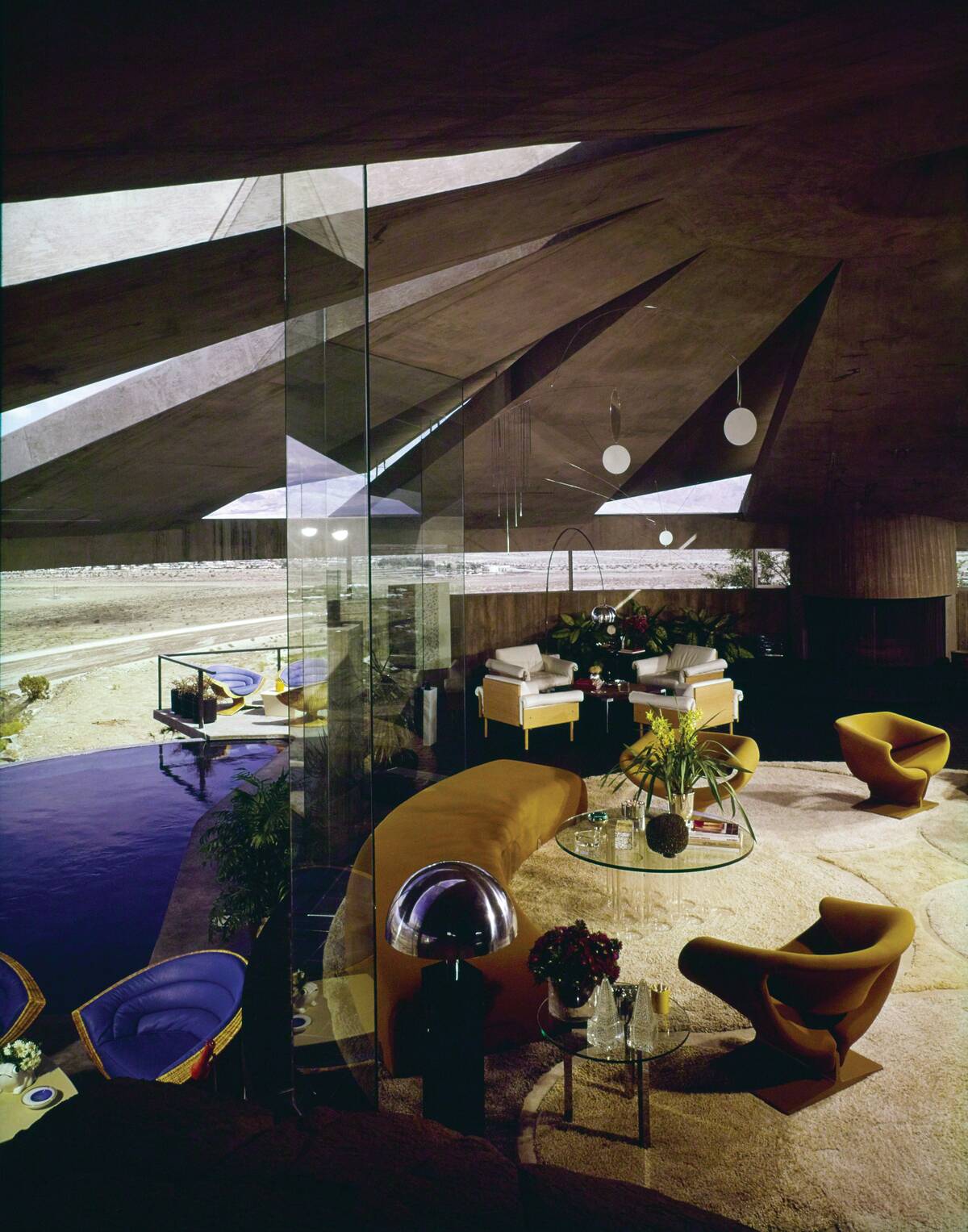
Nostalgic trends from the 20th century are making a comeback in modern homes, as many people seek comfort and familiarity in their living spaces. Mid-century modern furniture, with its clean lines and timeless appeal, remains one of the most influential interior design styles today.
The bohemian aesthetic of the 1970s, featuring macramé, natural materials, and houseplants, continues to add warmth and personality to contemporary interiors. Even bold color palettes inspired by the 1980s are returning, proving that classic design trends are often reinvented for a new generation.