What first aid looked like 100 years ago
A century ago, first aid was a burgeoning field, evolving rapidly from its rudimentary roots. The 1920s marked a period of transition, as medical knowledge expanded and communities sought more organized approaches to emergency care.
First aid practices were heavily influenced by the aftermath of World War I, which had highlighted the importance of immediate medical attention. As we delve into this fascinating era, we’ll uncover how these early practices laid the groundwork for modern first aid.
The Role of First Aid in the Early 20th Century
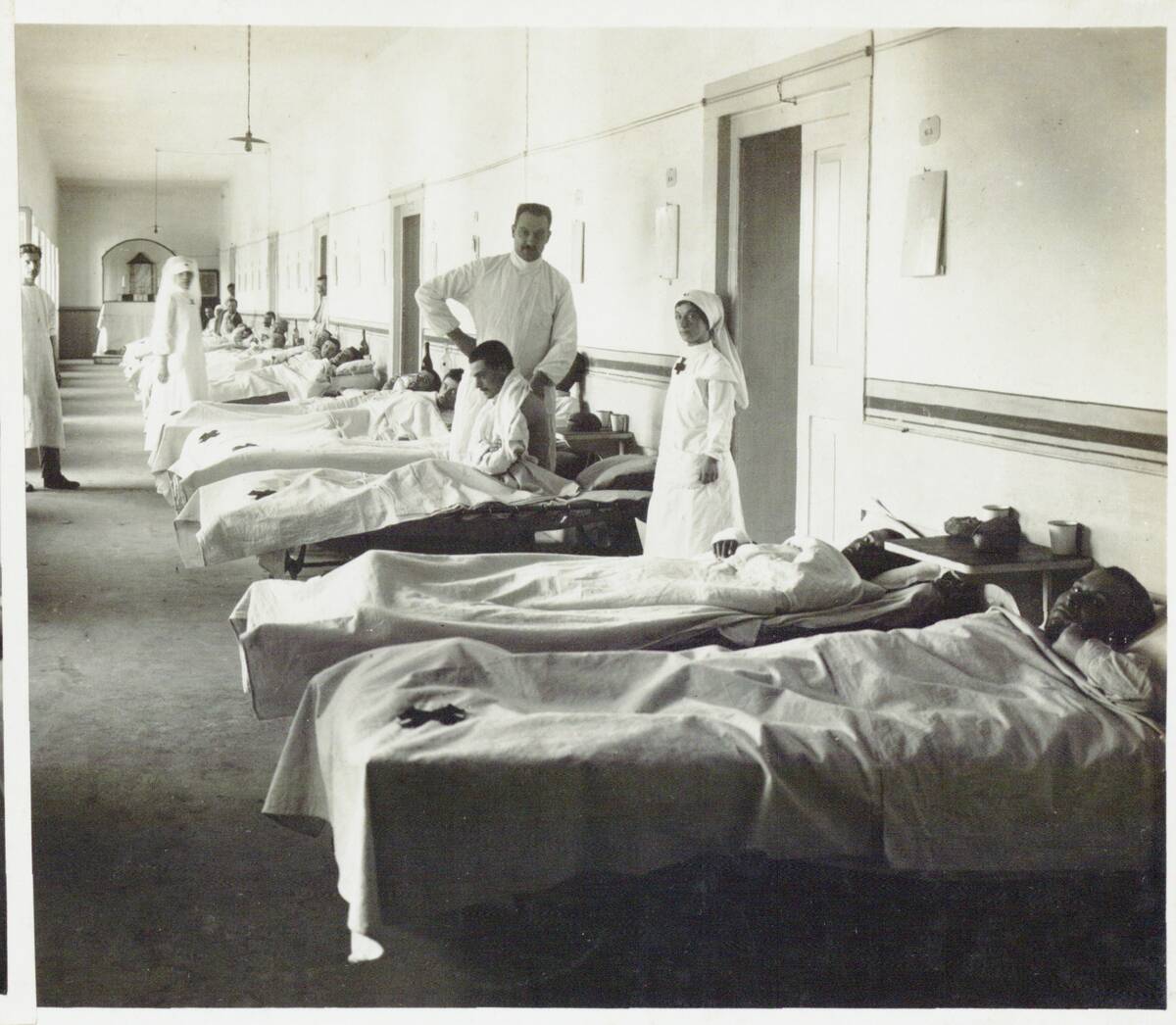
In the early 20th century, first aid played a crucial role in both civilian and military life. It was not just about treating injuries but also about empowering individuals to act in emergencies. Organizations like the Red Cross began to emphasize the importance of first aid training, making it accessible to the general public.
This period saw a shift from reliance on doctors to equipping ordinary people with the skills to manage minor injuries and stabilize patients until professional help arrived.
Common Injuries and Ailments in the 1920s
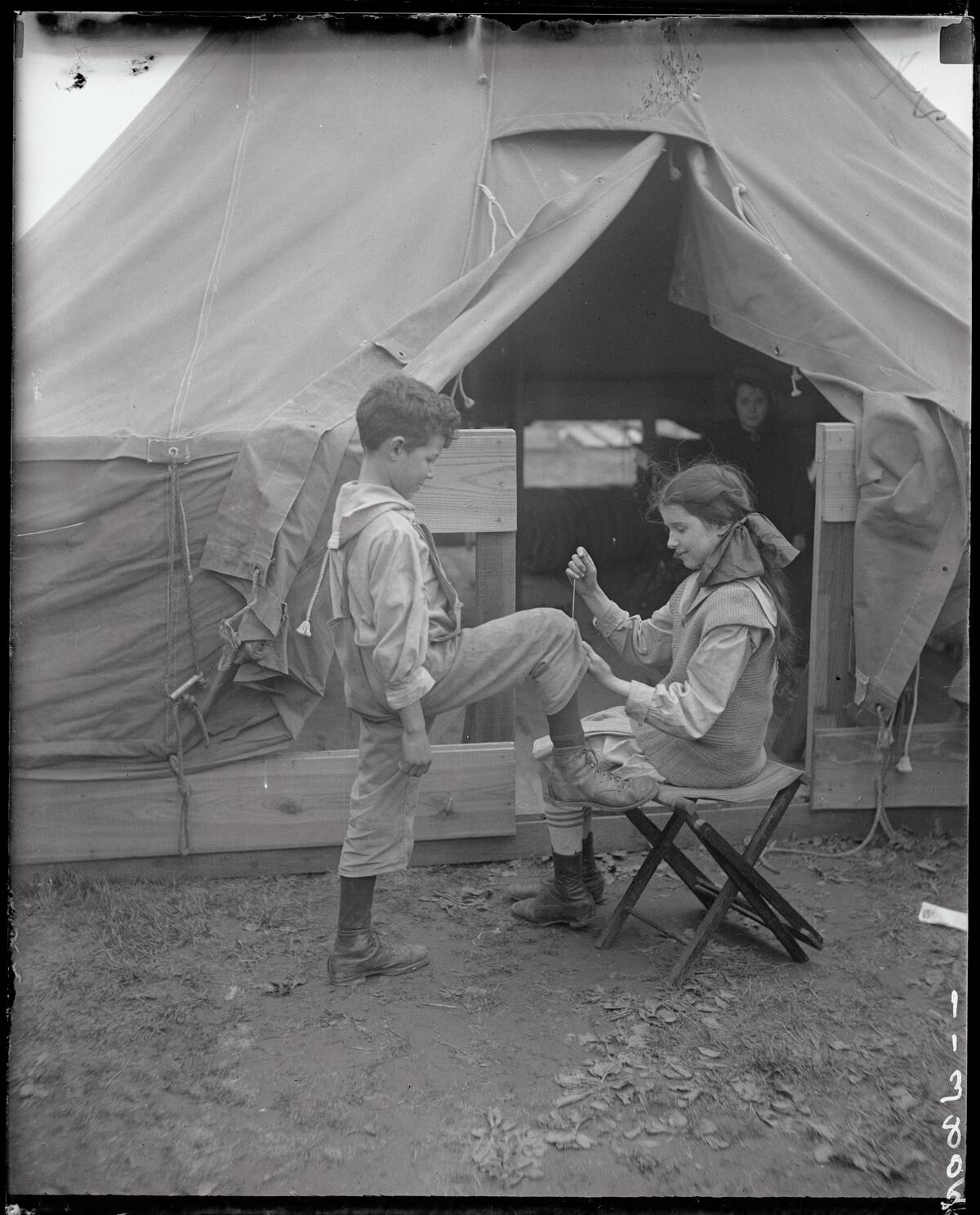
The 1920s saw a range of common injuries and ailments that required first aid, from industrial accidents to household mishaps. With the rise of automobiles, road accidents became more frequent, necessitating prompt first aid response.
Additionally, infectious diseases like influenza were prevalent, requiring careful management to prevent outbreaks. These challenges highlighted the need for effective first aid practices to address both traumatic and medical emergencies in everyday life.
The Influence of World War I on First Aid Practices
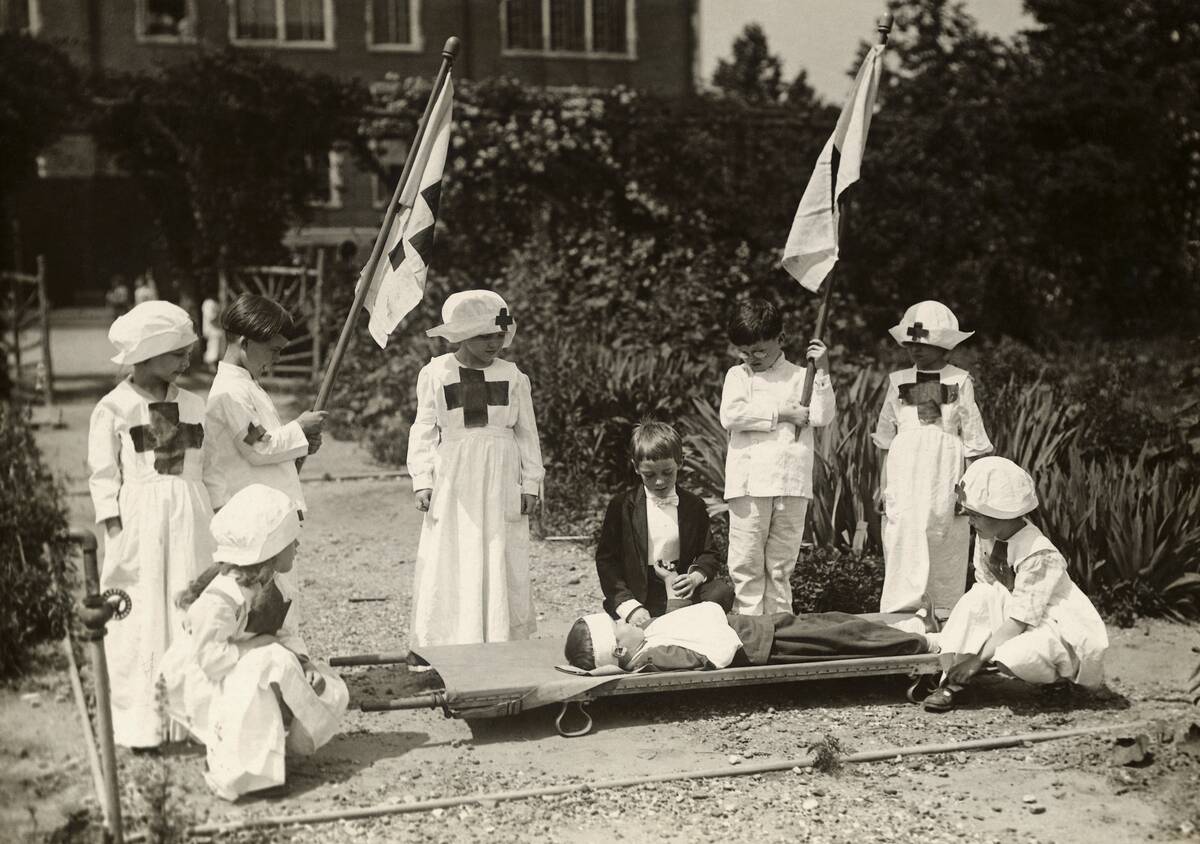
World War I had a profound impact on first aid practices, introducing new techniques and tools that would become standard in the 1920s. The war emphasized the importance of rapid response to injuries, leading to innovations like the use of tourniquets and wound dressings.
Soldiers were often trained in basic first aid, which they brought back to civilian life, spreading knowledge and improving emergency care. This wartime experience laid the foundation for more structured first aid training programs.
First Aid Kits: What They Contained a Century Ago
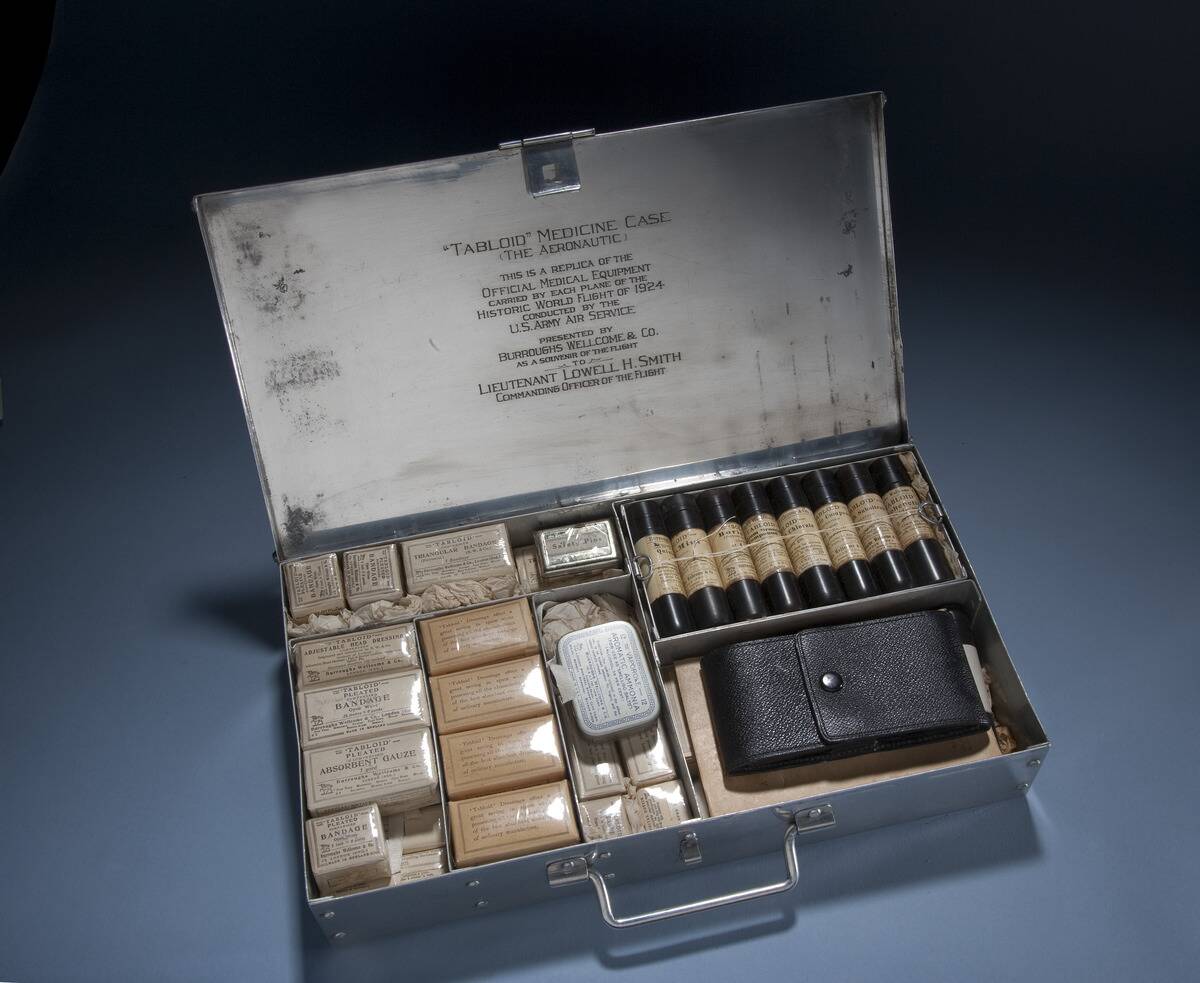
First aid kits in the 1920s were quite different from today’s comprehensive packs. They typically included basic items like bandages, iodine for disinfecting wounds, and aspirin for pain relief. Some kits also contained smelling salts, used to revive those who had fainted.
These kits were designed to address common injuries and were often homemade, reflecting the resourcefulness of the era. Despite their simplicity, they were a vital component of emergency preparedness in homes and workplaces.
The Evolution of Bandaging Techniques
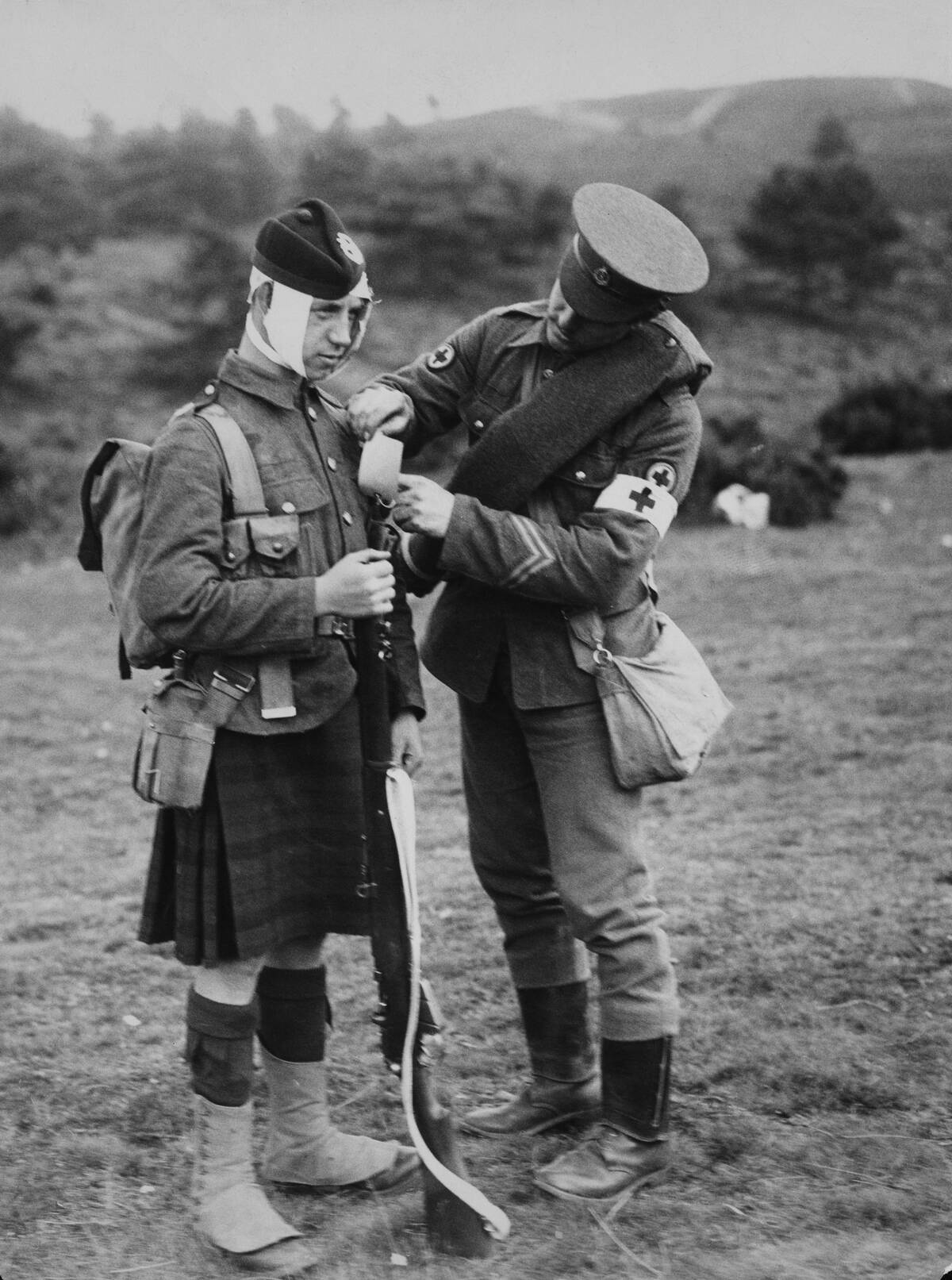
Bandaging techniques in the 1920s were evolving from simple cloth wraps to more structured methods. The introduction of adhesive bandages, like the Band-Aid, revolutionized wound care by providing a convenient way to protect minor cuts and scrapes.
These innovations made it easier for individuals to manage injuries at home, reducing the need for professional medical intervention. The focus was on practicality and effectiveness, ensuring that wounds were kept clean and protected during the healing process.
The Use of Natural Remedies and Homeopathy
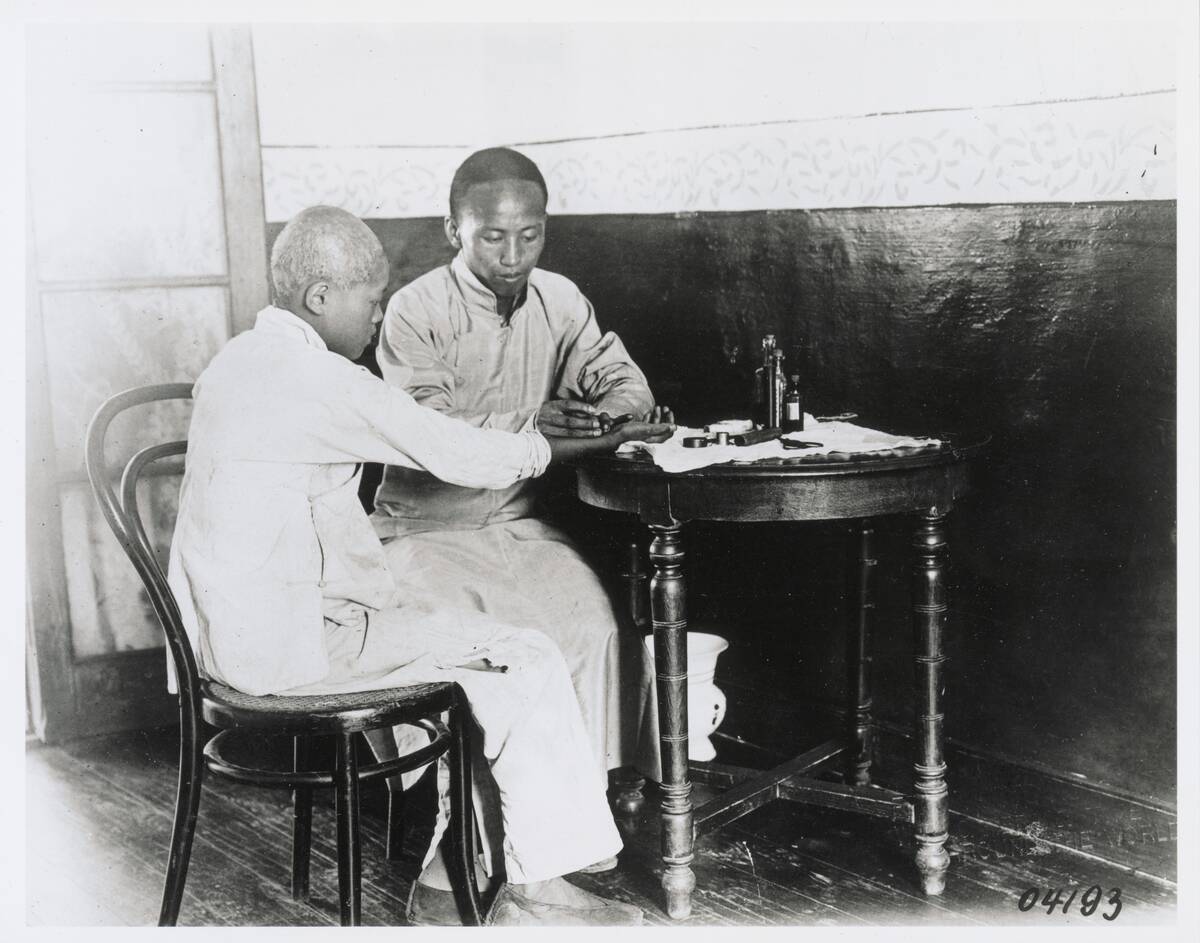
Natural remedies and homeopathy were popular in the 1920s, often used alongside conventional first aid practices. Herbal treatments, such as chamomile for calming and peppermint for digestive issues, were common household remedies.
Homeopathic solutions, though controversial, were also embraced by many seeking alternative approaches to health care. These practices reflected a broader cultural trend towards holistic health, blending traditional wisdom with emerging medical knowledge.
Early CPR Techniques: A Far Cry from Today
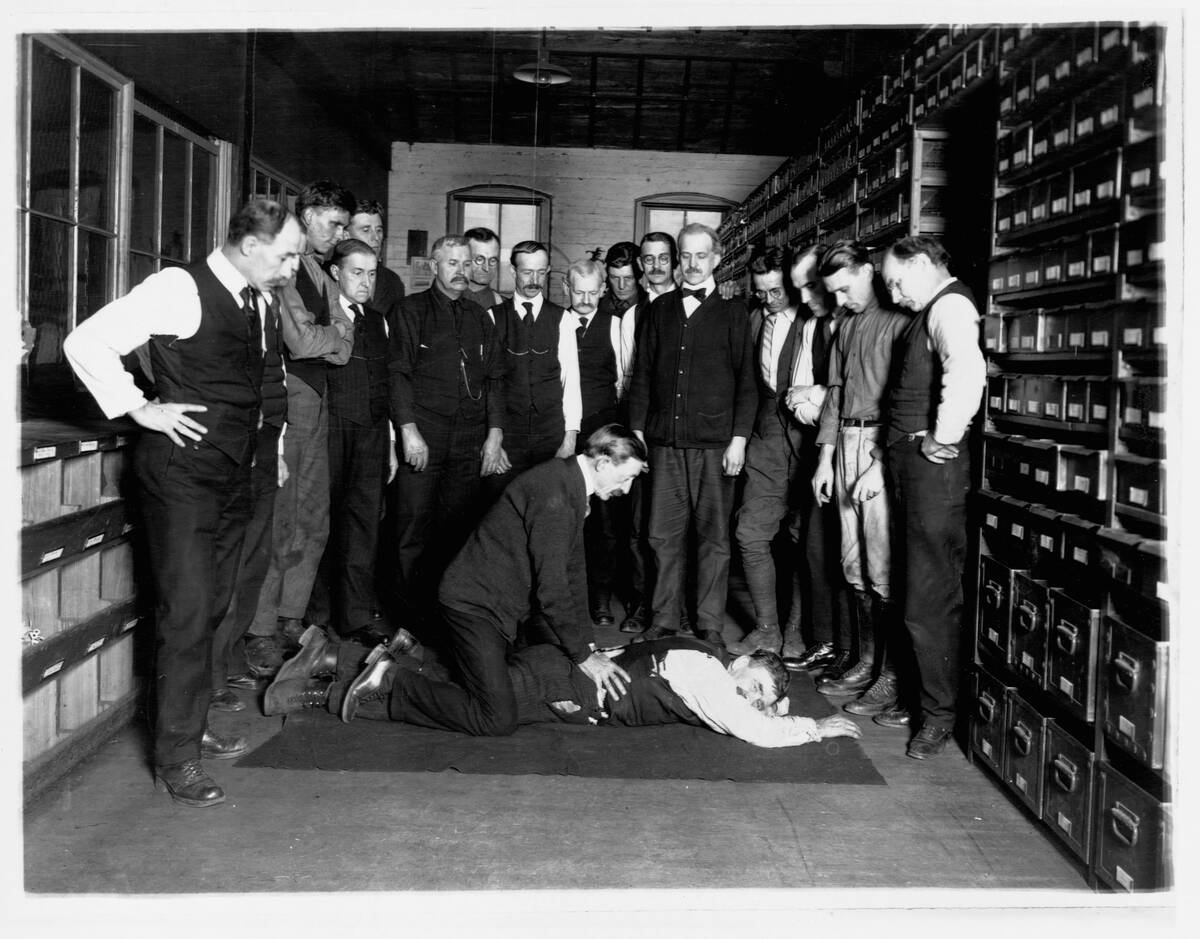
CPR techniques in the 1920s were rudimentary compared to today’s standards. Methods like the Silvester Method, which involved moving the arms to stimulate breathing, were commonly taught. These early techniques were based on limited understanding of human physiology but represented the best available knowledge at the time.
It wasn’t until later decades that CPR evolved into the more effective chest compression and rescue breathing techniques we know today, thanks to advances in medical science.
The Role of Nurses and First Responders in the 1920s
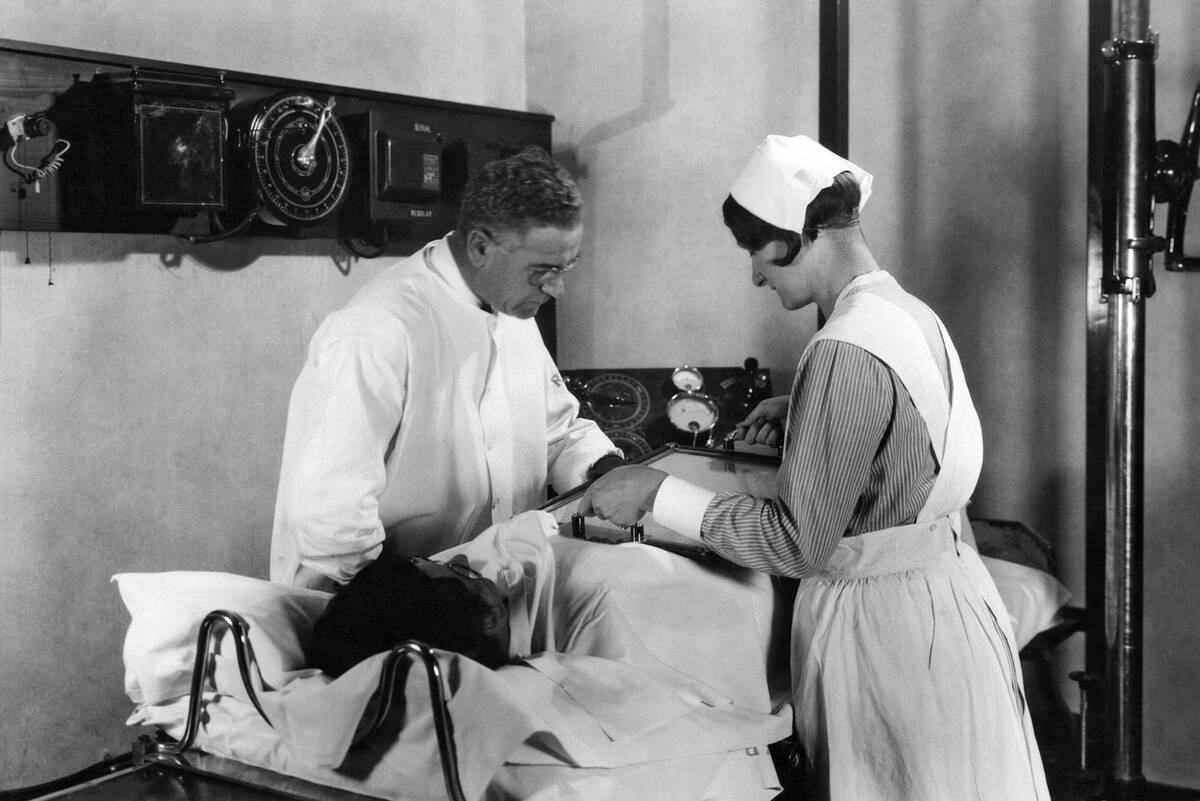
Nurses and first responders in the 1920s were pivotal in advancing first aid practices. Nurses, often trained in wartime, brought their skills to civilian life, providing care and education to communities.
First responders, including police and fire personnel, were increasingly trained in basic first aid to handle emergencies effectively. Their roles were crucial in bridging the gap between immediate care and professional medical treatment, ensuring that injured individuals received timely and competent assistance.
Popular First Aid Manuals and Guides of the Time
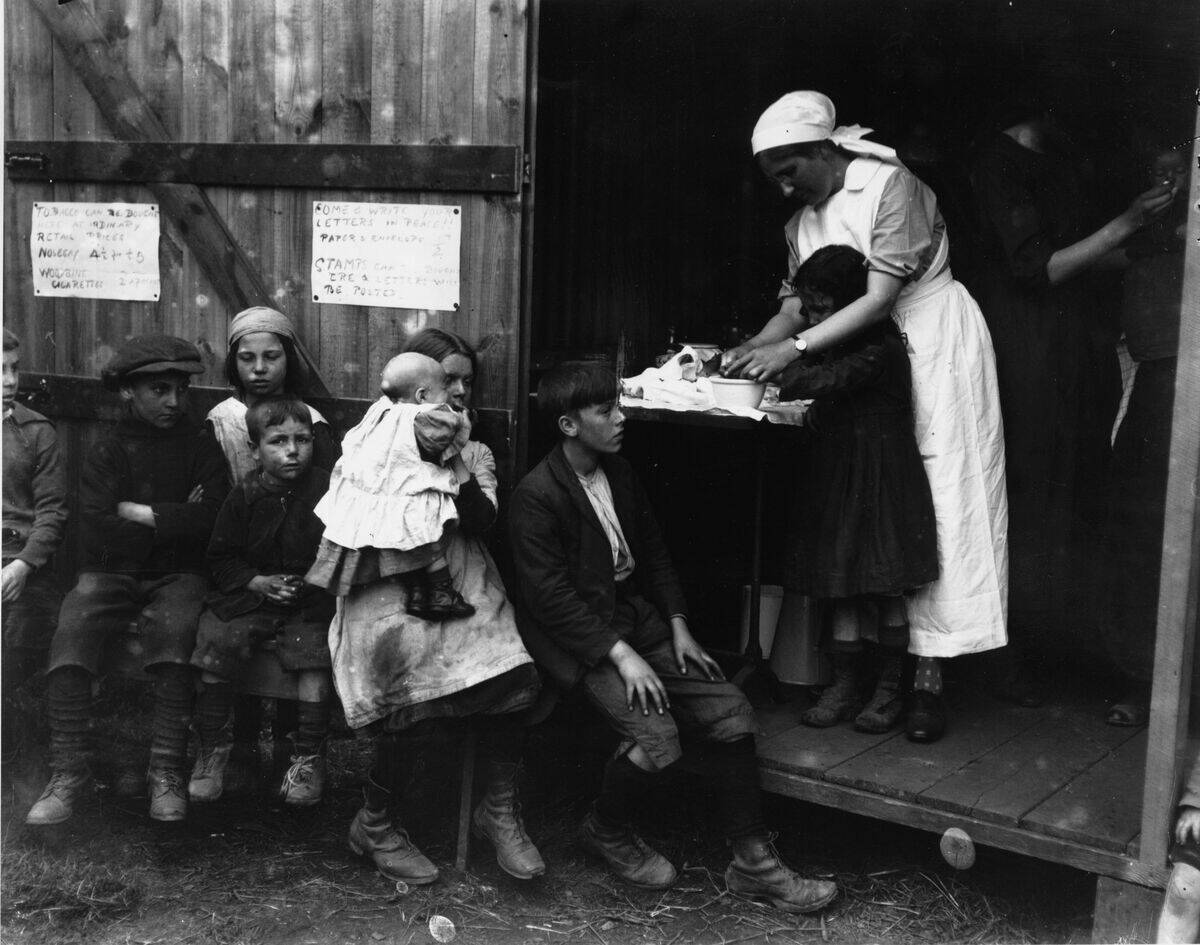
First aid manuals and guides from the 1920s were essential tools for education and training. Publications like the “American Red Cross First Aid Manual” provided step-by-step instructions for treating common injuries and emergencies.
These guides were widely distributed, making first aid knowledge accessible to a broad audience. They emphasized practical skills and were often illustrated, making them user-friendly for individuals with varying levels of literacy and medical understanding.
The Impact of the Red Cross on First Aid Education
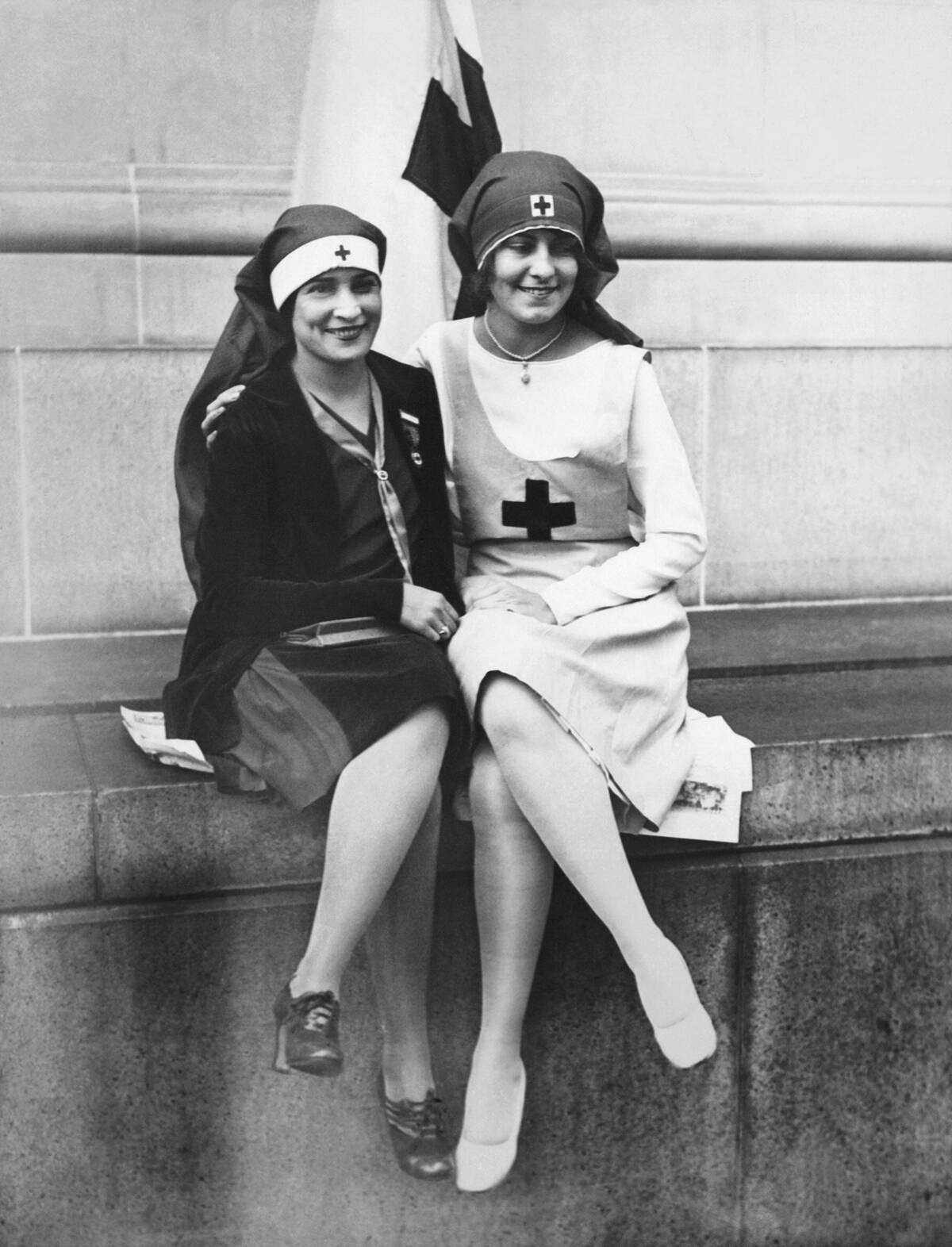
The Red Cross played a significant role in first aid education during the 1920s, offering courses and certifications to the public. Their efforts helped standardize first aid practices and ensured consistent training across different regions.
The organization also promoted the importance of first aid readiness, encouraging communities to be prepared for emergencies. This focus on education and preparedness laid the groundwork for modern first aid programs, establishing the Red Cross as a leader in the field.
First Aid Training: Who Received It and How
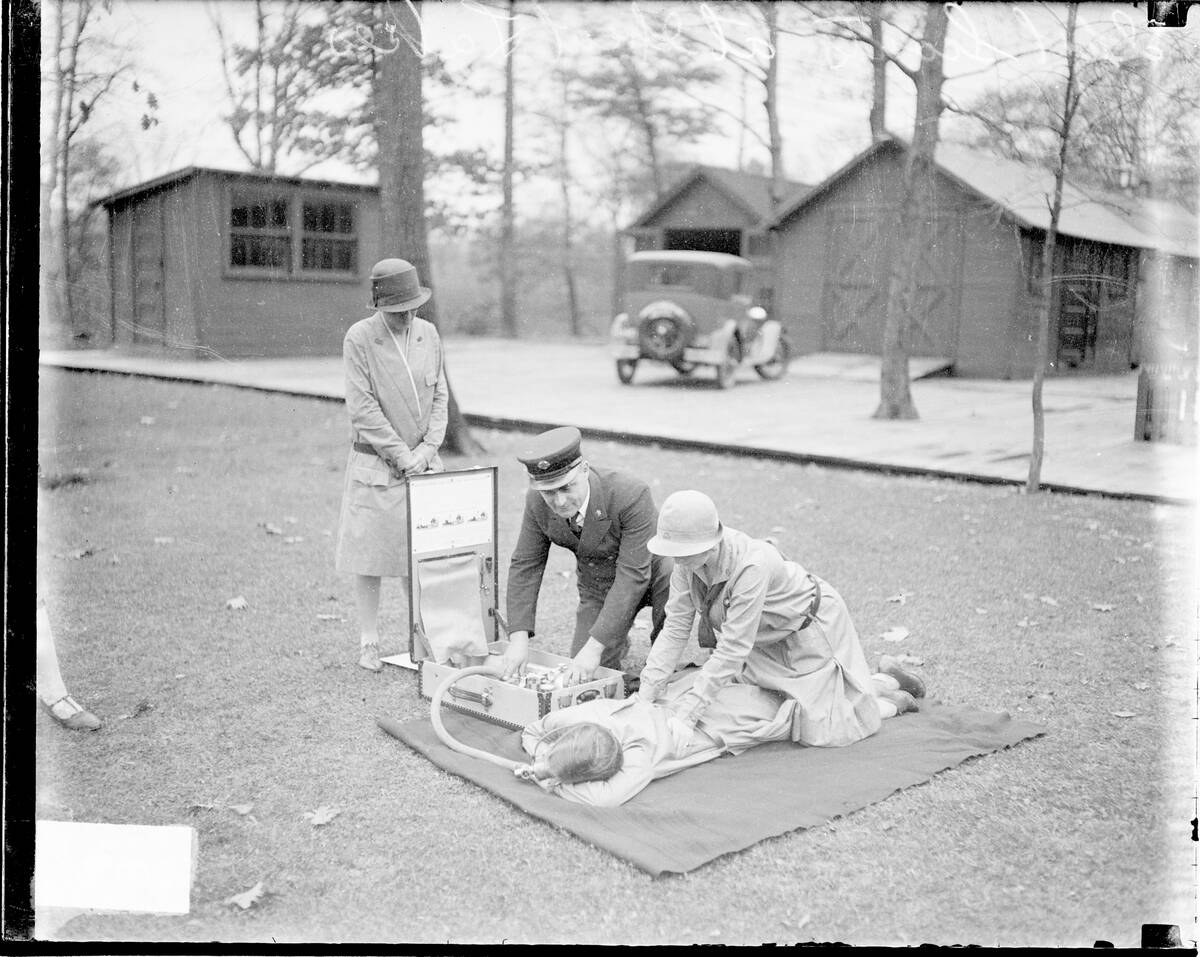
First aid training in the 1920s was becoming more widespread, reaching diverse groups of people. Schools began incorporating basic first aid into their curricula, teaching students essential skills.
Community organizations and workplaces also offered training sessions, recognizing the value of having trained individuals on hand. This democratization of first aid knowledge empowered people from all walks of life to respond effectively in emergencies, fostering a culture of safety and preparedness.
Pain Management: What Was Available
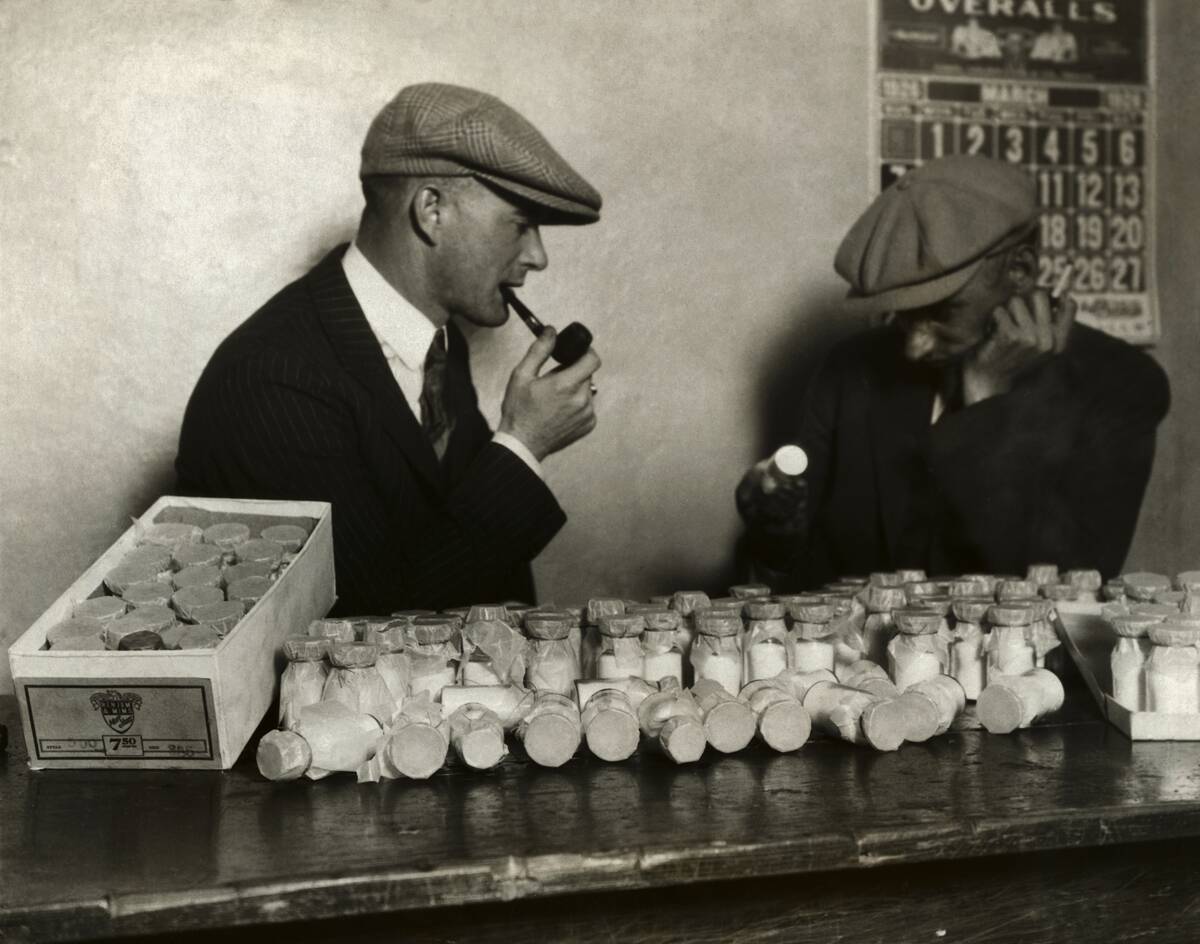
Pain management options in the 1920s were limited but evolving. Aspirin was widely used for its analgesic and anti-inflammatory properties, providing relief for headaches and minor pains.
Morphine and other opiates were available but typically reserved for more severe pain due to their addictive potential. These medications were often administered by trained professionals, reflecting the cautious approach to pain management during this period, balancing relief with safety concerns.




