How history’s richest people built their wealth
Throughout history, wealth has been a fascinating measure of power and influence. From ancient emperors to modern tech moguls, the richest individuals have shaped economies and societies.
While the methods of accumulating wealth have evolved, the stories of these figures remain captivating.
Mansa Musa: The Golden King of Mali
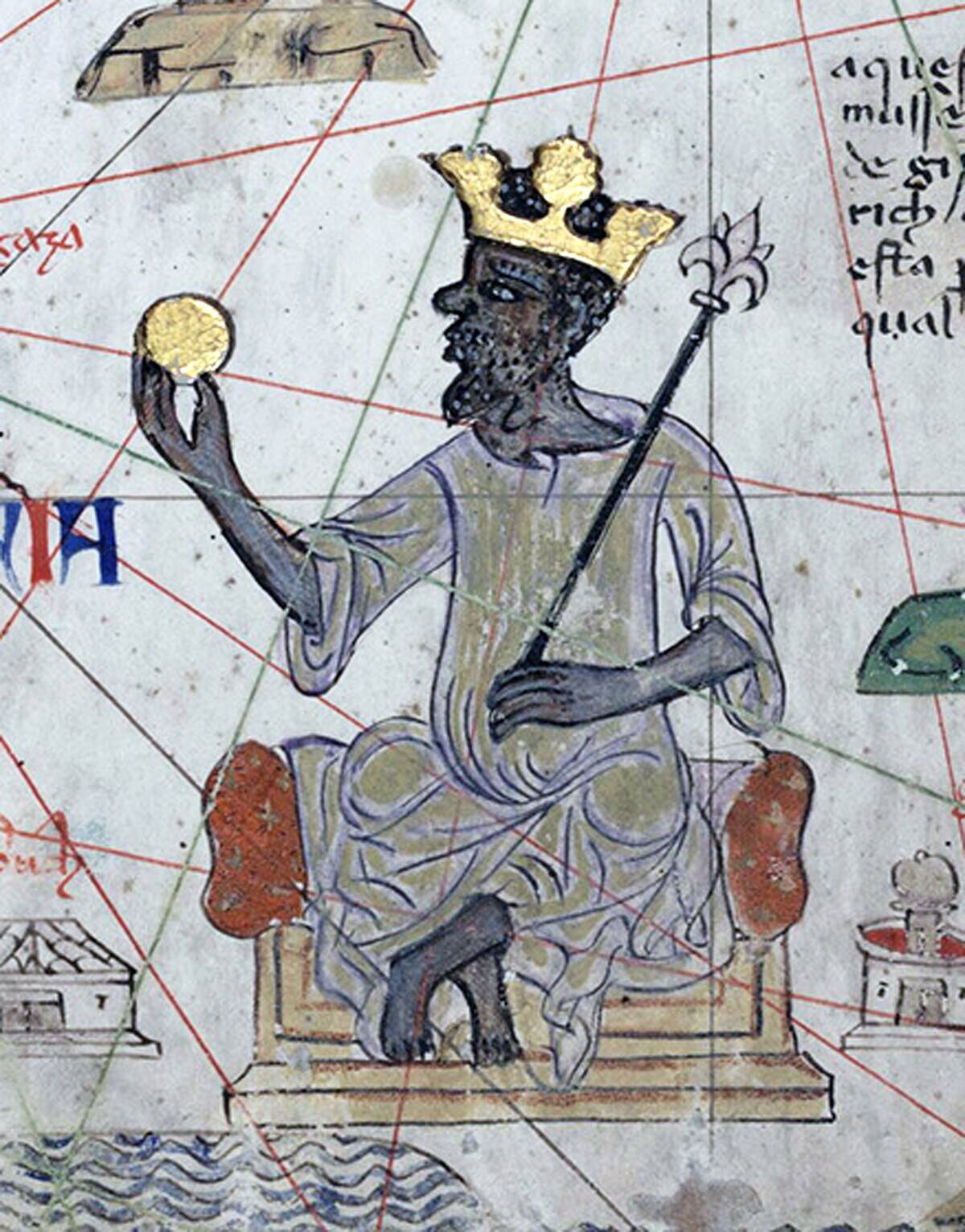
Mansa Musa, the 14th-century emperor of the Mali Empire, is often regarded as one of the wealthiest individuals in history. His immense fortune came largely from the gold resources and trade networks controlled by the Mali Empire.
During his famous pilgrimage to Mecca in 1324, Musa’s generous distribution of gold reportedly affected gold prices in regions such as Cairo. His reign helped strengthen Mali’s economy and contributed to a flourishing period of architecture, culture, and learning, particularly in cities like Timbuktu.
John D. Rockefeller: The Oil Tycoon Extraordinaire
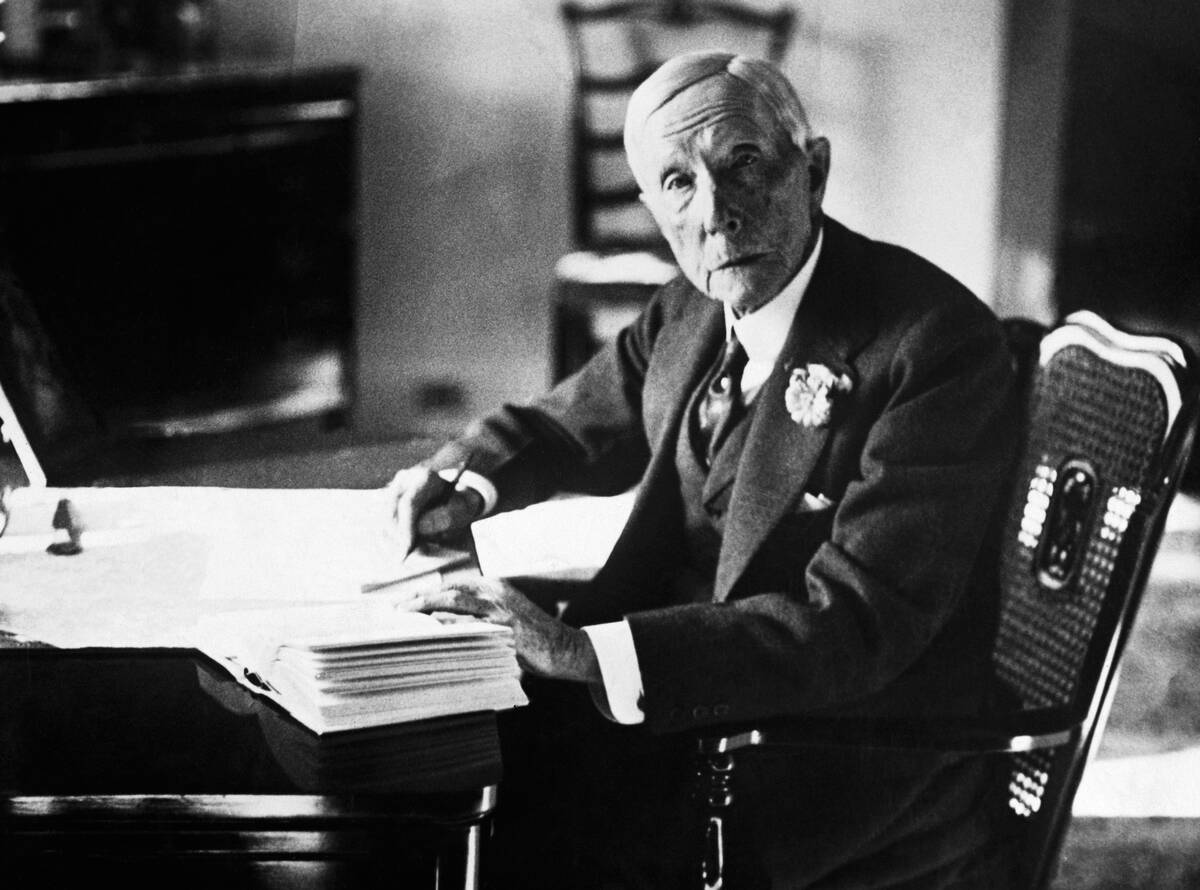
John D. Rockefeller, born in 1839, became the first American billionaire through his ownership of Standard Oil. At its peak in the late 19th century, Standard Oil controlled around 90% of U.S. oil refining capacity, making Rockefeller one of the most influential figures of the industrial age.
Although his business practices faced criticism, Rockefeller later became a major philanthropist, establishing foundations that supported education, science, and public health. His legacy remains a combination of extraordinary wealth, corporate influence, and significant charitable contributions.
Andrew Carnegie: Steel Magnate and Philanthropist
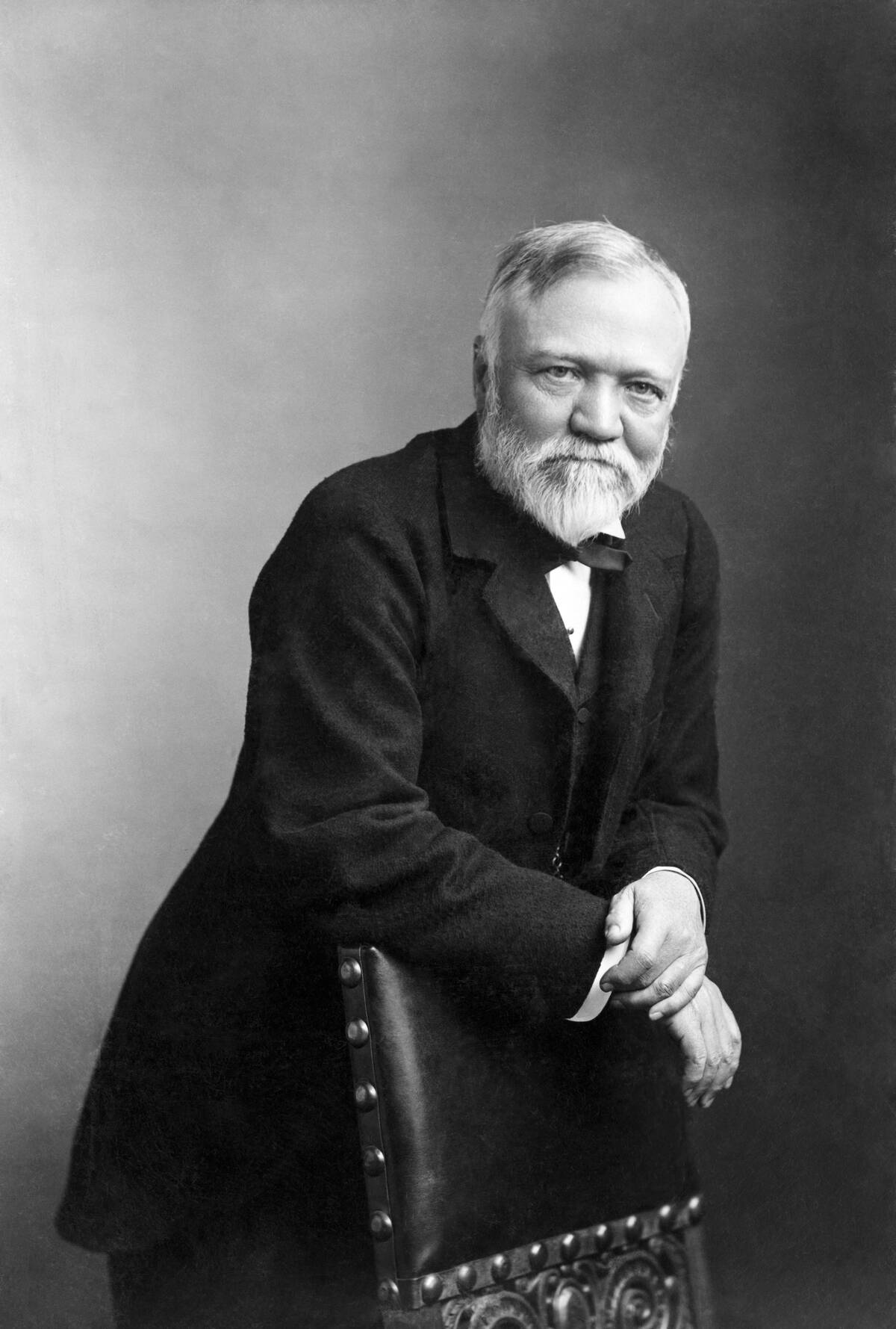
Andrew Carnegie, a Scottish-American industrialist, played a major role in the expansion of the American steel industry in the late 19th century. After selling his Carnegie Steel Company to J.P. Morgan for approximately $480 million in 1901, he became one of the wealthiest men of his era.
Carnegie later promoted the “Gospel of Wealth,” arguing that the rich had a responsibility to use their fortunes to benefit society. He donated hundreds of millions of dollars to causes including libraries, education, scientific research, and peace initiatives, leaving behind a complex legacy of industrial success and philanthropy.
Tsar Nicholas II: The Last Emperor of Russia
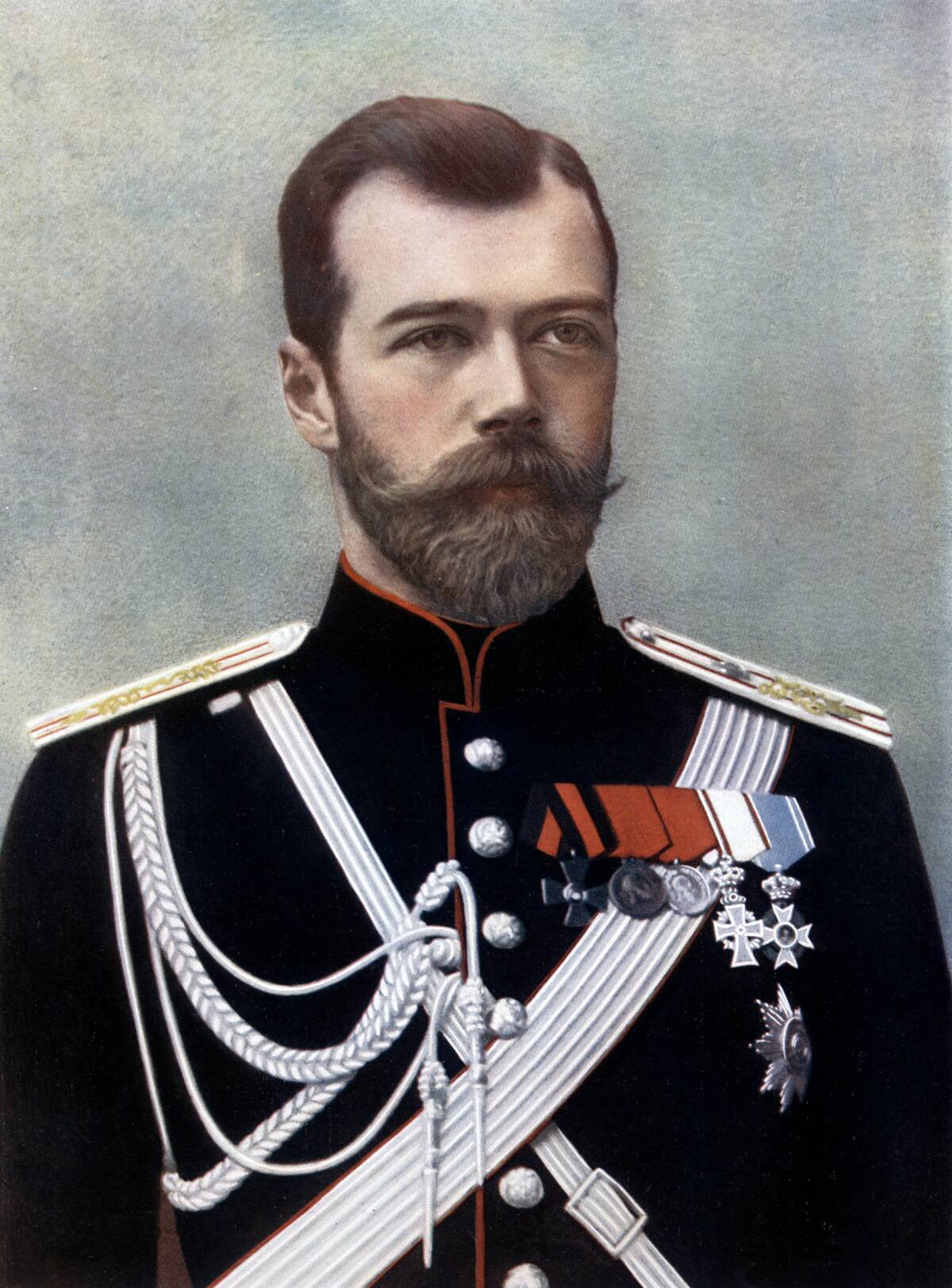
Tsar Nicholas II, the last emperor of Russia, reigned from 1894 until his abdication in 1917. As ruler of the Russian Empire, he and the Romanov dynasty had access to vast estates, imperial palaces, and valuable collections, though much of this wealth belonged to the imperial institution rather than his personal fortune.
His conservative leadership and the challenges of war, economic hardship, and political unrest contributed to the Russian Revolution. His reign ended tragically with the execution of the Romanov family in 1918, while the dynasty’s wealth and opulent lifestyle remain subjects of historical fascination.
Henry Ford: Revolutionizing the Automobile Industry
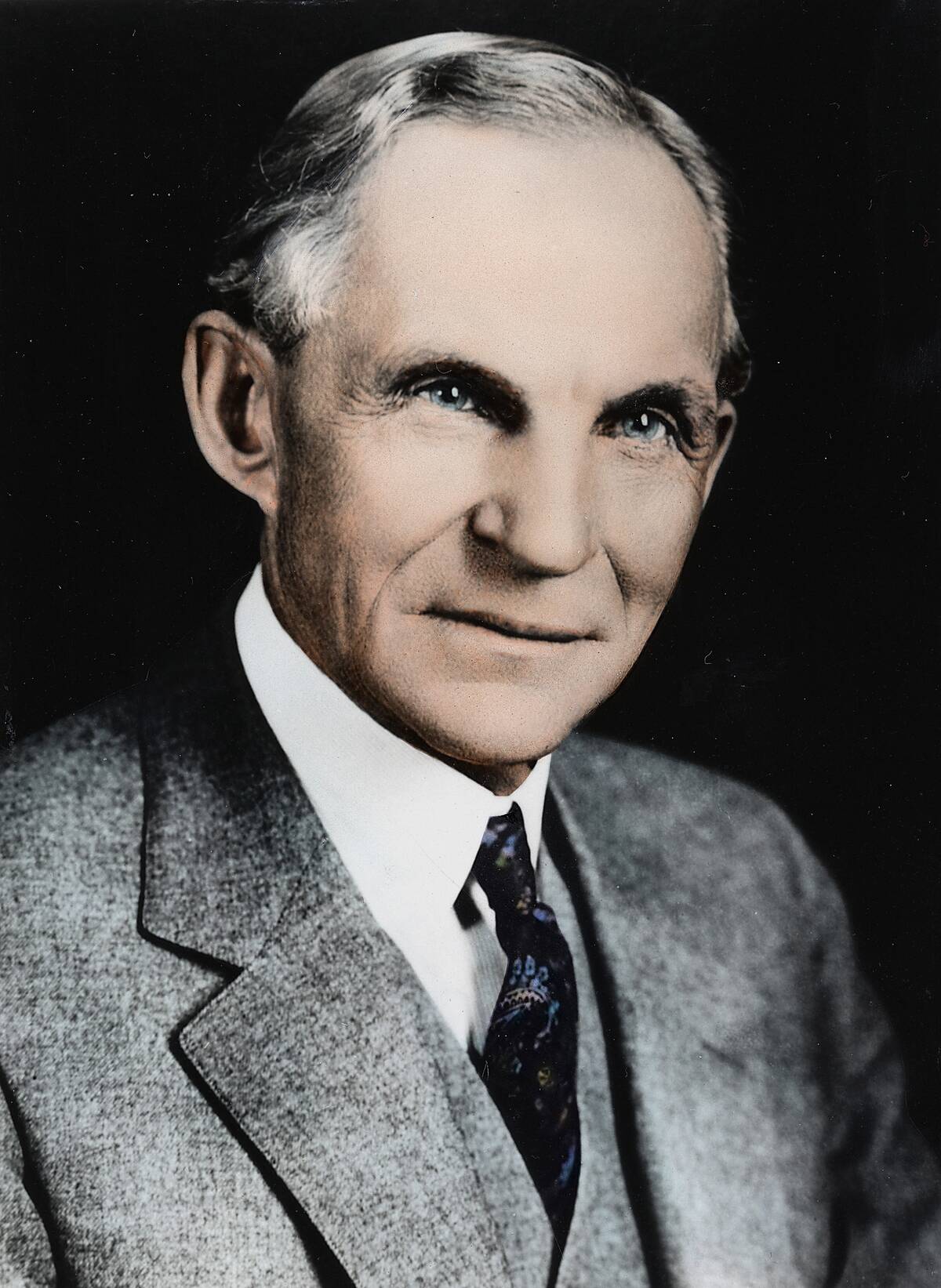
Henry Ford, founder of the Ford Motor Company, transformed the automobile industry by introducing the moving assembly line for automobile production in 1913. This innovation greatly increased manufacturing efficiency and helped reduce the cost of vehicles, making cars more accessible to average Americans.
Ford’s Model T became a symbol of modernization and mobility in the early 20th century. Beyond his industrial achievements, Ford was known for introducing the $5 workday in 1914, though his labor policies also included controversial restrictions on workers’ personal lives.
Cornelius Vanderbilt: The Railroad and Shipping Baronet
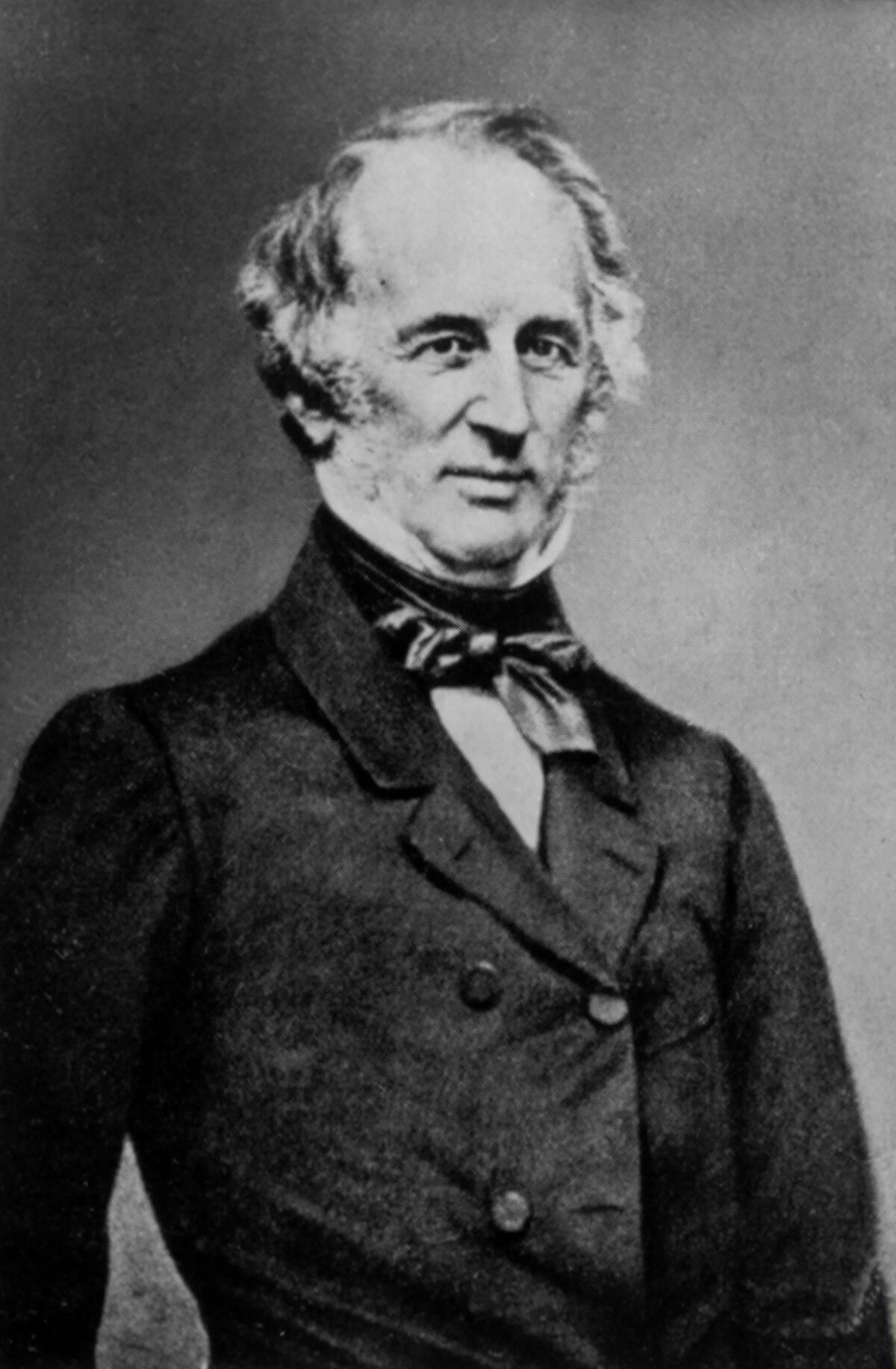
Cornelius Vanderbilt, known as the “Commodore,” built his fortune through shipping and railroads in the 19th century. Starting with a ferry business, he expanded into steamships before turning his attention to railroads, where he became one of America’s wealthiest and most influential businessmen.
His aggressive business strategies helped consolidate parts of the transportation industry. Despite criticism of his competitive methods, Vanderbilt made a major philanthropic contribution by donating $1 million in 1873 to help establish Vanderbilt University, leaving a lasting impact on education.
Augustus Caesar: The Wealth of the Roman Empire
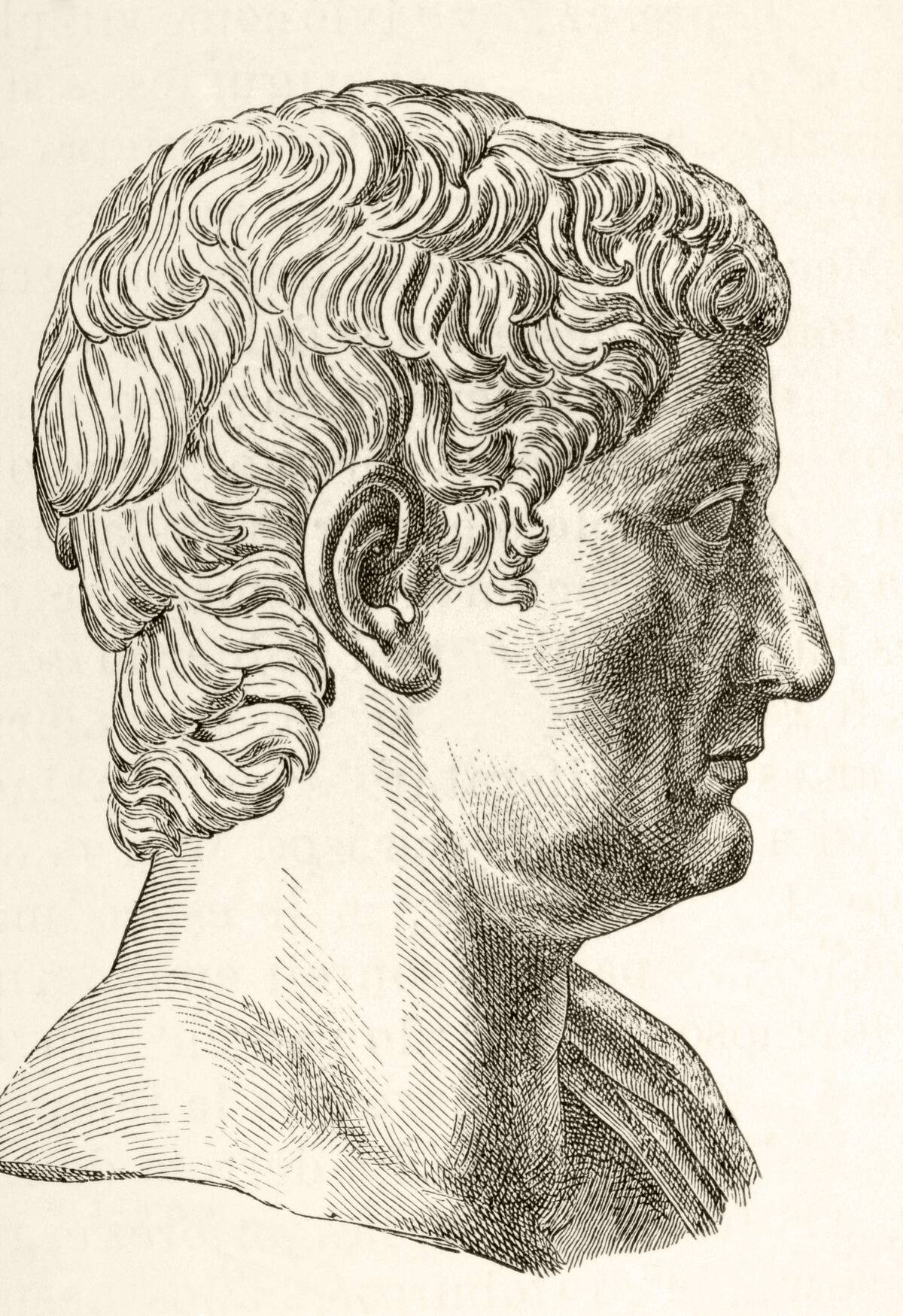
Augustus Caesar, the first Roman emperor, ruled from 27 BC until his death in AD 14. Under his leadership, Rome expanded significantly, including the acquisition of Egypt, which brought considerable wealth and resources to the empire.
Augustus had access to immense wealth and imperial resources through his position as ruler, though his personal fortune was closely connected to the power of the Roman state. His reign began the Pax Romana, a period of relative peace and prosperity during which Roman infrastructure, administration, and the economy flourished, securing his legacy as one of Rome’s most influential rulers.
William the Conqueror: The Norman Invader with Vast Lands
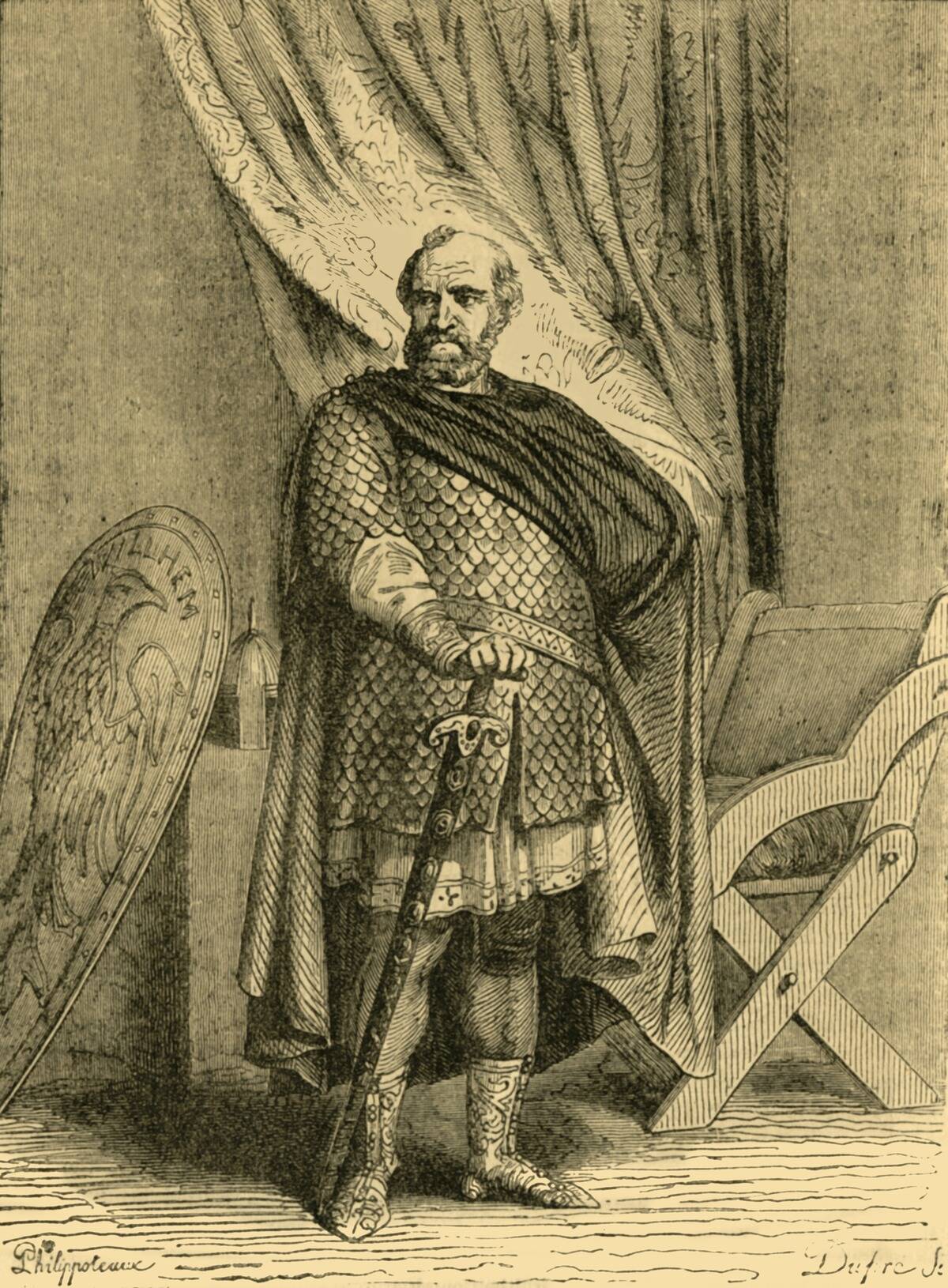
William the Conqueror, the first Norman King of England, reigned from 1066 until 1087. His conquest of England brought him the crown as well as control over extensive lands and wealth. The Domesday Book, commissioned by William and completed in 1086, recorded the resources and ownership of much of his kingdom, helping strengthen royal administration.
His reign significantly transformed England’s political and social structure by expanding Norman feudal practices, and his legacy as a powerful conqueror and ruler remains prominent in history.
Jakob Fugger: The Banker Who Financed Kings
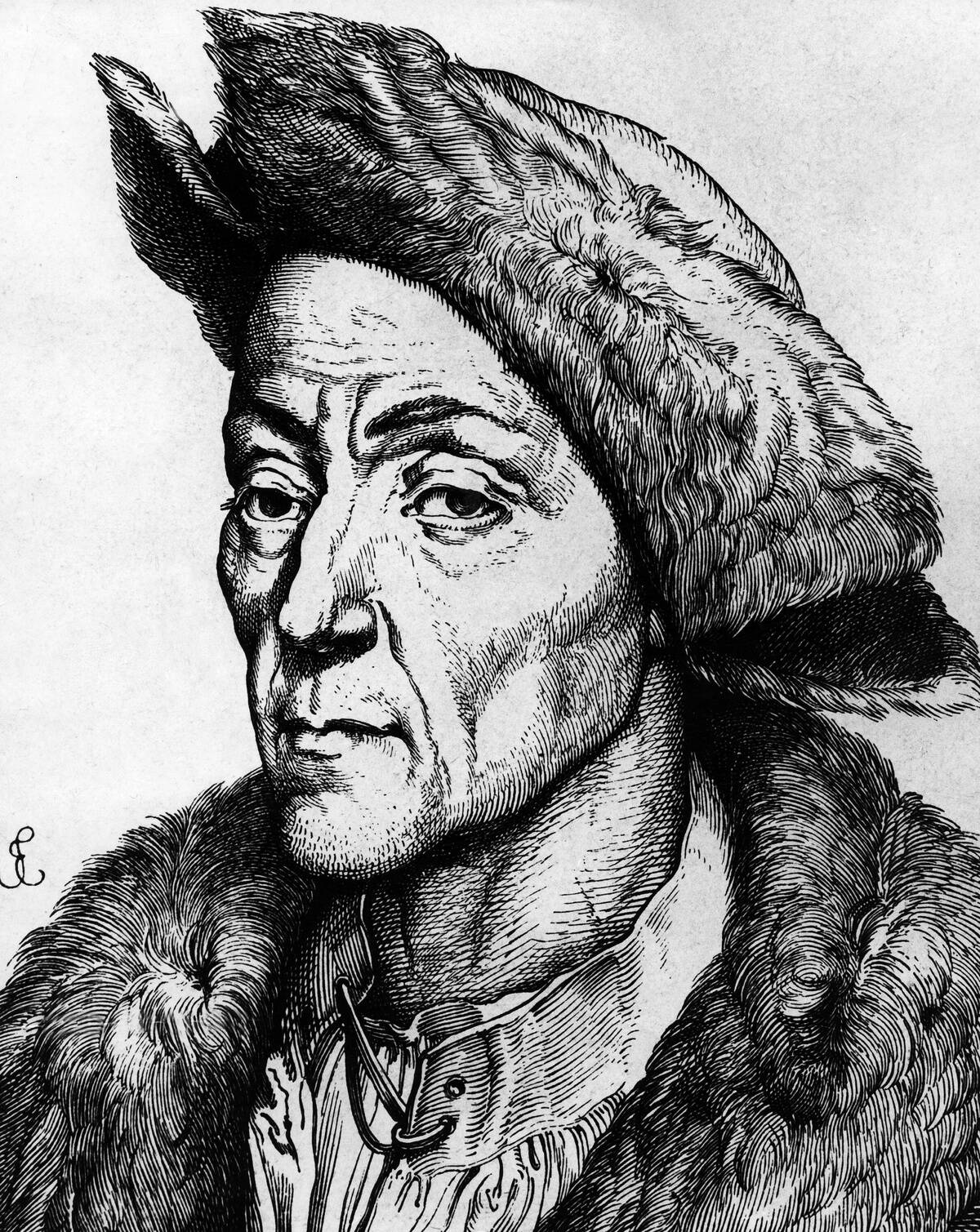
Jakob Fugger, a German banker in the late 15th and early 16th centuries, was one of the wealthiest individuals of his time. Known as “Jakob the Rich,” he financed emperors, popes, and kings, playing a crucial role in European politics.
Fugger’s banking empire was built on trade, mining, and lending, and he was instrumental in the rise of the Habsburg dynasty. His financial acumen and influence earned him a lasting place in economic history.
Genghis Khan: The Conqueror with a Vast Empire
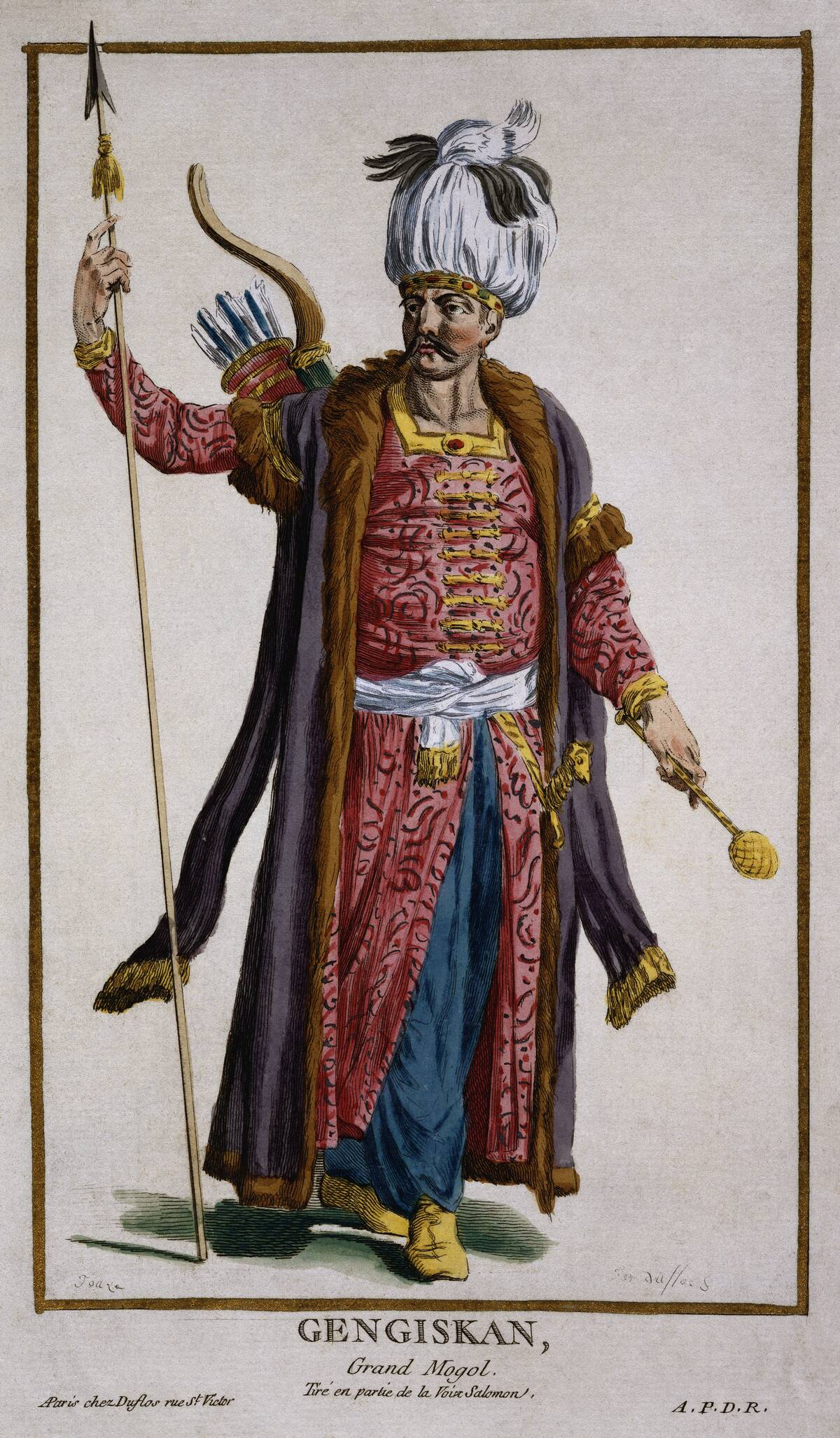
Genghis Khan, the founder of the Mongol Empire, created one of the largest empires in history through the unification of Mongol tribes and military conquests during the 13th century. Rather than accumulating wealth through traditional royal estates, his power came from controlling vast territories, tribute, and the resources of the empire he built.
The Mongol Empire expanded trade across Asia and Europe, contributing to increased cultural exchange and economic connections along routes such as the Silk Road. Genghis Khan’s legacy as a conqueror, empire builder, and influential historical figure remains significant, though it continues to be viewed from multiple perspectives.
Alan Rufus: The Wealthy Companion of William the Conqueror
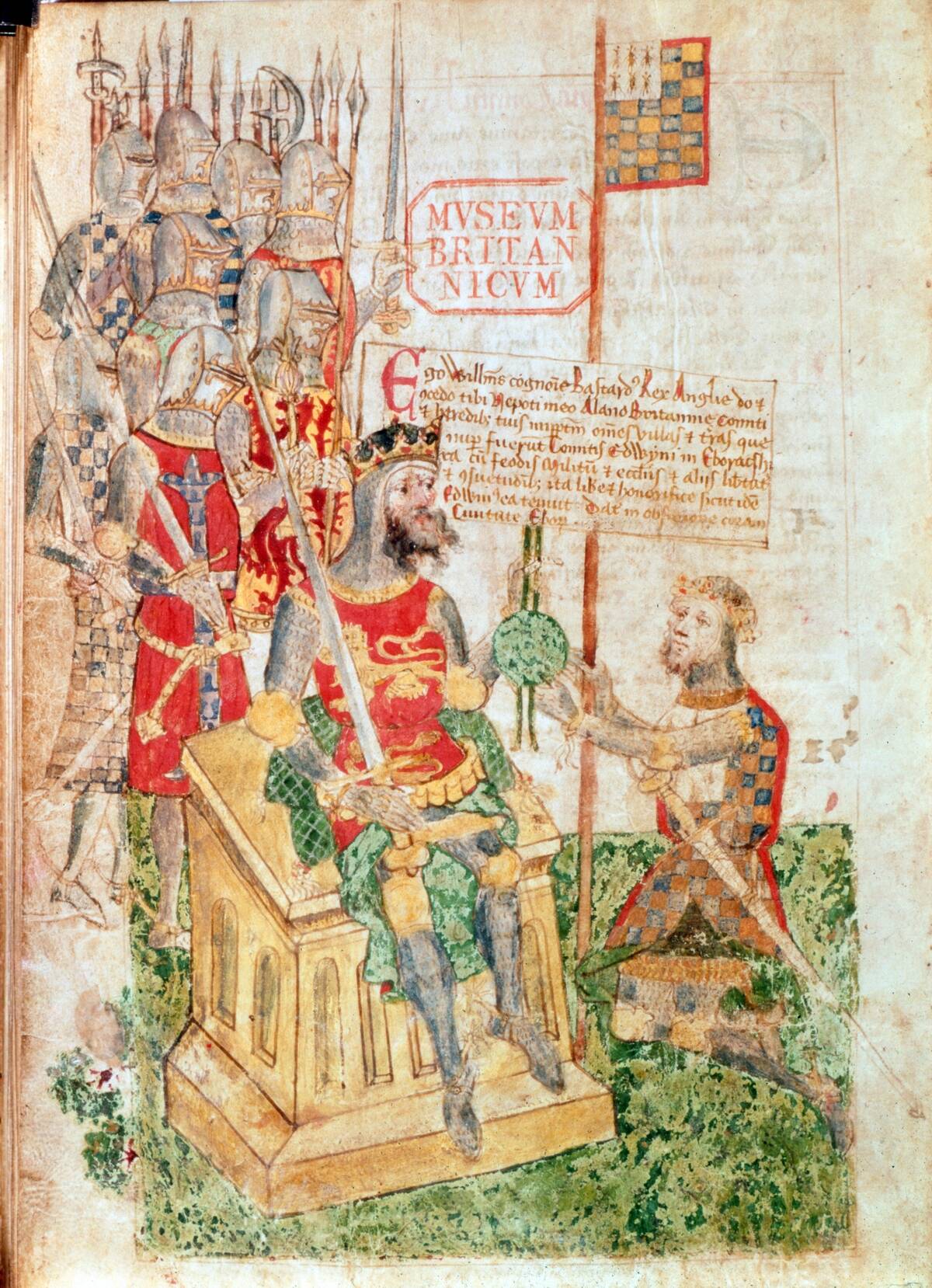
Alan Rufus, also known as Alan the Red, was a Breton nobleman and a close companion of William the Conqueror. After the Norman Conquest of England, Alan acquired extensive lands, making him one of the wealthiest men in England.
His holdings included parts of Yorkshire and East Anglia, as recorded in the Domesday Book. Alan’s wealth and influence were significant, and his legacy as a powerful landowner in Norman England is well-documented.
Bill Gates: The Software Pioneer and Philanthropist

Bill Gates, co-founder of Microsoft, revolutionized the personal computing industry, becoming one of the wealthiest individuals in the world. His vision of a computer on every desk and in every home transformed technology and business.
Beyond his tech empire, Gates is renowned for his philanthropy, having donated billions through the Bill & Melinda Gates Foundation to address global health, education, and poverty. His impact on technology and philanthropy is profound and enduring.
Jeff Bezos: E-commerce Titan and Space Enthusiast
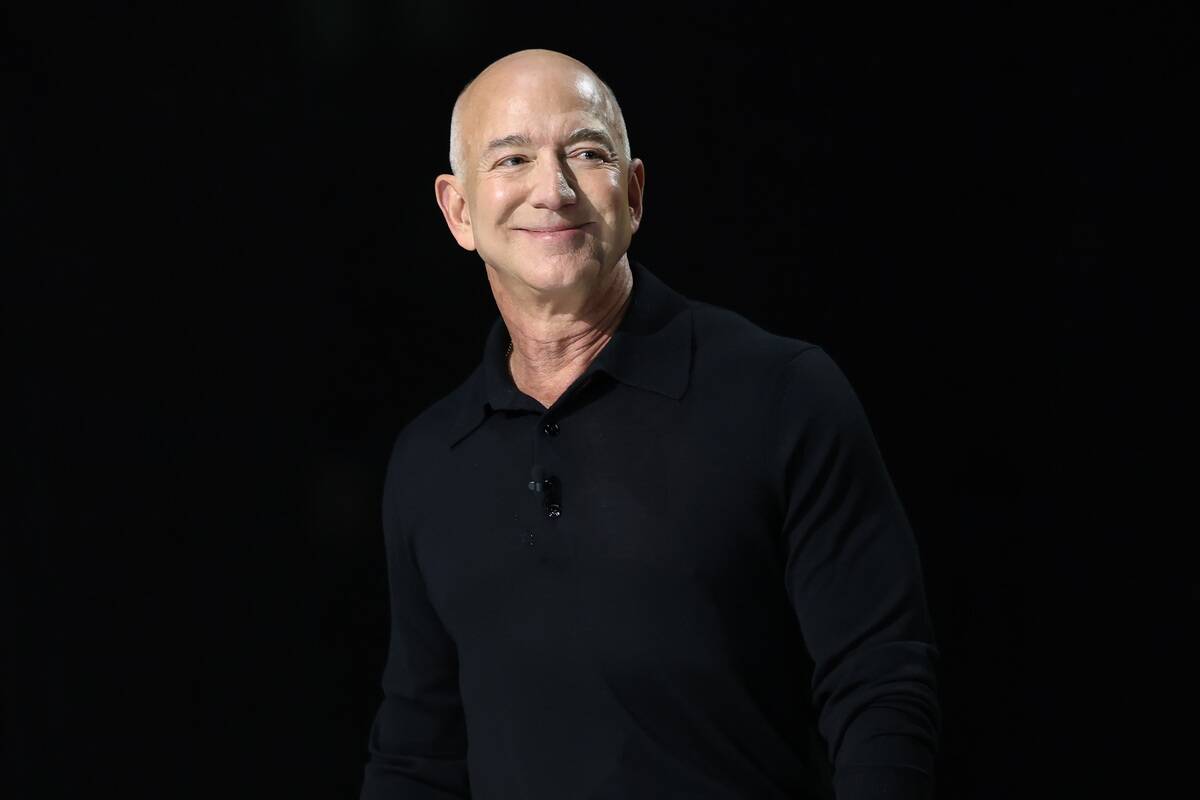
Jeff Bezos, founder of Amazon, reshaped the retail landscape with his e-commerce platform, making him one of the richest people in modern history. Starting as an online bookstore, Amazon expanded into a global marketplace, revolutionizing shopping habits.
Bezos’s interests extend beyond Earth, as he founded Blue Origin, a company focused on space exploration. His ventures in e-commerce and space reflect his innovative spirit and ambition to push the boundaries of technology.
Elon Musk: The Visionary Behind Electric Cars and Space Travel
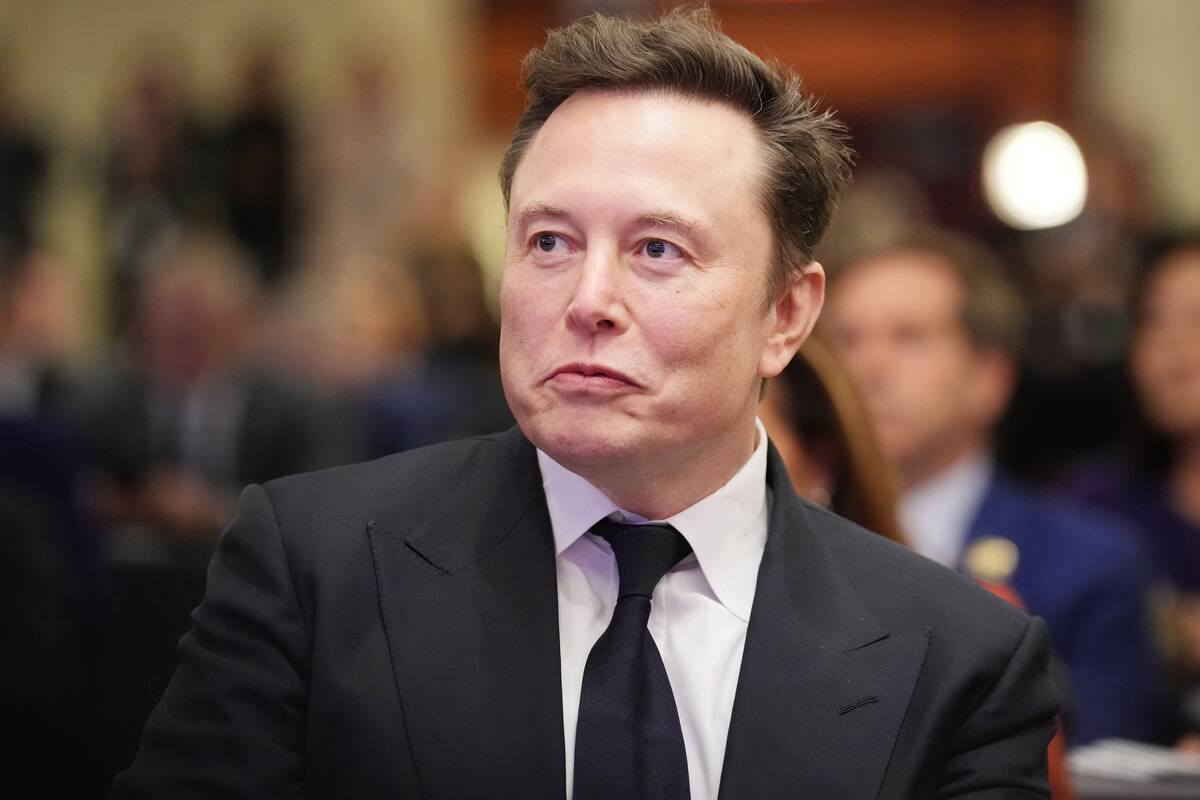
Elon Musk, CEO of Tesla and SpaceX, is known for his ambitious approach to technology and innovation. Tesla has played a major role in accelerating the adoption of electric vehicles, while SpaceX has focused on lowering the cost of spaceflight through reusable rocket technology and expanding access to space.
Musk’s ventures also include Neuralink and The Boring Company, reflecting his interests in areas such as artificial intelligence, transportation, and infrastructure. His companies have influenced multiple industries and made him one of the most prominent figures in modern technology.