The most beautiful train stations ever built
Train stations are more than just transit points; they are gateways to adventure and architectural masterpieces in their own right.
From the bustling heart of New York City to the serene landscapes of New Zealand, these stations tell stories of history, culture, and design.
The Grandeur of Grand Central Terminal, New York City
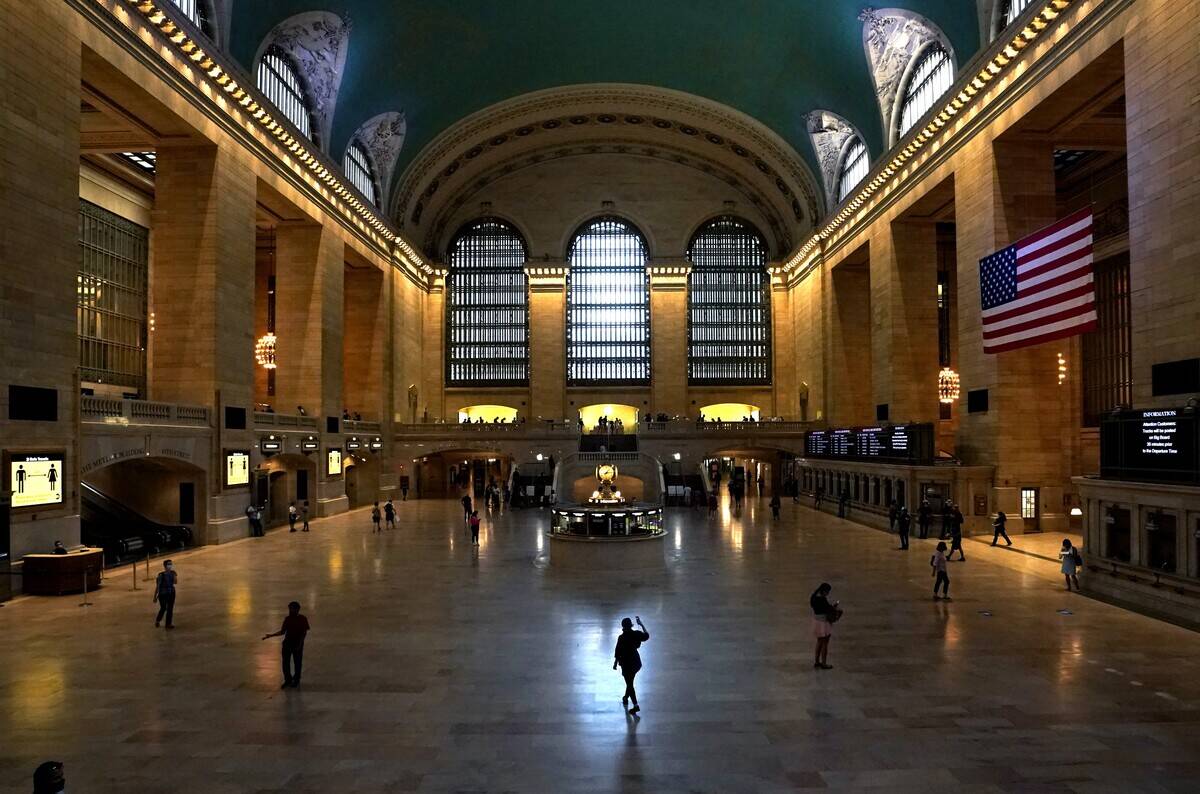
Grand Central Terminal is not just a transportation hub; it’s a New York City icon. Opened in 1913, this Beaux-Arts marvel features a celestial ceiling mural, depicting the zodiac in gold leaf.
With 44 platforms, it boasts the title of the world’s largest train station by number of platforms. The whispering gallery, located near the Oyster Bar, is a favorite spot for visitors to test its unique acoustics.
The Timeless Elegance of St. Pancras International, London
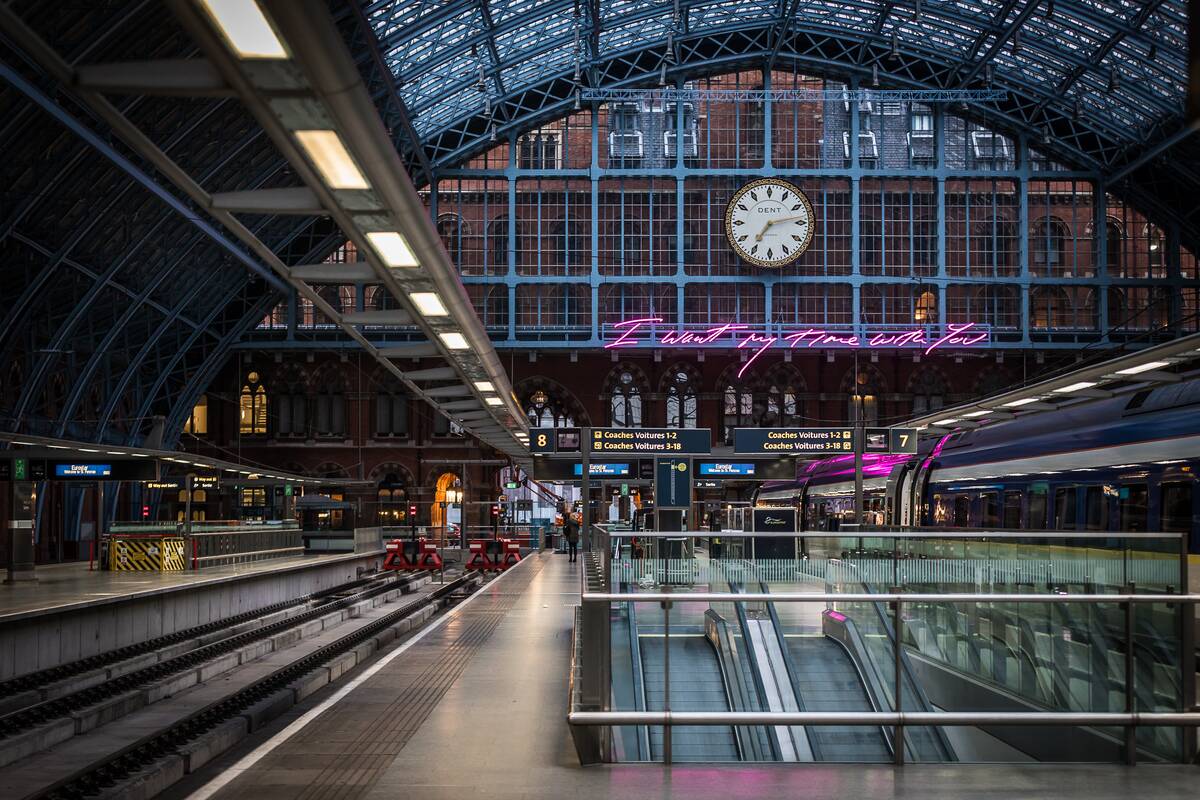
St. Pancras International is a testament to Victorian engineering and Gothic Revival architecture. Opened in 1868, its iconic red-brick facade and soaring clock tower are instantly recognizable.
The station underwent a major restoration in the early 2000s, transforming it into a modern transport hub while preserving its historical charm. Today, it serves as a gateway to Europe, with Eurostar trains whisking passengers to Paris and beyond.
The Art Nouveau Marvel of Gare de Lyon, Paris
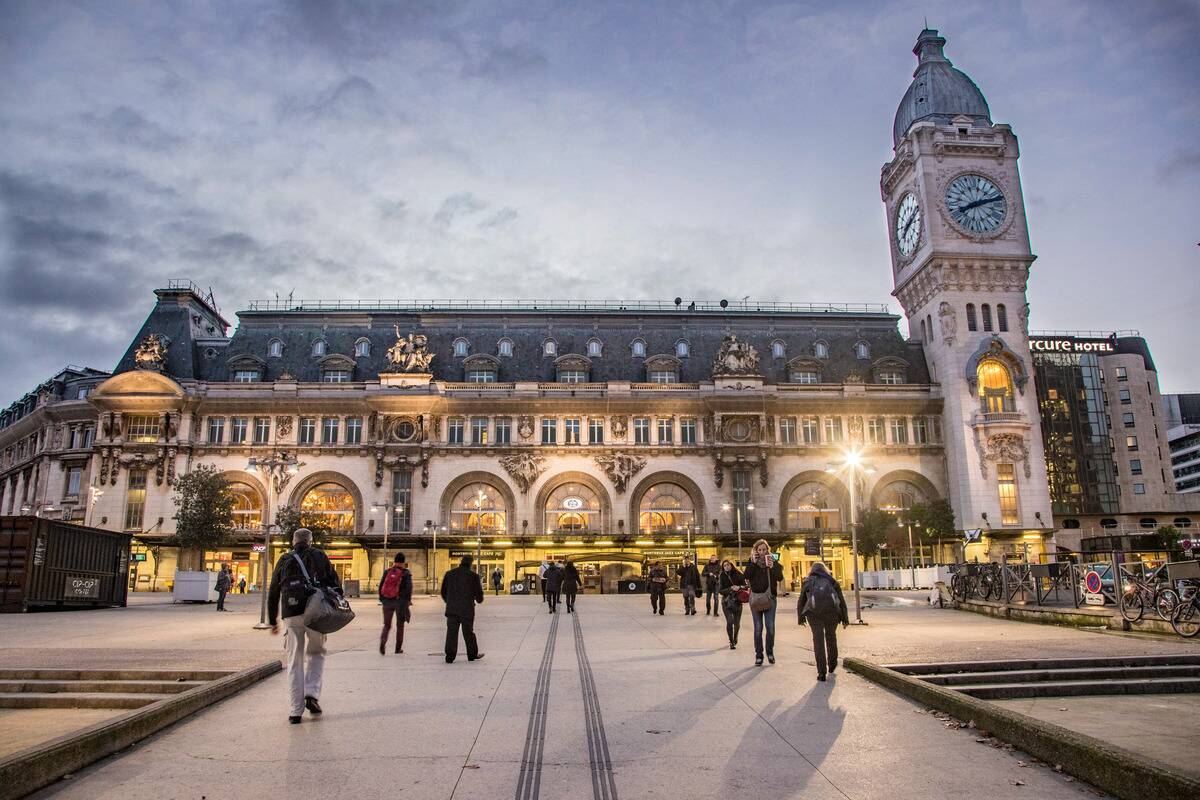
Gare de Lyon is a stunning example of Art Nouveau architecture, with its intricate ironwork and ornate clock tower. Opened in 1900 for the Exposition Universelle, the station is a testament to Parisian elegance.
The famous Le Train Bleu restaurant, located within the station, has been serving travelers since 1901, offering a taste of luxury with its opulent decor and classic French cuisine.
The Futuristic Design of Kanazawa Station, Japan
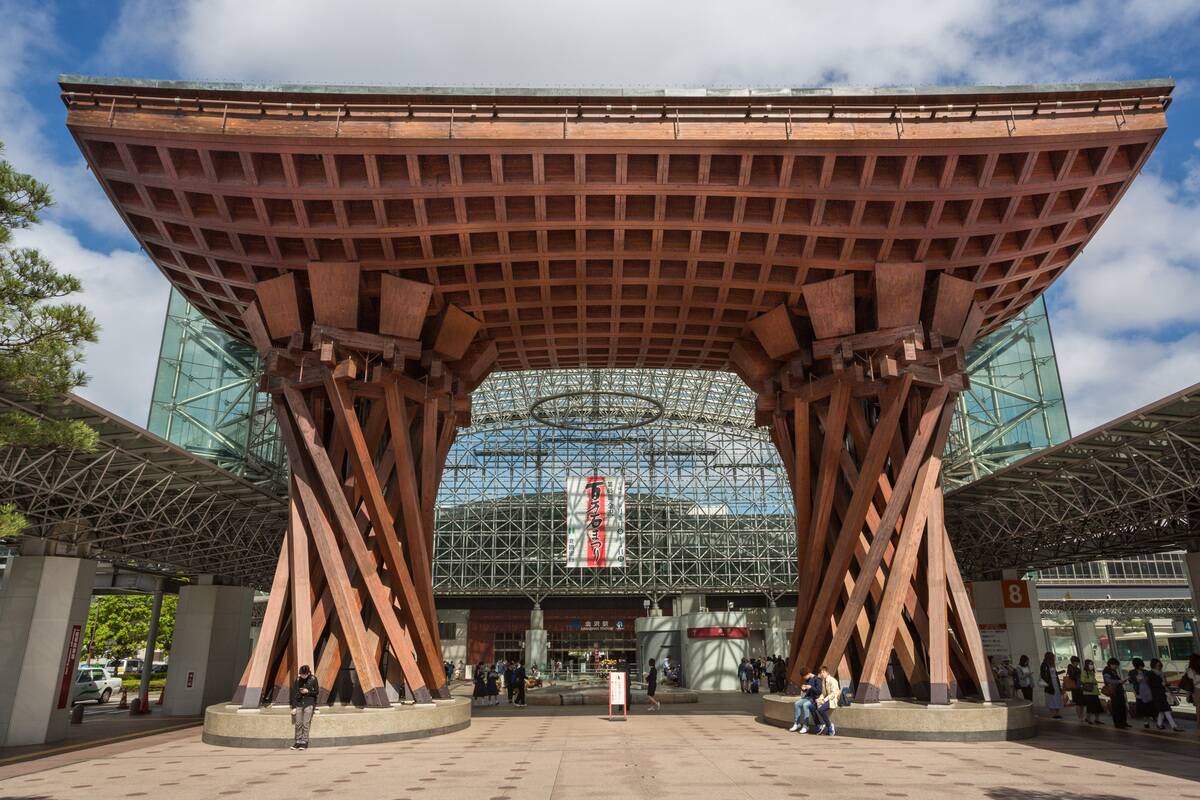
Kanazawa Station is a striking blend of traditional and modern design. Its most notable feature is the Tsuzumi Gate, build in 2005, inspired by traditional Japanese drums, which welcomes visitors with its bold, futuristic look.
Opened in 1898, the station’s glass and steel Motenashi Dome offers a bright and airy space, symbolizing hospitality. This innovative design reflects Kanazawa’s rich cultural heritage and forward-thinking spirit.
The Historic Charm of Estación de Madrid Atocha, Spain
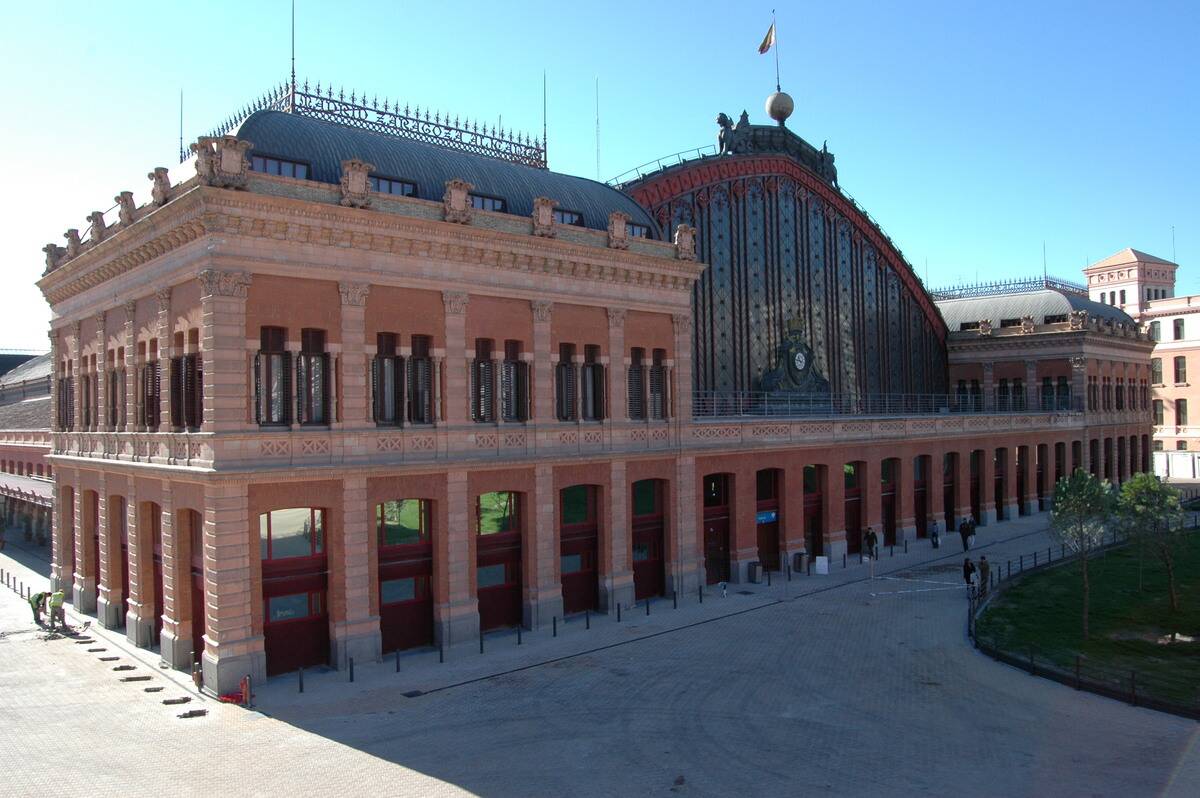
Madrid Atocha Station is a blend of historical charm and modern functionality. Originally opened in 1851, the station’s 19th-century iron and glass architecture is a nod to its industrial past.
In 1992, a tropical garden was added to the old terminal building, creating a lush oasis for travelers. This green space, filled with over 7,000 plants, offers a serene escape from the hustle and bustle of travel.
The Architectural Splendor of Antwerp Central Station, Belgium
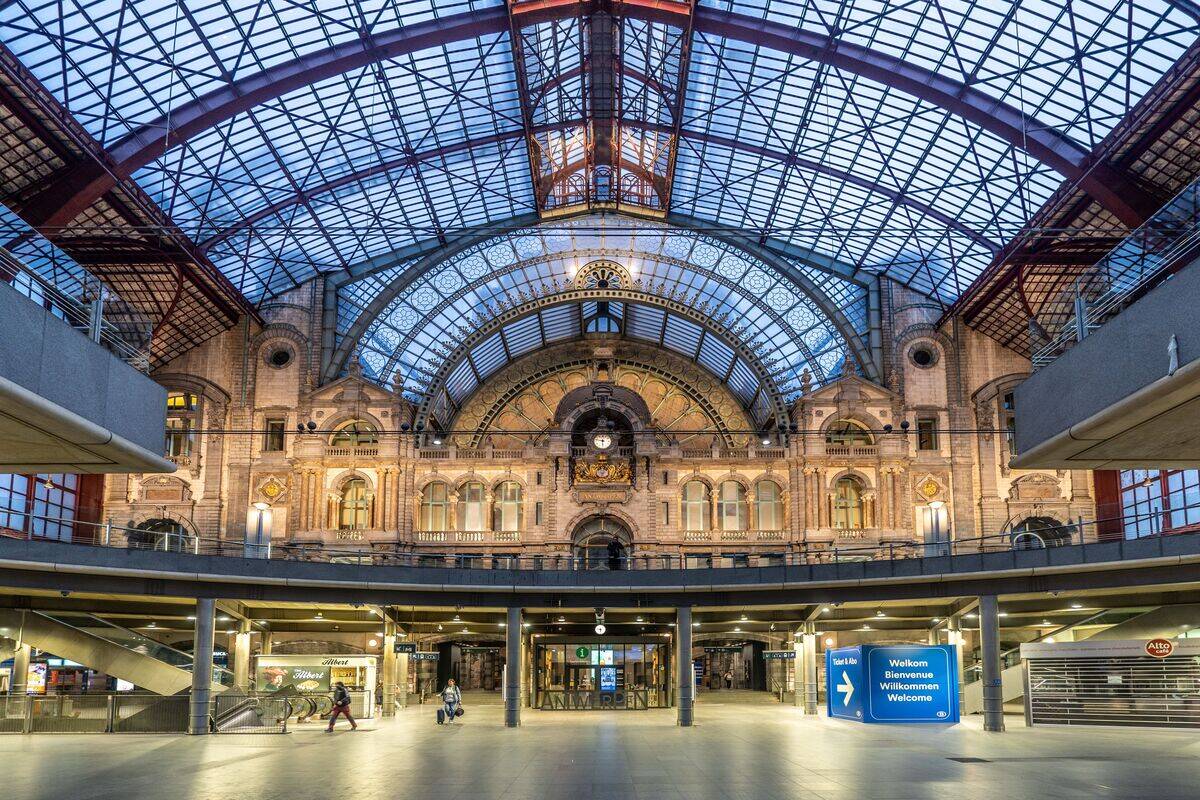
Antwerp Central Station, often referred to as the ‘Railway Cathedral,’ is a masterpiece of architectural splendor. Completed in 1905, the station features an impressive dome and a stunning mix of styles, including Neo-Renaissance and Art Nouveau.
The grand entrance hall, with its marble and gold accents, leaves visitors in awe. In 2009, the station was named the fourth most beautiful in the world by Newsweek.
The Majestic Facade of Chhatrapati Shivaji Terminus, Mumbai
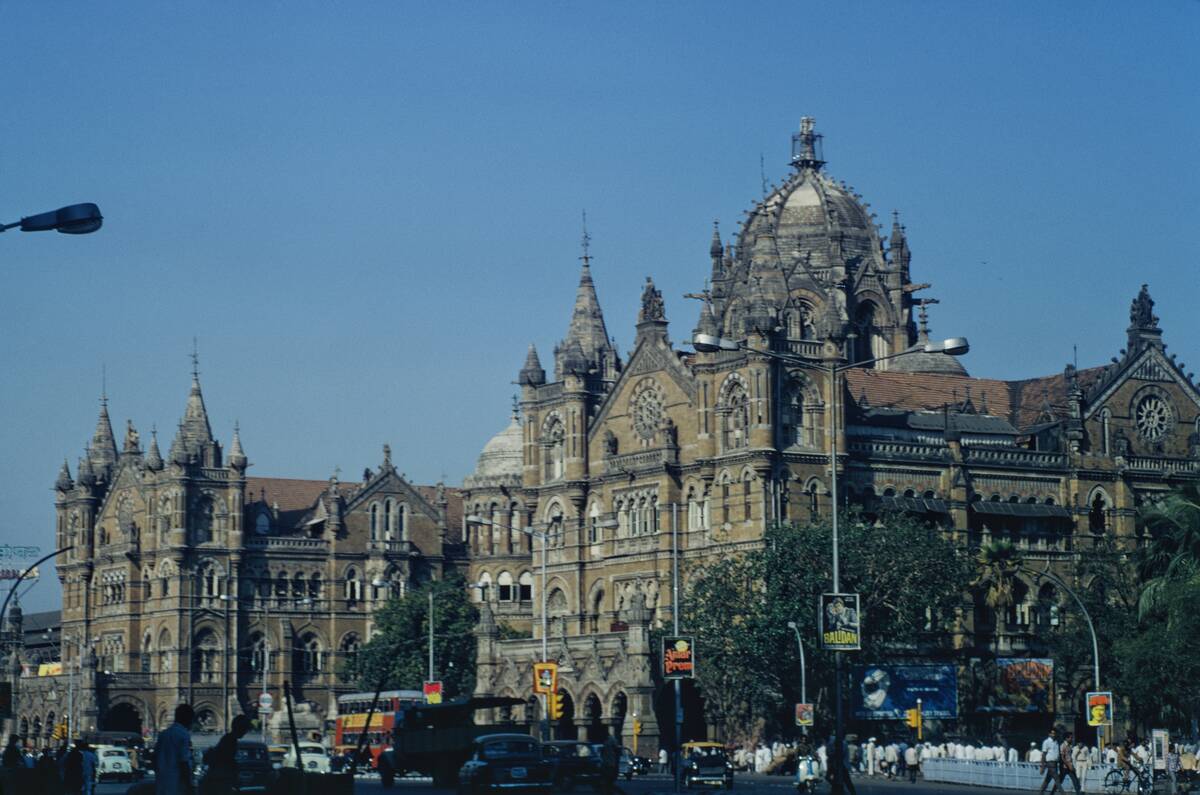
Chhatrapati Shivaji Terminus is a UNESCO World Heritage Site and a symbol of Mumbai’s rich history. Completed in 1887, the station is a stunning example of Victorian Gothic architecture, with its turrets, pointed arches, and intricate stone carvings.
Originally named Victoria Terminus, it was renamed in 1996 to honor the Maratha king Shivaji. The station is a bustling hub, serving millions of commuters daily.
The Modern Masterpiece of Liège-Guillemins Station, Belgium
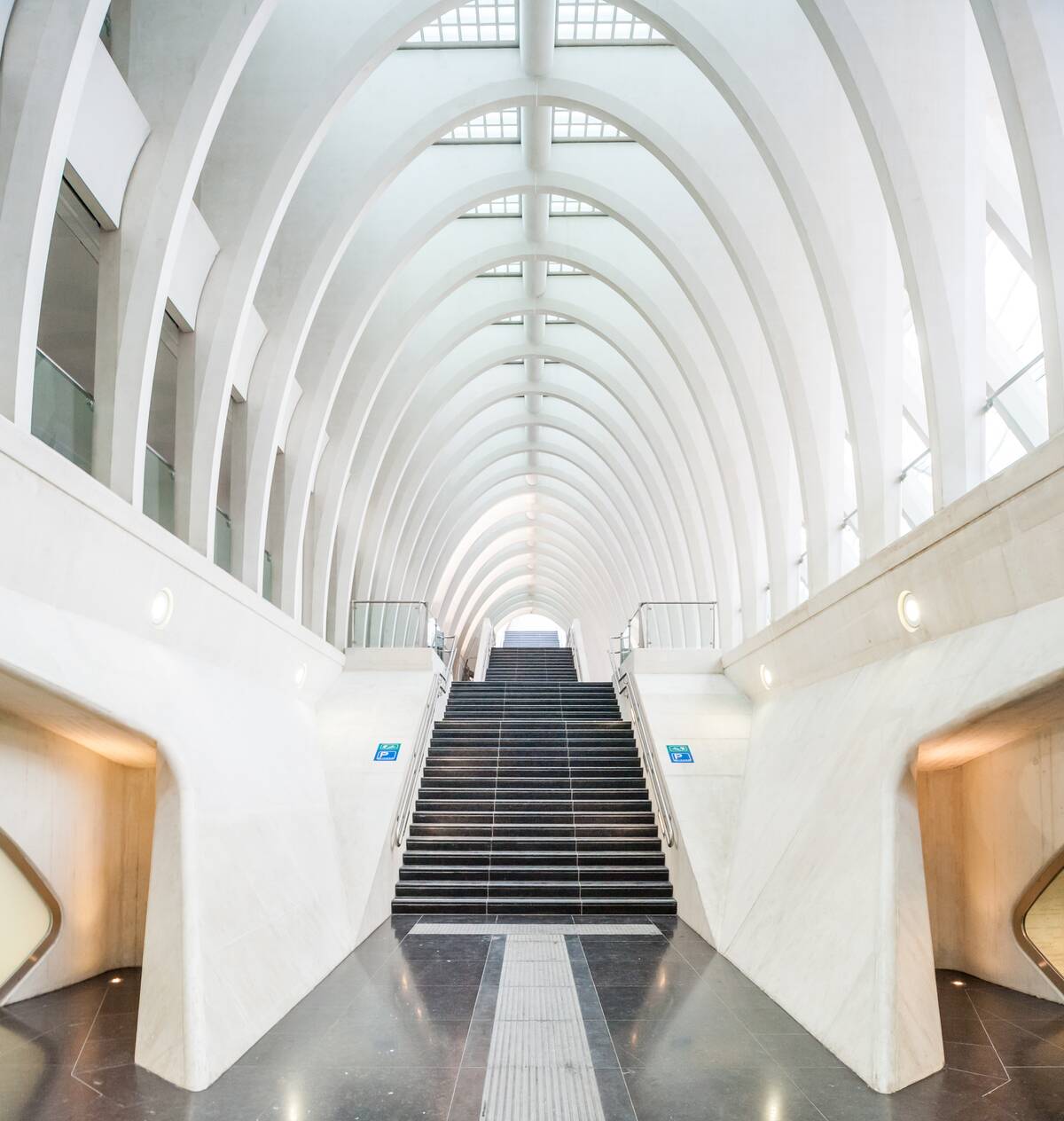
Liège-Guillemins Station is a modern architectural masterpiece designed by Santiago Calatrava. Opened in 2009, the station’s sweeping curves and open design create a sense of space and light.
The use of steel, glass, and white concrete gives it a futuristic feel, while seamlessly integrating with its surroundings. As a major hub for high-speed trains, it connects Belgium to cities across Europe with ease.
The Neoclassical Beauty of Helsinki Central Station, Finland
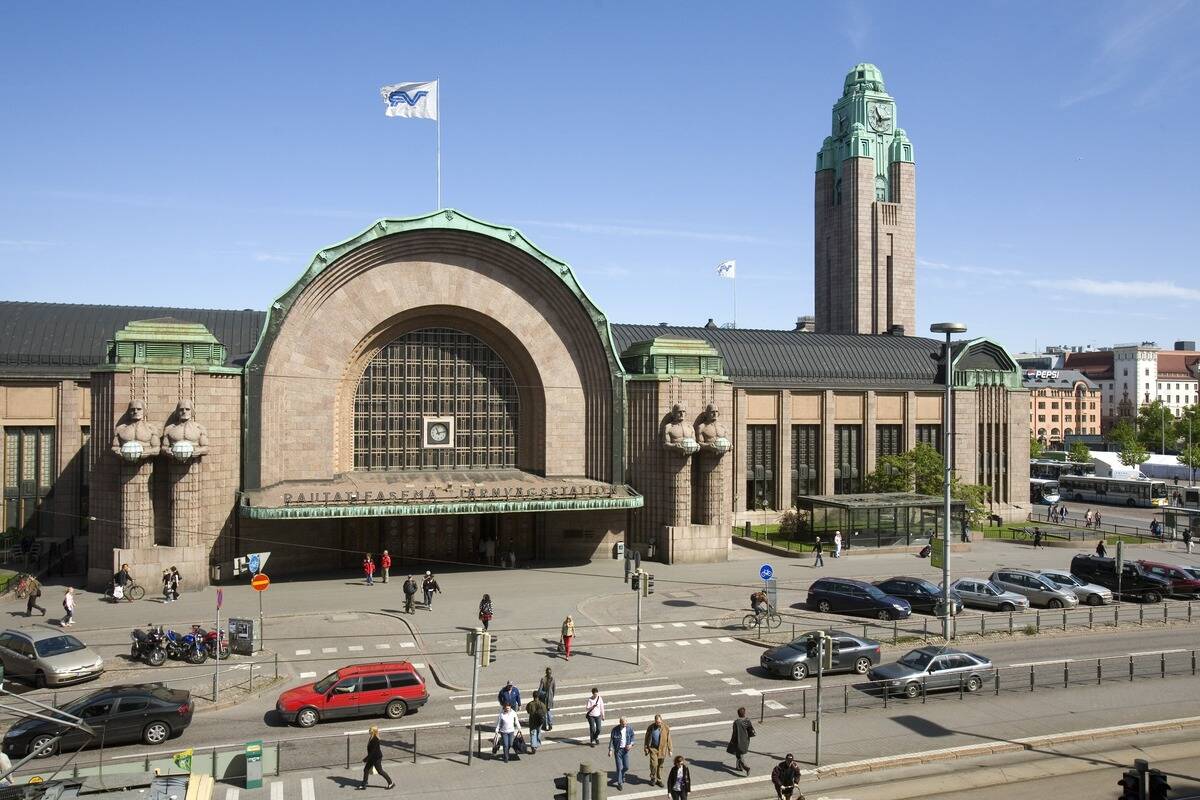
Helsinki Central Station is a striking example of Finnish Neoclassical architecture. Designed by Eliel Saarinen and opened in 1919, the station is known for its iconic clock tower and granite facade.
The entrance is flanked by two pairs of statues holding spherical lamps, known as the “Lantern Carriers.” The station serves as a central hub for Helsinki’s public transport, welcoming over 200,000 passengers daily.
The Scenic Wonder of Flinders Street Station, Melbourne
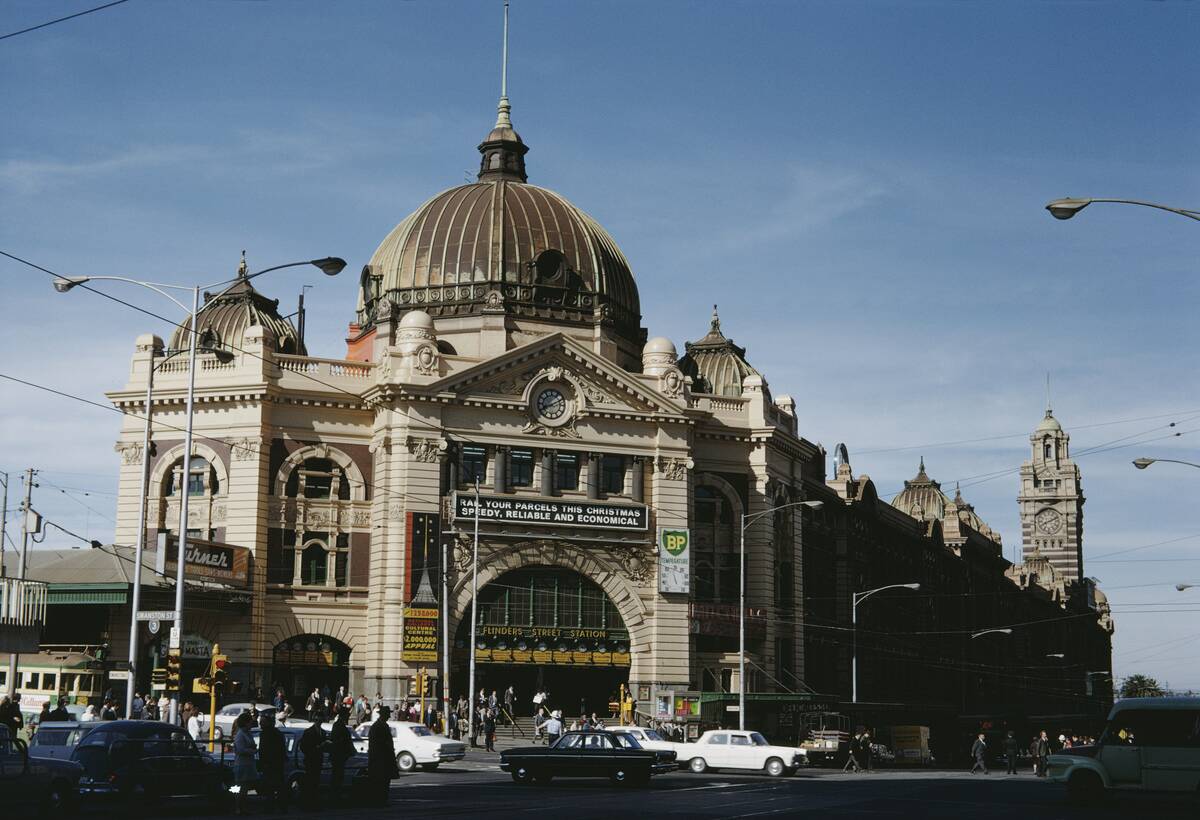
Flinders Street Station is an iconic Melbourne landmark, with its distinctive yellow facade and green copper dome. Opened in 1910, it was the first railway station in an Australian city.
The station’s clocks, displaying departure times, are a beloved meeting point for locals. Overlooking the Yarra River, it offers stunning views of the city skyline, making it a favorite spot for both commuters and tourists.
The Cultural Fusion of Kuala Lumpur Railway Station, Malaysia
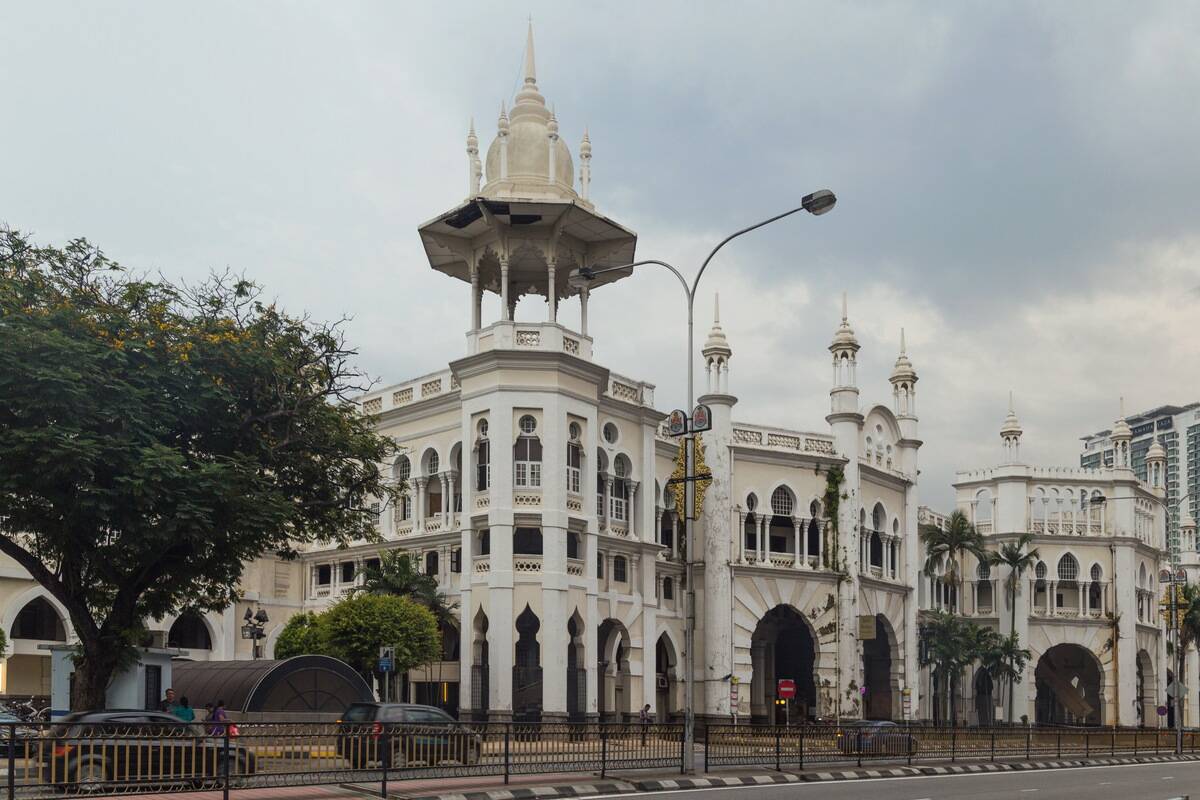
Kuala Lumpur Railway Station is a unique blend of Eastern and Western architectural styles. Completed in 1910, the station’s Moorish design features arches, minarets, and domes, reflecting Malaysia’s diverse cultural heritage.
The station served as the main railway hub until 2001, when it was replaced by KL Sentral. Today, it stands as a historical monument, offering a glimpse into the city’s colonial past.
The Iconic Roof of King’s Cross Station, London
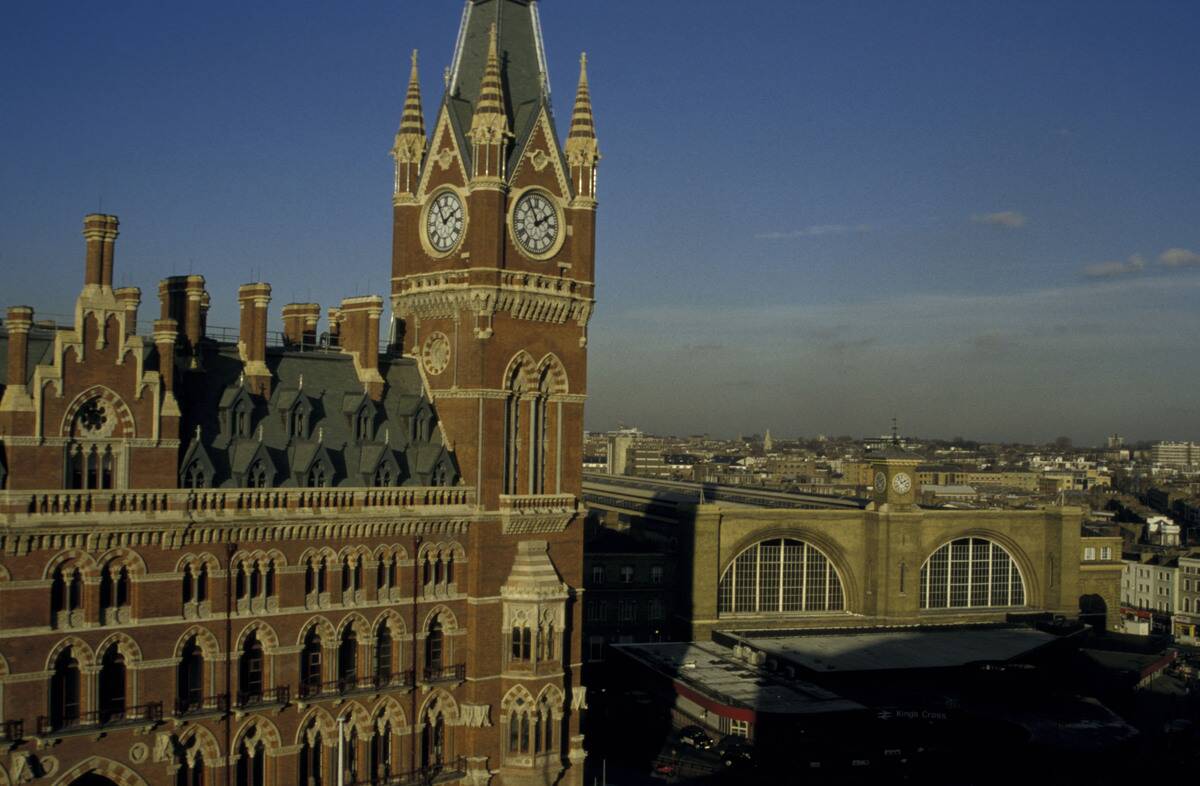
King’s Cross Station is a blend of history and modernity, with its iconic roof as a standout feature. The station, opened in 1852, underwent a major renovation in 2012, unveiling a stunning lattice shell roof that floods the concourse with natural light.
Known for its connection to the Harry Potter series, Platform 9¾ attracts fans from around the world, eager to capture a bit of magic on their journey.
The Vibrant Colors of São Bento Station, Porto
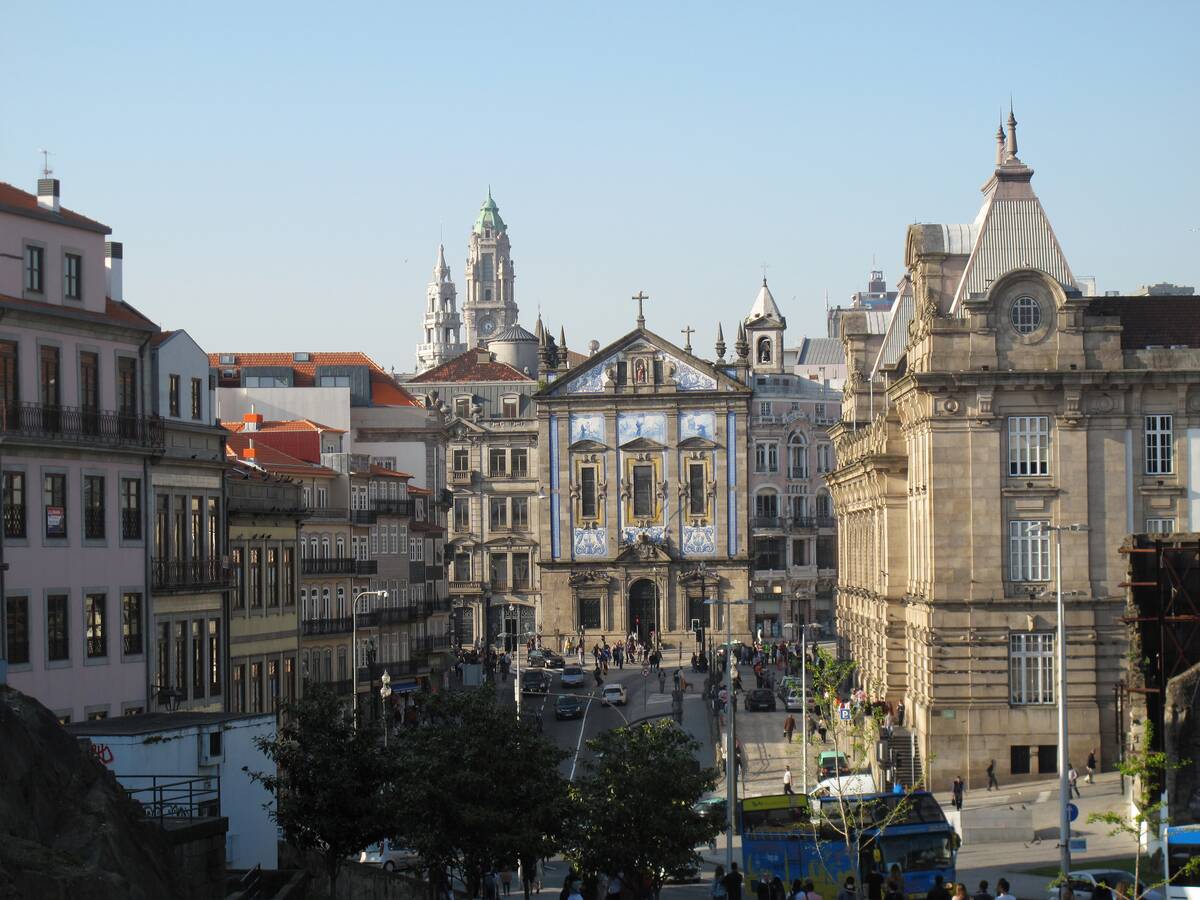
São Bento Station in Porto is renowned for its vibrant azulejo tiles, which adorn the station’s entrance hall. These blue and white tiles, installed between 1905 and 1916, depict scenes from Portuguese history, offering a visual journey through time.
The station’s French Beaux-Arts architecture adds to its charm, making it a must-visit for art and history enthusiasts exploring the picturesque city of Porto.
The Historical Significance of Union Station, Washington D.C.
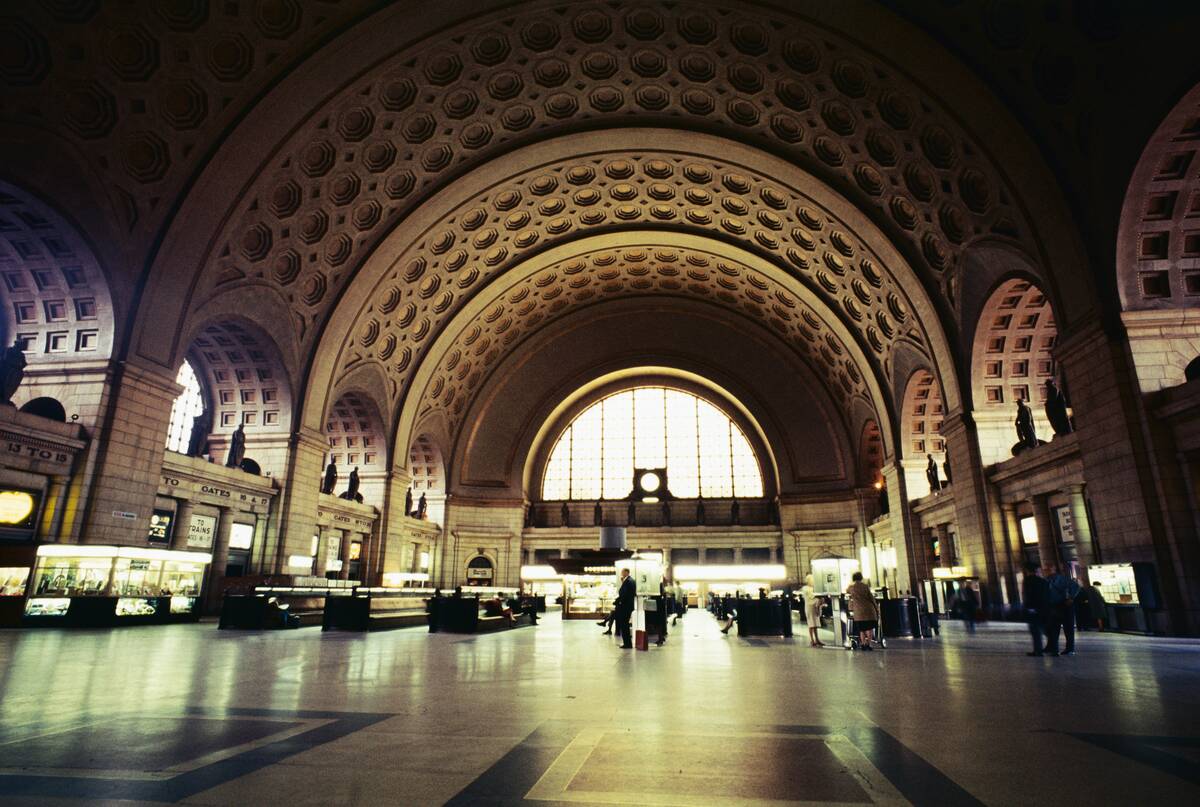
Union Station in Washington D.C. is a grand example of Beaux-Arts architecture, opened in 1907. Designed by Daniel Burnham, the station features a magnificent main hall with soaring ceilings and intricate detailing.
As a gateway to the nation’s capital, it has welcomed countless travelers, including presidents and dignitaries. The station’s recent renovations have preserved its historical significance while enhancing its role as a modern transport hub.
The Gothic Revival of Amsterdam Centraal Station
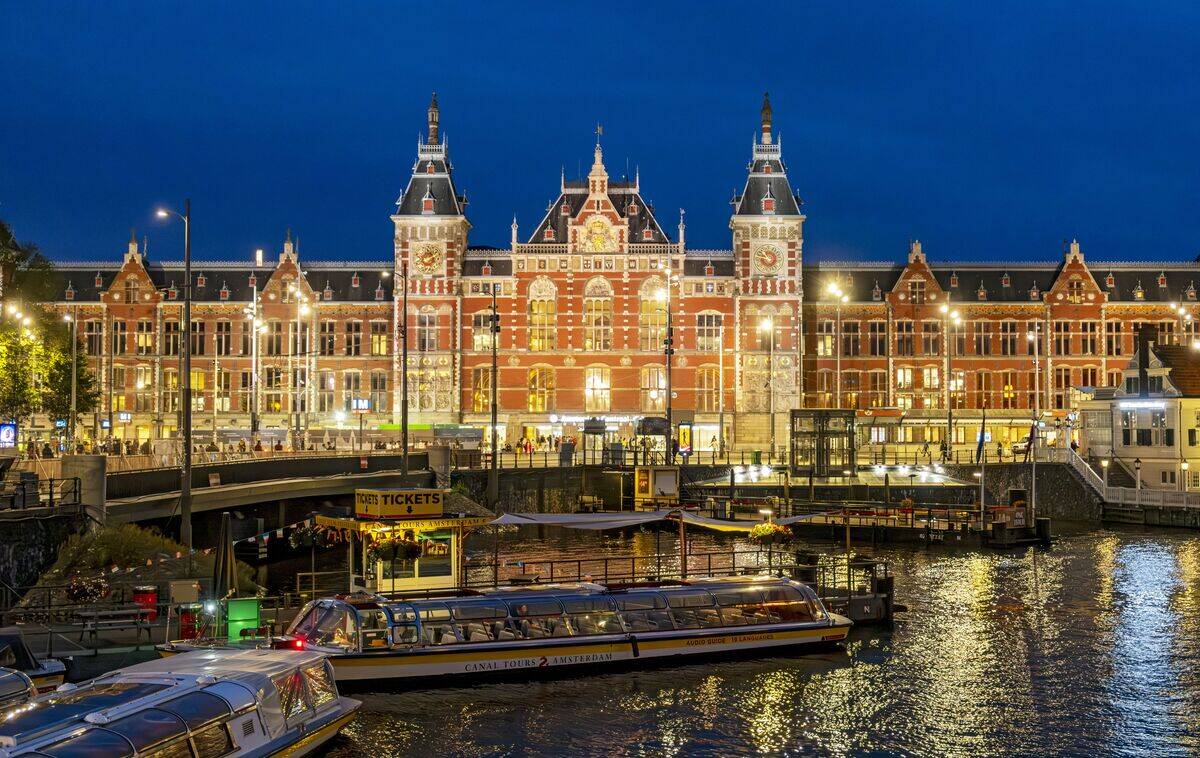
Amsterdam Centraal Station is a stunning example of Gothic Revival architecture, designed by Pierre Cuypers and opened in 1889. Its red-brick facade and ornate detailing reflect the city’s rich architectural heritage.
The station serves as a major hub for both domestic and international travel, connecting Amsterdam to cities across Europe. Its central location makes it a convenient starting point for exploring the vibrant streets and canals of the Dutch capital.
The Unique Blend of Styles at Dunedin Railway Station, New Zealand
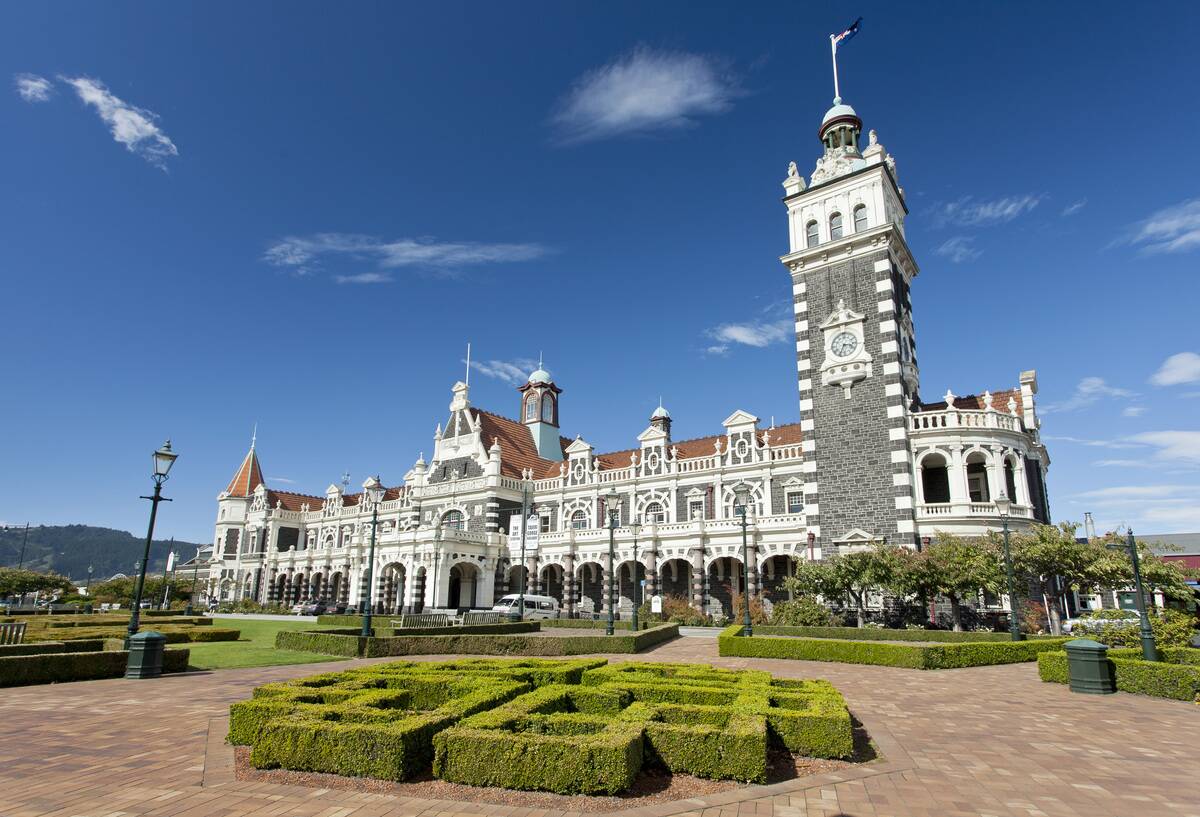
Dunedin Railway Station is a unique architectural gem, combining elements of Flemish Renaissance and Gothic Revival styles. Completed in 1906, the station’s distinctive black basalt and white Oamaru stone facade make it one of New Zealand’s most photographed buildings.
Inside, the mosaic floor and stained glass windows add to its charm. Though no longer a major transport hub, the station hosts events and markets, preserving its place in Dunedin’s cultural landscape.