How diamonds became status symbols
Diamonds have captivated human imagination for centuries, shimmering as symbols of wealth, power, and eternal love. Their allure is not just in their brilliance but also in their storied history, which spans continents and cultures.
From ancient civilizations to modern red carpets, diamonds have maintained their status as the ultimate luxury.
The Mystique of Diamonds in Indian Culture
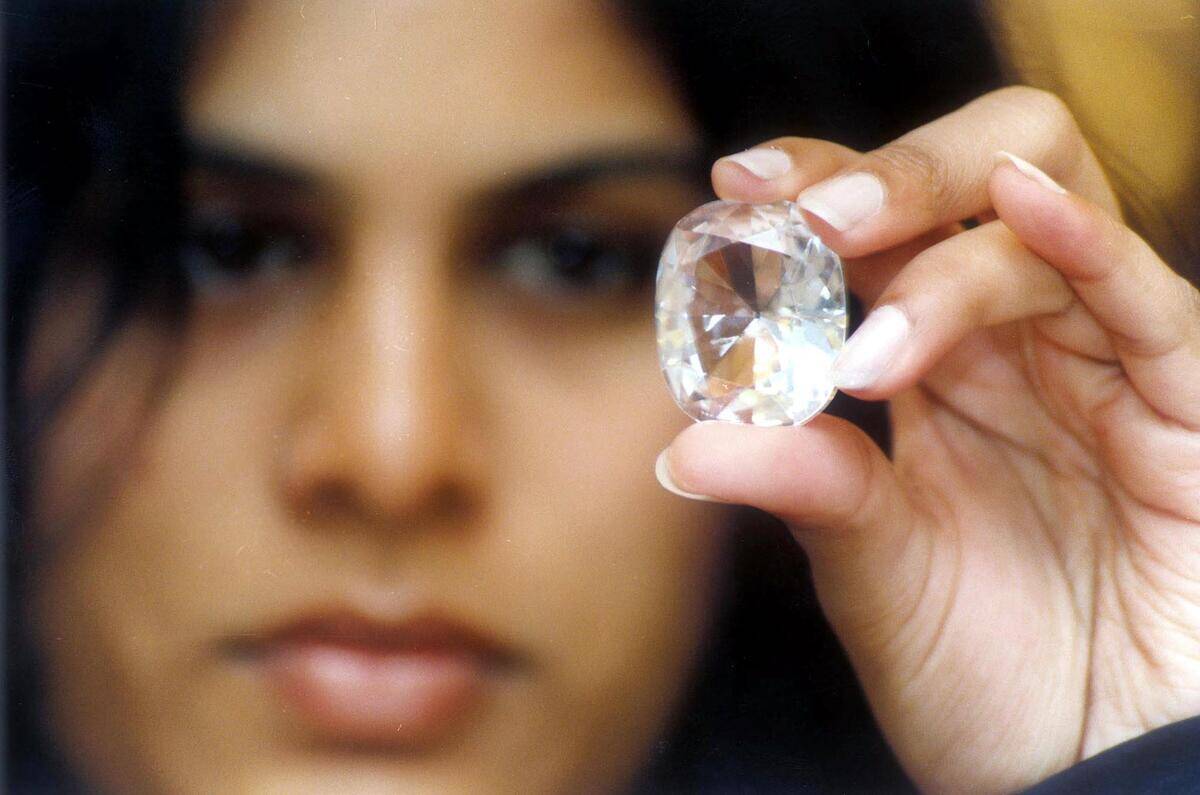
In Indian culture, diamonds were considered harbingers of good fortune and were often associated with the gods. The famous Koh-i-Noor diamond, once the largest known diamond, originated from India and was believed to bring great power to its owner.
Indian texts from as early as the 4th century BC mention diamonds, emphasizing their importance in trade and spirituality.
Diamonds in Ancient Rome: Symbols of Power and Wealth
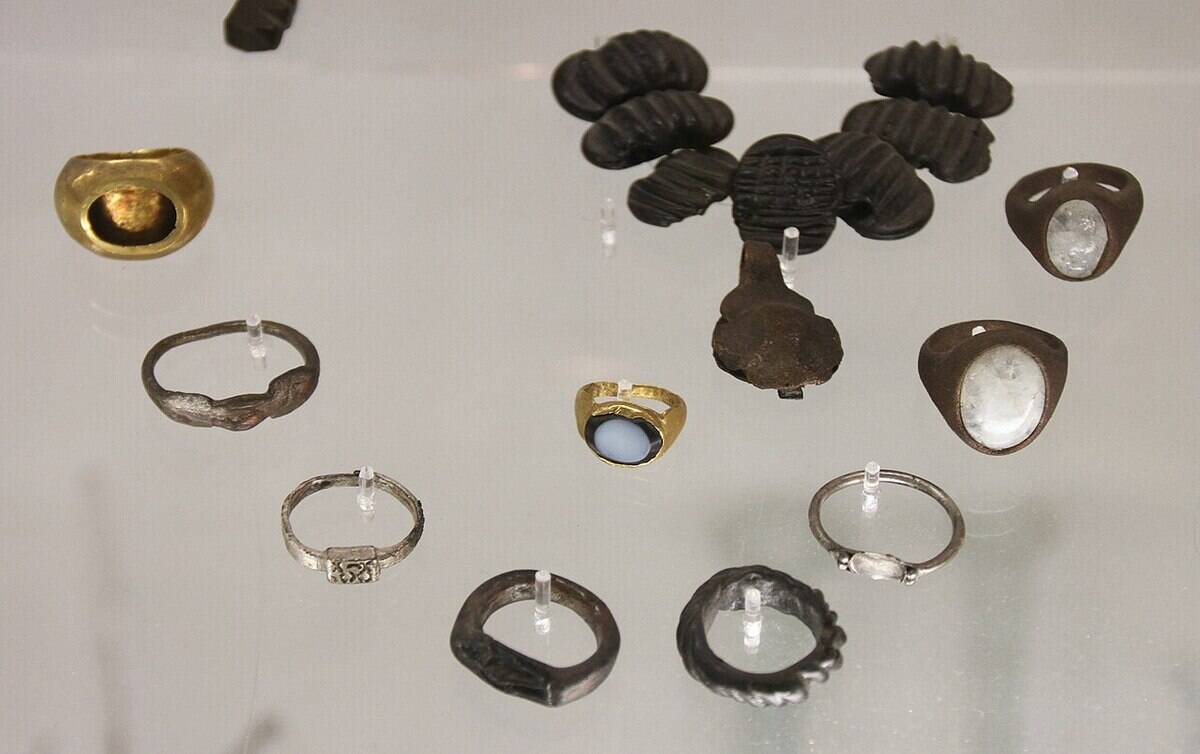
In ancient Rome, diamonds were seen as symbols of invincibility, said to be worn by some warriors to provide protection in battle. Roman naturalist Pliny the Elder wrote about diamonds, describing them as the most valuable and sought-after stones.
They were worn by the elite as a status symbol, signifying wealth and social standing, and were often set in rings and other jewelry.
The Middle Ages: Diamonds as Tokens of Love and Affection
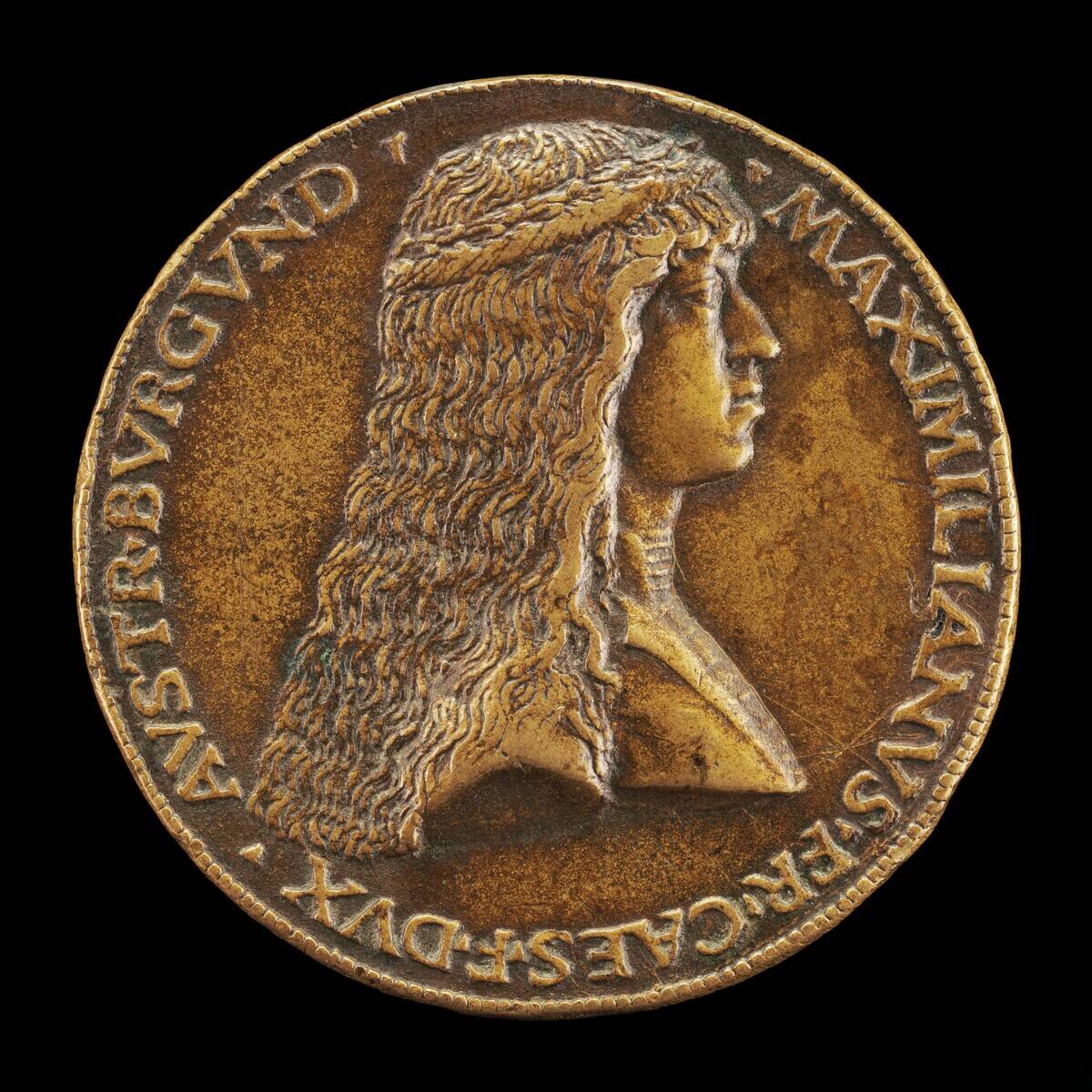
During the Middle Ages, diamonds began to be associated with romantic love. The first recorded diamond engagement ring was given by Archduke Maximilian of Austria to Mary of Burgundy in 1477, setting a trend among European nobility.
This era marked the beginning of diamonds being used as symbols of commitment and eternal love, a tradition that continues today.
The Renaissance Era: Diamonds in European Royalty
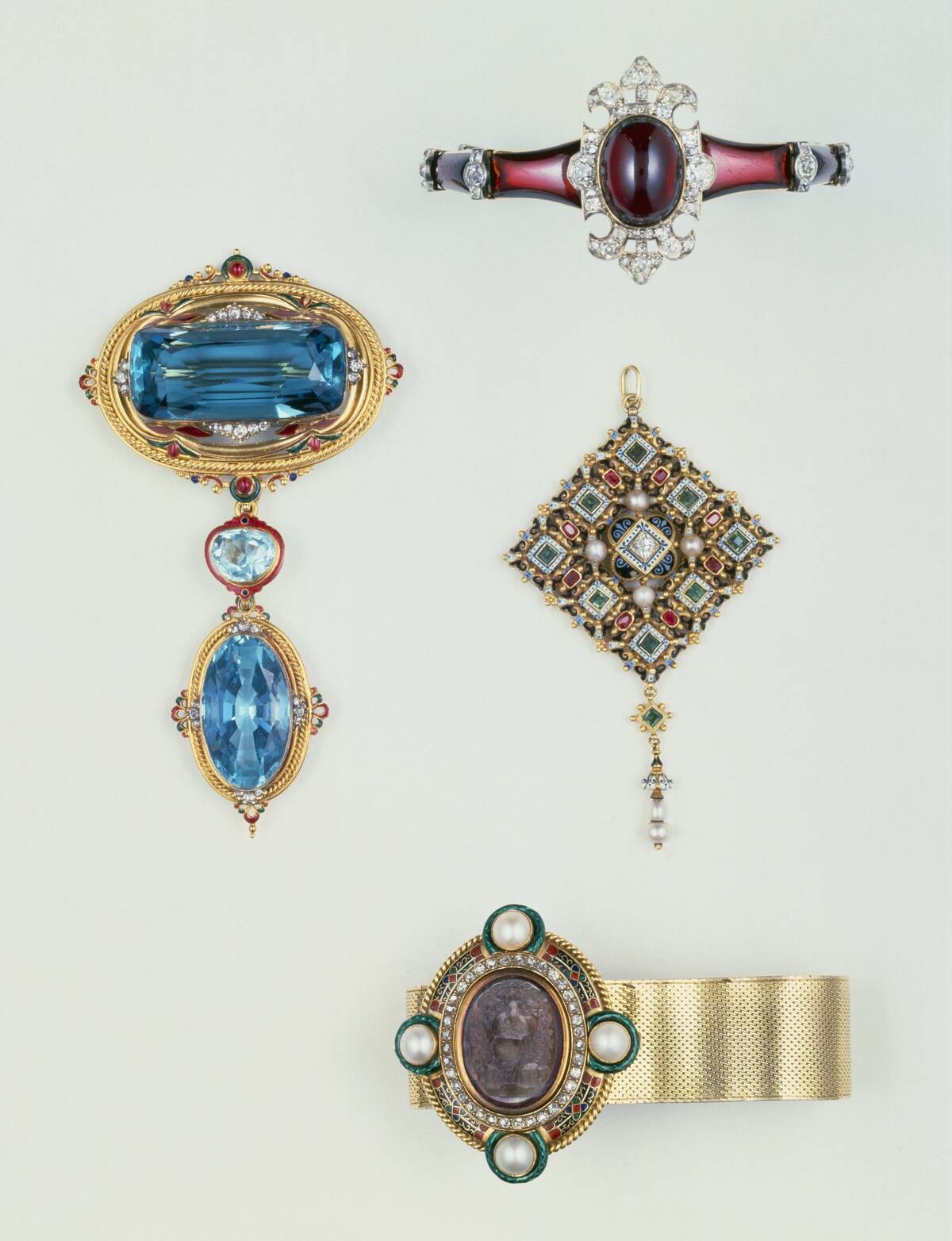
The Renaissance saw a surge in the popularity of diamonds among European royalty. They were often used to embellish crowns, scepters, and other regalia, symbolizing divine right and power.
The improved cutting techniques of the period enhanced their brilliance, making them even more desirable. Monarchs like Queen Elizabeth I were known for their lavish diamond collections.
The 17th Century: The Rise of Diamond Trade
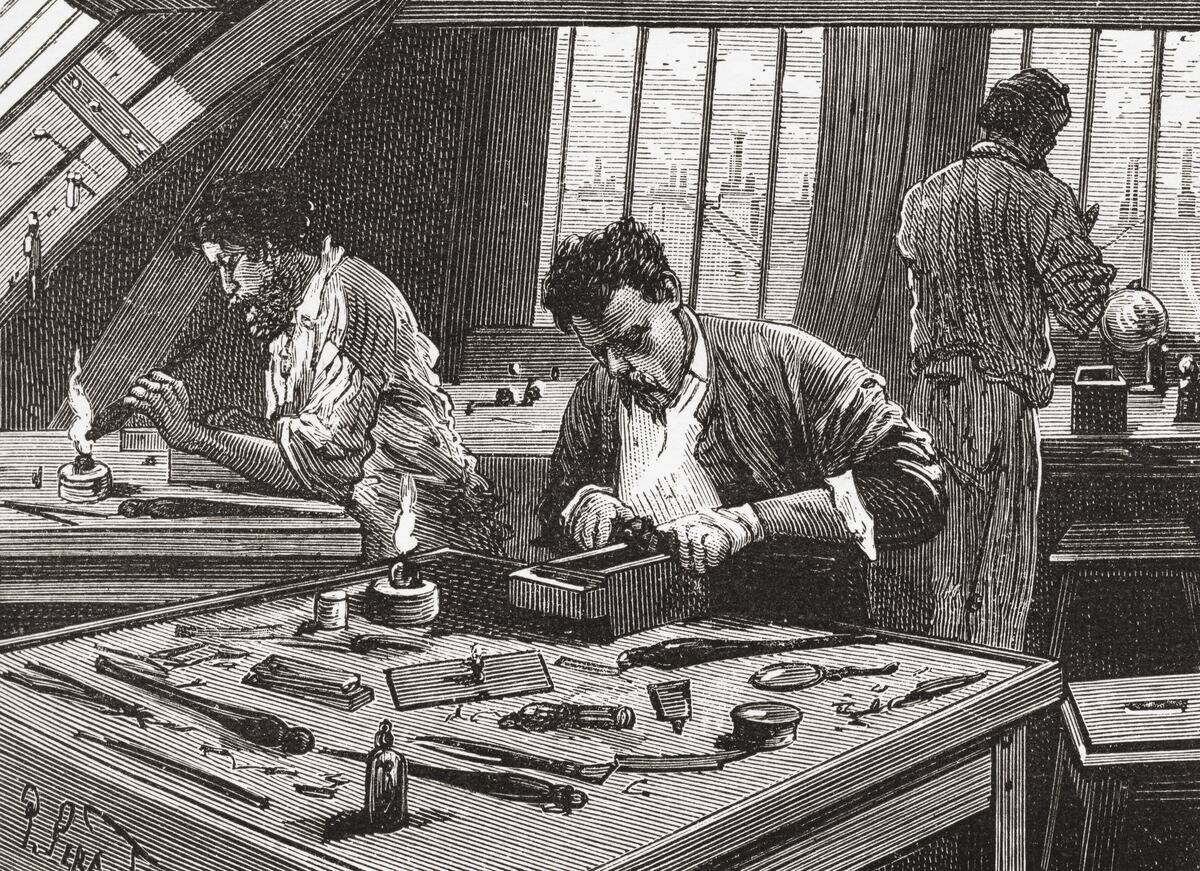
The 17th century marked the beginning of the international diamond trade, with diamonds being exported from India to Europe. The Dutch city of Amsterdam became a major hub for diamond cutting and trading.
This era also saw the emergence of the diamond as a staple in European fashion, with the wealthy flaunting their gemstone-studded attire at social gatherings.
The 18th Century: Diamonds as Emblems of Aristocracy
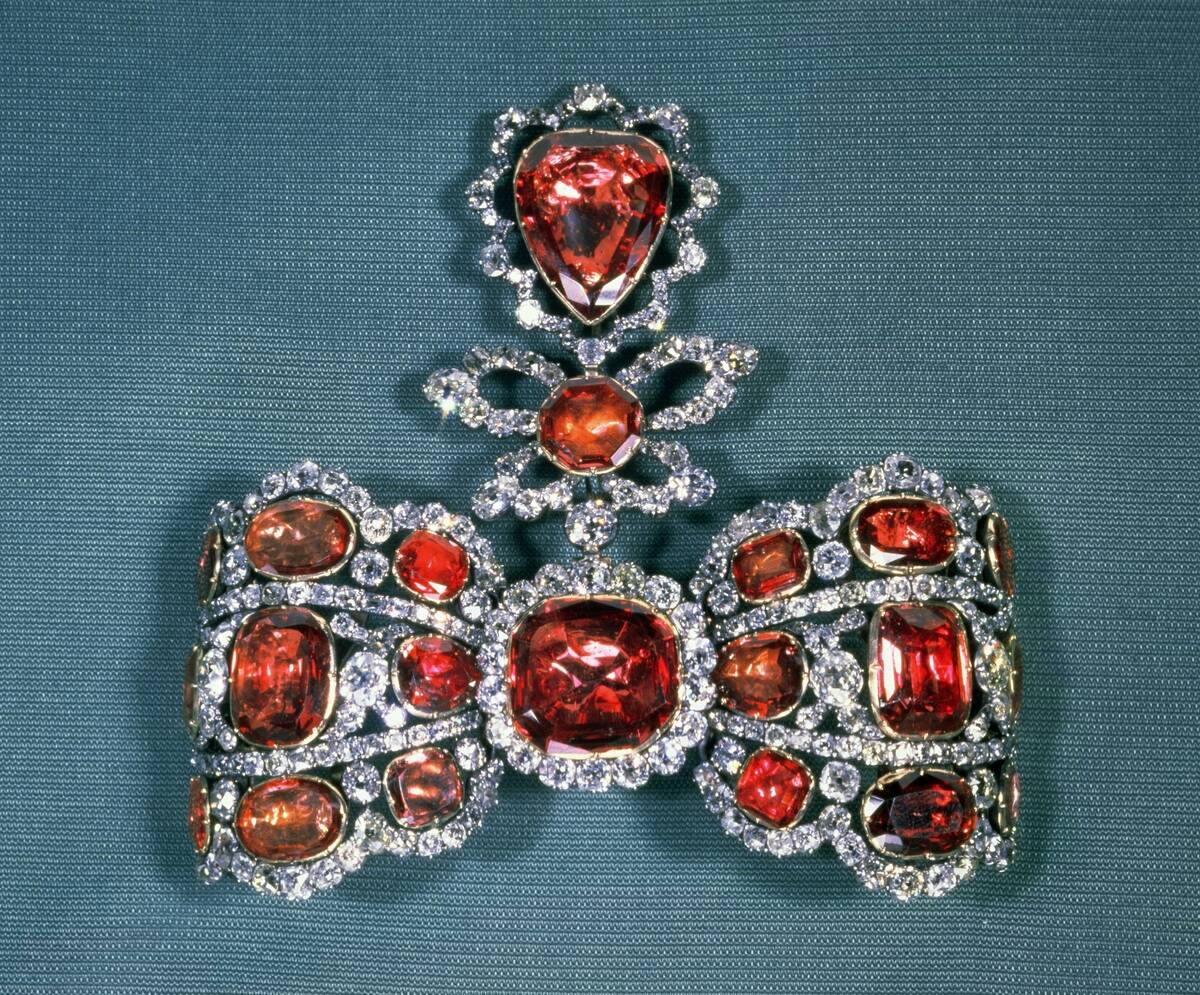
In the 18th century, diamonds became the ultimate status symbol among the European aristocracy. The discovery of diamond deposits in Brazil increased their availability, yet they remained a luxury only the elite could afford.
Diamonds adorned everything from tiaras to shoe buckles, and the French court, in particular, was known for its extravagant displays of diamond jewelry.
The 19th Century: The Discovery of Diamonds in South Africa
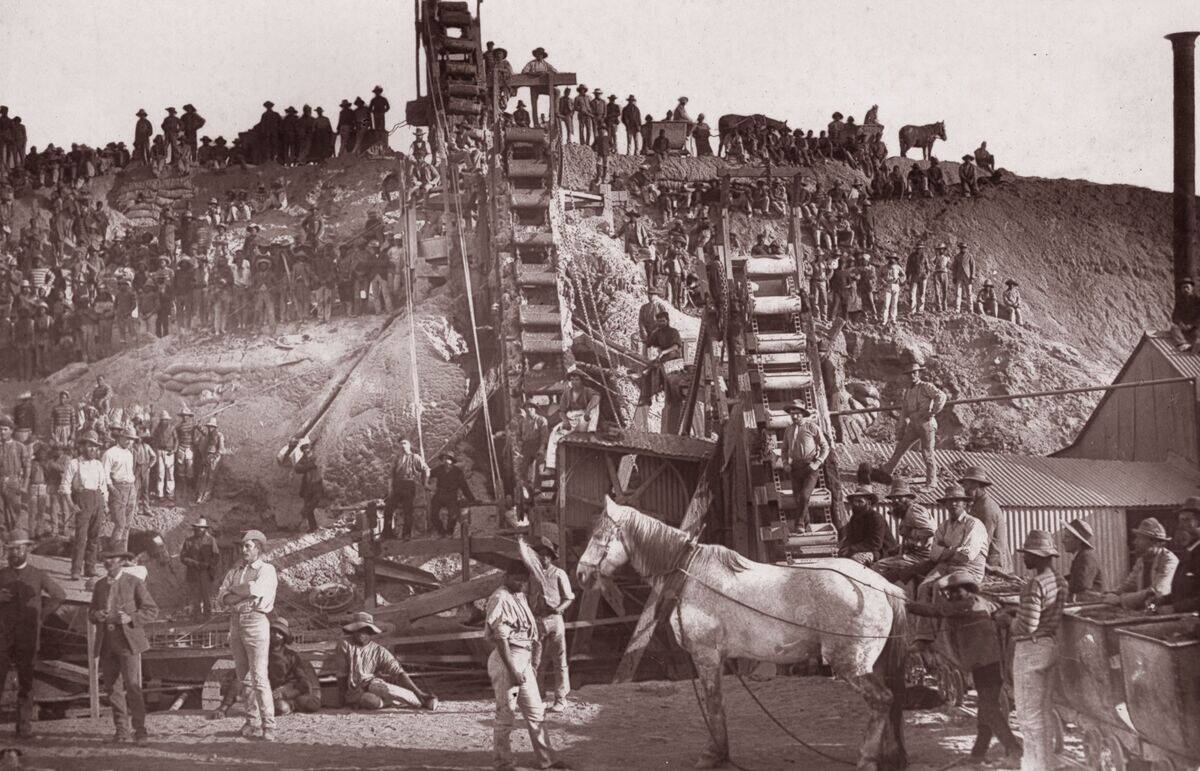
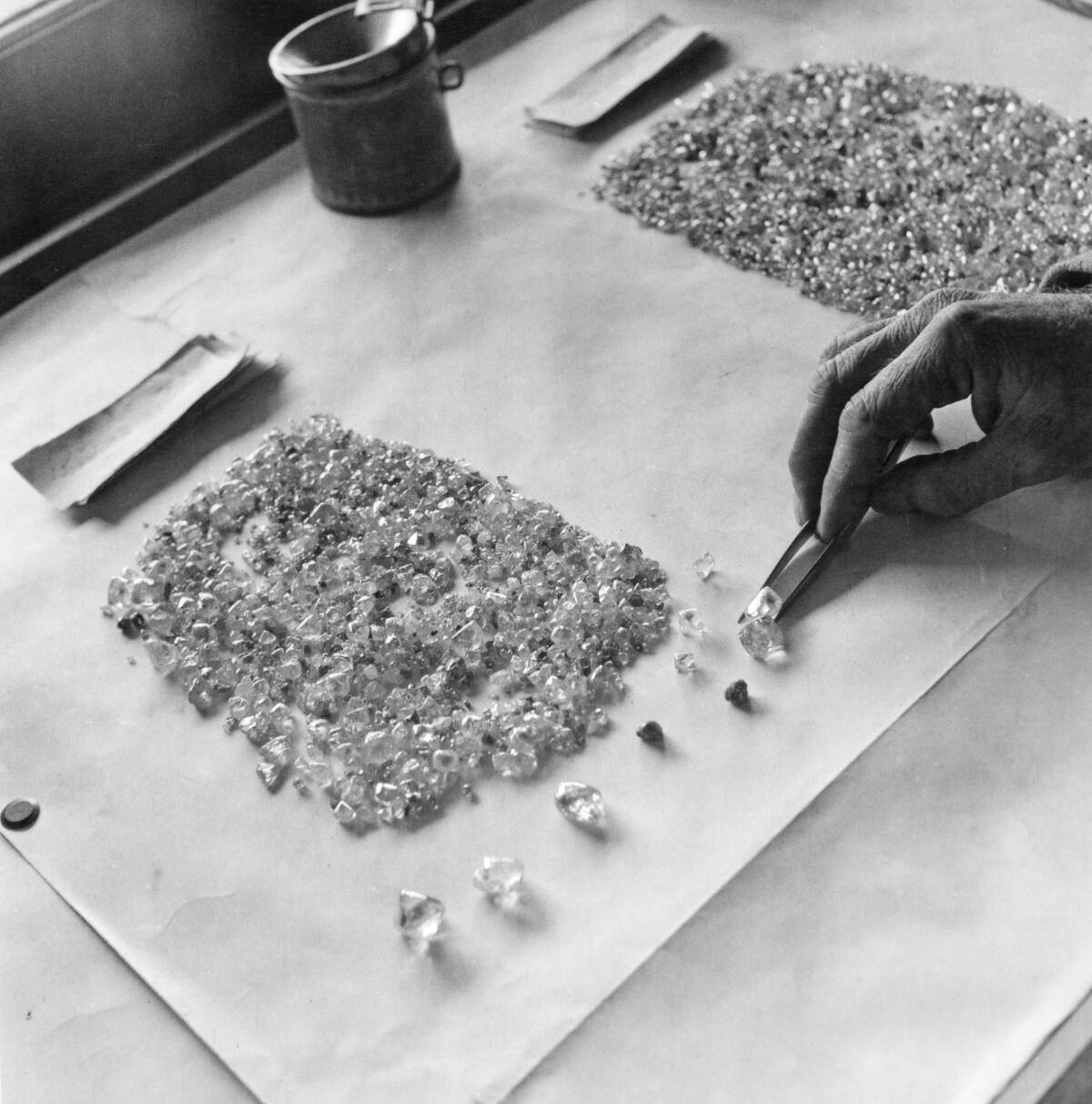
The discovery of diamonds in South Africa in the late 19th century revolutionized the diamond industry. The Kimberley Mine, also known as the “Big Hole,” became the largest hand-dug excavation in the world.
This discovery shifted the center of the diamond trade from India to South Africa, leading to an increase in supply and making diamonds more accessible to the middle class.
The Role of De Beers: Making Diamonds Forever
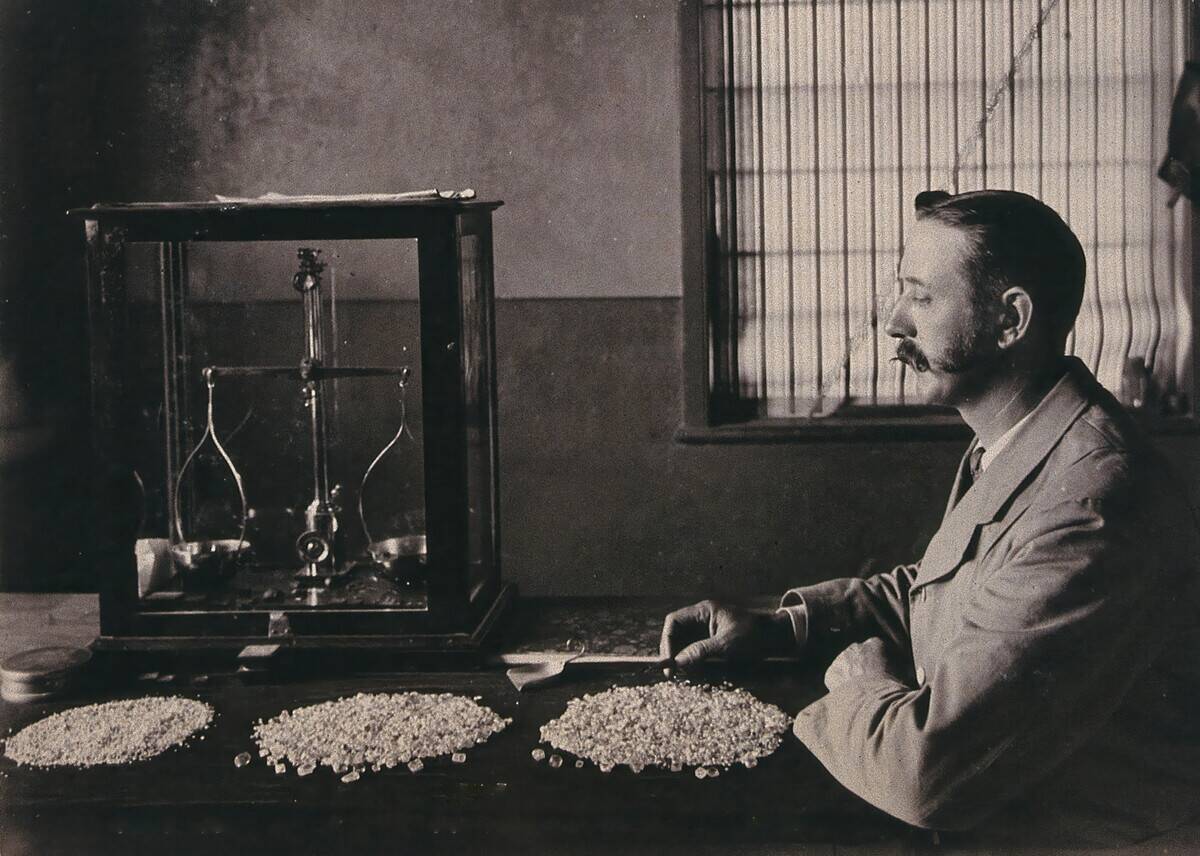
De Beers, founded in 1888, played a pivotal role in shaping the diamond market. The company established a monopoly over diamond production and distribution, controlling prices and supply.
Their iconic “A Diamond is Forever” campaign, launched in 1947, cemented the idea of diamonds as the ultimate symbol of love and commitment, influencing consumer behavior for decades.
The 20th Century: Hollywood Glamour and Diamond Prestige
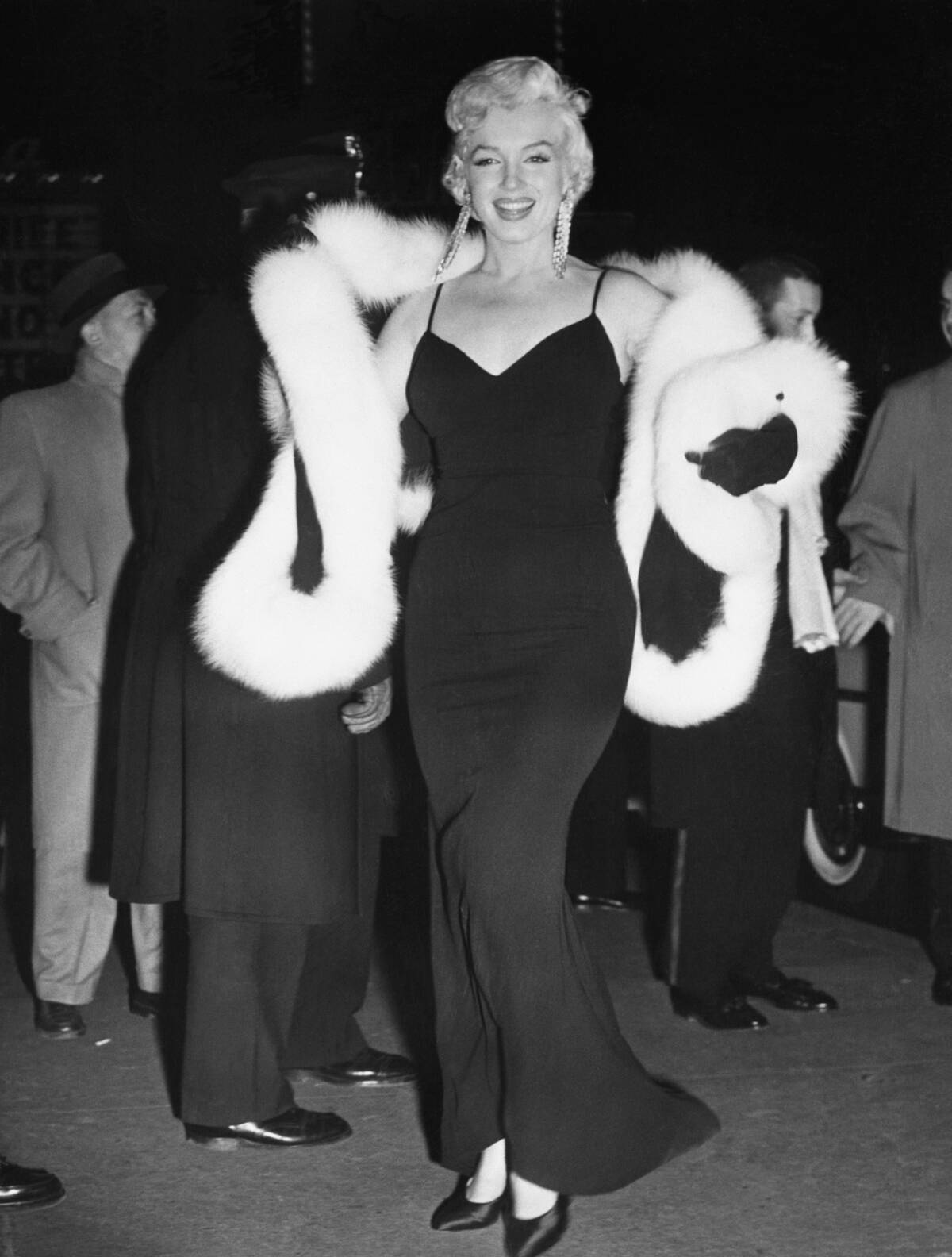
The 20th century saw diamonds become synonymous with Hollywood glamour. Stars like Marilyn Monroe and Elizabeth Taylor flaunted their dazzling jewels on and off the screen, elevating diamonds to new heights of prestige.
The phrase “Diamonds are a girl’s best friend,” popularized by Monroe, captured the public’s imagination and solidified diamonds as a symbol of luxury and allure.
The Evolution of Diamond Engagement Rings
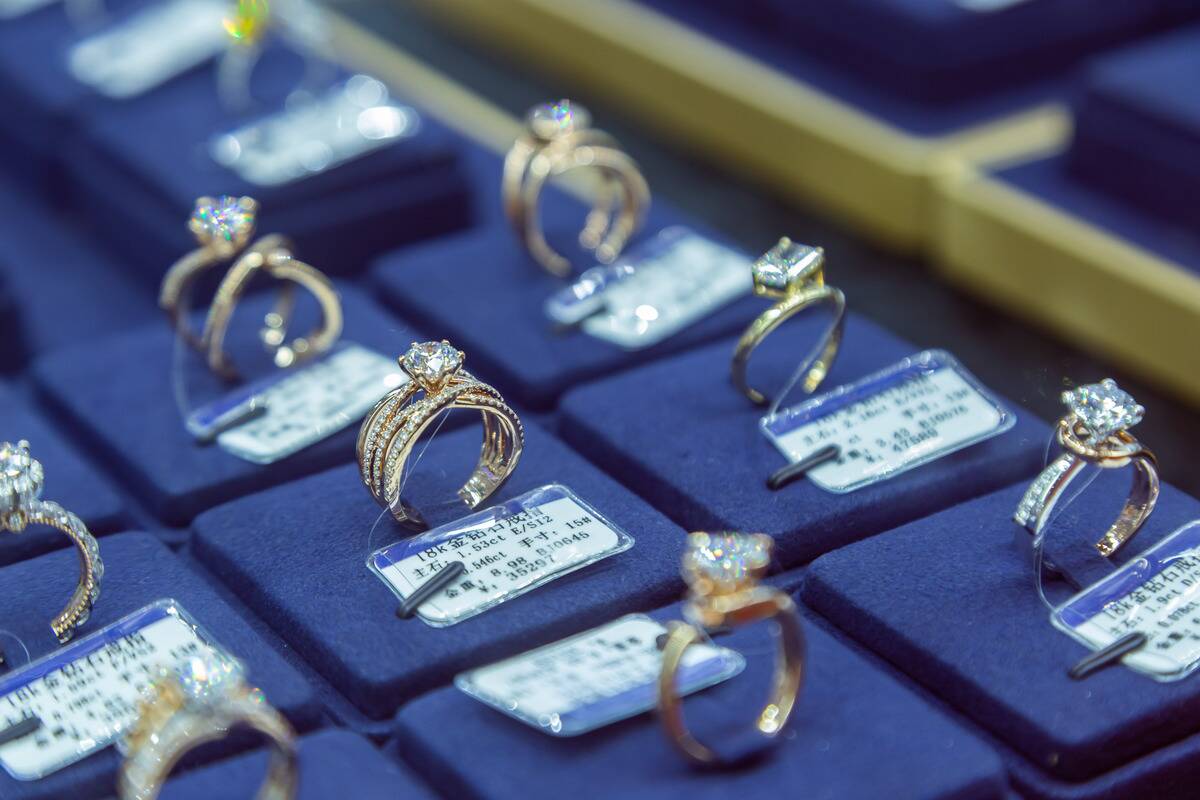
The tradition of diamond engagement rings evolved significantly over the 20th century. The De Beers campaign made diamond rings the standard for engagements, with the “two months’ salary” guideline becoming a cultural norm.
Today, engagement rings come in various styles and settings, reflecting personal tastes while maintaining the timeless appeal of the diamond as a symbol of love.
The Ethical Diamond Movement: Conflict-Free and Lab-Grown Gems
The ethical diamond movement has gained momentum, with consumers increasingly seeking conflict-free and lab-grown gems. The Kimberley Process was established to prevent “blood diamonds” from entering the market, ensuring ethical sourcing.
Lab-grown diamonds offer a sustainable alternative, providing the same brilliance and quality as natural diamonds without the environmental impact.




