The world’s oldest bridges and their stories
Bridges have always been more than just structures; they are symbols of connection, ingenuity, and progress. From ancient times to the modern era, bridges have played a crucial role in shaping civilizations and facilitating trade and communication.
Today, they stand as testaments to human creativity and engineering prowess, linking not only places but also the past with the present.
The Ancient Wonders: Mesopotamian Bridges
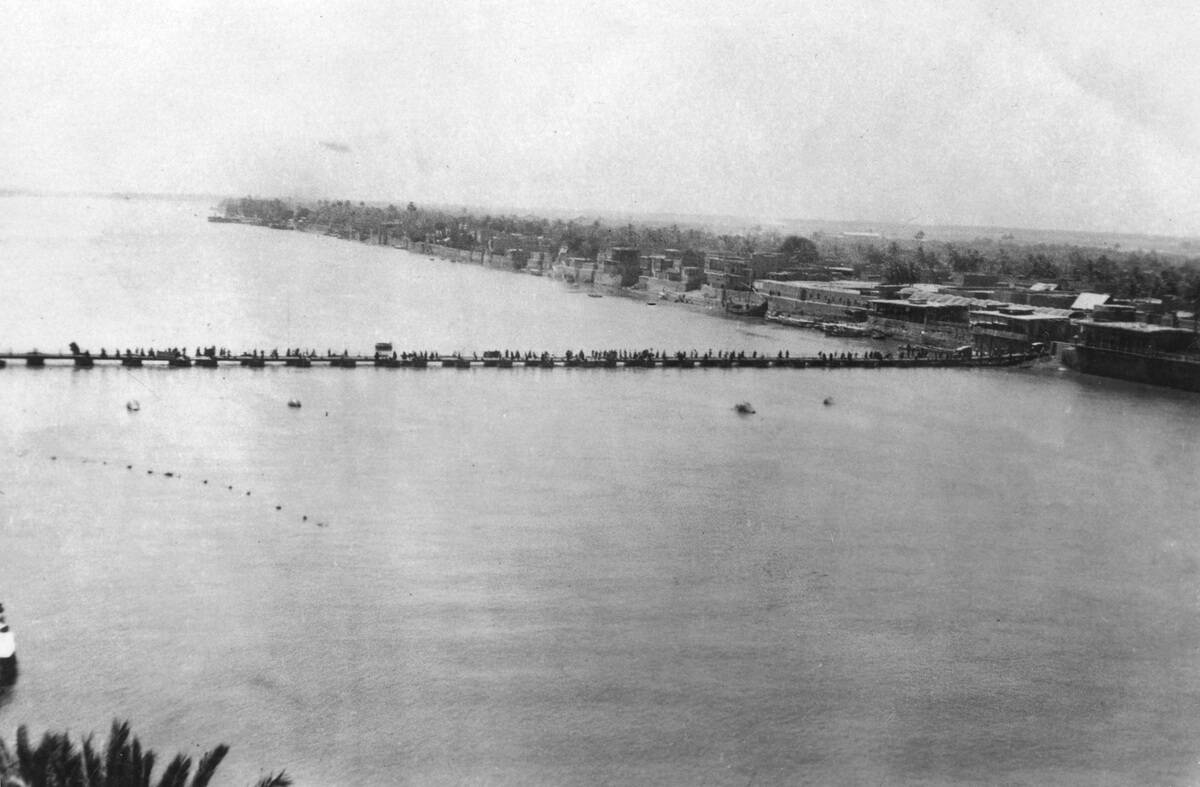
Mesopotamia, often described as the cradle of civilization, was home to early examples of bridge and river-crossing technology. Ancient builders used locally available materials such as wood, reeds, mud brick, and stone to construct structures that helped people cross waterways.
Evidence of bridges and other crossings in Mesopotamian cities reflects the region’s sophisticated approach to transportation and infrastructure. These structures supported movement between settlements and contributed to the broader development of engineering in the ancient Near East, although bridge-building traditions also developed independently in other parts of the ancient world.
The Timeless Elegance of Roman Bridges
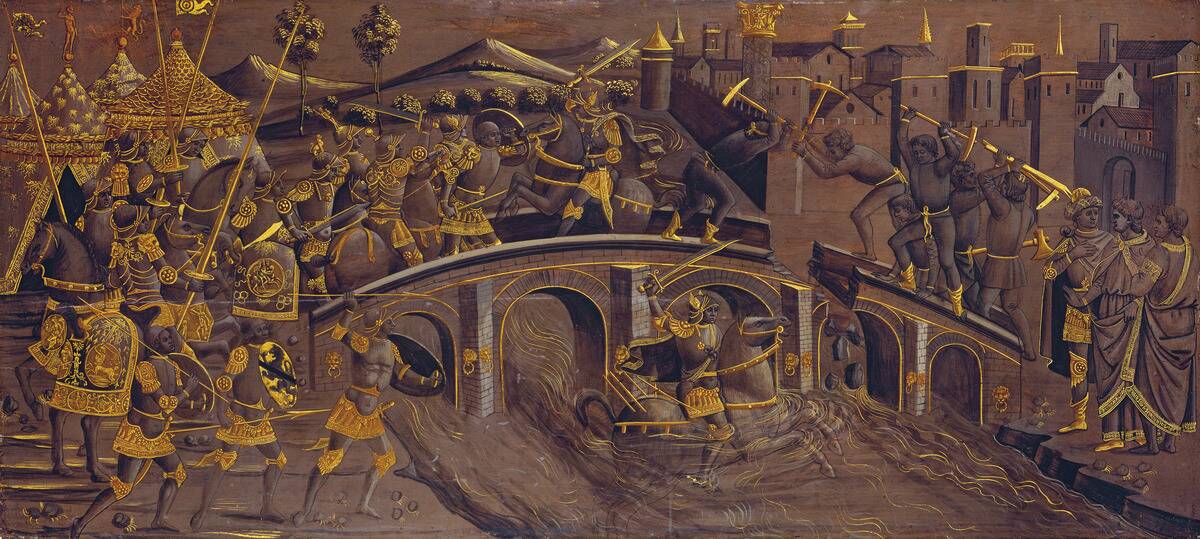
Roman bridges are renowned for their durability and architectural ingenuity, with many surviving in some form today. Although the Romans did not invent the arch, they developed and applied arch-based engineering on an impressive scale, allowing them to construct strong and durable bridges.
The Pont du Gard in France is a prime example, functioning as a monumental aqueduct bridge that carried water across the Gardon River valley. Roman engineers also greatly developed concrete, using it to construct larger and more complex structures, from bridges and harbors to massive vaults and domes. Their innovations had a lasting influence on engineering and architecture for centuries to come.
China’s Architectural Marvels: Bridges of the Han Dynasty

During ancient and medieval China, Chinese engineers made significant advancements in bridge construction. They developed sophisticated techniques for building both arch and suspension bridges, using materials and structural designs suited to China’s rivers and mountainous terrain.
The Zhaozhou Bridge, built during the Sui Dynasty around 595–605 CE, is the world’s oldest surviving open-spandrel stone segmental arch bridge. Designed by the engineer Li Chun, its innovative structure represented a major achievement in bridge engineering and influenced later bridge construction in China. It remains one of the most remarkable surviving examples of ancient Chinese engineering.
The Engineering Feats of Ancient Greece
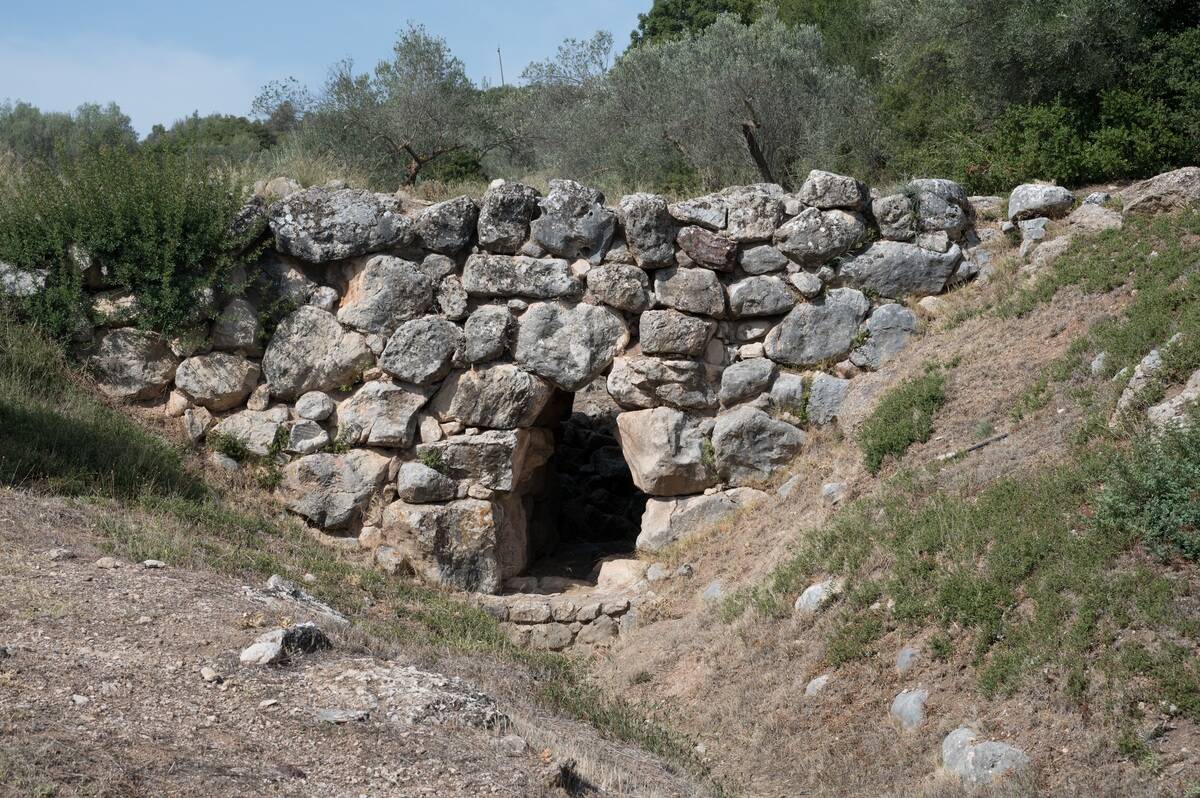
Ancient Greece and the Mycenaean civilization contributed to the development of bridge engineering, with surviving structures demonstrating sophisticated practical construction techniques. The Mycenaean Bridge near Mycenae, dating to around the 13th century BCE, is one of the world’s oldest surviving bridges and is built using a corbelled arch design.
Its construction demonstrates the advanced engineering skills of Mycenaean builders and their ability to create durable stone structures. Later Greek builders employed a variety of bridge-building techniques, while Roman engineers would eventually develop arch construction on a much larger scale, leaving a lasting legacy in architectural and civil engineering.
The Iconic Bridges of the Byzantine Empire
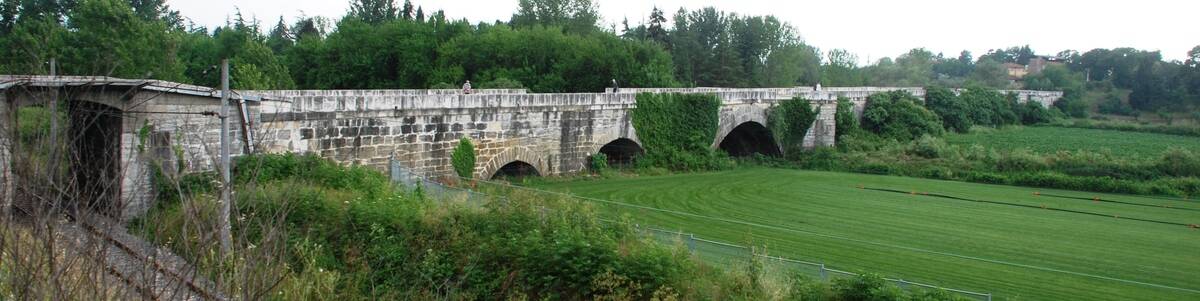
The Byzantine Empire constructed numerous bridges that served important transportation and infrastructure needs across its territories. These structures generally emphasized durability and engineering, although some incorporated distinctive architectural features and masonry details.
The Sangarius Bridge, commissioned by Emperor Justinian I and built around 559–562 CE, is a notable example, constructed primarily from stone with brick used in parts of the structure. Built to provide a reliable crossing of the Sangarius River, it supported transportation through northwestern Asia Minor and facilitated the movement of people, goods, and military forces. The bridge remains an impressive example of Byzantine engineering.
Medieval Masterpieces: Bridges of the Middle Ages
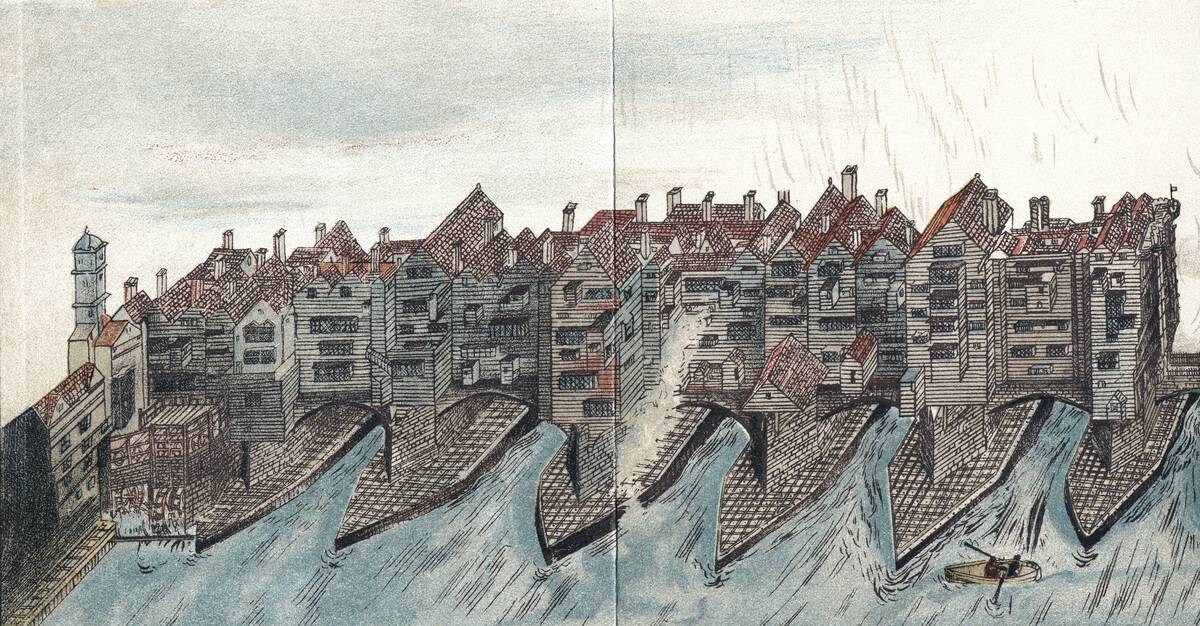
The Middle Ages saw the construction of many important bridges, often designed to withstand heavy use and provide strategically valuable river crossings. Stone was widely used for major permanent bridges, although wood and other materials were also employed. Medieval London Bridge, completed in 1209, featured numerous stone arches and defensive structures and became an important part of London’s urban life.
Its bridge supported houses, shops, and other commercial activity, demonstrating how medieval bridges could serve purposes beyond transportation. Such structures played important roles in trade, travel, communication, and the growth of medieval towns.
The Renaissance Era: A New Age of Bridge Design
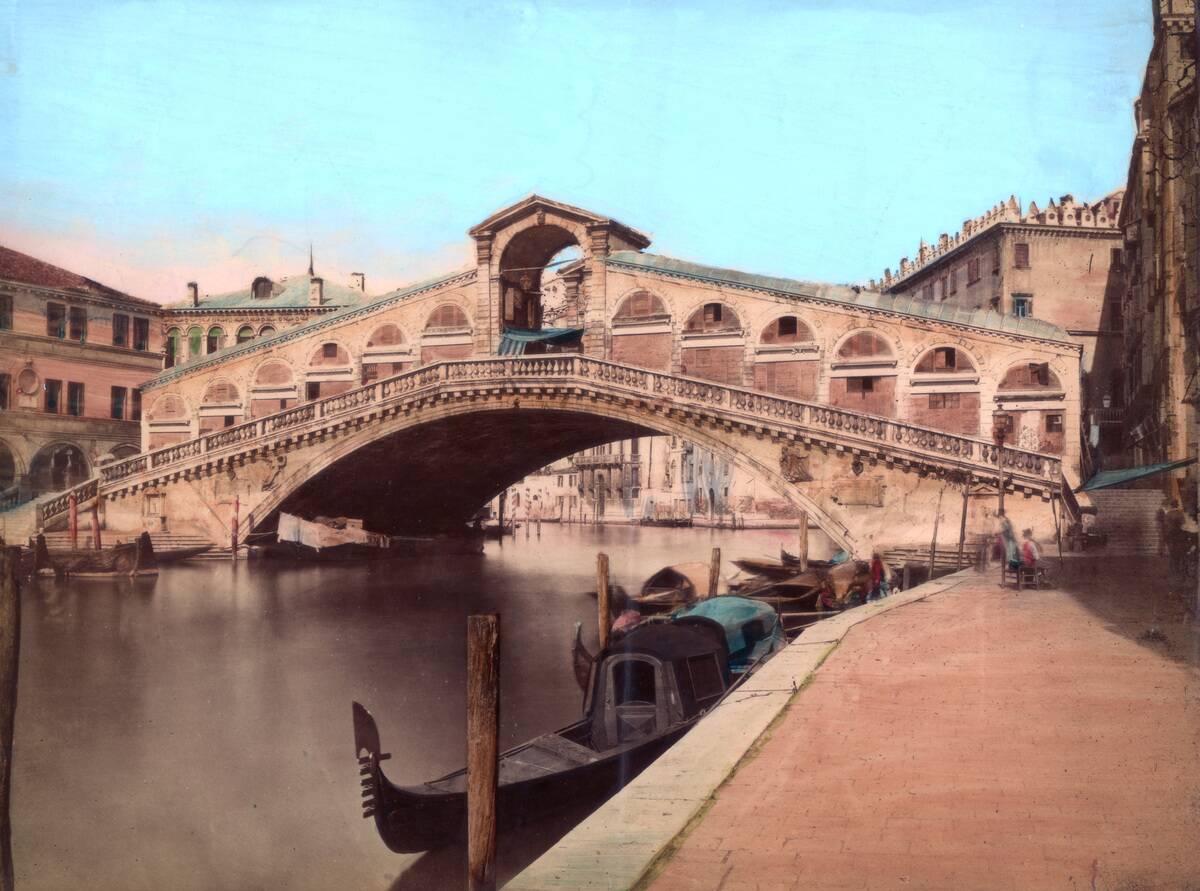
The Renaissance era brought renewed interest in art, science, mathematics, and classical learning, contributing to advances in architecture and engineering. Engineers and architects refined existing construction techniques and applied new approaches to structural design, proportion, and surveying.
The Rialto Bridge in Venice, designed by Antonio da Ponte and completed in 1591, is a notable example of Renaissance engineering and architecture, combining a massive stone arch with detailed architectural elements and commercial spaces. Renaissance developments in mathematics, mechanics, and construction contributed to the evolution of engineering, helping establish principles that would be further developed in later centuries.
The Influence of the Industrial Revolution on Bridge Construction
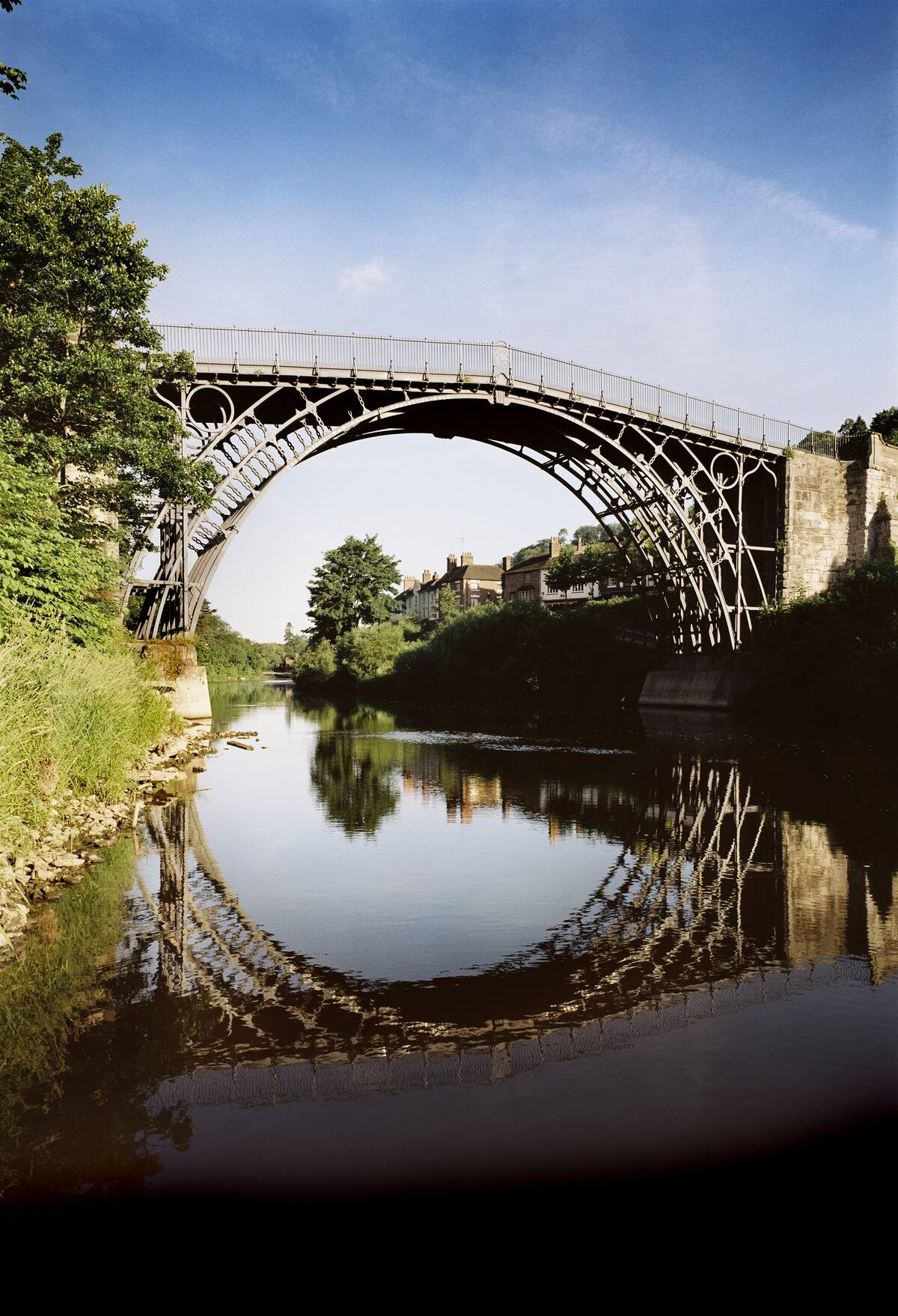
The Industrial Revolution transformed bridge construction through the increasing use of cast iron and wrought iron, followed later by steel. These materials enabled engineers to create longer spans and structures capable of carrying greater loads than many traditional masonry bridges. The Iron Bridge in England, completed in 1779, was the world’s first major bridge made entirely of cast iron and became a powerful symbol of the Industrial Revolution.
Advances in iron and steel production, together with developments in structural engineering and cable technology, contributed to the emergence of increasingly ambitious long-span bridges, including the iconic suspension bridges of the 19th and 20th centuries.
The Pont du Gard: A Roman Aqueduct Bridge
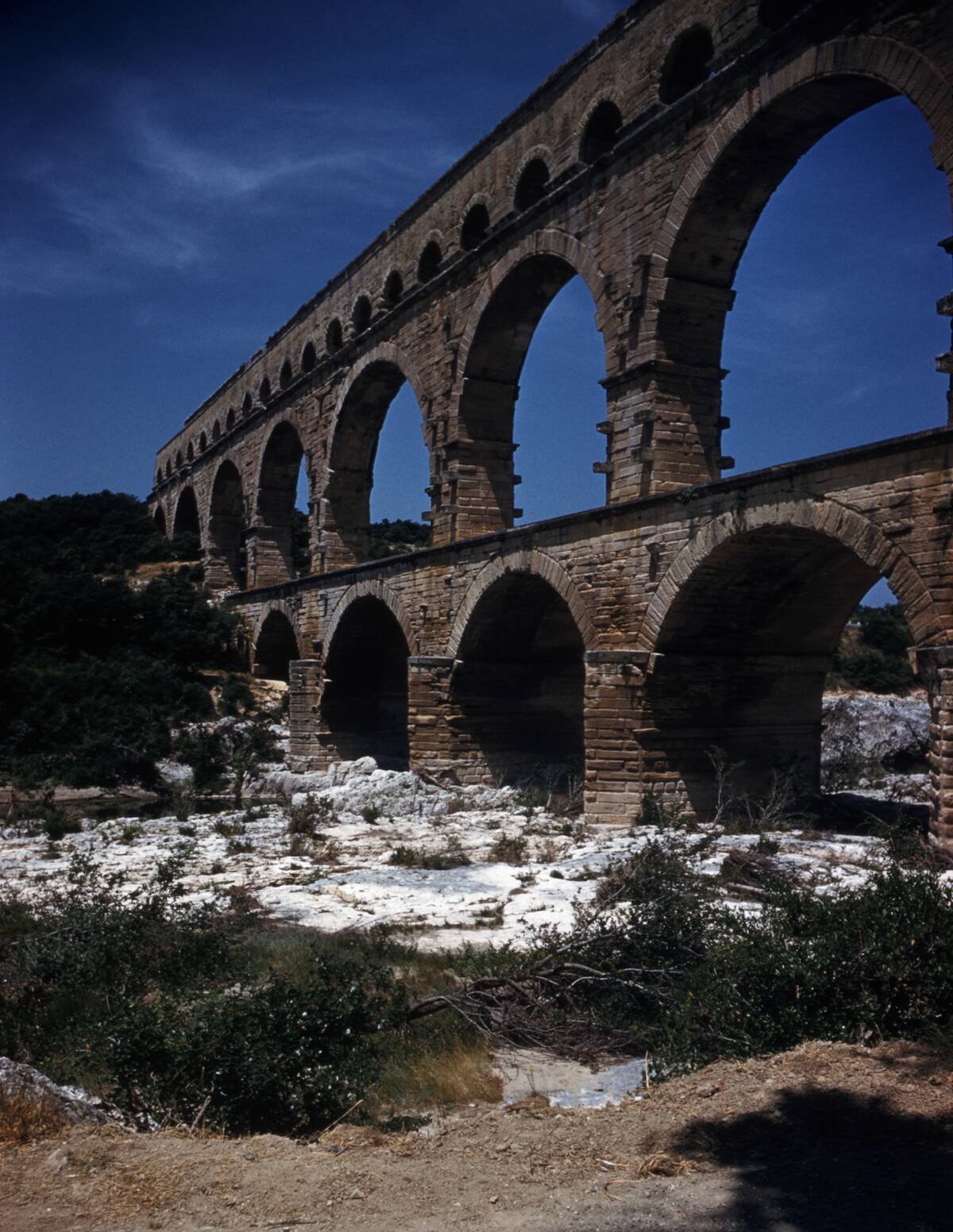
The Pont du Gard in southern France is a remarkable example of Roman engineering, functioning as an aqueduct bridge that carried water while crossing the Gardon River valley. Built during the first century CE, it formed part of an approximately 50-kilometer aqueduct system that supplied water to the Roman city of Nemausus, now Nîmes.
Its three tiers of arches supported the elevated water channel and demonstrate the Romans’ expertise in surveying, hydraulics, and monumental masonry construction. Today, the Pont du Gard remains one of the best-preserved and most impressive Roman aqueduct structures in the world.
The Khaju Bridge: Persian Architectural Beauty
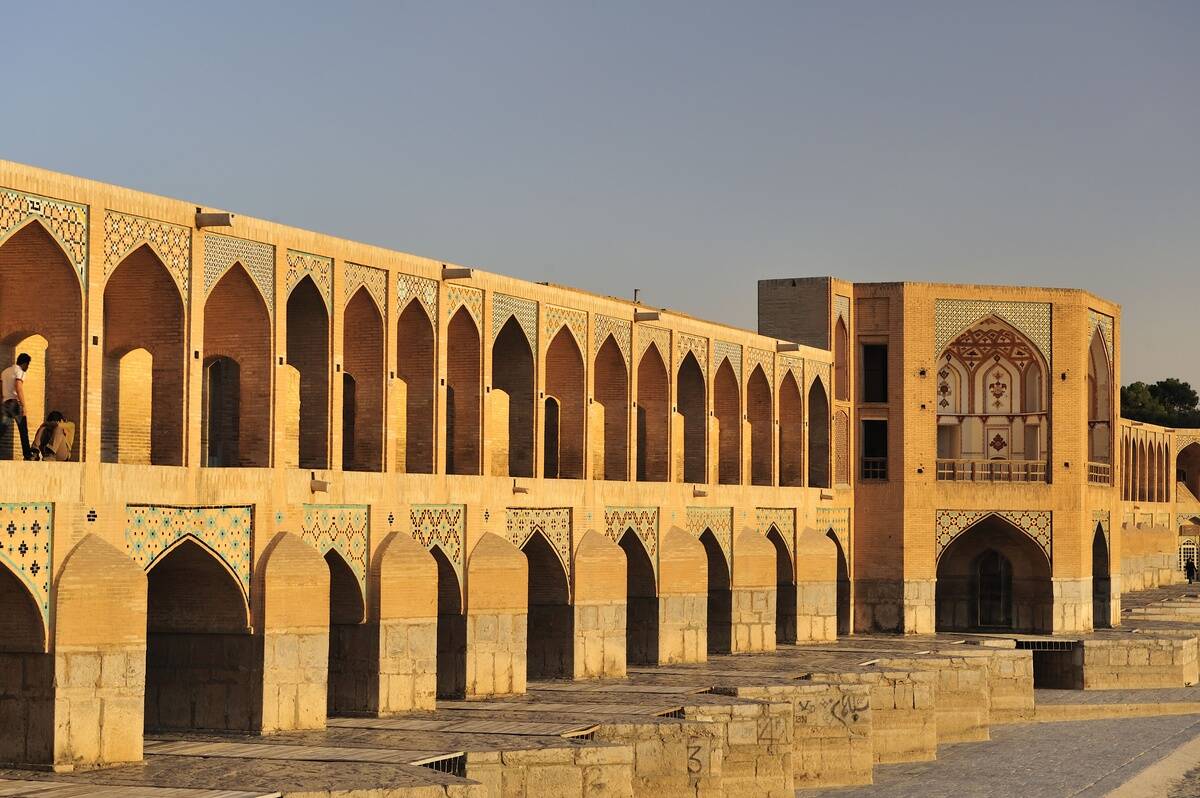
The Khaju Bridge in Isfahan, Iran, is renowned for its architectural beauty and functionality. Built during the Safavid dynasty in the 17th century, it serves as both a bridge and a dam. Its intricate tile work and symmetrical design reflect the artistic sensibilities of Persian architecture.
The bridge also features pavilions and seating areas, making it a popular gathering place for locals and visitors alike. Khaju Bridge remains a symbol of Persian cultural heritage.
The Tarr Steps: England’s Mysterious Clapper Bridge

The Tarr Steps in Exmoor, England, is a historic clapper bridge constructed from large locally sourced stone slabs. Although it was once believed to be prehistoric, archaeological research now suggests that the bridge is more likely medieval, probably dating to the 15th or 16th century.
Spanning the River Barle, the 17-span structure has survived for centuries despite repeated flood damage and repairs. Tarr Steps remains a remarkable example of medieval engineering and a testament to the resourcefulness of its builders.
The Charles Bridge: A Gothic Masterpiece in Prague

The Charles Bridge in Prague is a celebrated example of Gothic bridge architecture, connecting the city’s Old Town with the Lesser Town across the Vltava River. Construction began in 1357 during the reign of King Charles IV, replacing the earlier Judith Bridge that had been damaged by a flood.
The bridge is famous for its 30 Baroque statues and sculptural groups, most of which were added between the late 17th and early 18th centuries, although many originals have since been replaced by replicas. Today, Charles Bridge remains one of Prague’s most iconic landmarks, offering views of the Vltava River, Prague Castle, and the city’s historic skyline.
The Ponte Vecchio: Florence’s Historic Jewel
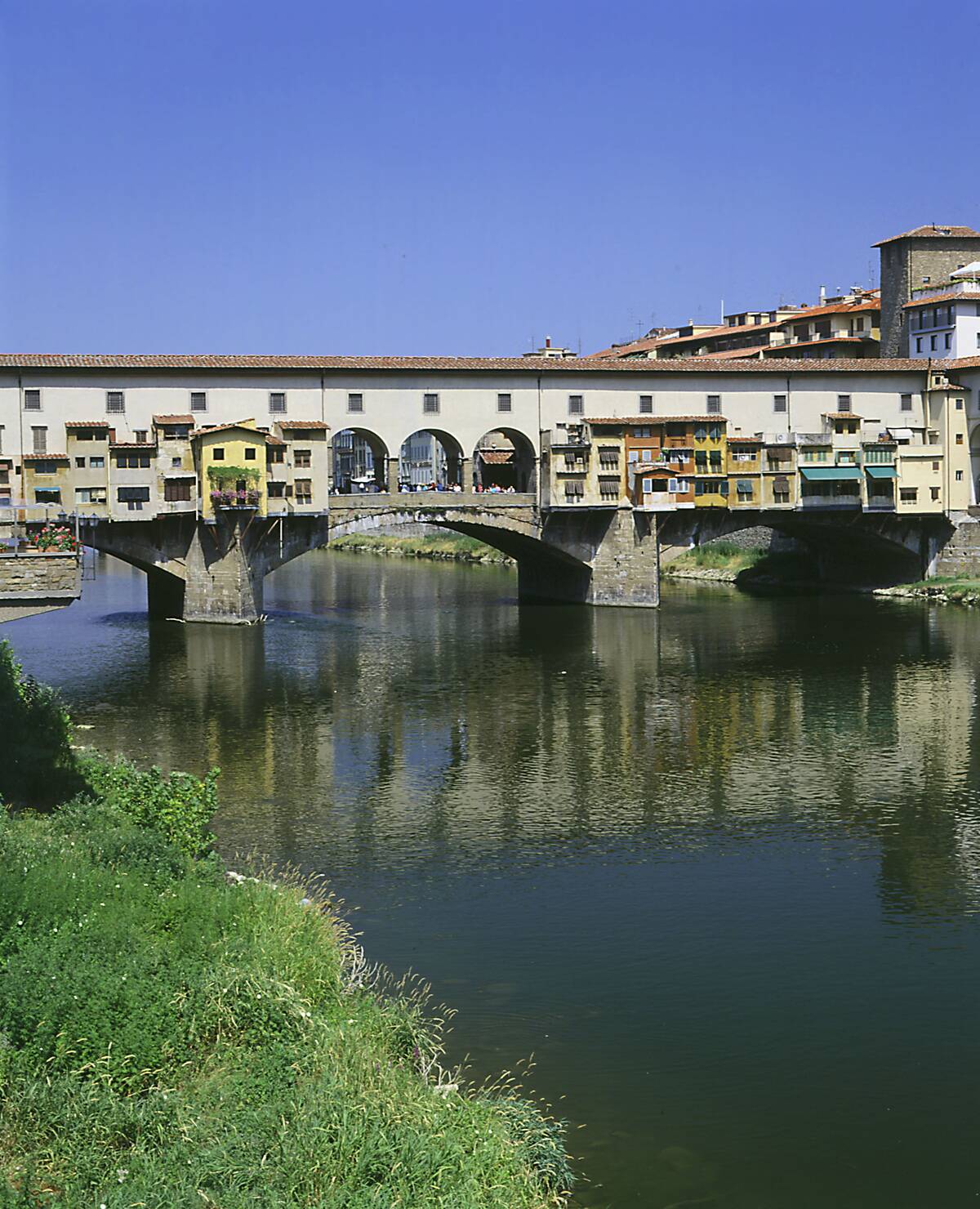
The Ponte Vecchio in Florence is one of the world’s most famous historic bridges, known for its distinctive design and long history. The present bridge was built between 1335 and 1345 after an earlier bridge was destroyed by flooding. It has been lined with shops since the Middle Ages, although butchers were replaced by goldsmiths and jewelers in the late 16th century.
Ponte Vecchio has survived repeated floods and, unlike most of Florence’s other bridges, escaped destruction during World War II. Its picturesque setting and historic shops make it one of Florence’s most recognizable landmarks and a popular destination for visitors.
The Alcántara Bridge: Spain’s Roman Legacy
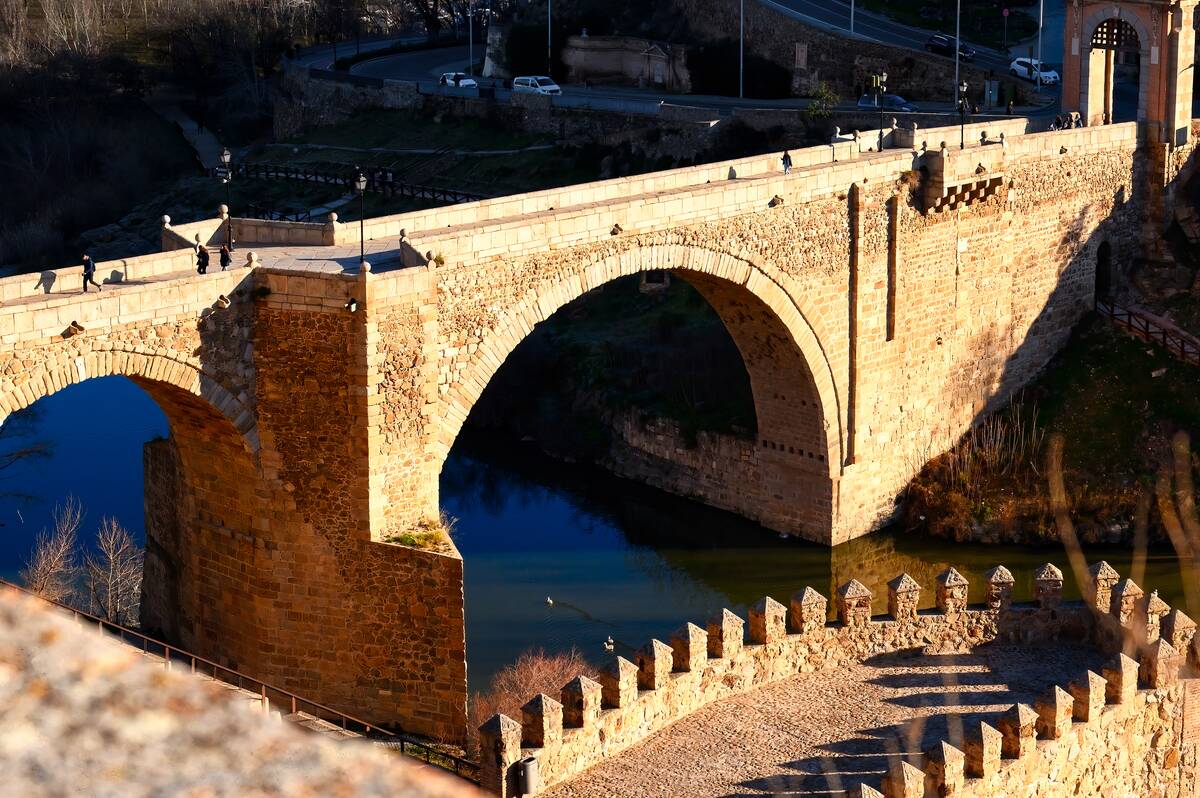
The Alcántara Bridge in Spain is a remarkable example of Roman engineering, built across the Tagus River around 104–106 CE during the reign of Emperor Trajan. The monumental structure features six principal semicircular arches and a triumphal arch dedicated to the emperor.
Although the bridge has suffered damage during conflicts and undergone repairs over the centuries, much of its original Roman structure has survived. Its impressive scale, engineering, and longevity make it an important monument of Spain’s Roman heritage and a notable destination for visitors interested in ancient history and architecture.
The Bridge of Sighs: A Venetian Icon
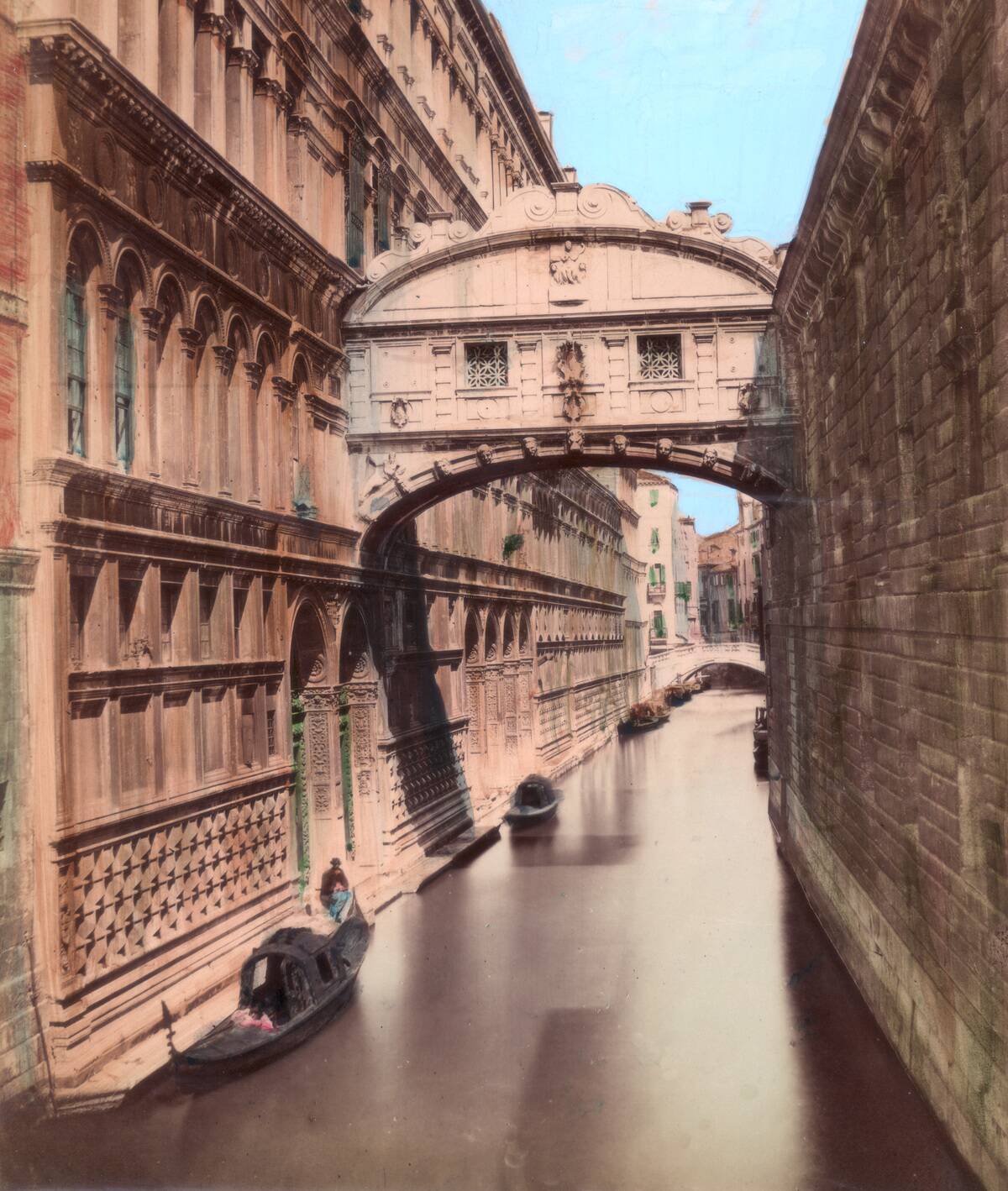
The Bridge of Sighs in Venice is one of the city’s most famous landmarks, known for its distinctive architecture and romantic associations. Built between 1600 and 1603, it connects the Doge’s Palace with the former prison complex, allowing prisoners to be transported between the two without passing through the city’s streets.
Its name is traditionally linked to the sighs of prisoners who supposedly caught their last glimpse of Venice through its small windows as they were taken toward imprisonment. Popularized by writers such as Lord Byron, the story helped give the bridge its enduring romantic reputation. Today, it remains a major attraction and an iconic symbol of Venice’s history.
The Kintai Bridge: Japan’s Wooden Wonder
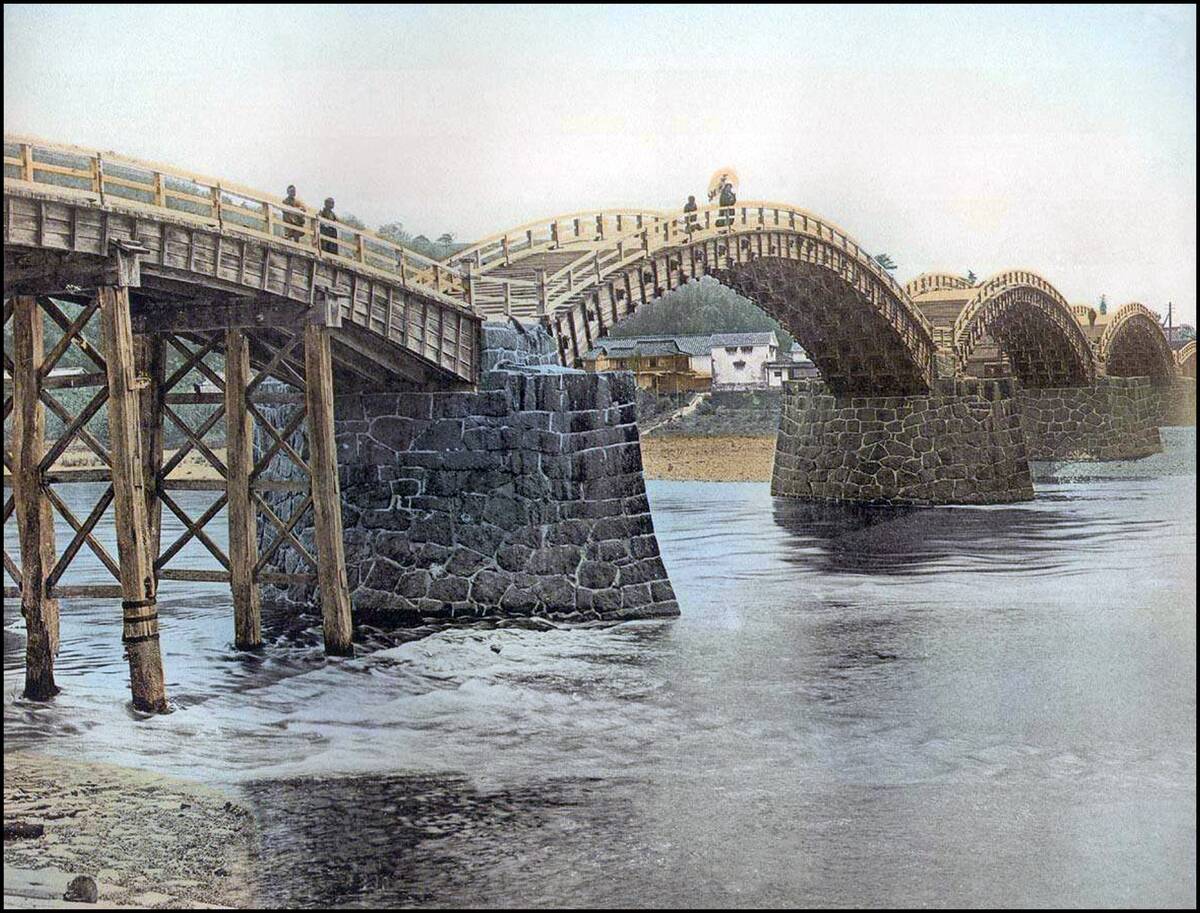
The Kintai Bridge in Iwakuni, Japan, is a celebrated example of traditional Japanese bridge engineering and woodworking. The first bridge was completed in 1673, but it collapsed during a major flood in 1674 and was rebuilt with a strengthened design. Its distinctive structure features five wooden arch spans supported by massive stone piers, showcasing the precision and craftsmanship of traditional Japanese carpentry.
The bridge has suffered repeated damage from floods and other disasters over the centuries, including its destruction by a typhoon in 1950. Faithfully reconstructed in 1953 using traditional techniques, the Kintai Bridge remains an important symbol of Japanese architectural and cultural heritage.




