The generation that learned geography at gas stations
Gas stations are more than just pit stops for fuel; they are iconic waypoints on our journeys. These roadside havens have guided travelers for decades, offering not just maps but a sense of direction in more ways than one.
Whether you’re embarking on a cross-country adventure or a quick jaunt to the next town, gas stations have historically played a pivotal role in shaping our travel experiences.
The Nostalgic Charm of Road Trips
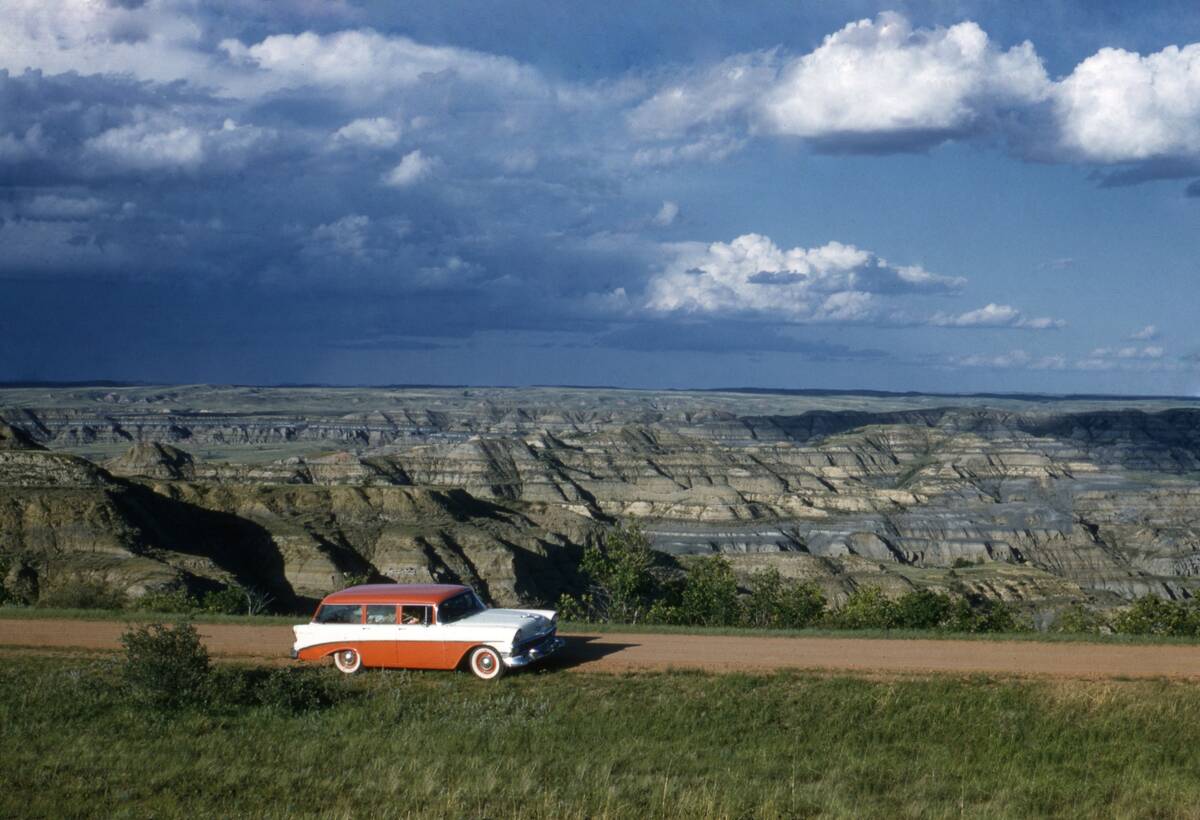
Ah, the open road! There’s something undeniably nostalgic about road trips, and gas stations are at the heart of these journeys. They evoke memories of family vacations and spontaneous adventures.
Fuel stops were often accompanied by the excitement of picking up a map or a brochure, turning a simple trip into a treasure hunt for new experiences and discoveries.
Gas Stations: The Original GPS
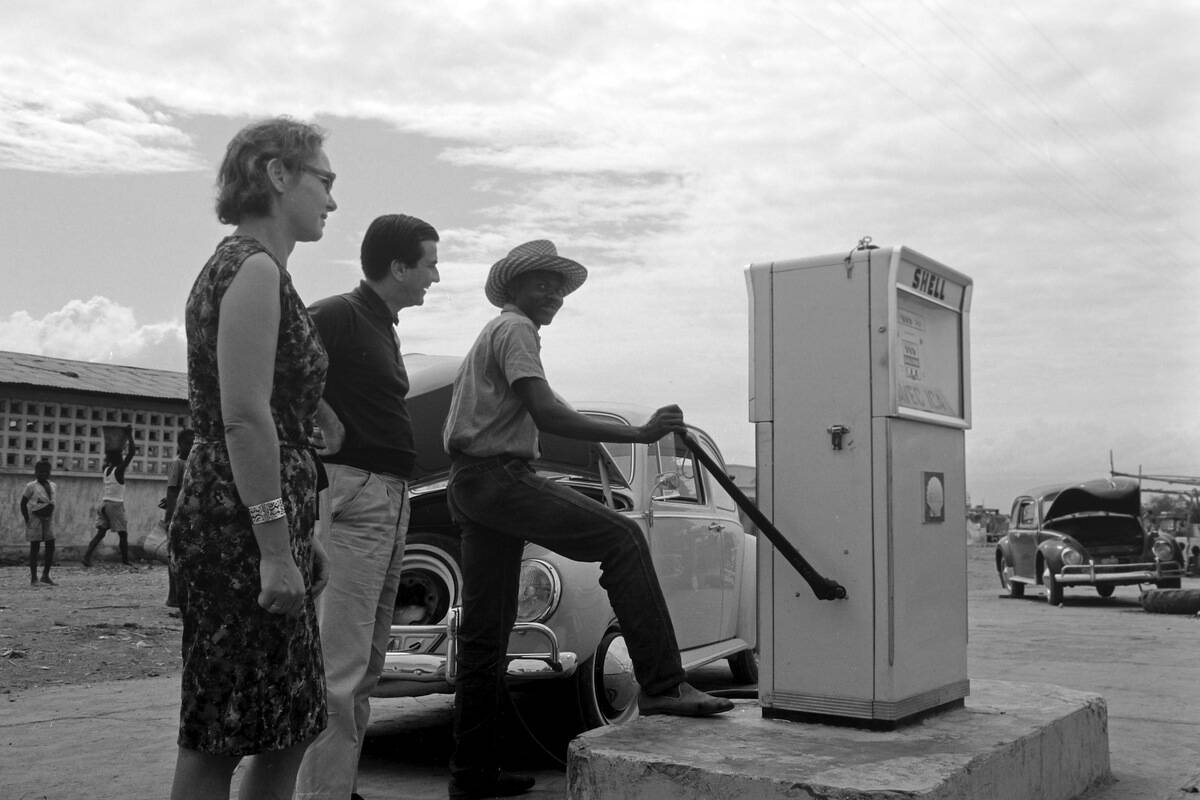
Before GPS devices and smartphones, gas stations were the go-to places for navigation help. Attendants were local experts, providing directions and advice with a friendly smile.
Maps handed out at these stations were essential tools, helping travelers chart their courses long before satellites took over. It was a time when getting lost was part of the adventure, and finding your way back was a rewarding task.
The Rise of Roadside Maps
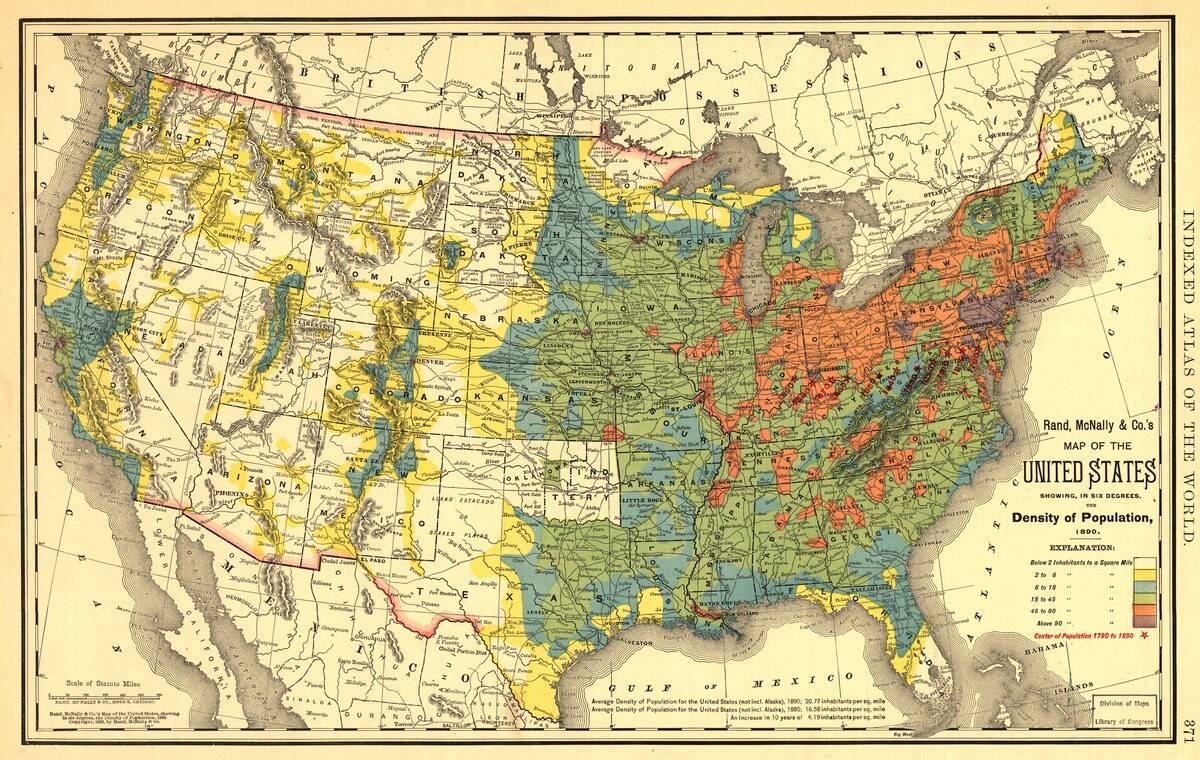
Roadside maps became popular in the early 20th century, thanks in part to the burgeoning automobile industry. Companies like Rand McNally began producing detailed maps that were distributed at gas stations across America.
These maps were not only practical but also a symbol of freedom and exploration, encouraging people to hit the road and see the world from behind the wheel.
Fuel Stops as Educational Pit Stops
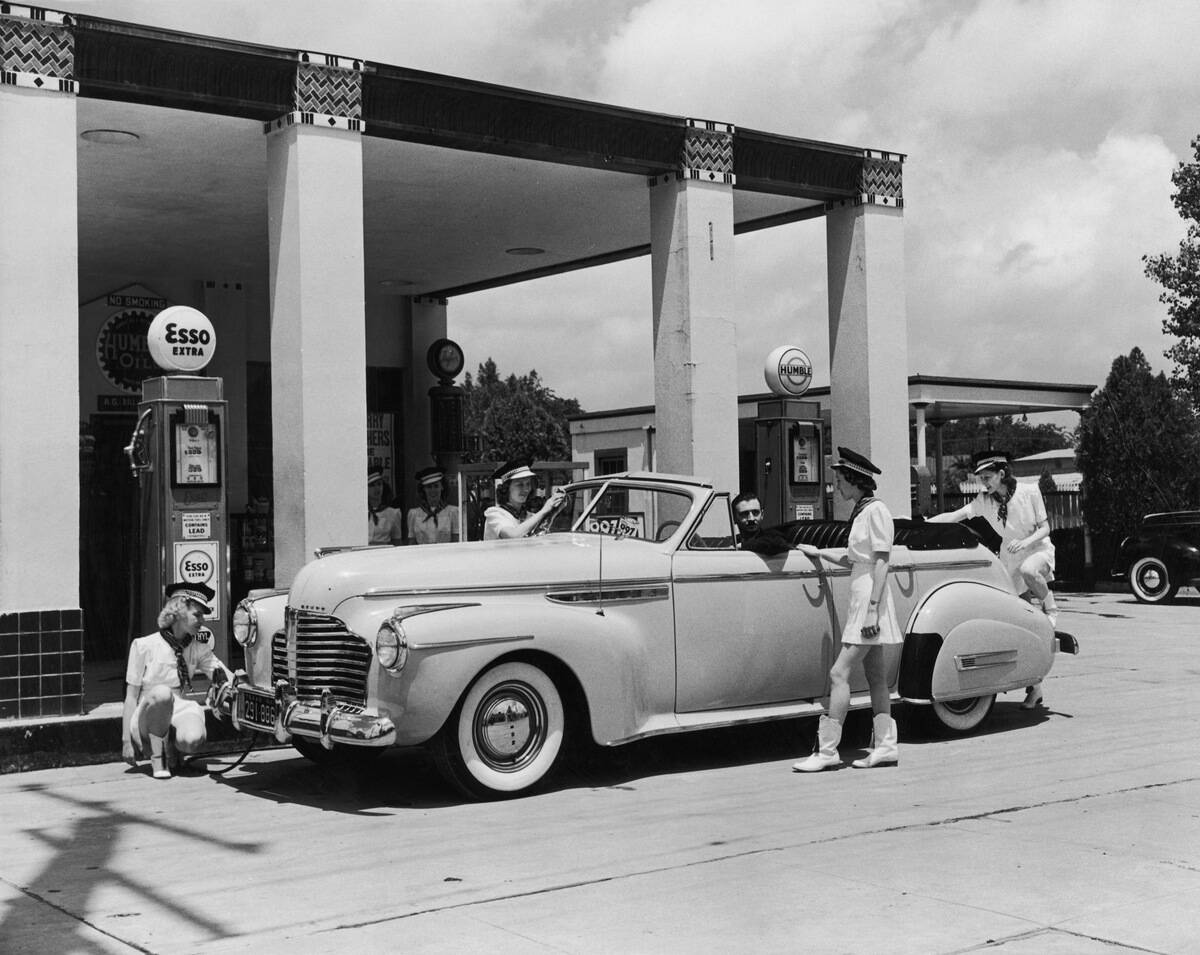
Gas stations were not just about refueling the car; they were about refueling the mind. Travelers could learn about local attractions, historical sites, and regional quirks through the maps and brochures available.
It was a hands-on geography lesson, with each stop offering a new opportunity to discover something unique about the area, making each journey educational as well as enjoyable.
Classic Roadside Memorabilia
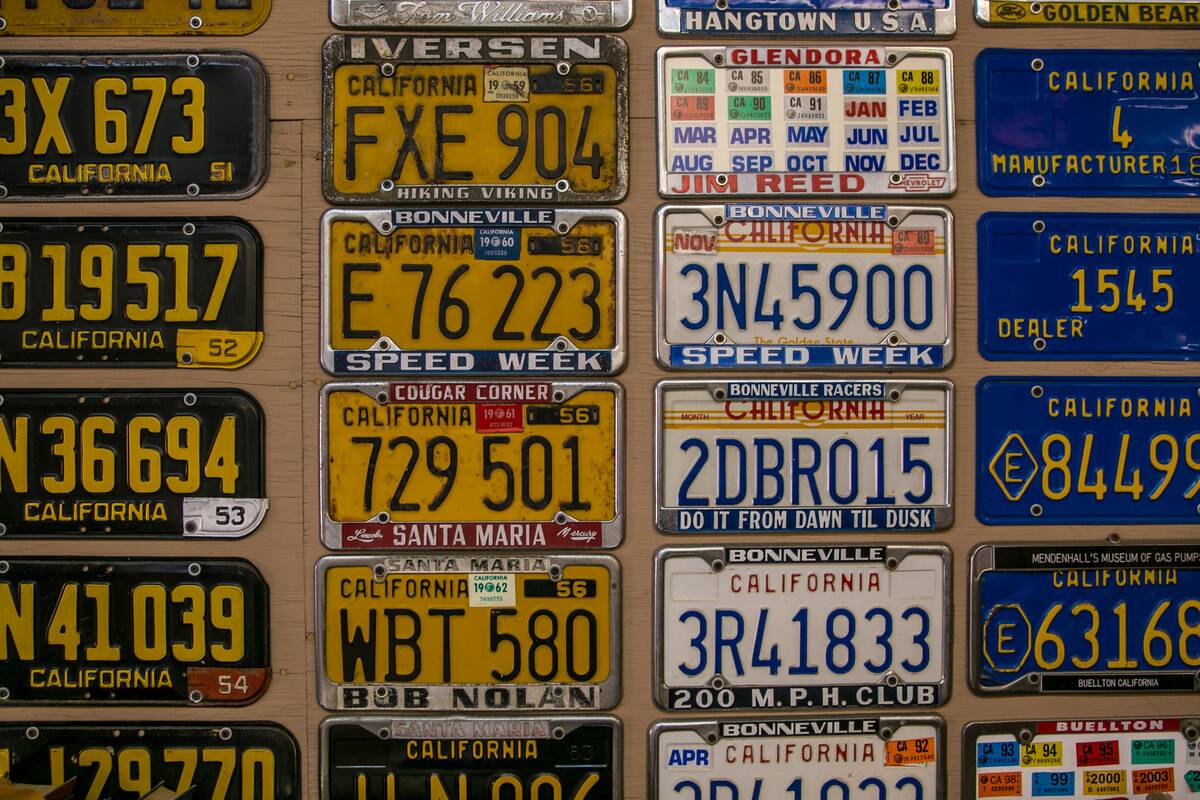
From miniature license plates to state magnets, gas stations have long been purveyors of charming souvenirs. These items became cherished keepsakes, reminding travelers of their adventures long after they returned home.
Collecting these mementos became a hobby for many, turning every pit stop into a mini treasure hunt for the perfect piece of Americana.
The Role of State Maps in Geography Lessons
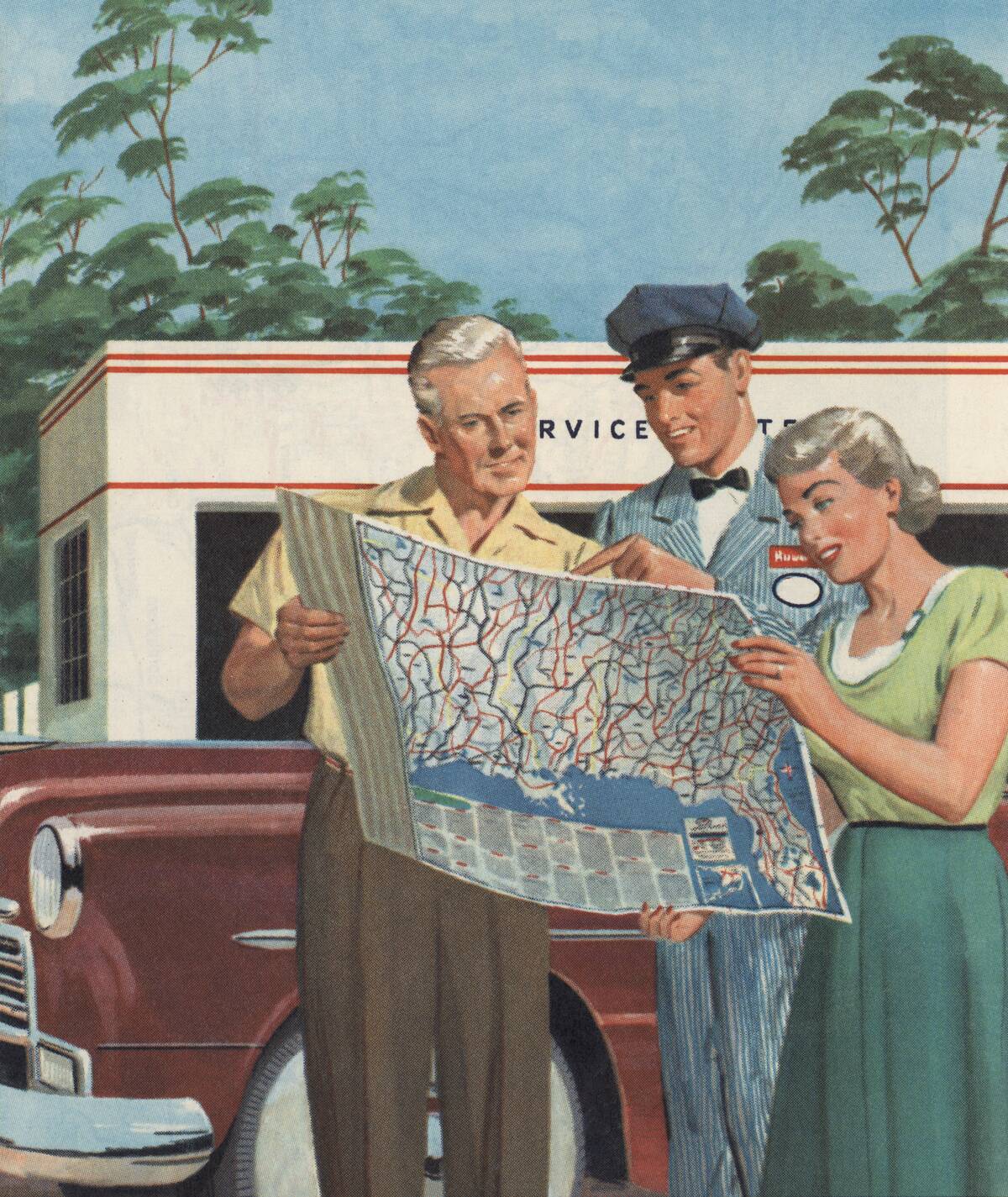
State maps handed out at gas stations weren’t just for finding the quickest route; they were educational tools. Teachers often used these free resources in classrooms to teach students about geography, state capitals, and natural landmarks.
These maps offered a tactile learning experience, fostering a love for geography and exploration in young minds.
Unfolding the Art of Map Reading
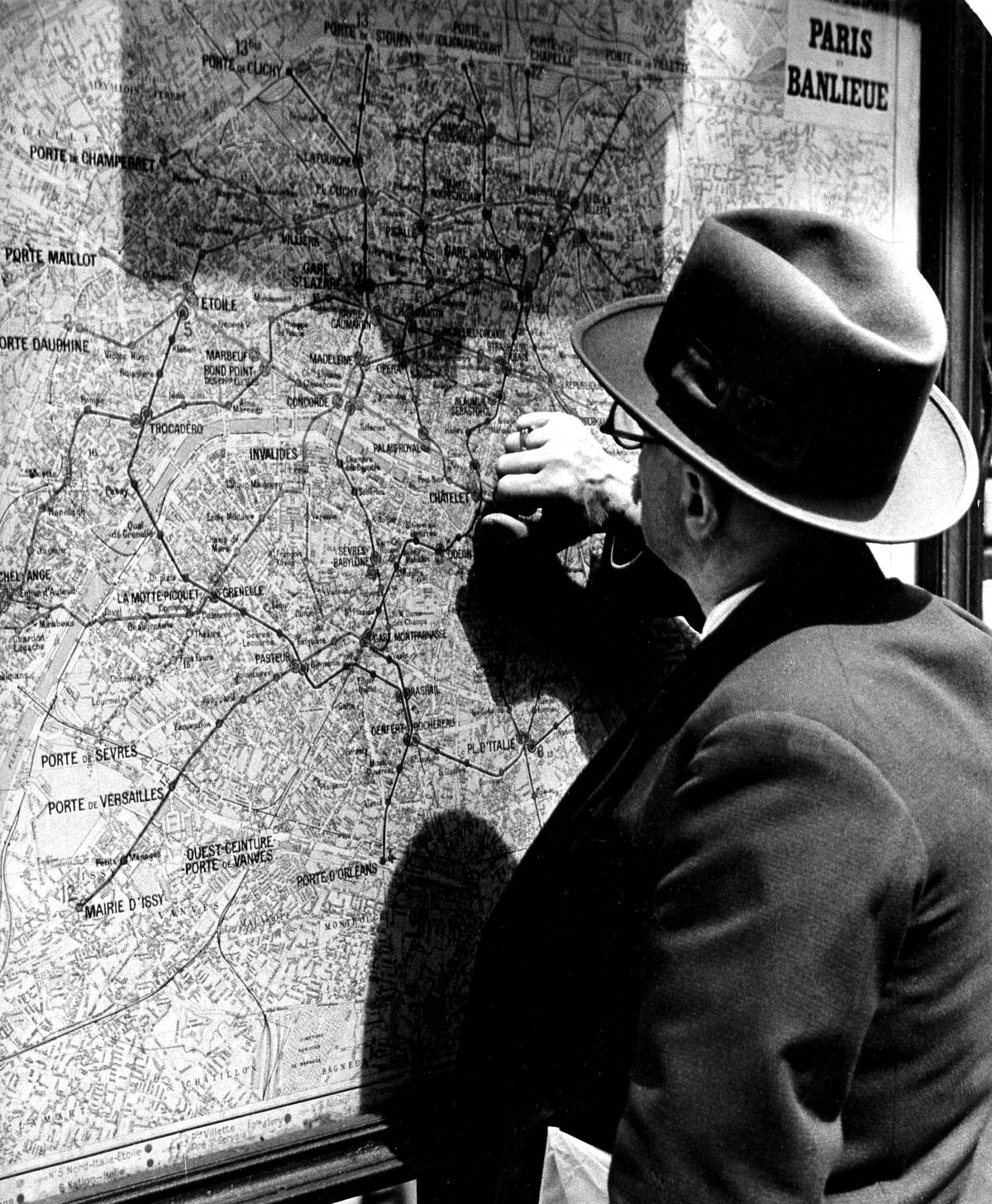
Map reading is an art that has been somewhat lost in the digital age. Gas station maps taught travelers how to interpret symbols, scale distances, and understand topography.
There was a certain satisfaction in unfolding a map and plotting a course. This skill not only enhanced travel experiences but also developed critical thinking and spatial awareness.
Iconic Gas Station Brands and Their Maps
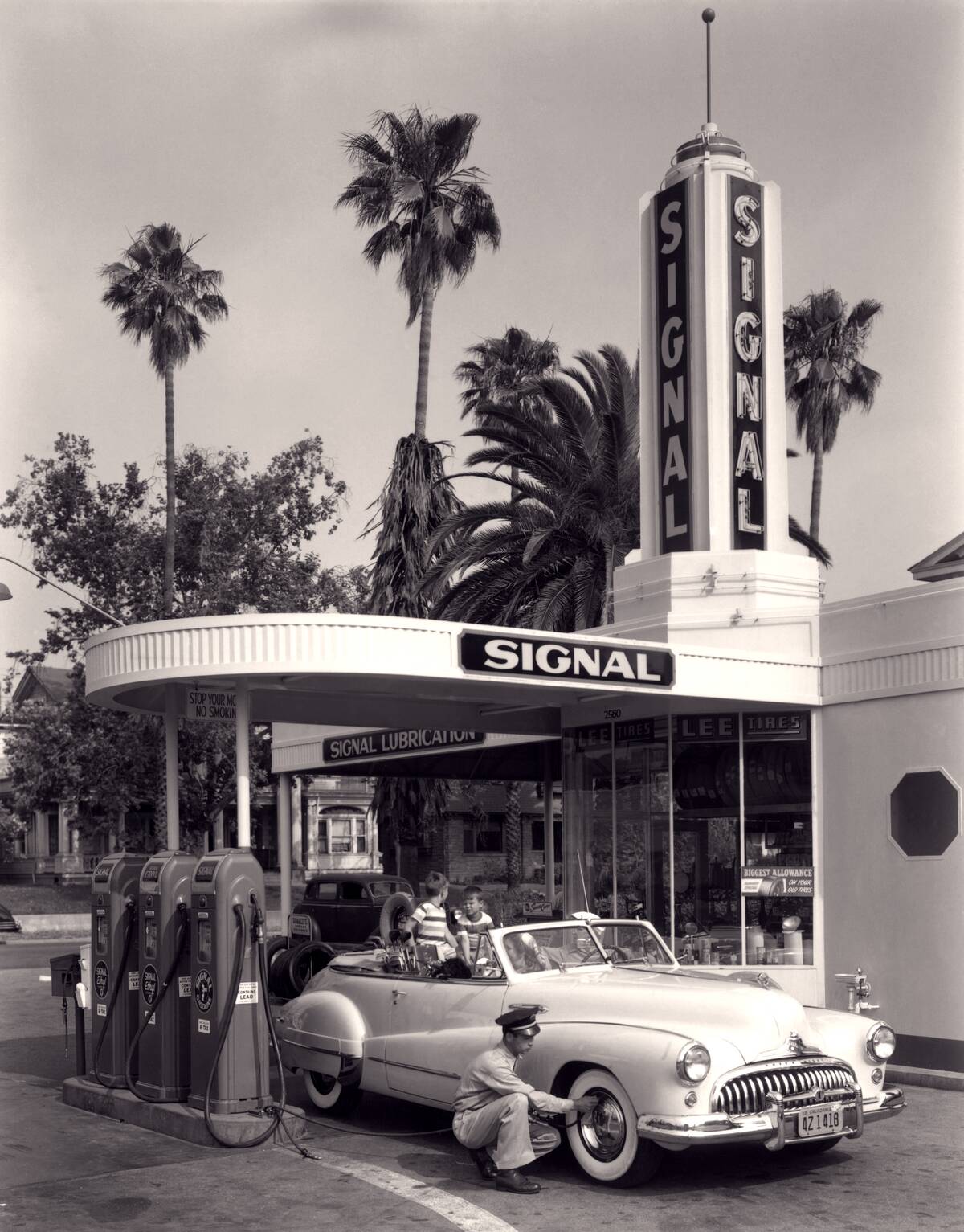
Brands like Texaco, Shell, and Chevron became synonymous with road travel, and their maps were a staple of the American road trip. Each company had its own style, with maps that featured their logo and emphasized routes that showcased their service stations.
These maps became collectibles in their own right, representing the golden era of the American road trip.
Road Trip Games: More Than Just Entertainment
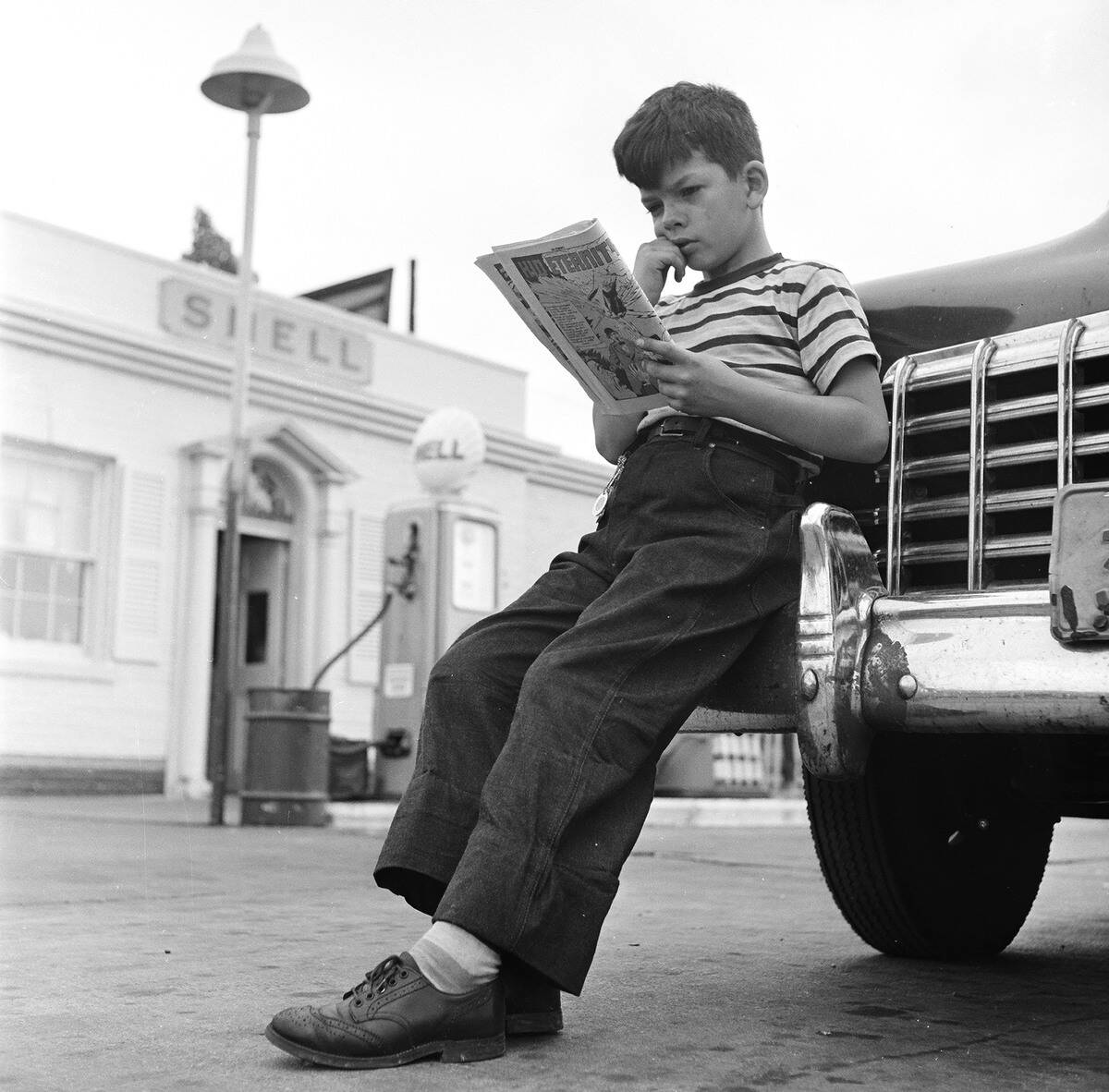
Who hasn’t played the license plate game or I-spy during a long drive? Gas stations contributed to these diversions by offering activity books and puzzles that made the miles fly by.
These games not only entertained restless passengers but also encouraged observation and engagement with the passing scenery, making the journey as memorable as the destination.
The Transition from Paper Maps to Digital Directions

The shift from paper maps to digital navigation tools marked a significant change in how we travel. While GPS offers convenience and real-time updates, it lacks the tactile interaction and sense of adventure that paper maps provided.
Despite this shift, many travelers still cherish the nostalgia of unfolding a map and tracing their fingers along the route.
Gas Station Maps as Collectors’ Items
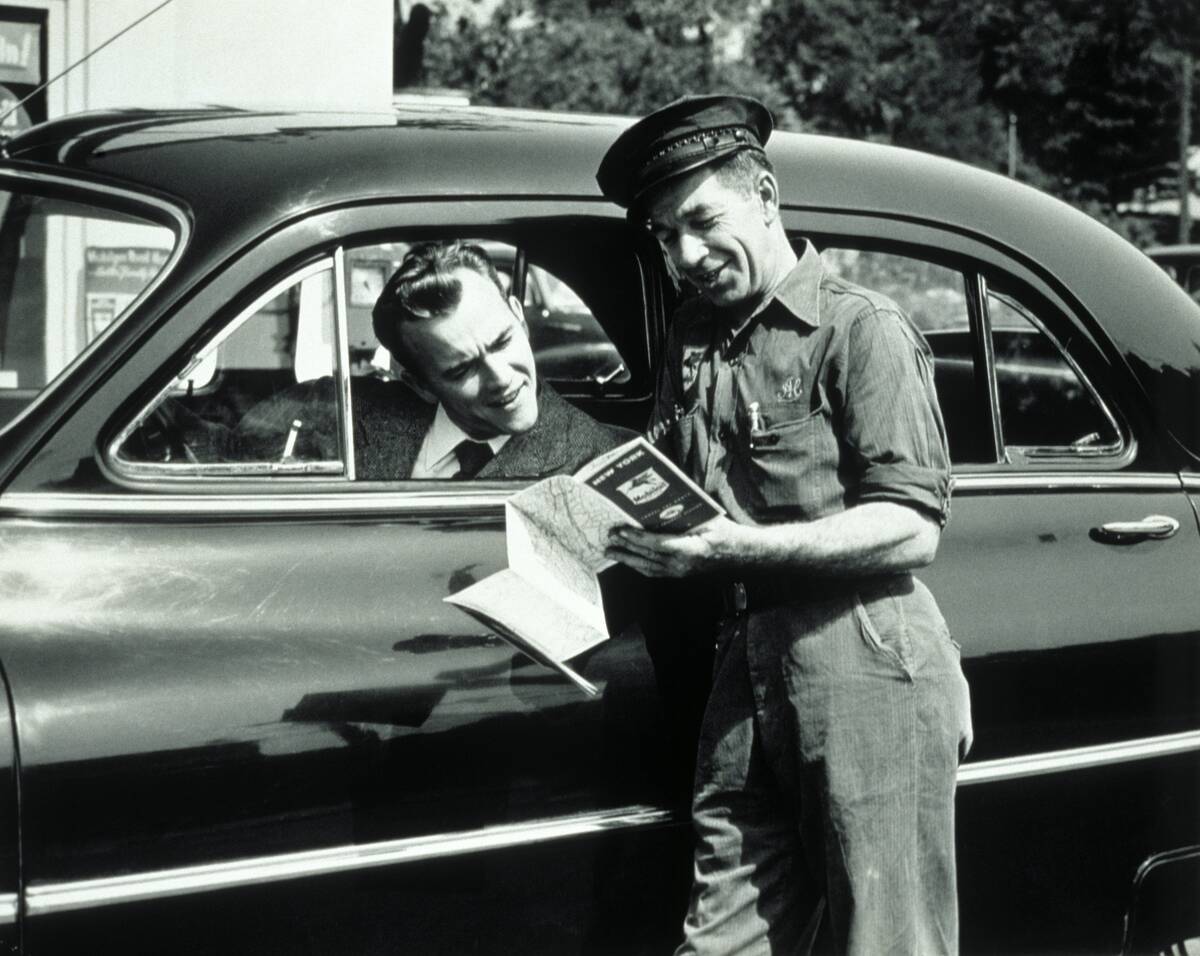
For enthusiasts, gas station maps are more than just navigation tools; they are collectible artifacts. These maps capture a moment in time, showcasing how roads and regions have changed.
Collectors cherish these pieces for their historical value and the stories they tell about past adventures. They serve as reminders of a time when the road trip was a quintessential American experience.
The Endearing Quirks of Vintage Gas Stations
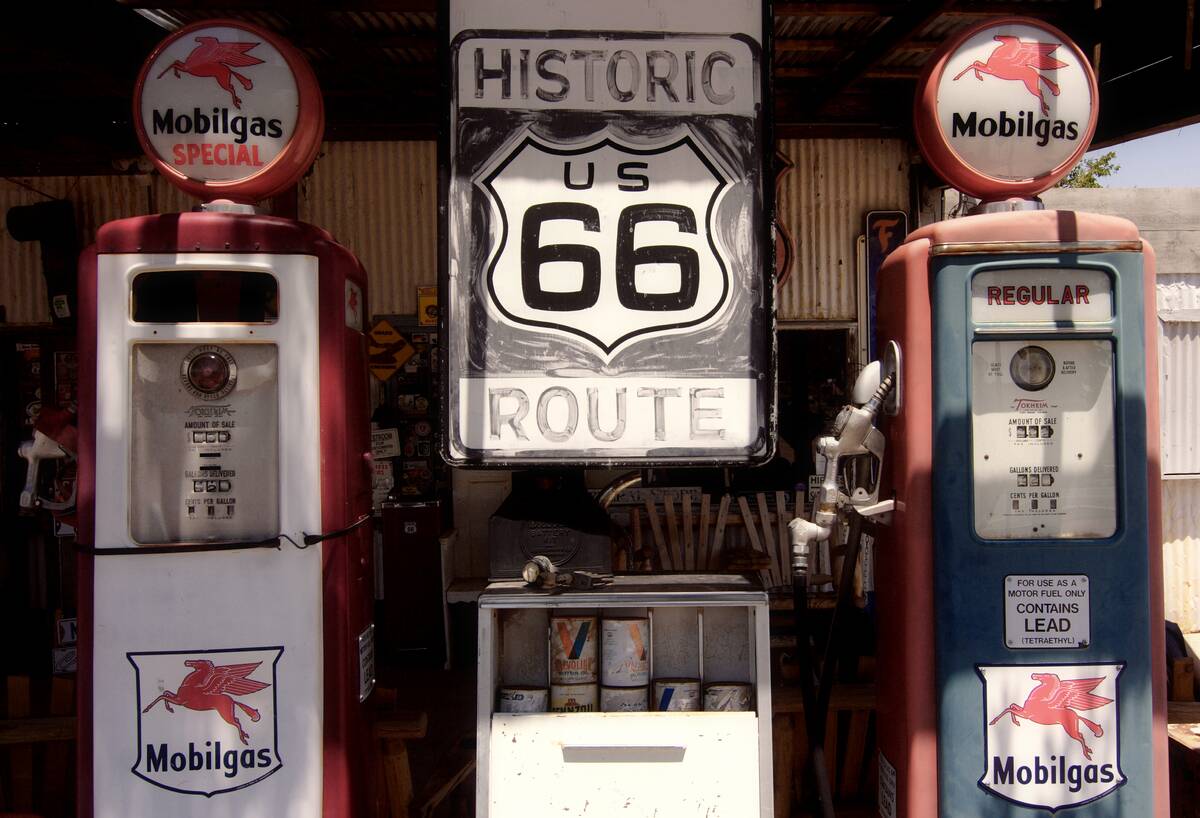
Vintage gas stations hold a special place in the hearts of travelers. Their unique architecture, retro signage, and quirky decorations are a nod to a bygone era. These stations often become landmarks in their own right, attracting tourists who wish to capture a piece of nostalgia.
They remind us of a simpler time, when travel was about the journey as much as the destination.




