The decades that transformed American society
Embark on a captivating journey through the 20th and early 21st centuries, where each decade brought its own unique flair and transformative events.
From the jazz-infused Roaring Twenties to the digital explosion of the 2010s, these years were marked by significant cultural, political, and technological changes.
The Roaring Twenties: Jazz, Flappers, and Economic Boom
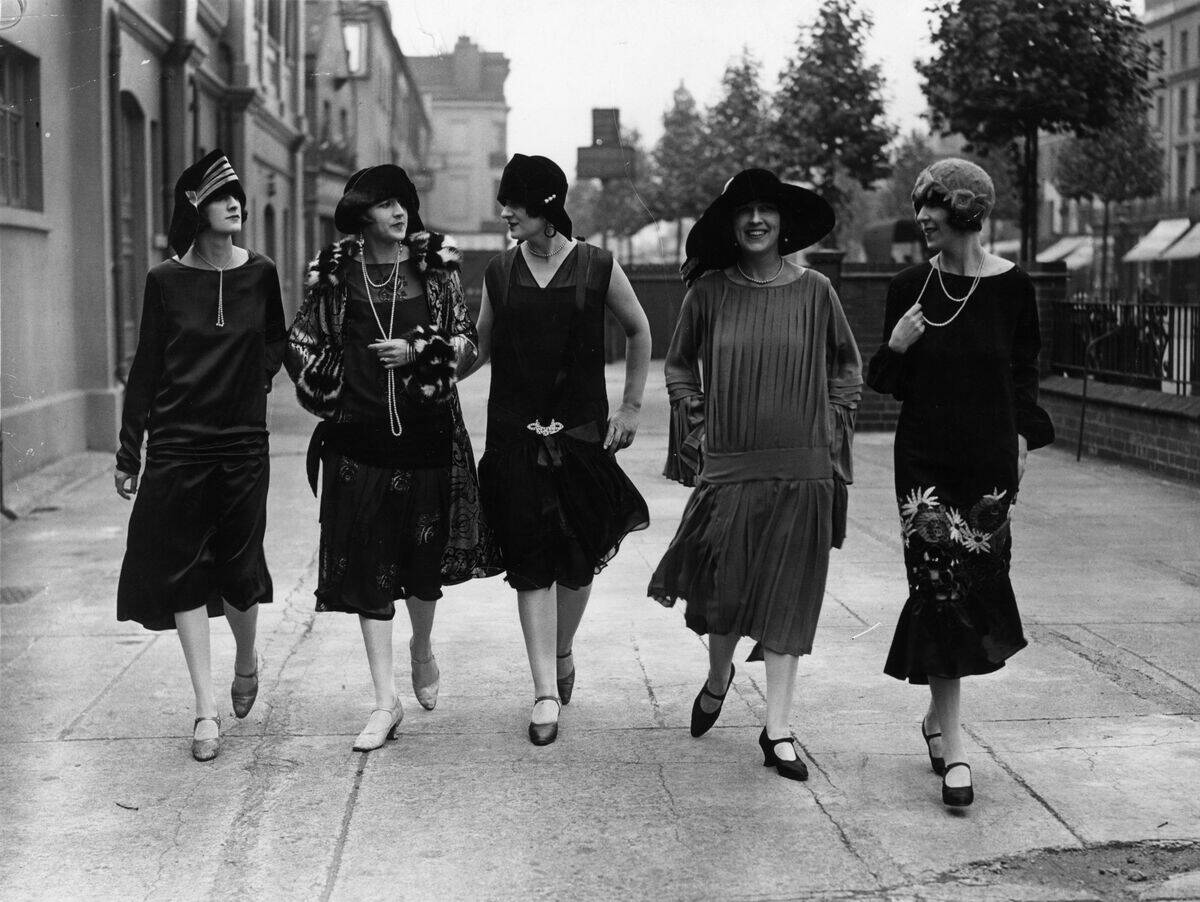
The Roaring Twenties was an era of unprecedented economic prosperity and cultural dynamism in the United States. Jazz music, with its lively rhythms and improvisational style, became the soundtrack of the decade, capturing the spirit of innovation and liberation.
Flappers, with their short skirts and bobbed hair, challenged traditional gender norms, embodying the newfound sense of freedom and modernity. This decade also saw significant economic growth, fueled by industrial advances and consumerism, setting the stage for the modern era.
The Great Depression: Hard Times and Resilience
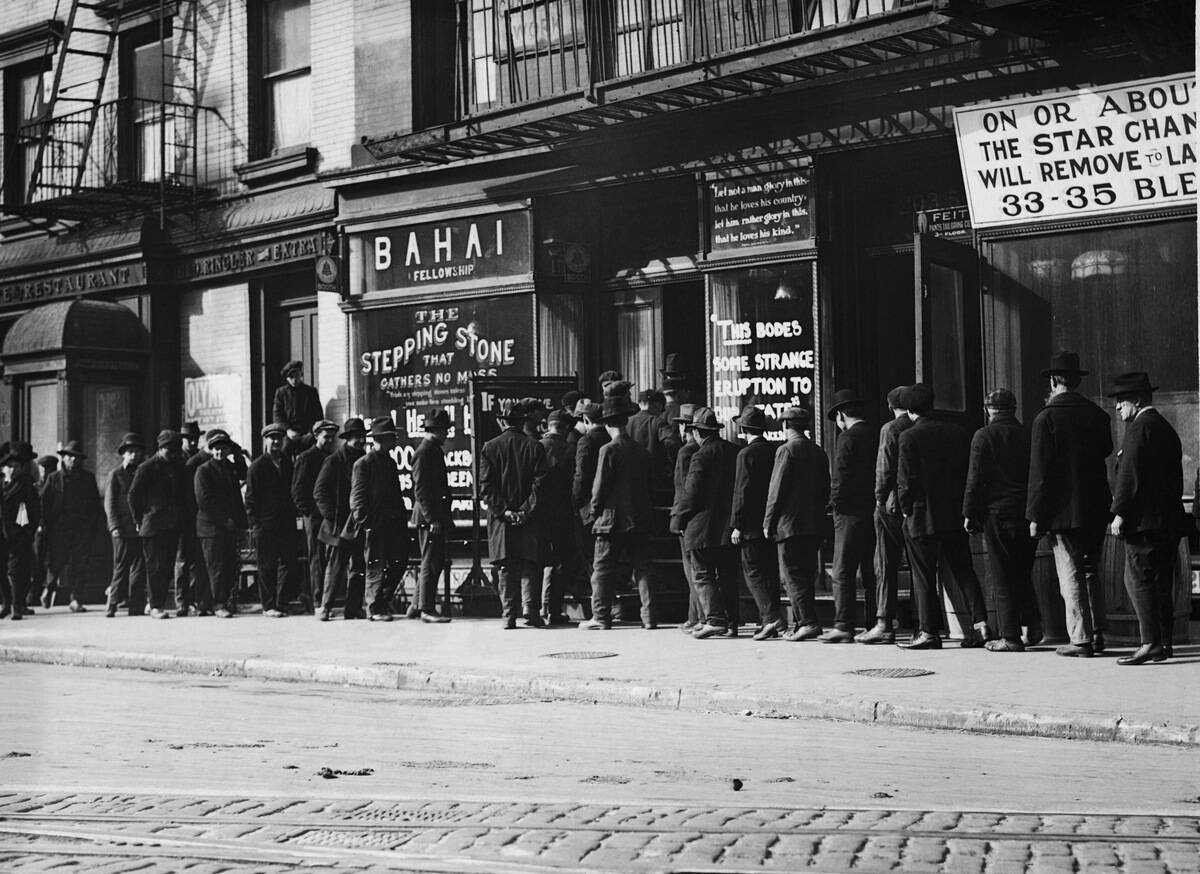
The Great Depression of the 1930s was a period of severe economic hardship, with unemployment rates soaring to 25% in the United States. Despite these challenges, the era was marked by resilience and innovation, as people found creative ways to cope with adversity.
The New Deal, introduced by President Franklin D. Roosevelt, aimed to provide relief and recovery through a series of government programs and reforms. This period also saw the rise of iconic cultural figures like Woody Guthrie, whose music captured the struggles and hopes of the American people.
The 1940s: World War II and the Rise of the American Superpower
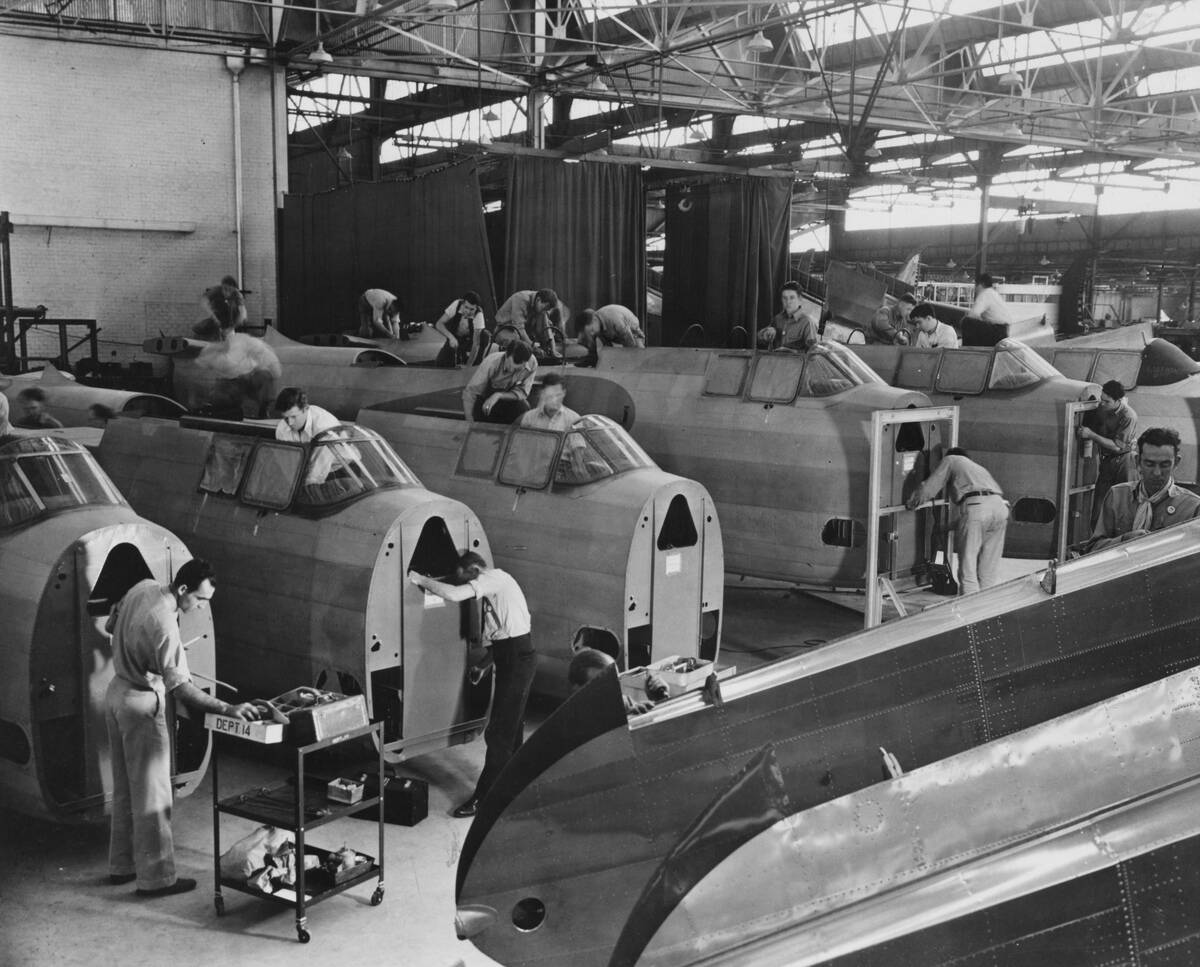
The 1940s were dominated by the global conflict of World War II, which reshaped the geopolitical landscape and solidified the United States’ status as a superpower. The war effort led to significant advancements in technology and industry, with women entering the workforce in unprecedented numbers.
The decade also witnessed the horrors of the Holocaust and the use of atomic bombs in Hiroshima and Nagasaki, events that would shape international relations for decades to come. As the war ended, the United Nations was established to promote peace and cooperation among nations.
The Fabulous Fifties: Suburbia, Rock ‘n’ Roll, and the Baby Boom
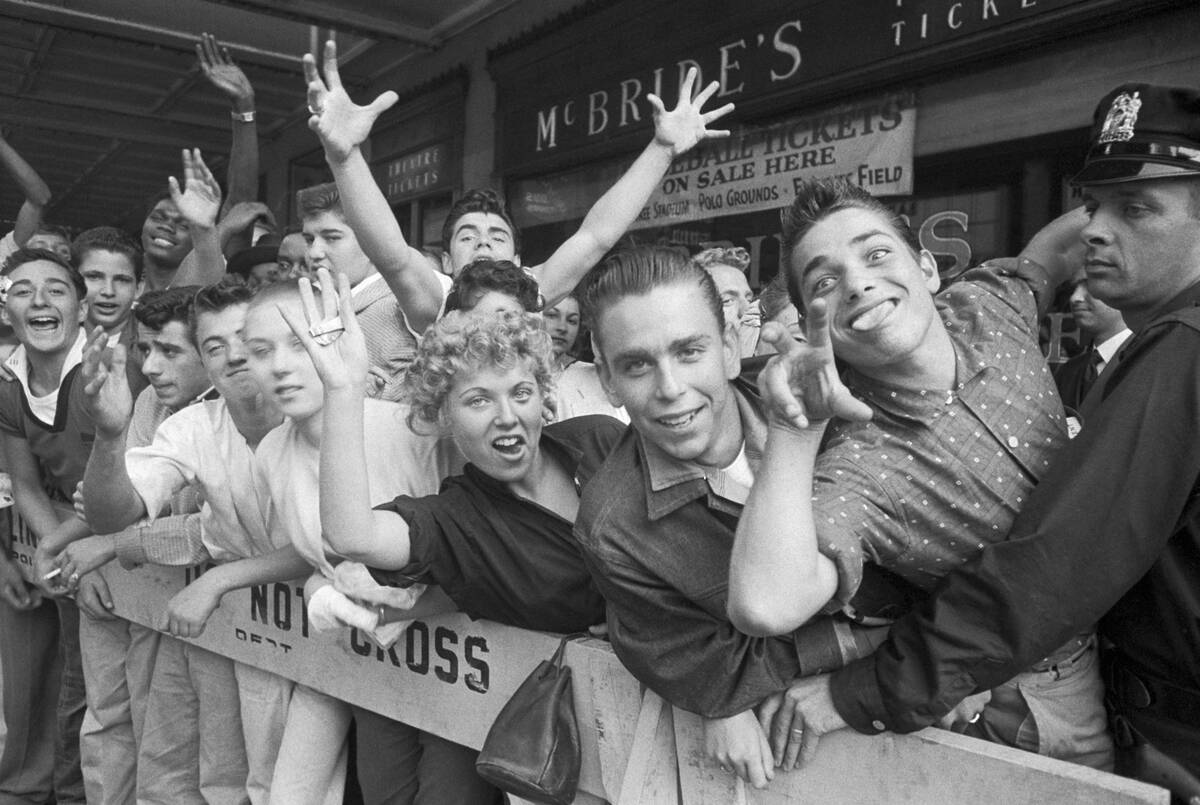
The 1950s were characterized by a post-war economic boom, leading to the rise of suburbia and the Baby Boom. Families flocked to newly developed suburban neighborhoods, seeking the American Dream of homeownership and prosperity.
This era also saw the birth of rock ‘n’ roll, with artists like Elvis Presley and Chuck Berry revolutionizing music and youth culture. Television became a staple in American households, shaping popular culture and providing a shared experience for millions. The decade was marked by a sense of optimism and conformity, setting the stage for the social upheavals of the 1960s.
The Swinging Sixties: Civil Rights, Counterculture, and Space Race
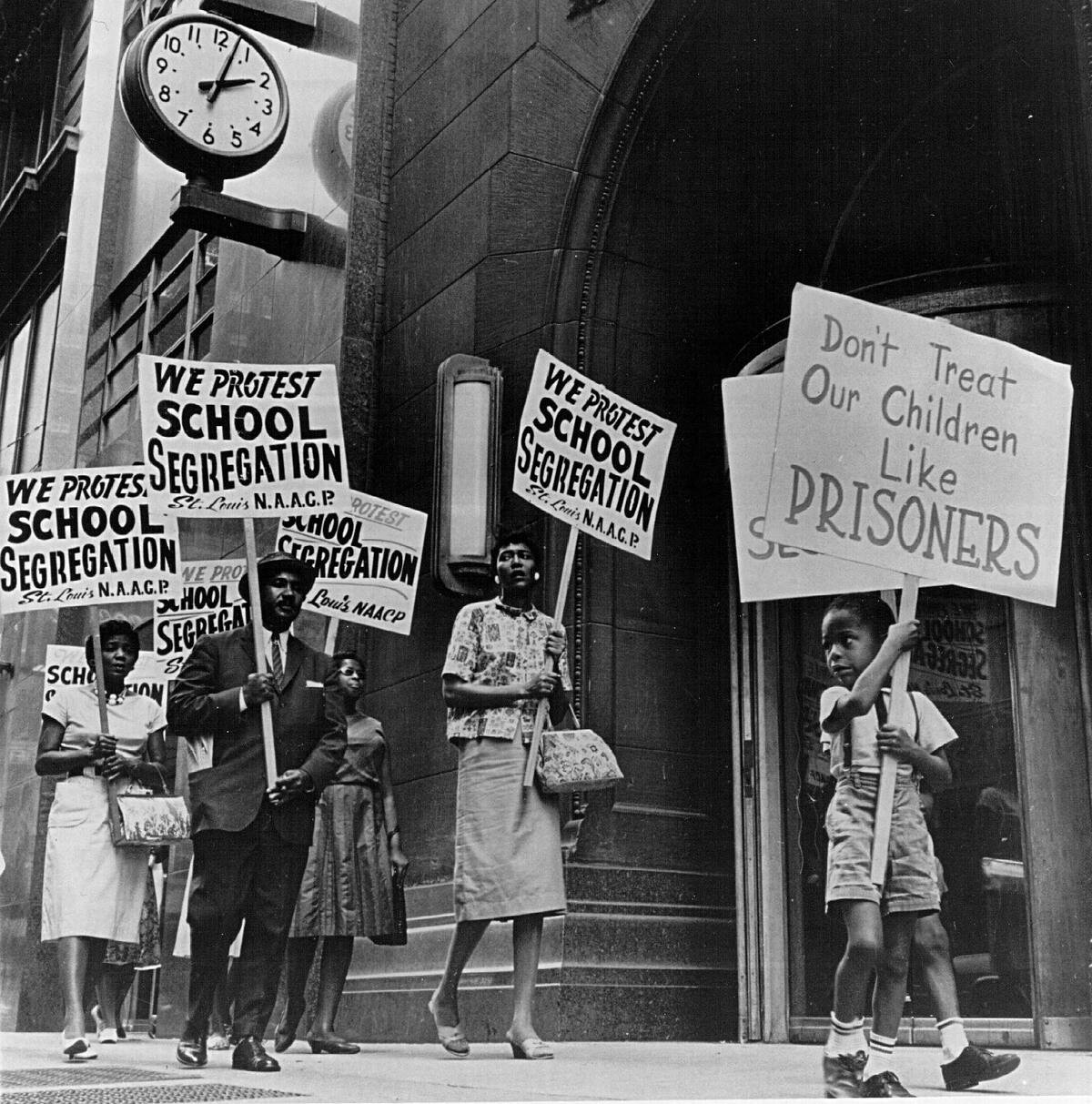
The 1960s were a time of social and cultural revolution, as the Civil Rights Movement fought for racial equality and justice. Leaders like Martin Luther King Jr. and Malcolm X became iconic figures in the struggle for civil rights, inspiring a generation to challenge the status quo.
The counterculture movement, with its emphasis on peace, love, and anti-establishment ideals, gained momentum, influencing music, fashion, and lifestyles. Meanwhile, the Space Race between the United States and the Soviet Union culminated in the historic Apollo 11 moon landing in 1969, a testament to human ingenuity and ambition.
The Seventies: Disco, Détente, and Economic Challenges
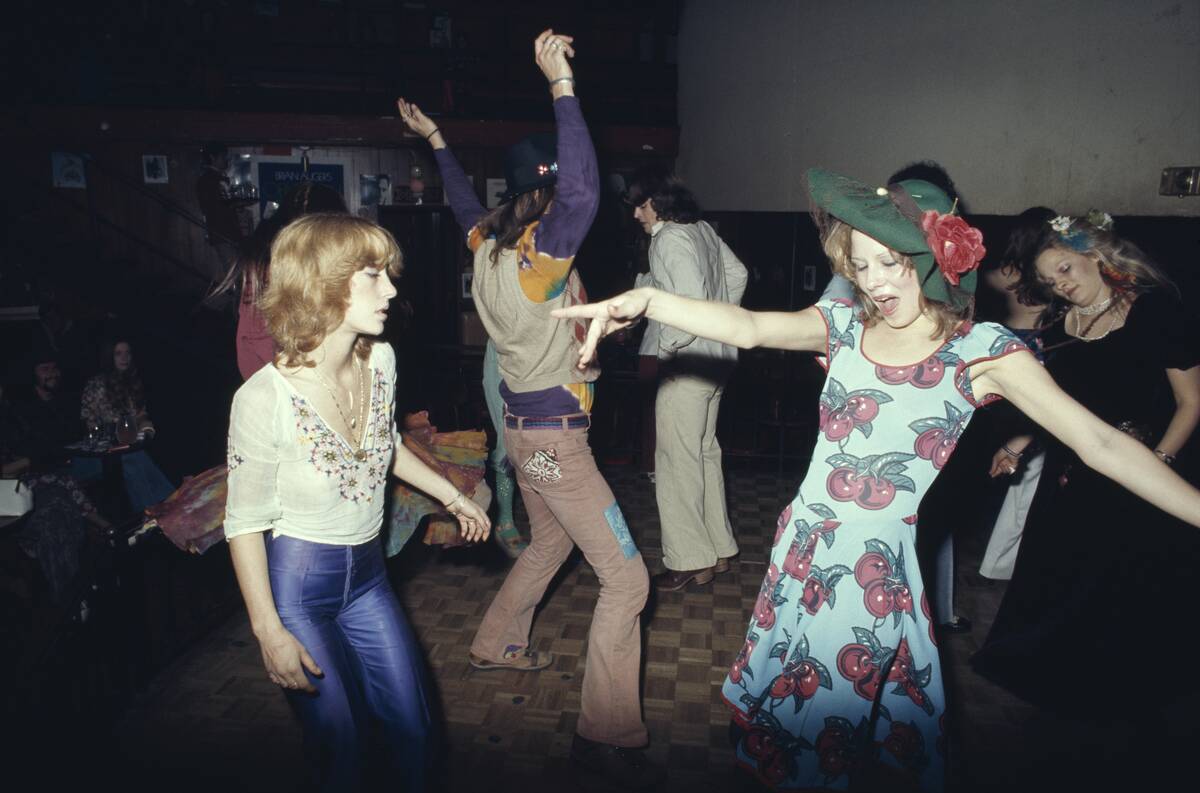
The 1970s were a decade of contrasts, with the glitz and glamour of disco music coexisting with economic challenges and political tensions. The oil crisis of 1973 led to stagflation, a combination of stagnant economic growth and high inflation, impacting economies worldwide.
In the realm of international relations, the policy of détente aimed to ease Cold War tensions between the United States and the Soviet Union. Meanwhile, disco music and fashion, epitomized by the iconic Studio 54, provided an escape from the decade’s challenges, offering a vibrant and inclusive cultural scene.
The Eighties: Reaganomics, MTV, and Technological Advancements
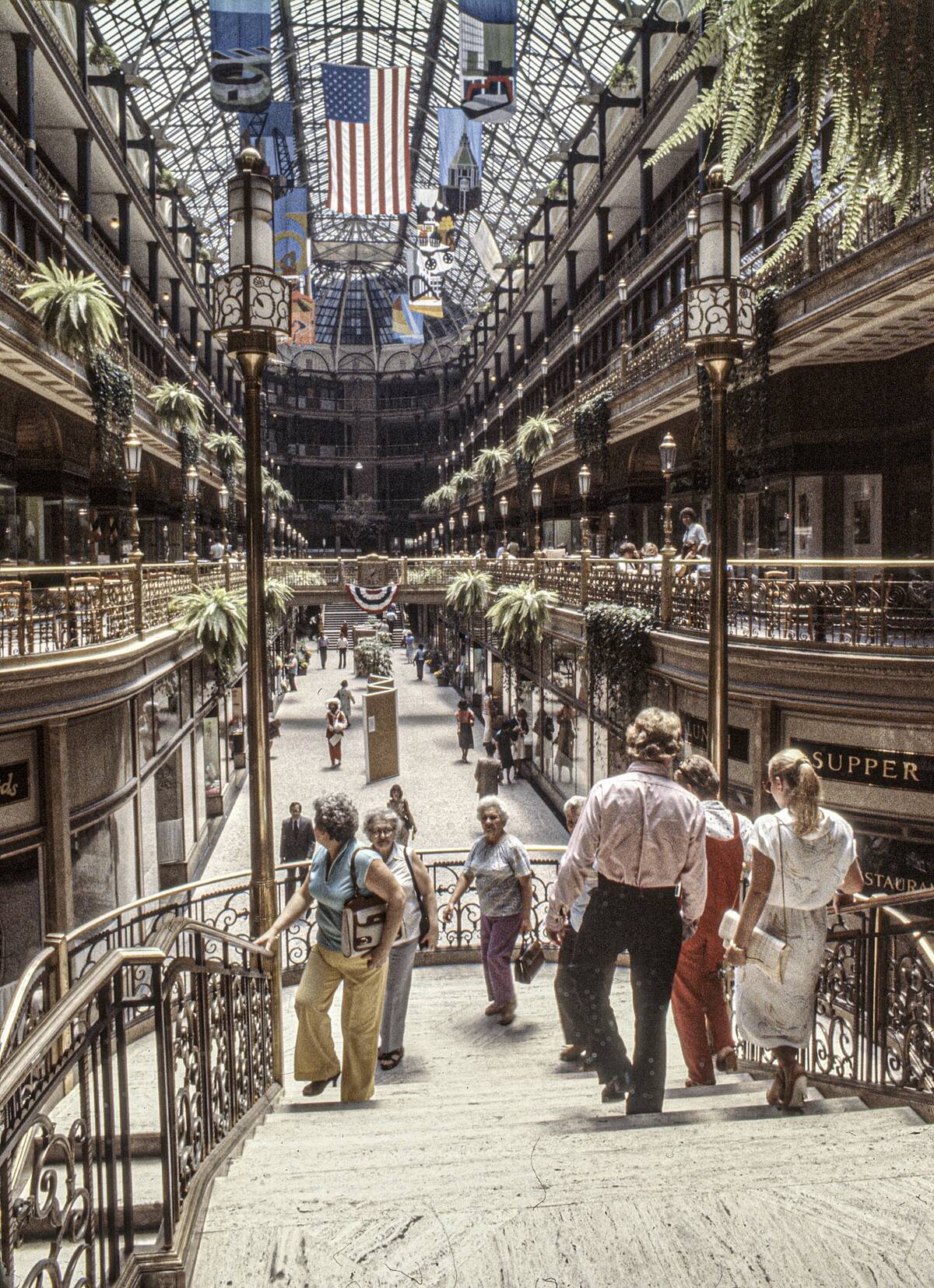
The 1980s were marked by significant economic and cultural shifts, with Reaganomics promoting tax cuts and deregulation to stimulate growth. This era saw the rise of consumerism and a focus on individualism, reflected in the popularity of brands like Nike and Coca-Cola.
MTV revolutionized the music industry, bringing music videos to the forefront and launching the careers of artists like Michael Jackson and Madonna. Technological advancements, including the personal computer and video game consoles, began to transform daily life, laying the groundwork for the digital age.
The Nineties: The Internet Age and Cultural Melting Pot
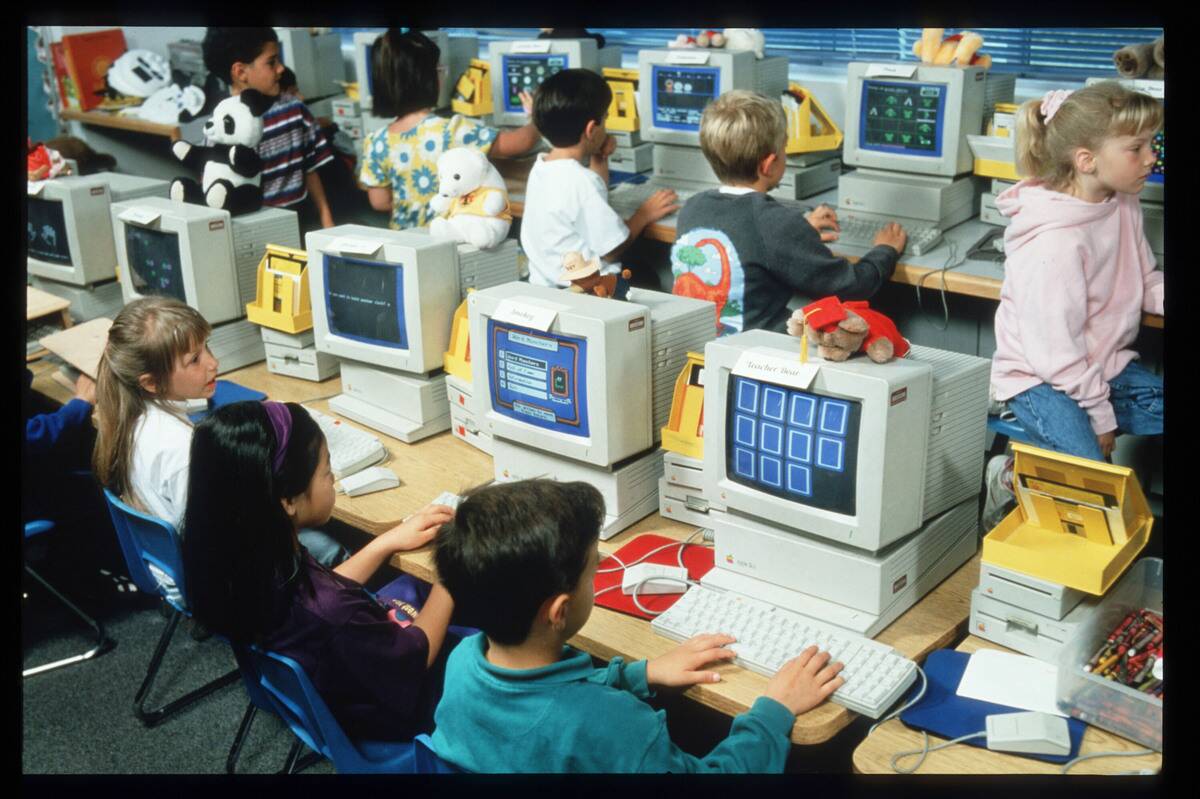
The 1990s ushered in the Internet Age, fundamentally changing the way people communicated and accessed information. The World Wide Web became accessible to the public, leading to the rise of email, online shopping, and social networking.
This decade also celebrated diversity and multiculturalism, with the United States becoming a cultural melting pot. Television shows like “Friends” and “The Fresh Prince of Bel-Air” reflected this diversity, while the grunge music scene, led by bands like Nirvana, captured the angst and spirit of the generation.
The 2000s: 9/11, Social Media, and Globalization

The 2000s were defined by the tragic events of September 11, 2001, which had a profound impact on global politics and security. The subsequent War on Terror and conflicts in Afghanistan and Iraq dominated international relations.
This decade also saw the rise of social media platforms like Facebook and Twitter, transforming how people interacted and shared information. Globalization accelerated, with increased trade and cultural exchange, while technological innovations continued to reshape industries and everyday life, from smartphones to renewable energy.
The 2010s: The Rise of Streaming and Social Movements
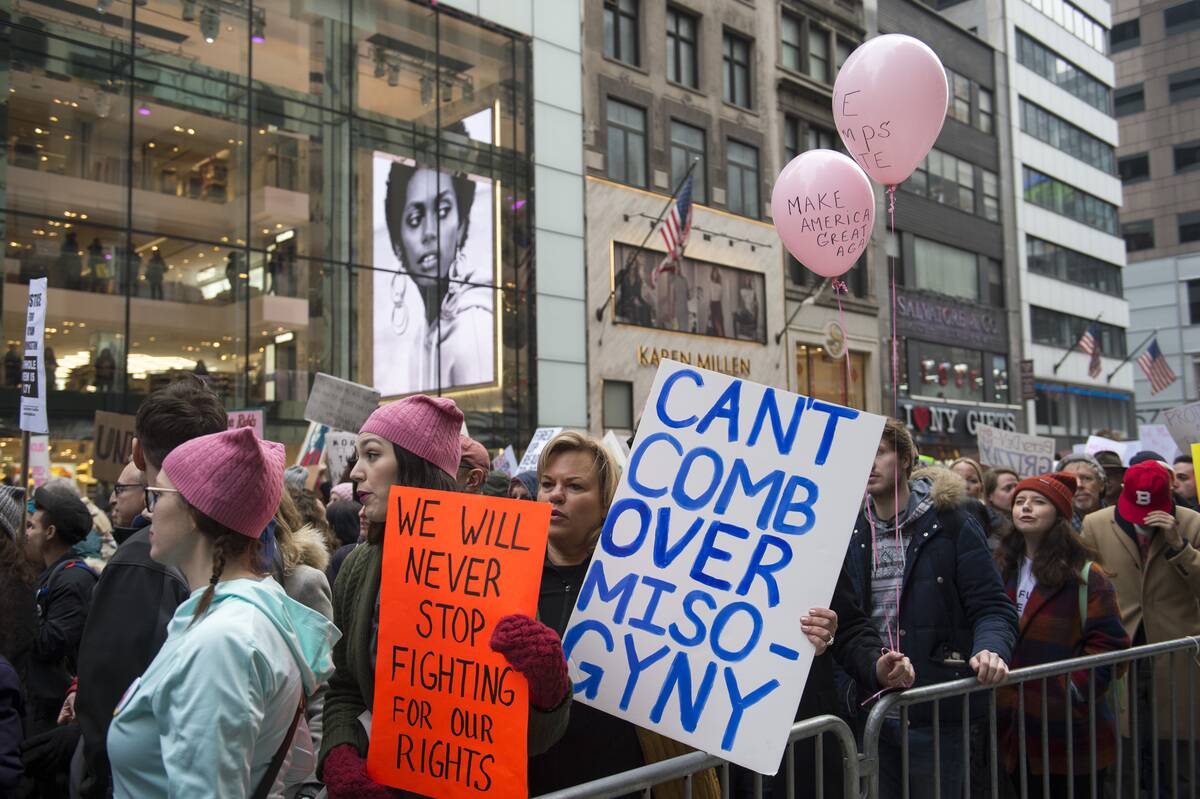
The 2010s witnessed the rise of streaming services like Netflix and Spotify, revolutionizing how people consumed media and entertainment. Traditional television and music industries were disrupted as audiences embraced on-demand content.
This decade was also marked by significant social movements, including #MeToo and Black Lives Matter, which brought issues of gender equality and racial justice to the forefront. The power of social media in mobilizing and amplifying these movements highlighted the growing influence of digital platforms in shaping public discourse and activism.
Fashion Through the Decades: A Reflection of Societal Change
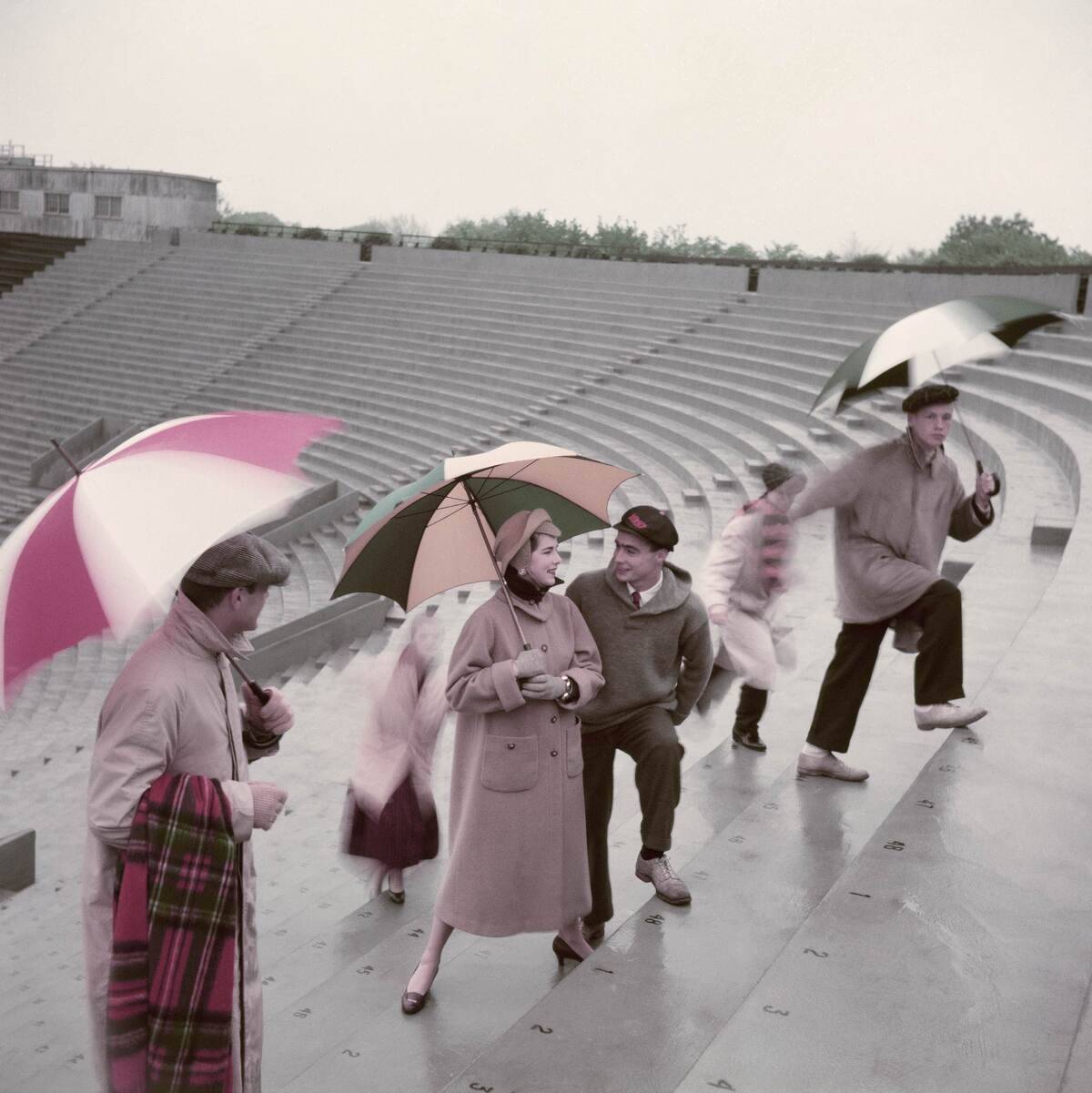
Fashion has always been a mirror of societal change, reflecting the cultural and political climate of each decade. The flapper dresses of the 1920s symbolized women’s liberation, while the tailored suits of the 1950s represented post-war prosperity and conformity.
The bold colors and patterns of the 1960s and 70s echoed the era’s social revolutions, and the power suits of the 1980s embodied the rise of corporate culture. Today, fashion continues to evolve, embracing sustainability and inclusivity as it adapts to changing values and technologies.




