Accidental discoveries that changed the world
In the vast realm of scientific and technological advancements, some of the most pivotal breakthroughs have emerged not from meticulous planning, but from sheer serendipity.
These accidental discoveries have shaped our world in unexpected ways, often leading to innovations that we now consider indispensable. From everyday household items to life-saving medical treatments, the stories behind these discoveries are as fascinating as the inventions themselves.
Penicillin: The Moldy Miracle That Revolutionized Medicine
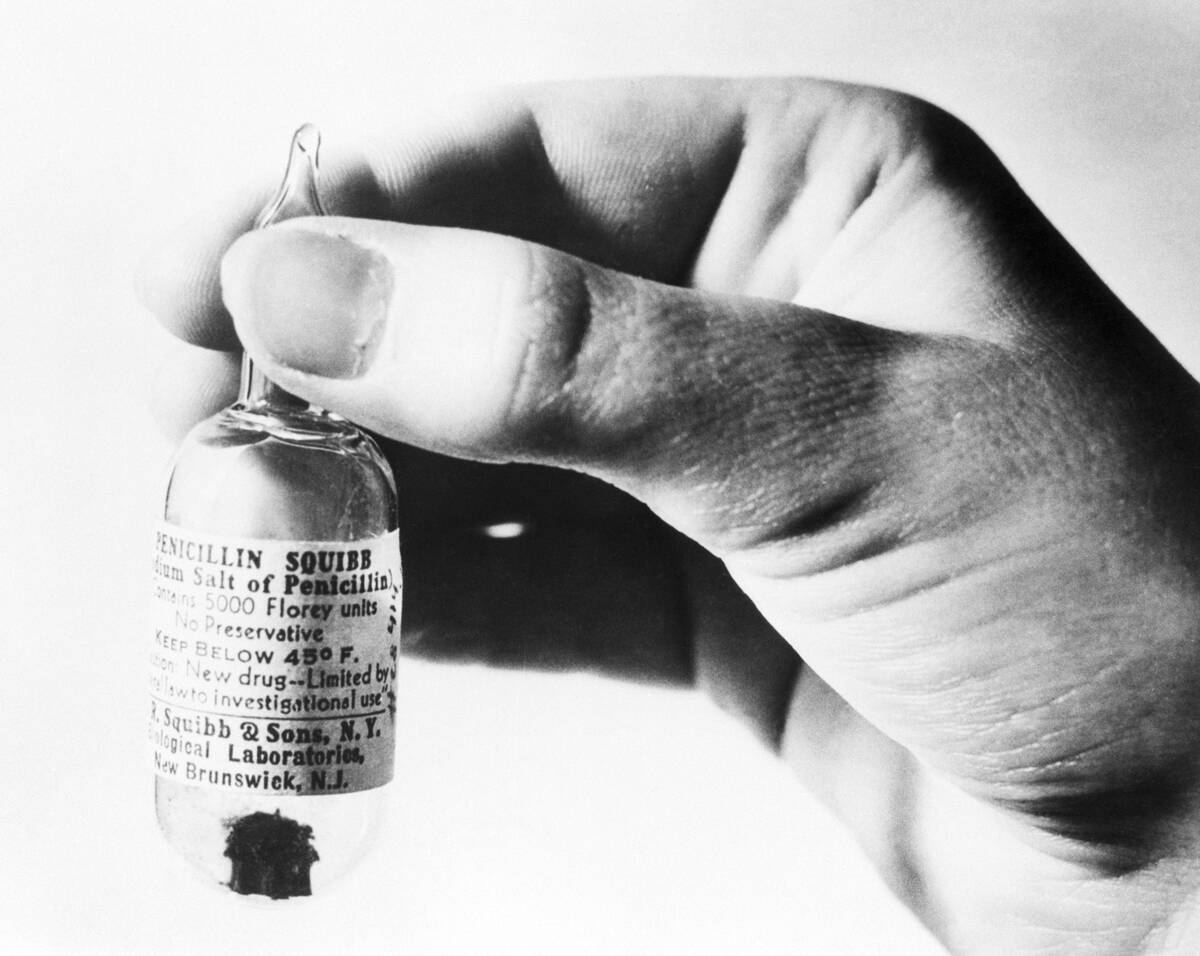
Penicillin, one of the first widely used antibiotics, was discovered by Alexander Fleming in 1928 when he noticed that a mold from the genus Penicillium had contaminated his petri dish and prevented the growth of surrounding bacteria.
This accidental discovery eventually led to the development of a life-saving medicine that has treated countless bacterial infections. Before antibiotics, many serious infections could be fatal, but penicillin revolutionized medicine and changed the treatment of bacterial diseases forever.
The Microwave Oven: A Sweet Surprise from a Candy Bar
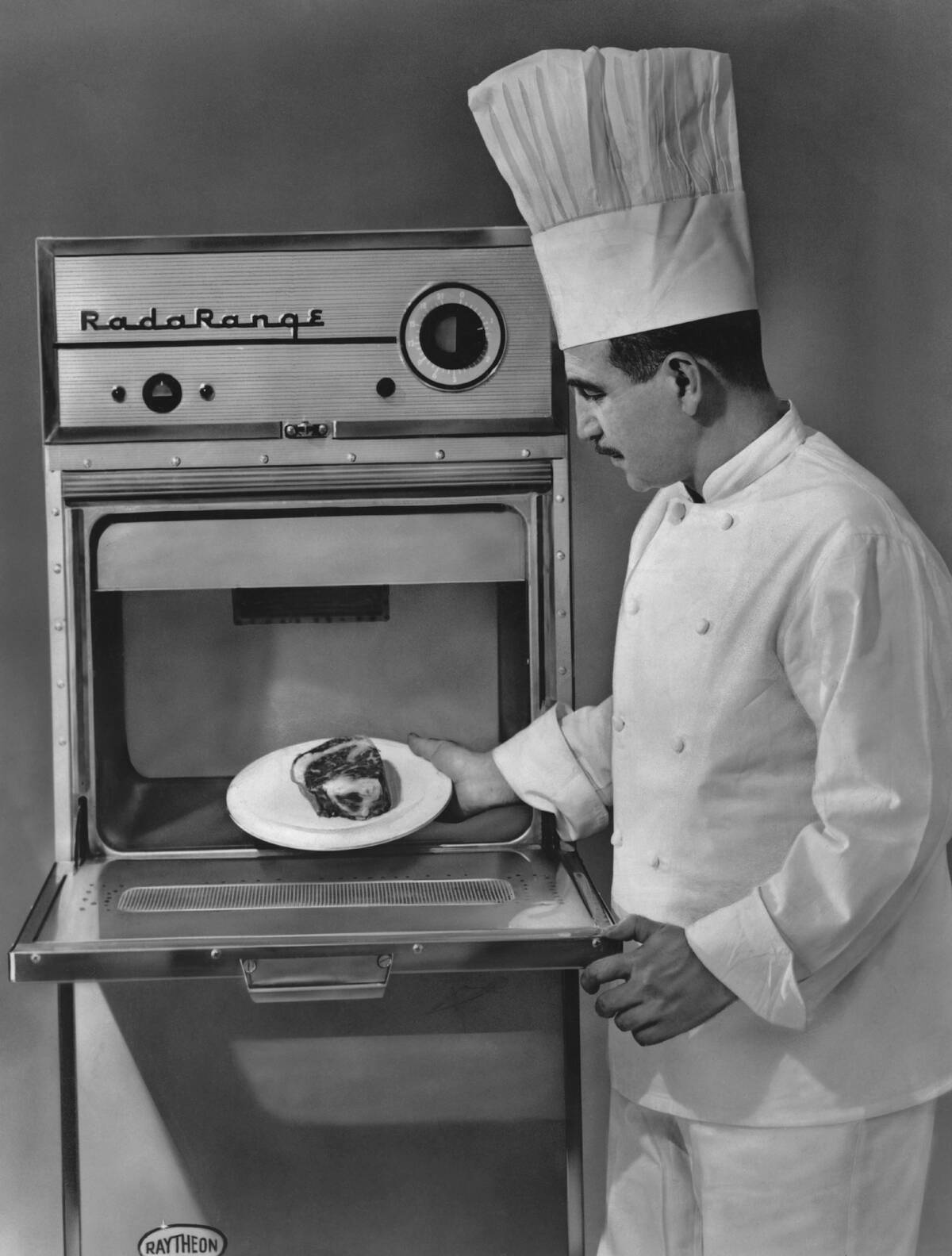
The microwave oven was developed after Percy Spencer discovered in 1945 that microwave energy from a radar magnetron could heat food. While working on radar technology, Spencer noticed that a candy bar he was carrying had melted, leading him to conduct experiments with foods such as popcorn.
His discoveries helped create the first microwave cooking device, and the technology later became a household appliance that transformed meal preparation by making cooking and reheating faster and more convenient.
Velcro: How a Walk in the Woods Changed Fastening Forever
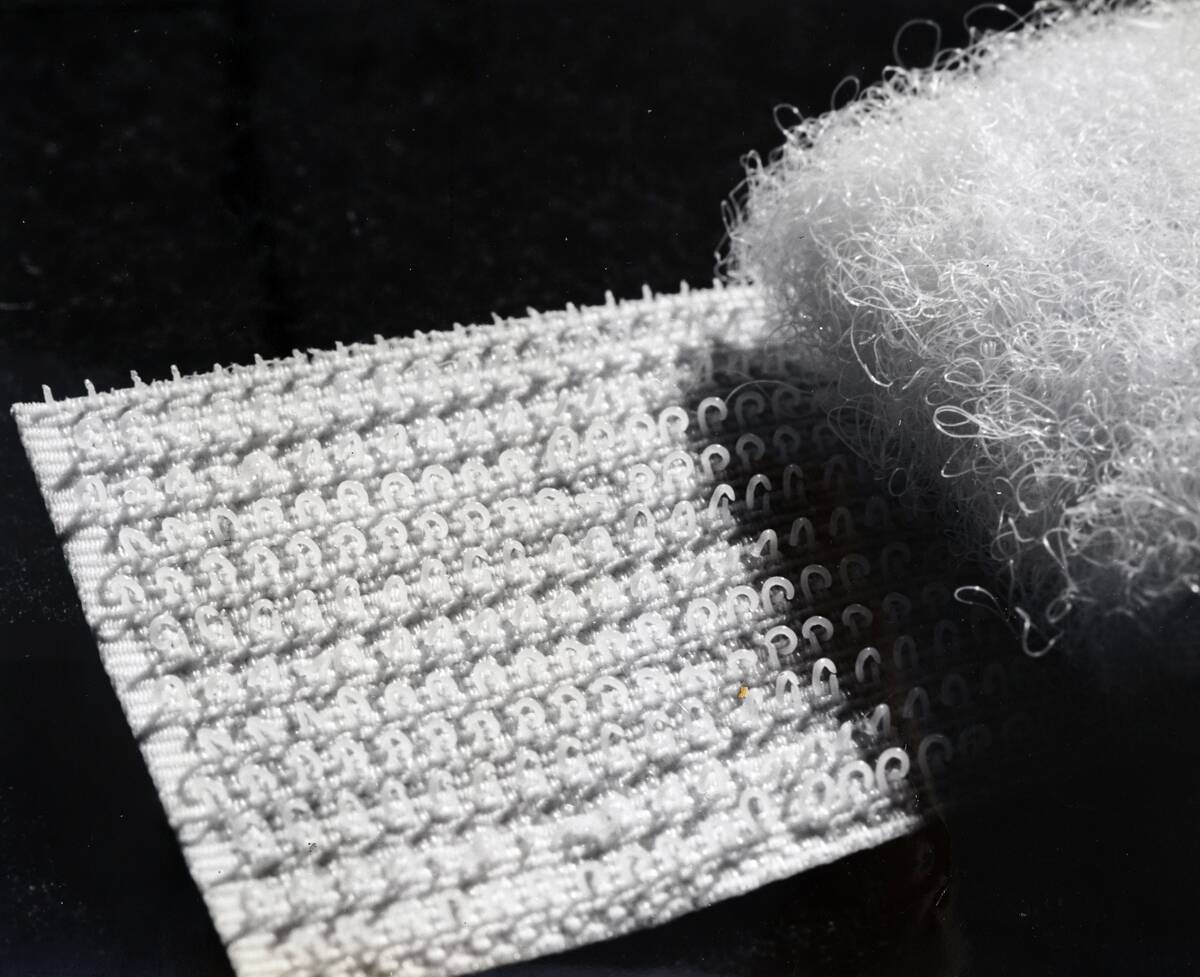
Velcro, the popular hook-and-loop fastening system, was invented by Swiss engineer George de Mestral after he became inspired by burrs that stuck to his clothes and his dog’s fur during a walk in 1941.
After examining the burrs under a microscope, he observed tiny hooks that attached to loops in fabric, inspiring him to develop a similar fastening mechanism. De Mestral patented his invention in 1955, and Velcro has since become widely used in clothing, shoes, and countless other products around the world.
The Pacemaker: A Happy Accident in Heart Health
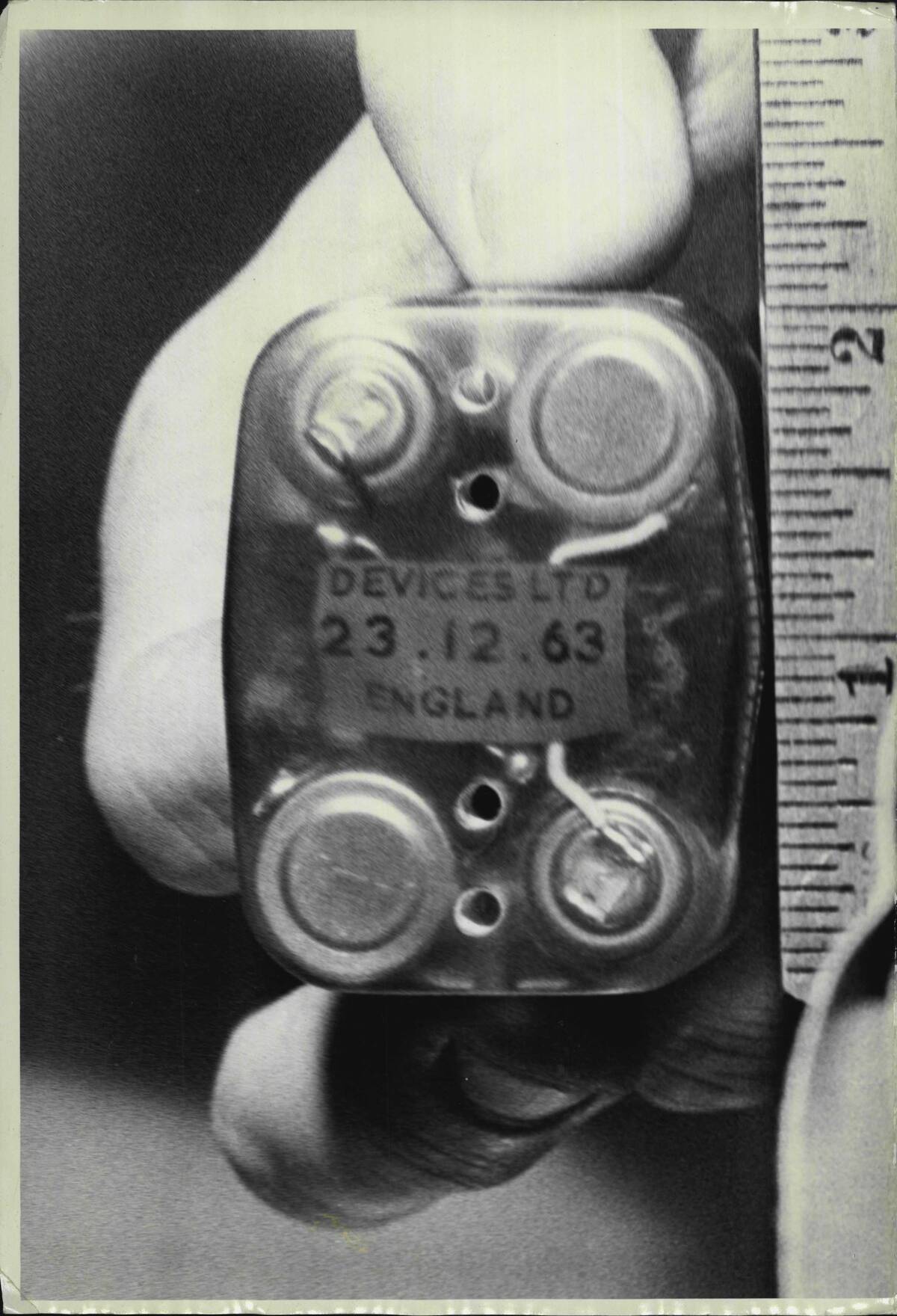
The implantable pacemaker, a device that regulates heartbeats, was developed by Wilson Greatbatch in the late 1950s after an accidental discovery during his work on a heart rhythm recording device. In 1956, he inserted the wrong resistor into a circuit, causing it to produce rhythmic electrical pulses similar to a heartbeat.
This observation helped inspire the development of the first successful implantable pacemaker, which was implanted in a human patient in 1958. Since then, pacemakers have become life-saving devices that have greatly improved the lives of millions of people with heart rhythm disorders.
Teflon: The Slippery Substance Born from a Lab Mishap
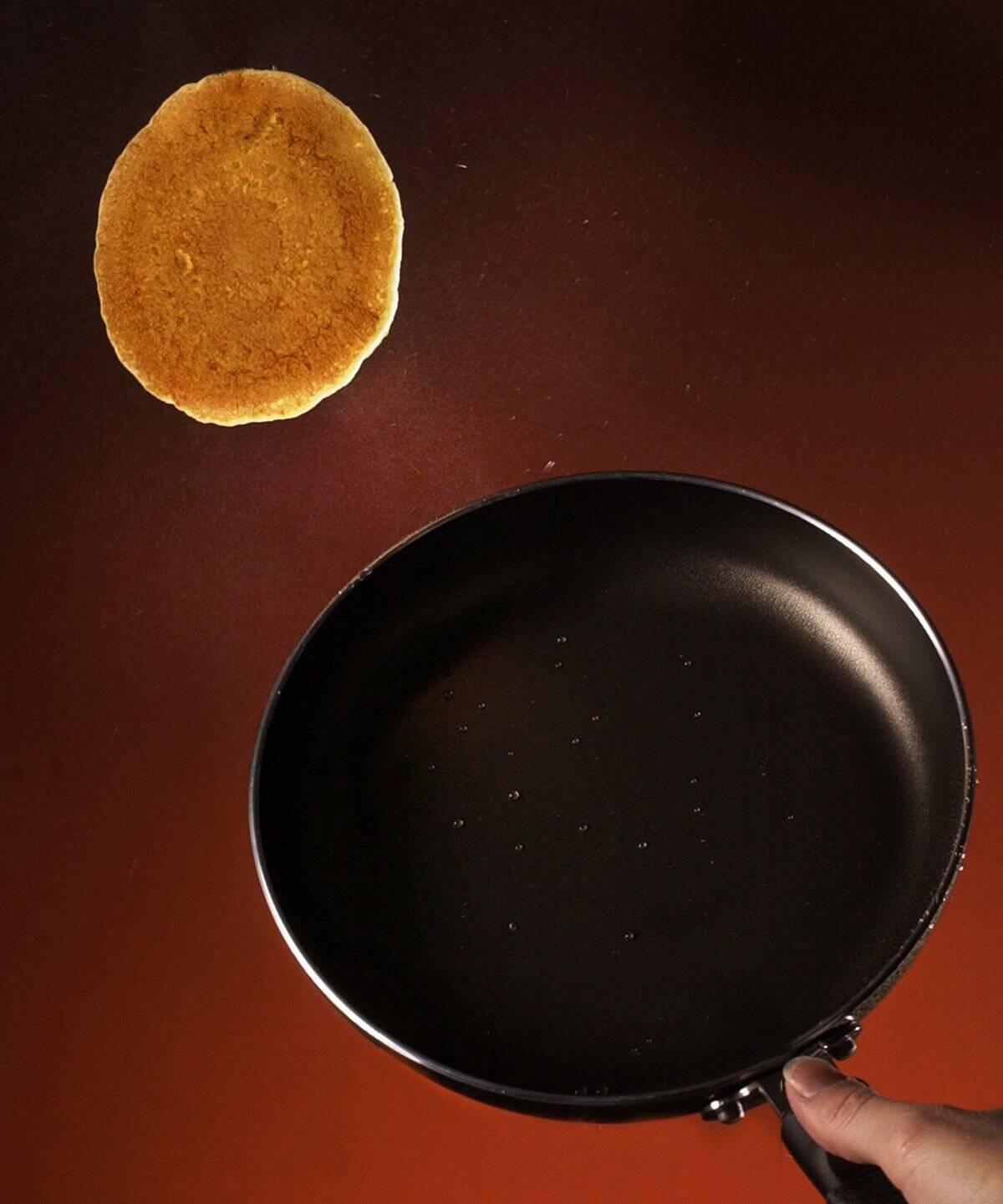
Teflon, known for its non-stick properties, was discovered by Roy Plunkett in 1938 while working for DuPont. Plunkett was experimenting with refrigerant gases when he accidentally polymerized tetrafluoroethylene, creating a waxy, white substance.
This substance, later named Teflon, was found to have remarkable non-stick and heat-resistant properties, leading to its widespread use in cookware and various industrial applications.
Post-it Notes: Sticky Notes That Stuck Around

Post-it Notes, the colorful sticky notes used around the world, originated from an unusual adhesive created by 3M scientist Spencer Silver in 1968. While trying to develop a strong adhesive, Silver instead produced a unique low-tack adhesive that could stick, peel away, and be reused. In 1974, his colleague Art Fry discovered a practical use for the invention when he used it to create a bookmark for his hymnal that would stay in place without damaging pages.
After further development and testing, this idea led to the launch of Post-it Notes, which became one of 3M’s most recognizable products.
X-Rays: A Glimpse into the Human Body by Chance
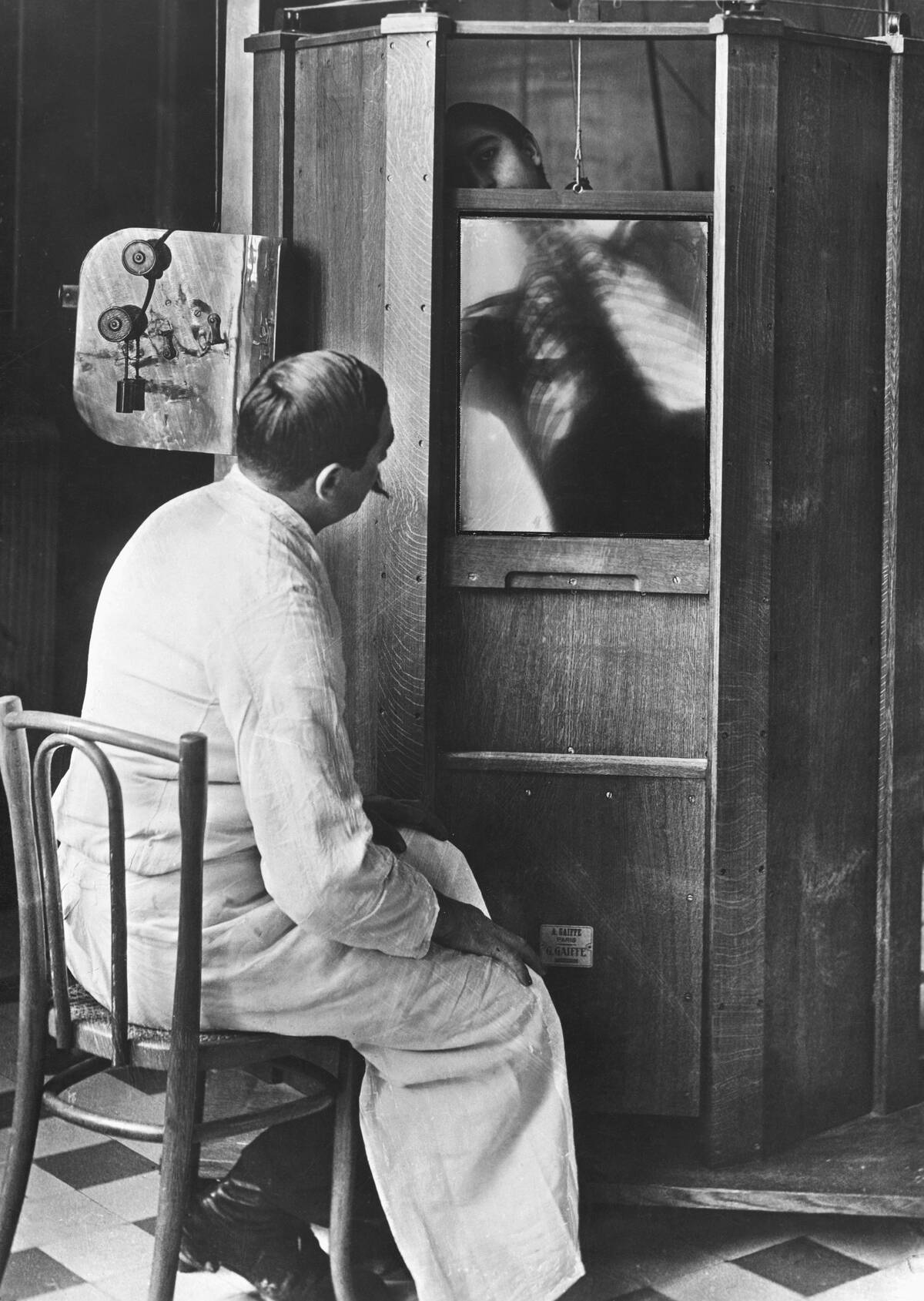
X-rays, a groundbreaking diagnostic tool in medicine, were discovered by Wilhelm Conrad Röntgen in 1895 while he was experimenting with cathode ray tubes. During his experiments, he noticed that a nearby fluorescent screen glowed even though it was shielded from visible light, revealing the presence of a new type of invisible radiation.
This discovery, later named X-rays, made it possible to see inside the human body and revolutionized medical diagnostics. Röntgen’s achievement earned him the first Nobel Prize in Physics in 1901.
Saccharin: The Sweet Discovery That Wasn’t on the Menu
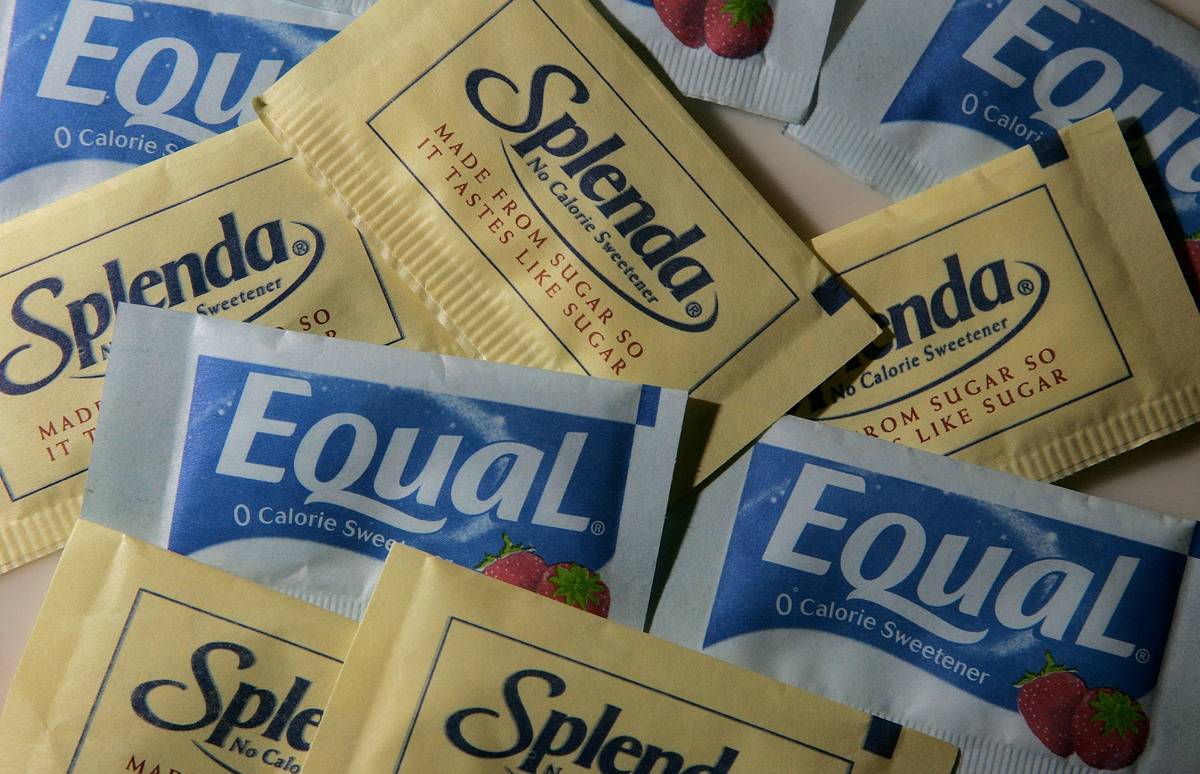
Saccharin, one of the first artificial sweeteners, was discovered in 1879 by Constantin Fahlberg during research on coal tar derivatives at Johns Hopkins University. While investigating chemical compounds, Fahlberg noticed that one substance had an unusually sweet taste and traced it back to his laboratory work.
The discovery, made during research involving chemist Ira Remsen, led to the development of saccharin, a low-calorie sugar substitute that became widely used in foods and beverages.
The Slinky: A Toy That Tumbled into Our Hearts
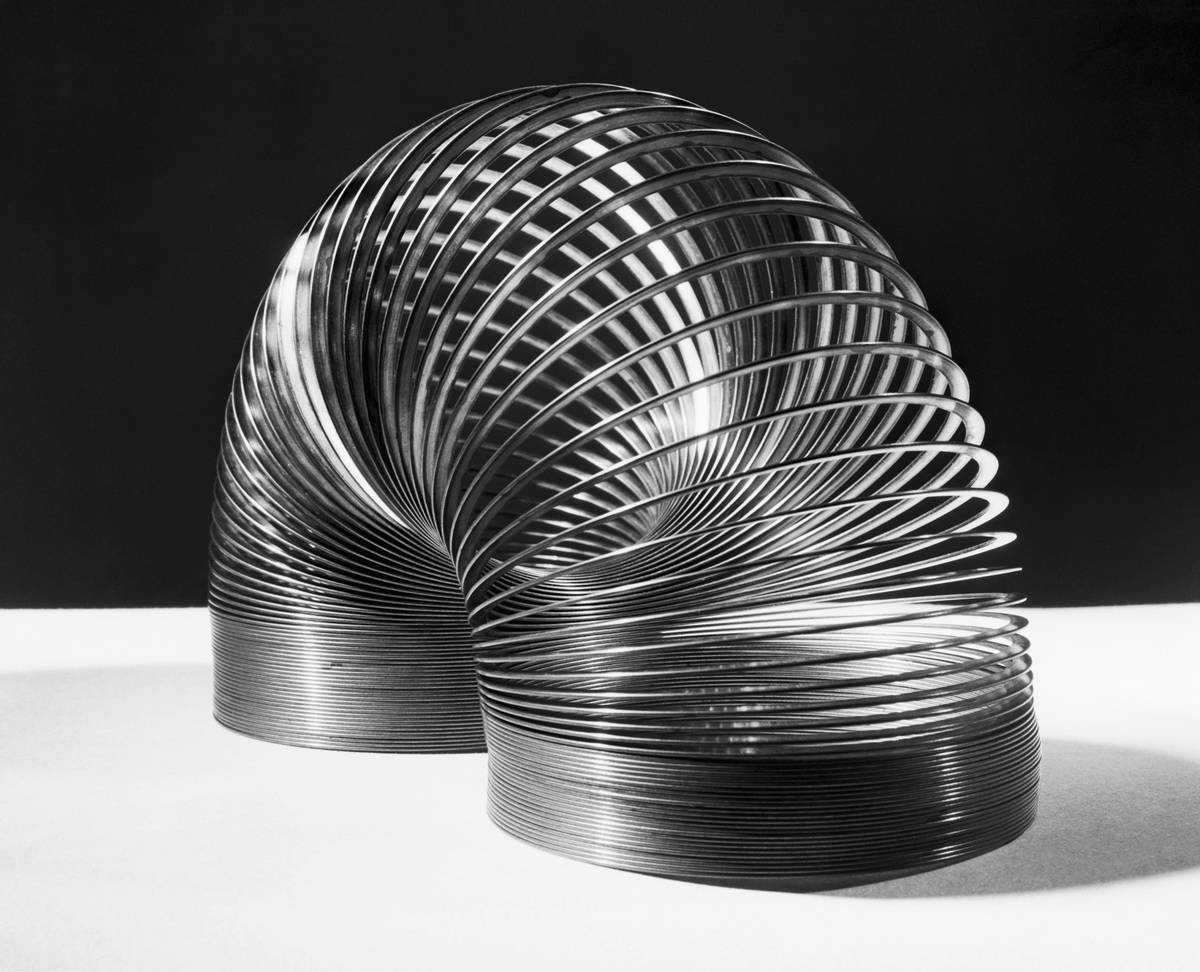
The Slinky, a beloved children’s toy, was invented in 1943 by naval engineer Richard James. While working on springs designed to stabilize ship equipment, James discovered that one spring had a unique walking motion when it moved after being disturbed.
This unexpected behavior inspired him to develop the Slinky, which was introduced as a toy in 1945 and has since delighted generations with its simple yet fascinating movement.
Super Glue: The Adhesive That Stuck by Mistake
Super Glue, known for its powerful bonding properties, originated from the work of Dr. Harry Coover and his team at Eastman Kodak. In 1942, while researching clear plastics for World War II gun sights, they synthesized cyanoacrylate but initially rejected it because it was too sticky for their intended use.
Years later, in 1951, Coover rediscovered the compound and recognized its potential as a fast-setting adhesive. This discovery led to the commercialization of cyanoacrylate glue in 1958, a product that has since become widely used in households and industries around the world.
Vulcanized Rubber: The Bouncy Breakthrough from a Lab Spill

Vulcanized rubber, a process that transformed the rubber industry, was developed by Charles Goodyear in the 1830s.
Through extensive experimentation with rubber and sulfur, Goodyear discovered that heating the mixture created a stronger, more durable, and elastic material. He patented the vulcanization process in 1844, which greatly improved rubber’s usefulness and helped pave the way for its widespread use in products such as tires, shoes, and countless industrial goods.
Plastic: The Accidental Invention That Changed the World

Plastic, a material that has become widespread in modern life, traces its early development to Alexander Parkes, who introduced Parkesine in 1862. While experimenting with cellulose-based materials, Parkes created one of the first synthetic plastic-like substances.
Although Parkesine was not commercially successful, his work helped inspire future developments in plastics, including fully synthetic materials such as Bakelite. Over time, plastics have transformed industries ranging from packaging and automotive manufacturing to technology and medicine.
Anesthesia: The Unplanned Revolution in Pain Management
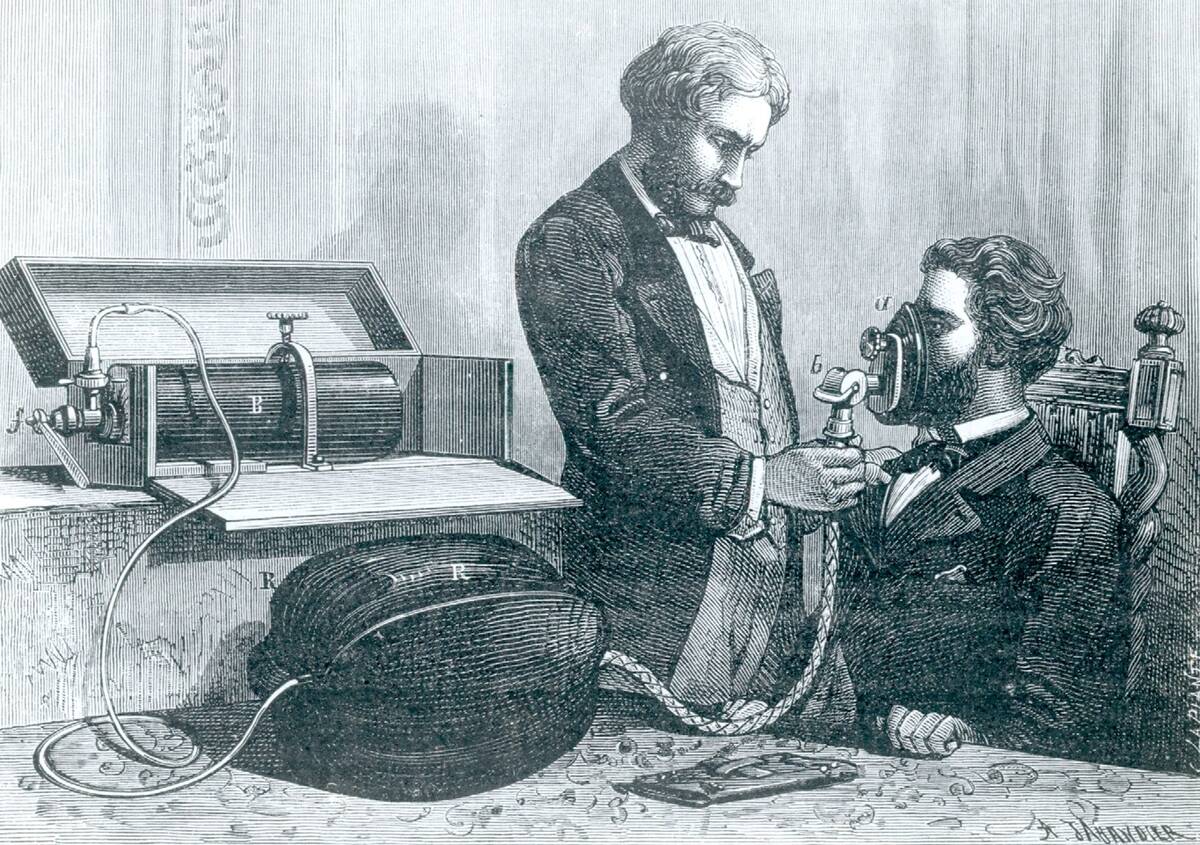
Anesthesia, a crucial component of modern surgery, was developed in the 19th century through experiments and discoveries involving substances such as nitrous oxide and ether. These gases had previously been used recreationally, but physicians and dentists began investigating their ability to reduce pain during medical procedures.
In the 1840s, pioneers such as Horace Wells and William T. G. Morton demonstrated the use of anesthetic agents in dentistry and surgery, transforming medicine by making complex operations possible without the severe pain patients had previously endured.
The Big Bang Theory: A Cosmic Accident in Understanding the Universe

The Big Bang Theory, a cornerstone of modern cosmology, gained major support from an accidental discovery in 1964 by Arno Penzias and Robert Wilson. While testing a radio antenna, they detected a persistent signal that came from all directions and was later identified as cosmic microwave background radiation—the faint afterglow of the early universe.
This discovery provided crucial evidence for the Big Bang model, greatly improving scientists’ understanding of the universe’s origins. Penzias and Wilson were awarded the Nobel Prize in Physics in 1978 for their groundbreaking work.
Corn Flakes: A Breakfast Staple Born from a Botched Batch
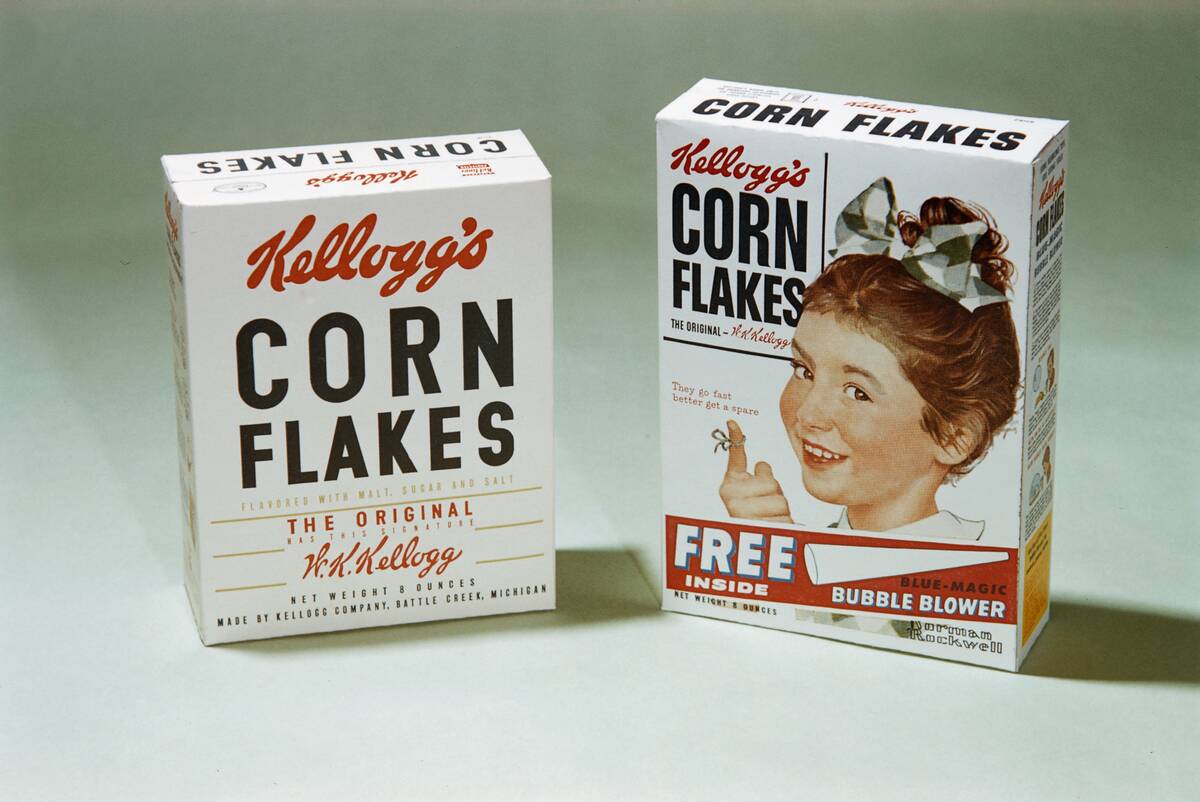
Corn flakes, one of the world’s most recognizable breakfast cereals, originated from experiments conducted by Dr. John Harvey Kellogg and his brother Will Keith Kellogg in 1894. While working at the Battle Creek Sanitarium, the brothers were experimenting with grains and discovered that cooked wheat dough could be rolled into thin flakes.
They later applied this process to corn, creating the toasted corn flakes that became a popular breakfast food. The invention eventually led to the growth of the Kellogg Company and transformed the cereal industry.
LSD: The Psychedelic Discovery That Wasn’t Intended
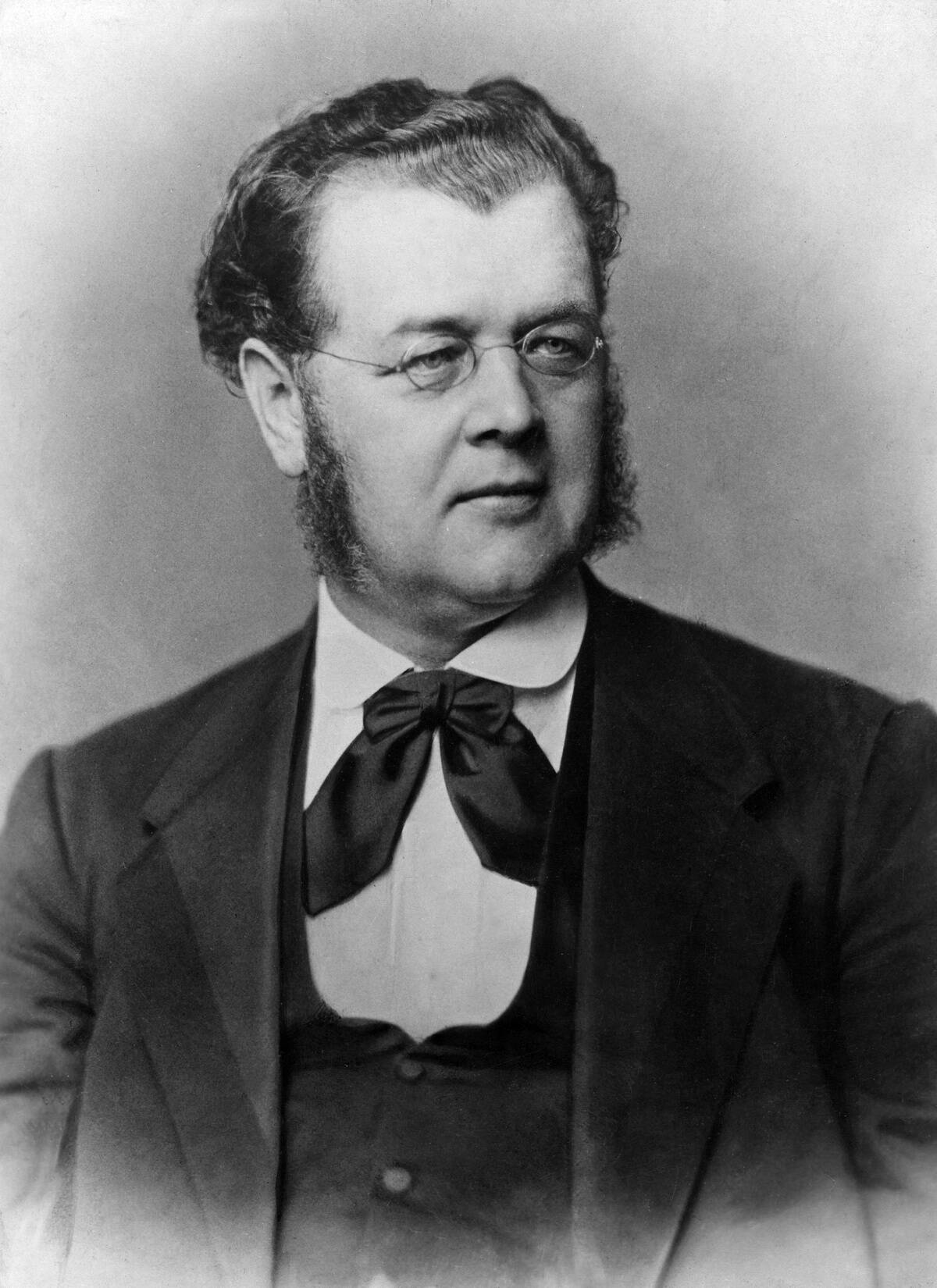
LSD, a powerful psychedelic compound, was first synthesized by Swiss chemist Albert Hofmann in 1938 while researching ergot-derived compounds at the pharmaceutical company Sandoz. In 1943, Hofmann accidentally discovered its psychoactive effects after being exposed to a small amount of the substance, later intentionally testing it himself and experiencing its hallucinogenic properties.
This discovery led to extensive research into LSD’s potential applications in psychology and neuroscience, while the drug also became a major symbol of the 1960s counterculture movement.
The Popsicle: A Frozen Treat Created by a Child’s Experiment

The Popsicle, a beloved frozen treat, traces its origins to 1905 when 11-year-old Frank Epperson reportedly created a frozen mixture of powdered soda, water, and a stirring stick that he accidentally left outside overnight.
When he discovered the frozen treat the next morning, he later called it an “Epsicle.” Years afterward, Epperson developed the idea commercially and patented the frozen confection in 1923. The treat, later known as the Popsicle, became a popular summertime favorite enjoyed around the world.
Viagra: The Heart Medication That Took an Unexpected Turn
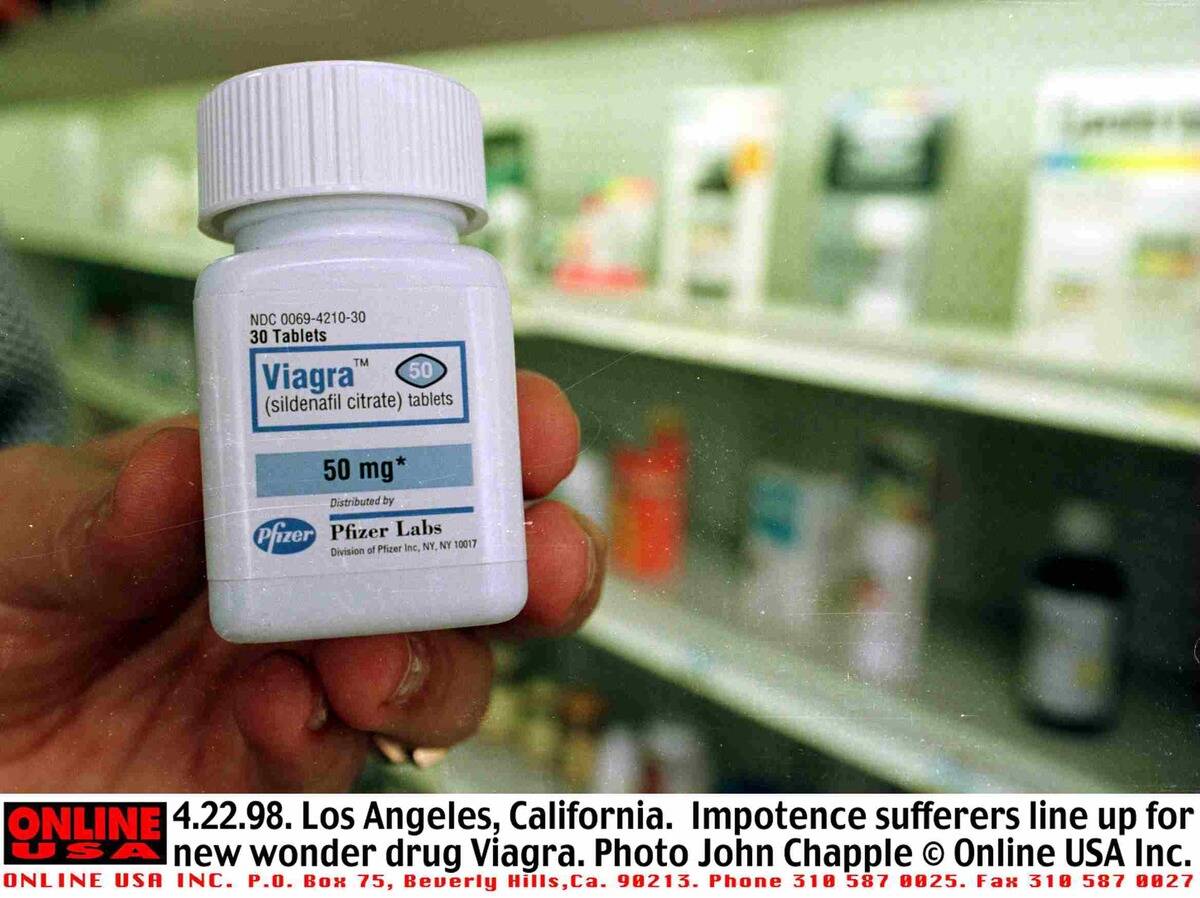
Viagra, a medication used to treat erectile dysfunction, originated from research conducted by Pfizer in the late 1980s and early 1990s. Scientists initially studied sildenafil as a potential treatment for cardiovascular conditions such as angina, but clinical trials revealed an unexpected effect: improved erections in some participants.
This discovery led researchers to investigate sildenafil specifically for erectile dysfunction, and the drug was approved by the FDA in 1998 under the name Viagra. It went on to become one of the most widely recognized and successful pharmaceuticals in modern medicine.
Coca-Cola: The Refreshing Beverage That Started as a Cure-All
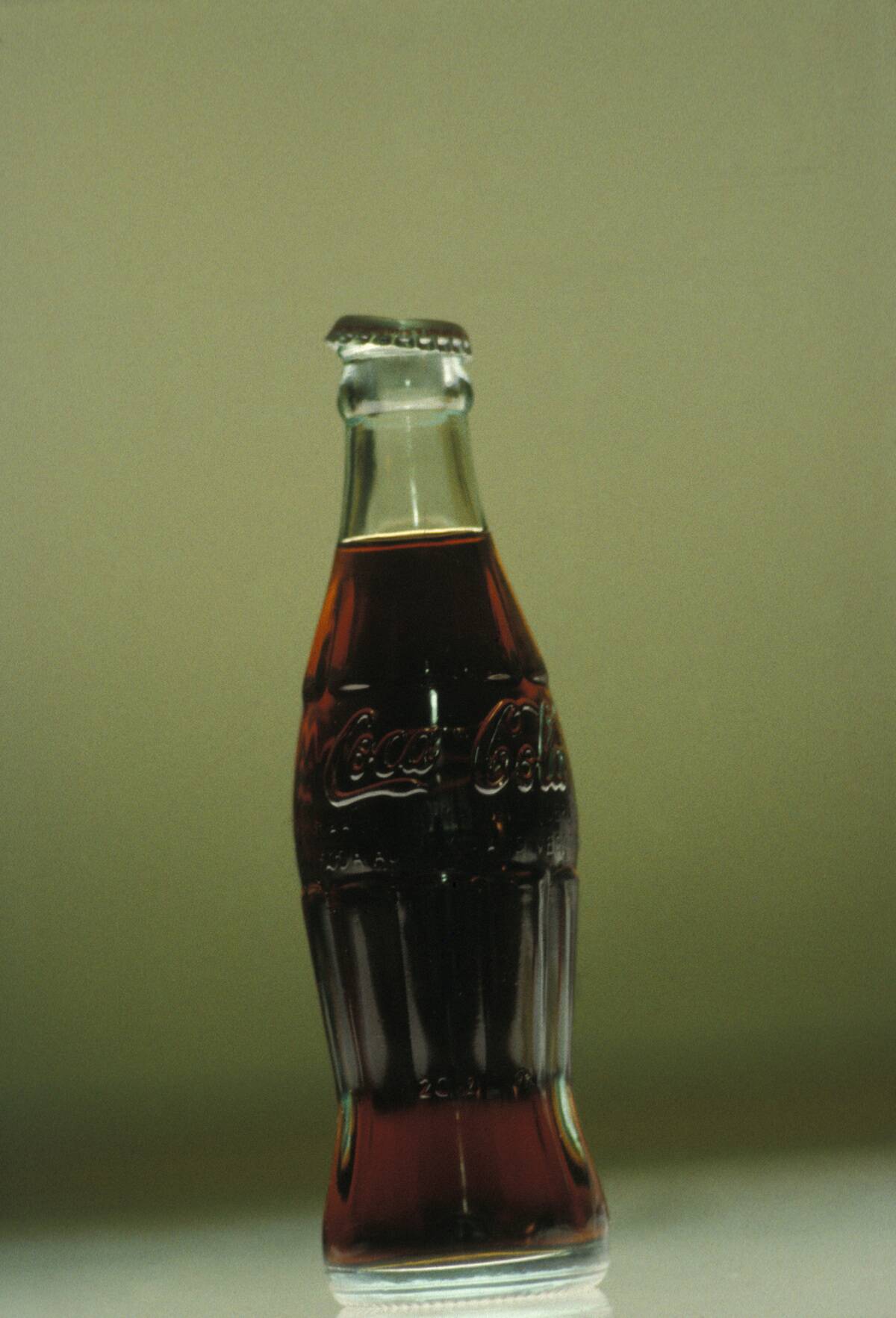
Coca-Cola, one of the world’s most recognizable soft drinks, was created in 1886 by pharmacist John Stith Pemberton in Atlanta, Georgia. Originally marketed as a medicinal tonic, the drink was promoted as a product that could help with issues such as fatigue and discomfort, reflecting the advertising practices of the time.
Its original formula included coca leaf extract and kola nuts, which inspired the name Coca-Cola. Over the years, the beverage evolved into a global brand and became one of the most widely recognized products in the world.
Safety Glass: The Shattered Experiment That Saved Lives
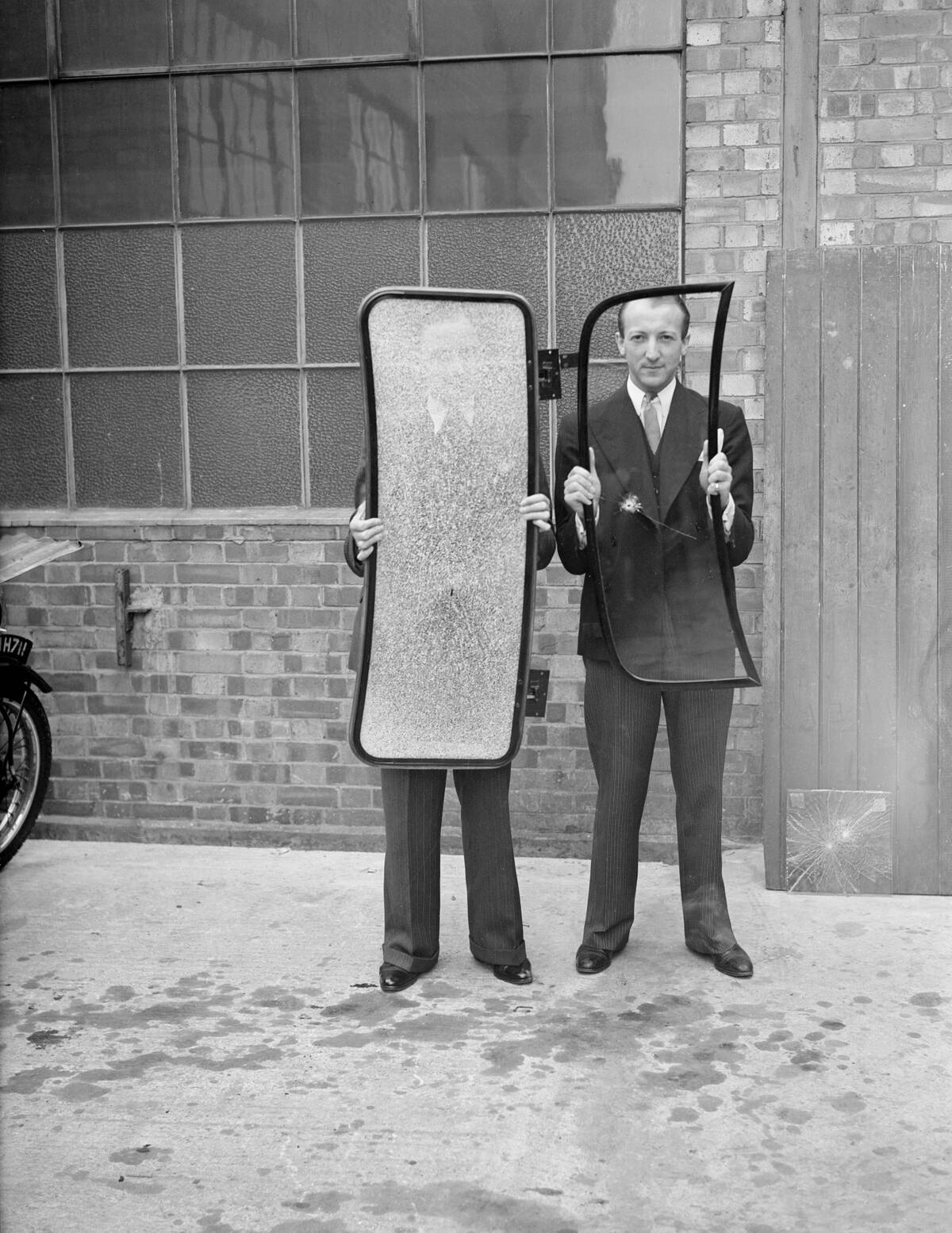
Safety glass, widely used in automobile windshields and buildings, was developed from an accidental discovery by French chemist Édouard Bénédictus in 1903. After observing that a glass container coated with cellulose nitrate remained intact after breaking, he was inspired to create laminated glass.
This type of glass uses a bonding layer that keeps broken pieces together, reducing the danger caused by sharp shards. Since then, safety glass has become an essential feature in automotive and architectural design, improving protection and reducing injuries.




