Products everyone wanted before they vanished
In the fast-paced world of consumer goods, some products shine brightly before fading into obscurity. These must-have items often capture the public’s imagination, only to be replaced by the next big thing.
From digital pets to revolutionary tech, the allure of novelty can propel products to dizzying heights. Yet, not all can withstand the test of time, leaving behind tales of fleeting fame and lessons in market dynamics.
The Fidget Spinner Frenzy

Fidget spinners took the world by storm in 2017, marketed as stress-relief toys. Originally designed to help children with ADHD, they quickly became a global sensation.
At the peak of their popularity, they were banned in some schools for being too distracting. Despite their initial success, the craze was short-lived, as their novelty wore off and demand plummeted.
Google Glass: A Visionary Flop
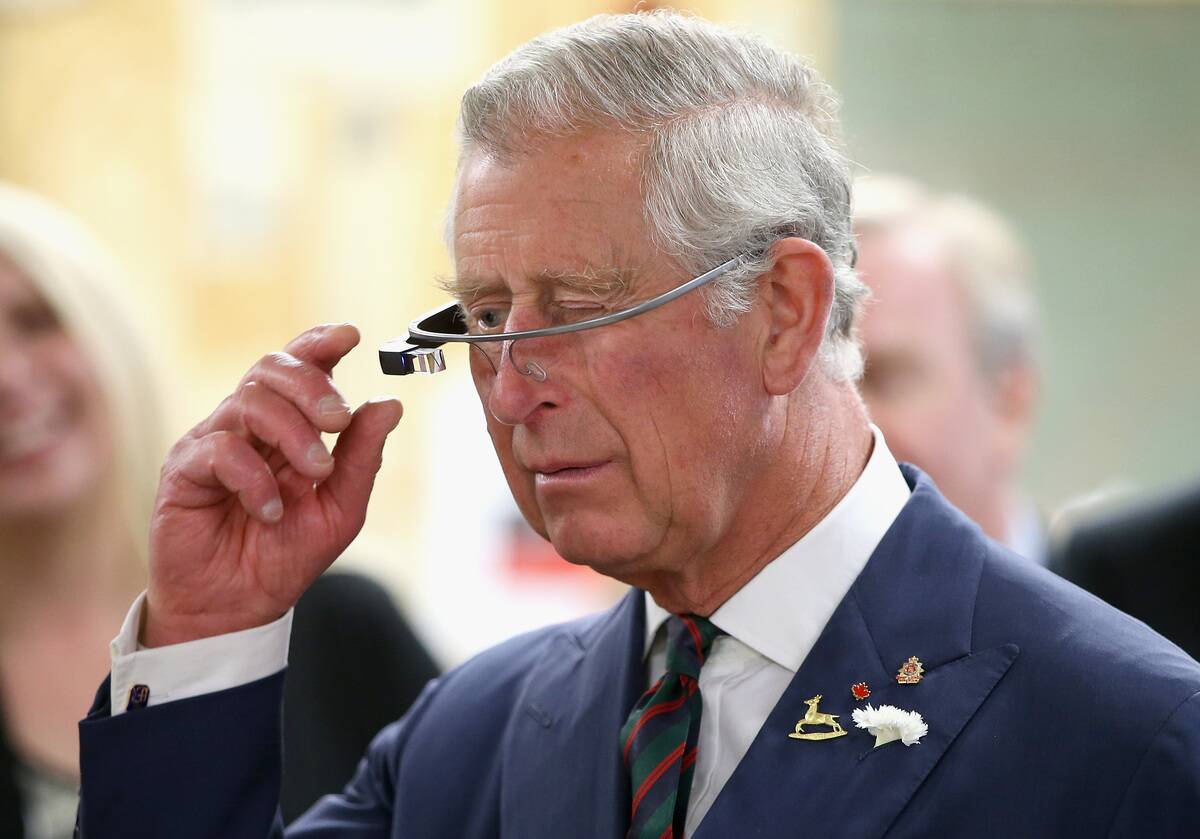
Google Glass promised to revolutionize wearable tech with its augmented reality capabilities. Launched in 2013, it was met with excitement but faced privacy concerns and high costs.
The device’s awkward design and limited functionality didn’t help its case. By 2015, Google halted consumer sales, shifting focus to enterprise solutions, highlighting the challenges of pioneering new tech.
Hoverboards: The Short-Lived Ride of the Future
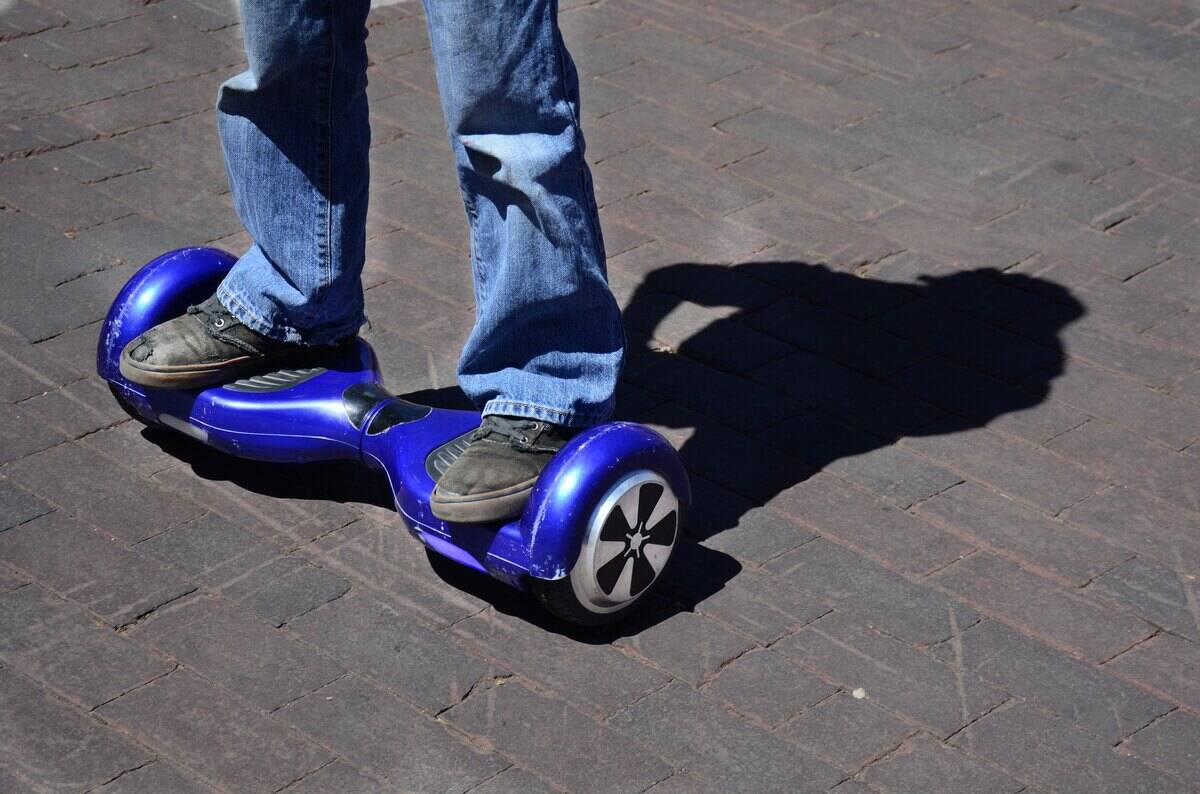
Hoverboards, or self-balancing scooters, became a must-have gadget in 2015. Their futuristic appeal and celebrity endorsements fueled their popularity.
However, safety concerns, including reports of fires, led to recalls and bans. The initial hype couldn’t sustain the market, and sales dwindled as consumer confidence waned.
Tamagotchis: The Digital Pet Craze
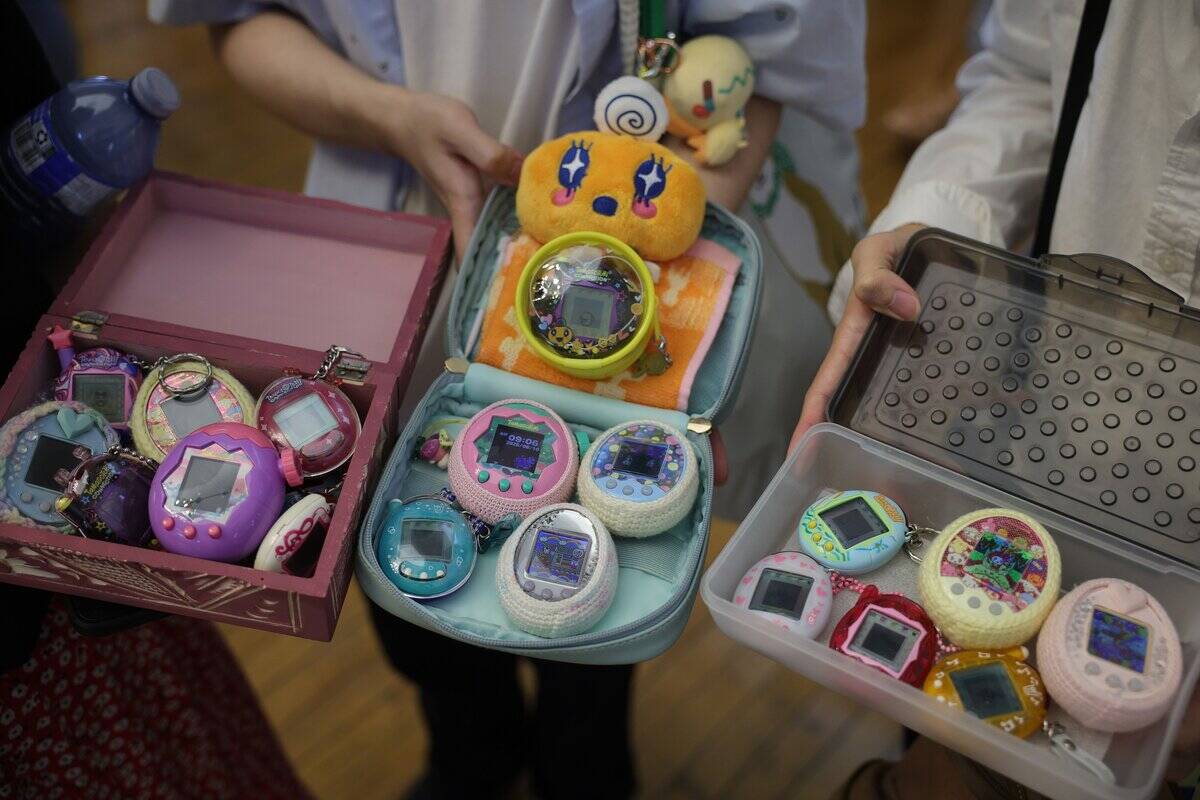
Tamagotchis were the digital pets that captured the hearts of millions in the late ’90s. These pocket-sized devices required constant attention, simulating pet care. Their popularity was immense, with over 100 million units sold worldwide.
However, as technology evolved, the simplistic charm of Tamagotchis couldn’t compete with more advanced gaming options.
Segways: Revolutionizing Personal Transport?
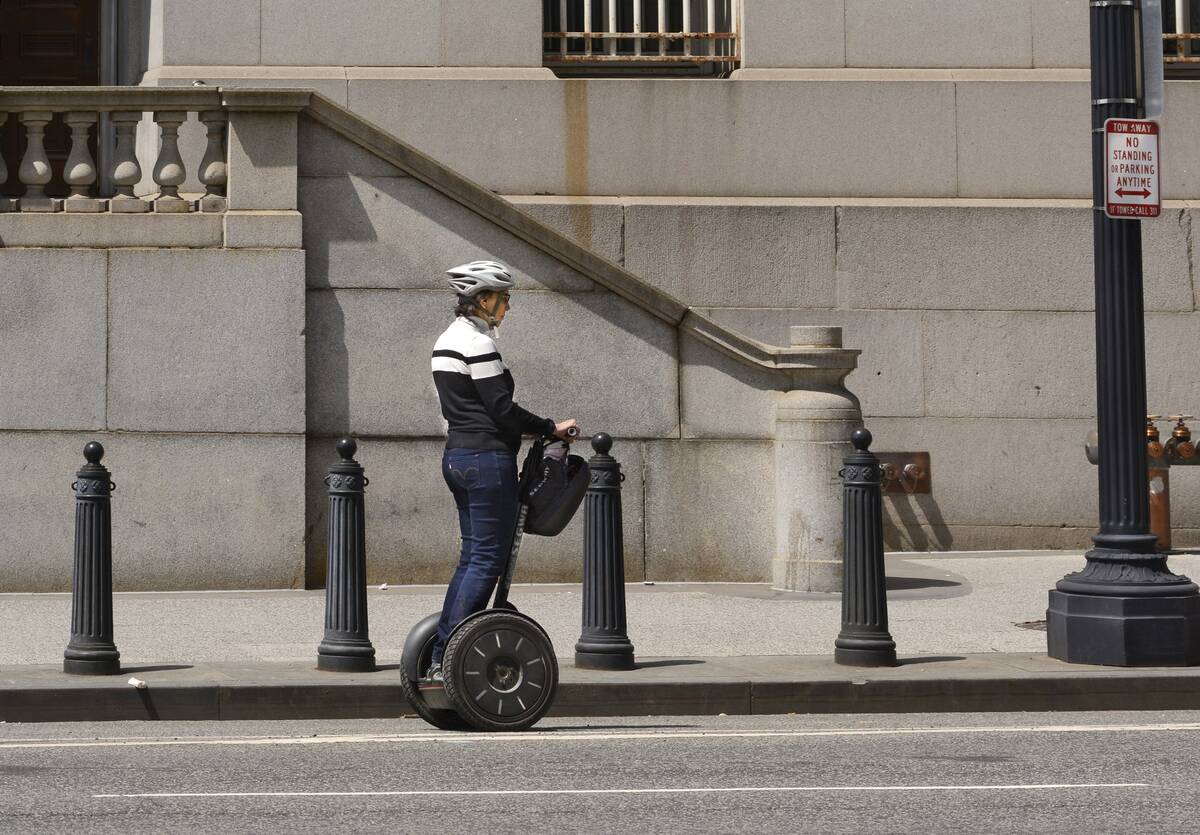
Segways debuted in 2001 with the promise of transforming personal transport. Despite their innovative design, they struggled to find a mainstream market. High costs and regulatory hurdles limited their adoption.
While they found niches in tourism and security, they never became the ubiquitous transport solution many envisioned.
The Beanie Babies Boom and Bust
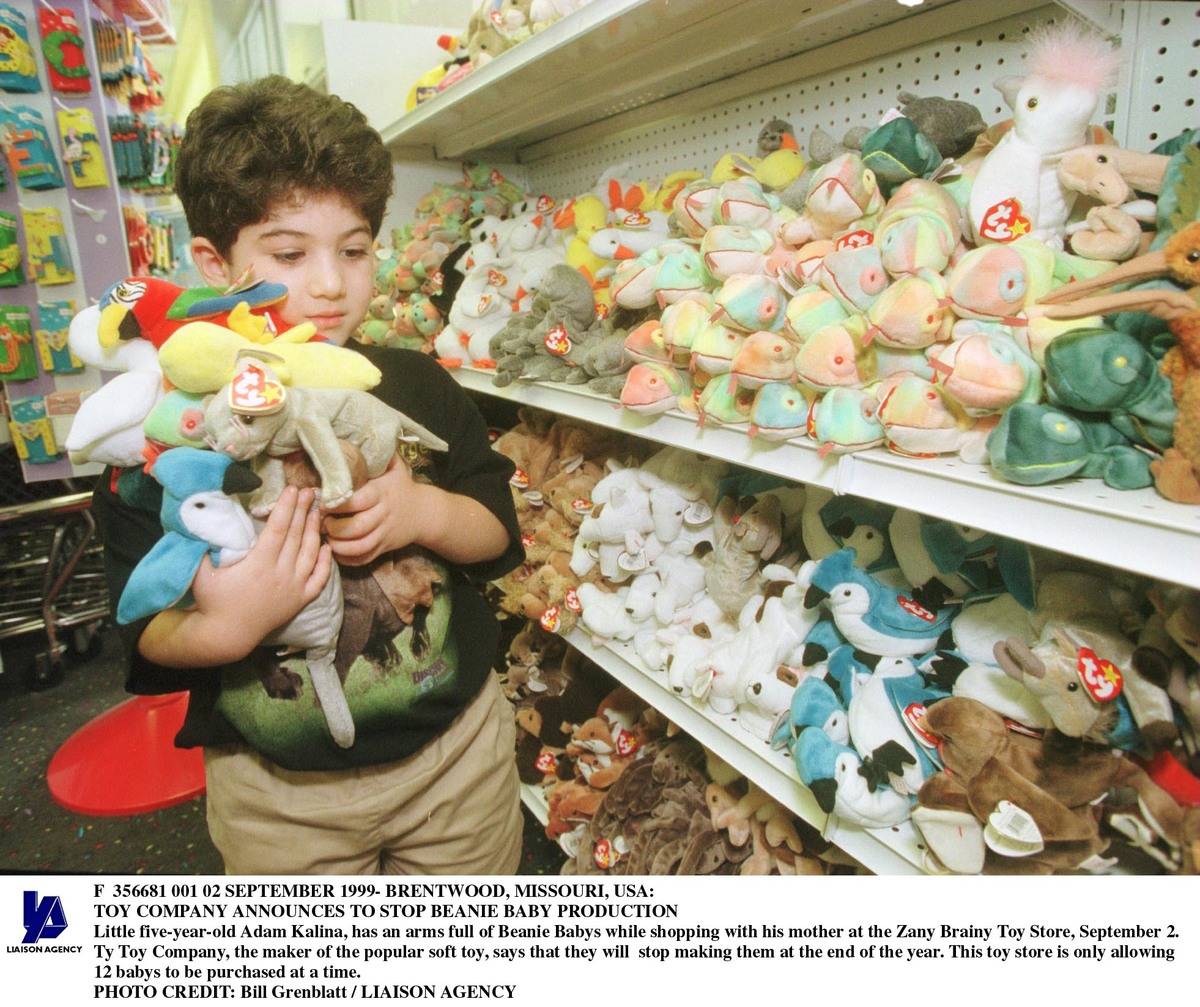
Beanie Babies became a cultural phenomenon in the ’90s, with collectors believing they were a lucrative investment. Ty Inc.’s strategy of retiring certain models fueled scarcity and demand.
However, the market eventually crashed, as oversupply and waning interest led to plummeting values. The Beanie Babies craze serves as a cautionary tale of speculative bubbles.
Betamax vs. VHS: The Format Wars
The battle between Betamax and VHS in the ’80s was a classic format war. Betamax offered superior picture quality, but VHS’s longer recording time won over consumers.
Despite Sony’s efforts, VHS became the dominant home video format. This showdown highlighted the importance of consumer preferences over technical superiority.
Zune: Microsoft’s Attempt to Challenge the iPod
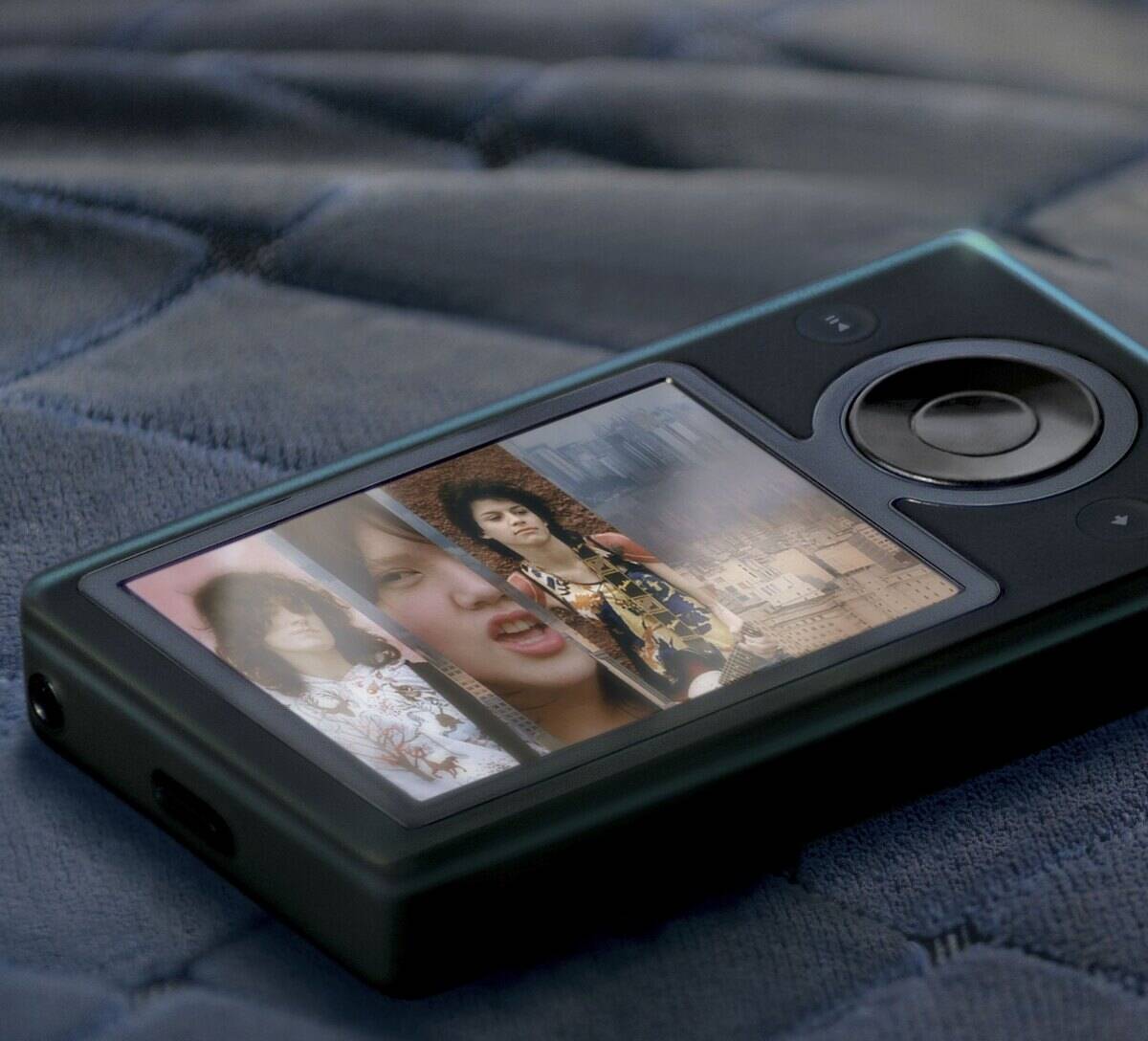
Microsoft launched the Zune in 2006 to compete with Apple’s iPod. Despite innovative features like wireless sharing, it struggled against the iPod’s established market dominance.
Limited marketing and a late entry contributed to its downfall. By 2011, Microsoft discontinued the Zune, marking a rare misstep for the tech giant.
The MiniDisc: A Compact Failure
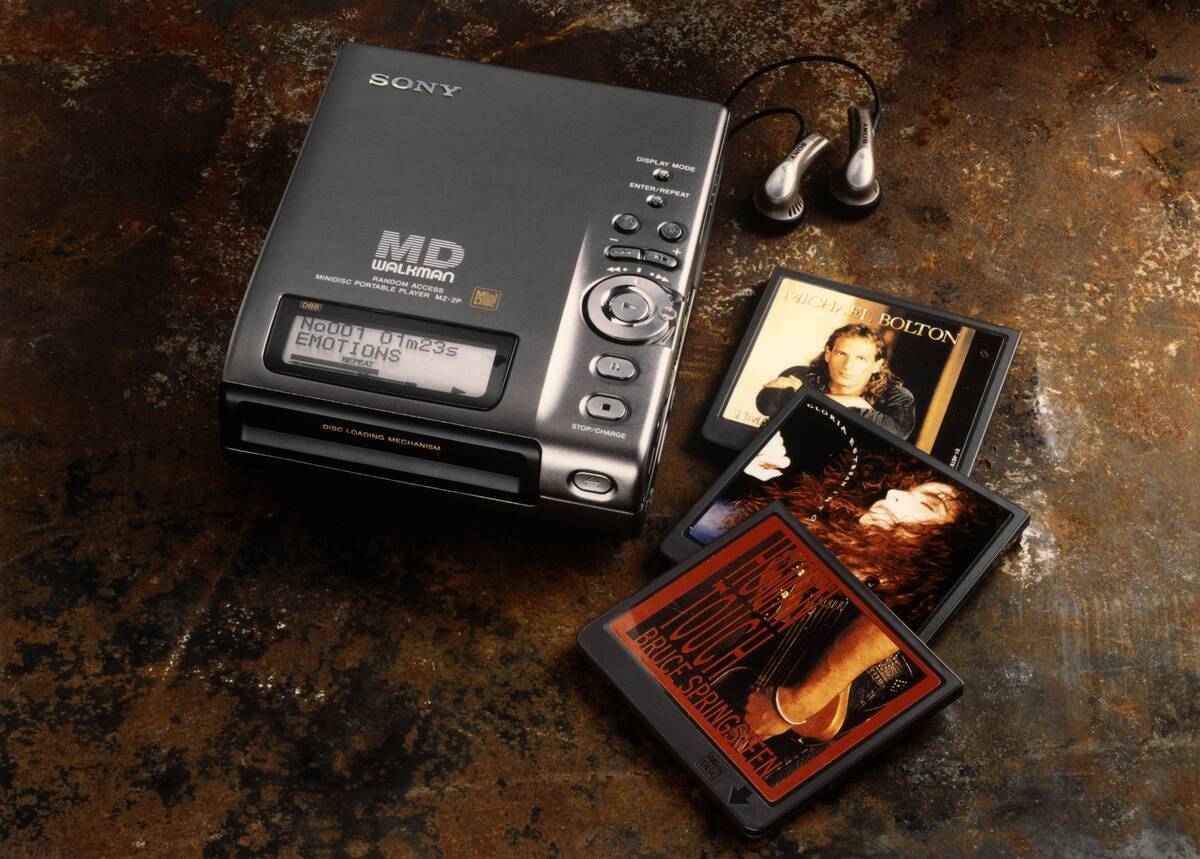
Sony introduced the MiniDisc in 1992 as a digital alternative to cassette tapes. Despite its compact size and superior sound quality, it failed to gain traction. Competition from CDs and the rise of MP3 players overshadowed its appeal.
By the early 2000s, the MiniDisc was largely forgotten, a victim of rapidly advancing technology.
MySpace: The Original Social Media Giant

MySpace was the social media pioneer that dominated the early 2000s. It allowed users to customize profiles and connect with friends, becoming a cultural hub.
However, the rise of Facebook, with its cleaner interface and broader appeal, led to MySpace’s decline. By 2011, it was sold for a fraction of its peak value, a reminder of the fast-paced tech landscape.
The Blackberry: The Smartphone That Once Ruled
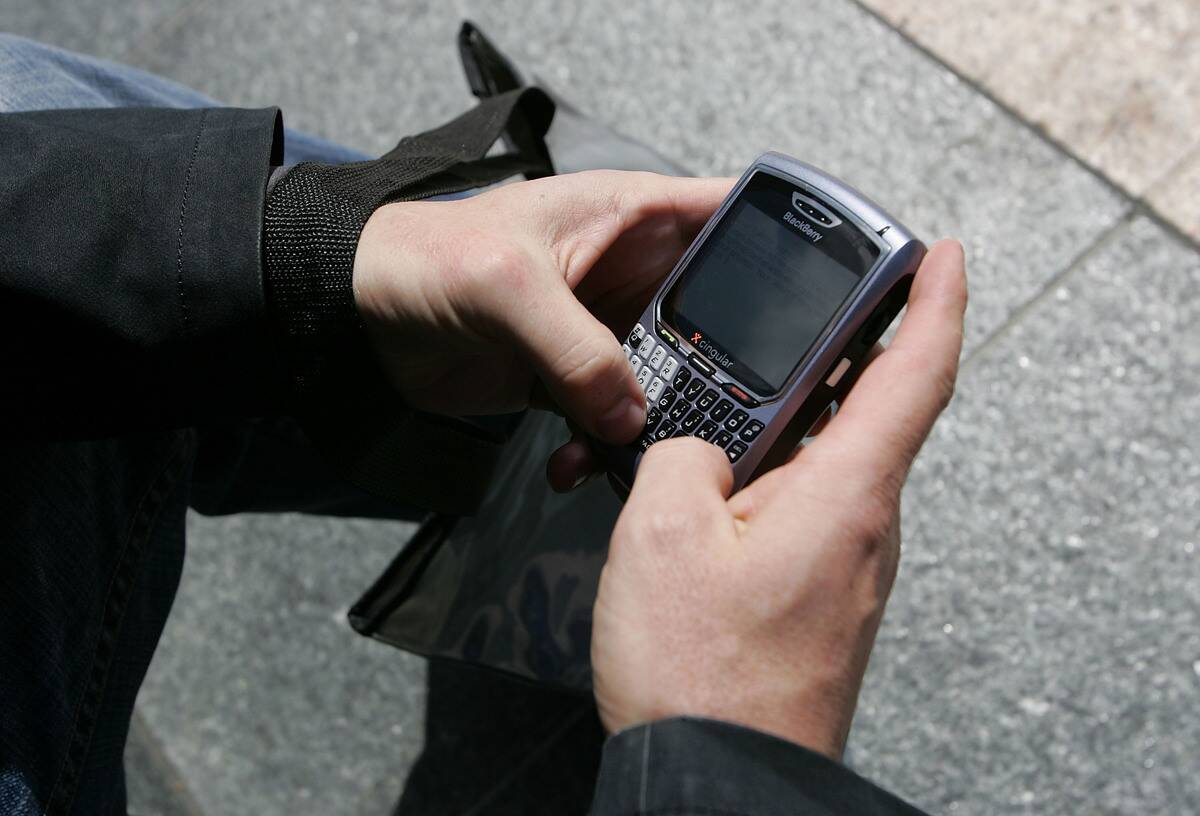
Blackberry was the go-to smartphone for professionals in the mid-2000s, known for its physical keyboard and secure email. However, the advent of touchscreens and app ecosystems, led by Apple’s iPhone, shifted consumer preferences.
Blackberry’s failure to adapt quickly to these changes resulted in a steep decline, though it remains a symbol of early mobile innovation.
Pogs: The Game That Captured a Generation
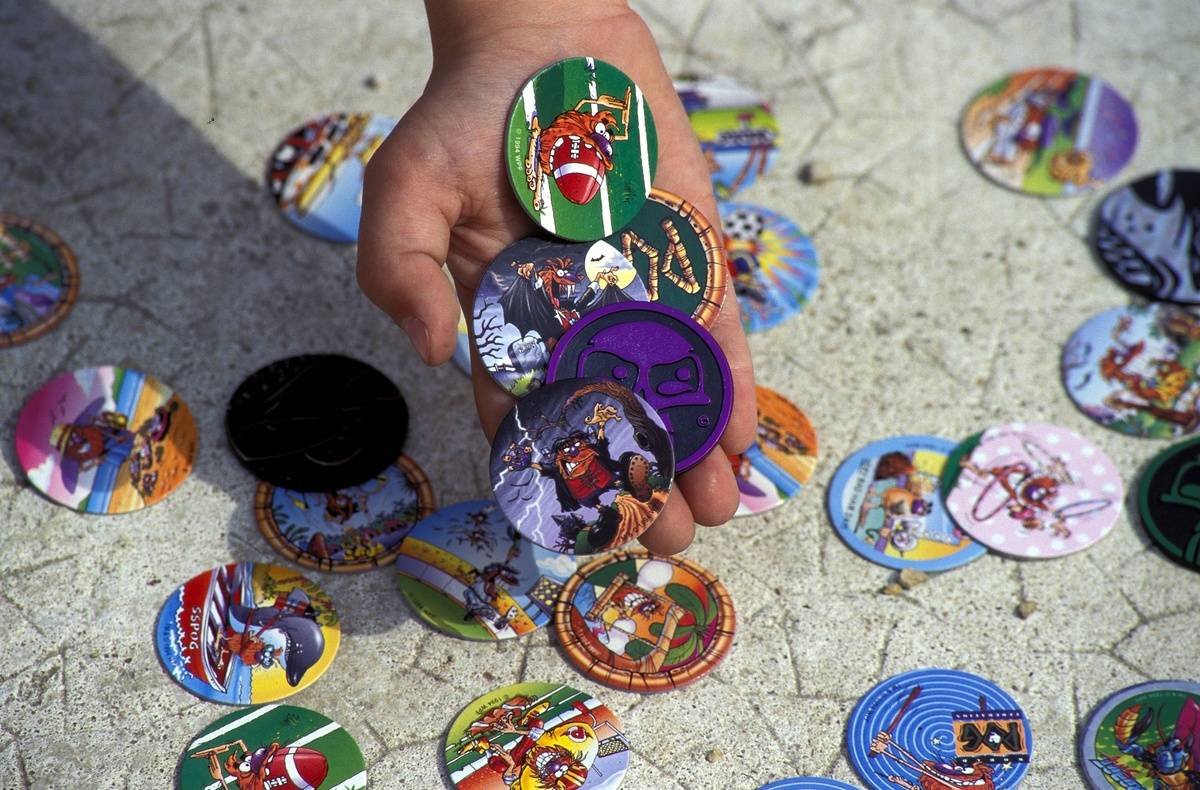
Pogs were the collectible game pieces that became a playground staple in the ’90s. Originating from milk bottle caps, the game involved stacking and flipping the discs. Its simple yet addictive nature made it wildly popular.
However, like many fads, interest waned as new trends emerged, leaving Pogs as a nostalgic memory for many.
The Demise of the DVD: Streaming Takes Over
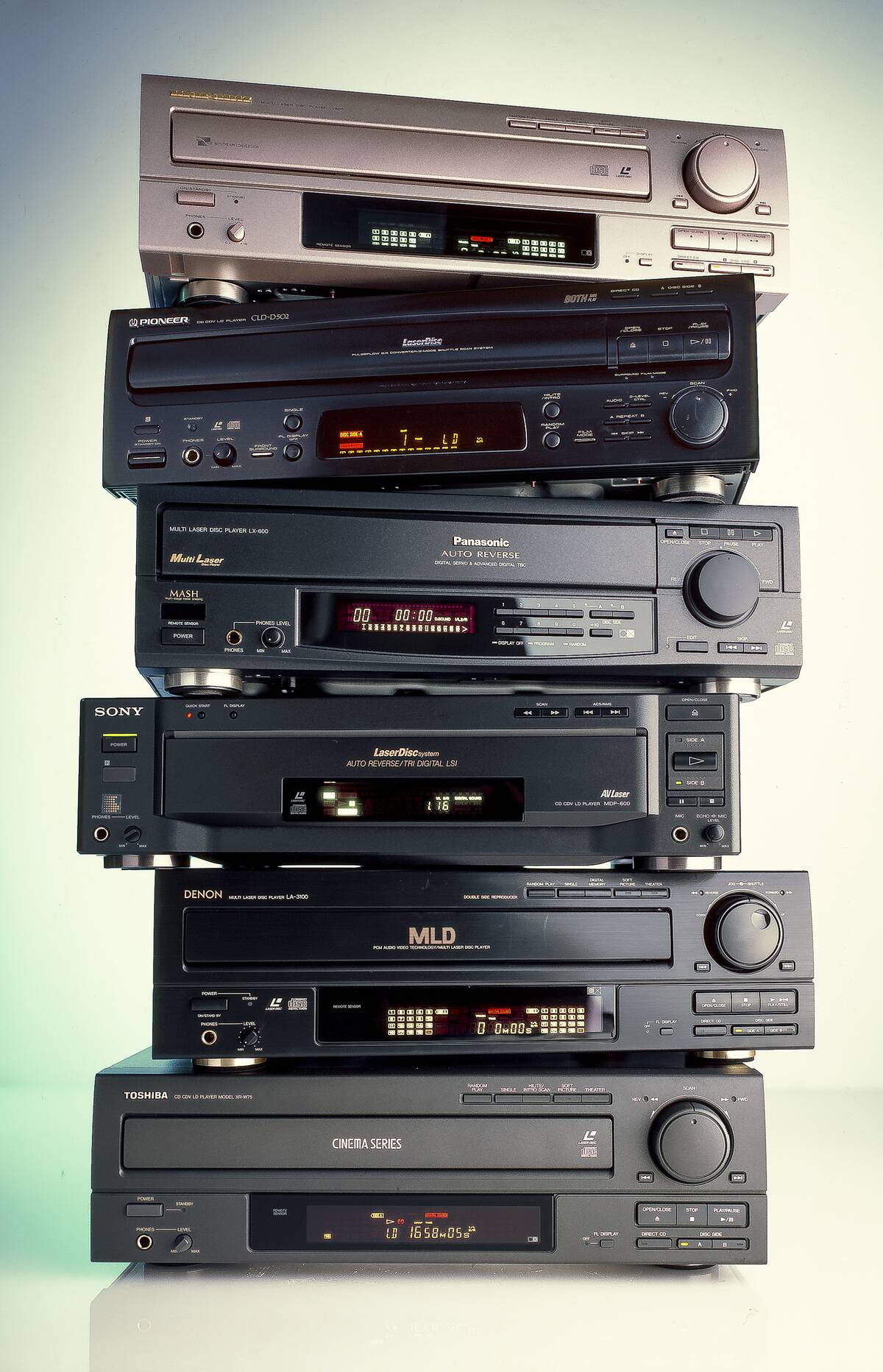
DVDs revolutionized home entertainment in the late ’90s, offering superior quality to VHS tapes. However, the rise of streaming services like Netflix and Hulu changed the landscape.
The convenience and vast libraries of these platforms led to a decline in physical media sales. Today, DVDs are largely relegated to collectors and niche markets.




