The world’s richest cities through history
Throughout history, cities have risen to prominence as centers of wealth, culture, and power. These urban areas were often the heart of empires, bustling with trade and innovation.
Yet, as time marched on, many of these cities experienced a decline, leaving behind tales of their former grandeur.
The Opulent Glory of Ancient Rome
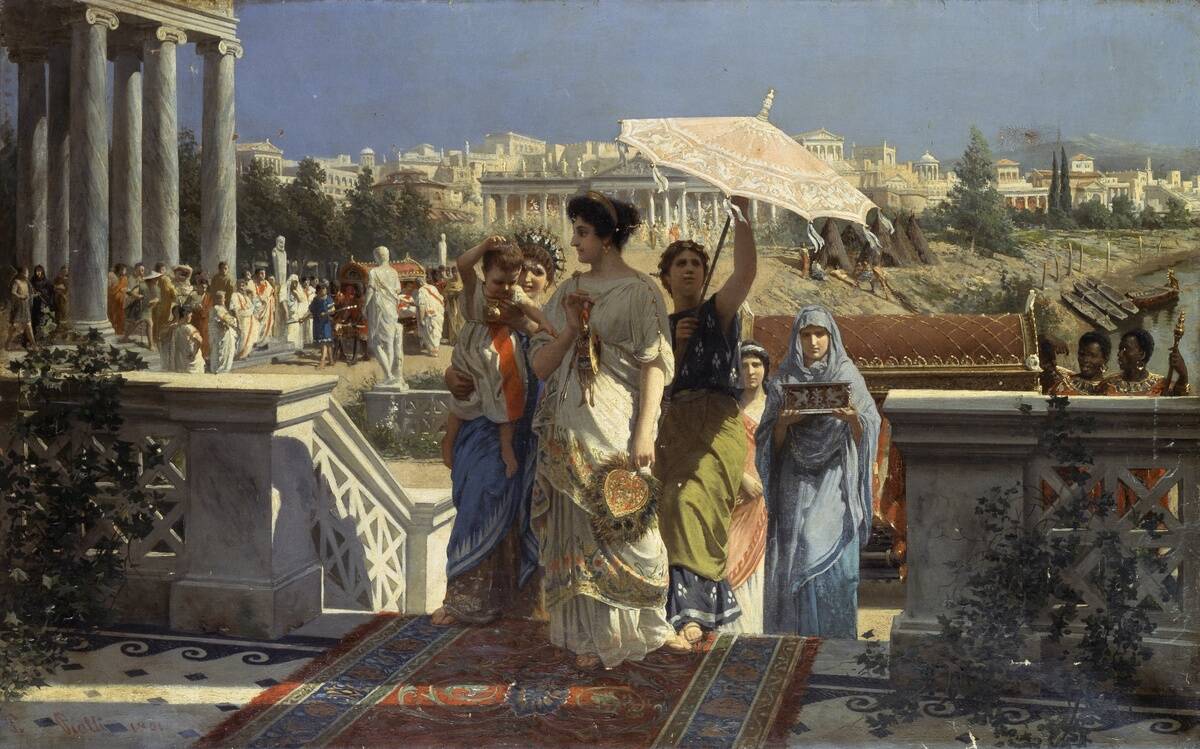
Ancient Rome was a marvel of engineering and architecture, boasting iconic structures such as the Colosseum and the Roman Forum. At its height during the Roman Empire, the city is estimated to have reached a population of around one million residents, making it one of the largest cities in the ancient world.
Rome’s wealth extended beyond its monumental buildings, with bustling markets and a powerful economy supported by trade routes that connected the Mediterranean world and regions beyond. Its achievements in architecture, engineering, and commerce remain influential today.
Mesopotamia’s Babylon: A Cradle of Wealth
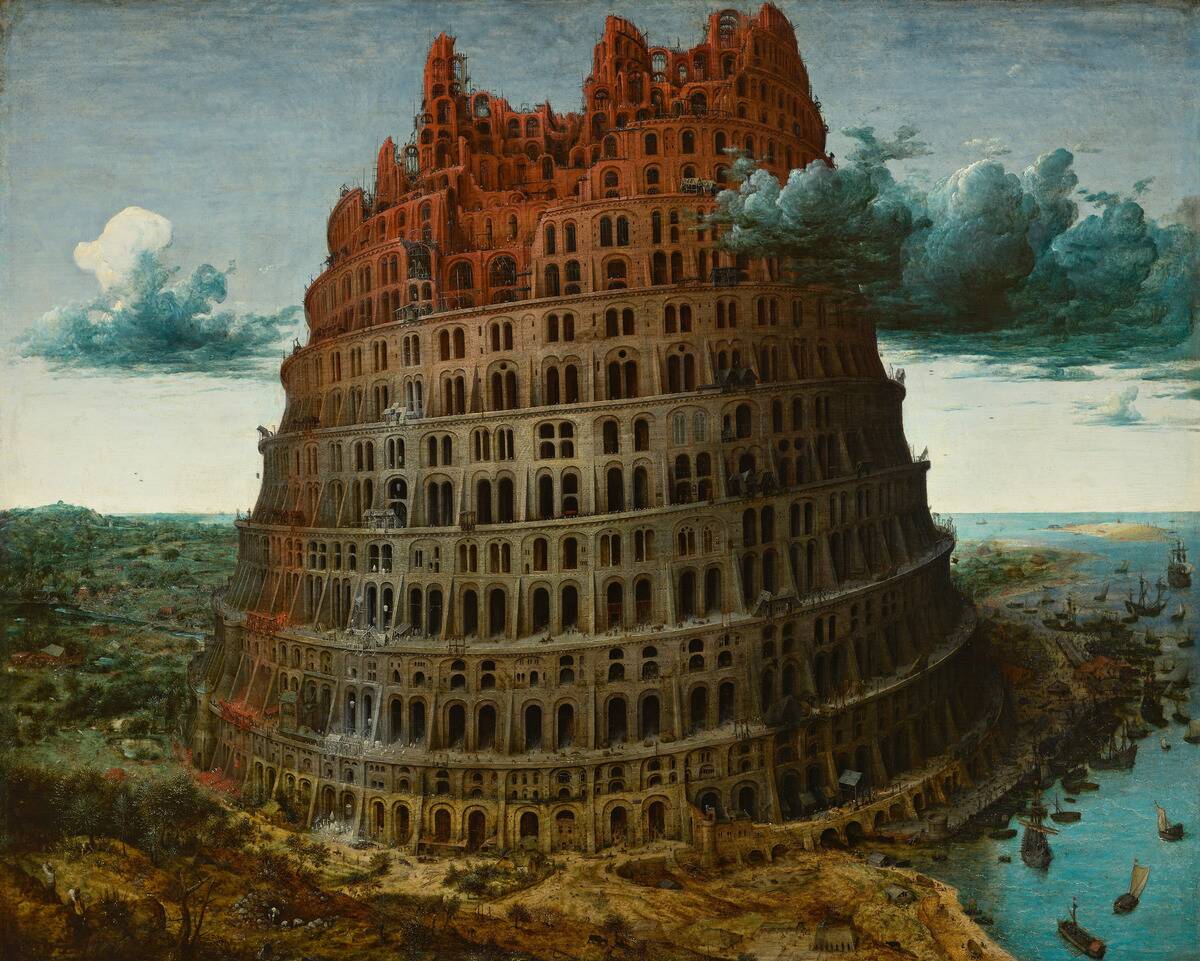
Babylon, located in modern-day Iraq, was one of the ancient world’s most important cities, known for its wealth, cultural achievements, and political influence. Traditionally associated with the legendary Hanging Gardens, one of the Seven Wonders of the Ancient World, Babylon was also a major hub of trade, commerce, and intellectual activity.
Its strategic position along the Euphrates River helped it become a center for the exchange of goods, ideas, and cultures, making it one of the most influential cities of the ancient Near East.
The Splendor of Constantinople in the Byzantine Era
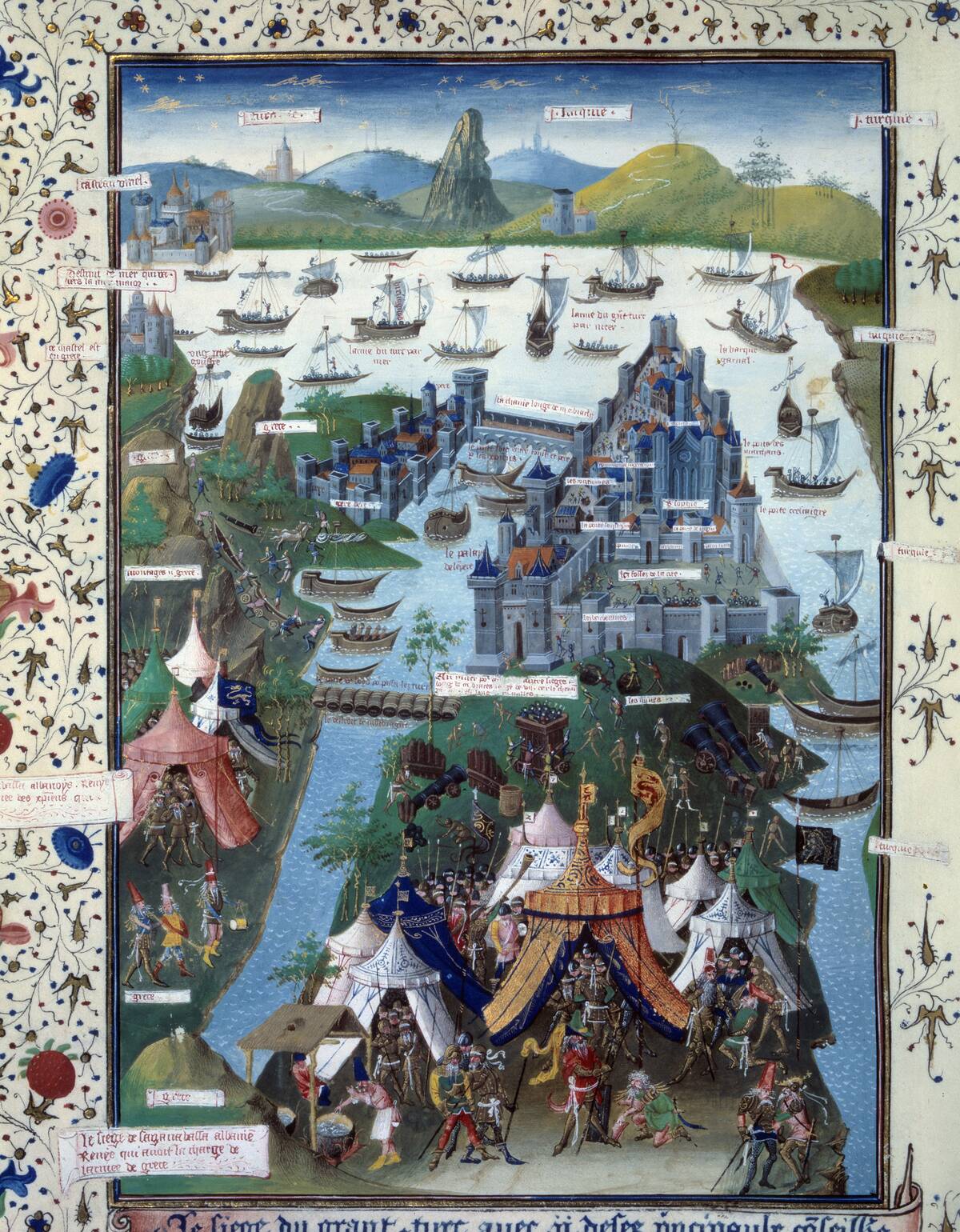
Constantinople, now Istanbul, was the jewel of the Byzantine Empire, renowned for its strategic location and wealth. The city’s position on the Bosporus Strait made it a vital trade link between Europe and Asia.
Constantinople’s wealth was reflected in its magnificent architecture, including the Hagia Sophia, and its vibrant marketplaces, where traders from all over the world exchanged goods, contributing to its status as a wealthy metropolis.
Alexandria: Egypt’s Jewel of Prosperity
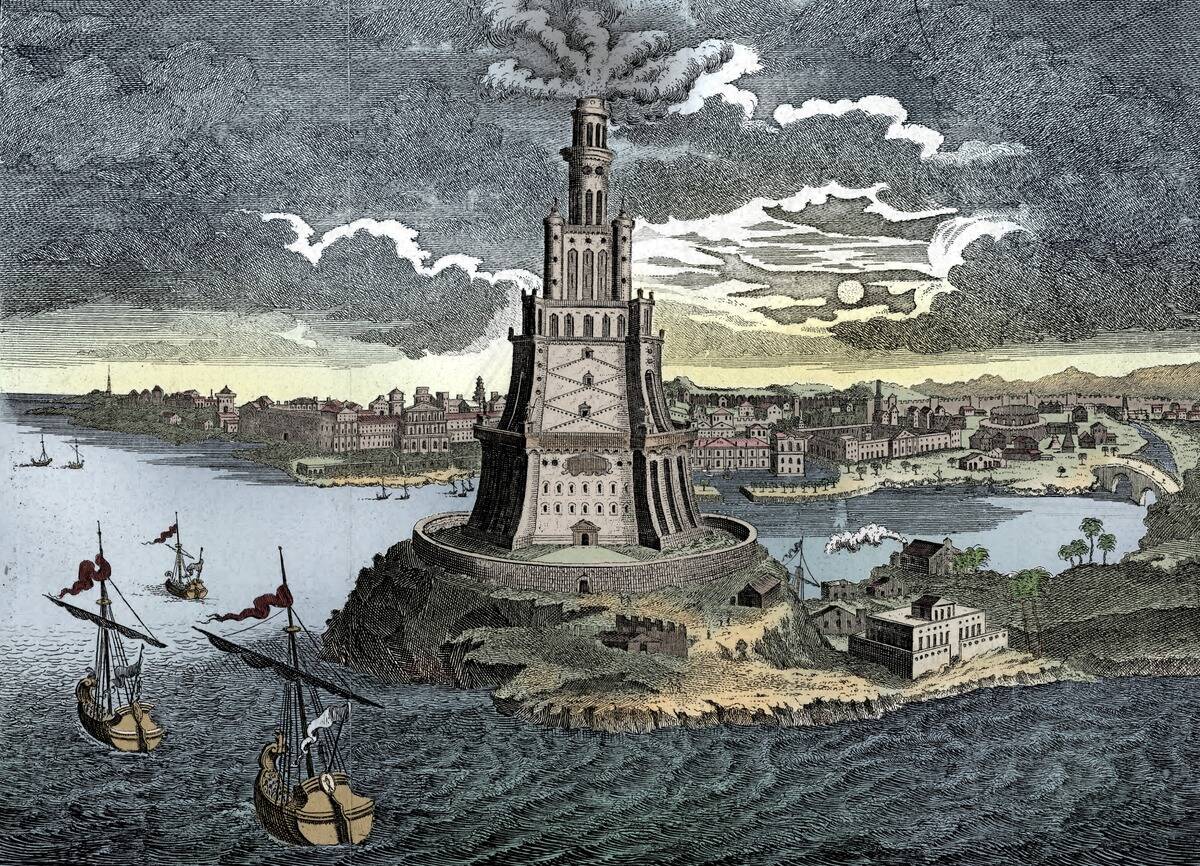
Founded by Alexander the Great in 331 BCE, Alexandria became a center of learning, culture, and wealth in ancient Egypt. The city was famous for the Library of Alexandria, which attracted scholars from across the Mediterranean world and became a symbol of ancient knowledge.
Its strategic location on the Mediterranean coast made it a major hub for trade, connecting Egypt with Africa, Asia, and Europe. Alexandria’s prosperity was reflected in its bustling ports and diverse population, making it one of the ancient world’s greatest centers of commerce, culture, and ideas.
The Golden Age of Athens
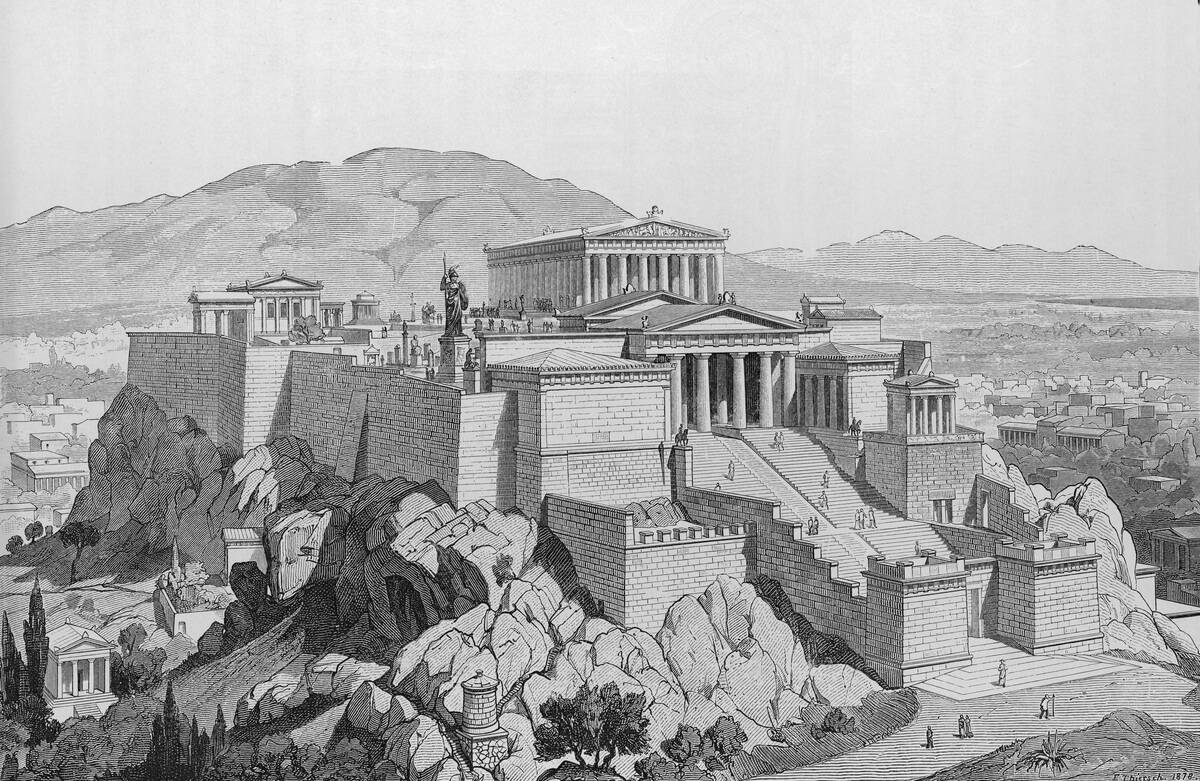
Athens, during its Golden Age in the 5th century BCE, was a major center of art, philosophy, and democracy. The city’s influence extended beyond its economy, with thinkers such as Socrates and Plato contributing to its reputation as a hub of intellectual achievement.
The Parthenon, built during this period, became a lasting symbol of Athenian power and architectural skill. Athens’ economy was strengthened by maritime trade, silver mining at Laurion, and resources from the Delian League, helping make it one of the most influential city-states of the ancient Greek world.
The Majestic Wealth of Timbuktu
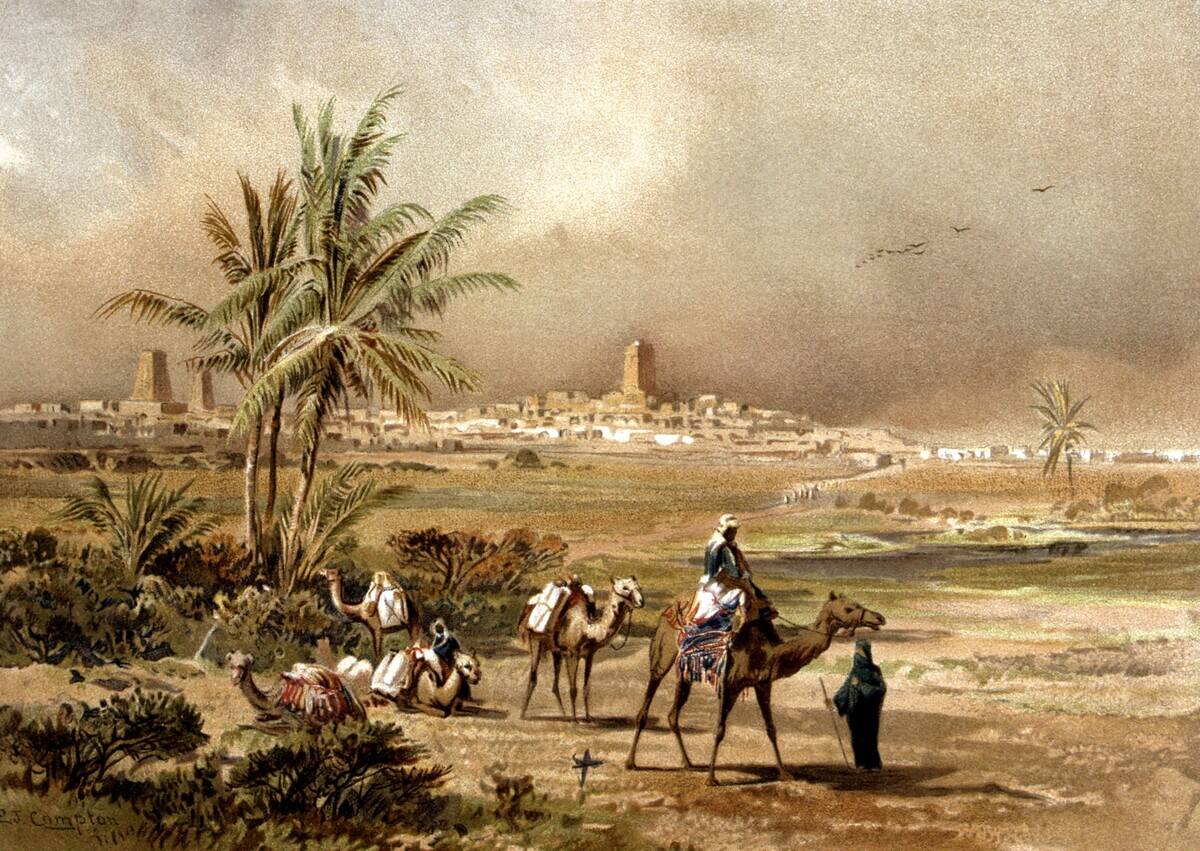
Timbuktu, located in present-day Mali, was a major center of trade, culture, and learning during the Mali Empire and later the Songhai Empire. Its position along trans-Saharan trade routes connected West Africa with North Africa and the wider Islamic world, bringing merchants and scholars to the city.
Known for its role in the gold and salt trade, Timbuktu became famous for its mosques, schools, and extensive collections of manuscripts. The city’s historic wealth and intellectual achievements made it a lasting symbol of African prosperity and knowledge.
Venice: The Queen of the Adriatic
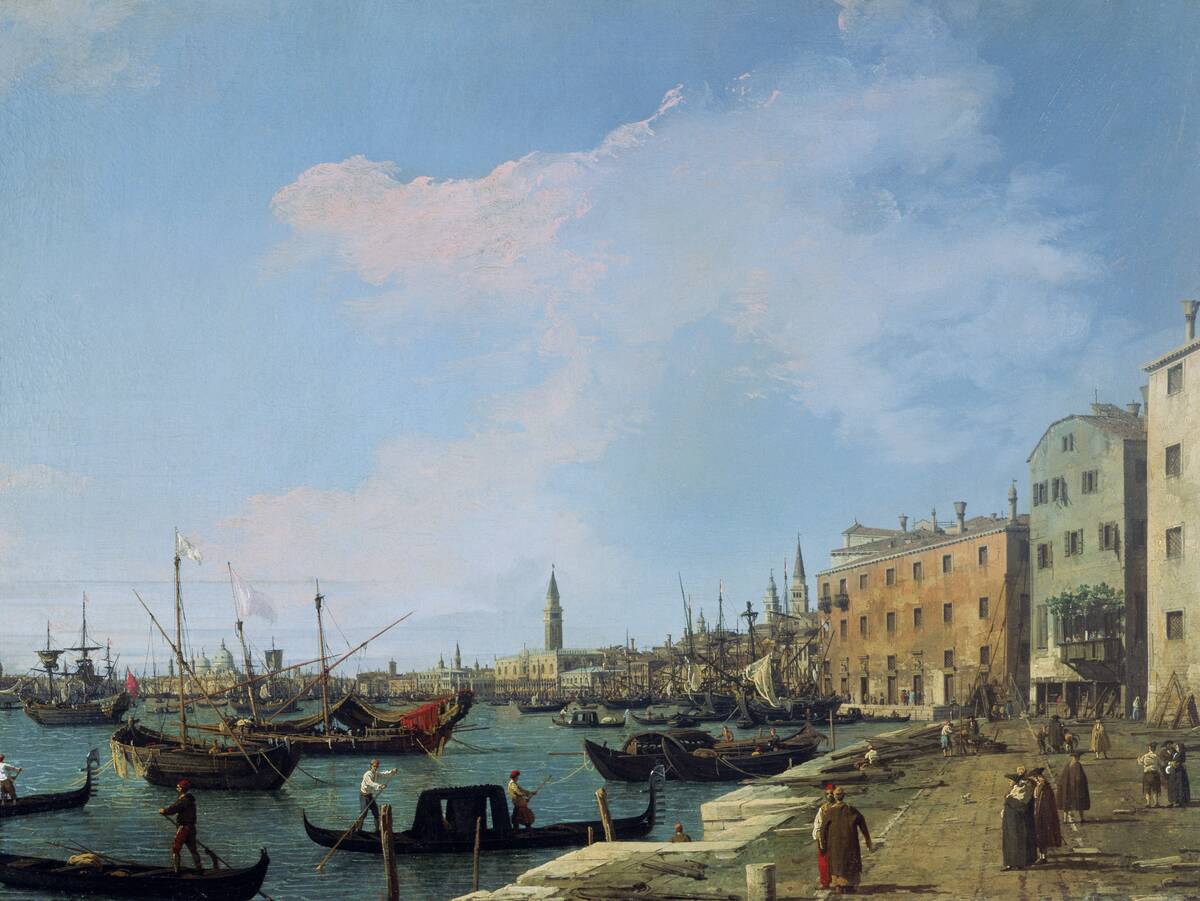
Venice, with its labyrinth of canals and stunning architecture, was a major maritime power during the Middle Ages and Renaissance. The city’s wealth was built on trade, with Venetian merchants dominating Mediterranean commerce.
Venice’s strategic location allowed it to control trade routes between Europe and the East, bringing immense wealth to its shores. The opulence of Venice was evident in its grand palaces and vibrant cultural life.
The Prosperous Trade Hub of Bruges
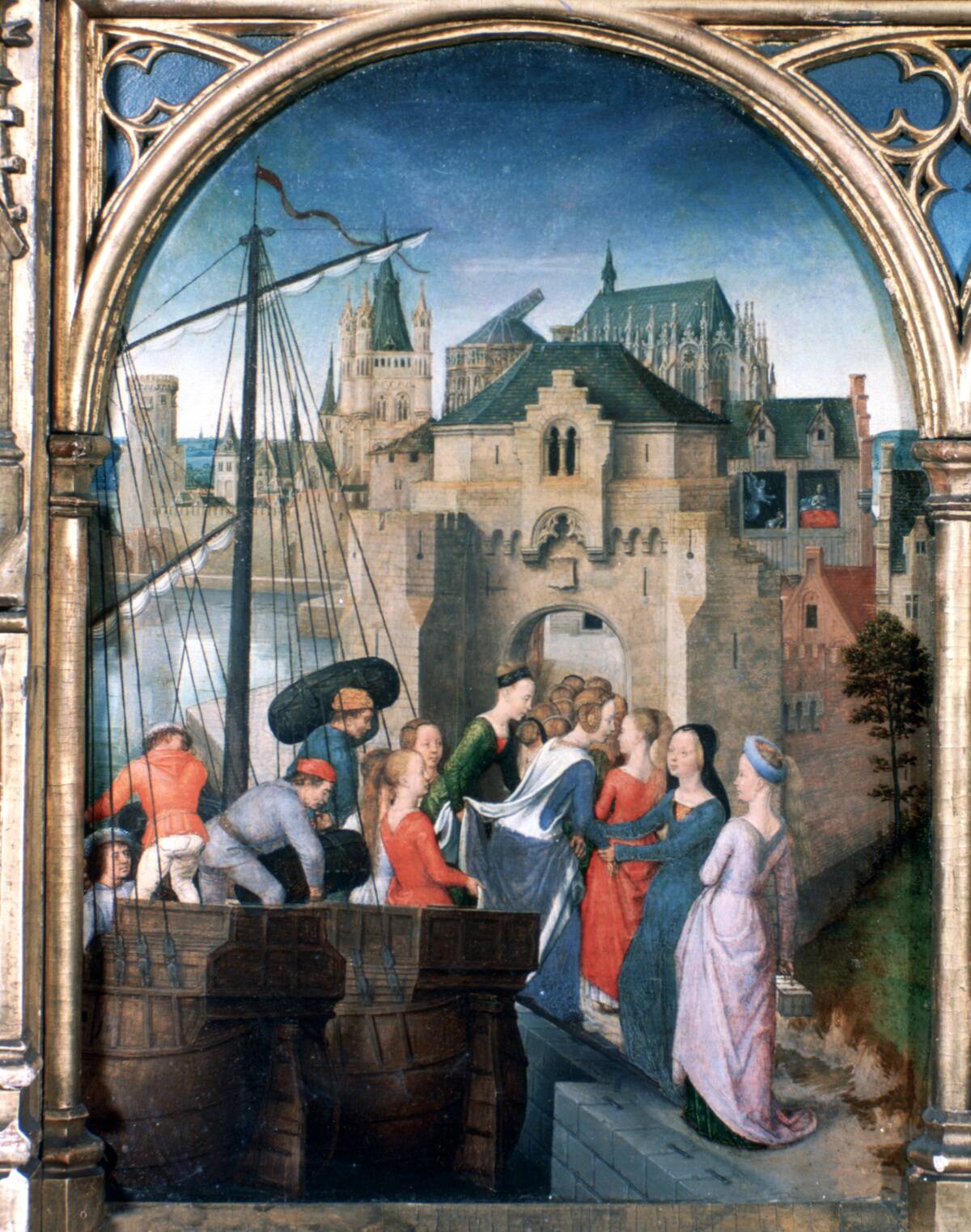
Bruges, in modern-day Belgium, was a thriving trade hub during the medieval period and one of Europe’s leading commercial centers. Known for its picturesque canals and medieval architecture, the city became a major center of commerce, finance, and craftsmanship. Bruges’ wealth was built largely on the wool and cloth trade, as well as its strategic position within European trade networks.
Although it was not a member of the Hanseatic League, it maintained strong connections with Hanseatic merchants. Its prosperity attracted traders and artisans from across Europe, making Bruges one of the most vibrant and wealthy cities of the late medieval era.
The Lavish Courts of the Mughal Empire in Agra
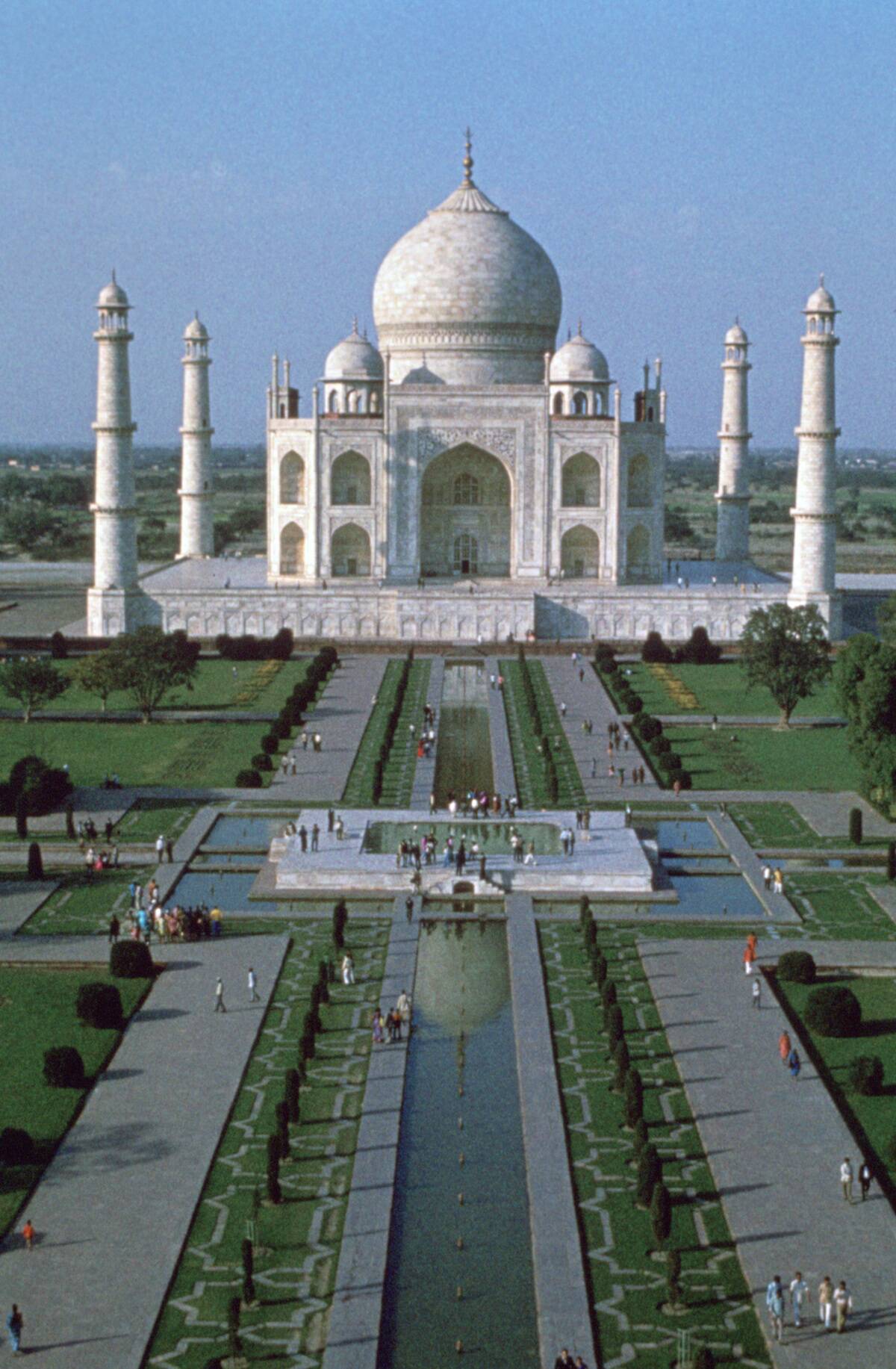
Agra, during the Mughal Empire, was a city of immense wealth and cultural significance. The Mughal emperors, known for their lavish lifestyles, commissioned stunning architectural works like the Taj Mahal.
Agra’s wealth was fueled by its position as a center of trade and its fertile lands, which supported a thriving agriculture. The city’s opulence was reflected in its grand palaces and bustling markets, making it a jewel of the Mughal Empire.
The Flourishing Streets of Edo (Tokyo)
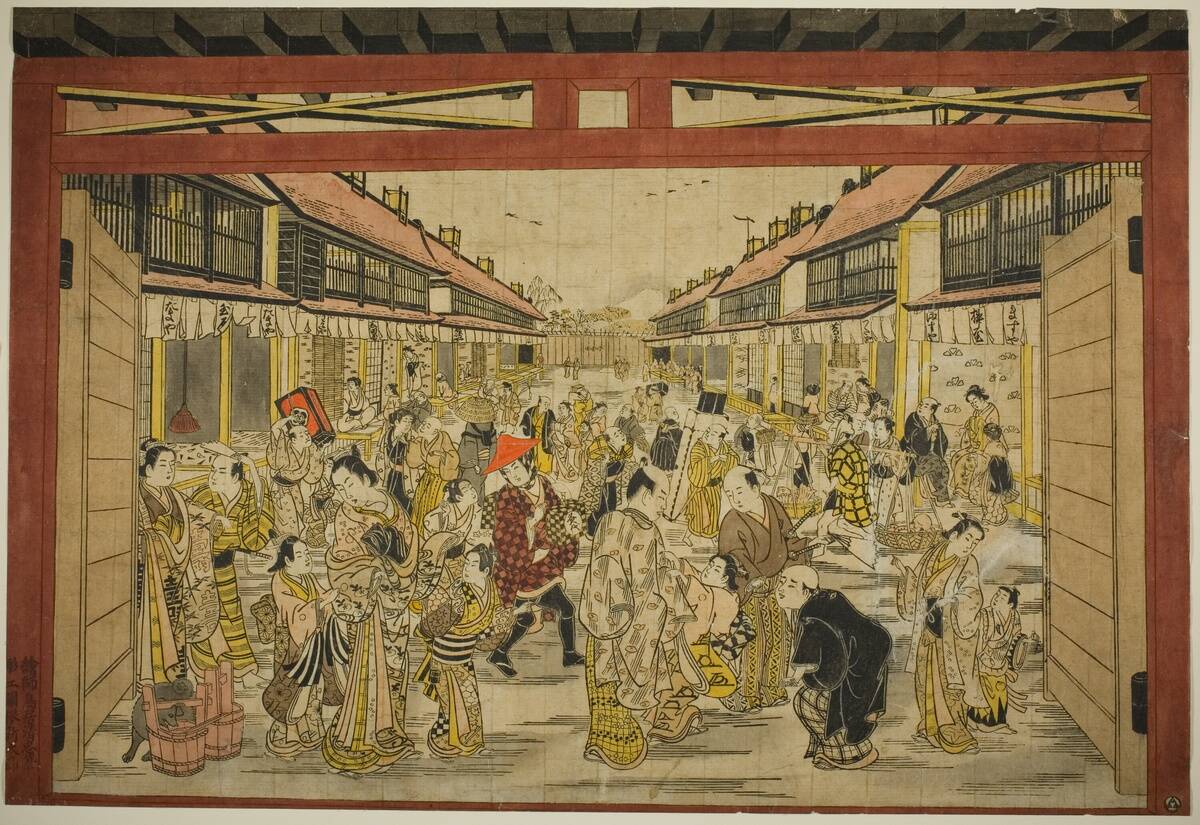
Edo, now Tokyo, was the political center of Japan during the Edo period and became one of the world’s largest and most prosperous cities. Its wealth was built on its role as the seat of the Tokugawa shogunate, expanding commerce, and a population that grew to over one million residents by the 18th century.
Edo’s prosperity was reflected in its bustling markets, where goods from across Japan were exchanged, and its vibrant popular culture, which included kabuki theater and ukiyo-e prints. The city’s growth and cultural achievements made it one of the most influential urban centers of early modern Japan.
The Wealth of the Hanseatic League’s Lübeck
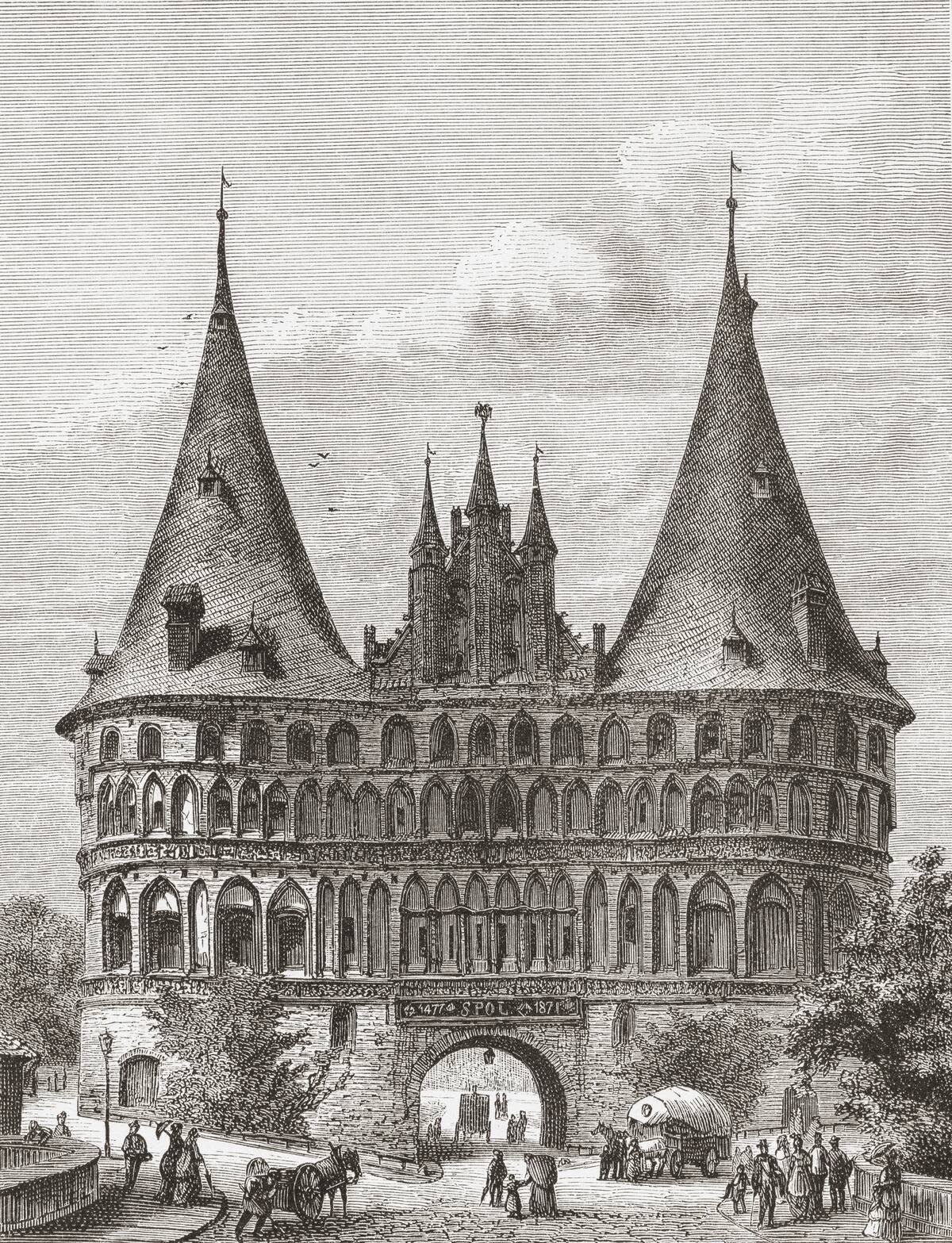
Lübeck, a key city in the Hanseatic League, was a major center of trade in northern Europe. The city’s wealth was built on its strategic location on the Baltic Sea, which allowed it to dominate trade routes.
Lübeck’s prosperity was reflected in its impressive brick Gothic architecture and its vibrant markets, where goods from across Europe were exchanged. The city’s wealth and influence made it a cornerstone of the Hanseatic League.
The Extravagance of Versailles in the Age of Louis XIV
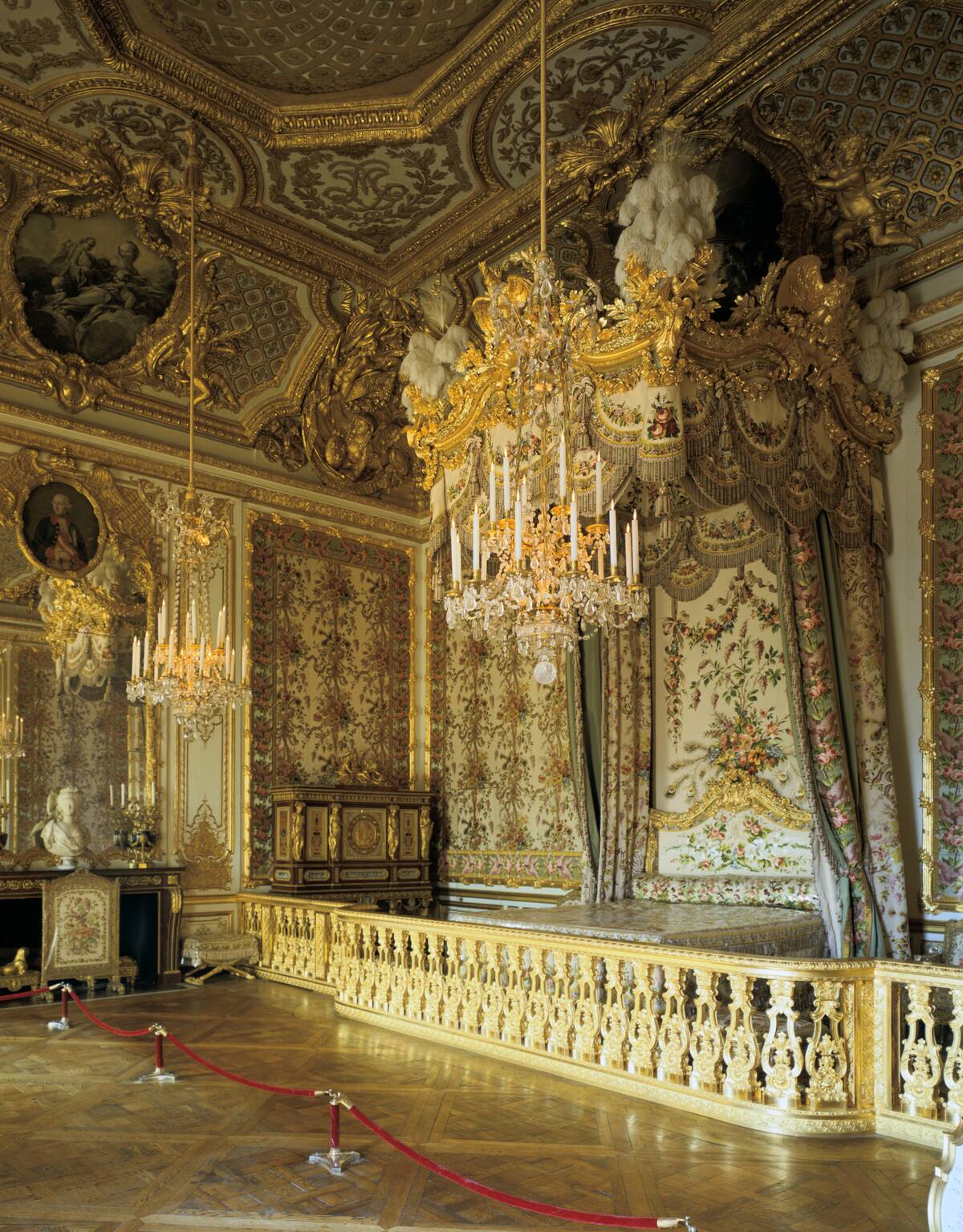
Versailles, under the reign of Louis XIV, became a symbol of royal extravagance, authority, and the power of the French monarchy. The opulent palace, with its magnificent gardens, Hall of Mirrors, and lavish interiors, was designed to showcase France’s wealth and artistic achievements.
After the royal court moved there in 1682, Versailles became the center of political life in France, attracting nobles, diplomats, and dignitaries from across Europe. Its grandeur reflected the influence and ambitions of France during the reign of Louis XIV, while also highlighting the immense costs of royal display.
The Opulence of 19th Century London
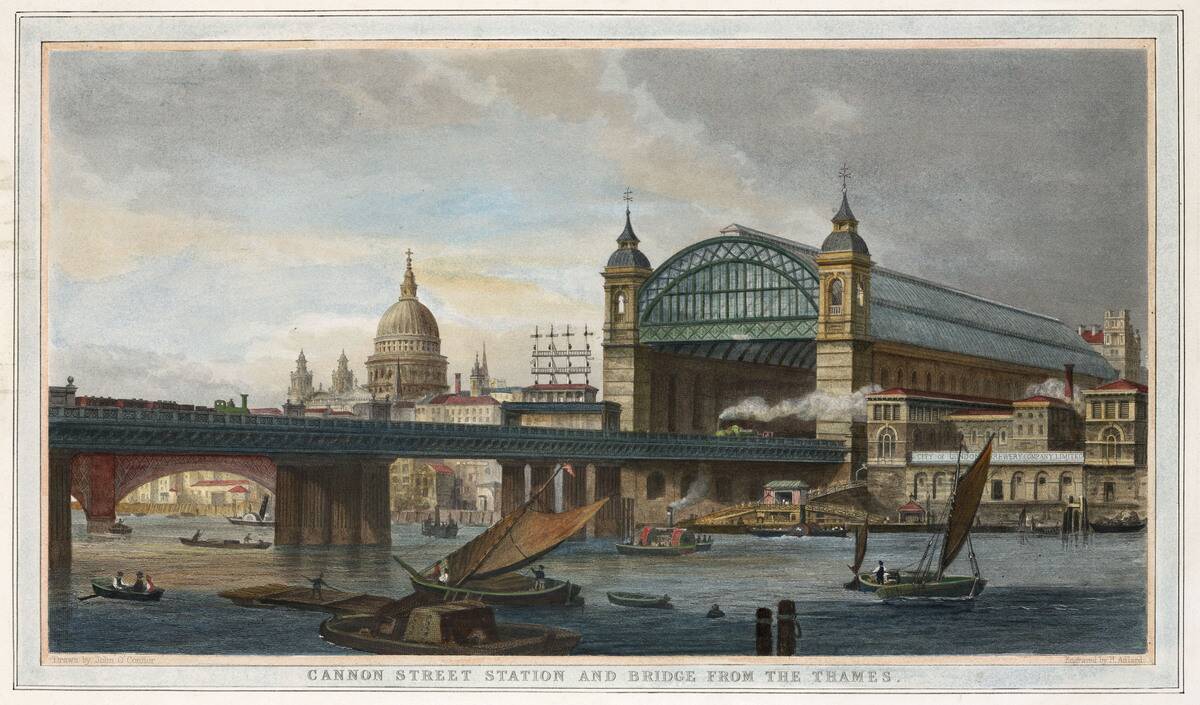
London in the 19th century was a rapidly growing metropolis, shaped by the wealth and influence of the British Empire. The city’s grandeur was reflected in landmarks such as the Houses of Parliament and the expanded Buckingham Palace, which symbolized Britain’s imperial power.
London’s prosperity was built on its role as a global financial and trade center, as well as its expanding industrial economy. Its growth attracted people from across the world, transforming it into a vibrant and cosmopolitan hub of commerce, culture, and innovation.
The Gilded Age of New York City
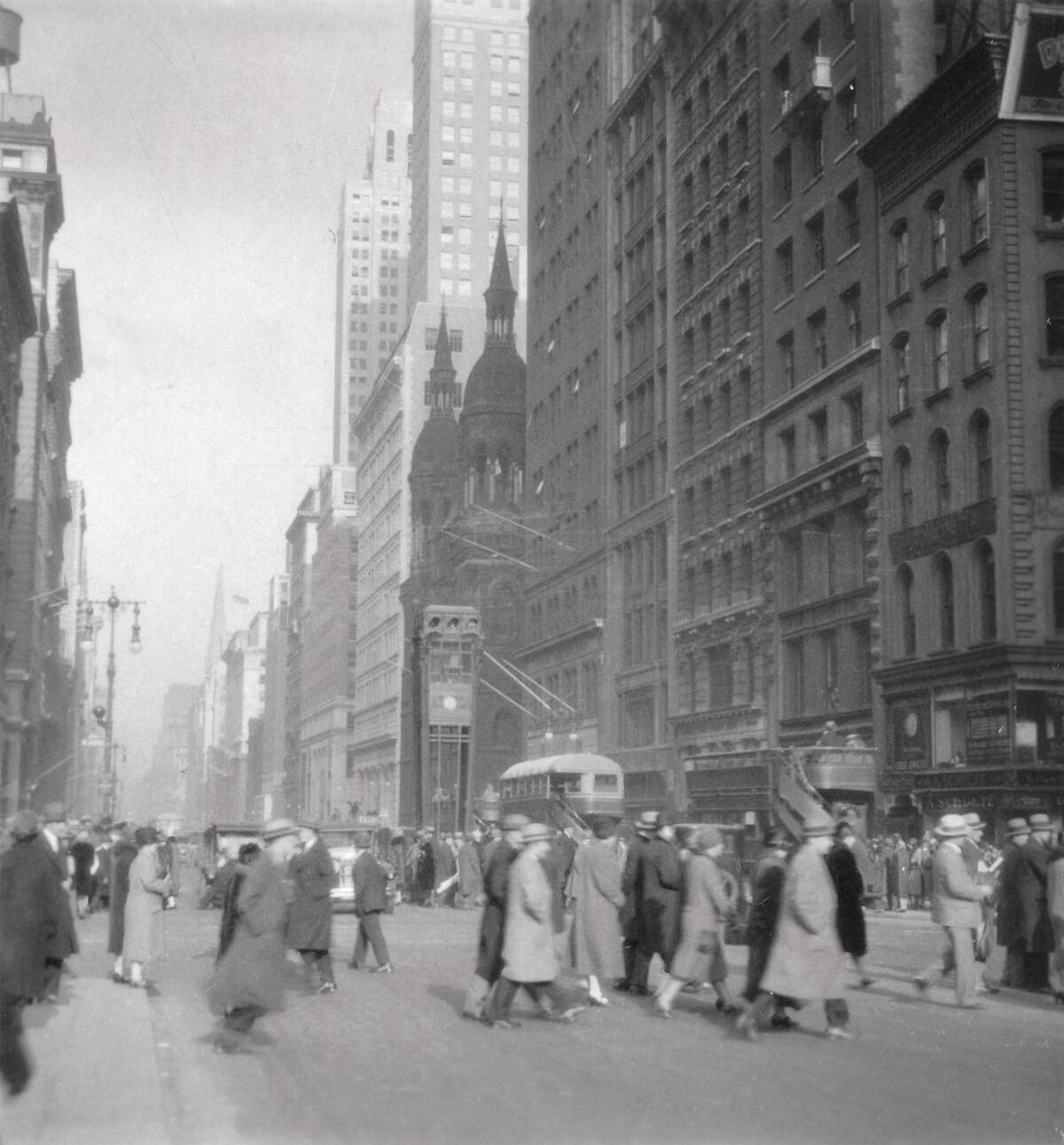
New York City during the Gilded Age was a symbol of American wealth, ambition, and rapid growth. The city’s landscape was transformed by early skyscrapers, grand commercial buildings, and the opulent mansions of industrial magnates who displayed their fortunes.
New York’s prosperity was built on finance, trade, shipping, and manufacturing, helping it emerge as a global economic powerhouse. Its cultural life also flourished, with theaters, museums, and galleries attracting artists, intellectuals, and patrons from across the world.
The Boomtown Riches of San Francisco During the Gold Rush
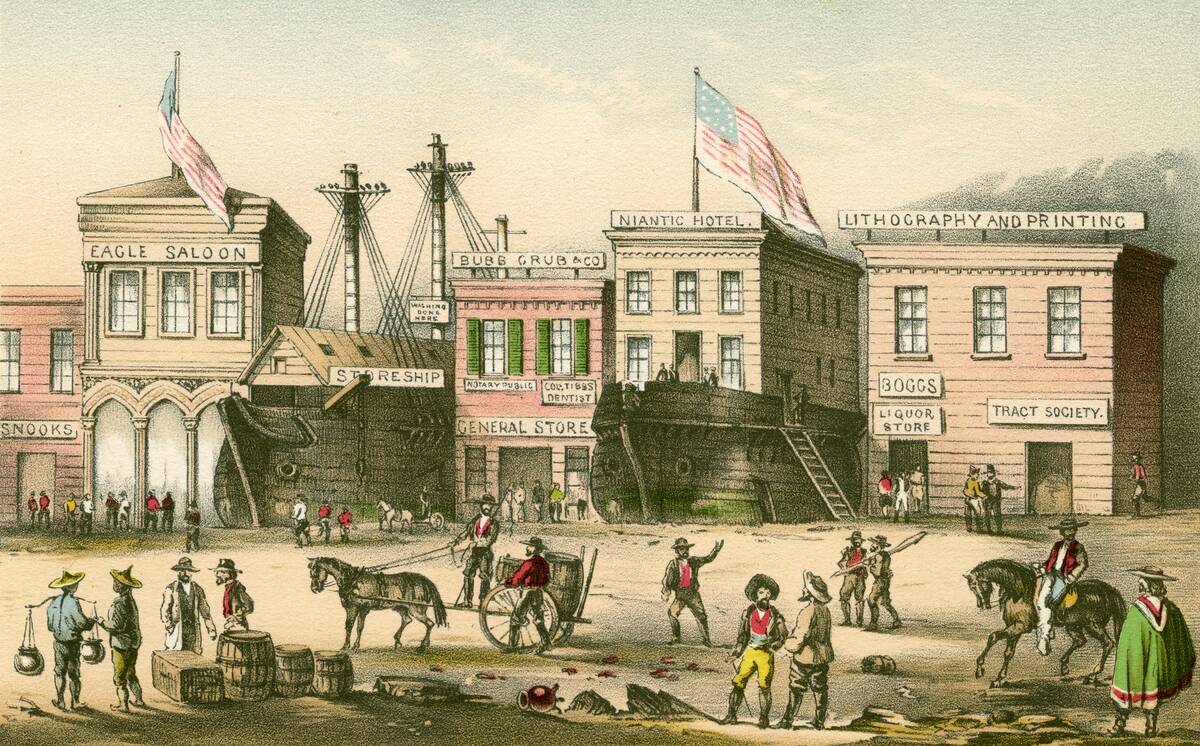
San Francisco in the mid-19th century became a bustling boomtown fueled by the California Gold Rush. Following the discovery of gold in 1848, the city’s population grew rapidly as prospectors, merchants, and entrepreneurs arrived from around the world seeking opportunities.
San Francisco’s wealth was reflected in its rapid development, with banks, businesses, shipping operations, and infrastructure expanding to support the growing population. The city’s energy and transformation made it a powerful symbol of opportunity, ambition, and the changing American frontier.




