How people sent letters before postal services
Before the advent of modern postal services, humans devised a myriad of ingenious methods to communicate over distances. From the rhythmic beats of drums to the flutter of semaphore flags, each method was tailored to the needs and resources of its time.
These early communication systems were not only about delivering messages but also about connecting communities and maintaining relationships across vast landscapes.
Ancient Couriers: The First Message Runners
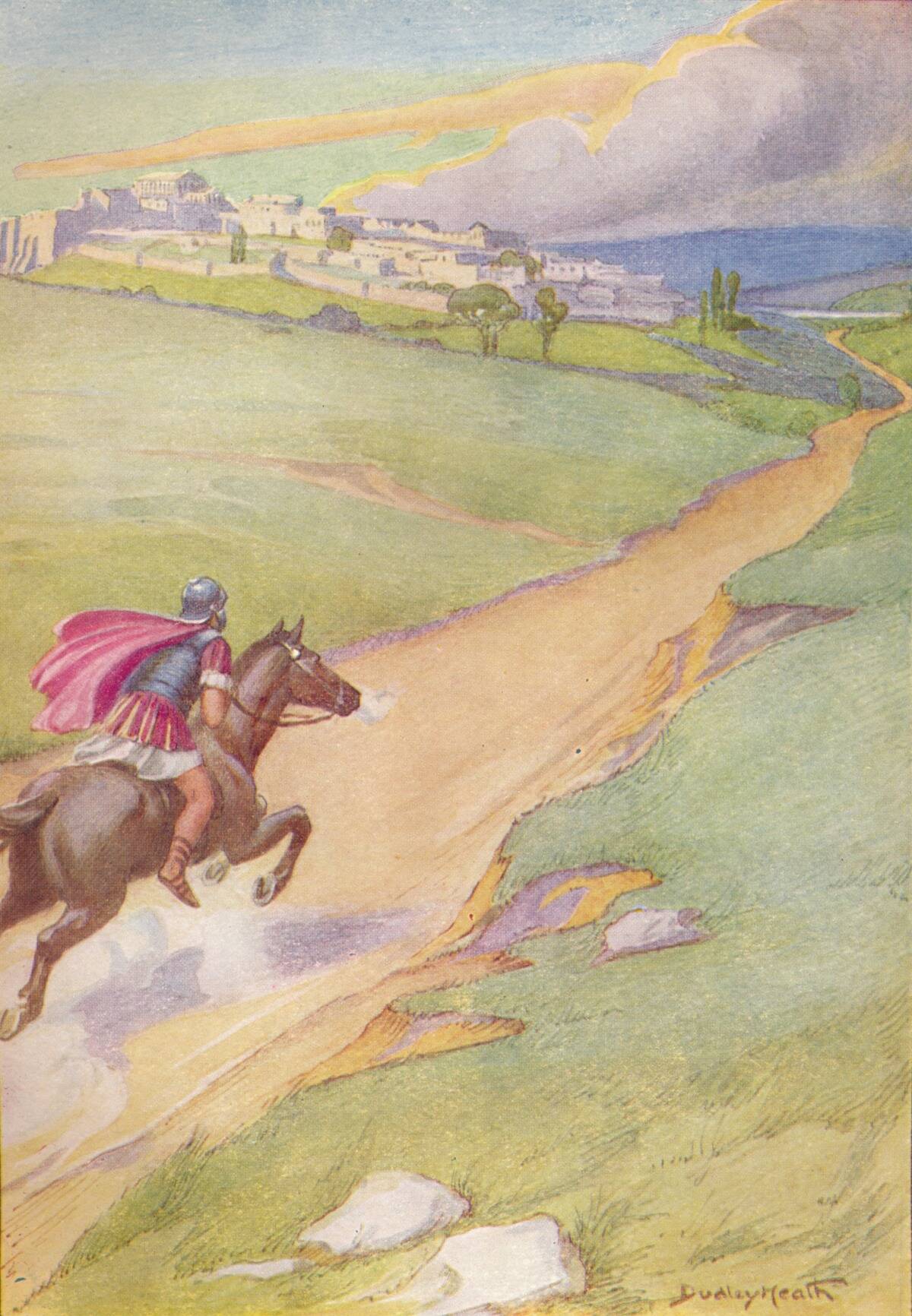
In ancient times, couriers were the backbone of communication networks, often running great distances to deliver important messages. The Greeks used professional runners known as hemerodromoi, who could cover up to 150 miles in a single day.
Similarly, the Inca Empire had a relay system of runners called chasquis, who were stationed along the empire’s extensive road network to ensure swift communication.
Smoke Signals: Communicating Across Distances
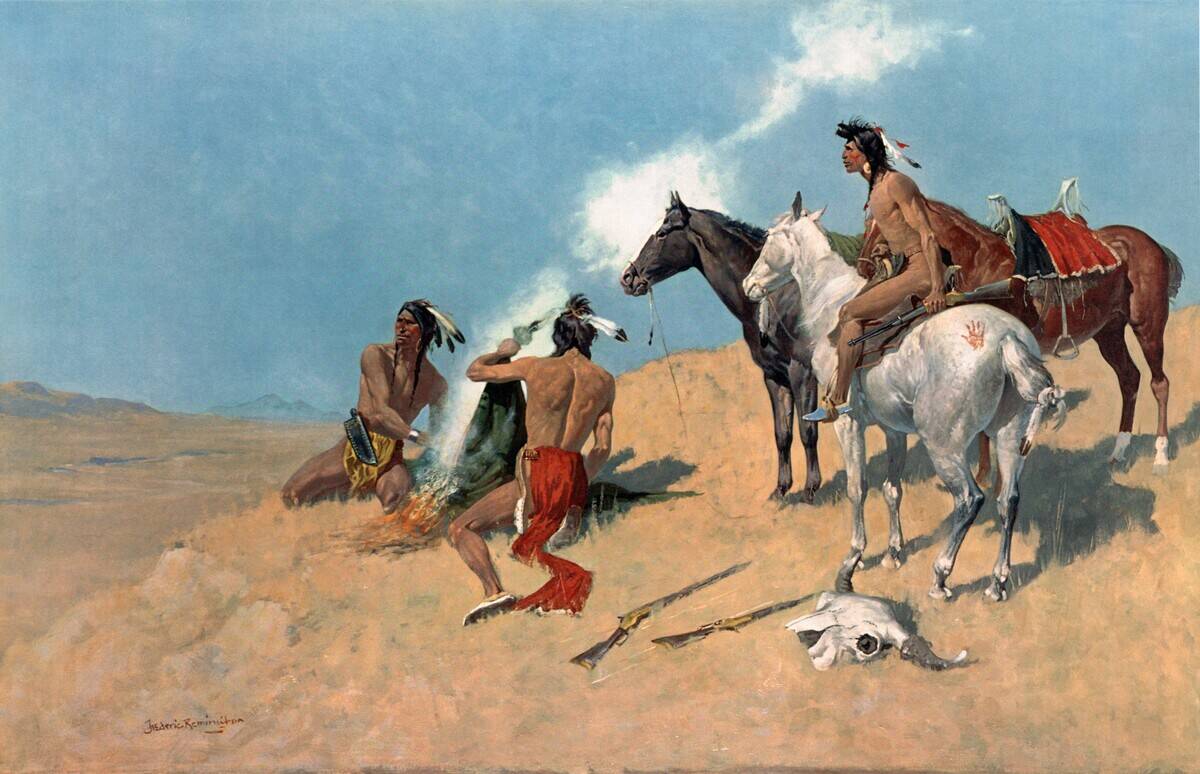
Smoke signals were one of the earliest forms of long-distance communication, used by various cultures around the world. Native American tribes, for instance, used this method to convey messages over large areas, with each puff or pattern representing a different message.
The Chinese also employed smoke signals along the Great Wall to warn of incoming invasions, demonstrating its effectiveness in military communication.
Carrier Pigeons: Nature’s Winged Messengers

Carrier pigeons have been used for centuries due to their remarkable homing ability. During both World Wars, these birds played a crucial role in delivering messages across enemy lines when other forms of communication were compromised.
The pigeons’ reliability and speed made them invaluable, with some even being awarded medals for their service in saving lives and delivering critical information.
Message Sticks: The Aboriginal Communication Tool

Australian Aboriginals used message sticks as a means of communication between different tribes. These sticks were carved with symbols that conveyed specific messages and were often carried by messengers traveling long distances.
The use of message sticks highlights the rich oral traditions of Aboriginal cultures and their innovative approach to maintaining inter-tribal communication.
Drums and Horns: Sounding Out Messages
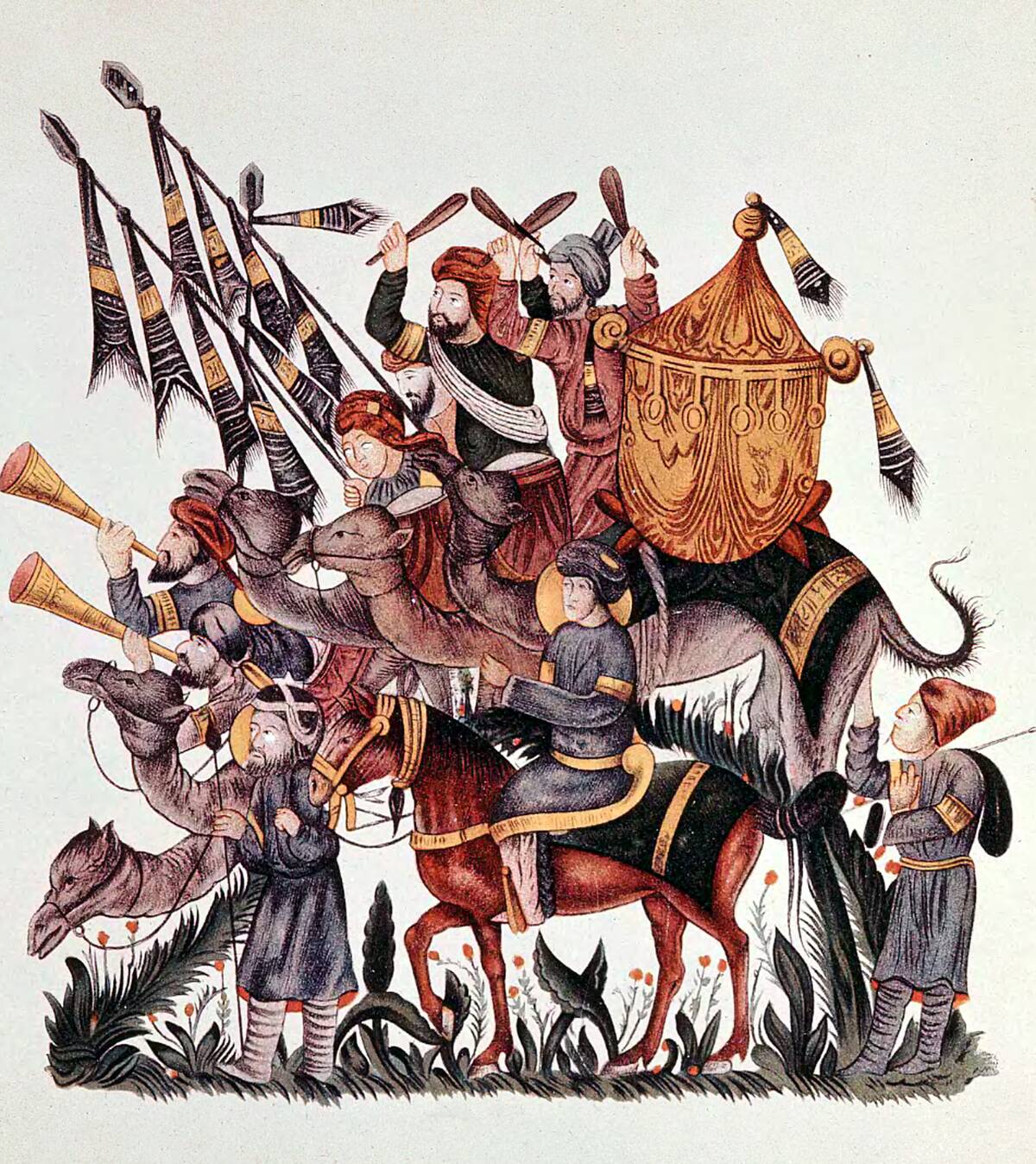
Drums and horns have been used across cultures to send messages through sound. In Africa, talking drums were used to mimic the tones and rhythms of speech, allowing messages to be sent over long distances.
Similarly, in Europe, horns were used in mountainous regions to communicate across valleys, with different sounds indicating specific messages or warnings.
Fire Beacons: Lighting Up the Night with News
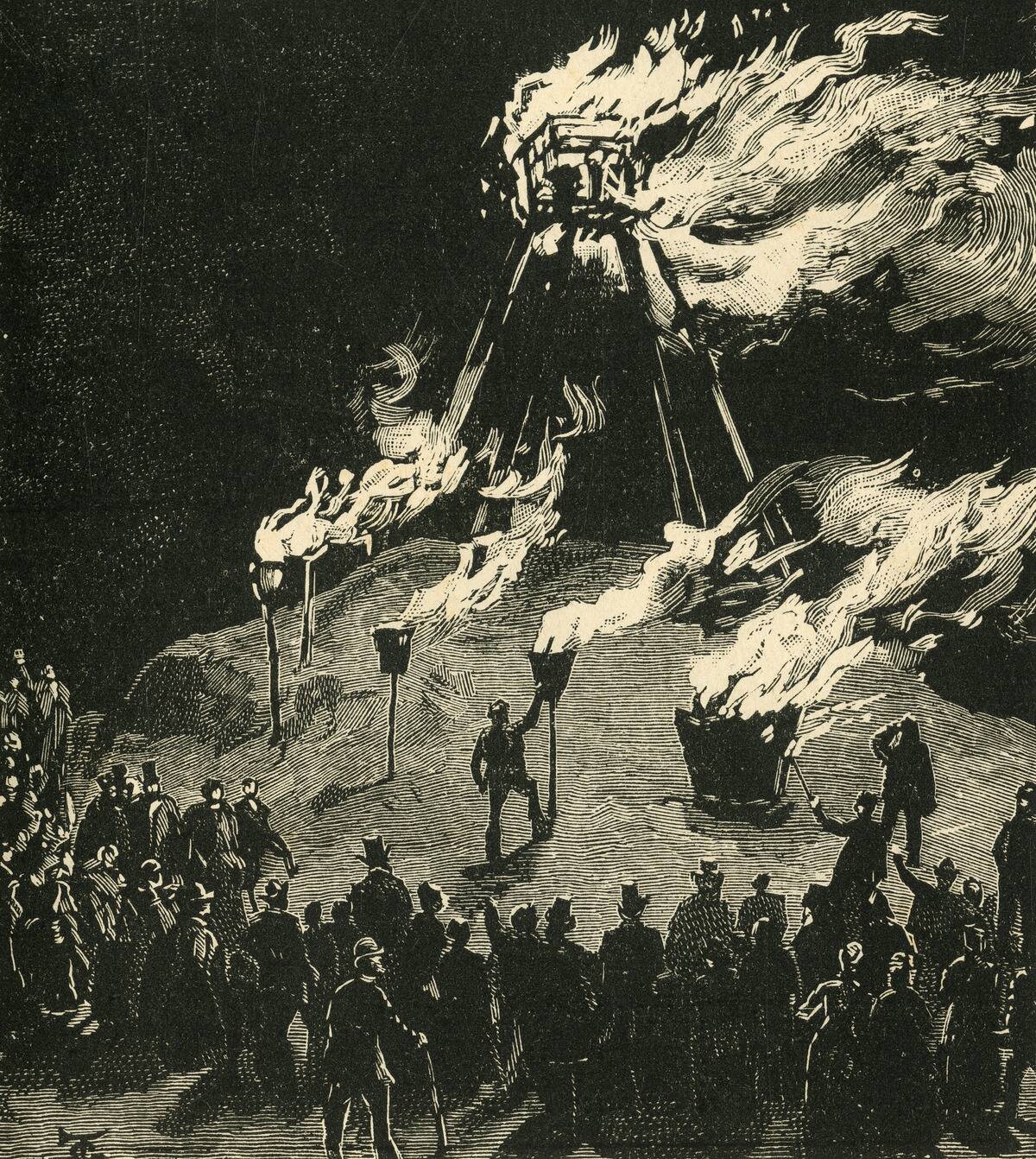
Fire beacons were a dramatic and effective way to send messages across great distances, especially at night. The Greeks famously used a chain of beacons to relay the fall of Troy back to Mycenae.
Each beacon would be lit in succession, creating a visual relay of information that could span hundreds of miles, demonstrating the power of coordinated communication.
Semaphore Flags: Visual Signaling Across the Sea
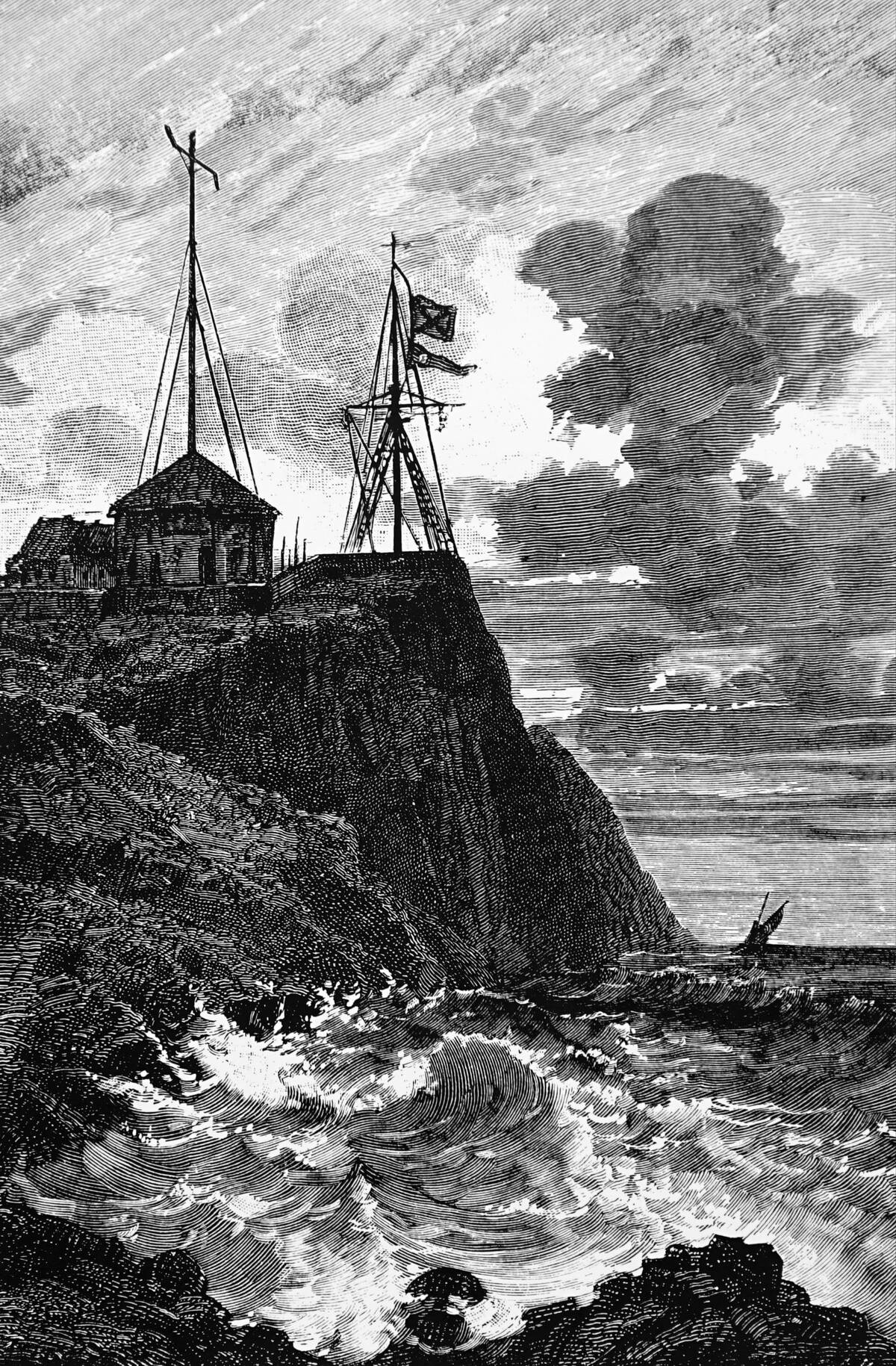
Semaphore flags were a vital tool for naval communication, allowing ships to convey messages visually across the water. By using a system of positions and movements, sailors could spell out messages that were visible from afar.
This method was especially important during the 18th and 19th centuries, when naval fleets needed to coordinate maneuvers without the use of modern technology.
Native American Sign Language: A Silent Form of Communication
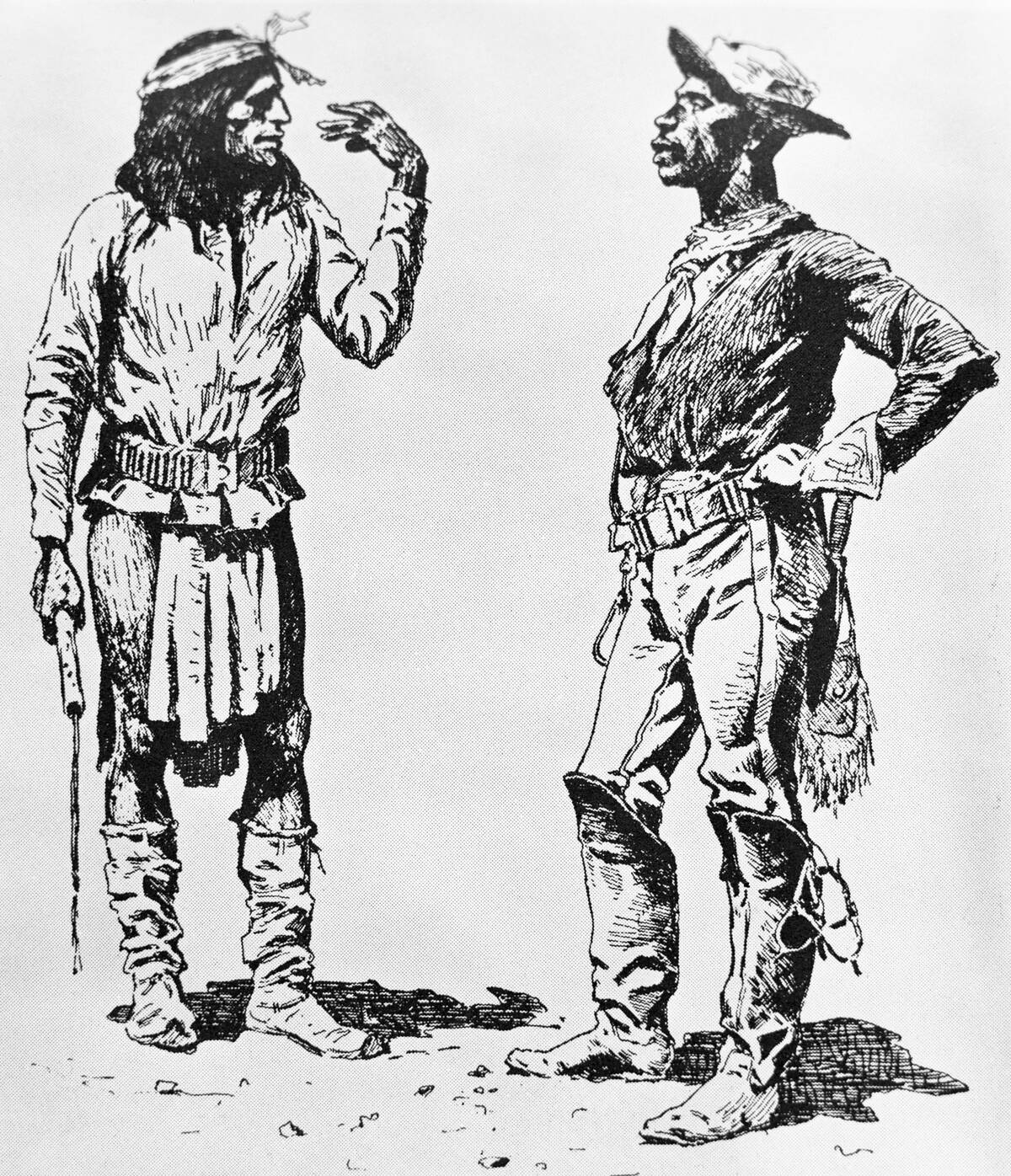
American Indian Sign Language (AISL), often called Hand Talk, included several Indigenous sign-language traditions; the best documented is Plains Indian Sign Language (PISL), used across many Plains nations.
The use of NASL highlights the adaptability and ingenuity of Native American cultures in maintaining communication without spoken words.
Knotted Cords: The Intriguing Quipu System

The Inca civilization used quipus, a system of knotted cords, to record information and communicate messages. Each knot and its position on the cord represented different data, such as census information or historical records.
Quipus were an essential tool for administration in the vast Inca Empire, showcasing a unique approach to data storage and communication without a written language.
Water Couriers: Messages Across Rivers and Seas

Water couriers were an essential part of communication in regions with extensive waterways. In ancient Egypt, boats carried messages along the Nile, facilitating communication between distant settlements.
Similarly, in Venice, gondoliers acted as couriers, delivering messages and goods across the city’s intricate canal system, highlighting the importance of water-based communication in urban environments.
The Silk Road: A Highway for Messages and Trade

The Silk Road was not only a trade route but also a conduit for communication between East and West. Merchants and travelers carried news, ideas, and cultural practices along this network, linking distant civilizations.
The exchange of information along the Silk Road played a significant role in shaping the development of societies, highlighting the road’s importance beyond mere commerce.
The Evolution of Written Language: From Cuneiform to Papyrus

The development of written language marked a significant milestone in human communication. Cuneiform, one of the earliest writing systems, emerged in Mesopotamia around 3200 BCE.
As civilizations evolved, so did writing materials, with the Egyptians developing papyrus as a more flexible and portable medium. This evolution of writing systems enabled the recording and dissemination of knowledge, shaping the course of history.