Fashion trends that started in royal courts
Fashion trends have often found their roots within the opulent walls of royal courts. These trends were not just about style but also a reflection of power, status, and influence.
Royals have historically set the tone for what was considered fashionable, with their choices often trickling down to the masses. From elaborate gowns to intricate headpieces, the impact of royal fashion is both fascinating and enduring.
The Birth of Haute Couture in the French Court
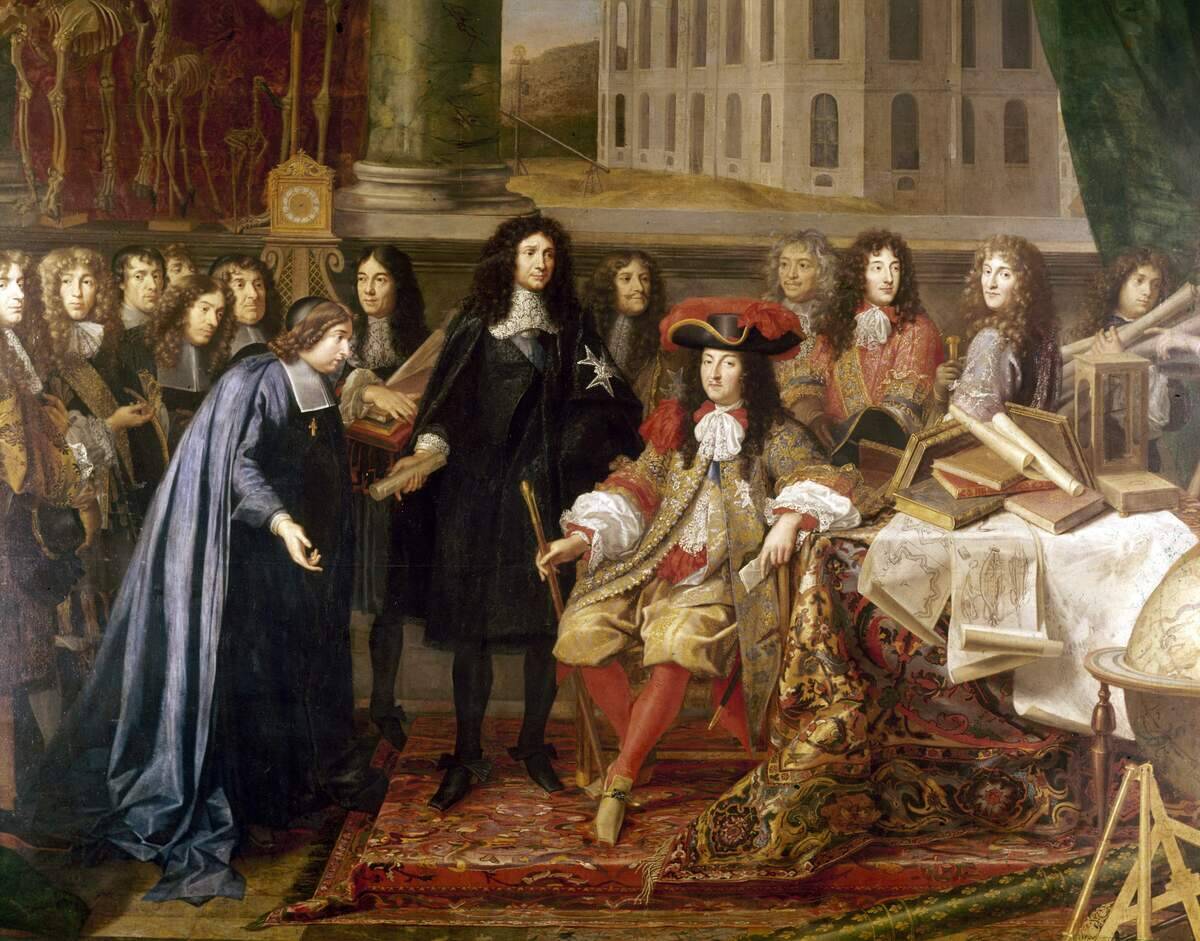
The concept of haute couture, or high fashion, can be traced back to the French court of Louis XIV. Known as the Sun King, Louis XIV’s reign saw the establishment of Paris as the fashion capital of the world.
His court was a spectacle of luxury, where fashion was used as a political tool to display wealth and power. The king’s personal tailor, Charles Frederick Worth, is often credited with laying the foundations of modern haute couture.
The Spanish Farthingale: A Royal Influence
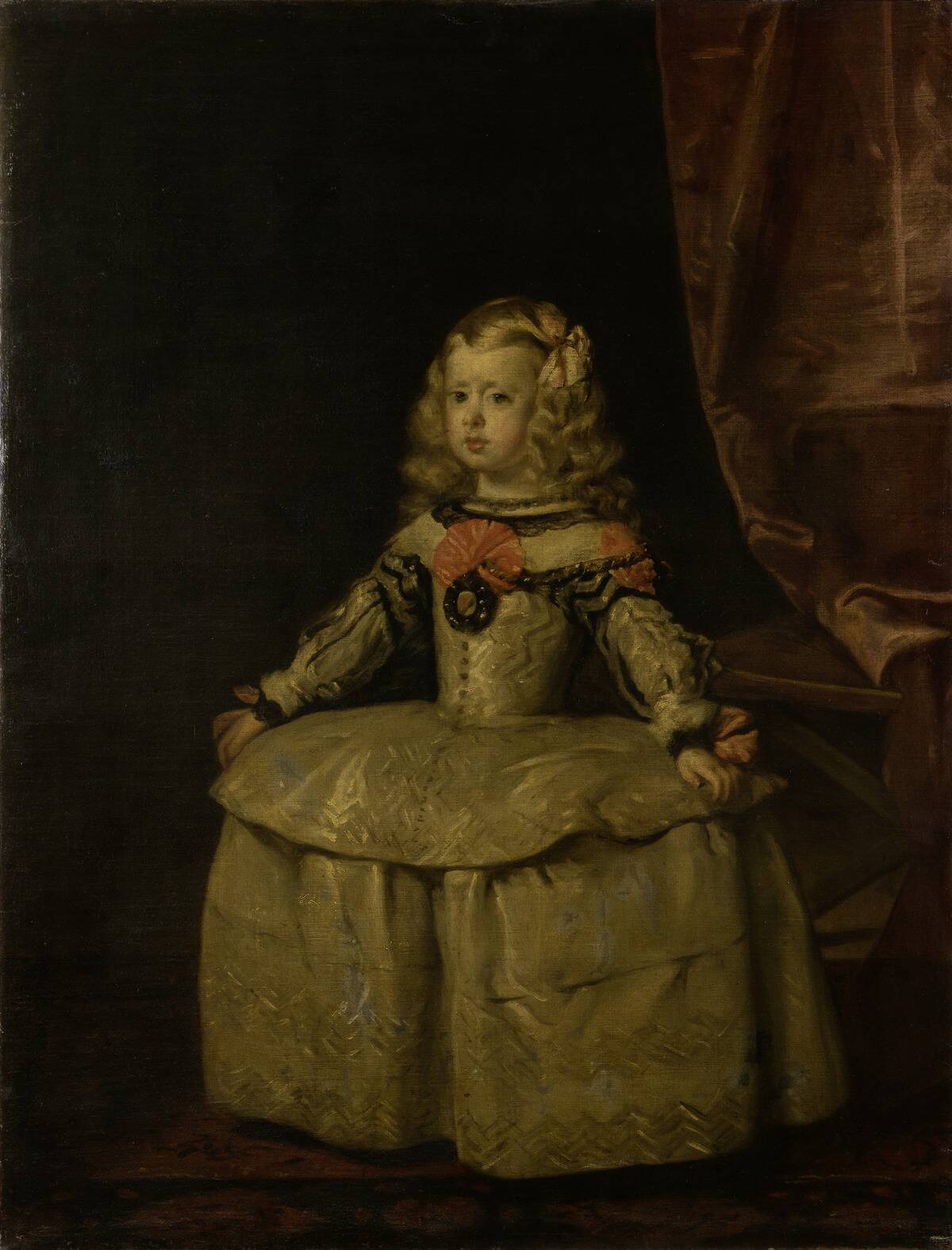
The Spanish farthingale, a hoop skirt that gave women’s dresses a distinctive cone shape, was a fashion staple in the 16th century. It was introduced to the English court by Catherine of Aragon, the Spanish princess who became the first wife of King Henry VIII.
This garment not only accentuated the waist but also symbolized the wearer’s high status. The farthingale’s influence extended beyond Spain and England, becoming a European fashion phenomenon.
The Influence of Queen Elizabeth I on Ruff Collars
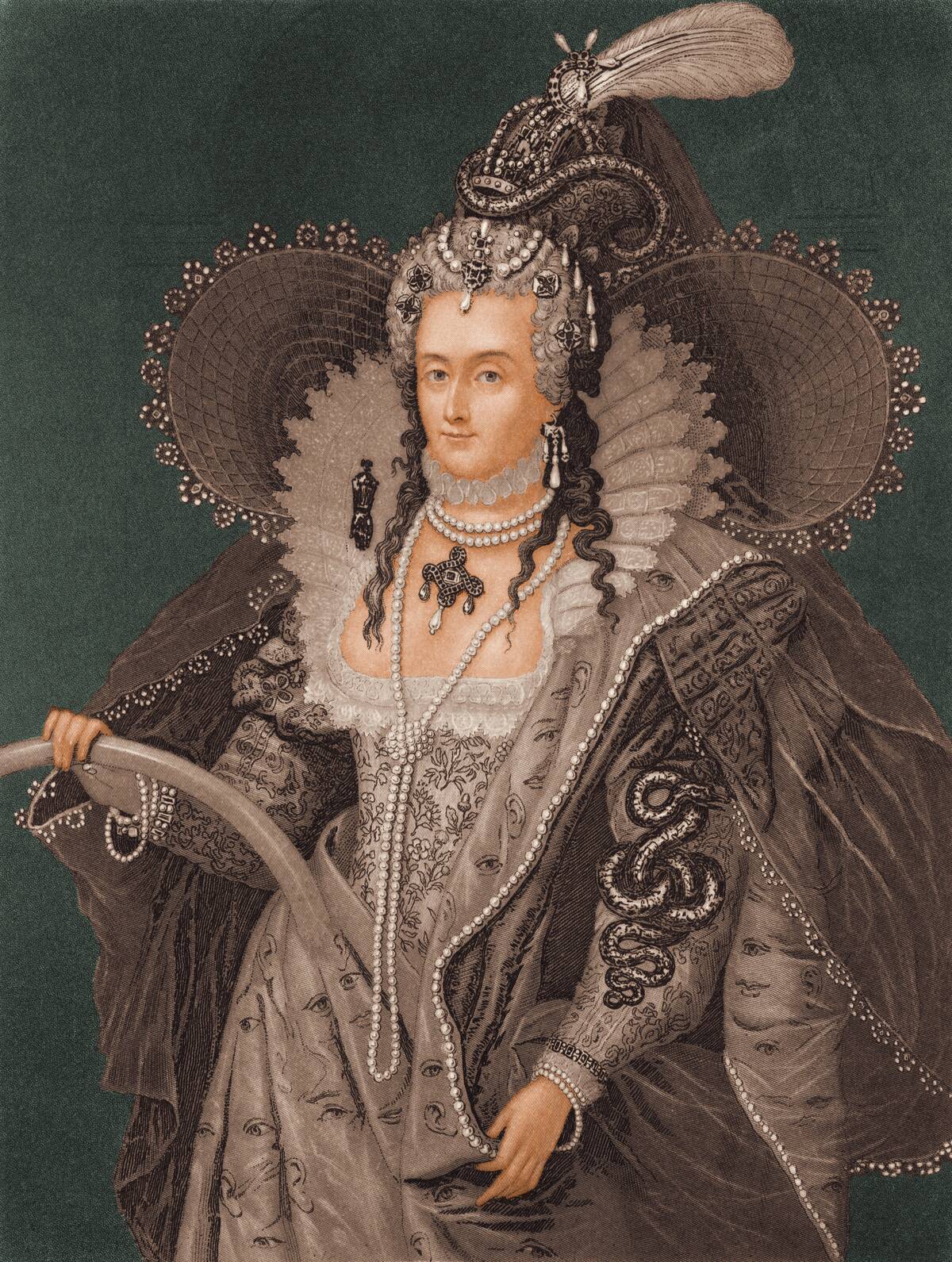
Queen Elizabeth I was a fashion icon of her time, known for her elaborate and ornate style. One of her most enduring fashion legacies is the ruff collar, a large, pleated collar that became synonymous with Elizabethan fashion.
The ruff was not only a fashion statement but also a symbol of wealth and sophistication, as its maintenance required significant effort and resources. Elizabeth’s love for the ruff collar ensured its popularity throughout her reign.
The Rise of the Periwig in the English Court
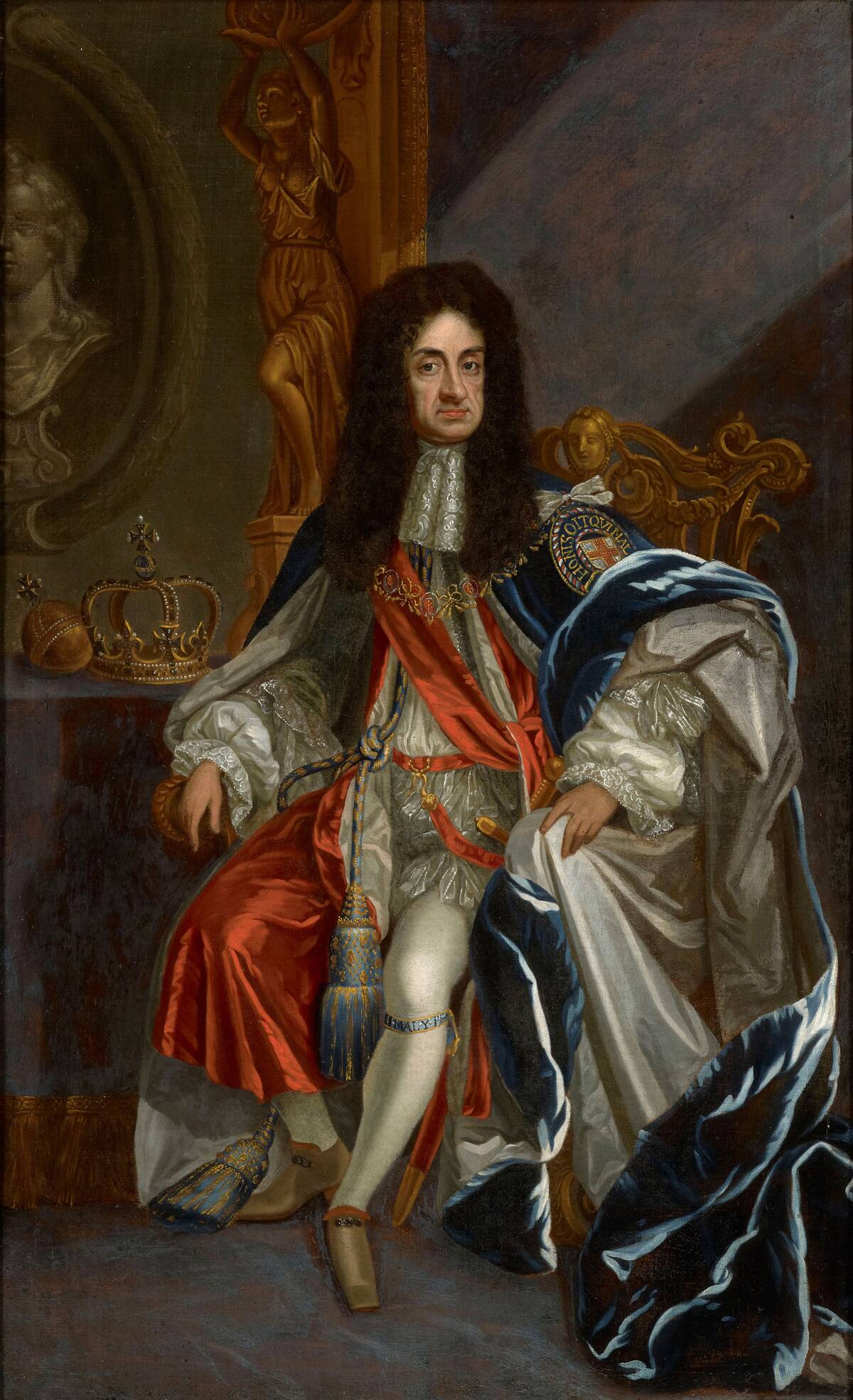
The periwig, or powdered wig, became a fashion staple in the English court during the 17th century. King Charles II popularized this trend after returning from exile in France, where wigs were already in vogue.
The periwig was not just a fashion statement but also a practical solution to hair loss and lice infestations. Its popularity soared among the aristocracy, symbolizing status and refinement, and remained a key fashion item for over a century.
Louis XIV and the Birth of High Heels
High heels have an intriguing royal origin, with Louis XIV playing a pivotal role in their rise to fame. The French king, known for his flamboyant style, wore red-heeled shoes as a symbol of his absolute power.
These shoes were often elaborately decorated and became a status symbol among the nobility. The trend quickly spread across Europe, with both men and women adopting high heels as a fashion statement.
The Japanese Kimono: A Royal Tradition
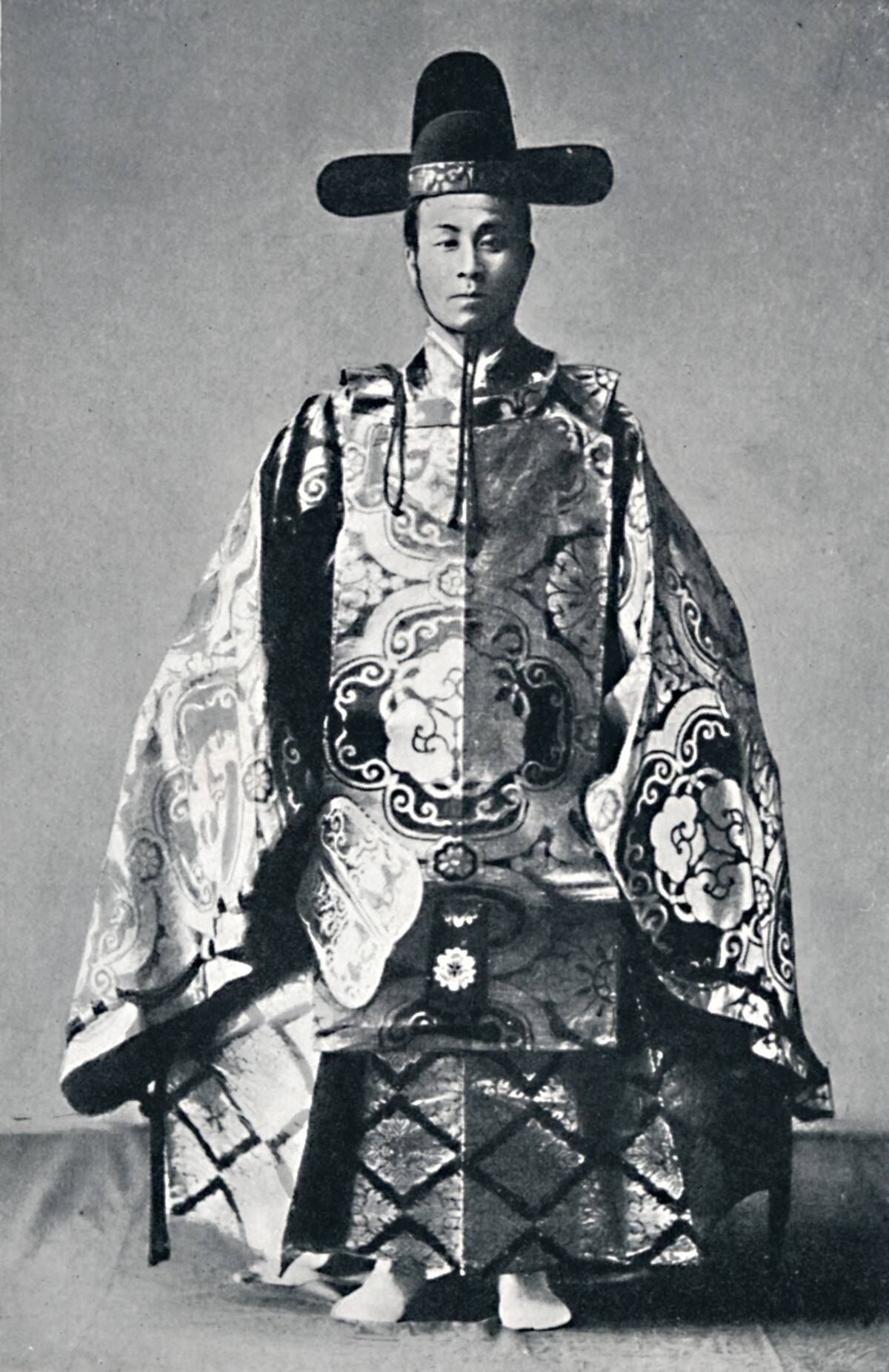
The kimono, a traditional Japanese garment, has its roots in the country’s royal courts. Originally worn by the aristocracy, the kimono was a symbol of status and cultural identity.
Its intricate designs and vibrant colors were often indicative of the wearer’s social standing and season. Over time, the kimono has evolved but remains an iconic symbol of Japanese culture, with its royal origins still celebrated today.
The Impact of Marie Antoinette on Rococo Fashion
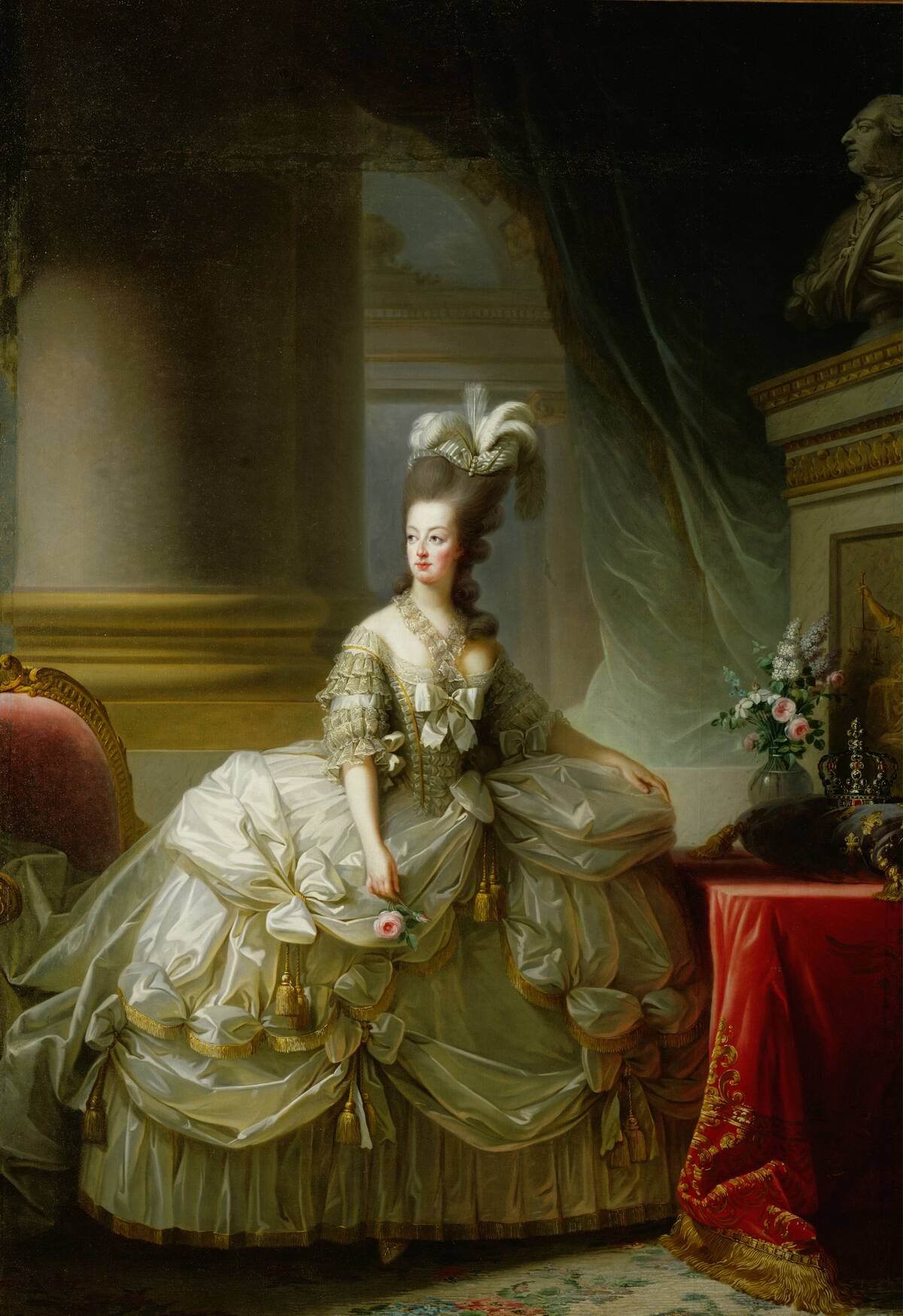
Marie Antoinette, the last queen of France before the French Revolution, was a trendsetter in the world of Rococo fashion. Known for her extravagant taste, she popularized the pouf hairstyle and voluminous gowns adorned with ruffles and lace.
Her fashion choices were often seen as controversial, reflecting both her opulence and the political climate of the time. Despite her eventual downfall, Marie Antoinette’s influence on fashion remains undeniable.
The Indian Sari and Its Royal Origins
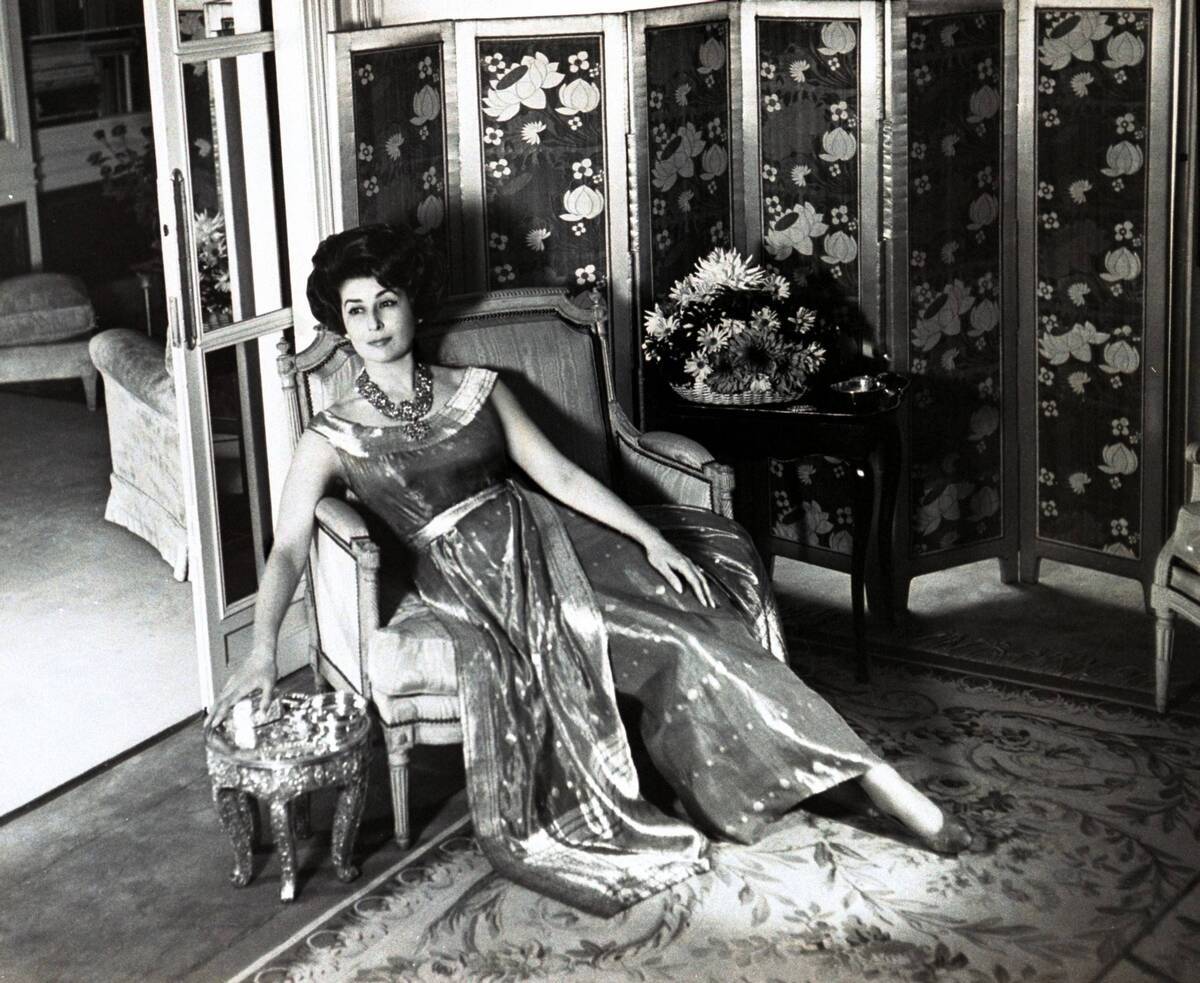
The sari, a traditional Indian garment, has been worn by royal women for centuries. Its origins can be traced back to ancient India, where it was a symbol of elegance and grace. The sari’s intricate weaves and vibrant colors were often indicative of the wearer’s status and region.
Today, the sari continues to be a popular choice for formal occasions, with its royal roots still evident in its timeless appeal.
The Victorian Corset: A Royal Endorsement
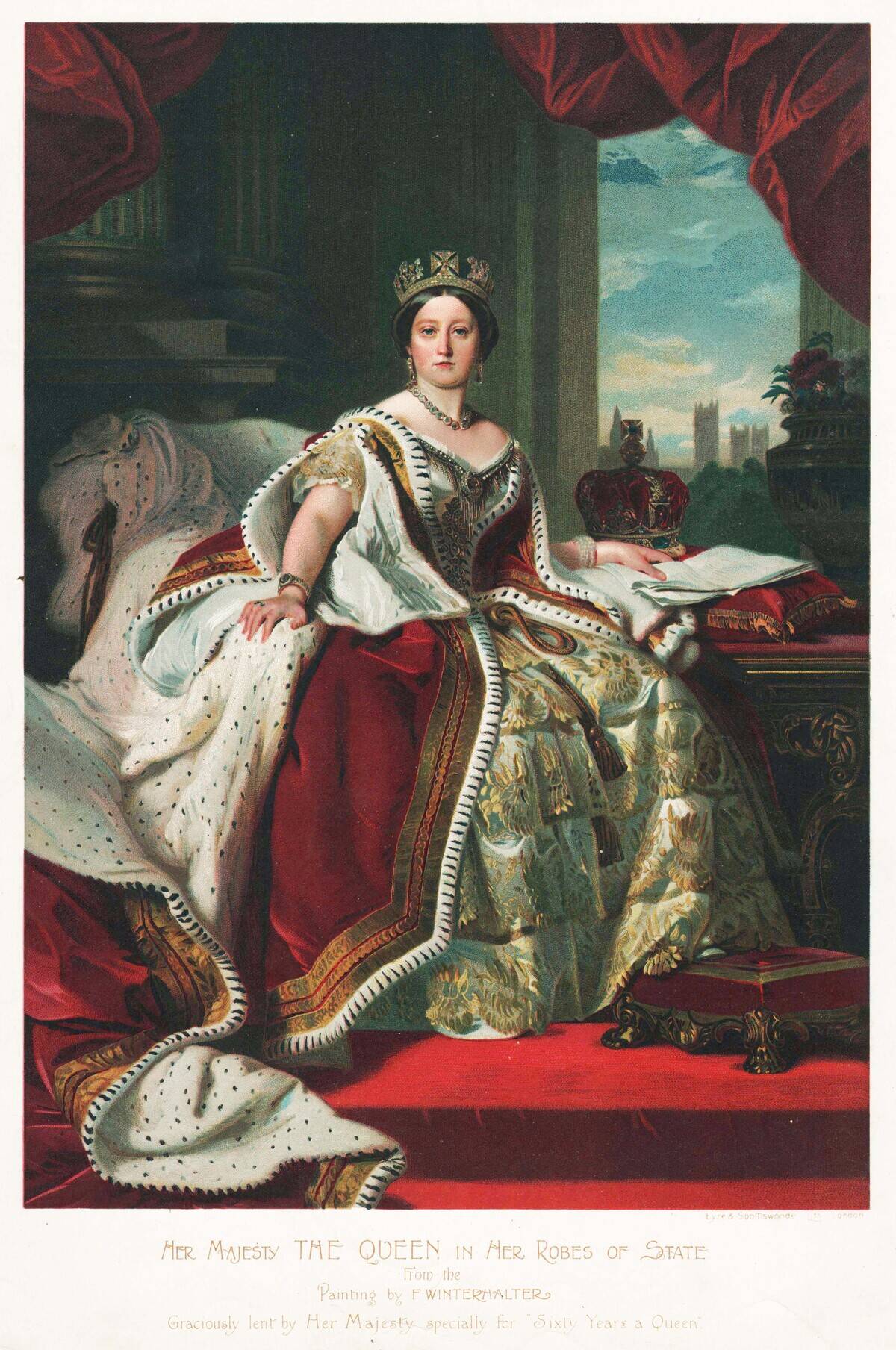
The corset became a defining fashion item during the Victorian era, with Queen Victoria herself endorsing its use. This garment was designed to cinch the waist and create an hourglass silhouette, a look that was highly coveted at the time.
The corset was not only a fashion statement but also a symbol of femininity and discipline. Its popularity endured for decades, shaping the fashion landscape of the 19th century.
The Russian Kokoshnik: A Royal Headpiece
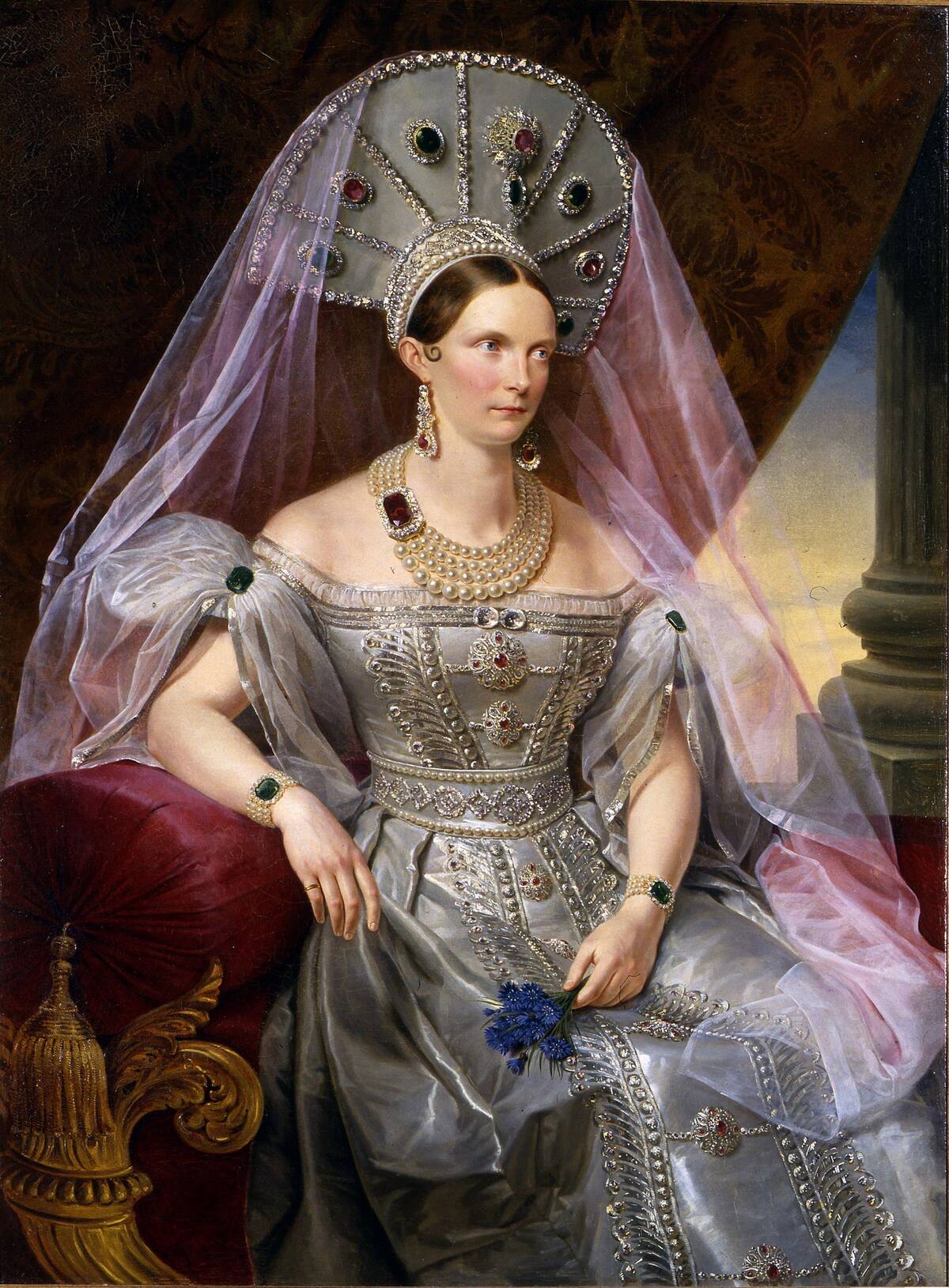
The kokoshnik, a traditional Russian headpiece, has its origins in the country’s royal courts. Worn by noblewomen, the kokoshnik was often adorned with pearls and jewels, symbolizing wealth and status.
This elaborate headpiece became a staple of Russian fashion, with its design evolving over time. Today, the kokoshnik is celebrated as a cultural symbol, with its royal heritage still influencing modern Russian fashion.
The Royal Scottish Tartan and Its Fashion Legacy
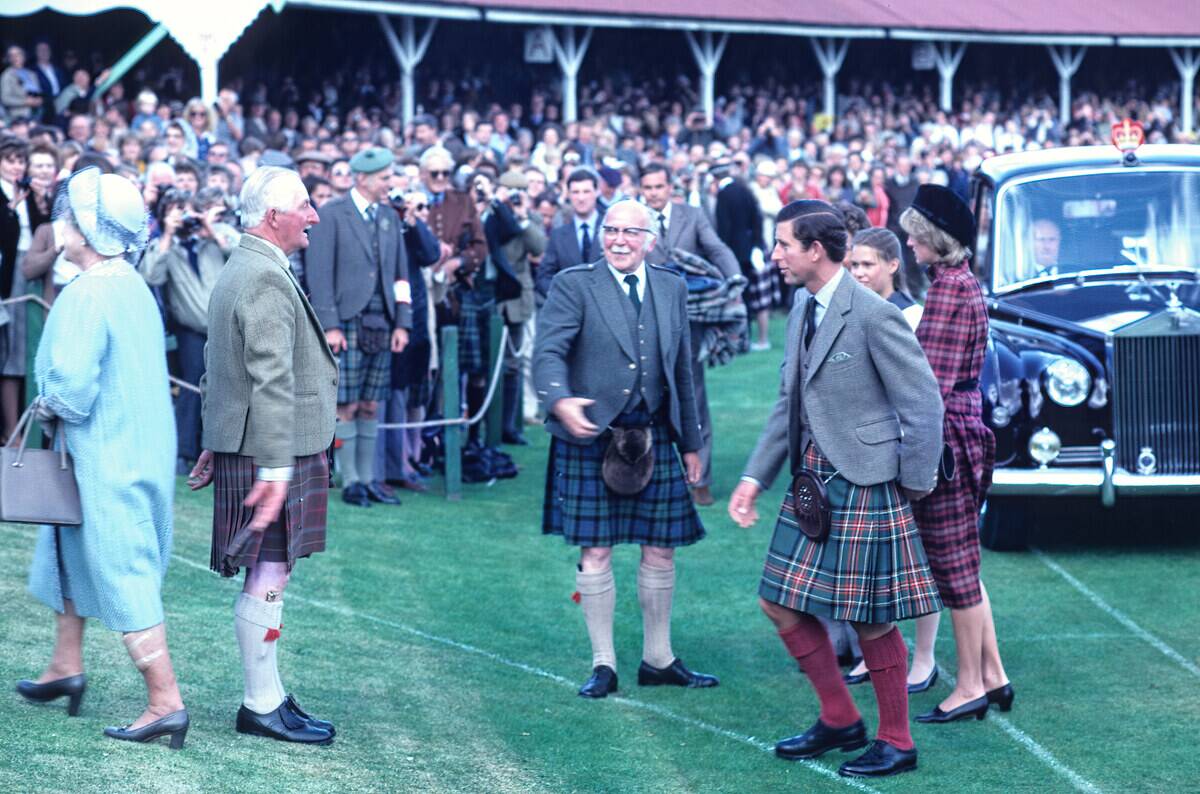
Tartan, a patterned cloth associated with Scottish heritage, has deep royal connections. The fabric became a symbol of Scottish identity and was popularized by the British royal family, particularly Queen Victoria and Prince Albert, who embraced Scottish culture.
Each tartan pattern is unique to specific clans, and its royal endorsement helped cement its place in fashion history. Today, tartan remains a beloved pattern, celebrated for its rich cultural significance.
The Influence of Empress Dowager Cixi on Chinese Fashion
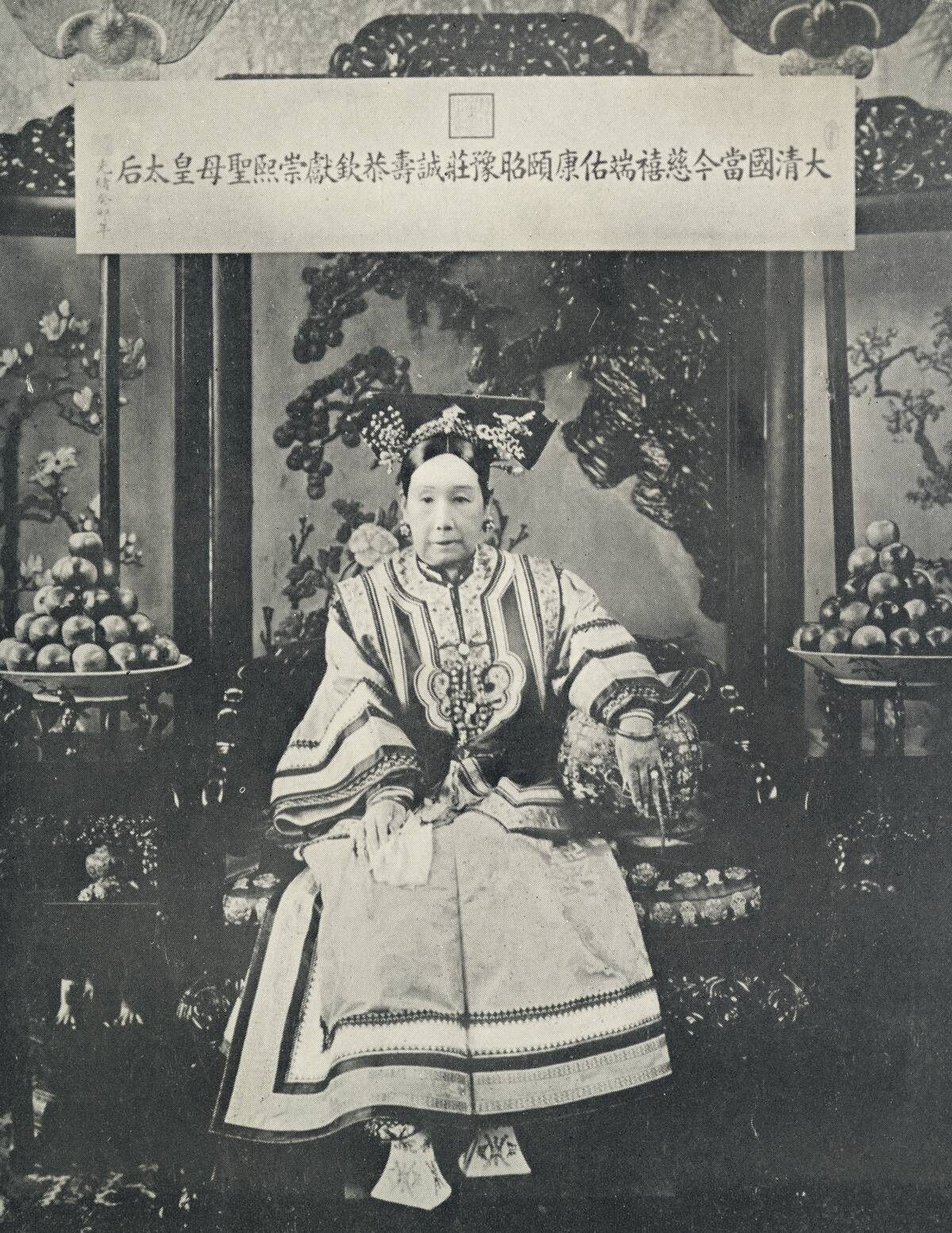
Empress Dowager Cixi, one of the most powerful figures of late Qing dynasty China, was known for her lavish and carefully styled court attire. Her clothing often featured luxurious silks, intricate embroidery, elaborate jewelry, and imperial symbols that reflected her status and authority.
Her surviving garments and portraits offer valuable insight into elite Manchu fashion. Her influence remains an important part of the history of Chinese court dress.
The Regal Origins of the Modern Wedding Dress
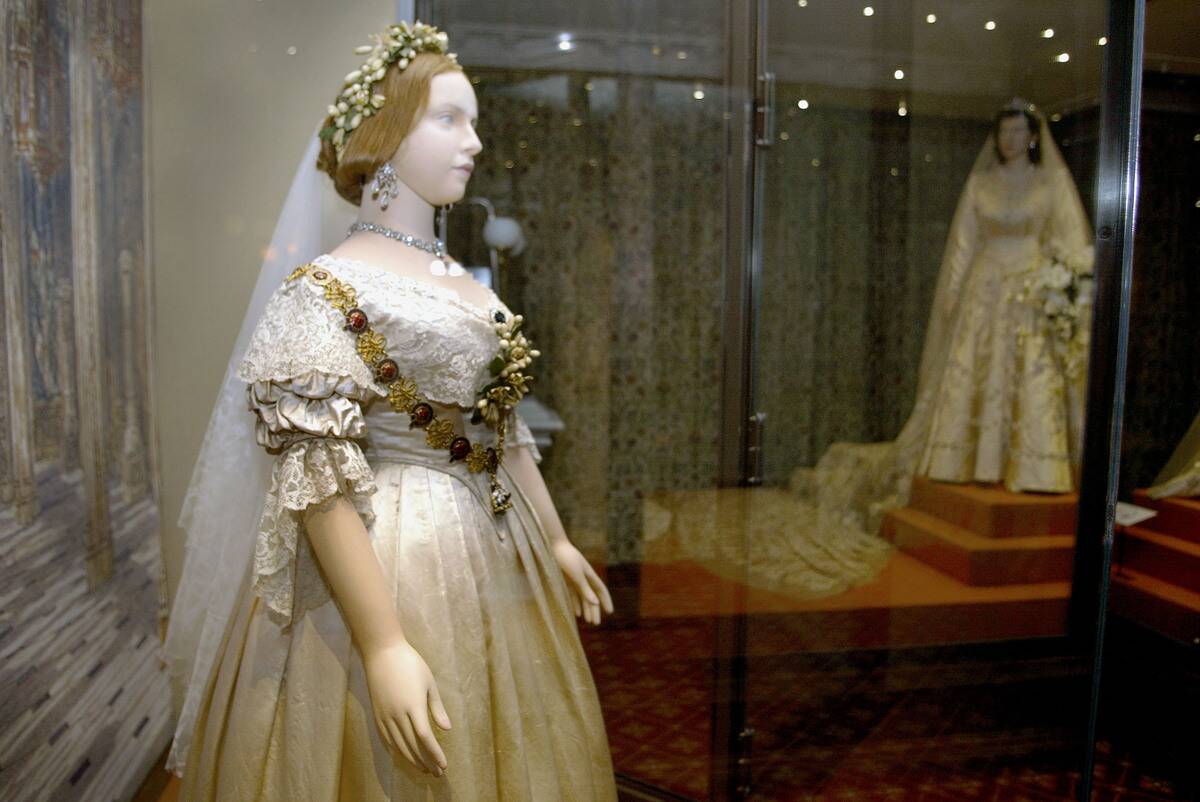
The modern white wedding dress has its origins in royal fashion, popularized by Queen Victoria in 1840. Her choice to wear a white gown for her wedding to Prince Albert set a new trend, symbolizing purity and elegance.
Prior to this, brides typically wore their best dress regardless of color. Queen Victoria’s influence was so profound that the white wedding dress became a staple, enduring as a timeless tradition in bridal fashion.
The Maharajas and the Glamour of Jewel-Encrusted Attire
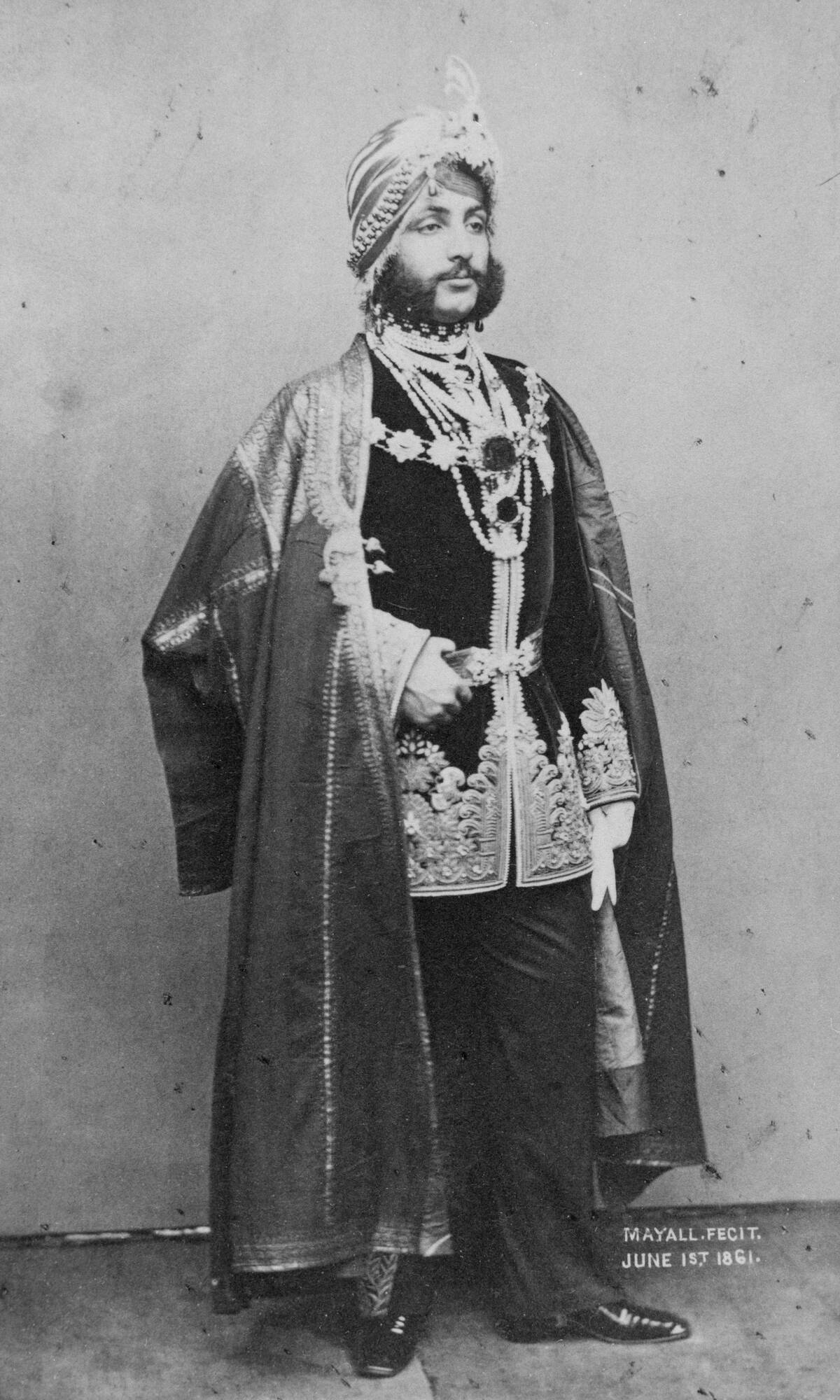
The Maharajas of India were known for their extravagant style, often wearing jewel-encrusted attire that symbolized their immense wealth and power. These garments were not only a display of opulence but also a reflection of India’s rich cultural heritage.
The intricate designs and vibrant colors of their clothing continue to inspire modern fashion, with the legacy of the Maharajas’ style still evident in contemporary Indian couture.
The Influence of Princess Diana on 1980s Fashion
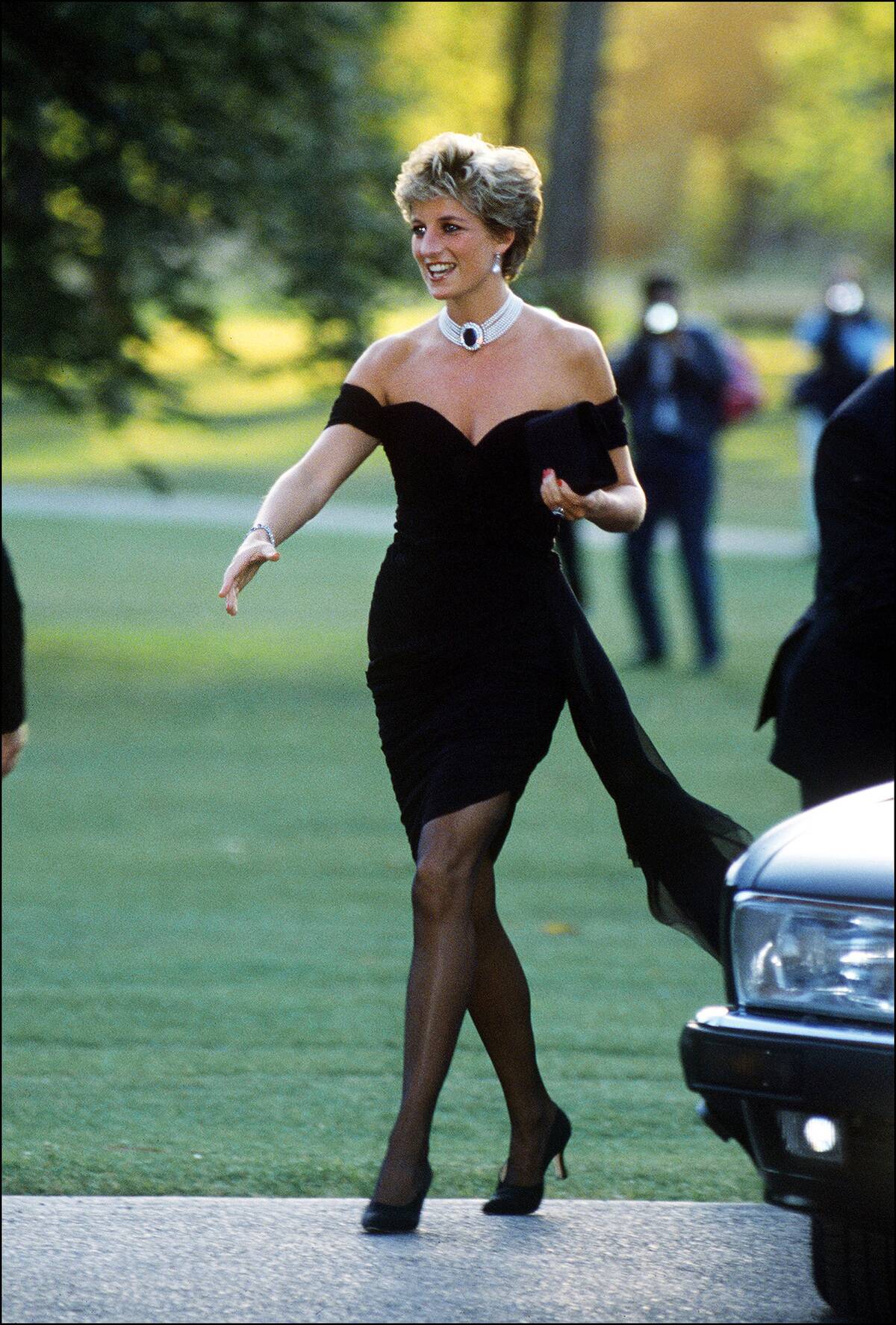
Princess Diana was a fashion icon of the 1980s, known for her elegant and trend-setting style. Her fashion choices, from the iconic ‘revenge dress’ to her casual chic looks, captivated the world and influenced countless designers.
Diana’s ability to blend traditional royal attire with contemporary fashion made her a beloved figure in the fashion industry. Her legacy continues to inspire modern fashion, with her timeless style still celebrated today.
The Fashion Evolution of Modern Royals: Kate, Meghan, and More
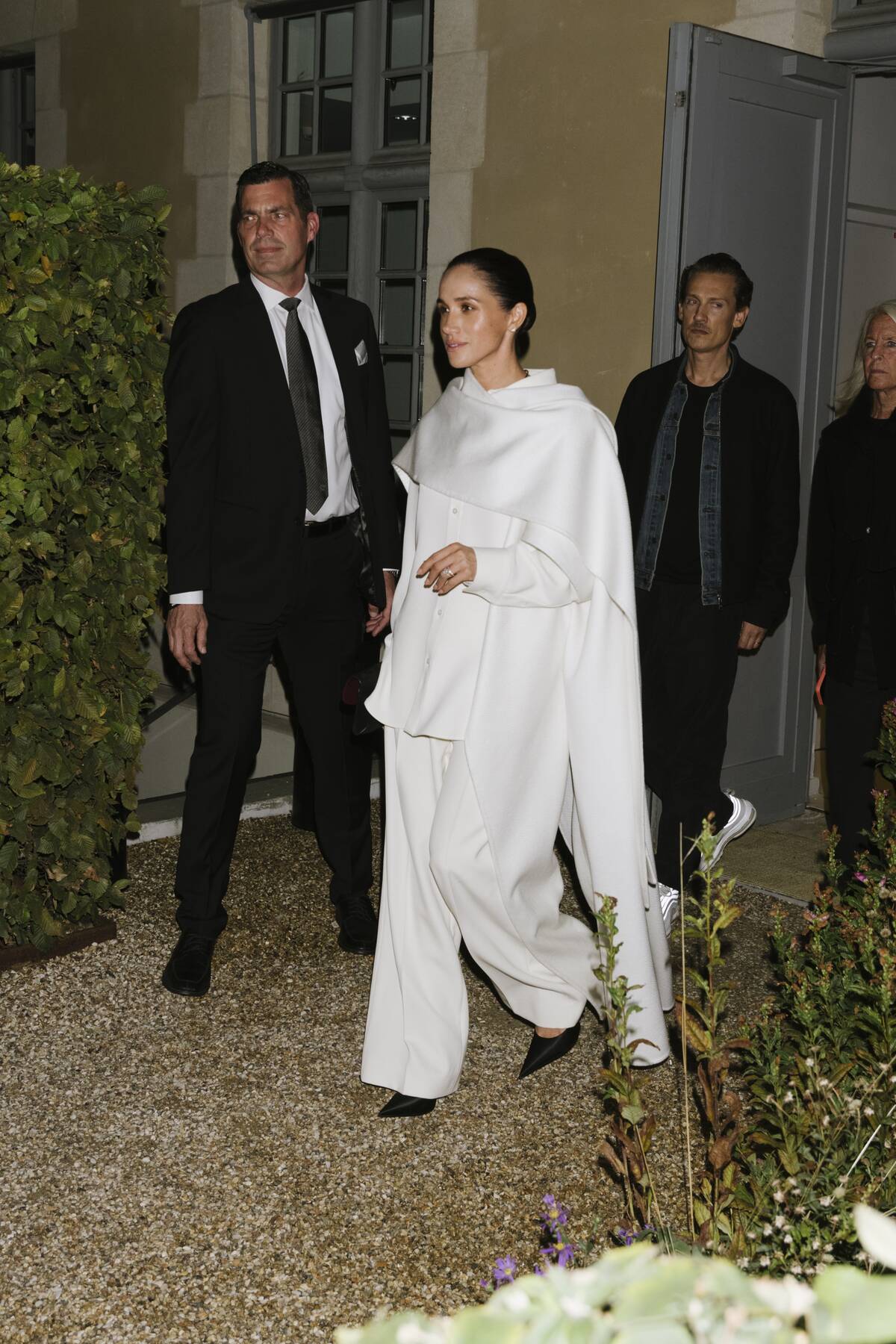
Modern royals like Kate Middleton and Meghan Markle have brought a fresh perspective to royal fashion. Known for their impeccable style, they have seamlessly blended tradition with contemporary trends.
Kate’s love for classic silhouettes and Meghan’s penchant for sleek, modern designs have both captivated the public and influenced fashion trends worldwide. Their fashion choices continue to be closely followed, showcasing the enduring impact of royal style on global fashion.