Luxury textiles only the wealthy could afford
Luxurious fabrics have always captured the imagination of fashion enthusiasts and historians alike. Their allure lies not only in their exquisite textures and colors but also in the stories they tell about human civilization.
From the silks of ancient China to the velvets of Renaissance Europe, these textiles have been symbols of wealth, power, and artistic expression. Today, they continue to enchant us with their timeless beauty and the craftsmanship that goes into creating them.
Silk: The Ancient Symbol of Opulence
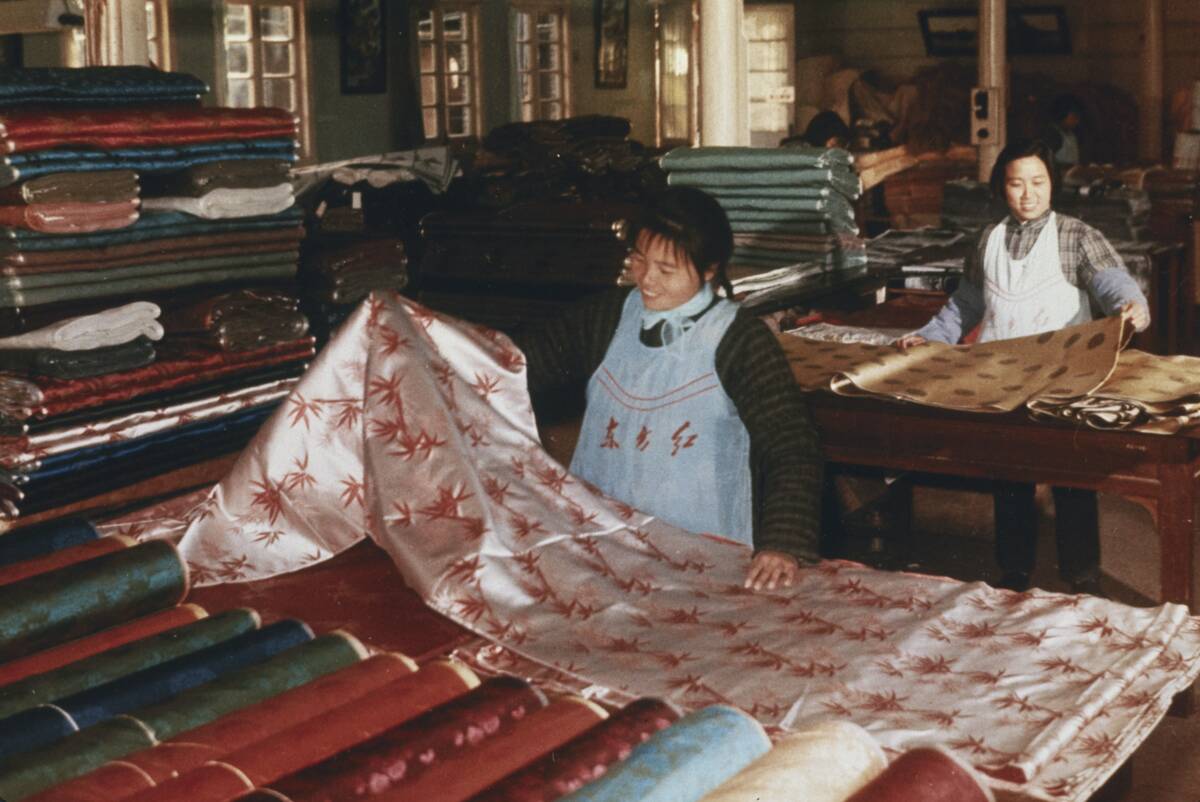
Silk, often dubbed the ‘Queen of Fabrics,’ has been synonymous with luxury for thousands of years. Originating in China, it was so highly prized that its production was a closely guarded secret.
The shimmering threads of silk were used to create garments for emperors and nobility, making it a symbol of opulence and sophistication. Even today, silk remains a favorite for its smooth texture and natural sheen, embodying elegance in every piece.
Cashmere: The Soft Gold of the Himalayas
Cashmere, known as the ‘soft gold of the Himalayas,’ is revered for its incredible softness and warmth. This luxurious fiber is sourced from the undercoat of cashmere goats, primarily found in the high plateaus of Asia.
The painstaking process of collecting and weaving cashmere makes it one of the most sought-after materials in the fashion world. Its delicate touch and insulating properties make cashmere a staple in high-end winter wardrobes.
Vicuna Wool: The Rare Treasure of the Andes
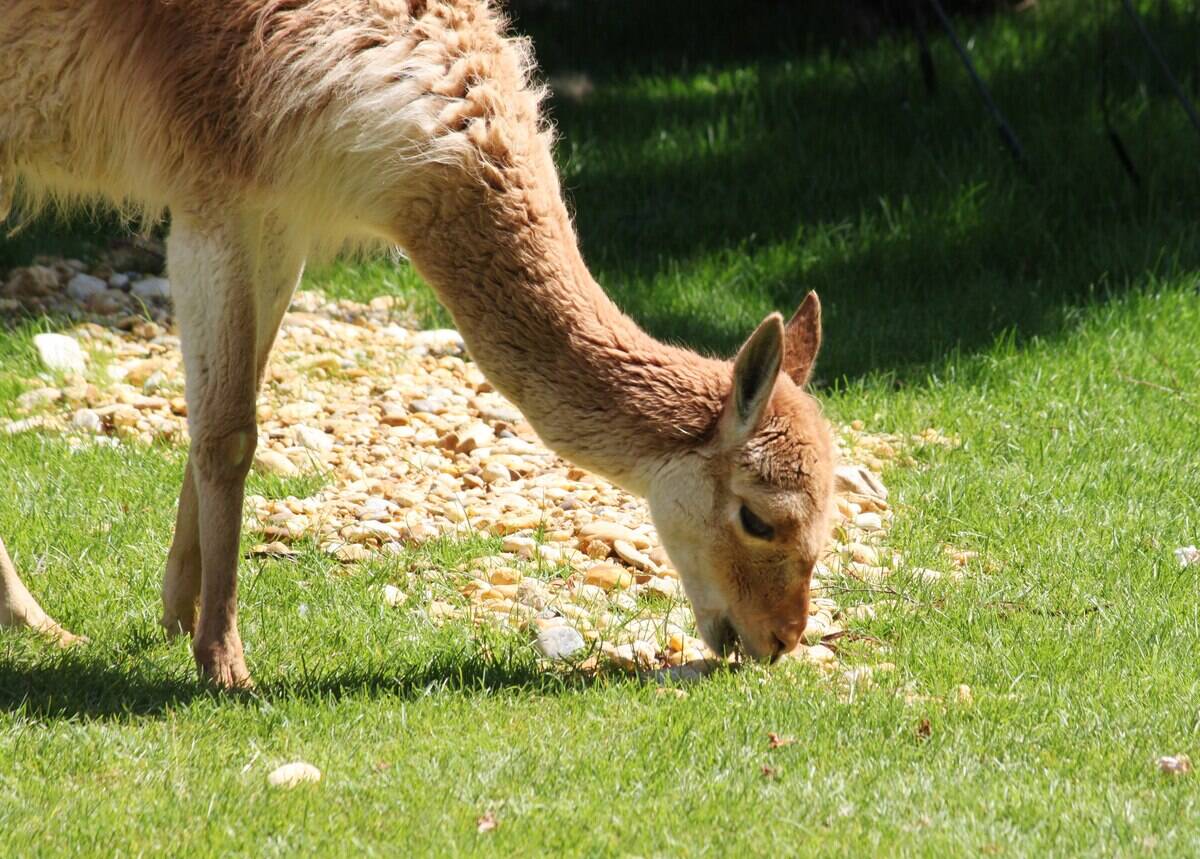
Vicuna wool, often referred to as the ‘fiber of the gods,’ is one of the rarest and most expensive textiles in the world. Sourced from the vicuna, a relative of the llama found in the Andes, this wool is incredibly fine and soft.
Due to the animal’s protected status, vicuna wool is harvested only once every two years, making it a true treasure. Its rarity and luxurious feel have made it a symbol of ultimate exclusivity.
Sea Silk: The Ocean’s Hidden Gem
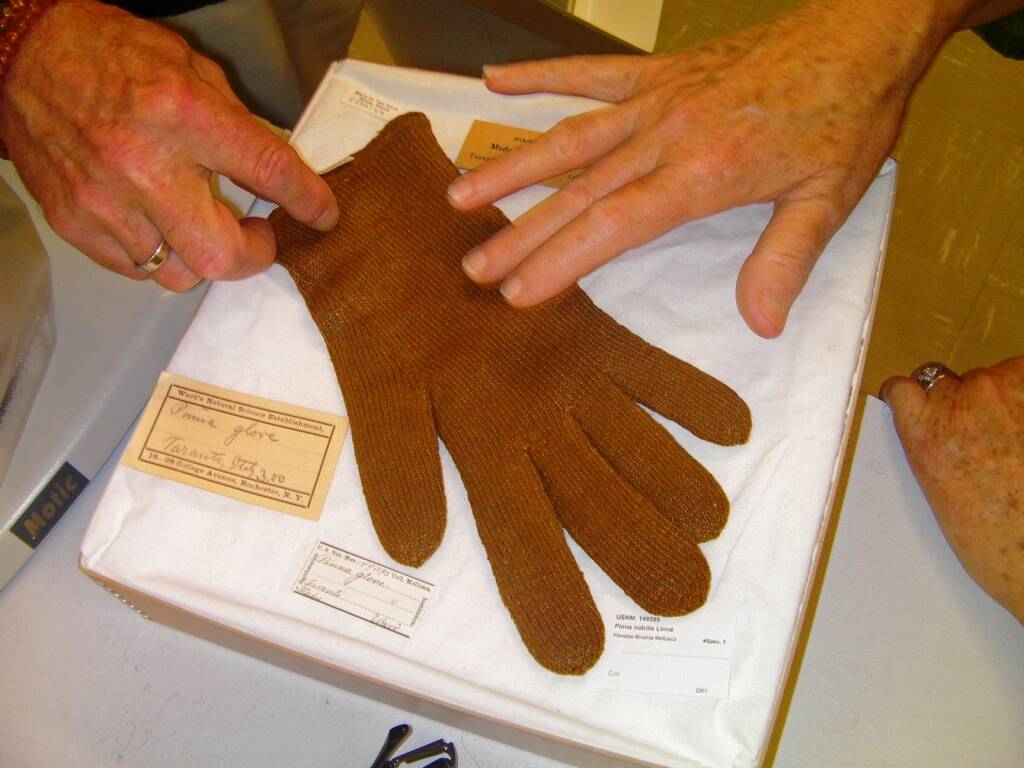
Sea silk, or byssus, is a rare and ancient fabric made from the silky filaments produced by certain mollusks. This unique material has been used since antiquity, prized for its golden hue and lightweight texture.
Found primarily in the Mediterranean, sea silk is incredibly rare due to the labor-intensive process of harvesting and weaving it. Its shimmering beauty and historical significance make it a hidden gem of the textile world.
Shahtoosh: The Controversial Luxury
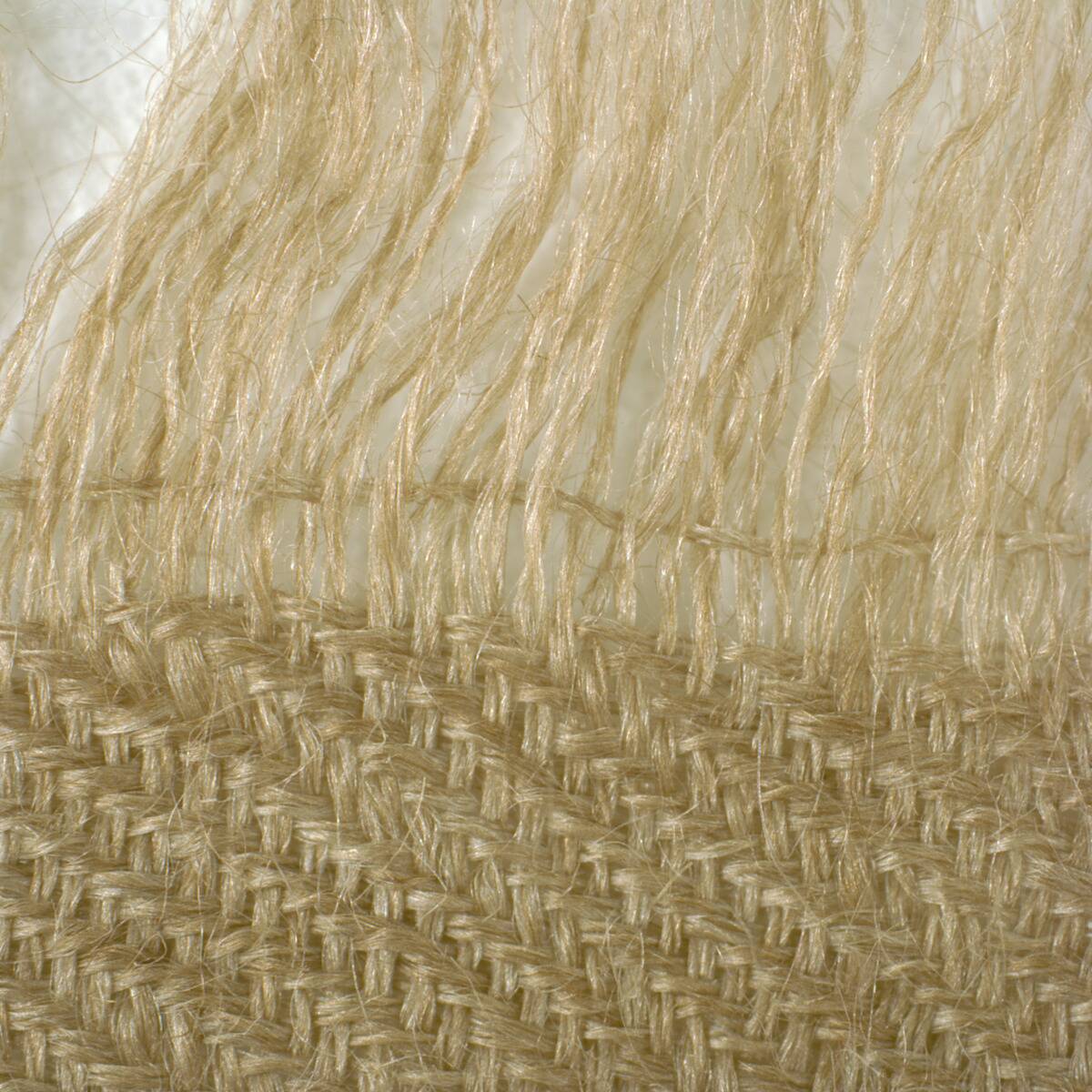
Shahtoosh is a luxurious fabric made from the downy undercoat of the Tibetan antelope, or chiru. Known for its incredible warmth and softness, it has been a coveted material for centuries.
However, the production of shahtoosh is controversial due to the endangered status of the chiru, leading to a ban on its trade. Despite its allure, the ethical concerns surrounding shahtoosh make it a contentious topic in the world of luxury textiles.
Brocade: The Fabric of Royalty
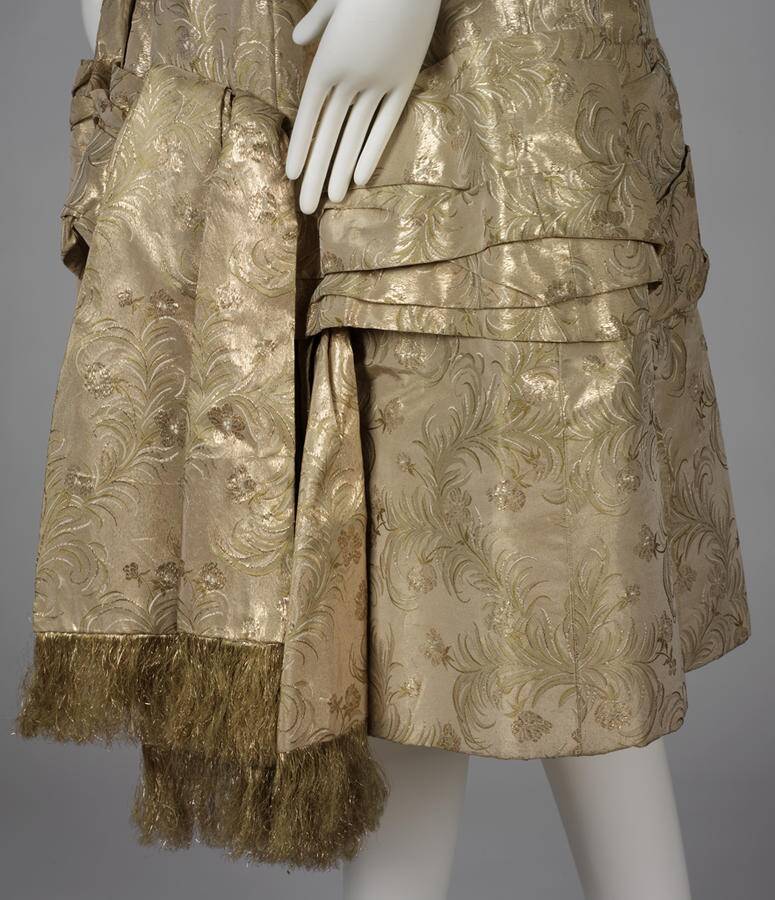
Brocade is a richly decorative fabric that has been associated with royalty and nobility for centuries. Characterized by its intricate patterns and raised designs, often woven with gold or silver threads, brocade is a testament to the artistry of textile weaving.
This luxurious fabric has adorned the garments of kings and queens, as well as the interiors of palaces, making it a symbol of grandeur and opulence throughout history.
Velvet: A Touch of Aristocratic Elegance
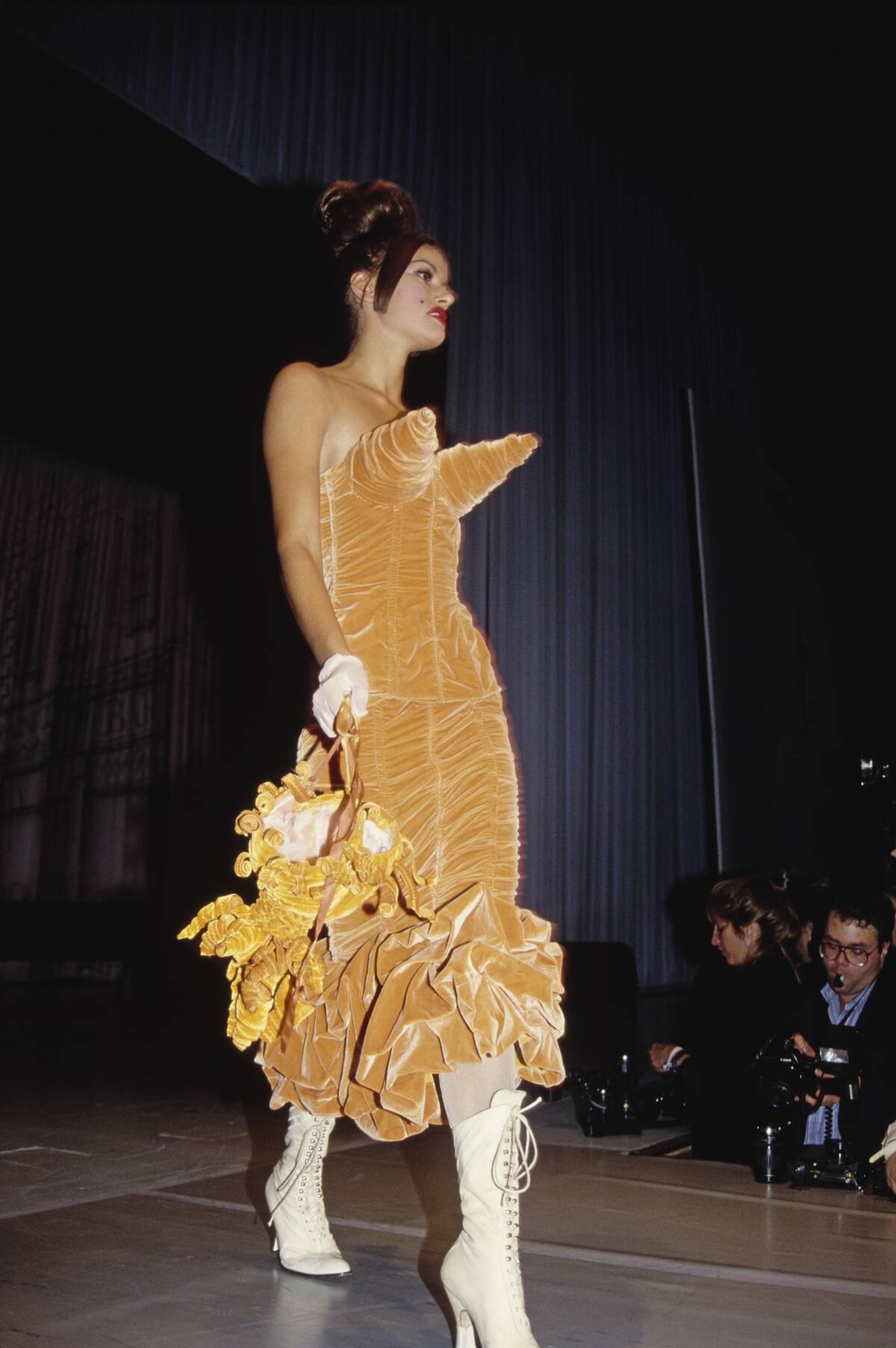
Velvet, with its plush texture and rich appearance, has long been a favorite among the aristocracy. This fabric is created by weaving two layers of fabric simultaneously, which are then cut apart to create its signature pile.
Velvet’s luxurious feel and depth of color have made it a staple in fashion and interior design, evoking a sense of elegance and sophistication that is unmatched by other materials.
Chinchilla Fur: The Ultimate Status Symbol
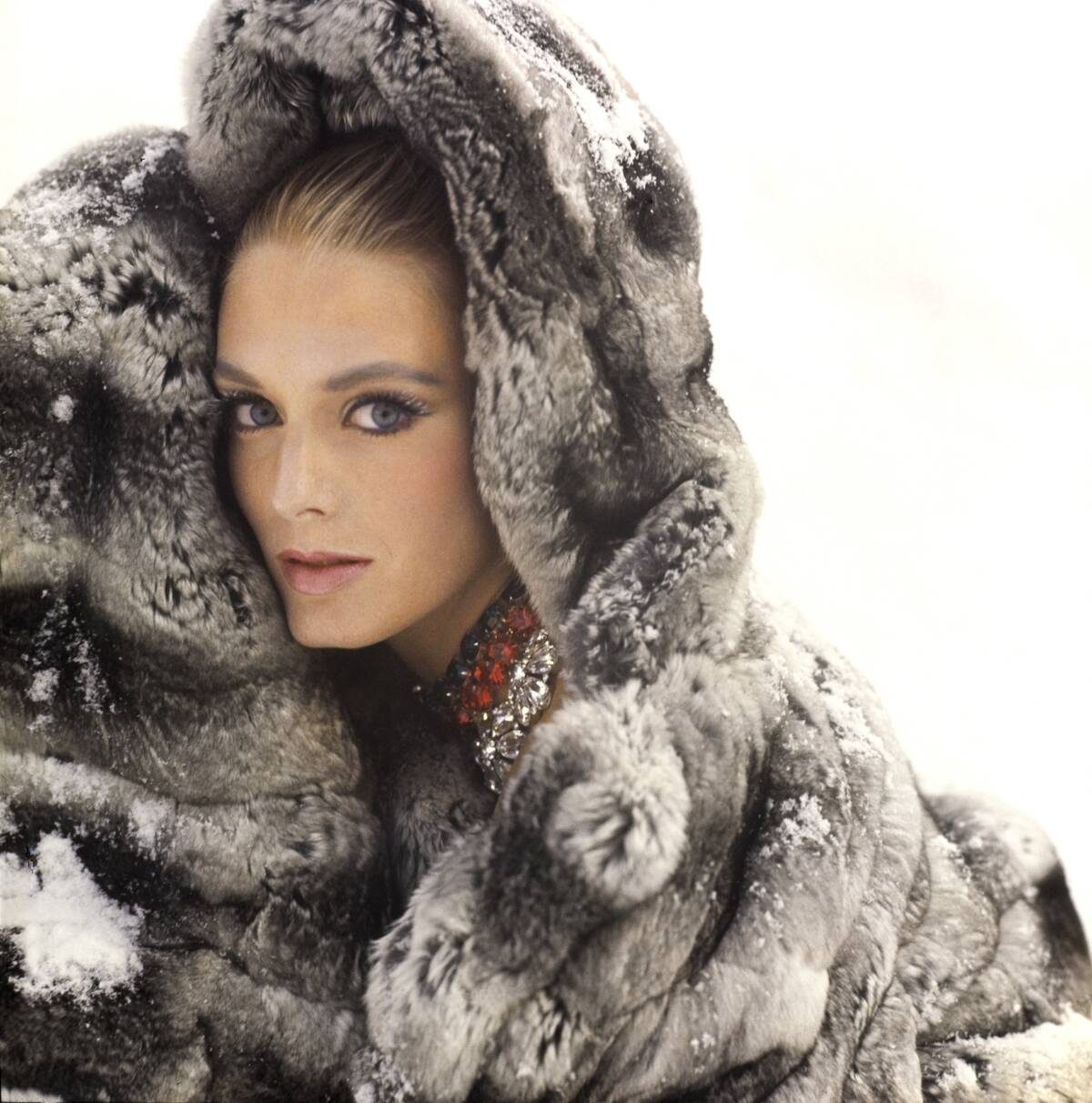
Chinchilla fur is renowned for its unparalleled softness and density, making it one of the most luxurious furs available. Originating from the Andes, chinchillas have the densest fur of any land mammal, providing exceptional warmth.
The rarity and quality of chinchilla fur have made it a status symbol among the elite, often used in high-end fashion pieces that exude sophistication and exclusivity.
Pashmina: The Fine Art of Handcrafted Luxury
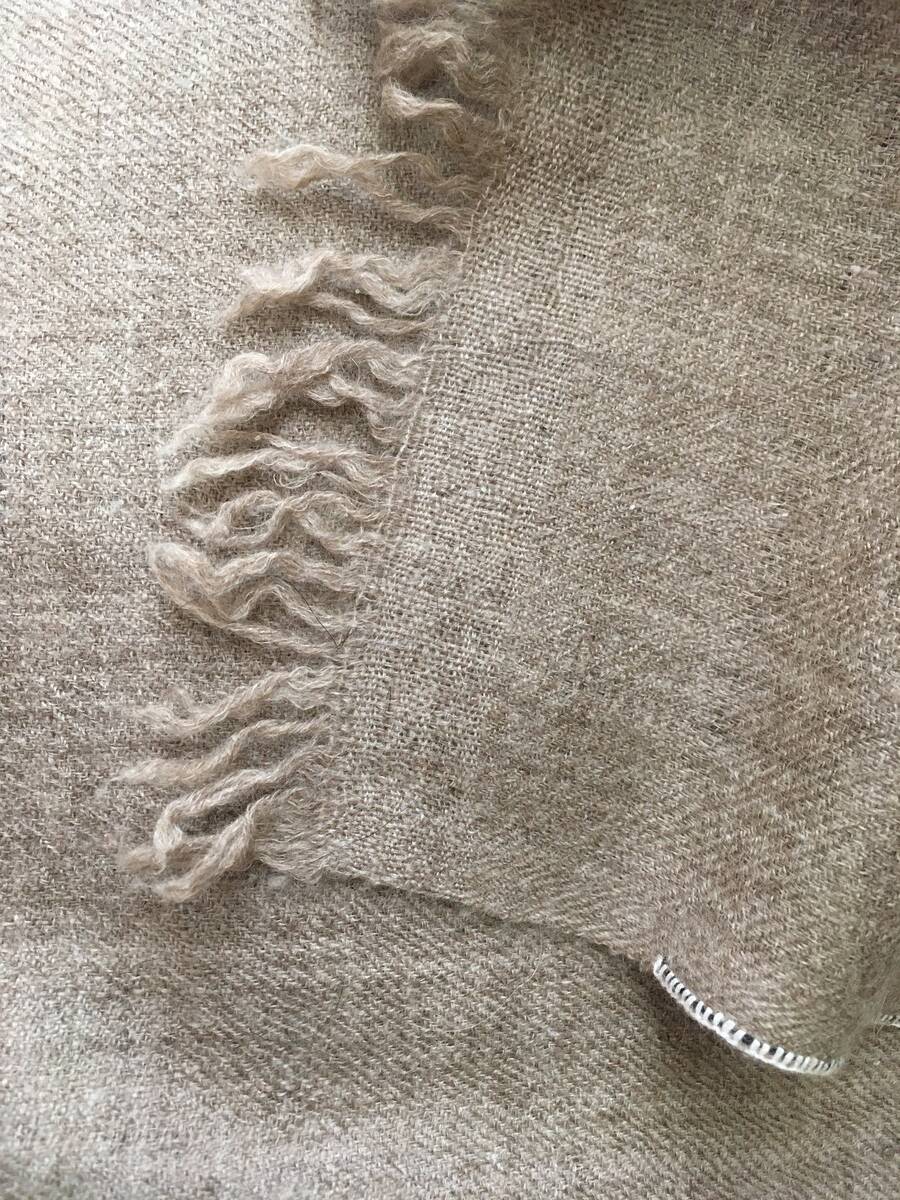
Pashmina, often referred to as ‘soft gold,’ is a fine type of cashmere wool that is hand-spun and woven in the Kashmir region. Known for its incredible softness and warmth, pashmina shawls have been cherished for centuries.
The meticulous craftsmanship involved in creating these shawls makes each piece a work of art. Pashmina remains a symbol of luxury and elegance, beloved for its timeless beauty and comfort.
Embroidered Silks: Artistry in Every Stitch
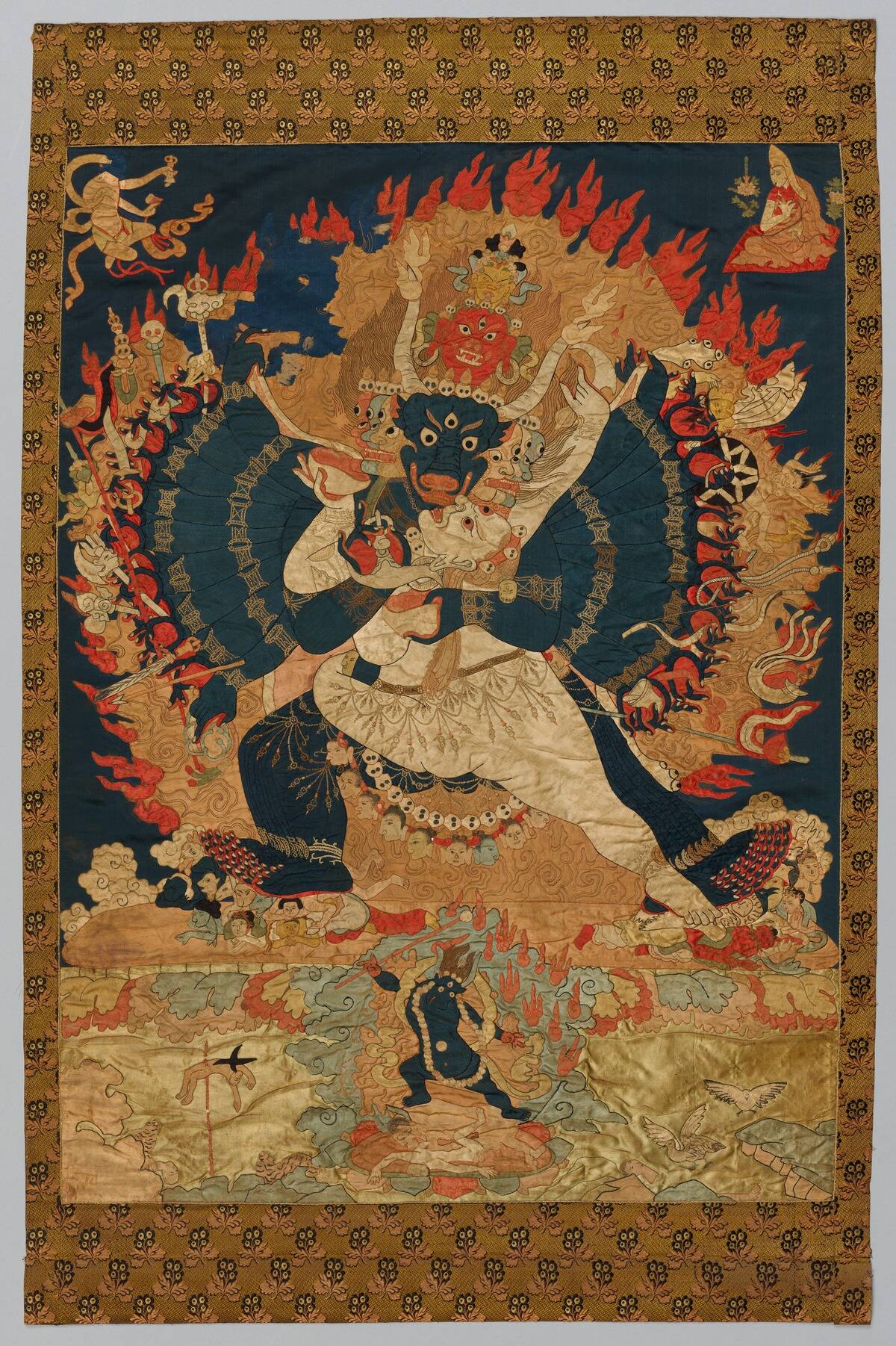
Embroidered silks combine the elegance of silk with the intricate beauty of embroidery, creating textiles that are both luxurious and artistic. This craft has been practiced for centuries, with each region developing its own unique styles and techniques.
From the elaborate patterns of Chinese silk embroidery to the delicate motifs of Indian zari work, embroidered silks are a testament to the creativity and skill of artisans around the world.
Tapestry: The Storytelling Fabric

Tapestry is a form of textile art that has been used for centuries to tell stories and depict historical events. Woven on a loom, tapestries are characterized by their intricate designs and vibrant colors.
They have adorned the walls of castles and cathedrals, serving as both decorative pieces and historical records. The complexity and artistry involved in creating tapestries make them a unique and cherished form of luxury textile.
Lace: The Delicate Dance of Wealth and Craftsmanship
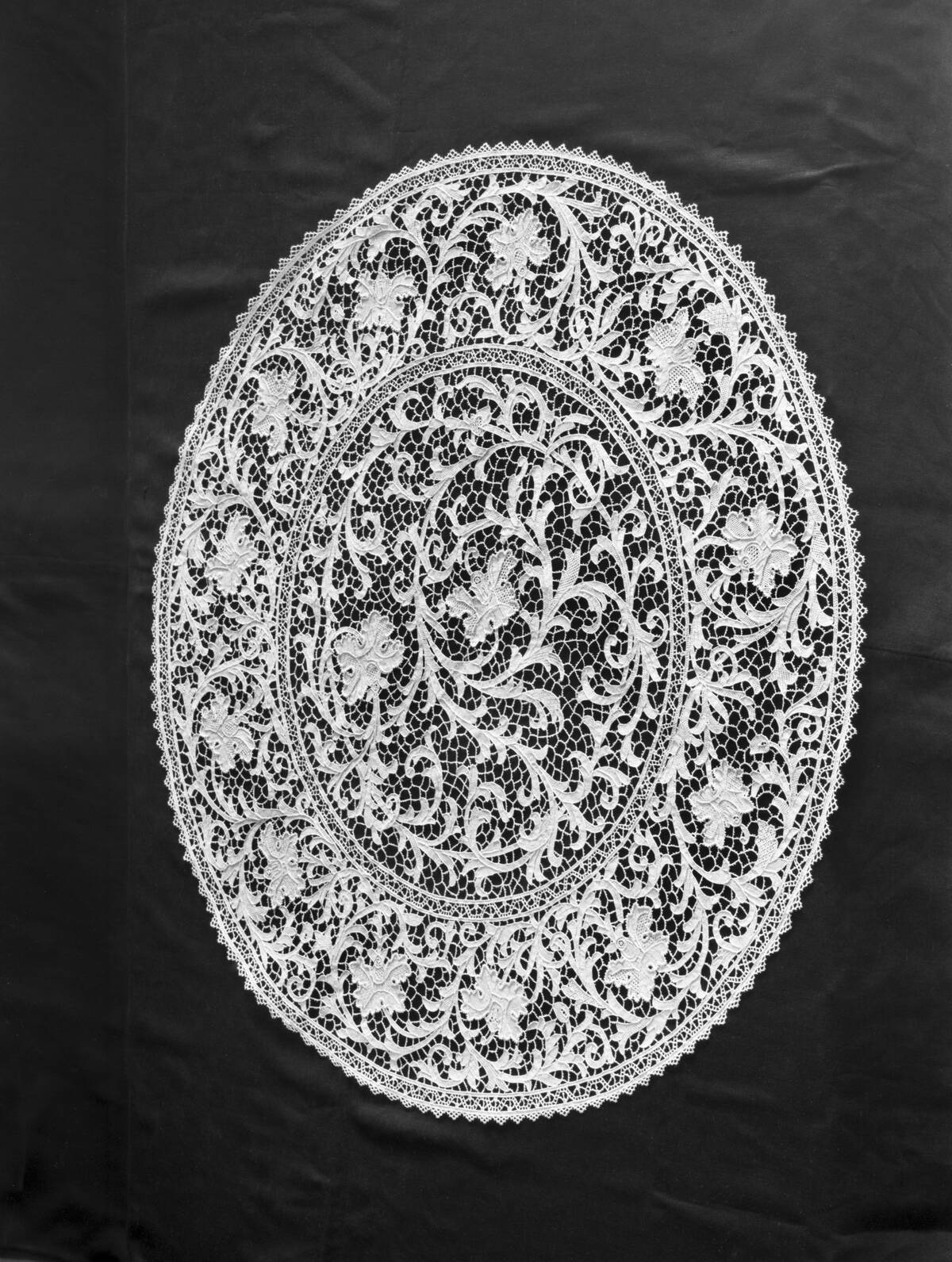
Lace is a delicate fabric that has been associated with wealth and elegance since its creation in the late 15th century. Made by hand or machine, lace is characterized by its open weave and intricate patterns.
It has been used in fashion, home décor, and bridal wear, adding a touch of sophistication and femininity. The craftsmanship involved in making lace is a testament to the skill and dedication of artisans throughout history.




