The surprising origins of everyday words
Words we use daily often have fascinating backstories that remain hidden in plain sight. From the mundane to the extraordinary, these words carry with them tales from history, mythology, and cultural shifts.
Let’s embark on a journey to uncover the origins of some everyday terms and see how their meanings have evolved over time. This exploration will make you appreciate the rich tapestry of language and its ability to adapt and transform.
The Unexpected Journey of “Salary”

The word “salary” has its roots in the Latin word salarium, which is connected to the Latin word sal, meaning salt. The term was associated with allowances or payments related to salt and later evolved to mean regular compensation for work.
Salt was a valuable resource in ancient societies because of its role in food preservation and trade, making it a fitting influence on a word still used for wages today.
How “Quarantine” Sailed Into Our Vocabulary

The term “quarantine” comes from the Italian word quarantena, derived from quaranta, meaning forty. The practice developed during the Black Death in the 14th century, when ports such as Ragusa and Venice required ships arriving from areas affected by plague to remain isolated for a period of 40 days before docking.
This measure was intended to prevent the spread of disease. Today, quarantine continues to serve a similar purpose, although isolation periods are determined by medical knowledge rather than a traditional fixed number.
The Royal Roots of “Ketchup”

Ketchup’s origins can be traced to fermented fish sauces in East and Southeast Asia, including condiments with names such as koe-chiap that influenced later versions of the sauce. European traders and sailors helped introduce these flavors to the West, where ketchup recipes evolved over time.
Early European ketchups used ingredients such as mushrooms and fish, before tomato-based ketchup became popular in the United States during the 19th century. Today, ketchup is a global condiment that reflects centuries of culinary exchange and adaptation.
The Fiery Past of “Candidate”
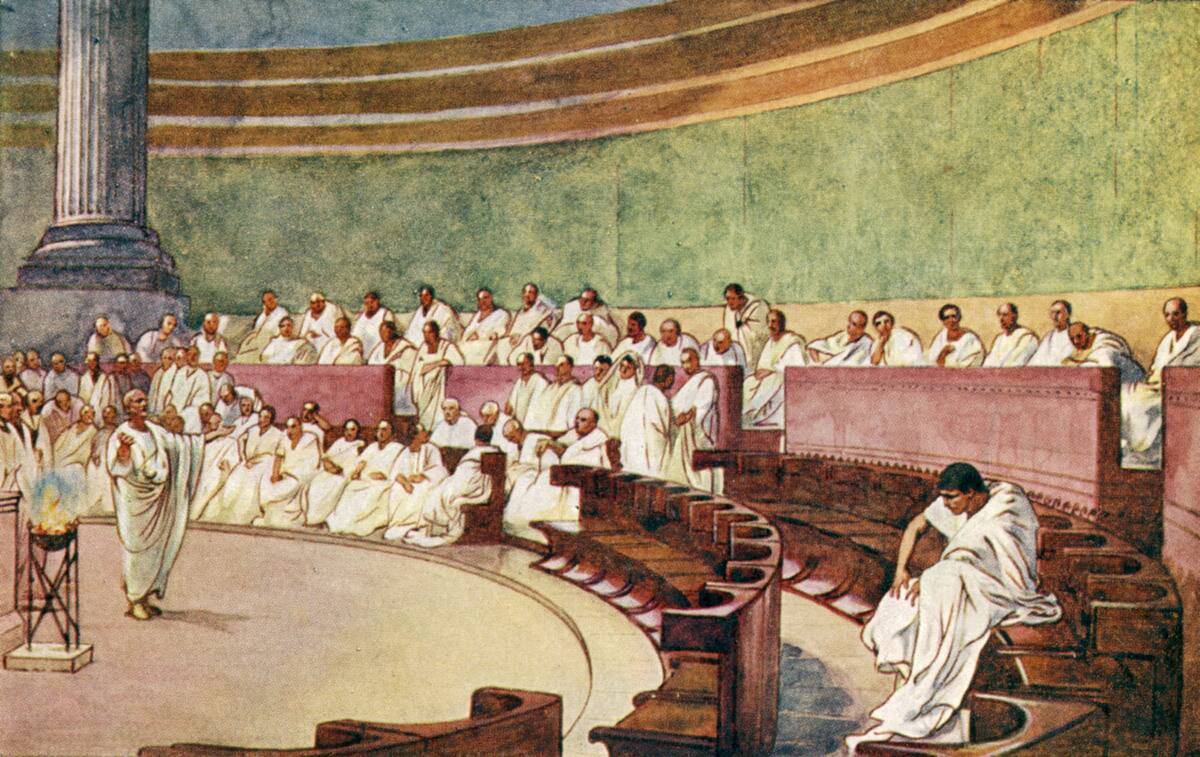
The term “candidate” comes from the Latin candidatus, meaning “clothed in white.” In ancient Rome, people seeking public office wore a whitened toga called a toga candida, which helped distinguish them during campaigns.
The word was connected to the Latin root candere, meaning “to shine” or “be bright,” and over time it evolved into the modern term for someone seeking a position or office. Today, candidates continue to face public attention and expectations of accountability as they seek support from voters or organizations.
“Panic” and Its Mythological Beginnings

The word “panic” is derived from the Greek god Pan, whose name became associated with sudden fear. In Greek mythology, Pan was believed to inspire unexpected terror among travelers, soldiers, and those in the wilderness, leading to the Greek term panikos, meaning “of Pan.”
Over time, the word evolved into the modern term “panic,” describing a sudden and overwhelming feeling of fear. This connection shows how ancient myths and beliefs have continued to shape the language we use today.
The Noble Origins of “Courtesy”

The word “courtesy” traces back to medieval European courts, where ideals of polite and respectful behavior were developed among nobles. It comes from the Old French word courtois (meaning “of the court” or “courtly”), which described refined manners and proper conduct.
Over time, these ideas of courtly behavior expanded beyond royal courts and became associated with general politeness and respect. Today, courtesy remains a valued part of social interaction, reflecting the lasting importance of consideration toward others.
The Sweet Story Behind “Candy”

The word “candy” comes from the Arabic qandī, meaning “made of sugar,” which ultimately traces back to the Sanskrit word khaṇḍa, referring to a piece or crystal of sugar. In ancient times, sugar was a valuable commodity that was often used in medicinal preparations and was difficult for many people to obtain.
As sugar production expanded and became more accessible, the meaning of “candy” evolved to describe a wide range of sweet treats. The word’s history reflects the transformation of sugar from a rare luxury into a common part of everyday life.
“Hazard”: From Dice to Danger

The word “hazard” is believed to have origins in the Arabic al-zahr, meaning “the die” or “dice,” referring to a game of chance. The term passed through languages such as Old Spanish and Old French, where hasard came to describe a dice game or risky undertaking.
Over time, “hazard” evolved to mean danger, risk, or uncertainty, reflecting the unpredictable nature associated with games of chance. Its journey from gambling terminology to a common word for life’s risks shows how language changes over time.
The Culinary Conquests of “Barbecue”

The word “barbecue” comes from the Taíno word barbacoa, which referred to a wooden platform used by Indigenous peoples of the Caribbean for smoking, drying, or cooking food. Spanish explorers adopted the term in the 16th century and helped spread it throughout the Americas and Europe.
Over time, barbecue evolved into a beloved global culinary tradition with countless regional styles and flavors. The word’s journey from Indigenous origins to worldwide popularity reflects the rich cultural exchanges that shape the foods we enjoy today.
“Nightmare” and Its Equestrian Origins

The term “nightmare” has its origins in Germanic folklore, where a supernatural being called a mare was believed to torment sleepers and cause frightening experiences during the night. The Old English word mære referred to this nocturnal spirit, which was thought to bring distress and bad dreams.
Over time, the meaning of “nightmare” shifted from a supernatural encounter to the modern idea of a frightening or disturbing dream. Its origins reveal how folklore and language have shaped the way humans understand the mysteries of sleep and the mind.
The Artistic Evolution of “Palette”
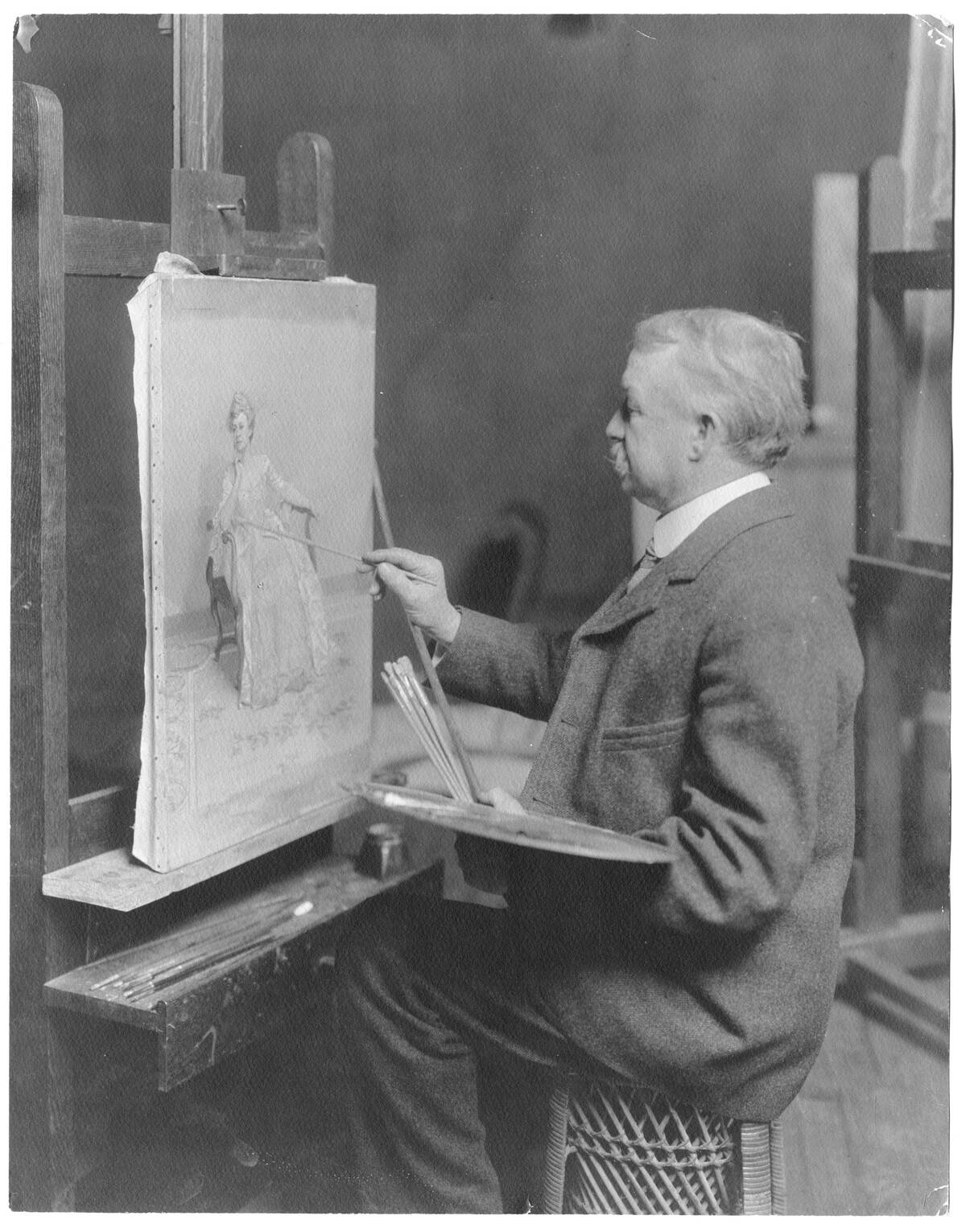
The word “palette” ultimately comes from the Latin pala, meaning “spade” or “shovel,” and passed through Old French before describing the flat board artists use to mix colors. Over time, “palette” expanded beyond the physical tool to represent an artist’s selection of colors, style, or creative choices.
This evolution from a simple object to a broader symbol of artistic expression shows how language changes and adapts to new meanings.
“Bikini”: The Explosive History Behind the Swimwear

The term “bikini” was introduced by French designer Louis Réard in 1946 and named after Bikini Atoll in the Marshall Islands, which had gained attention because of nuclear tests conducted there. Réard used the name to suggest that his new swimsuit would create a sensation similar to the excitement surrounding the atomic age.
The choice reflected the post-war fascination with nuclear imagery and modernity. Over time, the bikini became one of the most recognizable garments in fashion history, often associated with changing styles and cultural attitudes.
How “Sandwich” Became a Household Staple
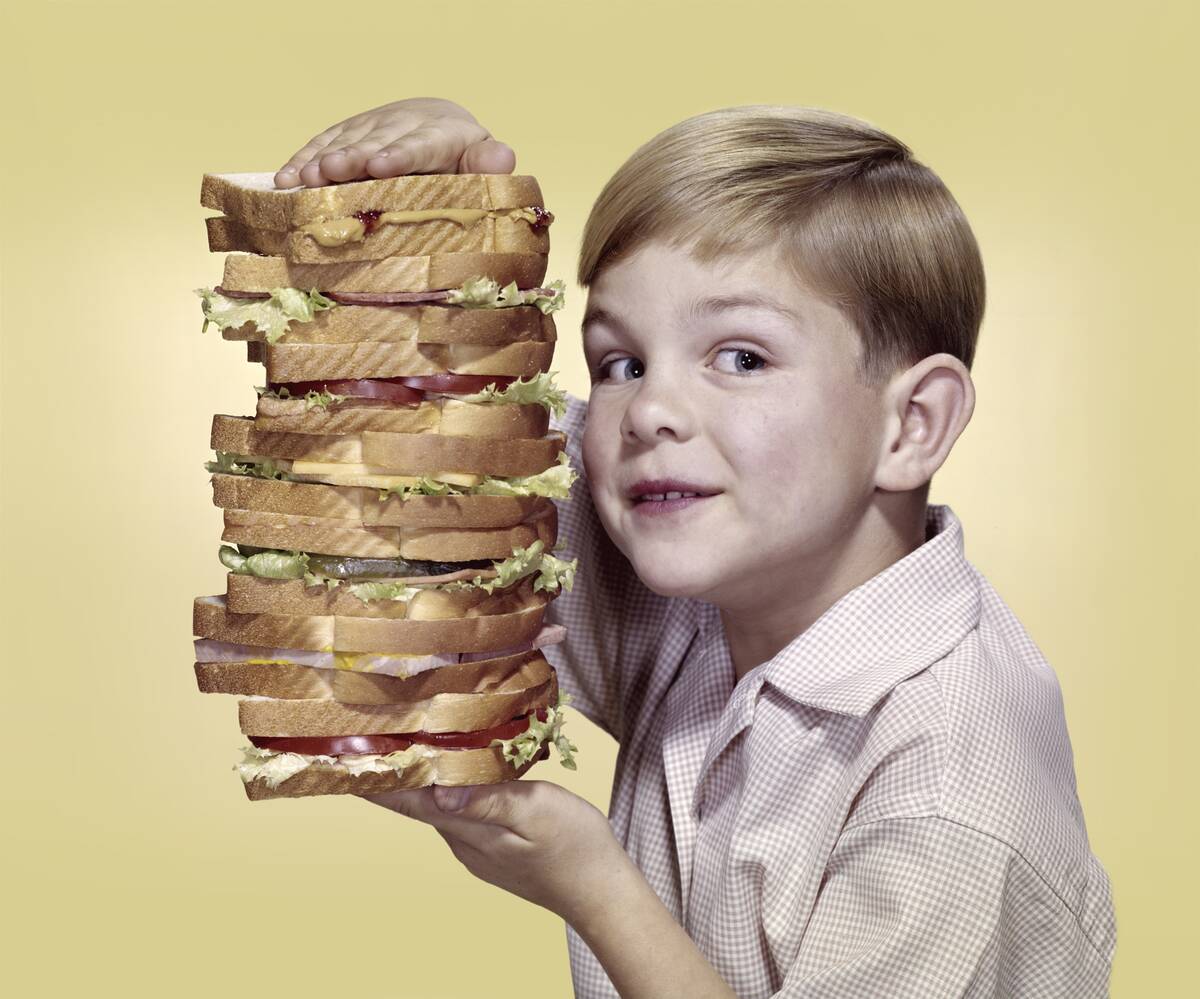
The word “sandwich” is named after John Montagu, the 4th Earl of Sandwich, an 18th-century British nobleman. According to a popular story, he requested meat served between two slices of bread so he could continue his activities without stopping for a full meal, although the exact circumstances are debated.
The term “sandwich” soon became associated with this style of food, which grew into a worldwide culinary staple. Its history shows how a simple idea can evolve into a lasting part of global food culture.
The Surprising Connection Between “Lemon” and “Lime”
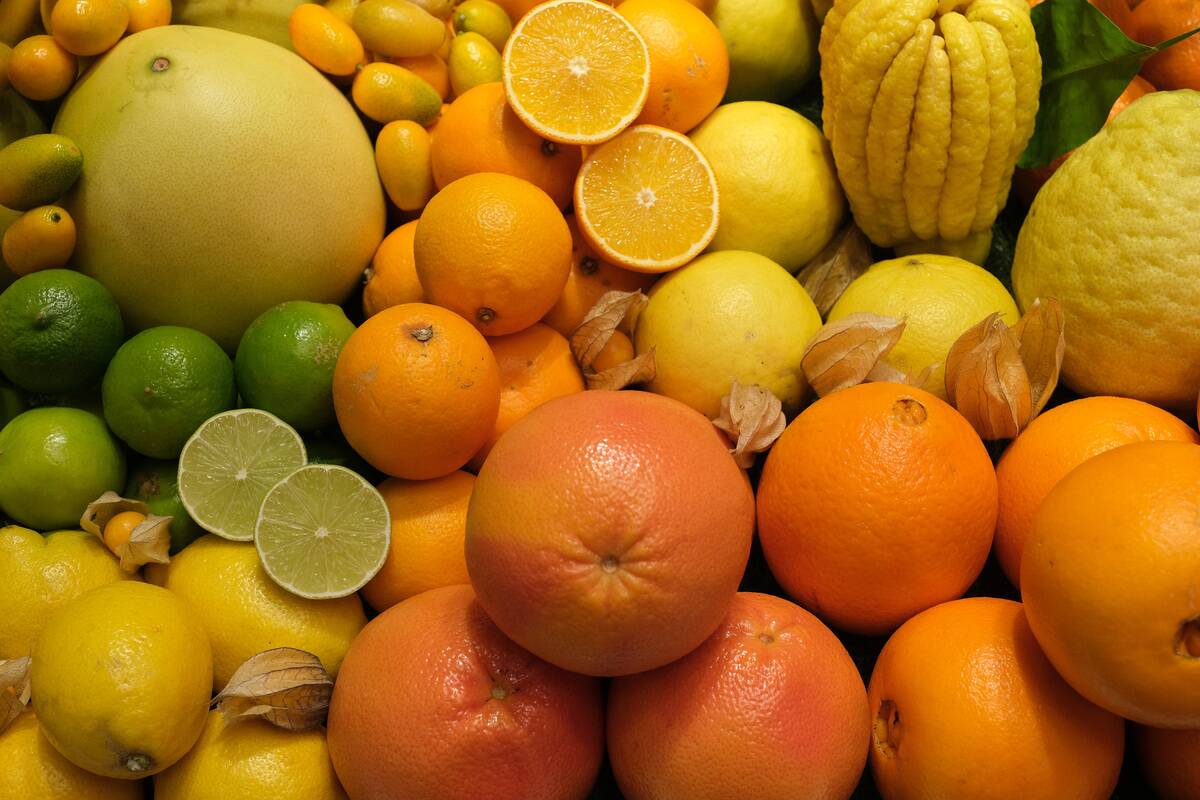
The words “lemon” and “lime” have closely connected histories, with both influenced by Arabic and Persian citrus terminology. These fruits spread from Asia through the Middle East and into Europe, where they became valued for their flavors and traditional uses.
Although lemons and limes differ in taste and appearance, their shared linguistic connections reveal the global journey of citrus cultivation and the way languages evolve through cultural exchange.




