Ordinary items that were once signs of wealth
Once upon a time, certain household items and gadgets were seen as the epitome of luxury. Fast forward to today, and these items have become so commonplace that we often take them for granted.
This transformation from status symbols to everyday essentials is a fascinating journey that reflects changes in technology, economy, and lifestyle.
The Evolution of the Wristwatch: From Luxury to Necessity

Wristwatches were initially a luxury reserved for the elite. In the early 20th century, they were considered a fashion statement and a symbol of wealth. However, during World War I, wristwatches became essential for soldiers who needed to coordinate attacks.
This practical use led to their widespread adoption, and by the mid-20th century, wristwatches had become a necessity for keeping time in everyday life.
Televisions: The Journey from Opulence to Ubiquity
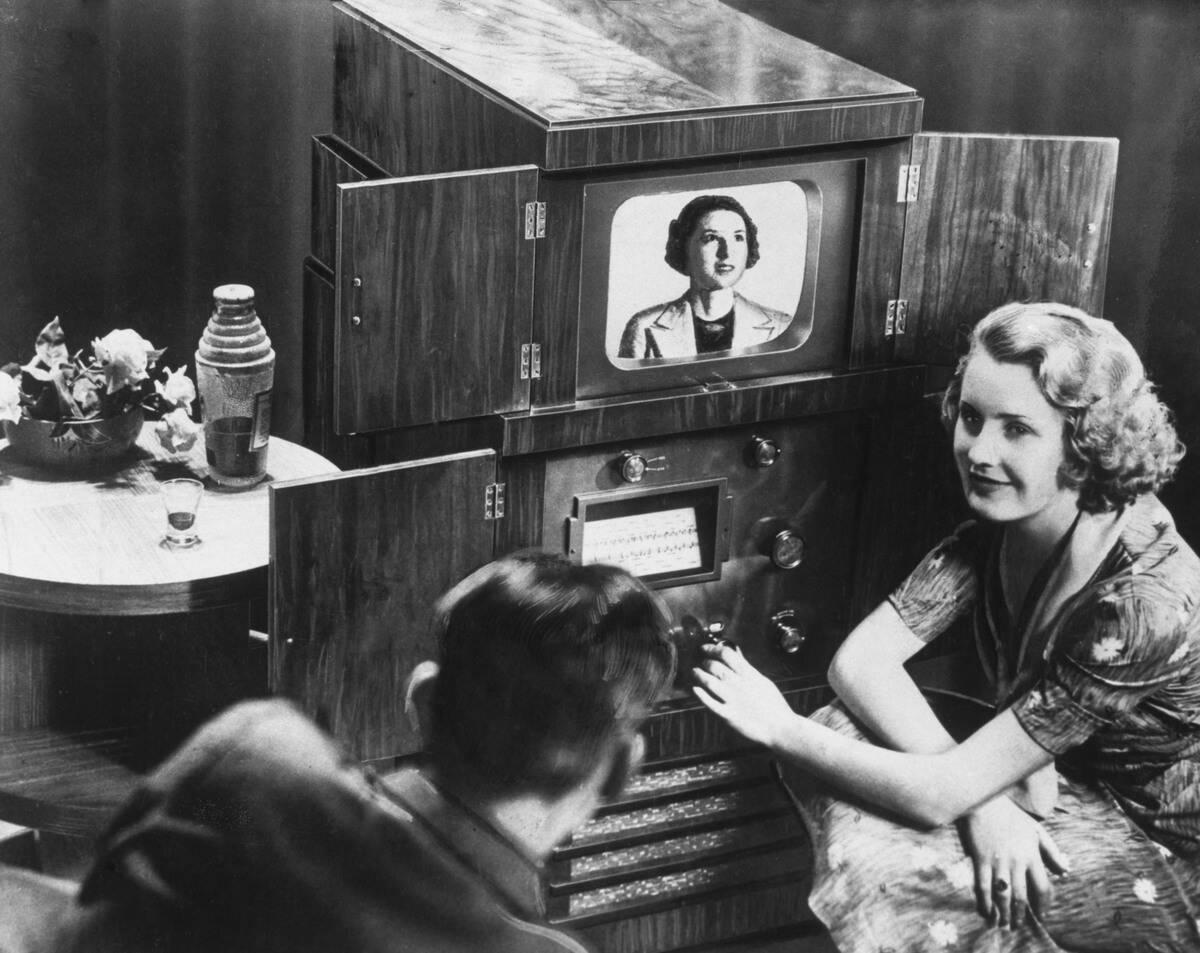
The television set was once a lavish item, with the first commercially available sets in the late 1930s costing a small fortune. By the 1950s, TVs became more affordable and started to appear in living rooms across America.
The introduction of color TV in the 1960s further cemented its place as a household staple. Today, with streaming services and smart TVs, it’s hard to imagine a home without one.
The Rise and Fall of the Home Telephone as a Status Symbol
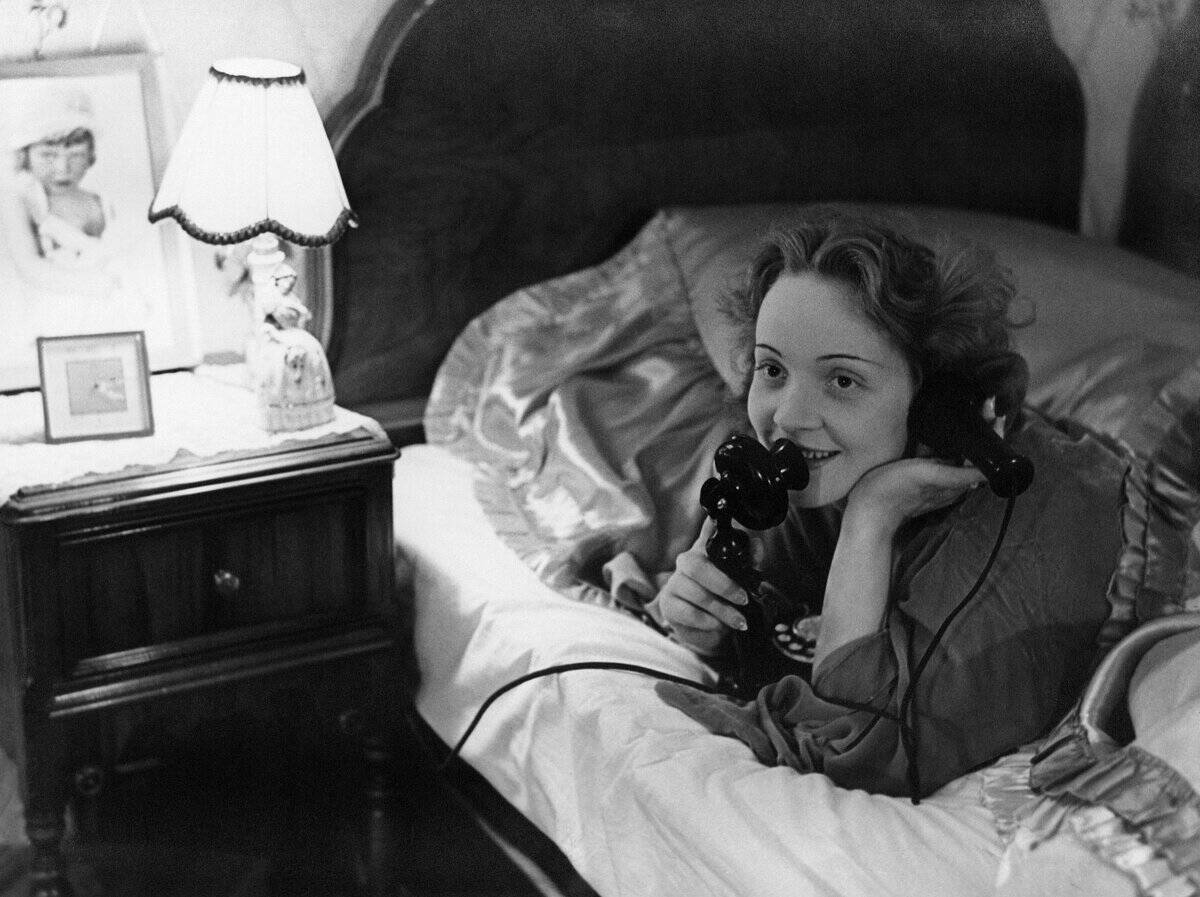
In the early 20th century, having a telephone at home was a sign of affluence. The rotary dial phone was a marvel of technology, connecting people in ways previously unimaginable.
However, with the advent of mobile phones in the late 20th century, the home telephone’s status diminished. Now, many households rely solely on mobile phones, making the once-coveted home phone a relic of the past.
Automobiles: Once a Luxury, Now a Commonplace Commodity

Automobiles were initially a luxury item, with the first mass-produced car, the Model T, being introduced by Ford in 1908. This revolutionized transportation, making cars more accessible to the average person.
Over the decades, cars have evolved from luxury items to essential tools for daily commuting and travel. Today, owning a car is often considered a necessity rather than a luxury.
The Transformation of Refrigerators: From Iceboxes to Kitchen Staples
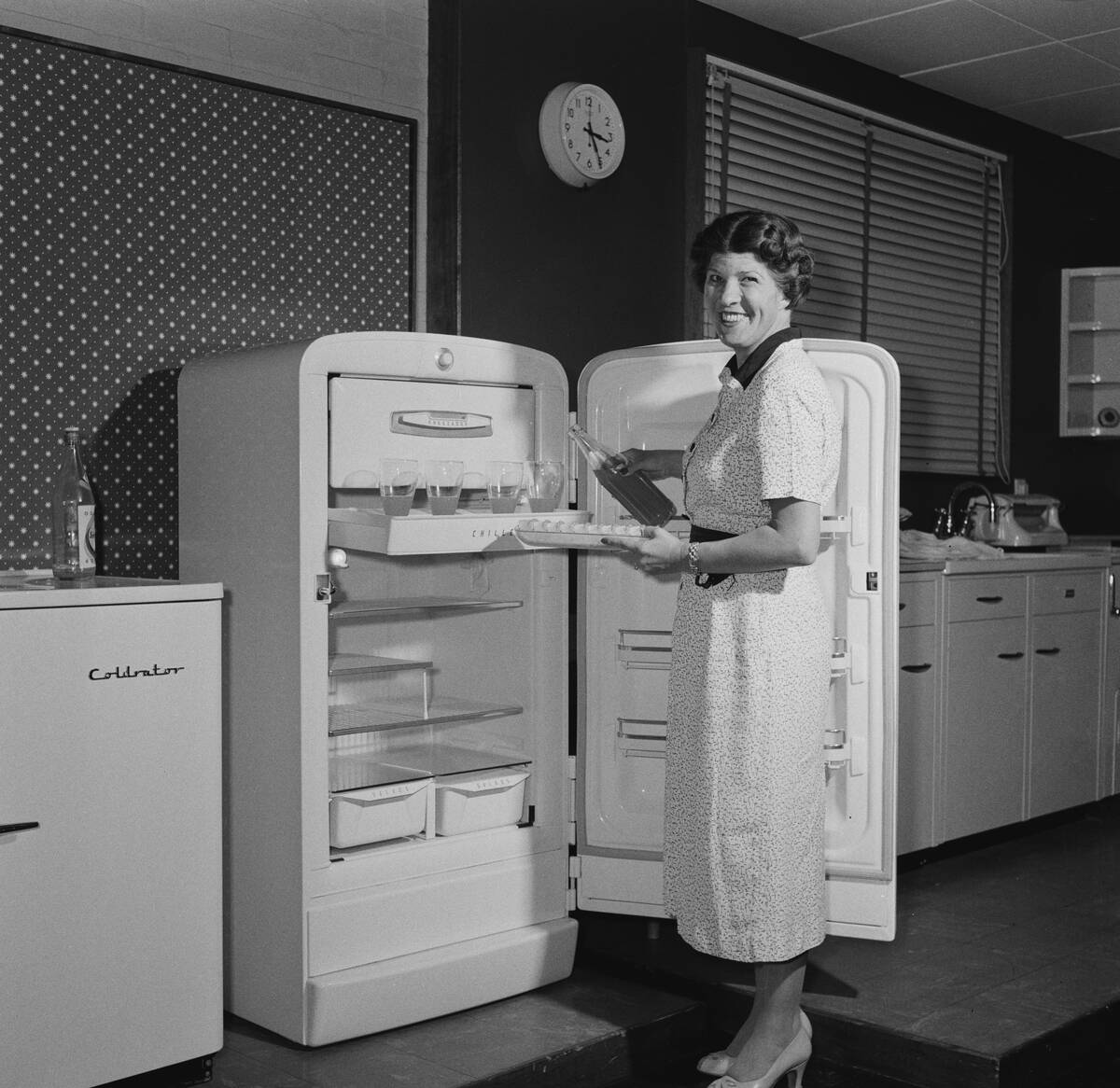
Before the invention of the modern refrigerator, iceboxes were used to keep food cool. In the 1930s, electric refrigerators began to replace iceboxes, but they were initially expensive and considered a luxury.
As technology improved and prices dropped, refrigerators became a standard kitchen appliance. Today, it’s hard to imagine a home without one, as they are essential for food preservation.
Air Conditioning: A Cool Comfort Turned Standard Fixture
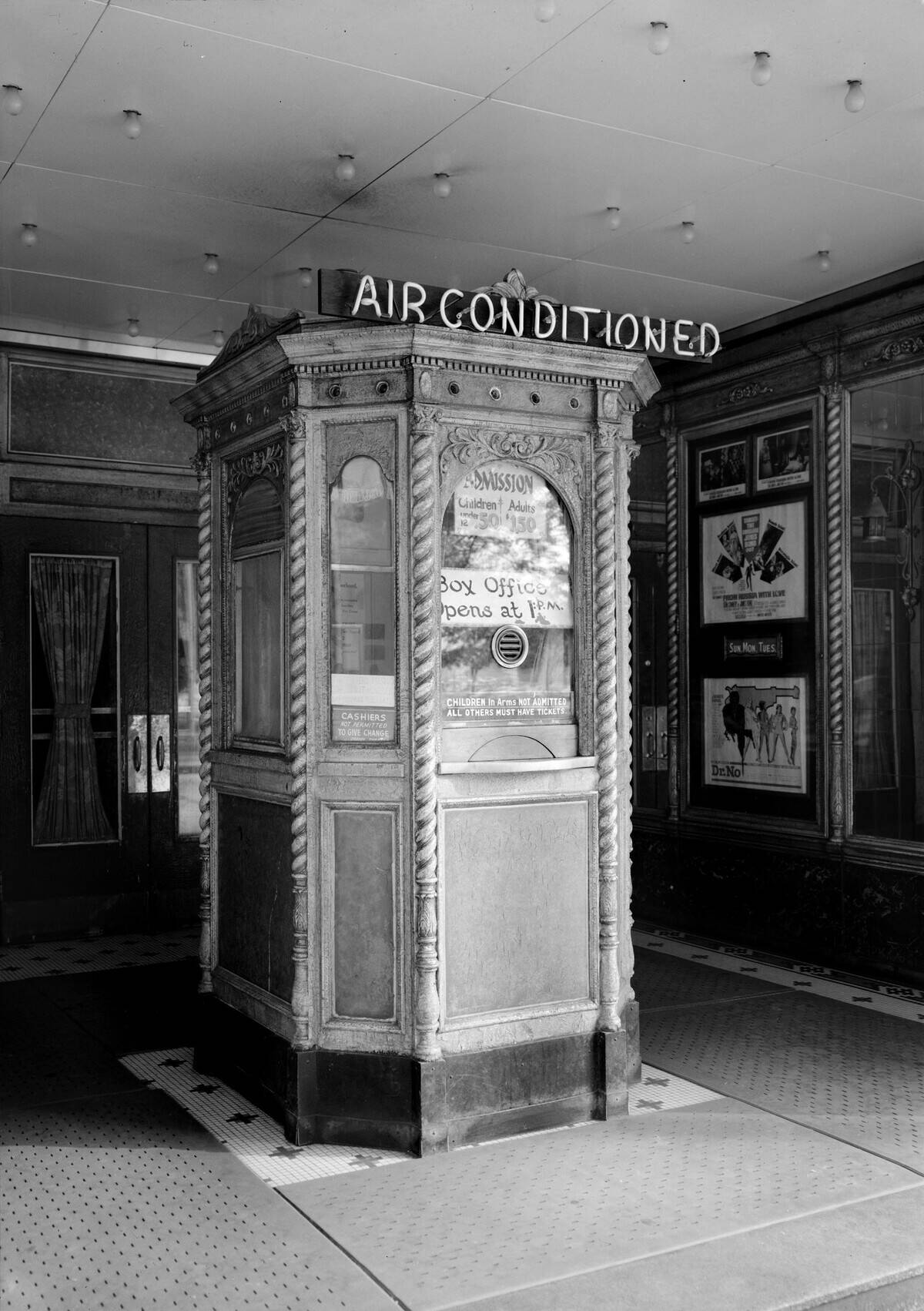
Air conditioning was once a luxury enjoyed only by the wealthy or in public spaces like movie theaters. The first modern air conditioner was invented in 1902, but it wasn’t until the mid-20th century that air conditioning units became affordable for home use.
Today, air conditioning is considered a standard feature in many homes, providing comfort during hot summer months.
The Prestige of Owning a Personal Computer in the Early Days
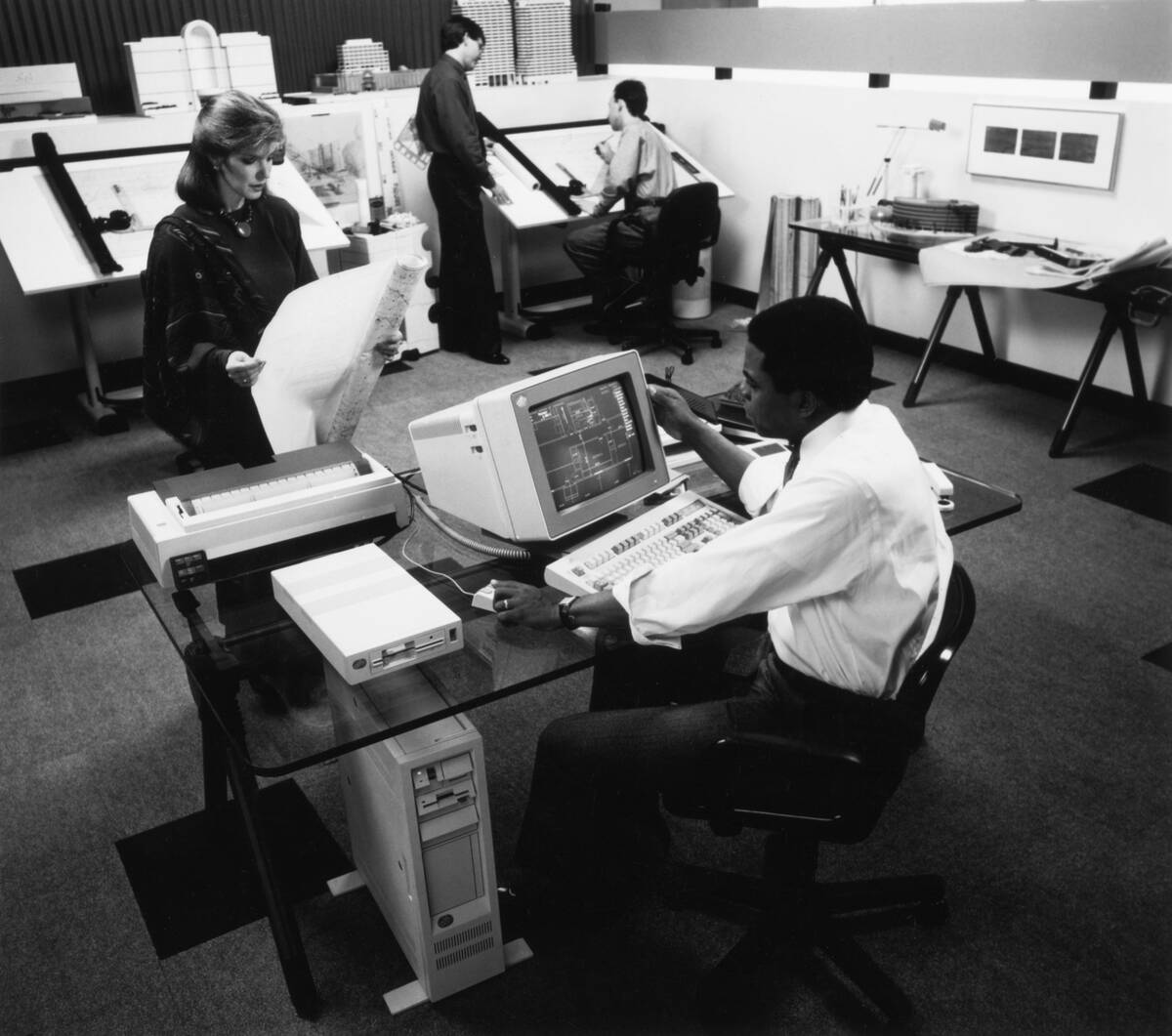
In the 1980s, owning a personal computer was a sign of prestige and technological savvy. The first PCs were expensive and primarily used by businesses or tech enthusiasts.
As technology advanced and prices dropped, personal computers became more accessible to the general public. Today, computers are an essential part of daily life, used for everything from work to entertainment.
The Mobile Phone Revolution: From Brick Phones to Pocket Essentials
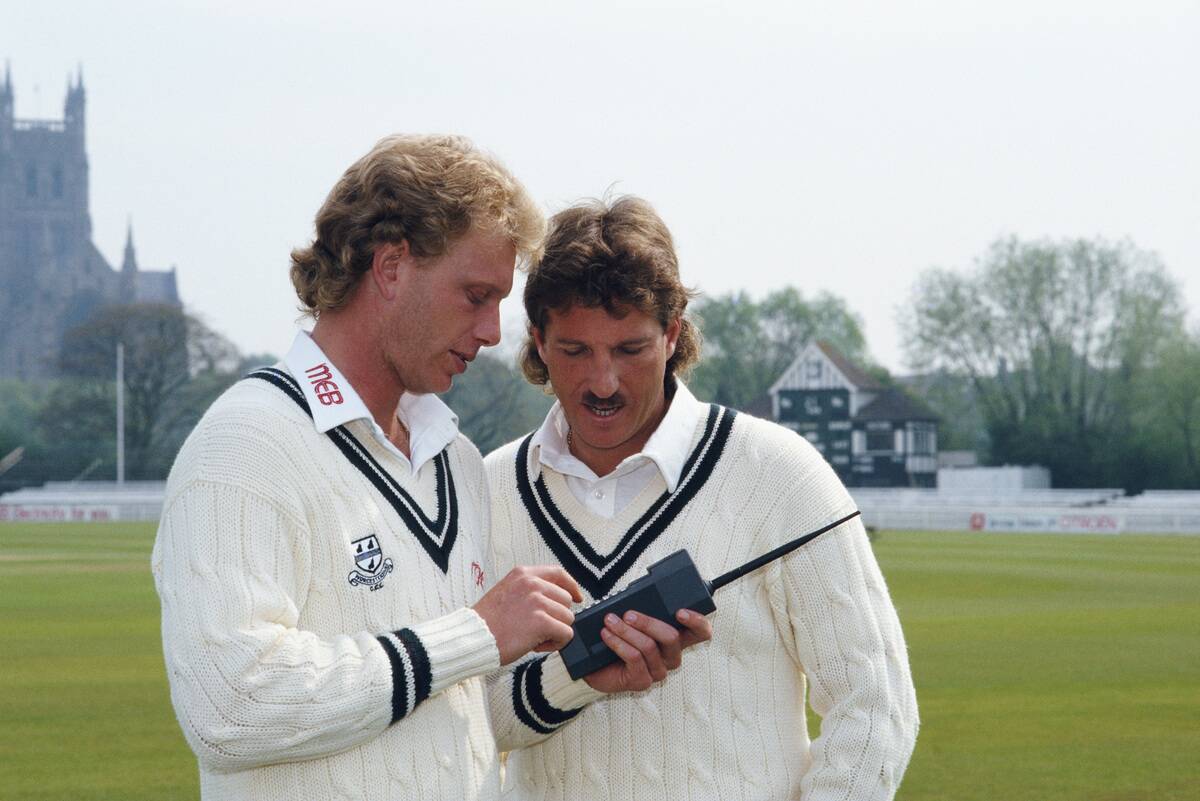
The first mobile phones, introduced in the 1980s, were large, expensive, and often referred to as “brick phones.” They were a status symbol for the wealthy and business elite. Over the years, mobile phones have evolved into sleek, multifunctional devices that fit in our pockets.
With the advent of smartphones, mobile phones are now indispensable tools for communication and information access.
The Dishwasher: A Kitchen Marvel That Became Mundane
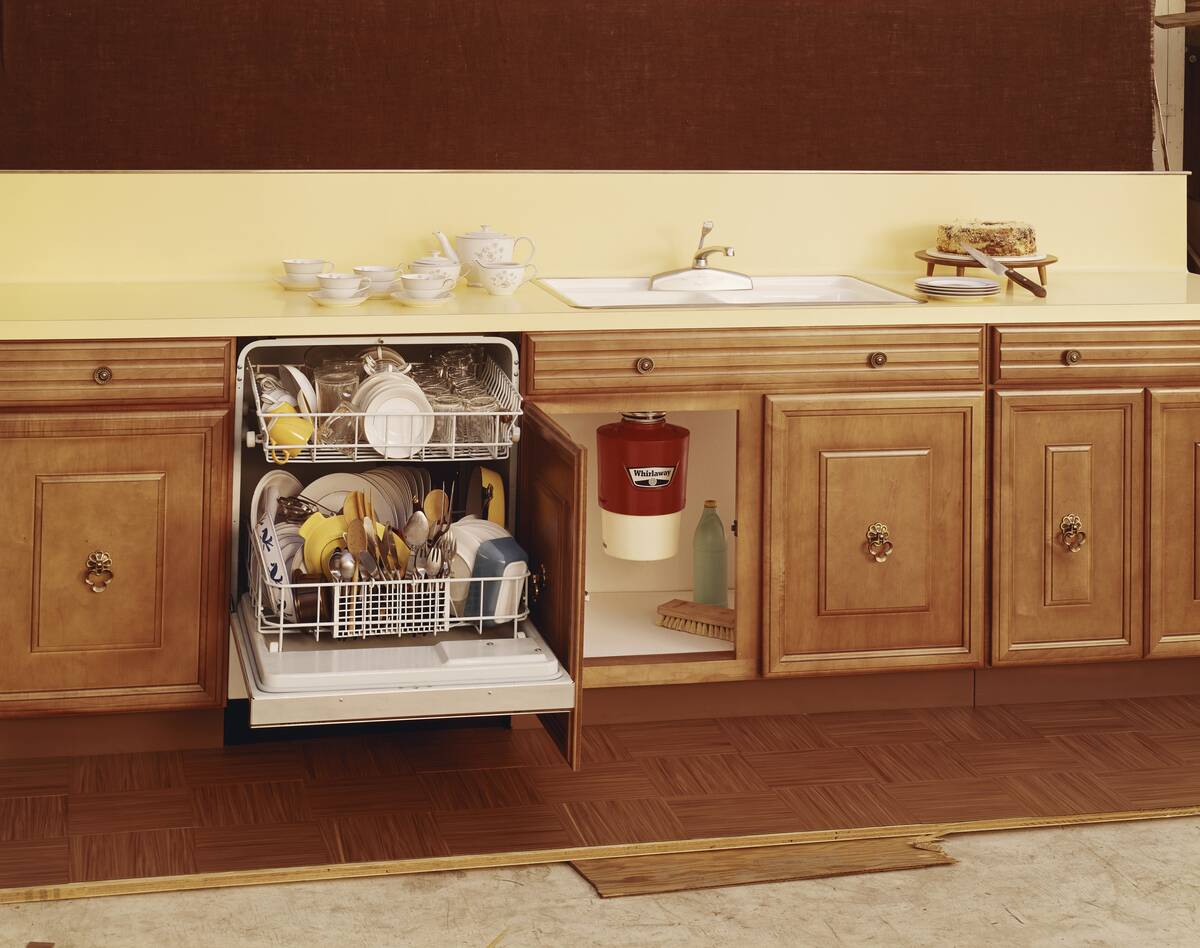
The dishwasher was invented in the late 19th century, but it wasn’t until the mid-20th century that it became a common household appliance. Initially considered a luxury, dishwashers were a marvel of convenience, saving time and effort in the kitchen.
Today, they are a standard feature in many homes, often taken for granted despite their efficiency in handling daily chores.
Microwaves: From Cutting-Edge to Conventional
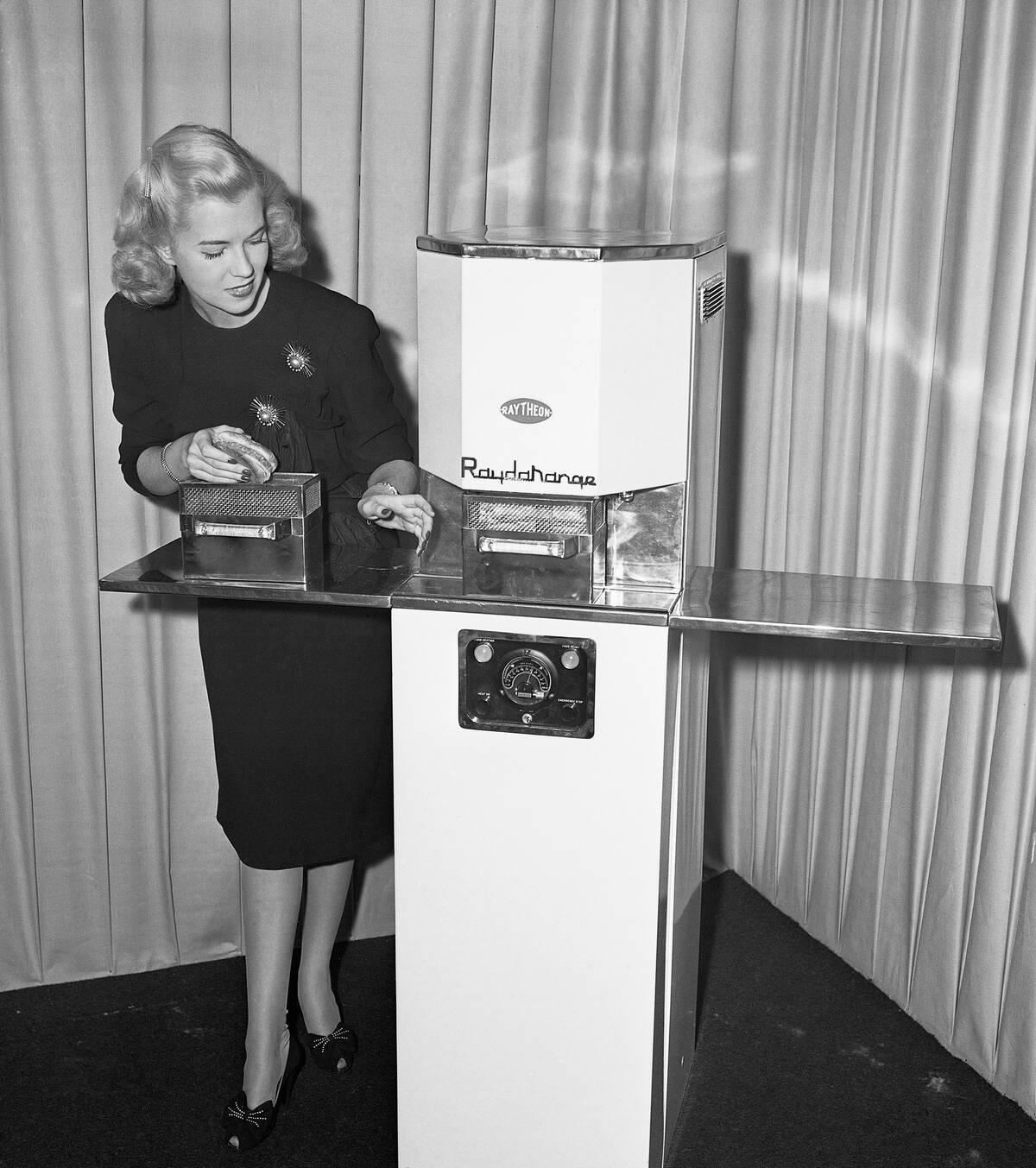
Microwave ovens were introduced in the late 1940s and were initially a luxury item due to their high cost. By the 1970s, prices had dropped, and microwaves became a common kitchen appliance.
Their ability to quickly heat food revolutionized meal preparation, making them a staple in homes worldwide. Today, microwaves are considered a basic necessity in most kitchens.
The Evolution of Cameras: From Exclusive to Everyday
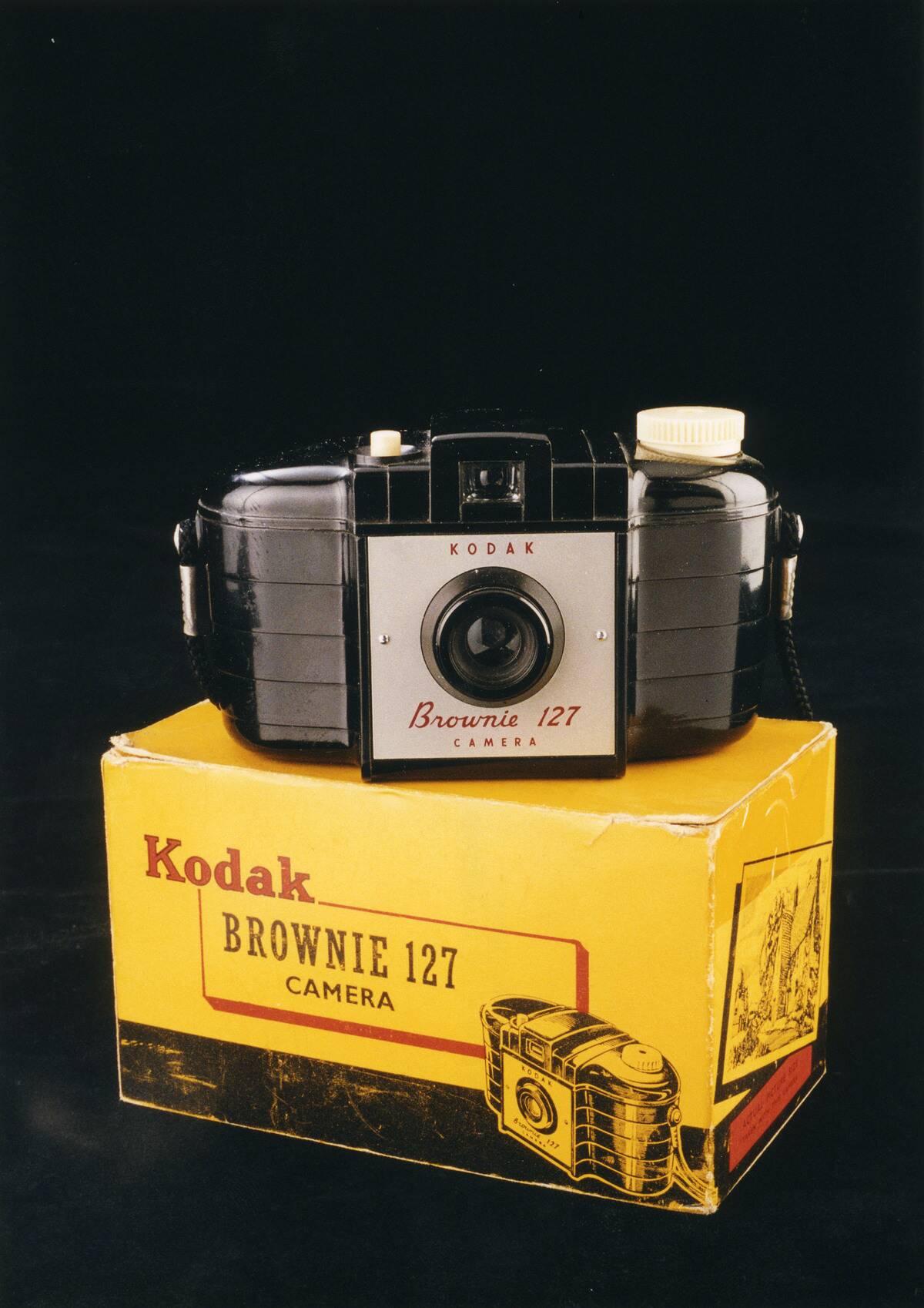
Cameras were once exclusive items, with early models being expensive and complicated to use. The introduction of the Kodak Brownie in 1900 made photography more accessible to the general public.
With the advent of digital cameras and smartphones, taking photos has become an everyday activity. Today, nearly everyone has a camera in their pocket, capturing moments with ease.
The Journey of the Vacuum Cleaner: From Luxury to Household Necessity

The vacuum cleaner was invented in the early 20th century and was initially a luxury item due to its cost and size. As technology improved, vacuums became more affordable and compact, making them accessible to the average household.
Today, vacuum cleaners are a necessity for maintaining clean homes, with innovations like robotic vacuums further enhancing their convenience.
Coffee Makers: From Status to Standard in Every Kitchen
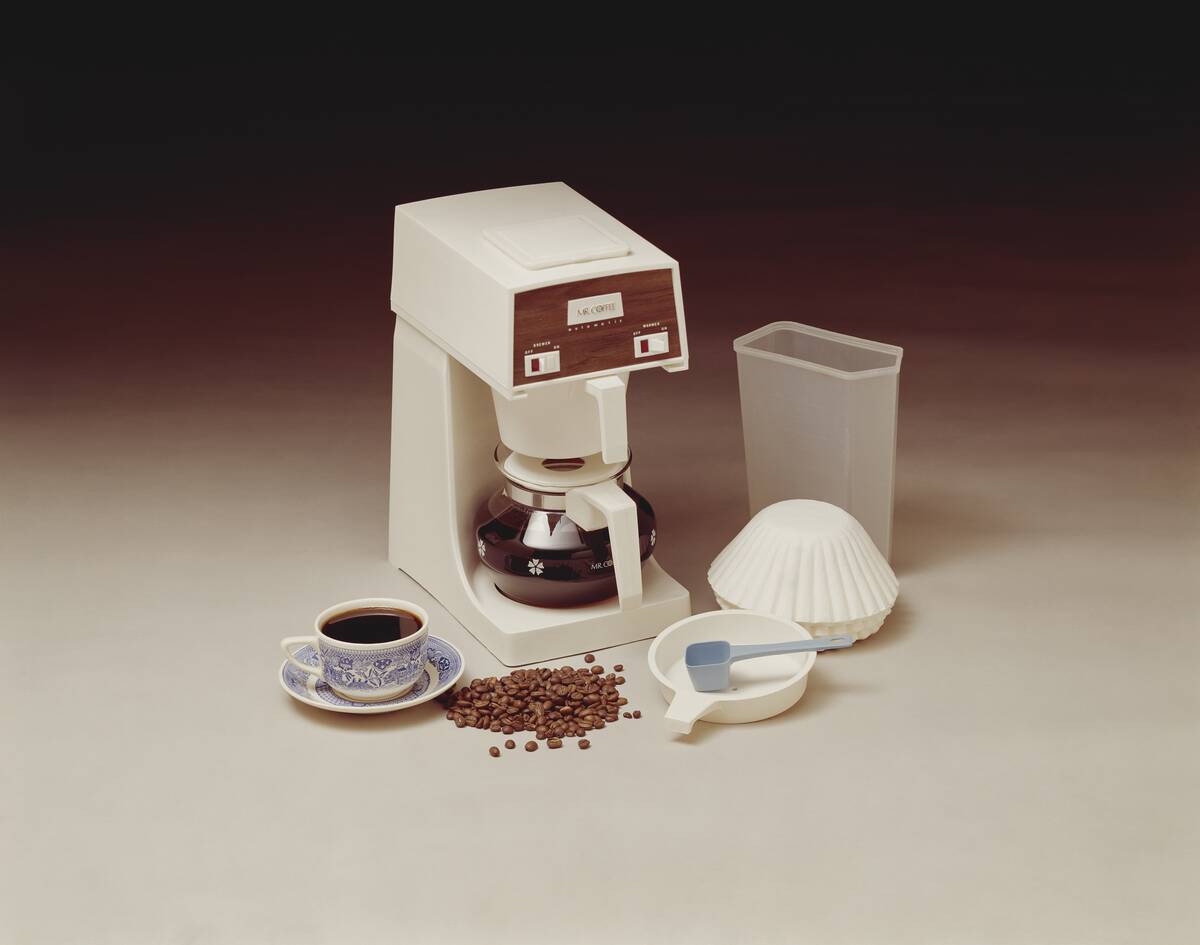
Coffee makers were once a luxury, with early models being expensive and primarily found in cafes or the homes of the wealthy. The introduction of automatic drip coffee makers in the 1970s made brewing coffee at home more convenient and affordable.
Today, coffee makers are a standard appliance in most kitchens, catering to the daily caffeine needs of millions.
The Rise of the Personal Music Player: From Walkman to Smartphone
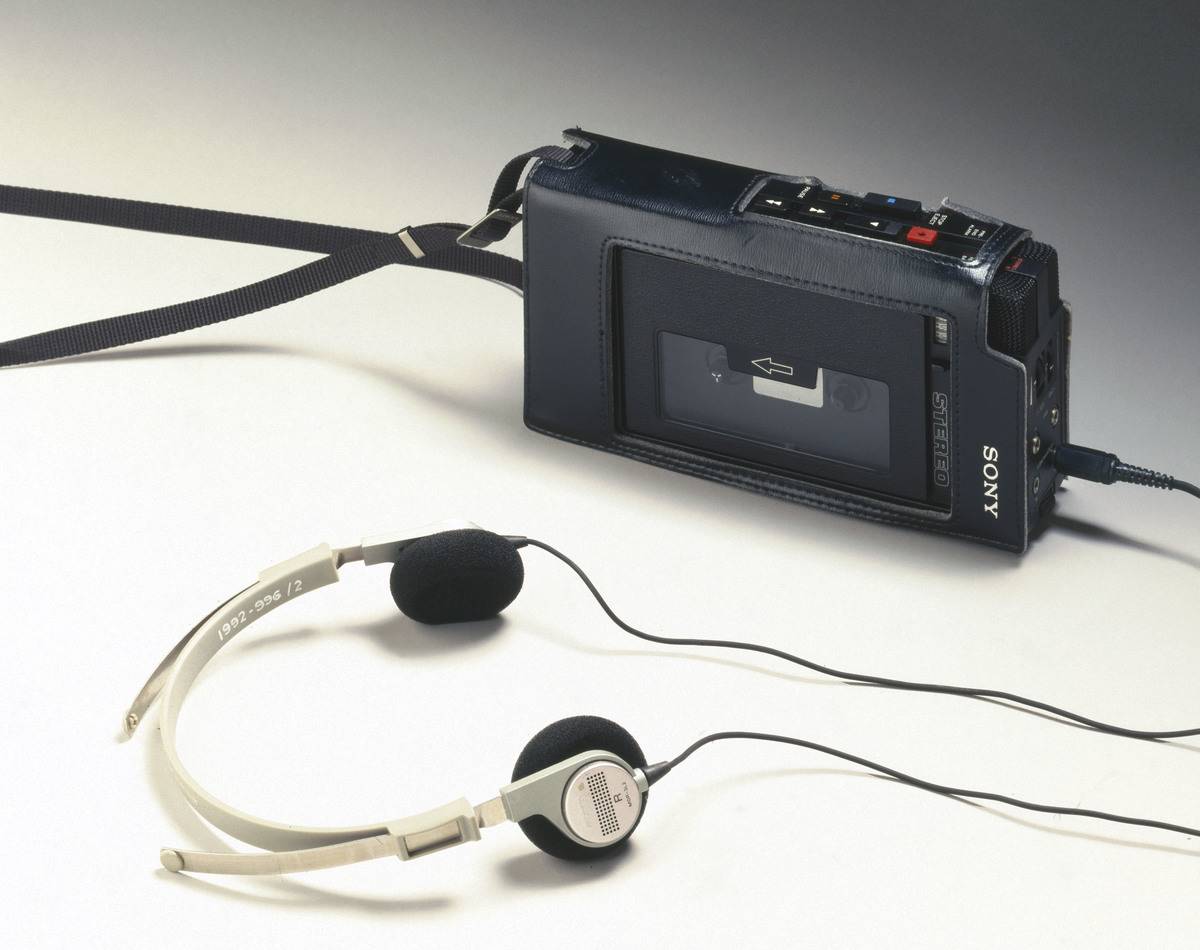
The Sony Walkman, introduced in 1979, revolutionized personal music listening, making it a status symbol for music lovers. As technology advanced, devices like the iPod and eventually smartphones took over, offering vast music libraries at our fingertips.
Today, personal music players are integrated into smartphones, making music accessible anywhere, anytime, without the need for separate devices.
The Transformation of the Home Gym Equipment: From Extravagance to Everyday
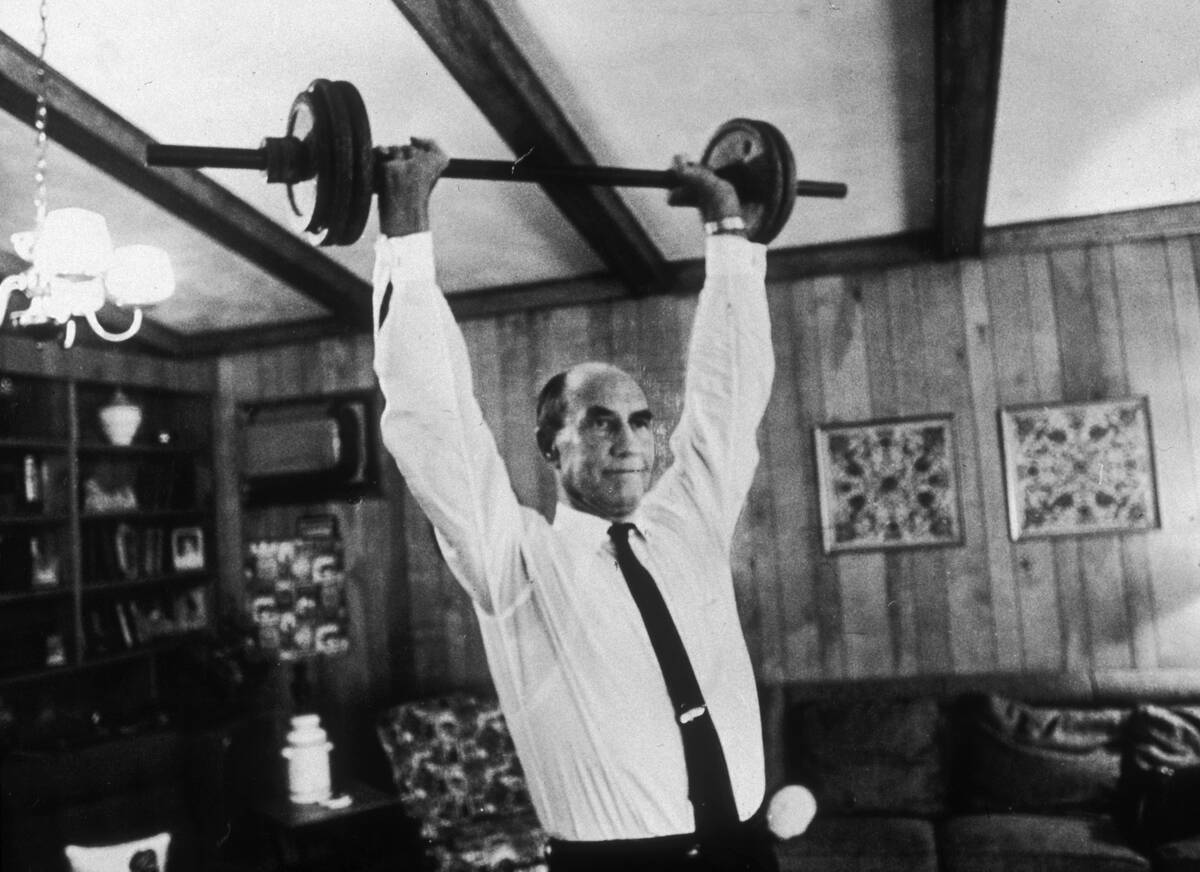
Home gym equipment was once considered an extravagance, with only the wealthy able to afford personal exercise machines. The fitness boom of the 1980s and advancements in manufacturing made equipment like treadmills and stationary bikes more affordable.
Today, home gyms are common, with many people opting for convenient workouts at home rather than gym memberships.
The Evolution of the Home Entertainment System: From Prestige to Practicality
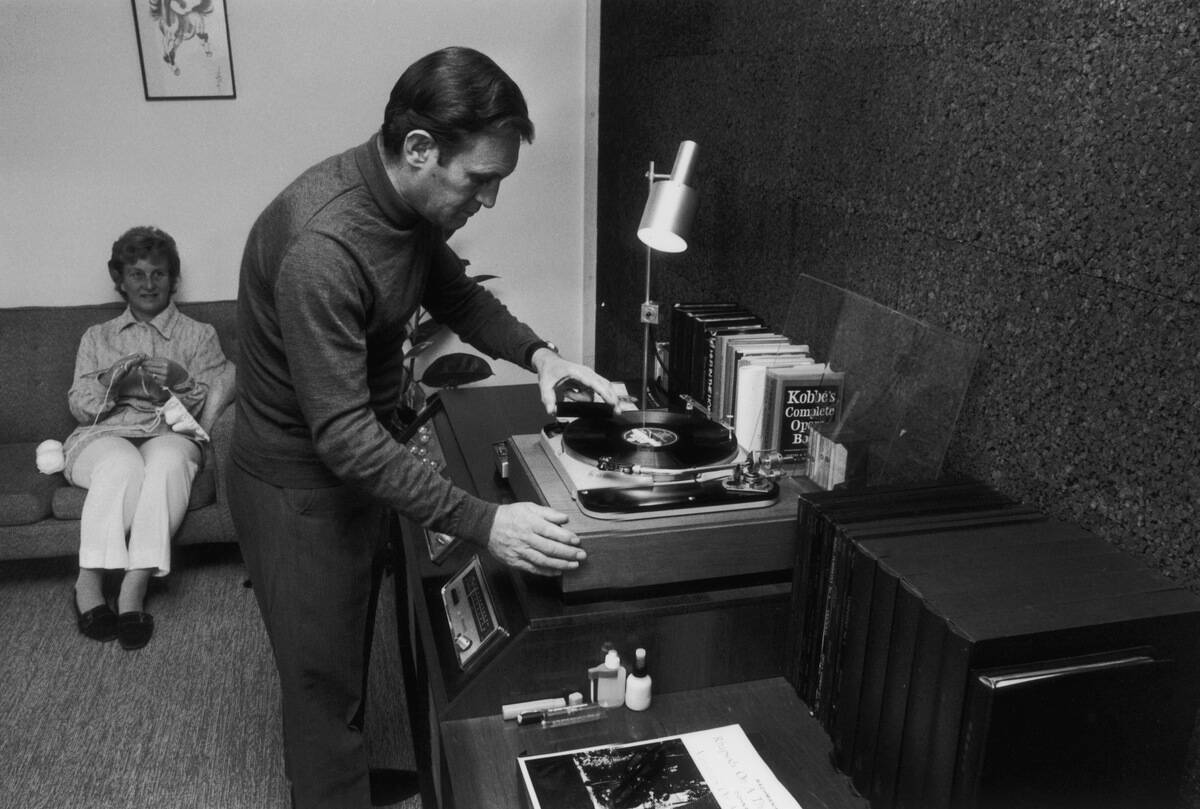
Home entertainment systems, including high-end stereo systems and large-screen TVs, were once prestige items. In the late 20th century, these systems were a sign of wealth and sophistication.
With technological advancements and price reductions, home entertainment systems have become more practical and accessible. Today, they are a staple in many households, providing endless entertainment options.




