Classic movies that deserve more recognition
Classic cinema is a treasure trove of unforgettable stories and timeless artistry. While some films remain in the limelight, others, despite their brilliance, often get overshadowed.
Rediscovering these hidden gems can be a delightful journey, offering fresh perspectives and a renewed appreciation for the art of filmmaking. Let’s dive into a selection of classic films that deserve more attention, each offering a unique blend of storytelling, direction, and performance.
The Timeless Charm of “The Night of the Hunter”
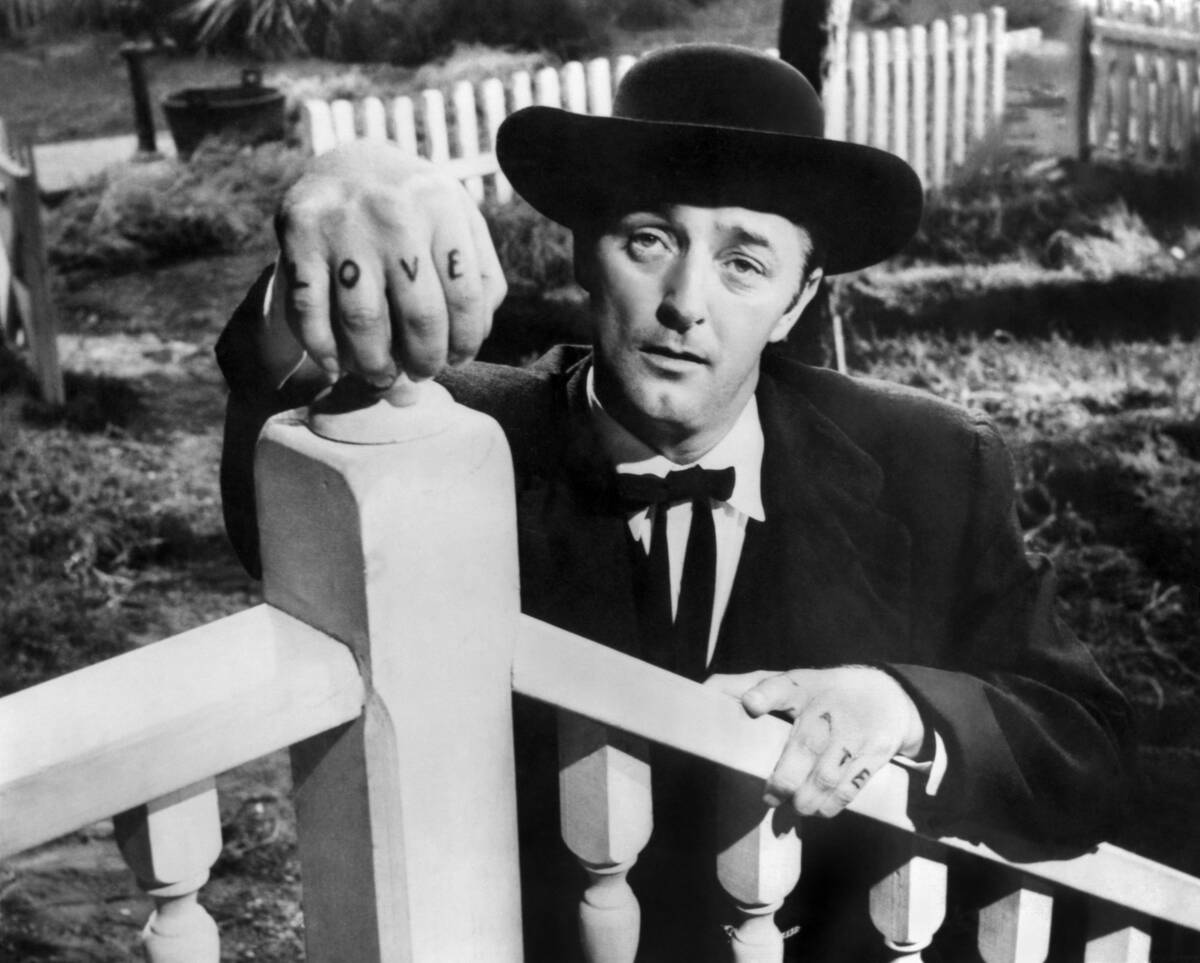
Charles Laughton’s The Night of the Hunter is a haunting tale of good versus evil, set against the backdrop of the Great Depression. Robert Mitchum delivers a chilling performance as the menacing preacher Harry Powell.
The film’s striking use of shadows and light, influenced by German Expressionism and other cinematic traditions, creates an eerie atmosphere that captivates audiences. Despite its initial poor reception, it has since been recognized as a masterpiece of American cinema.
“A Matter of Life and Death”: A Cinematic Masterpiece
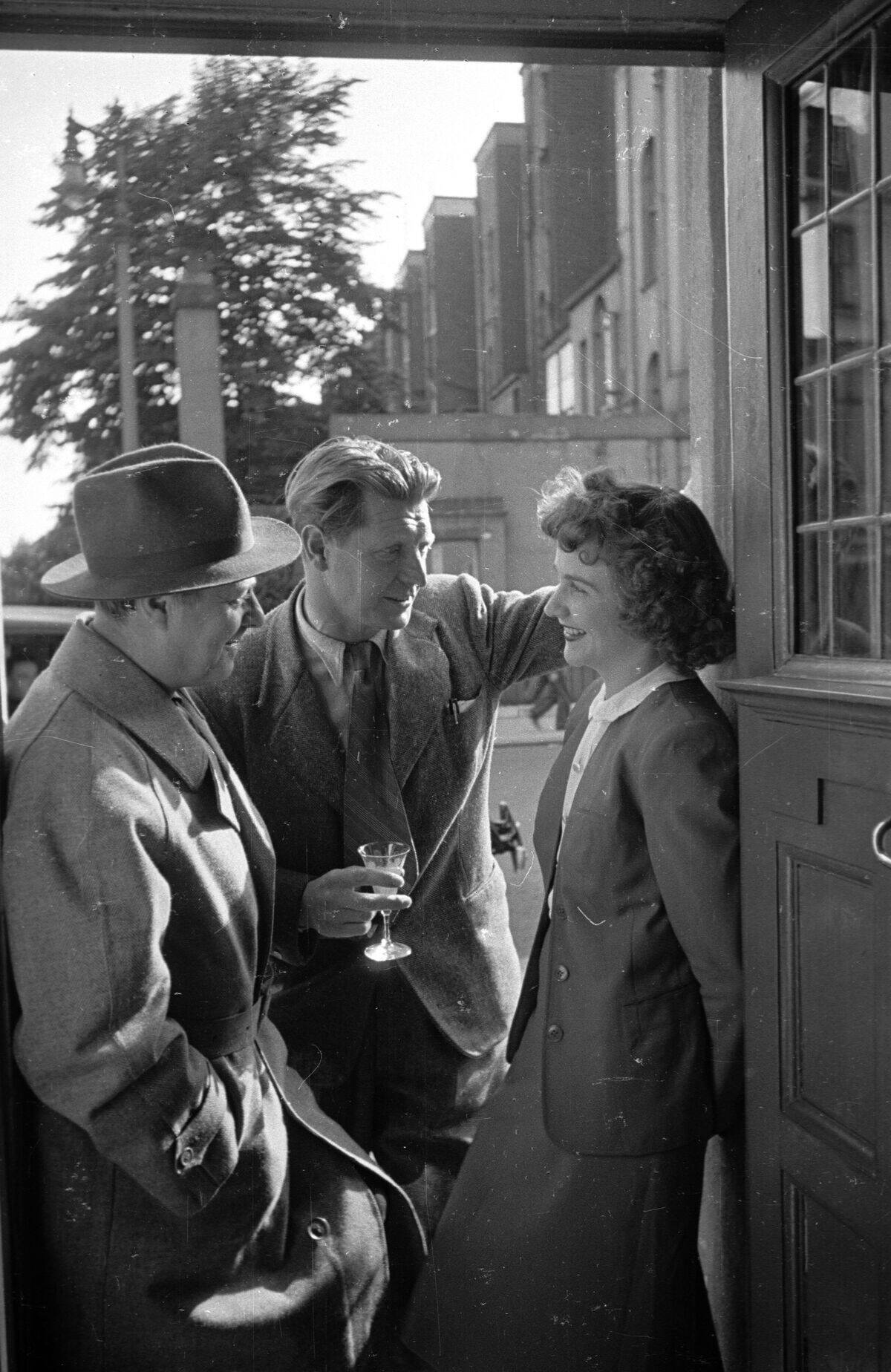
Directed by Michael Powell and Emeric Pressburger, A Matter of Life and Death is a visually stunning film that blends fantasy and reality. Released in 1946, it tells the story of a British pilot who survives a near-death experience and must argue for his life in a celestial court.
The film is renowned for its innovative use of Technicolor and black-and-white sequences, creating a striking contrast between the earthly and otherworldly realms. Its exploration of love, fate, and the human spirit remains captivating and has secured its place as a classic of British cinema.
Exploring the Depths of “The Third Man”
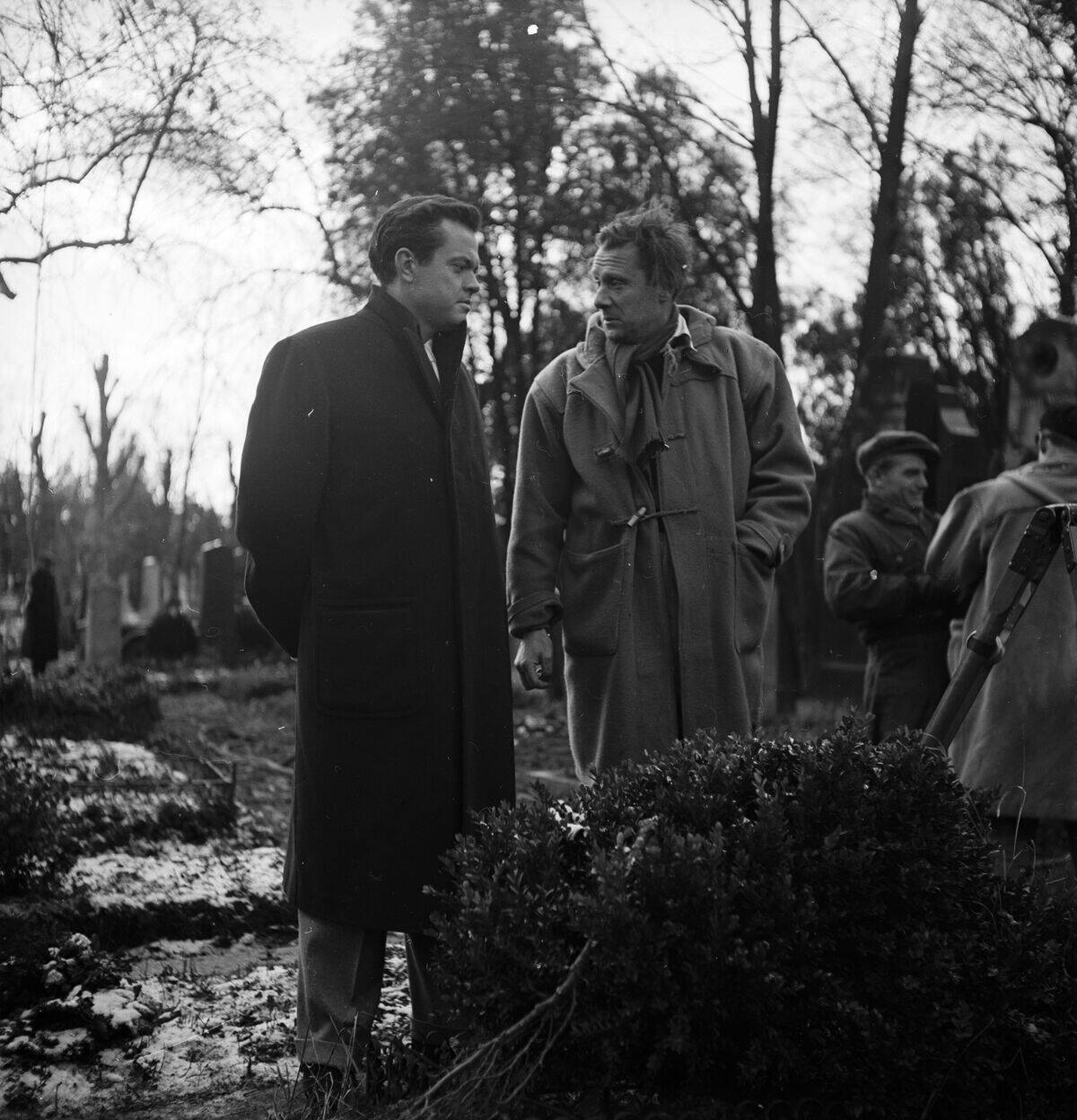
Orson Welles and Joseph Cotten star in The Third Man, a film noir set in post-war Vienna. Directed by Carol Reed, the film is famous for its atmospheric cinematography and the iconic zither score by Anton Karas.
The story follows an American pulp novelist investigating the mysterious death of his friend, leading to a tense climax in the city’s sewers. Its exploration of moral ambiguity, betrayal, and corruption has cemented its status as a classic of international cinema.
Why “The Red Shoes” Dances into Our Hearts
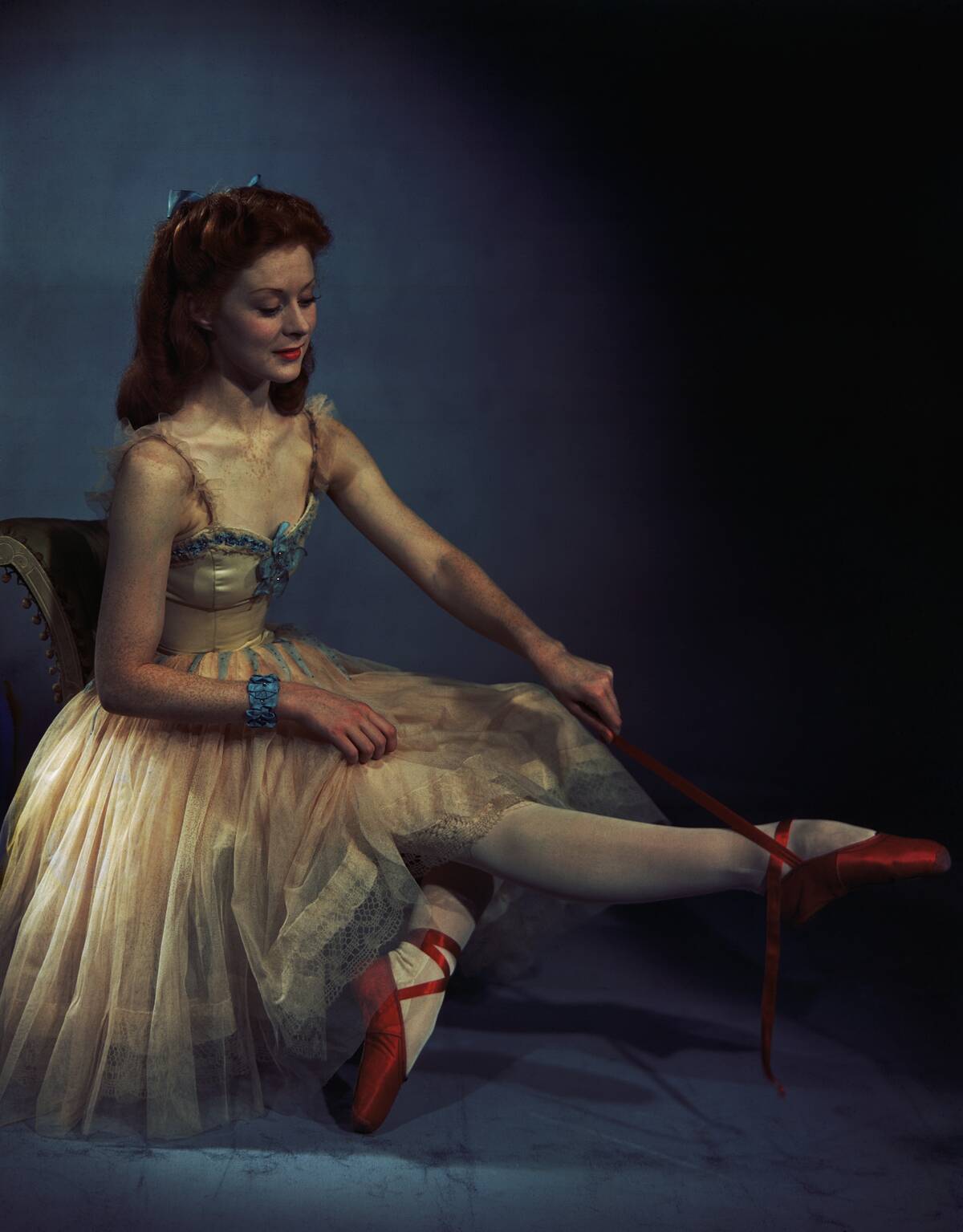
Powell and Pressburger created another masterpiece with The Red Shoes, a visually enchanting film about the world of ballet. Released in 1948, it tells the story of a young dancer torn between her devotion to dance and her desire for love.
The film’s centerpiece is a mesmerizing 17-minute ballet sequence that showcases the artistry of both dance and filmmaking. Its vibrant Technicolor palette and emotional depth have made it a beloved classic among film and dance enthusiasts alike.
“The Lady Vanishes”: Hitchcock’s Overlooked Gem
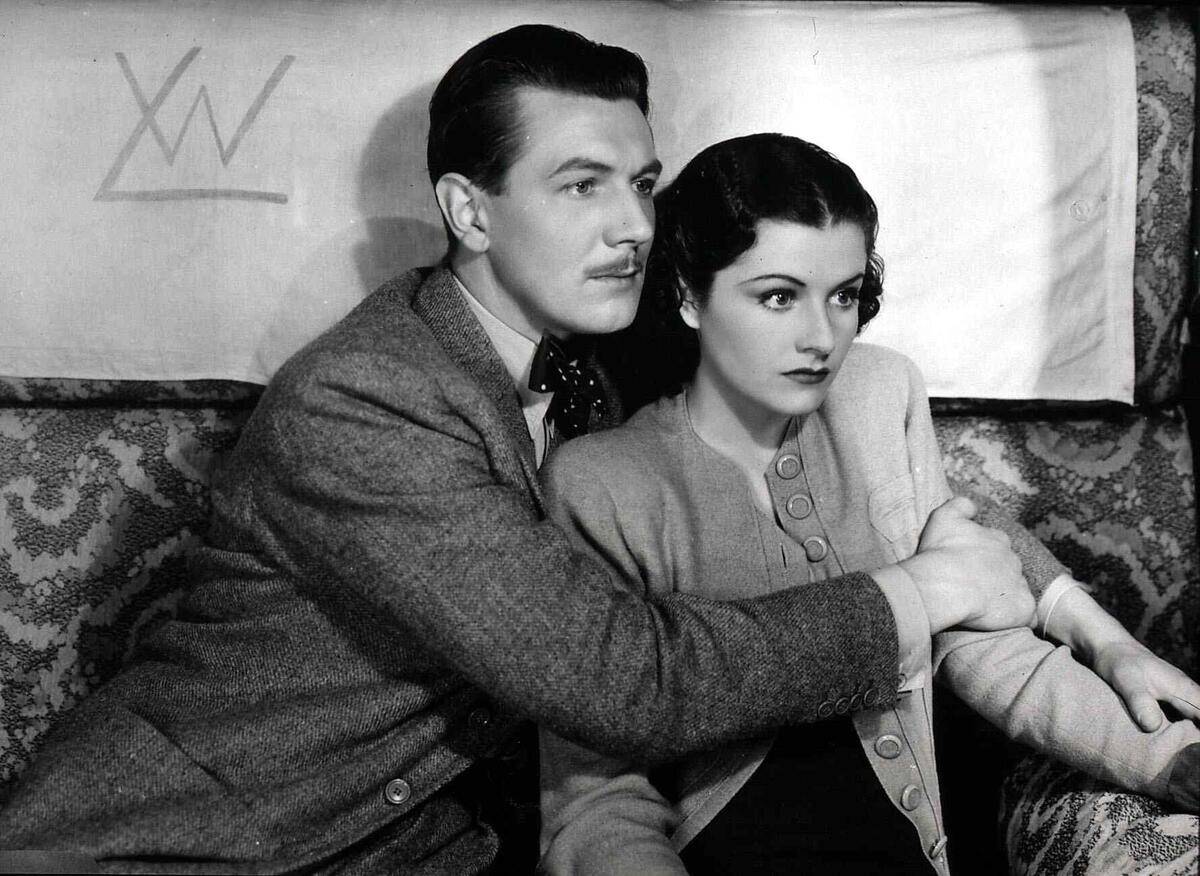
Before Alfred Hitchcock became a Hollywood legend, he crafted The Lady Vanishes, a suspenseful thriller set on a train. Released in 1938, the film follows a young woman who investigates a mystery after her fellow passenger mysteriously disappears, uncovering a larger conspiracy along the way.
Hitchcock’s masterful blend of humor and tension keeps audiences engaged throughout. The film showcases his early talent for building suspense and remains a must-watch for Hitchcock fans.
The Underrated Brilliance of “The Rules of the Game”
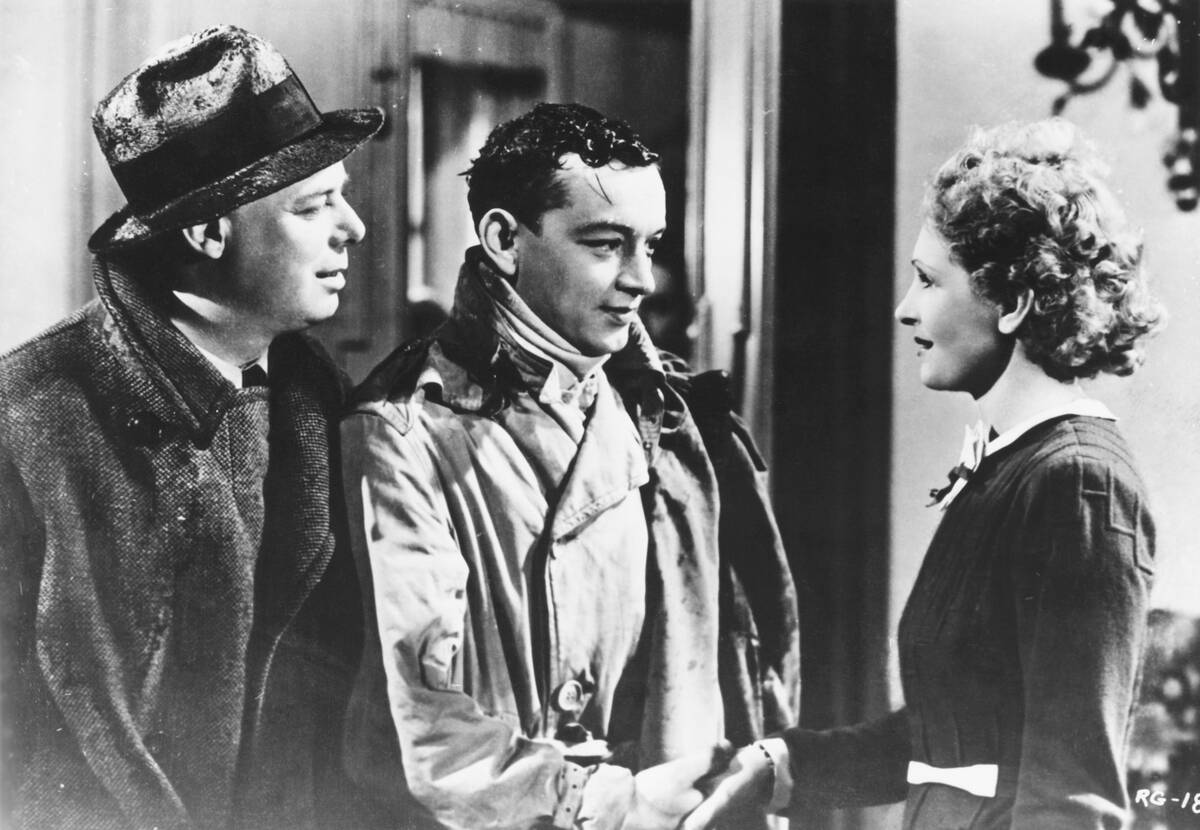
Jean Renoir’s The Rules of the Game is a satirical look at French society on the brink of World War II. Released in 1939, the film explores the lives of the upper class and their servants during a weekend gathering at a country estate centered around a hunting party.
Renoir’s intricate direction and the film’s complex character interactions create a rich portrait of human behavior and social relationships. Although initially a commercial and critical failure, it is now hailed as one of the greatest films ever made.
“Sunset Boulevard”: More Than Just a Hollywood Story
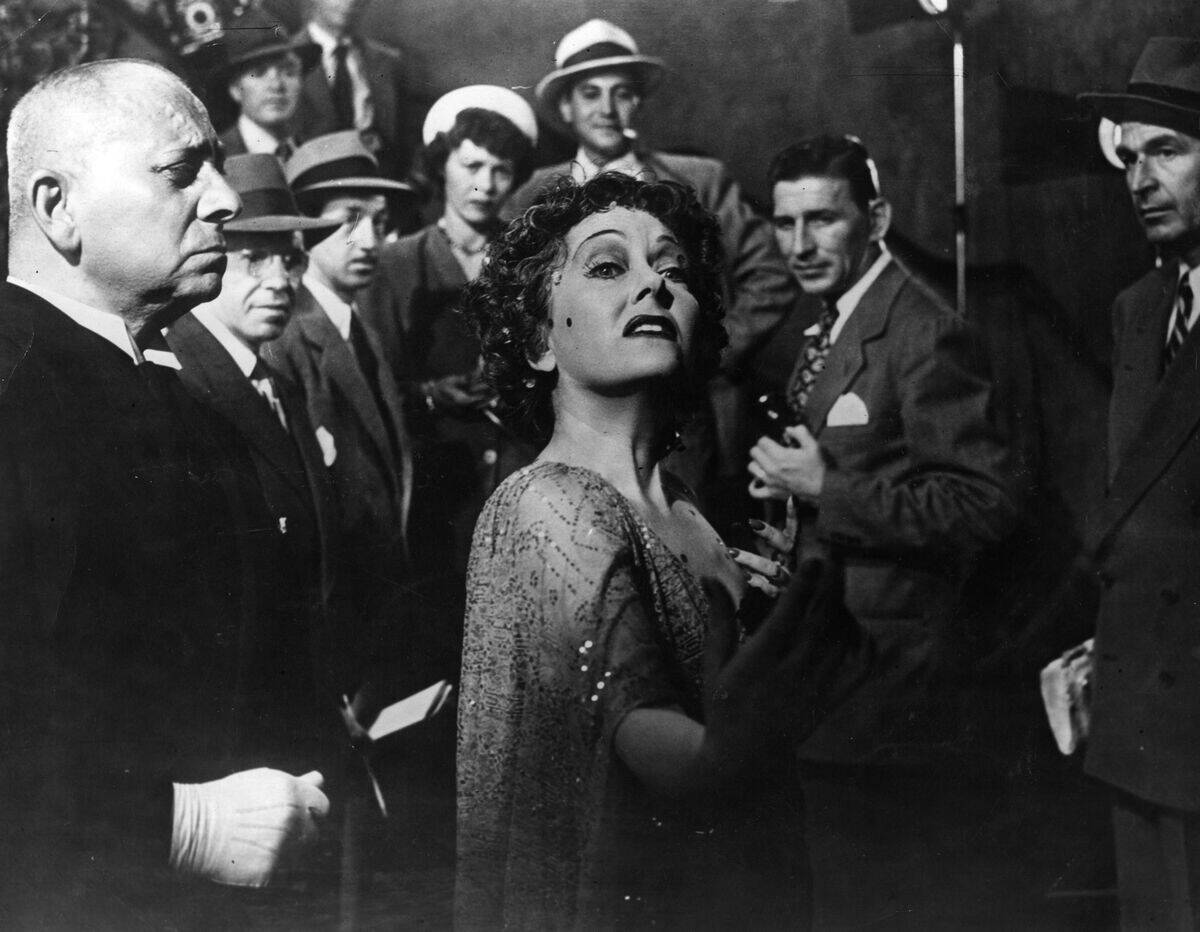
Billy Wilder’s Sunset Boulevard is a dark exploration of fame and delusion in Hollywood. Released in 1950, it stars Gloria Swanson as Norma Desmond, a faded silent-film star longing for a comeback.
The film’s sharp script and haunting performances offer a powerful critique of the film industry and the fleeting nature of stardom. Its memorable opening scene and iconic lines have left an enduring mark on cinematic history.
“Paths of Glory”: A War Film with a Message
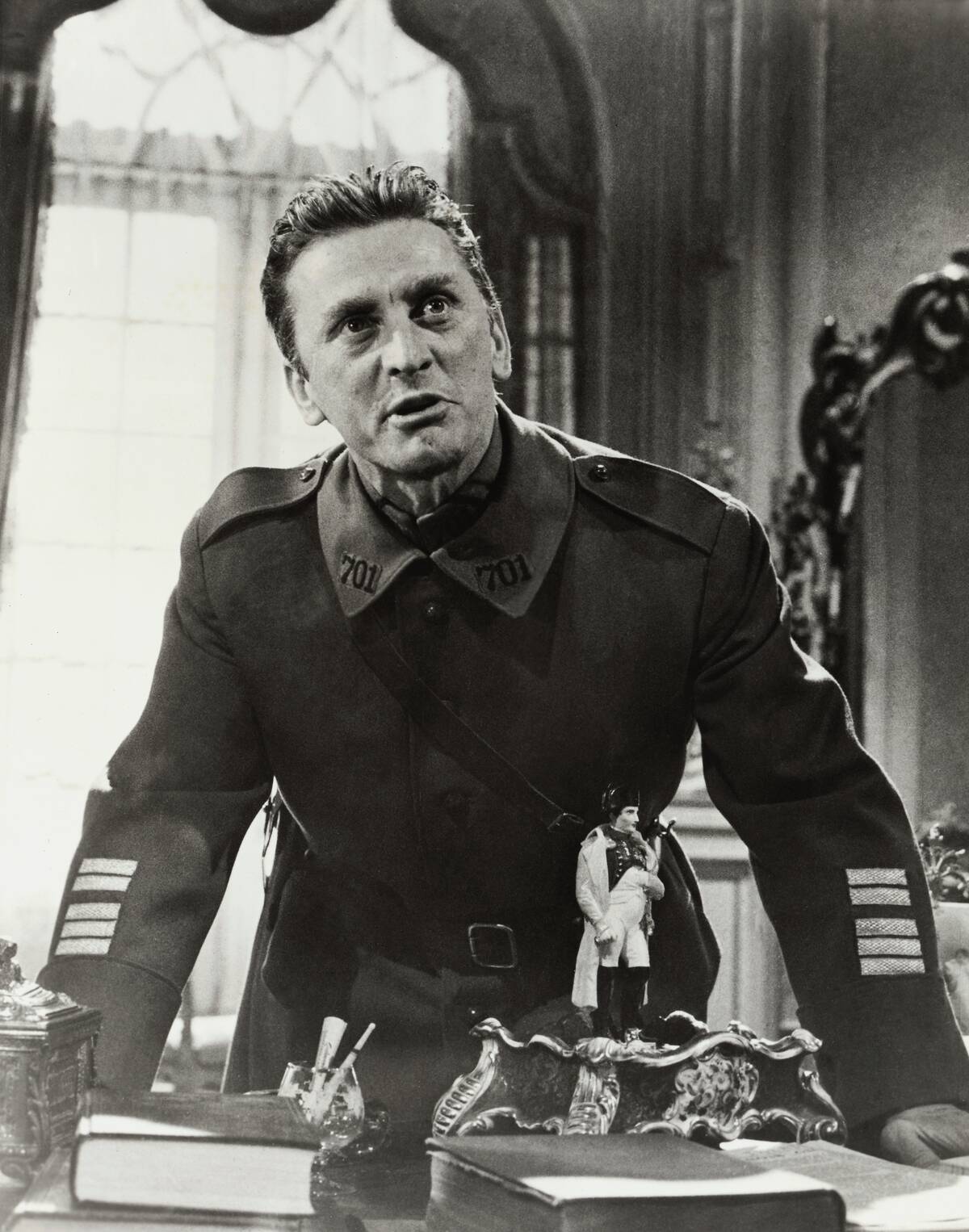
Stanley Kubrick’s Paths of Glory is a powerful anti-war film set during World War I. Released in 1957, it stars Kirk Douglas as a French officer who defends three soldiers accused of cowardice after a failed military operation.
The film’s stark black-and-white cinematography and gripping military tribunal scenes highlight the futility and injustice of war. Its unflinching portrayal of military bureaucracy, authority, and human sacrifice continues to resonate with audiences today.
“Kind Hearts and Coronets”: A Dark Comedy Delight
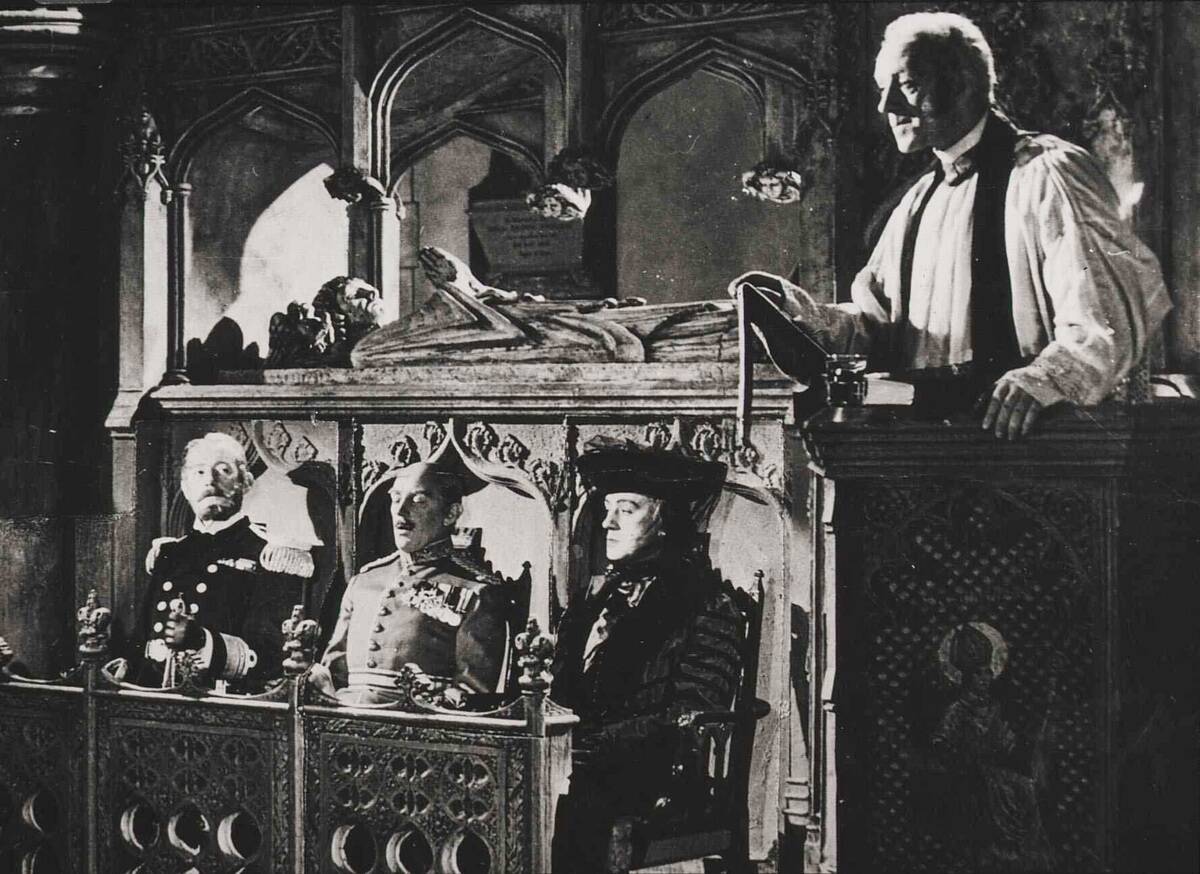
Kind Hearts and Coronets is a British black comedy that showcases Alec Guinness in multiple roles. Released in 1949, the film follows a disinherited nobleman who plots to eliminate eight relatives standing between him and a dukedom.
The film’s witty script and Guinness’s versatile performances make it a standout in the genre. Its clever satire of British aristocracy and class dynamics remains entertaining and influential.
“The Manchurian Candidate”: A Thrilling Classic
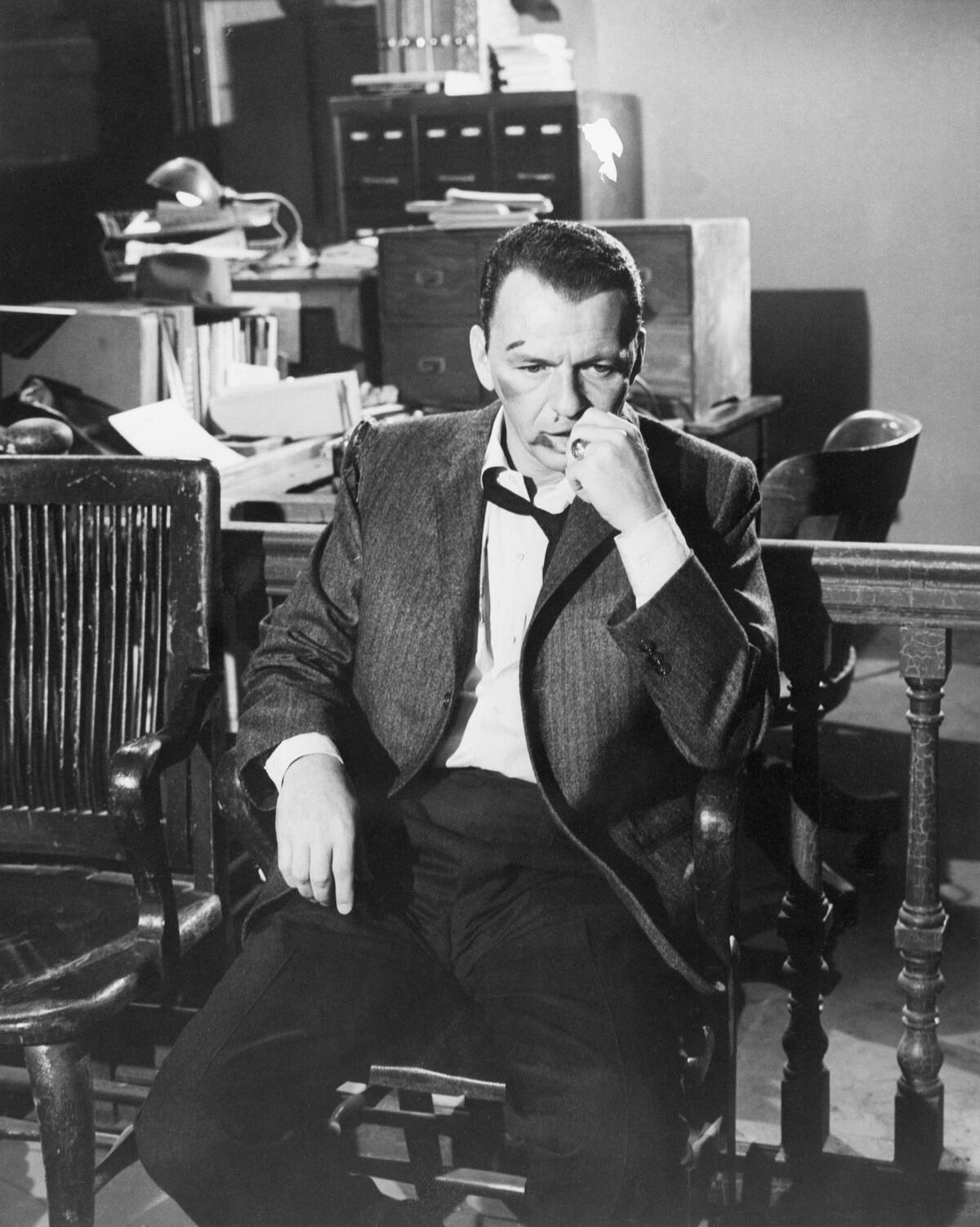
John Frankenheimer’s The Manchurian Candidate is a gripping political thriller released in 1962. The film stars Frank Sinatra and Laurence Harvey in a story involving brainwashing and an assassination conspiracy during the Cold War.
Its tense narrative and innovative direction keep viewers engaged from start to finish. The film’s exploration of paranoia, political manipulation, and psychological control has allowed it to remain a chilling and influential work of cinema.
“The Innocents”: A Hauntingly Beautiful Film
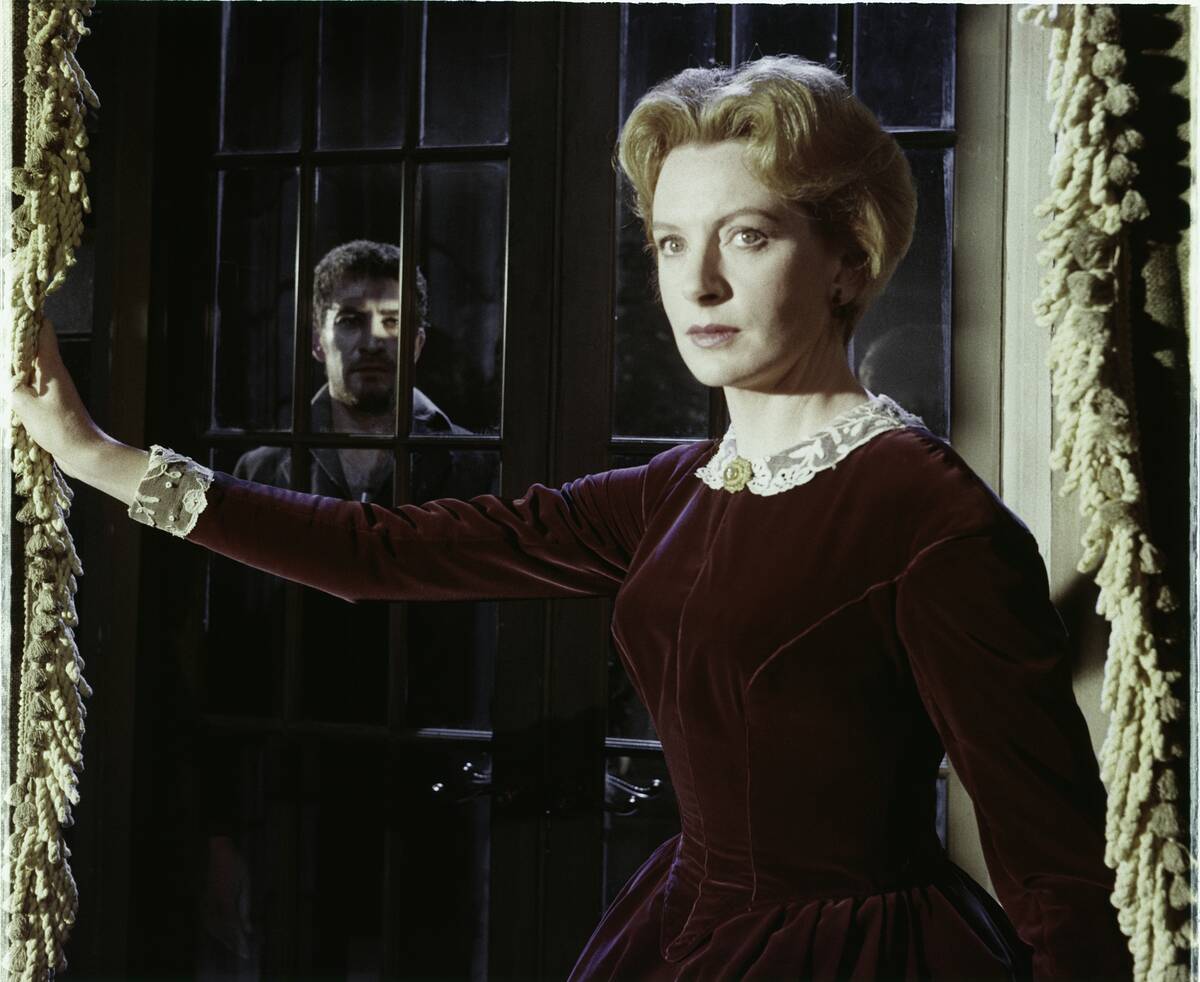
Jack Clayton’s The Innocents is a masterful adaptation of Henry James’s novella The Turn of the Screw. Released in 1961, it stars Deborah Kerr as a governess who suspects supernatural forces are at play in a country estate.
The film’s atmospheric cinematography and eerie sound design create a sense of unease that lingers long after the credits roll. Its subtle and psychological approach to horror makes it a standout in the genre.
“The Umbrellas of Cherbourg”: A Musical Like No Other
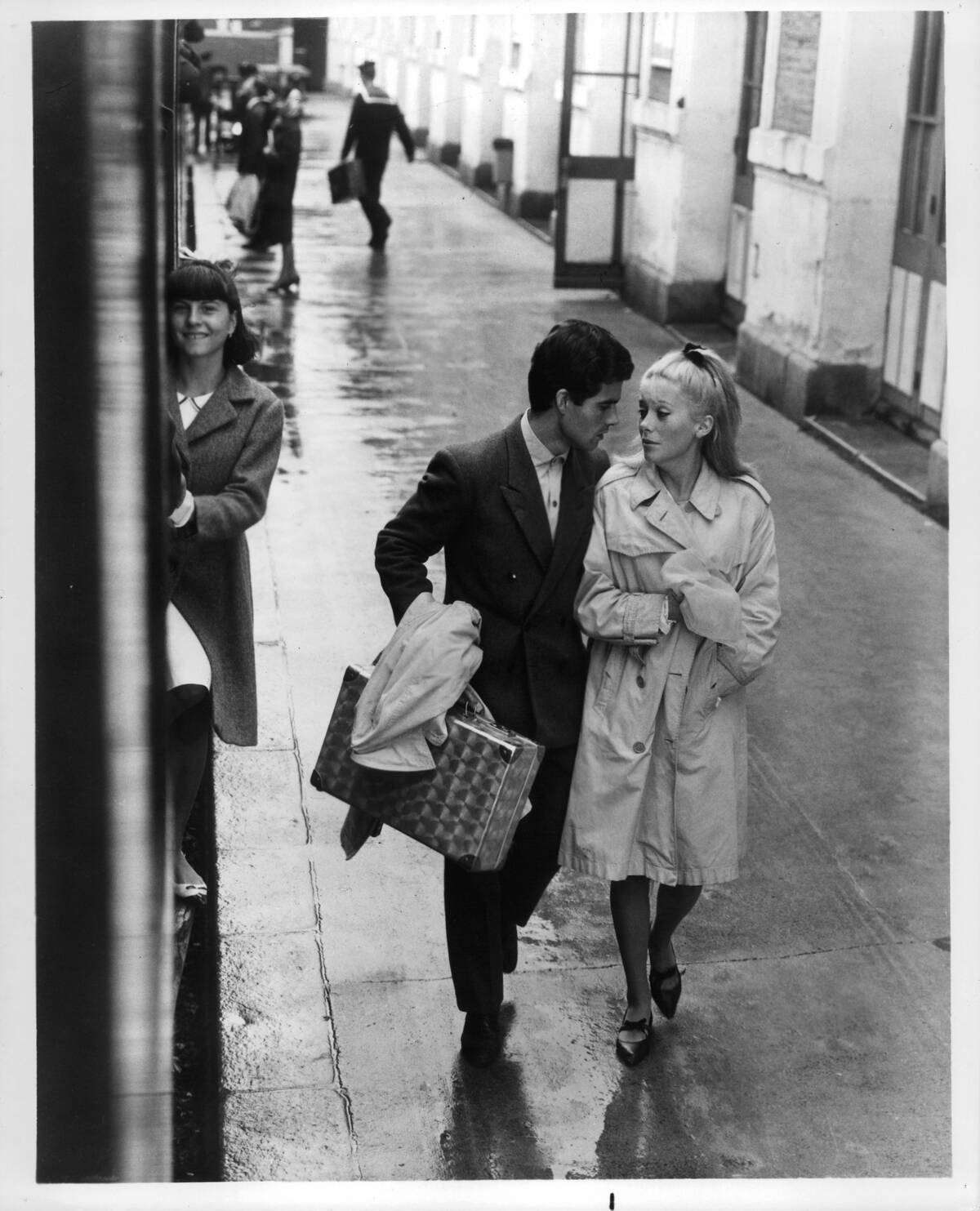
Jacques Demy’s The Umbrellas of Cherbourg is a unique sung-through musical that tells its story entirely through song. Released in 1964, it stars Catherine Deneuve in a tale of young love, separation, and heartbreak.
The film’s vibrant color palette and Michel Legrand’s unforgettable score create a dreamlike experience. Its bittersweet narrative and innovative approach to the musical genre have earned it a special place in cinematic history.
“Sweet Smell of Success”: A Tale of Ambition and Betrayal
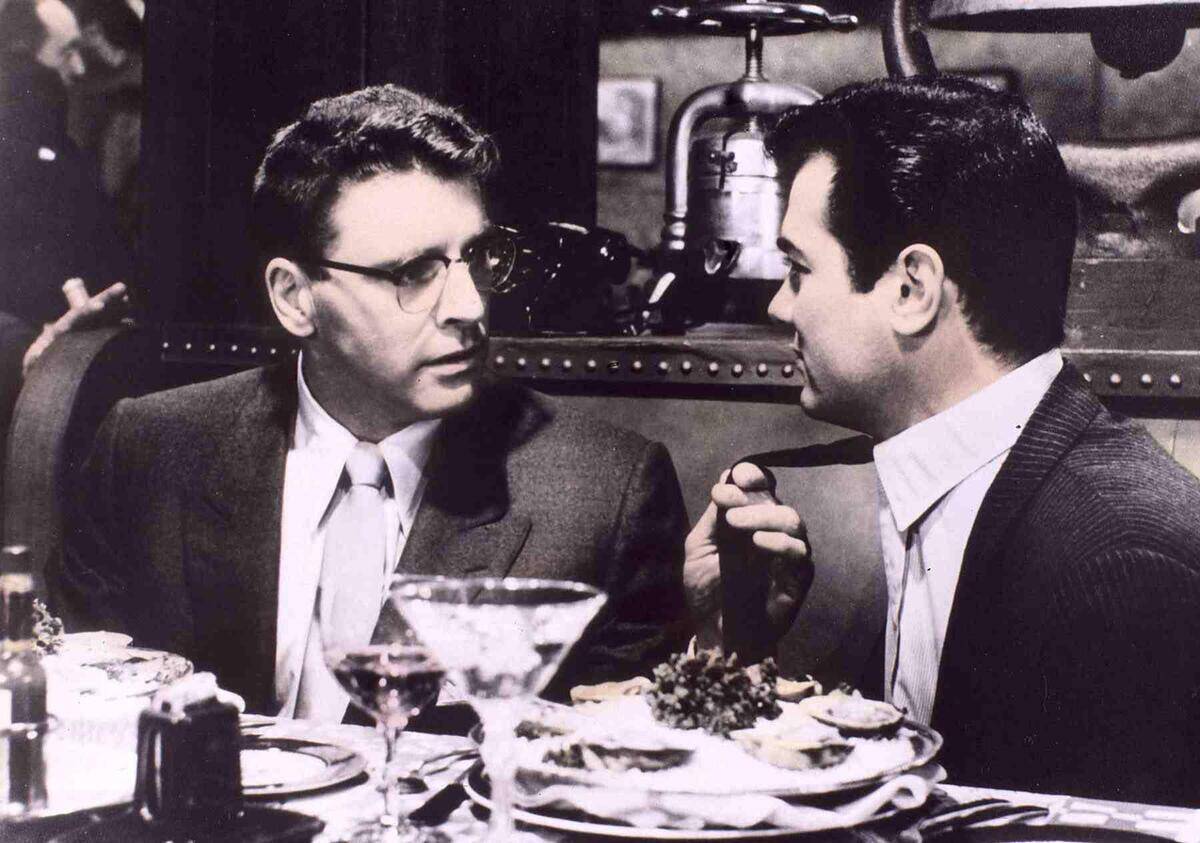
Alexander Mackendrick’s Sweet Smell of Success is a sharp critique of media, ambition, and power. Released in 1957, it stars Burt Lancaster and Tony Curtis in a story of ruthless ambition and moral compromise within New York’s media world.
The film’s biting dialogue and noir-inspired cinematography create a tense atmosphere that captivates viewers. Its exploration of the darker side of success, influence, and manipulation remains compelling and thought-provoking.
“The 400 Blows”: A Touching Coming-of-Age Story
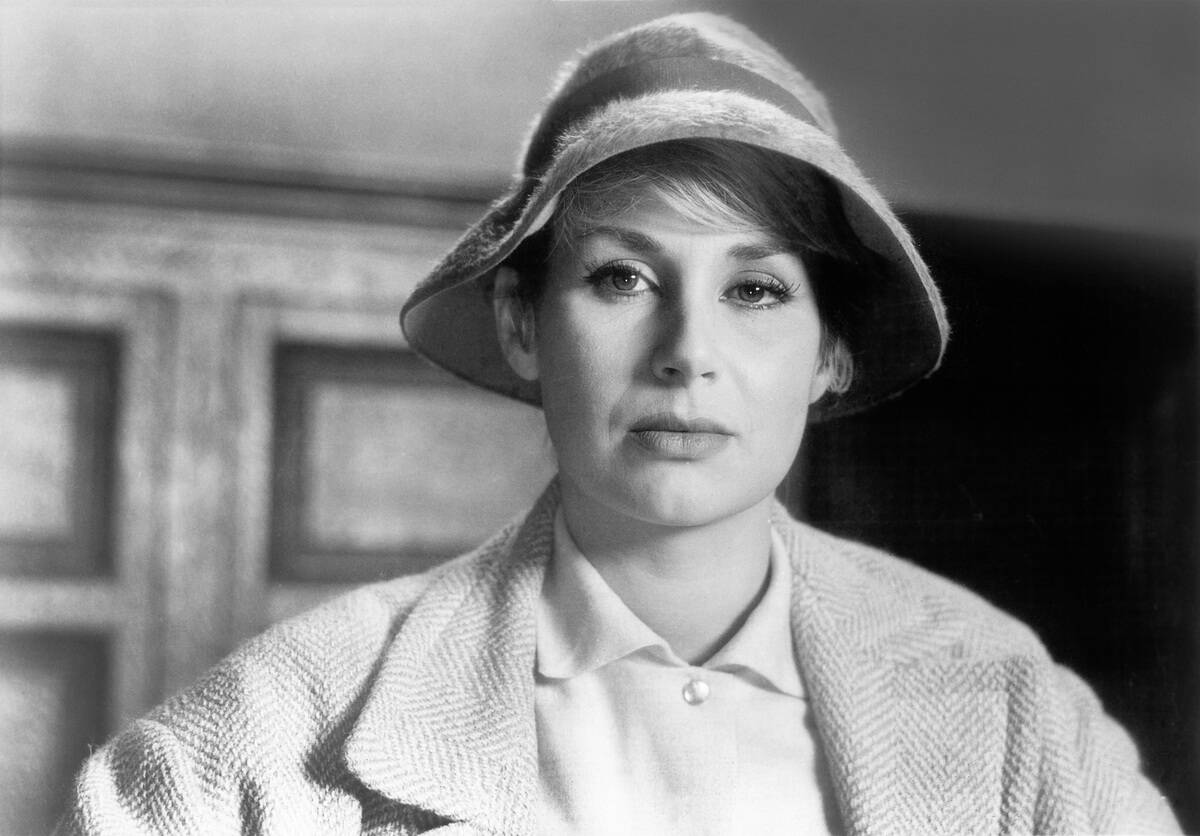
François Truffaut’s The 400 Blows is a poignant depiction of youth, alienation, and rebellion. Released in 1959, it follows the story of a young boy navigating a troubled childhood in Paris.
The film’s naturalistic style and heartfelt performances capture the complexities of adolescence with authenticity. Its major influence on the French New Wave and its universal themes of freedom, identity, and growing up continue to resonate with audiences worldwide.
“To Be or Not to Be”: A Comedy with a Bold Message
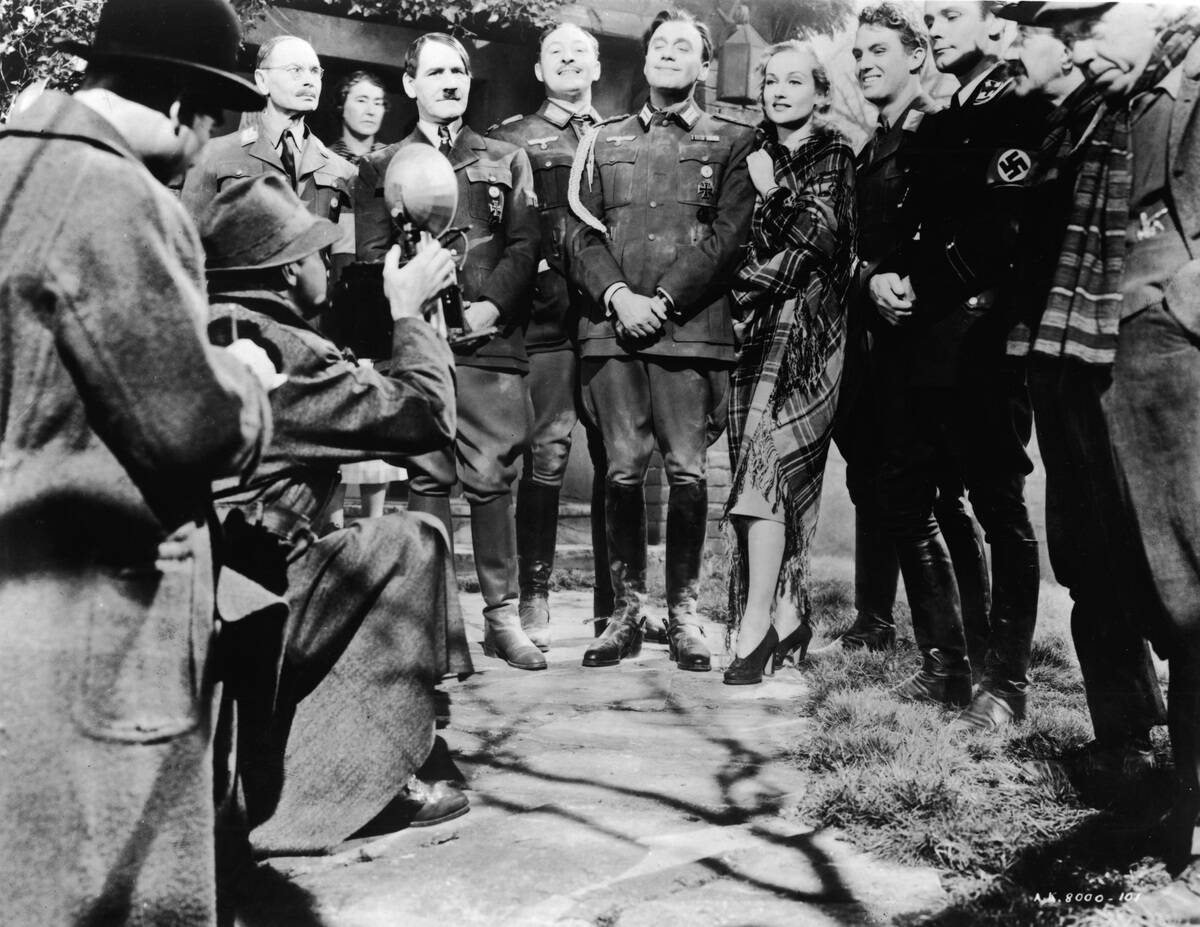
Ernst Lubitsch’s To Be or Not to Be is a daring comedy set during World War II. Released in 1942, it stars Jack Benny and Carole Lombard as actors who become involved in a plot to resist the Nazis in occupied Poland.
The film’s clever script and comedic timing balance humor with a serious message about resistance, courage, and deception. Its ability to blend comedy with commentary on war and oppression has made it a timeless classic.
“The Apartment”: A Romantic Comedy with Depth
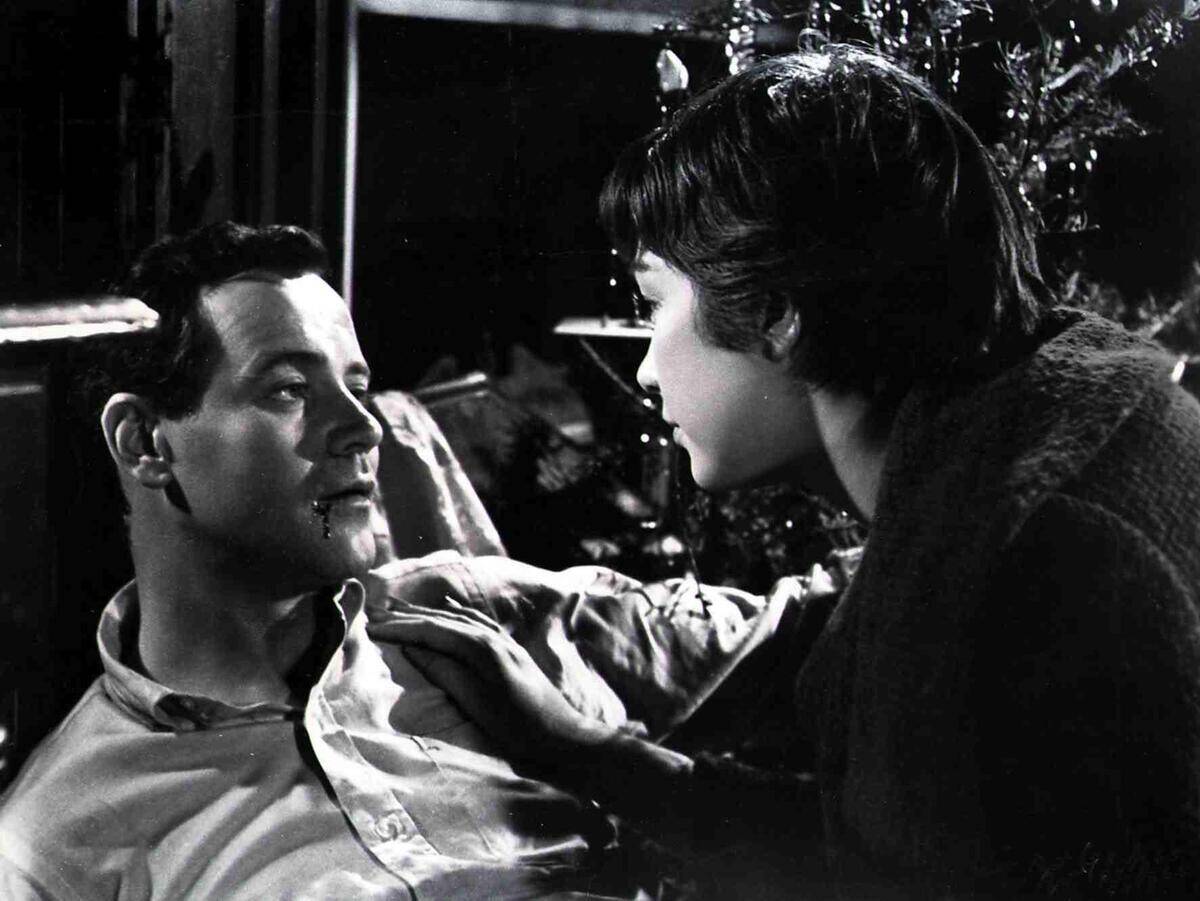
Billy Wilder’s The Apartment is a romantic comedy-drama that explores themes of loneliness, ambition, and integrity. Released in 1960, it stars Jack Lemmon and Shirley MacLaine in a story of love and career pressures in corporate America.
The film’s blend of humor and emotional depth, along with its sharp critique of workplace politics, has earned it widespread critical acclaim. Its enduring appeal lies in its relatable characters, thoughtful themes, and heartfelt storytelling.