Archaeological discoveries that changed history
Archaeology offers us a fascinating glimpse into the lives of ancient civilizations, uncovering secrets buried for centuries. These discoveries not only enrich our understanding of history but also connect us to our shared human heritage.
From monumental structures to everyday artifacts, each find adds a piece to the puzzle of our past. The stories they tell are not just about the people who lived long ago but also about the evolution of human society.
The Rosetta Stone: Cracking the Code of Ancient Languages
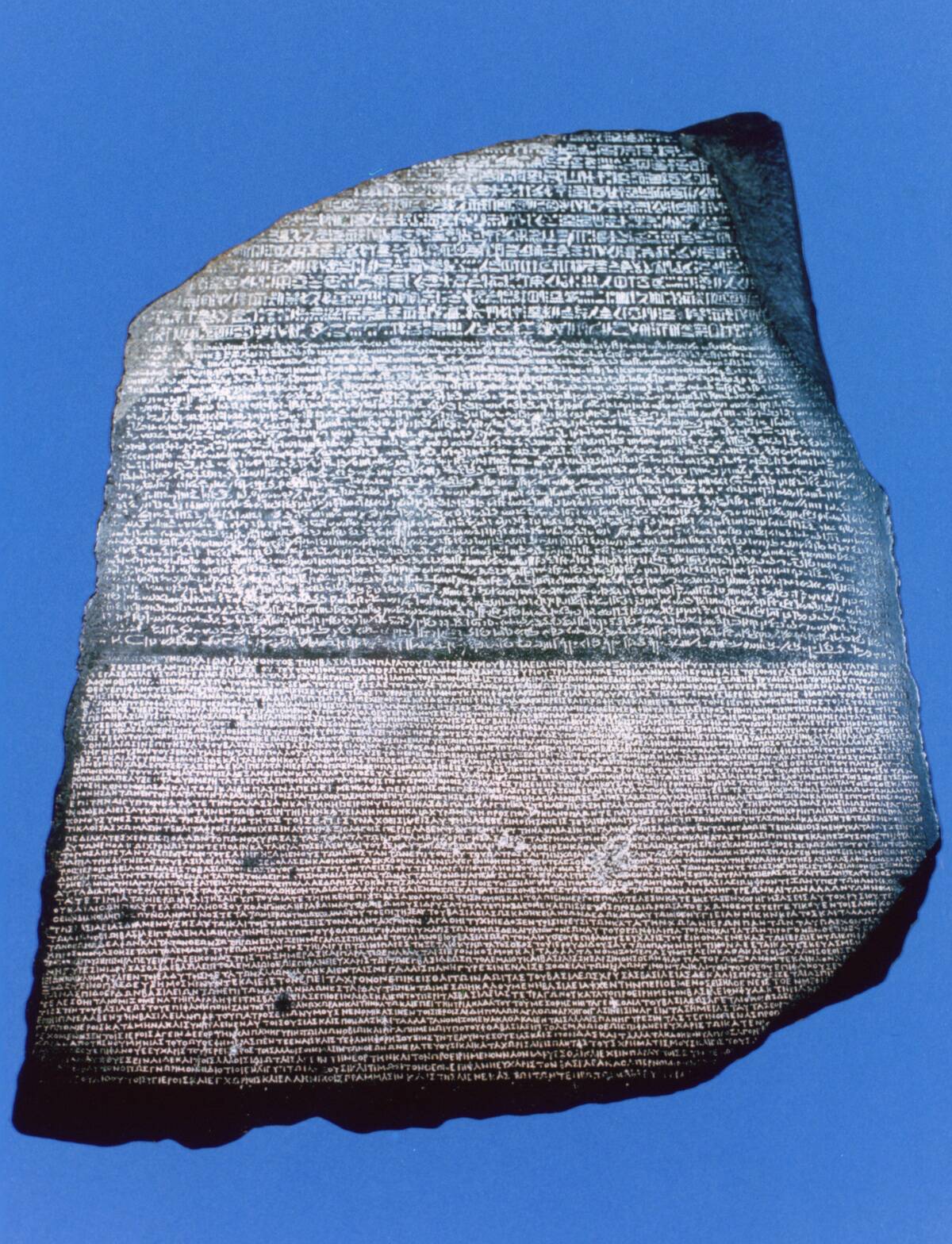
The Rosetta Stone, discovered in 1799, was crucial to deciphering Egyptian hieroglyphs. This granodiorite stele, inscribed with the same decree in Greek, Demotic, and hieroglyphs, gave scholars the vital clues needed to unlock the ancient Egyptian writing system.
Its discovery was a breakthrough in Egyptology, leading to a greater understanding of ancient Egyptian culture and history. The stone is now housed in the British Museum, continuing to be a symbol of linguistic triumph.
King Tutankhamun’s Tomb: The Boy King’s Lasting Legacy
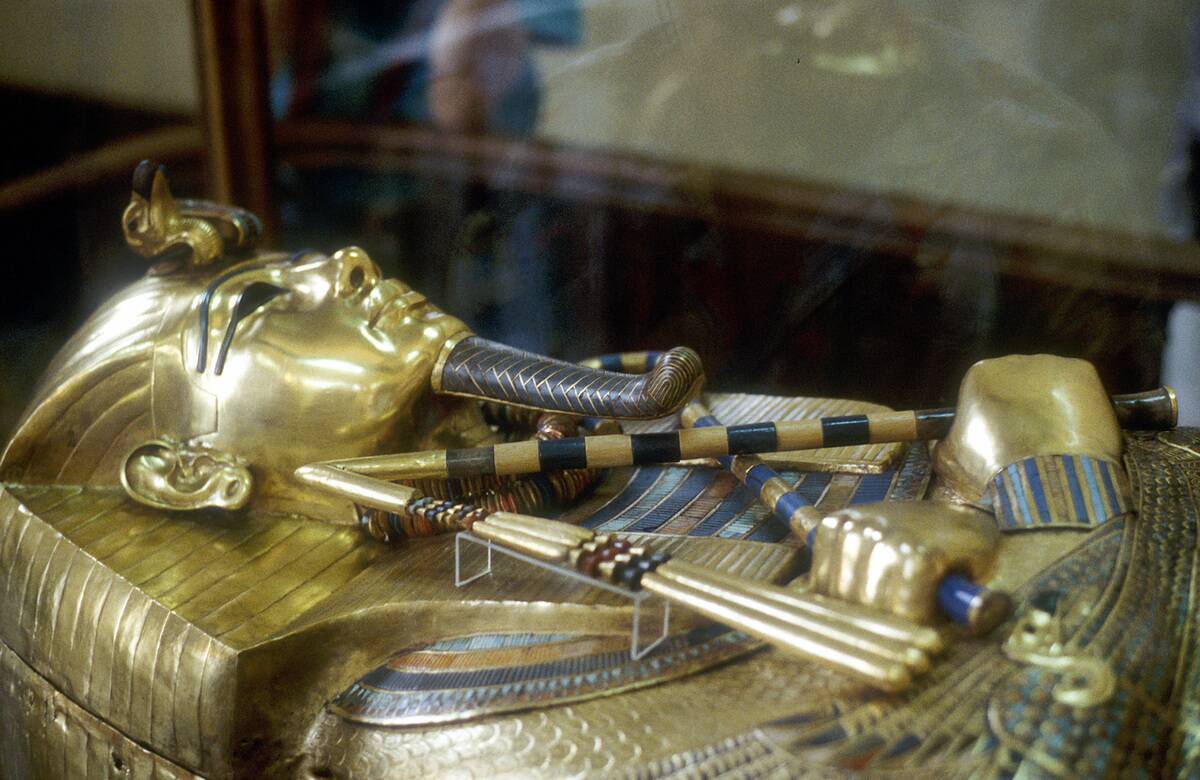
The discovery of King Tutankhamun’s tomb in 1922 by Howard Carter was a sensation, revealing a nearly intact burial filled with treasures. The boy king’s tomb provided invaluable insights into the burial practices and daily life of ancient Egypt.
Among the artifacts was the iconic golden death mask, which has become a symbol of ancient Egyptian civilization. King Tut’s legacy endures, captivating the imagination of people around the world.
The Terracotta Army: China’s Buried Warriors

In 1974, farmers in China’s Shaanxi province stumbled upon one of the most remarkable archaeological finds: the Terracotta Army. This vast collection of life-sized clay soldiers was created to accompany China’s first emperor, Qin Shi Huang, in the afterlife.
Each warrior is richly detailed, with variations in facial features, clothing, hairstyles, and military rank, showcasing the organization of the Qin army. The site is a testament to the emperor’s power and the sophistication of ancient Chinese craftsmanship.
Machu Picchu: The Lost City of the Incas
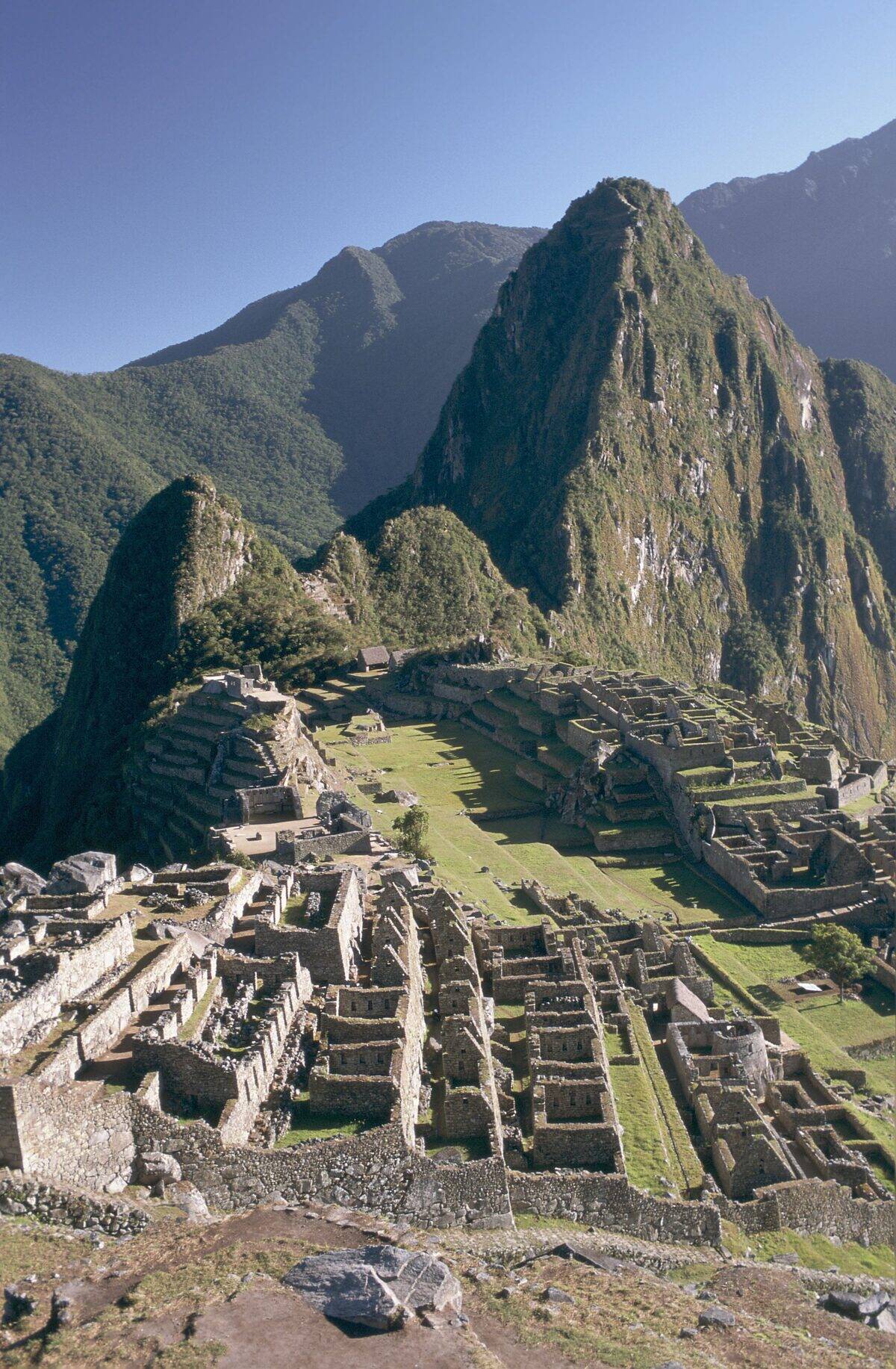
Perched high in the Andes Mountains, Machu Picchu is a stunning example of Inca engineering and architecture. Brought to international attention by Hiram Bingham in 1911, this ancient site had remained relatively isolated from the outside world for centuries.
Its precise stonework and terraced fields reveal the ingenuity of the Inca civilization. Machu Picchu remains a symbol of Inca culture and is one of the world’s most renowned archaeological sites, attracting large numbers of visitors each year.
The Dead Sea Scrolls: Biblical Revelations in the Caves
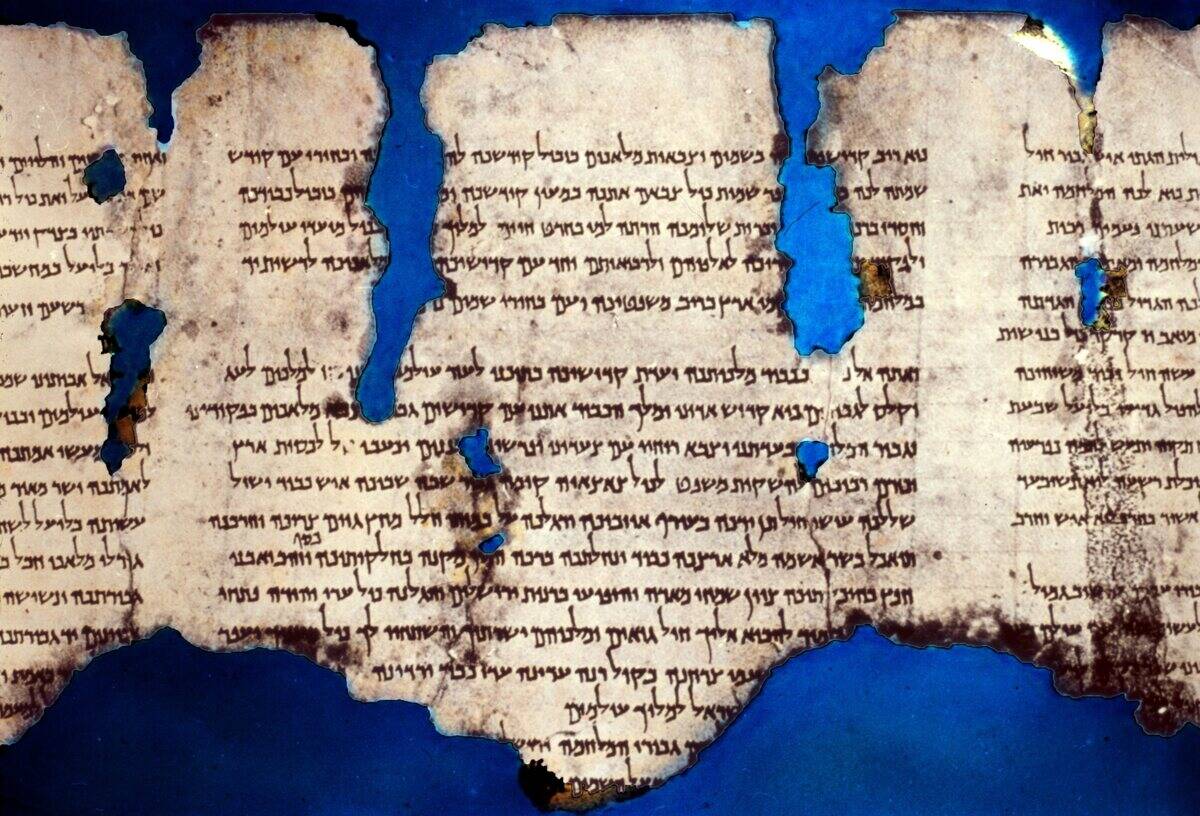
The Dead Sea Scrolls, discovered between 1947 and 1956 in the Qumran Caves, are among the most significant archaeological finds of the 20th century. These ancient manuscripts include some of the earliest known surviving copies of texts from the Hebrew Bible, offering valuable insights into Jewish history and religion.
The scrolls have shed light on the diversity of religious thought during the Second Temple period. Their discovery has been pivotal in biblical studies, providing a deeper understanding of ancient Judaism and the transmission of biblical texts.
Pompeii: A Snapshot of Roman Life Frozen in Time
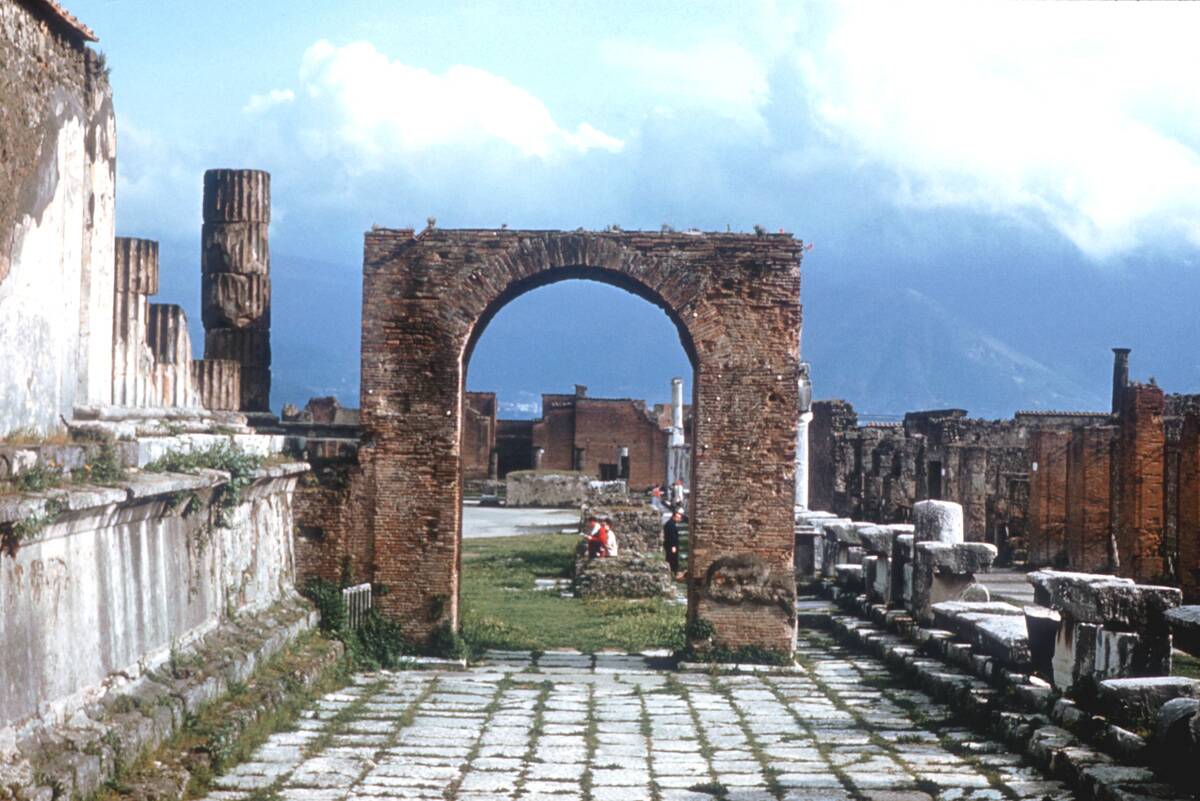
The ancient city of Pompeii was buried under volcanic ash and other debris in AD 79 when Mount Vesuvius erupted, preserving a remarkable snapshot of Roman life. Excavations have revealed remarkably well-preserved buildings, frescoes, and everyday objects, offering a vivid picture of life in the Roman world.
The site provides invaluable insights into Roman architecture, social structures, and daily routines. Pompeii continues to captivate historians and tourists alike, serving as a poignant reminder of nature’s power and the fragility of human life.
The Tomb of the First Emperor of China: Secrets of the Qin Dynasty
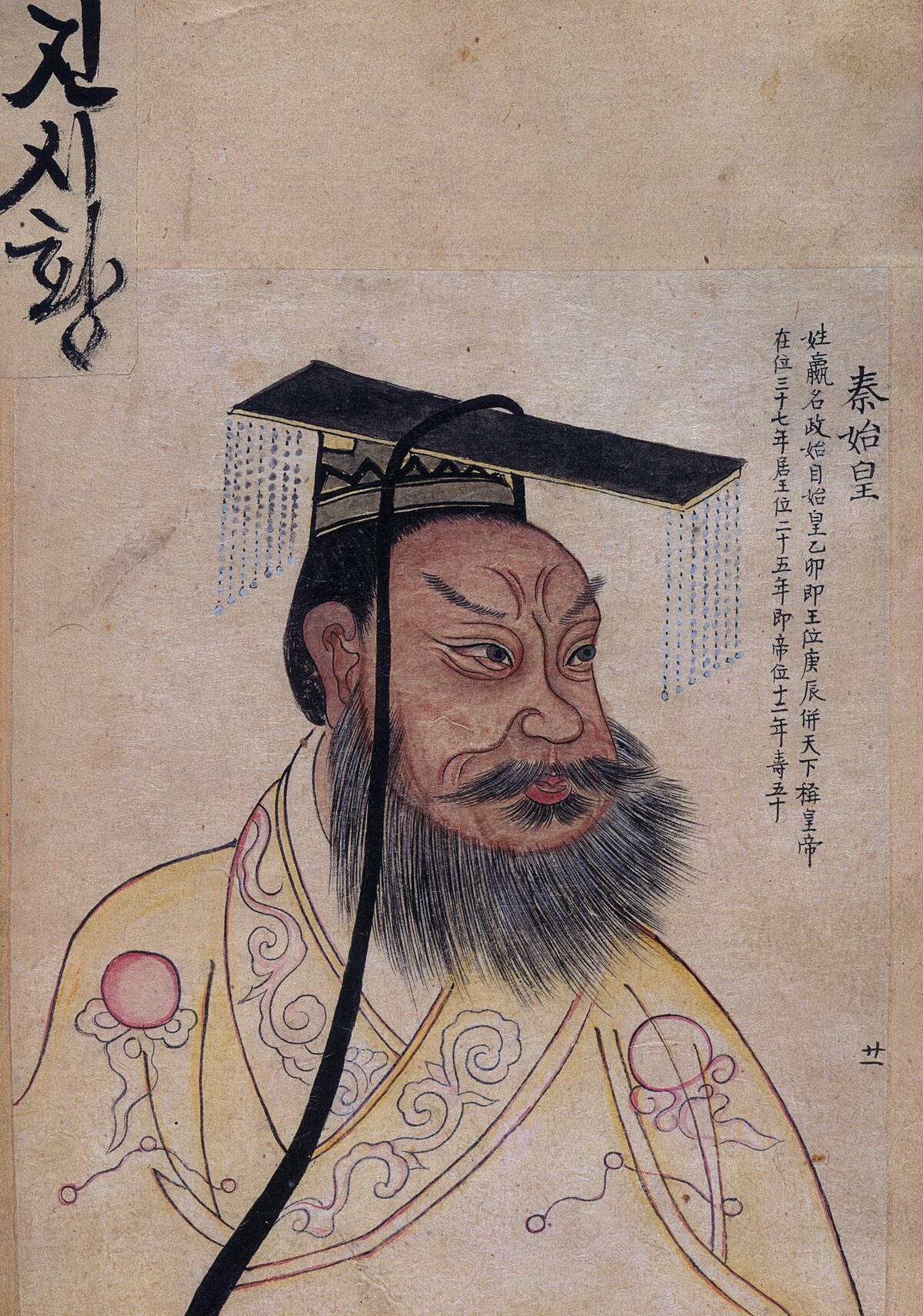
The tomb of Qin Shi Huang, the first emperor of China, remains largely unexcavated, shrouded in mystery. Located near the Terracotta Army, the mausoleum is believed to contain a vast underground palace. Ancient texts describe rivers of mercury and a ceiling adorned with celestial representations.
Archaeological surveys have revealed some features beneath and around the mausoleum, while elevated mercury levels have provided intriguing evidence consistent with ancient accounts. The full contents of the central tomb remain unknown, standing as a testament to the emperor’s ambition and the grandeur of the Qin Dynasty.
The Cave of Altamira: Prehistoric Artistry in Spain
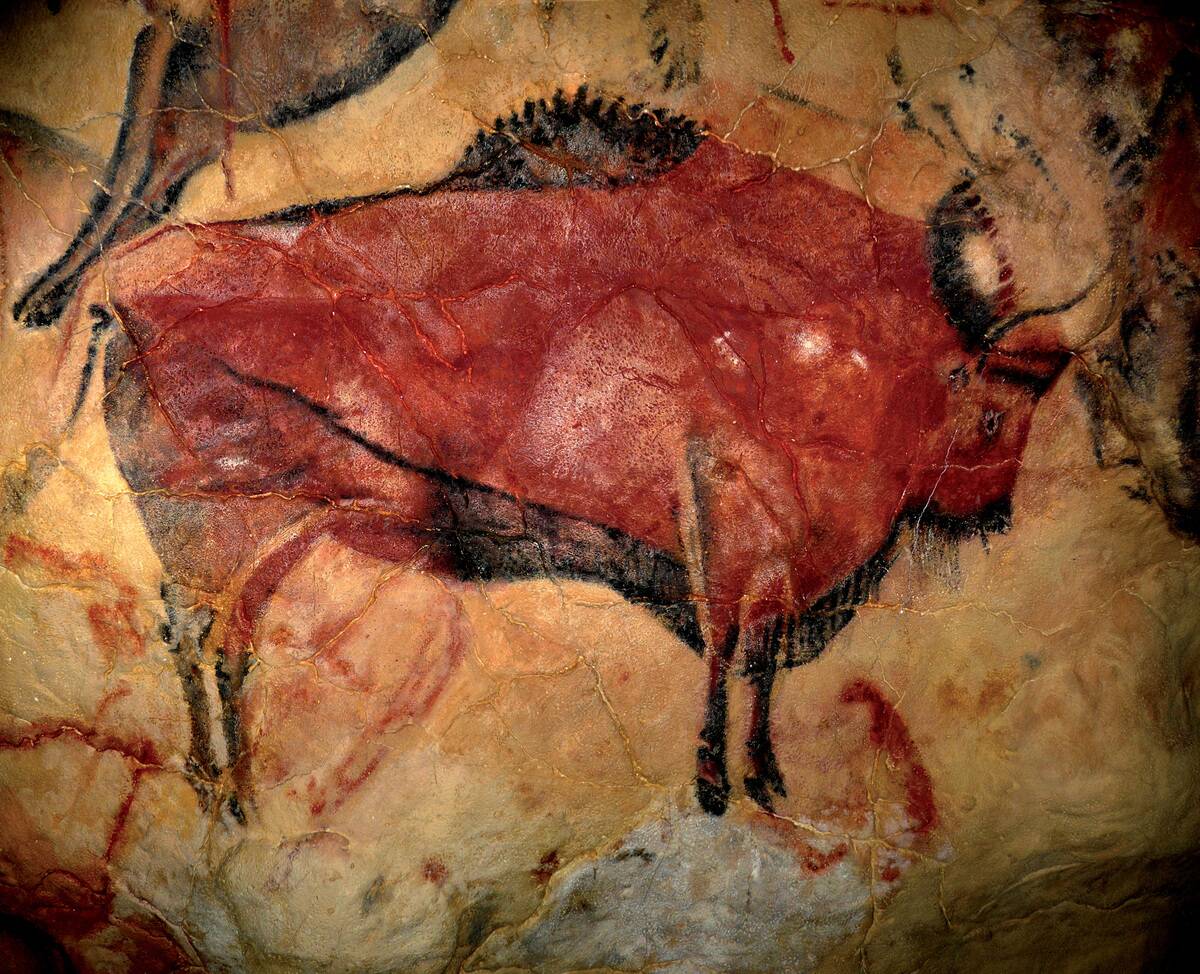
The Cave of Altamira, brought to archaeological attention in the late 19th century, is renowned for its stunning prehistoric paintings. These vivid depictions of bison, horses, and handprints date to the Upper Paleolithic period, showcasing the artistic abilities of early humans.
The cave’s art provides valuable insights into the symbolic culture and artistic practices of our ancestors, although its precise purposes remain uncertain. Altamira is often referred to as the “Sistine Chapel of Prehistory,” highlighting the sophistication and creativity of Upper Paleolithic cultures.
Göbekli Tepe: Rethinking the Dawn of Civilization
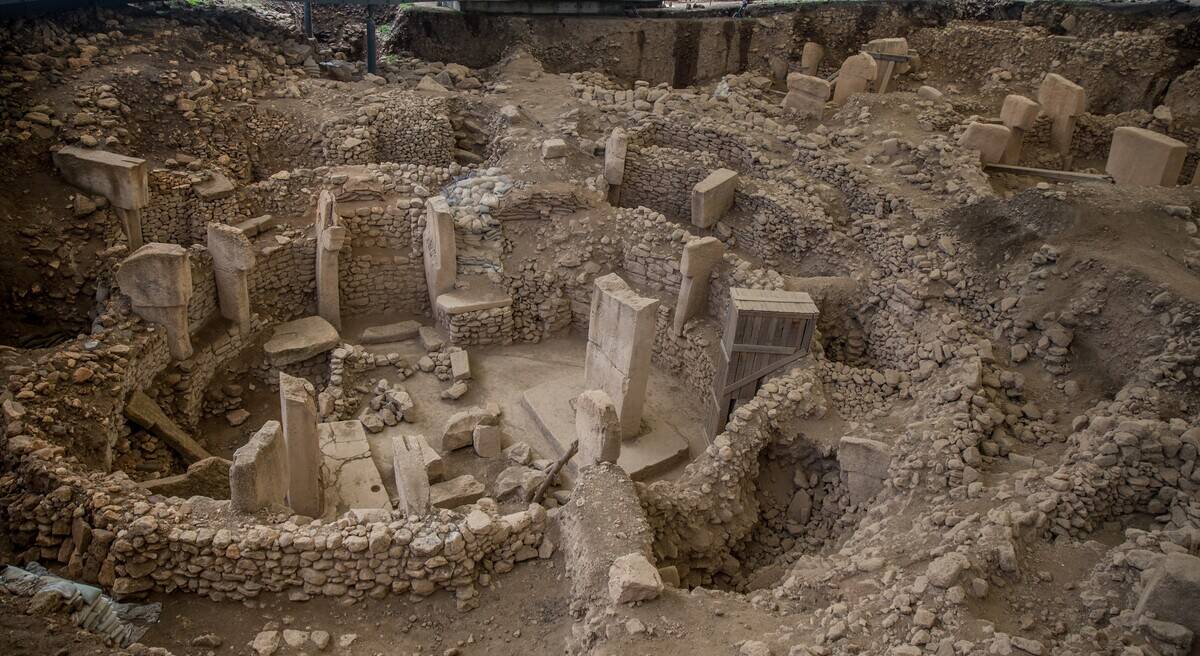
Göbekli Tepe, located in modern-day Turkey, is one of the world’s oldest known monumental ritual sites, dating back to around 9600 BC. Its discovery has challenged traditional views of the development of human society, demonstrating that hunter-gatherers built monumental structures before agriculture was fully established.
The site features massive stone pillars adorned with intricate carvings of animals, offering clues about the symbolic and ritual practices of early communities. Göbekli Tepe continues to reshape our understanding of the origins of complex societies and civilization.
The Antikythera Mechanism: Ancient Greek Astronomical Computer
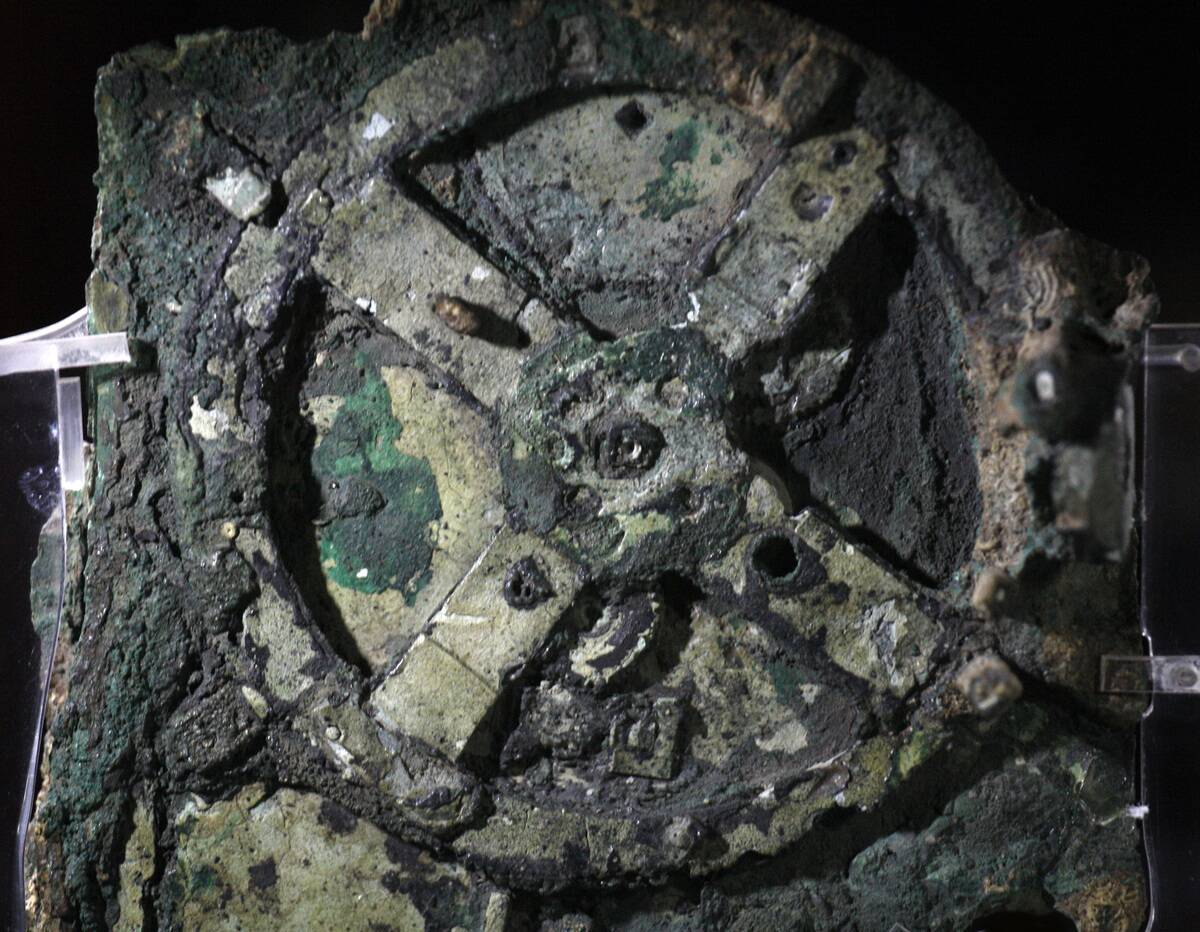
The Antikythera Mechanism, discovered in a shipwreck off the coast of Greece in 1901, is often described as the world’s oldest known analog computer. This intricate device, dating to the late 2nd or early 1st century BC, was used to model astronomical cycles and predict eclipses.
Its complexity demonstrates a remarkable level of technological sophistication in ancient Greece. The mechanism has fascinated scientists and historians, offering a glimpse into the advanced astronomical and mechanical knowledge of the Hellenistic period.
The Nazca Lines: Mysterious Geoglyphs in the Peruvian Desert
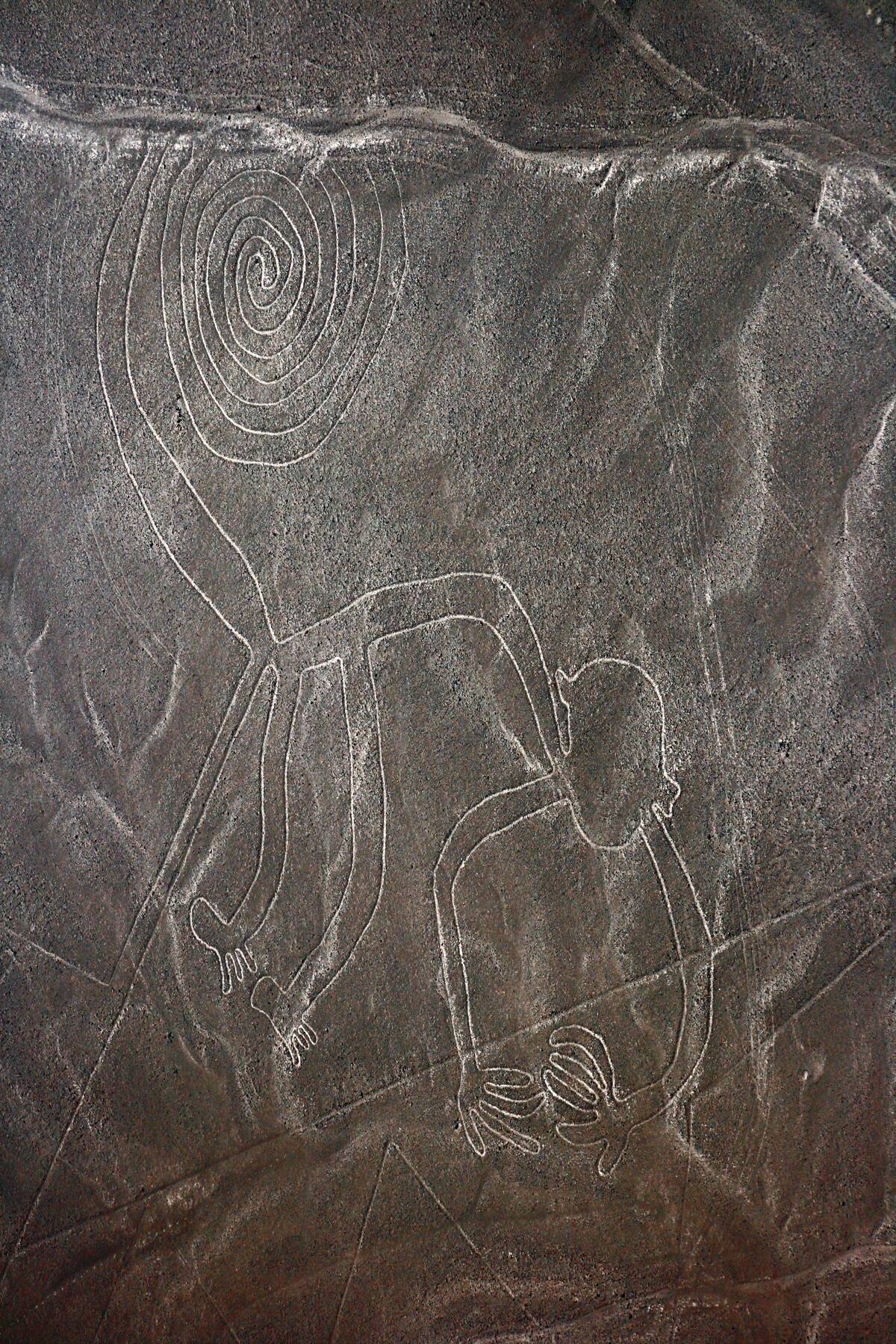
The Nazca Lines, etched into the arid plains of southern Peru, are a series of large geoglyphs depicting animals, plants, and geometric shapes. Created primarily between about 200 BC and AD 600, they are associated with the Nazca culture and earlier traditions.
Their purpose remains uncertain. Some theories suggest they had religious or ceremonial significance, while others propose connections to water and fertility rituals. The lines are best appreciated from above, adding to their enigmatic allure and drawing visitors from around the globe.
The Sutton Hoo Ship Burial: Unearthing Anglo-Saxon England
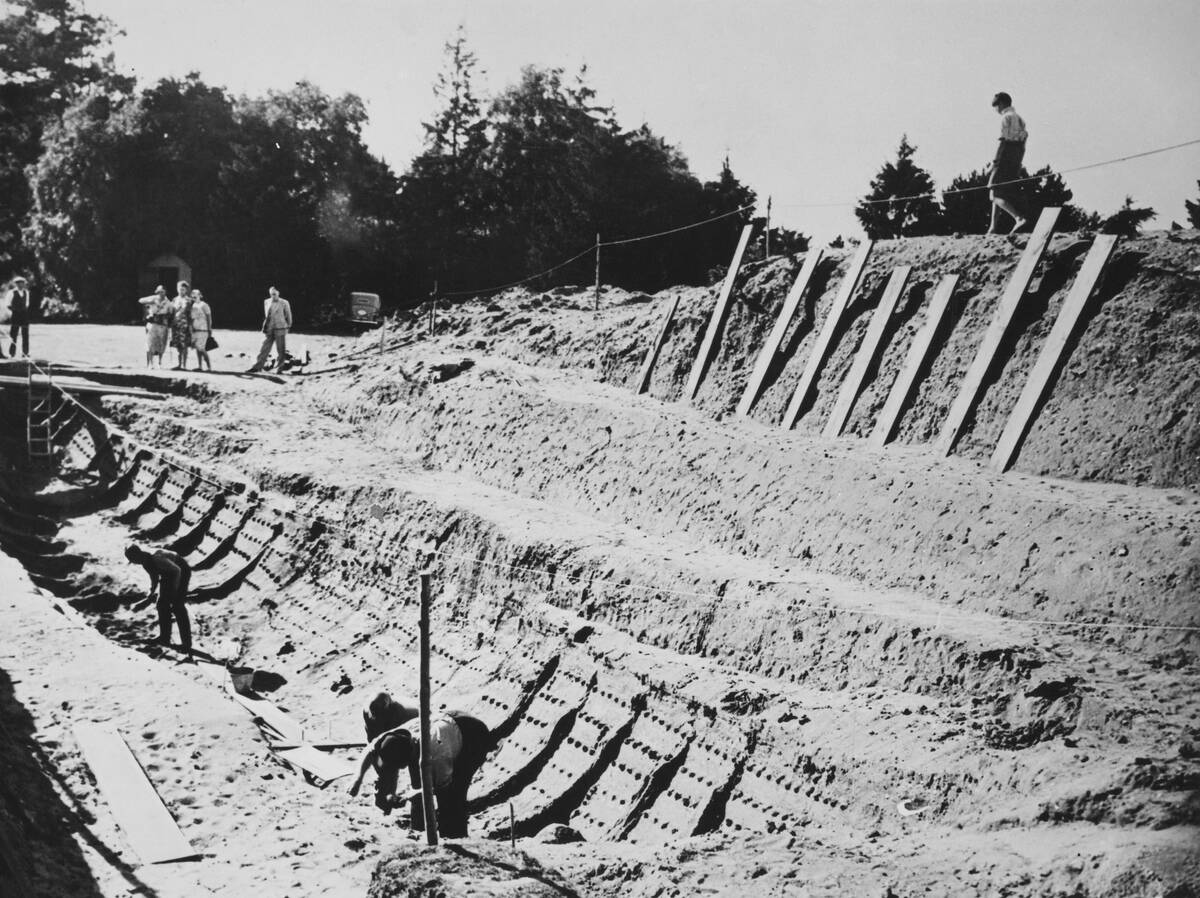
The Sutton Hoo ship burial, discovered in 1939 in Suffolk, England, is one of the most significant archaeological finds in British history. This early 7th-century burial contained a wealth of treasures, including a ceremonial helmet, weapons, gold artifacts, and objects from across Europe.
The discovery provided a rare glimpse into the world of the Anglo-Saxons, revealing their craftsmanship, wealth, and connections with other cultures. Sutton Hoo has deepened our understanding of early medieval England and its rich cultural heritage.
The Lascaux Caves: A Journey into Prehistoric France
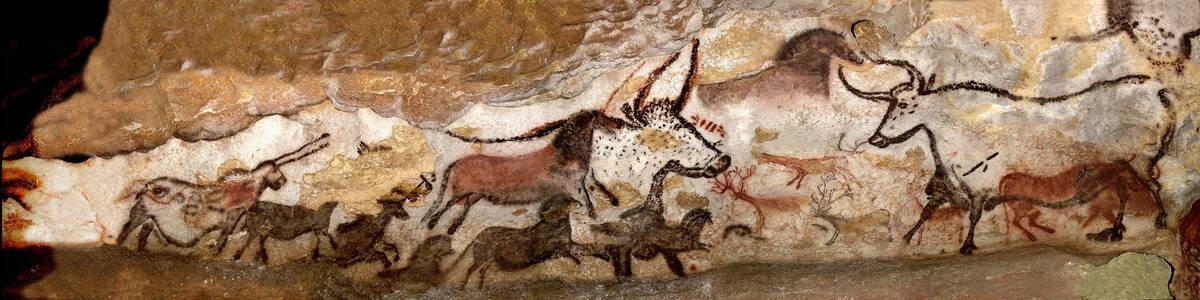
The Lascaux Caves in southwestern France are renowned for their remarkable prehistoric paintings, discovered in 1940. These vivid depictions of animals, such as horses, aurochs, and deer, date in part to around 17,000 years ago.
The artwork provides valuable insights into the artistic and symbolic practices of Upper Paleolithic humans, showcasing their remarkable skills and creativity. Lascaux is part of a UNESCO World Heritage Site, preserving this extraordinary glimpse into the artistic achievements of our distant ancestors.
The Clovis Culture: Tracing the First Americans
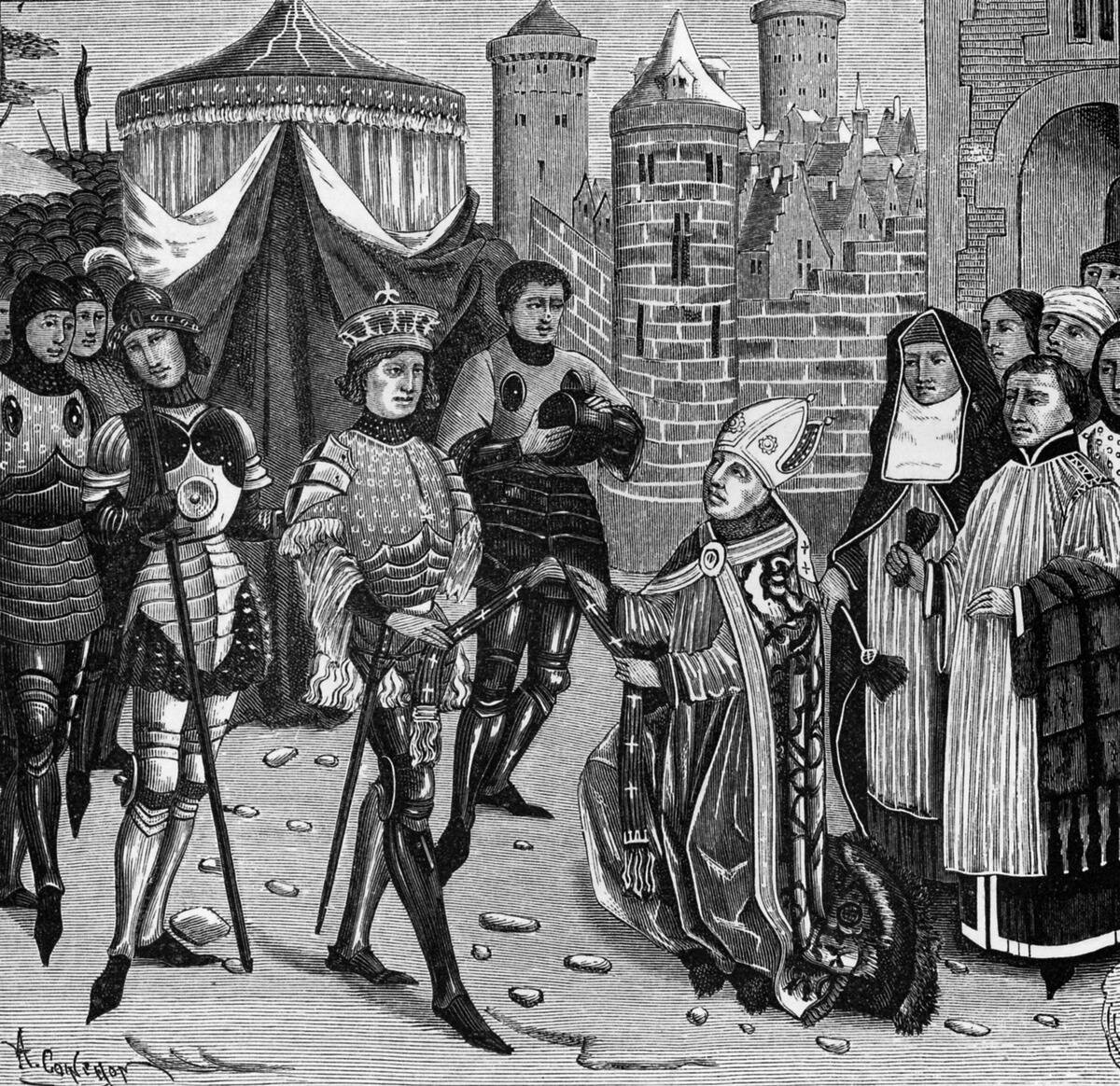
The Clovis culture, identified by distinctive fluted stone tools, represents one of the earliest widely recognized archaeological traditions in North America. Dating to around 13,000 years ago, Clovis sites have been found across large parts of the continent, providing evidence of early hunter-gatherer populations.
The discovery of Clovis tools has helped archaeologists investigate the movements and adaptations of early populations in the Americas. This culture remains important for understanding the peopling of the Americas and the adaptation of humans to diverse environments.
Stonehenge: The Enigma of the Megaliths
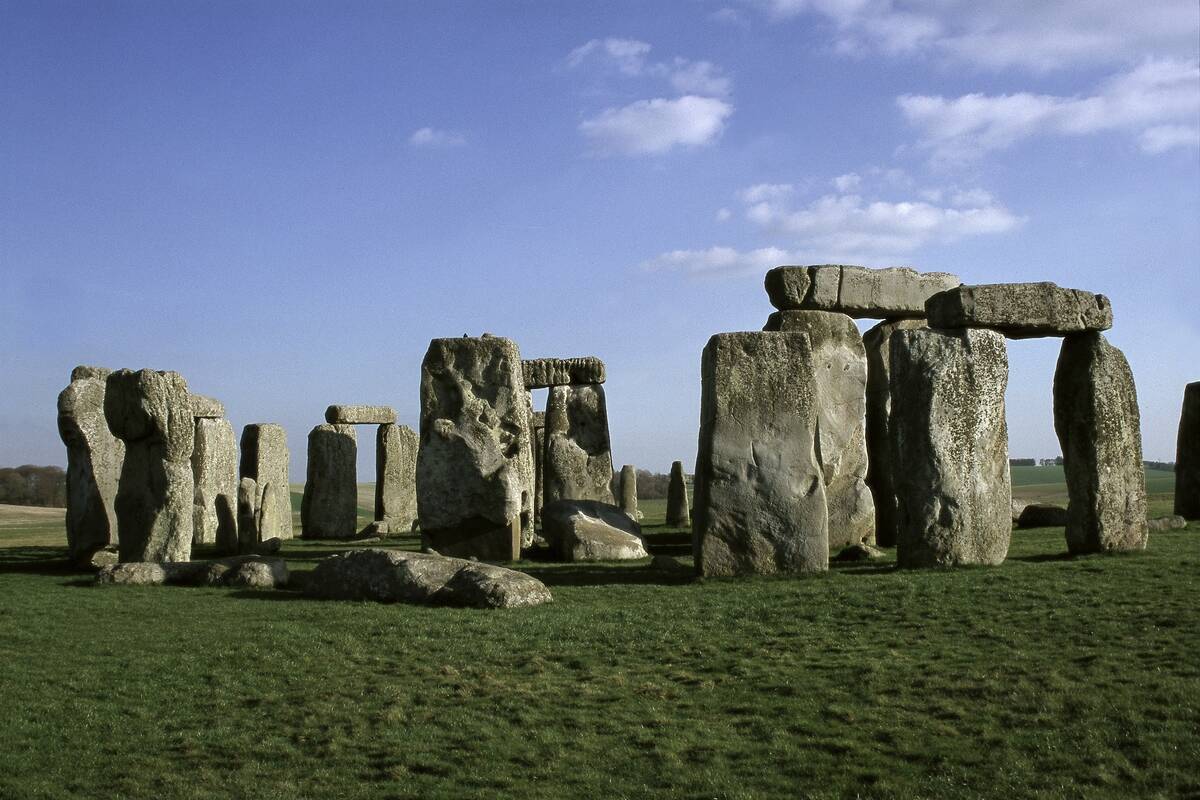
Stonehenge, located on Salisbury Plain in England, is one of the world’s most famous prehistoric monuments. Comprising massive standing stones arranged in several formations, its precise purpose remains a subject of debate.
Theories range from a ceremonial or religious site to a monument incorporating significant astronomical alignments. The main stone structures were erected around 2500 BC, although the site developed over many centuries. Stonehenge continues to captivate researchers and visitors alike, standing as a symbol of prehistoric ingenuity and cultural significance.
The Pyramids of Giza: Engineering Marvels of Ancient Egypt
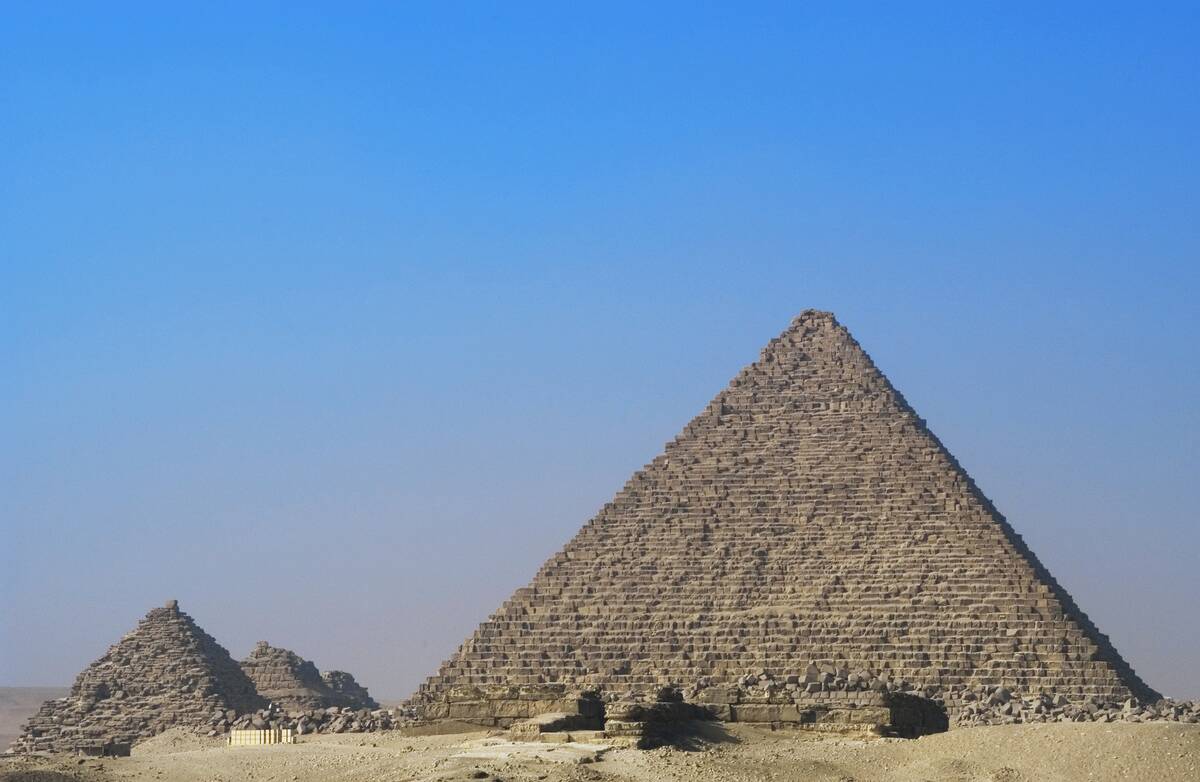
The Pyramids of Giza, built during the Fourth Dynasty of the Old Kingdom, are among the most iconic symbols of ancient Egypt. The Great Pyramid, constructed as the tomb of Pharaoh Khufu, was the tallest known human-made structure for roughly 3,800 years.
These monumental tombs reflect the Egyptians’ architectural prowess and their beliefs about the afterlife. The pyramids continue to fascinate researchers and visitors from around the world, inspiring study of their construction, engineering, and role in ancient Egyptian society.




