Facts about some of the strangest beauty standards of the 1900s
The 1900s were a fascinating time for fashion and beauty, with trends that might seem peculiar to us today. As society evolved, so did the ideals of beauty, often reflecting broader cultural changes.
From the iconic Gibson Girl to the rise of the beauty pageant, these standards were as diverse as they were intriguing. Let’s take a journey through the quirks and charms of early 20th-century beauty trends.
The Gibson Girl: The Ideal of Feminine Beauty
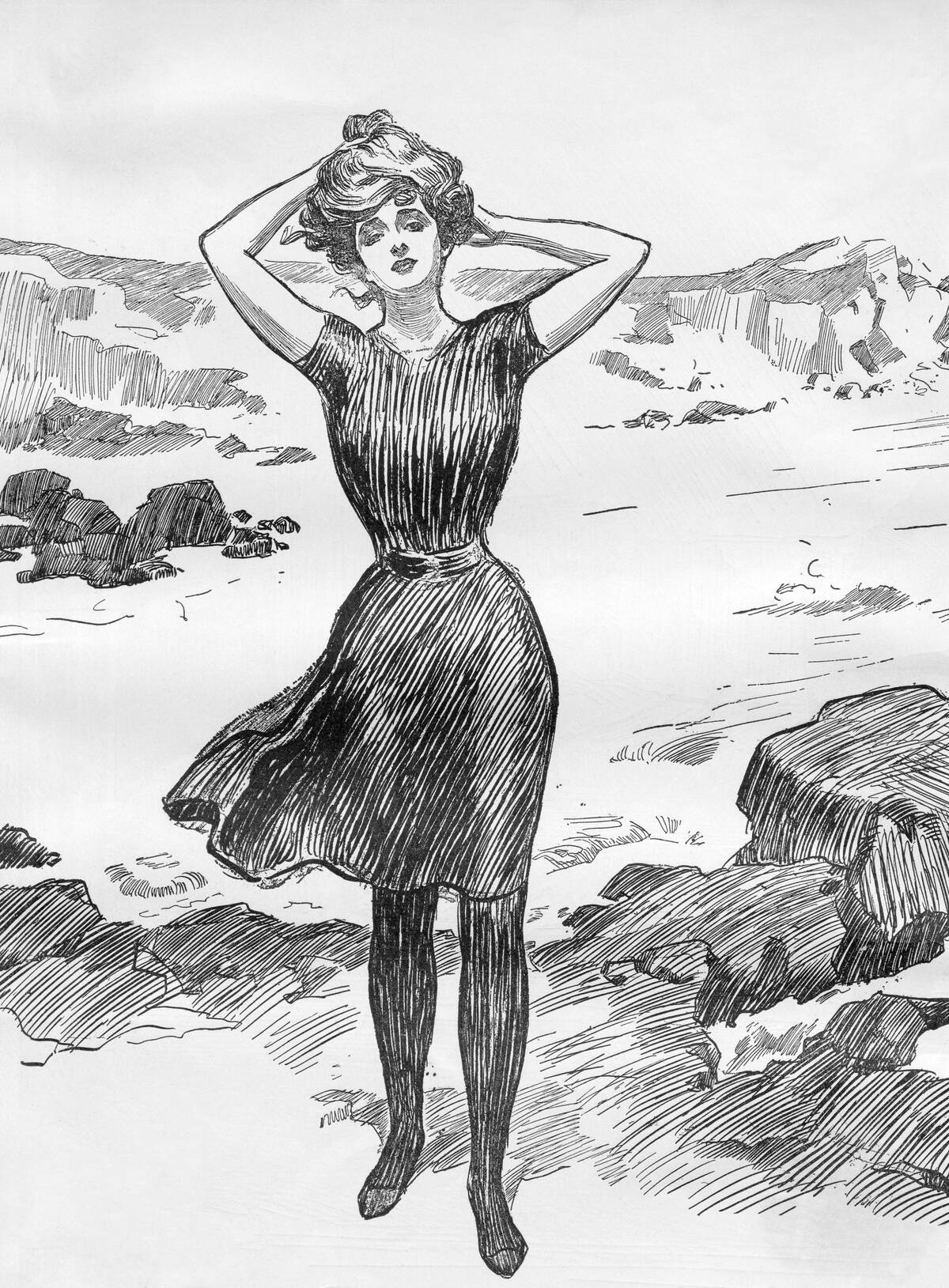
The Gibson Girl, created by illustrator Charles Dana Gibson, was the epitome of feminine beauty in the early 1900s. She was characterized by her tall stature, elegant poise, and voluminous hair piled high on her head.
This idealized figure was not just about looks; she embodied independence and confidence, reflecting the changing roles of women in society. The Gibson Girl was a cultural icon, representing a blend of beauty and modernity.
The Corset Craze: A Squeeze for the Perfect Figure
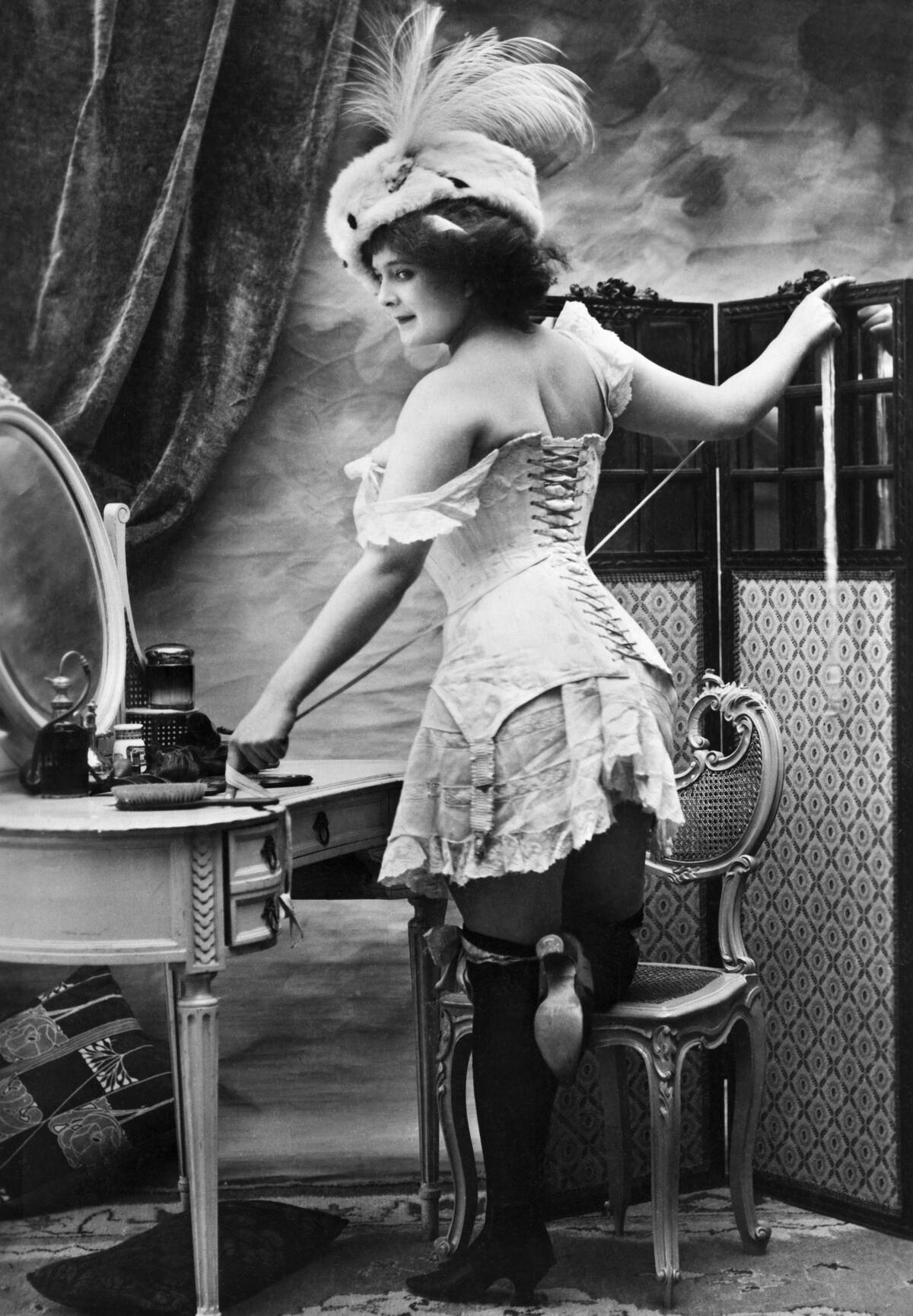
Corsets were all the rage in the 1900s, with women enduring tight lacing to achieve the S-bend or ‘pigeon-breast’ silhouette. These garments were designed to cinch the waist and accentuate the bust and hips, creating a dramatic silhouette.
Despite the discomfort, corsets were seen as essential for a fashionable appearance. They were often made of silk or satin and adorned with lace, making them as much about style as they were about shaping the body.
The Bobbed Hair Revolution: Short Hair, Don’t Care
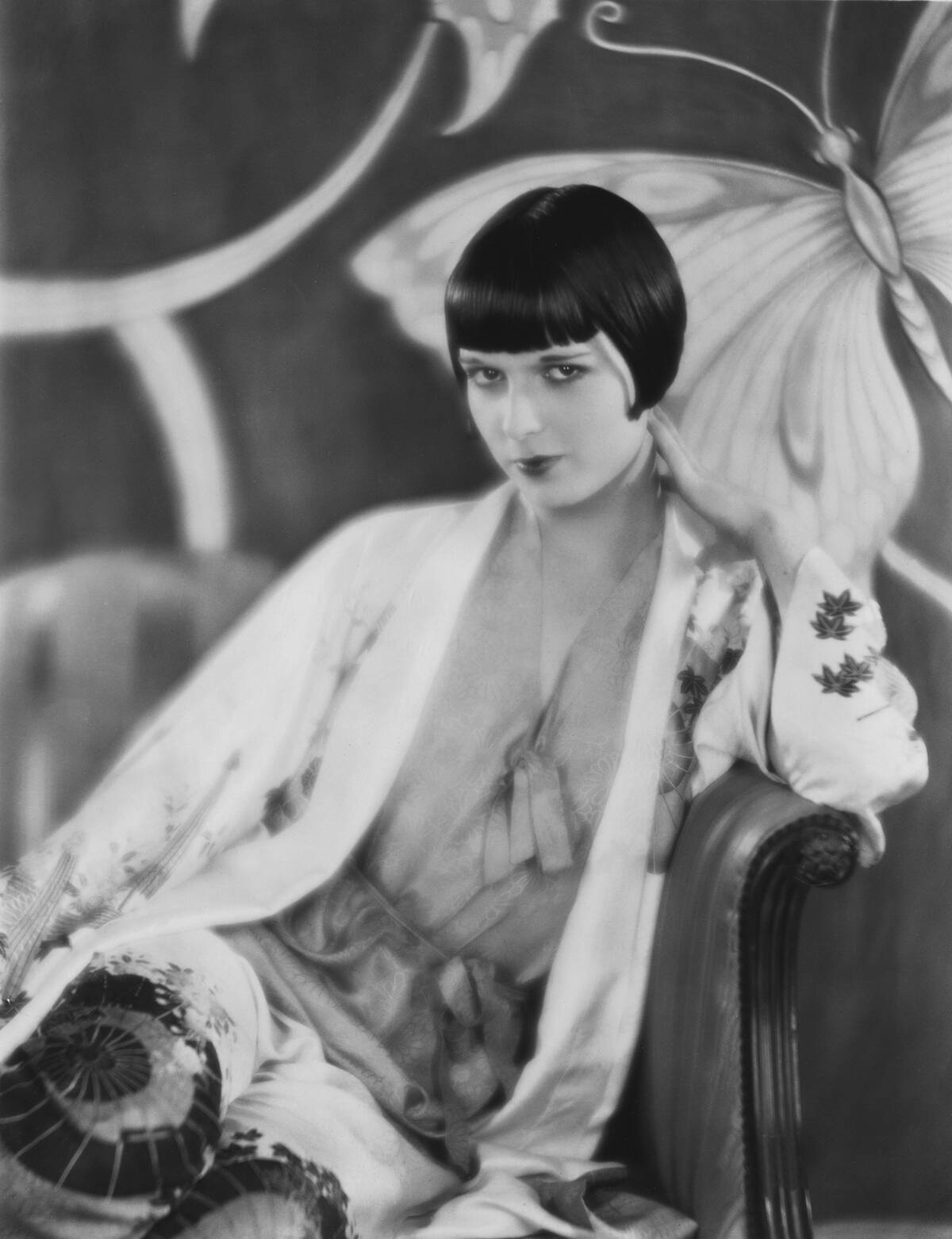
The 1920s saw a dramatic shift in hairstyles with the bobbed hair revolution. Women began cutting their hair short, a trend popularized by flappers and celebrities like Louise Brooks.
This bold move was more than a fashion statement; it symbolized liberation and a break from traditional gender roles. The bob was easy to maintain and exuded a sense of youthful rebellion, perfectly capturing the spirit of the Roaring Twenties.
The Pale Complexion Obsession: Staying Out of the Sun
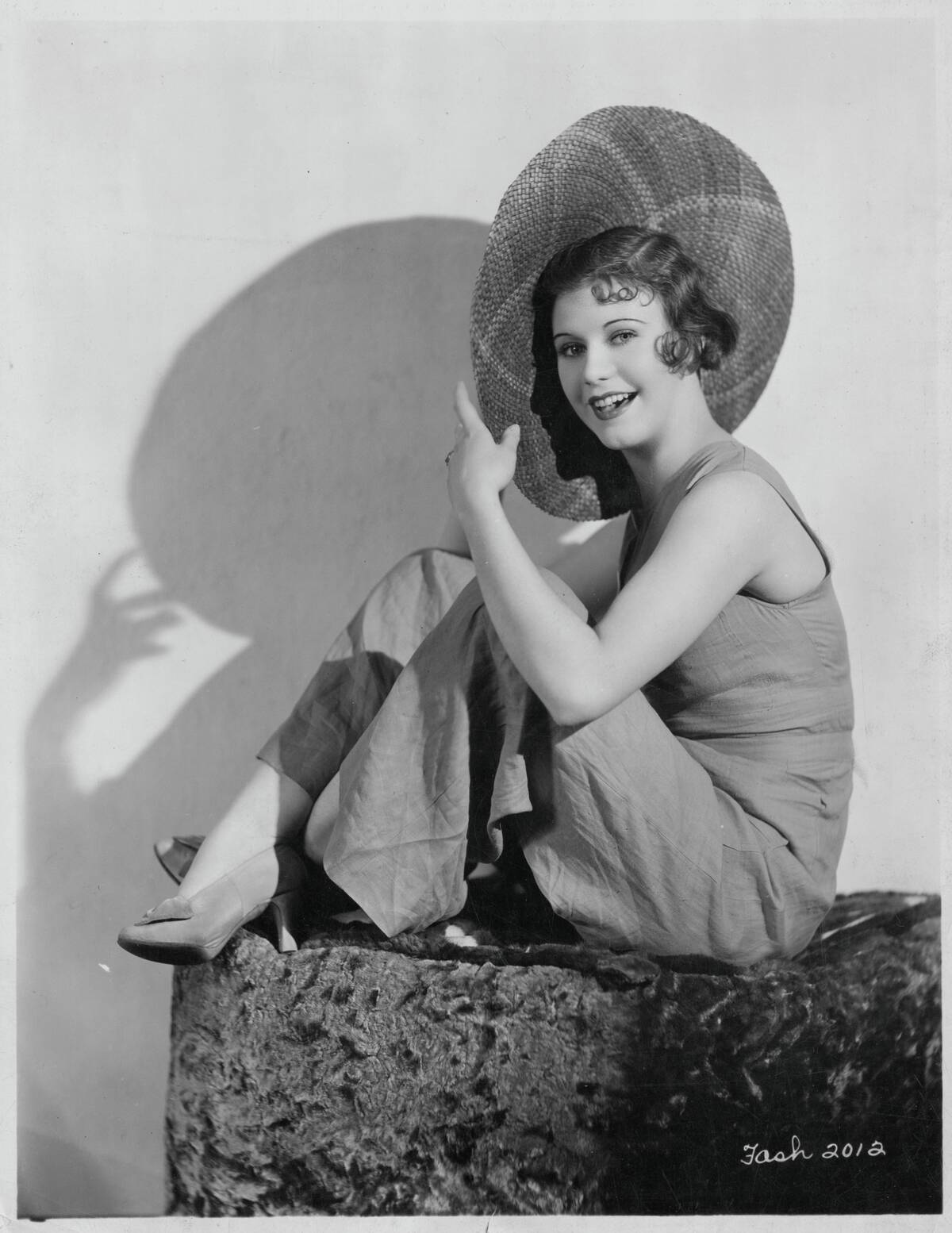
In the early 1900s, a pale complexion was highly prized, as it was associated with wealth and leisure. Women went to great lengths to avoid sun exposure, often using parasols and wide-brimmed hats.
Some even applied powders and creams to achieve an even paler look. This beauty standard was rooted in class distinctions, as tanned skin was linked to outdoor labor. The trend persisted until the 1920s when Coco Chanel popularized the sun-kissed look.
The Hourglass Figure: Achieving the Perfect Proportions
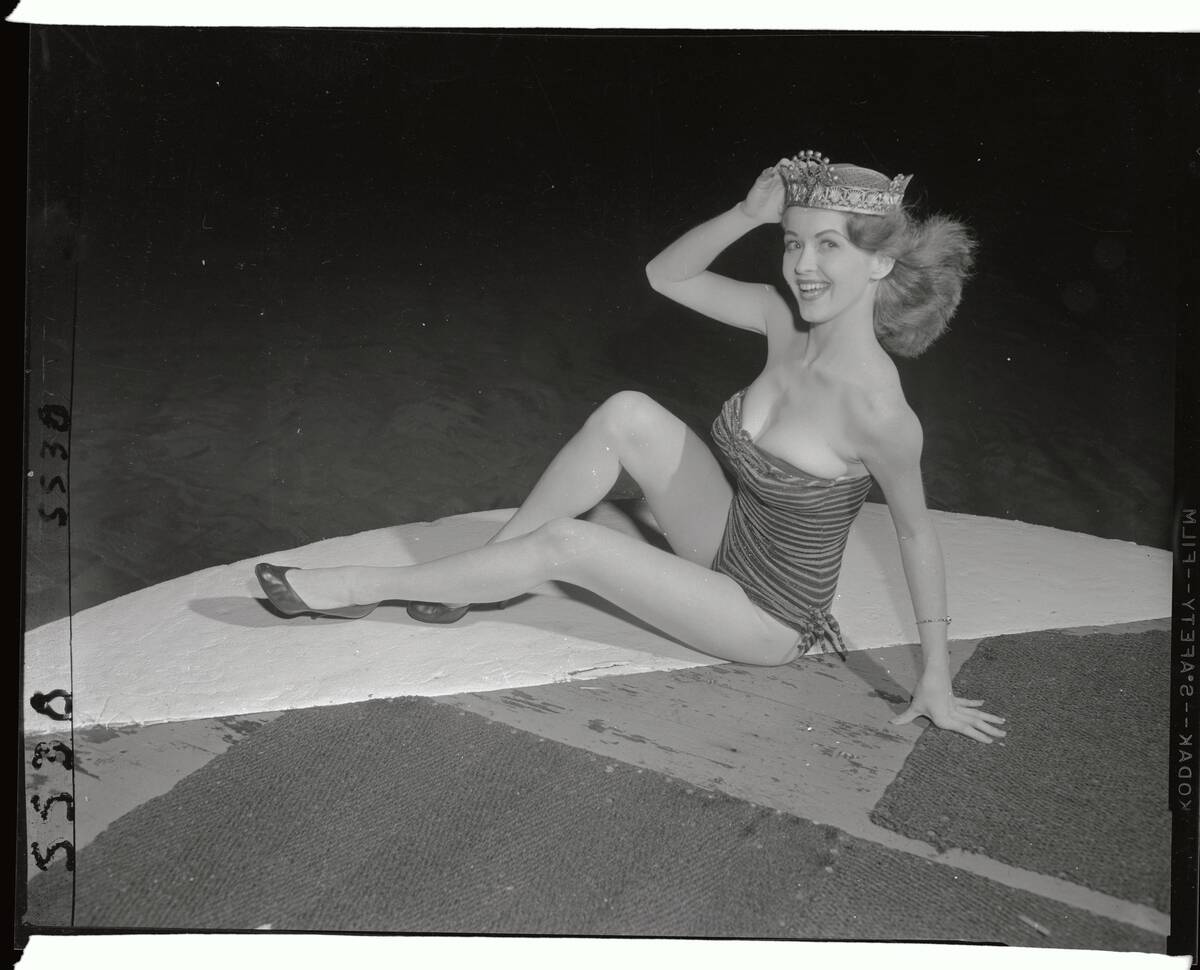
Achieving the hourglass figure was a major goal for women in the 1900s, with corsets playing a crucial role. This ideal emphasized a small waist contrasted with fuller hips and bust, creating a balanced and feminine silhouette.
Diets and exercise regimes were also employed to maintain this figure, though the corset was the primary tool. The hourglass shape was considered the pinnacle of femininity and elegance during this era.
The Eyebrow Plucking Phenomenon: Less is More

In the 1920s and 1930s, thin eyebrows became all the rage, with women plucking them to achieve a delicate arch. This trend was influenced by Hollywood stars like Greta Garbo and Marlene Dietrich, whose pencil-thin brows were seen as glamorous and sophisticated.
Eyebrow plucking became a common beauty ritual, with women using tweezers and even razors to achieve the desired look. The trend emphasized the eyes and added an air of mystery to the face.
The Red Lipstick Trend: A Bold Statement
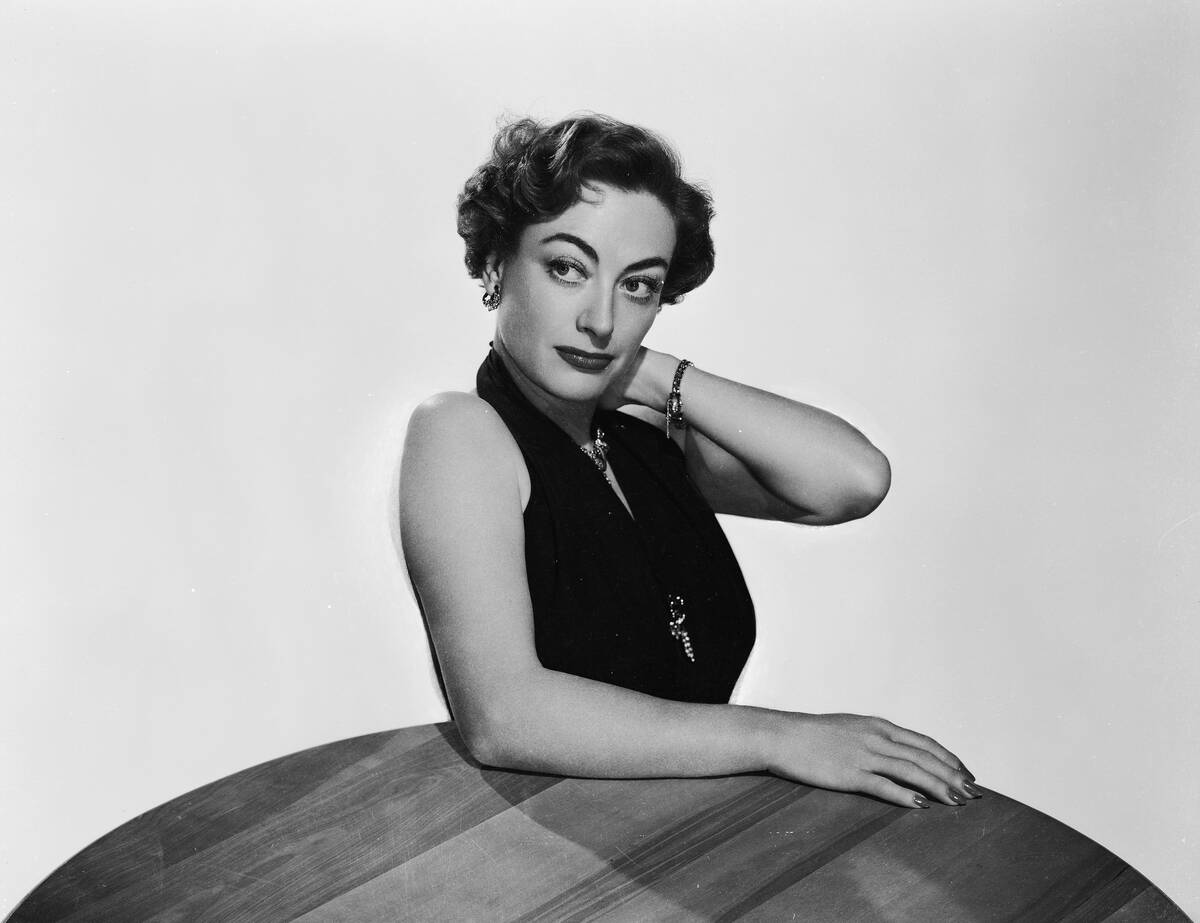
Red lipstick became a bold beauty statement in the 1920s, symbolizing confidence and independence. The suffragette movement embraced red lips as a form of protest, challenging societal norms.
This vibrant color was seen as daring and modern, contrasting with the more subdued makeup of previous decades. Iconic figures like Clara Bow and Joan Crawford popularized the look, making it a staple in every woman’s beauty arsenal.
The Beauty Mark Fad: Adding a Touch of Mystery
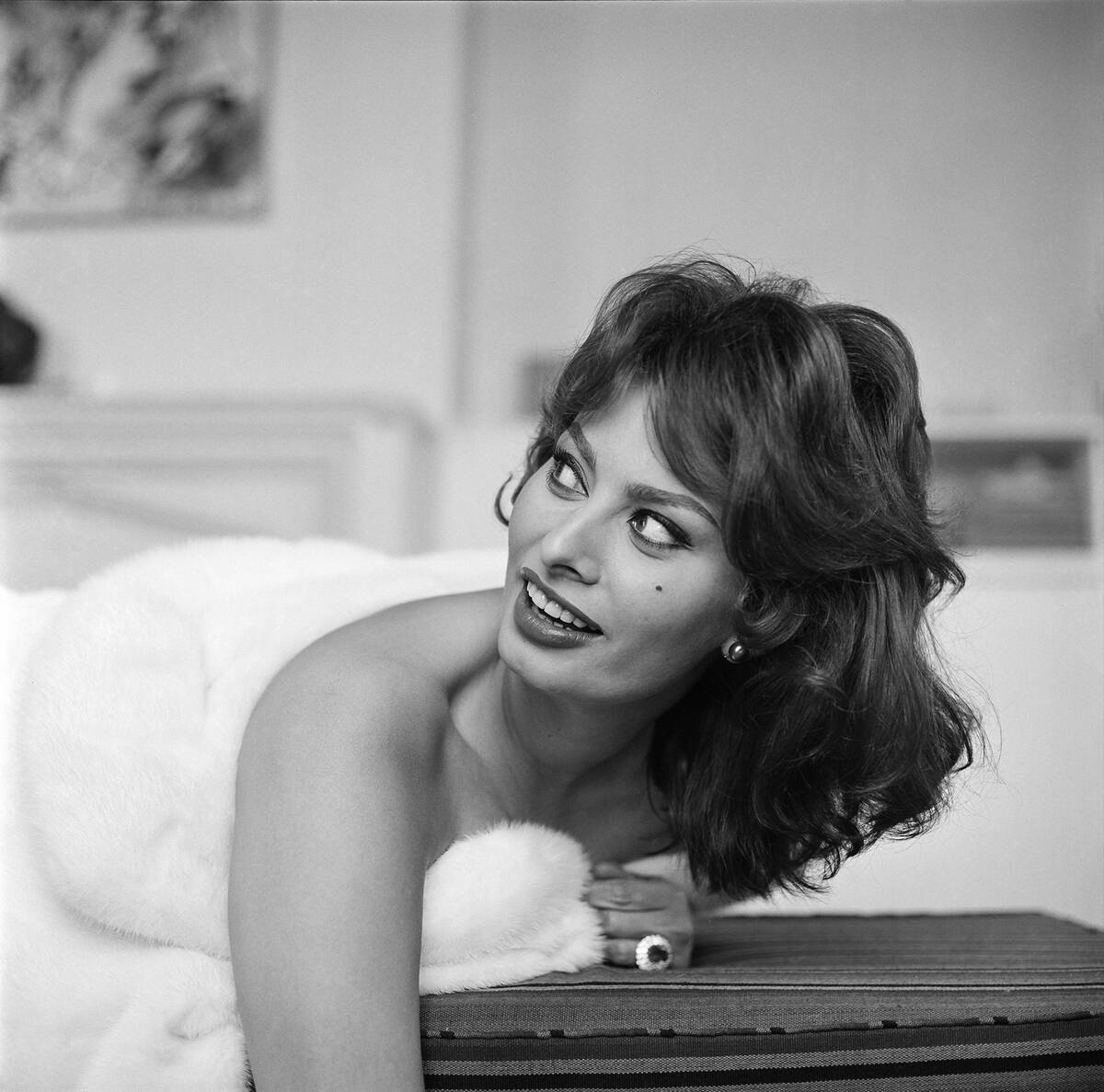
Beauty marks, or ‘mouches,’ were a fashionable addition to a woman’s face in the 1900s. These small, dark spots were often applied with makeup to enhance one’s allure and add an element of mystery.
The placement of a beauty mark could convey different messages, with spots near the eyes or lips considered particularly seductive. This trend harkened back to the 18th century but saw a revival as women sought to emulate the glamour of Hollywood stars.
The Long Glove Glamour: Covering Up in Style
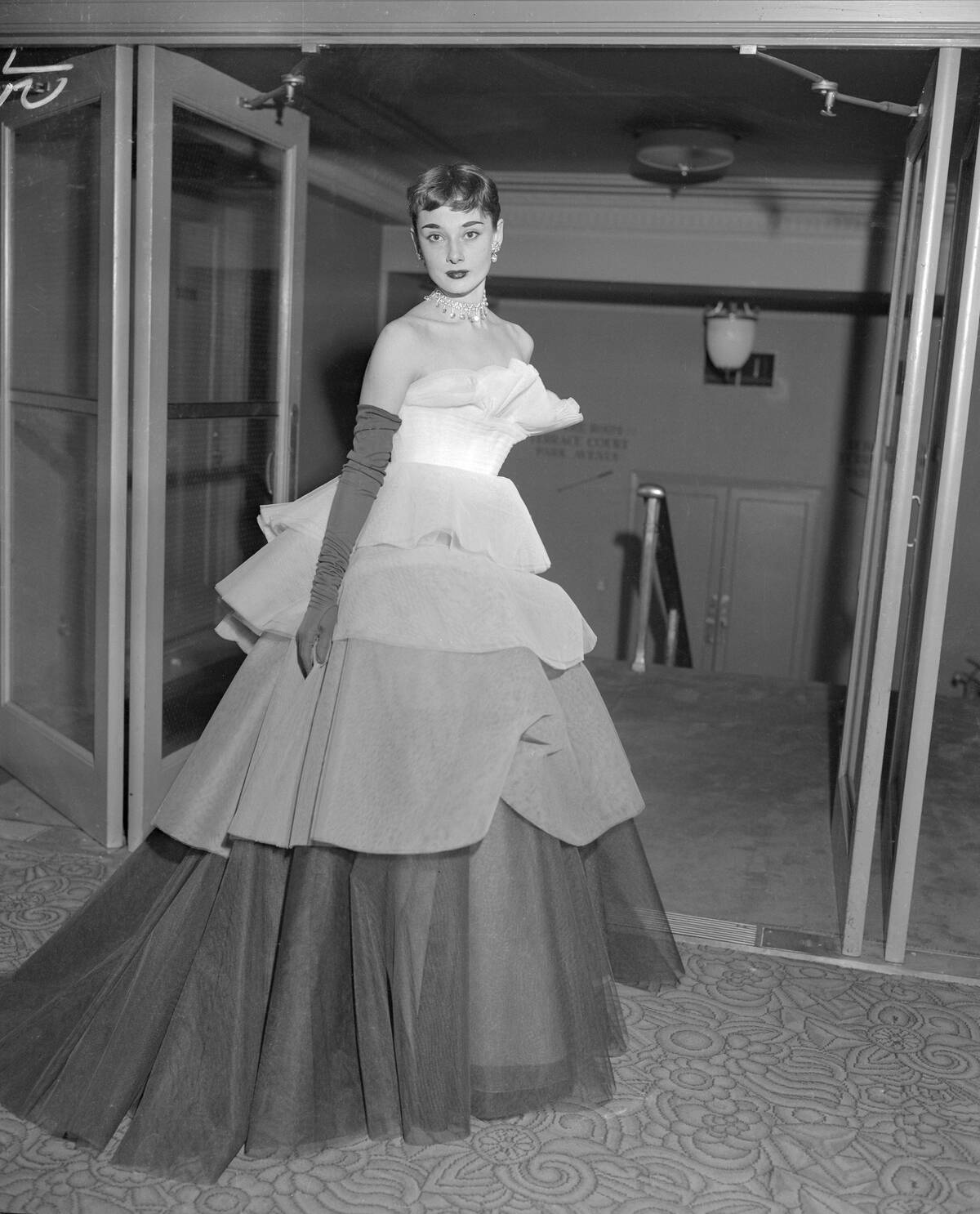
Long gloves were a symbol of elegance and sophistication in the early 1900s. Worn during formal occasions, they extended past the elbow, adding a touch of glamour to any outfit.
These gloves were often made of silk or satin and were an essential part of a woman’s evening attire. Beyond fashion, they also adhered to modesty standards of the time, covering the arms in a stylish manner. The trend persisted well into the mid-20th century.
The Tiny Waist Trend: A Symbol of Elegance
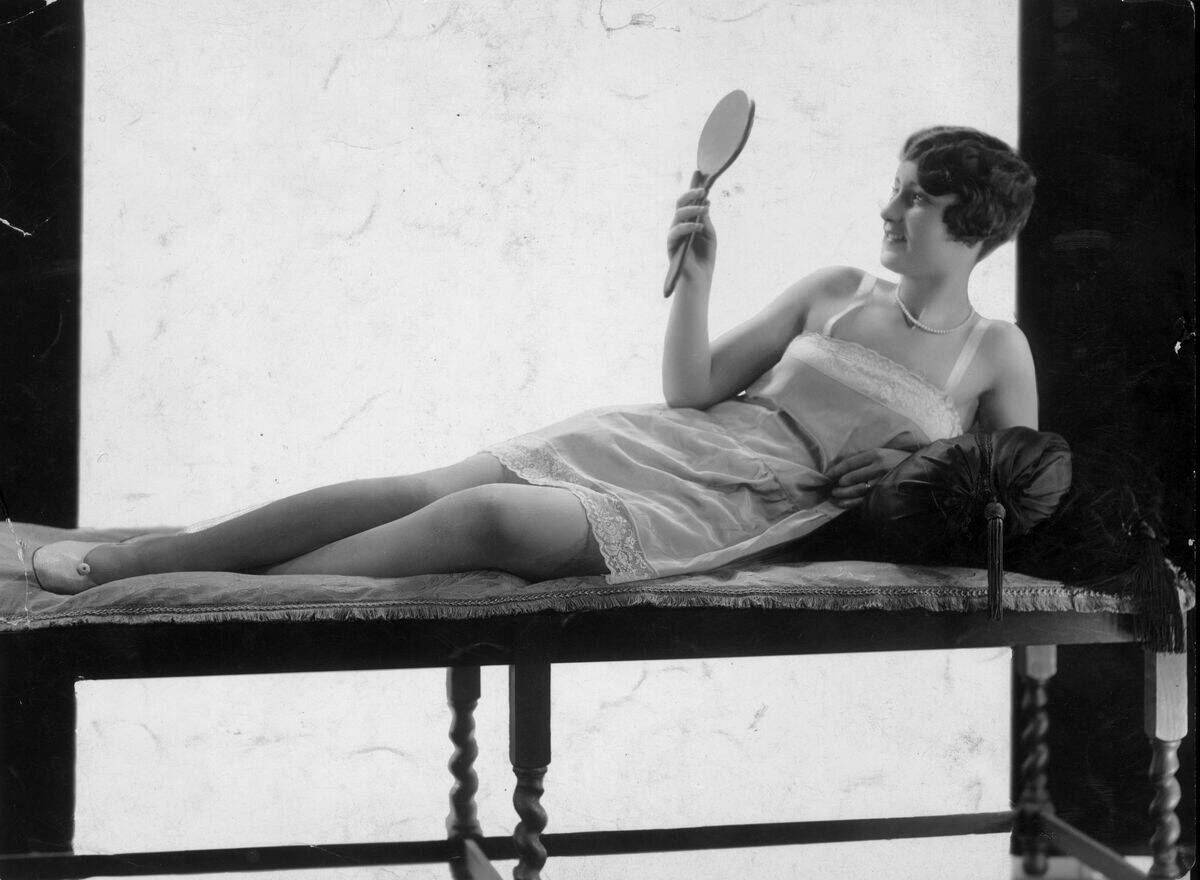
The tiny waist was a hallmark of elegance and femininity in the 1900s, achieved primarily through the use of corsets. Women strived for a waist measurement that was often several inches smaller than their natural size.
This trend was not without its critics, as it sometimes led to health issues due to the restrictive nature of corsets. Nevertheless, the tiny waist remained a powerful symbol of beauty and refinement during this period.
The Hat Obsession: Topping Off the Look
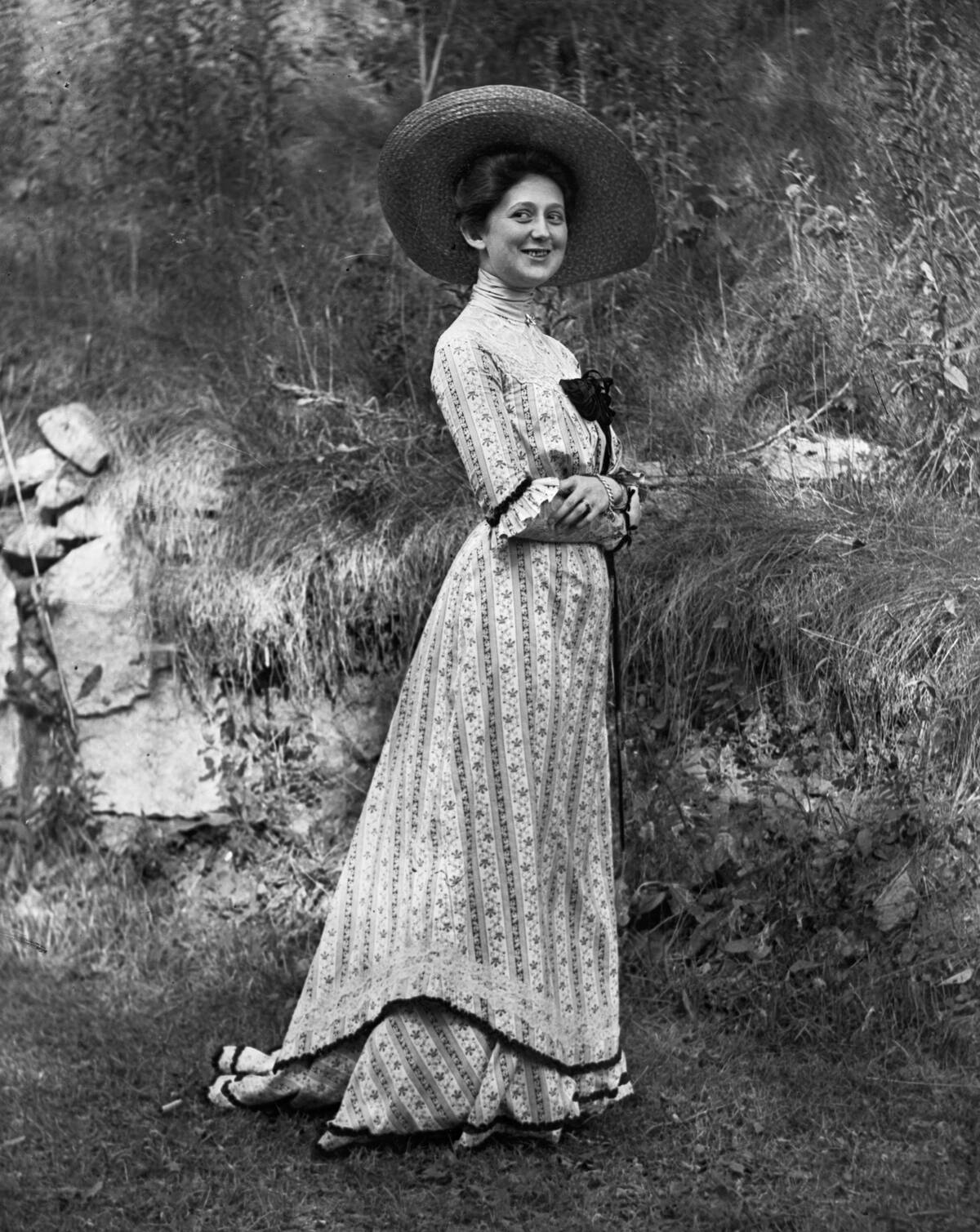
Hats were an essential accessory in the 1900s, adding flair and personality to any outfit. From wide-brimmed hats adorned with feathers and flowers to chic cloche hats of the 1920s, headwear was a crucial part of a woman’s ensemble.
Hats were not only fashionable but also practical, offering protection from the sun and an opportunity to express one’s personal style. The obsession with hats reflected the era’s emphasis on complete and polished looks.
The Stocking Sensation: A Peek of Leg Fashion
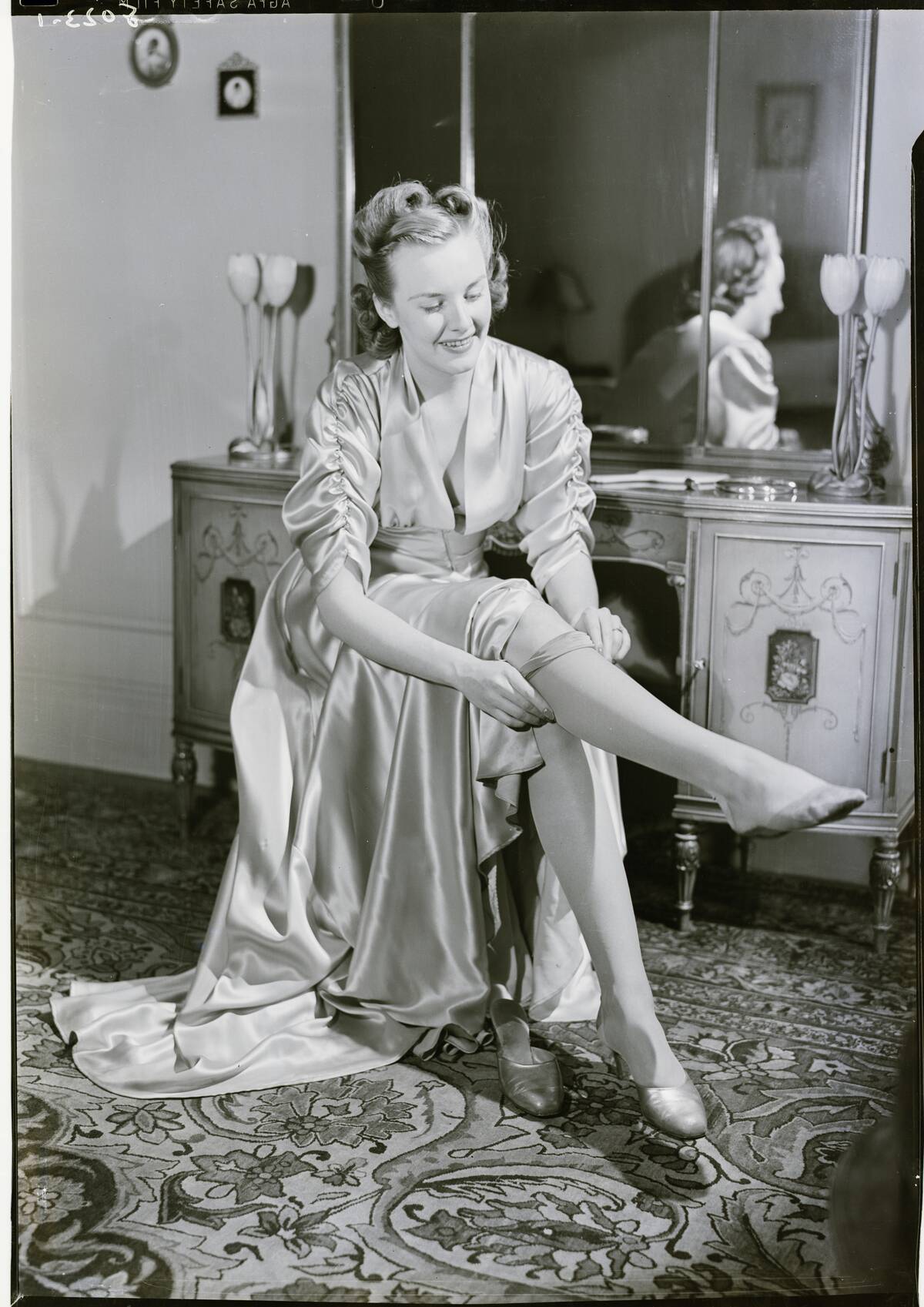
Stockings were a key component of women’s fashion in the 1900s, providing a glimpse of leg in an era of modesty. Made from silk or rayon, they came in a variety of colors and patterns, allowing for subtle expression of style.
Stockings were often held up by garters, adding a touch of allure to the ensemble. As hemlines rose in the 1920s, stockings became more visible, becoming an essential part of the flapper’s daring look.
The Beauty Pageant Boom: Defining Public Standards
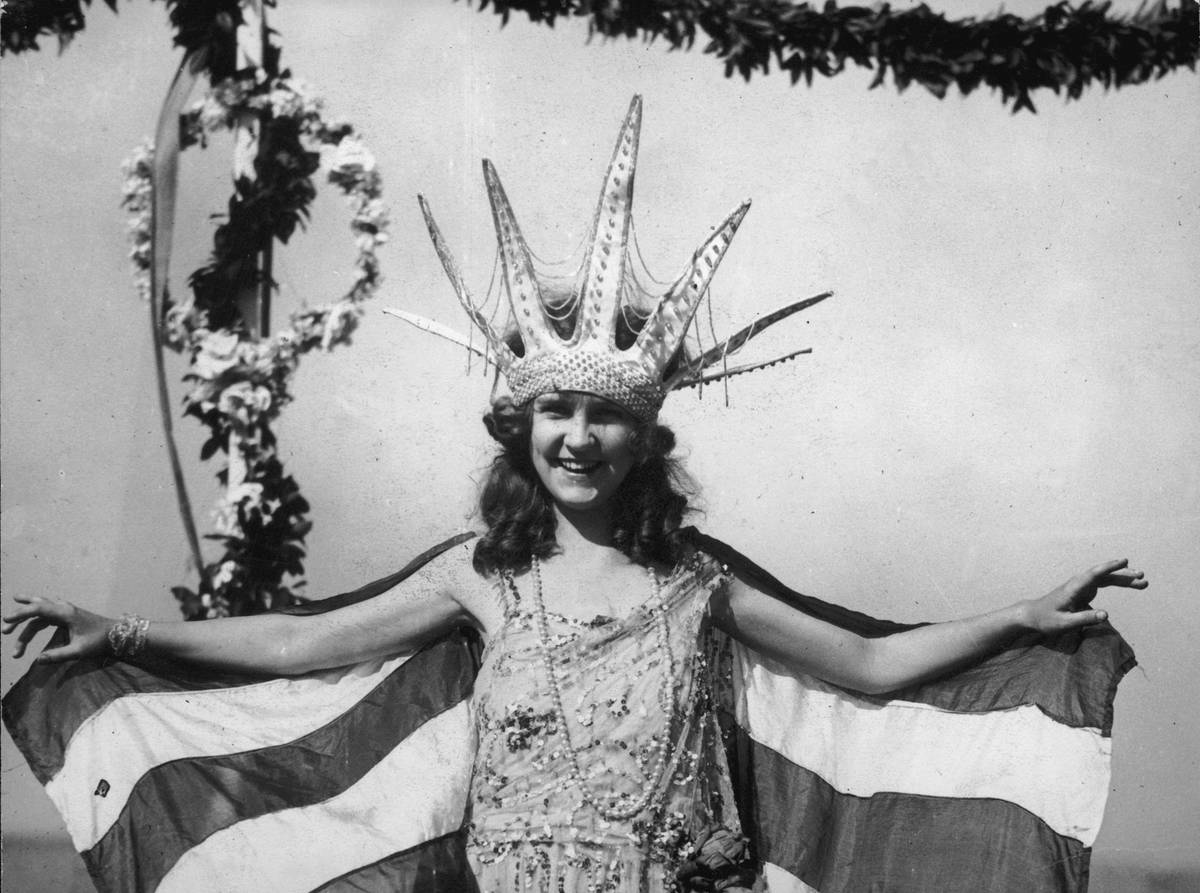
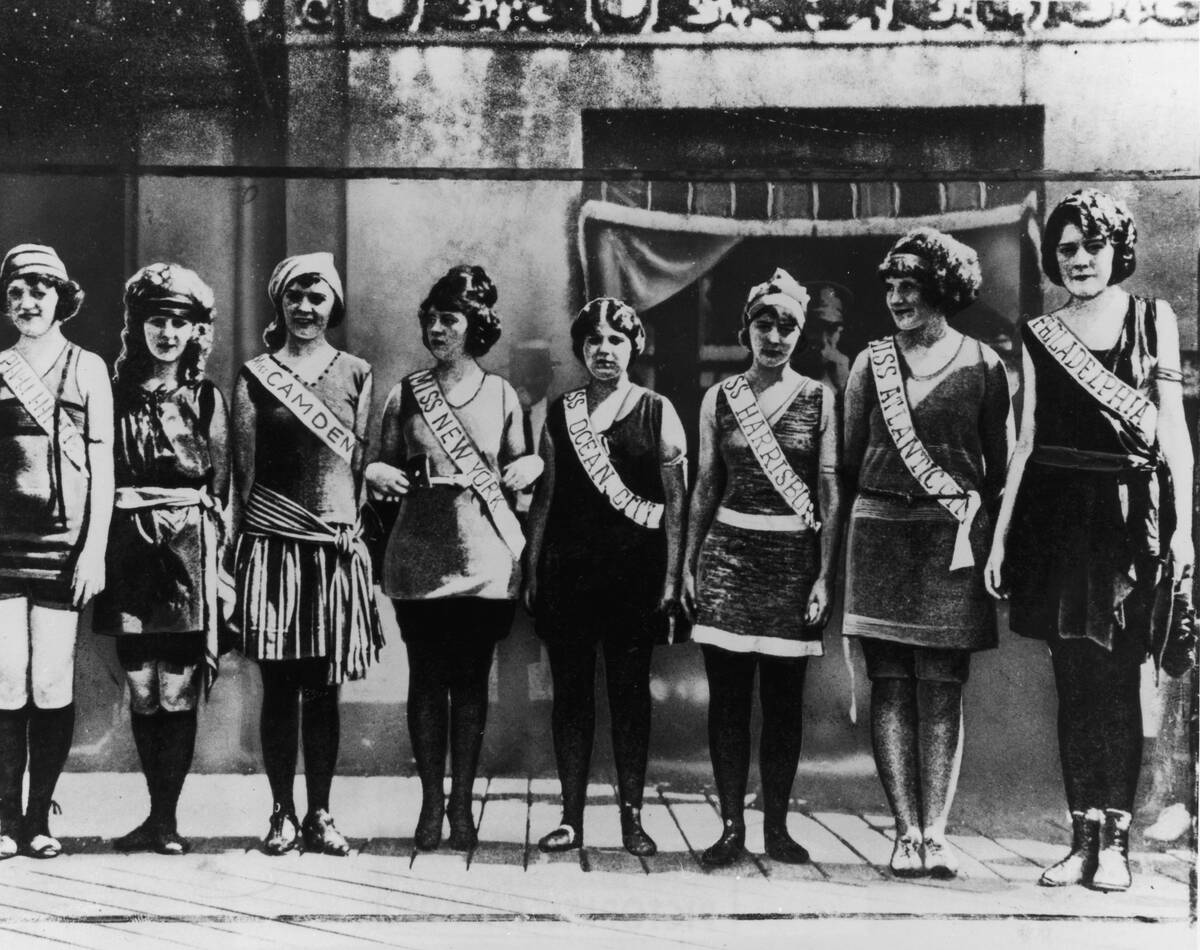
The early 20th century saw the rise of beauty pageants, which played a significant role in defining public standards of beauty. The first Miss America pageant was held in 1921, showcasing women from across the country.
These events celebrated traditional ideals of beauty, emphasizing grace, poise, and charm. While they provided opportunities for women to gain recognition, they also reinforced certain stereotypes, sparking debates about the nature of beauty and femininity.
The Evolution of Beauty: How Standards Changed Over Time
Beauty standards have continuously evolved, reflecting broader societal changes and cultural shifts. The 1900s were marked by a mix of traditional and modern influences, with each decade bringing new ideals. From the Gibson Girl to the flapper, each era had its own unique take on beauty.
As we moved into the mid-20th century, these standards continued to evolve, influenced by media, technology, and changing roles of women in society. The journey of beauty is ever-changing, shaped by the world around us.




