Hoaxes that had the world fooled
Throughout history, hoaxes have captivated the public imagination, blending fact and fiction in a way that often leaves us questioning reality. These elaborate deceptions have ranged from the innocently playful to the maliciously misleading.
But what makes a hoax so fascinating? Perhaps it’s the audacity of the claims or the sheer creativity involved in their execution. Whatever the reason, historical hoaxes offer a unique glimpse into the human penchant for storytelling and the occasional gullibility of society.
The Great Moon Hoax of 1835
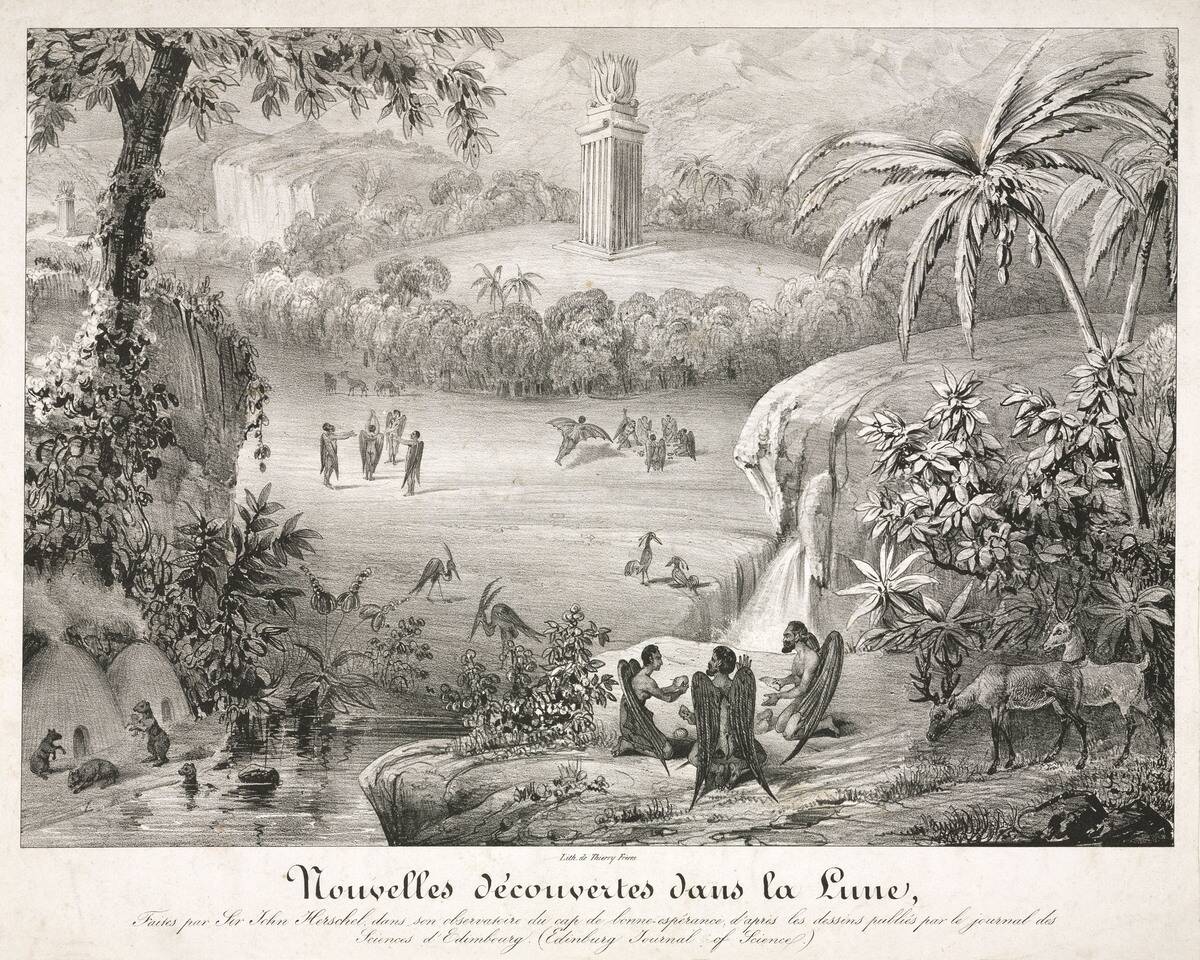
In 1835, the New York Sun published a series of articles claiming that life had been discovered on the moon. These articles, supposedly based on the observations of the famous astronomer Sir John Herschel, described bizarre lunar creatures, including bat-like humanoids.
The story captured the public’s imagination, despite its fantastical nature. It wasn’t until later that the articles were revealed to be a hoax, crafted by journalist Richard Adams Locke to boost the newspaper’s sales. The Great Moon Hoax remains a testament to the power of sensationalism in media.
The Piltdown Man
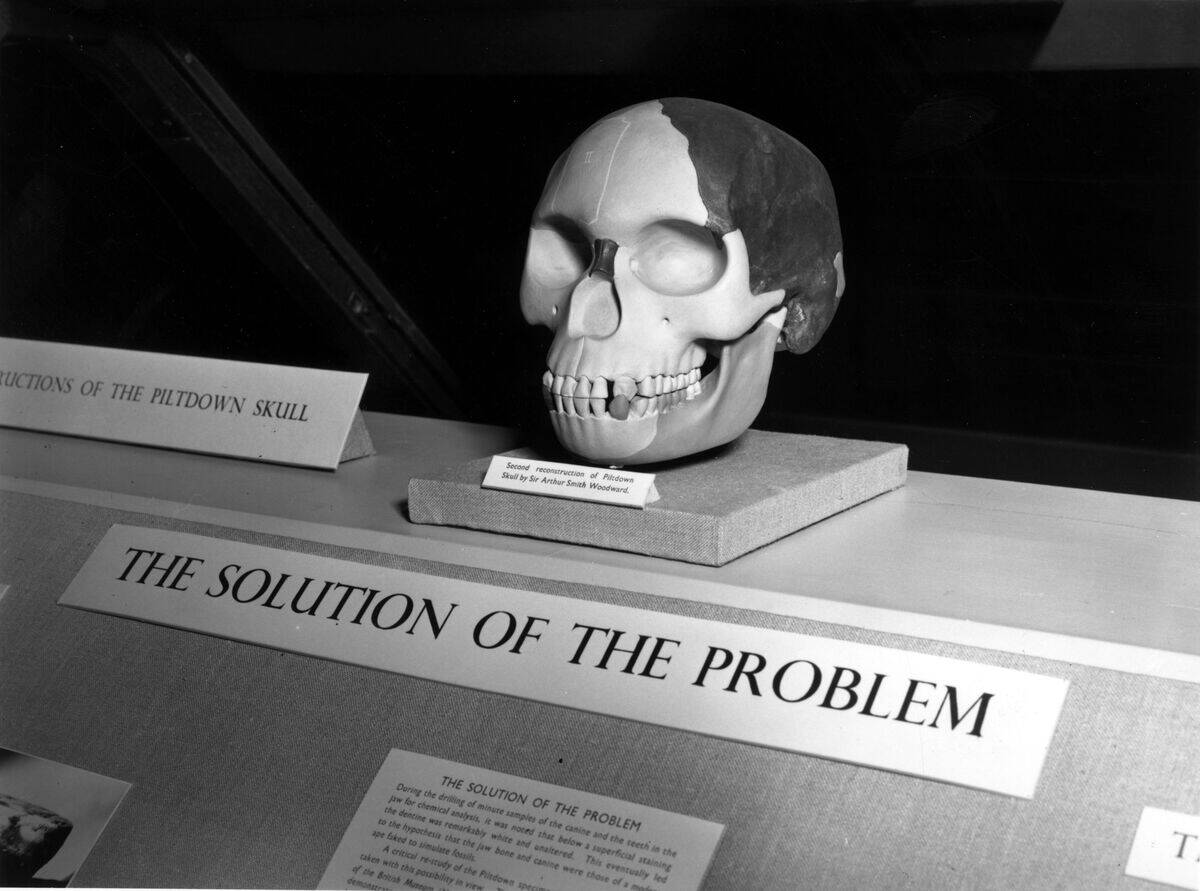
The Piltdown Man was a supposed missing link in human evolution, discovered in England in 1912. The find included a human-like skull and an ape-like jawbone, seemingly providing evidence of early human ancestors.
However, in 1953, it was revealed to be a forgery, with the skull belonging to a modern human and the jawbone to an orangutan. This hoax deceived the scientific community for decades, highlighting the importance of skepticism and rigorous testing in scientific research.
The Cardiff “Giant”

The Cardiff Giant was a 10-foot-tall stone figure unearthed in 1869 in Cardiff, New York. It was initially believed to be a petrified prehistoric man, drawing crowds eager to witness the spectacle.
However, it was soon revealed to be a hoax, created by George Hull to poke fun at biblical literalism. Hull had the giant carved from gypsum and buried it on his cousin’s farm. The Cardiff Giant remains a humorous reminder of how easily people can be fooled by a well-crafted story.
The Dreadnought Hoax
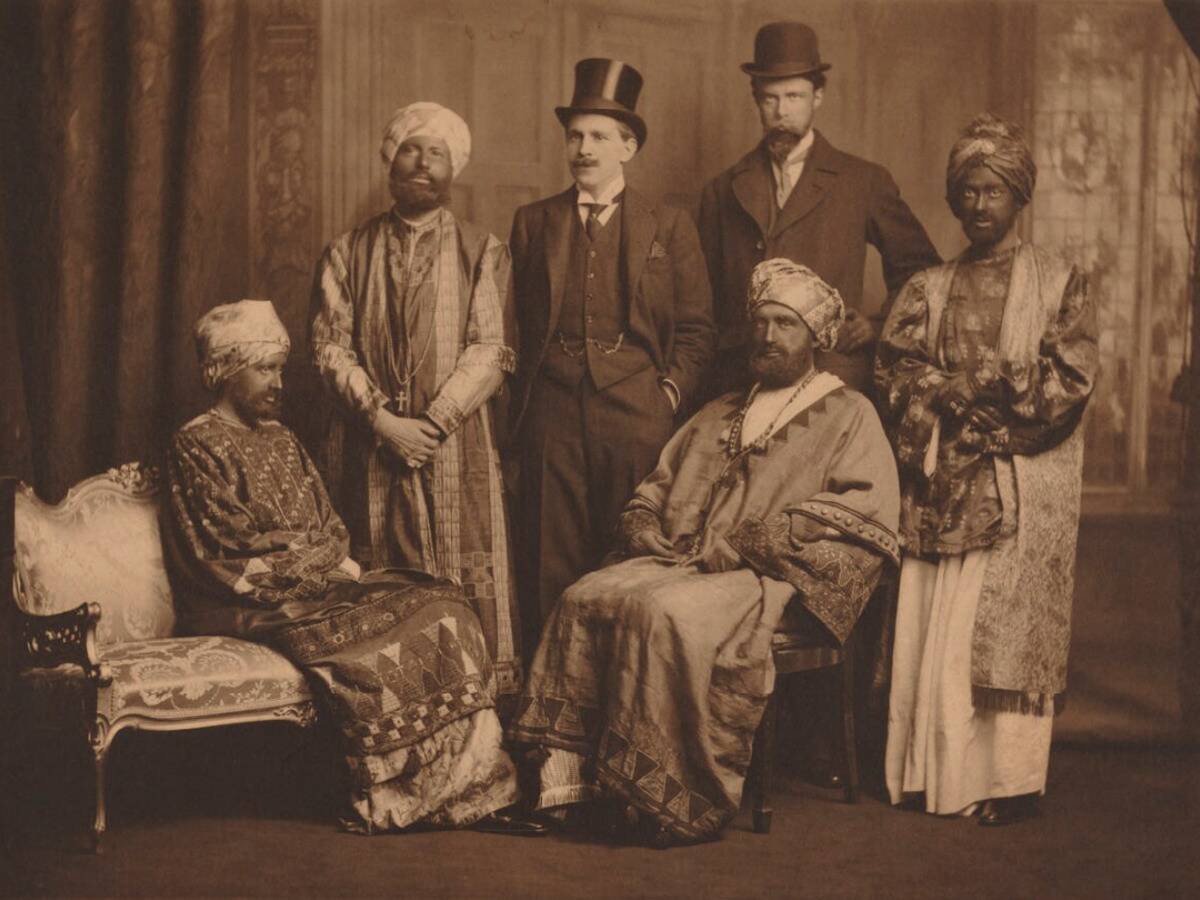
In 1910, a group of young British pranksters, including writer Virginia Woolf, disguised themselves as Abyssinian royalty and gained access to the HMS Dreadnought, a British battleship.
The hoaxers were treated to a full ceremonial visit, complete with a naval band playing the national anthem of Zanzibar. The Dreadnought Hoax was a humorous jab at British naval protocol and a testament to the power of disguise and audacity in pulling off a successful prank.
The Cottingley Fairies: A Photographic Fantasy

In 1917, two young girls in Cottingley, England, claimed to have photographed fairies in their garden. The images, showing delicate winged figures, captivated the public and even convinced author Sir Arthur Conan Doyle of their authenticity.
It wasn’t until the 1980s that the girls admitted the photos were faked using paper cutouts. Despite the deception, the Cottingley Fairies continue to enchant, illustrating the enduring allure of the mystical and the power of belief.
The Spaghetti Tree Hoax

On April Fools’ Day in 1957, the BBC aired a segment about a Swiss family harvesting spaghetti from trees. The broadcast, complete with footage of women plucking noodles from branches, fooled many viewers.
Some even contacted the BBC for advice on growing their own spaghetti trees. The prank is celebrated as one of the greatest April Fools’ hoaxes of all time, showcasing the playful side of media and the joy of a well-executed joke.
The Balloon Boy Incident

In 2009, the world watched in suspense as a homemade helium balloon drifted across Colorado, believed to be carrying a six-year-old boy. The incident turned out to be a hoax orchestrated by the boy’s parents to gain publicity.
The “Balloon Boy” saga captivated media outlets and the public, highlighting the impact of 24-hour news cycles and the lengths some will go to achieve fame. It serves as a cautionary tale about the power and pitfalls of modern media.
The Lying Stones of Dr. Beringer
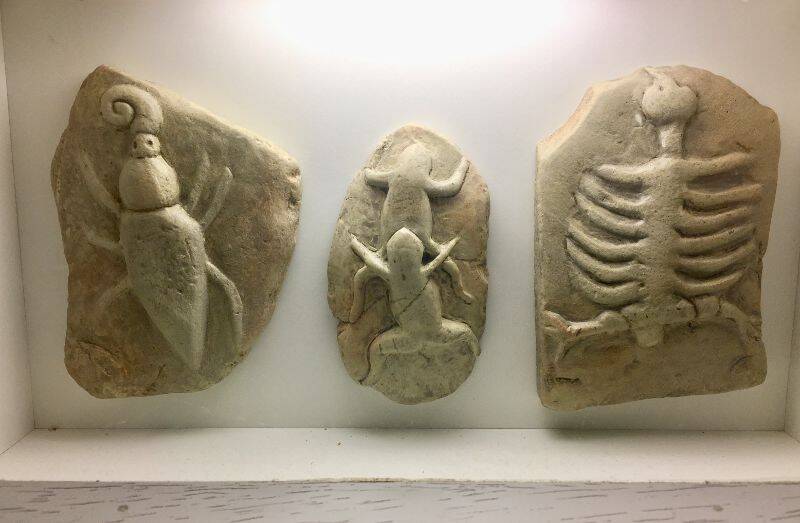
In the early 18th century, Dr. Johann Beringer, a professor in Würzburg, Germany, discovered strange fossils with inscriptions and images. Believing them to be of divine origin, he published a book on the findings.
However, the stones were later revealed to be a prank by his colleagues, who sought to discredit him. The Lying Stones hoax is a classic example of academic rivalry and the importance of skepticism in scientific inquiry.
The Sokal Affair

In 1996, physicist Alan Sokal submitted a deliberately nonsensical paper to the cultural studies journal Social Text, which published it. The paper, filled with absurd jargon, was a critique of postmodern academic practices.
Sokal revealed the hoax after publication, sparking debate about the standards of scholarly publishing. The Sokal Affair remains a provocative commentary on the nature of academic discourse and the need for critical evaluation in scholarly work.
The Turk: The Mechanical Chess Master
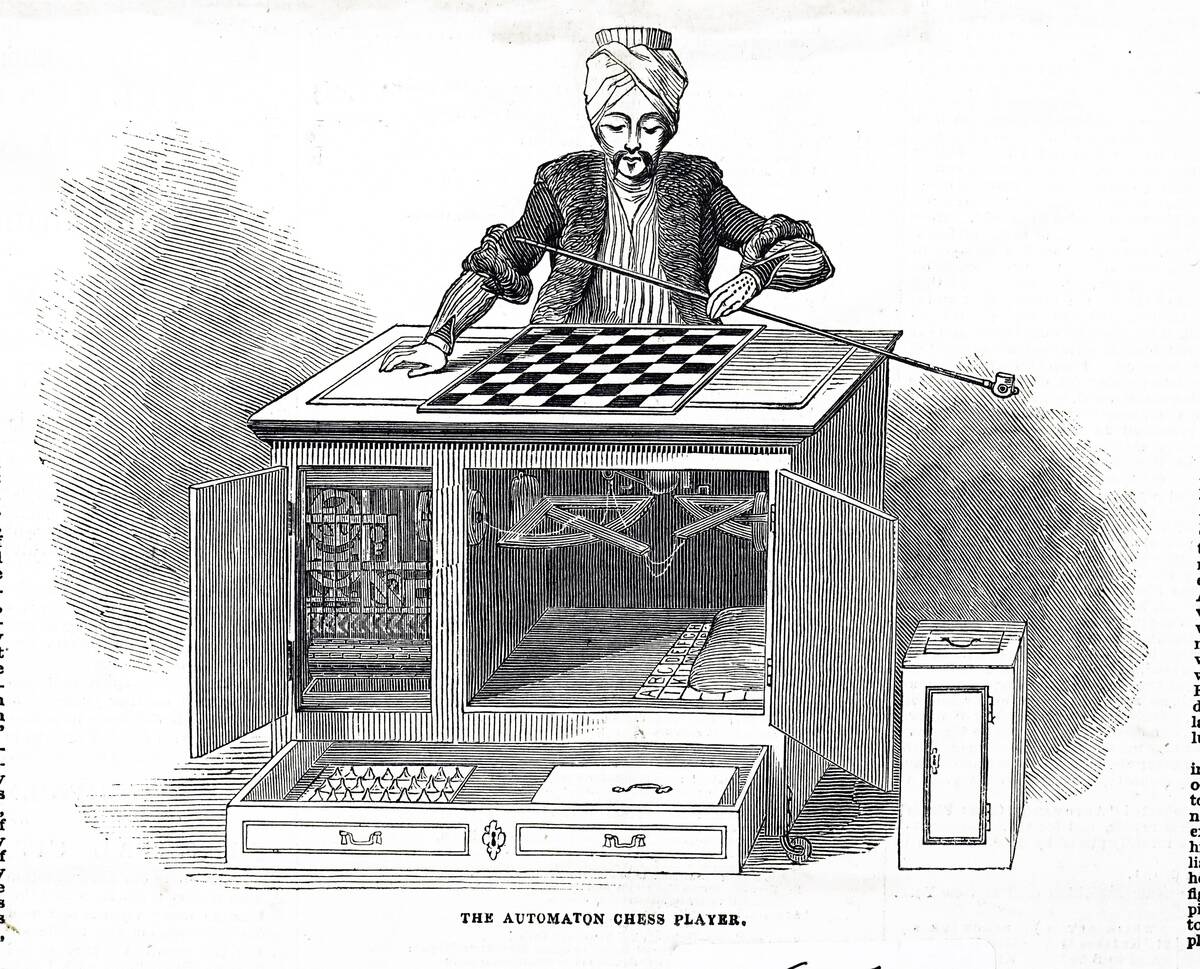
The Turk was an 18th-century chess-playing automaton that astounded audiences by defeating human opponents, including Napoleon Bonaparte. Created by Wolfgang von Kempelen, the machine appeared to operate independently.
However, it was later revealed that a skilled human chess player was hidden inside, manipulating the moves. The Turk’s deception was a marvel of engineering and showmanship, sparking discussions about the potential of machines and the nature of intelligence long before the advent of modern computers.