The hidden dangers of everyday life in the 19th century
Ah, the past! A time romanticized by many, yet fraught with dangers that would make even the bravest among us shudder. From the cobblestone streets to the dimly lit homes, life was a constant dance with danger.
Despite the charm of yesteryears, the everyday existence was a minefield of hazards waiting to trip up the unsuspecting.
Cobblestones and Carriages Do Not Mix
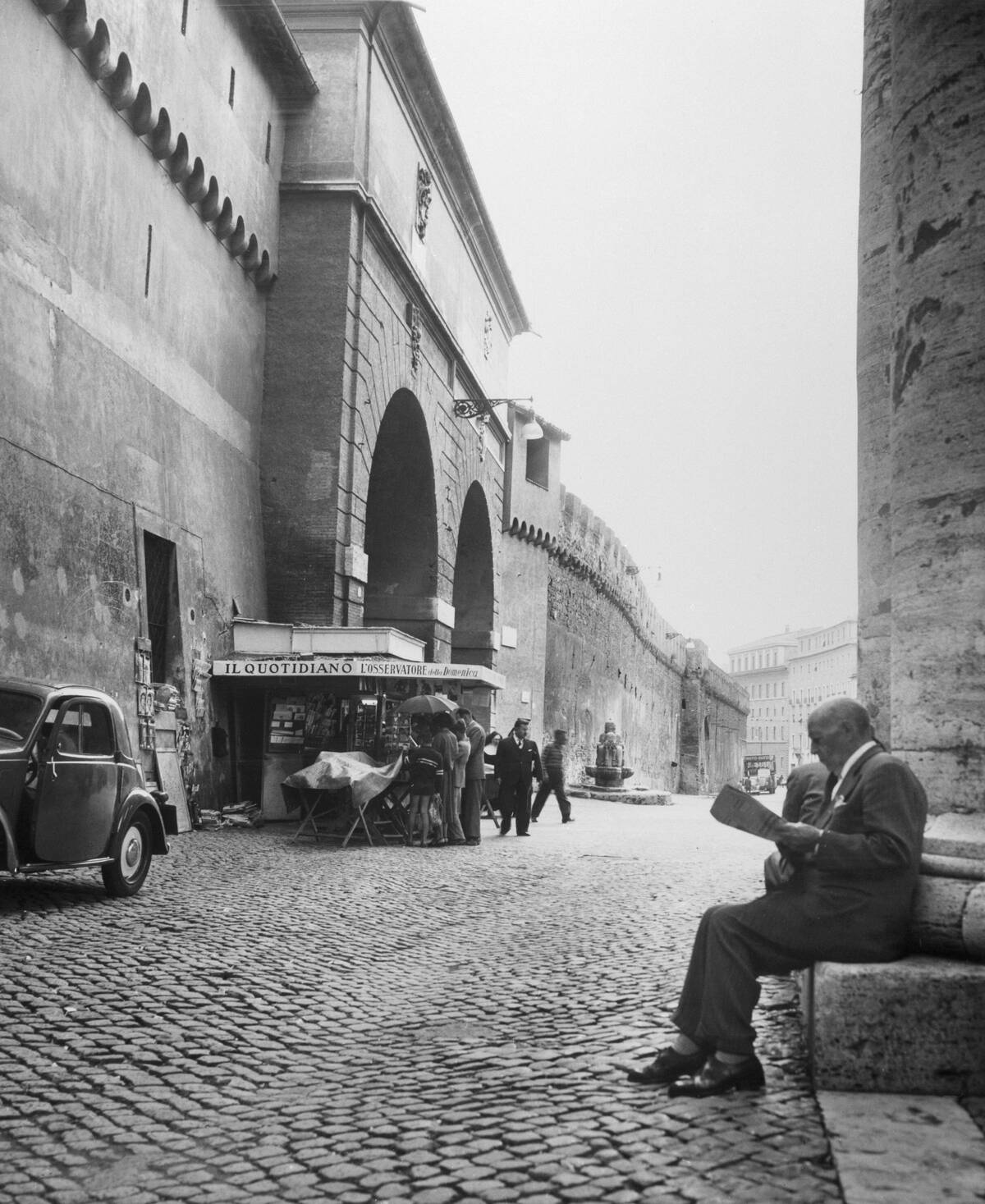
Navigating the streets of the past was no small feat. Cobblestones, while picturesque, were notoriously uneven and slippery, especially in rain. Horse-drawn carriages added to the chaos, with accidents being a common occurrence.
Pedestrians had to be constantly alert, dodging not only the carriages but also the waste left behind by the horses. The streets were a bustling yet perilous place, where a simple walk could quickly turn into a hazardous adventure.
Open Flames and Cast Iron
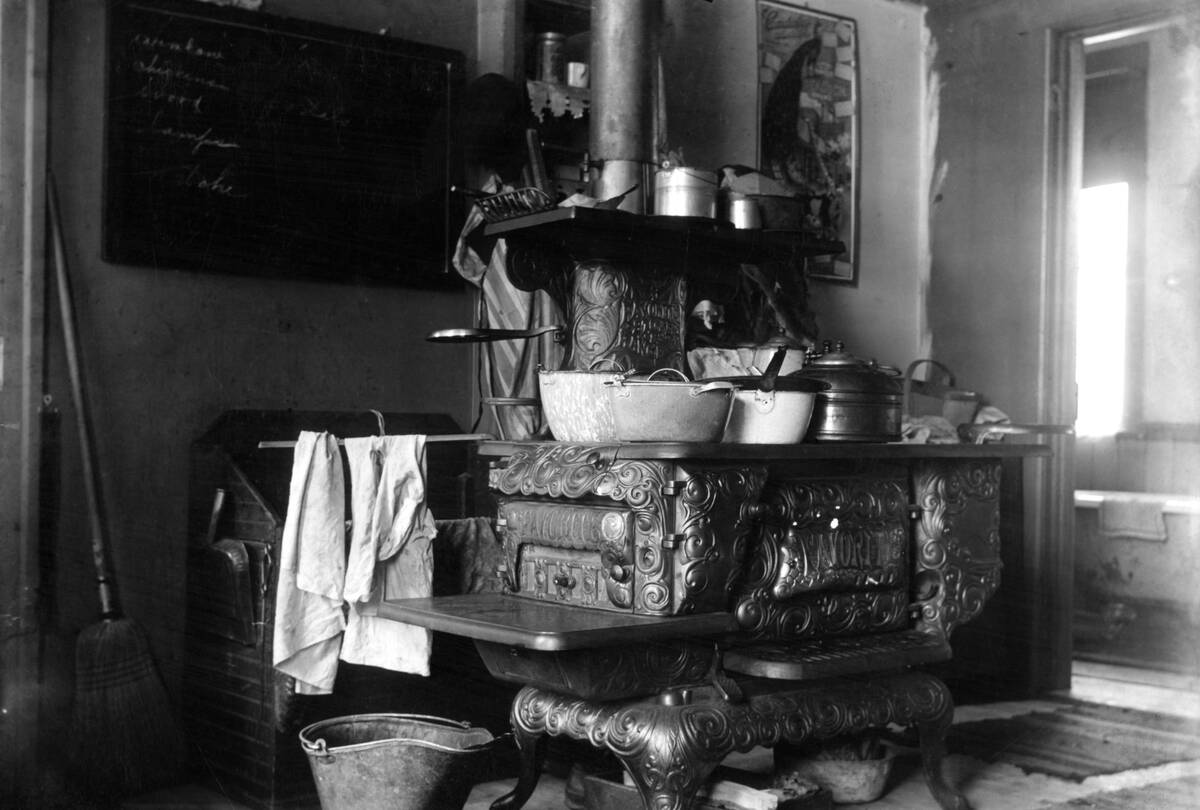
Kitchens of the past were a hotbed of danger, quite literally. Open flames from wood or coal stoves were a constant fire hazard, and burns were an everyday risk. Cast iron cookware, while durable, was heavy and unwieldy, often leading to accidents.
Without modern conveniences like timers or thermostats, cooking required constant vigilance. It was a place where a simple meal preparation could easily escalate into a fiery disaster.
The Dangers of Fashion and Beauty
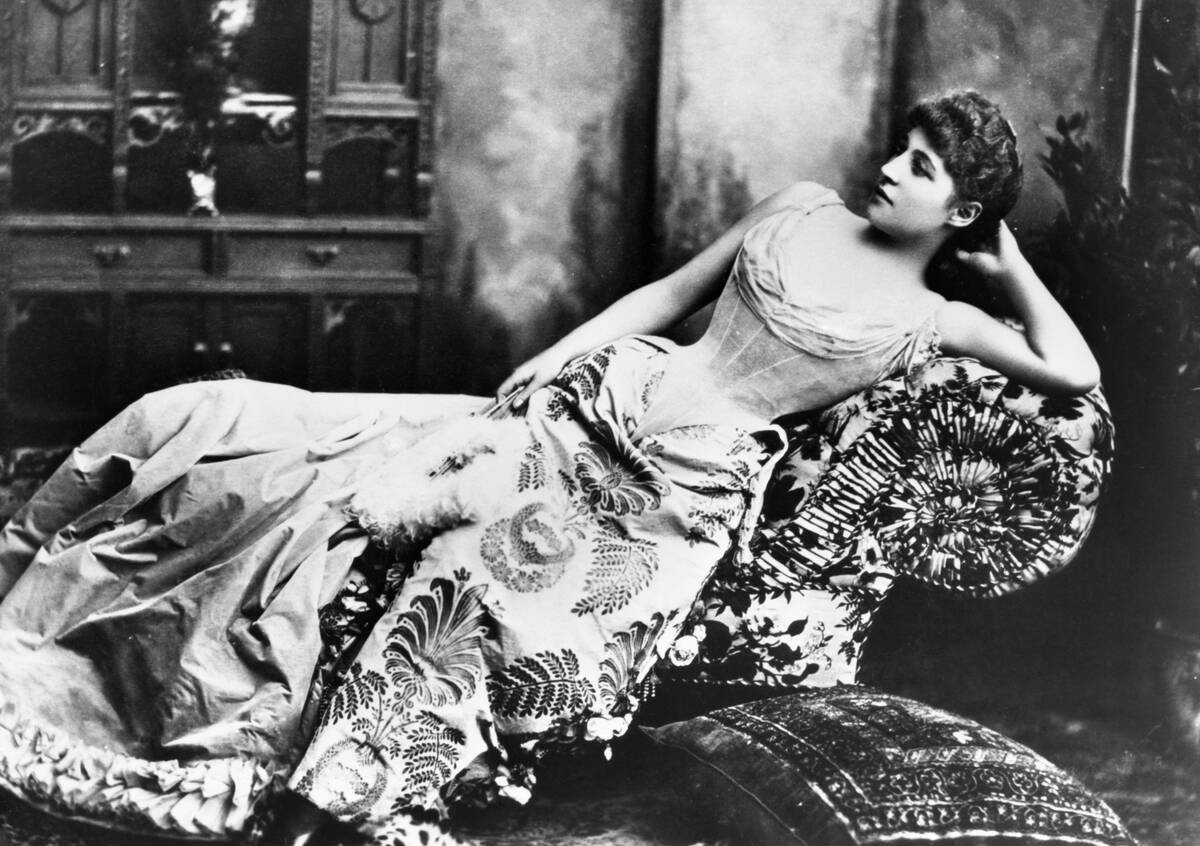
Fashion was not just about looking good; it was a risky business. Corsets, while creating the desired silhouette, often caused health issues such as fainting and organ compression.
Crinolines, with their wide hoops, were notorious for catching fire or getting caught in carriage wheels. Despite the dangers, these fashion staples were a must-have, proving that the pursuit of beauty often came with a hefty price.
The Risky World of Medicine
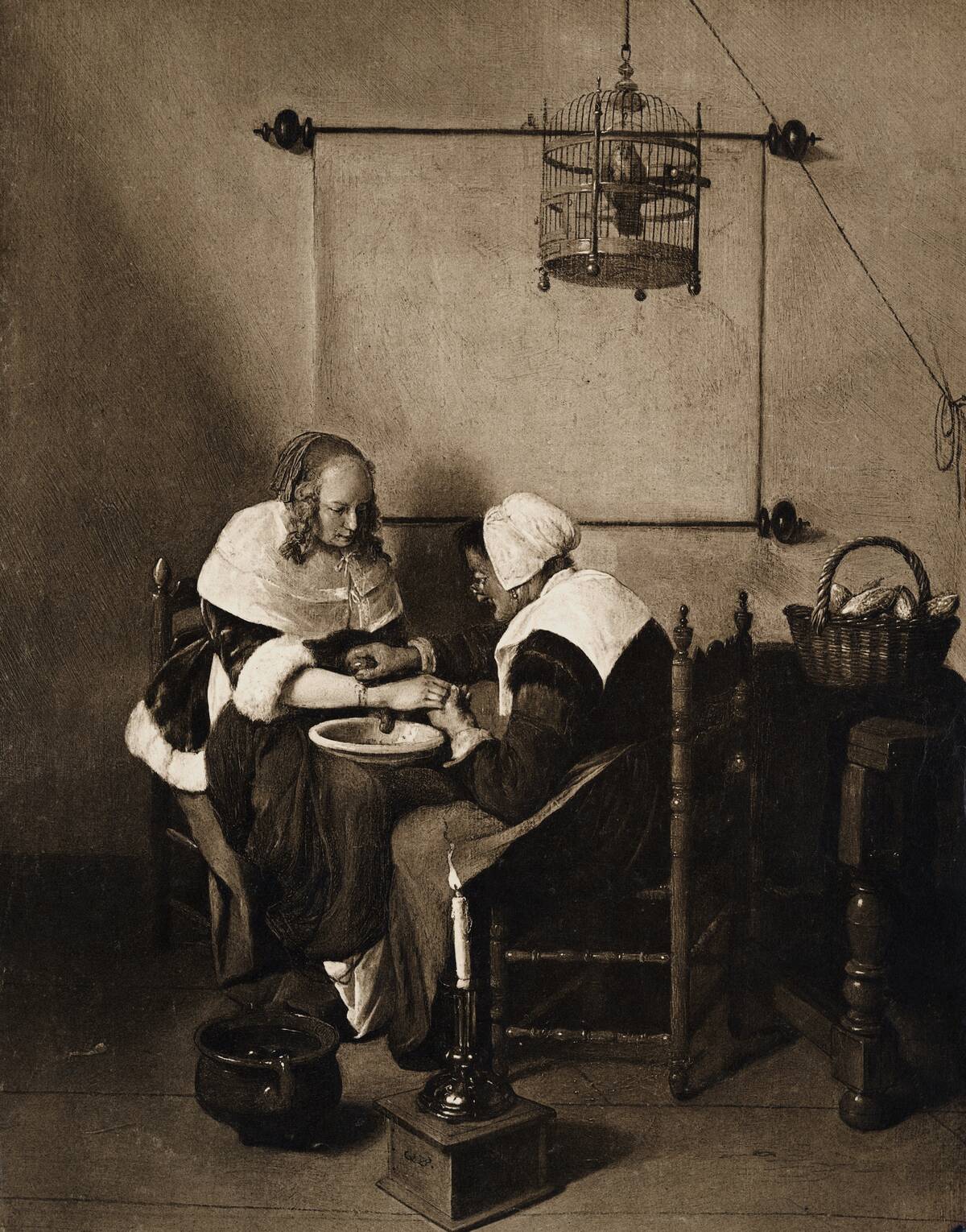
Medical practices of the past were often more harmful than helpful. Quack doctors peddled dubious cures, with mercury and arsenic being common ingredients. Bloodletting was a popular treatment, believed to cure everything from fevers to headaches.
Without proper regulations, the world of medicine was a wild west of experimentation, where patients were often at the mercy of unproven and dangerous remedies.
Poor Ventilation and Gas Lighting in Homes
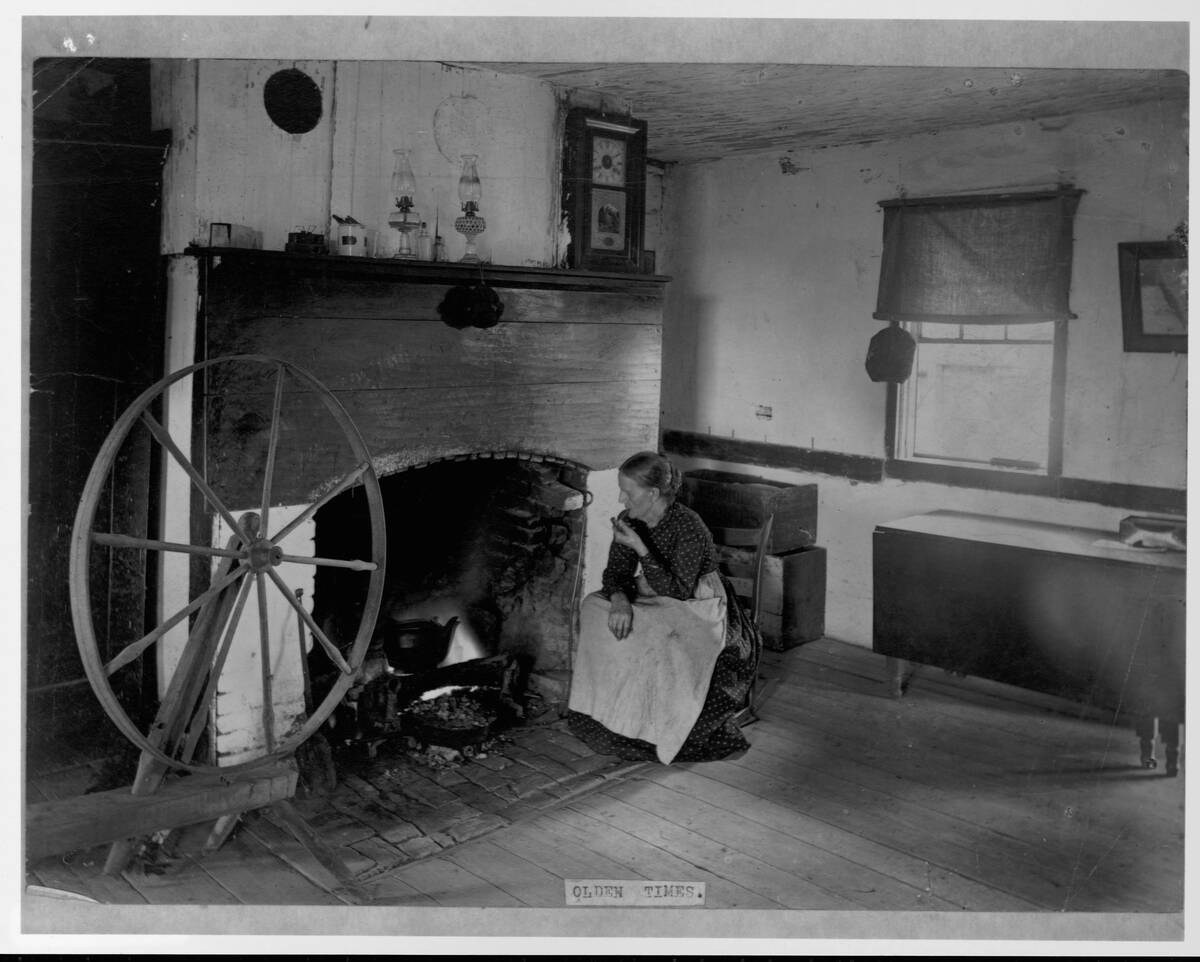
Homes of the past were far from the safe havens we know today. Poor ventilation meant that smoke from fireplaces and stoves often filled the rooms, leading to respiratory issues. Gas lighting, while a modern convenience, came with the risk of leaks and explosions.
The very place meant to offer comfort and safety was fraught with hidden dangers, making home life a constant balancing act between convenience and risk.
The Threat of Fire
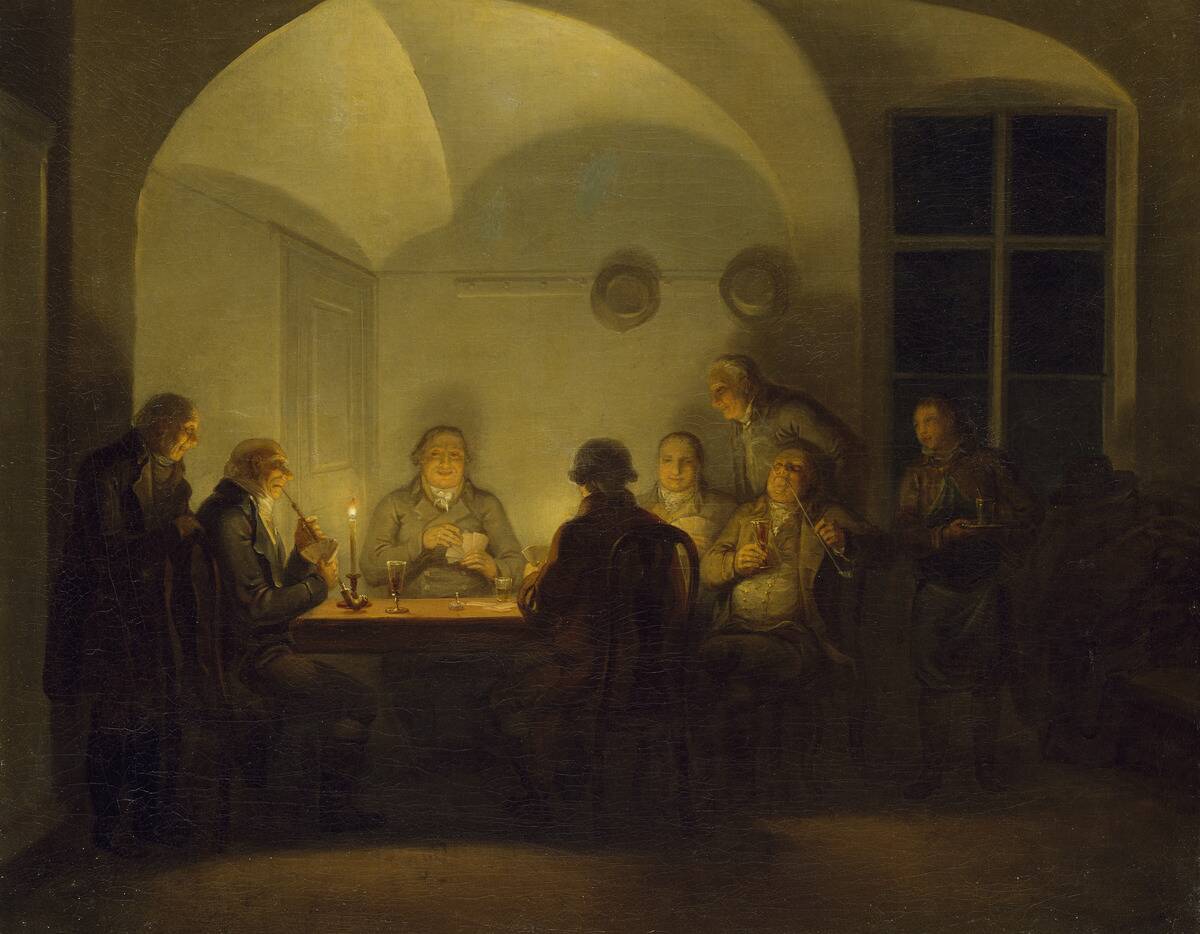
Fire was a constant threat in the past, with wooden structures and open flames being a dangerous combination. Candles, used for lighting, were a common cause of house fires.
Without modern firefighting equipment, a small spark could quickly turn into a devastating blaze. Communities lived in constant fear of fire, knowing that a single mistake could lead to the loss of homes and lives.
The Dangers of Food
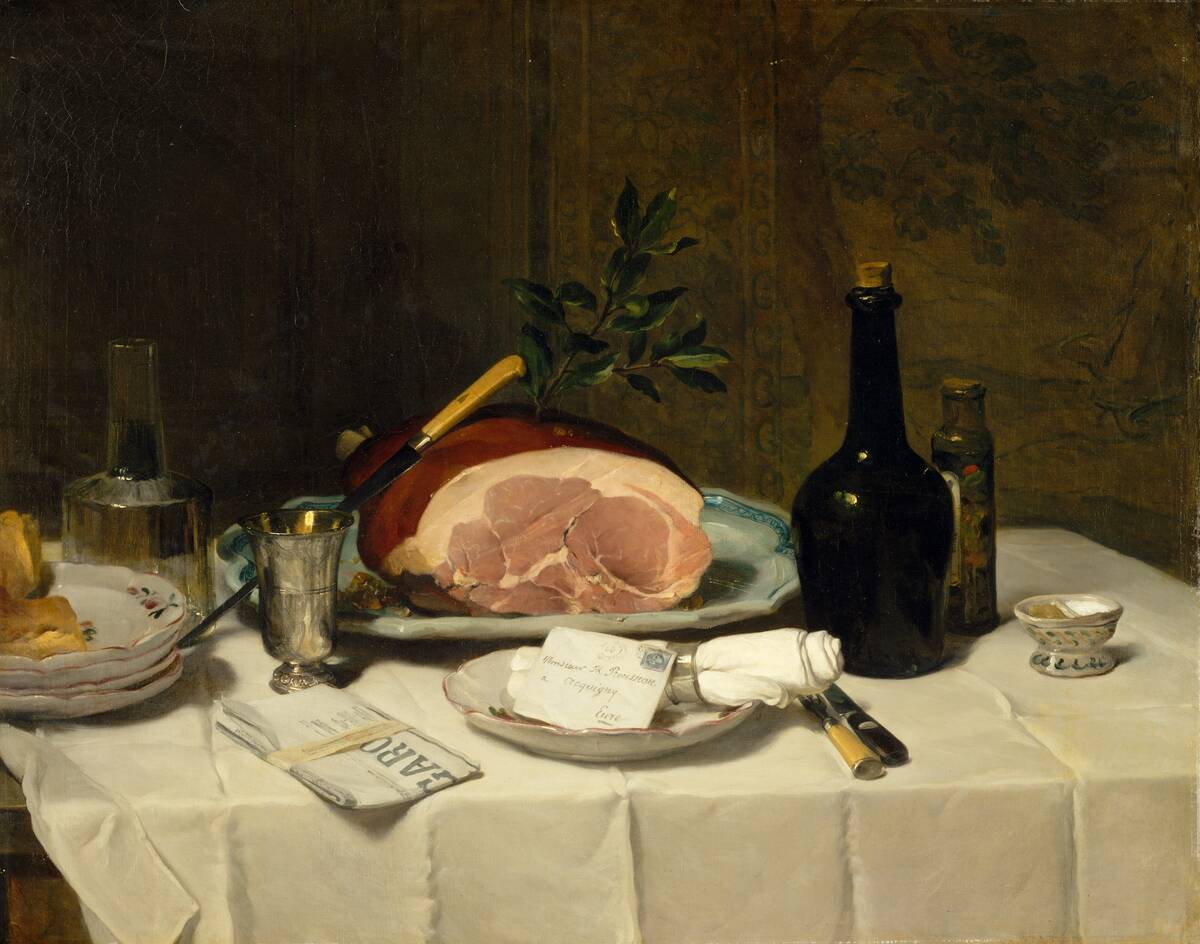
Food safety was a major concern in the past, with spoilage and adulteration being common issues. Without refrigeration, perishable items quickly went bad, leading to foodborne illnesses.
Dishonest vendors often adulterated food with harmful substances to increase profits. Consumers had to be vigilant, as a simple meal could easily turn into a health hazard, making dining a risky affair.
Unreliable Railways and Ships for Travel
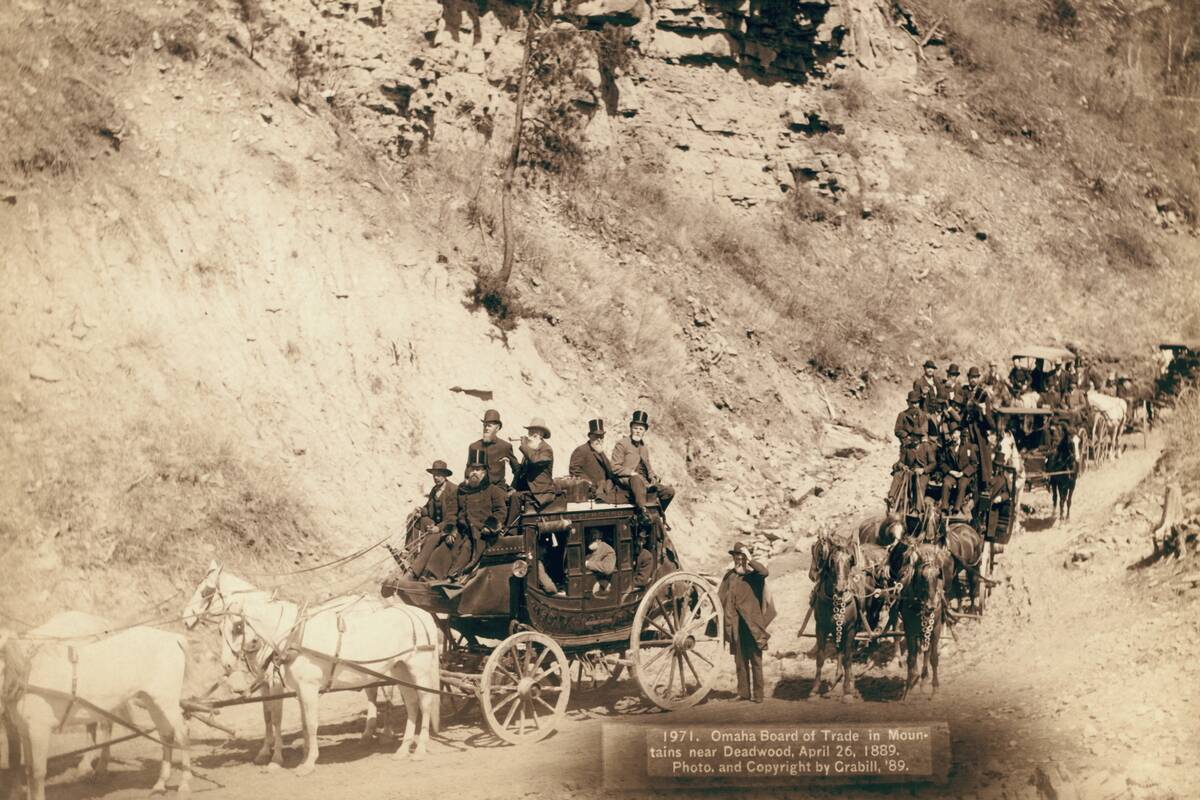
Traveling in the past was an adventure fraught with uncertainty. Railways, while revolutionary, were often unreliable and prone to accidents. Ships, the primary mode of long-distance travel, faced dangers from storms and piracy.
Without modern navigation systems, travelers were at the mercy of the elements. Every journey was a leap of faith, with safety far from guaranteed.
The Risky Business of Work: Factories and Child Labor
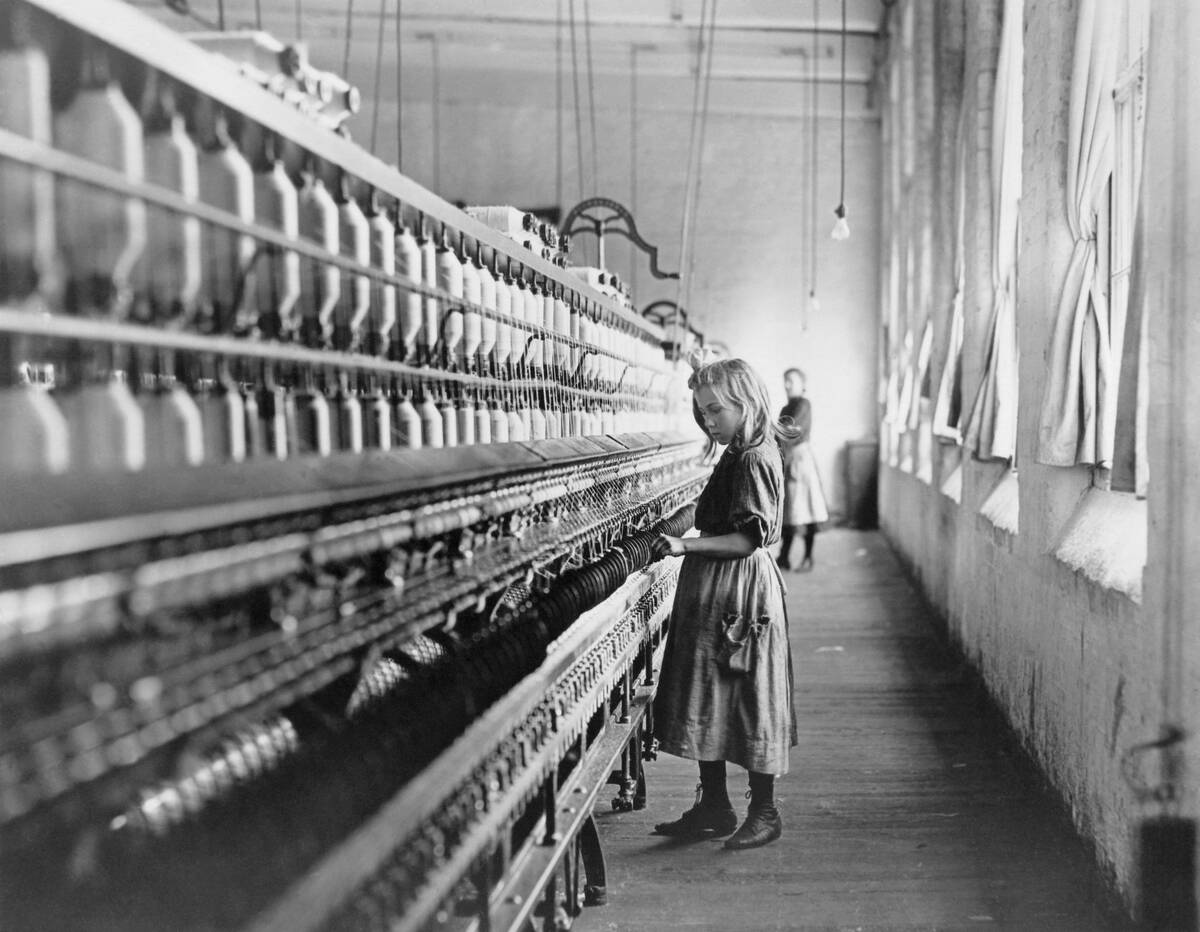
The industrial revolution brought about new job opportunities, but also new dangers. Factories were notorious for their unsafe working conditions, with accidents being commonplace.
Child labor was rampant, with young children working long hours in hazardous environments. The pursuit of progress often came at the expense of worker safety, making the workplace a perilous environment for many.
Photography and Chemicals Make for a Hazardous Hobby
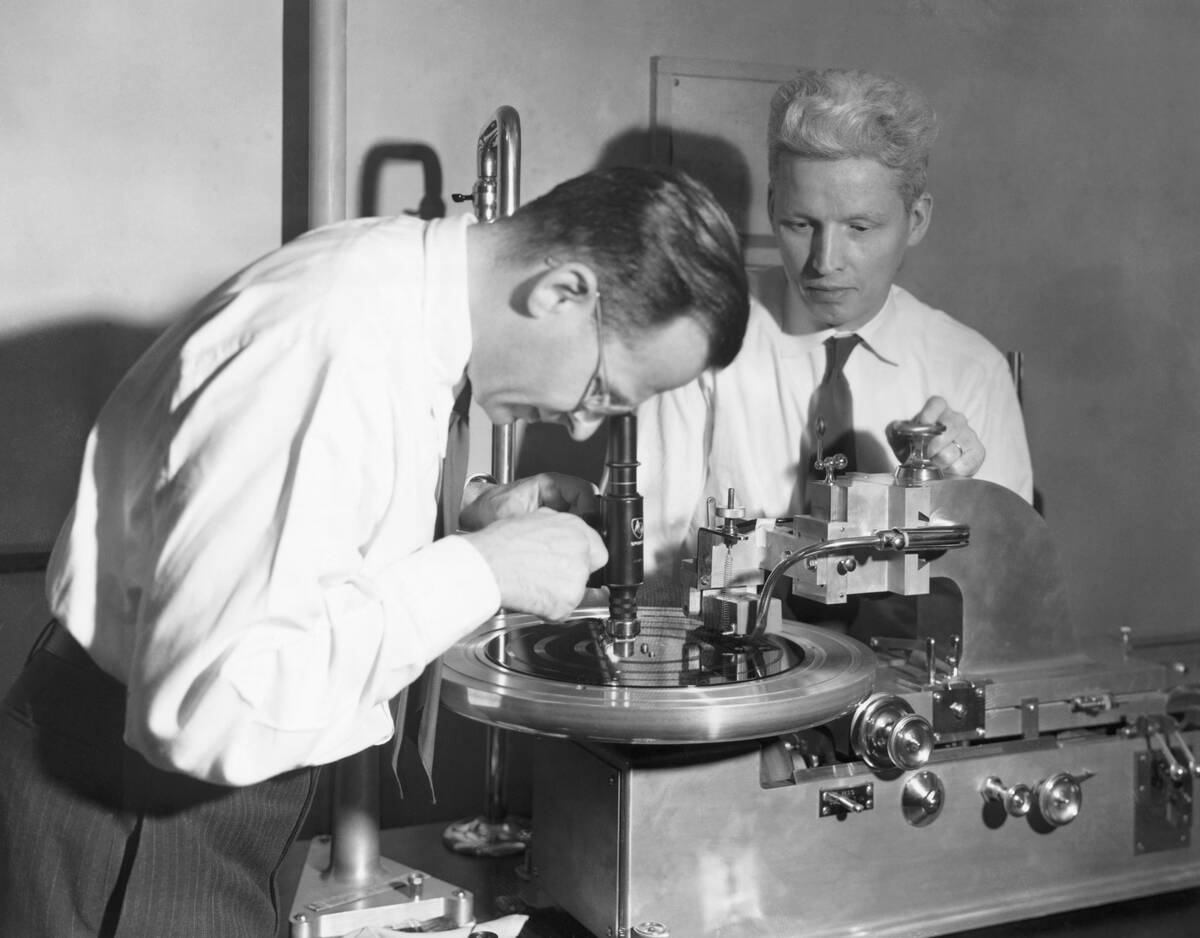
Photography, a popular hobby in the past, came with its own set of dangers. The chemicals used in developing photographs, such as mercury and cyanide, were highly toxic.
Enthusiasts risked exposure to harmful substances in pursuit of the perfect shot. Despite the risks, photography remained a beloved pastime, with many willing to brave the hazards for the sake of capturing memories.
Sports and the Lack of Safety Gear
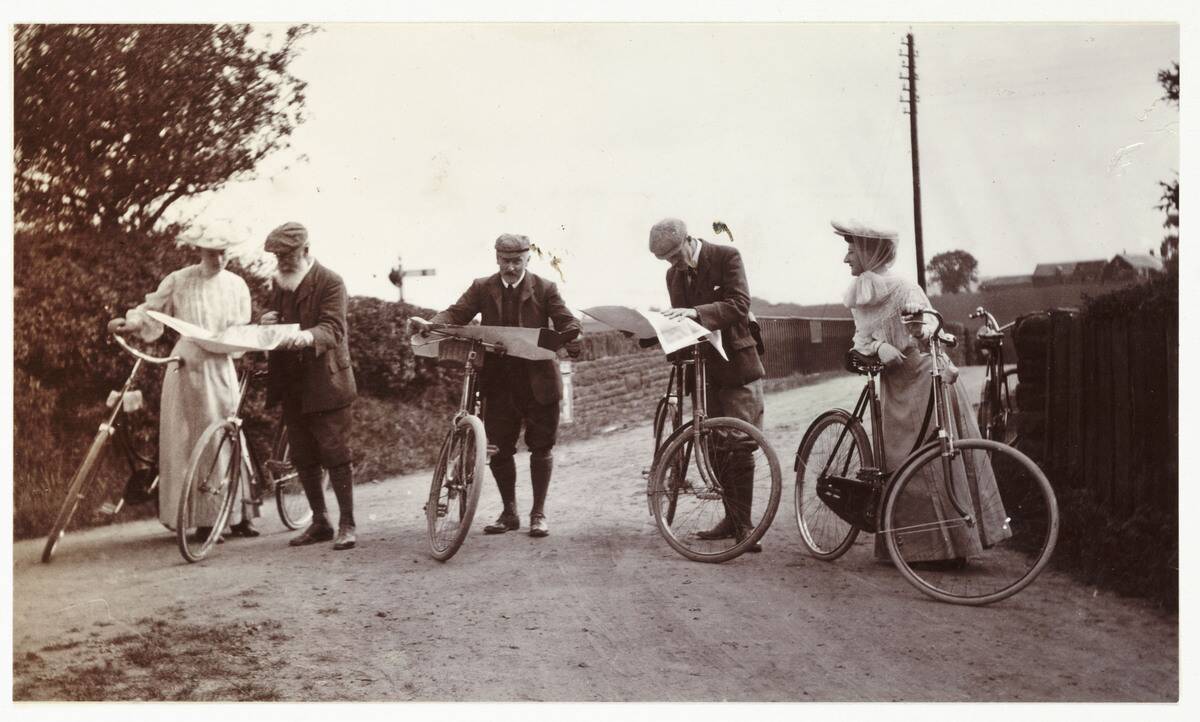
Sports in the past were played with enthusiasm but lacked the safety gear we take for granted today. Activities like cycling and football were enjoyed without helmets or protective padding, leading to frequent injuries.
Despite the risks, the thrill of competition and camaraderie kept people engaged, proving that the love of sport often outweighed concerns for personal safety.
The Dangerous World of Entertainment
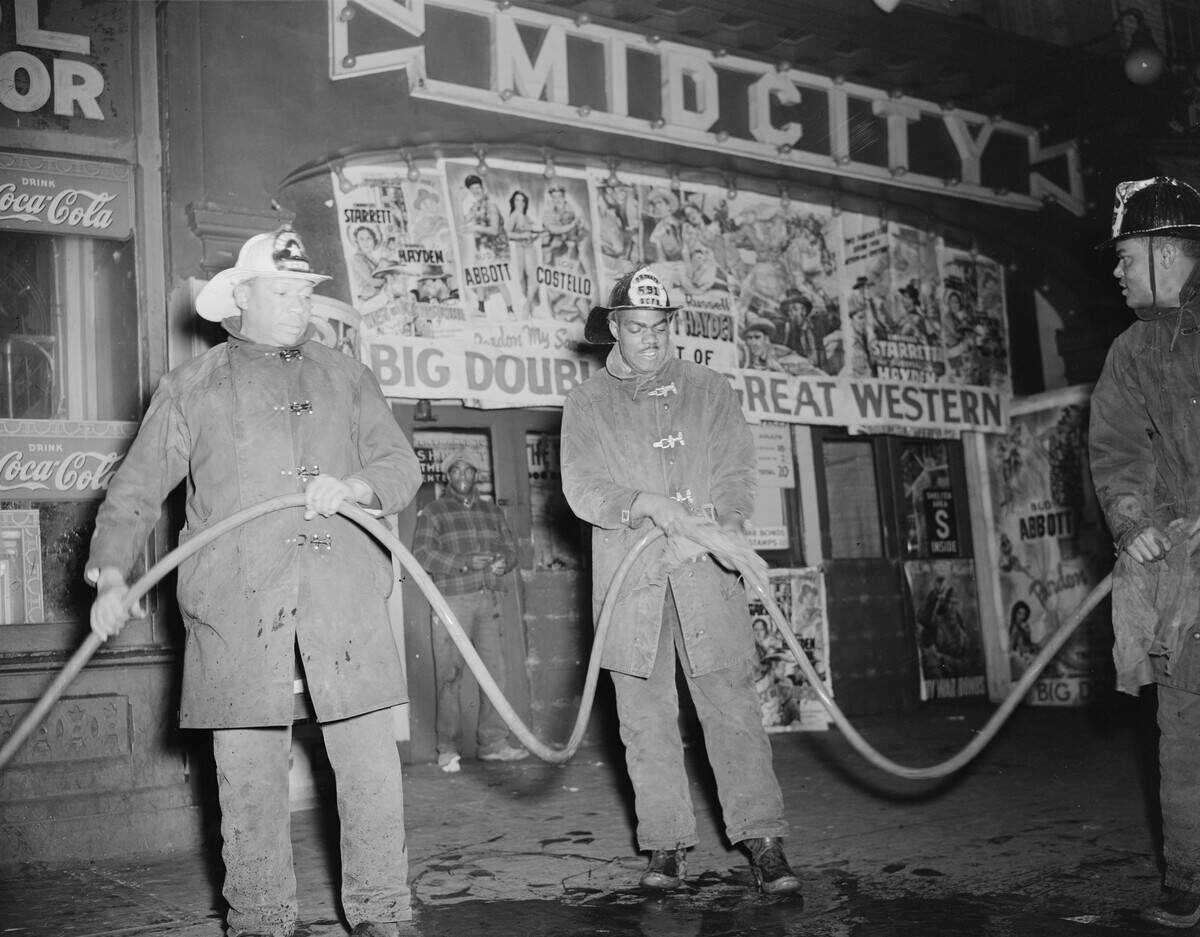
Theaters were a popular form of entertainment, but they posed significant fire hazards. Packed with wooden seats and draped with flammable materials, a single spark could lead to disaster.
The lack of adequate fire exits and safety measures meant that a night at the theater could quickly turn tragic. Despite the risks, the allure of live performances continued to draw crowds, eager for a taste of culture and drama.
Telegraphs and Electric Shocks While Communicating
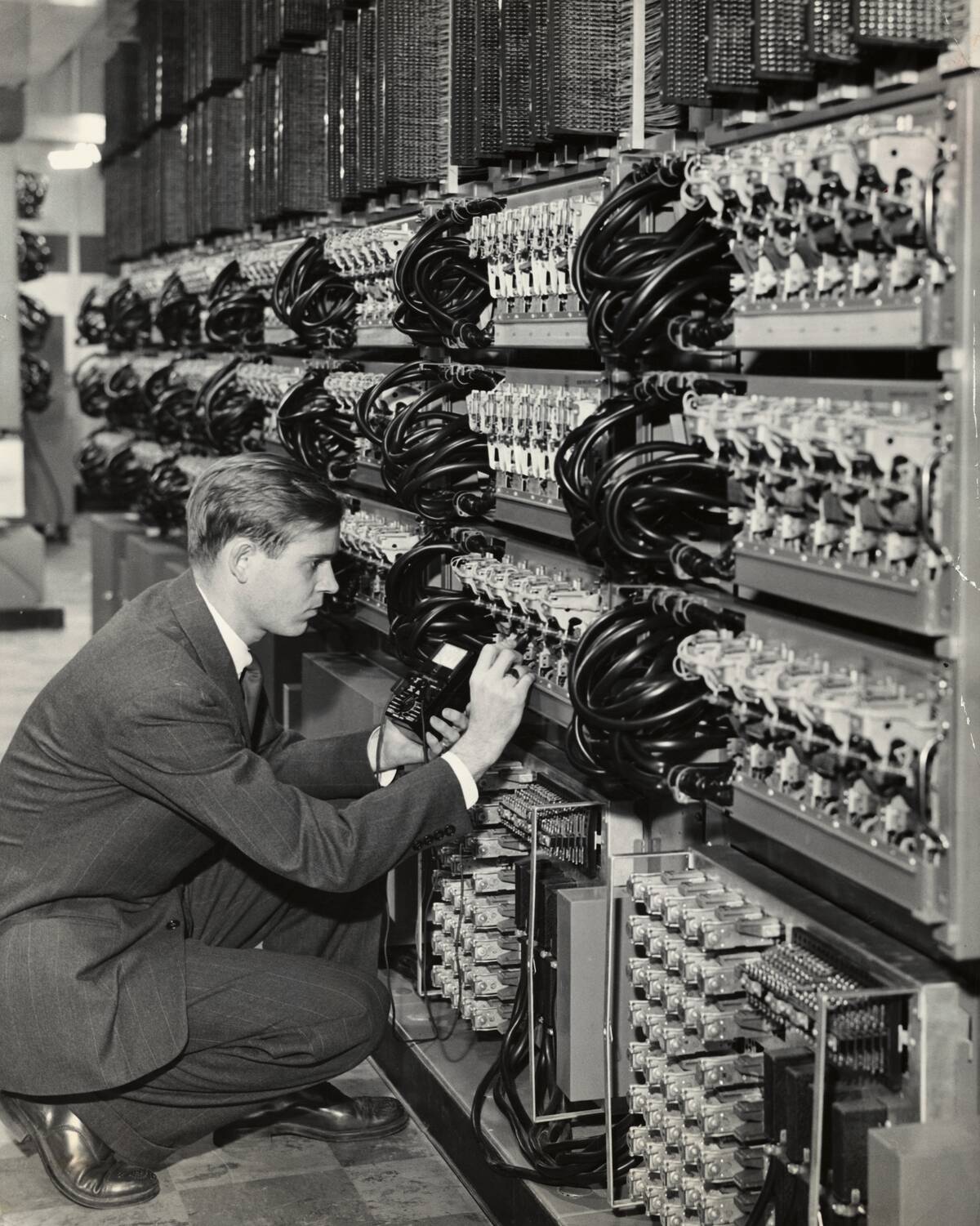
The telegraph revolutionized communication but came with its own dangers. Operators risked electric shocks from faulty equipment, a hazard not fully understood at the time.
Despite the risks, the telegraph was a critical tool for connecting people over long distances, and its benefits were deemed worth the potential dangers. It was a testament to the human spirit’s drive to connect, even at personal risk.