The lesser-known history behind these famous landmarks
Famous landmarks are often known for their appearance, but there’s usually much more to the story. Many of these sites have surprising histories, unusual origins, and interesting details that don’t always make it into guidebooks.
Whether they’ve survived wars, inspired legends, or nearly disappeared altogether, these landmarks have stories that are just as fascinating as the structures themselves.
The Eiffel Tower
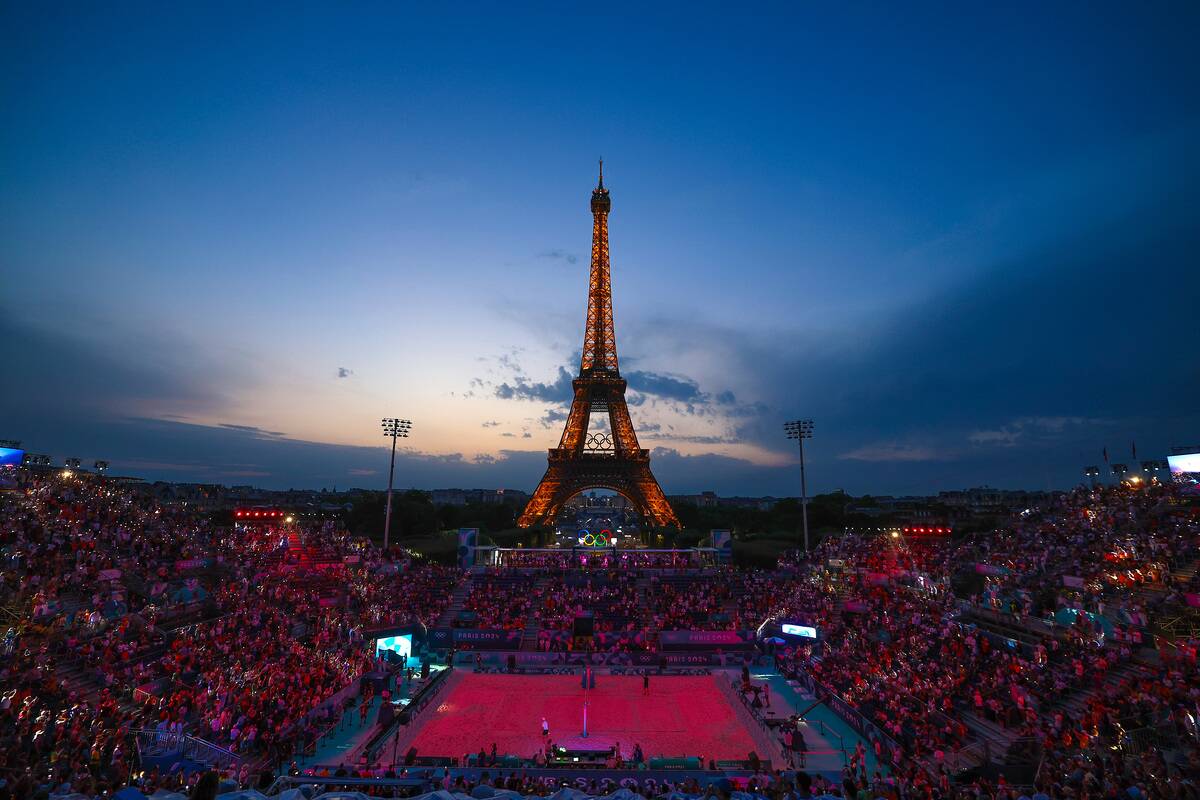
The Eiffel Tower, a symbol of Paris, was initially met with skepticism and criticism. Build by Gustave Eiffel’s company, it was intended to be a temporary installation for the 1889 World’s Fair.
Interestingly, it was almost torn down in 1909, but its utility as a radio transmission tower saved it. Today, it’s hard to imagine Paris without this iconic structure, which attracts nearly 7 million visitors annually.
The Colosseum: Gladiators and Ghosts
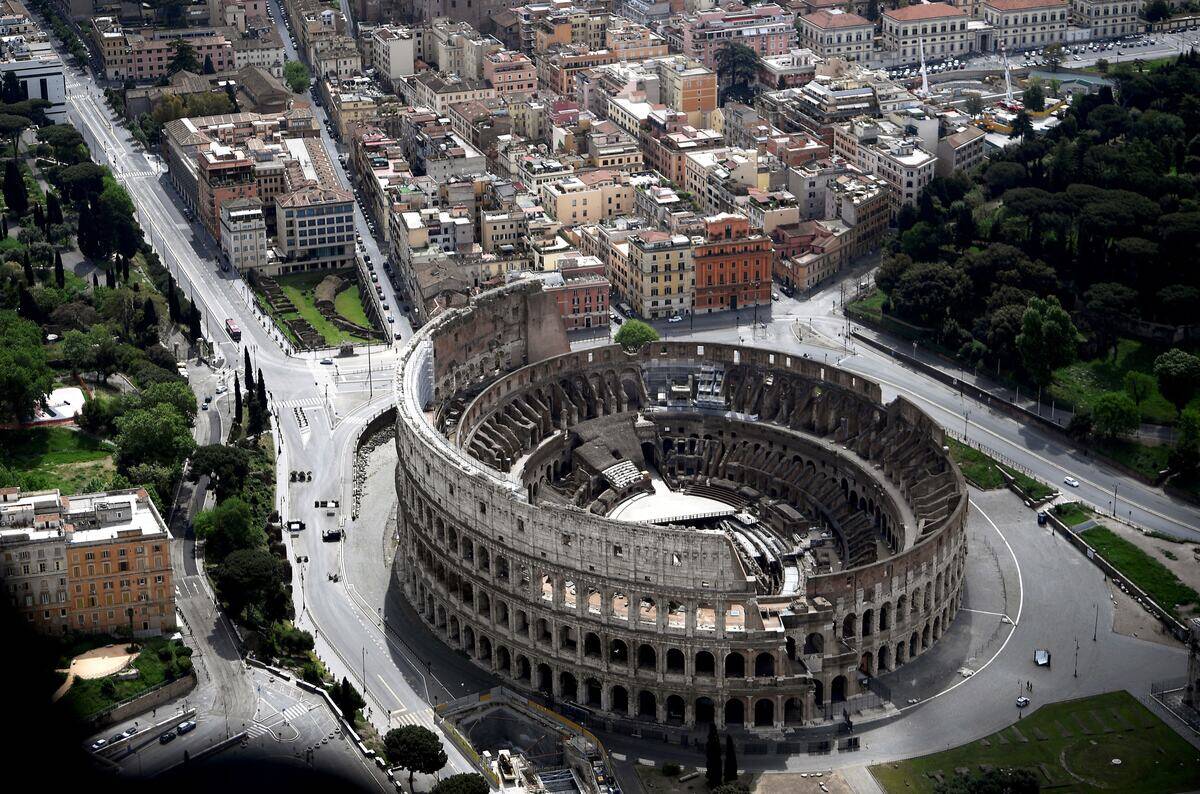
The Colosseum in Rome is a marvel of ancient engineering, capable of seating over 50,000 spectators. It was the site of gladiatorial contests, animal hunts, and even naval battles, with a complex system of underground tunnels and elevators.
Despite its bloody history, it remains a symbol of Roman ingenuity. Some say the spirits of gladiators still linger, adding a spectral layer to its storied past.
The Taj Mahal
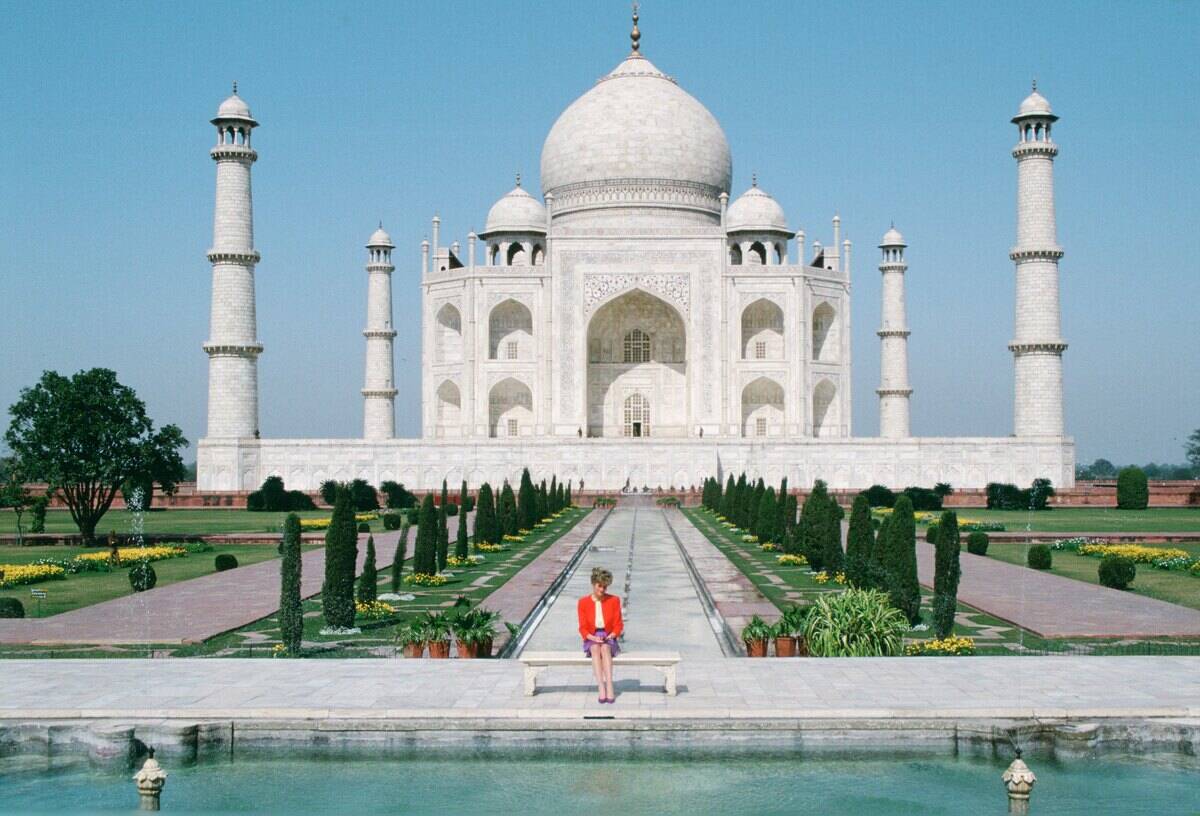
The Taj Mahal, located in Agra, India, is a stunning mausoleum built by Emperor Shah Jahan in memory of his wife Mumtaz Mahal. Its white marble facade changes color with the light, symbolizing the emperor’s enduring love.
Myths abound about its construction, including the legend that Shah Jahan planned a black marble counterpart. The Taj Mahal remains a UNESCO World Heritage site and a symbol of eternal love.
The Pyramids of Giza
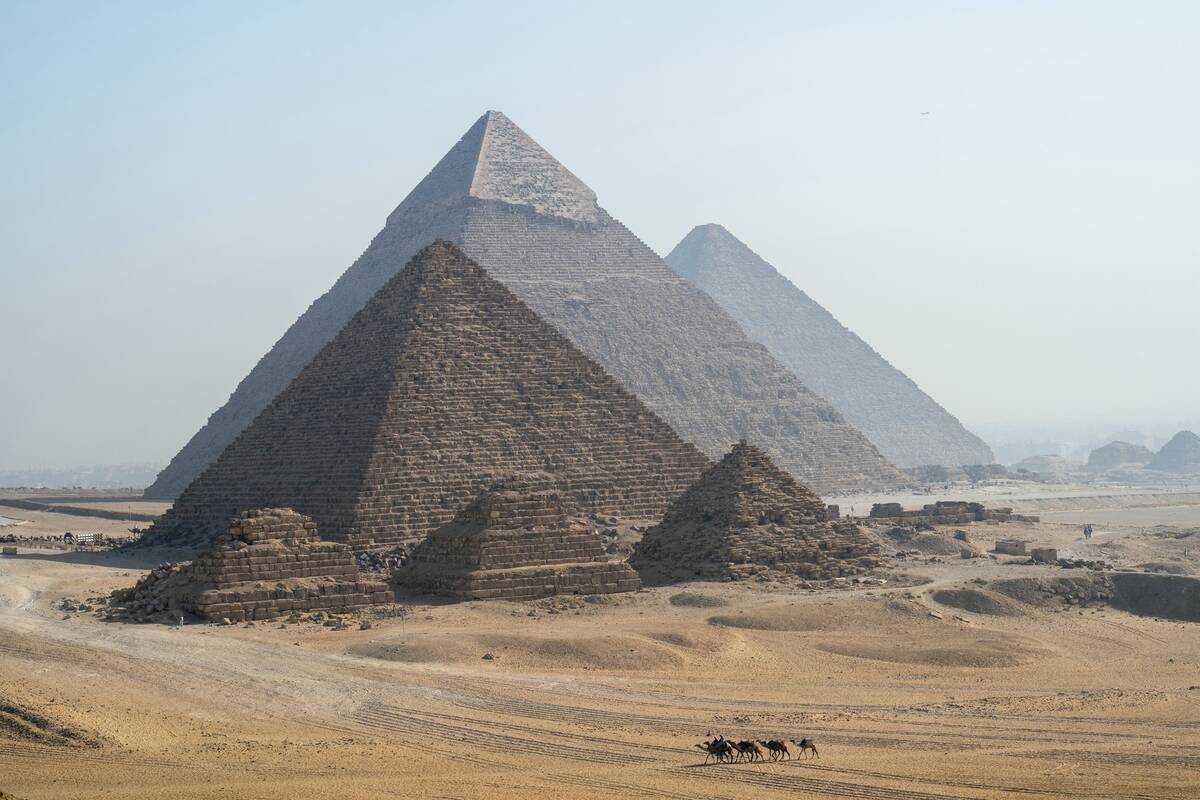
The Great Pyramid of Giza was the tallest man-made structure in the world for nearly 4,000 years, a record that wasn’t broken until the construction of medieval cathedrals. Built for Pharaoh Khufu around 2560 BCE, the pyramid originally stood about 146 meters (481 feet) tall and was covered in smooth white limestone that reflected sunlight, making it visible from great distances.
Even today, researchers continue to study the pyramid’s interior. In 2017, scientists discovered a previously unknown void hidden deep within the structure, showing that one of the world’s most famous landmarks may still hold secrets thousands of years after it was built.
The Parthenon
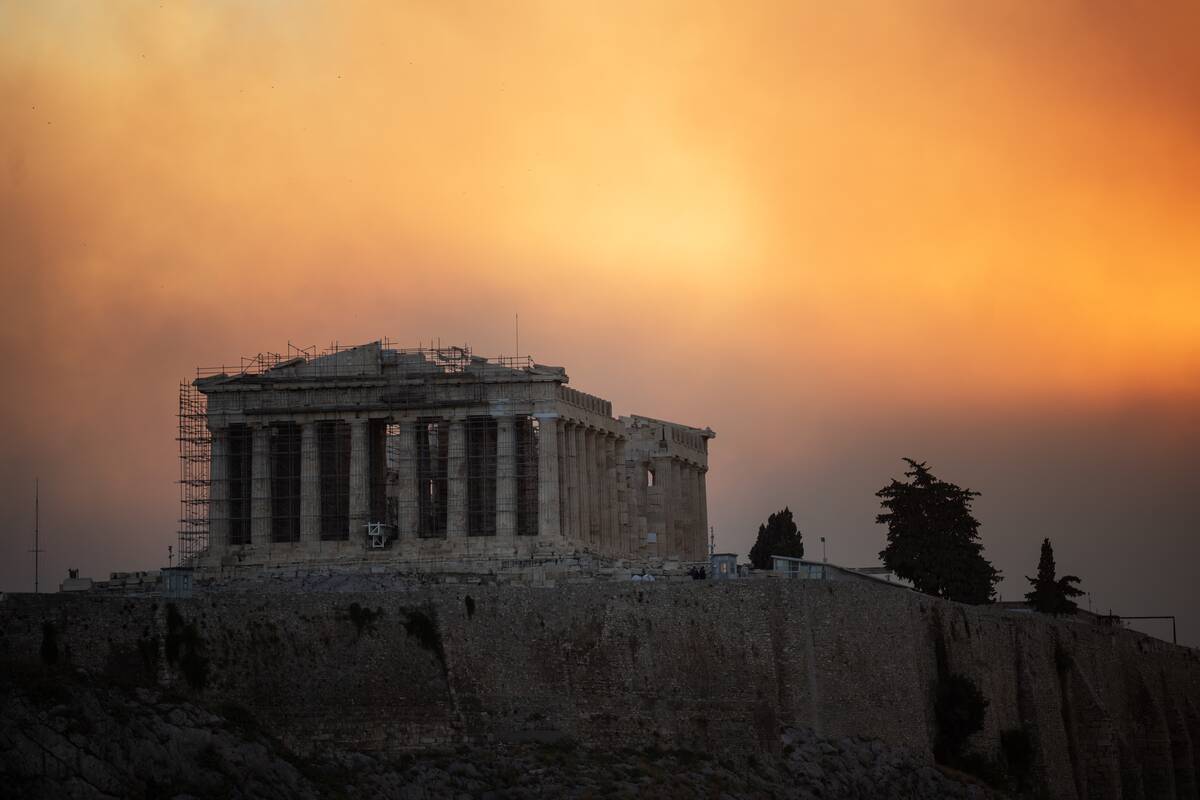
At first glance, the Parthenon appears perfectly symmetrical, but many of its lines are actually curved. Ancient Greek architects intentionally designed the structure this way because perfectly straight lines can appear distorted to the human eye when viewed from a distance.
The columns lean slightly inward, and even the floor rises subtly toward the center. These adjustments created the illusion of perfection and helped make the Parthenon one of the most remarkable architectural achievements of the ancient world.
The Louvre Museum

The Louvre Museum in Paris is often described as the world’s largest art museum and houses around 500,000 works/objects, with tens of thousands on display. Originally a fortress, it became a royal palace before transforming into a public museum in 1793.
Among its treasures is the Mona Lisa, whose smile attracts millions of visitors. Although the Mona Lisa is the Louvre’s most famous attraction today, it wasn’t always considered the museum’s most important artwork. Its worldwide fame grew dramatically after it was stolen in 1911 and recovered two years later, a story that captured headlines around the globe.
Machu Picchu
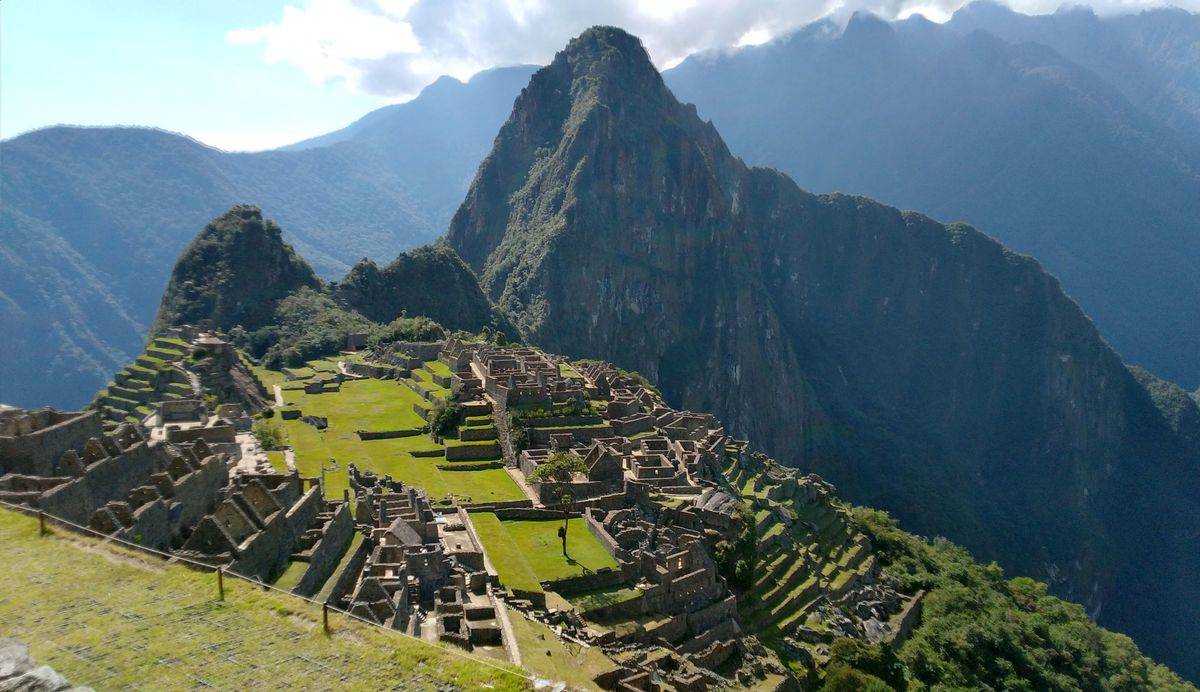
Nestled high in the Andes Mountains, Machu Picchu remains one of the most enigmatic archaeological sites. Built in the 15th century, its purpose is still debated, with theories ranging from a royal estate to a religious site.
Remarkably, the Spanish conquistadors never discovered it, allowing it to remain untouched until its rediscovery in 1911 by Hiram Bingham. Its precise stonework continues to baffle historians and architects alike.
The Statue of Liberty
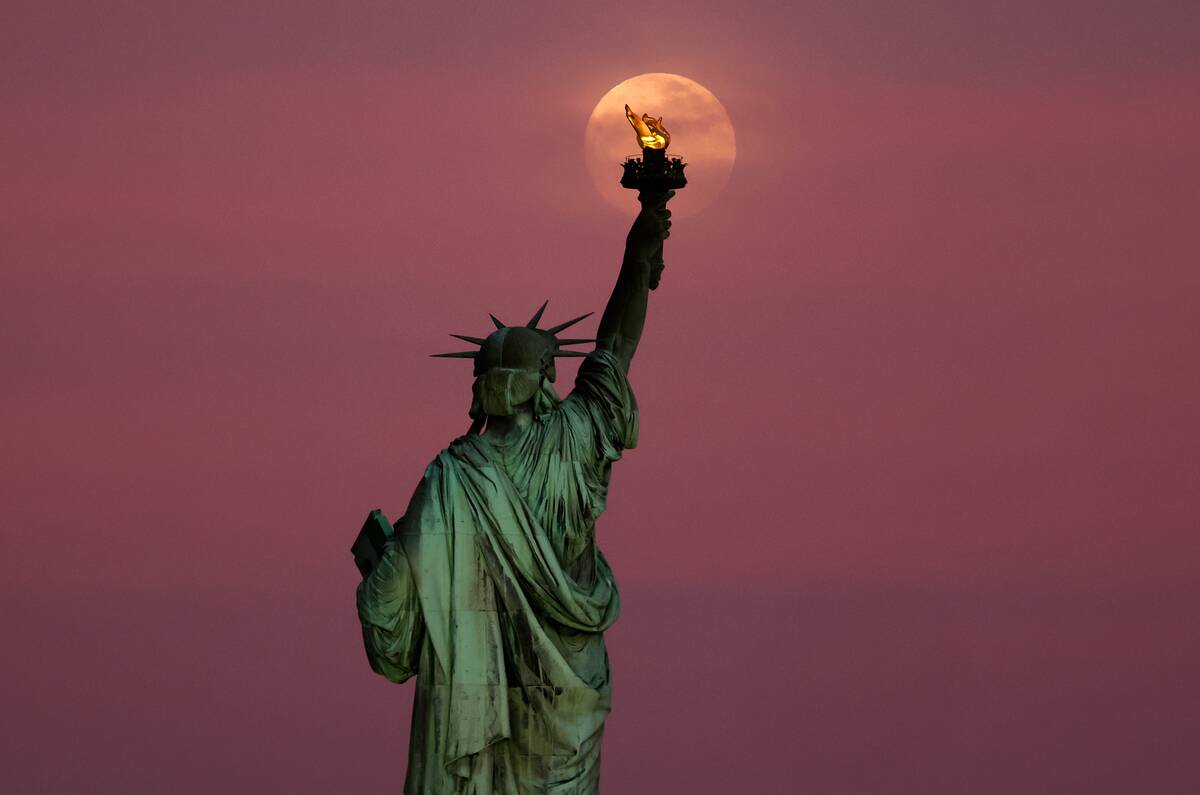
The Statue of Liberty, a gift from France to the United States, stands as a symbol of freedom and democracy. Lesser known is the fact that her full name is “Liberty Enlightening the World.”
The statue’s green hue is due to the natural weathering of its copper skin, a process called patination. Inside, a plaque with Emma Lazarus’s famous poem, “The New Colossus,” welcomes visitors to the land of opportunity.
The Leaning Tower of Pisa: Engineering Marvel or Happy Accident?
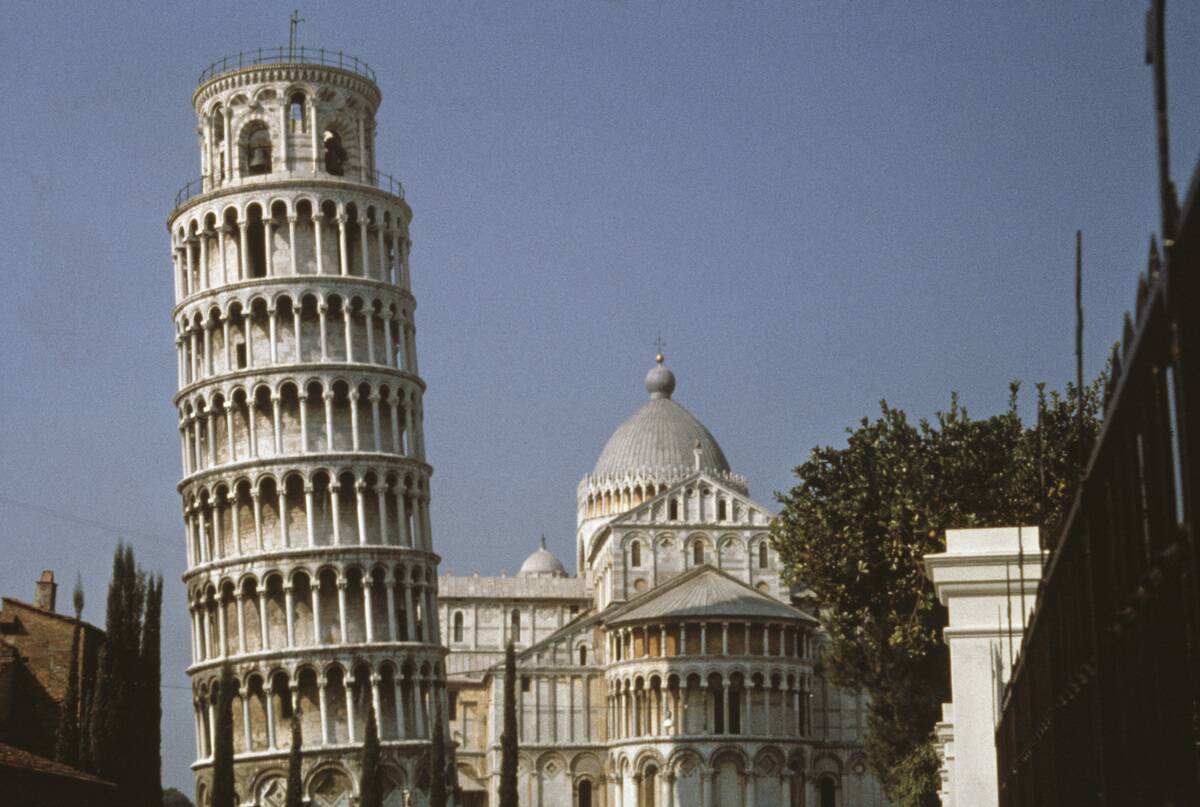
The Leaning Tower of Pisa is famous for its unintended tilt, caused by unstable foundation soil. Construction began in 1173, and the tilt became apparent by the time the third floor was completed.
Efforts to correct the lean have been ongoing for centuries, with modern engineering stabilizing it at a safe angle. Today, it stands as a testament to human ingenuity and the quirks of architectural history.
Stonehenge
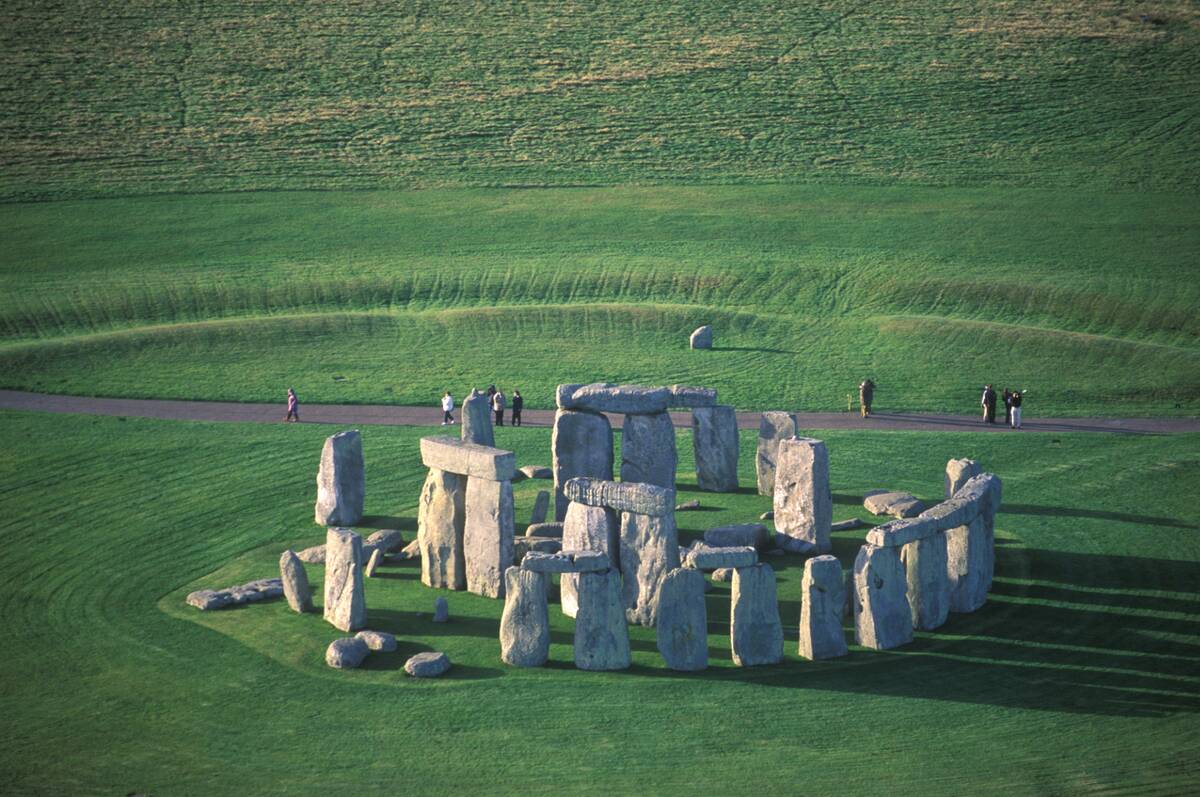
Stonehenge, located in Wiltshire, England, is one of the world’s most mysterious prehistoric monuments. Its massive stones, some weighing over 25 tons, were transported from miles away, a feat that continues to puzzle archaeologists.
While its exact purpose remains unknown, theories suggest it was used for astronomical observations or religious ceremonies. The allure of Stonehenge lies in its enigmatic origins and the secrets it still holds.
Petra
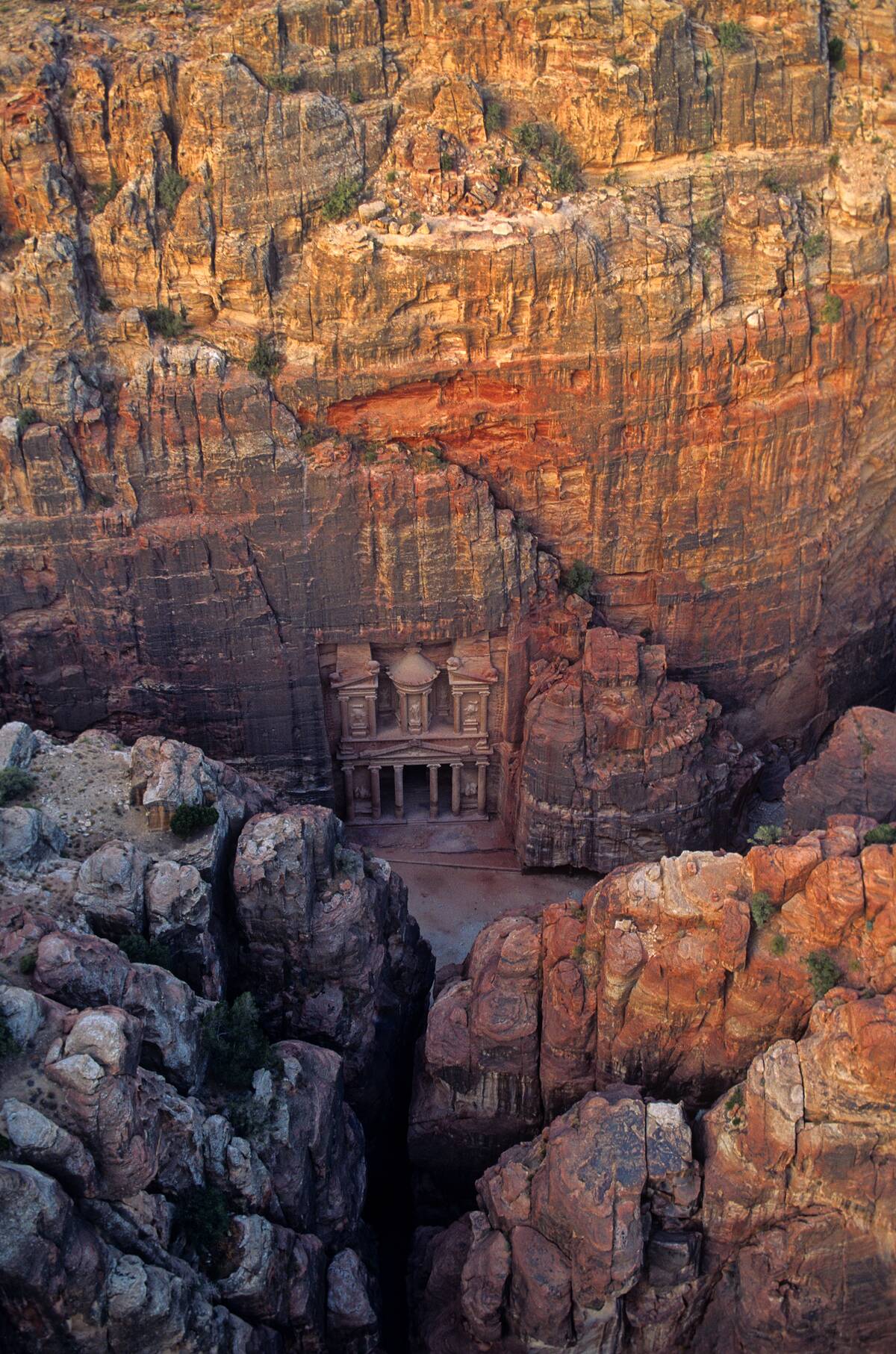
Petra, known as the “Rose City” for its pink sandstone cliffs, is an archaeological wonder in Jordan. Once the capital of the Nabataean Kingdom, it thrived as a trade hub.
Rediscovered in 1812, its intricate rock-cut architecture, including the famous Treasury, continues to captivate visitors. Petra’s hidden tombs and temples tell stories of a civilization that mastered water conservation in the harsh desert environment.
The Great Wall of China
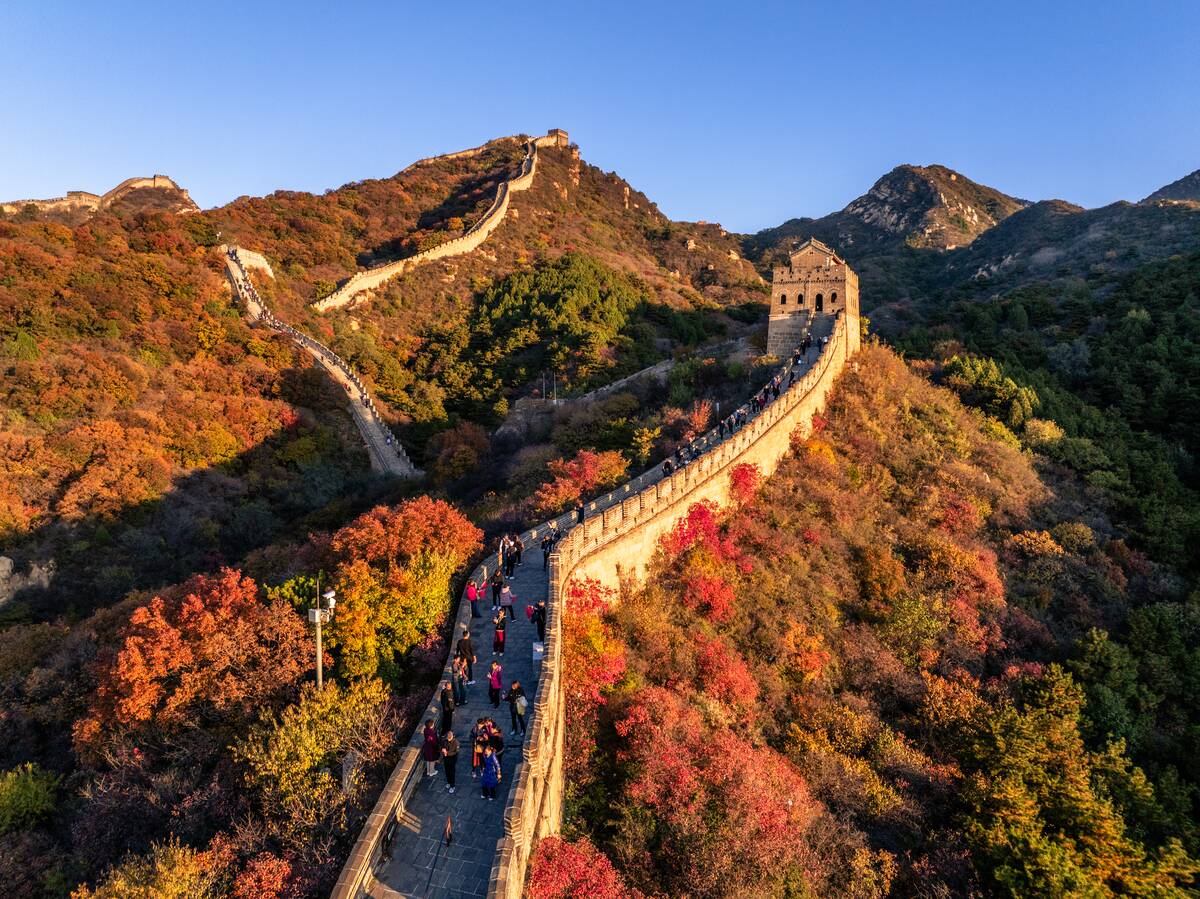
The Great Wall of China stretches over 13,000 miles, a testament to ancient engineering. Contrary to popular belief, it is not a single continuous wall but a series of fortifications built by various dynasties.
The wall’s primary purpose was defense against invasions, but it also facilitated trade along the Silk Road. Today, it stands as a symbol of China’s enduring strength and historical legacy.
The Tower of London
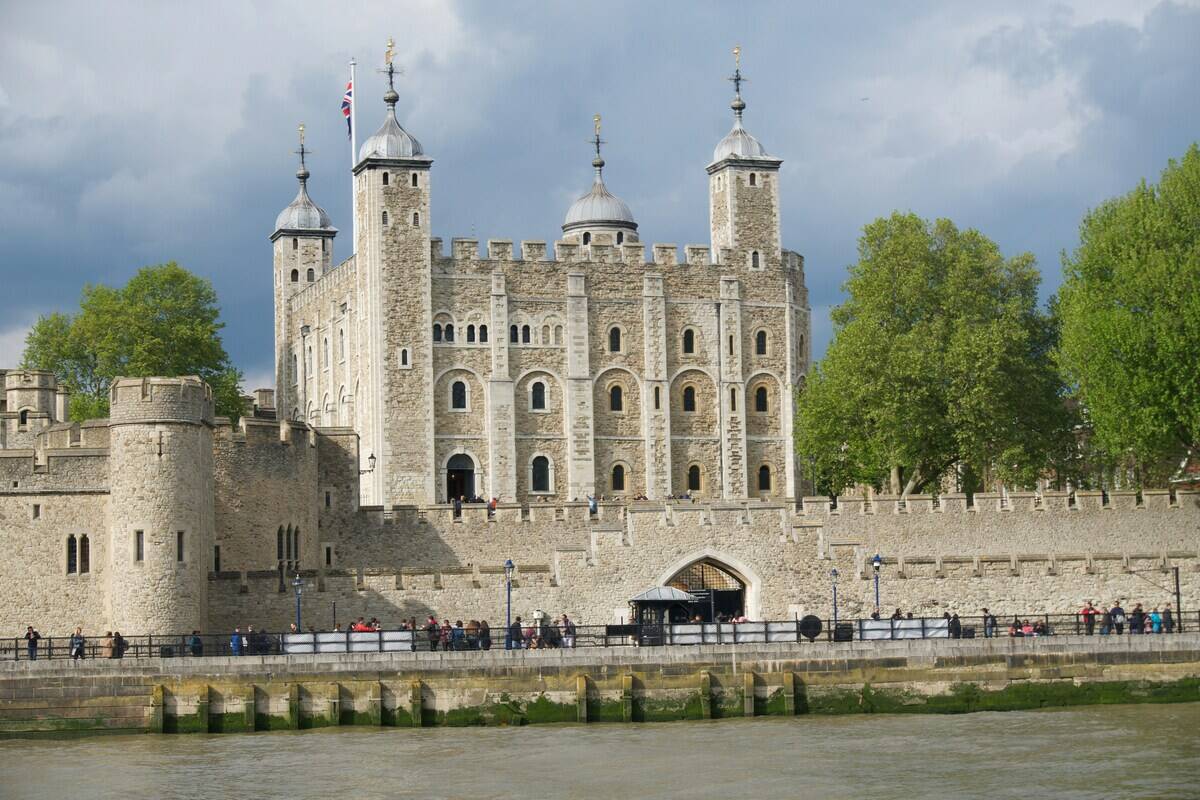
The Tower of London has served as a royal palace, fortress, and infamous prison. Founded by William the Conqueror in the late 1070s, it has witnessed significant historical events, including the imprisonment of Anne Boleyn.
The Crown Jewels are housed here, guarded by the iconic Beefeaters. Legends of ghosts and ravens add a layer of mystery to its storied past. The Tower remains a symbol of British history and resilience.




