Everyday objects that were harder to use in the 90s
Ah, the 1990s—a time when technology was just beginning to blossom into the digital age we know today. Everyday objects from this era now seem like relics from a bygone time, yet they hold a special place in our hearts.
These gadgets and gizmos were not just tools; they were companions in our daily lives, each with its quirks and challenges. Let’s take a trip down memory lane and revisit some of these iconic items.
The Cumbersome Corded Telephone: Tangled Conversations
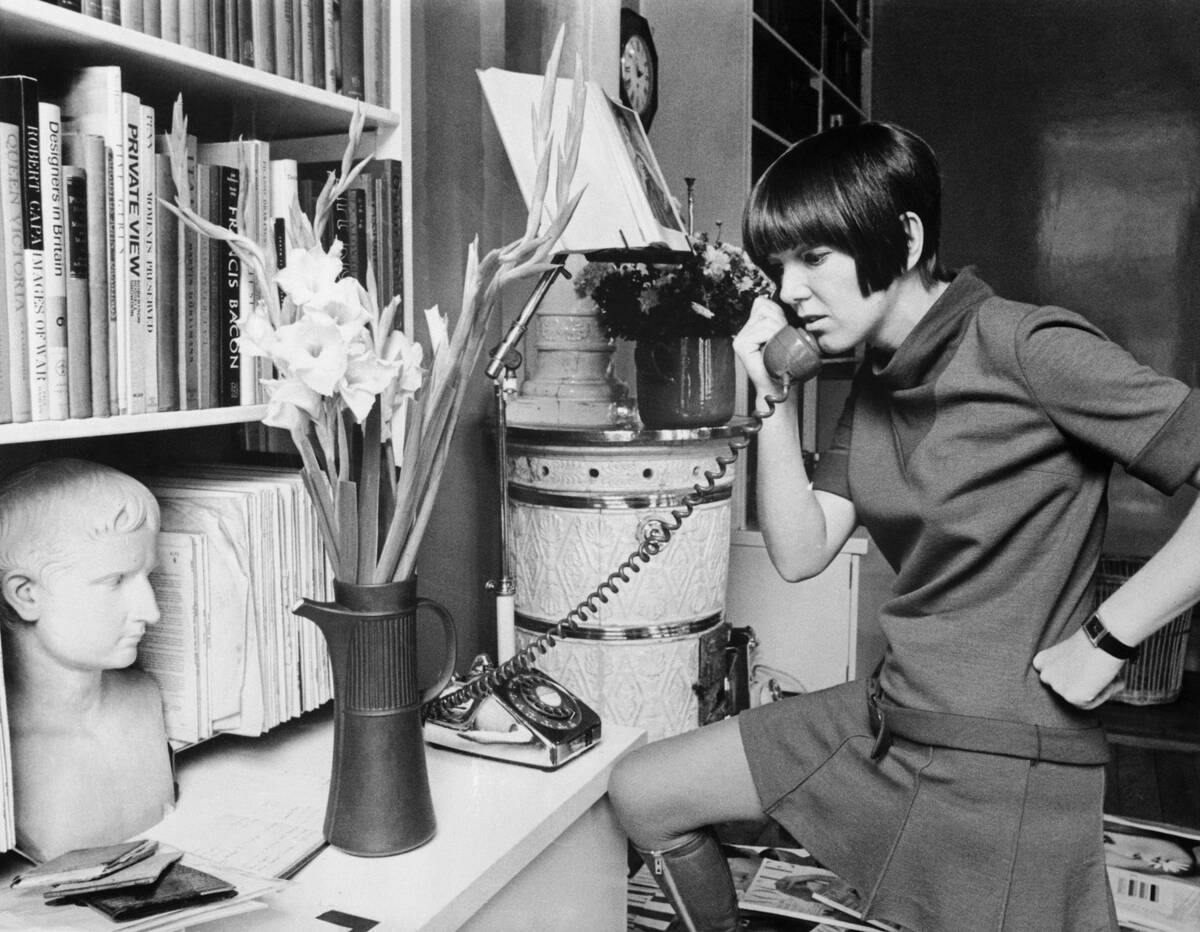
Remember the days when you couldn’t wander too far from the phone because of the cord? The corded telephone was a staple in every home, often found in the kitchen or hallway. It was common to see cords twisted and tangled from countless conversations.
Despite the limitations, there was something comforting about the tactile feel of the rotary dial or the satisfying click of the buttons.
The Unwieldy Walkman: A Pocket-Sized Juggling Act
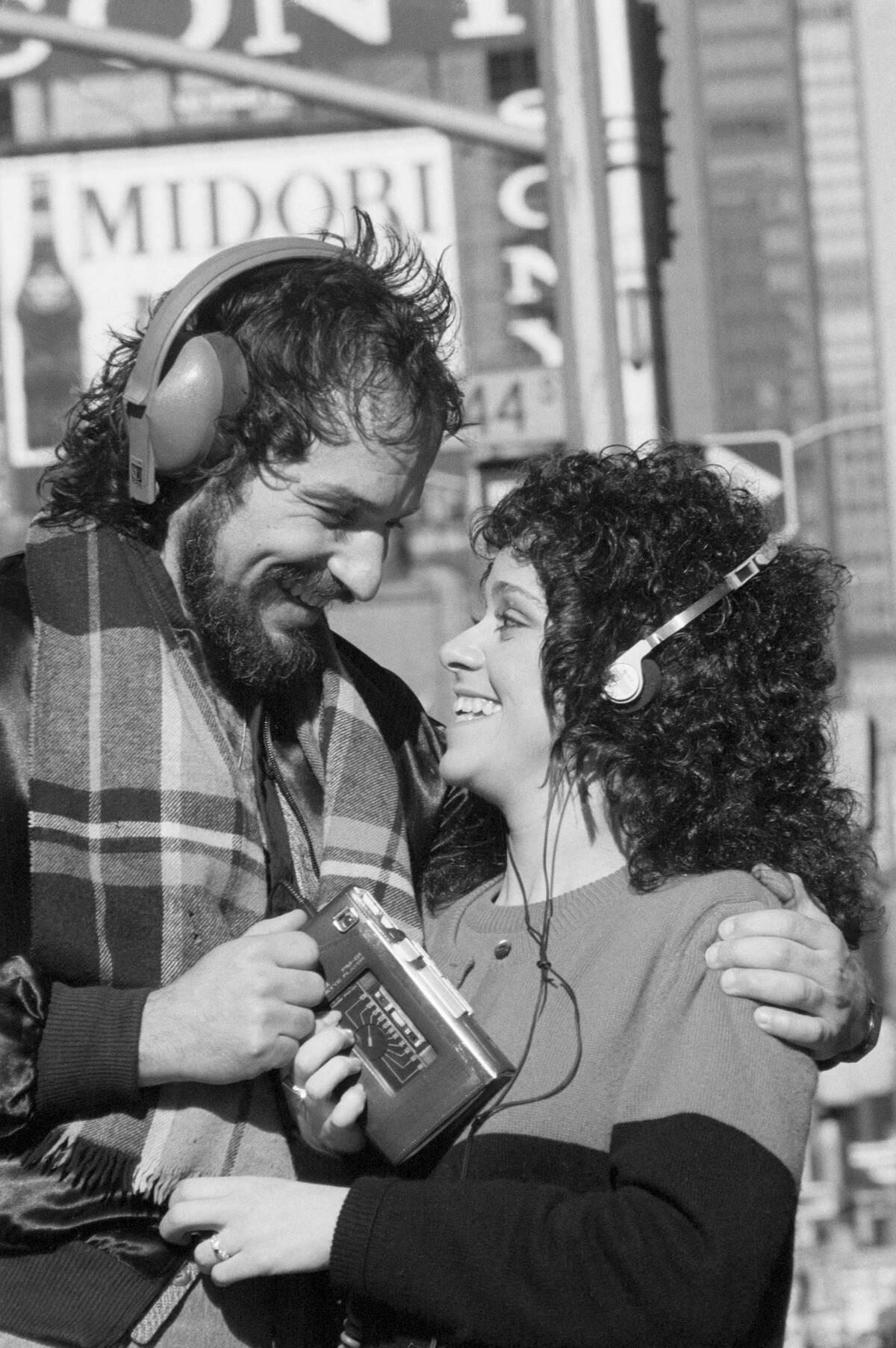
The Walkman was revolutionary, allowing music lovers to take their tunes on the go. However, it wasn’t without its challenges. Bulky and requiring a constant supply of AA batteries, it was a bit of a juggling act to fit it in your pocket.
Despite its size, the Walkman was a symbol of freedom and personal expression, with mixtapes providing the soundtrack to many a teenager’s life.
The Bulky Boombox: Carrying Your Music with Muscle
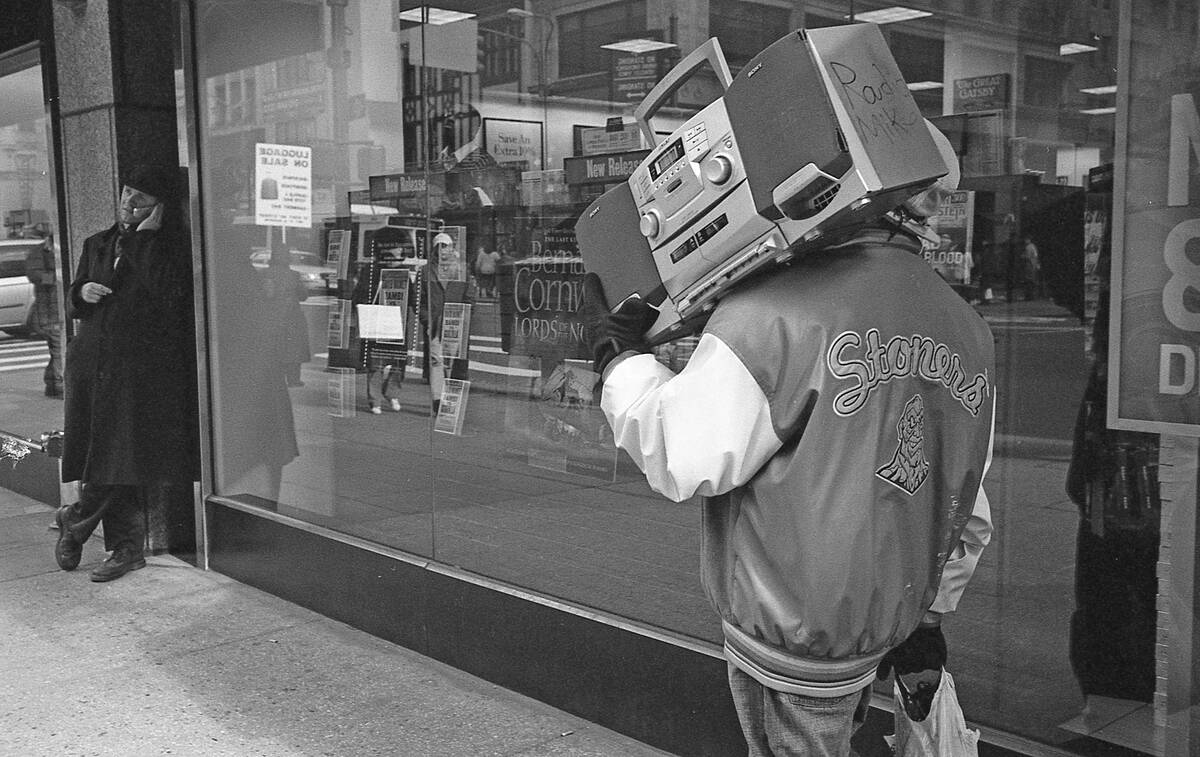
Before Bluetooth speakers, there was the boombox—a portable music player that was anything but portable. These hefty devices required serious muscle to carry around, often resting on shoulders as a badge of musical pride.
With dual cassette decks and powerful speakers, boomboxes brought music to the masses, whether at a beach party or a street corner dance-off.
The Clunky Cathode Ray Tube TV: A Two-Person Job to Move
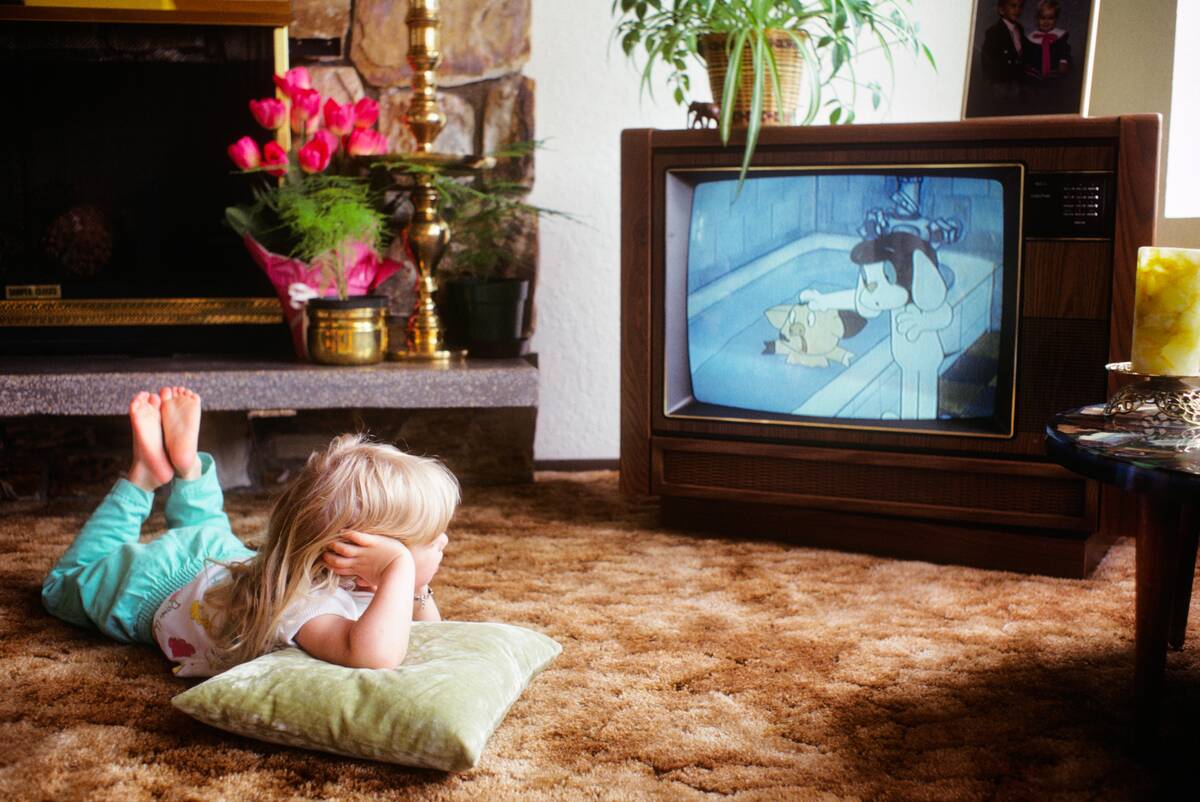
Cathode Ray Tube (CRT) TVs were the centerpiece of living rooms across the globe. These behemoths were heavy and awkward to move, often requiring two people to lift.
Despite their bulk, CRT TVs delivered a viewing experience that was unmatched at the time, with vivid colors and a certain warmth that modern flat screens just can’t replicate.
The Unpredictable VCR: Mastering the Art of Tracking
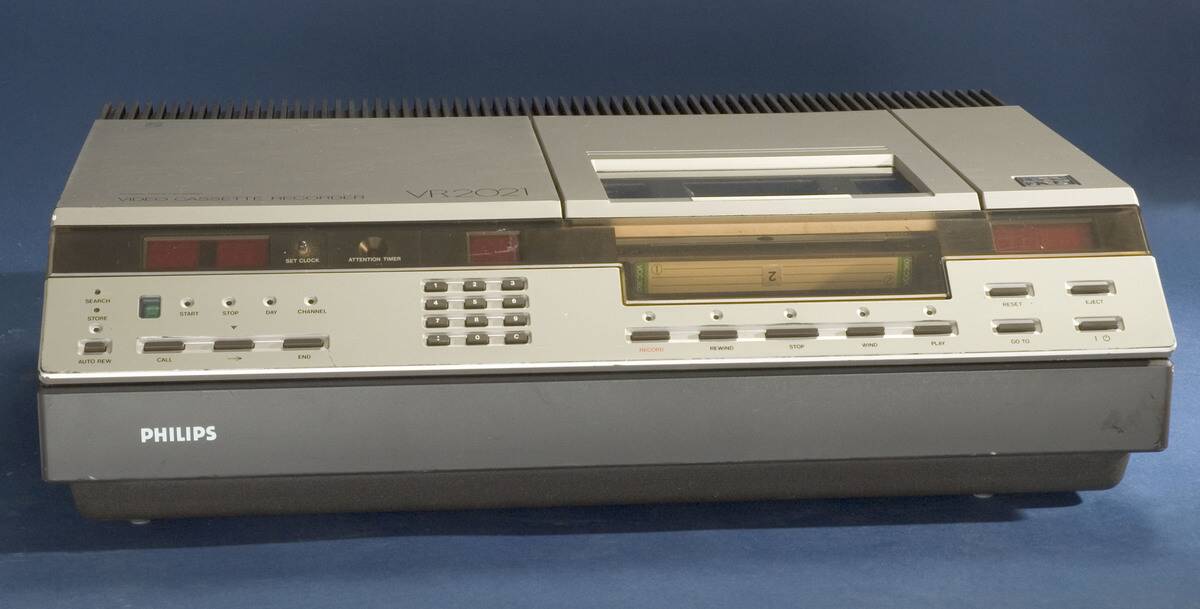
VCRs were the gateway to home movie magic, but they came with their own set of challenges. Tracking was a skill every VCR owner had to master to avoid those dreaded lines across the screen.
Despite the occasional tape jam, the VCR was a beloved household item, allowing families to record their favorite shows and watch movies at home long before streaming was a thing.
The Tricky Cassette Tape: The Pencil Rewind Technique
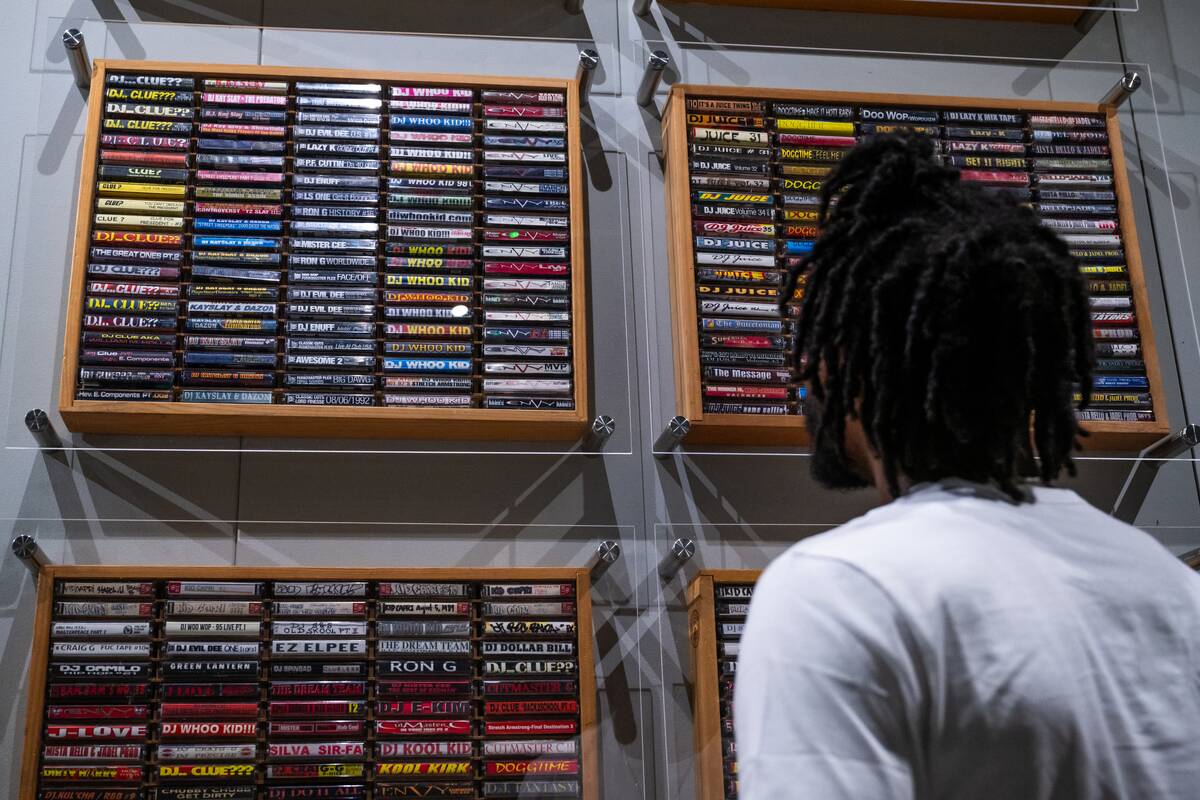
Ah, the cassette tape—a compact way to enjoy music, but not without its quirks. Tapes were notorious for getting tangled, and the pencil rewind technique was a lifesaver for fixing those mishaps.
Despite their fragility, cassette tapes were cherished for their ability to create mixtapes, a personal and heartfelt way to share music with friends and loved ones.
The Finicky Floppy Disk: Limited Storage, Unlimited Frustration
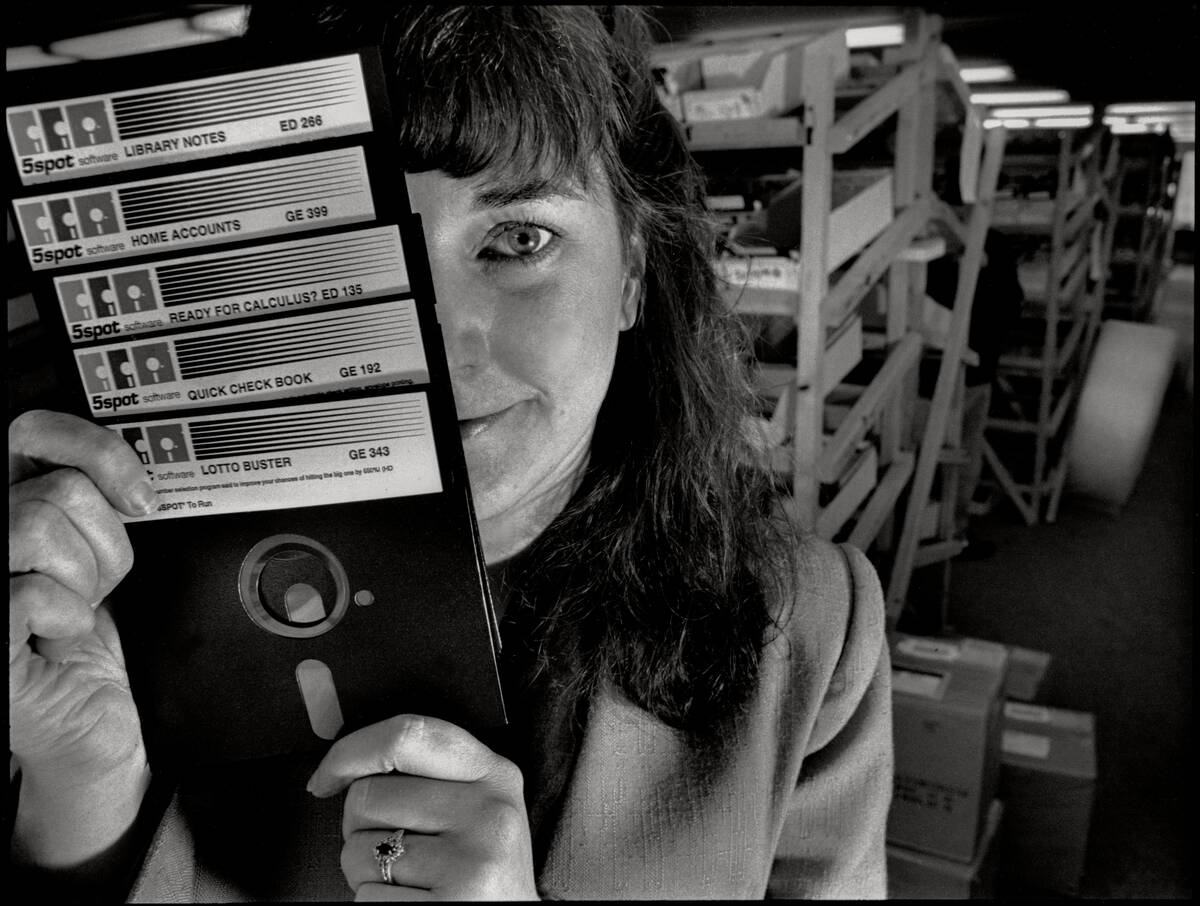
Floppy disks were the go-to for storing data, but they had their limitations. With a mere 1.44 MB of storage, they were often filled to capacity with just a few files.
The frustration of a corrupted disk was all too familiar, yet they were essential for transferring data in the pre-cloud era. Despite their shortcomings, floppies were a key player in the early days of personal computing.
The Manual Camera: Waiting for the Perfect Shot
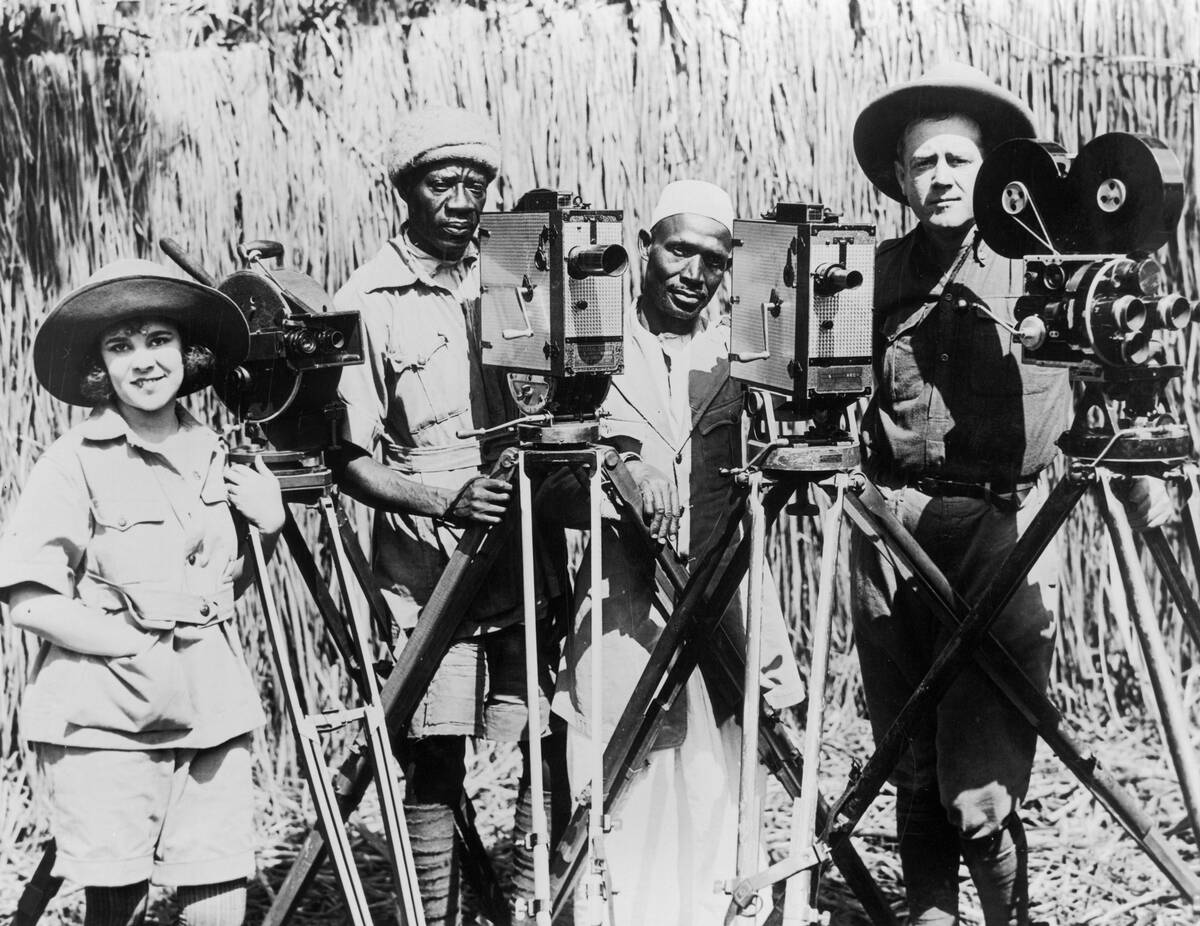
Before digital cameras, capturing a moment meant carefully composing a shot and hoping for the best.
Manual cameras required patience and skill, as there was no instant feedback. The anticipation of waiting for film to be developed was part of the charm, and each photo was a surprise, sometimes delightful, sometimes disappointing, but always memorable.
The Tedious Dial-Up Internet: Patience is a Virtue
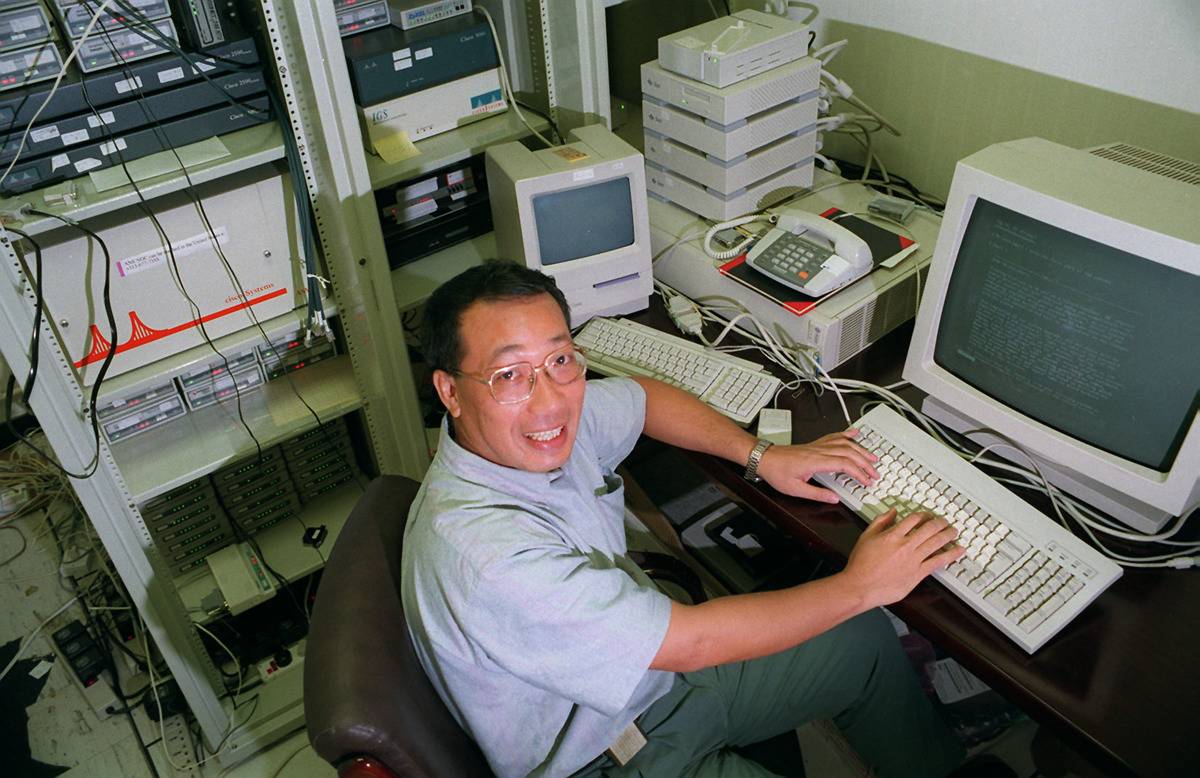
Connecting to the internet in the 1990s was an exercise in patience. Dial-up modems were slow and noisy, often tying up the phone line with their distinctive screech.
Web pages loaded at a snail’s pace, but the thrill of accessing the World Wide Web was worth the wait. It was a time when patience truly was a virtue, and every connection was a small victory.
The Overhead Projector: Transparency Sheets and Fiddly Focus
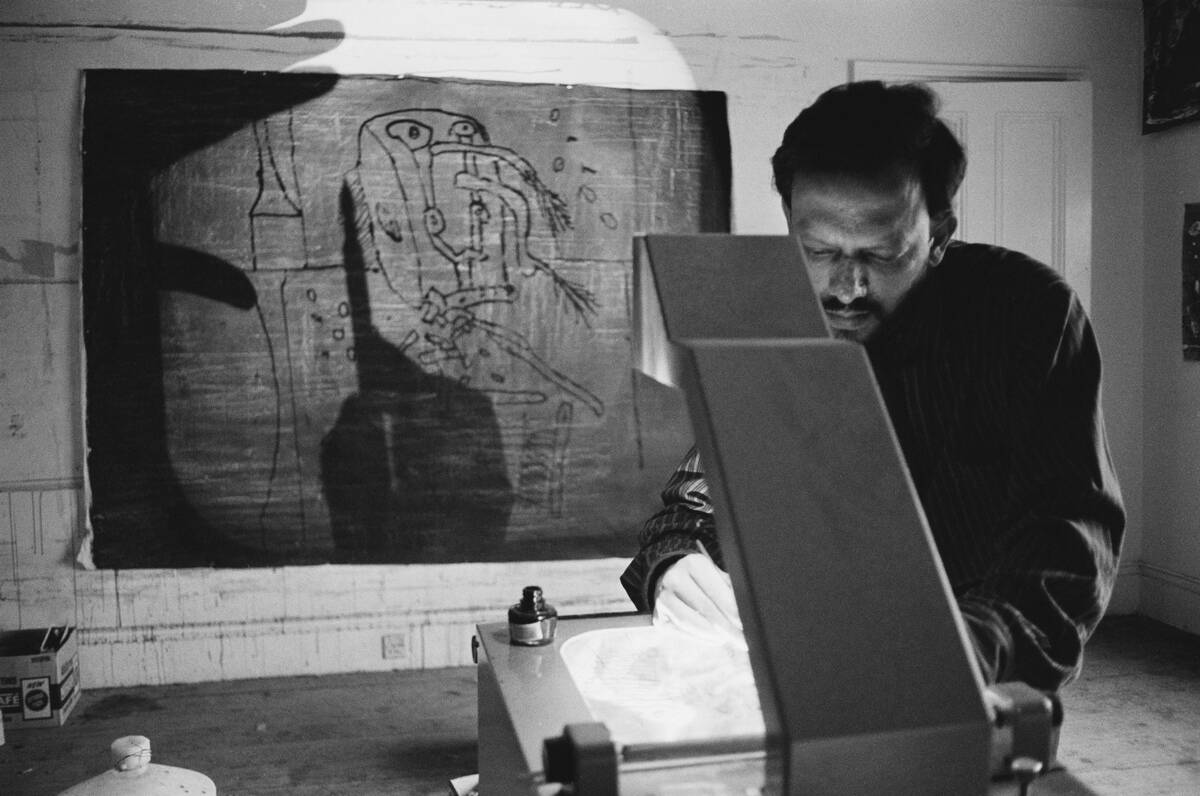
Classrooms in the ’90s were often equipped with overhead projectors, a staple for teachers everywhere. These devices required transparency sheets and a steady hand to adjust the focus.
Despite their fiddly nature, overhead projectors were invaluable for displaying information to a room full of students, making lessons more interactive and engaging.
The Analog Alarm Clock: Setting Time with Precision
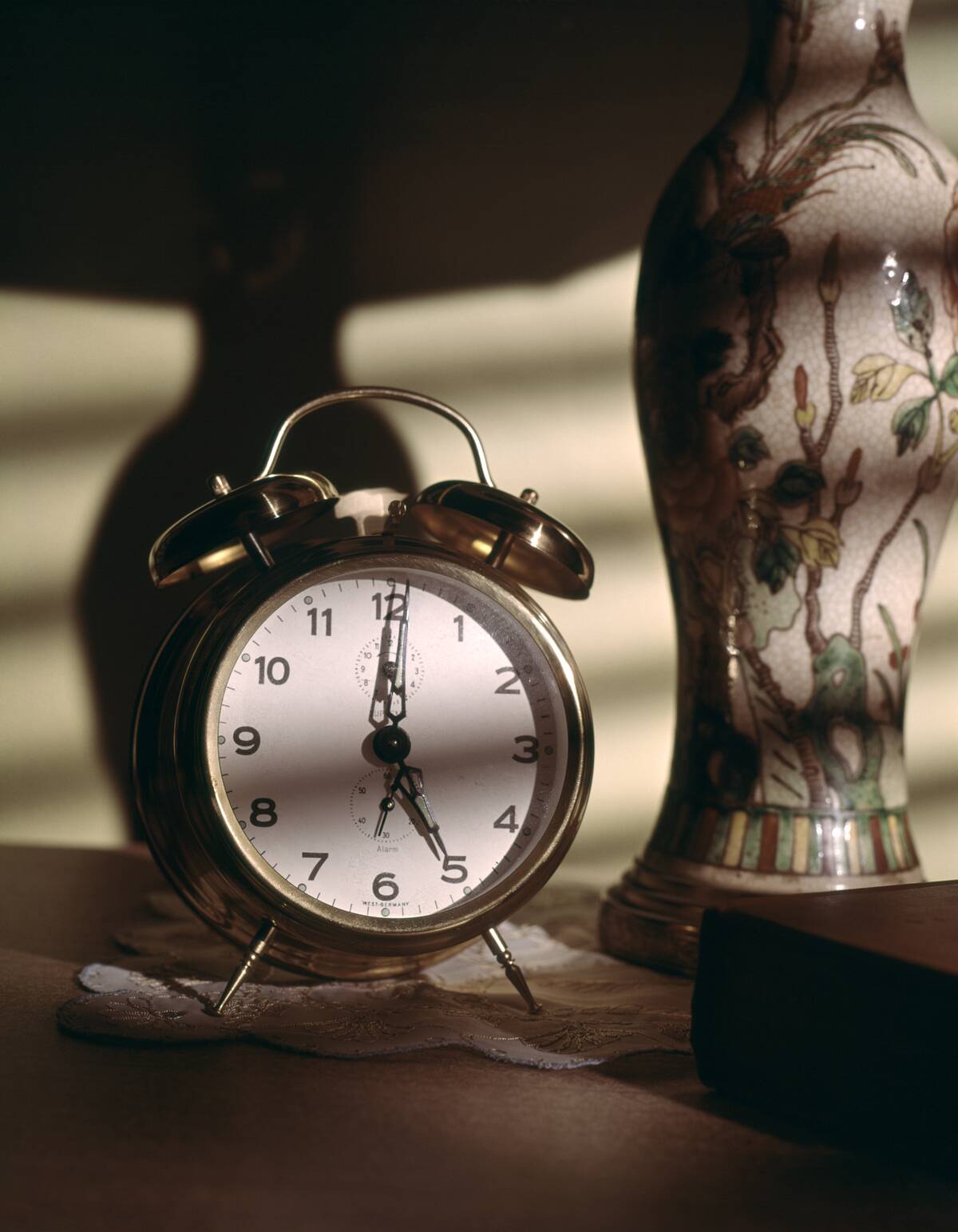
Waking up in the ’90s often involved the shrill ring of an analog alarm clock. Setting the time required precision, as there was no digital display to rely on.
Despite their simplicity, these clocks were reliable companions, ensuring we started our day on time. The satisfying tick-tock of the clock hands was a comforting sound in the quiet of the night.
The Portable CD Player: Skip-Free Listening Was a Dream
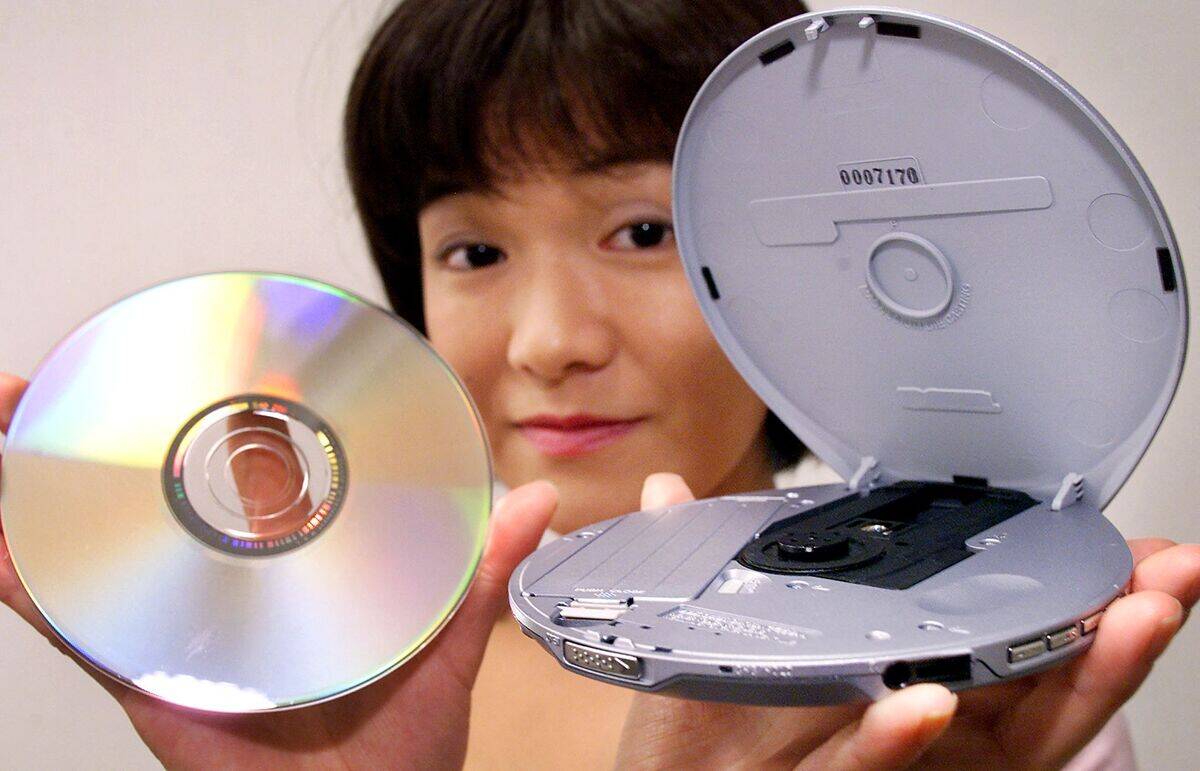
The portable CD player was a step up from the Walkman, offering superior sound quality. However, achieving skip-free listening was often a dream, as the slightest bump could cause the CD to skip.
Despite this, the portable CD player was a prized possession, allowing music lovers to enjoy their favorite albums on the go, with anti-skip technology eventually becoming a sought-after feature.
The Film Camera: Developing the Mystery Roll
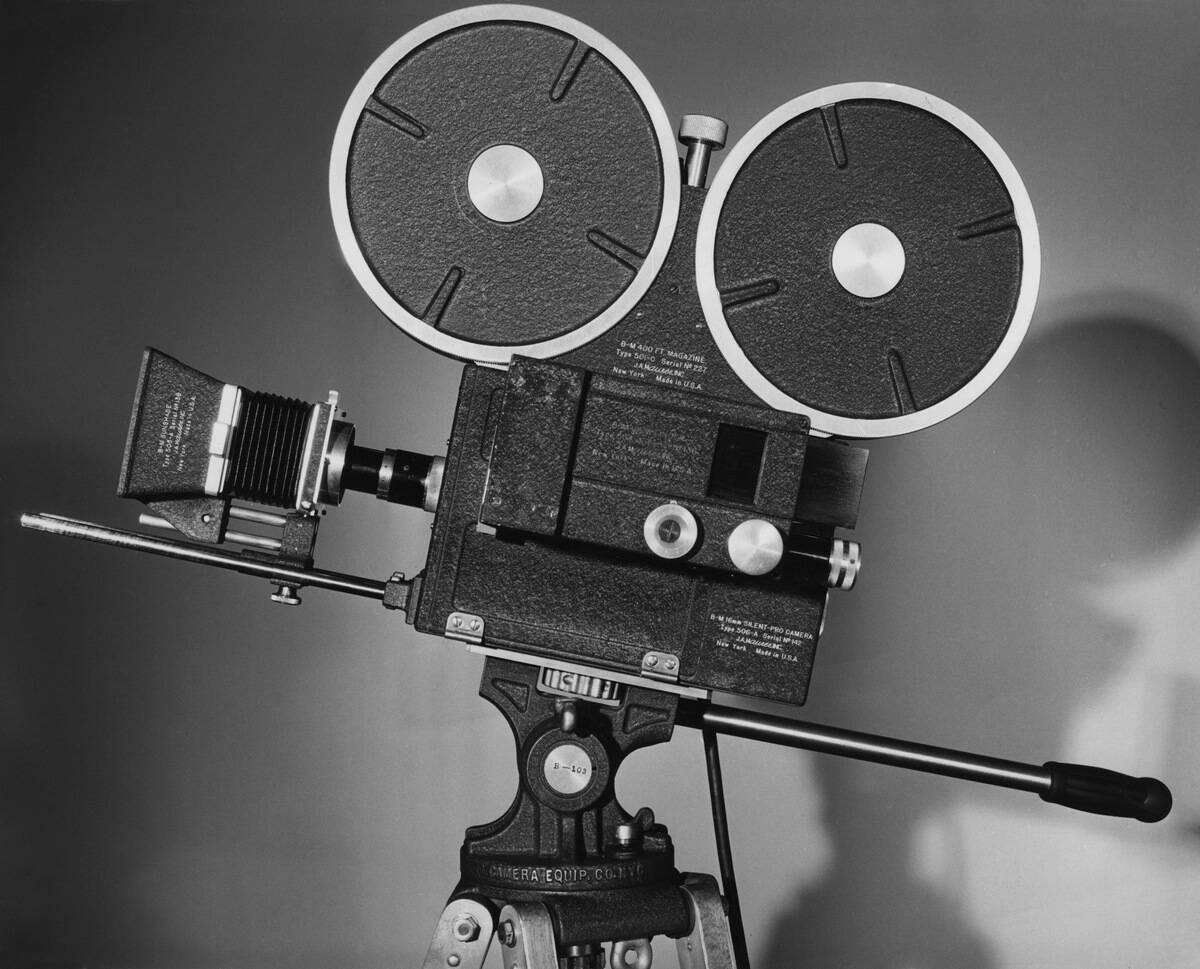
Film cameras captured life’s moments in a way that digital cameras can’t quite replicate. Each roll of film was a mystery, with no way to preview shots until they were developed.
This added an element of surprise to photography, as you never knew exactly what you had captured until you picked up your prints. The excitement of flipping through freshly developed photos was a joy unique to the film era.
The Typewriter: A Symphony of Clicks and Clacks
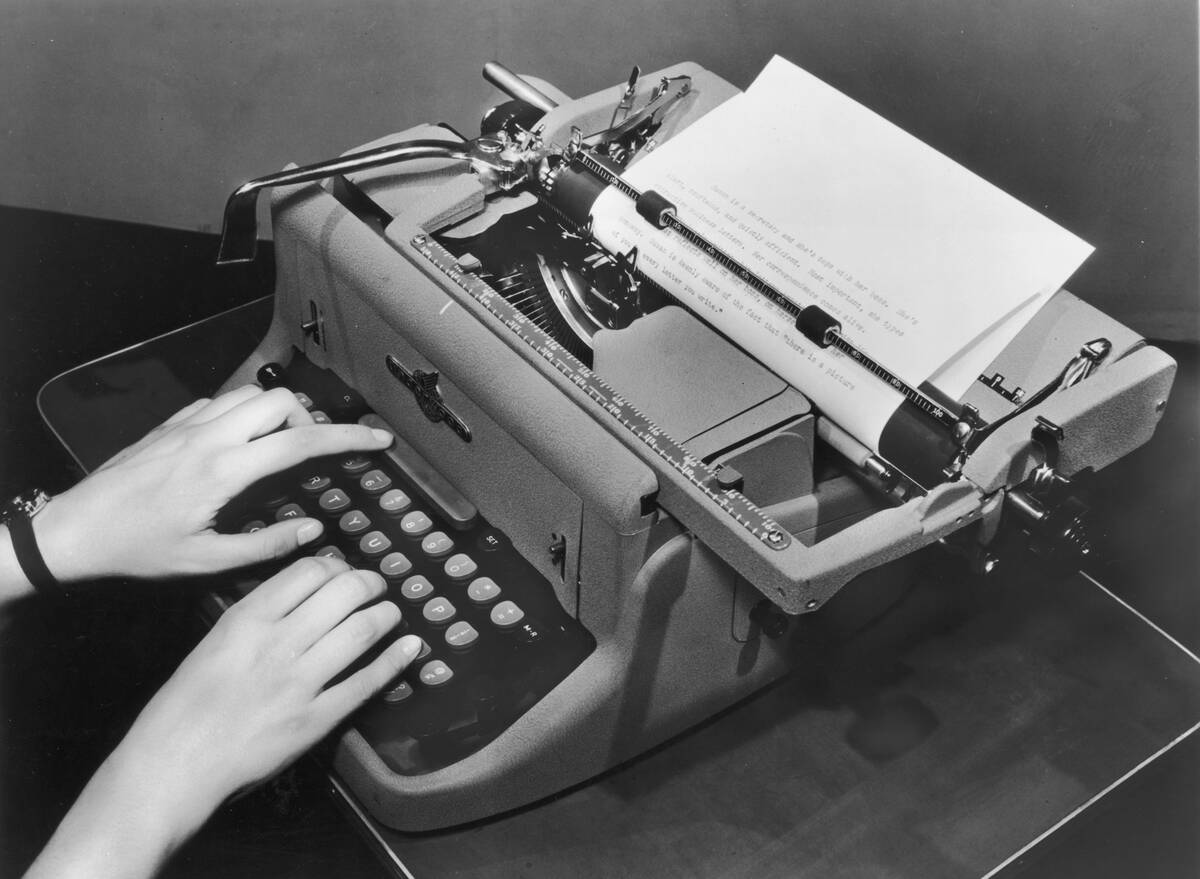
The typewriter was a writer’s best friend, with its symphony of clicks and clacks echoing through countless homes and offices. Typing required precision and skill, as there was no backspace to correct mistakes.
Despite this, the tactile experience of typing on a typewriter was unmatched, with each keystroke leaving a permanent mark on the page, a testament to the writer’s thoughts and ideas.
The Paper Map: Navigating Without GPS
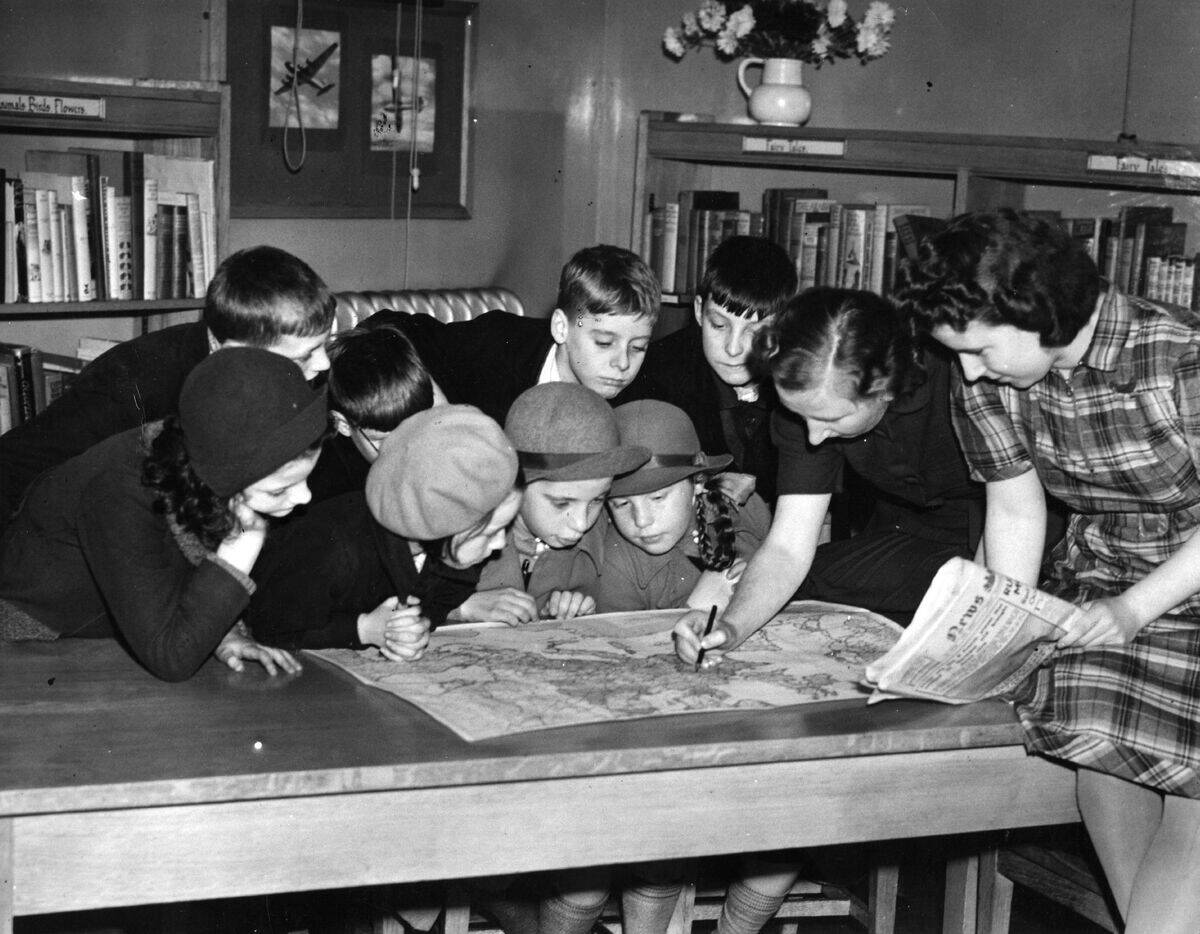
Before GPS, navigating meant unfolding a paper map and plotting your course. These maps were often unwieldy, requiring careful folding and unfolding to avoid tearing. Despite their challenges, paper maps were essential for road trips and adventures, offering a tangible connection to the journey.
The satisfaction of successfully navigating to your destination was a reward in itself, a testament to your map-reading skills.