Everyday objects named after real people
Eponyms are a delightful aspect of language, where a person’s name becomes synonymous with an object, idea, or phenomenon. They offer a glimpse into history, culture, and innovation, often with intriguing backstories.
From clothing items to scientific terms, eponyms are everywhere, enriching our vocabulary with tales of their originators. Let’s embark on a journey to uncover the stories behind some of these fascinating eponyms, each with its unique narrative and contribution to our everyday language.
The Mesmerizing Origins of “Sandwich”
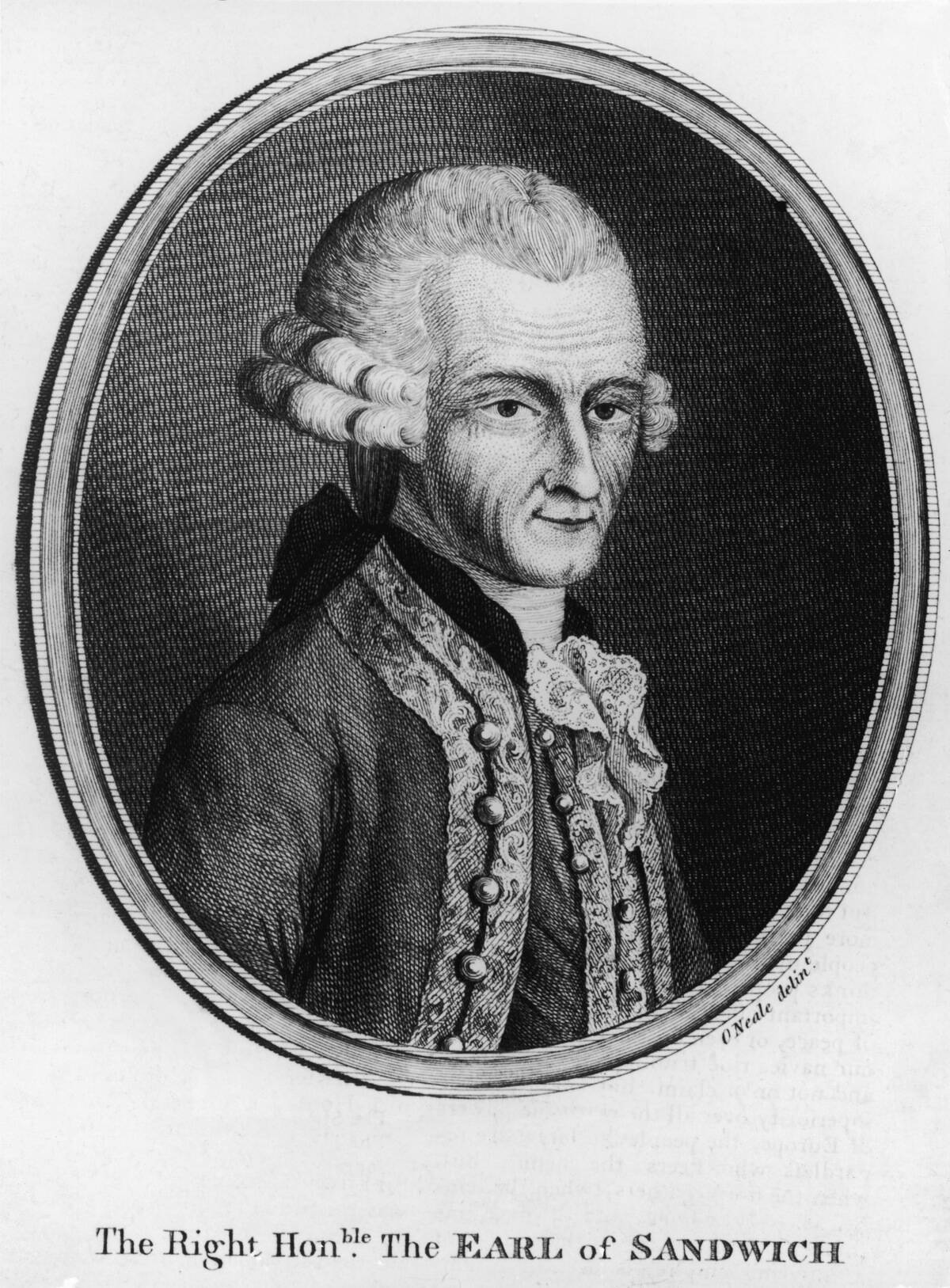
The sandwich, a staple in many diets, owes its English name to John Montagu, the 4th Earl of Sandwich. According to a popular 18th-century story, the Earl, an enthusiastic gambler, requested meat served between slices of bread so he could eat without leaving his game.
The story was later repeated in accounts that helped associate his name with the convenient meal, although historians have questioned whether gambling was actually the reason for the request. The term “sandwich” soon entered common usage, giving the humble food a lasting connection to an English nobleman and one of history’s most enduring culinary legends.
Meet the Man Behind “Cardigan”
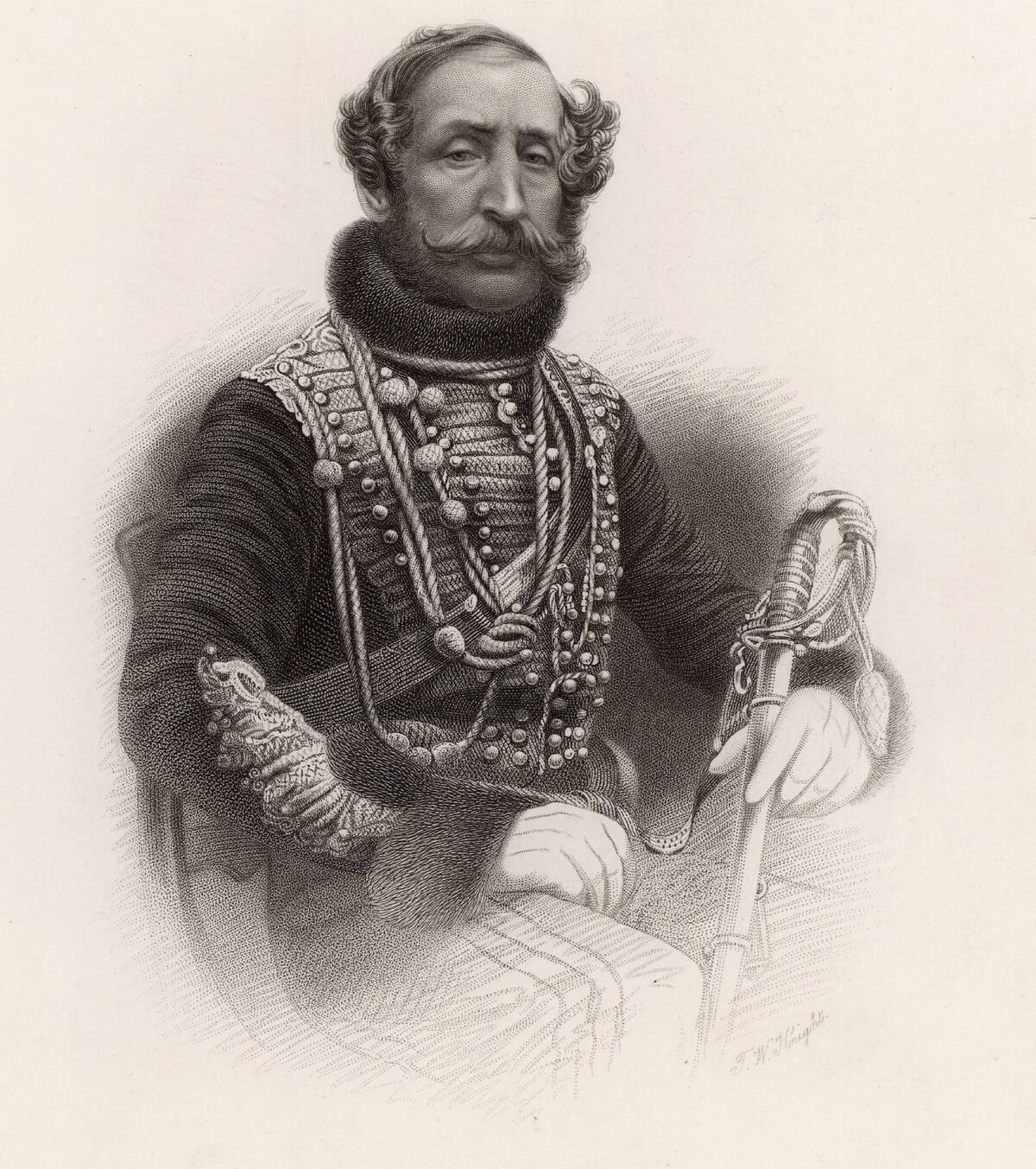
The cardigan, a cozy fashion staple, takes its name from James Brudenell, the 7th Earl of Cardigan, who commanded the British Light Brigade during the Crimean War. Brudenell became associated with a knitted wool waistcoat or jacket, and similar garments gained popularity in Britain during the mid-19th century.
The style eventually became known as the “cardigan” in reference to the Earl’s title. Today, cardigans are valued for their versatility and comfort, giving a familiar piece of knitwear an unexpected connection to one of the most famous episodes of the Crimean War.
Discovering the Story of “Silhouette”
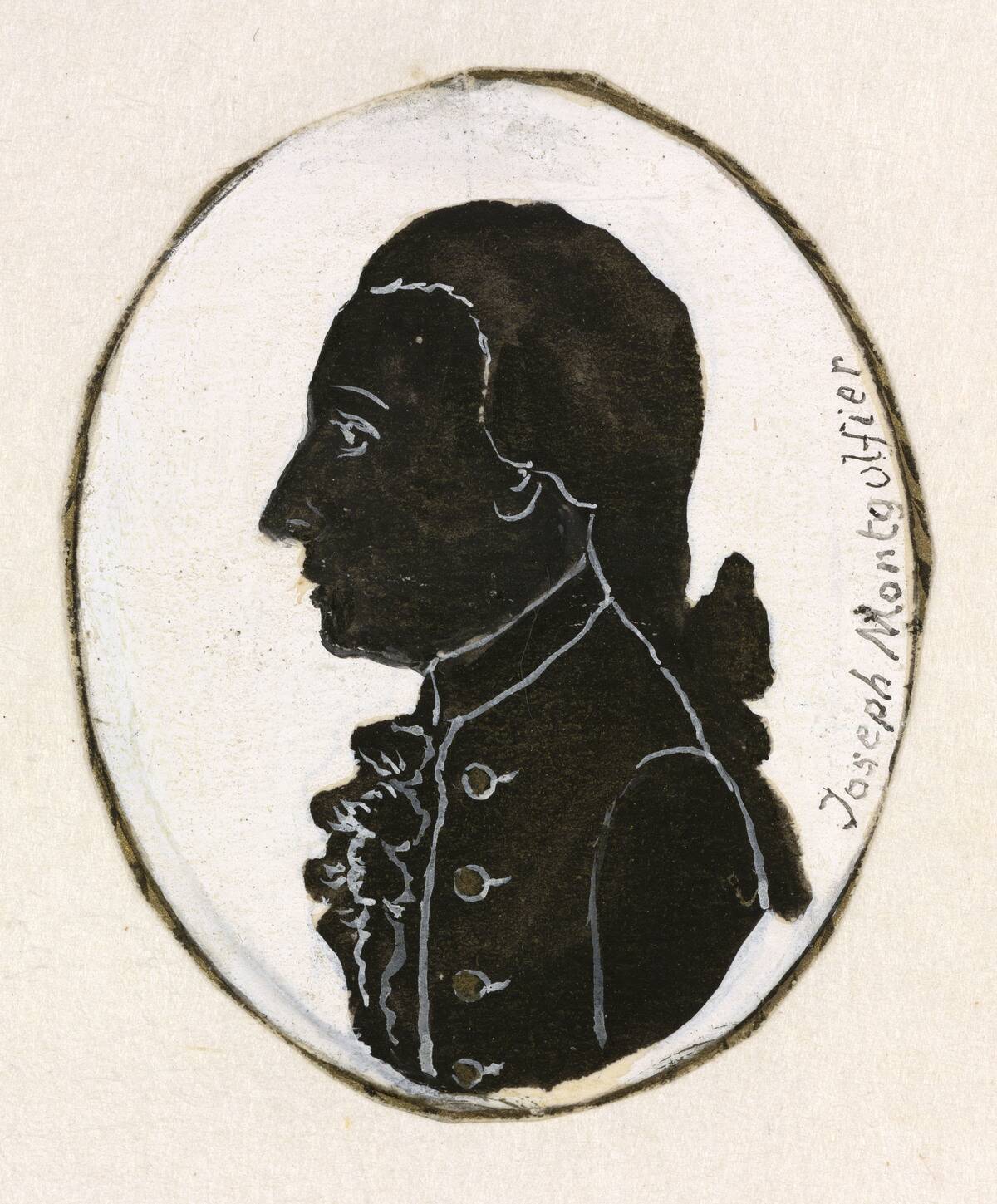
The term “silhouette” comes from Étienne de Silhouette, a French finance minister who became associated with frugality and austerity. In the mid-18th century, profile portraits cut from black paper became increasingly fashionable as an inexpensive alternative to painted portraits.
The technique became associated with Silhouette’s name, likely because of his reputation for advocating economy and his name’s association with things considered cheap or austere. Today, silhouettes remain a distinctive art form, valued for their ability to capture the recognizable outline and character of a subject with remarkably little detail.
The Inventive Legacy of “Diesel”
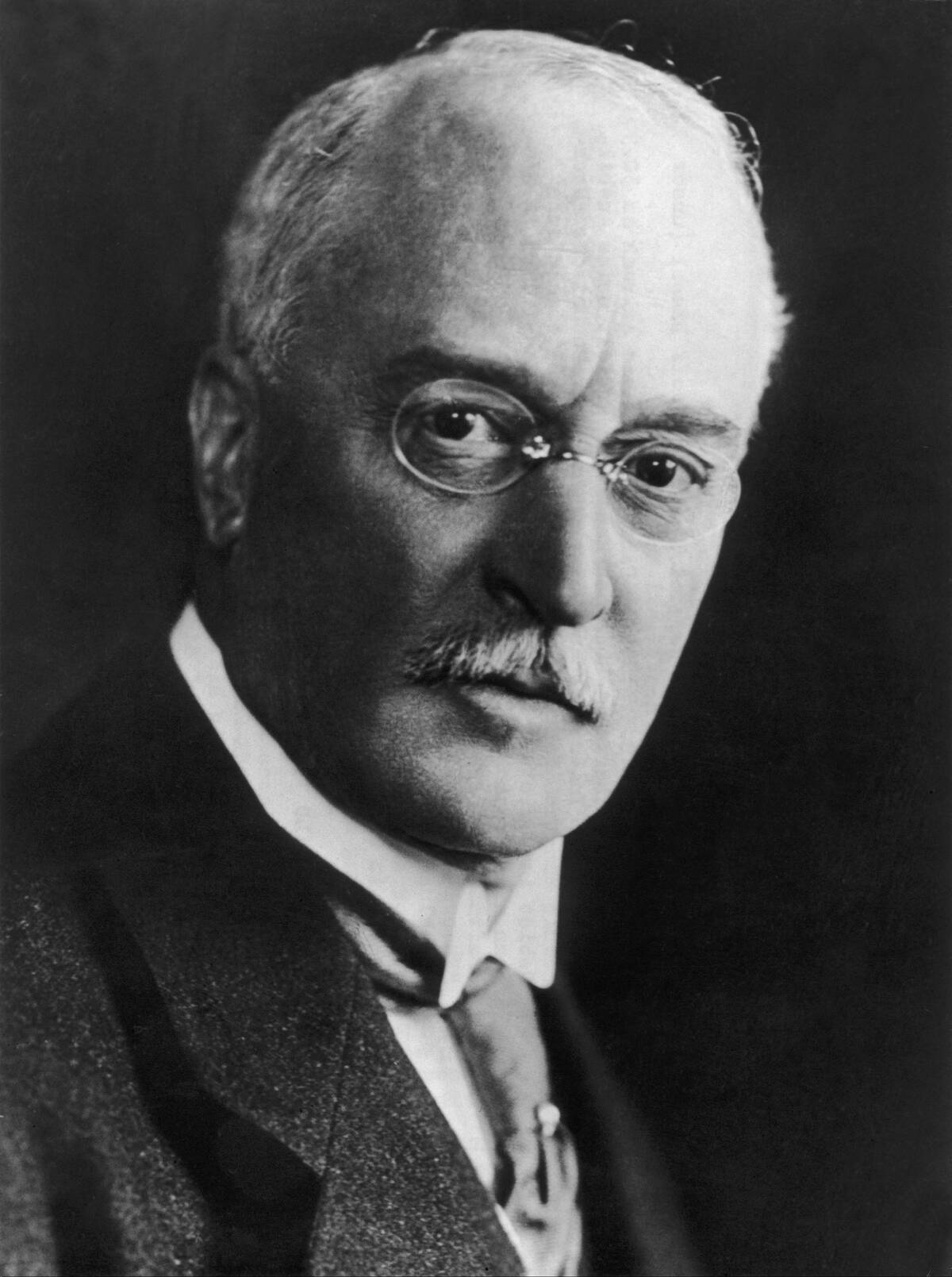
Rudolf Diesel, a German engineer, revolutionized the world with his development of the diesel engine. He received a patent for his engine design in 1892, while the first successful working diesel engine was completed and demonstrated in 1897. Unlike gasoline engines, diesel engines use compression ignition, compressing air until it becomes hot enough to ignite injected fuel.
Their high efficiency made them particularly valuable for heavy machinery, ships, locomotives, trucks, and other applications. Diesel’s innovation transformed transportation and industry, and his engineering legacy continues in the millions of diesel-powered engines still in use around the world.
How “Graham Crackers” Got Their Name
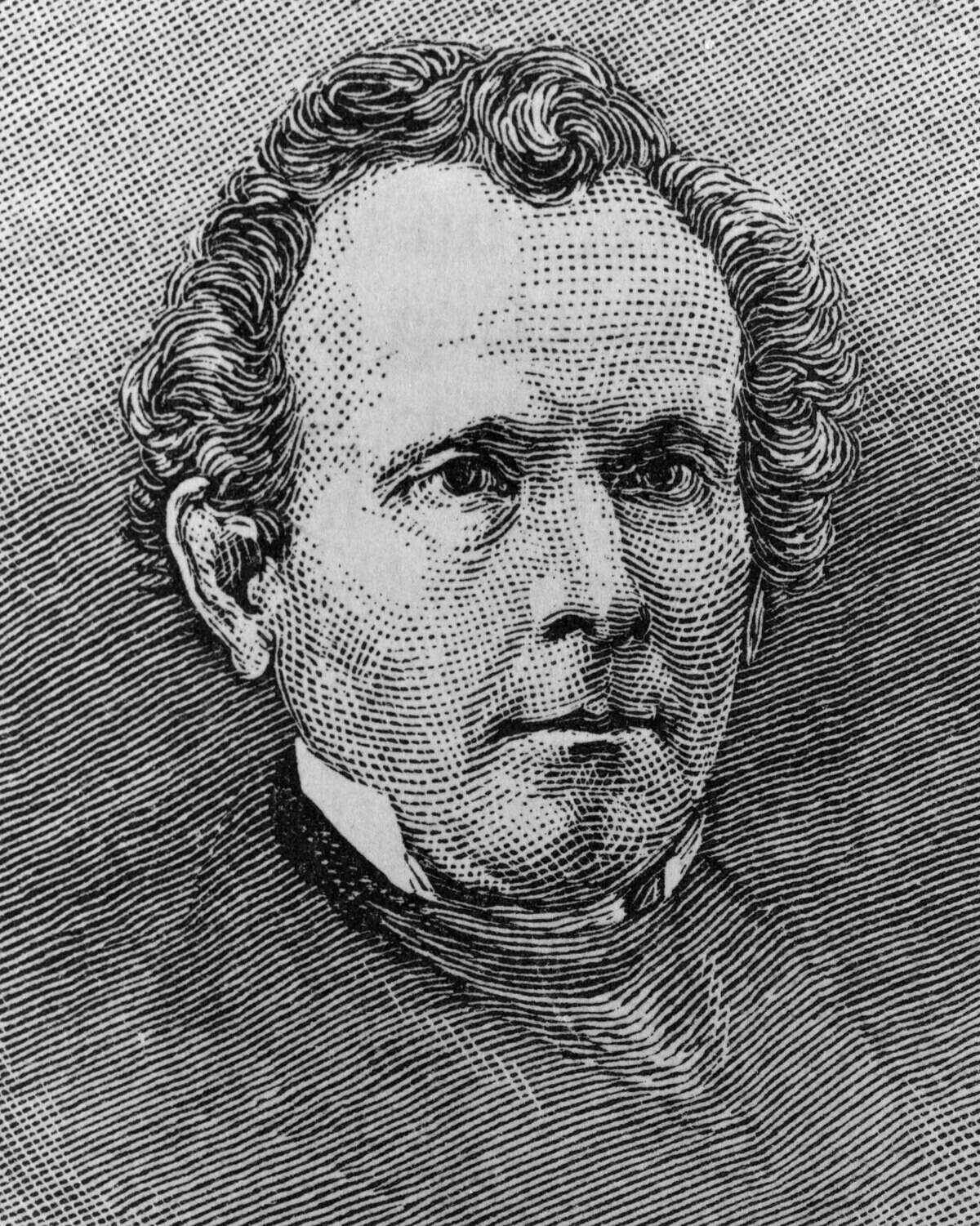
Graham crackers owe their name to Sylvester Graham, a 19th-century Presbyterian minister and dietary reformer. Graham promoted a largely plant-based diet centered on whole grains and other minimally processed foods, believing that disciplined eating could benefit both physical health and moral well-being.
Foods made with his coarsely ground whole-wheat flour, known as Graham flour, became associated with his dietary movement and eventually gave rise to Graham crackers. The original versions were quite different from many of today’s sweeter crackers, which have become a popular snack and a classic ingredient in s’mores alongside chocolate and toasted marshmallows.
The Surprising History of “Jacuzzi”

The Jacuzzi, now synonymous with relaxation, has its roots in a family of Italian immigrants. The Jacuzzi brothers initially became known for their innovations in aviation before turning their attention to hydrotherapy when family member Kenneth Jacuzzi developed rheumatoid arthritis.
In 1948, Candido Jacuzzi developed a portable hydrotherapy pump that could be placed in a conventional bathtub, allowing water to circulate for therapeutic purposes. This invention laid the foundation for the modern Jacuzzi, which later evolved into integrated whirlpool baths and spas. Today, Jacuzzi products are found in homes, hotels, and spas around the world, where they are associated with relaxation and hydrotherapy.
Unpacking the Origins of “Teddy Bear”
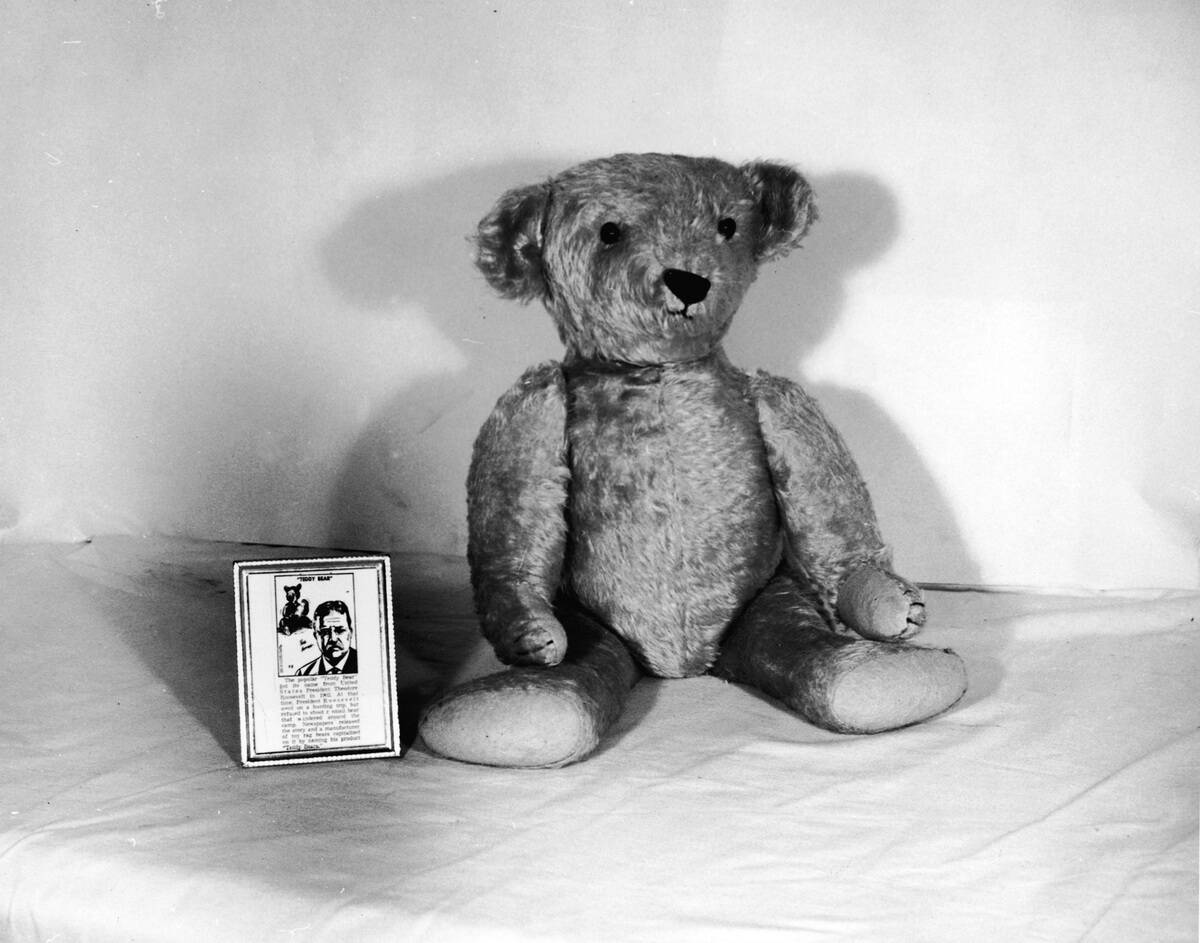
The teddy bear, a beloved childhood companion, takes its name from President Theodore “Teddy” Roosevelt. In 1902, during a bear hunt in Mississippi, Roosevelt was presented with a black bear that had been captured and restrained by his hunting party. He refused to shoot it, considering the situation unsportsmanlike, and the incident was depicted in a widely circulated political cartoon by Clifford Berryman.
Inspired by the story, American toy makers Morris and Rose Michtom created a stuffed bear they called “Teddy’s Bear,” while German manufacturer Steiff independently developed a similar toy. The teddy bear soon became a worldwide sensation and an enduring symbol of childhood comfort and companionship.
The Noble Namesake of “Wellington Boots”
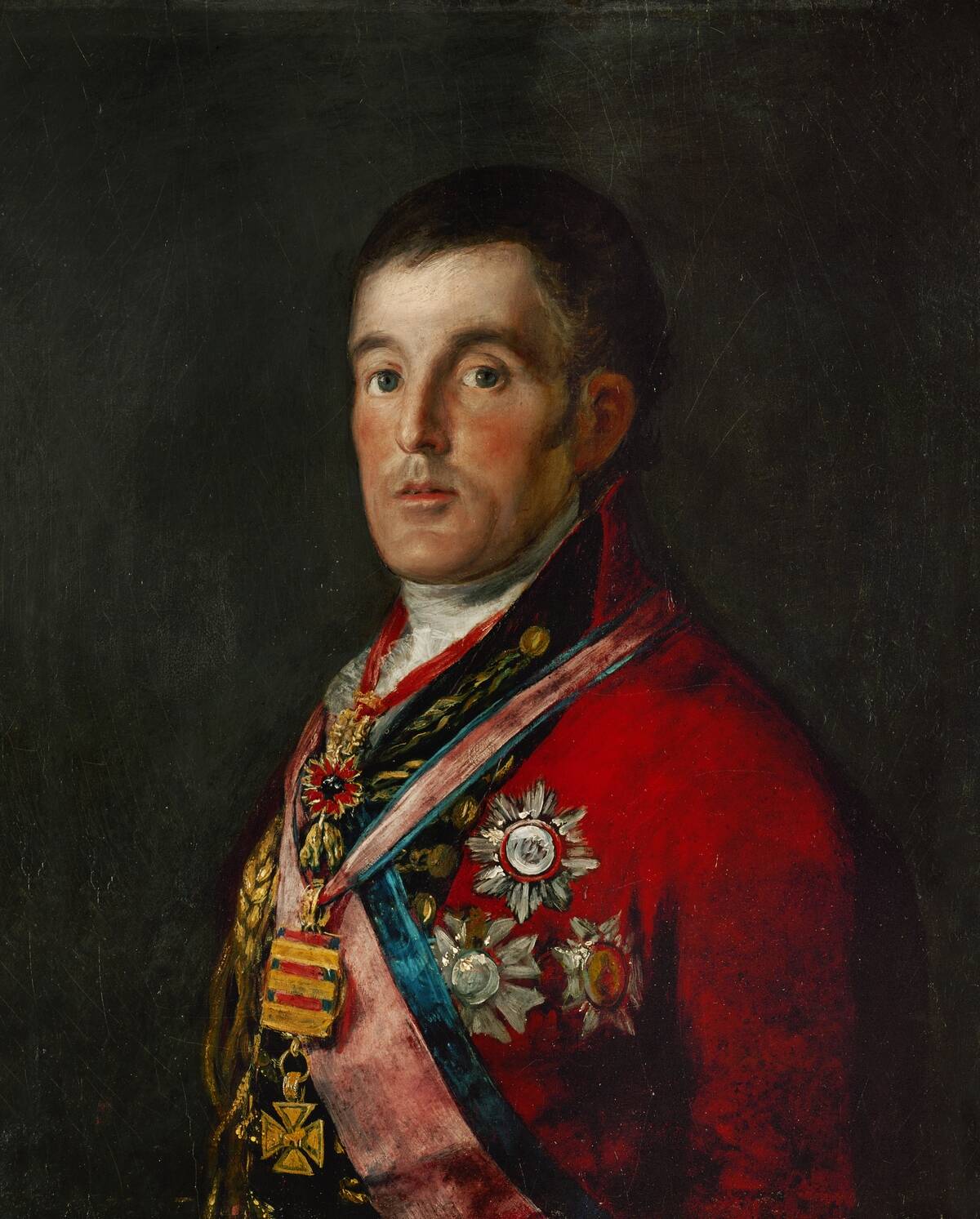
Wellington boots, or “wellies,” are named after Arthur Wellesley, the 1st Duke of Wellington. In the early 19th century, Wellington popularized a modified version of the fashionable Hessian boot, featuring a simpler, close-fitting design that suited both military and civilian wear. Originally made from leather, Wellington boots later evolved into waterproof rubber footwear as new manufacturing techniques made rubber boots practical.
The style became fashionable among British gentlemen and eventually spread far beyond the aristocracy. Today, wellies are valued for their practicality in wet and muddy conditions, making them popular with farmers, outdoor workers, and festival-goers alike.
The Sweet Tale of “Fahrenheit”
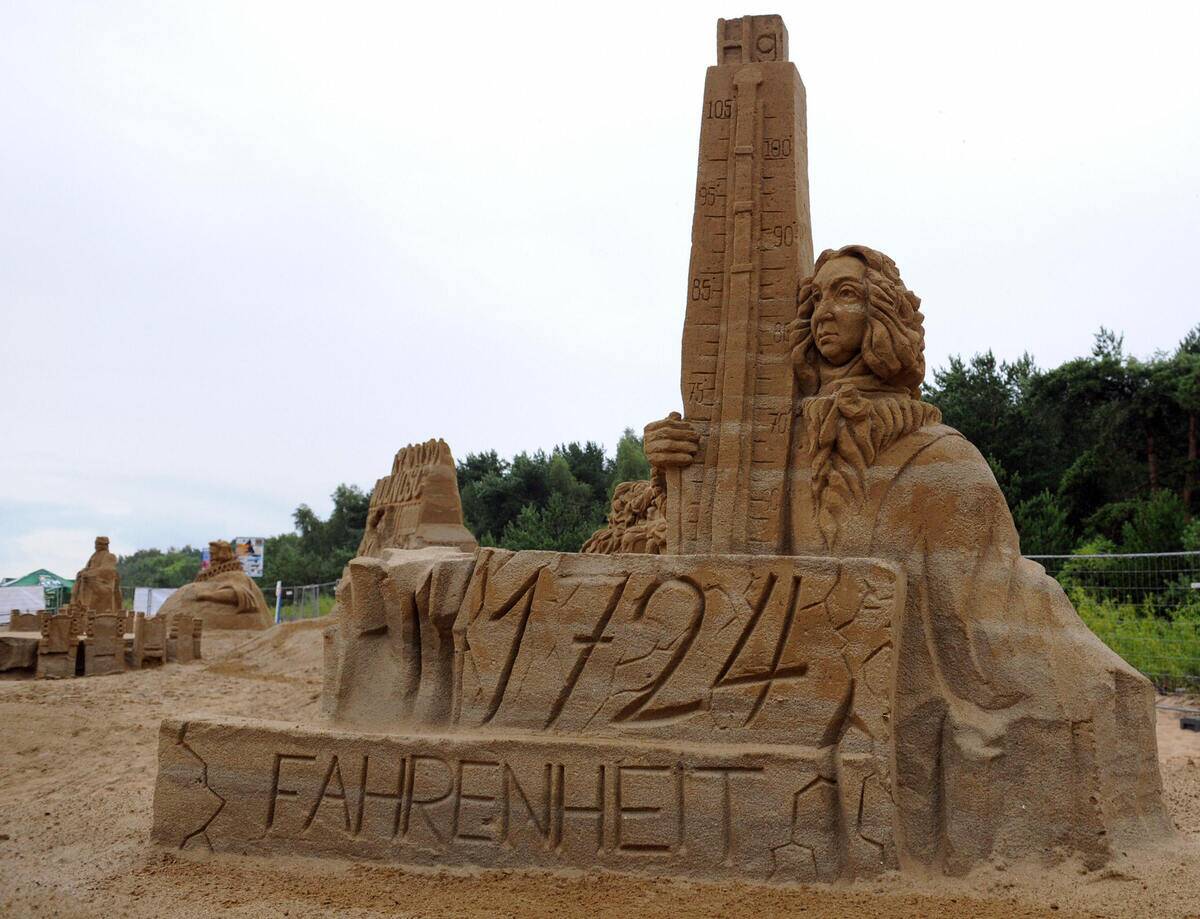
The Fahrenheit temperature scale, used primarily in the United States, is named after Daniel Gabriel Fahrenheit, a German physicist and instrument maker born in Danzig, then part of the Polish–Lithuanian Commonwealth. Fahrenheit developed his temperature scale in the early 18th century and described it in a 1724 scientific paper.
The modern scale places the freezing point of water at 32 degrees and its boiling point at 212 degrees under standard atmospheric pressure. Fahrenheit’s work helped make temperature measurements more reliable and precise, and his scale remains widely used in American weather forecasts and everyday life.
The Culinary Influence of “Caesar Salad”
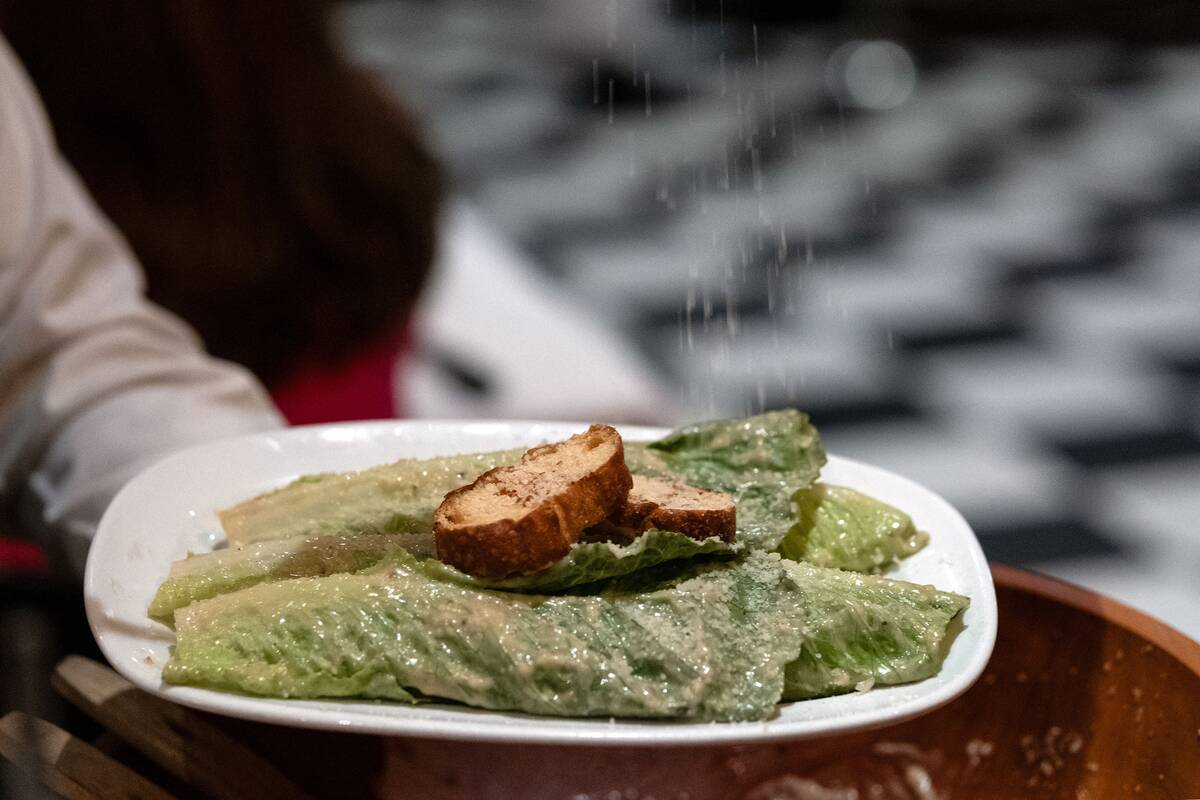
Caesar salad, a staple on menus around the world, is named after Caesar Cardini, an Italian-American restaurateur who operated a restaurant in Tijuana, Mexico. The salad is traditionally said to have been created there in 1924, reportedly when Cardini improvised with the ingredients he had available during a busy Fourth of July weekend.
While the precise circumstances of its creation remain debated, the original dish featured romaine lettuce, croutons, Parmesan cheese, and a distinctive dressing. The salad gradually gained popularity beyond Tijuana and eventually became an international classic, celebrated for its bold flavors and simple preparation.
The Artistic Inspiration for “Mason Jar”
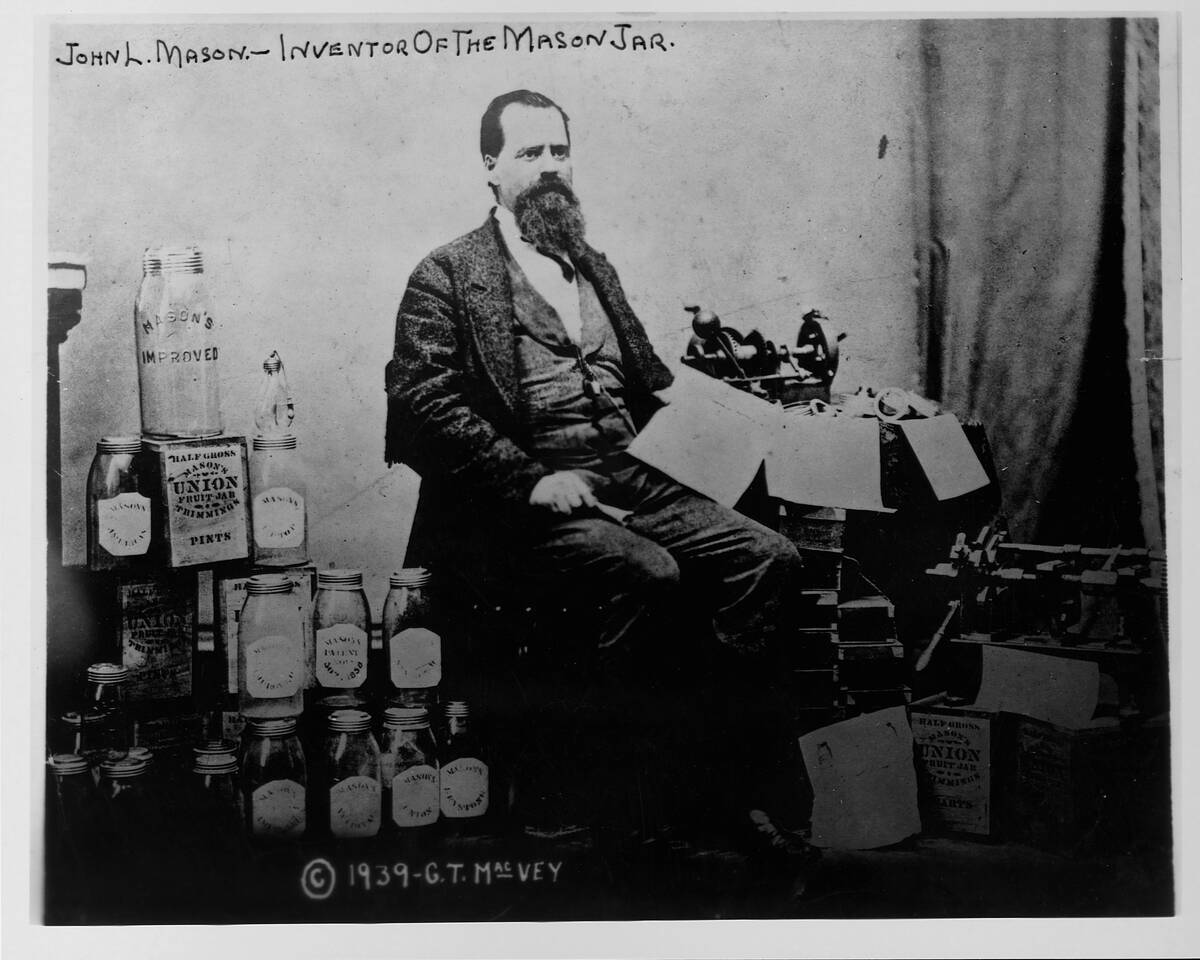
The Mason jar, a versatile kitchen staple, is named after John Landis Mason, an American tinsmith and inventor. In 1858, Mason patented a glass preserving jar with a threaded neck and screw-on metal lid, making home food preservation more practical and reliable.
His design helped create a reusable container that could be sealed to protect preserved foods, although the familiar two-piece vacuum-sealing lid used in modern home canning was developed later. Today, Mason jars remain popular for canning and food storage as well as crafts and decorative projects, reflecting the lasting usefulness of Mason’s innovative design.
The Ingenious Mind Behind “Braille”
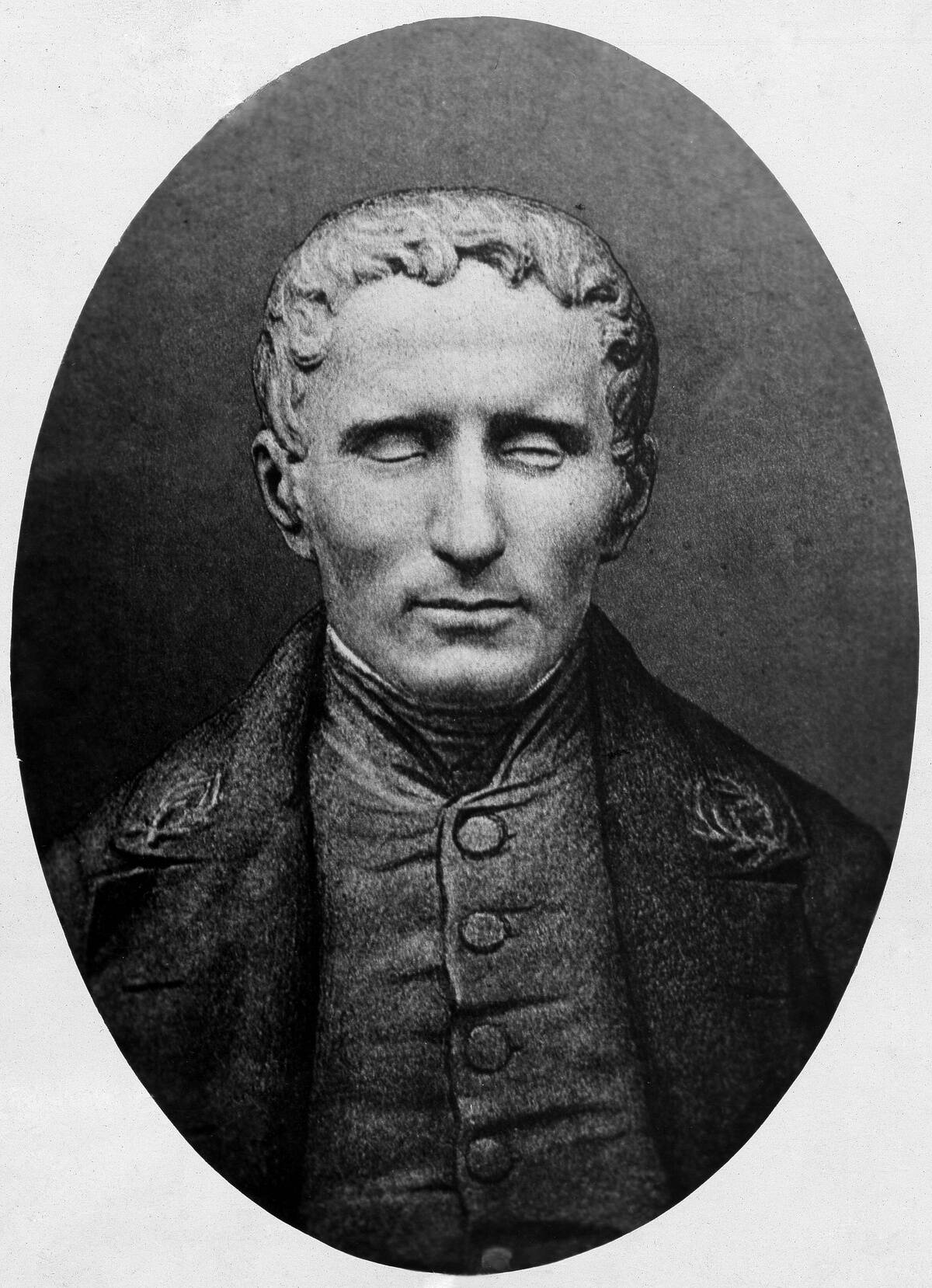
Braille, a tactile writing system used by blind and visually impaired people, is named after Louis Braille, a French educator and inventor. Blinded at the age of three, Braille developed his first version of the system by 1824, when he was just 15 years old, and continued refining it in the years that followed.
Using patterns of raised dots to represent letters, numbers, punctuation, and other symbols, Braille opened new possibilities for reading, writing, and education. Today, Braille remains an important accessibility tool worldwide, preserving Louis Braille’s legacy of expanding independent access to written information.
Exploring the Namesake of “Boycott”
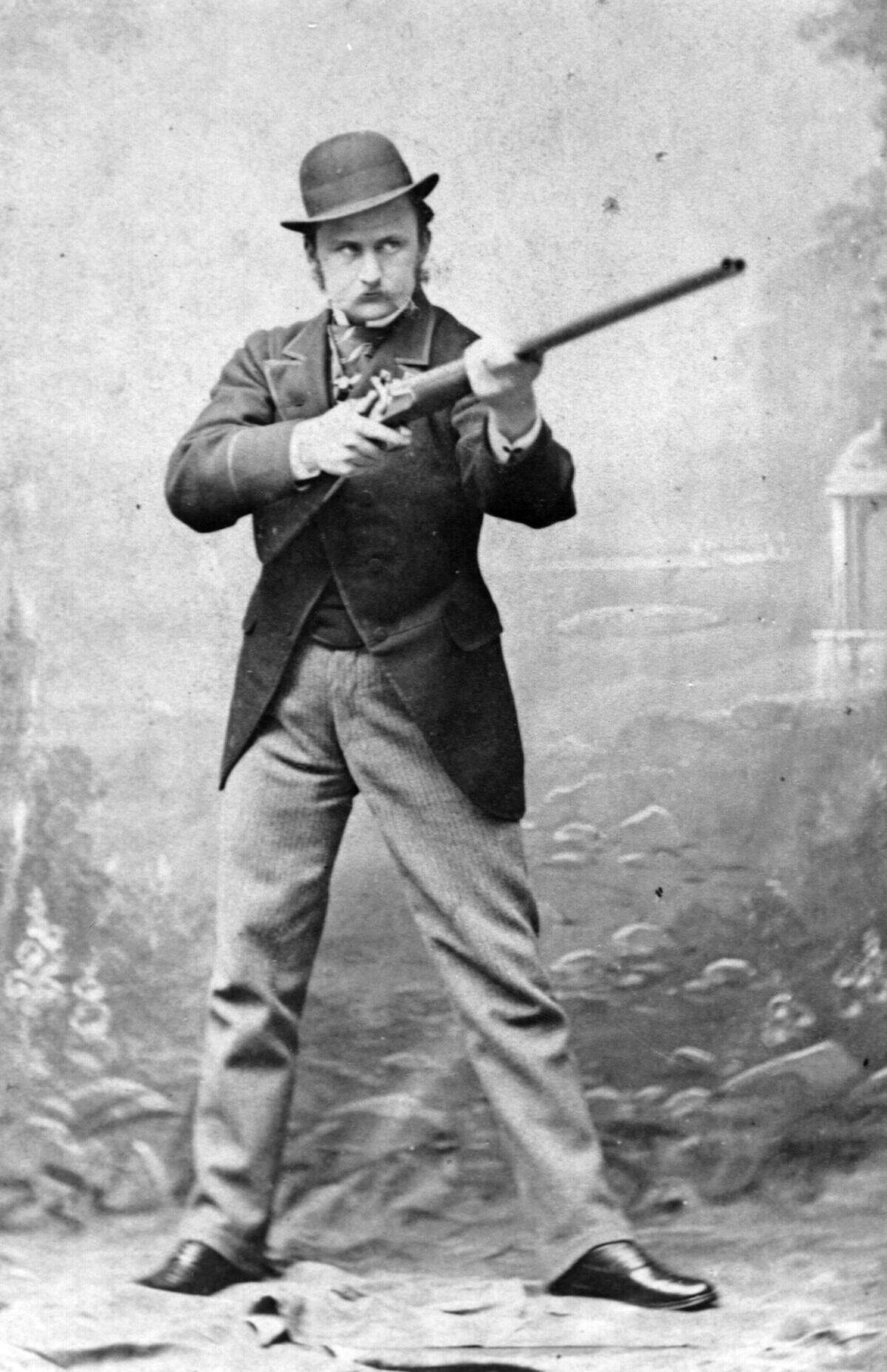
The term “boycott” originates from Charles Boycott, an English land agent working in County Mayo, Ireland. In 1880, during a dispute over rents and evictions, Boycott attempted to remove tenants from the estate he managed for the Earl of Erne. In response, the Irish Land League encouraged local workers, businesses, and tenants to withdraw their services and refuse to deal with him.
Boycott became effectively isolated, and newspapers widely reported the unusual campaign. His surname soon became the word “boycott,” now used to describe organized non-cooperation or refusal to support a person, organization, or cause.
The Revolutionary Impact of “Pasteurization”
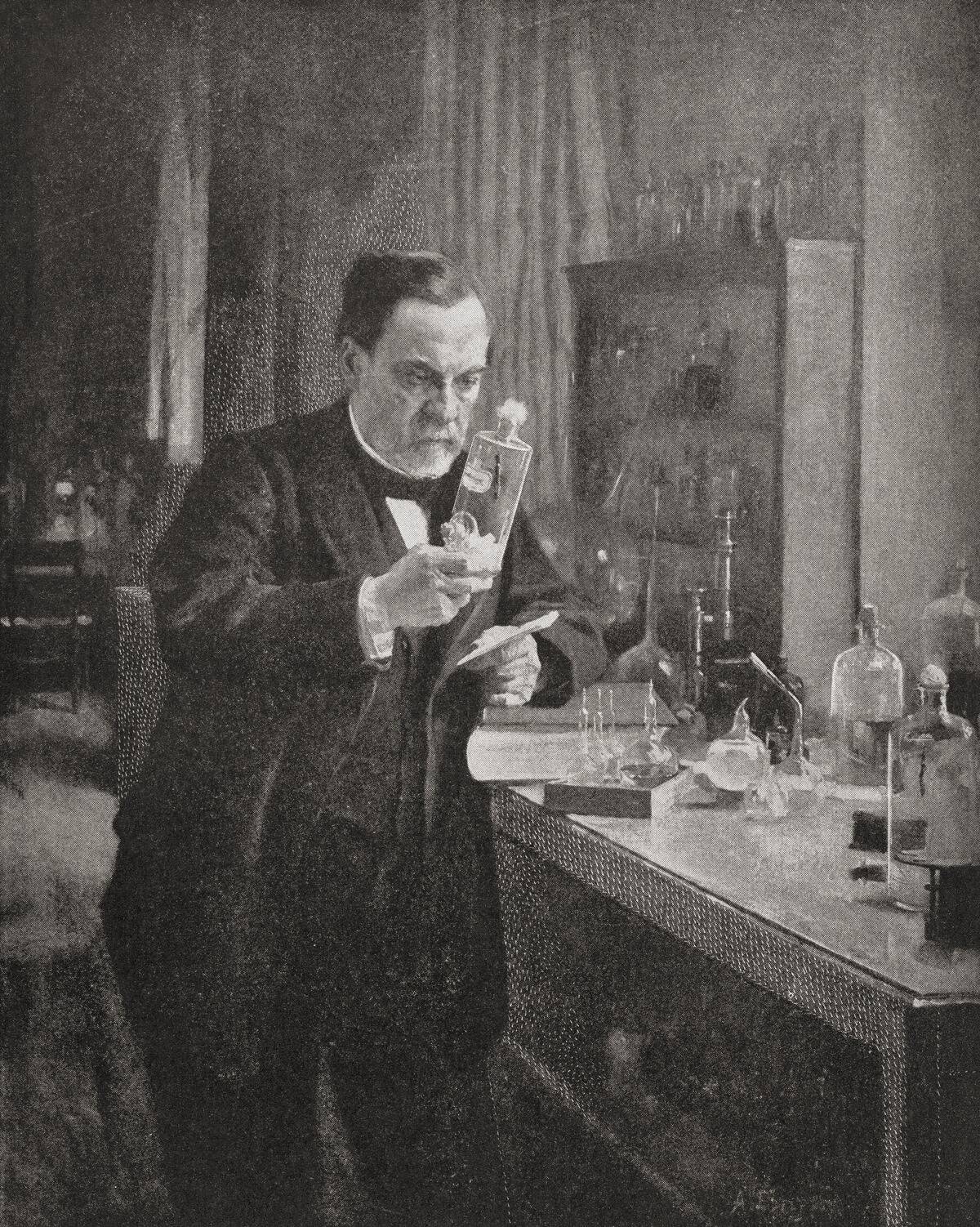
Pasteurization, a process that transformed food safety, is named after Louis Pasteur, the French chemist and microbiologist. In the 1860s, Pasteur demonstrated that carefully heating liquids could destroy microorganisms responsible for spoilage, initially applying the technique to products such as wine and beer.
The method was later adapted for milk, where pasteurization became an important public-health measure that significantly reduced the risk of diseases transmitted through contaminated dairy products. Pasteur’s contributions to microbiology and public health were enormous, and pasteurization remains a critical food-safety practice, helping protect consumers from harmful microorganisms.
The Scientific Tribute in “Hertz”
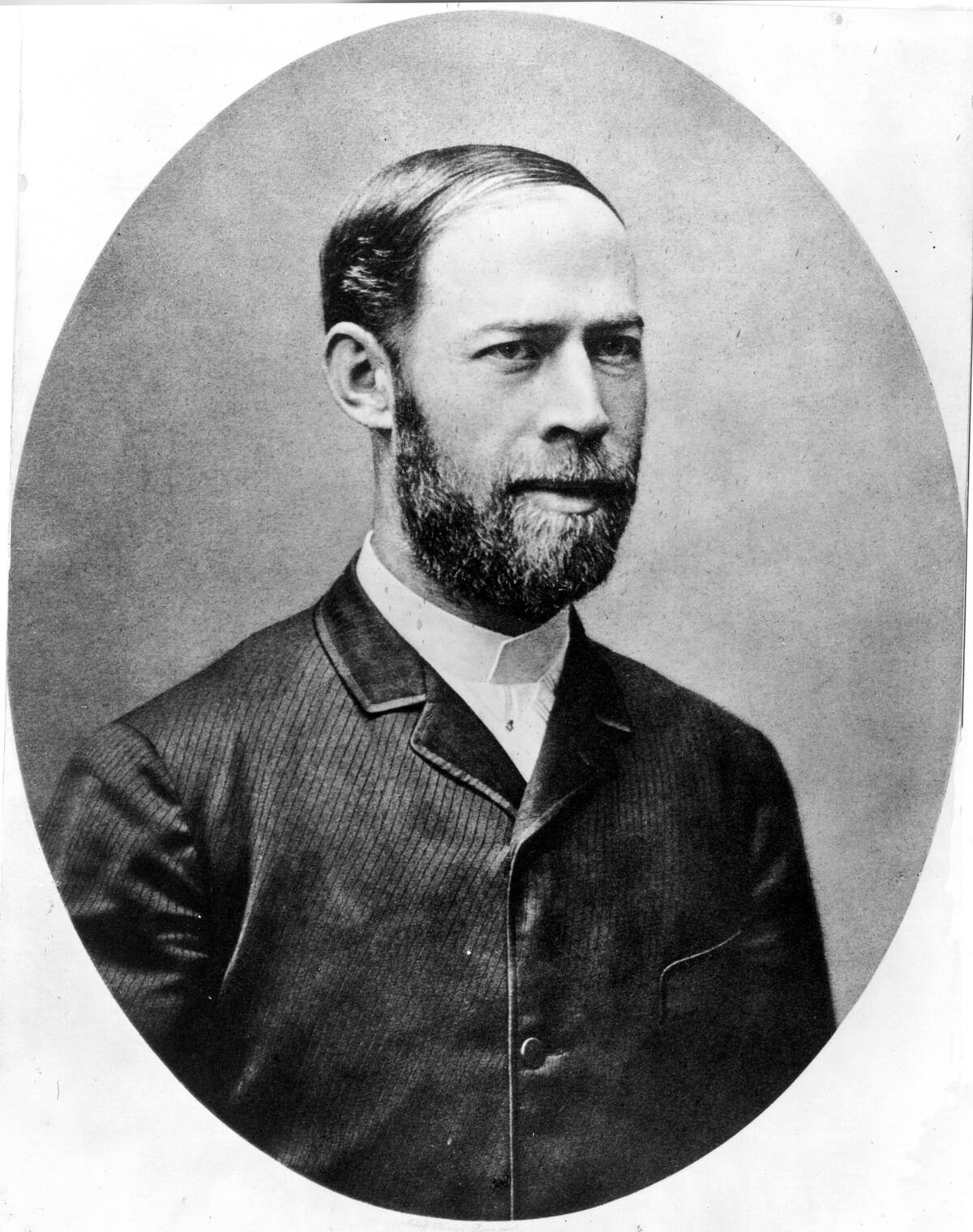
The hertz, the SI unit of frequency, honors Heinrich Hertz, a German physicist who experimentally demonstrated the existence of electromagnetic waves. In the late 1880s, Hertz’s experiments provided strong confirmation of James Clerk Maxwell’s theories of electromagnetism, showing that electromagnetic waves could be generated and detected.
His work became an important foundation for later developments in radio and wireless communication, although practical wireless systems were developed by scientists and engineers who followed him. Today, the hertz is a standard unit in physics and engineering, used to measure the frequency of waves, vibrations, and electronic signals.
The Literary Roots of “Quixotic”

The term “quixotic” is derived from Don Quixote, the titular character of Miguel de Cervantes’ classic novel. Published in the early 17th century, Don Quixote tells the tale of a nobleman who embarks on chivalrous adventures, often with misguided idealism.
His impractical pursuit of noble deeds gave rise to the adjective “quixotic,” describing actions that are romantically idealistic but impractical. This literary legacy endures, capturing the essence of impossible dreams and noble folly.




