Etiquette rules that have faded away
Manners have always been the social glue that holds societies together, evolving with each generation. From the strict codes of Victorian etiquette to the more relaxed norms of today, the way we interact has shifted dramatically.
While some customs have faded into obscurity, others have adapted to fit modern lifestyles. Understanding these changes offers a fascinating glimpse into cultural priorities and the social dynamics of different eras.
The Art of Writing Thank You Notes
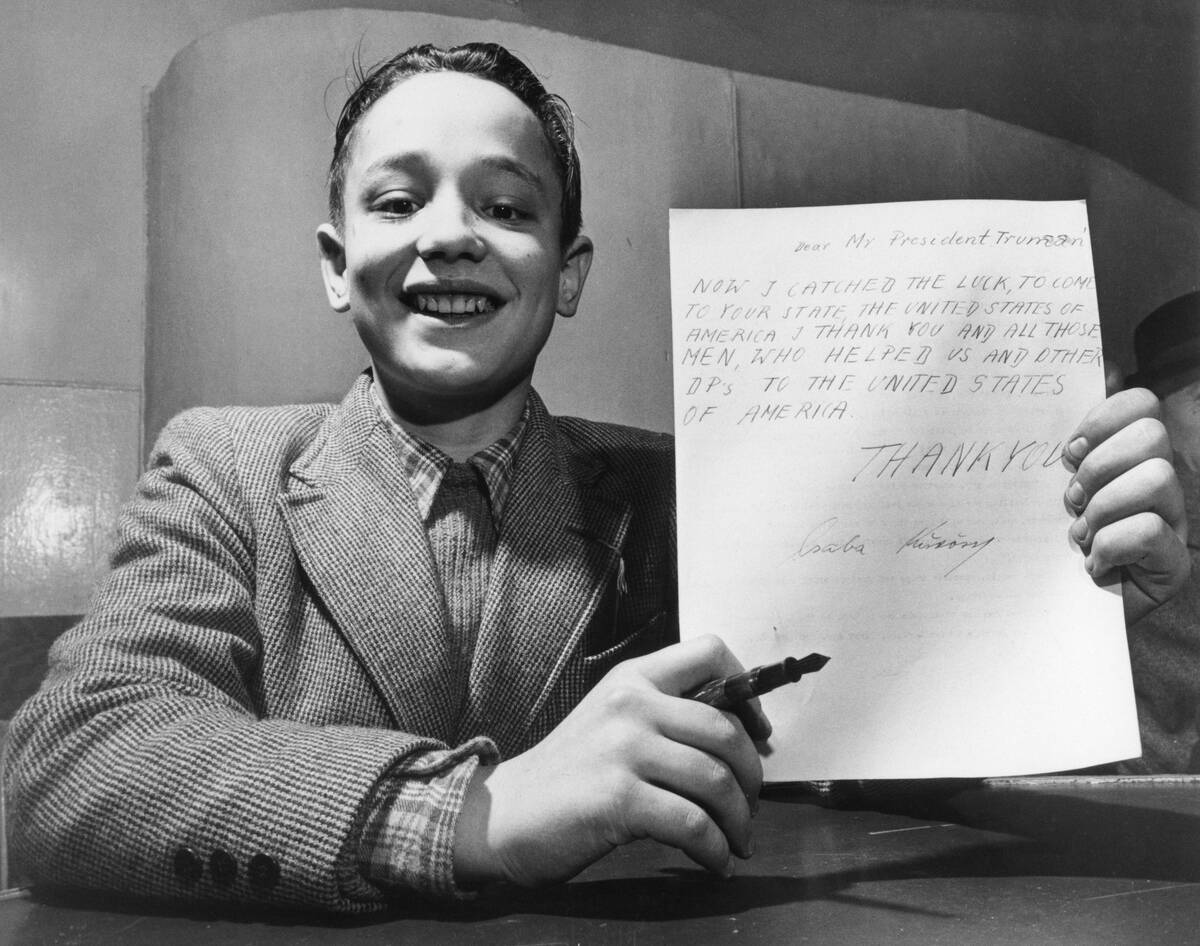
Writing thank-you notes has long been associated with good manners and has provided a personal way to express gratitude. In the digital age, emails and text messages have become common alternatives to handwritten notes, although traditional thank-you cards remain part of social and professional etiquette.
A thoughtfully written thank-you note provides a personal expression of appreciation and can demonstrate consideration and sincerity.
The Tradition of Bringing Hostess Gifts

Bringing a gift for the host has long been considered a thoughtful way to show appreciation for the effort involved in entertaining guests. While it has not always been a strict requirement, host gifts have traditionally been common for dinners and other social gatherings.
The custom remains today, with guests often bringing wine, flowers, food, or another small token of appreciation. Although expectations vary depending on the occasion and social setting, the tradition continues to emphasize gratitude for hospitality.
The Gentlemen’s Code: Tipping Hats
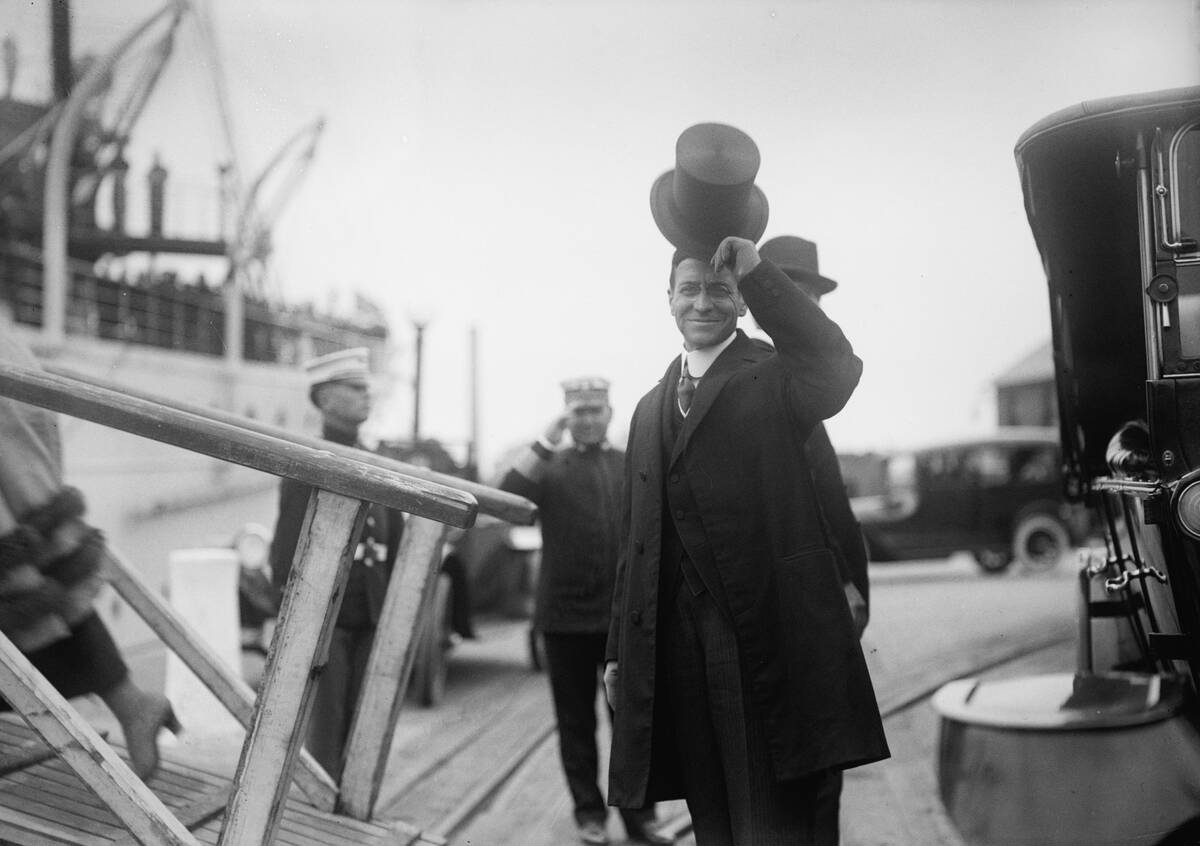
Tipping one’s hat was once a widespread gesture of greeting, acknowledgment, and respect, particularly among men in Europe and North America. Hat etiquette formed an important part of social customs in earlier centuries, with the gesture sometimes signaling courtesy toward another person.
Although hats are less central to everyday dress today, similar expressions of politeness remain common through gestures such as nodding, waving, or saying hello.
The Vanishing Act of Holding Doors Open
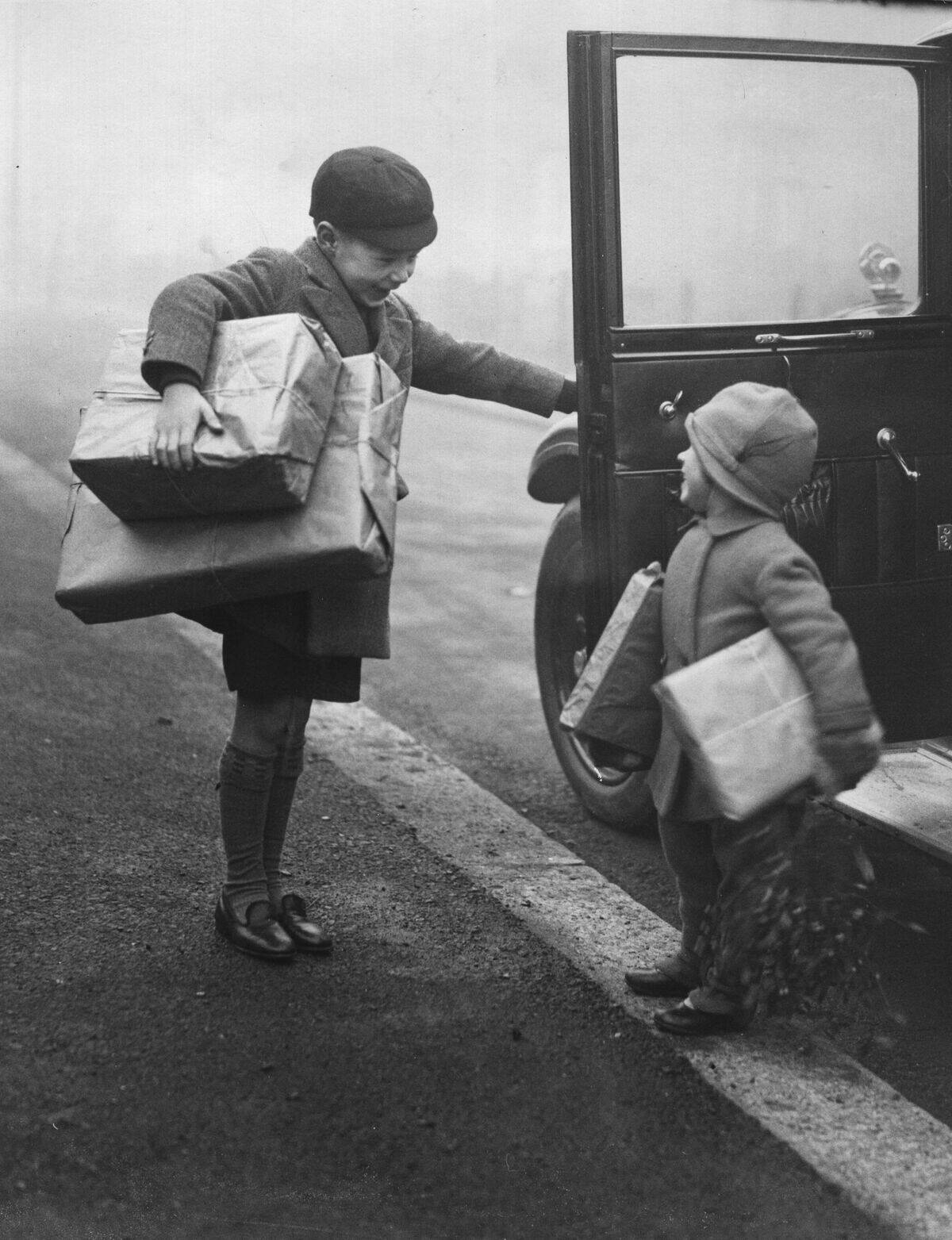
Holding a door open for someone is a longstanding gesture of courtesy and consideration. Although traditional etiquette surrounding the practice has become less formal, holding a door for someone who is close behind remains a common social courtesy.
The gesture can make it easier for others to enter or pass through, particularly when they are carrying something or have difficulty opening the door themselves. Its continued use reflects the broader principle of showing consideration for others through everyday actions.
The Forgotten Courtesy of Giving Up Your Seat
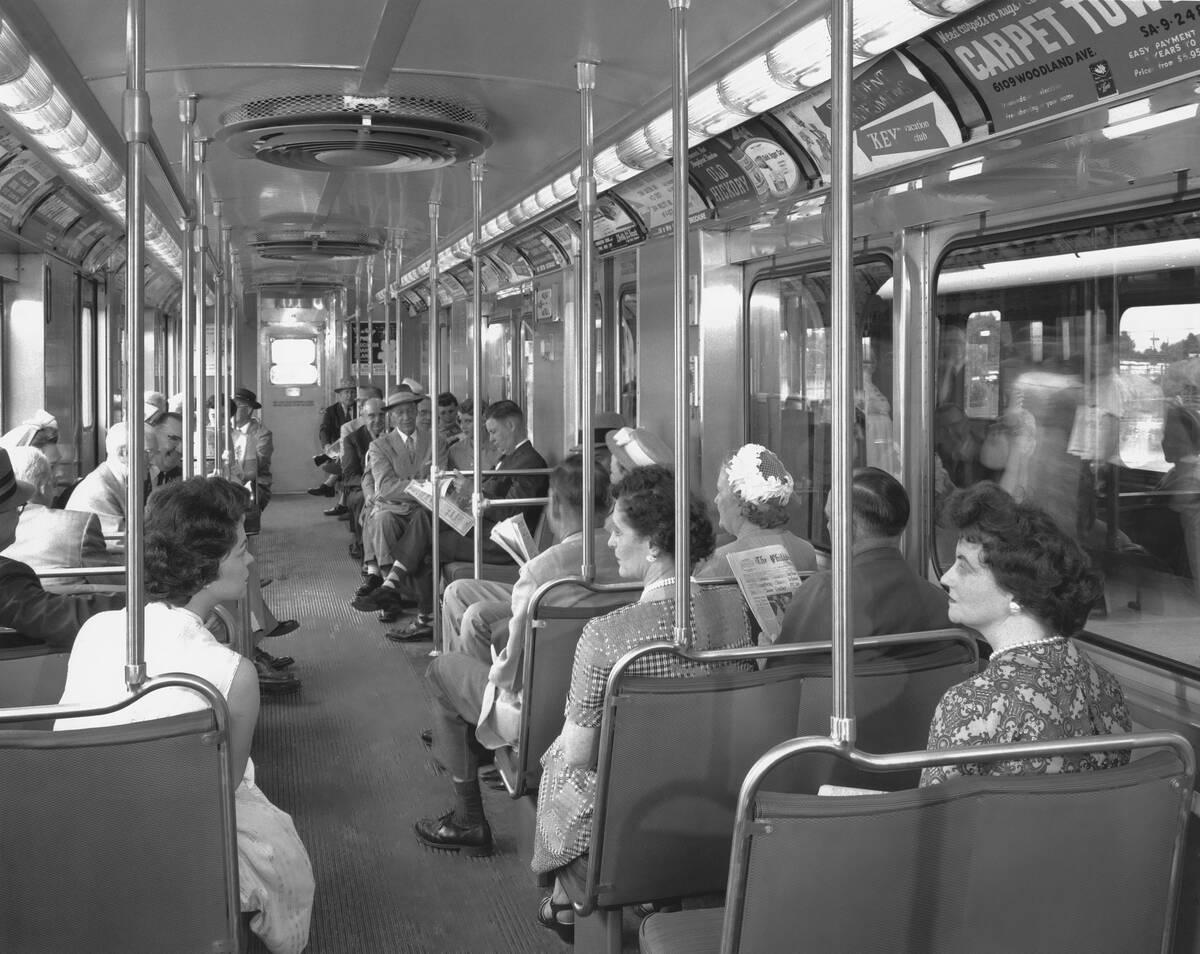
Offering your seat to someone who may need it, such as an elderly or pregnant passenger, has long been recognized as a courtesy on public transportation. Etiquette surrounding reserved or priority seating varies between cultures and transit systems, but giving up a seat remains a common way to show consideration for others.
The practice is particularly relevant when passengers have mobility difficulties or other needs that make standing uncomfortable or unsafe. Giving up a seat can therefore demonstrate awareness and courtesy in shared public spaces.
The Polite Gesture of Waiting to Eat Until Everyone is Served
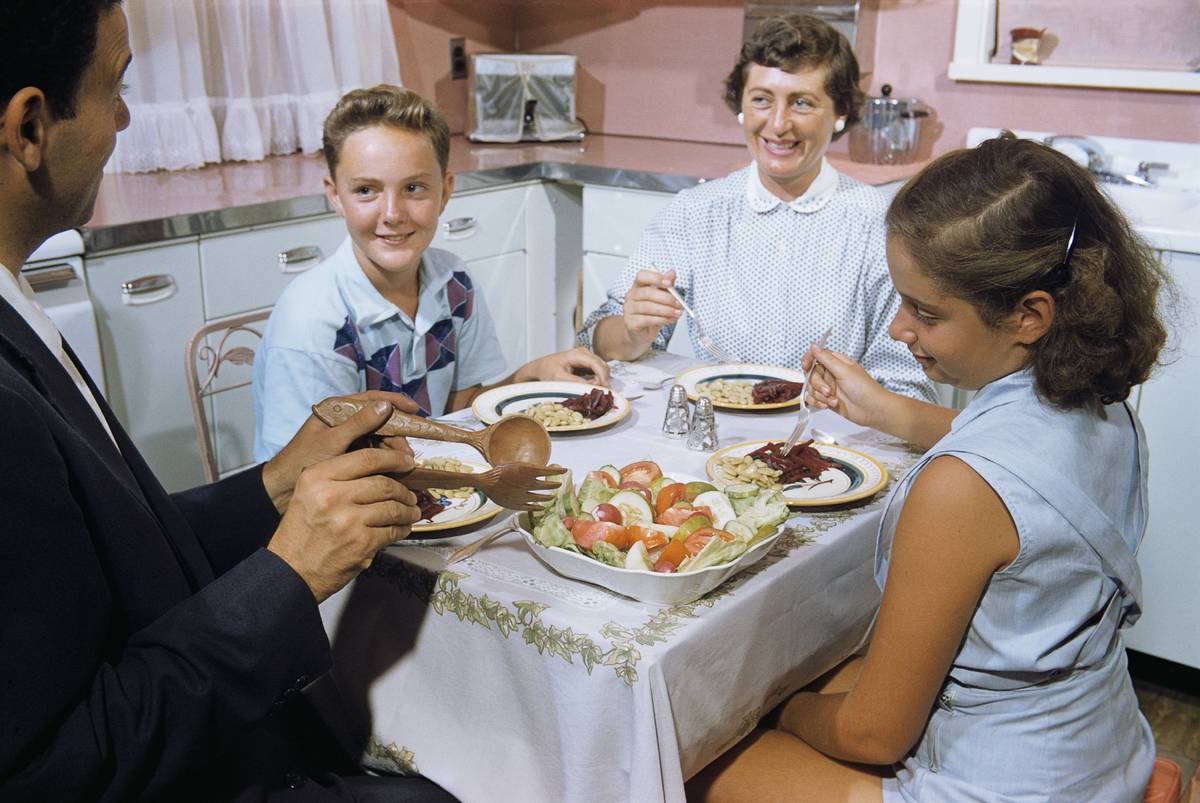
Waiting until everyone has been served before eating is a traditional dining etiquette rule intended to show patience and consideration for fellow diners. It allows everyone at the table to begin the meal together rather than leaving some guests waiting while others eat.
Although expectations vary between cultures and social settings, the practice remains common at formal meals and gatherings. Its underlying principle—being considerate of others at the table—continues to be relevant to polite dining and social interaction.
The Custom of Asking for Permission to Leave the Table
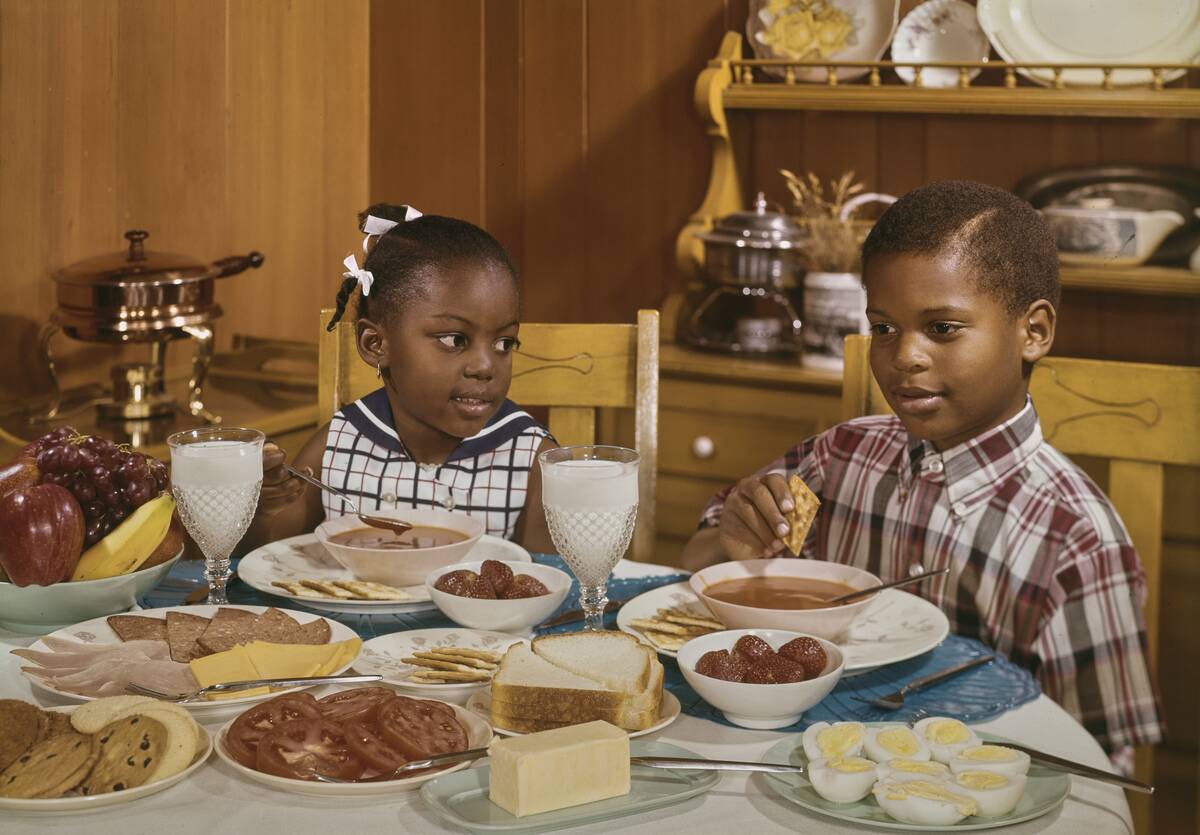
Asking permission to leave the table was once taught as a matter of good manners, particularly for children during family meals or formal occasions. The practice is less common in many informal dining settings today, although expectations still vary between households and cultures.
Traditional table etiquette emphasized remaining at the table until the meal was finished or asking before leaving. The broader principle of showing consideration for fellow diners and the host remains part of polite behavior in many social settings.
The Disappearing Practice of RSVP-ing to Invitations
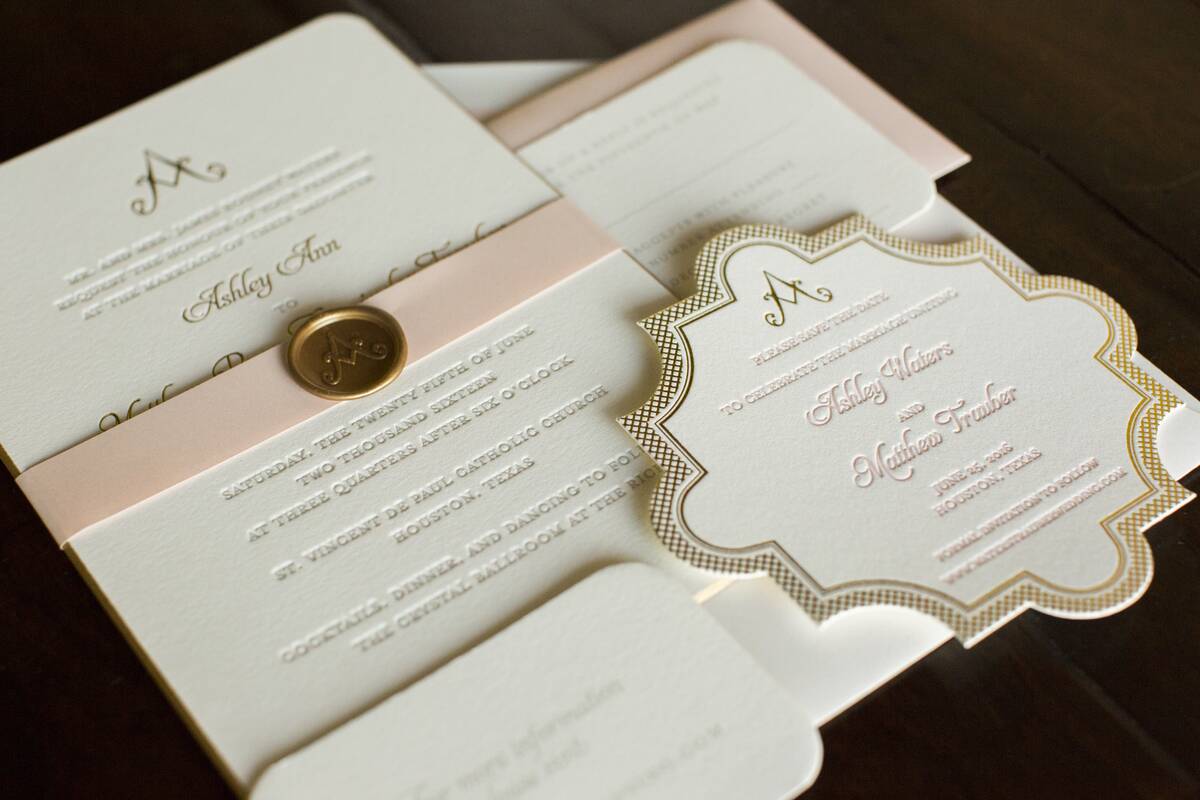
RSVP-ing to invitations was once a crucial part of event planning, ensuring hosts could prepare adequately. In today’s world of instant communication, this practice is often overlooked, leading to uncertainty and logistical challenges.
Despite this, responding to invitations remains a vital courtesy, reflecting respect for the host’s efforts and contributing to the event’s success.
The Once-Commonplace Habit of Addressing Elders with Respectful Titles
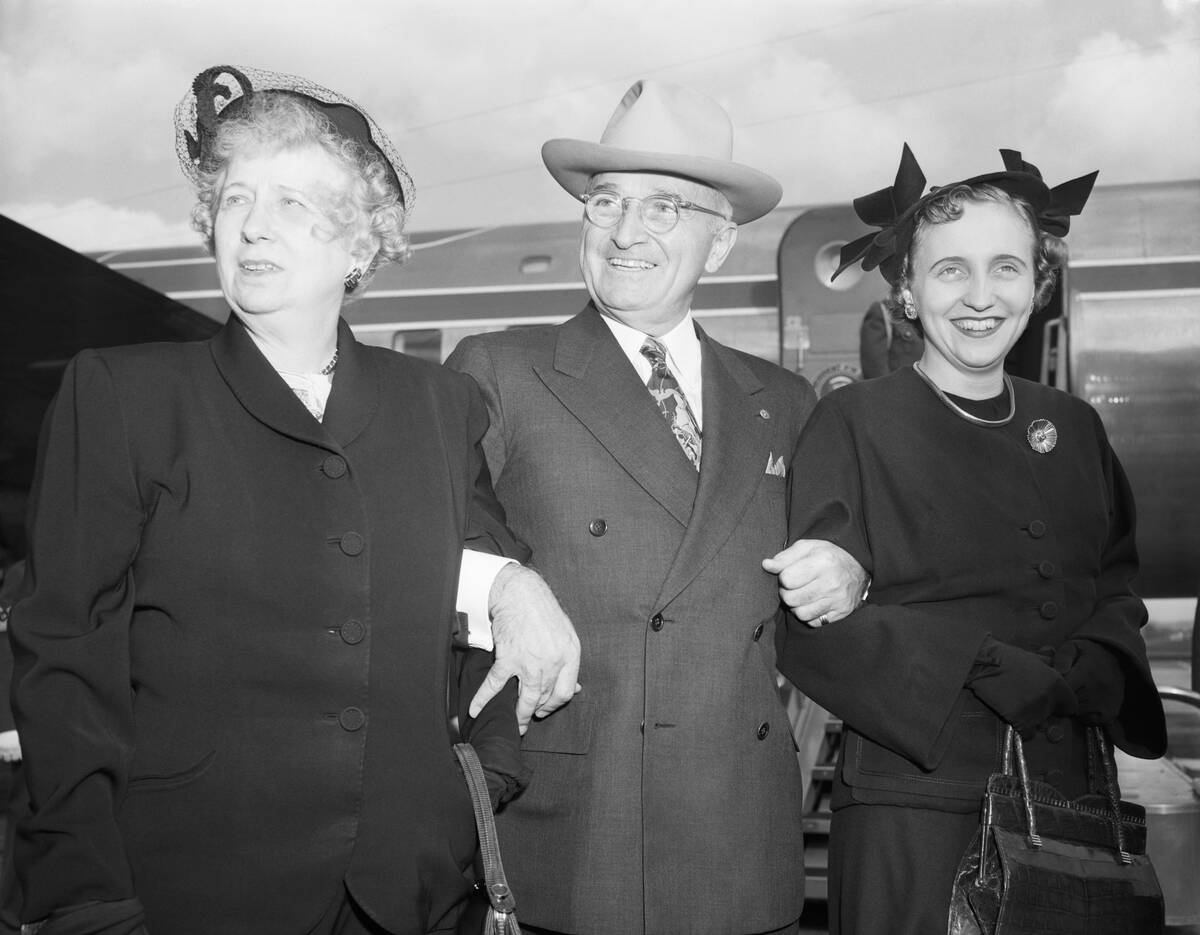
Using titles such as “Mr.” or “Mrs.” has traditionally been a way of showing politeness and respect, particularly in formal or unfamiliar situations. In many English-speaking societies, first-name interactions have become more common as social and professional settings have become less formal.
However, respectful titles remain appropriate in certain formal contexts and when addressing someone for the first time, depending on the situation and the person’s preference. The continued use of titles reflects the importance of adapting forms of address to social context.
The Decline of Formal Dress Codes for Social Gatherings

Formal dress codes for social gatherings have become more flexible in many Western societies over the past several decades. Tuxedos and evening gowns remain appropriate for certain highly formal occasions, but many events now allow casual or semiformal attire.
This shift reflects changing social norms and greater emphasis on comfort and individual choice. Nevertheless, dressing appropriately for the occasion remains an important part of social etiquette and can demonstrate consideration for the host and other guests.
The Fading Ritual of Sending Holiday Cards

Sending holiday cards became a popular tradition for staying connected with family and friends during the festive season. The rise of email, social media, and digital greetings has provided convenient alternatives to physical cards, although many people continue to send and appreciate handwritten ones.
A physical card offers a personal form of communication and can serve as a tangible reminder of a relationship. The tradition therefore continues to provide a way for people to express good wishes and maintain connections during the holidays.
The Tradition of Polite Introductions and Handshakes
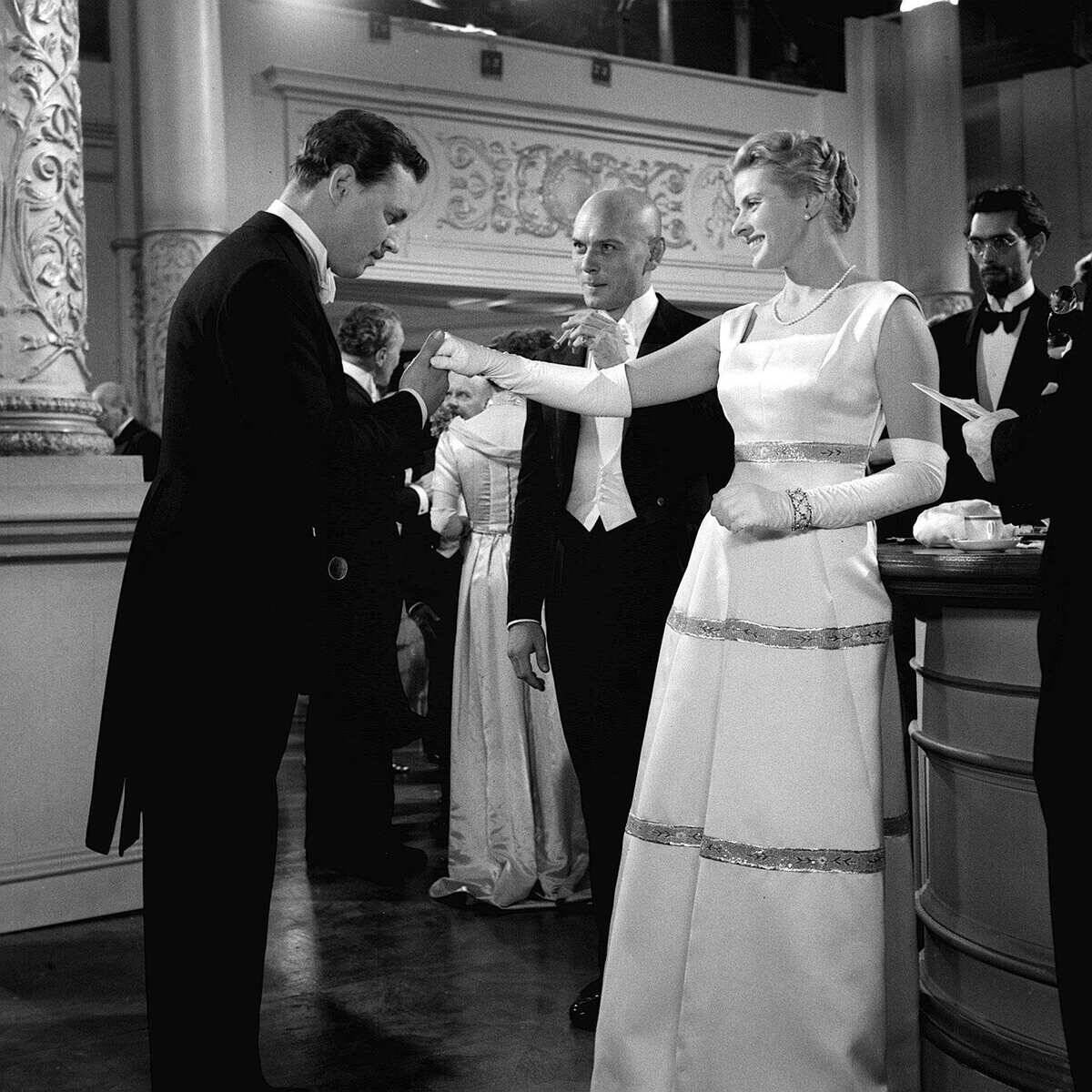
Polite introductions and handshakes have long been cornerstones of social etiquette, signaling respect and openness. While the pandemic temporarily altered this practice, the handshake remains a powerful symbol of trust and connection.
As society adapts, new forms of greeting may emerge, but the importance of a respectful introduction endures in fostering positive first impressions.
The Courtesy of Not Interrupting Conversations
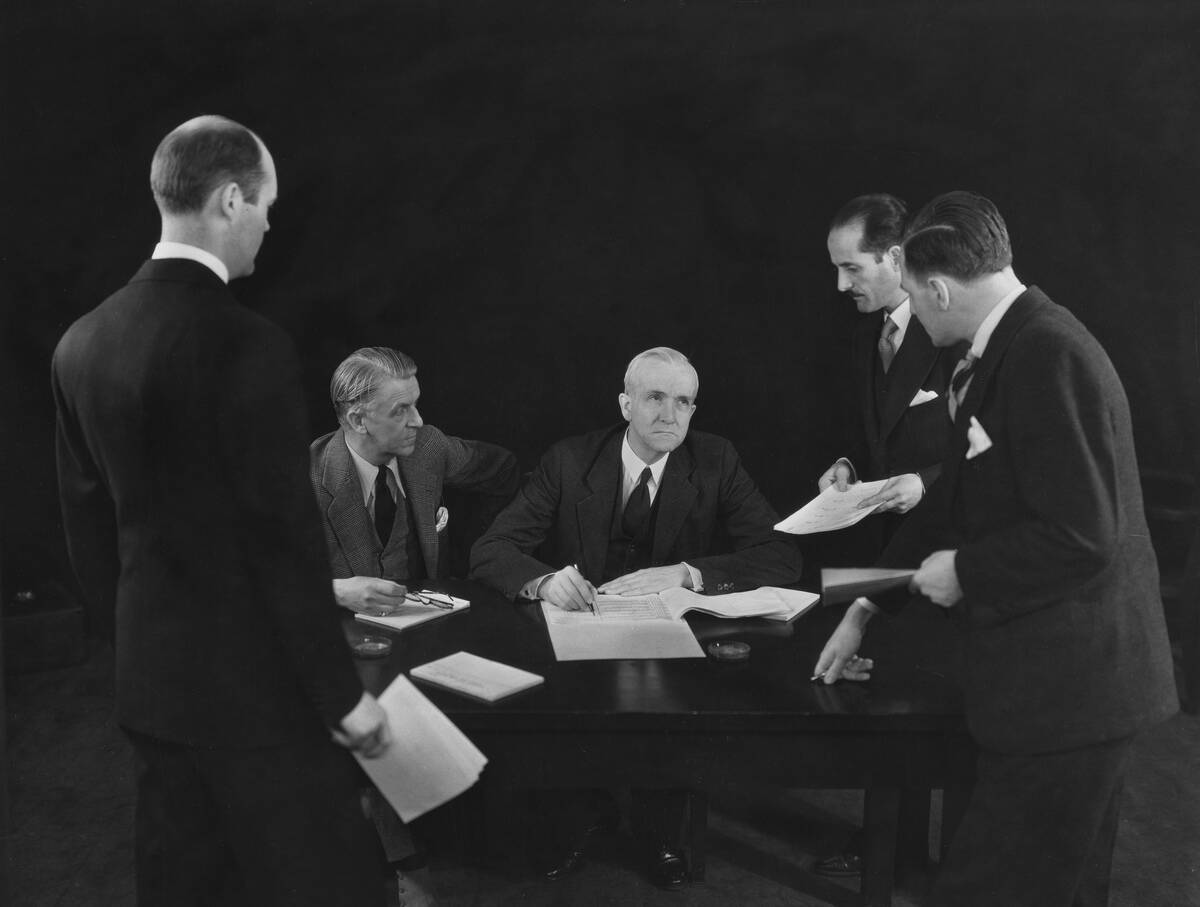
Not interrupting conversations is a fundamental aspect of respectful communication, allowing for the free exchange of ideas.
This courtesy fosters active listening and ensures everyone has a chance to speak. In a fast-paced world where interruptions are common, practicing patience and attentiveness in conversations is a valuable skill that enhances mutual understanding and respect.
The Vanishing Practice of Returning Borrowed Items Promptly
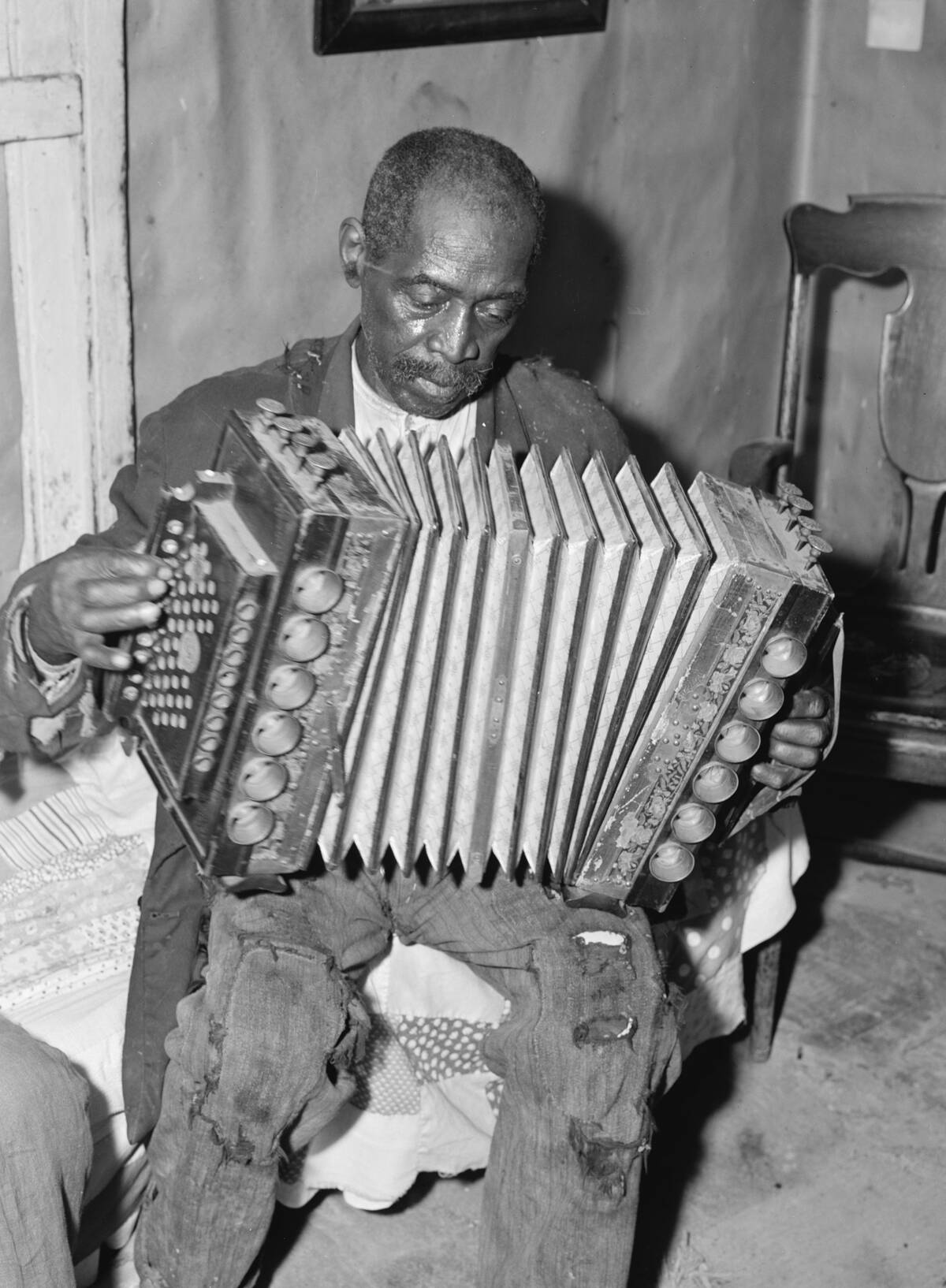
Returning borrowed items promptly was once a clear indicator of one’s reliability and respect for others’ property. In today’s busy world, this practice can be overlooked, leading to misunderstandings and strained relationships.
However, returning items on time remains a simple yet effective way to demonstrate responsibility and consideration, reinforcing trust and goodwill in personal and professional relationships.




