Unusual attractions that drew American crowds
America has always had a fascination with the strange and unusual. From the early days of traveling circuses to modern roadside attractions, there’s something about the bizarre that captivates us.
It’s not just about the spectacle; it’s about the stories, the history, and the mystery that surrounds these oddities. Whether it’s a giant ball of twine or a house built upside down, these attractions offer a unique glimpse into the quirky side of American culture.
The Mystery of the Cardiff Giant

The Cardiff Giant was one of the most famous hoaxes in American history. Discovered in 1869, this ten-foot-tall “petrified man” was actually a gypsum statue commissioned by New York tobacconist George Hull and secretly buried on a farm in Cardiff, New York. Despite eventually being exposed as a fake, the giant drew enormous crowds of curious spectators eager to see what had been presented as the remains of a prehistoric human.
The Cardiff Giant is now housed at The Farmers’ Museum in Cooperstown, New York, where it remains a fascinating reminder of one of America’s most celebrated hoaxes.
The Enigma of the Fiji Mermaid
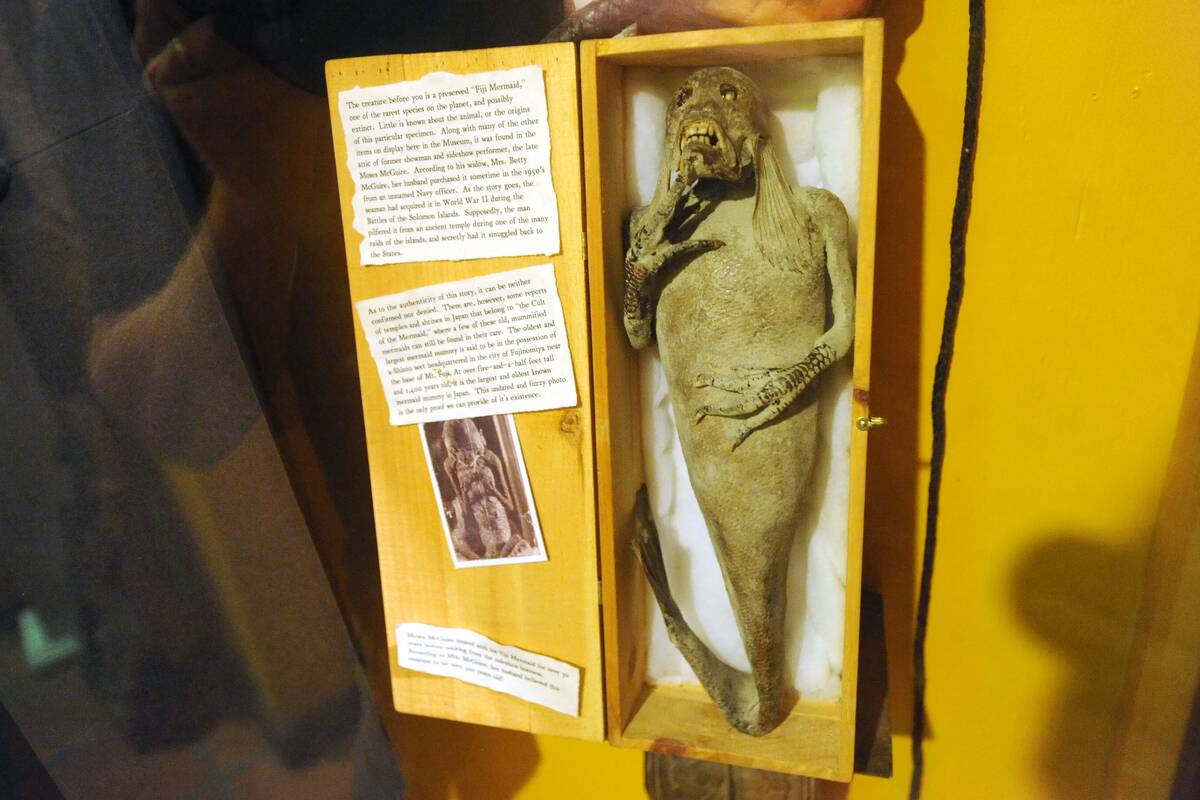
The Fiji Mermaid was a bizarre creation that combined parts of a monkey and a fish to resemble a mythical mermaid. P.T. Barnum acquired the famous specimen in 1842 and exhibited it in New York, promoting it as a genuine mermaid.
The strange creature quickly attracted public attention, although skeptics questioned its authenticity. It was eventually recognized as an elaborate taxidermy hoax rather than evidence of a real mermaid.
The Spectacle of the Great American Snake Show

Snake shows were a popular feature of American sideshows, carnivals, circuses, and other forms of traveling entertainment, featuring handlers who displayed and sometimes handled live reptiles. Depending on the attraction, audiences might encounter exotic species such as pythons and cobras, as well as native snakes including rattlesnakes.
The performers often emphasized the creatures’ danger and exotic appeal to create a sense of excitement and suspense. Although traditional sideshow presentations have declined, live reptile exhibitions and educational programs continue to fascinate audiences, keeping the public’s enduring interest in snakes alive.
The Phenomenon of the Bearded Lady
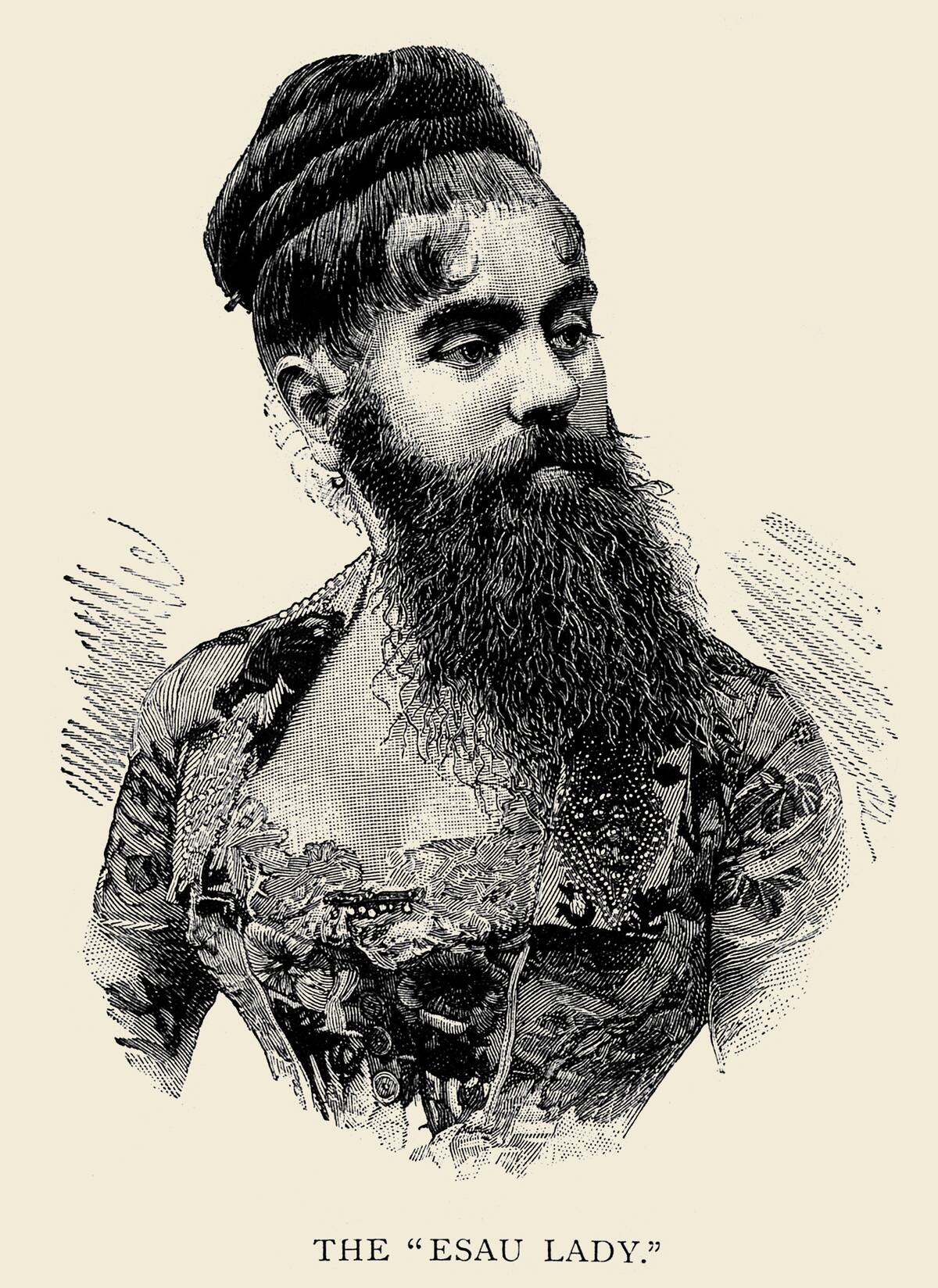
Bearded women were a recurring attraction in 19th- and early 20th-century sideshows, circuses, and dime museums, where audiences paid to see performers whose appearances differed from conventional expectations. One of the most famous was Annie Jones, who began appearing with P.T. Barnum as an infant and later enjoyed a long career as a sideshow performer.
Although these women were often marketed as curiosities, some performers embraced their distinctive appearances and used their careers to achieve financial independence and public recognition.
The Fascination with the Two-Headed Boy of Bengal
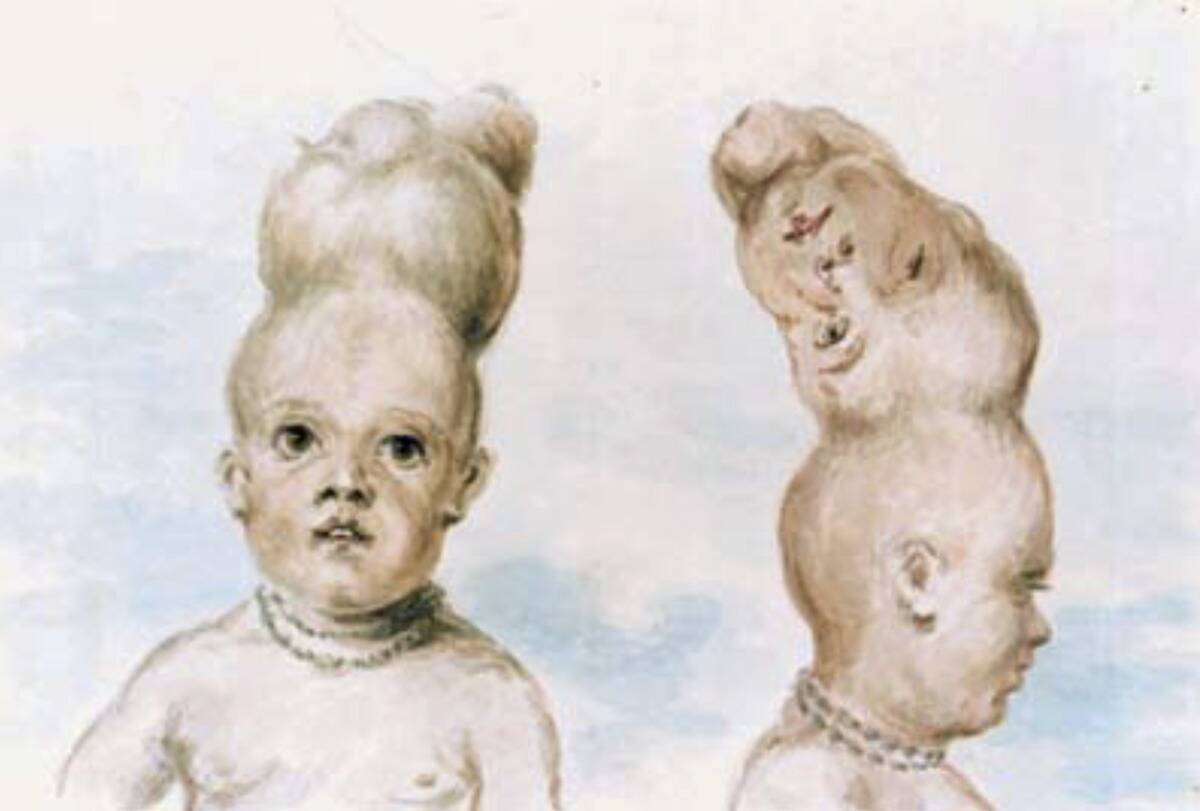
The Two-Headed Boy of Bengal was a real-life medical anomaly documented in the 18th century. Born in Bengal in 1783 with the rare condition known as craniopagus parasiticus, he had a second, underdeveloped twin head attached to his own. His parents reportedly exhibited him to paying audiences in India, where his unusual appearance attracted considerable attention.
His life was tragically short, as he died around 1787 after reportedly being bitten by a cobra. After his death, his remains were examined by European physicians, and his skull was eventually preserved in the Hunterian collection in London.
The Intrigue of the Alligator Farm Craze
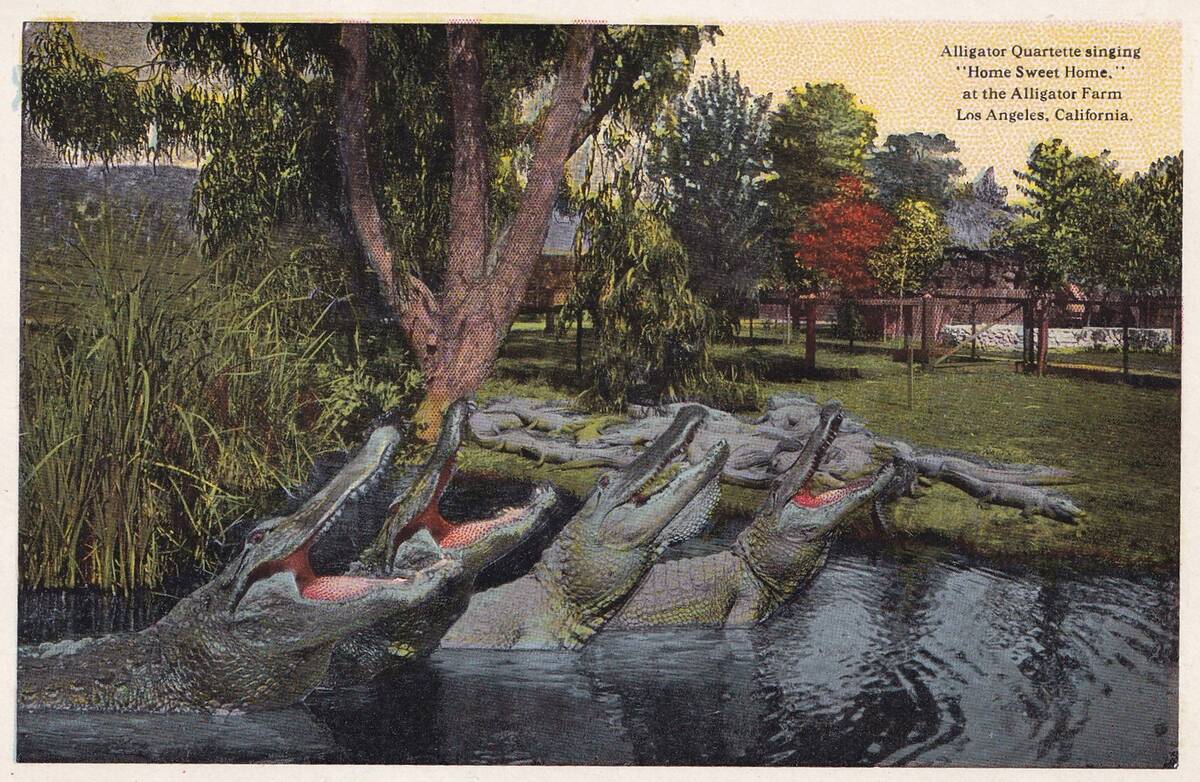
Alligator farms became popular tourist attractions in the early 20th century, particularly in Florida. Visitors flocked to see these reptiles up close, often witnessing feeding demonstrations and, at some attractions, even alligator-wrestling shows. While these farms were initially driven largely by tourism and entertainment, some modern facilities also contribute to education and conservation.
The American alligator itself was once seriously threatened by hunting and habitat loss, but legal protection and wildlife-management measures helped the species recover. Today, alligator farms and wildlife attractions continue to educate visitors about these remarkable reptiles and their important role in wetland ecosystems.
The Novelty of the World’s Largest Ball of Twine
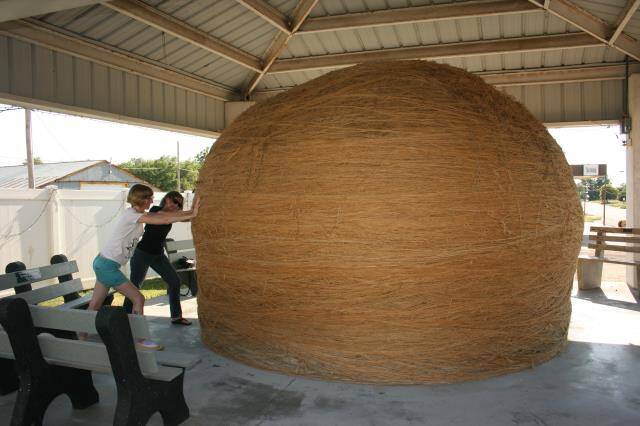
The World’s Largest Ball of Twine is a quirky roadside attraction that embodies the spirit of American eccentricity. Located in Cawker City, Kansas, the enormous ball weighs more than 20,000 pounds and continues to grow as residents and visitors add their own twine.
The tradition includes an annual Twine-a-thon, when people gather to contribute more twine to the giant creation. More than just a roadside curiosity, the ball has become a symbol of community participation and the delight Americans have long found in creating wonderfully unusual attractions.
The Oddity of the House of Mirrors
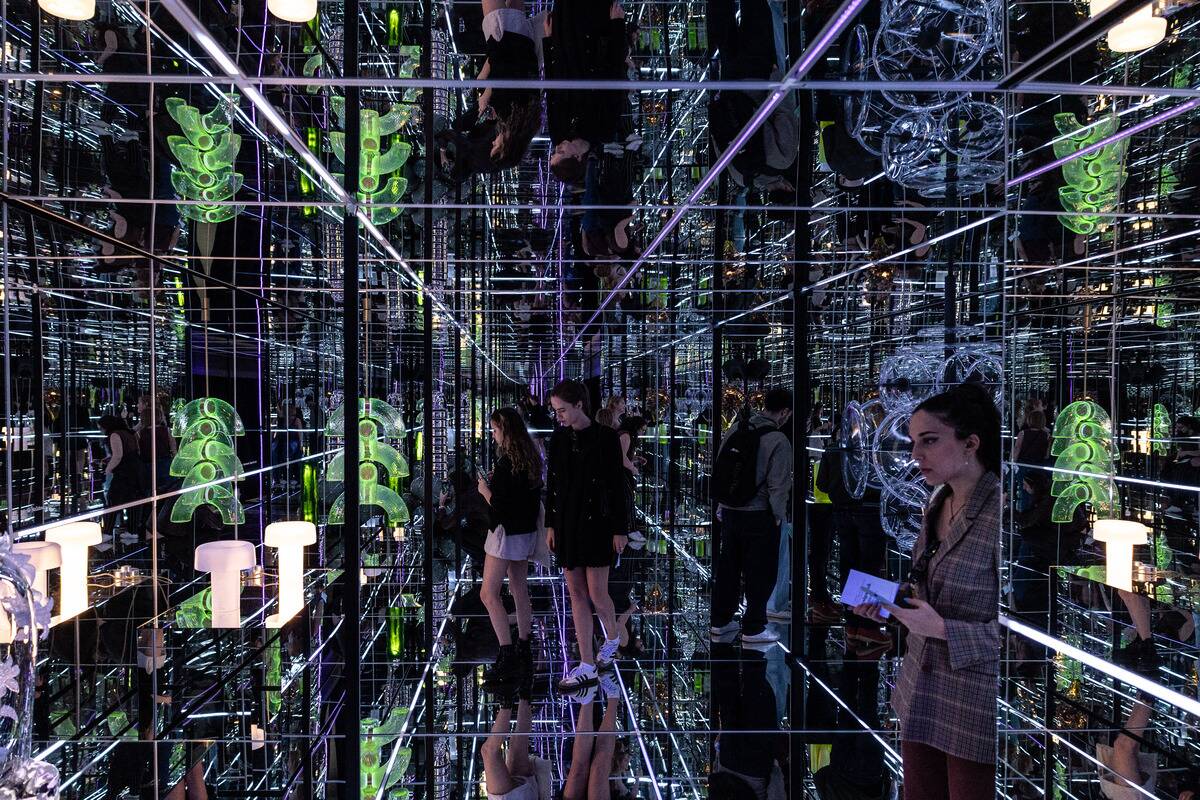
The House of Mirrors is a classic amusement attraction that has entertained visitors for generations. Its maze-like layout and reflective surfaces create a disorienting experience, making it difficult to distinguish real passages from their reflections.
Popularized through amusement parks, fairs, carnivals, and funhouses, mirror attractions use optical illusions to confuse and amuse visitors rather than simply testing their spatial perception. The House of Mirrors continues to captivate audiences with its combination of visual tricks, disorientation, and playful mystery, making it a familiar feature of traditional amusement entertainment.
The Thrill of the Diving Horse Shows
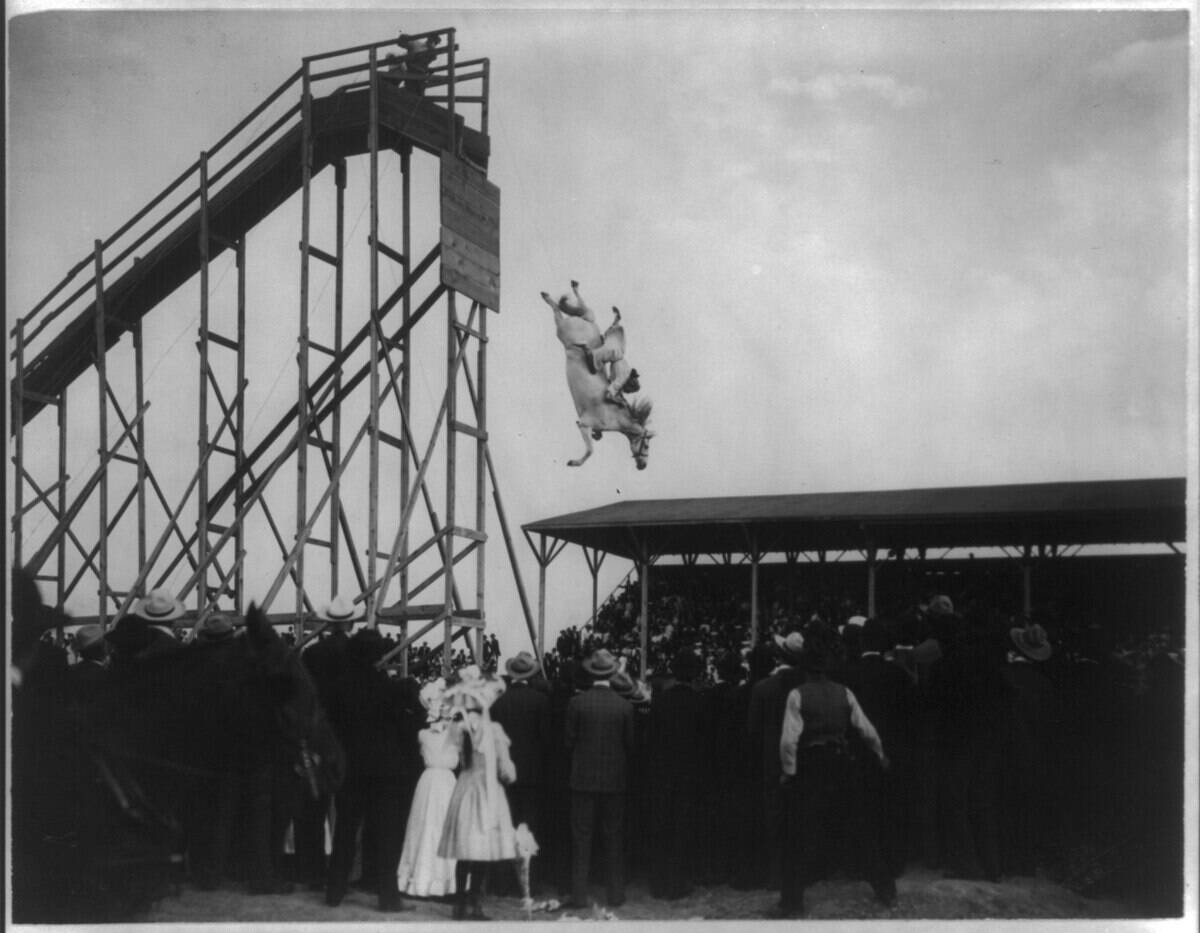
Diving horse shows were a daring form of entertainment that became popular in the late 19th and early 20th centuries, featuring horses trained to leap from elevated platforms into pools of water. The attraction became particularly famous at Atlantic City’s Steel Pier, where the diving horses debuted in 1920 and drew large crowds for decades.
As concerns about animal welfare grew, the practice faced increasing criticism, particularly during the 1970s. The Steel Pier’s famous diving horse act ended in 1978, making it a striking example of how changing attitudes toward animal treatment eventually transformed American entertainment.
The Appeal of the Traveling Medicine Shows
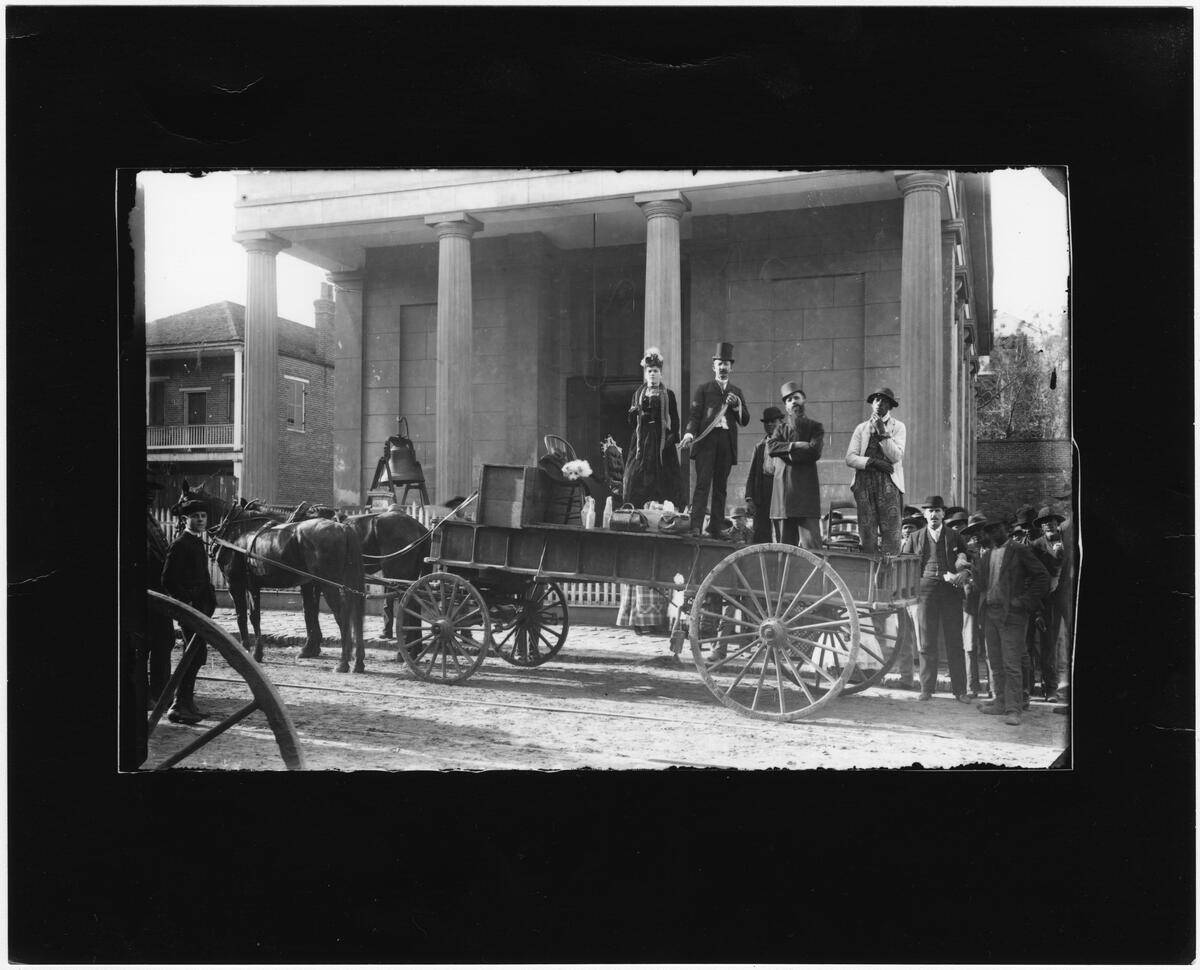
Traveling medicine shows were a unique blend of entertainment and commerce, combining musical acts, comedy, magic, and other performances with the promotion of “miracle” cures. These shows traveled throughout the United States, particularly during the late 19th and early 20th centuries, selling patent medicines and tonics that were often promoted with exaggerated or unsupported health claims.
Despite their questionable practices, medicine shows provided entertainment and community gatherings in towns and rural areas across the country. Their colorful sales techniques and promotional tactics also became part of the broader history of American advertising and popular culture.
The Bizarre Charm of the Upside-Down House

The Upside-Down House is a whimsical architectural attraction designed to turn familiar spaces on their heads. Found in various locations around the world, these novelty houses feature inverted-looking interiors that challenge visitors’ perceptions and create a playful experience.
Furniture may appear to hang from the ceiling while rooms are arranged to make the actual ceiling look like the floor. Rather than truly defying gravity, the carefully designed structures create an entertaining visual illusion that encourages visitors to see ordinary architecture from a completely different perspective.
The Attraction of the World’s Largest Frying Pan
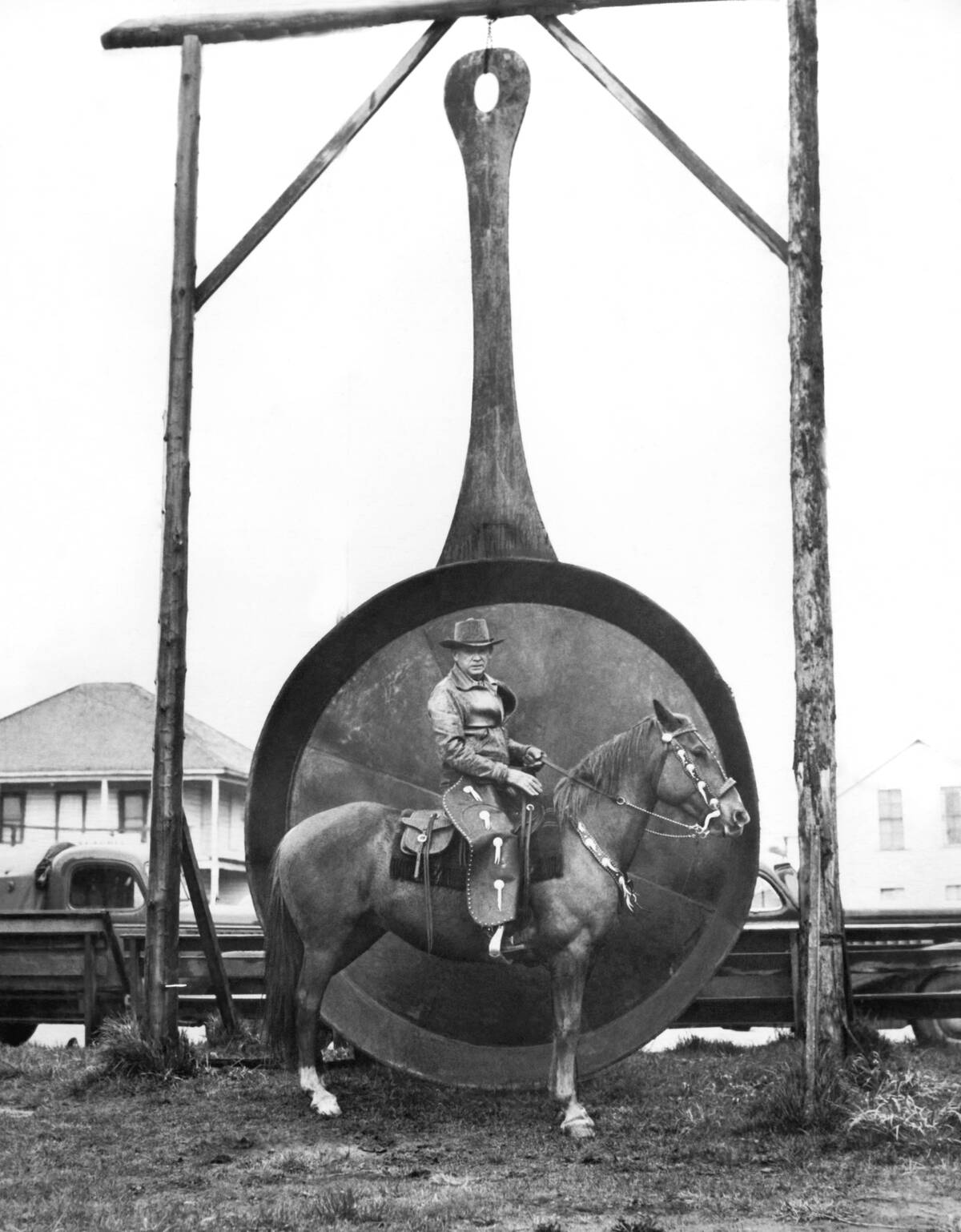
The World’s Largest Frying Pan is a quirky culinary curiosity located in Rose Hill, North Carolina. Built in 1963, the massive pan is 15 feet in diameter, weighs about two tons, and is still used for community events and the annual North Carolina Poultry Jubilee.
It can hold up to 200 gallons of cooking oil and cook as many as 365 chickens at once. More than just a roadside oddity, the pan has become a symbol of Rose Hill’s poultry heritage and the communal spirit of cooking, festivals, and local gatherings.
The Peculiarity of the Whispering Gallery
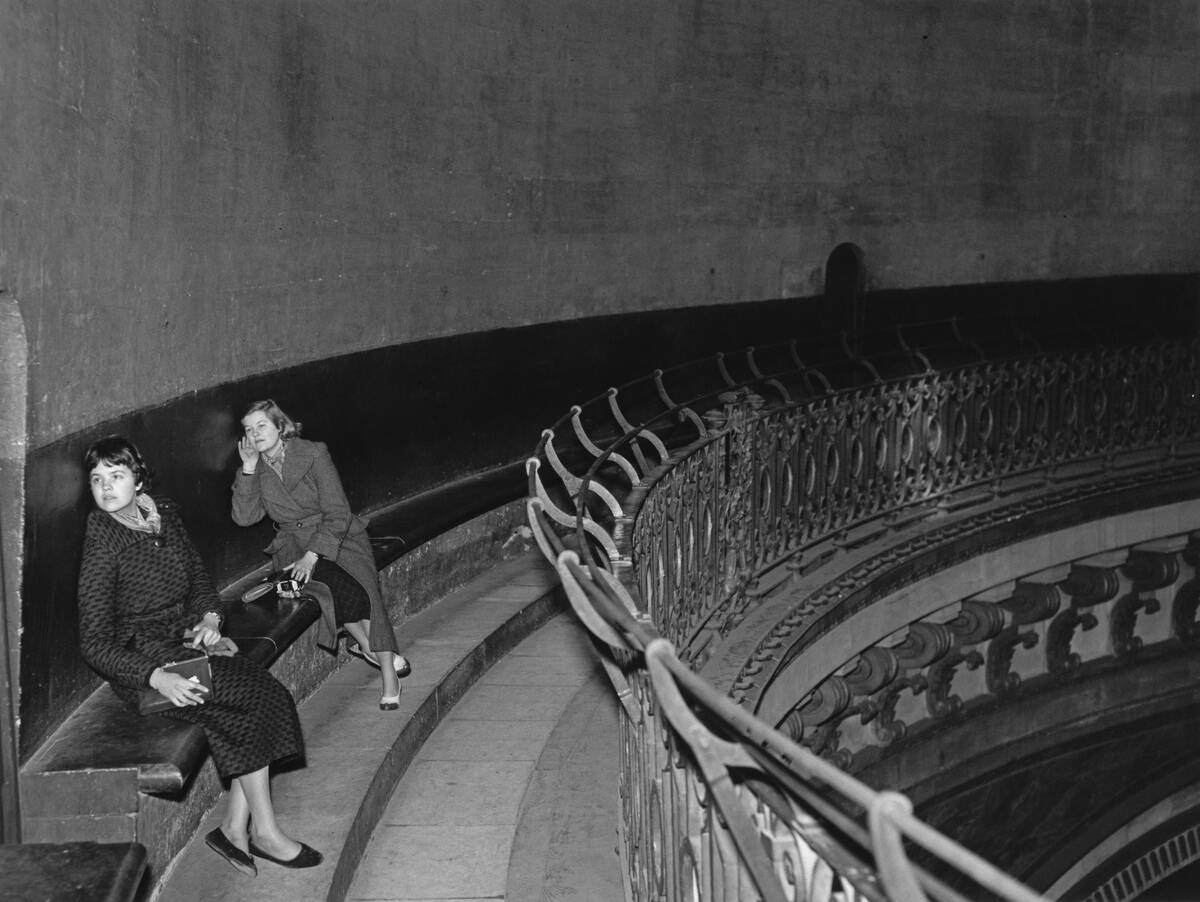
Whispering galleries are architectural marvels where soft sounds can sometimes travel surprisingly far along curved surfaces. Famous examples include the Whispering Gallery at St. Paul’s Cathedral in London and the whispering-gallery effect in the U.S. Capitol’s National Statuary Hall.
These spaces use curved walls, domes, and other architectural features to allow sound waves to travel along their surfaces, sometimes enabling visitors to hear whispers from across the room. The phenomenon continues to intrigue visitors by combining fascinating acoustic science with an experience that can seem almost magical.
The Astonishment of the Giant Rocking Chair
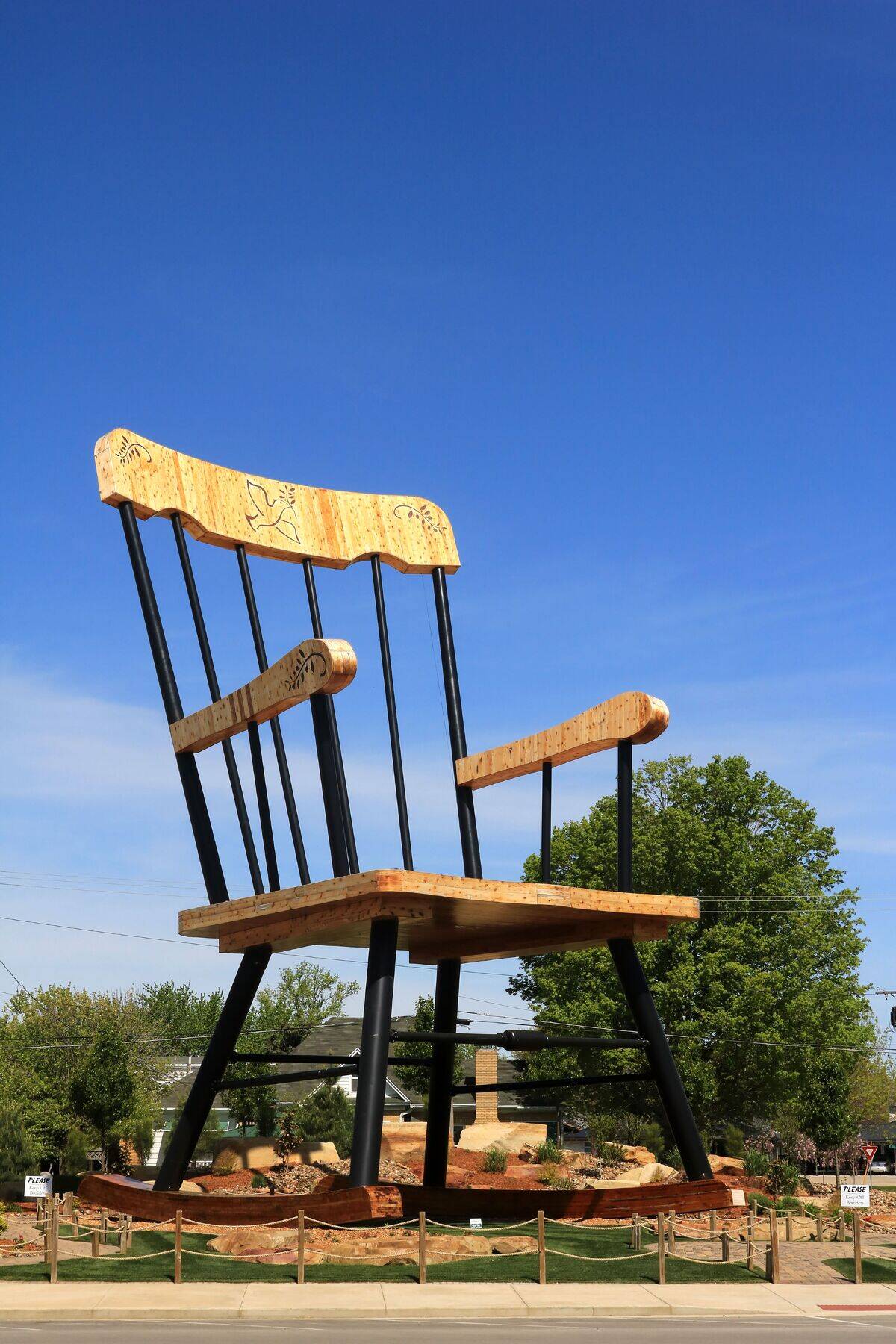
Giant rocking chairs are larger-than-life roadside attractions that invite visitors to marvel at their unusual size and craftsmanship. These oversized chairs can be found in various locations across the U.S., with some reaching impressive heights and weighing thousands of pounds.
Often serving as local landmarks and photo opportunities, they reflect the playful tradition of American roadside Americana, where ordinary objects are transformed into eye-catching attractions. The giant rocking chair is a whimsical reminder that even an everyday household object can become something extraordinary when built on a massive scale.




