Things every cool kid wanted in the 90s
Ah, the 1990s—a time when the schoolyard was a vibrant tapestry of trends and toys that defined our childhood.
From the clatter of slap bracelets to the hum of a Walkman, it was an era where every item you owned spoke volumes about your social standing. Join us as we take a nostalgic journey through the must-have items that made the 90s schoolyard an unforgettable experience.
The Power of the Perfect Backpack: Jansport and Beyond
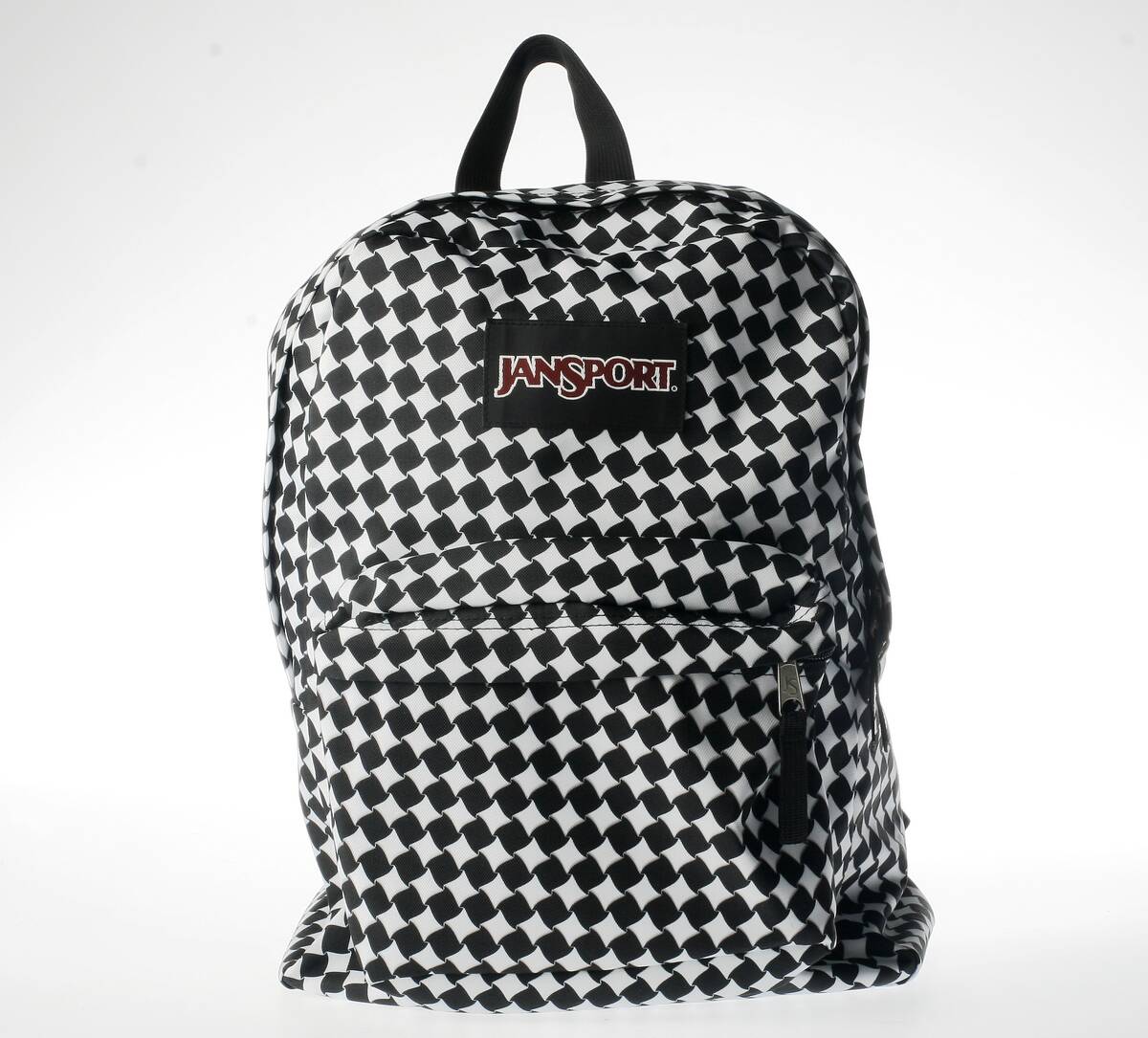
In the 1990s, backpacks were both practical school essentials and an important part of youth style. JanSport was one of the most popular brands among American students, known for its durable construction and, on many classic models, its distinctive leather-bottom design.
The company offered backpacks in a wide range of colors and patterns, giving students plenty of options for personal expression. Other brands, including Eastpak and L.L.Bean, were also popular, offering their own designs and features. Together, these brands helped make the school backpack an everyday combination of practicality, durability, and personal style.
Rocking the Right Sneakers: Air Jordans and Doc Martens
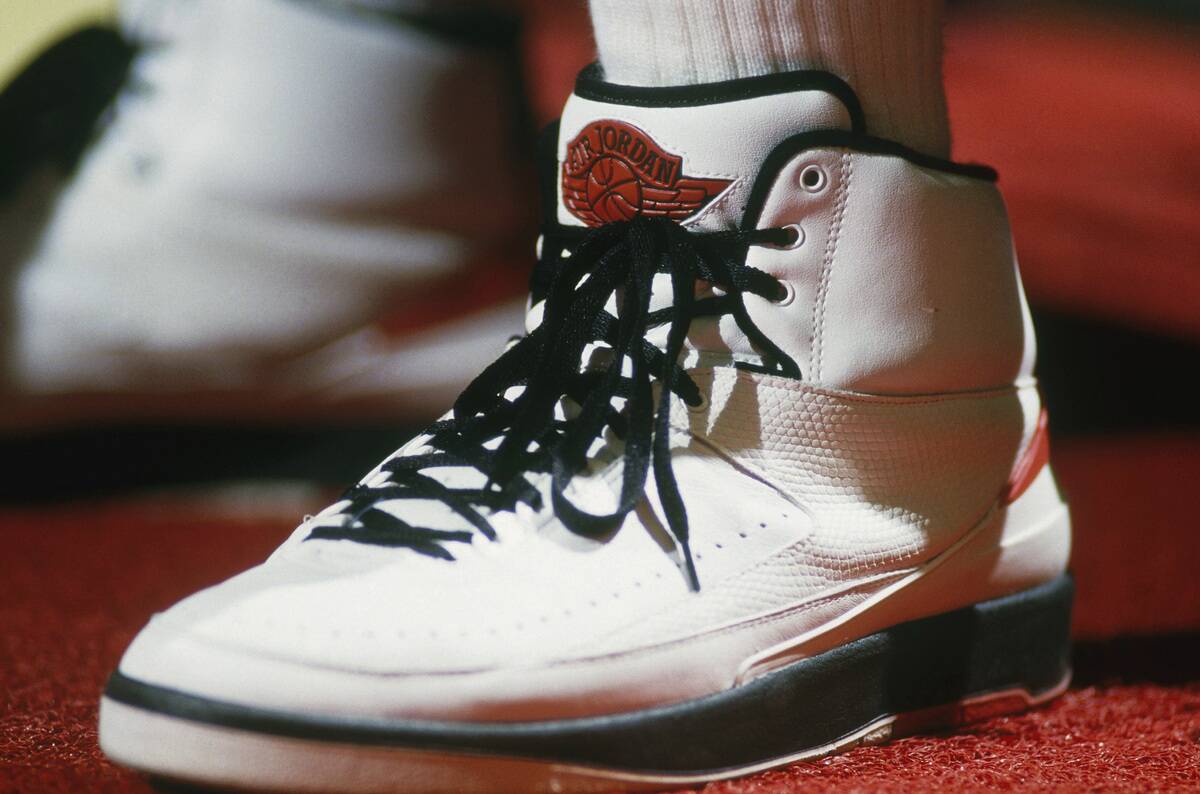
Sneakers were more than just footwear in the 1990s; they became an important part of youth fashion and popular culture. Air Jordans, created in association with basketball legend Michael Jordan, became especially influential, combining distinctive designs with the growing cultural appeal of the NBA.
Meanwhile, Dr. Martens offered a more rebellious aesthetic, with their durable leather construction and distinctive chunky soles becoming associated with punk, grunge, and other youth subcultures. Both became recognizable symbols of 1990s style, although their popularity varied among different groups and regions.
The Ultimate Status Symbol: Owning a Tamagotchi
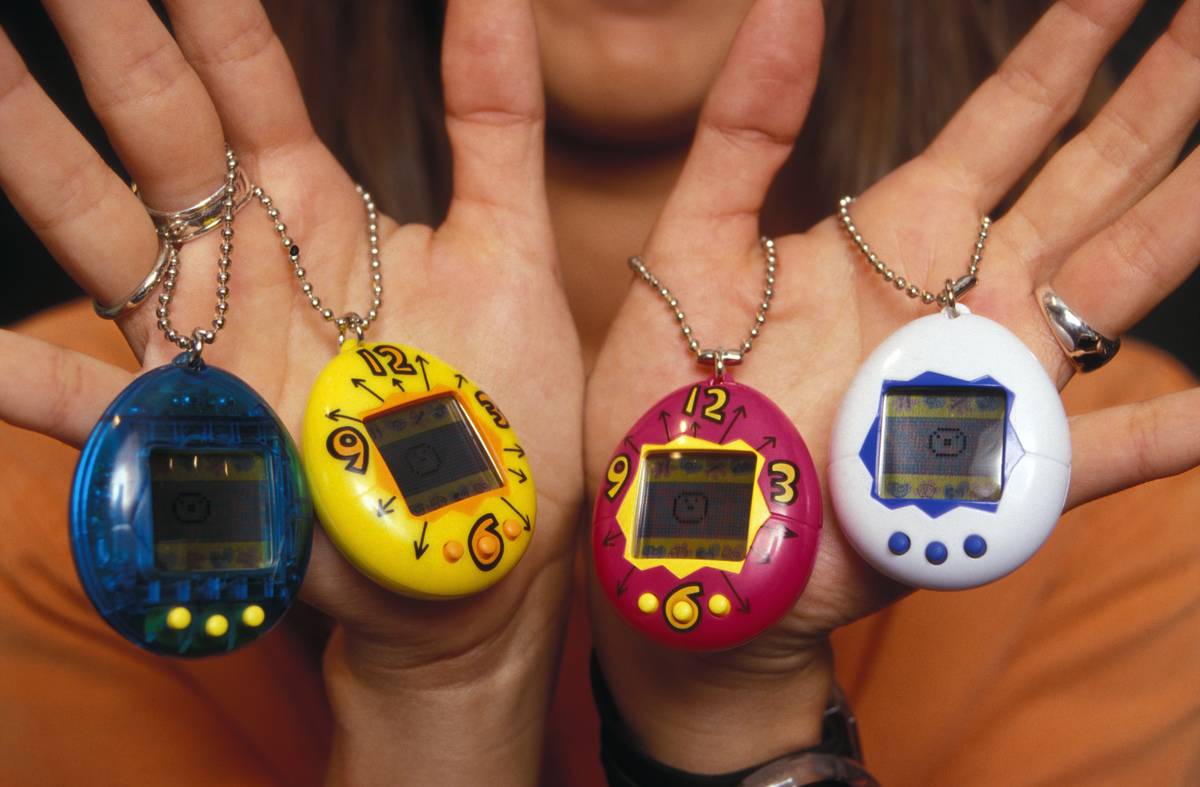
The Tamagotchi craze became a major youth phenomenon after the virtual pets were introduced in Japan in 1996 and expanded internationally the following year. These digital pets required regular attention, with users responsible for feeding, cleaning, disciplining, and caring for their virtual companions.
Their simple pixelated screens and beeps communicated when the pets needed attention, while neglect could cause them to become sick or die. For many children, caring for a Tamagotchi provided a playful introduction to routines and responsibility.
Mastering the Art of the Yo-Yo
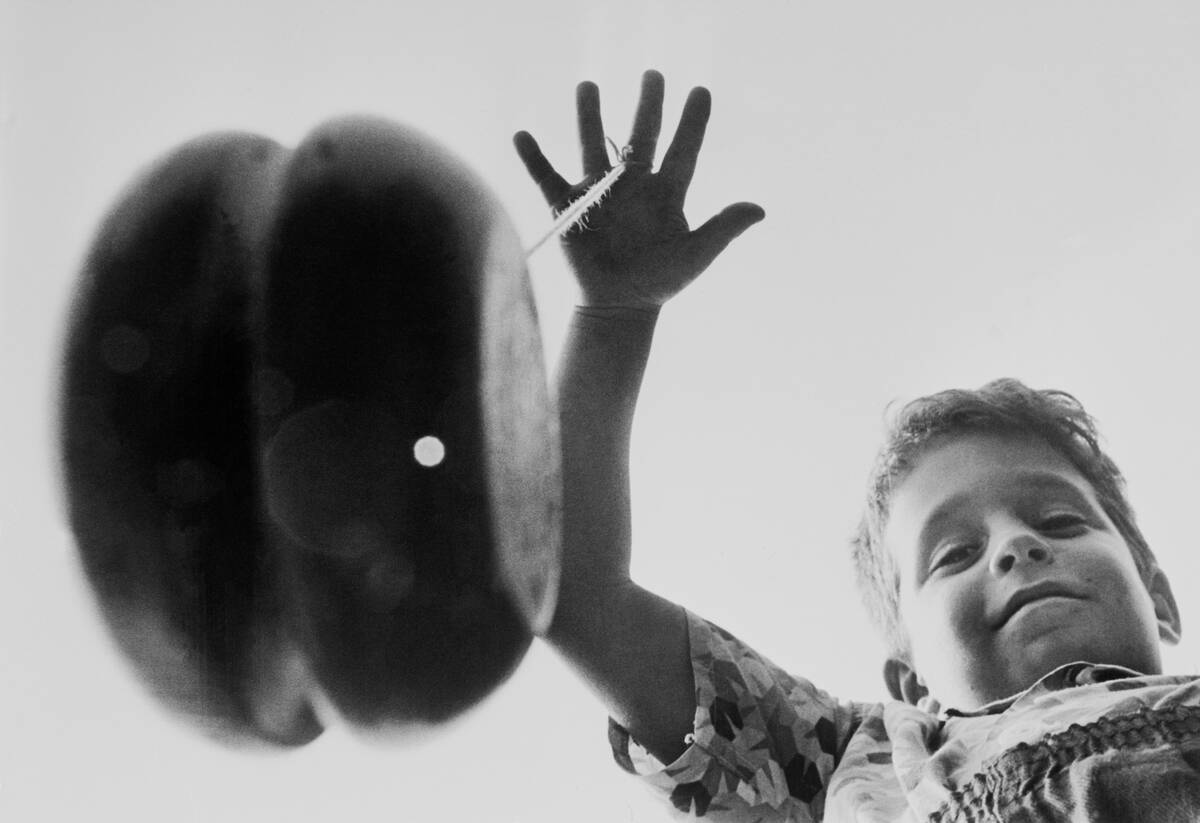
Yo-yos were more than a toy; they were a skill to be mastered. Brands like Duncan and Yomega became popular, offering models designed to support longer spins and more advanced tricks.
Kids would spend hours perfecting moves like “Walk the Dog” and “Around the World.” Yo-yo competitions also attracted enthusiasts, showcasing the dexterity and creativity of skilled players.
The Walkman: Your Personal Soundtrack on the Go
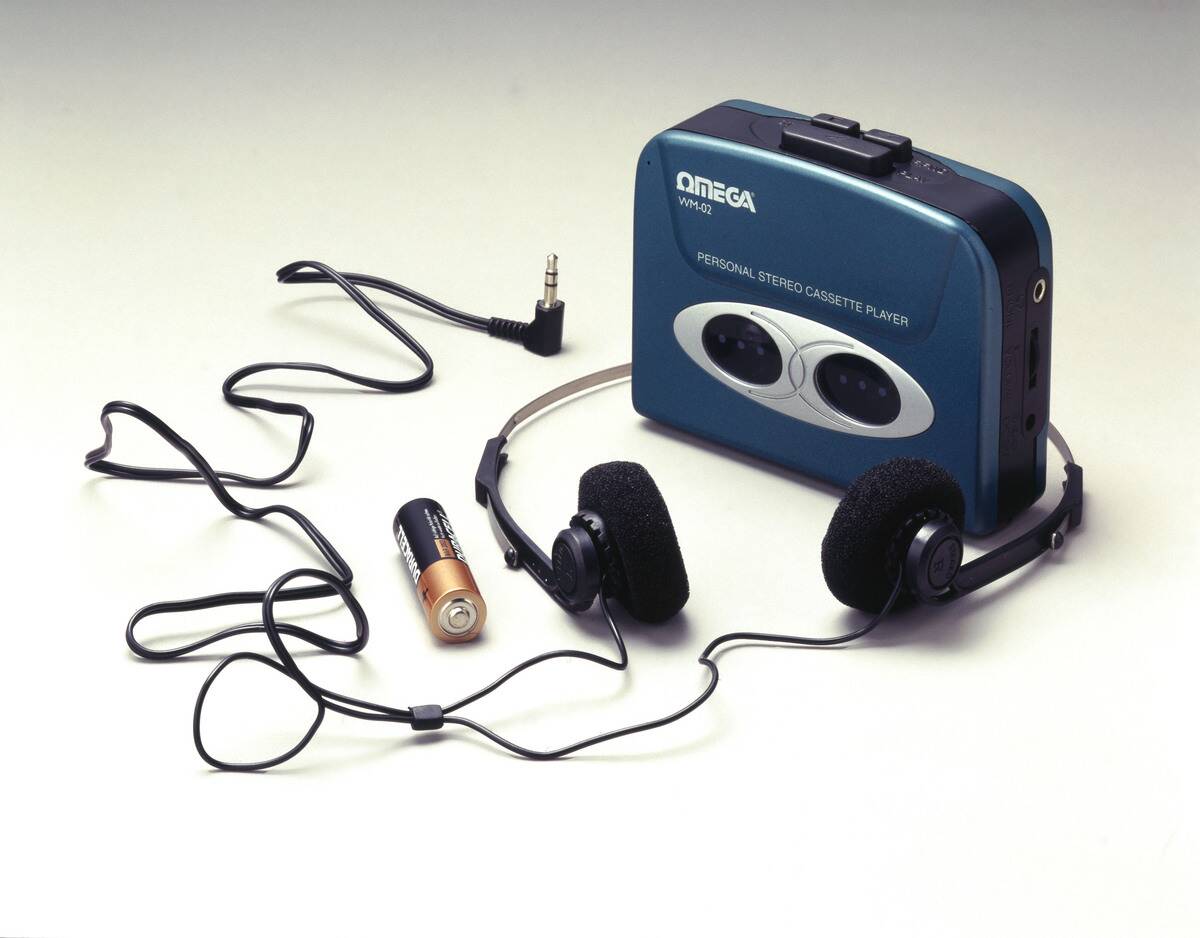
Before the era of streaming, the Walkman was your personal concert in a pocket. Sony’s revolutionary device allowed kids to take their favorite cassette tapes anywhere.
Whether it was the latest pop hits or a mixtape from a friend, the Walkman provided a soundtrack to daily life. Its portability and convenience made it a popular choice for music-loving kids in the 1990s.
Trading Cards Craze: Pokémon and Sports Cards
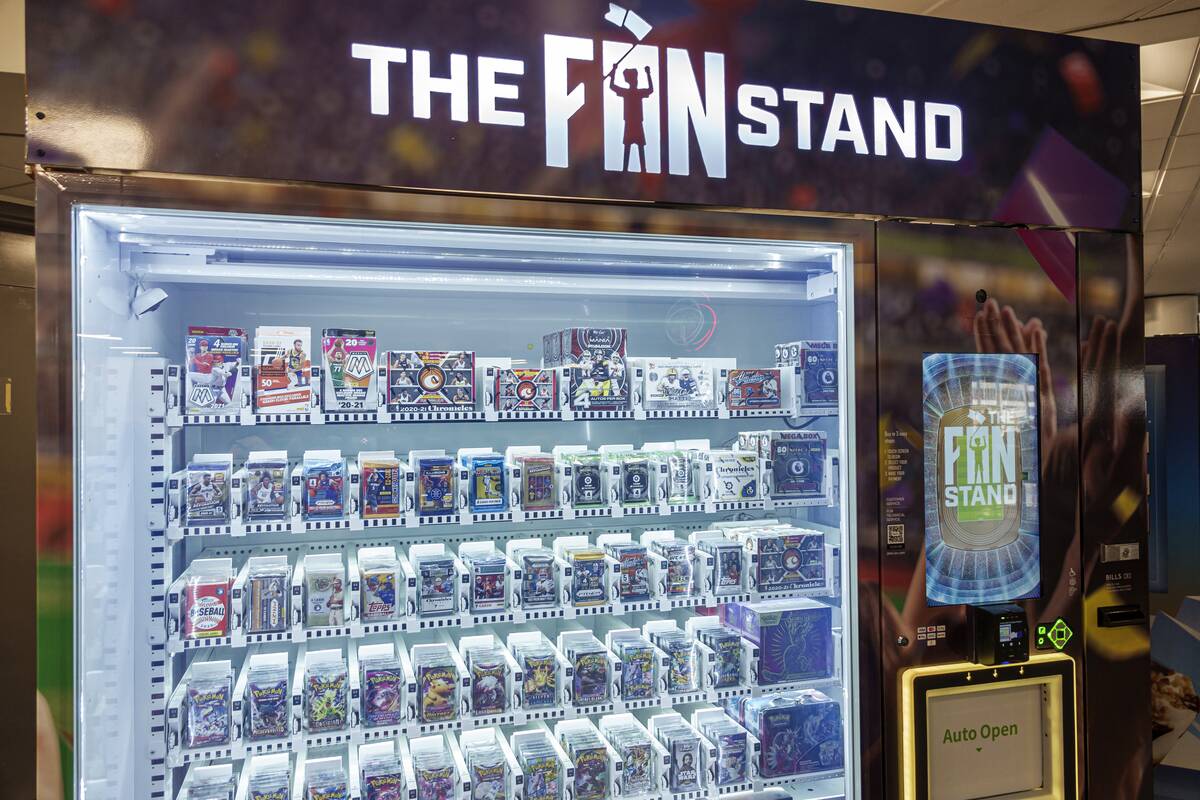
Trading cards were a playground favorite. Pokémon cards, with their colorful designs and strategic gameplay, became a global phenomenon. Kids traded and battled, each hoping to build an impressive collection.
Meanwhile, sports cards featuring baseball and basketball stars offered a different allure, with rare cards becoming prized possessions. Both types of cards encouraged social interaction and trading among young collectors.
The Magic of Owning a Super Nintendo or Sega Genesis
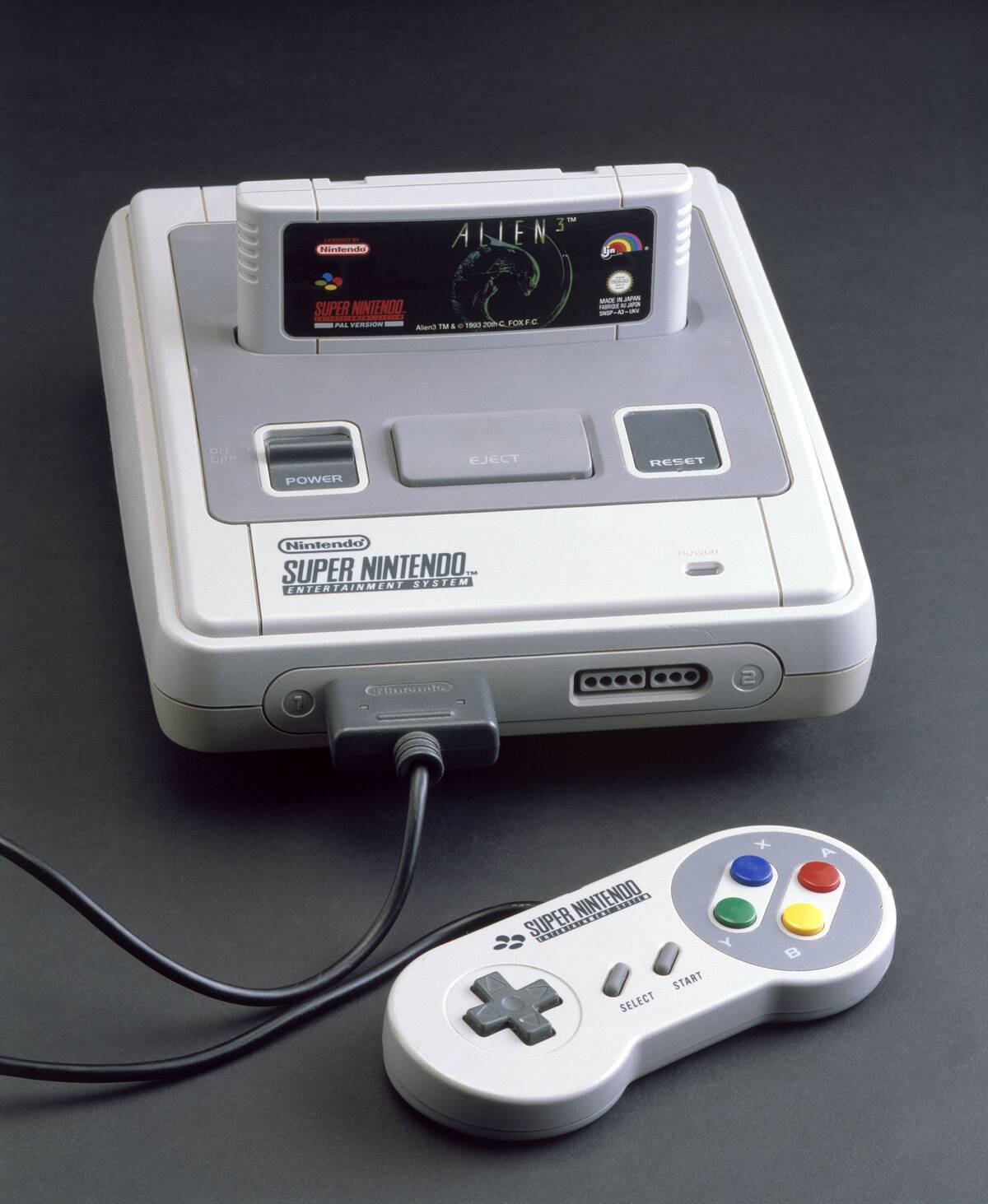
Video game consoles like the Super Nintendo and Sega Genesis were gateways to new worlds. Titles like “Super Mario World” and “Sonic the Hedgehog” captured imaginations and sparked fierce debates over which system reigned supreme.
These consoles provided hours of entertainment, whether you were playing solo or challenging friends in multiplayer games. For many 90s kids, they were a centerpiece of home entertainment.
Fashion Forward: Flannel Shirts and Baggy Jeans
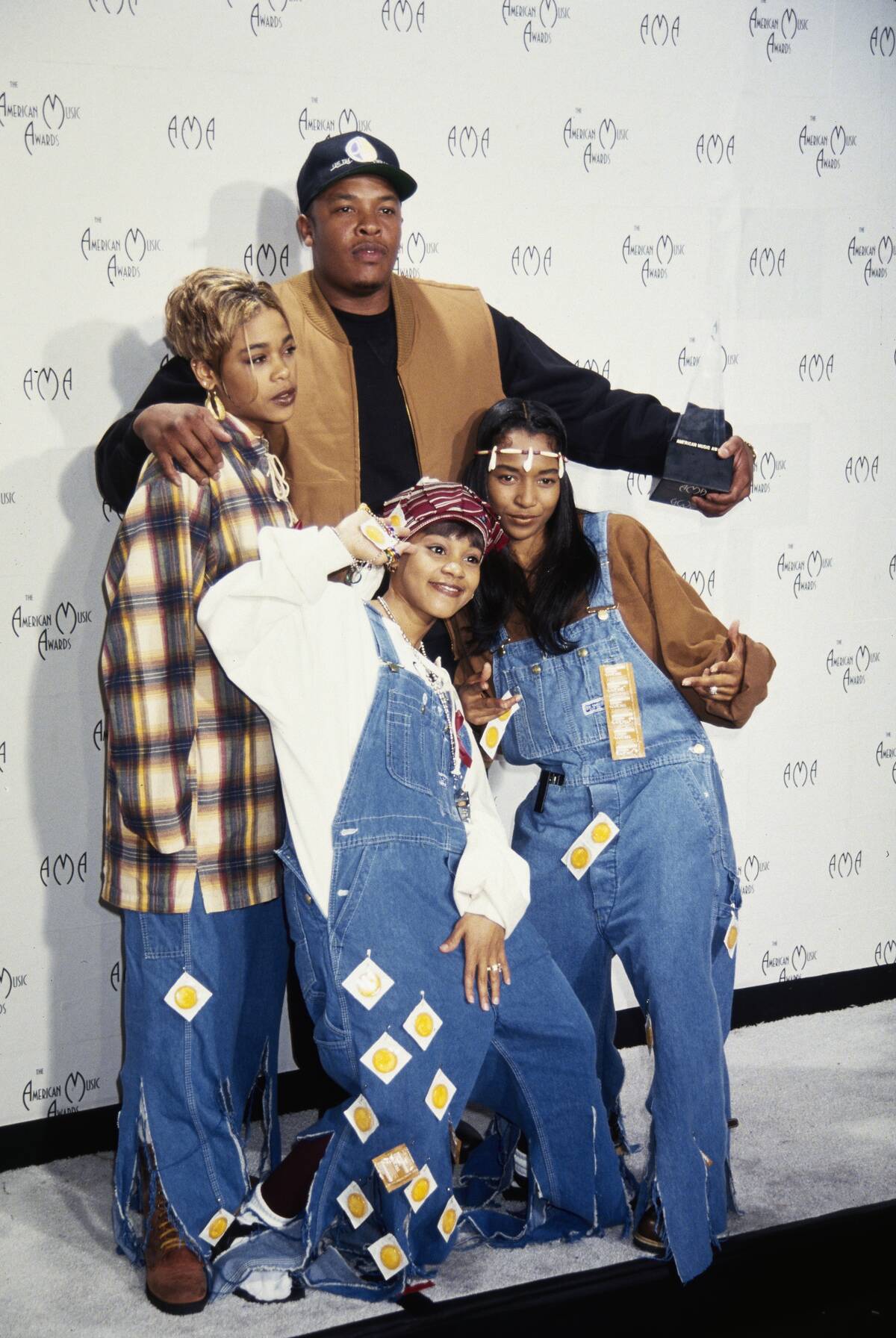
90s fashion embraced comfort and self-expression, with flannel shirts and baggy jeans becoming prominent parts of the decade’s casual styles. Influenced by the grunge movement, flannel shirts offered a laid-back aesthetic and were often worn with band T-shirts for an alternative look.
Baggy jeans, strongly associated with hip-hop and streetwear, provided a loose, comfortable alternative to slimmer styles. Together, these pieces helped create a fashion aesthetic that could feel both rebellious and relaxed.
The Cool Factor of a Slap Bracelet Collection
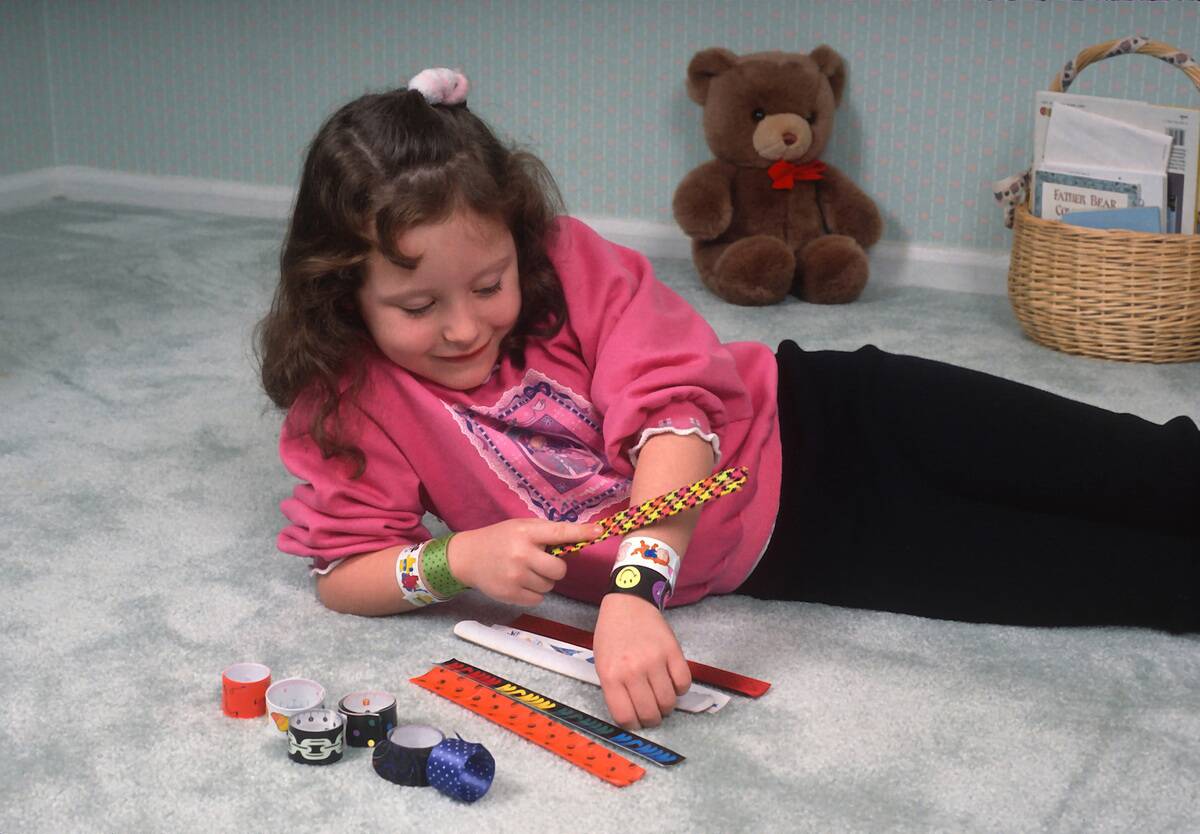
Slap bracelets were one of the most recognizable fads of the early 90s. With a simple flick of the wrist, these colorful bands would wrap snugly around your arm. They came in a variety of patterns and colors, making them a fun and versatile accessory.
Despite safety concerns surrounding some poorly made versions, slap bracelets remained a beloved item, particularly among children, and became a familiar part of early 90s playground style.
Trendsetting with Pogs and Milk Caps
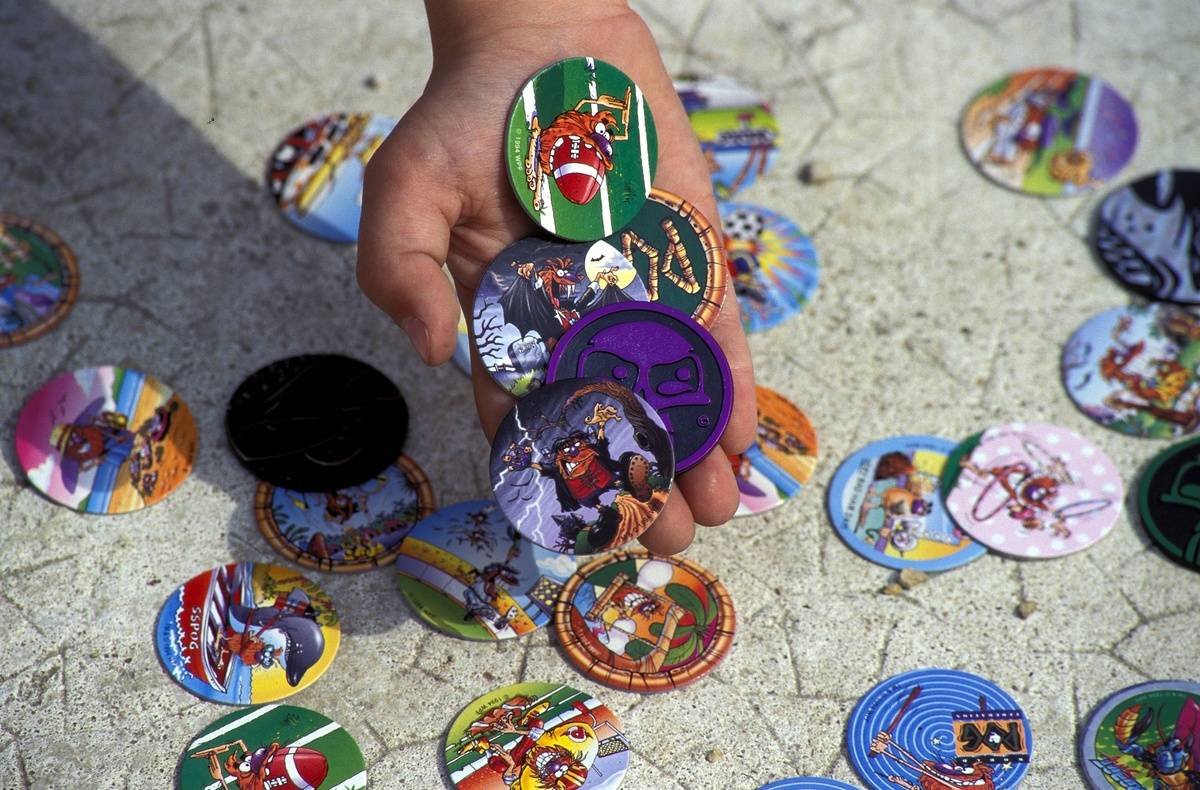
Pogs, also known as milk caps, became a major playground sensation in the 1990s. The game had roots in Hawaii, where milk-cap games had been played for decades, before a 1991 revival helped spark the craze. Kids would stack cardboard discs and slam them with a heavier disc, hoping to flip as many as possible.
Depending on the rules, players could keep the Pogs they won or simply count them as points. With designs featuring cartoon characters, logos, celebrities, and colorful artwork, Pogs offered endless variety and encouraged a competitive spirit among young players.
The Influence of Grunge and Hip-Hop on Your Wardrobe
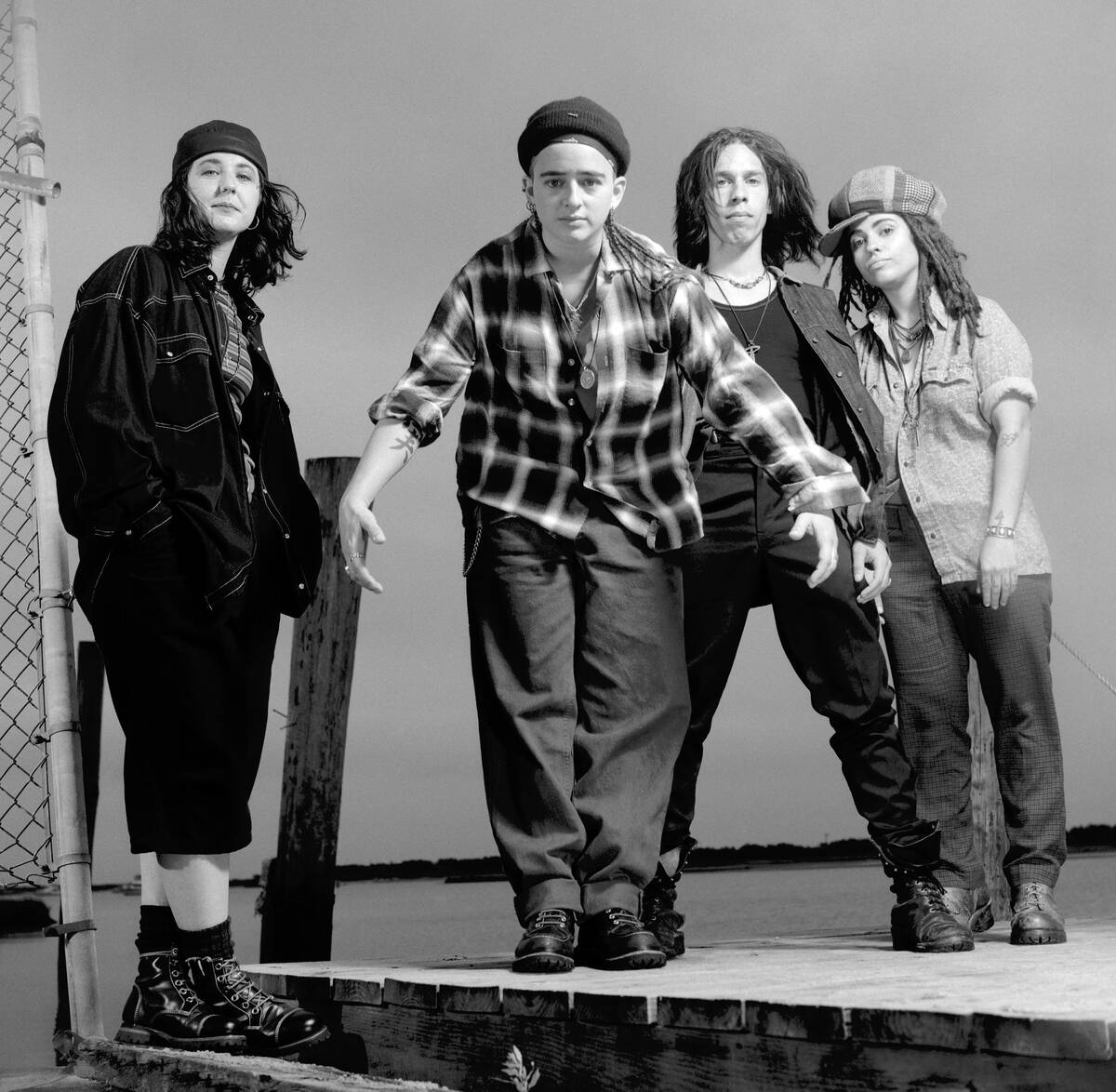
The 90s were a melting pot of musical influences that helped shape fashion. Grunge bands like Nirvana brought a rugged, deliberately casual style to the forefront, with flannel shirts, worn jeans, and band T-shirts becoming popular. Meanwhile, hip-hop artists like Tupac and Biggie helped popularize bold colors, oversized clothing, and distinctive streetwear looks.
These musical movements influenced everything from hairstyles to footwear, creating a diverse fashion landscape that gave young people new ways to express their identities.
The Importance of a Well-Curated Sticker Album
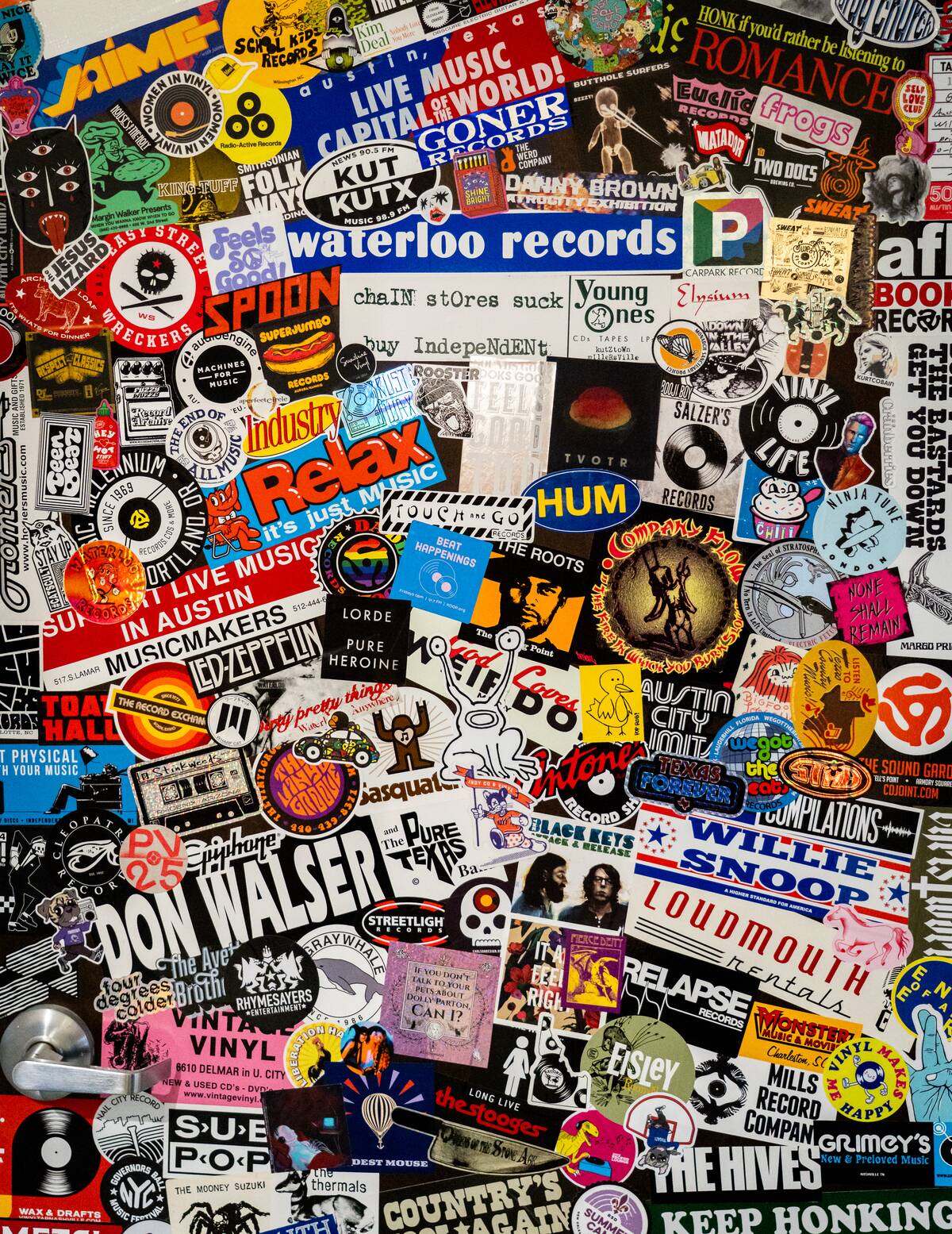
Sticker albums were a popular way for kids to display and organize their collections. Children collected stickers from various sources, arranging their albums around themes and personal interests.
From glittery unicorns to popular cartoon characters, stickers came in countless designs and styles. Trading stickers with friends was also a familiar pastime, giving kids a way to share collections and search for designs they wanted. For many young collectors, an impressive sticker album was a source of pride and a fun reflection of their interests.
The Significance of a Friendship Bracelet Exchange
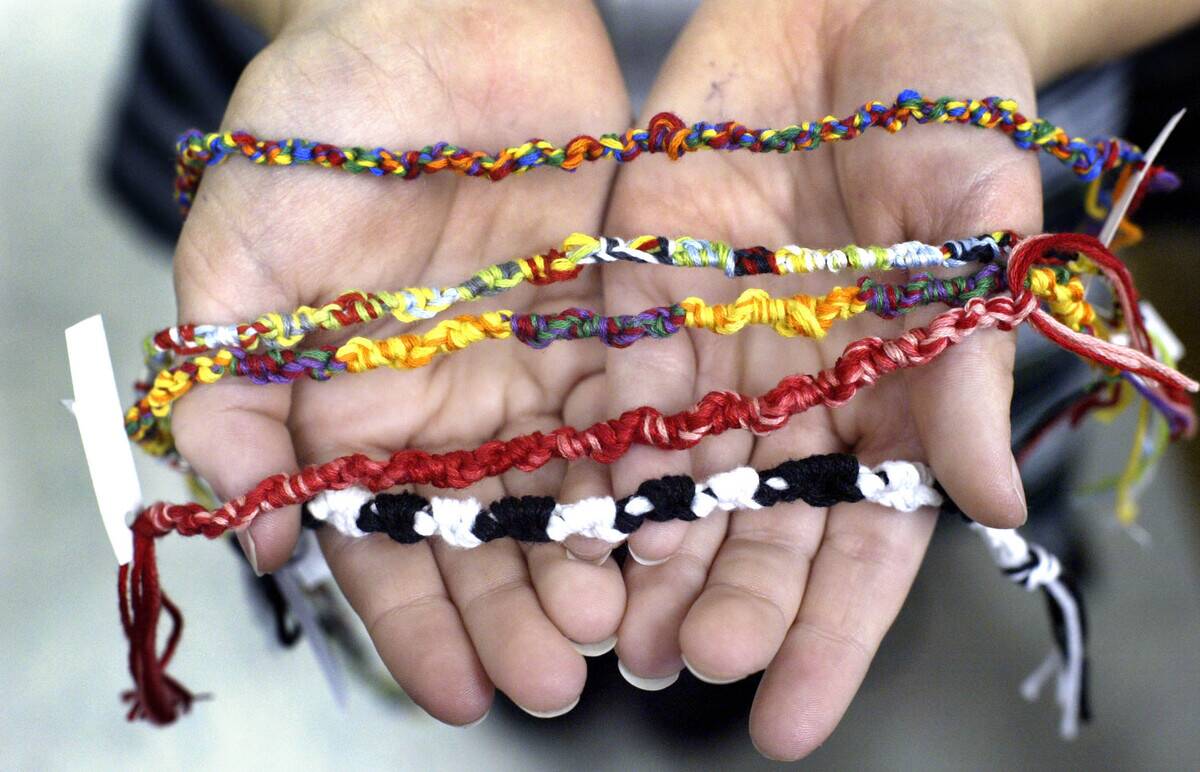
Friendship bracelets were more than just accessories; they became popular symbols of friendship and affection. Made from colorful threads, these handmade bracelets were often exchanged among friends as personal tokens.
Each bracelet could feature a distinctive pattern or combination of colors, giving makers plenty of opportunities for creativity and personalization. Making and exchanging them was a popular social activity, allowing friends to share something handmade and creating sentimental keepsakes that could last for years.
The Allure of a Secret Notebook for Passing Notes
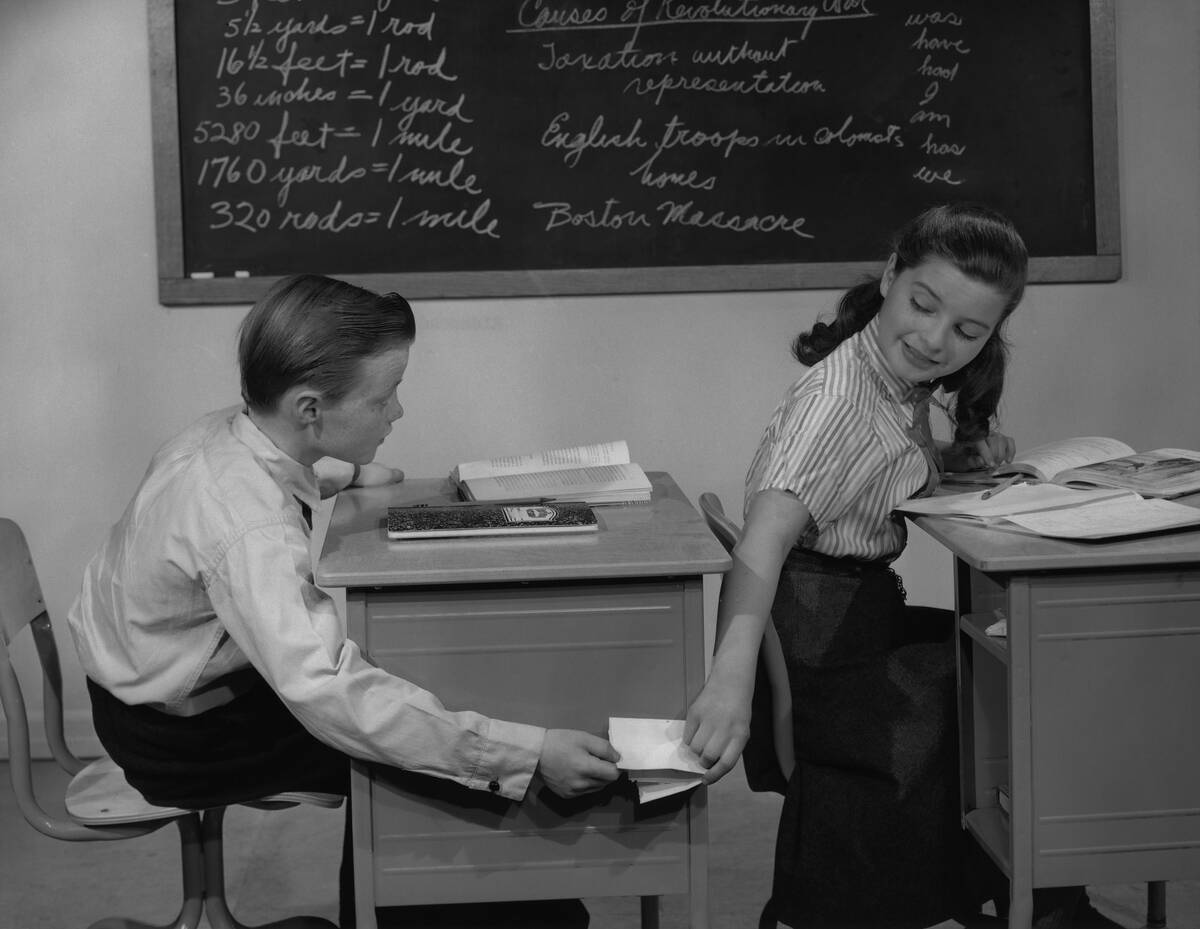
Before text messages became part of everyday life, handwritten notes and shared notebooks were popular ways for students to communicate privately. Passed discreetly between friends, these notebooks could be filled with doodles, gossip, jokes, and heartfelt messages. They provided a personal space for expression and connection, even though teachers could sometimes confiscate them.
The thrill of passing notes and waiting to read a friend’s latest entry added an exciting element to the school day for many students.




