Household objects that once required special training
Imagine a time when the click of a typewriter, the whir of a sewing machine, or the crackle of a phonograph was part of daily life. These objects, now considered vintage, were once cutting-edge technology.
They not only served practical purposes but also shaped the lifestyles and cultures of their eras.
The Typewriter: Mastering the Art of Keystrokes
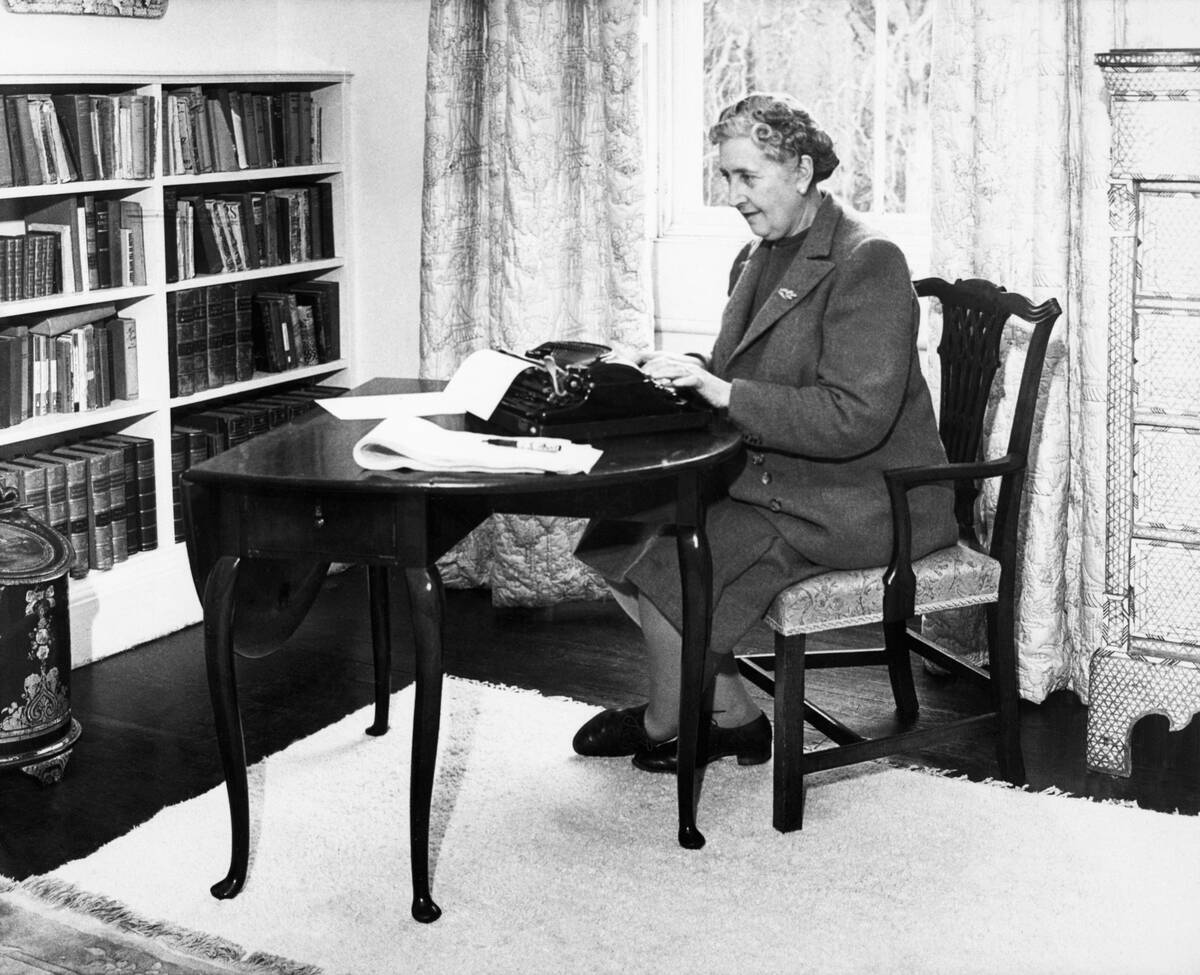
The typewriter revolutionized writing, making it faster and more efficient. First patented in 1868 by Christopher Latham Sholes, the typewriter became a staple in offices worldwide. Its QWERTY keyboard layout, designed to prevent jamming, is still used in modern keyboards.
Typing on a typewriter required skill and precision, as mistakes meant starting over. Despite its challenges, the typewriter was a beloved tool for writers and secretaries alike.
The Sewing Machine: A Tailor’s Trusted Tool
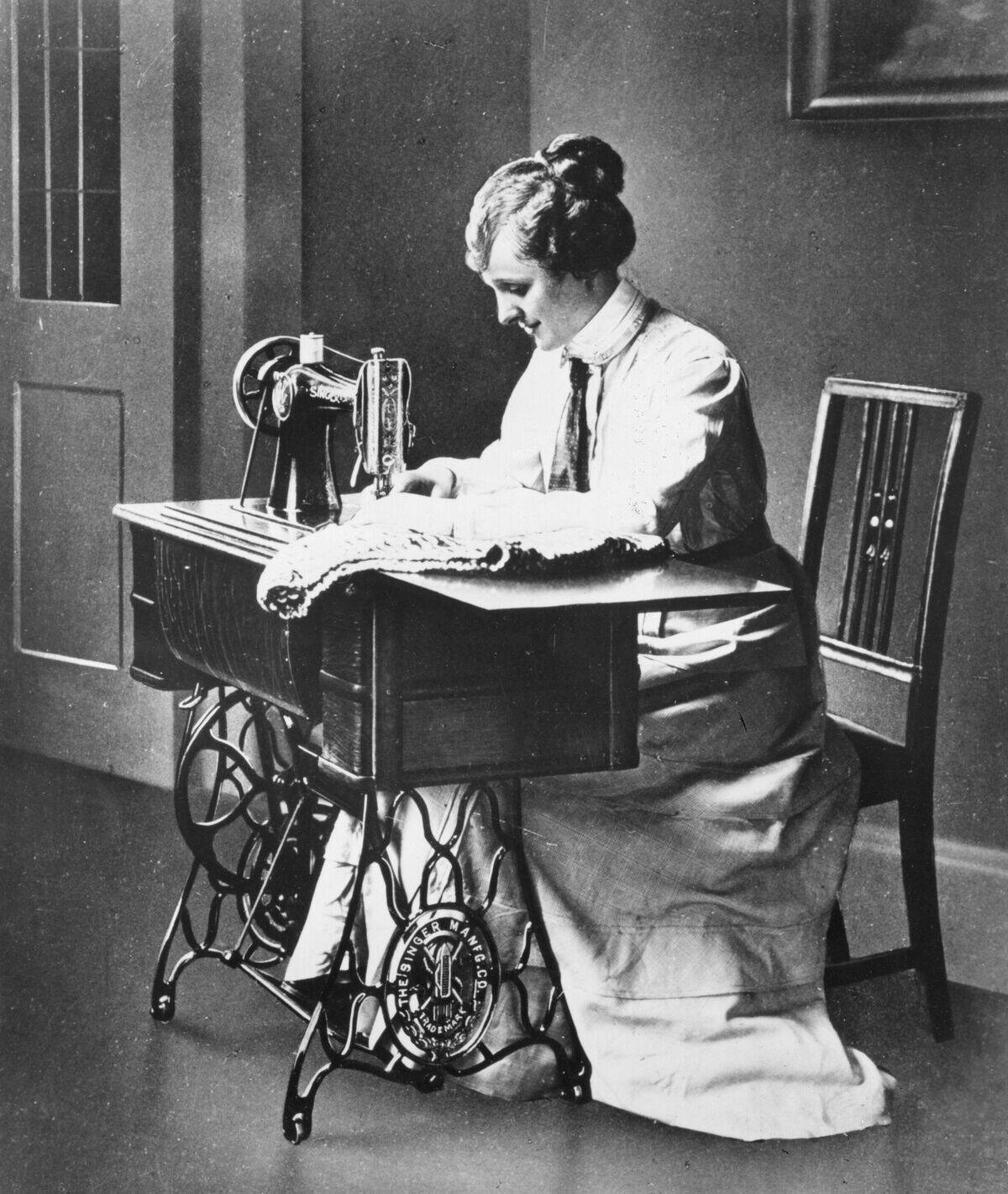
The sewing machine, invented by Elias Howe in 1846, transformed the textile industry. It allowed garments to be produced quickly and with consistent quality, revolutionizing fashion. Before its invention, sewing was a labor-intensive task done by hand.
The sewing machine not only increased productivity but also empowered home sewers to create their own clothing. Its rhythmic hum became a familiar sound in households and factories around the world.
The Phonograph: Spinning Tunes with Precision
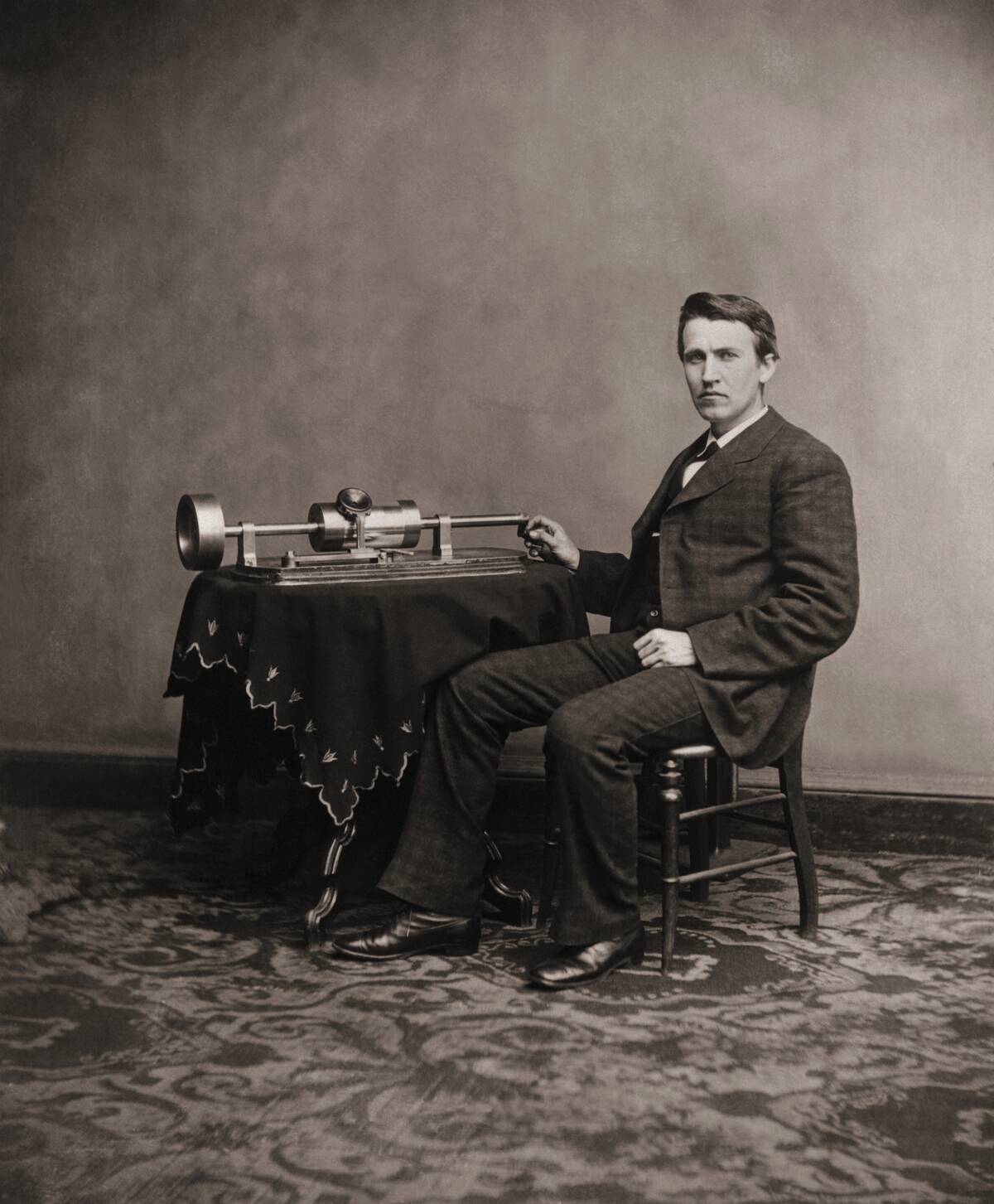
Thomas Edison introduced the phonograph in 1877, a device that could record and reproduce sound. This invention paved the way for the music industry as we know it today. The phonograph used wax cylinders to capture sound waves, which were then played back through a needle and speaker.
It brought music into homes, allowing people to enjoy their favorite tunes anytime. The phonograph was a marvel of its time, sparking a new era of entertainment.
The Film Projector: Lights, Camera, Action!
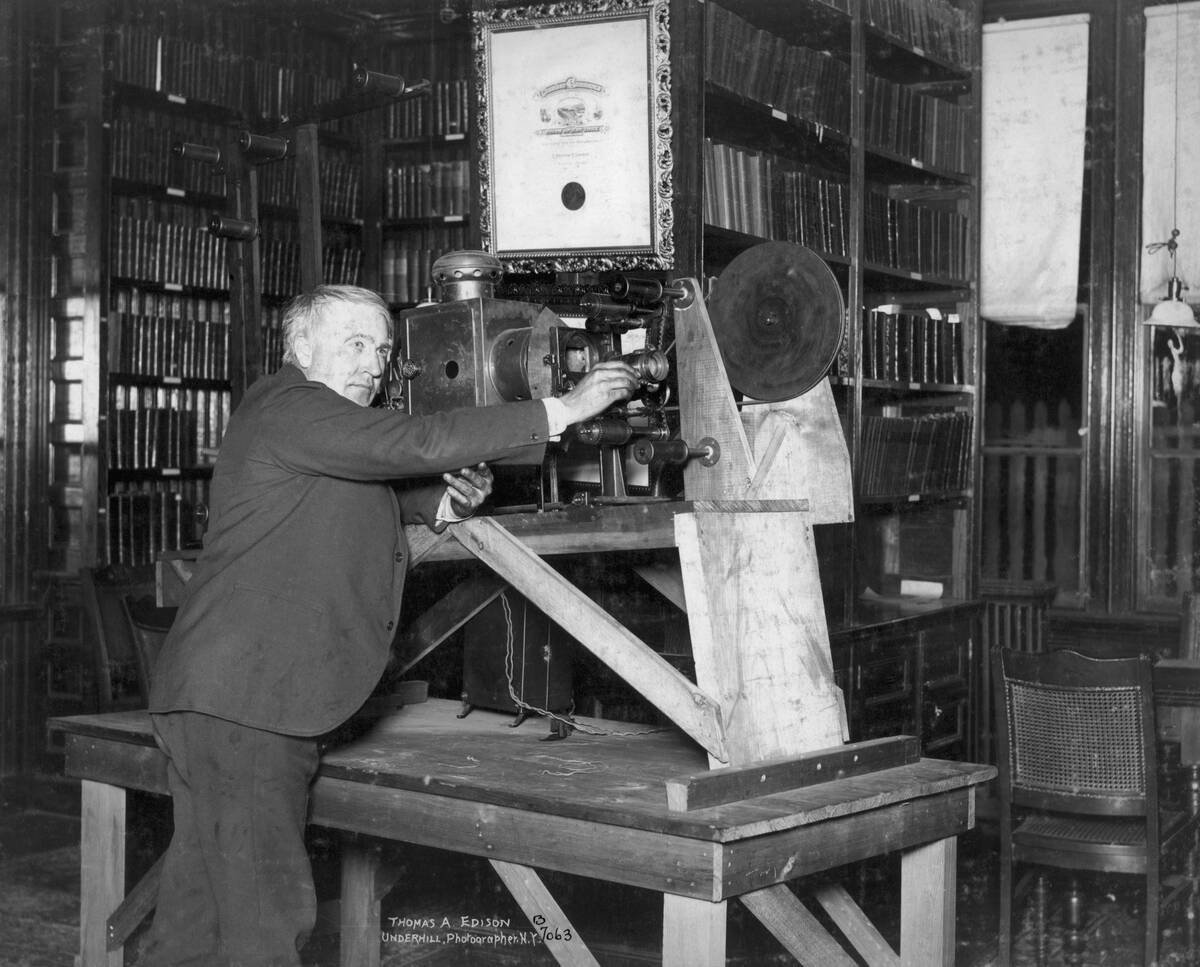
Film projectors brought the magic of cinema to life, allowing audiences to experience stories on the big screen. The Lumière brothers are credited with inventing the first successful film projector in 1895.
These devices used reels of film and a bright light to project moving images onto a screen. Movie theaters became popular social hubs, where people gathered to watch the latest films. The film projector was a gateway to new worlds and adventures.
The Slide Rule: Calculating with Confidence
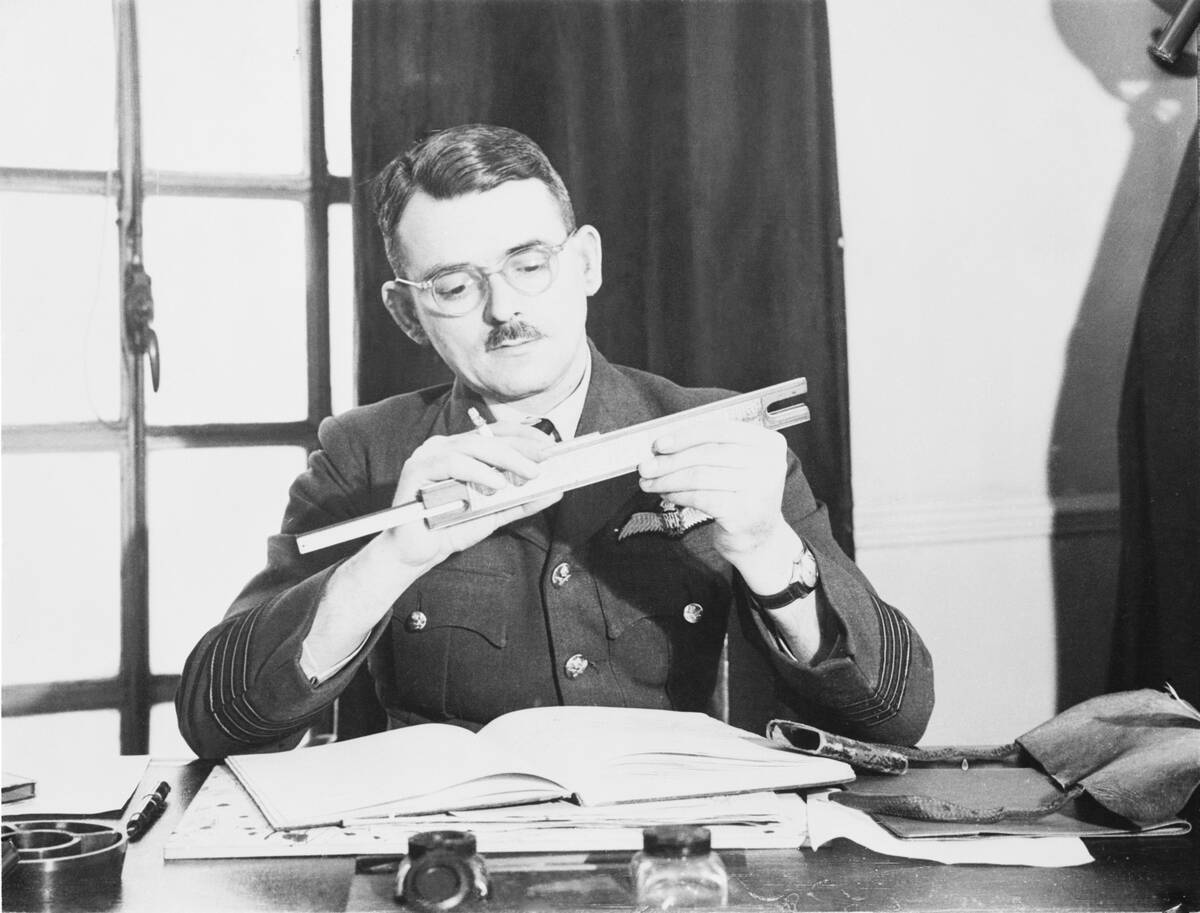
The slide rule was the go-to tool for engineers and scientists before the advent of electronic calculators. Invented in the 17th century, it allowed for quick calculations of multiplication, division, and other complex functions.
Slide rules were essential in fields like aerospace and engineering, helping to land humans on the moon. Though they required skill to use, slide rules were valued for their precision and reliability in solving mathematical problems.
The Wringer Washing Machine: Laundry Day Workout
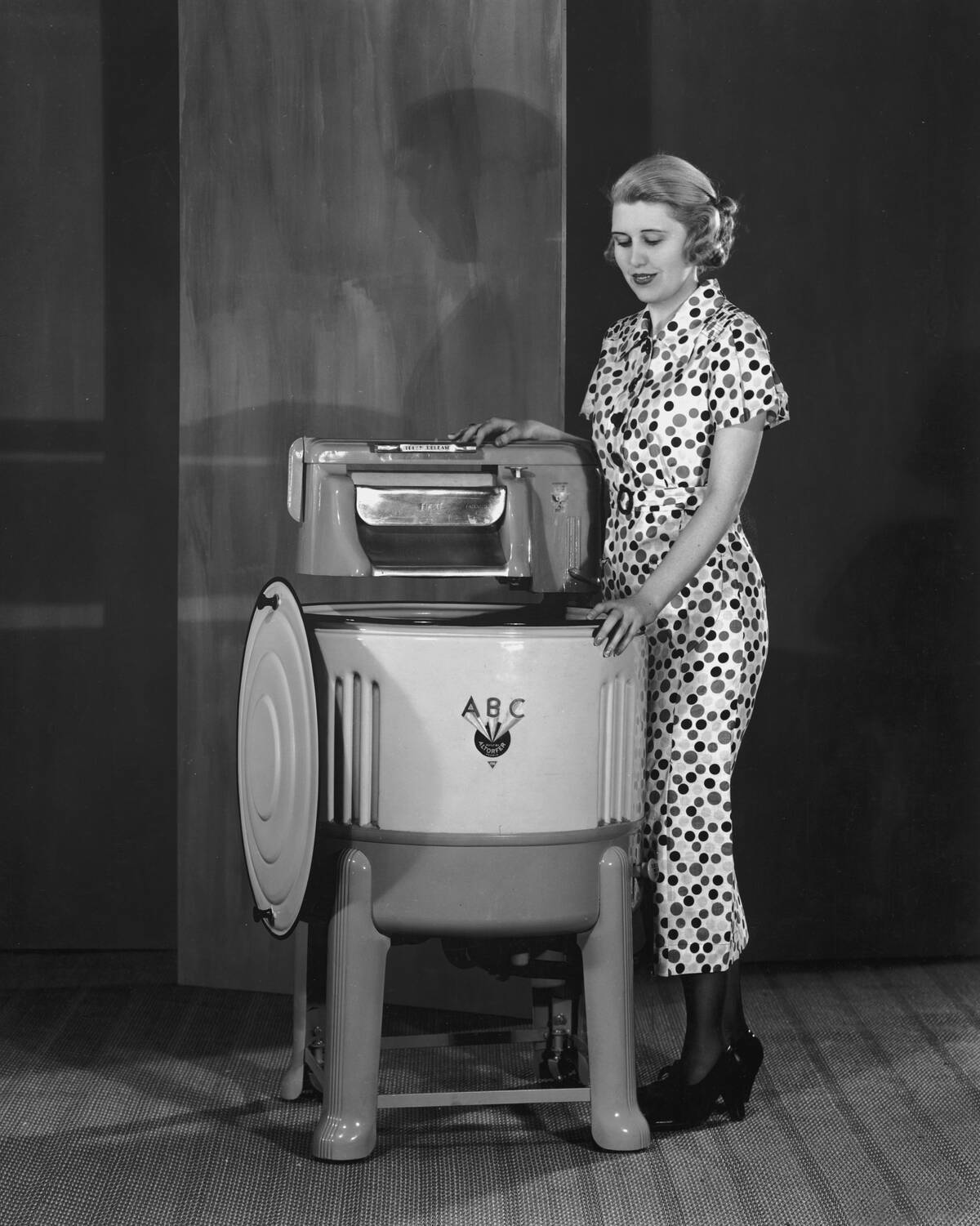
The wringer washing machine was a common sight in homes before automatic washers took over. Introduced in the mid-19th century, it used a hand-cranked mechanism to squeeze water out of clothes.
This labor-intensive process was a workout in itself, but it significantly reduced the time needed for laundry. Despite its challenges, the wringer washer was a revolutionary tool that made laundry day more manageable for many households.
The Morse Code Telegraph: Tapping Out Messages
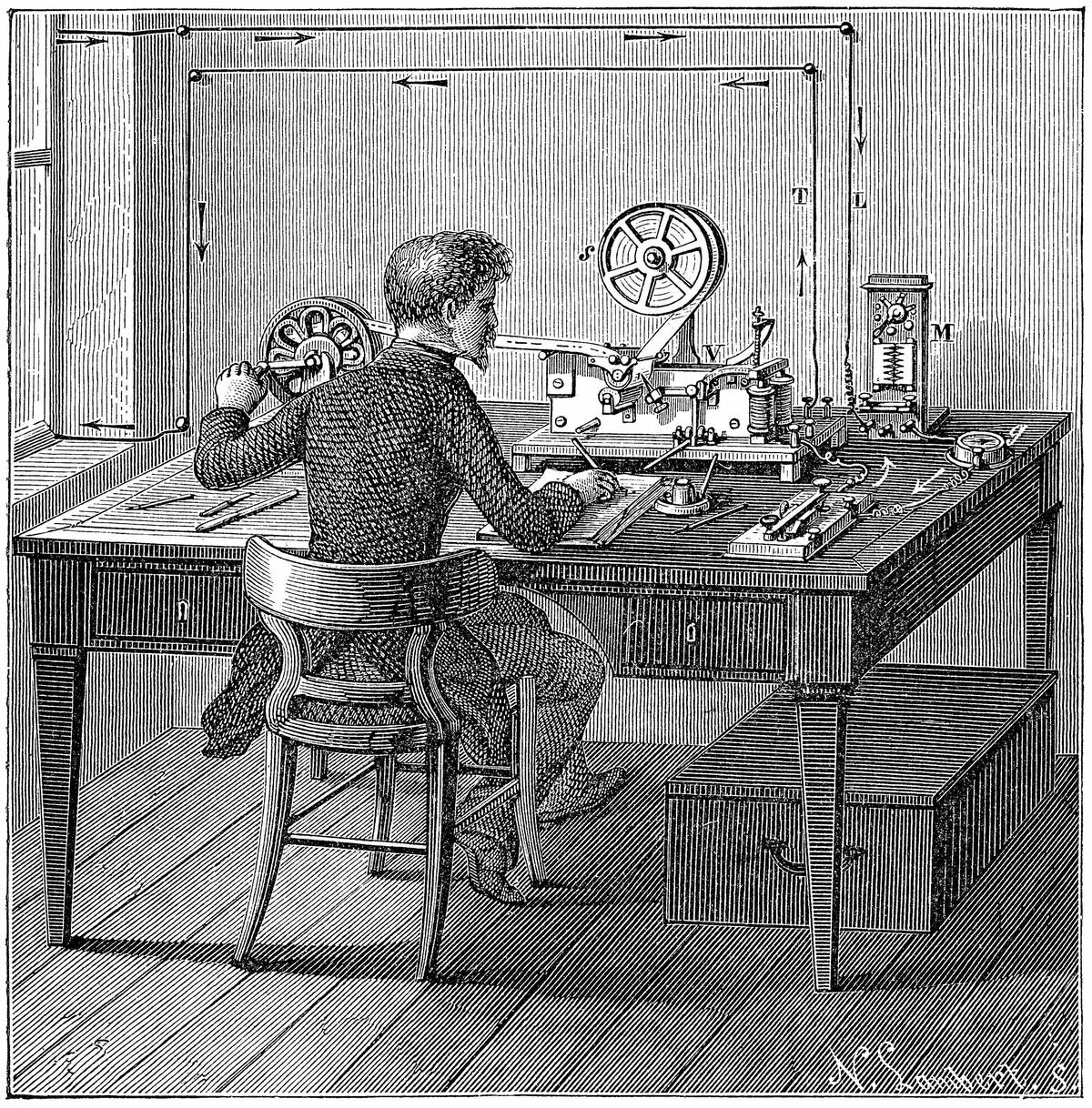
The telegraph, invented by Samuel Morse in the 1830s, was a breakthrough in long-distance communication. It used a system of dots and dashes, known as Morse code, to send messages over wires.
The telegraph connected people across continents, enabling instant communication for the first time. It played a crucial role in industries like railroads and journalism, where timely information was vital. The telegraph was the precursor to modern communication technologies.
The Analog Camera: Capturing Moments with Care
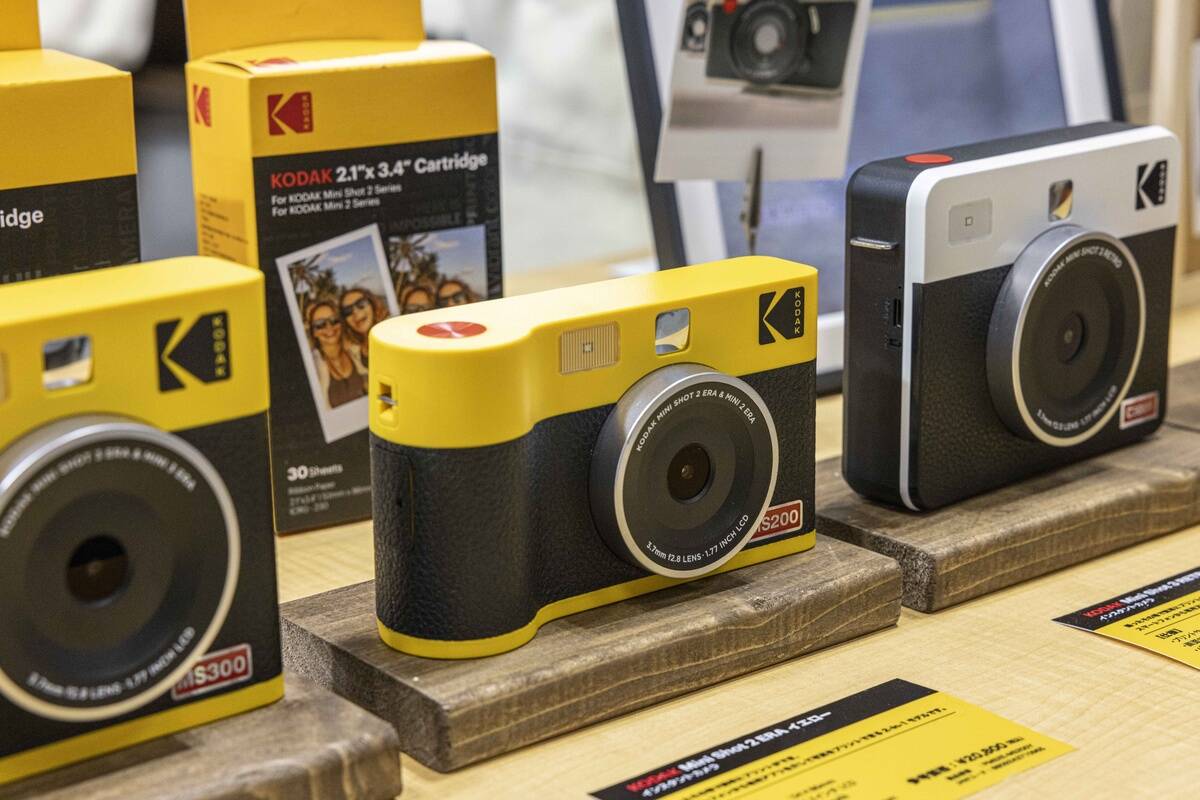
Analog cameras, with their film rolls and manual settings, were once the primary means of capturing photographs. The first commercial camera, the Kodak, was introduced by George Eastman in 1888.
Photographers had to carefully consider each shot, as film was limited and developing it was a meticulous process. Despite the advent of digital photography, analog cameras are cherished for their ability to produce images with unique character and depth.
The Record Player: Needle to Groove Navigation
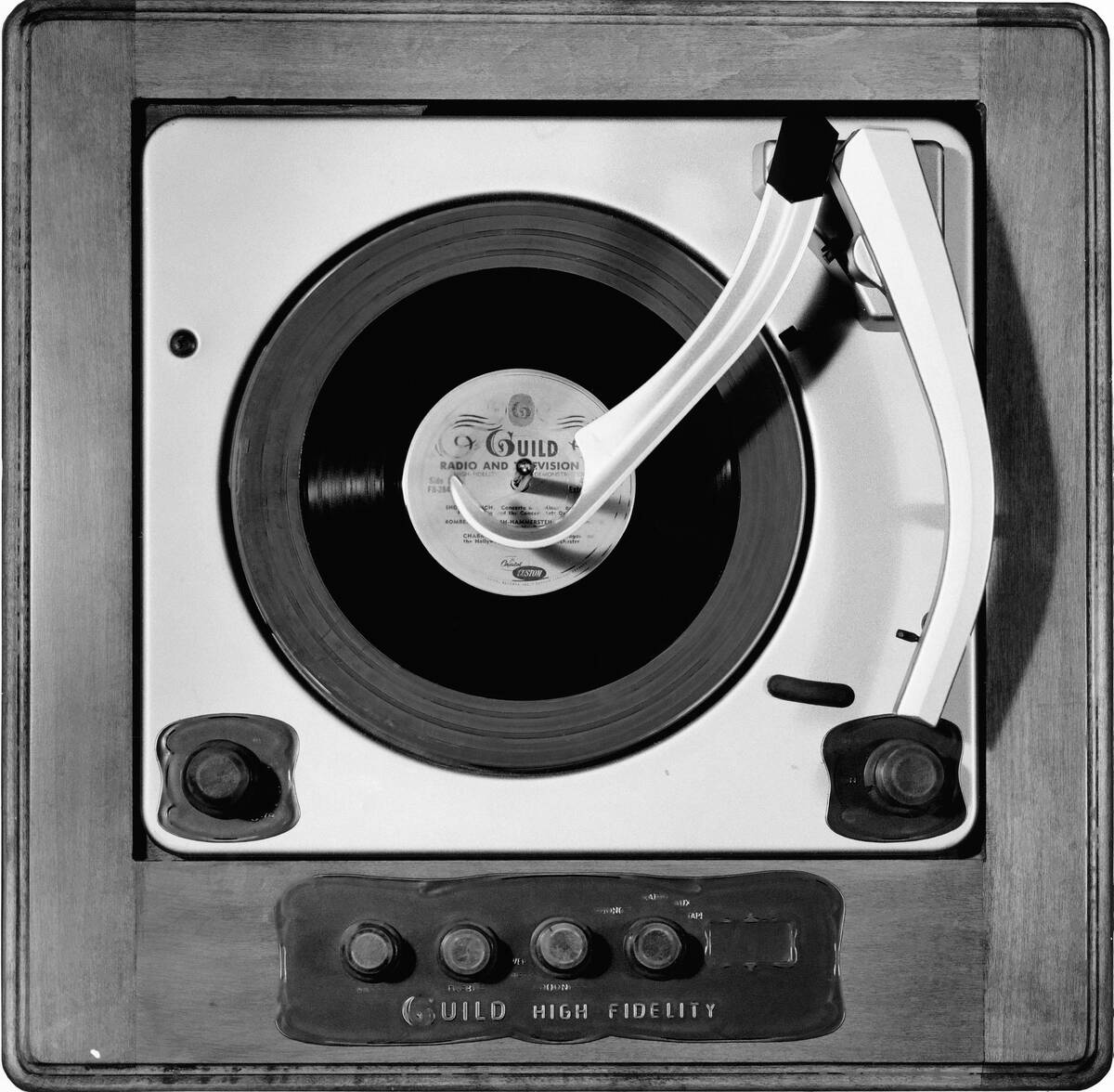
The record player, or turntable, was a staple in homes from the 1920s onwards. It used a needle to read grooves on vinyl records, converting them into sound. The invention of the LP (long-playing) record in 1948 allowed for longer playtime and better sound quality.
Vinyl records and turntables have seen a resurgence in popularity, as many appreciate their warm, authentic sound. The record player remains an iconic symbol of musical nostalgia.
The Fountain Pen: The Elegant Art of Writing
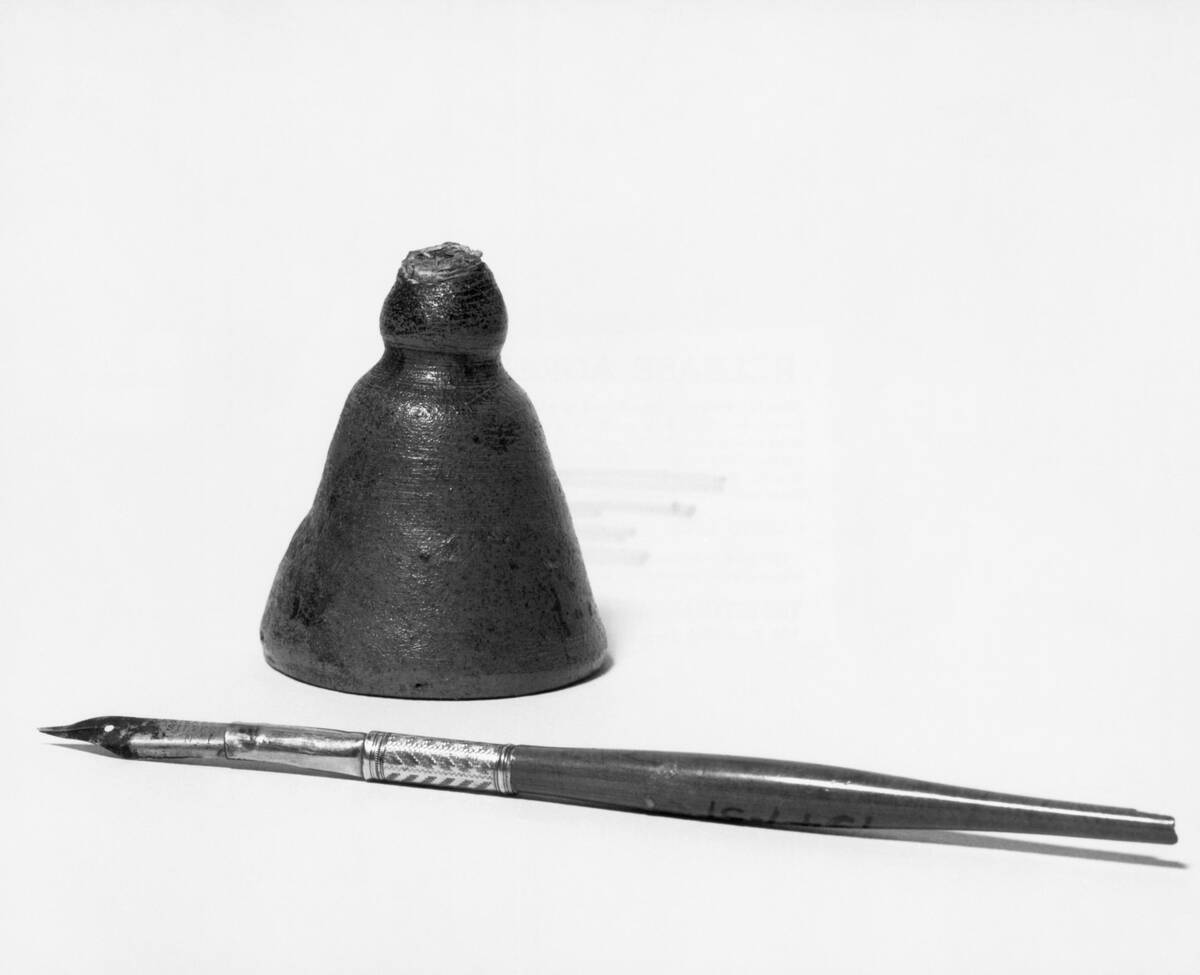
The fountain pen, with its smooth ink flow and elegant design, revolutionized writing in the 19th century. Unlike dip pens, fountain pens had an internal reservoir, allowing for continuous writing without constant re-dipping.
Lewis Waterman patented the first practical fountain pen in 1884, which quickly became popular among writers and professionals. Today, fountain pens are prized for their craftsmanship and the personal touch they bring to handwriting.
The Manual Lawn Mower: Cutting Grass the Old-Fashioned Way
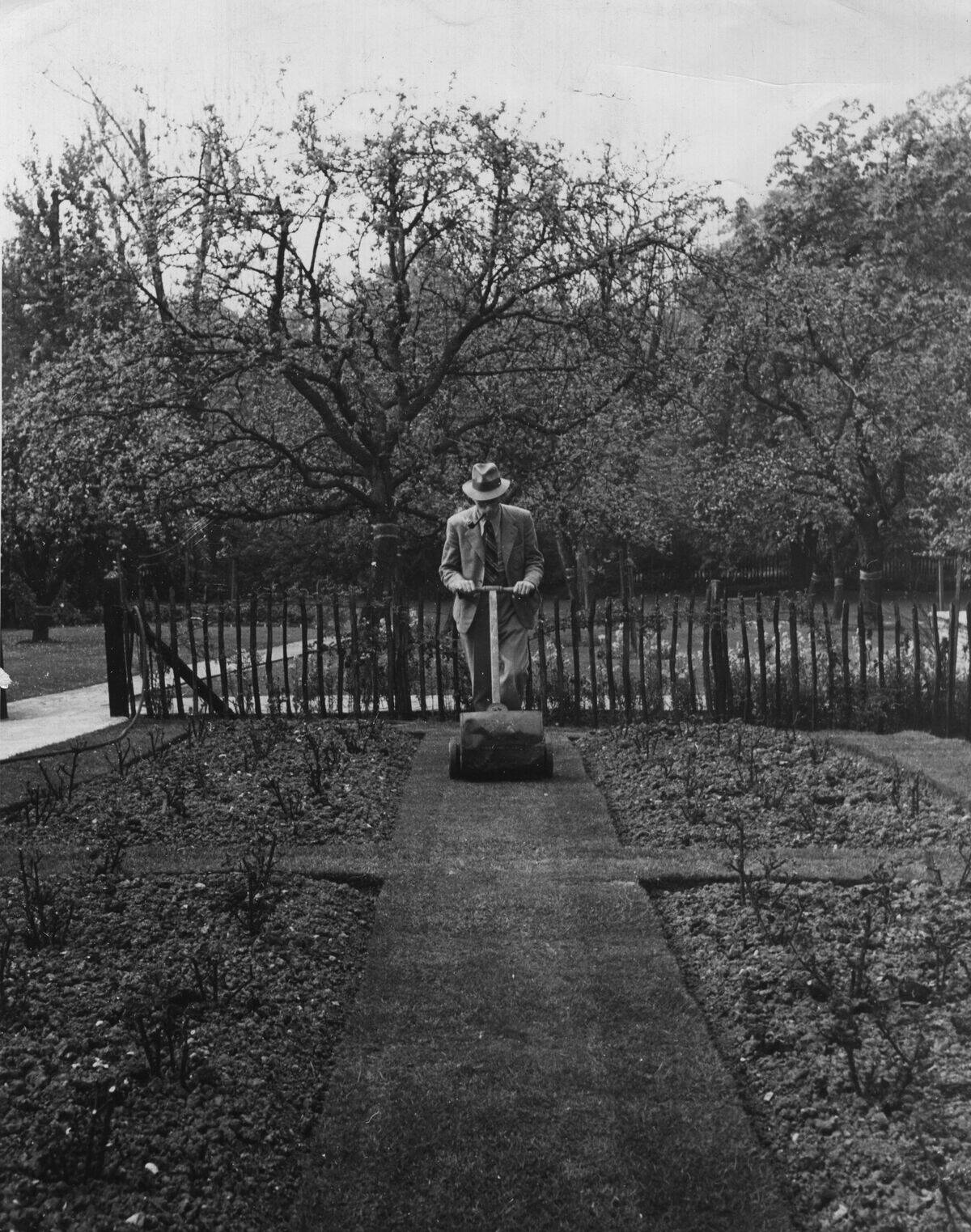
Before gas and electric mowers, the manual reel mower was the tool of choice for keeping lawns tidy. Invented by Edwin Budding in 1830, it used a series of blades to cut grass as it was pushed.
The manual mower required physical effort, making lawn care a form of exercise. Despite its simplicity, it was effective and environmentally friendly. Today, manual mowers are still used by those who appreciate their quiet operation and low maintenance.
The Coal Iron: Pressing Clothes with Precision
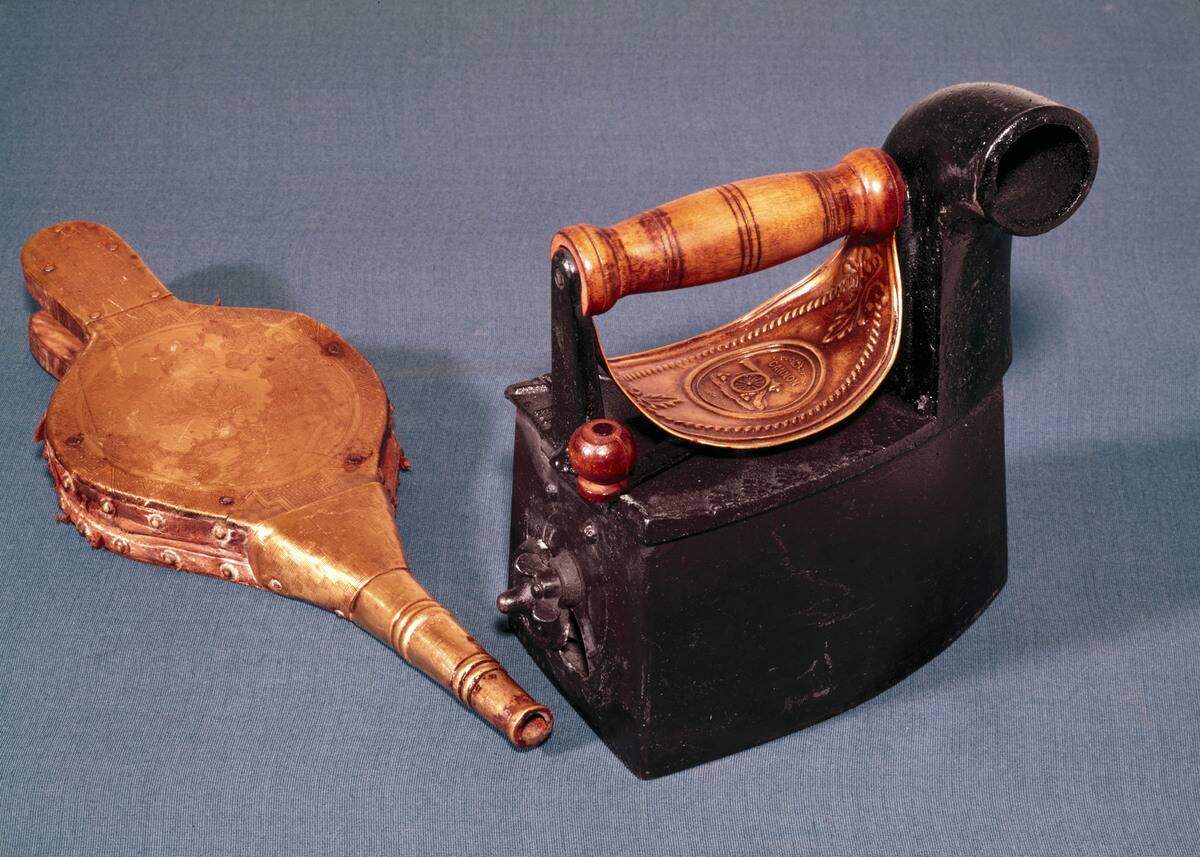
The coal iron, used before electric irons, was a staple for pressing clothes. These irons were heated by filling them with hot coals, providing a consistent heat source. The coal iron required skill to use, as maintaining the right temperature was crucial to avoid scorching fabrics.
Despite its challenges, it was a reliable tool for achieving crisp, wrinkle-free clothing. The coal iron represents a bygone era of domestic chores, where precision and patience were key.




