Unusual products that took the 20th century by storm
The 20th century was a vibrant tapestry of fads that captured the imagination of people across the globe. From toys to fashion accessories, these trends were as diverse as they were fleeting.
Yet, each fad left an indelible mark on pop culture, often reflecting the spirit and quirks of the era.
The Pet Rock Phenomenon
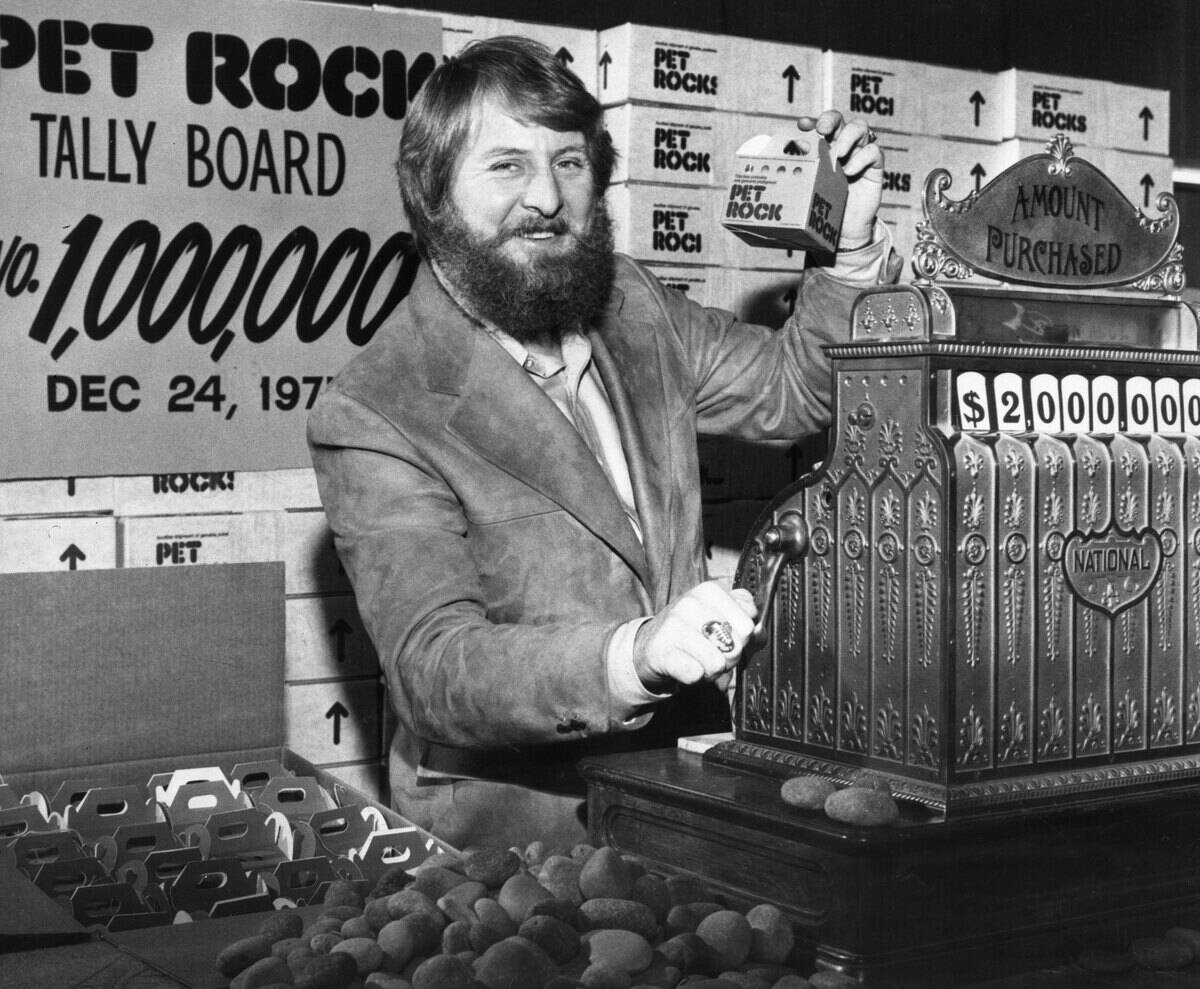
In 1975, Gary Dahl introduced the world to the Pet Rock, a simple yet ingenious concept that took the nation by storm. These “pets” were literally rocks, sold with a humorous manual on their care and training.
Despite their inanimate nature, Pet Rocks became a massive hit, selling over a million units within a few months. The fad was a testament to the power of clever marketing and the human tendency to find companionship in the most unexpected places.
Mood Rings: A Colorful Reflection of Emotions
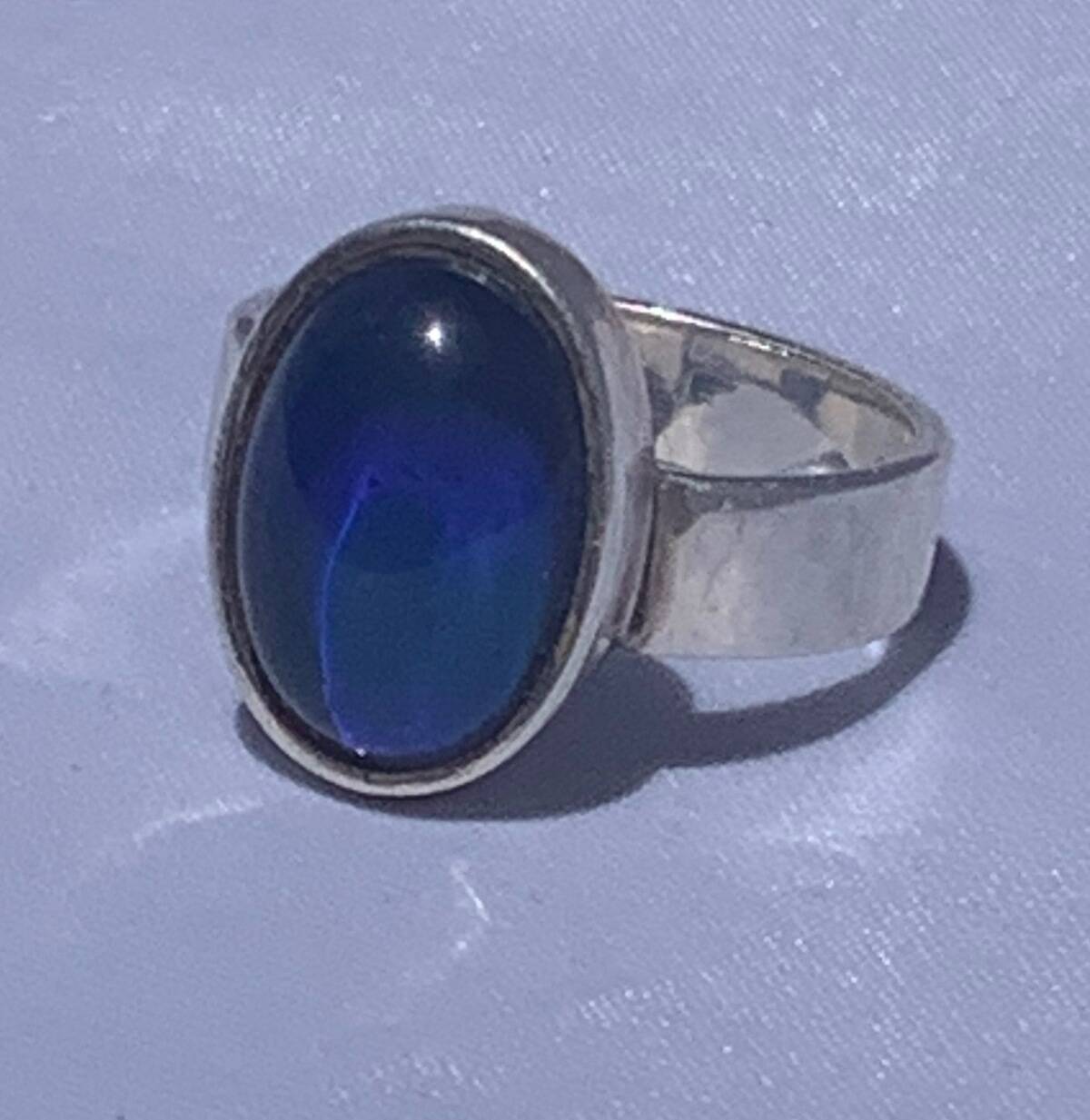
Mood rings, invented in 1975 by Marvin Wernick, were a fascinating blend of fashion and science. These rings contained thermochromic liquid crystals that changed color based on the temperature of the wearer’s skin, supposedly reflecting their emotional state.
While the science behind mood rings was more about body heat than emotions, they became a popular accessory, offering a whimsical way to express one’s “mood” through vibrant colors.
The Hula Hoop Craze
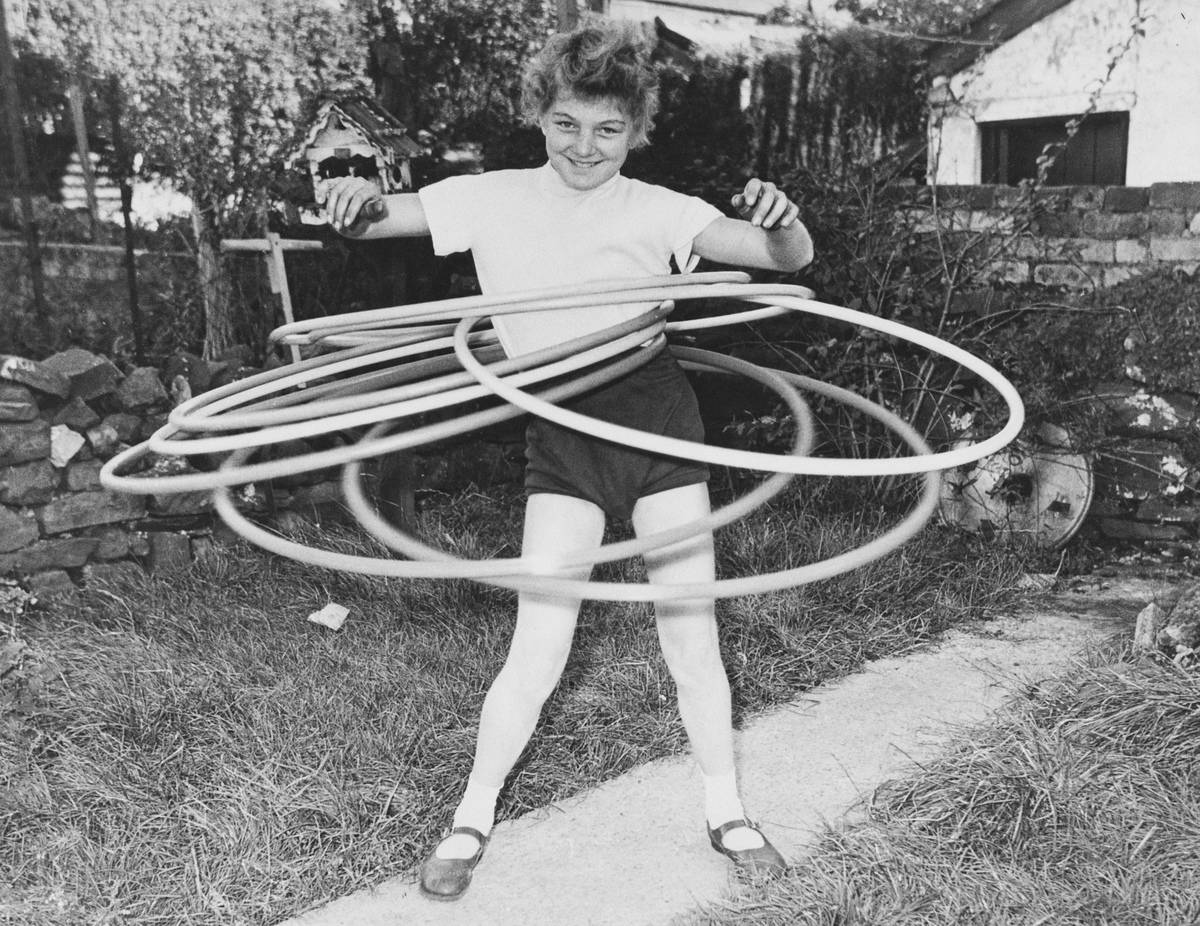
The Hula Hoop, though ancient in origin, became a sensational fad in 1958 when Wham-O popularized it in the United States. Within months, 25 million hoops were sold, turning playgrounds and backyards into spinning arenas.
The simplicity and physicality of the Hula Hoop made it a universal hit, appealing to both kids and adults eager to master the art of hooping. Its enduring appeal lies in its ability to blend fun with fitness, a timeless combination.
Cabbage Patch Kids: The Doll Adoption Sensation
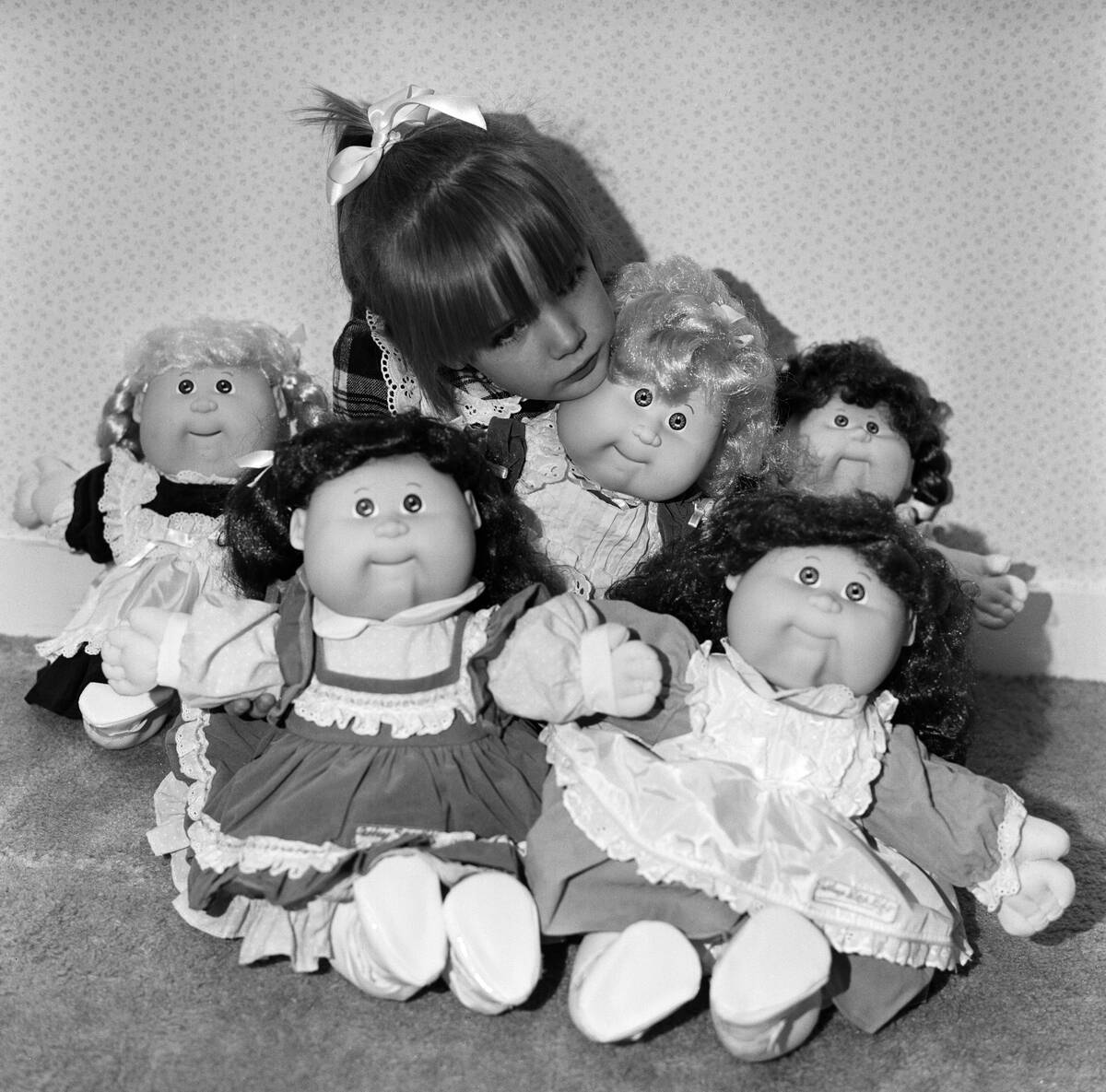
In the early 1980s, Cabbage Patch Kids became the must-have toy, sparking a frenzy among parents eager to “adopt” these unique dolls. Each doll came with its own birth certificate and adoption papers, adding a personal touch that resonated with children.
Created by Xavier Roberts, these dolls were known for their distinct, soft-sculpted faces and yarn hair. The Cabbage Patch Kids phenomenon highlighted the power of personalized play and the emotional bonds formed with toys.
The Rise of the Rubik’s Cube
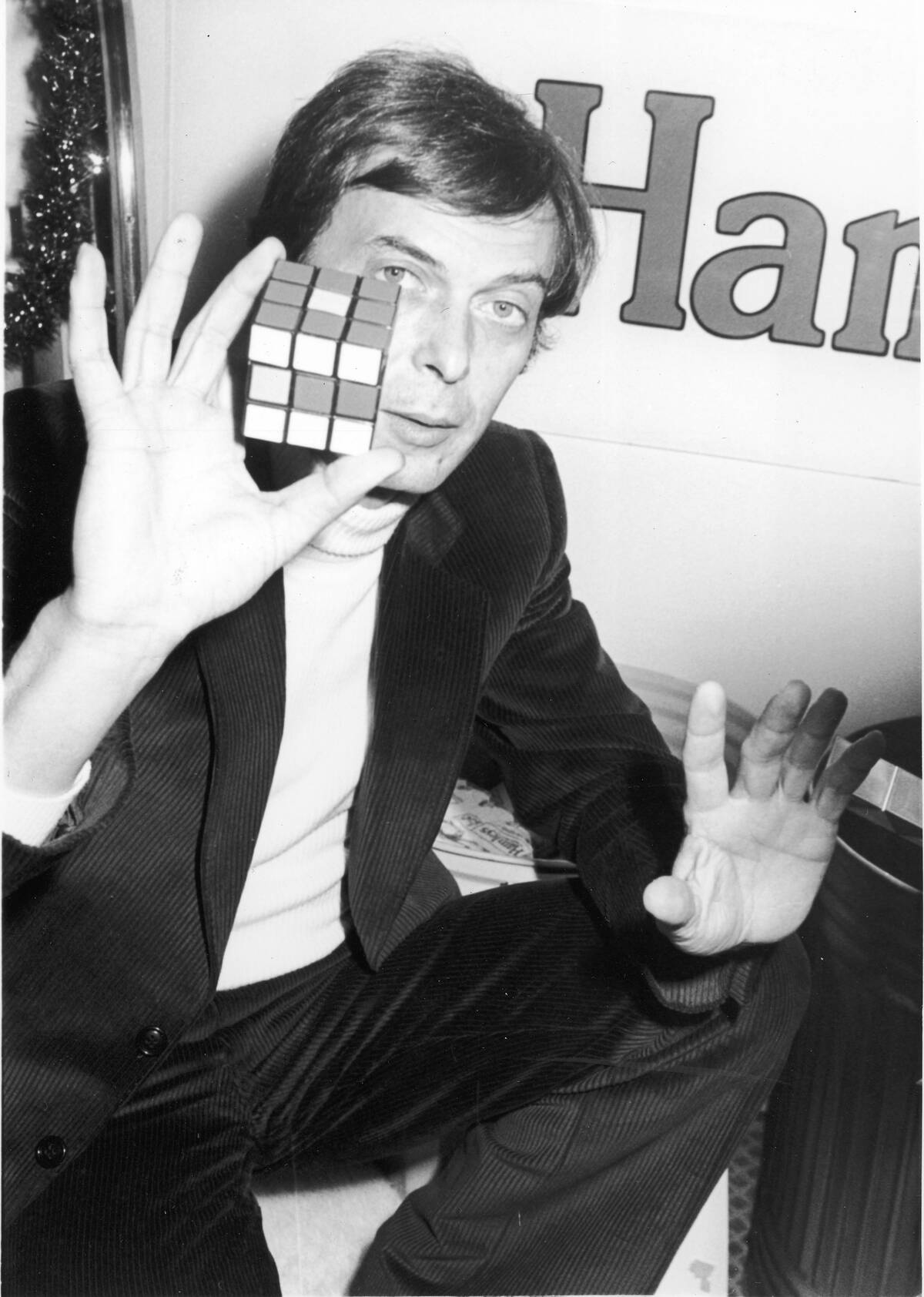
Invented in 1974 by Ernő Rubik, the Rubik’s Cube quickly became a global sensation in the 1980s. This 3D combination puzzle challenged players to align all six sides to a single color, a task that was both frustrating and addictive.
The Rubik’s Cube not only became a staple of toy collections but also inspired competitive speedcubing events. Its appeal lies in its blend of simplicity and complexity, offering endless permutations and a satisfying “aha” moment upon solving.
Sea Monkeys: The Underwater Kingdom in a Packet
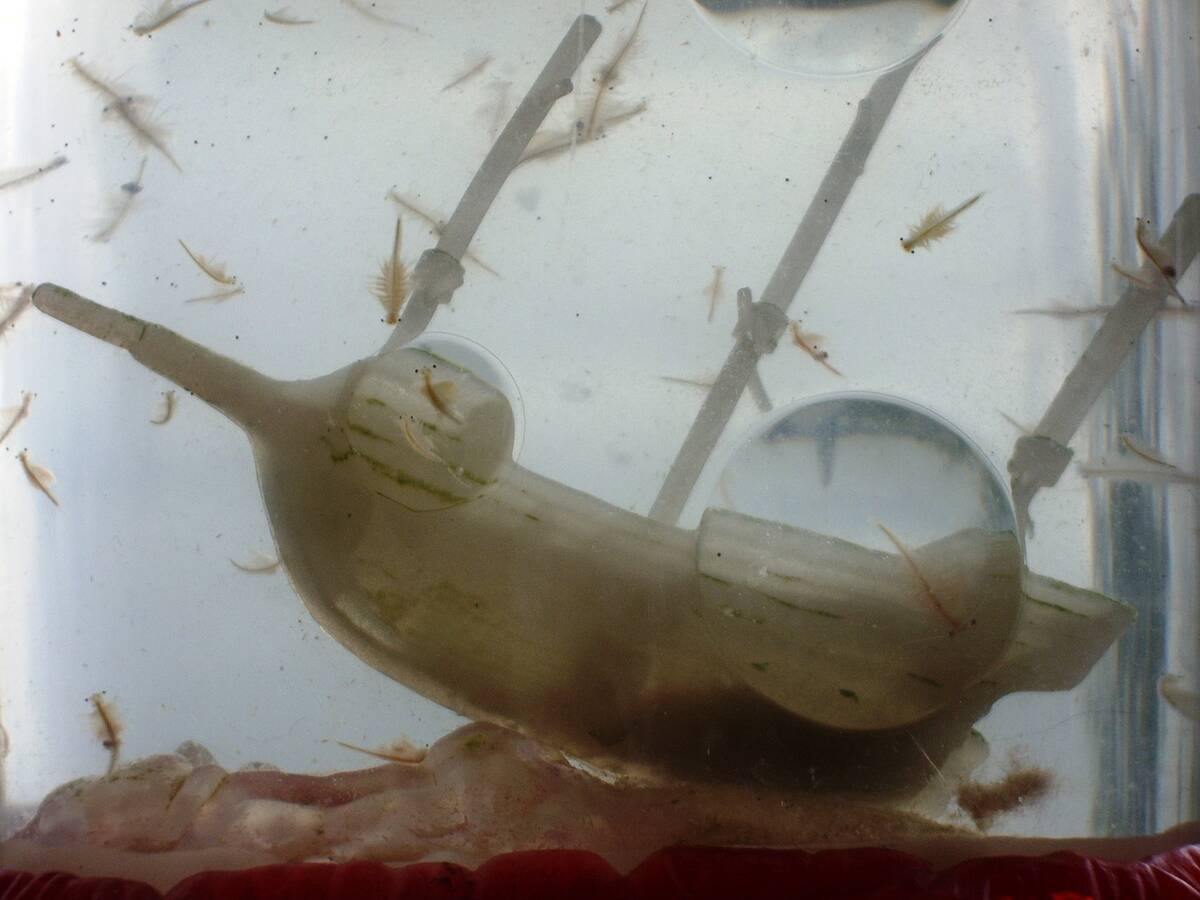
Sea Monkeys, introduced in 1957 by Harold von Braunhut, promised an instant underwater kingdom in a packet. These brine shrimp, marketed as “instant pets,” captivated children with their mysterious transformation from powder to tiny aquatic creatures.
While the reality of Sea Monkeys was less magical than the advertisements suggested, the concept of hatching and nurturing life from a packet captured the imagination of many, blending science with a touch of whimsy.
Lava Lamps: The Groovy Light Fixture
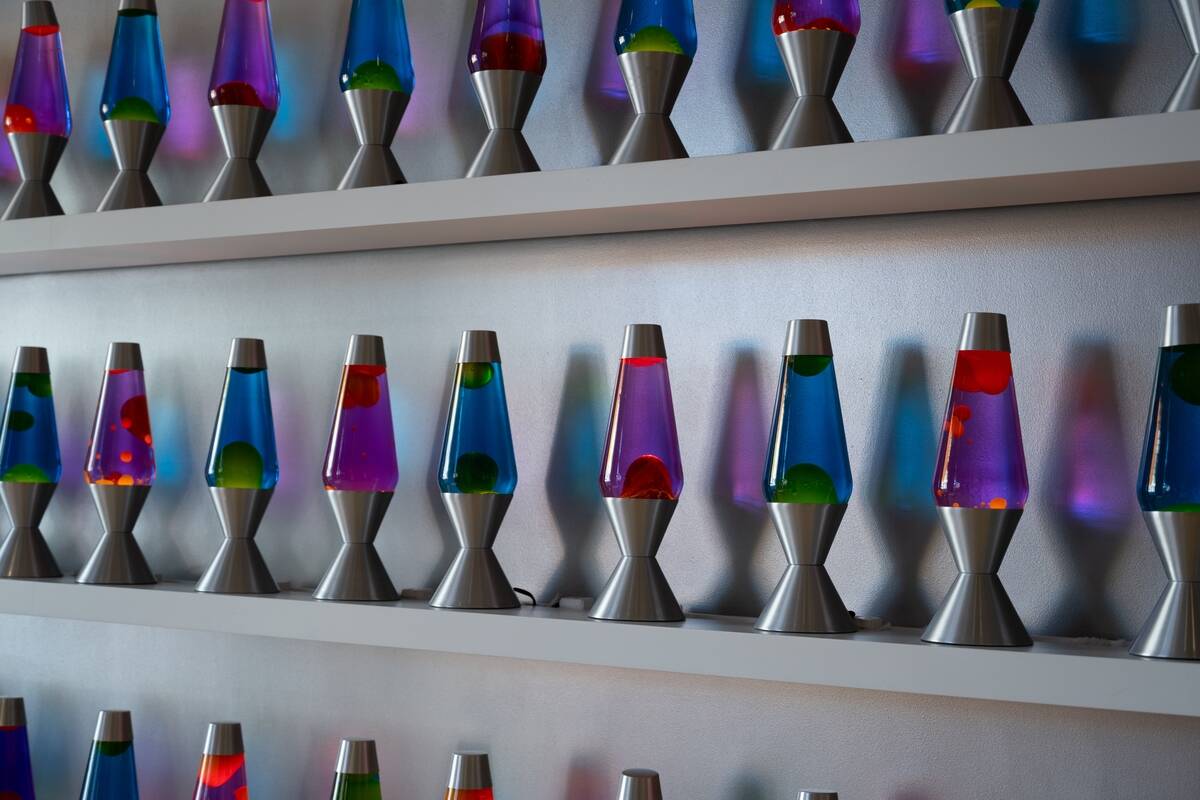
Lava lamps, invented by Edward Craven Walker in 1963, became iconic symbols of the psychedelic 1960s and 70s. These mesmerizing lamps featured blobs of colored wax floating in liquid, creating a hypnotic display of motion and color.
The soothing, ever-changing patterns made lava lamps a staple in homes and dorm rooms, embodying the era’s free-spirited and experimental vibe. Their enduring popularity is a testament to their unique blend of art and science.
Beanie Babies: The Plush Toy Investment
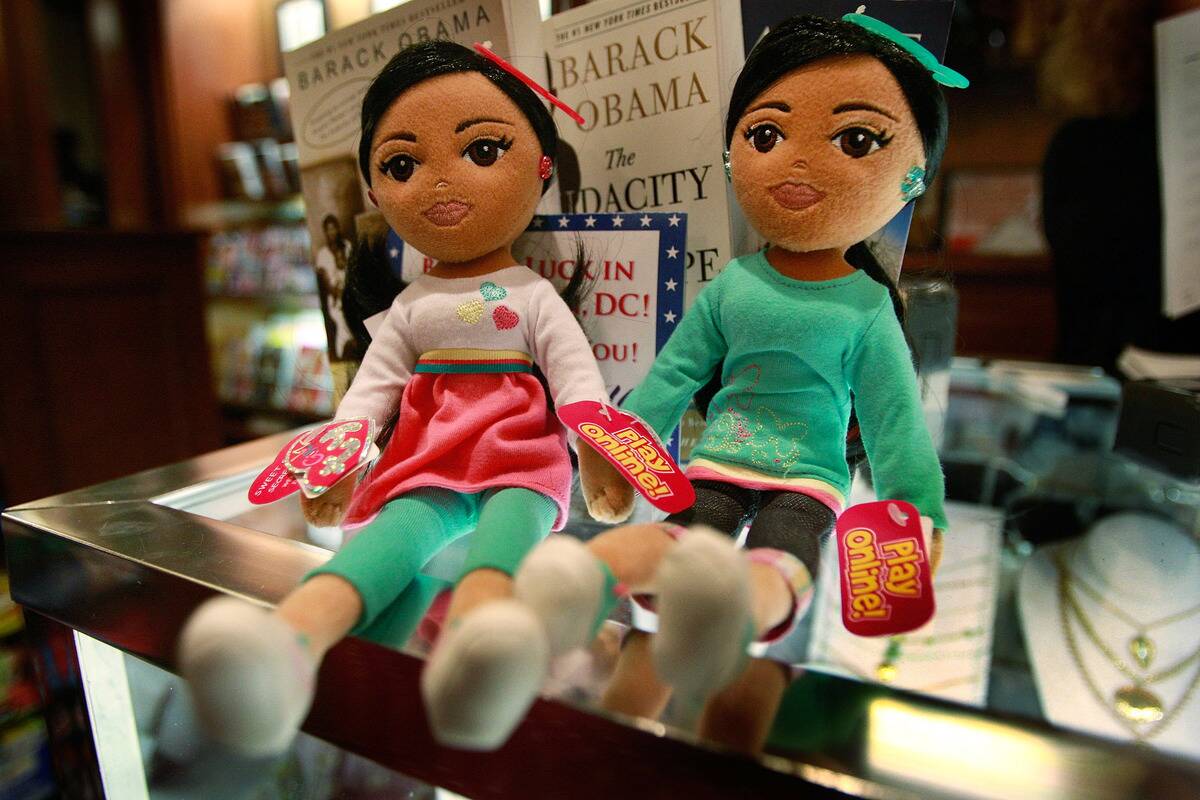
In the 1990s, Beanie Babies became more than just plush toys; they were seen as potential investments. Created by Ty Warner, these small, bean-filled animals were released in limited editions, sparking a frenzy among collectors.
The strategic “retirement” of certain models only fueled the craze, with some Beanie Babies fetching thousands of dollars at the height of their popularity. While the market eventually cooled, the Beanie Baby phenomenon highlighted the intersection of play and commerce.
The Chia Pet: Growing Your Own Green Companion
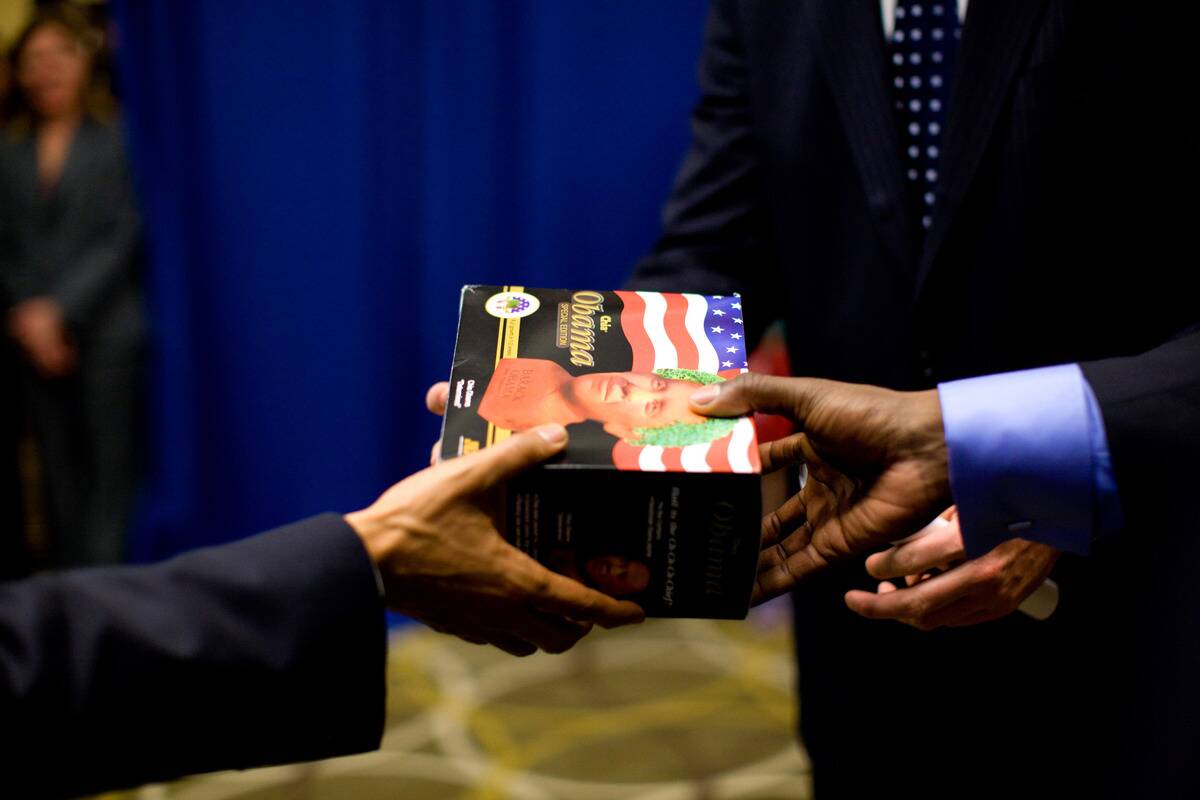
Chia Pets, introduced in 1977, offered a quirky blend of gardening and novelty. These terra cotta figures, often shaped like animals, sprouted chia seeds to create a “hairy” green coat. The appeal of Chia Pets lay in their simplicity and the satisfaction of watching something grow.
Over the years, they have taken on various forms, from classic animals to pop culture icons, proving that the joy of nurturing life, even in its simplest form, never goes out of style.
Troll Dolls: The Wild-Haired Good Luck Charms
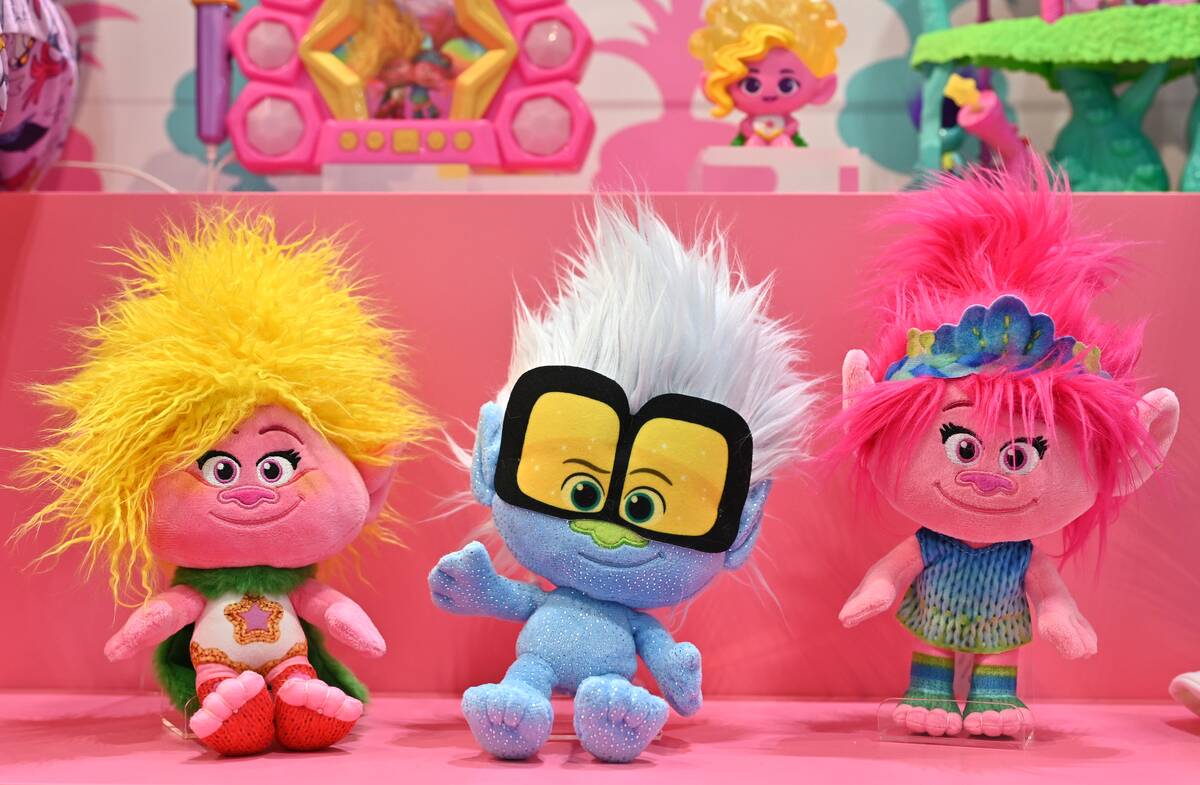
Troll dolls, with their distinctive wild hair and mischievous grins, first appeared in the 1960s and became a popular collectible. Created by Danish woodcutter Thomas Dam, these dolls were believed to bring good luck.
Their quirky appearance and customizable hair colors made them a hit with children and adults alike. The resurgence of troll dolls in the 1990s, and their continued presence in pop culture, underscores their enduring appeal as whimsical, feel-good companions.
The Yo-Yo Revival
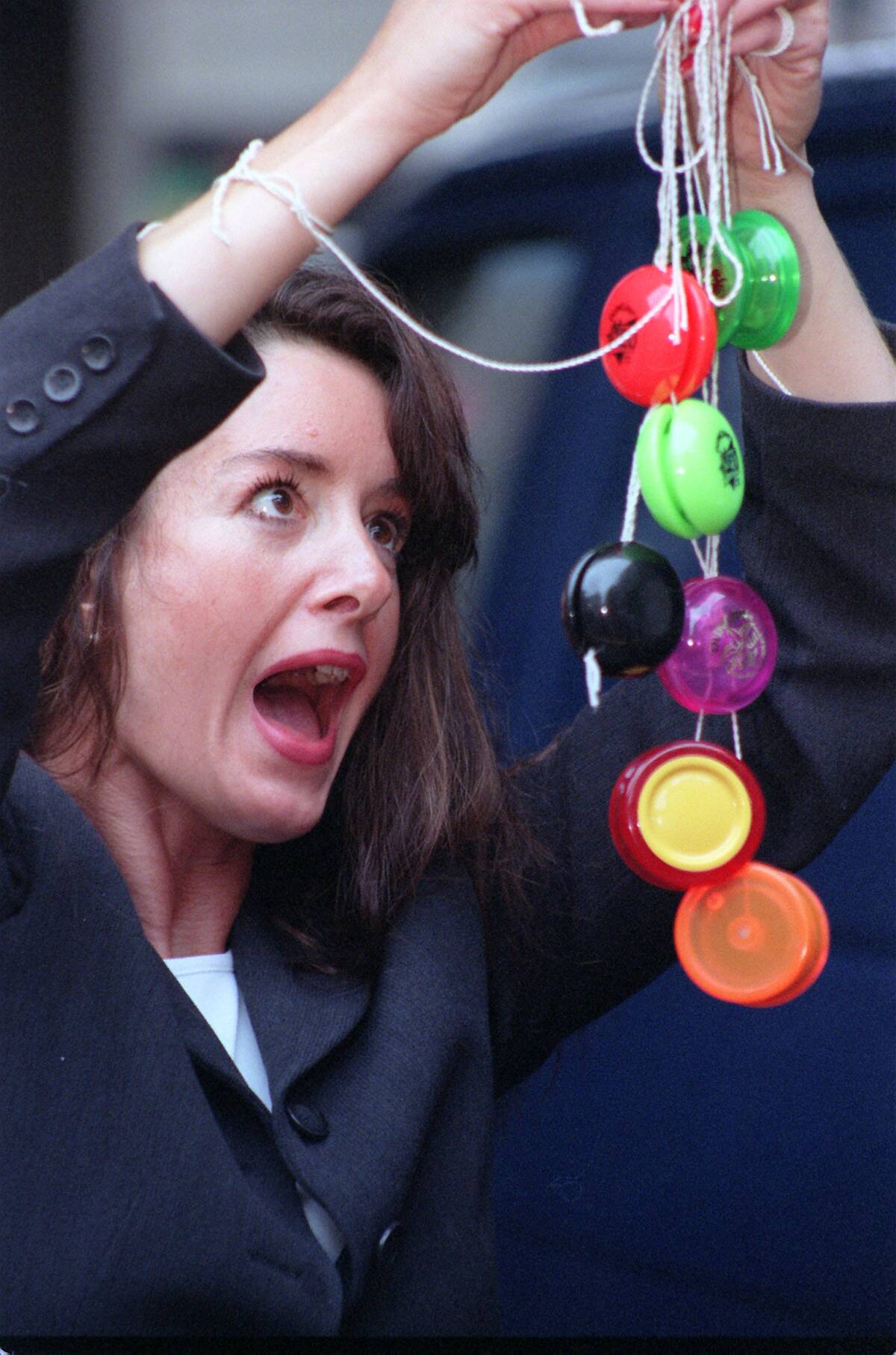
The yo-yo, a classic toy with ancient origins, experienced a major revival in the 1990s. Companies like Duncan and Yomega introduced new designs and materials, sparking renewed interest in yo-yo tricks and competitions.
The toy’s simplicity and the skill required to master it captured the imaginations of a new generation. The yo-yo’s enduring popularity lies in its blend of nostalgia and challenge, offering endless opportunities for creativity and skill development.
Silly Putty: The Bouncing, Stretching Marvel
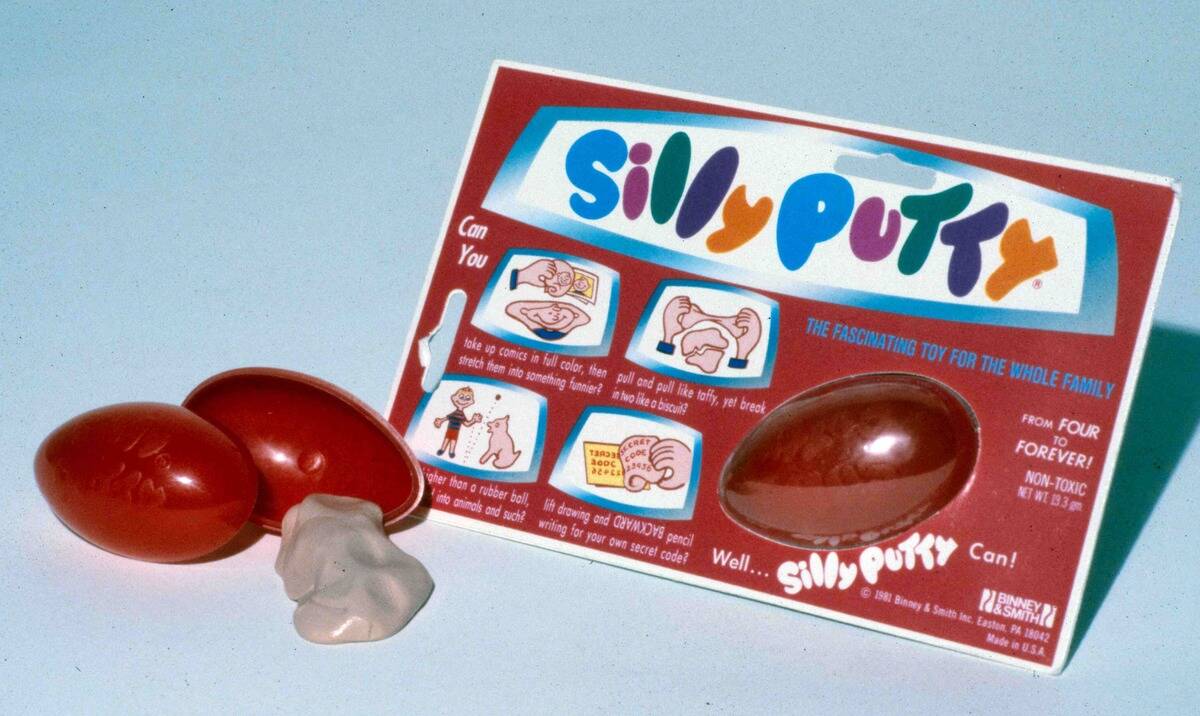
Silly Putty, invented by accident during World War II, became a beloved toy in the 1950s. Known for its unique properties, Silly Putty could bounce, stretch, and even lift images from comic strips.
Its versatility and tactile nature made it a favorite among children and adults alike. Silly Putty’s enduring appeal lies in its ability to entertain and engage through simple, hands-on play, proving that sometimes the simplest toys are the most captivating.
Pogs: The Milk Cap Collecting Game
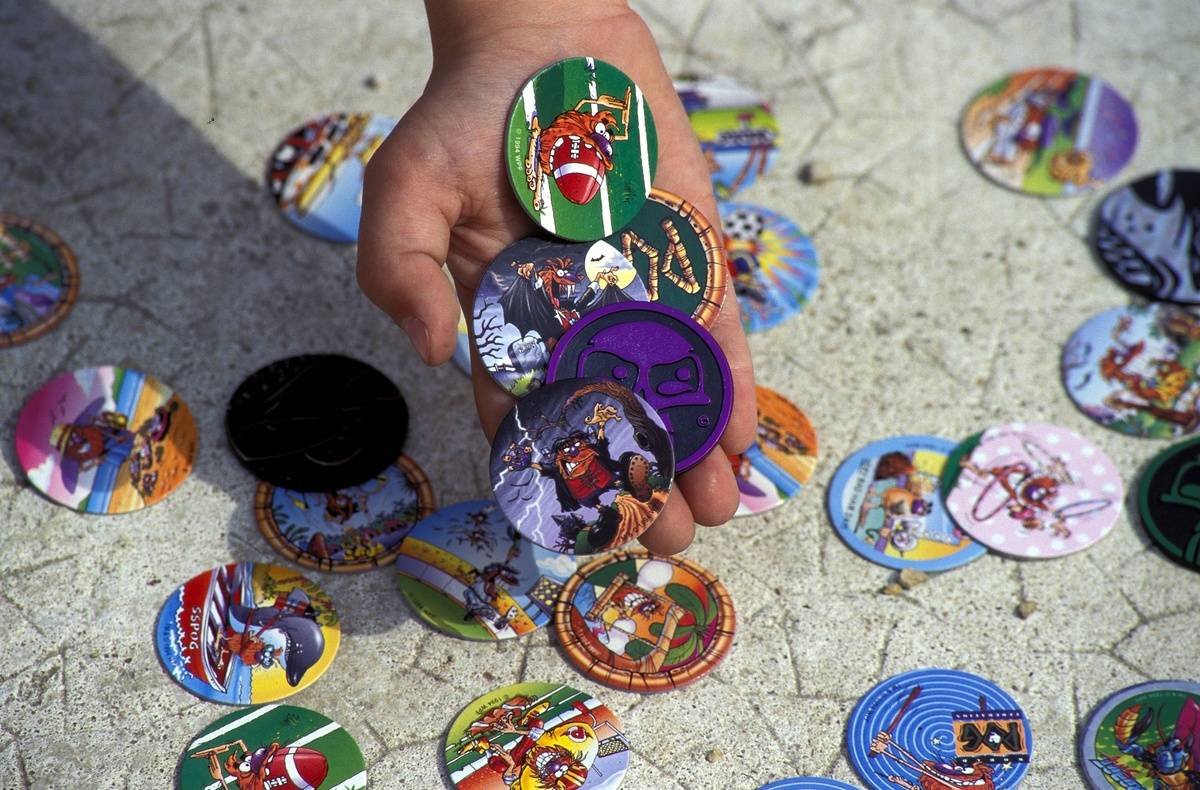
Pogs, originating from a game played with milk caps in Hawaii, became a massive craze in the 1990s. Players would stack and slam these decorated cardboard discs, aiming to collect as many as possible.
The simplicity of the game, combined with the collectible nature of the Pogs, made it a playground staple. Despite its short-lived popularity, the Pog phenomenon highlighted the appeal of collectibles and the competitive spirit of childhood games.
The Slap Bracelet Trend
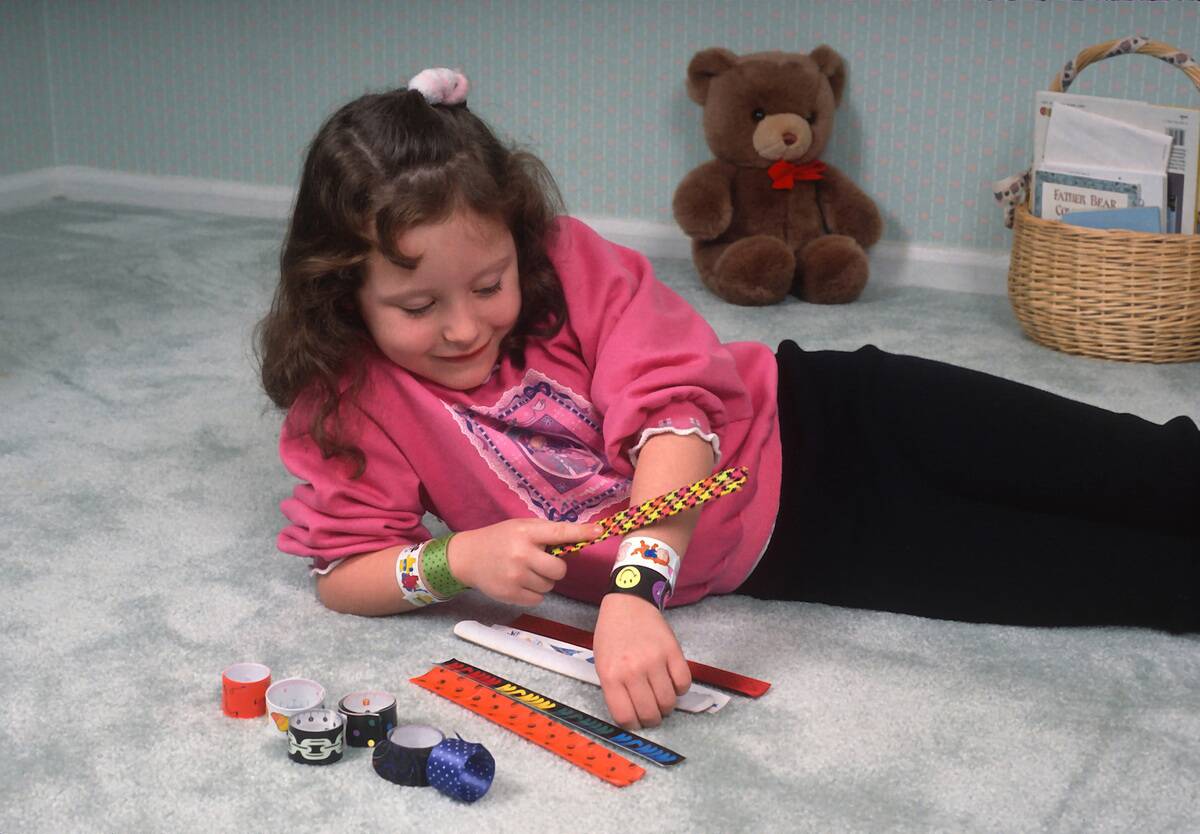
Slap bracelets, first introduced in the late 1980s, were a simple yet addictive accessory. Made from flexible steel covered in colorful fabric, these bracelets would snap around the wrist with a satisfying “slap.”
Their tactile nature and vibrant designs made them a hit among kids and teens. While concerns about safety eventually led to their decline, slap bracelets remain a nostalgic reminder of the playful, carefree spirit of the era.




