Infomercial products that seemed revolutionary
Infomercials have carved a unique niche in American culture, blending entertainment with consumerism. These late-night or early-morning TV segments captivate audiences with their enthusiastic hosts and seemingly miraculous products.
From fitness gadgets to kitchen innovations, infomercials promise to solve everyday problems, often with a touch of humor and flair. Their catchy jingles and memorable catchphrases have made them a staple of pop culture, leaving a lasting impression on viewers and shaping consumer behavior.
The George Foreman Grill: Revolutionizing Home Cooking
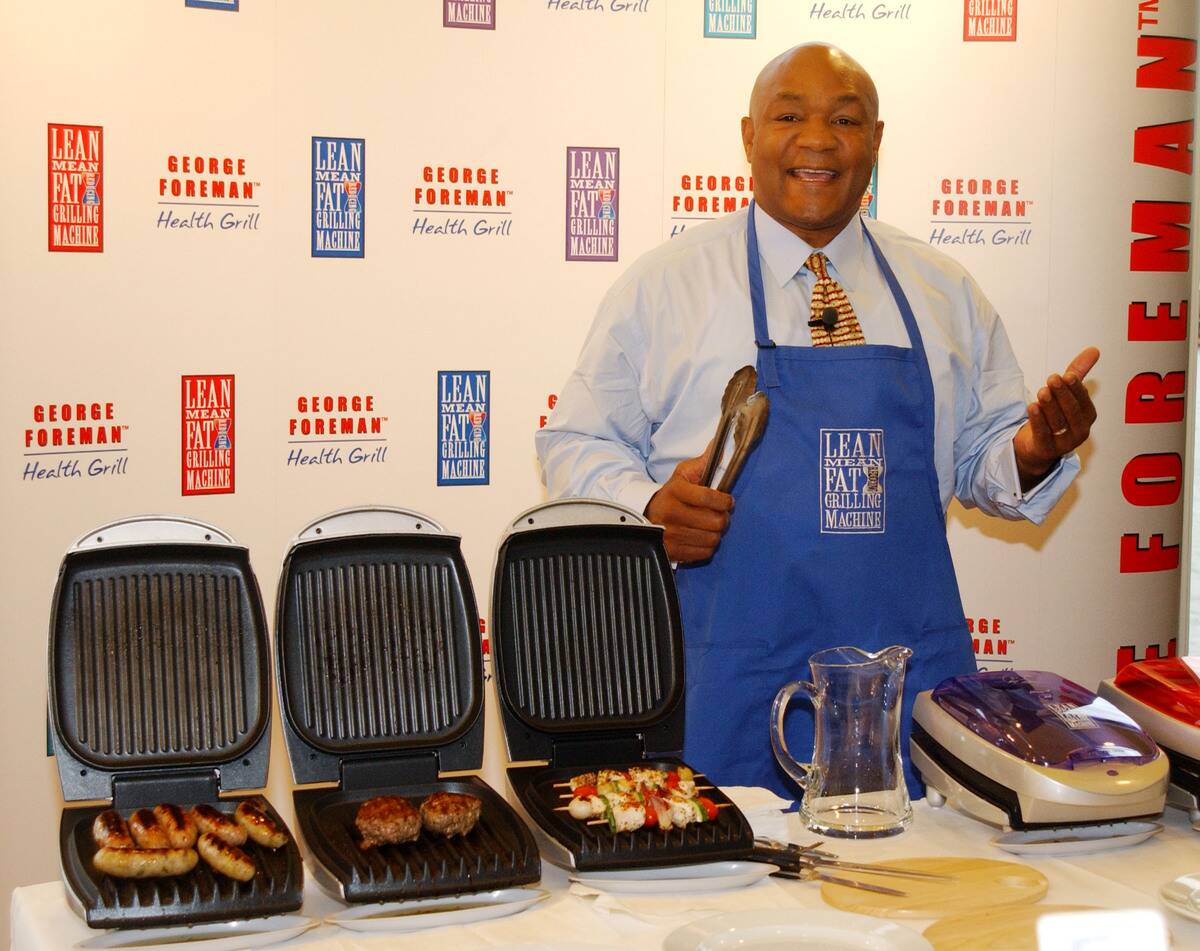
The George Foreman Grill, introduced in 1994, became a major household appliance by offering a convenient way to cook grilled foods indoors. Its slanted design allows fat to drain away from food during cooking, helping reduce the amount of fat retained in some meals.
Endorsed and heavily promoted by former heavyweight boxing champion George Foreman, the grill’s popularity soared, particularly during the late 1990s. With more than 100 million units sold worldwide, it became one of the most successful countertop grills and helped popularize convenient, fat-reducing indoor cooking.
The Snuggie: The Blanket with Sleeves Phenomenon

The Snuggie, launched in 2008, quickly became a pop-culture phenomenon with its simple yet unusual design. Essentially a blanket with sleeves, it allowed users to stay warm while keeping their hands free for activities like reading or using a remote.
Its memorable infomercial, featuring people enjoying the product in a variety of settings, became ubiquitous on television and inspired numerous parodies. The product’s quirky appeal and practicality helped drive enormous sales, with more than 30 million Snuggies sold, cementing its place in pop-culture history.
The Magic Bullet: A Kitchen Gadget That Promised Convenience
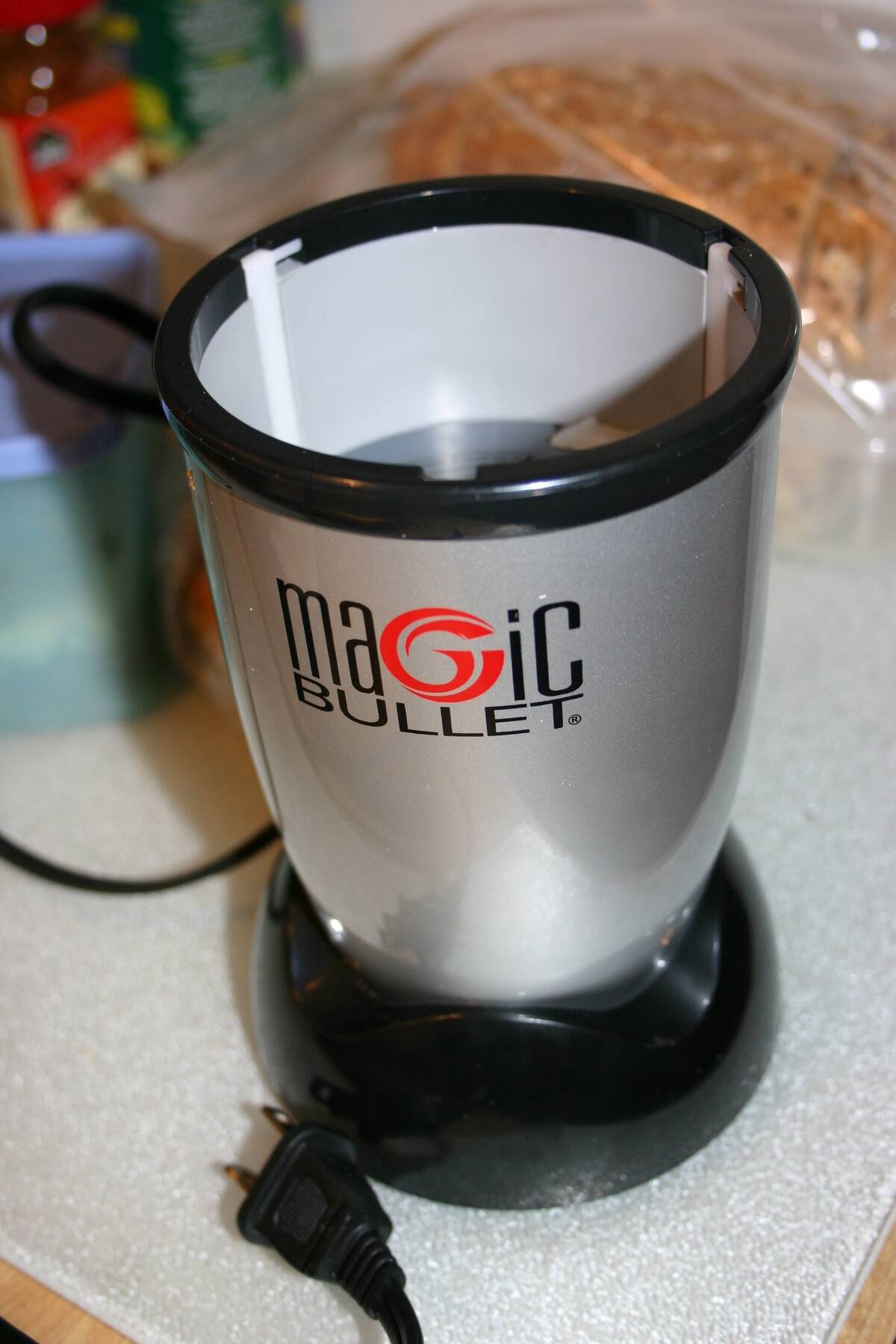
The Magic Bullet, launched in 2003, promised to simplify meal prep with its compact and versatile design. Capable of chopping, blending, mixing, and preparing a variety of foods, it became popular for quick and convenient kitchen tasks.
Its famous infomercial showcased the gadget’s ability to whip up everything from smoothies and salsa to dips and omelets in seconds. The Magic Bullet’s convenience and distinctive marketing helped make it one of the most recognizable infomercial kitchen appliances of the 2000s.
The ThighMaster: Fitness Revolution in the Living Room
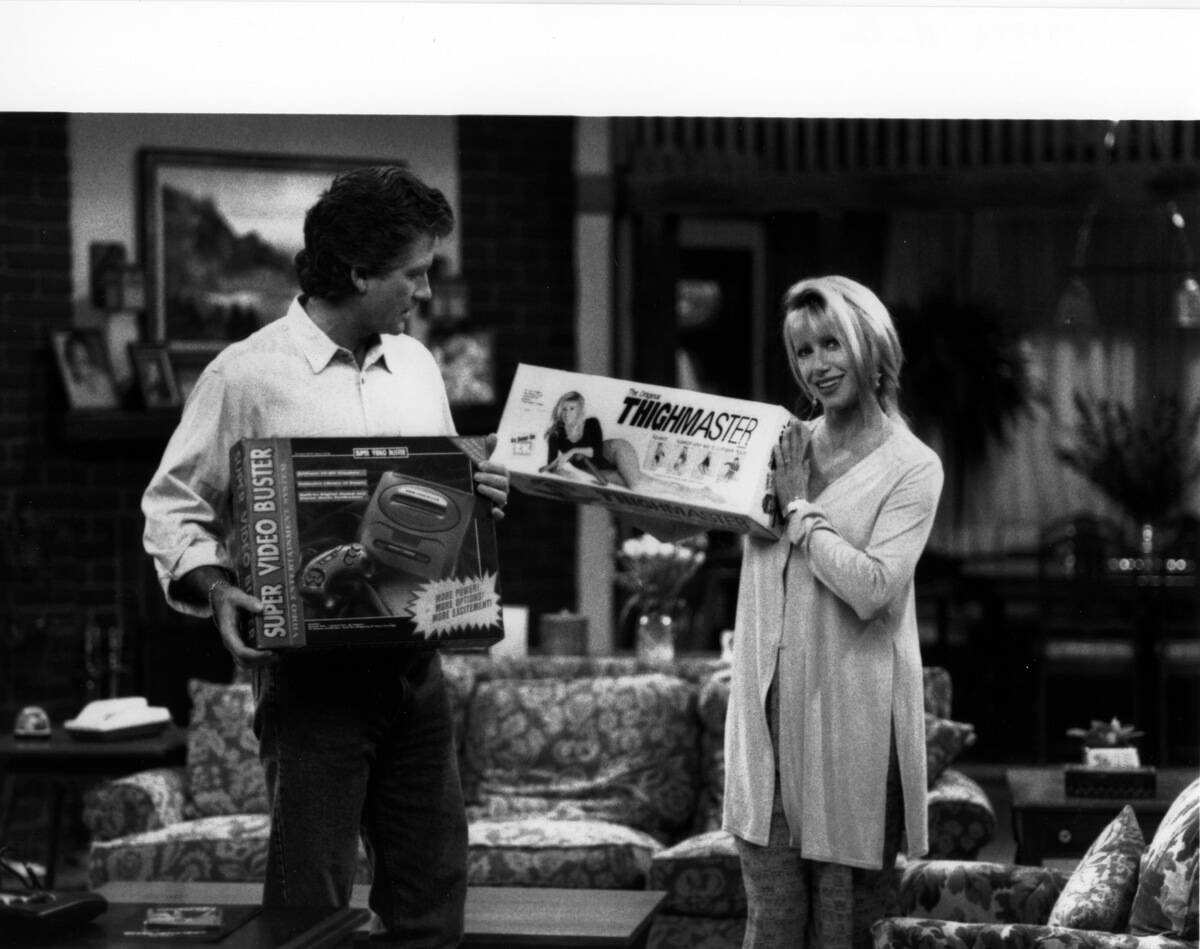
The ThighMaster became a major fitness craze in the early 1990s, offering a simple resistance exercise for the thighs and other muscle groups. Promoted by actress Suzanne Somers, the compact device became one of the most recognizable home-fitness products of the era.
Its small size and simple design made it convenient to use at home, while its memorable infomercials emphasized easy exercise and toned muscles. The product’s celebrity marketing and widespread television exposure helped drive enormous sales, with more than 10 million ThighMasters eventually sold.
OxiClean: The Miracle Cleaner That Took Over Laundry Rooms
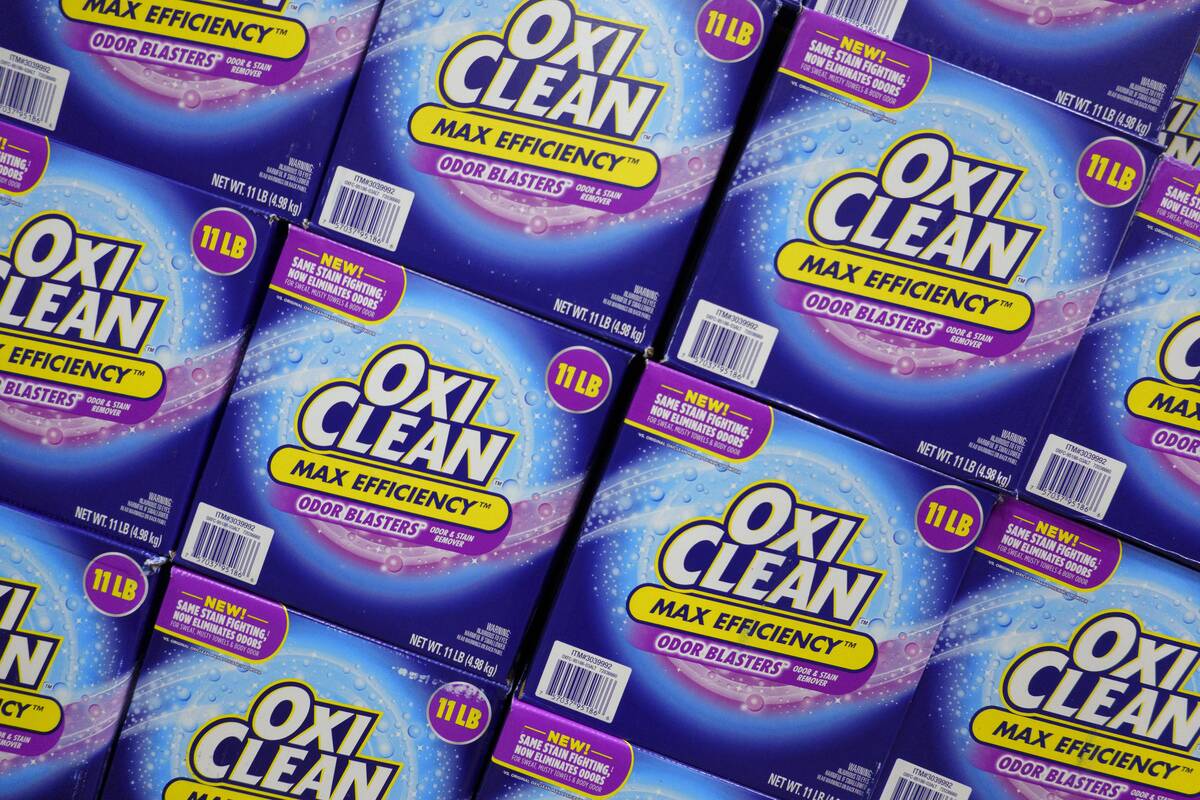
OxiClean burst onto the scene in the late 1990s, promising to tackle tough stains with its oxygen-based formula. Its memorable infomercials, particularly those featuring the energetic Billy Mays from 1999 onward, demonstrated the product’s versatility on everything from laundry to household surfaces.
The cleaner’s convenient formula and attention-grabbing demonstrations helped make it a widely recognized household brand. After Church & Dwight acquired OxiClean’s parent company in 2006, the brand expanded into a broad range of cleaning products that remain widely available today.
The Clapper: Bringing Clapping Back to Light Control

The Clapper, introduced in 1982, offered a novel way to control lights and appliances with specific clap patterns. Its catchy slogan, “Clap on, clap off,” became an iconic part of its television advertising. The device’s appeal lay in its convenience, providing hands-free control that could also be useful for people with limited mobility.
While it was sometimes viewed as a novelty, the Clapper became a recognizable consumer product, demonstrating how simple technology could bring added convenience to everyday household tasks.
The Flowbee: Haircuts at Home with a Vacuum Twist
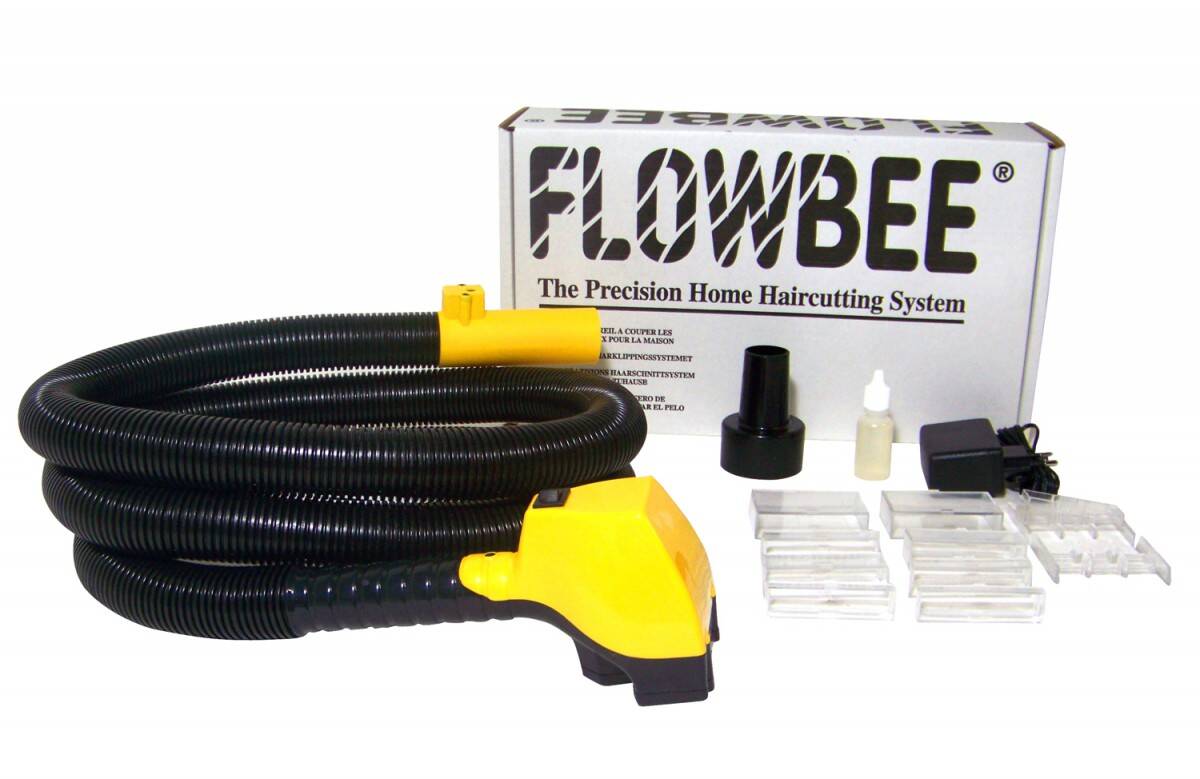
The Flowbee, developed in the mid-1980s and marketed from 1988, offered a unique solution for at-home haircuts by combining a vacuum with clippers. Its infomercials showcased the device’s ability to cut hair evenly while suction collected the clippings, reducing cleanup.
While it may have seemed unconventional, the Flowbee developed a cult following among people looking to cut their hair at home and save money on salon visits. Its quirky concept and distinctive infomercials made it a memorable product, while appearances and references in popular films and television shows cemented its place in pop culture.
The ShamWow: Absorbency That Dazzled Viewers

The ShamWow became widely known in the late 2000s, promising exceptional absorbency with its synthetic chamois-like material. Its memorable infomercial, featuring the energetic Vince Offer, demonstrated the cloth’s ability to soak up spills and liquids quickly.
The product’s distinctive demonstrations and unconventional marketing helped make it a commercial success and a recognizable infomercial brand. Its catchy name, enthusiastic pitch, and memorable demonstrations helped secure its place as one of the more recognizable cleaning products of the 2000s.
The PedEgg: Foot Care That Promised Salon Results
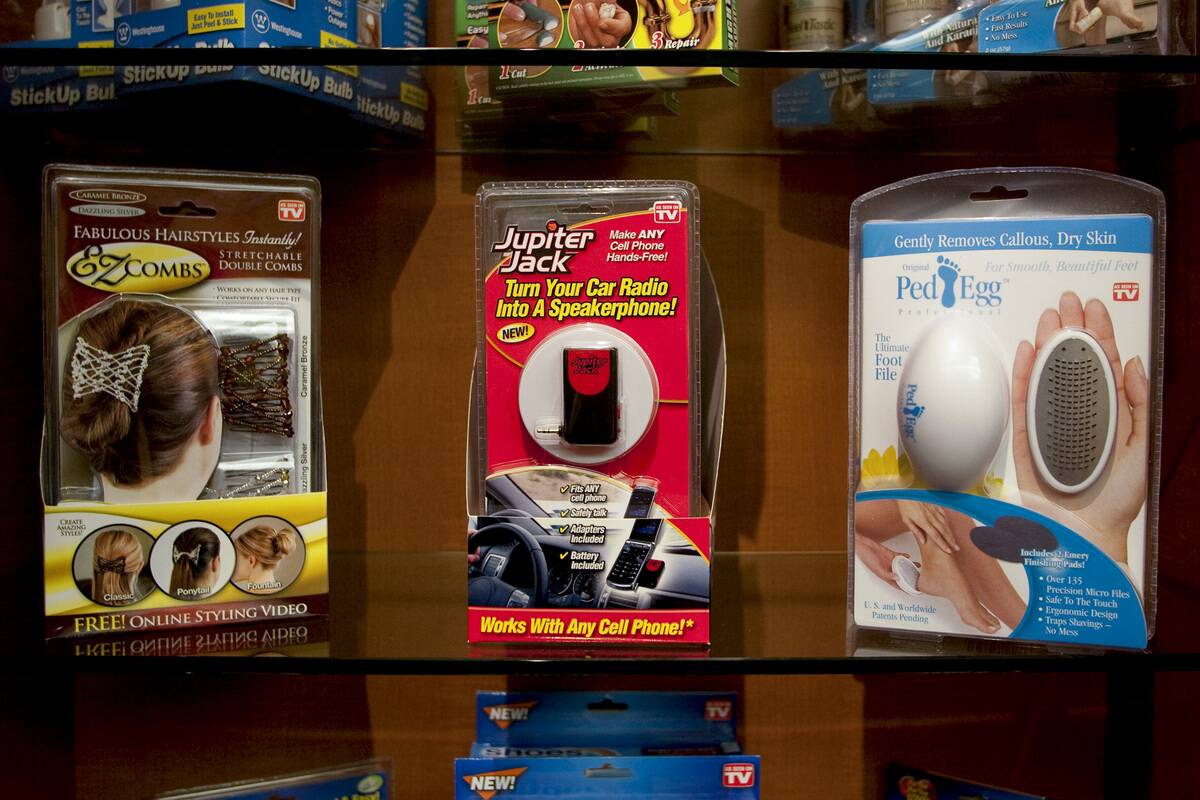
The PedEgg became widely known in the mid-to-late 2000s as a simple solution for at-home foot care. Its compact, egg-shaped design and metal file were designed to remove calluses and hardened skin, leaving feet feeling smoother.
The PedEgg’s infomercial demonstrated its use and promoted the convenience of achieving smoother feet at home. Its affordable price and straightforward design helped make it a recognizable infomercial product, appealing to consumers looking for simple and convenient personal-care solutions.
The Ab Roller: A Simple Solution for Toned Abs
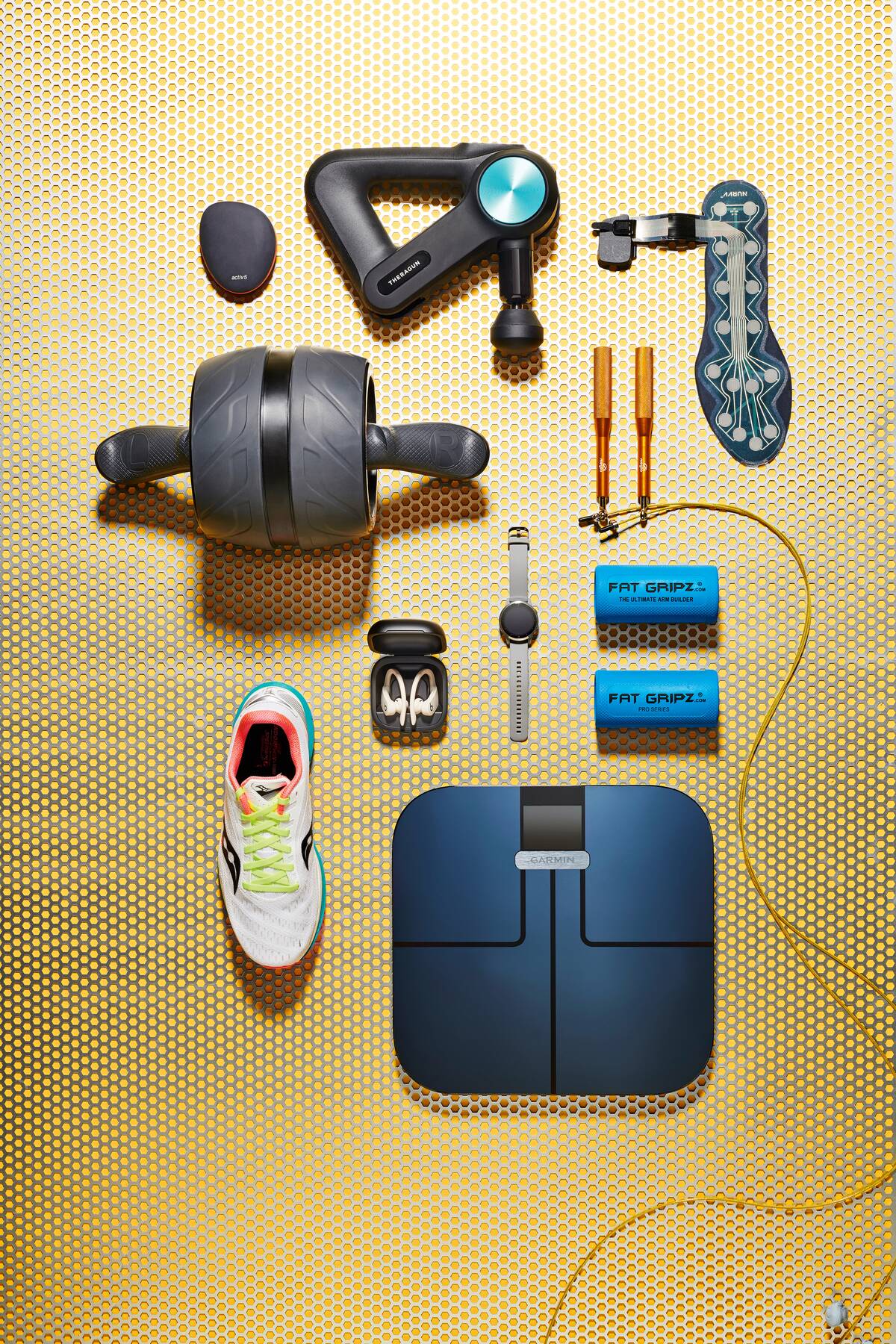
The Ab Roller became a popular home-fitness product in the 1990s, offering a straightforward way to exercise the abdominal muscles. Its design was intended to support and guide the upper body during crunch-like movements, making the exercise easier to perform for some users.
The Ab Roller’s infomercials emphasized convenience and the possibility of achieving noticeable results with regular use, attracting people looking for a simple addition to their workouts. Its distinctive design and widespread advertising made it a recognizable symbol of the 1990s home-fitness boom.
The Chia Pet: A Quirky Gardening Revolution
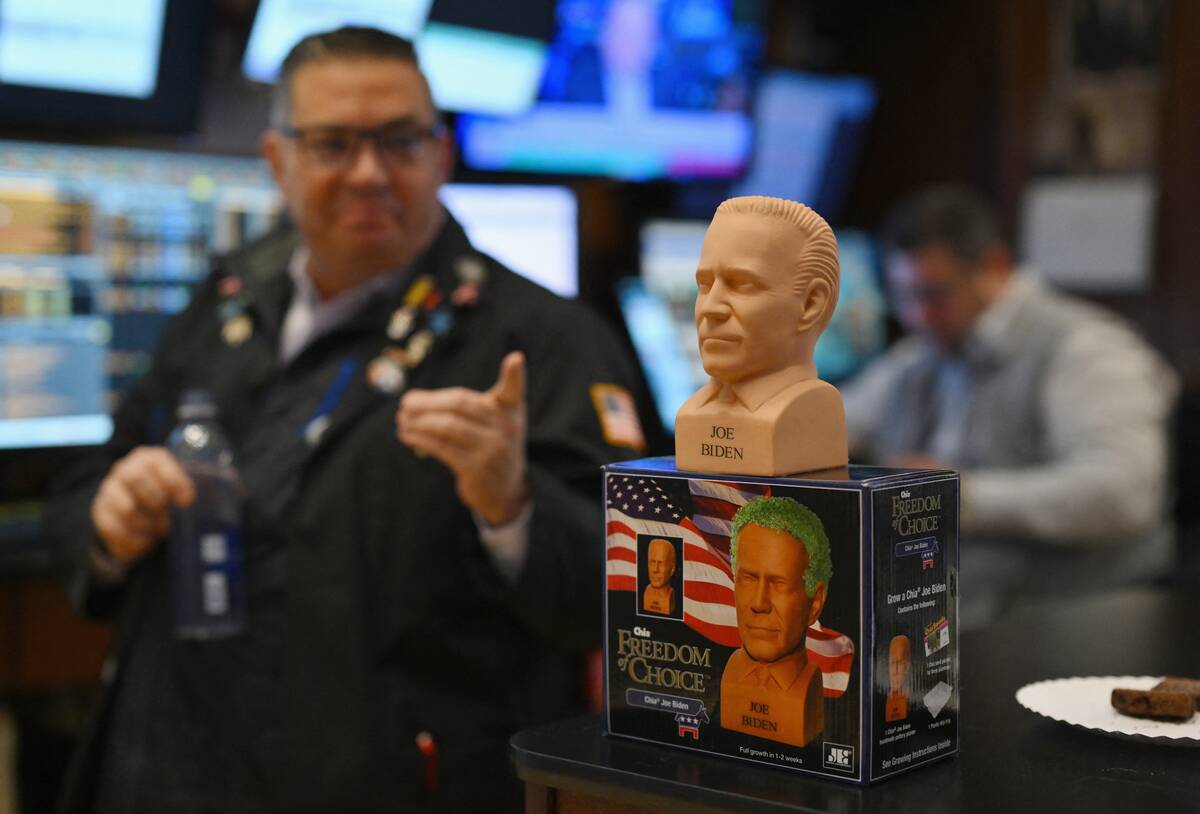
The Chia Pet, first marketed in the late 1970s and popularized through memorable 1980s advertising, became a recognizable novelty product with its whimsical designs and easy-to-grow chia sprouts. Its infomercials showcased the transformation of clay figures into green, living displays with regular watering and care.
The Chia Pet’s quirky appeal and relatively affordable price made it a popular novelty gift. Rather than revolutionizing gardening, it offered a playful introduction to growing plants and became an enduring piece of American novelty-product culture.




