These once-popular chain restaurants used to have locations everywhere
Remember those family road trips where a stop at a familiar restaurant chain was as anticipated as the destination itself? Many of these once-ubiquitous dining spots have faded into the background, leaving behind a trail of nostalgia and memories.
These restaurants were more than just places to eat; they were part of the American cultural landscape. Let’s take a trip down memory lane and revisit some of these iconic chains that once dotted highways and shopping centers across the country.
Howard Johnson’s: The Pioneer of Roadside Dining
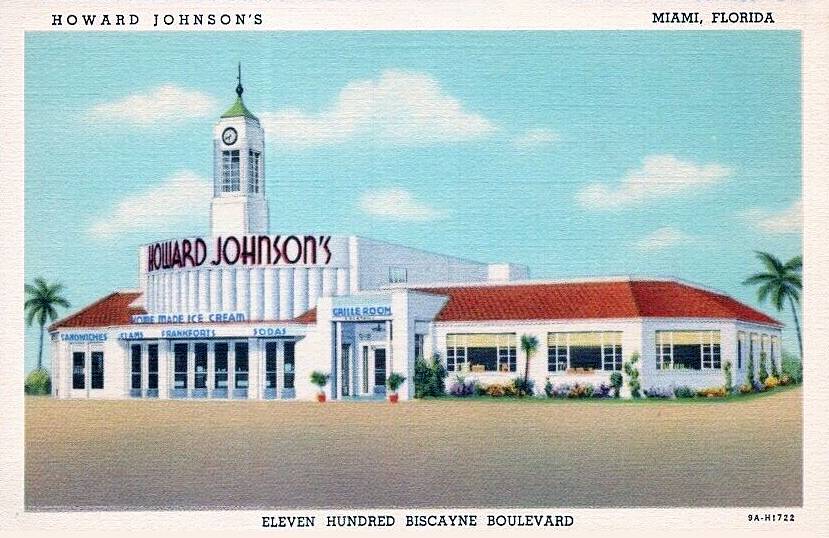
Howard Johnson’s was a trailblazer in roadside dining, known for its distinctive orange roofs and 28 flavors of ice cream. At its peak in the 1970s, the chain had more than 1,000 restaurants across the United States and became closely associated with family road trips.
However, competition from fast-food chains such as McDonald’s, along with the 1970s oil crises, changing consumer tastes, aging restaurants, and management challenges, contributed to the chain’s decline. The last Howard Johnson’s restaurant closed in Lake George, New York, in 2022.
The Rise and Fall of Chi-Chi’s Mexican Restaurant
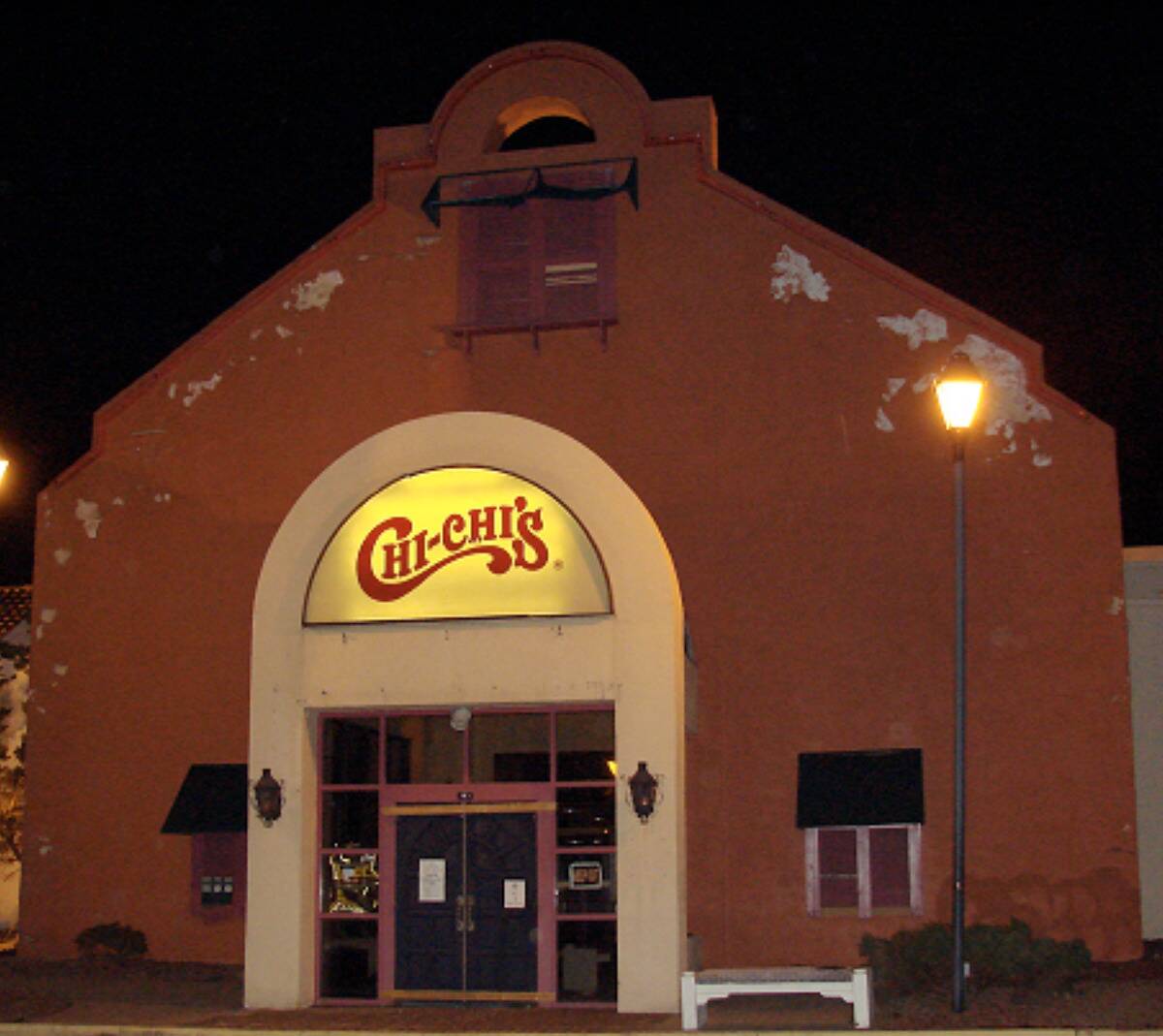
Chi-Chi’s brought a festive flair to Mexican dining with its colorful decor and lively atmosphere. Founded in 1975, it expanded rapidly, reaching more than 200 U.S. locations by the mid-1980s and continuing to grow during the following decade. In 2003, a major hepatitis A outbreak at a Pennsylvania restaurant was linked to contaminated green onions, sickening more than 600 people and killing four.
The outbreak compounded financial problems the company was already facing after filing for bankruptcy that October. Chi-Chi’s closed its remaining U.S. restaurants in September 2004, although its branded food products survived and the restaurant brand has since been revived.
Bennigan’s: From Irish Pub Vibes to Disappearing Act
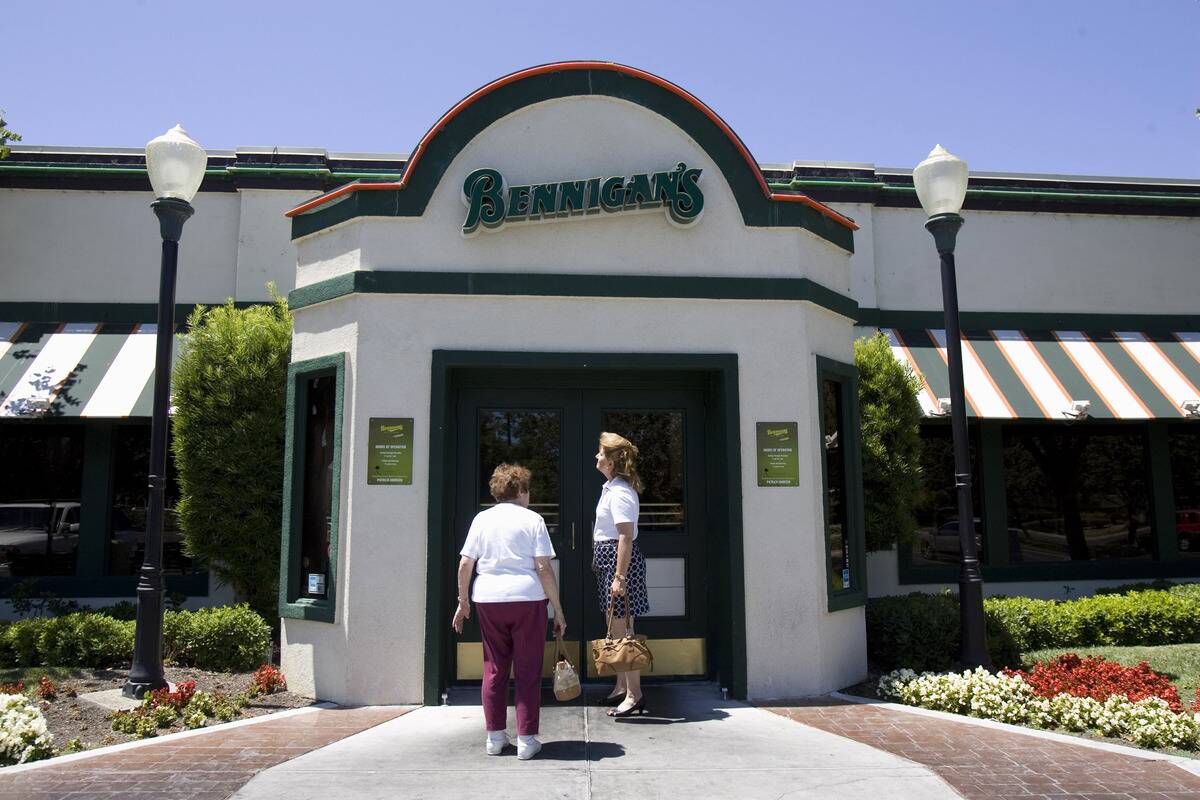
Bennigan’s was a popular casual-dining chain known for its Irish-themed atmosphere and signature Monte Cristo sandwich. Founded in 1976, it expanded rapidly during the 1980s and 1990s, eventually reaching more than 300 locations. However, growing competition, changing consumer preferences, and difficulties maintaining the brand’s appeal contributed to a steep decline.
In 2008, the company’s parent filed for Chapter 7 bankruptcy, closing all 150 corporate-owned Bennigan’s restaurants, while many franchise locations initially remained open. The brand was later revived under new ownership, with a smaller network of franchise locations continuing today.
Friendly’s: Ice Cream Dreams and Financial Struggles
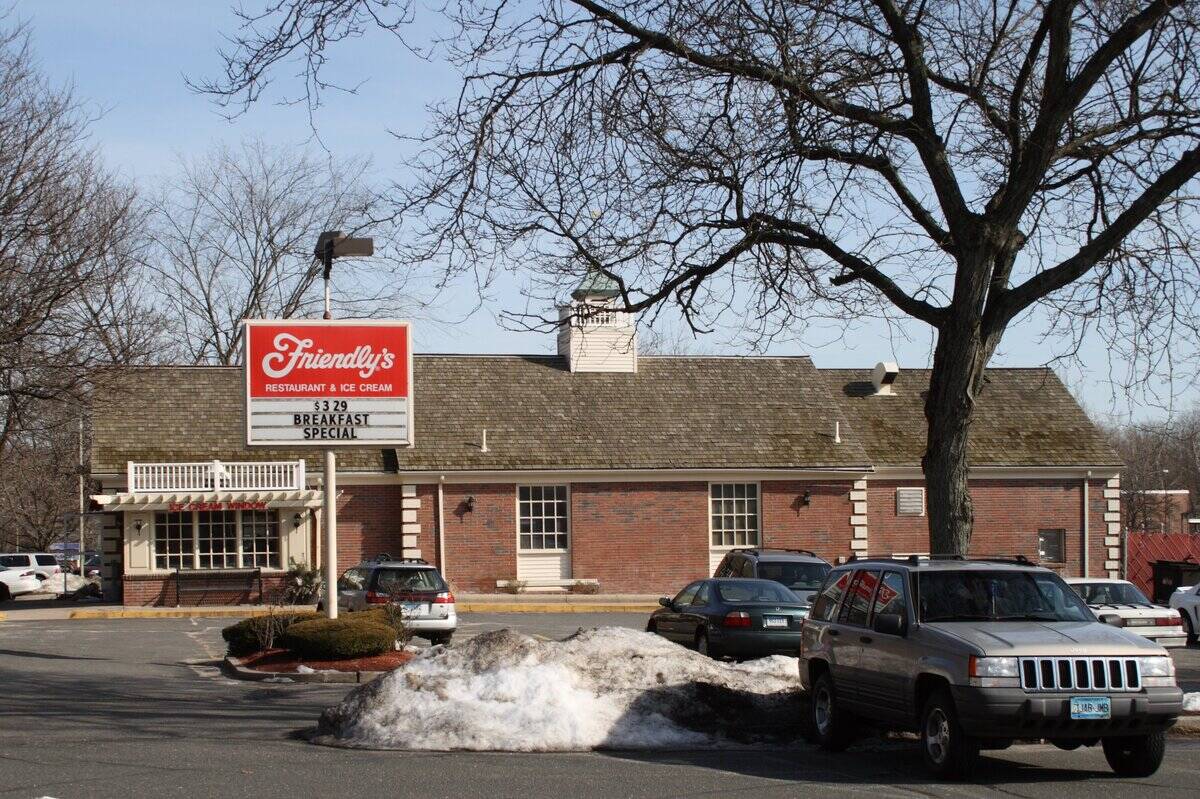
Friendly’s has been a beloved ice cream and family restaurant since its founding in 1935. Founded in Springfield, Massachusetts, the chain became known for its ice cream, sundaes, and family-friendly atmosphere as it expanded throughout the Northeast and Mid-Atlantic.
However, financial difficulties have plagued the company, leading to bankruptcy filings in 2011 and 2020. Despite these challenges, Friendly’s continues to operate restaurants and serve its signature ice cream offerings, maintaining a long-standing presence in American family dining.
The Journey of Sizzler: From Steaks to Uncertain Future
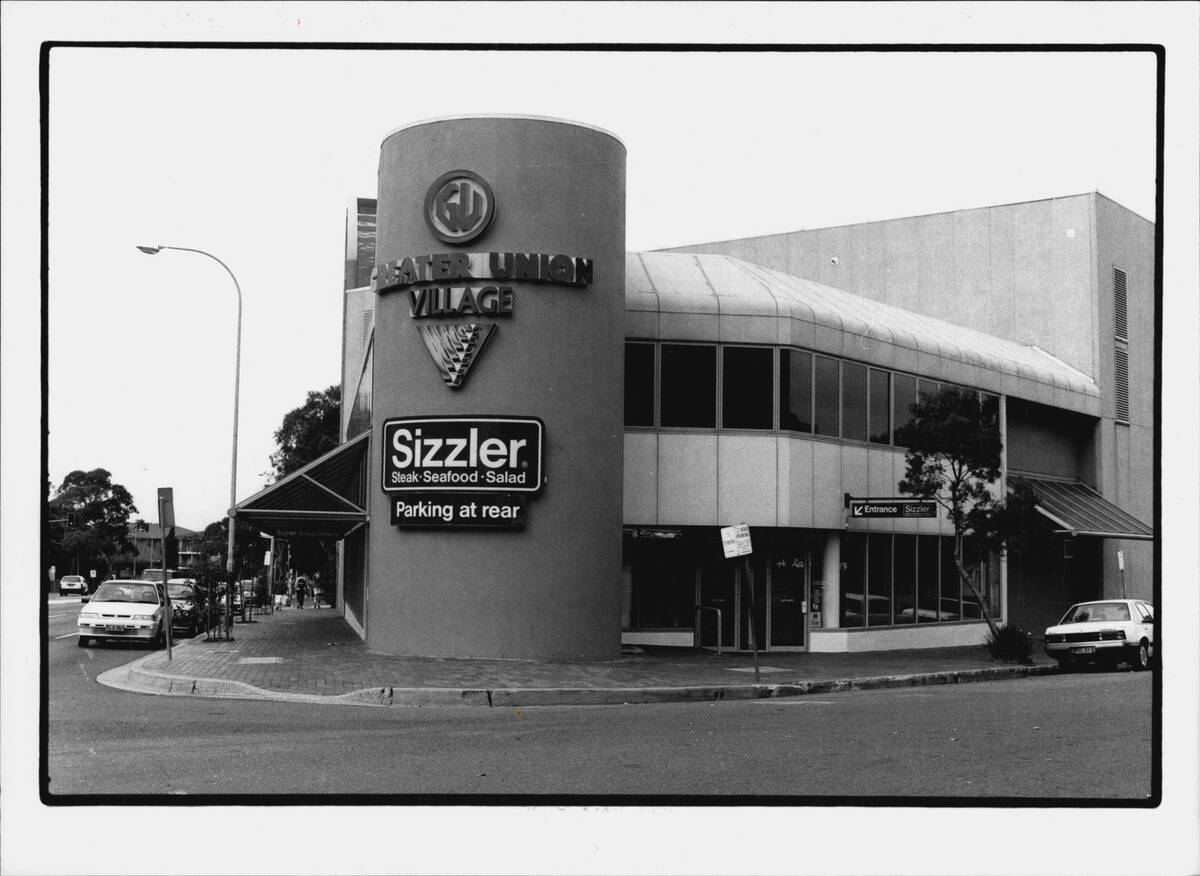
Sizzler introduced the concept of affordable steak dinners to the masses when it opened in 1958. At its height, the chain had more than 270 locations in the U.S. and became a popular choice for family dining. Its salad bar, introduced in the late 1970s, eventually became one of the brand’s defining features.
However, changing consumer preferences and increased competition contributed to a decline in popularity. While Sizzler still operates locations, it has undergone significant contraction and is now pursuing a comeback through restaurant renovations, menu changes, and renewed marketing efforts.
The Kmart Cafeteria: Shopping and Dining Combo
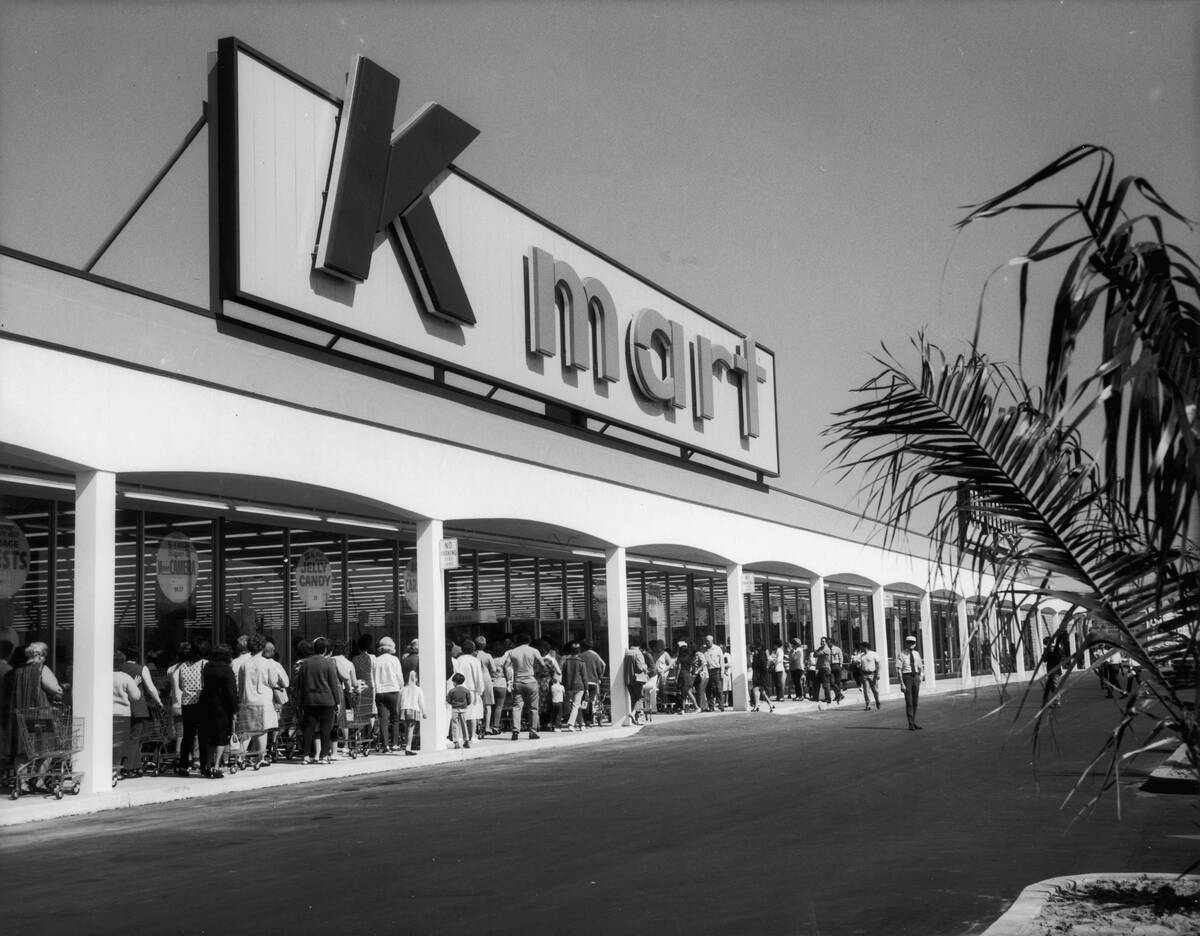
Kmart cafeterias were a familiar feature of many stores, offering shoppers affordable meals, snacks, and drinks as a convenient dining option. As Kmart’s store network declined through financial difficulties, bankruptcies, and widespread closures, its cafeterias gradually disappeared as well.
In-store dining has since evolved, with many retailers and shopping centers offering food courts, cafés, and other dining options. For former Kmart shoppers, however, the company’s cafeterias remain a nostalgic reminder of an earlier era of American retail.
The Tale of Sambo’s: Controversy and Closure
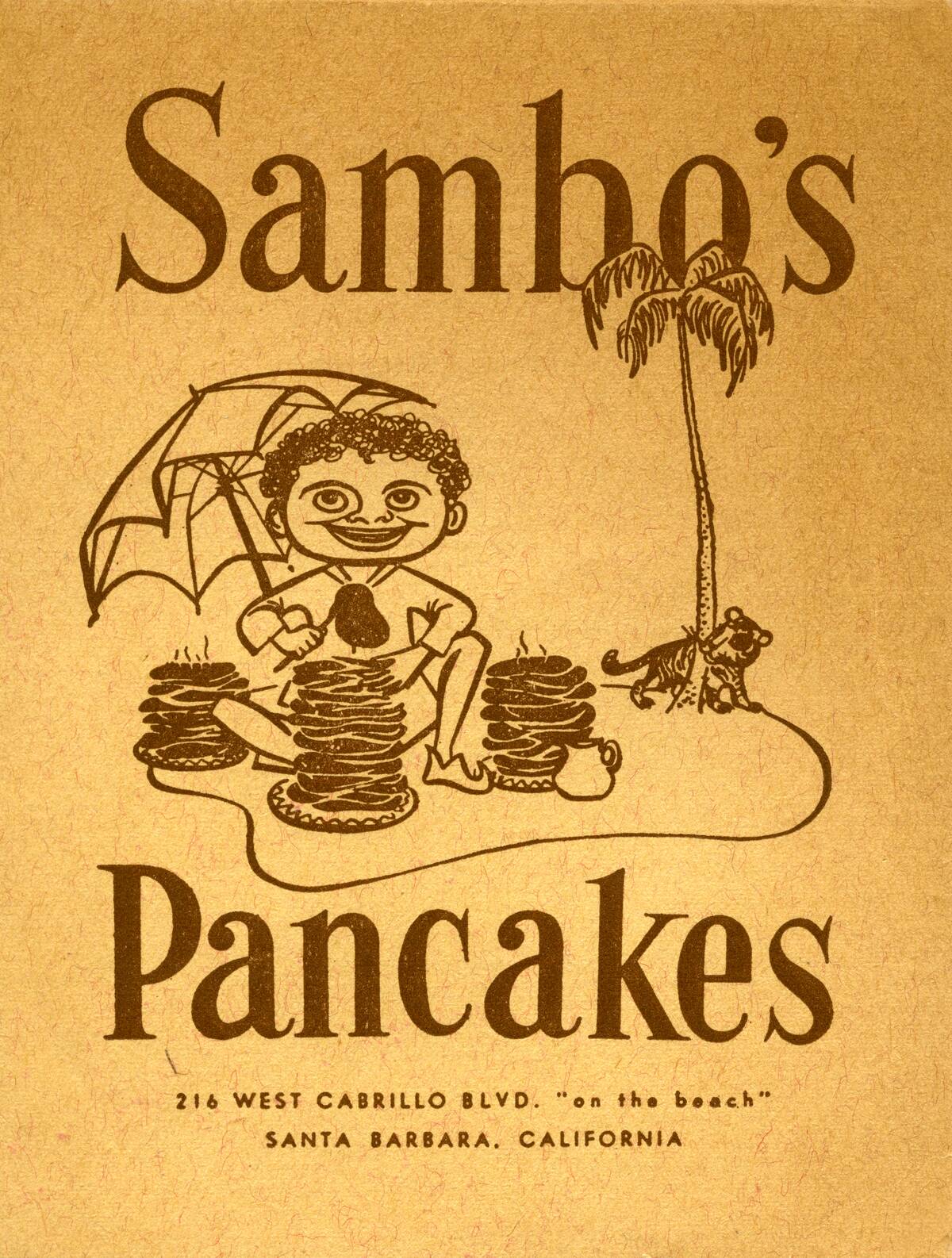
Sambo’s was a popular breakfast chain in the 1970s, known for its pancakes and tiger-themed decor inspired by The Story of Little Black Sambo. Founded in 1957, the chain grew to more than 1,100 locations nationwide, but its name and imagery sparked controversy over racial insensitivity, leading to protests and legal challenges in several communities.
Although Sambo’s attempted rebranding in some markets, financial mismanagement, rapid expansion, and mounting controversy contributed to its collapse. The company filed for bankruptcy in 1981, and by 1982 most locations had closed or been renamed. The original Santa Barbara restaurant remained the final Sambo’s until it was renamed Chad’s in 2020.
Kenny Rogers Roasters: From Chicken Craze to Cult Status
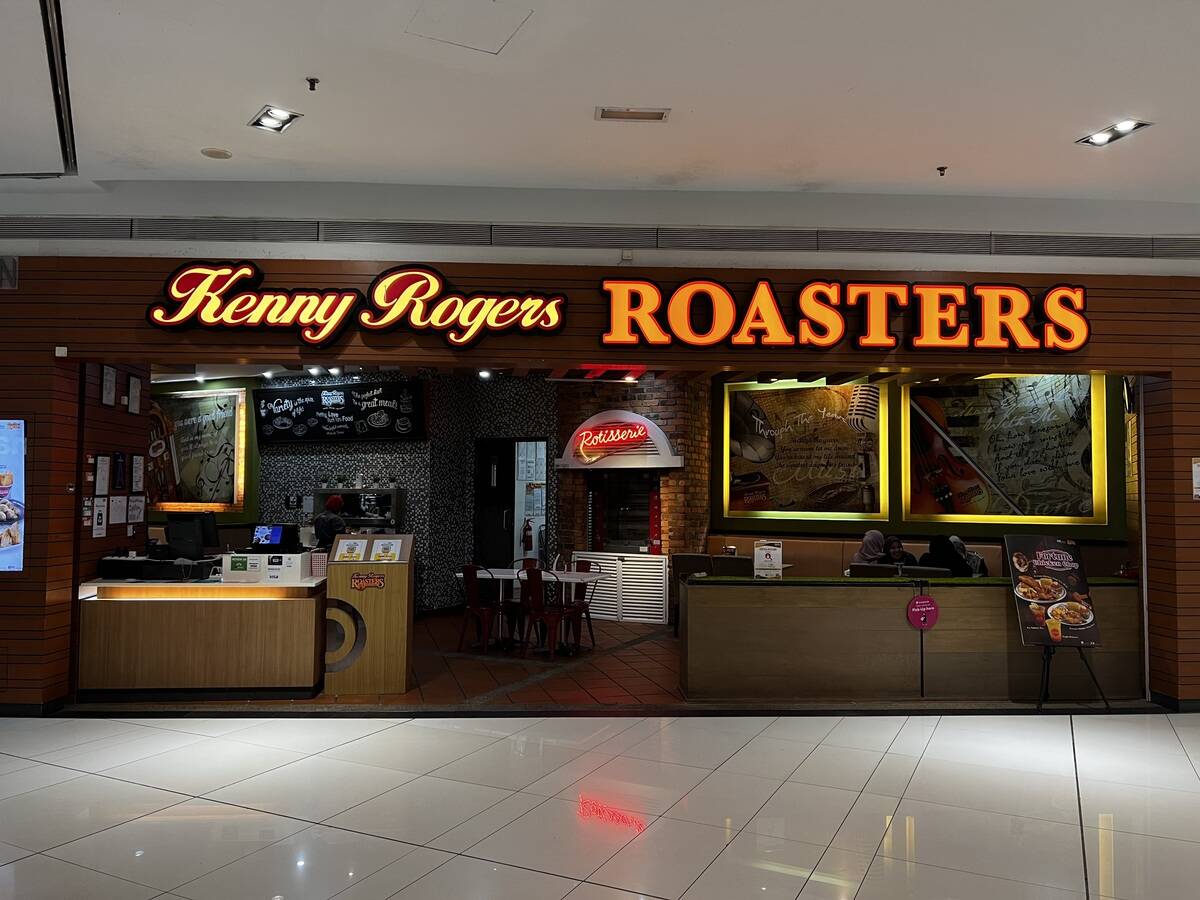
Kenny Rogers Roasters was founded in 1991 by country music legend Kenny Rogers and former KFC CEO and Kentucky governor John Y. Brown Jr. Known for its rotisserie-roasted chicken and hearty side dishes, the chain quickly gained popularity and eventually expanded to more than 350 locations worldwide.
However, intense competition and financial difficulties led to a Chapter 11 bankruptcy filing in 1998 and a major contraction of its U.S. operations. After ownership changed hands, the brand found new life in Asia, where it continues to operate in several countries and maintains a strong following, demonstrating that its appeal has endured well beyond the United States.
The Ups and Downs of Big Boy Restaurants
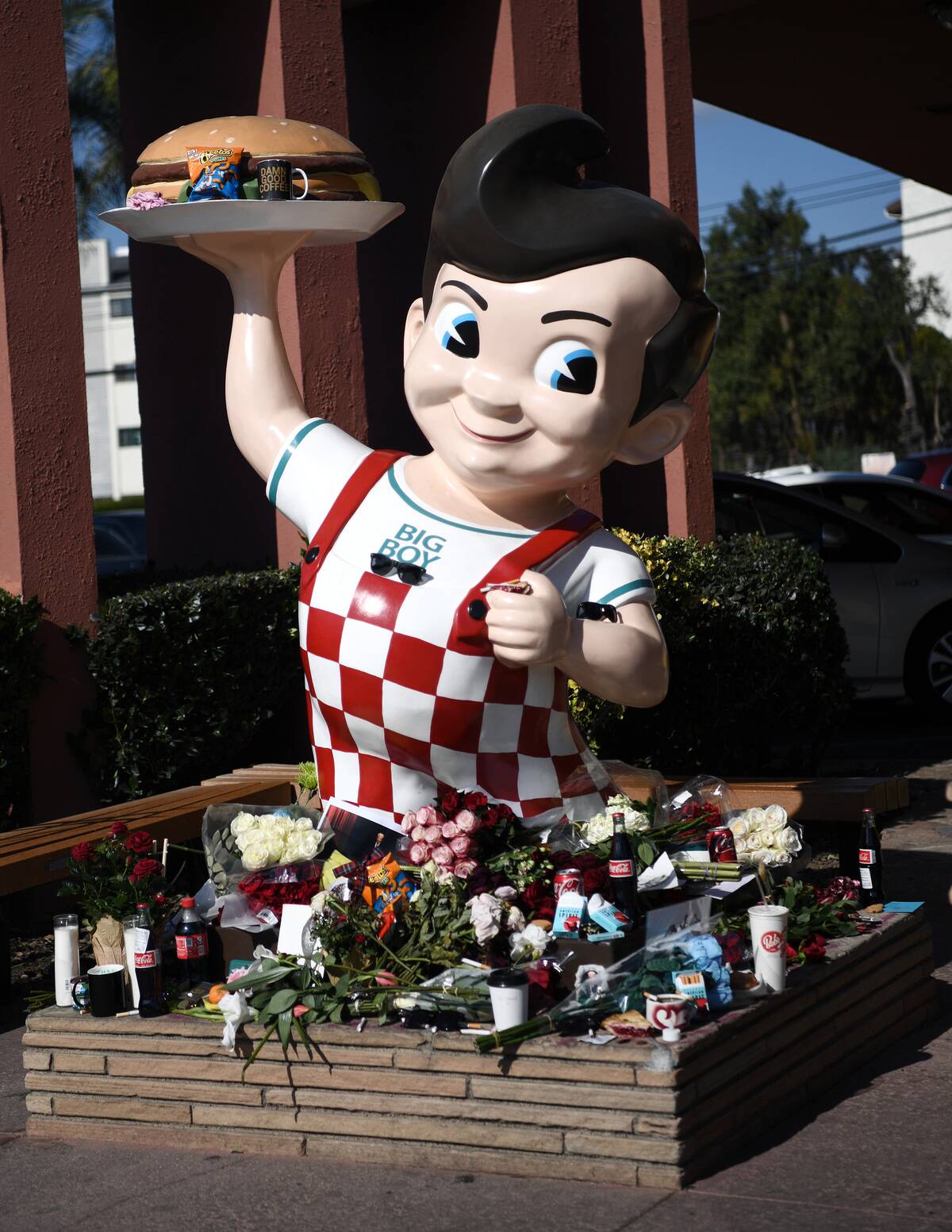
Big Boy Restaurants have been a staple of American dining since 1936, famous for their double-decker burgers and iconic mascot. At its peak, the broader Big Boy franchise system had more than 1,000 locations nationwide, including restaurants operating under different franchise names. However, changes in ownership, competition, and the contraction of the restaurant system led to a dramatic decline in locations.
Today, Big Boy operates primarily in Michigan and other parts of the Midwest, with additional locations elsewhere, while efforts to modernize its menu and concepts aim to attract new generations of diners without abandoning its nostalgic charm.
Arthur Treacher’s Fish & Chips: A British Invasion Fades
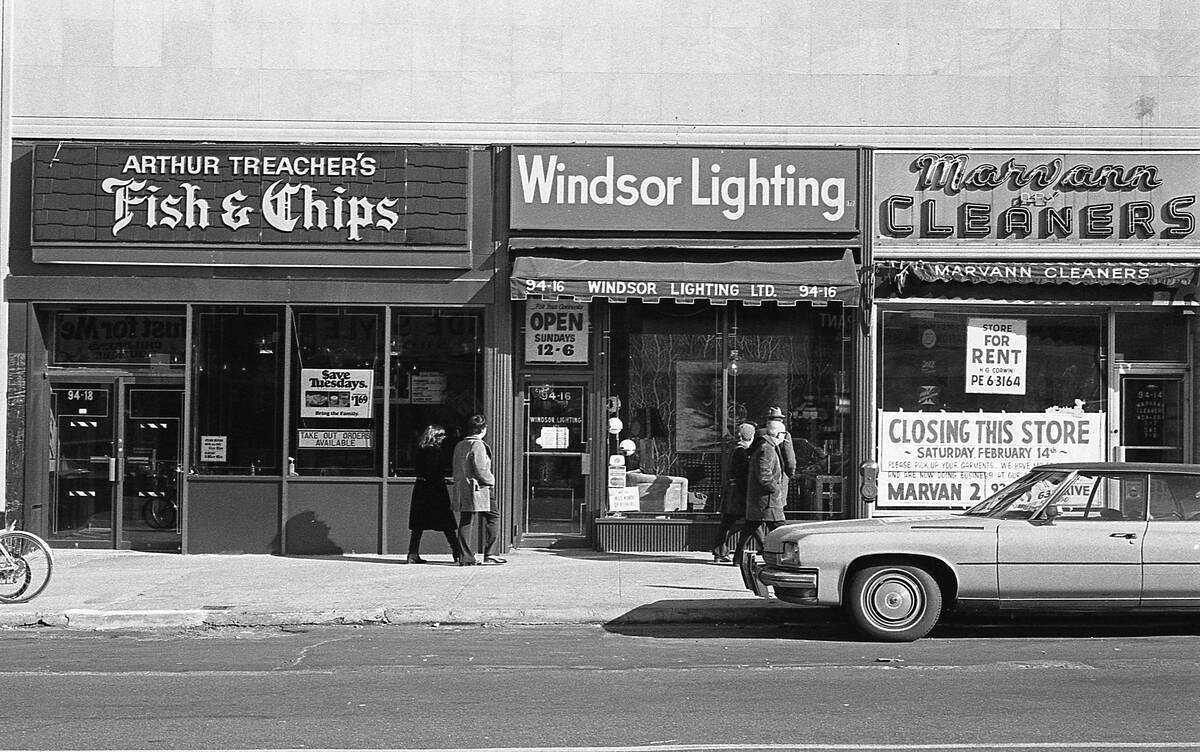
Arthur Treacher’s brought the classic British fish-and-chips experience to America in 1969. Founded in Columbus, Ohio, the chain became known for its crispy fried fish, chips, and signature accompaniments. At its height in the late 1970s, Arthur Treacher’s boasted more than 800 locations nationwide.
However, rising seafood costs, changing tastes, ownership changes, and competition contributed to its dramatic decline. Today, only a handful of standalone locations remain, concentrated in Ohio, although the brand has recently begun expanding again, keeping its recipes and nostalgic appeal alive for longtime fans.
The Quirky Charm of Rax Roast Beef and Its Retreat
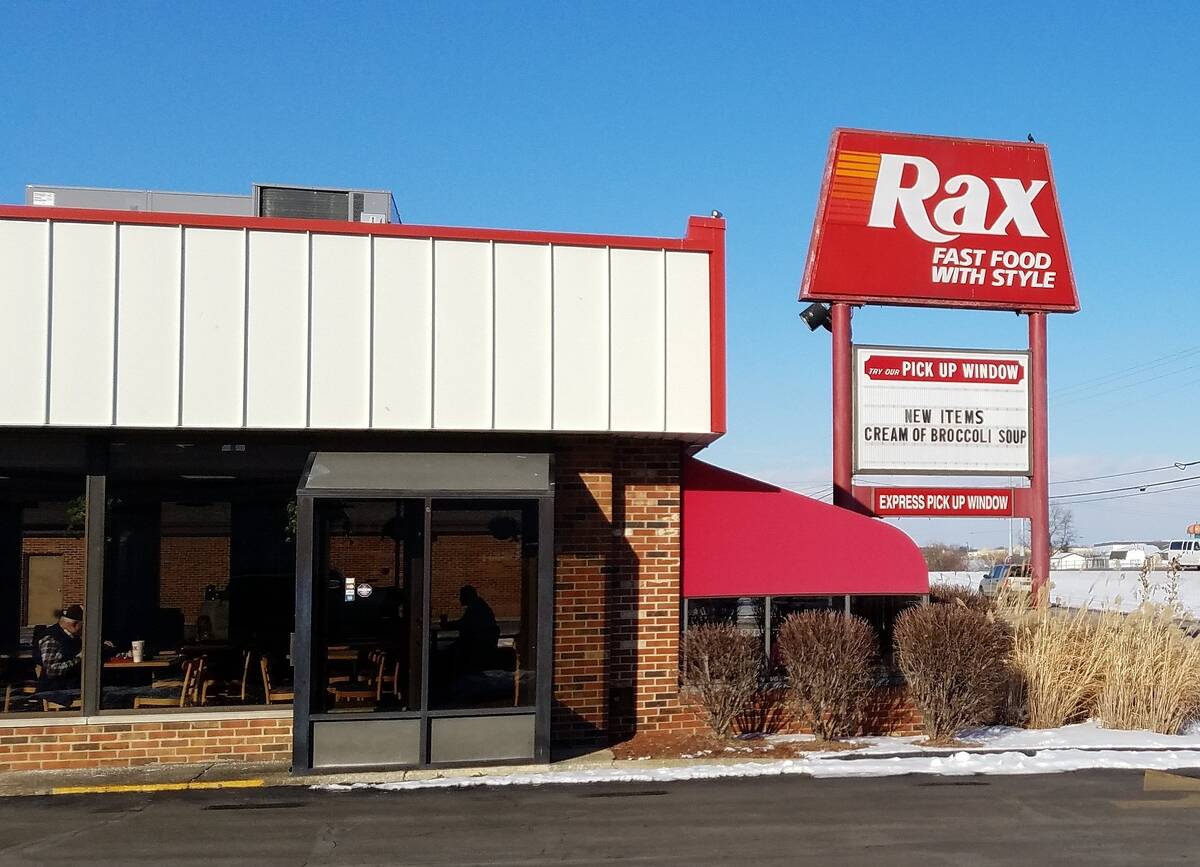
Rax Roast Beef offered a quirky alternative to traditional fast-food chains with its roast beef sandwiches and famous salad bars. At its peak in the 1980s, Rax had more than 500 locations across the United States.
However, costly restaurant redesigns, extensive menu changes, management problems, and questionable marketing decisions contributed to its dramatic decline, followed by a bankruptcy filing in 1992. Today, only six Rax locations remain, with four in Ohio and others in Illinois and Kentucky, serving as nostalgic reminders of the chain’s distinctive charm and once-mighty presence.
The Evolution and Erosion of Fuddruckers
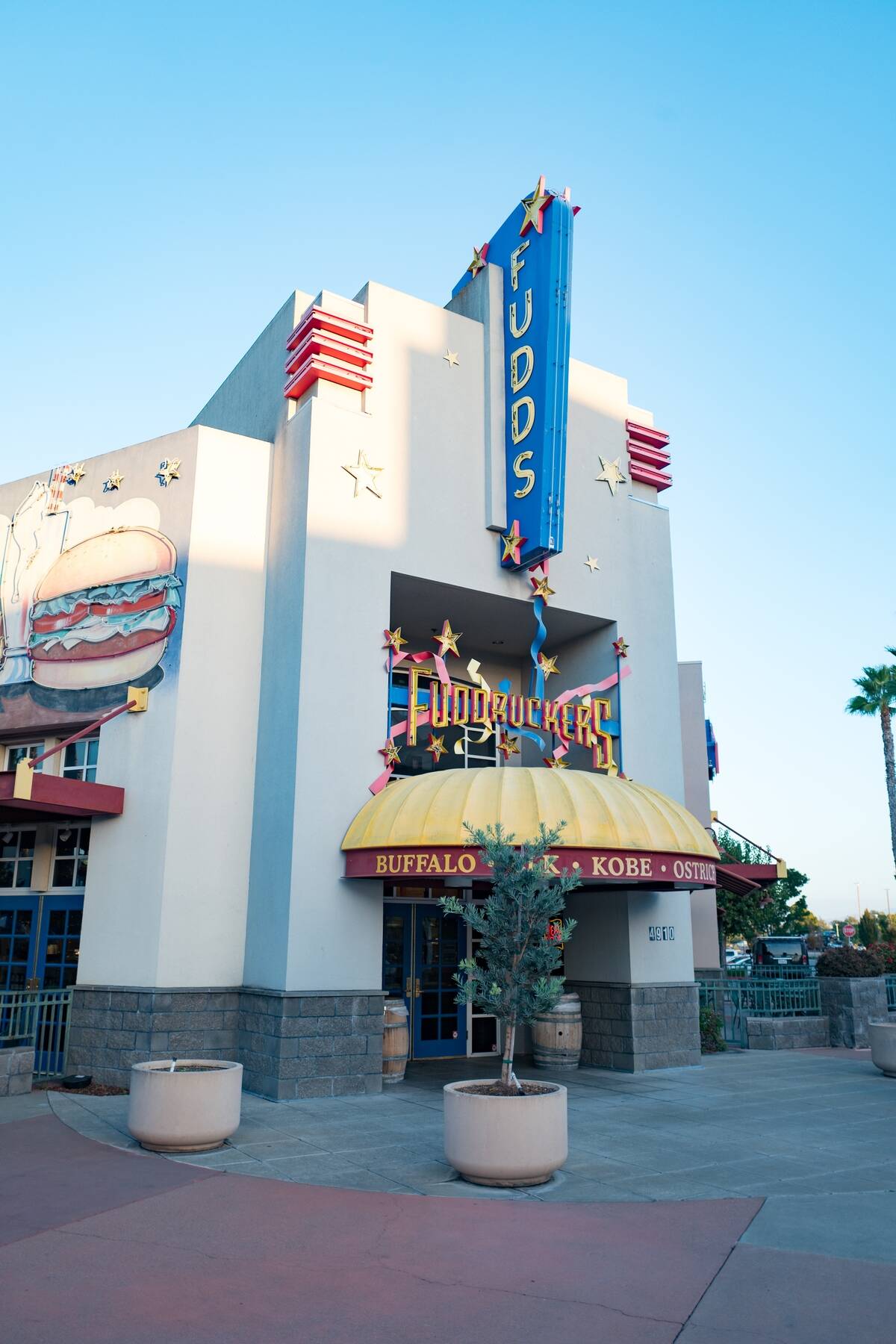
Fuddruckers was known for its build-your-own burger concept, offering made-to-order burgers, fresh toppings, and a distinctive dining experience. Founded in 1979, the chain expanded rapidly, reaching about 150 locations by 1988 and eventually surpassing 200 restaurants. However, ownership changes, financial difficulties, increasing competition, and changing dining habits contributed to a long-term decline.
Fuddruckers continues to operate today under new ownership, with a much smaller network of restaurants and an emphasis on its signature burgers, fresh-baked buns, and Build Your Own toppings bar. The company is also pursuing further growth through franchising.
Red Barn: The Barn-Themed Chain That Couldn’t Last
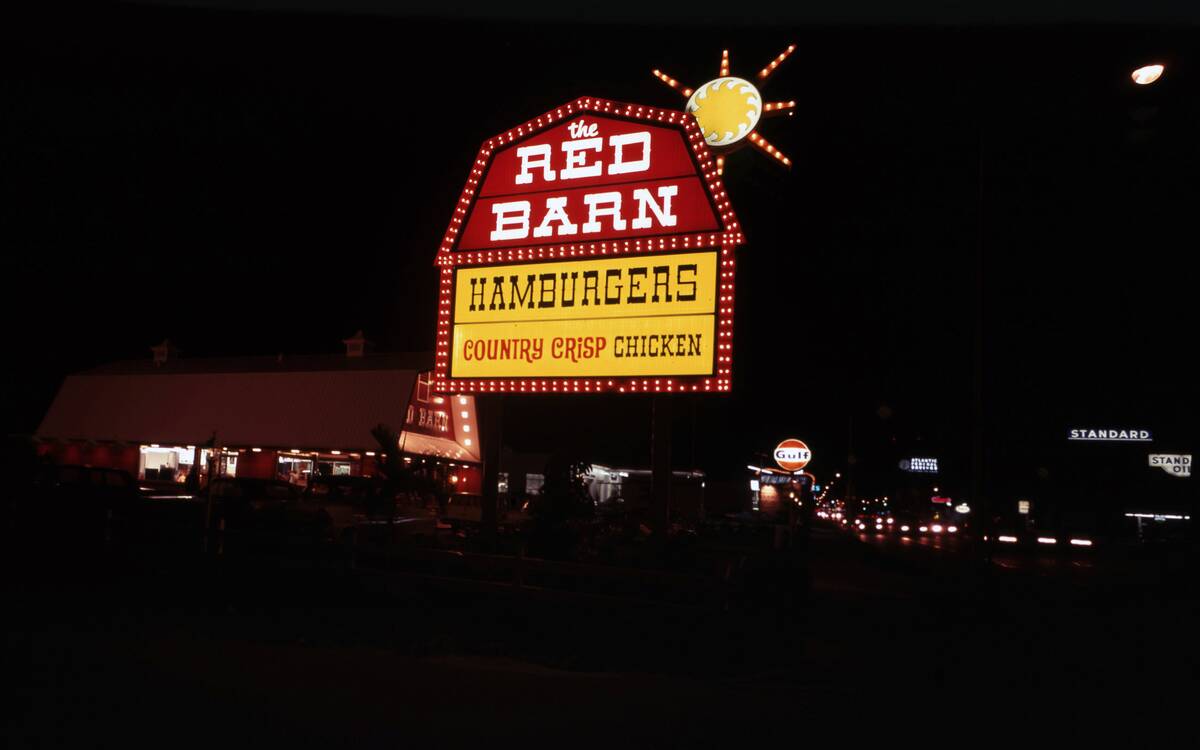
Red Barn was a distinctive fast-food chain known for its barn-themed restaurants and menu of burgers, fried chicken, and fish. Founded in 1961, it expanded rapidly, reaching roughly 300 to 400 locations at its peak across the United States, Canada, and Australia. However, increasing competition from larger chains, multiple ownership changes, and declining corporate investment contributed to its downfall.
After City Investing acquired the chain in 1978, it allowed Red Barn franchise leases to expire rather than continuing to develop the business.
The Uncertain Future of Old Country Buffet
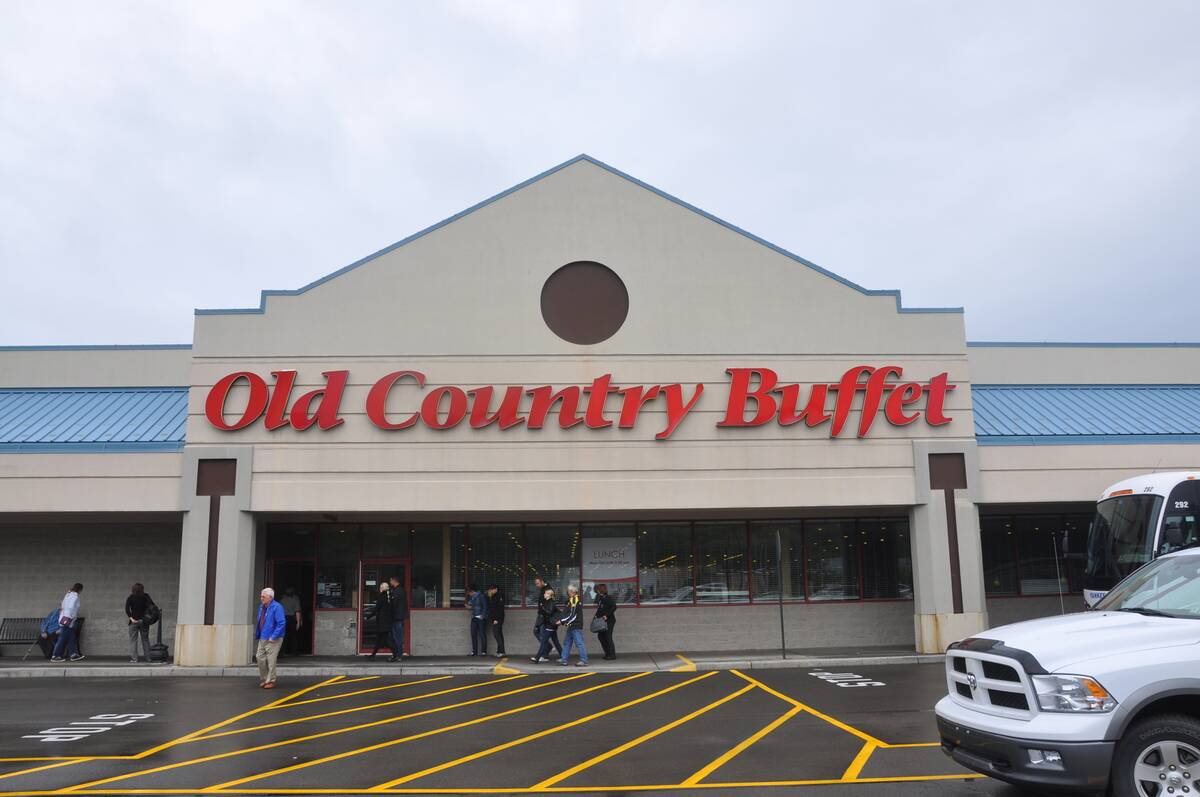
Old Country Buffet offered a homestyle dining experience built around an all-you-can-eat buffet, becoming a popular choice for families seeking variety and value. The chain grew into a major national restaurant brand, with more than 250 locations operating across the United States in the early 2000s.
However, years of financial difficulties, heavy debt, changing dining preferences, and declining interest in buffet-style restaurants led to a prolonged decline. The COVID-19 pandemic accelerated the chain’s collapse, and all remaining Old Country Buffet locations had permanently closed by early 2021.




