The early history of hotels and inns
The history of hotels and inns is a captivating journey through time, reflecting the evolution of travel and society. From humble beginnings to luxurious establishments, these lodgings have played a crucial role in shaping human interaction and commerce.
As we explore this history, we’ll uncover how hospitality has transformed from simple resting places to the diverse and innovative accommodations we see today, offering a glimpse into the cultural and economic shifts that have influenced their development.
Early Beginnings: Hospitality in Ancient Civilizations
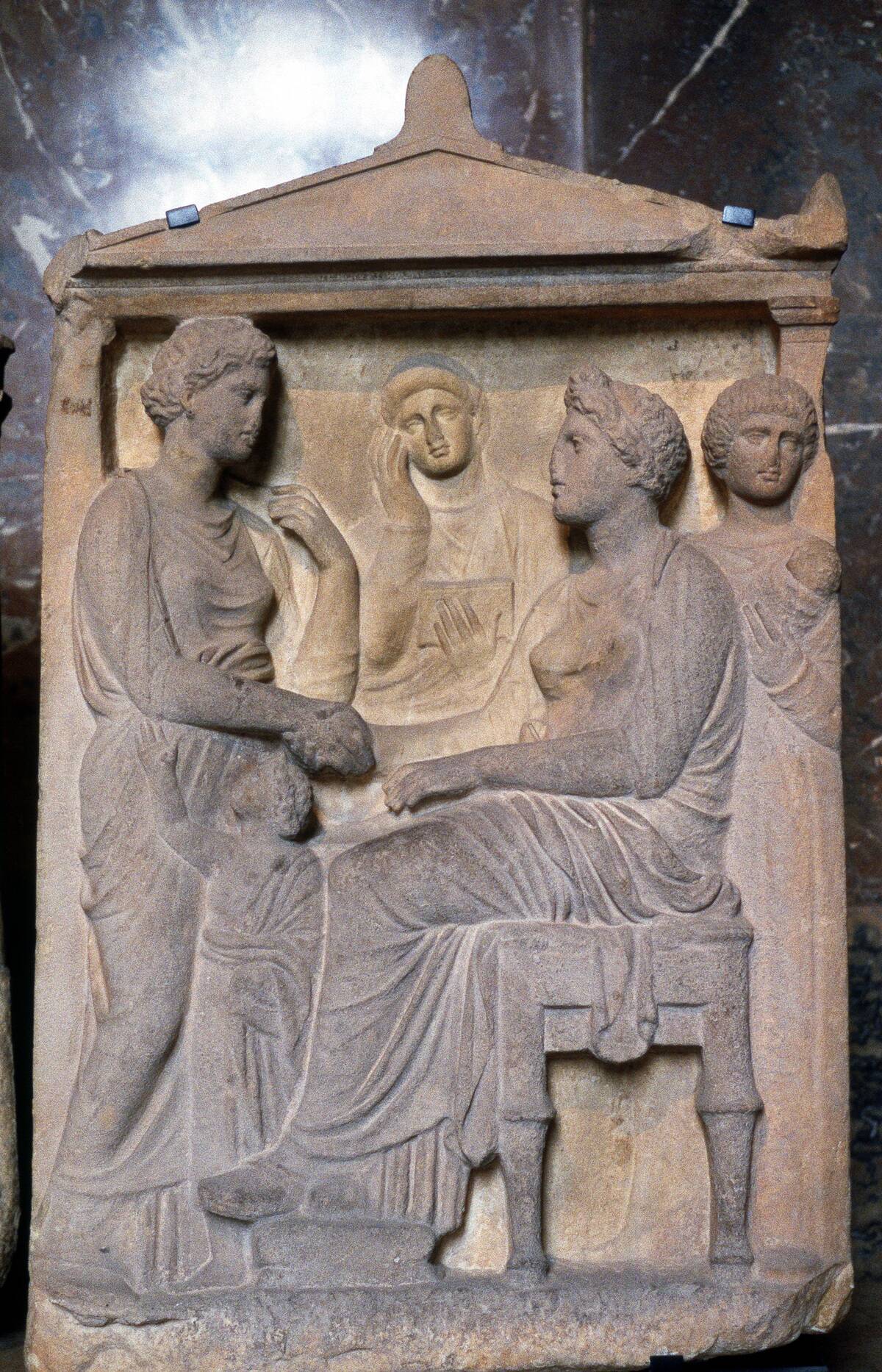
Hospitality has deep roots in ancient civilizations, where welcoming travelers could carry important social, cultural, and religious significance. In ancient Mesopotamia, taverns and other establishments provided food, drink, and sometimes lodging for travelers and local residents, while trade networks created a continuing demand for places to rest.
In Egypt, temples functioned as major religious and economic institutions and could provide accommodation and resources for certain priests, workers, pilgrims, and visitors. These early forms of hospitality developed alongside expanding trade and travel and contributed to the long history of organized lodging.
The Role of Inns in Ancient Greece and Rome
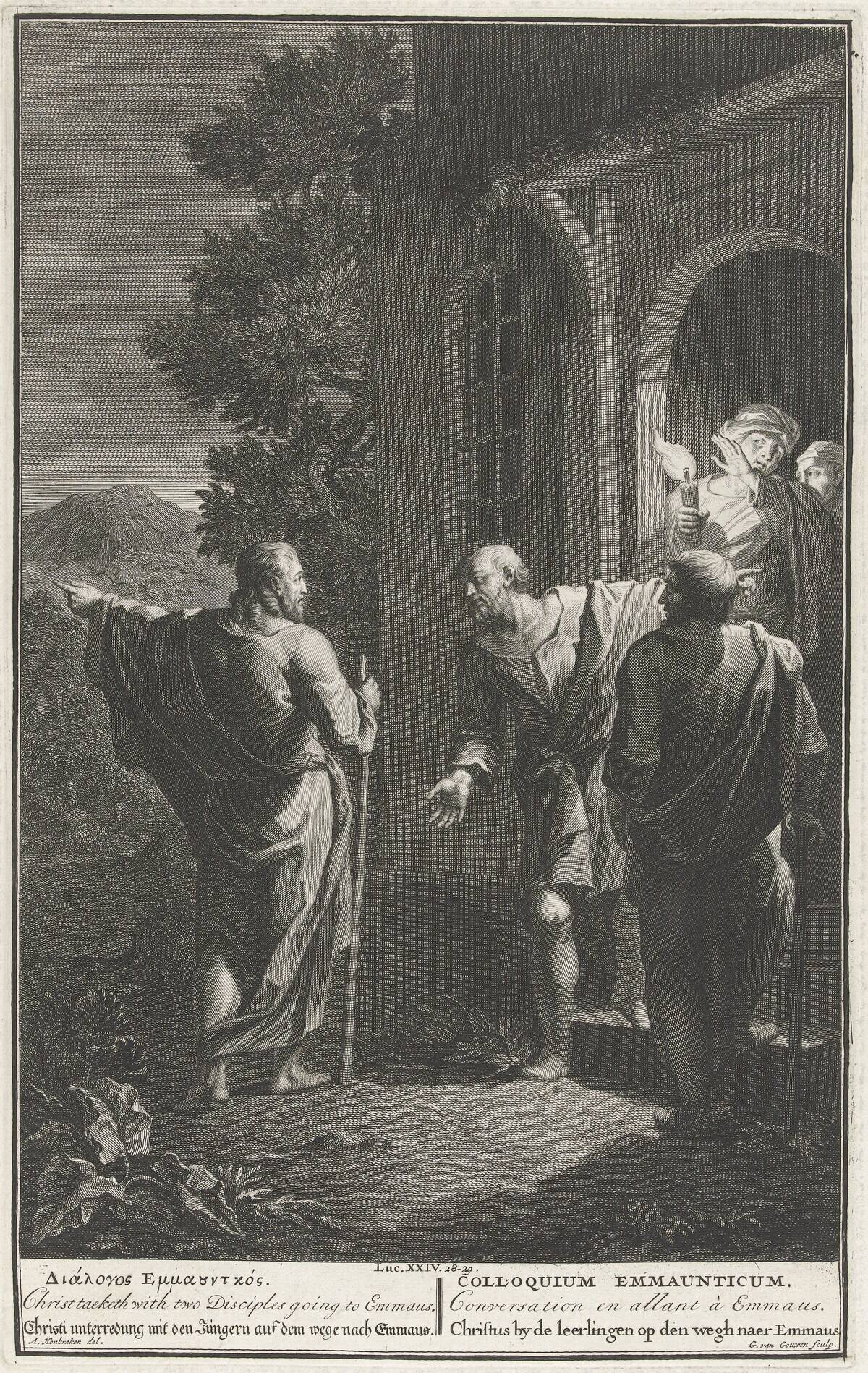
In ancient Greece and Rome, various lodging establishments provided accommodation and food for travelers. In Greece, pandocheia were inns that could accommodate travelers, including merchants and visitors to religious centers, while other travelers stayed with private hosts or religious institutions.
In Rome, cauponae were commercial establishments that offered food and drink and sometimes lodging, although Roman society also had other forms of accommodation. Some Roman literary sources gave inns and taverns an unsavory reputation, associating them with drinking and other activities.
Medieval Times: The Rise of Monasteries and Guesthouses
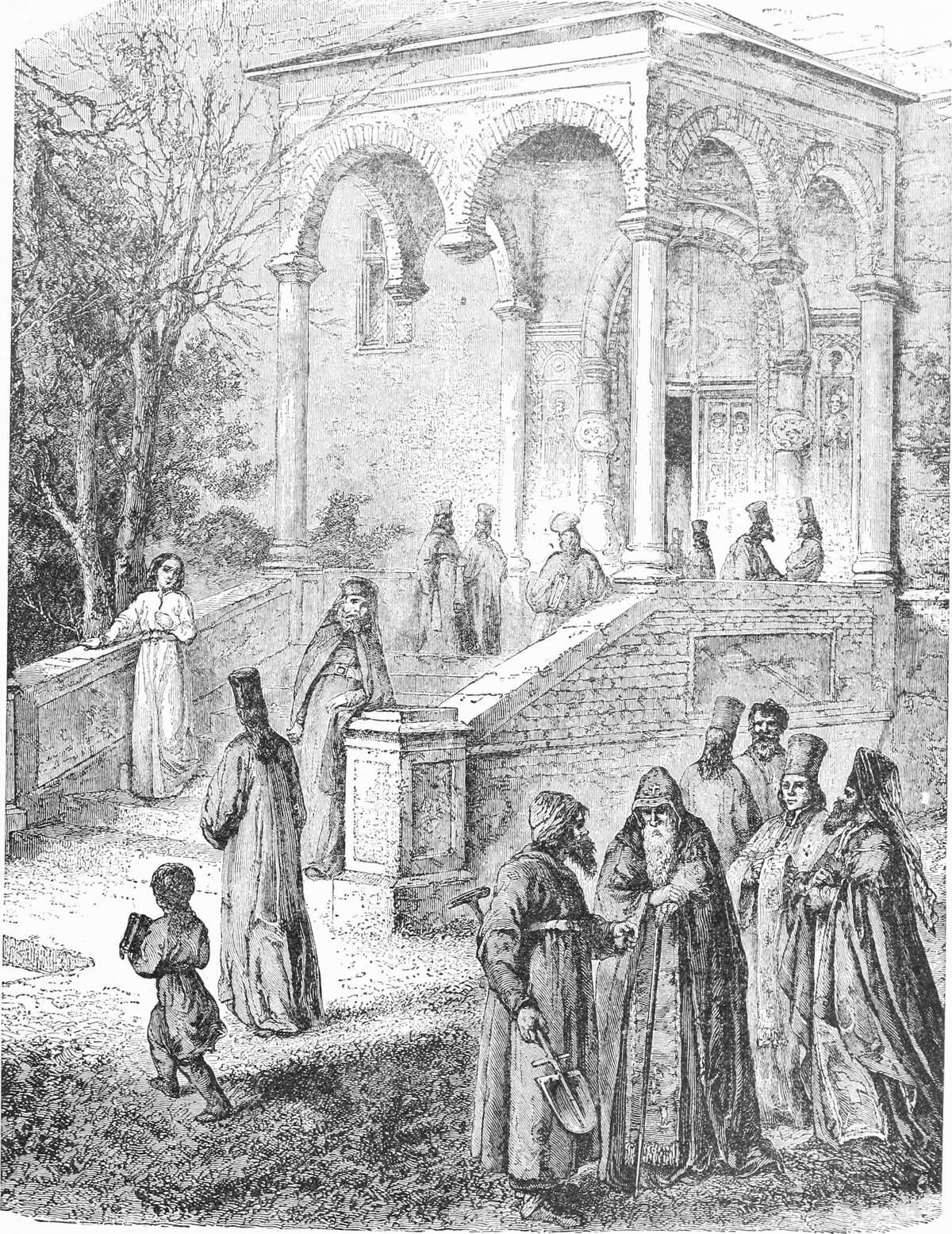
During the medieval period, monasteries and other religious institutions played an important role in providing hospitality to pilgrims, travelers, and people in need. Monks often offered shelter, food, and basic assistance to visitors, reflecting the Christian emphasis on charity and hospitality.
Monastic guesthouses were particularly important along major pilgrimage routes, where they provided travelers with places to rest and, in some cases, opportunities for religious services and spiritual support. However, monasteries were not the only source of accommodation, as inns, private households, and other secular establishments also served travelers.
The Evolution of Inns During the Middle Ages
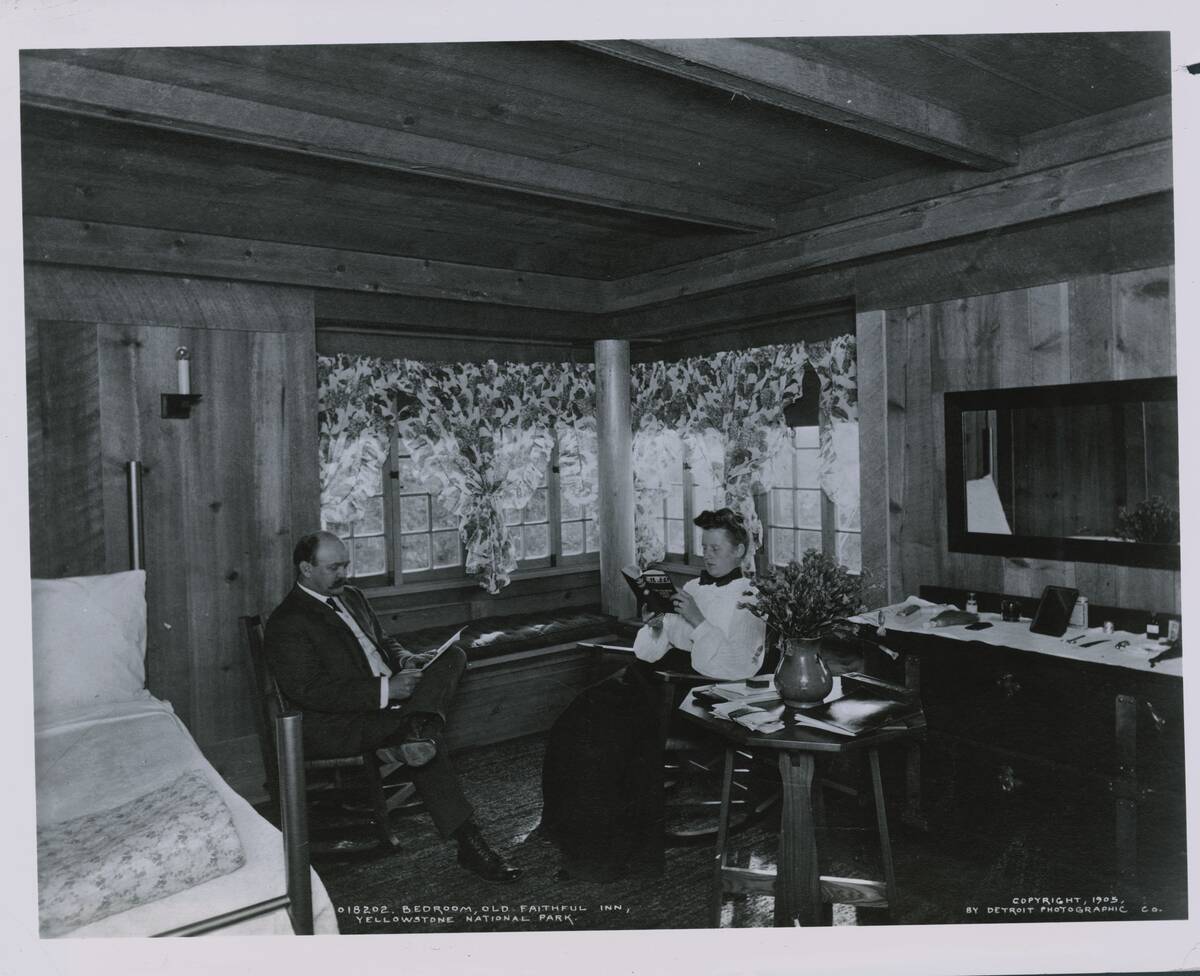
As the Middle Ages progressed, inns began to evolve, becoming more structured and widespread. They were often located along major trade routes and in bustling towns, catering to merchants, pilgrims, and other travelers.
These inns provided basic amenities such as food, drink, and stabling for horses. The growth of inns during this period reflects the increasing movement of people and goods, highlighting the interconnectedness of medieval society and the growing demand for reliable lodging.
Pilgrimages and the Growth of Hospitality Services
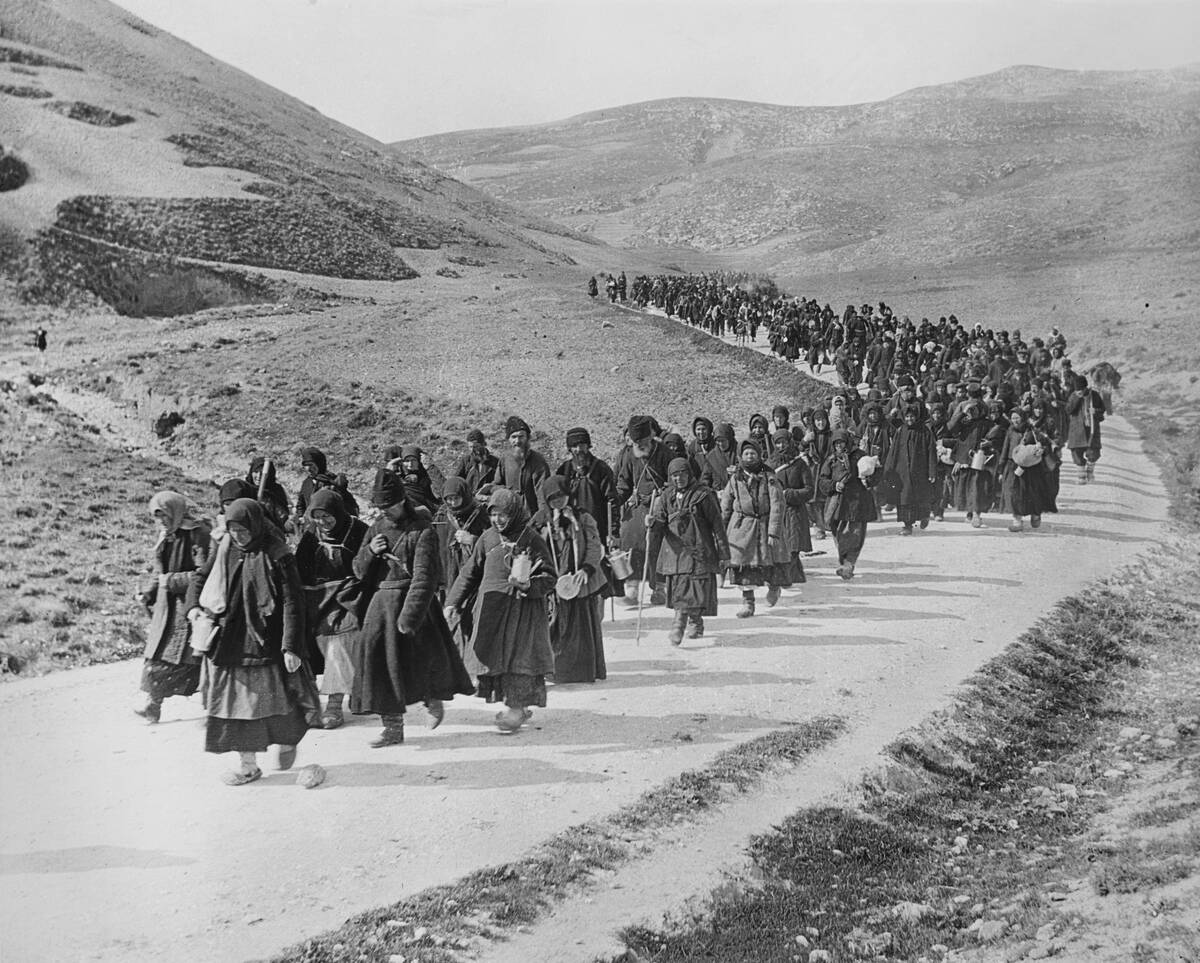
Pilgrimages played an important role in the development of hospitality during the Middle Ages. As increasing numbers of people traveled to religious destinations, demand grew for places where pilgrims could sleep, eat, receive medical care, and tend to their animals. This encouraged the development of inns, hospitals, monasteries, and other forms of accommodation along major pilgrimage routes, including the Camino de Santiago.
These establishments provided assistance to travelers, although the quality and security of accommodation varied considerably. Together with expanding trade and other forms of travel, pilgrimage contributed to the gradual development of more organized lodging services in medieval Europe.
The Birth of Coaching Inns in the 16th Century
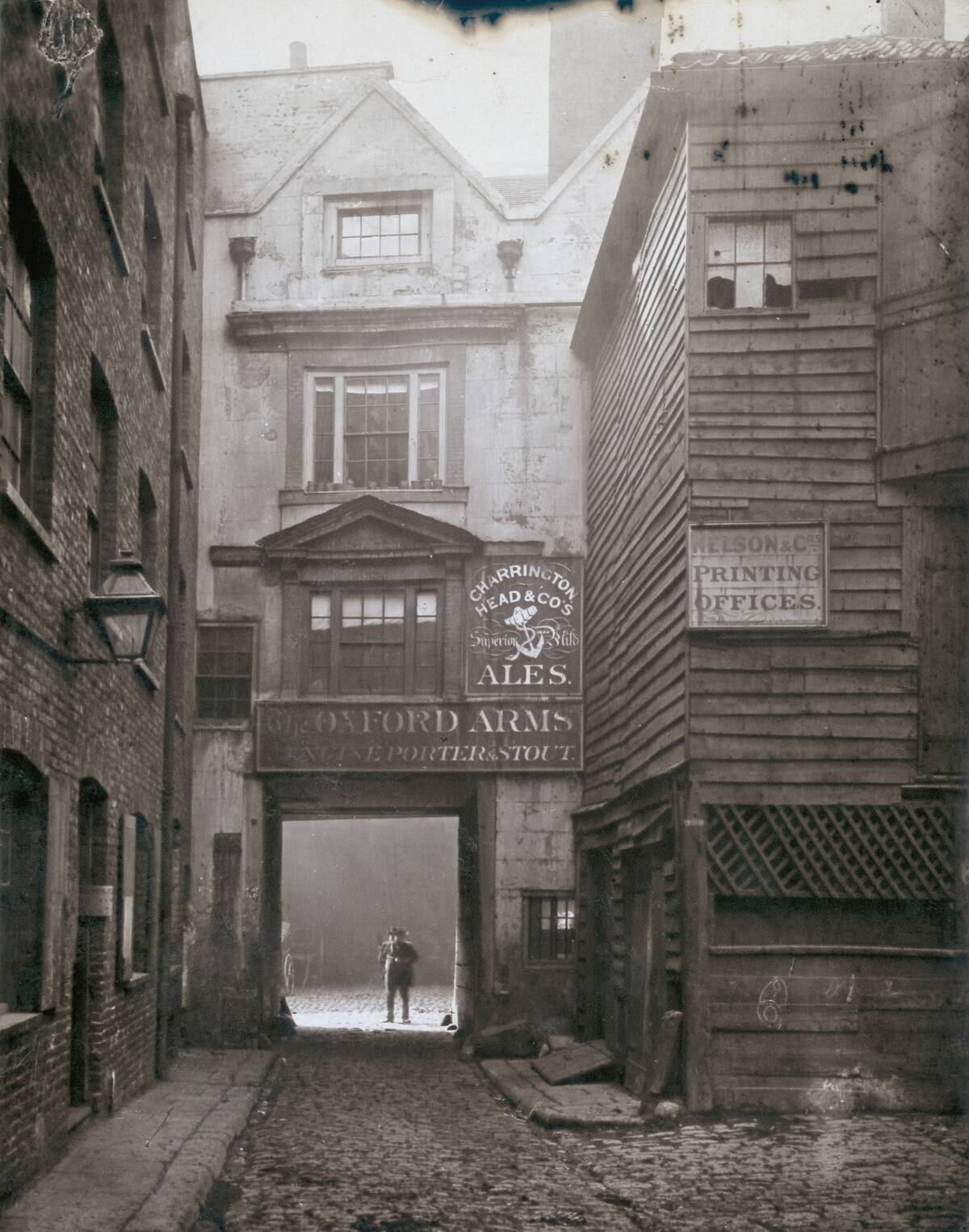
From the late 16th century onward, coaching inns began to develop alongside the expansion of long-distance carriage and stagecoach travel, becoming especially widespread during the 17th and 18th centuries. Located along major roads, these inns provided food, drink, lodging, stabling, and fresh horses for travelers.
They also served as social gathering places where passengers, merchants, and local residents could exchange news and information. As stagecoach networks became more organized, with established routes and increasingly regular schedules, coaching inns became an important part of the growing transportation infrastructure of pre-industrial Europe.
The Advent of the Grand Tour and Its Impact on Lodging
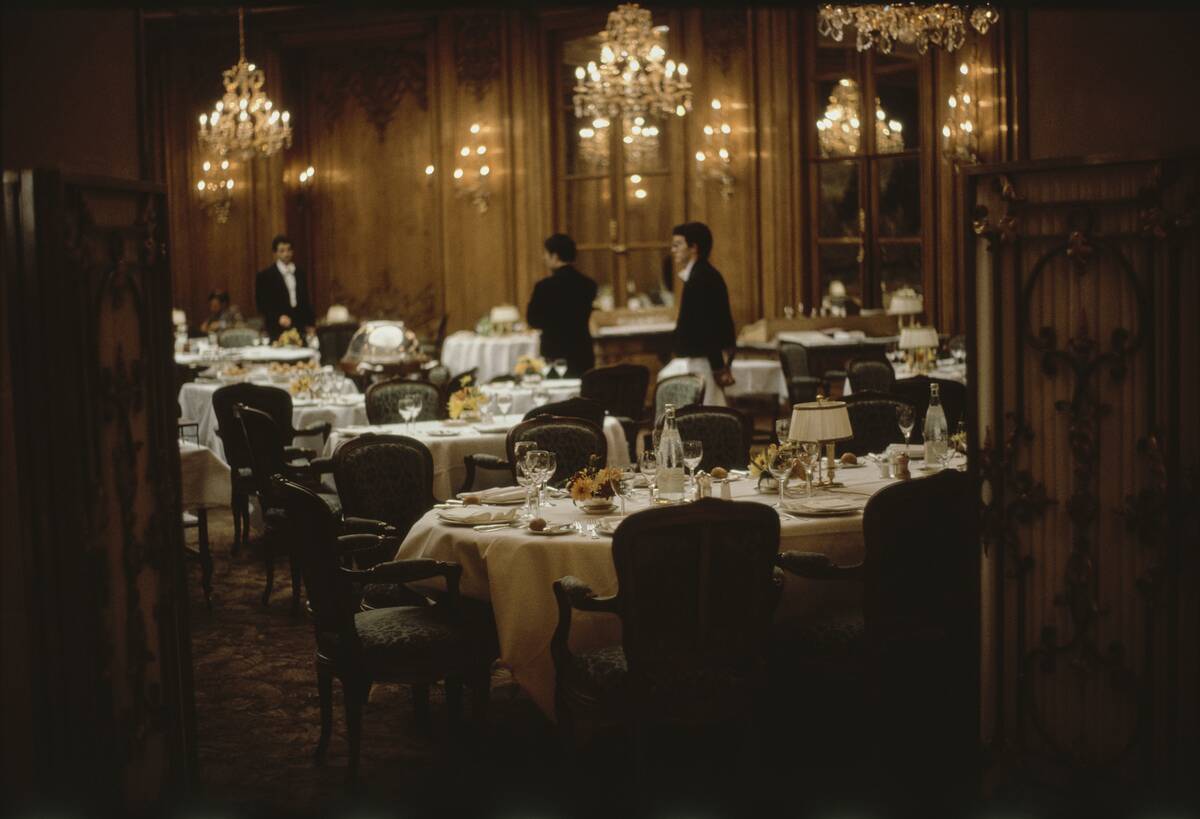
The Grand Tour, which became especially popular among wealthy young Europeans during the 17th and 18th centuries, influenced the development of travel and lodging across Europe. Affluent travelers undertook extended journeys to destinations such as France and Italy, creating demand for comfortable accommodations and higher levels of service.
Inns and lodging houses in major destinations increasingly catered to these travelers, while more upscale establishments gradually emerged. Although luxury accommodation existed before the Grand Tour, the growing popularity of affluent travel contributed to rising expectations for comfort and service.
The Industrial Revolution: A Turning Point for Hotels
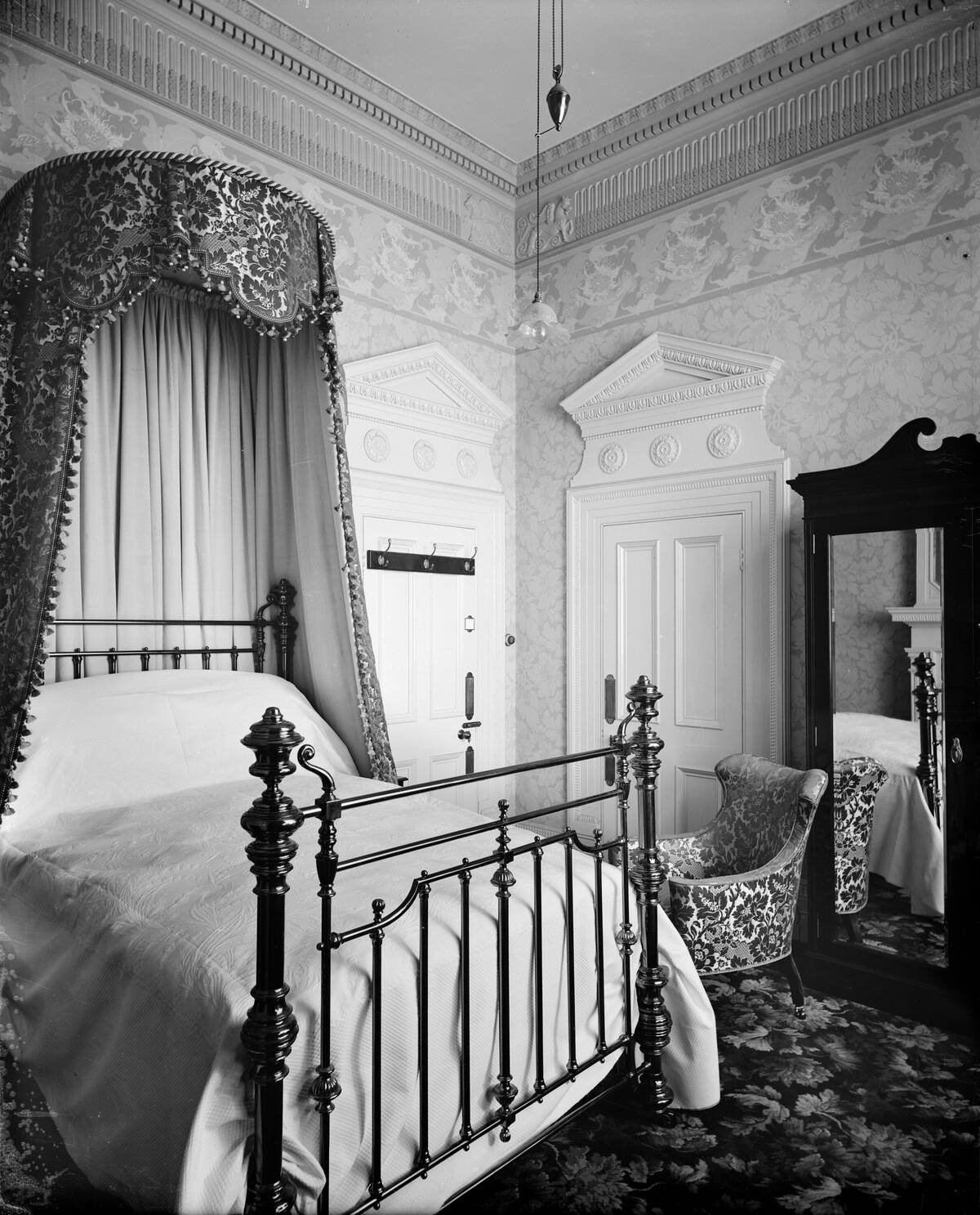
The Industrial Revolution was a major turning point for the hotel industry, as industrialization and new transportation technologies transformed travel during the 19th century. The rapid expansion of railways made long-distance travel faster and more accessible, encouraging the construction of hotels near major stations as well as in growing cities and tourist destinations.
Hotels increasingly adopted amenities such as running water, gas lighting, improved sanitation, and more organized services, particularly in upscale establishments. Although commercial lodging had existed for centuries, the 19th century brought significant expansion and professionalization to the hotel business.
The Emergence of Luxury Hotels in the 19th Century
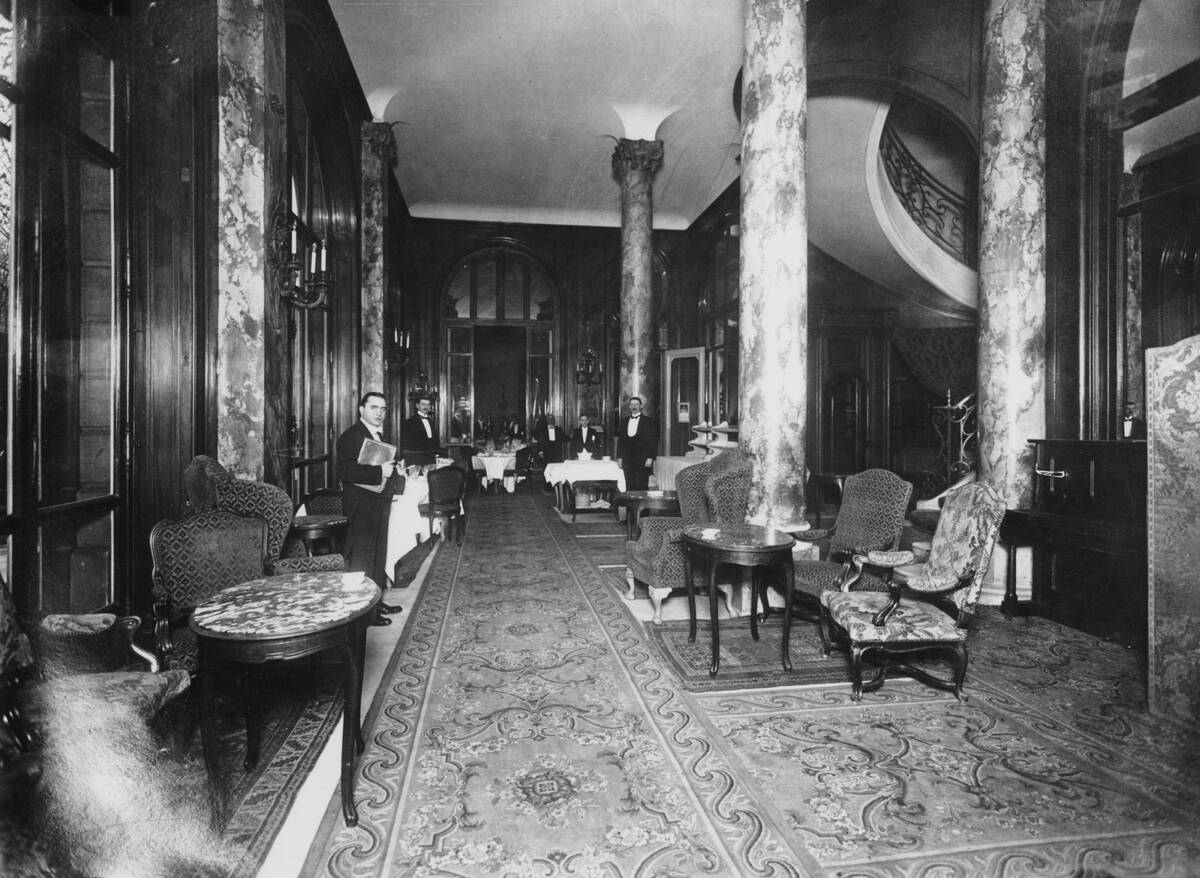
The 19th century saw the rapid expansion of luxury hotels, particularly in major cities and popular travel destinations, as wealthy travelers sought greater comfort and service. Establishments such as The Savoy in London, opened in 1889, and Hôtel Ritz Paris, opened in 1898, became renowned for their luxurious accommodations, sophisticated dining, modern amenities, and attentive service.
Other prestigious hotels also contributed to the development of luxury hospitality during this period. These establishments increasingly became destinations in their own right, while the growth of affluent travelers, improved transportation, and expanding leisure tourism helped drive demand for increasingly sophisticated hotel experiences.
The Influence of Railroads on Hotel Industry Expansion
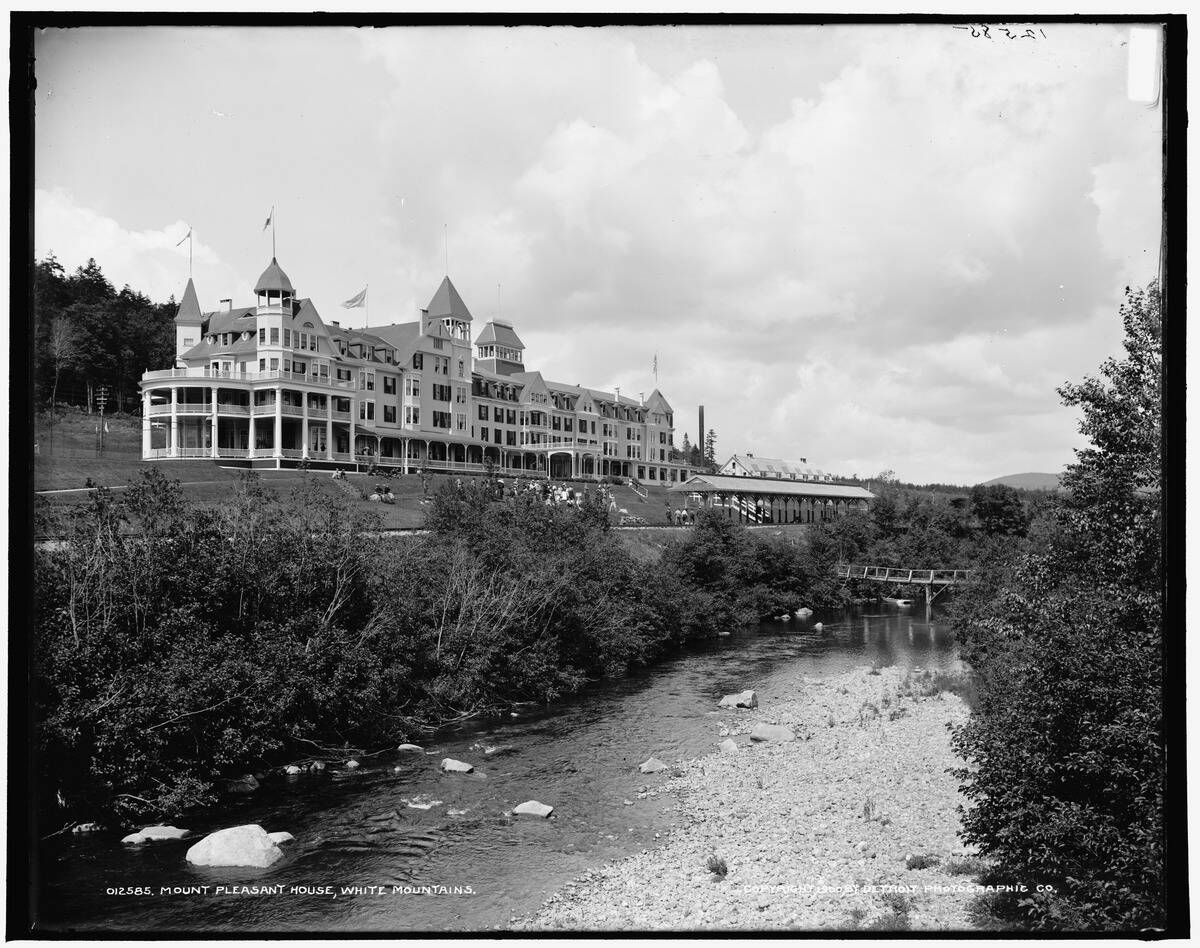
Railroads played a crucial role in the expansion of the hotel industry during the 19th century. As passenger rail travel became more widespread, hotels were built near railway stations, major cities, resorts, and other important destinations to accommodate the growing number of travelers.
Railways made long-distance journeys faster, more reliable, and generally more affordable, helping expand tourism and business travel. Hotels adapted by offering improved accommodations and amenities such as better sanitation, indoor plumbing, dining services, and increasingly modern lighting.
The Role of Hotels in the Development of Tourism
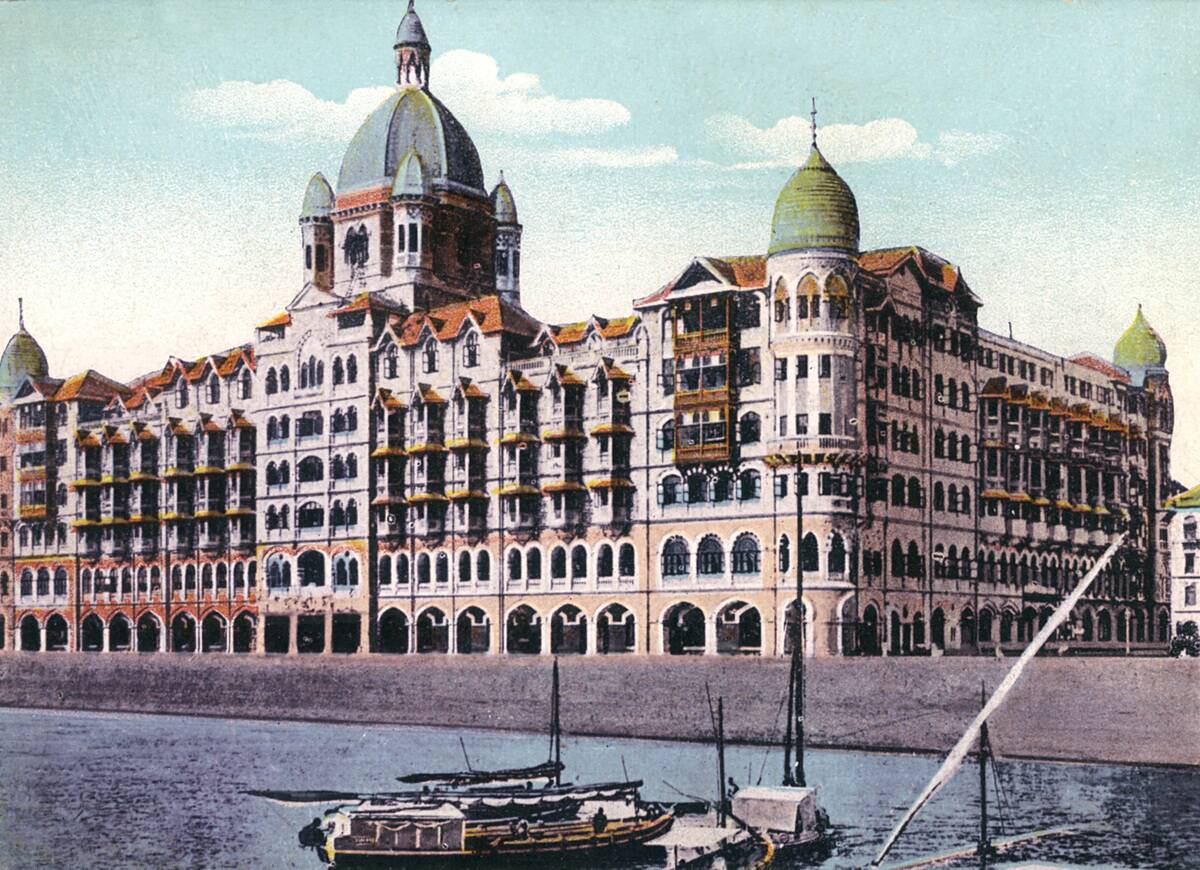
Hotels have played an important role in the development of tourism by providing accommodation and other services that make travel possible and convenient. As tourism expanded, the hotel industry adapted to the changing needs of travelers, offering accommodations that range from budget options to luxury properties and providing increasingly diverse services.
This development helped support the growth of tourism, alongside improvements in transportation, rising incomes, and greater leisure time. Hotels continue to be a major part of the tourism industry, generating employment and economic activity while providing opportunities for visitors to experience destinations and interact with different cultures.
The Transformation of Inns into Modern Bed and Breakfasts

The development of modern bed and breakfasts reflects the long history of small-scale lodging, drawing on traditions associated with inns, guesthouses, and private homes offering accommodation to travelers. B&Bs generally provide overnight lodging and breakfast in a more intimate setting than many larger hotels, often emphasizing personal service and local character.
Many are located in historic buildings, rural areas, or distinctive neighborhoods and may offer guests opportunities to experience local culture and hospitality.
The Impact of Technology on the Hotel Industry

Technology has significantly transformed the hotel industry, changing how reservations are made, services are delivered, and properties are managed. From online booking platforms to smart-room systems, hotels have adopted digital tools to improve convenience and operational efficiency.
Mobile apps can support check-in, digital room keys, service requests, and personalized offers, while data analytics can help hotels understand booking patterns and guest preferences. These technologies can improve efficiency and convenience, although their impact on customer satisfaction depends on how effectively they are implemented.
Unique and Unusual Hotels Around the World
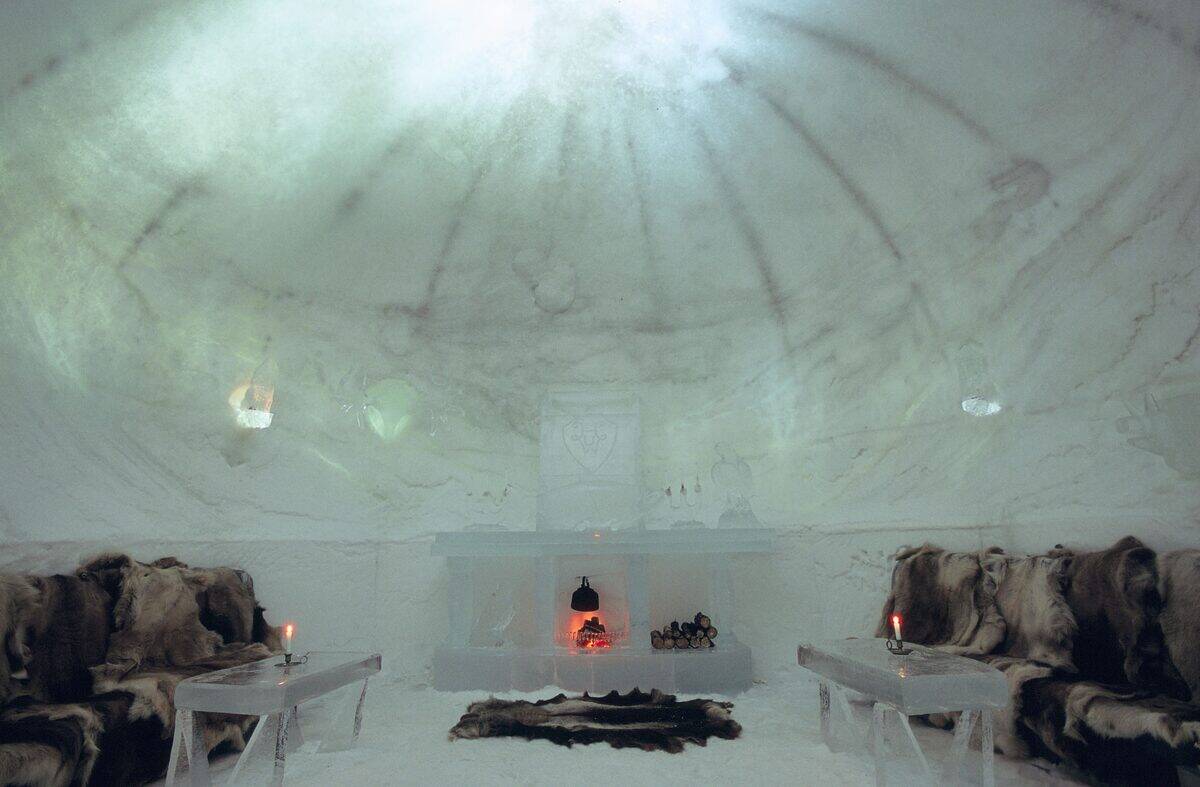
The world is home to a wide variety of unique and unusual accommodations that offer distinctive experiences. From the ice hotels in Sweden, rebuilt from ice and snow each winter, to underwater suites in the Maldives, these properties showcase creative approaches to hotel design.
Treehouse accommodations and converted aircraft also provide alternatives to conventional lodging, appealing to travelers interested in unusual settings and experiences. These distinctive properties demonstrate the diversity of the hospitality industry, where innovative architecture, unique locations, and creative concepts can turn accommodation itself into an important part of the travel experience.




