Things that made homes of the 1990s look expensive
Ah, the 1990s—a decade of grunge music, boy bands, and home décor that was as bold as it was memorable. The era was marked by a unique blend of styles that ranged from the cozy to the extravagant.
Whether you were a fan of floral patterns or sleek, modern finishes, the ’90s had something for everyone.
Floral Sofas and Overstuffed Furniture
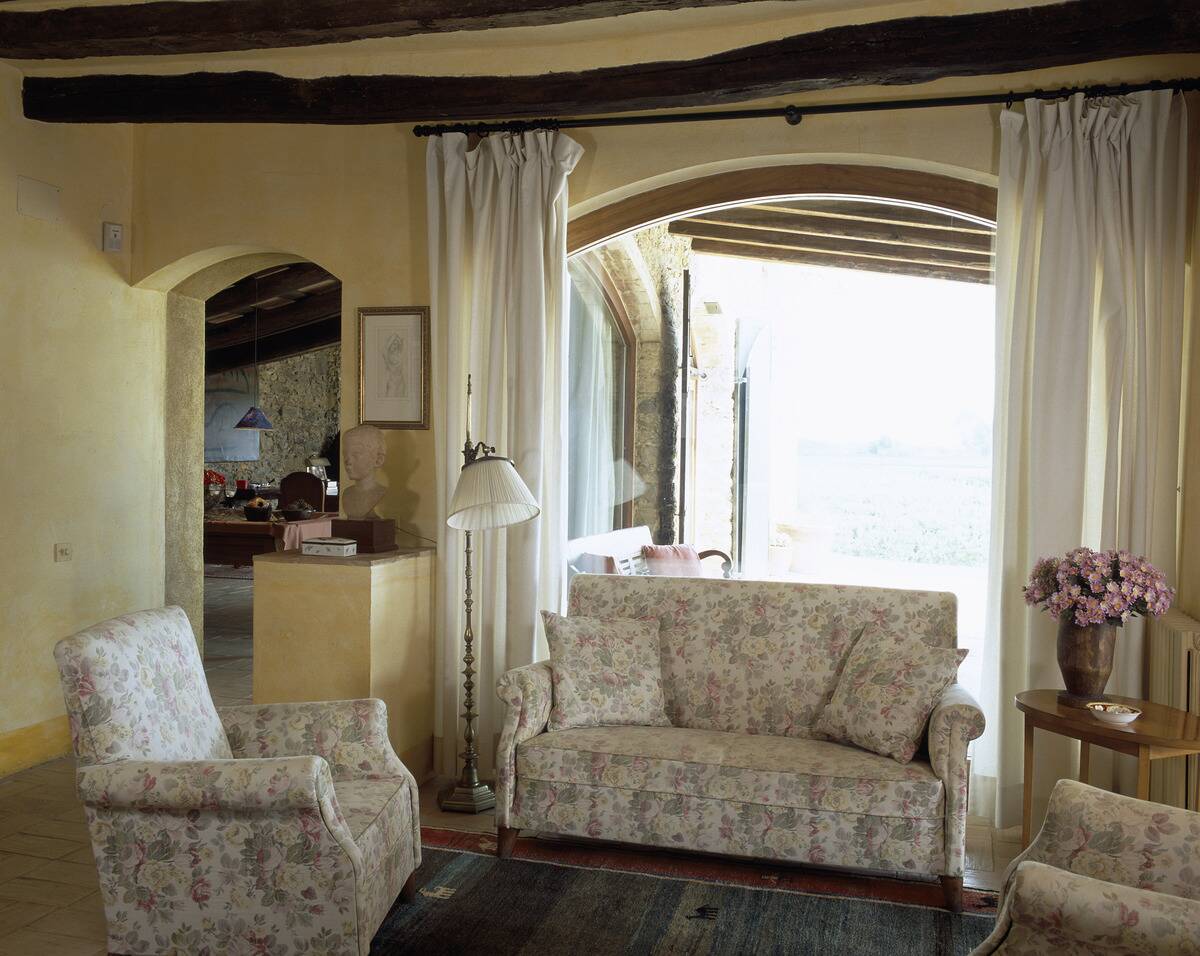
Floral sofas were the epitome of ’90s comfort, often found in living rooms across the country. These pieces were not just furniture; they were statement pieces that invited you to sit back and relax.
Overstuffed furniture was another hallmark of the era, offering plush seating that made any home feel like a sanctuary. The combination of floral patterns and oversized cushions created a welcoming atmosphere that was hard to resist.
Wallpaper Borders and Stencils
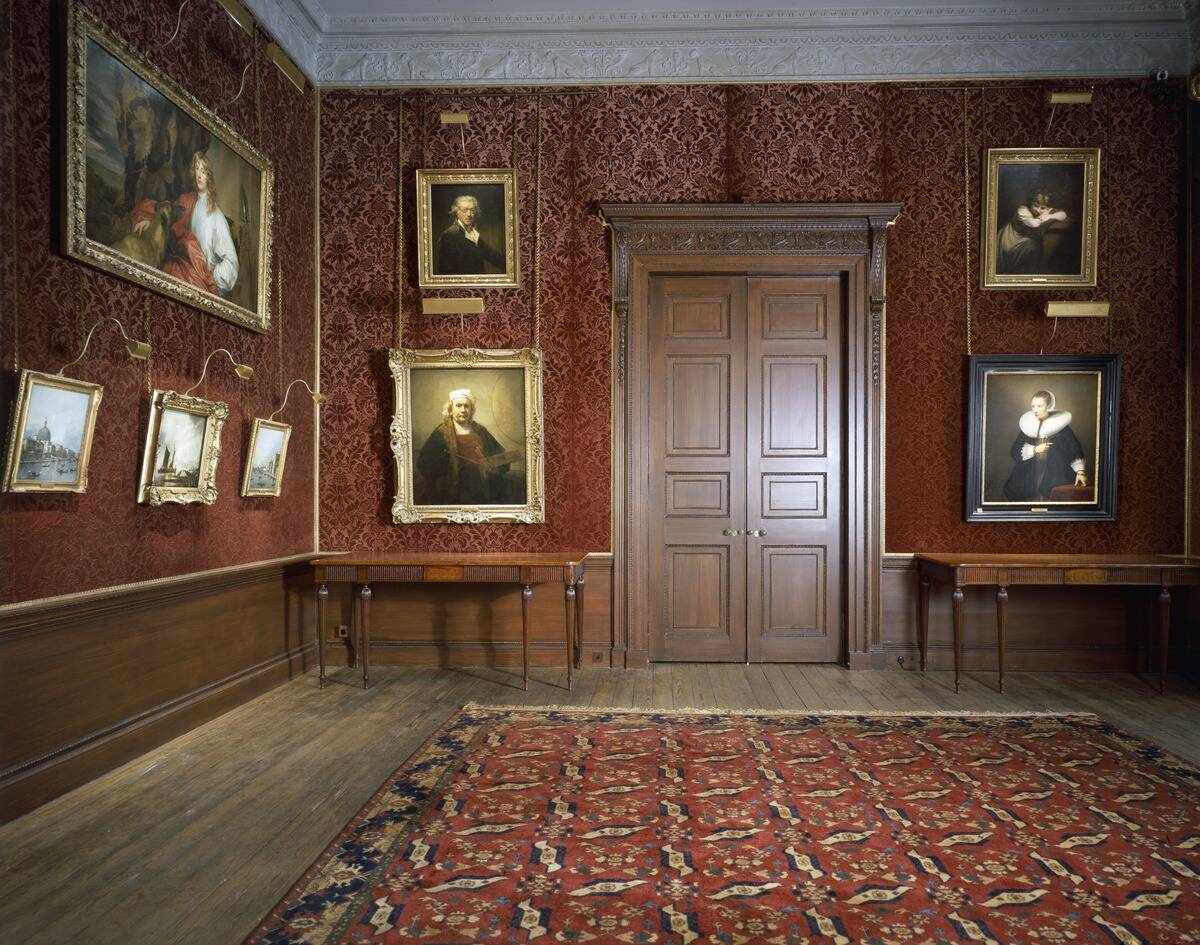
Wallpaper borders were a simple yet effective way to add character to a room. Often featuring floral or geometric patterns, these borders were a popular choice for adding a decorative touch to walls.
Stencils offered another creative outlet, allowing homeowners to personalize their space with unique designs. Both options provided an easy way to refresh a room without committing to a full wallpaper makeover.
Glass Block Walls
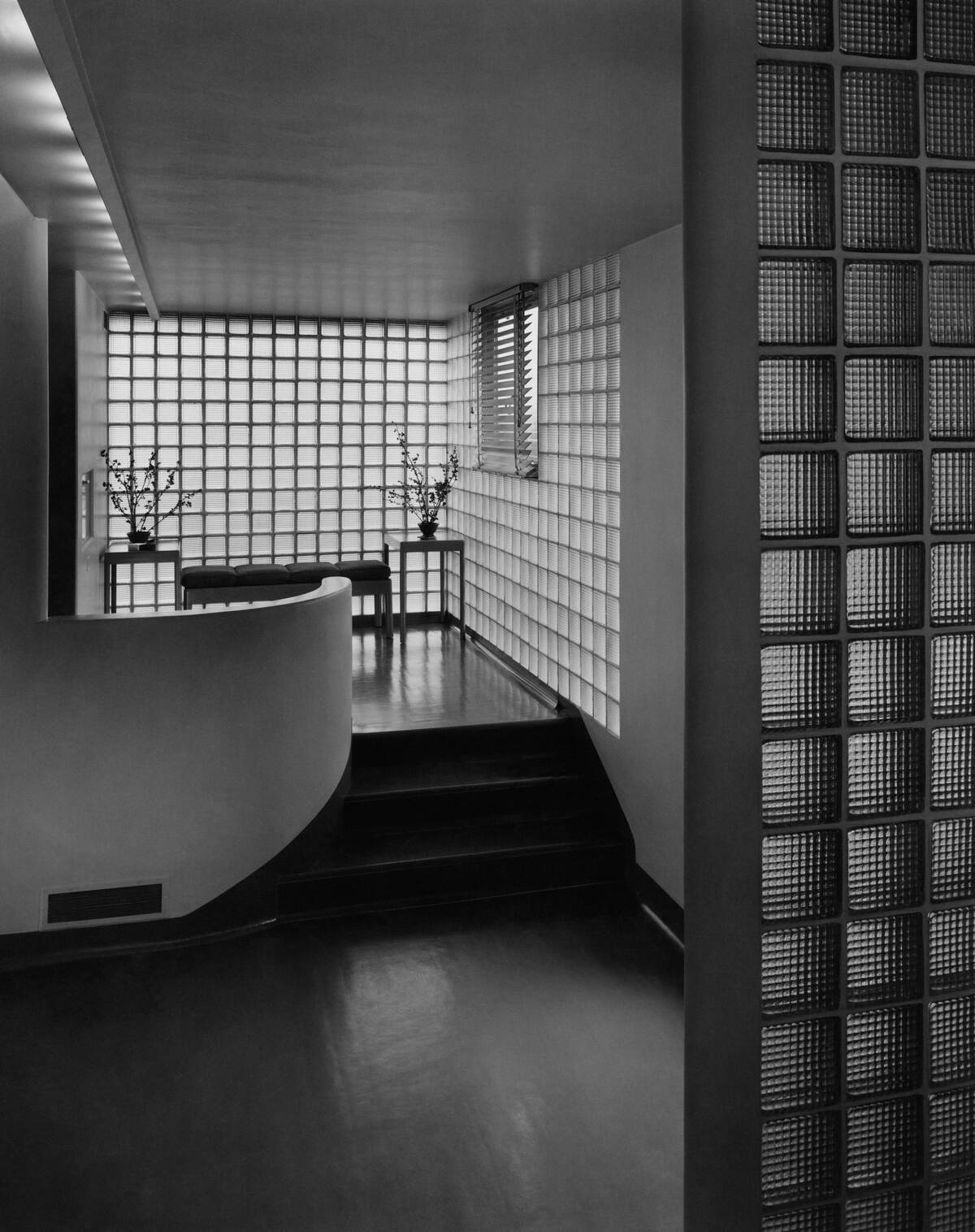
Glass block walls were a sophisticated addition to many ’90s homes, offering both privacy and light. These walls were often used to divide spaces without making them feel closed off, allowing natural light to flow freely.
The blocks themselves came in various textures and patterns, adding an artistic element to any room. This trend was particularly popular in bathrooms and entryways, where both style and function were essential.
The Luxury of Wall-to-Wall Carpeting
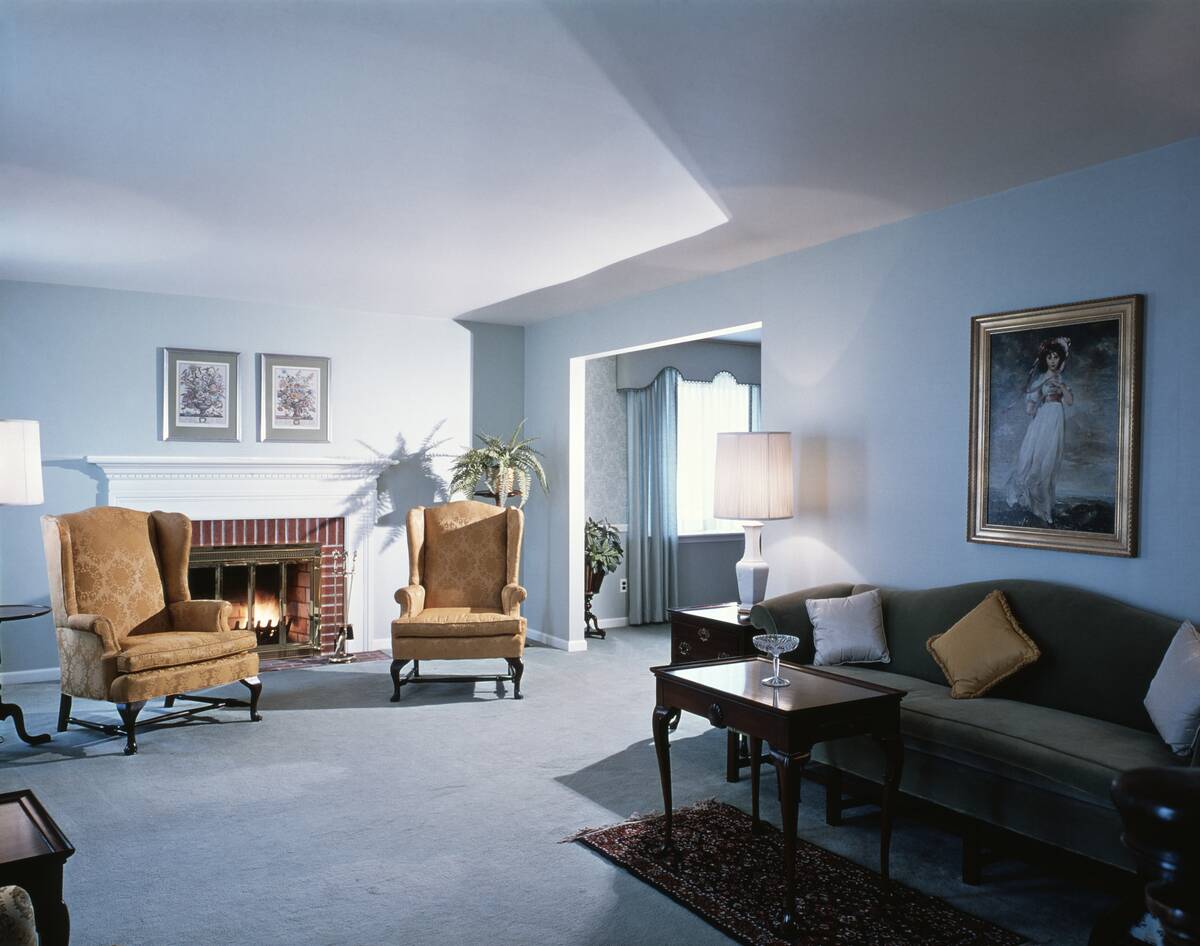
Wall-to-wall carpeting was synonymous with luxury in the ’90s, providing a plush, comfortable surface underfoot. Available in a variety of colors and textures, it was a versatile choice that could suit any design aesthetic.
Carpeting also offered practical benefits, such as sound insulation and warmth, making it a popular choice for bedrooms and living areas. This trend was all about creating a cozy, inviting atmosphere in the home.
Oak Cabinets and Wood Paneling
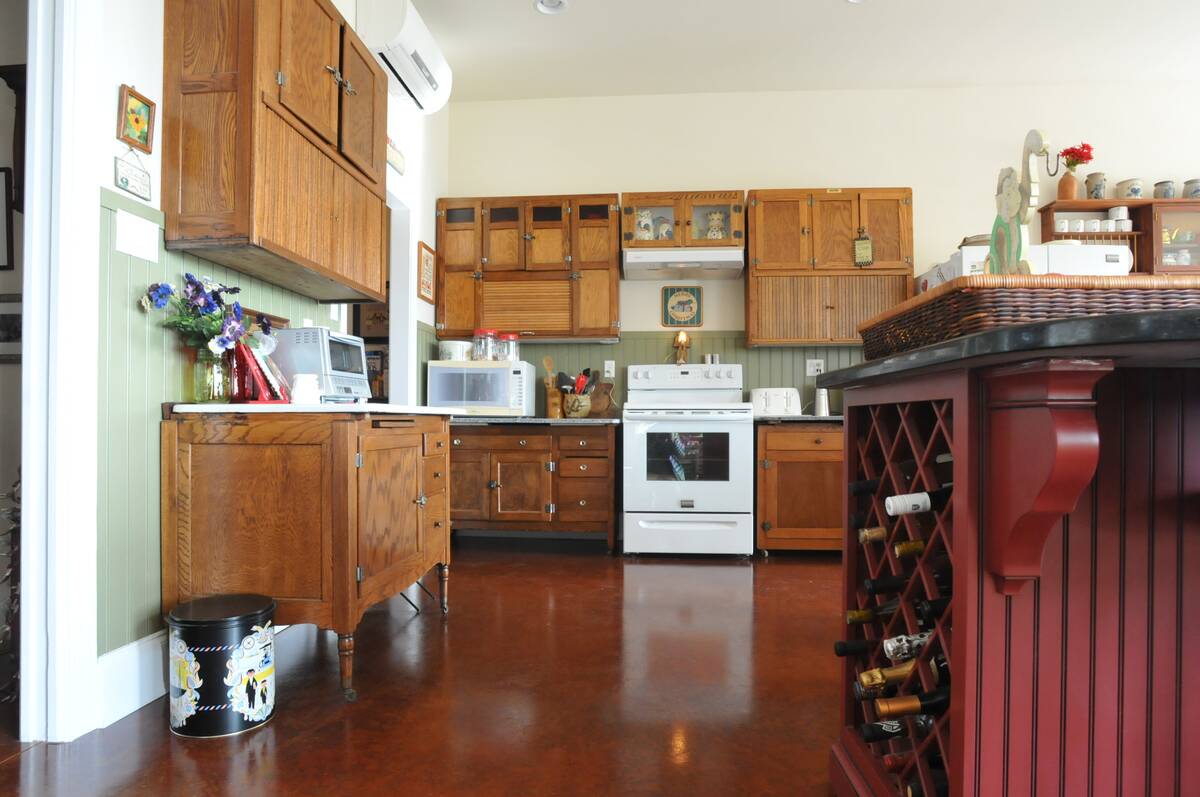
Oak cabinets were a staple in ’90s kitchens, known for their durability and timeless appeal. The rich, warm tones of oak complemented a variety of color schemes, making it a versatile choice for homeowners.
Wood paneling, often seen in dens and basements, added a rustic charm to interiors. While some may consider it dated today, in the ’90s, wood paneling was a symbol of prestige and craftsmanship.
Mirrored Walls and Ceilings
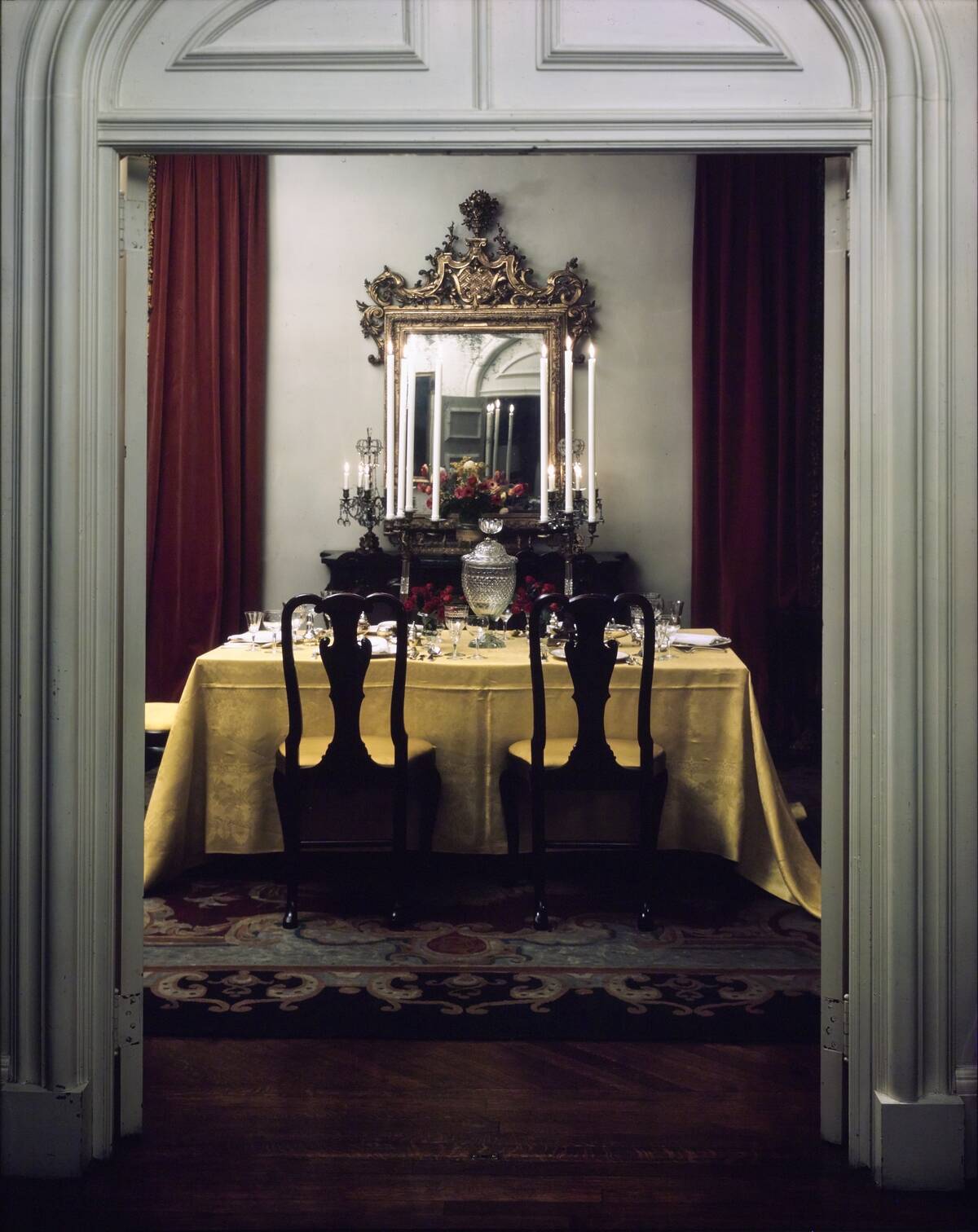
Mirrored walls and ceilings added a touch of glamour to ’90s interiors, creating an illusion of space and light. These reflective surfaces were often used in dining rooms and entryways to make spaces feel larger and more open.
While some might consider them a bit over-the-top today, in the ’90s, mirrored walls were a chic way to add a touch of luxury to any home.
Granite Countertops
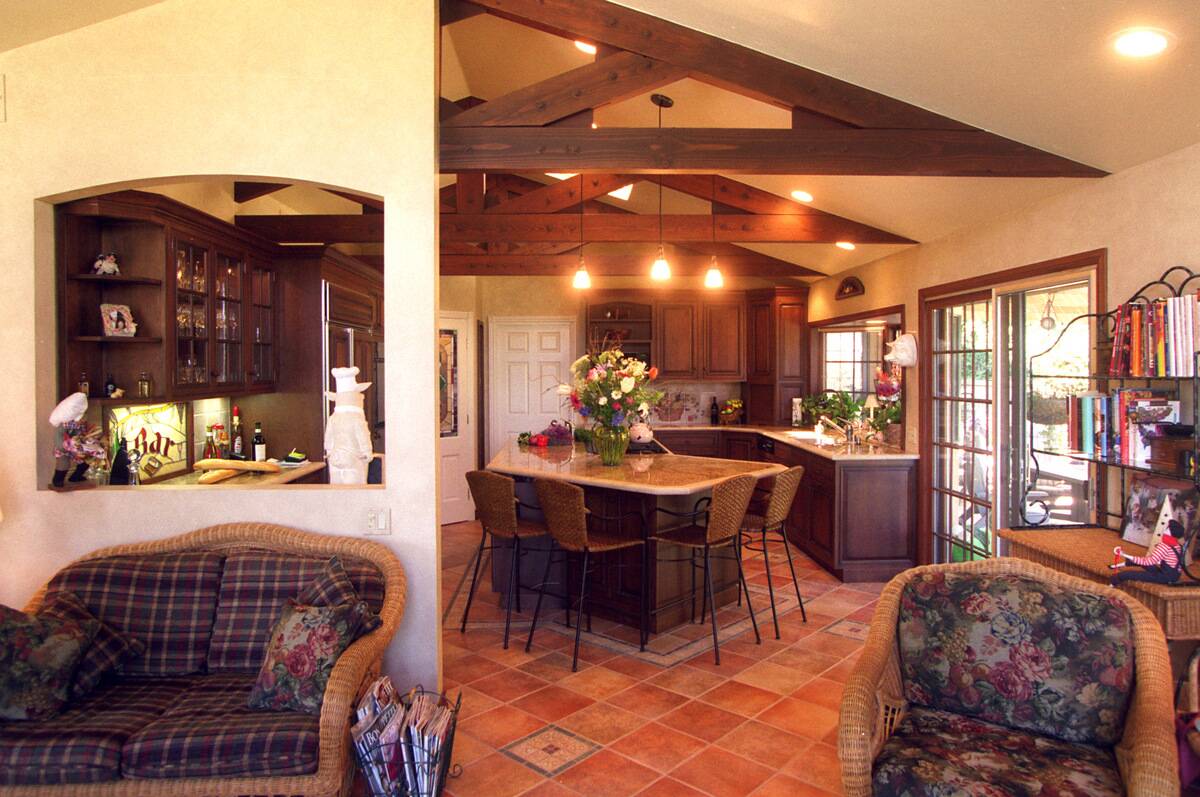
Granite countertops were the epitome of opulence in ’90s kitchens, offering a durable and luxurious surface for cooking and entertaining. Known for their natural beauty and unique patterns, granite countertops were a sought-after feature in any high-end kitchen remodel.
While they required some maintenance, their durability and timeless appeal still make them a worthwhile investment for many homeowners.
Built-in Wet Bars
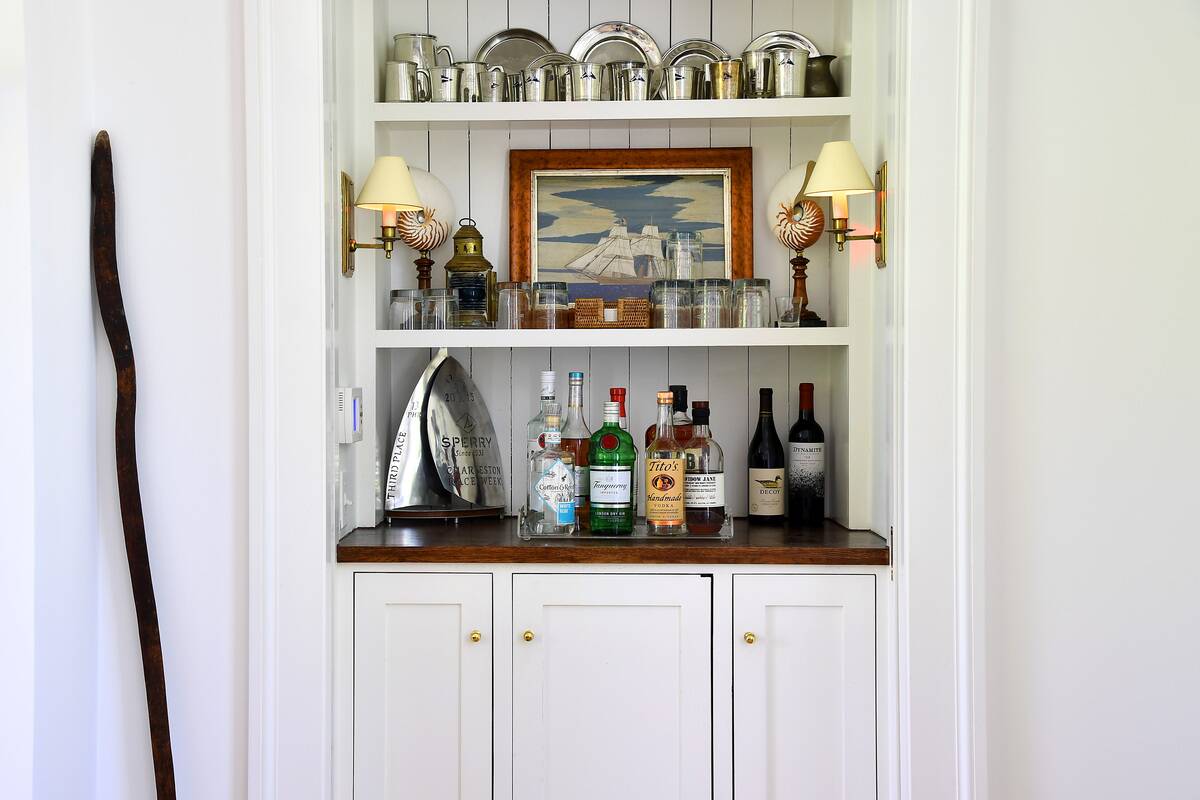
Built-in wet bars were a novel addition to many ’90s homes, providing a dedicated space for entertaining guests. These bars often featured a small sink, countertop, and storage for glassware and spirits, making it easy to serve drinks without leaving the room.
Whether located in the living room or basement, a wet bar was a symbol of hospitality and sophistication, perfect for hosting parties and gatherings.
Ceiling Fans with Brass Accents
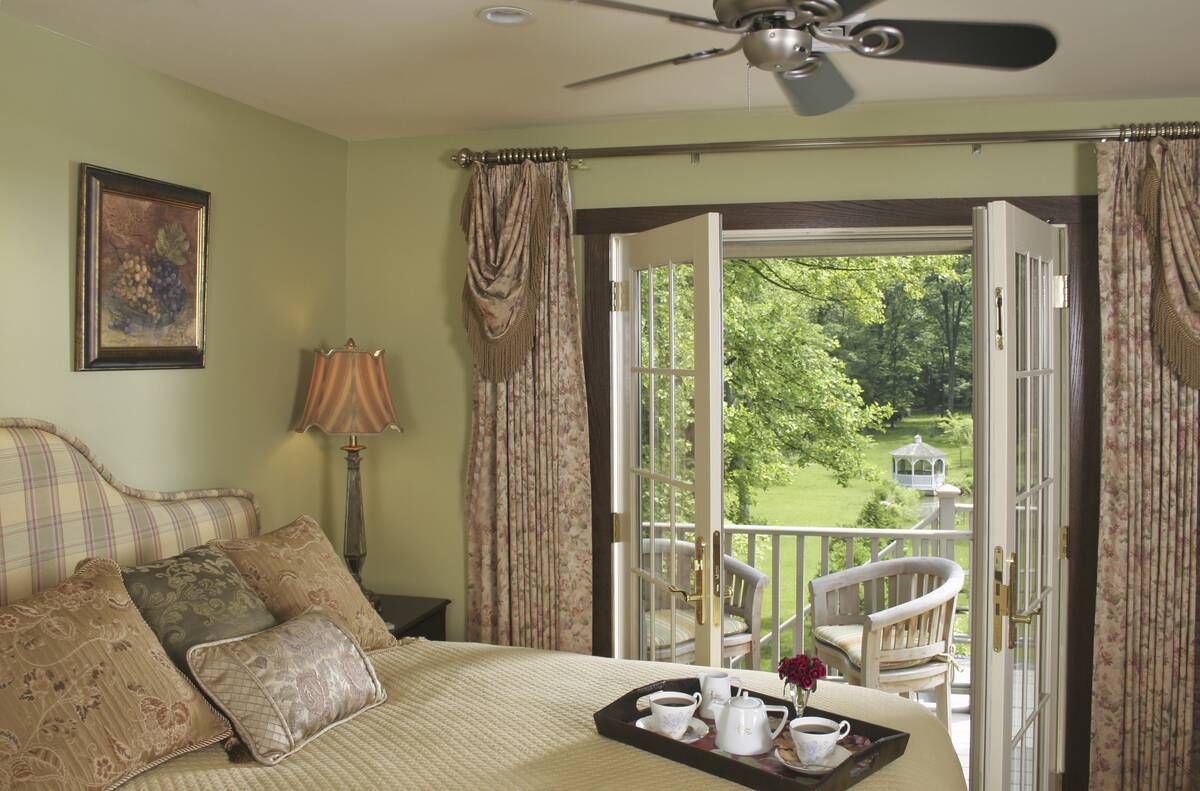
Ceiling fans with brass accents were a statement piece in ’90s home décor, combining functionality with style. These fans were not only practical for keeping rooms cool but also added a touch of elegance with their gleaming brass details.
Available in a variety of designs, they could complement any room, from the living room to the bedroom, making them a popular choice for homeowners looking to enhance their space.
Arched Windows and Doorways
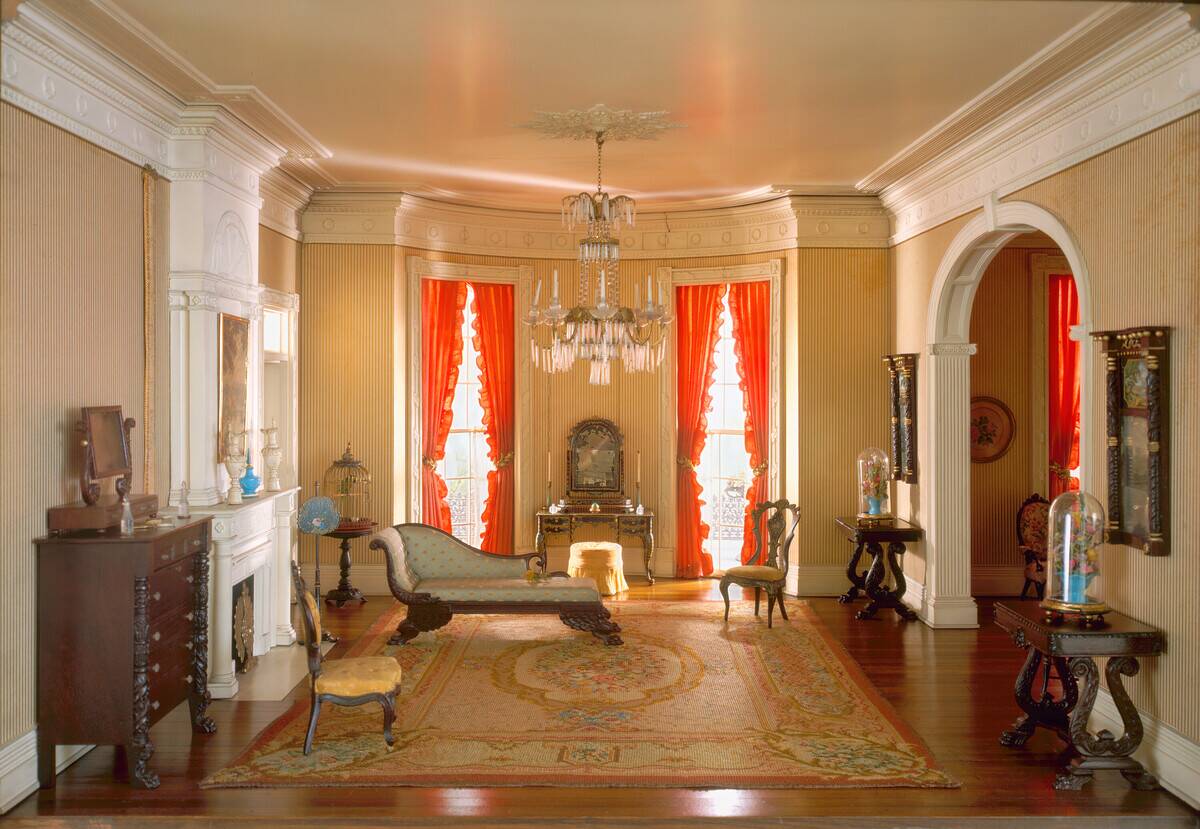
Arched windows and doorways were an iconic feature of ’90s architecture, adding a touch of elegance and grandeur to any home. These architectural elements created a sense of openness and flow, allowing natural light to flood into rooms.
Often seen in living rooms and entryways, arched designs were a nod to classical architecture, providing a timeless aesthetic that continues to be appreciated today.




