The world’s first museums and their collections
Museums today are treasure troves of knowledge, but their origins are just as intriguing. The concept of a museum has evolved significantly over the centuries, beginning as private collections of the wealthy.
These collections were often displayed in grand homes, showcasing the owner’s wealth and curiosity about the world. As these collections grew, so did the idea of sharing them with the public, laying the groundwork for the museums we know today.
The Dawn of Curiosity: What Sparked the Creation of Museums
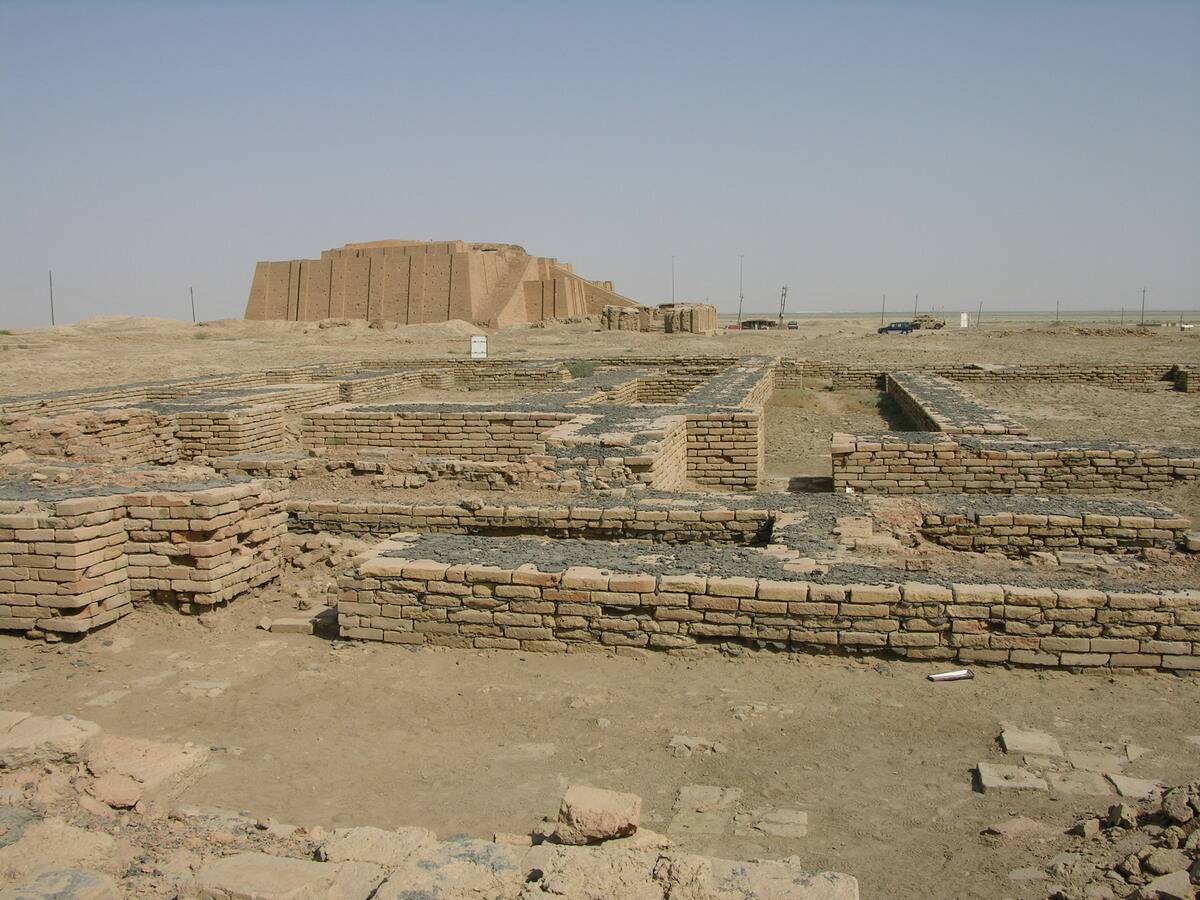
The origins of museums can be traced to ancient collections, religious treasuries, royal repositories, and the growing interest in art, antiquities, and the natural world. The Age of Exploration greatly expanded the range of materials entering European collections, as voyages brought Europeans into contact with regions and cultures previously unfamiliar to many in Europe.
These objects fascinated collectors and scholars and helped establish traditions of collecting, studying, and displaying objects that would eventually contribute to the development of modern museums.
Cabinets of Curiosities: The Precursors to Modern Museums
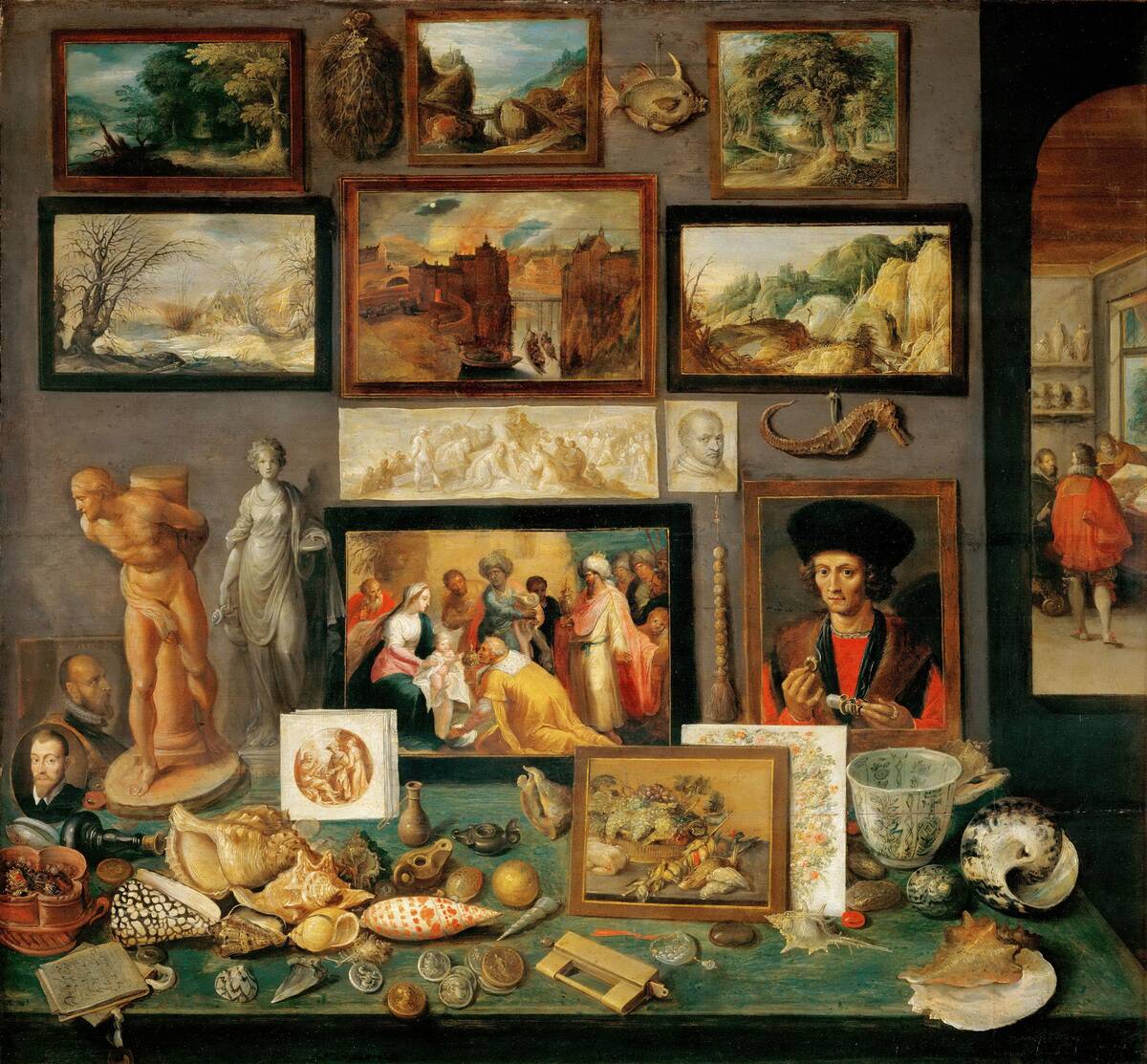
Before modern museums became public institutions, European collectors assembled cabinets of curiosities, also known as Wunderkammern or Kunstkammern. These collections brought together unusual and remarkable objects from the natural world, human cultures, art, and antiquity, often displayed in dedicated rooms or specially designed cabinets.
They became particularly popular among European rulers, aristocrats, scholars, physicians, and wealthy merchants during the 16th and 17th centuries. Collections could include shells, minerals, fossils, preserved animals, artworks, scientific instruments, and ancient artifacts, offering visitors a glimpse into both the collector’s interests and a rapidly expanding understanding of the world.
The Role of Collectors in the Birth of Museums
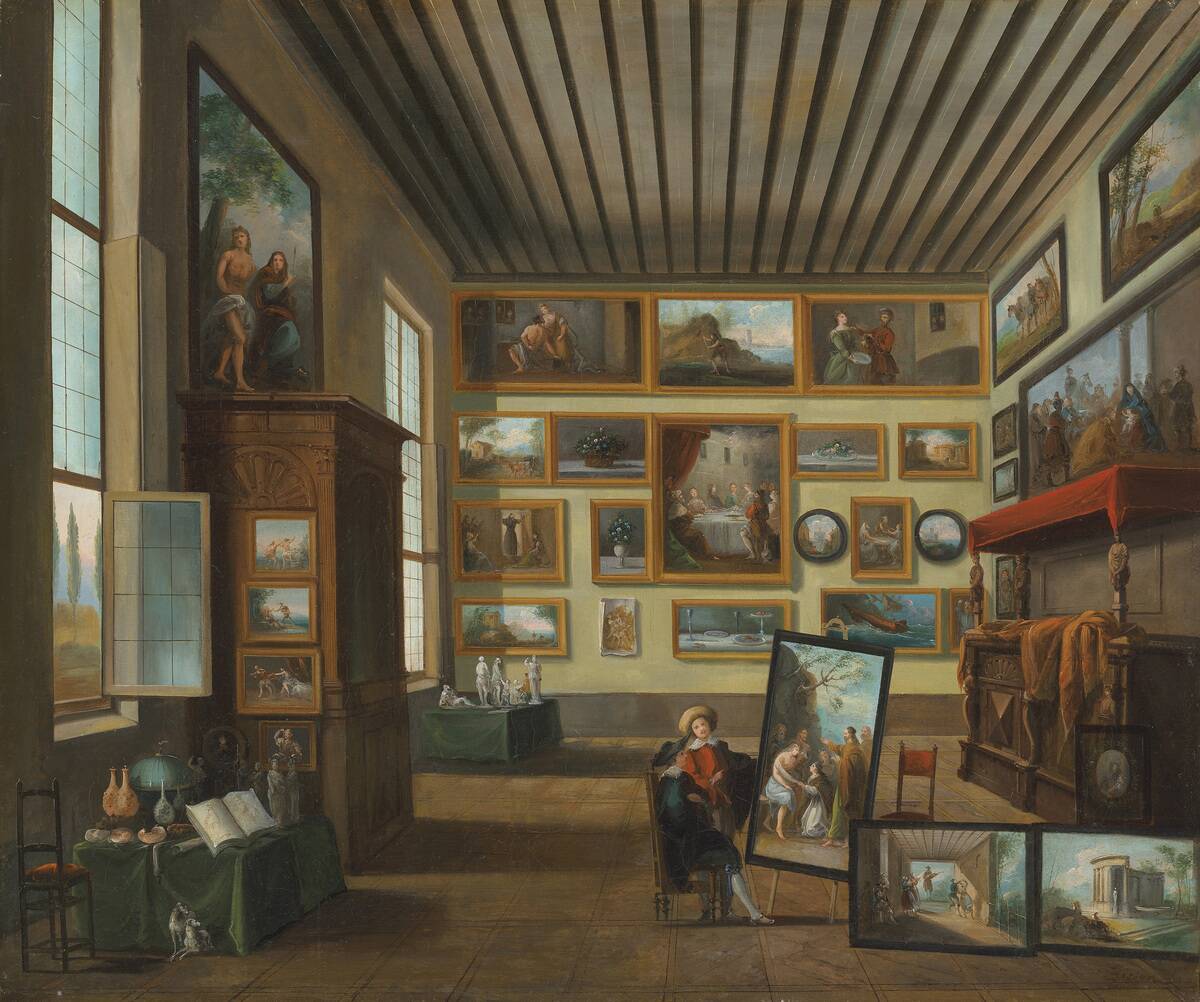
Collectors played an important role in the development of early museums, with their efforts to acquire, preserve, and study unusual and significant objects helping establish traditions of public collecting. European kings, nobles, scholars, physicians, and wealthy merchants amassed collections of artworks, antiquities, natural specimens, and other objects.
Some of these collections later became the foundations of public museums, while others remained private or entered institutional collections through donations and purchases. Collectors were often motivated not only by curiosity and the pursuit of knowledge but also by social status, prestige, and the desire to demonstrate their cultural and intellectual interests.
The Influence of the Renaissance on Collecting
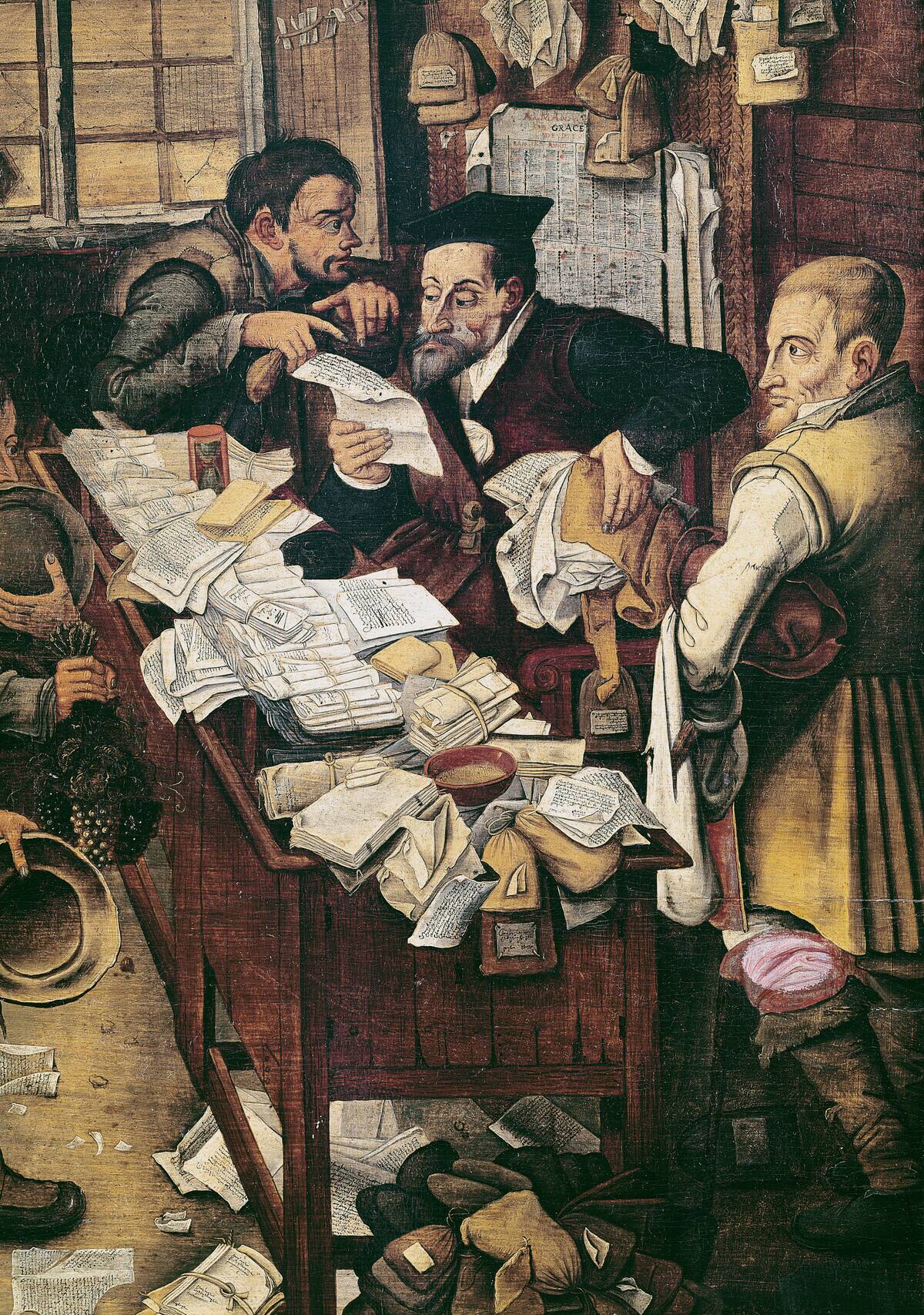
The Renaissance brought renewed interest in art, classical antiquity, natural philosophy, and the study of the natural world, influencing collecting practices across Europe. Humanism emphasized the study of ancient Greek and Roman culture and celebrated human intellectual and artistic achievement, encouraging collectors to acquire classical sculptures, manuscripts, coins, and other antiquities.
Collecting these objects served scholarly, artistic, and social purposes, allowing patrons to demonstrate their education and appreciation of classical culture. At the same time, growing interest in natural history encouraged scholars and collectors to gather plants, animals, minerals, fossils, and other specimens for observation and study, helping lay foundations for later scientific collecting.
Early Museums: A Peek into Private Collections
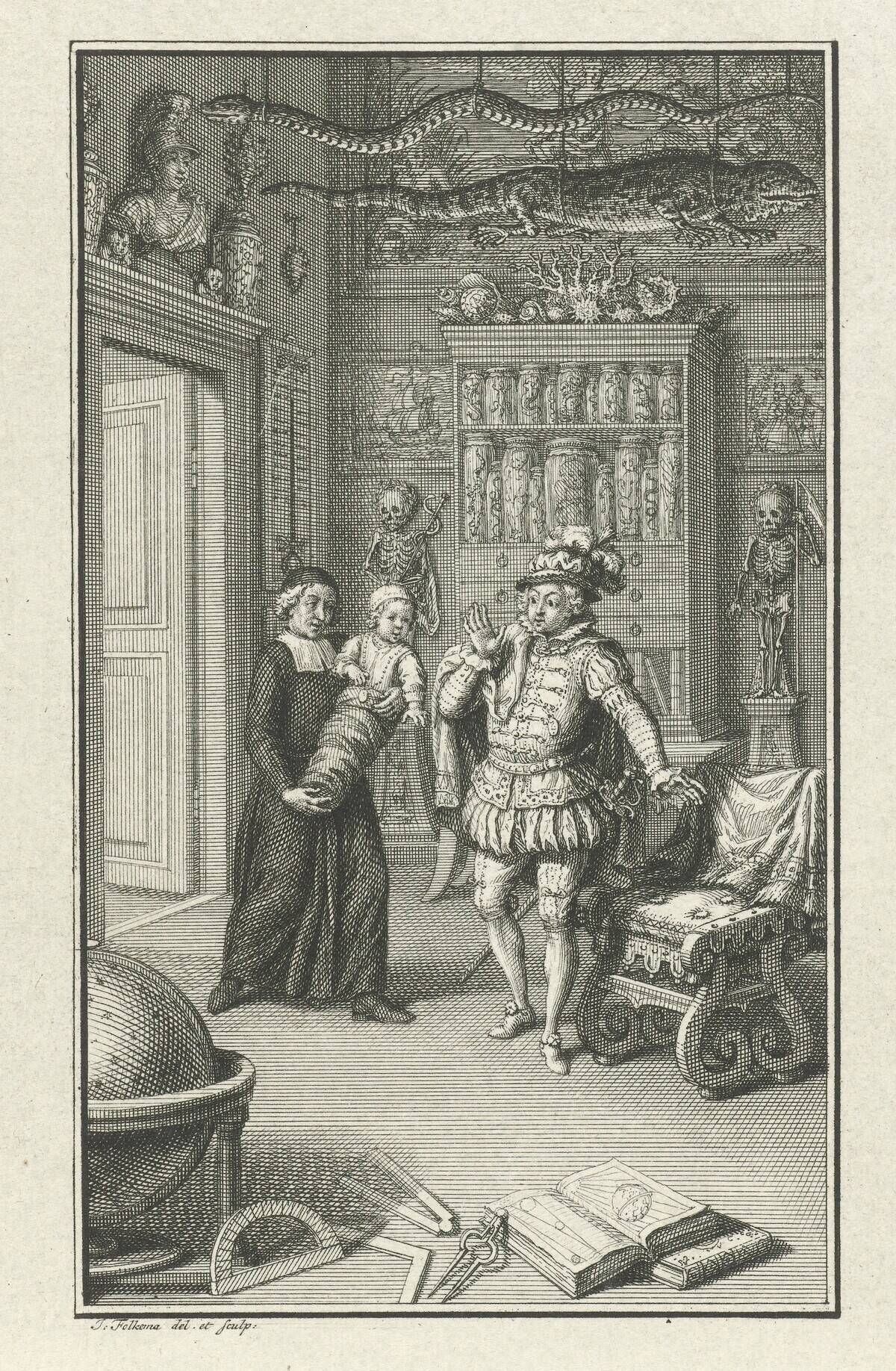
Early museums often developed from private, royal, scholarly, and institutional collections that were initially accessible only to a limited audience. Wealthy collectors frequently housed their collections in residences or dedicated rooms, inviting scholars, artists, and other selected visitors to examine their treasures.
Over time, some collections became more accessible through donations, bequests, government purchases, or the establishment of institutions devoted to their preservation and study. This gradual transition helped transform collections from primarily private repositories into public institutions increasingly focused on education, research, and cultural preservation.
The Ashmolean Museum: The First University Museum
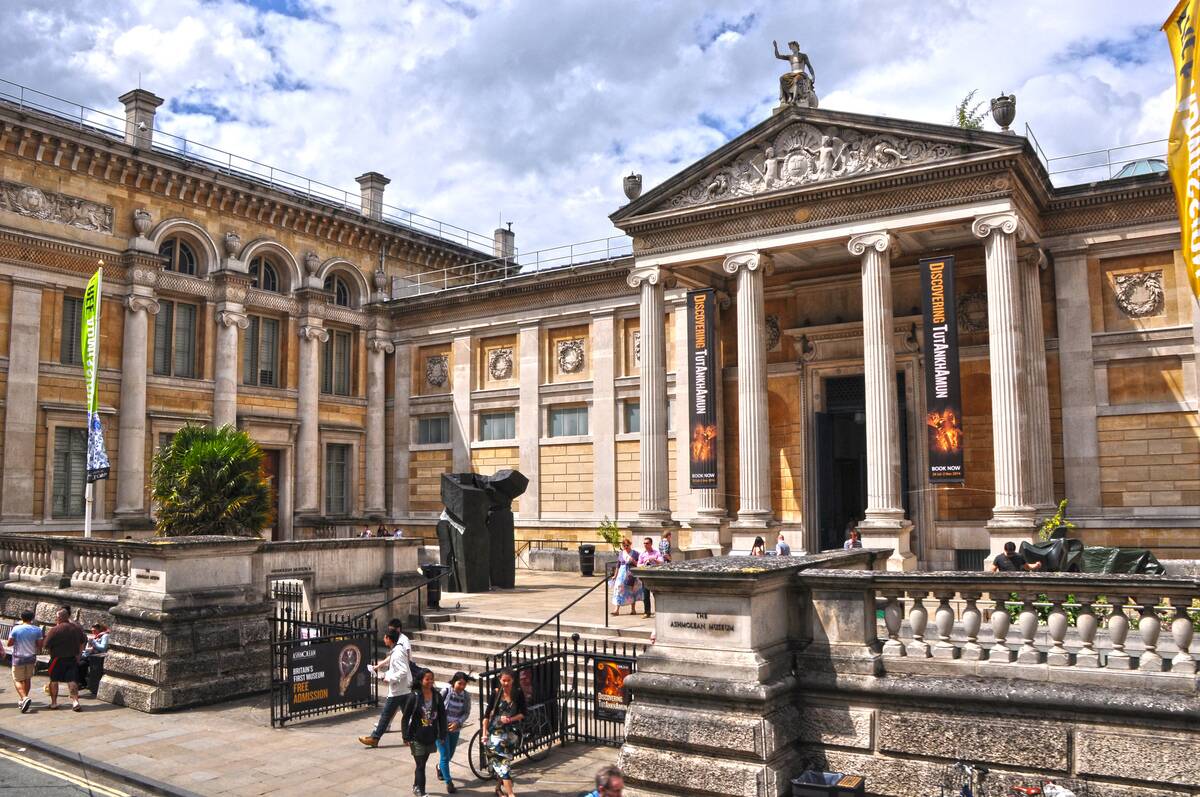
The Ashmolean Museum in Oxford, England, is widely recognized as the world’s first university museum. Opened in 1683, it was established by the University of Oxford with Elias Ashmole playing a central role and donating his collection, much of which originated with the Tradescant family.
The museum’s early collections included natural-history specimens, antiquities, ethnographic objects, coins, and other curiosities, serving both scholarly and educational purposes. Today, the Ashmolean remains a major institution for research and education, with extensive collections spanning art and archaeology from around the world.
The British Museum: A Public Treasure Trove
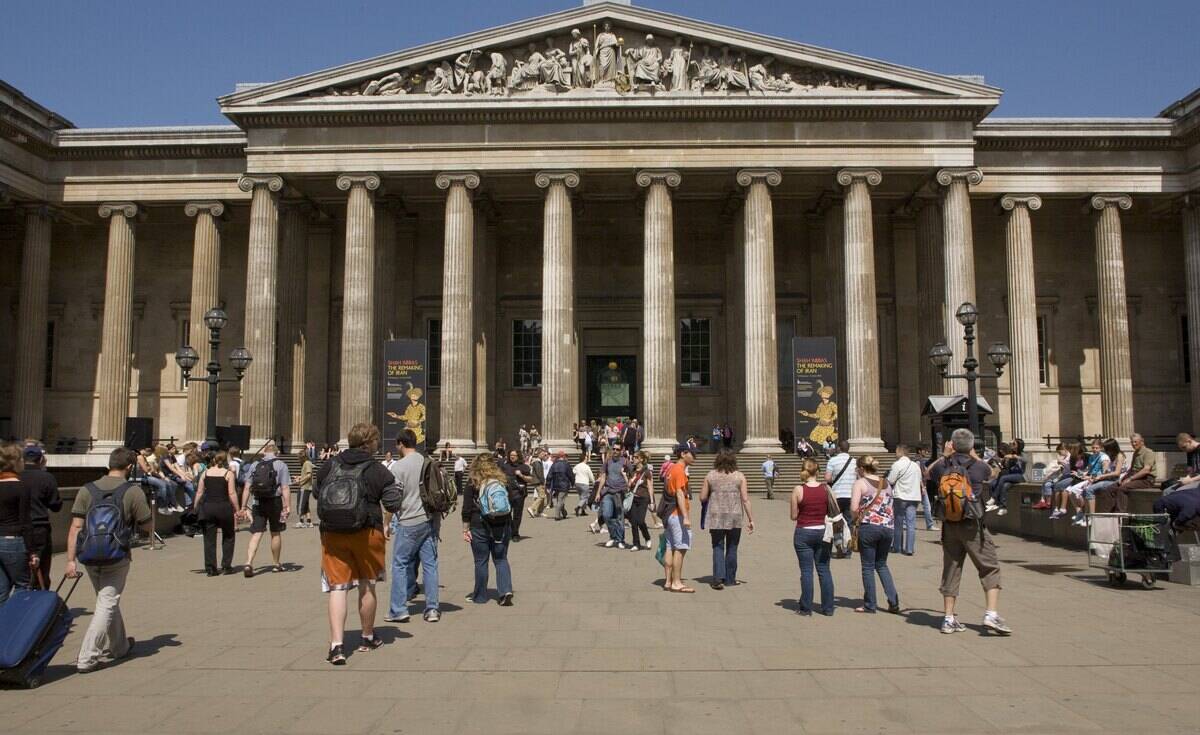
The British Museum was established by Parliament in 1753 and opened to the public in 1759, making it one of the world’s earliest public museums. Its founding collections included the extensive holdings of physician and naturalist Sir Hans Sloane, which Parliament purchased after his death, as well as the Cottonian and Harleian libraries.
Established during the Enlightenment, the museum was intended to preserve and make knowledge and cultural materials available for public benefit, although early access was regulated. Today, the British Museum houses millions of objects spanning human history and cultures from around the world, offering visitors a vast resource for exploring the past.
The Louvre: From Royal Palace to Public Museum
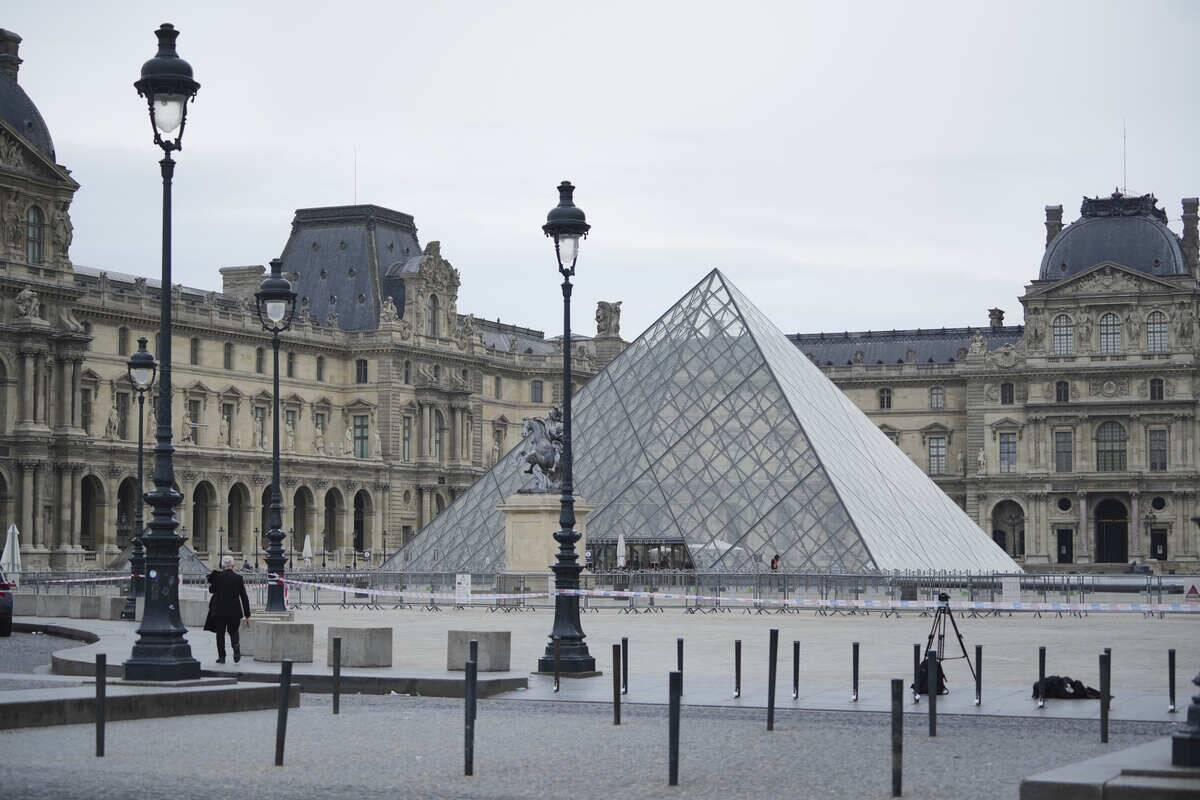
The Louvre in Paris is one of the world’s most famous museums, but its origins lie in a medieval fortress that was later transformed into a royal palace. During the French Revolution, the Louvre was converted into a public museum, with the Musée Central des Arts opening on August 10, 1793. Its initial displays included works from the former royal collections, alongside objects acquired through revolutionary confiscations.
The transformation of a royal palace into a public museum represented a major development in the history of museums and reflected revolutionary ideas about making cultural heritage available to citizens. Today, the Louvre is home to iconic works such as Leonardo da Vinci’s Mona Lisa and the Venus de Milo.
The Uffizi Gallery: Art and Antiquities in Florence
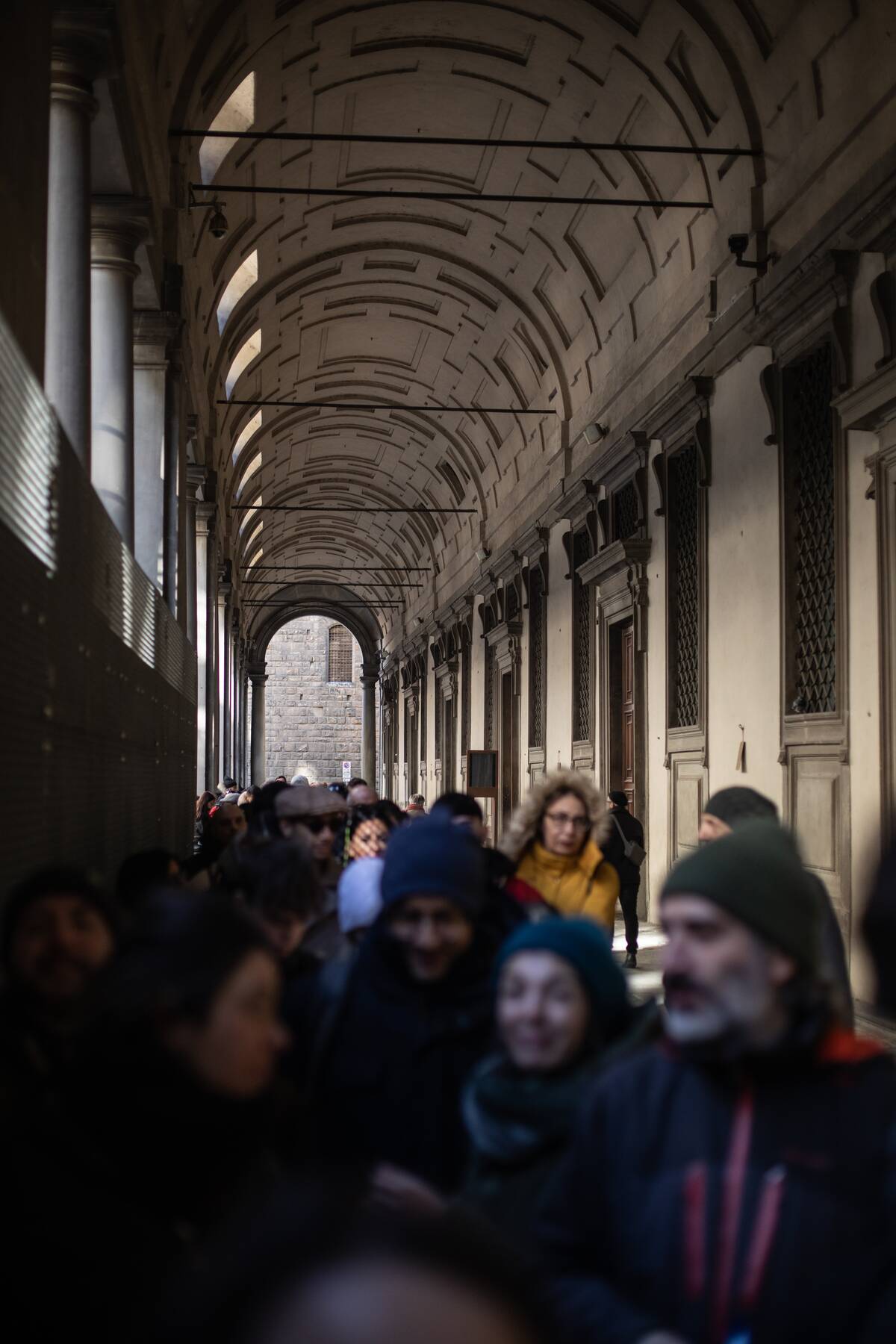
The Uffizi Gallery in Florence, Italy, is renowned for its exceptional collection of Italian Renaissance art. Originally commissioned by Cosimo I de’ Medici and designed by Giorgio Vasari as government offices, the building gave the gallery its name, Uffizi, meaning “offices.” The collection was opened more formally to the public in 1769.
It houses masterpieces by artists such as Botticelli, Michelangelo, and Leonardo da Vinci. The Medici family’s extensive patronage and collecting played a crucial role in forming the foundation of the Uffizi’s collection, which has since been expanded through later acquisitions, donations, and other additions.
Natural Wonders: Early Collections of Flora and Fauna
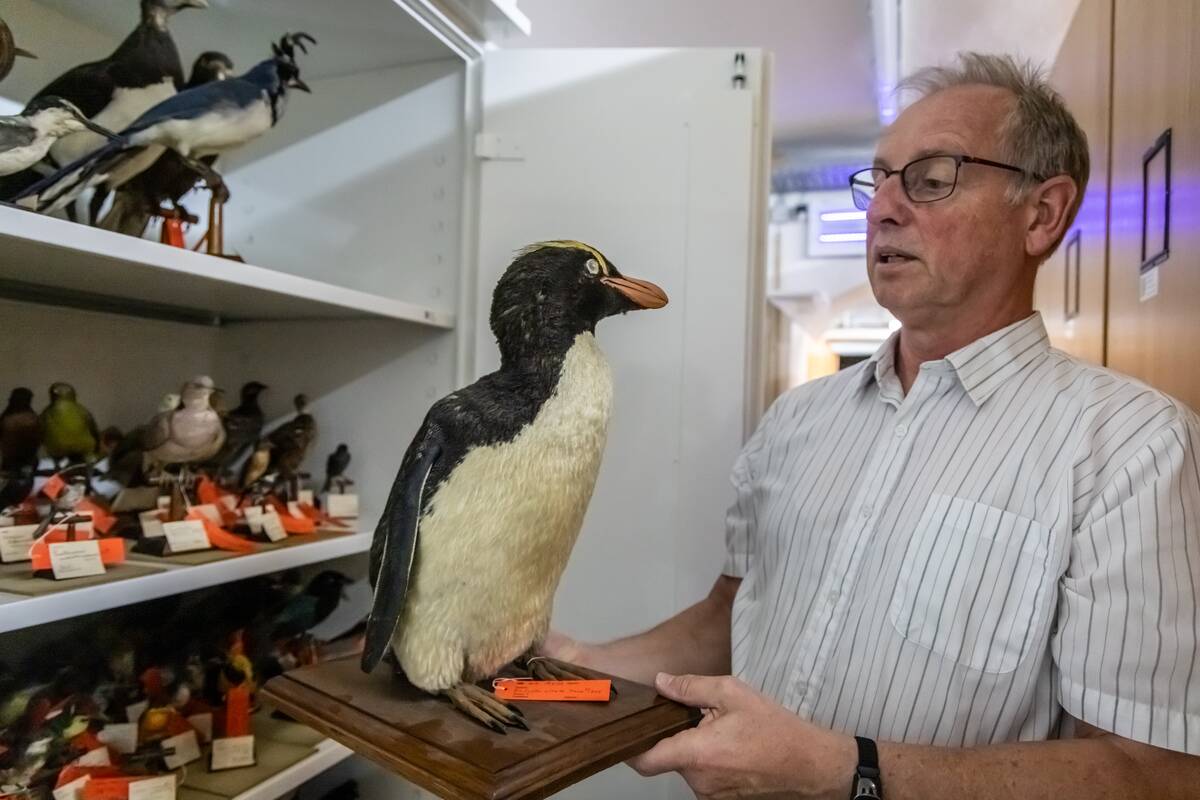
Natural history played an important role in the development of early museum collections. Collectors and scholars were fascinated by the diversity of the natural world, leading them to gather specimens of plants, animals, insects, minerals, and fossils from increasingly distant regions. Collections could include exotic plants and insects, preserved animals, shells, and geological specimens.
As these collections became more systematically organized, they provided valuable material for identifying, comparing, and classifying species. By the 18th and 19th centuries, museums had increasingly become important centers for natural-history research and education, contributing significantly to the development of modern botany and zoology.
Art and Antiquities: The Foundation of Museum Collections
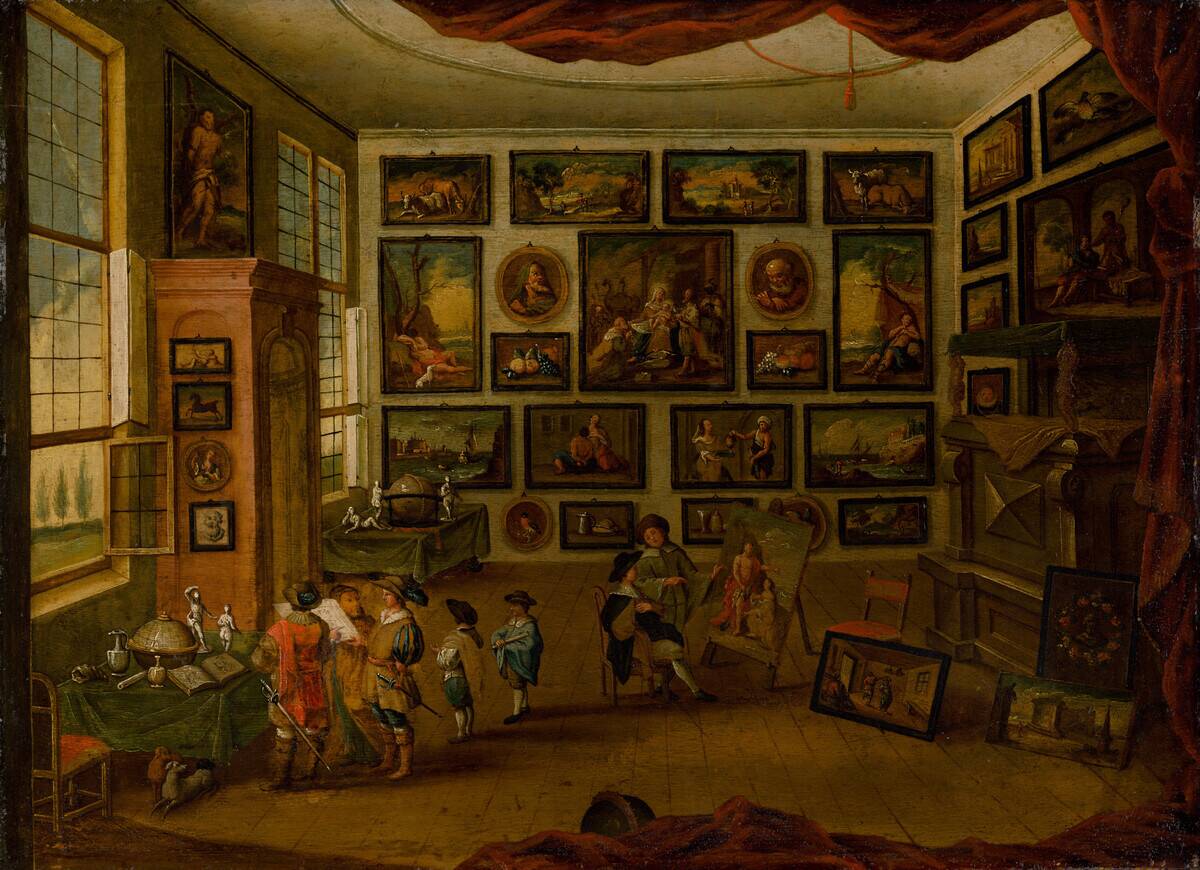
Art and antiquities have long been important components of museum collections, valued for their cultural, historical, aesthetic, and educational significance. Early collectors sought paintings, sculptures, manuscripts, coins, and ancient artifacts for a variety of reasons, including scholarly interest, personal appreciation, prestige, and the desire to preserve examples of past civilizations.
As collections became more accessible to scholars and the public, these objects provided valuable insights into the histories and cultures of different societies. Today, art and antiquities remain central to many museum collections, helping visitors explore the creativity, beliefs, achievements, and experiences of people across history.
The Role of Exploration and Colonization in Museum Collections
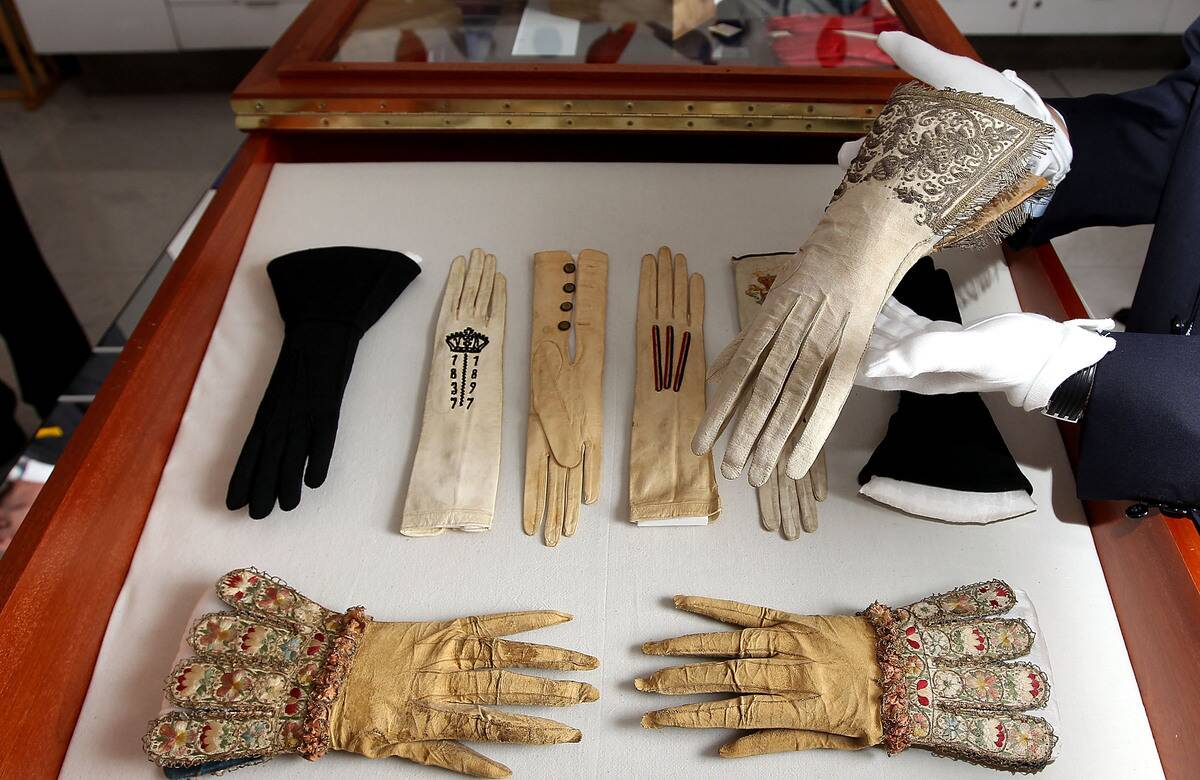
Exploration, colonial expansion, trade, and scientific expeditions played significant roles in the expansion of European museum collections. As European powers established connections with and colonized territories previously unfamiliar to many Europeans, large numbers of cultural artifacts, archaeological objects, artworks, and natural-history specimens entered European collections.
Many were subsequently displayed in museums, providing evidence of the cultures and environments of distant regions, although these displays were sometimes shaped by colonial perspectives. Today, the origins and ownership of many such objects are subject to ethical debate, including questions about provenance, restitution, and repatriation when items were acquired through coercion, looting, or other contentious circumstances.
The Evolution of Museum Displays: From Chaos to Curation
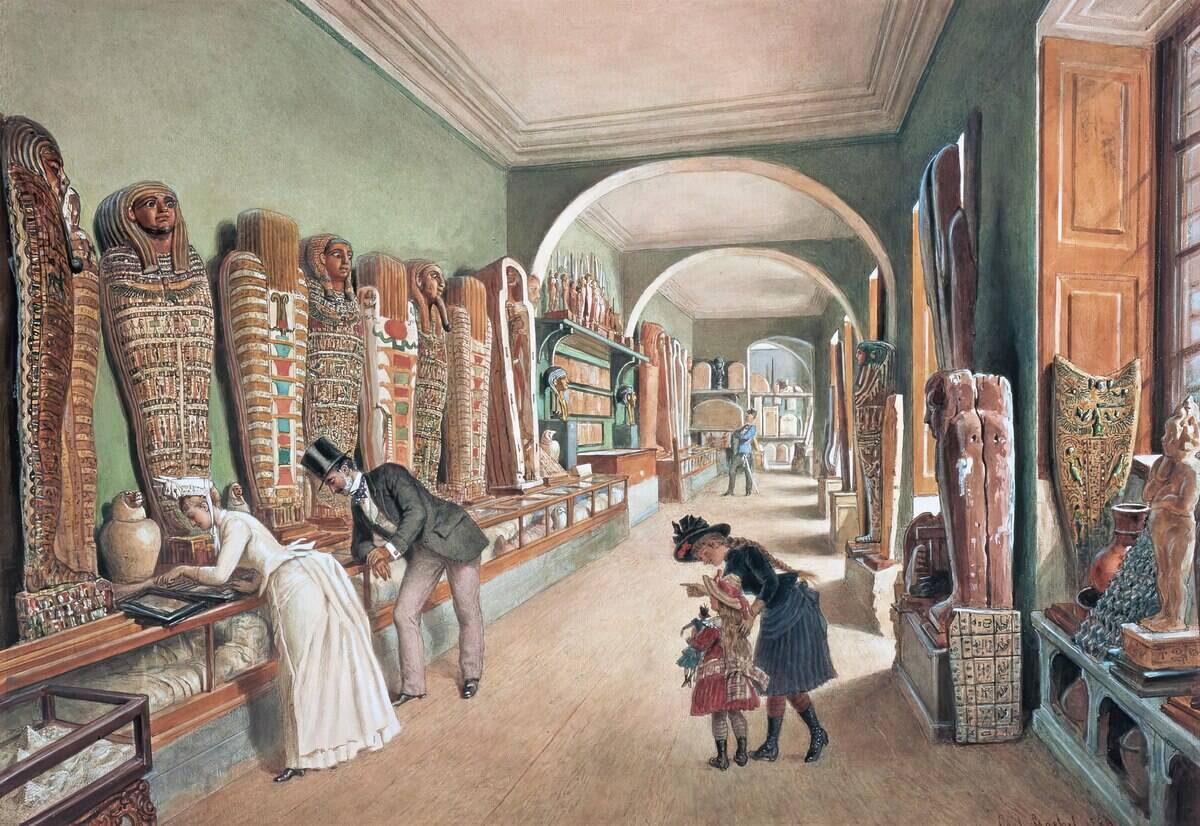
Early museum and curiosity-collection displays could be densely arranged and eclectic by modern standards, although collectors often organized objects according to their own systems of classification and meaning. Over time, museums developed more systematic approaches to cataloging, preserving, and displaying collections, as curators increasingly sought to make objects accessible and informative for visitors.
The gradual professionalization of museum work helped transform museums into important spaces for education and research, with exhibitions often using carefully selected and arranged objects to communicate particular themes or narratives. This process continues today as museums develop new ways to create engaging, accessible, and informative experiences for diverse audiences.
The Social and Cultural Impact of Early Museums
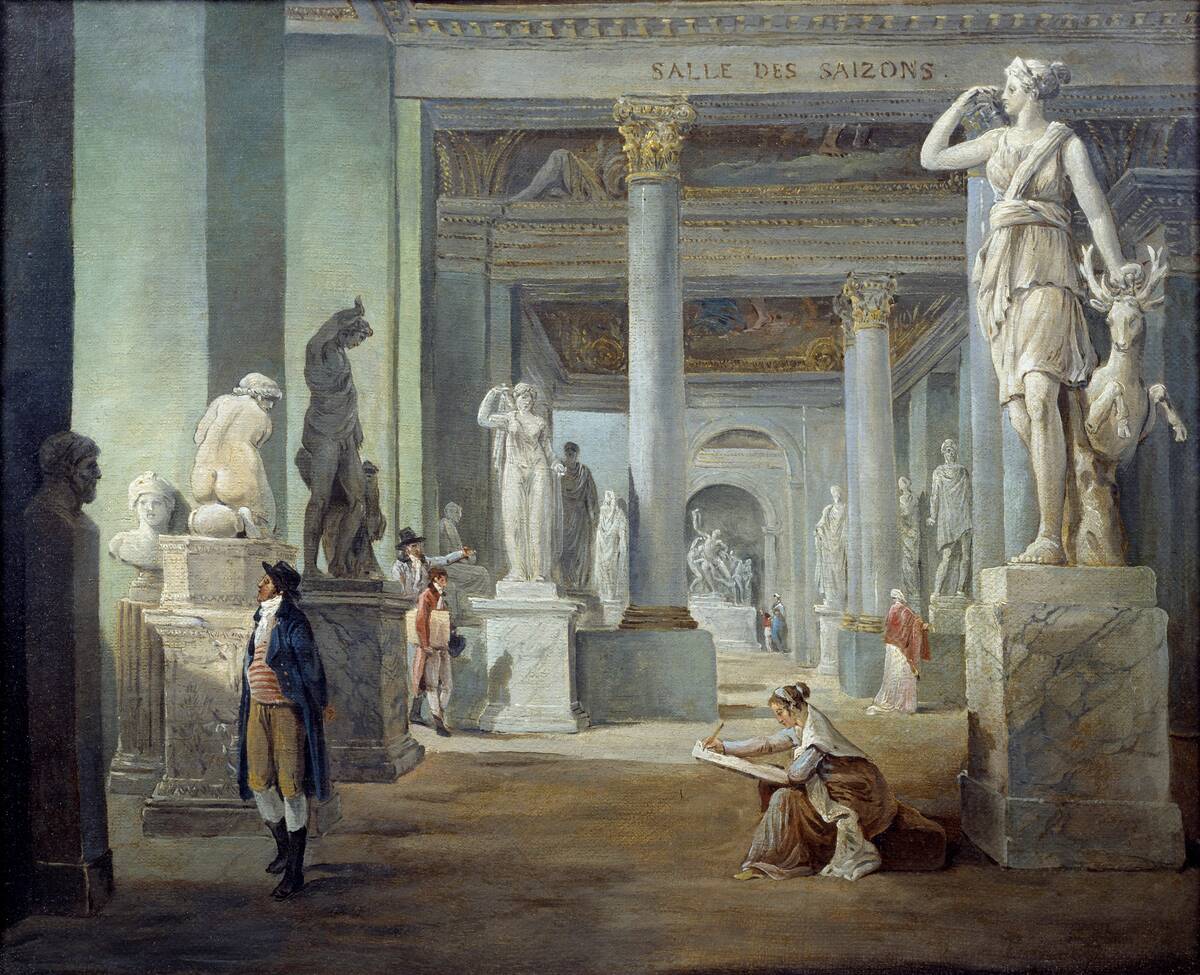
Early public museums had an important impact on society by expanding access to collections that had previously been held largely by royal, aristocratic, scholarly, or private institutions. Although access to early museums was not always unrestricted, their development made art, history, science, and cultural artifacts increasingly available to broader sections of the public.
Museums also became spaces for education, social interaction, and the exchange of ideas, helping visitors encounter cultures and subjects beyond their everyday experiences. Over time, their educational and cultural roles contributed to the emergence of museums as important institutions in public life.
How Early Museums Shaped Public Education
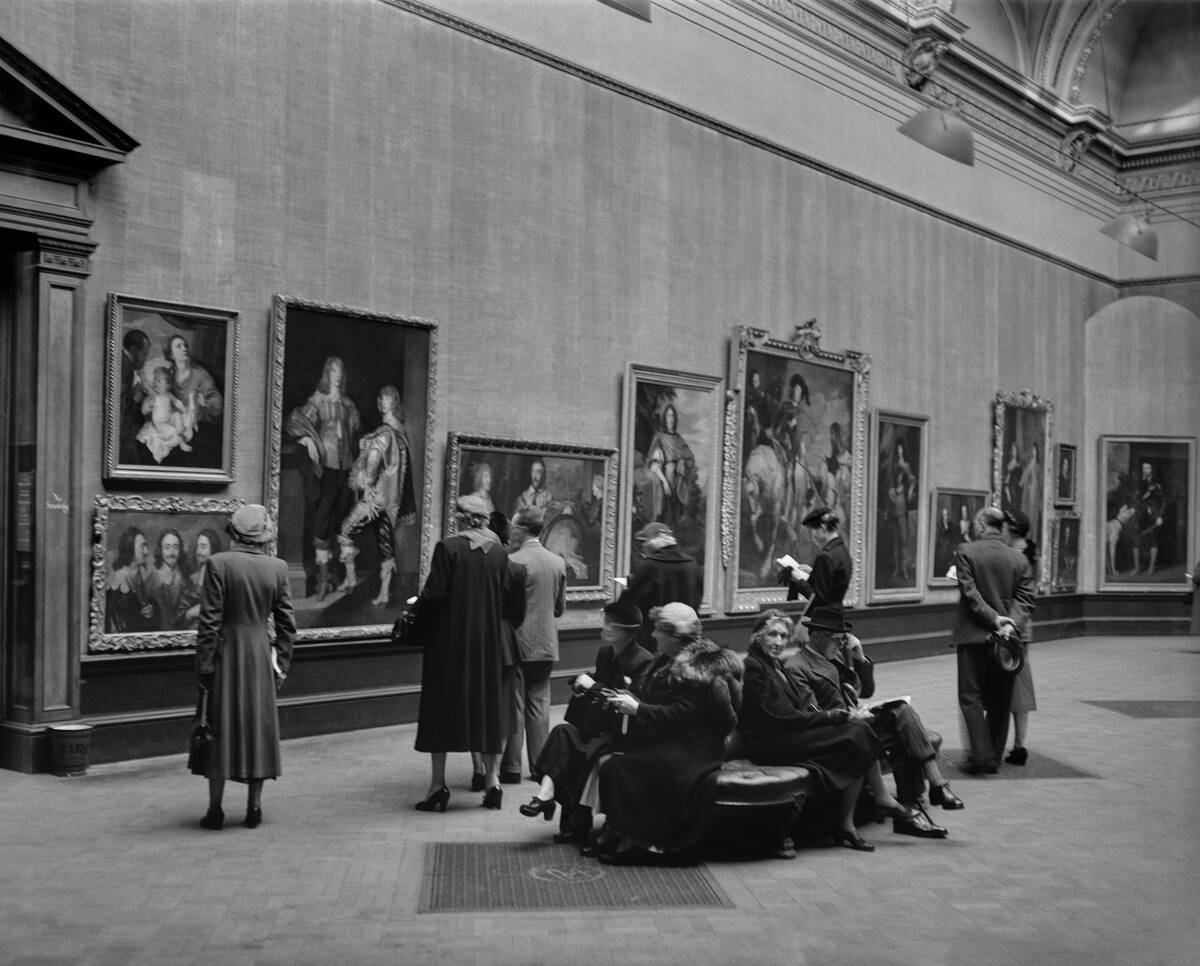
Museums increasingly came to be viewed as educational institutions, particularly during the 18th and 19th centuries. By providing access to collections of art, artifacts, and natural specimens, public museums offered opportunities for learning that complemented schools, universities, and other educational institutions.
Their collections became valuable resources for scholars and, over time, increasingly for students and teachers as museums developed educational programs and guided activities. This emphasis on education has continued to grow, with modern museums using exhibitions, workshops, digital resources, and object-based activities to engage learners of different ages.
The Legacy of the First Museums in Today’s Institutions
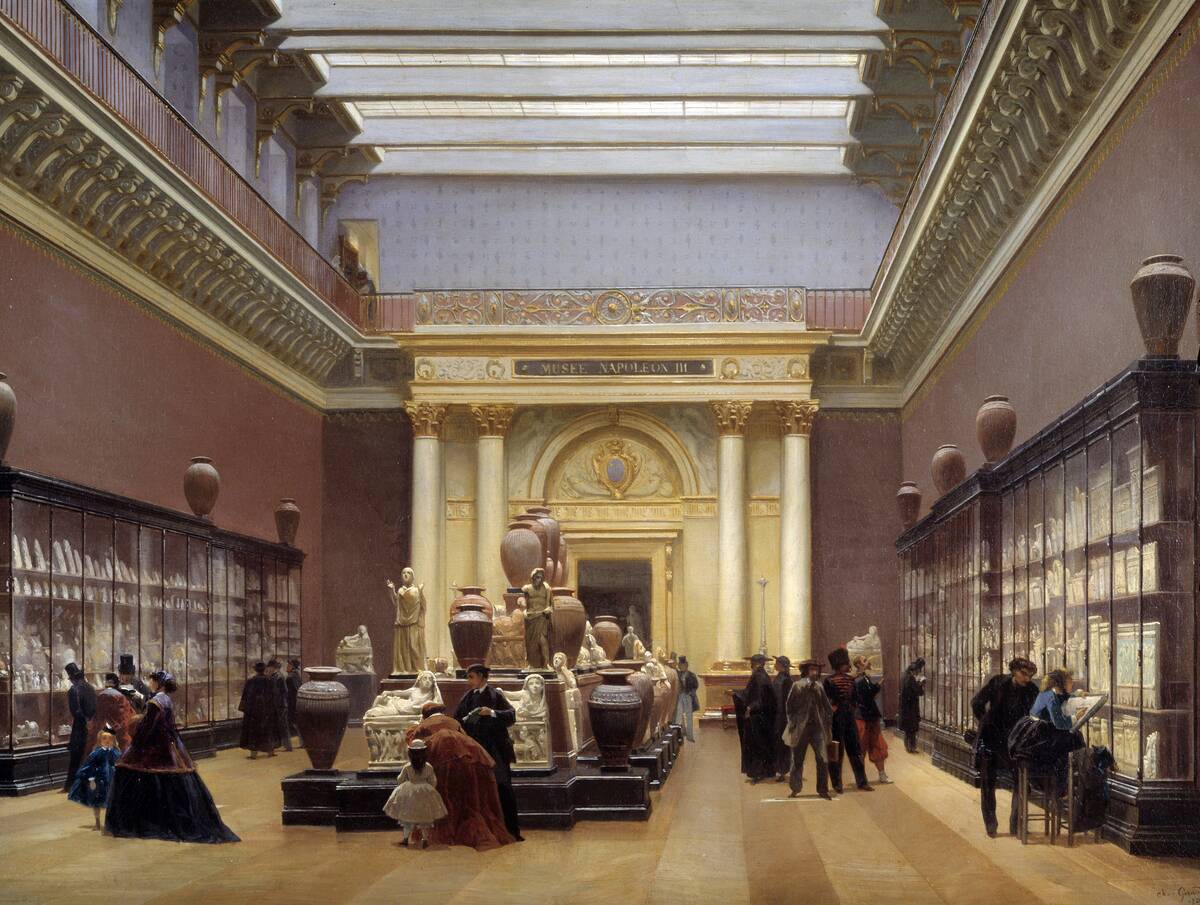
The legacy of early museums is evident in today’s institutions, which continue to build on traditions of collecting, preserving, researching, and interpreting cultural and natural heritage. Modern museums are committed to preserving and sharing these collections while embracing new technologies and approaches to engage broader audiences.
Although early museums varied considerably in their accessibility and educational purposes, the principles of preservation, public learning, and thoughtful curation have become central to many modern museum missions. Through exhibitions, research, educational programs, and digital resources, museums continue to serve as important centers of learning and cultural exploration for future generations.