The history of the world’s first public parks
Public parks are cherished green spaces that provide a breath of fresh air amidst the hustle and bustle of urban life. These areas serve as communal gathering spots where people can relax, play, and connect with nature.
From small neighborhood parks to expansive city parks, they offer a variety of recreational opportunities and play a crucial role in enhancing the quality of life in cities around the world.
The Origins of Public Parks: A Brief History
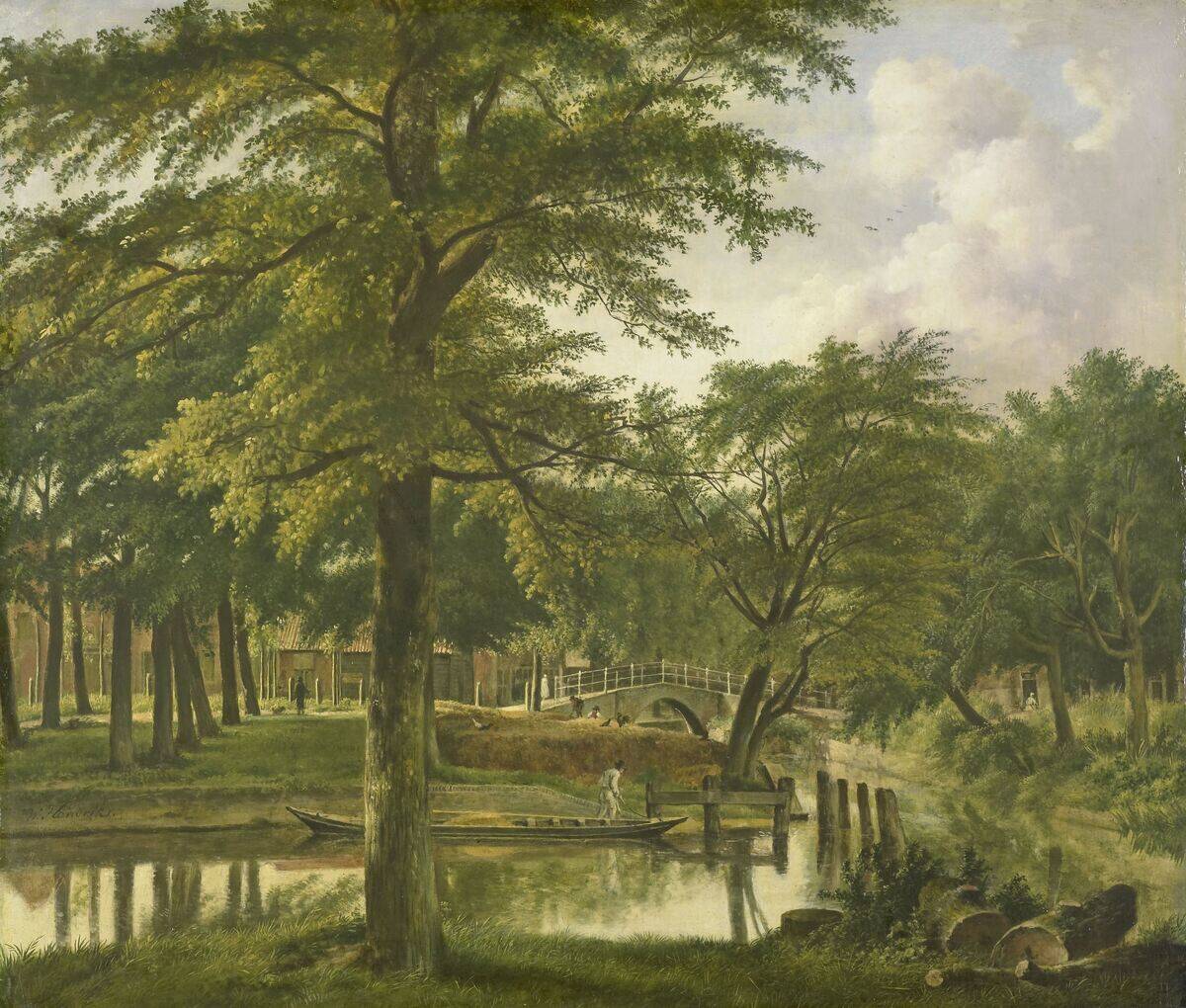
The history of public parks has roots in ancient gardens, communal open spaces, and landscaped grounds, although these were not always public in the modern sense. Many historic gardens were associated with rulers, religious institutions, or wealthy elites, while other open spaces were available for communal use.
From the 18th and especially the 19th centuries, cities increasingly created parks designed for broader public access. Growing concerns about urban overcrowding, recreation, and public health helped drive this movement, laying the foundations for the modern public park as a shared space for leisure, community life, and contact with nature.
Ancient Civilizations and Their Green Spaces
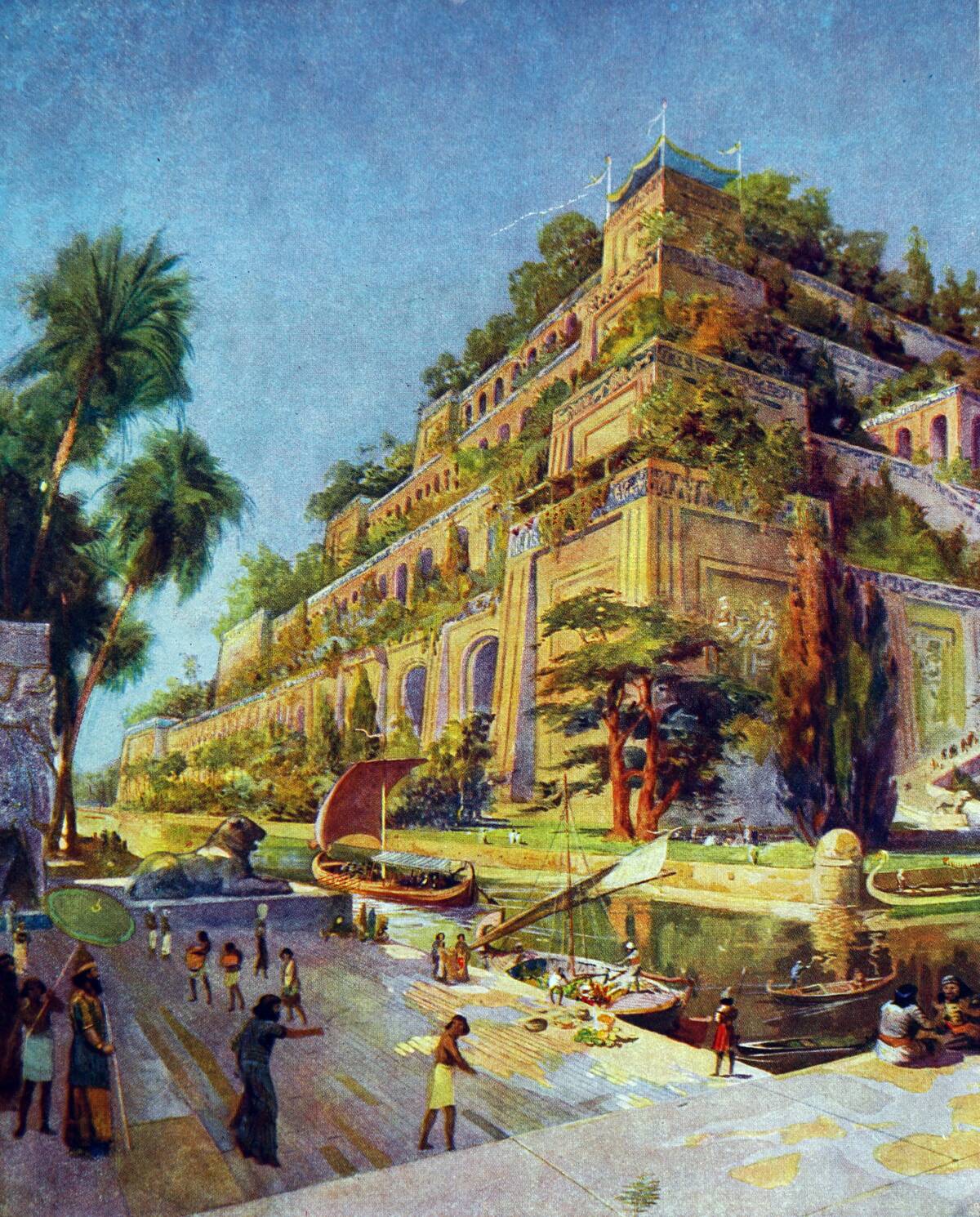
Ancient civilizations, including the Egyptians, Greeks, and Romans, incorporated gardens and landscaped spaces into their settlements and architecture. The Hanging Gardens of Babylon are traditionally counted among the Seven Wonders of the Ancient World and are described in ancient sources as an extraordinary example of cultivated greenery, although their existence and exact location remain debated.
Gardens in the ancient world served a variety of purposes, including religious activities, recreation, providing shade, and displaying wealth and status. These traditions demonstrate the long-standing importance of cultivated green spaces in human societies.
The Birth of Public Parks in Europe
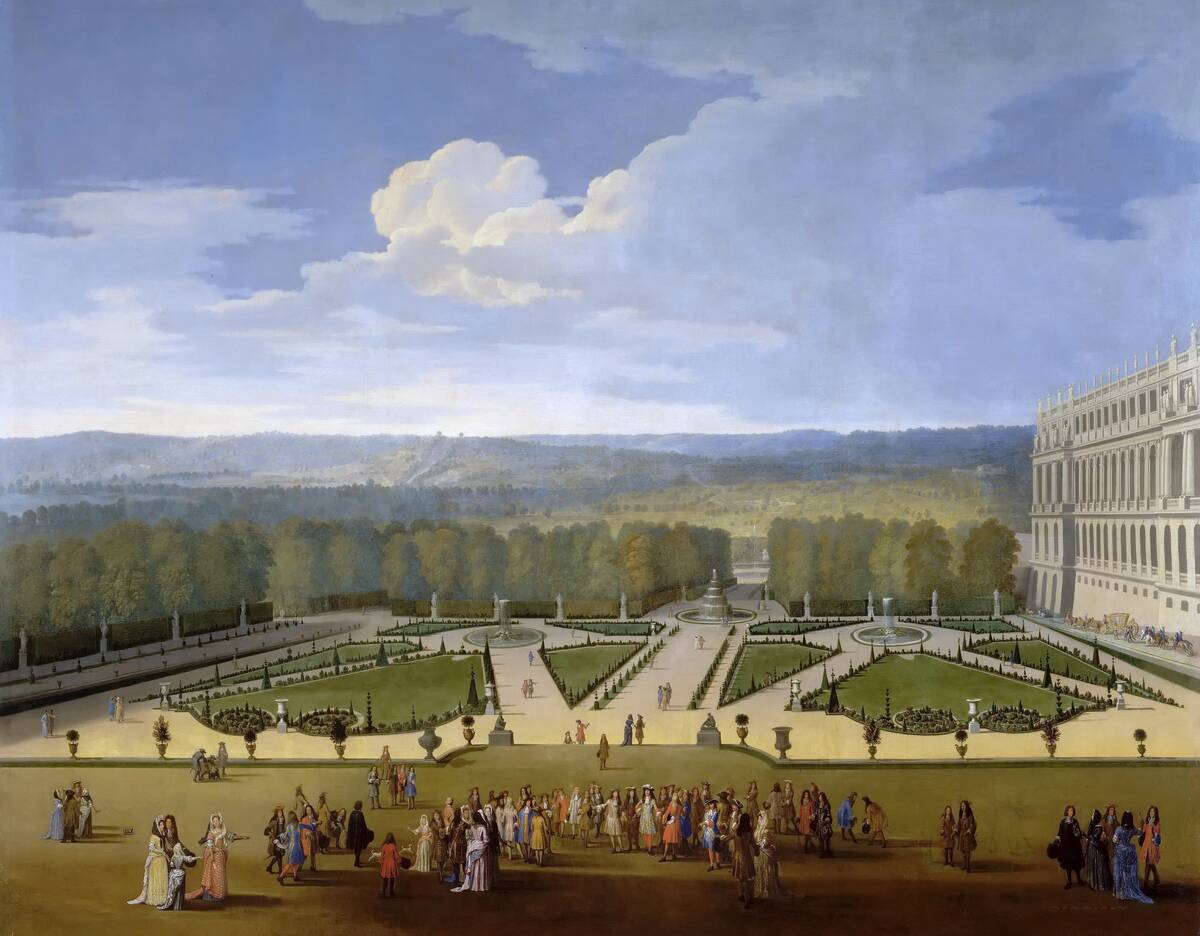
Renaissance Europe saw the development of elaborate gardens at royal residences, palaces, and private estates, designed primarily for beauty, recreation, and displays of wealth and power. The Gardens of Versailles in France, developed under Louis XIV, became one of the most influential examples of formal European garden design, although they were primarily associated with the royal court.
These grand landscapes helped shape later European approaches to garden and landscape design. The movement toward purpose-built public parks and broadly accessible urban green spaces emerged more strongly in the 18th and 19th centuries, as cities increasingly recognized their recreational and social value.
The Role of the Industrial Revolution in Park Development
The Industrial Revolution contributed to rapid urbanization, creating increasingly crowded cities where many residents had limited access to open and recreational spaces. As industrial cities expanded, reformers, planners, and municipal authorities increasingly advocated for public parks as a way to improve urban living conditions.
These spaces provided opportunities for recreation, fresh air, and relief from crowded neighborhoods, while also contributing to city beautification and social reform. The growing recognition of parks as valuable public amenities helped drive the expansion of urban park systems during the 19th century.
The First Public Park: Birkenhead Park in England
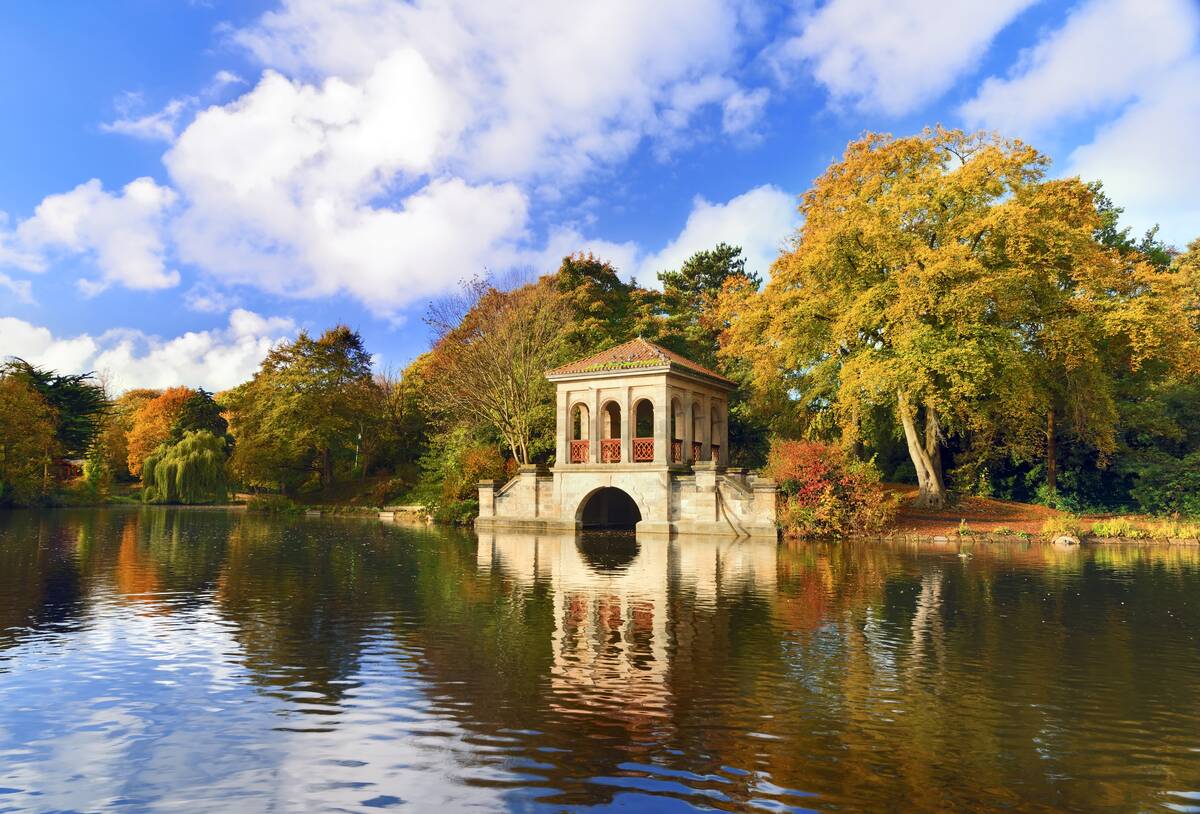
Birkenhead Park, opened in 1847 in England, is widely regarded as the world’s first publicly funded municipal park. Designed primarily by landscape gardener Joseph Paxton, with Edward Kemp playing an important role in its development, it was created to provide accessible recreational space for the growing urban population.
Its innovative landscape design incorporated open meadows, lakes, gardens, and winding walkways. The park became an important model for municipal park development, influencing later landscape designers in Britain and abroad, including Frederick Law Olmsted after his visit in 1850.
The Visionaries Behind Early Public Parks
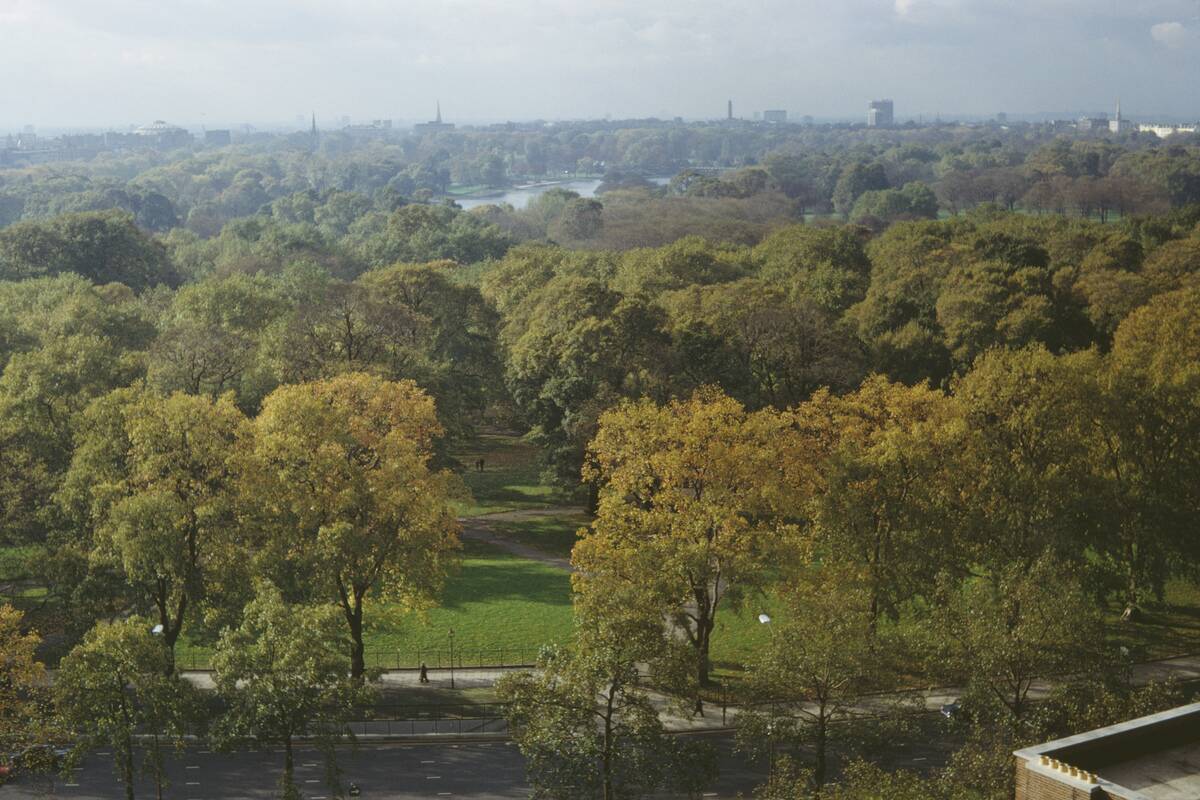
Visionaries such as Joseph Paxton and Frederick Law Olmsted played pivotal roles in the development of 19th-century public parks. Their innovative designs emphasized naturalistic landscapes, recreation, and broad public access, helping make parks important features of growing cities.
Paxton’s work at Birkenhead Park influenced later landscape designers, while Olmsted became a leading advocate for accessible urban parks in the United States. Both recognized the potential of well-designed parks to transform urban environments and provide recreational and social benefits for city dwellers.
The Design and Layout of Early Public Parks
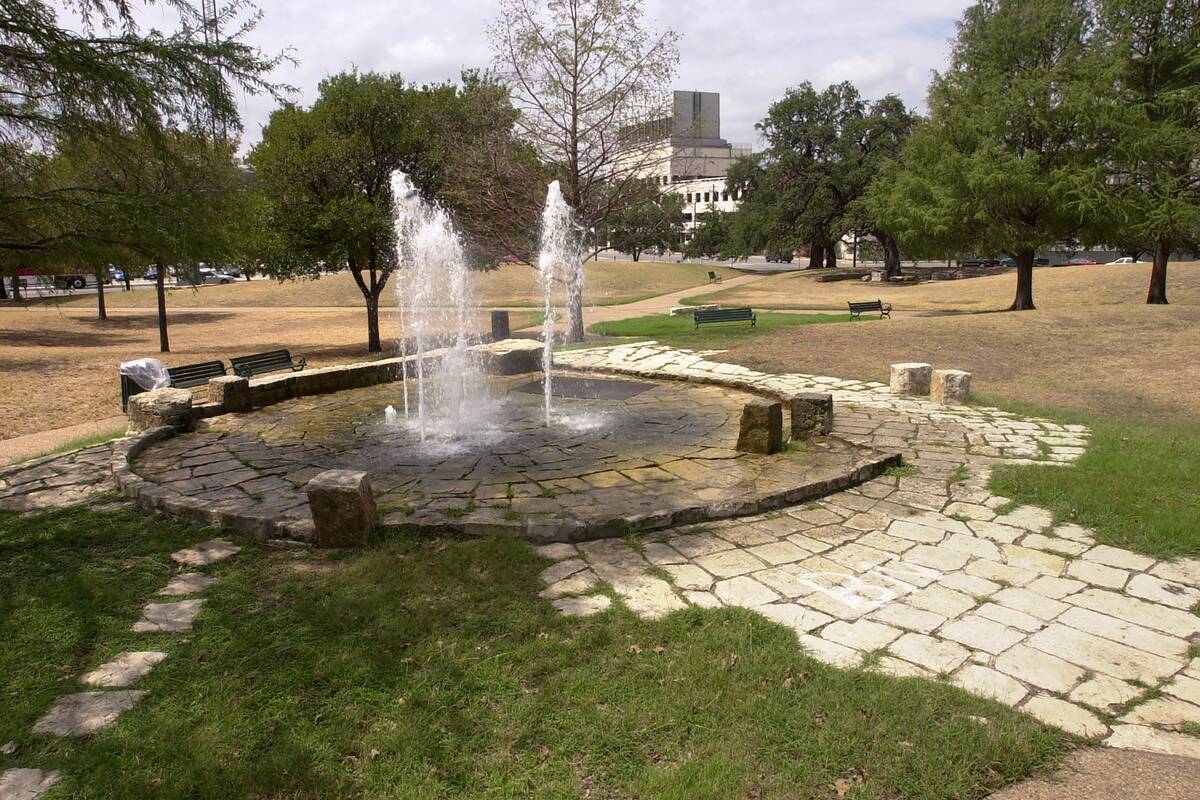
Early public parks were designed to balance aesthetics, recreation, and practical urban needs. Many incorporated winding paths, open lawns, planted areas, and water features, creating carefully planned landscapes that combined naturalistic scenery with man-made elements.
These designs could provide urban residents with relief from crowded surroundings while offering opportunities for walking, leisure, social interaction, and recreation. The combination of attractive scenery and accessible recreational space became a defining feature of the 19th-century public-park movement.
The Social Impact of Public Parks in the 19th Century
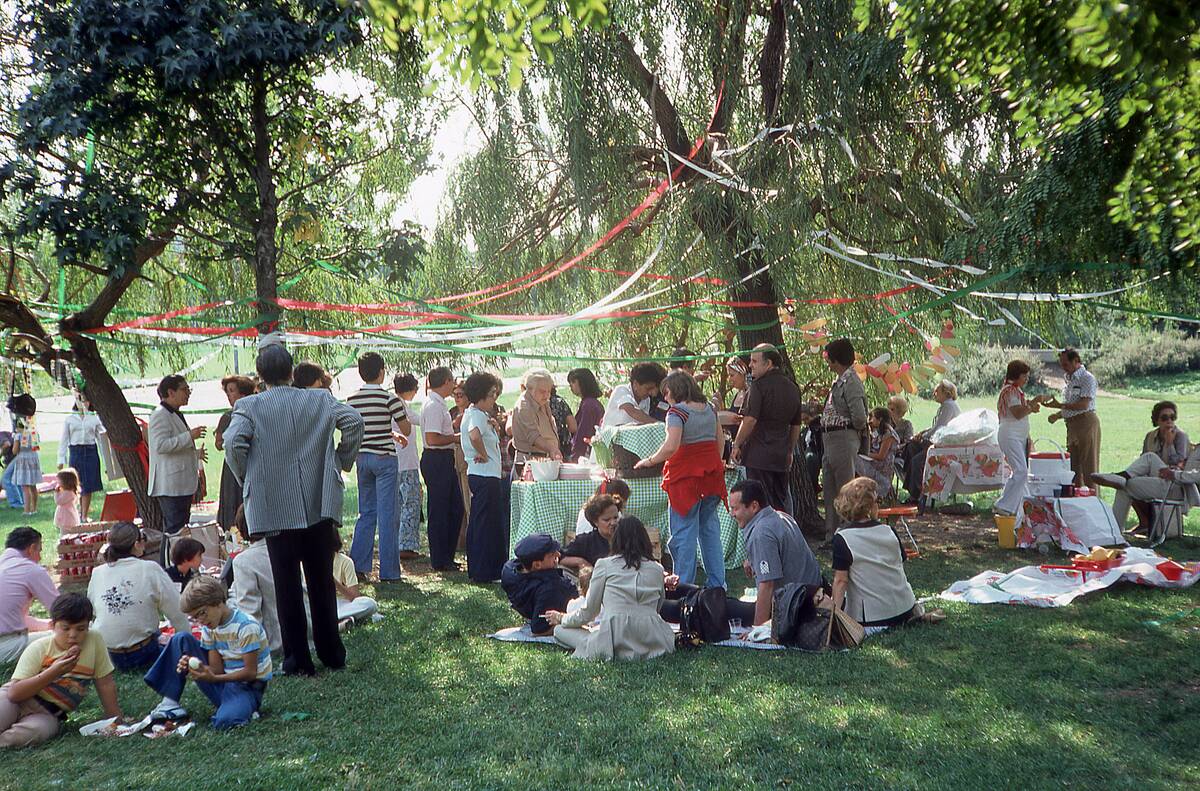
In the 19th century, public parks increasingly served as important spaces for social interaction and community life. Designed for broad public use, they provided opportunities for people from different parts of urban society to share recreational and civic spaces, although social and other barriers remained.
Parks also became venues for concerts, celebrations, exhibitions, sporting activities, and other public events. Through these shared experiences, major parks could contribute to a sense of civic identity and become important features of the cultural life of growing cities.
The Influence of Frederick Law Olmsted on Park Design
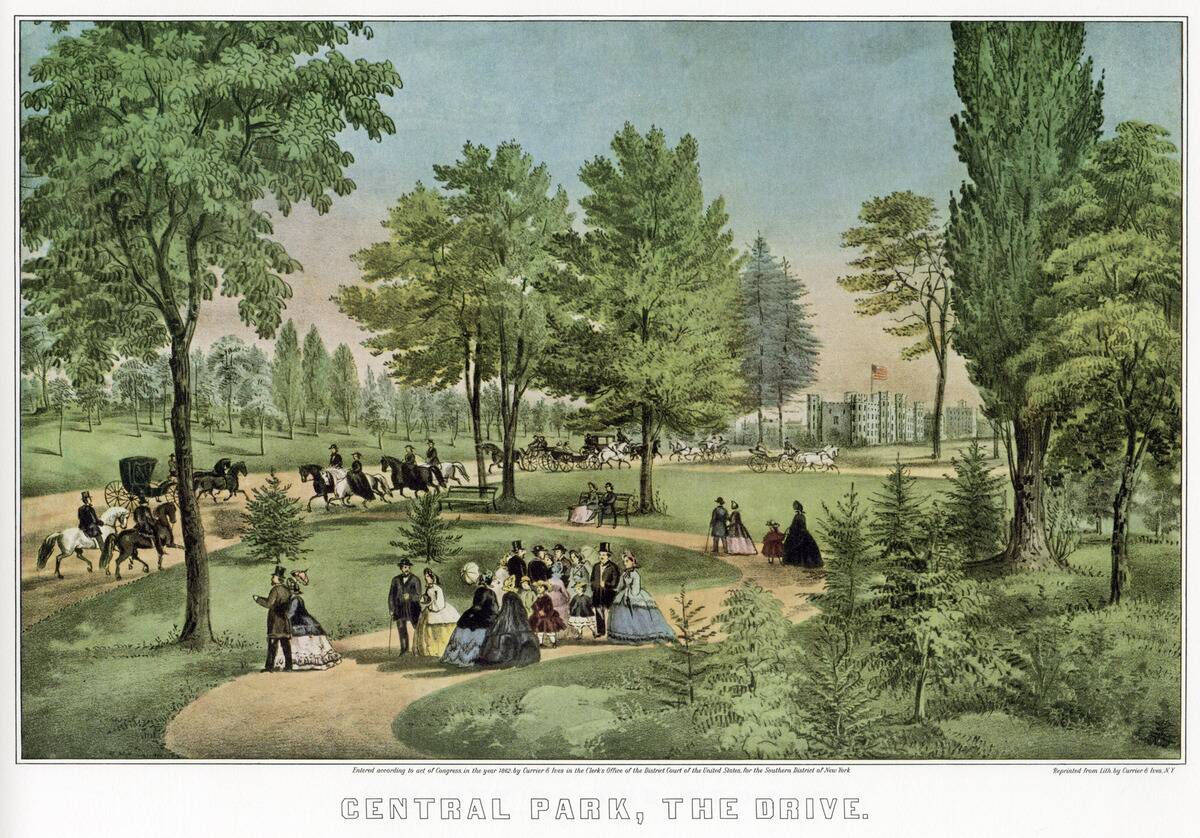
Frederick Law Olmsted, often referred to as the father of American landscape architecture, had a profound influence on urban park design. His work emphasized the value of naturalistic scenery, recreation, and broad public accessibility.
Central Park in New York, which he designed with architect Calvert Vaux, incorporated winding paths, open meadows, wooded areas, and water features to create a varied landscape within the city. Olmsted’s approach sought to provide urban residents with opportunities for relaxation, recreation, and social interaction, establishing principles that influenced park design across the United States and beyond.
Public Parks as Hubs for Community Events
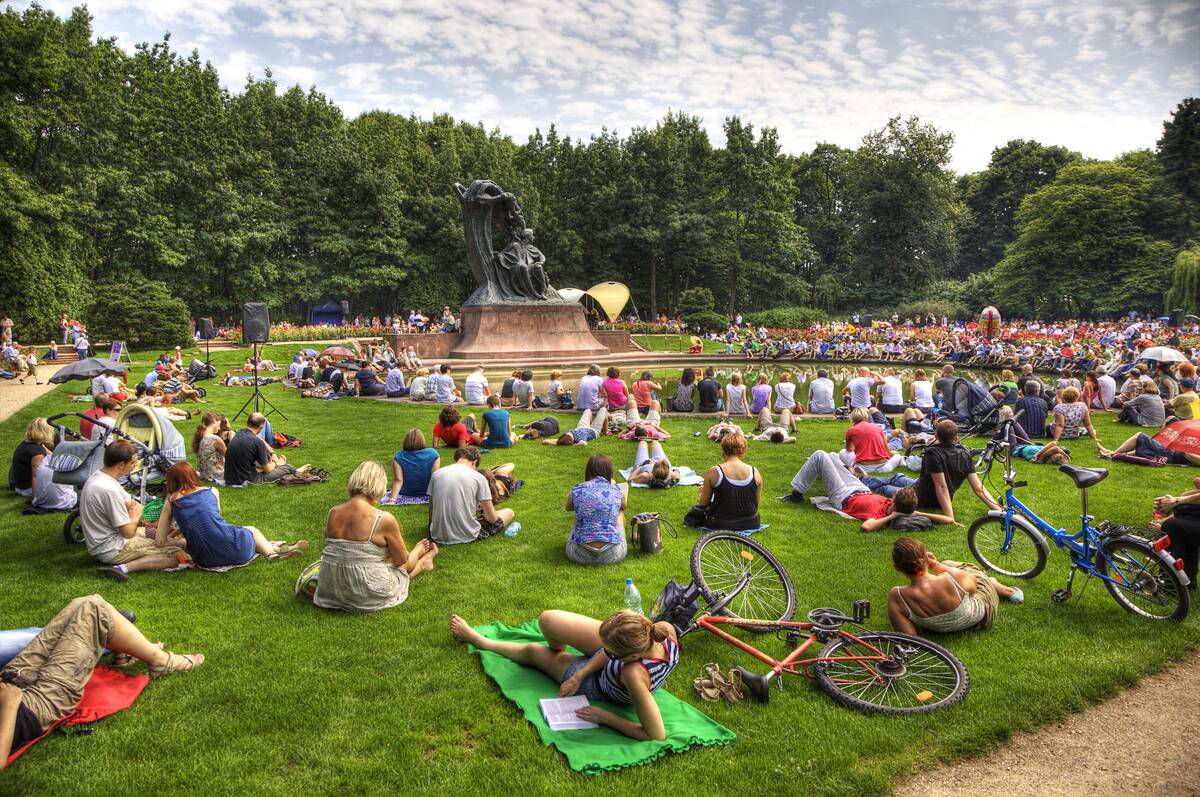
Public parks have long served as venues for community events, including concerts, festivals, civic celebrations, and recreational activities. In more recent times, many parks have also hosted farmers’ markets, outdoor movie screenings, cultural performances, and community fairs.
These events provide opportunities for social interaction and shared experiences, helping strengthen connections within communities. By accommodating a wide variety of gatherings and activities, public parks have become important community resources and, in some cities, significant cultural spaces.




