The oldest known shopping streets in history
Imagine walking down cobblestone streets where the whispers of ancient merchants still linger in the air. These historic shopping streets have stood the test of time, offering a unique blend of history and commerce.
From the bustling bazaars of the Middle East to the quaint alleys of Europe, each street tells a story of trade, culture, and evolution.
The Grand Bazaar of Istanbul: A Timeless Trading Hub
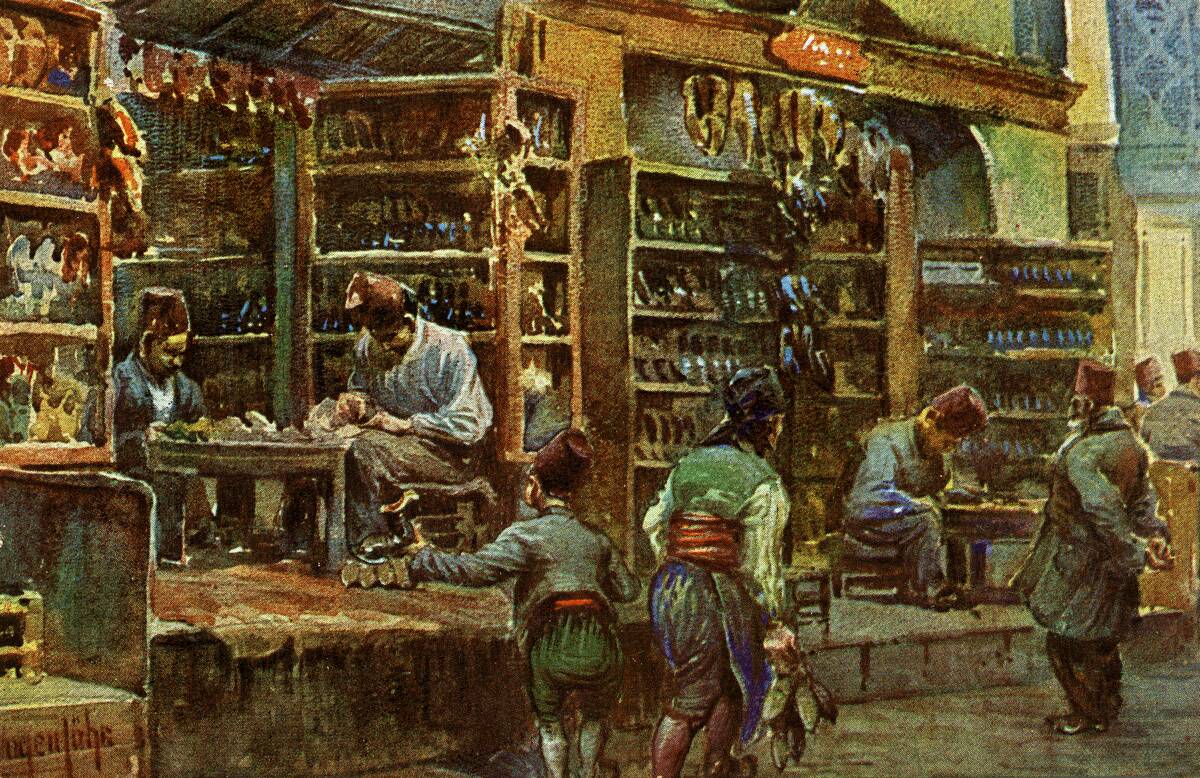
The Grand Bazaar in Istanbul is one of the oldest and largest covered markets in the world, dating back to the 15th century. With over 4,000 shops, it attracts millions of visitors each year, offering everything from carpets to jewelry.
The bazaar’s labyrinthine layout is a testament to its historical significance as a trading hub between East and West. Walking through its bustling corridors, one can almost feel the echoes of merchants haggling over exotic goods.
The Silk Road: More Than Just a Trade Route
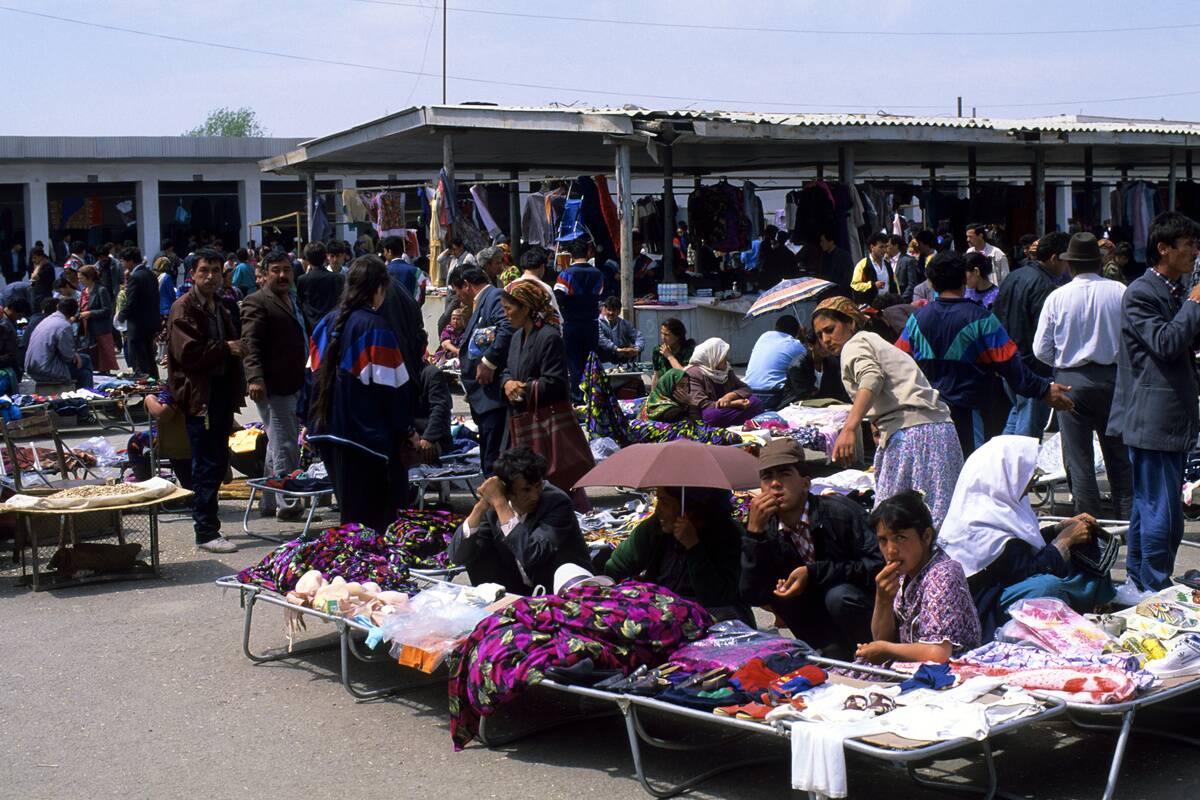
The Silk Road was not just a single road but a network of trade routes connecting Asia, the Middle East, and Europe. It facilitated the exchange of goods like silk, spices, and precious stones, but it also played a crucial role in cultural exchange.
Ideas, religions, and technologies traveled along these routes, shaping civilizations. The legacy of the Silk Road is evident in the diverse cultural influences found in the regions it connected, making it a vital part of global history.
The Agora of Athens: Shopping in the Cradle of Western Civilization
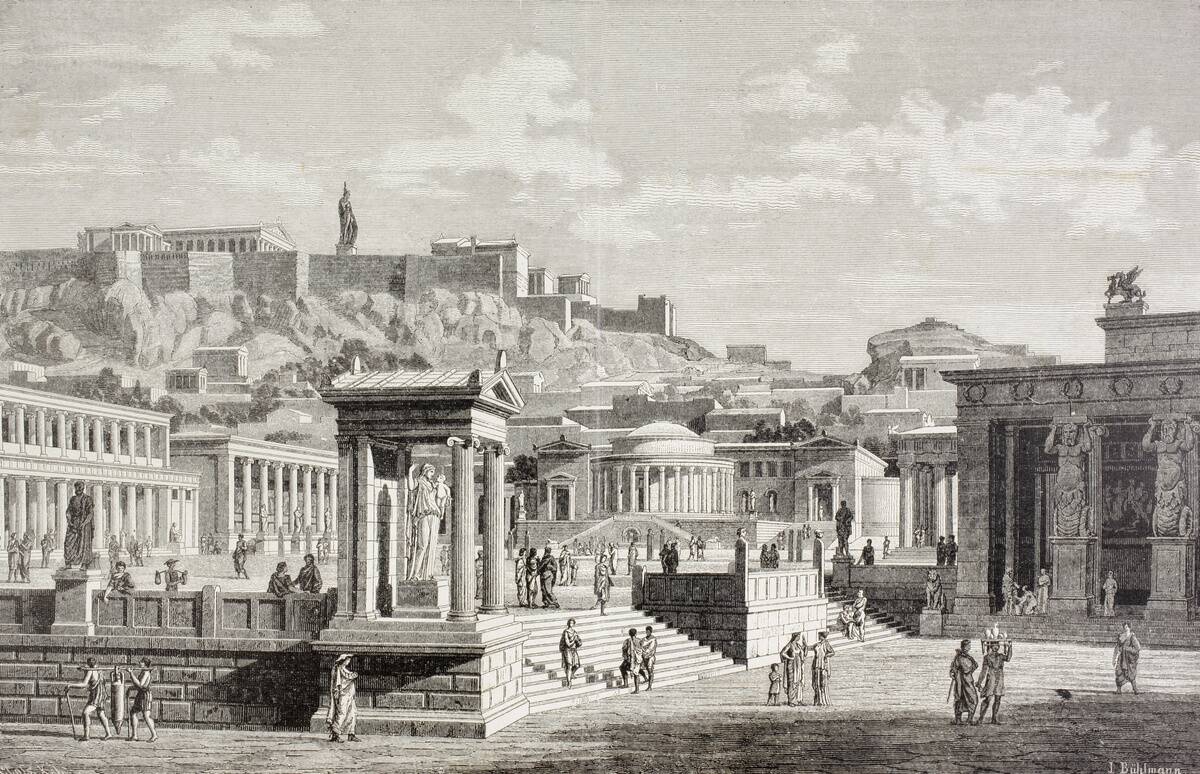
The Agora of Athens was more than just a marketplace; it was the heart of ancient Greek society. Located at the foot of the Acropolis, it was a bustling center of commerce, politics, and philosophy. Citizens gathered here to buy goods, discuss politics, and listen to philosophers like Socrates.
The Agora’s influence on Western civilization is profound, as it laid the foundations for democratic ideals and public discourse. Walking through its ruins today, one can still sense its historical significance.
The Shambles, York: A Medieval Marvel
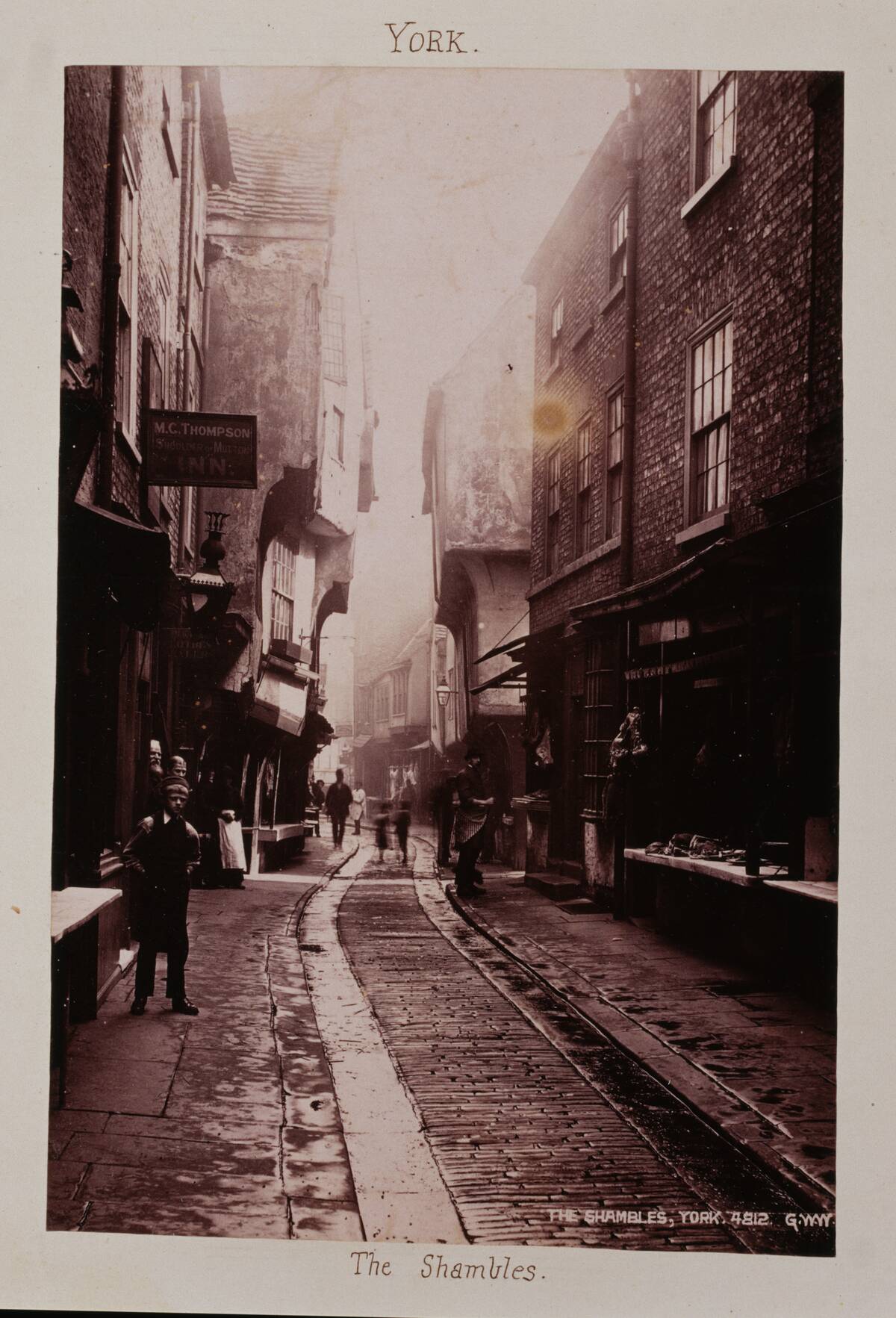
The Shambles in York is a beautifully preserved medieval street, known for its narrow, cobbled lanes and overhanging timber-framed buildings. Dating back to the 14th century, it was originally home to butchers, with meat hooks still visible on some shop fronts.
Today, it is a popular tourist attraction, offering a range of quaint shops and cafes. The Shambles’ charm lies in its ability to transport visitors back in time, providing a glimpse into medieval life in England.
Chandni Chowk, Delhi: A Mughal Legacy
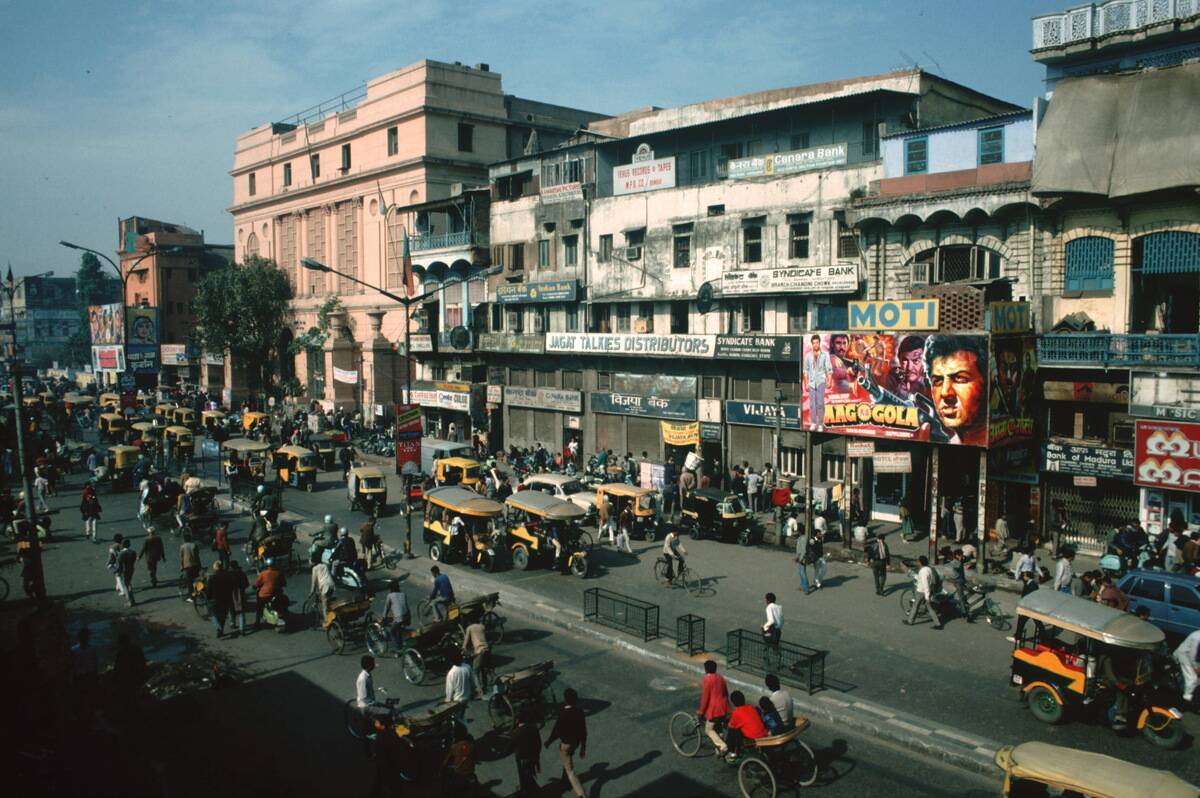
Chandni Chowk in Delhi is one of the oldest and busiest markets in India, established in the 17th century by Mughal Emperor Shah Jahan. It was designed as a square with a pool in the center, reflecting the moonlight, which is how it got its name.
Today, it is a bustling marketplace known for its vibrant atmosphere and diverse offerings, from spices to textiles. Chandni Chowk remains a testament to India’s rich history and cultural diversity, drawing visitors from around the world.
Rue Saint-Honoré, Paris: A Fashionista’s Dream Through the Ages
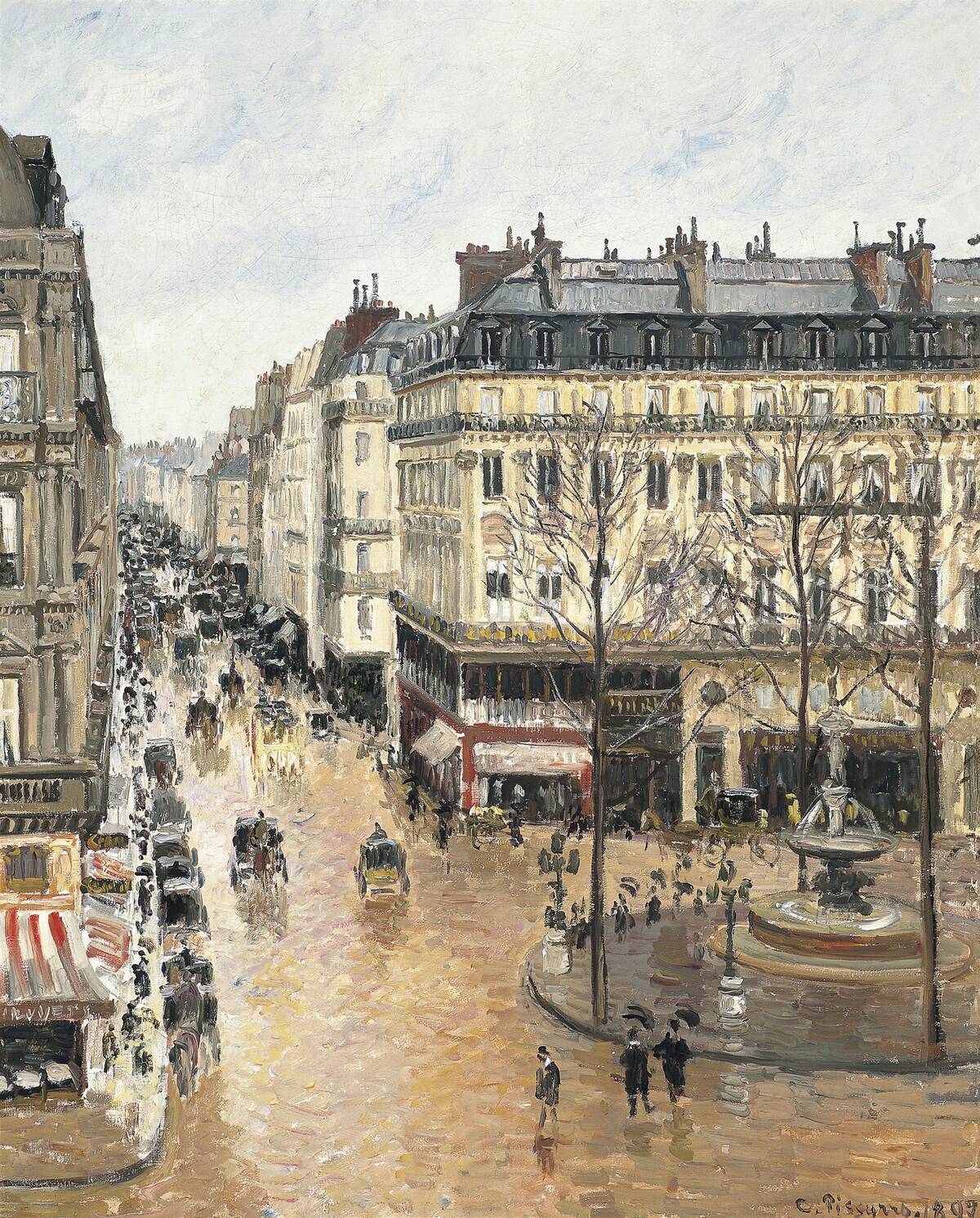
Rue Saint-Honoré in Paris is synonymous with luxury and fashion, but its history dates back to the Middle Ages. Originally a route for pilgrims, it evolved into a hub for high-end boutiques and designer stores.
Today, it is a must-visit for fashion enthusiasts, offering a mix of historic charm and modern elegance. The street’s enduring appeal lies in its ability to adapt to changing trends while maintaining its status as a symbol of Parisian style and sophistication.
Nanjing Road, Shanghai: From Imperial China to Modern Metropolis
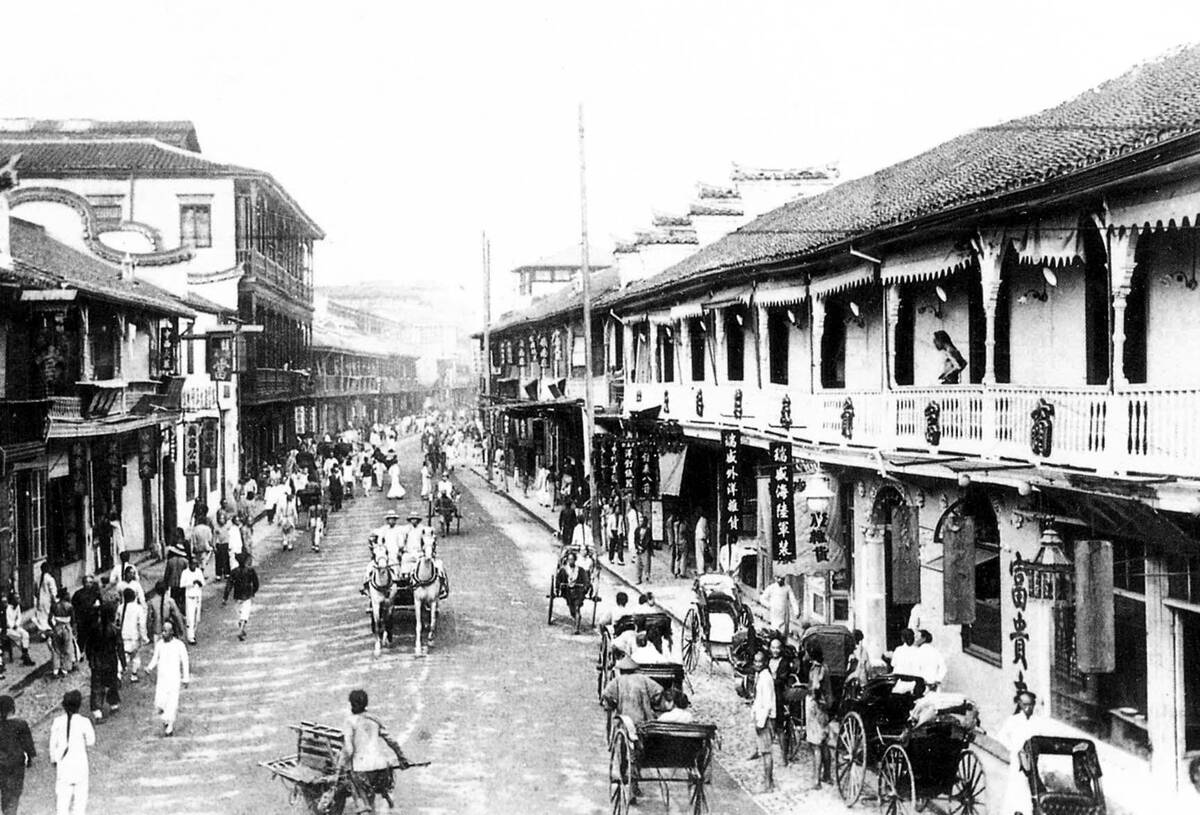
Nanjing Road in Shanghai is one of the world’s busiest shopping streets, with a history that spans over a century. Originally a residential area for European expatriates, it transformed into a commercial hub in the early 20th century.
Today, it is a bustling metropolis, offering everything from traditional Chinese goods to international brands. Nanjing Road’s evolution reflects Shanghai’s transformation from an imperial city to a modern global powerhouse, making it a fascinating destination for shoppers and history buffs alike.
The Souks of Marrakech: A Sensory Overload
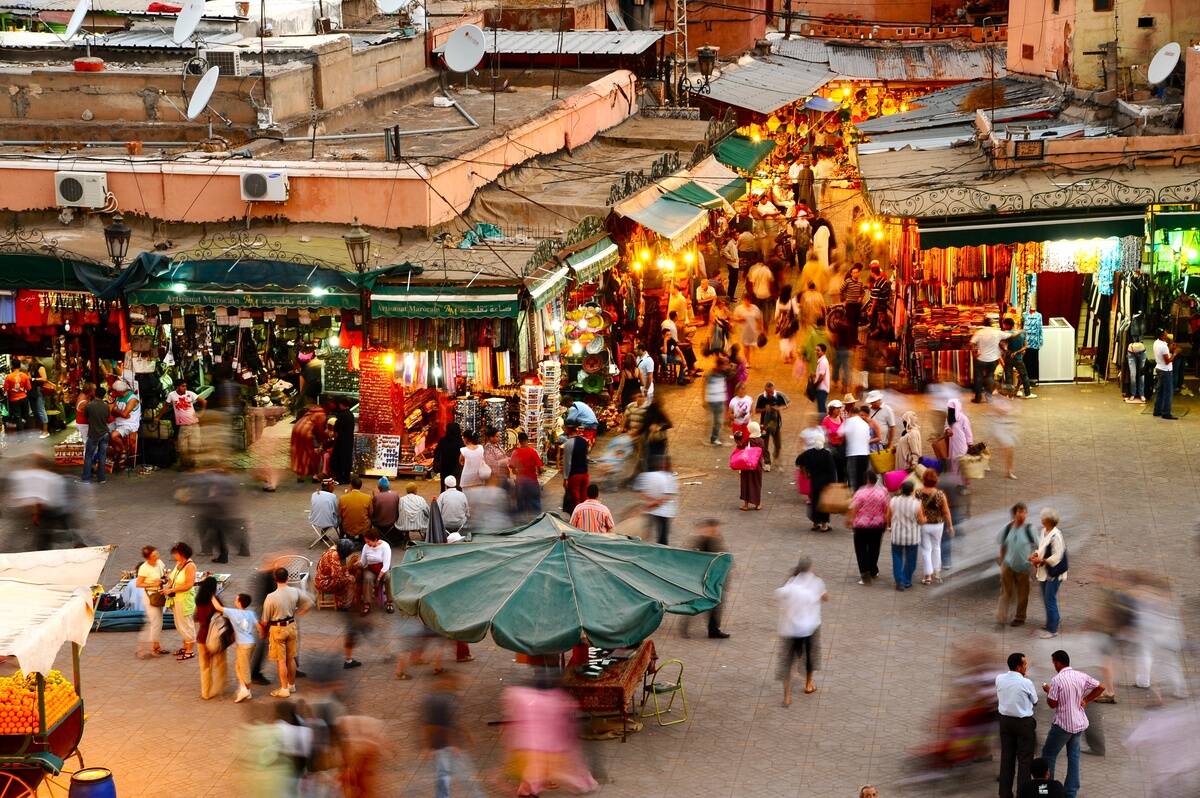
The souks of Marrakech are a vibrant maze of narrow alleys filled with the sights, sounds, and smells of Moroccan culture. These traditional markets have been a part of Marrakech for centuries, offering a wide range of goods, from spices and textiles to handcrafted pottery.
The sensory experience of wandering through the souks is unparalleled, with the aroma of spices mingling with the vibrant colors of the stalls. It’s a place where tradition and commerce meet, providing a unique glimpse into Moroccan life.
The Historic Streets of Kyoto: Shopping in the Heart of Japan
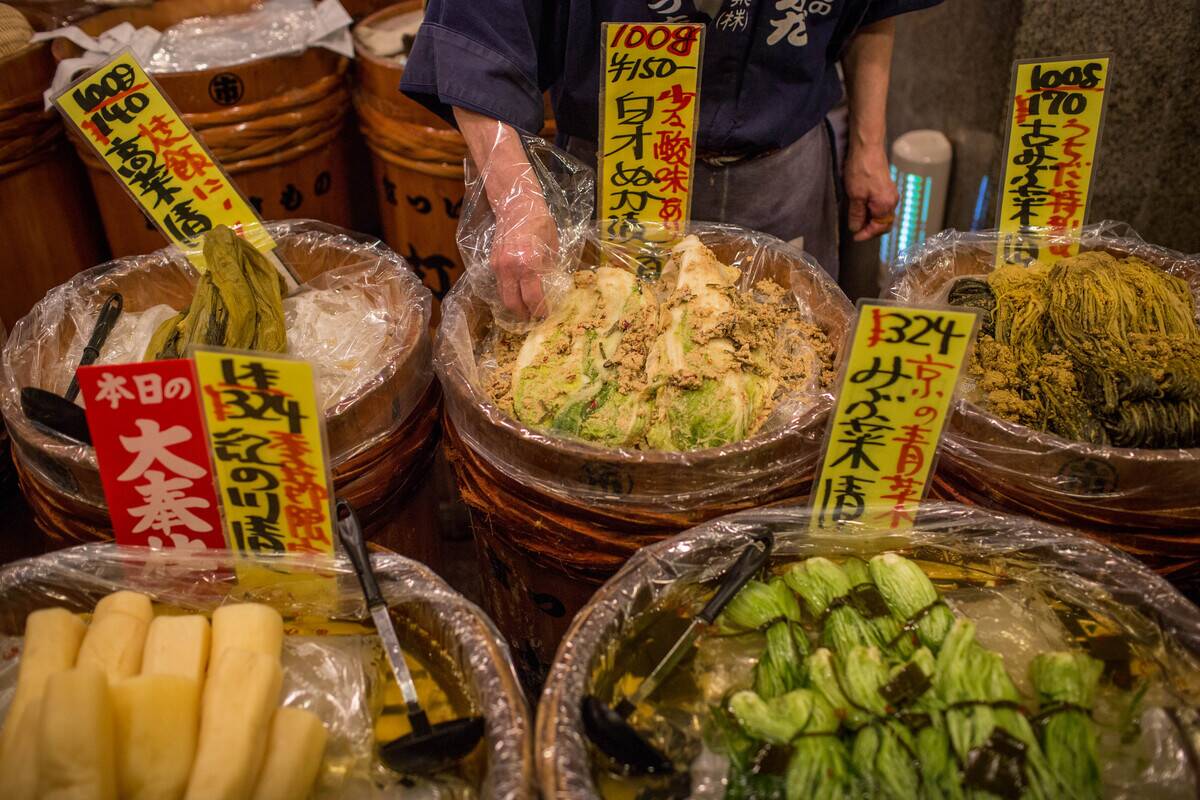
Kyoto’s historic streets, such as Nishiki Market, offer a unique shopping experience that blends traditional Japanese culture with modern influences. Known as “Kyoto’s Kitchen,” Nishiki Market has been a culinary hub for over 400 years, offering fresh produce, seafood, and local delicacies.
The surrounding streets are filled with shops selling traditional crafts and souvenirs. Kyoto’s historic streets provide a window into Japan’s rich cultural heritage, where ancient traditions continue to thrive alongside contemporary innovations.
The Royal Mile, Edinburgh: A Walk Through Scottish History
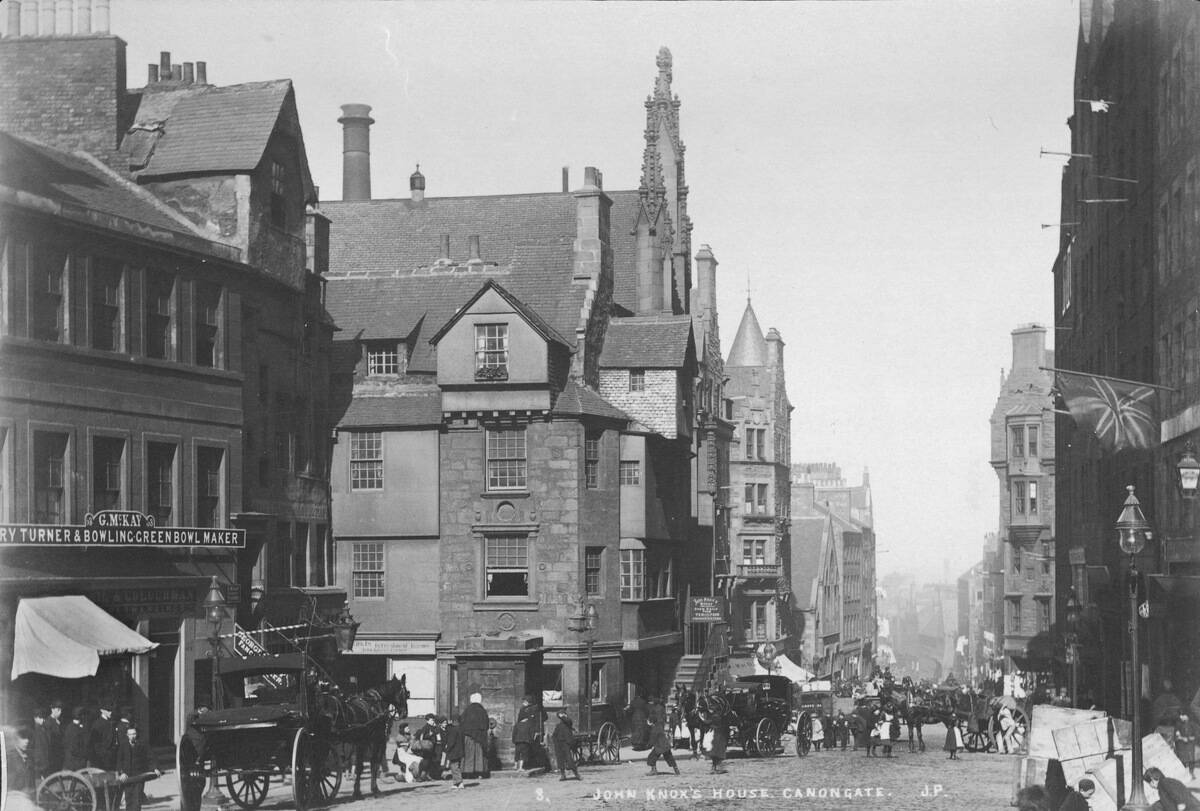
The Royal Mile in Edinburgh is a historic street that stretches from Edinburgh Castle to the Palace of Holyroodhouse. It is lined with charming shops, pubs, and historic landmarks, offering a glimpse into Scotland’s rich history.
The street’s name comes from its length, which is approximately one Scottish mile. Walking down the Royal Mile is like taking a step back in time, with its cobbled streets and medieval architecture providing a picturesque setting for exploring the heart of Edinburgh.




