Understanding the world’s oldest religions
Embarking on a journey through ancient beliefs is like opening a time capsule filled with stories, rituals, and philosophies that have shaped humanity. These beliefs, born from the need to understand the world, offer a glimpse into the minds of our ancestors.
From the riverbanks of Mesopotamia to the temples of Japan, ancient religions provide a rich tapestry of human thought and spirituality that continues to influence us today.
The Cradle of Civilization: Mesopotamian Religions
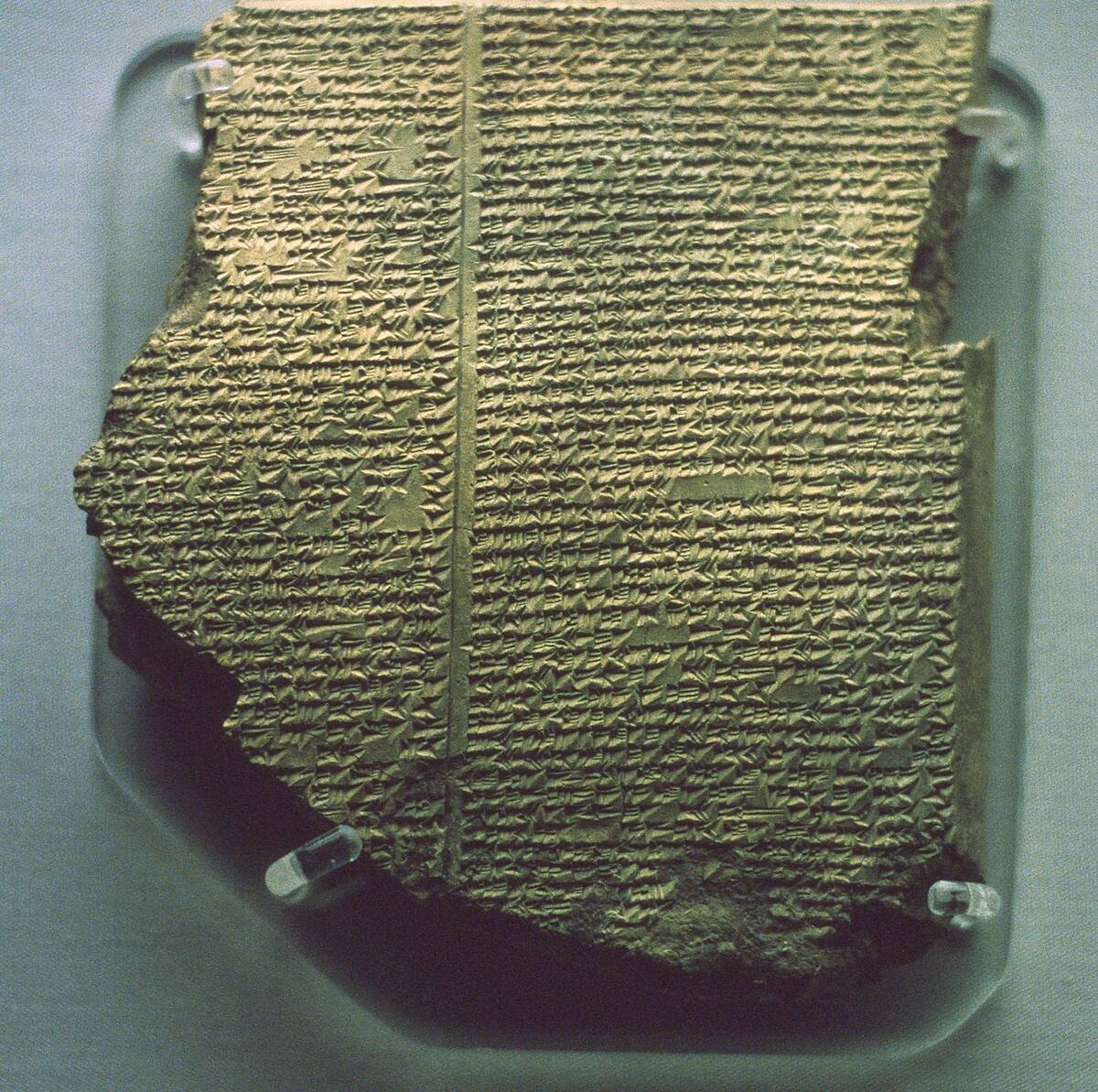
Mesopotamia, often called the cradle of civilization, was home to some of the earliest recorded religions. The Sumerians, Akkadians, Babylonians, and Assyrians worshipped a pantheon of gods, each overseeing different aspects of life and nature.
The famous Epic of Gilgamesh, one of the oldest known literary works, reflects these beliefs and offers insight into their understanding of life, death, and the divine.
Unearthing the Secrets of Ancient Egyptian Beliefs
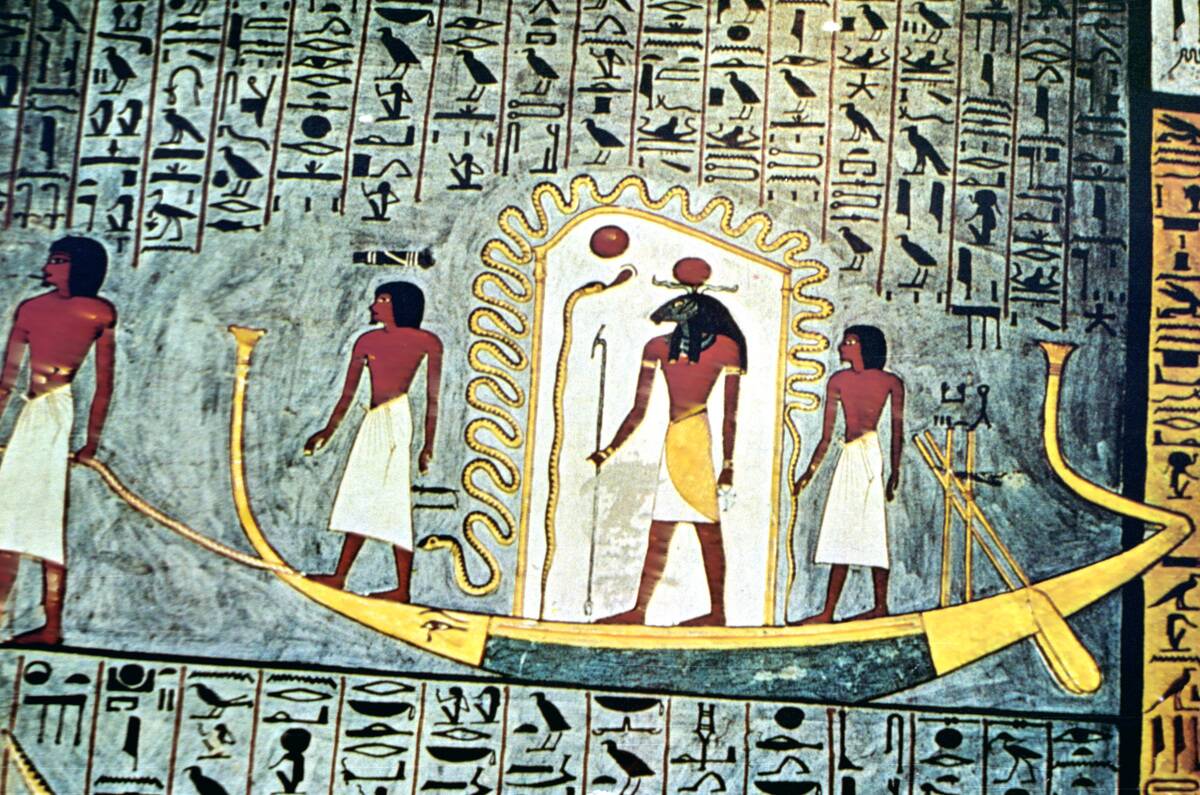
The ancient Egyptians are renowned for their elaborate belief system centered around the afterlife. They believed in a complex pantheon of gods, with Ra, the sun god, and Osiris, the god of the afterlife, being among the most significant.
The construction of the pyramids and the practice of mummification were deeply tied to their religious views, aiming to ensure a safe passage and a prosperous life after death.
Hinduism: The Eternal Dharma
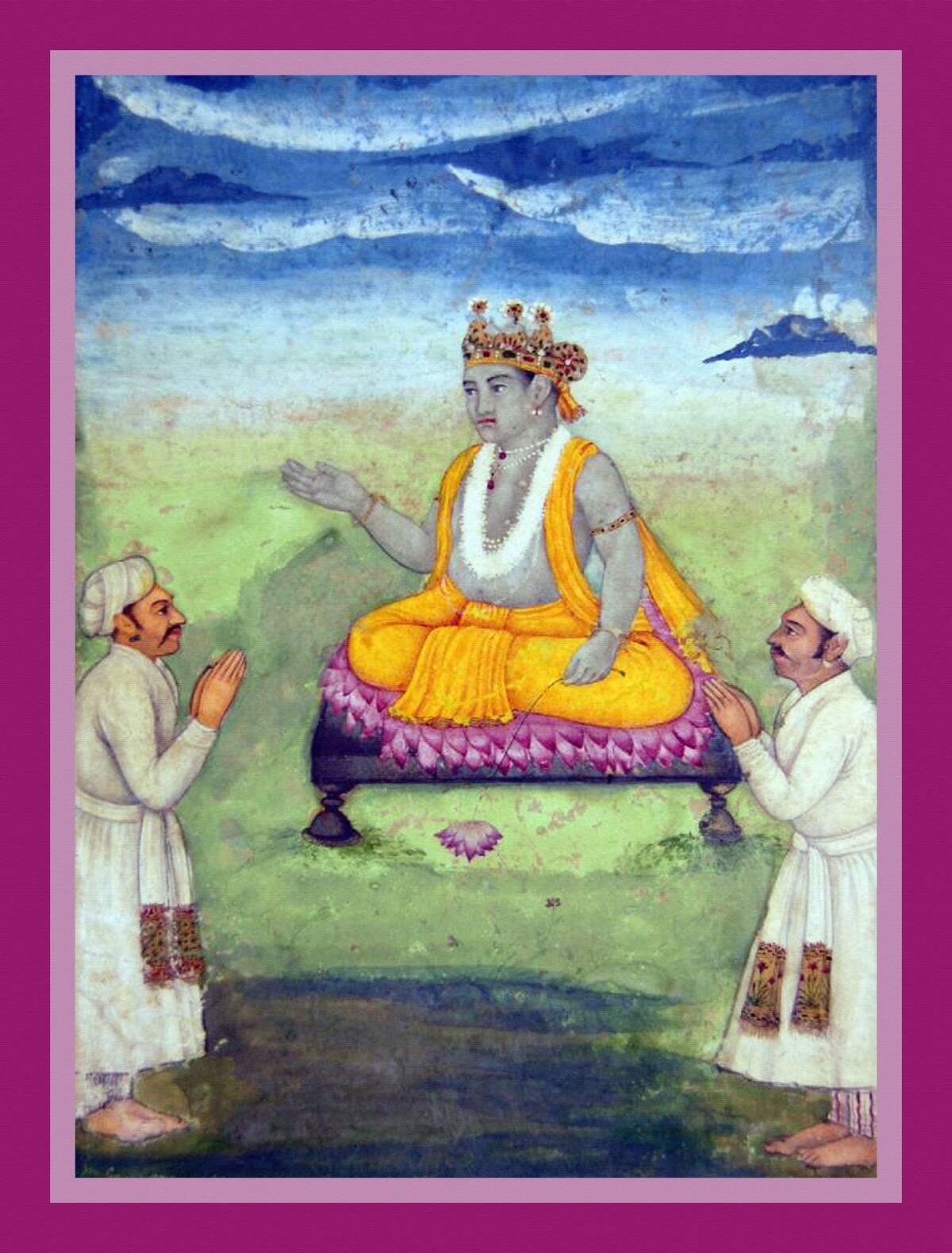
Hinduism, one of the world’s oldest religions, is a rich tapestry of beliefs and practices that emphasize dharma, or duty. With no single founder, it has evolved over thousands of years, incorporating diverse philosophies and rituals.
The Vedas, ancient sacred texts, form the foundation of Hindu thought, while deities like Vishnu, Shiva, and Devi play central roles in its vibrant mythology.
Zoroastrianism: The Religion of Fire and Light
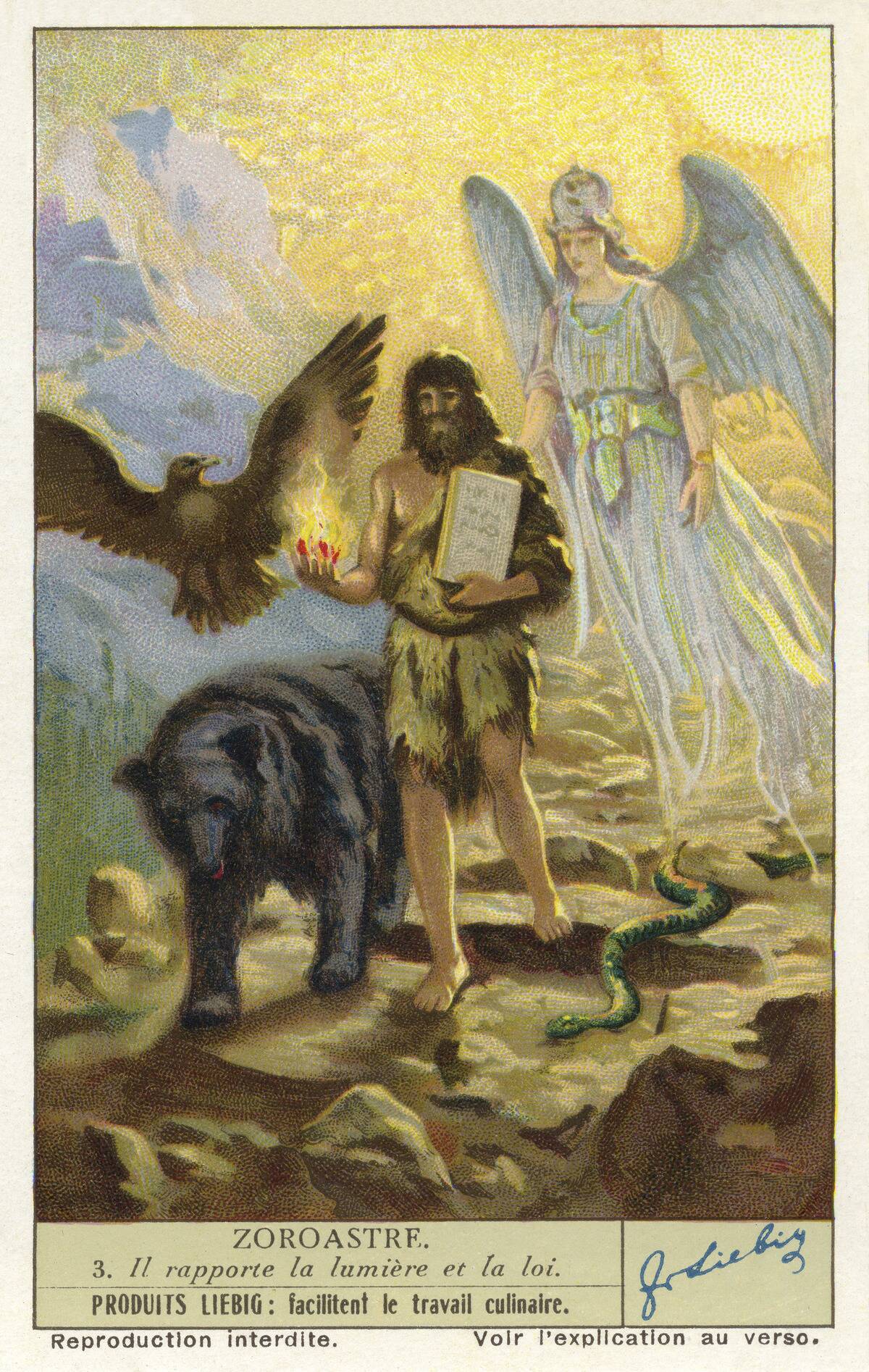
Zoroastrianism, one of the world’s oldest monotheistic religions, was founded by the prophet Zoroaster in ancient Persia. Central to its teachings is the concept of dualism, the eternal battle between Ahura Mazda, the god of light and truth, and Angra Mainyu, the spirit of chaos and evil.
Fire, symbolizing purity and the divine, plays a crucial role in Zoroastrian worship, with temples housing eternal flames.
The Mystical World of Ancient Greek Religion
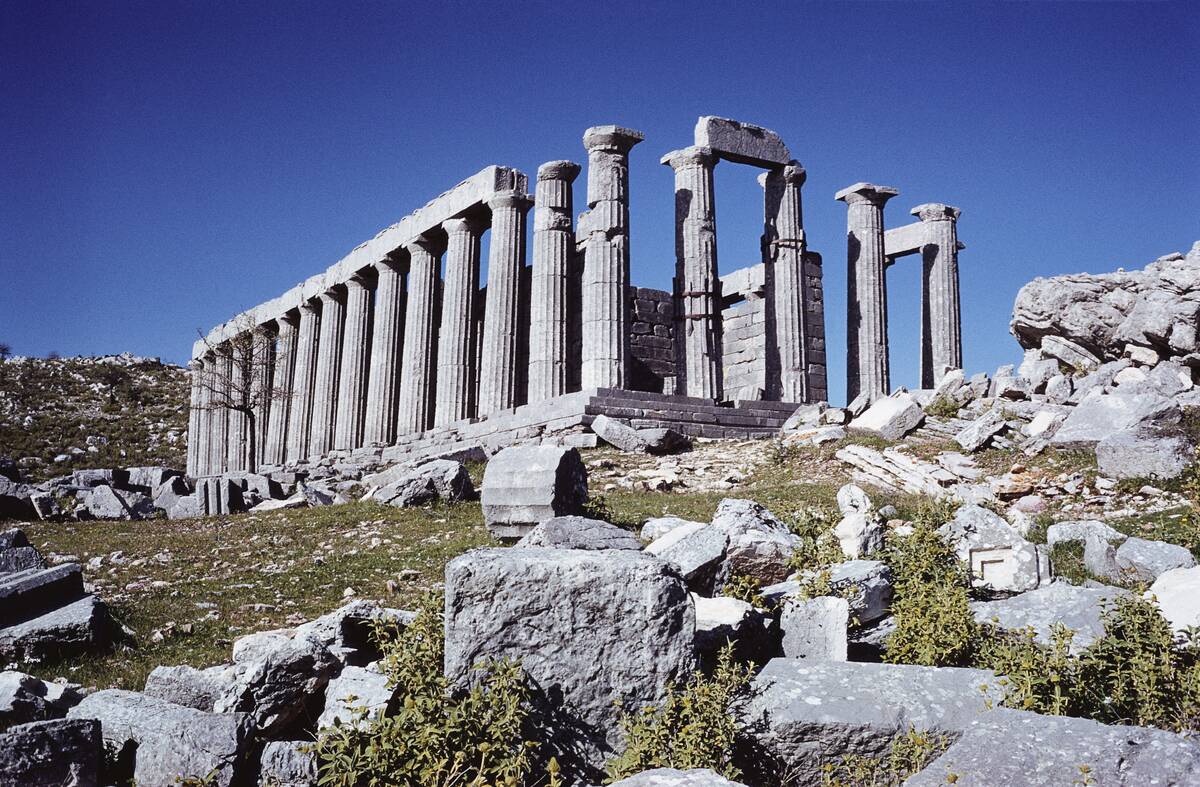
Ancient Greek religion is a fascinating blend of mythology and ritual, with gods and goddesses like Zeus, Athena, and Apollo playing pivotal roles. These deities were believed to inhabit Mount Olympus and interact with humans, often influencing their fates.
The Greeks practiced various rituals and festivals, such as the Olympic Games, which were originally held in honor of Zeus, showcasing the deep integration of religion into daily life.
The Norse Pantheon: Gods of the Vikings
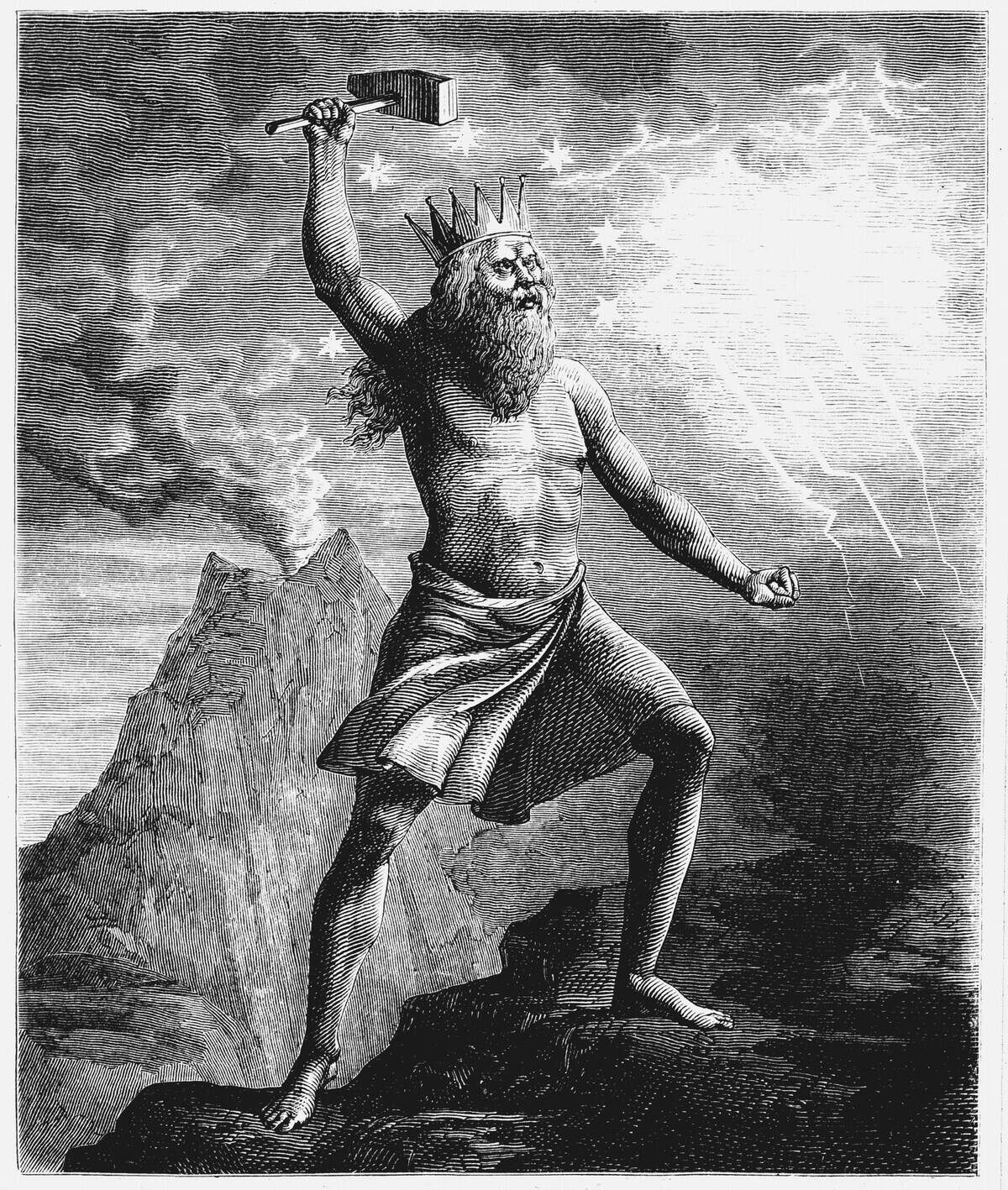
The Norse pantheon, with gods like Odin, Thor, and Freyja, reflects the harsh and adventurous spirit of the Vikings. These deities were central to Norse mythology, which was rich with tales of heroism, creation, and the end of the world, known as Ragnarok.
The Vikings believed in an afterlife where warriors who died bravely in battle would join Odin in Valhalla, a majestic hall of the slain.
Indigenous Beliefs: Spirituality of the First Nations
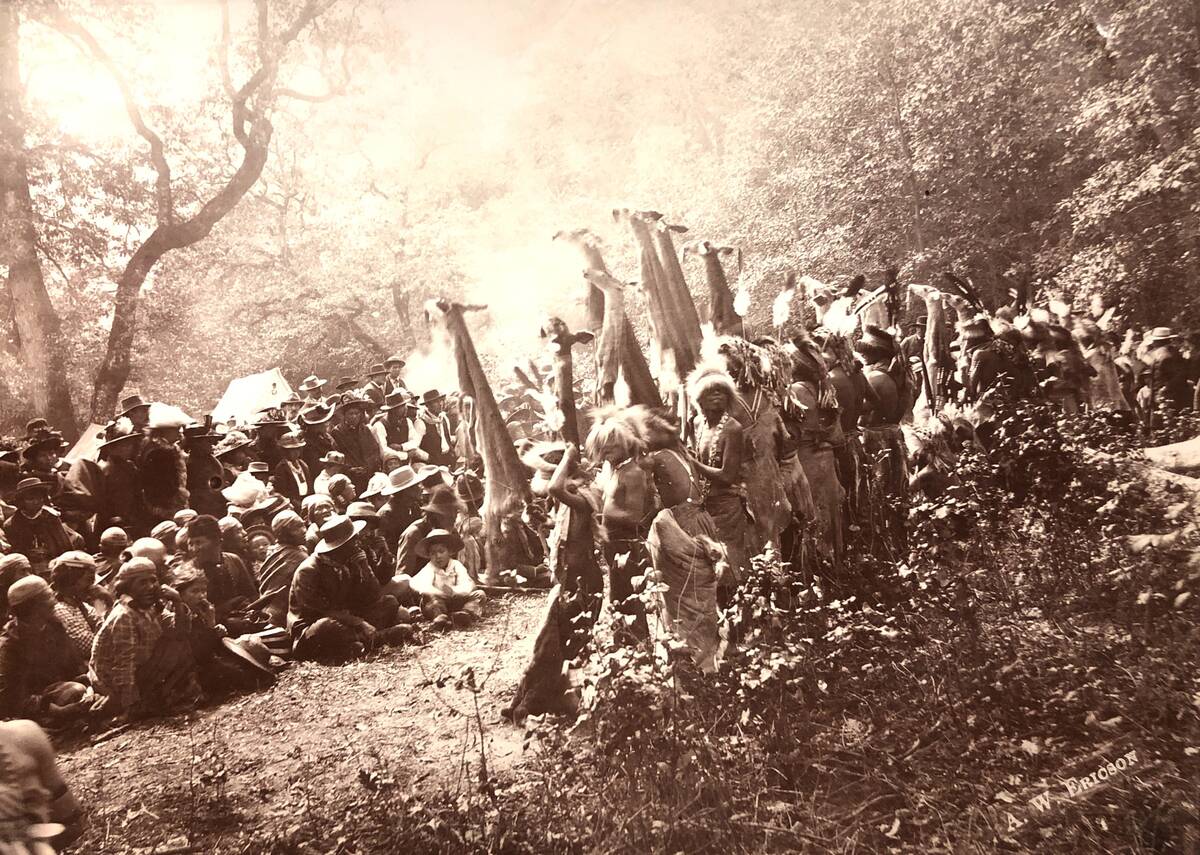
Indigenous beliefs are as diverse as the cultures that practice them, yet they often share a profound connection to nature and the land. Many First Nations peoples view the world as a web of relationships between humans, animals, and the environment.
Spiritual practices often include ceremonies, storytelling, and the use of sacred objects, all aimed at maintaining harmony and balance within the community and with nature.
Shinto: The Way of the Kami in Japan
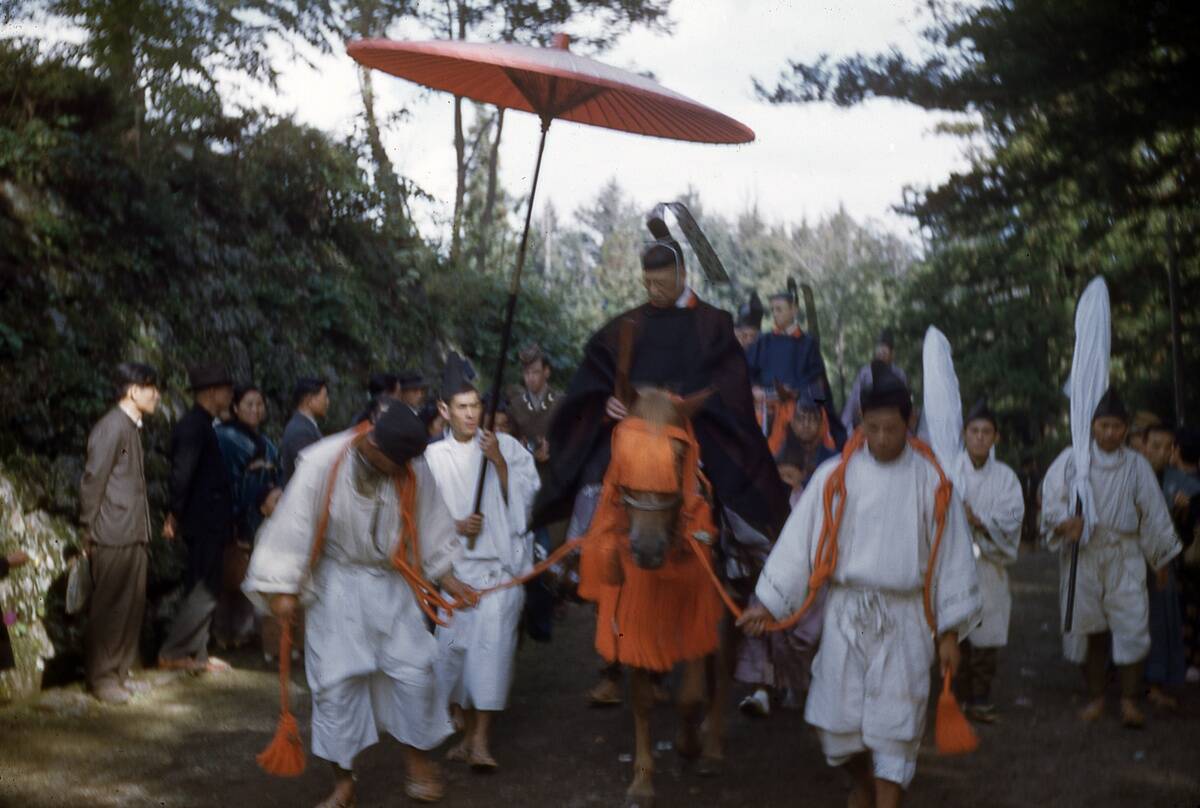
Shinto, the indigenous spirituality of Japan, revolves around the worship of kami, spirits associated with natural elements and ancestors. This belief system emphasizes purity, rituals, and festivals that celebrate the kami and the changing seasons.
Shrines, often found in serene natural settings, serve as sacred spaces where people can connect with these spiritual forces, reflecting the deep-rooted respect for nature in Japanese culture.
The Rich Tapestry of Chinese Folk Religion
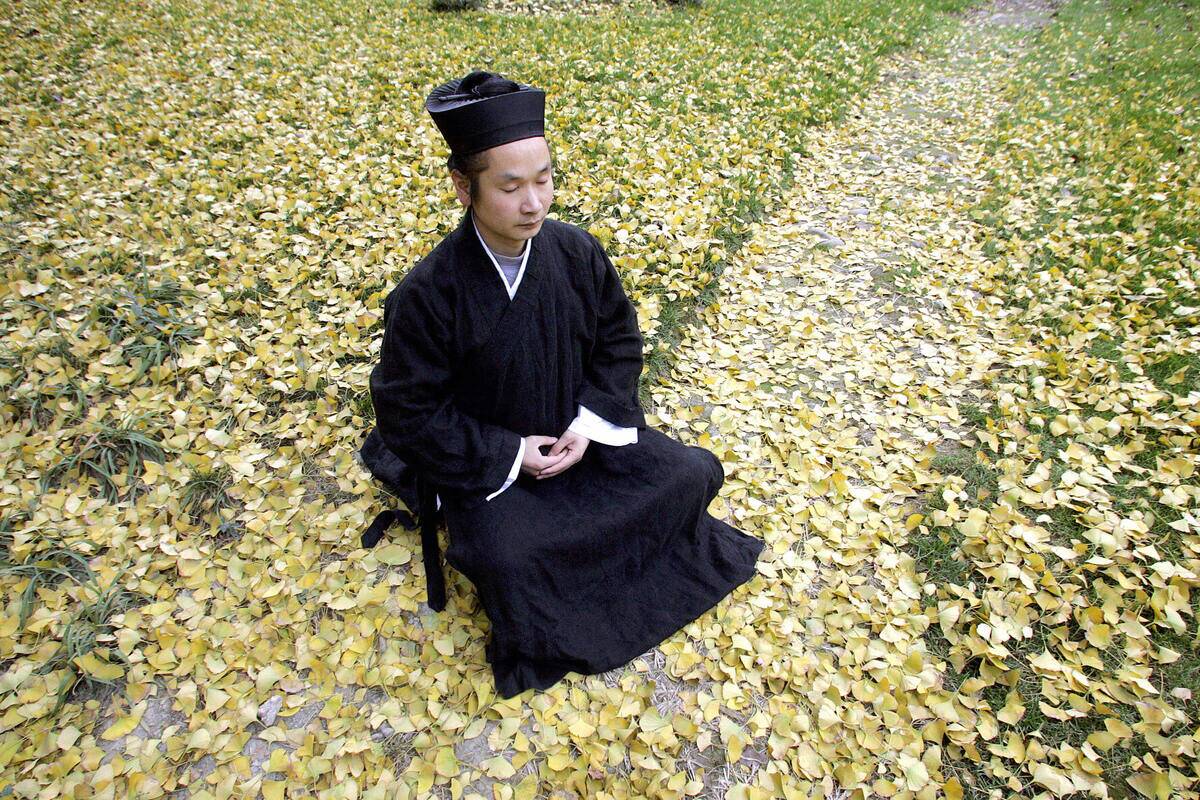
Chinese folk religion is a complex blend of ancient practices, Taoism, Confucianism, and Buddhism. It encompasses ancestor worship, the veneration of local deities, and the belief in a harmonious balance between yin and yang.
Festivals like the Lunar New Year and the Ghost Festival are integral to this tradition, offering opportunities for families to honor their ancestors and seek blessings for the future.
Jainism: The Path of Non-Violence
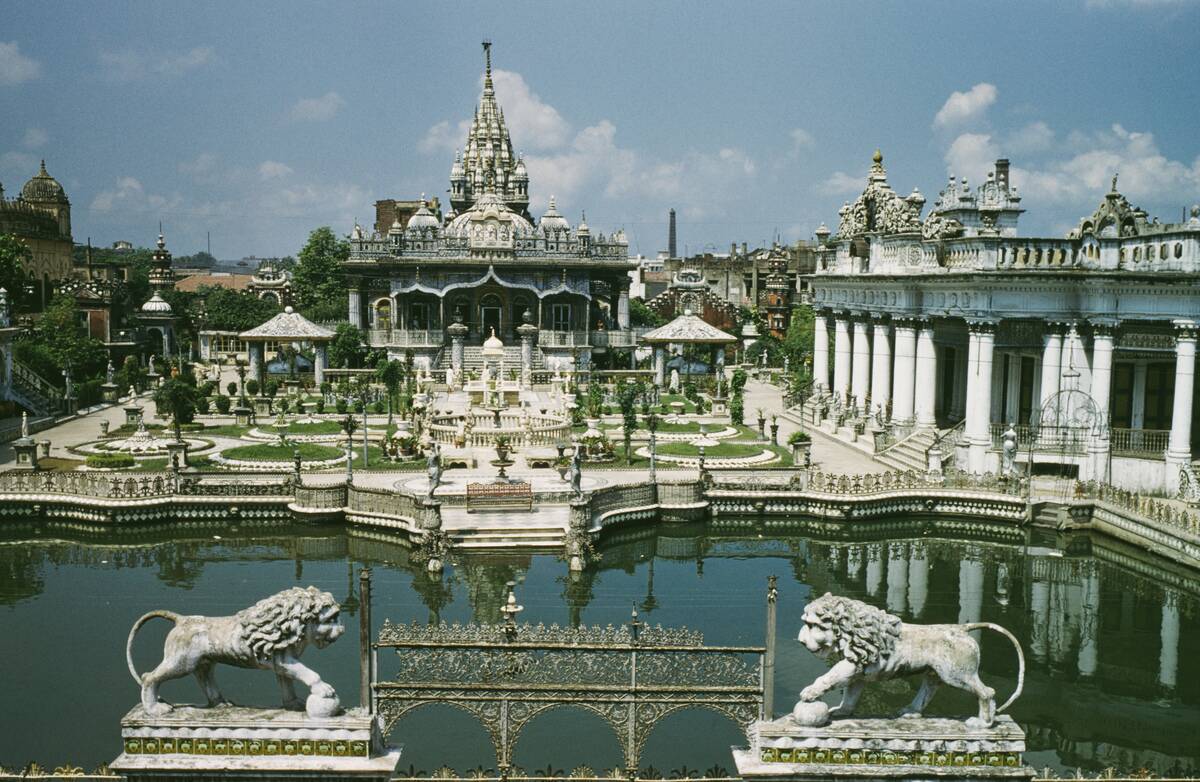
Jainism, originating in ancient India, is a religion that emphasizes non-violence, truth, and asceticism. Followers practice ahimsa, or non-harm, in all aspects of life, extending compassion to all living beings.
The religion’s teachings are encapsulated in the Agamas, sacred texts that guide Jains on their spiritual journey towards liberation and enlightenment, free from the cycle of rebirth.
The Ancient Roots of Judaism
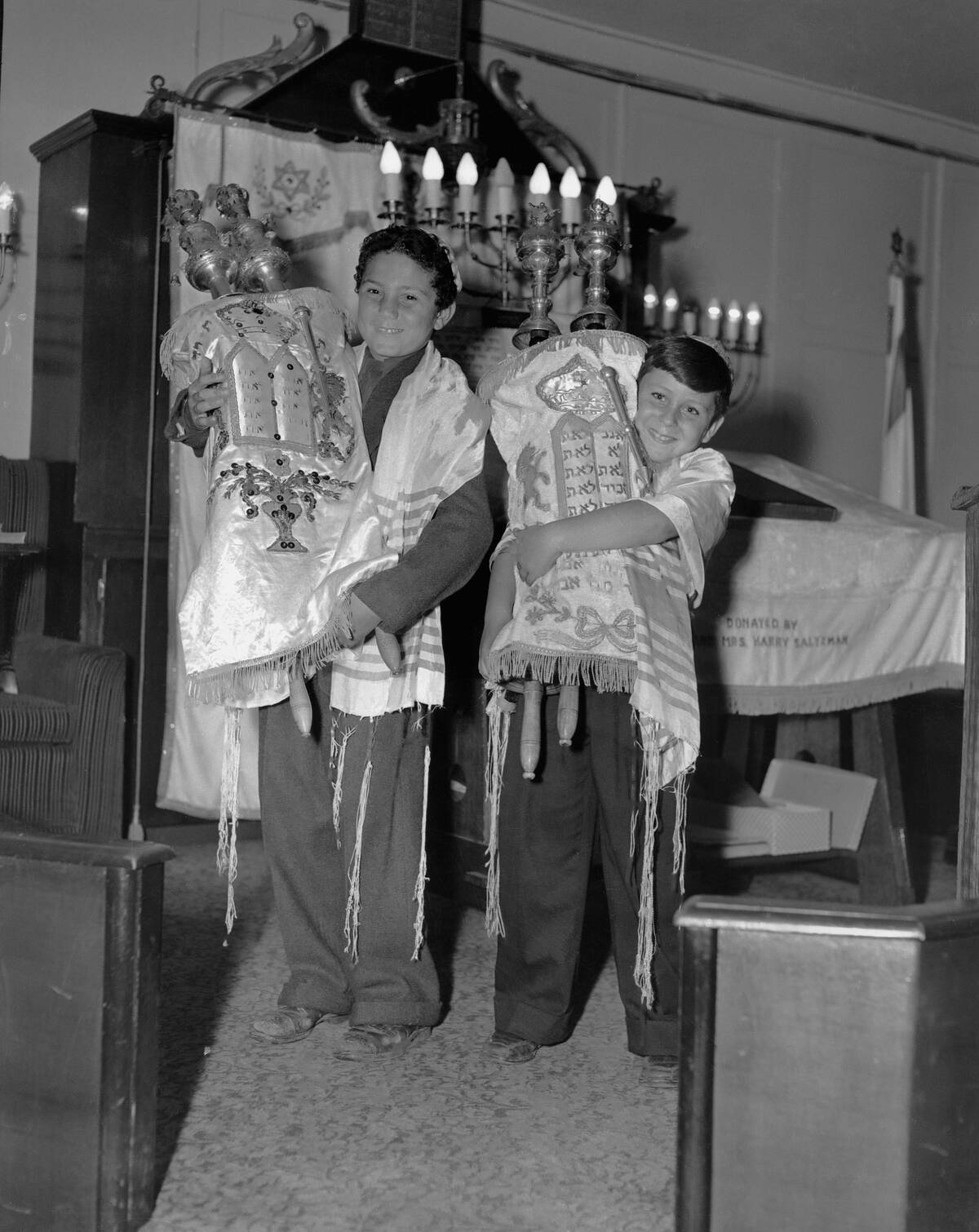
Judaism, one of the oldest monotheistic religions, traces its roots back to the ancient Hebrews and the covenant between God and Abraham. Central to Jewish belief is the Torah, the sacred text containing laws and teachings that guide the Jewish way of life.
Festivals such as Passover and Yom Kippur are deeply rooted in history, commemorating events like the Exodus and the Day of Atonement.
Buddhism: The Quest for Enlightenment
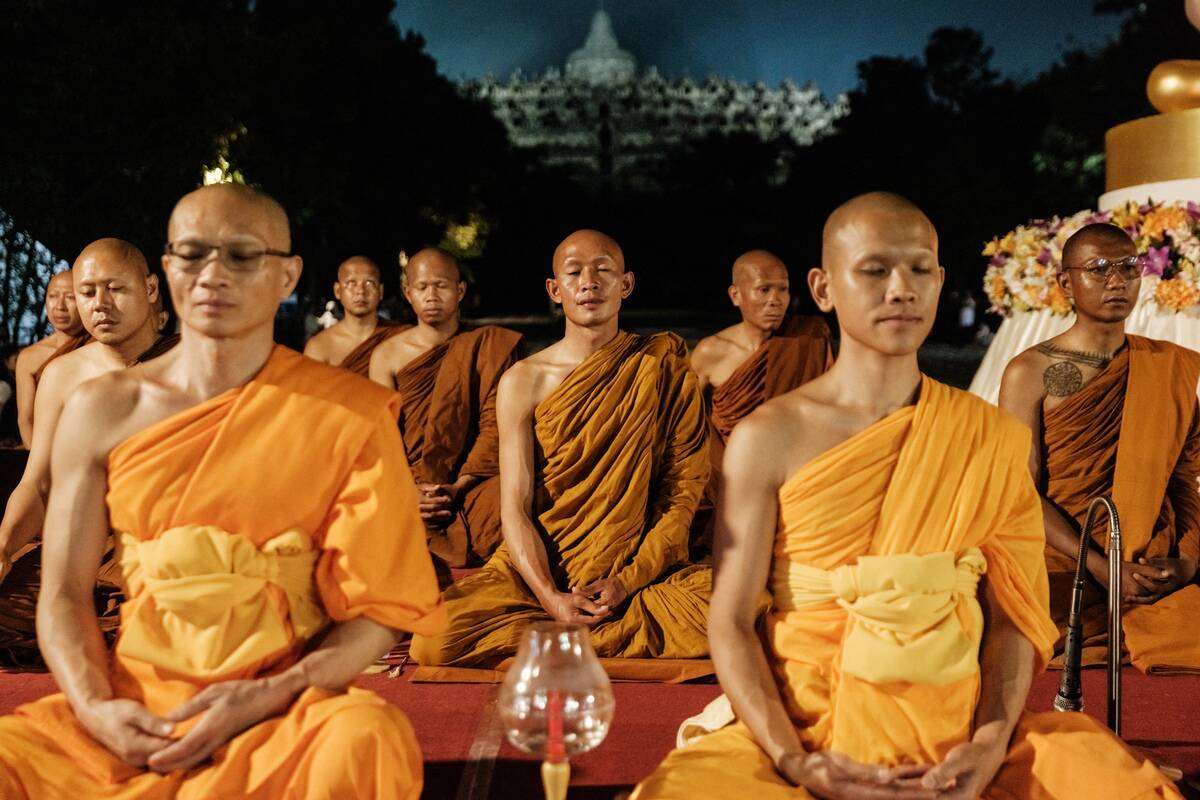
Buddhism, founded by Siddhartha Gautama, the Buddha, in the 5th century BCE, focuses on the pursuit of enlightenment through the Four Noble Truths and the Eightfold Path. Central to its teachings is the concept of impermanence and the cycle of rebirth.
Practices such as meditation and mindfulness are integral to the Buddhist path, helping followers cultivate wisdom, ethical conduct, and mental discipline.
The Spiritual Legacy of the Celts
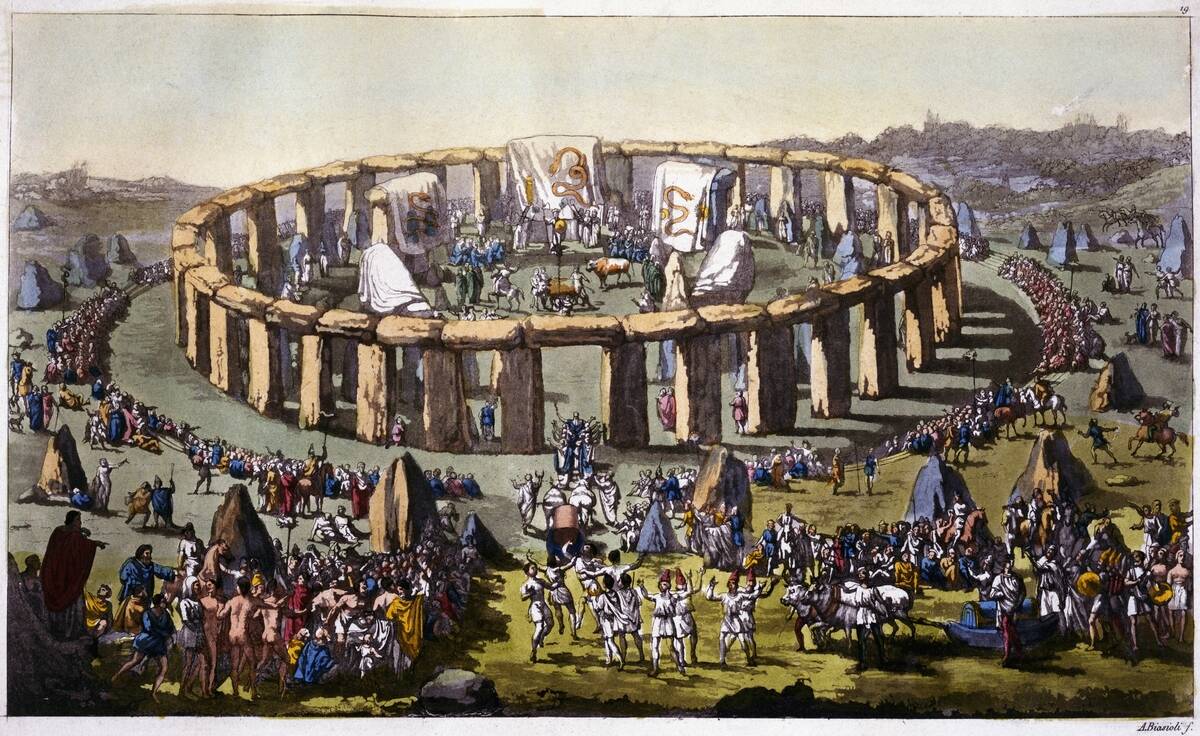
The Celts, known for their rich mythology and connection to nature, left a lasting spiritual legacy. Their belief system was polytheistic, with gods and goddesses associated with natural elements and human activities.
Druids, the priestly class, played a crucial role in Celtic society, conducting rituals and preserving oral traditions. Celebrations like Samhain, marking the end of the harvest season, continue to influence modern festivals such as Halloween.
The Vedic Traditions: Foundations of Indian Spirituality
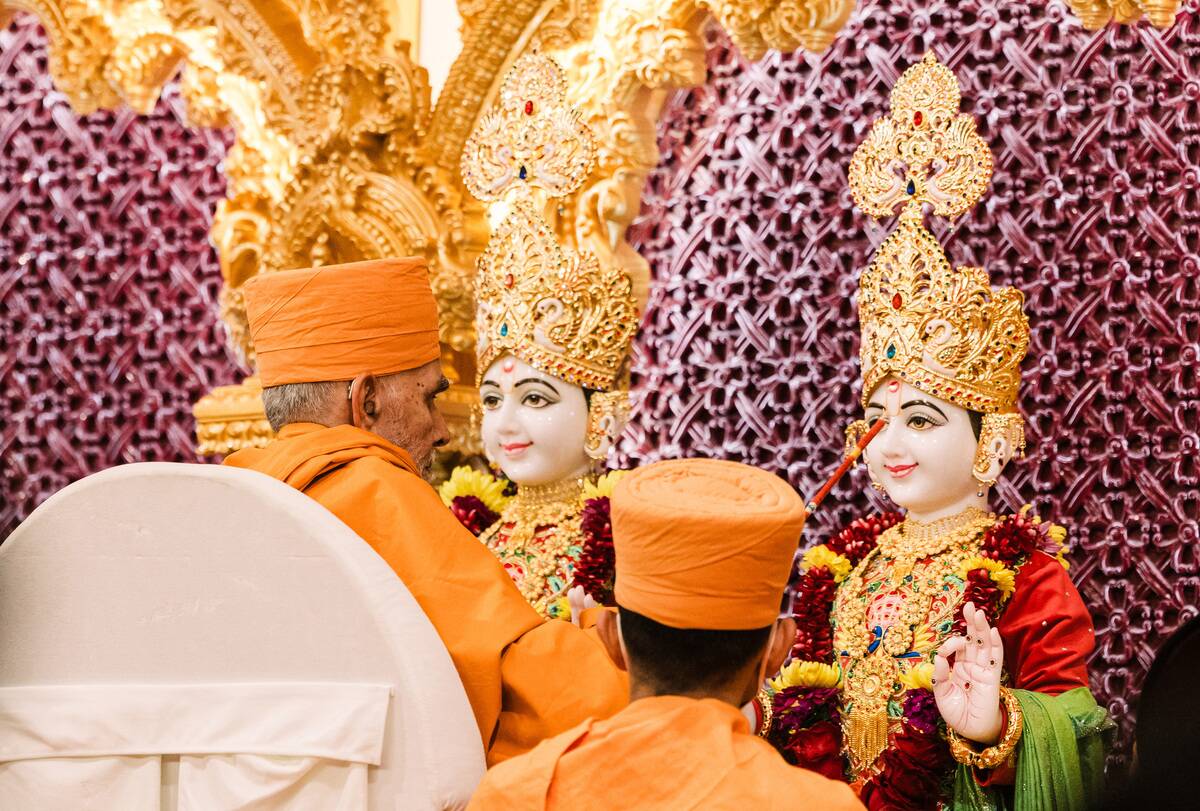
The Vedic traditions, originating in ancient India, form the foundation of Indian spirituality and Hinduism. The Vedas, a collection of hymns and rituals, are among the oldest sacred texts in the world.
They emphasize the importance of rituals, sacrifices, and the worship of deities like Agni, the fire god, and Indra, the king of gods. These traditions laid the groundwork for the diverse spiritual practices that evolved in the Indian subcontinent.