Inventions that solved problems of the past
In a world where technology evolves at lightning speed, it’s fascinating to look back at the innovations that once seemed cutting-edge.
These inventions paved the way for modern conveniences, even if they’ve since been relegated to the annals of history. From the icebox to the Rolodex, each played a crucial role in shaping the way we live today.
The Icebox: Keeping Cool Before Refrigerators
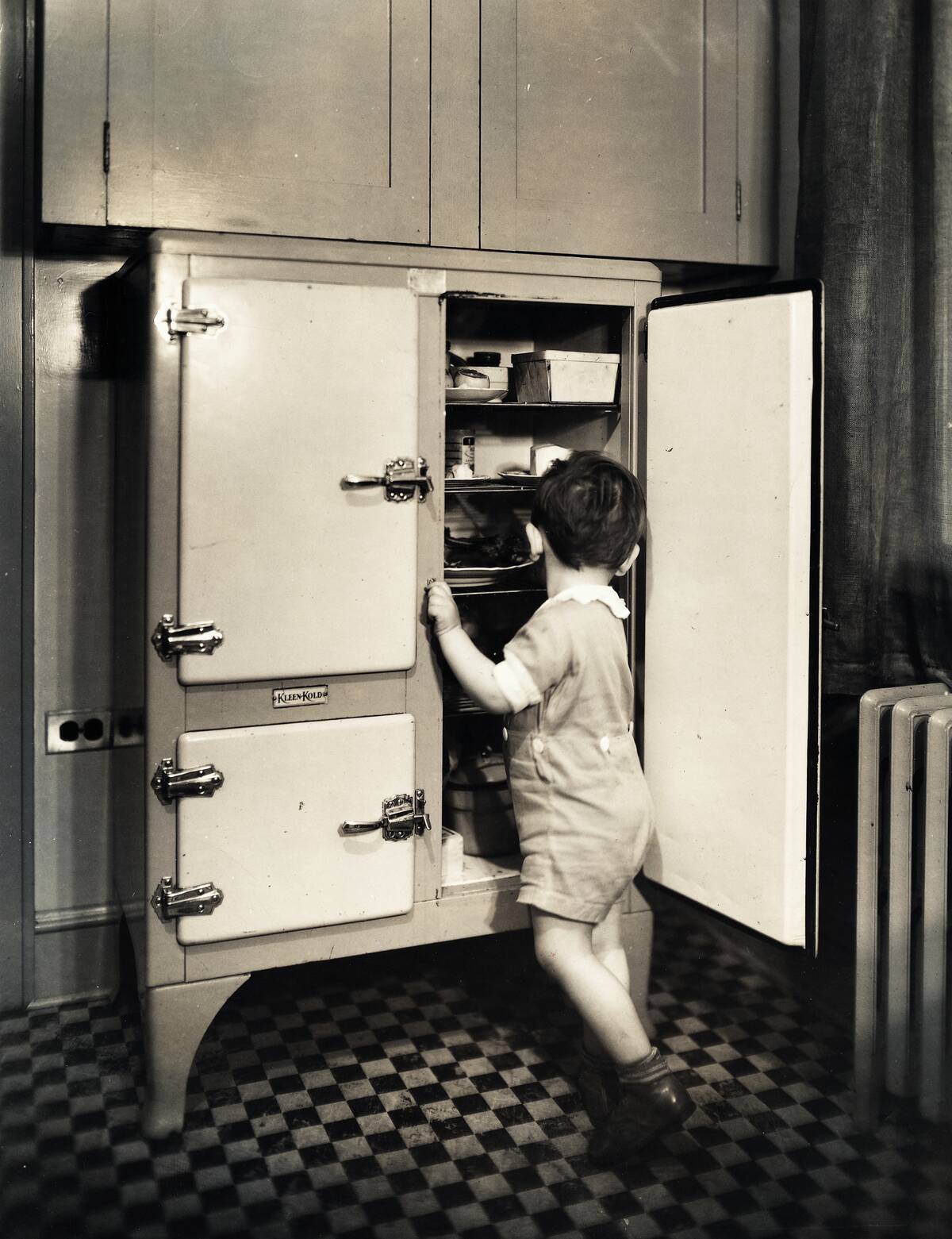
Before the refrigerator became a kitchen staple, the icebox was the go-to appliance for keeping food fresh. These insulated wooden boxes relied on large blocks of ice to maintain a cool temperature.
Delivered by the iceman, these blocks needed regular replenishment, making the icebox a less convenient but essential household item. It wasn’t until the early 20th century that electric refrigerators began to replace them, offering a more reliable and less labor-intensive solution for food preservation.
The Telegraph: The Original Instant Messenger
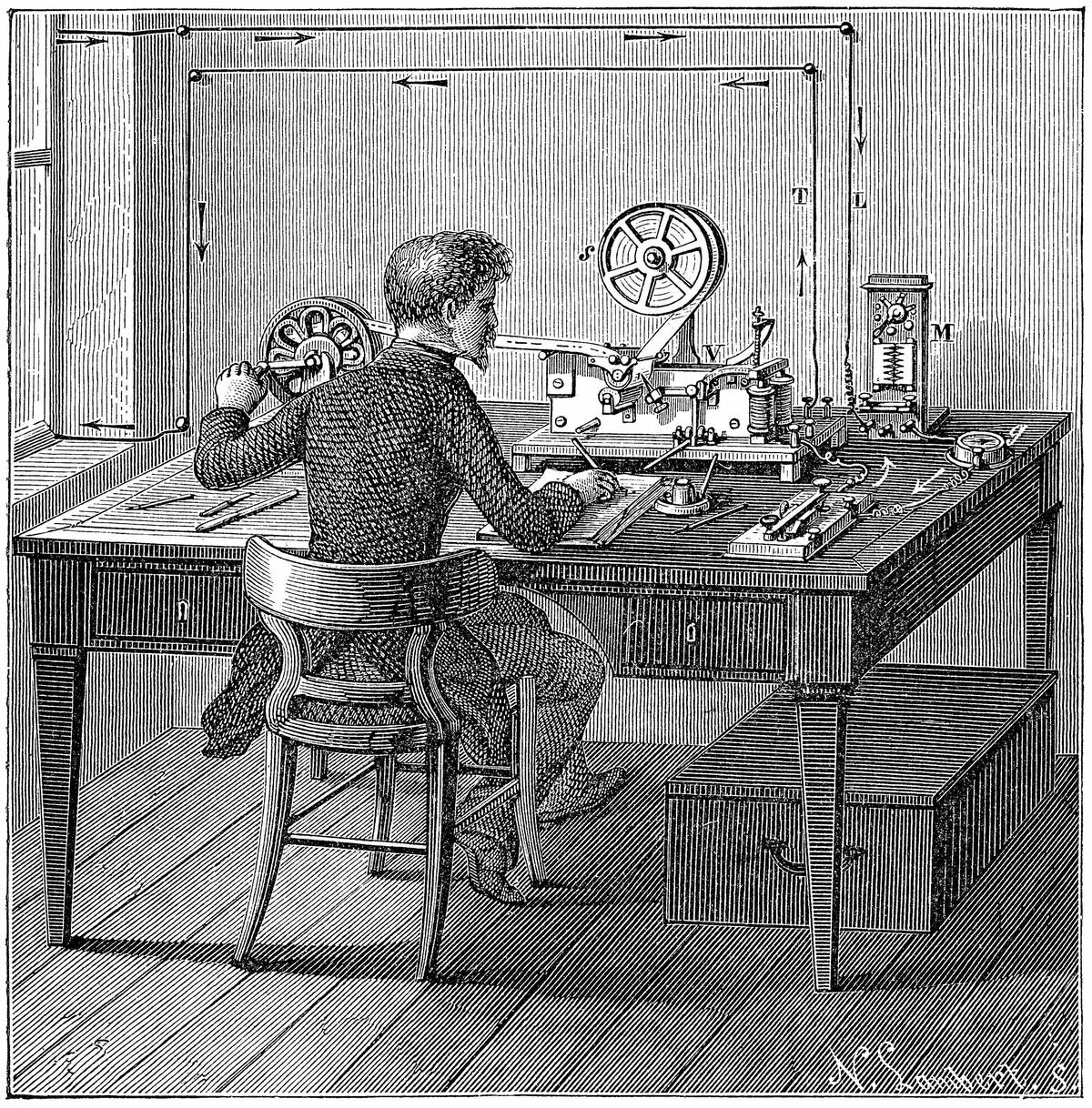
Long before text messages and emails, the telegraph was the fastest way to send messages over long distances. Invented in the 1830s by Samuel Morse, the telegraph used Morse code to transmit information via electrical signals.
This revolutionary technology connected continents and transformed communication, making it possible to relay news and personal messages in minutes rather than days. The telegraph laid the groundwork for future communication technologies, even if it’s now a relic of the past.
The Horse-Drawn Carriage: Before Cars Took Over
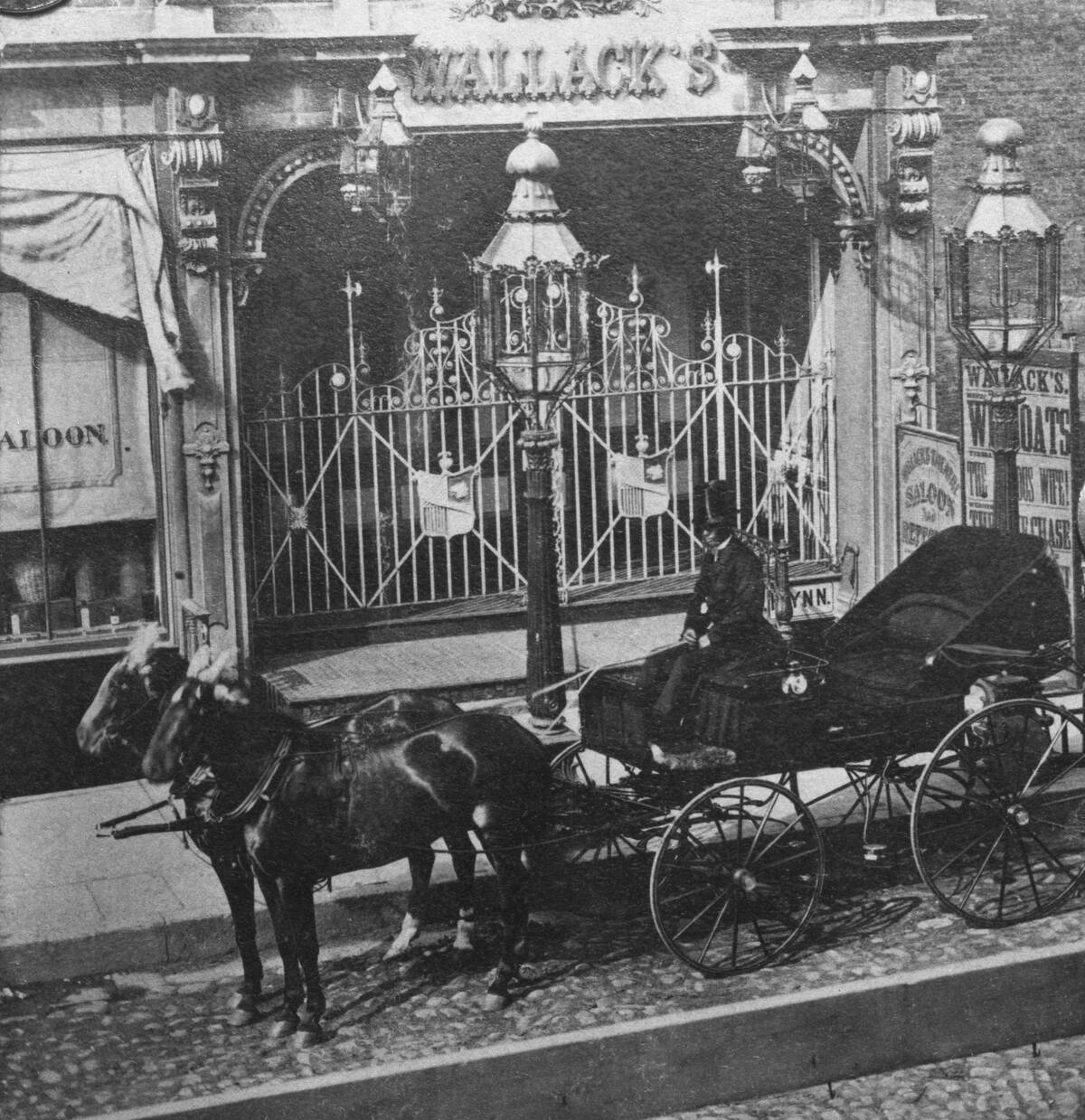
The horse-drawn carriage was the primary mode of transportation for centuries, offering a comfortable and stylish way to travel. From the elegant carriages of European nobility to the practical buggies of American pioneers, these vehicles were a common sight on roads everywhere.
With the advent of the automobile in the late 19th century, the horse-drawn carriage gradually disappeared from daily life, though it remains a romantic symbol of a bygone era.
The Manual Typewriter: Typing Before Computers
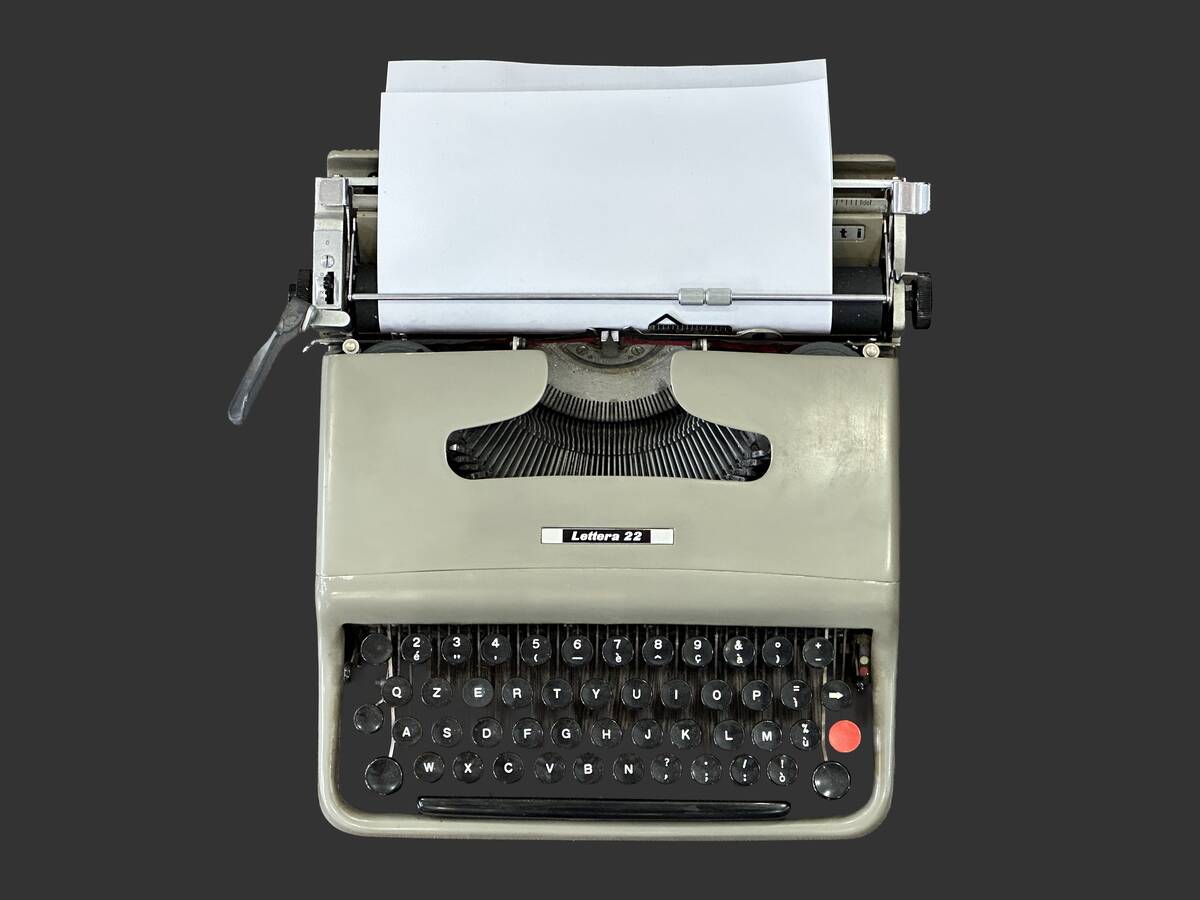
Before the advent of computers, the manual typewriter was the tool of choice for writers, journalists, and office workers. Invented in the 1860s, it allowed for faster and more legible document creation than handwriting.
The tactile experience of typing on a typewriter, with its distinctive clacking keys, is fondly remembered by many. Although now largely replaced by keyboards and screens, the typewriter’s influence is still felt in the QWERTY layout we use today.
The Rotary Phone: Dialing Up Communication

In the days before smartphones, the rotary phone was a fixture in homes and offices. Introduced in the early 20th century, it featured a circular dial that users rotated to enter phone numbers.
While it required patience and precision, the rotary phone was a reliable communication tool for decades. The advent of push-button phones and, eventually, mobile phones, rendered the rotary phone obsolete, but its iconic design remains a nostalgic reminder of simpler times.
The Phonograph: The First Personal Music Player
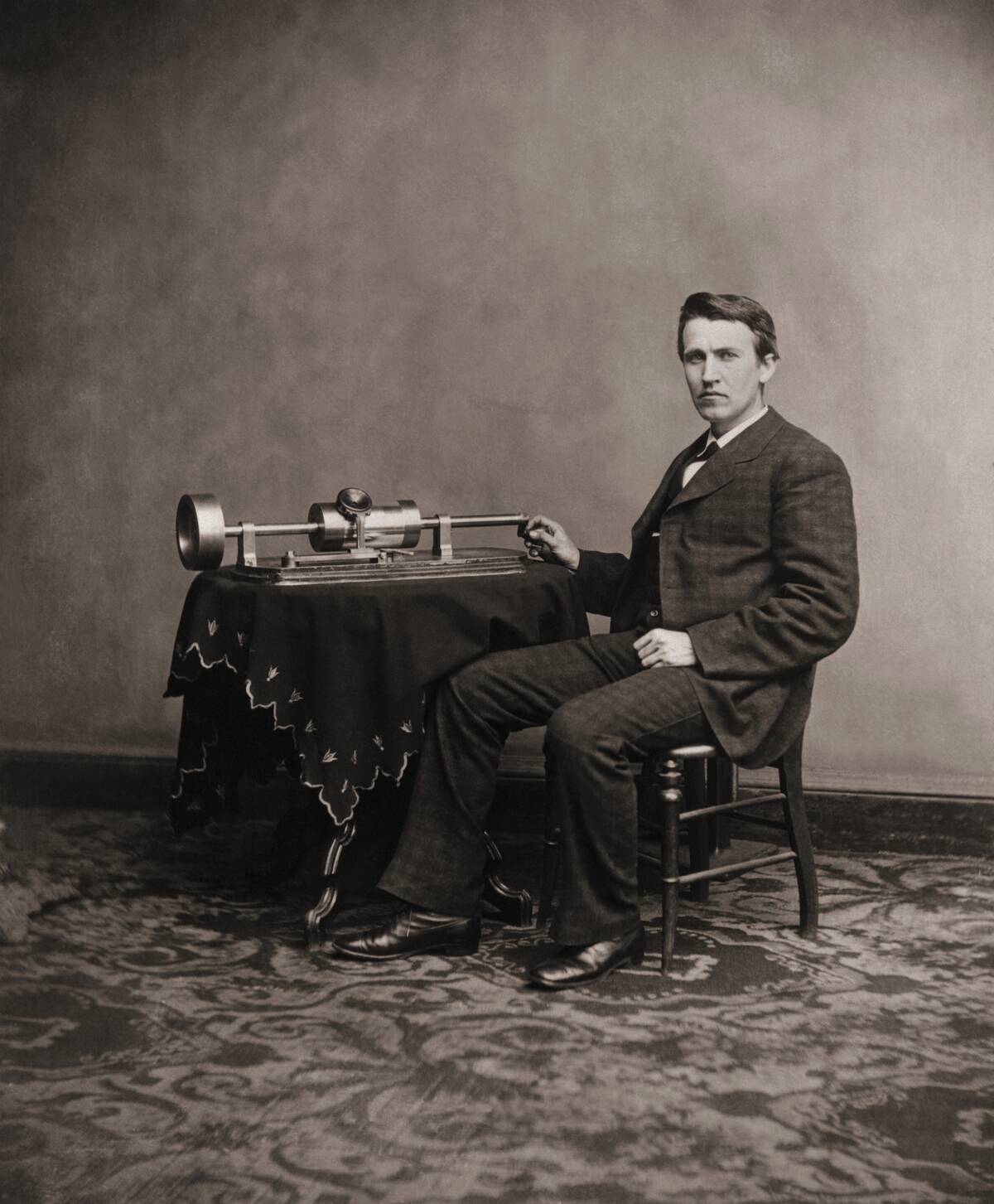
Invented by Thomas Edison in 1877, the phonograph was the first device capable of recording and playing back sound. It brought music into homes, allowing people to enjoy their favorite tunes without attending a live performance.
The phonograph used cylindrical records, later replaced by flat discs, to store audio. While modern music players have evolved significantly, the phonograph’s legacy lives on in the vinyl records cherished by audiophiles today.
The Hand-Cranked Washing Machine: Laundry Day’s Early Helper
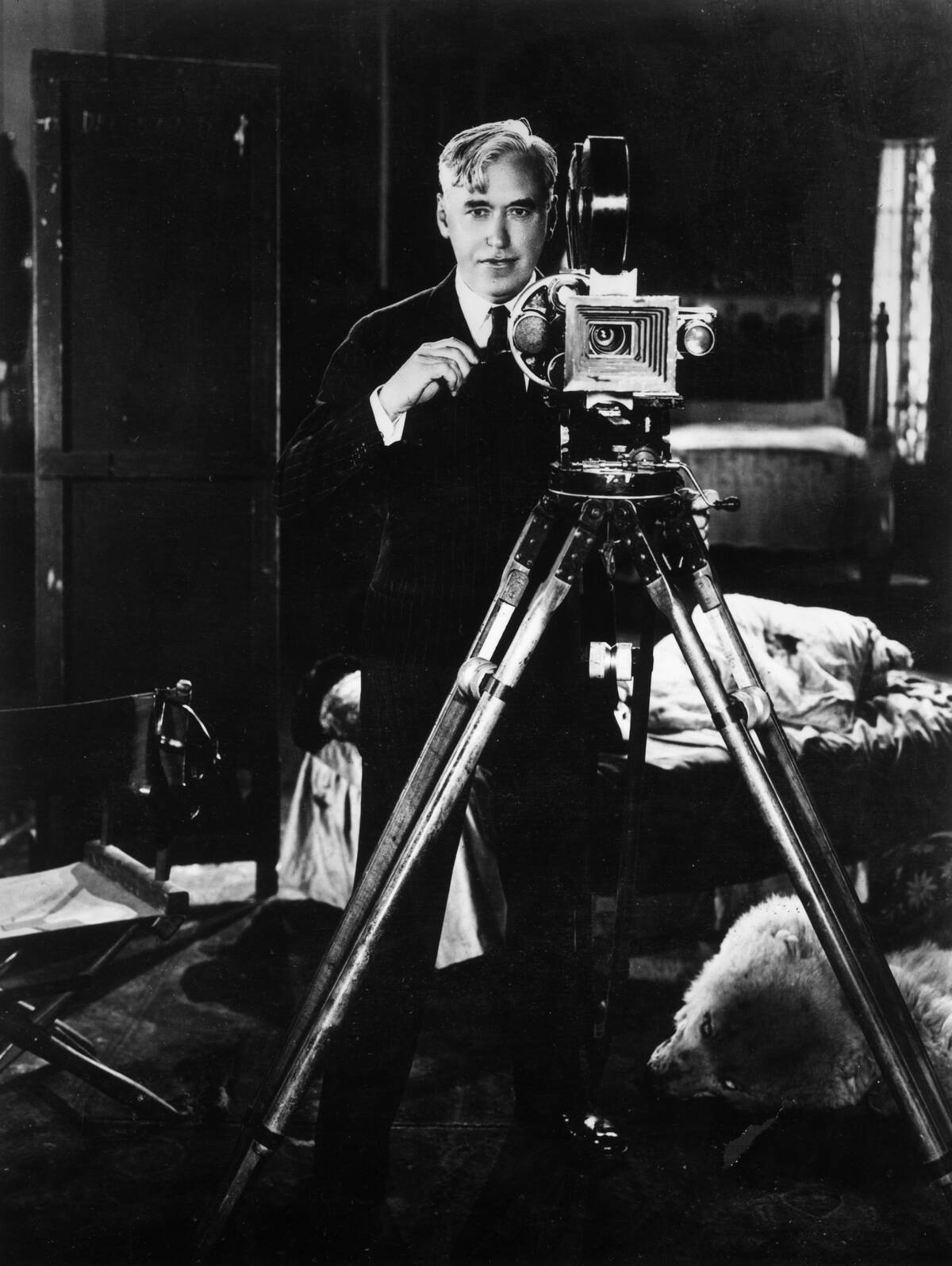
Before the advent of electric washing machines, doing laundry was a labor-intensive task. The hand-cranked washing machine, invented in the mid-19th century, offered a significant improvement over washing clothes by hand.
These machines used a rotating drum or agitator, powered by a hand crank, to clean clothes more efficiently. While they required physical effort, they were a welcome innovation for many households. Today, electric washing machines have taken over, making laundry day much less of a chore.
The Gas Lamp: Lighting Up the Night Before Electricity
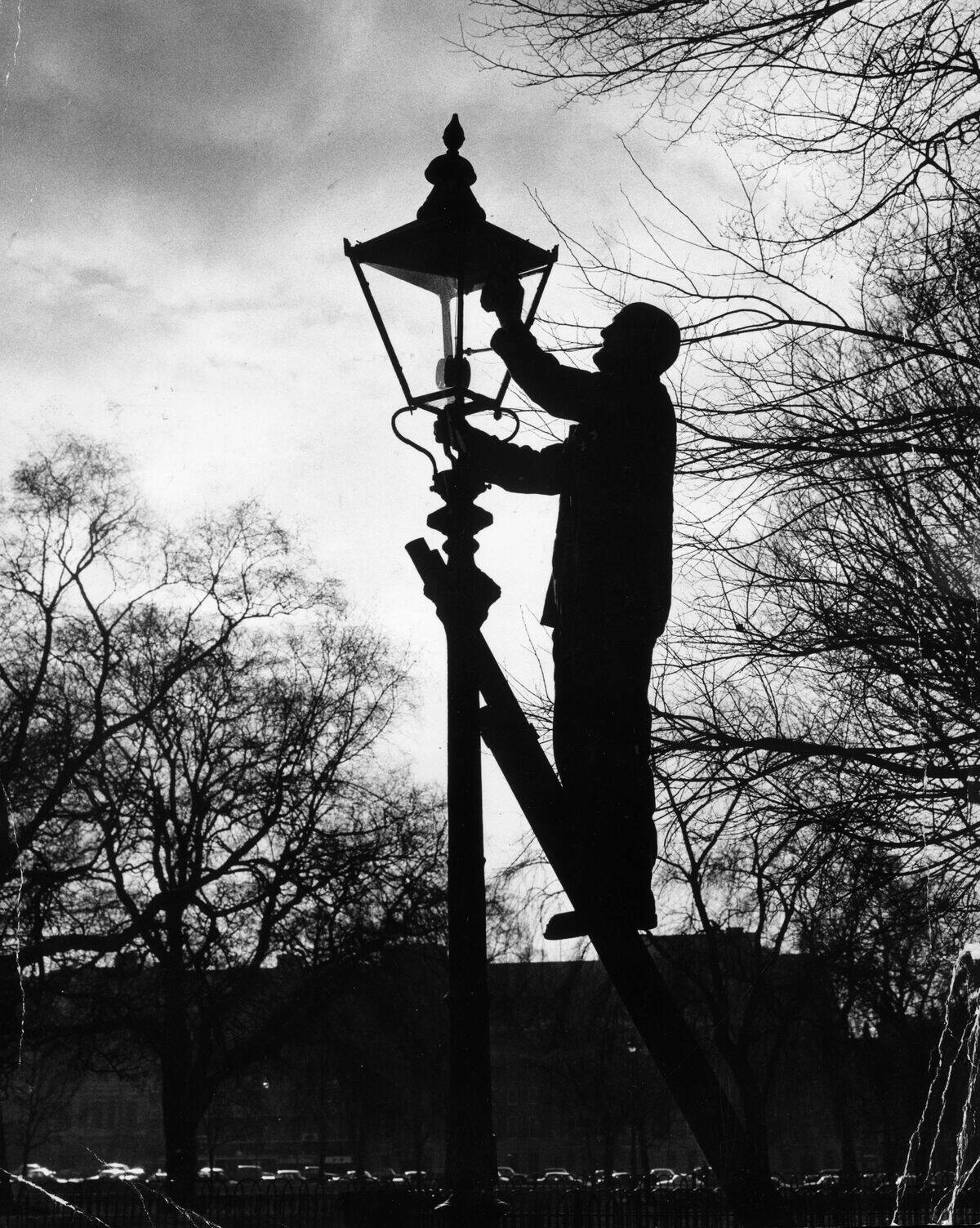
Before electric lighting became widespread, gas lamps illuminated streets and homes. First used in the early 19th century, gas lamps burned fuel such as coal gas or kerosene to produce light.
They offered a brighter and more reliable source of illumination than candles or oil lamps. However, they required regular maintenance and posed a fire hazard. As electric lighting became more accessible in the late 19th and early 20th centuries, gas lamps gradually faded from use.
The Film Camera: Capturing Memories Before Digital
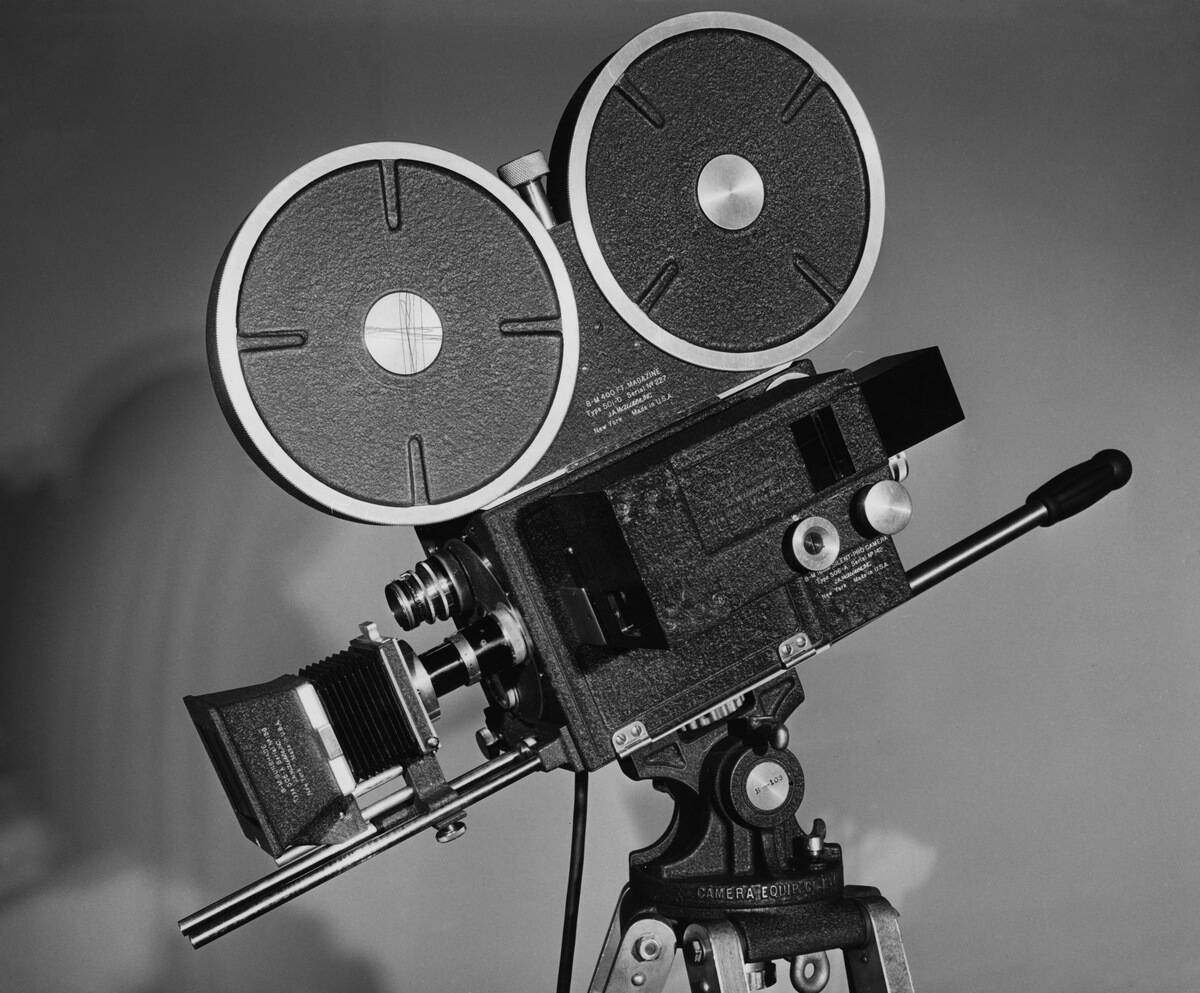
Long before digital cameras and smartphones, film cameras were the primary means of capturing photographs. Introduced in the late 19th century, these cameras used rolls of film to record images, which needed to be developed in a darkroom.
The process required patience and skill, but it allowed people to document their lives and preserve memories. While digital photography has largely replaced film, many photographers still appreciate the unique qualities and nostalgia of shooting with film.
The Pager: The Precursor to Mobile Alerts
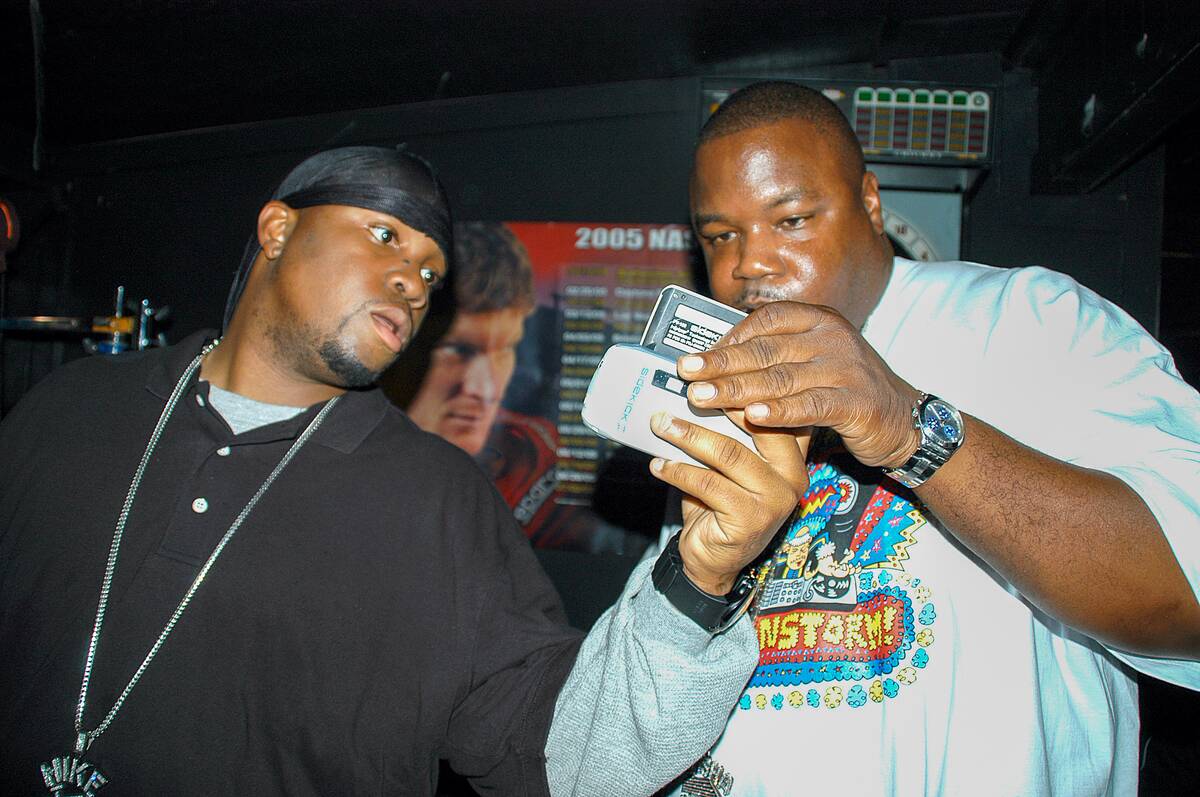
In the days before smartphones, pagers were the go-to device for receiving messages on the go. Popular in the 1980s and 1990s, these small devices alerted users to incoming messages via a beep or vibration.
Users would then call a designated number to retrieve their messages. While pagers were eventually eclipsed by mobile phones, they played a crucial role in the evolution of mobile communication and are still used in some industries today for their reliability.
The Vacuum Tube: Powering Early Electronics
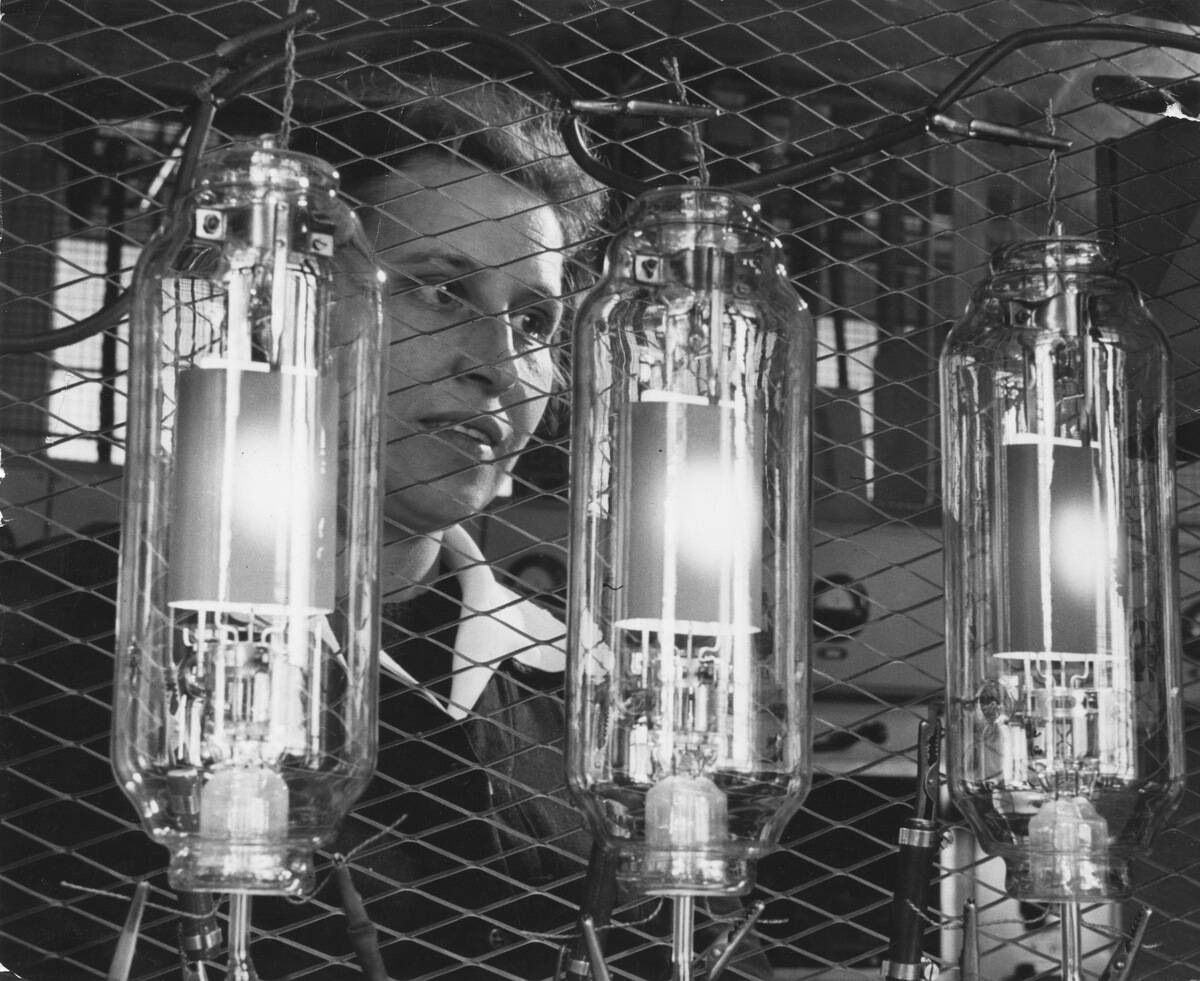
Vacuum tubes were a fundamental component of early electronics, used in radios, televisions, and computers. Invented in the early 20th century, they controlled the flow of electricity and amplified signals.
While vacuum tubes were bulky and generated a lot of heat, they were essential for the development of electronic technology. The invention of the transistor in the 1940s eventually led to the decline of vacuum tubes, paving the way for smaller, more efficient electronic devices.
The Public Phone Booth: Making Calls on the Go Before Cell Phones
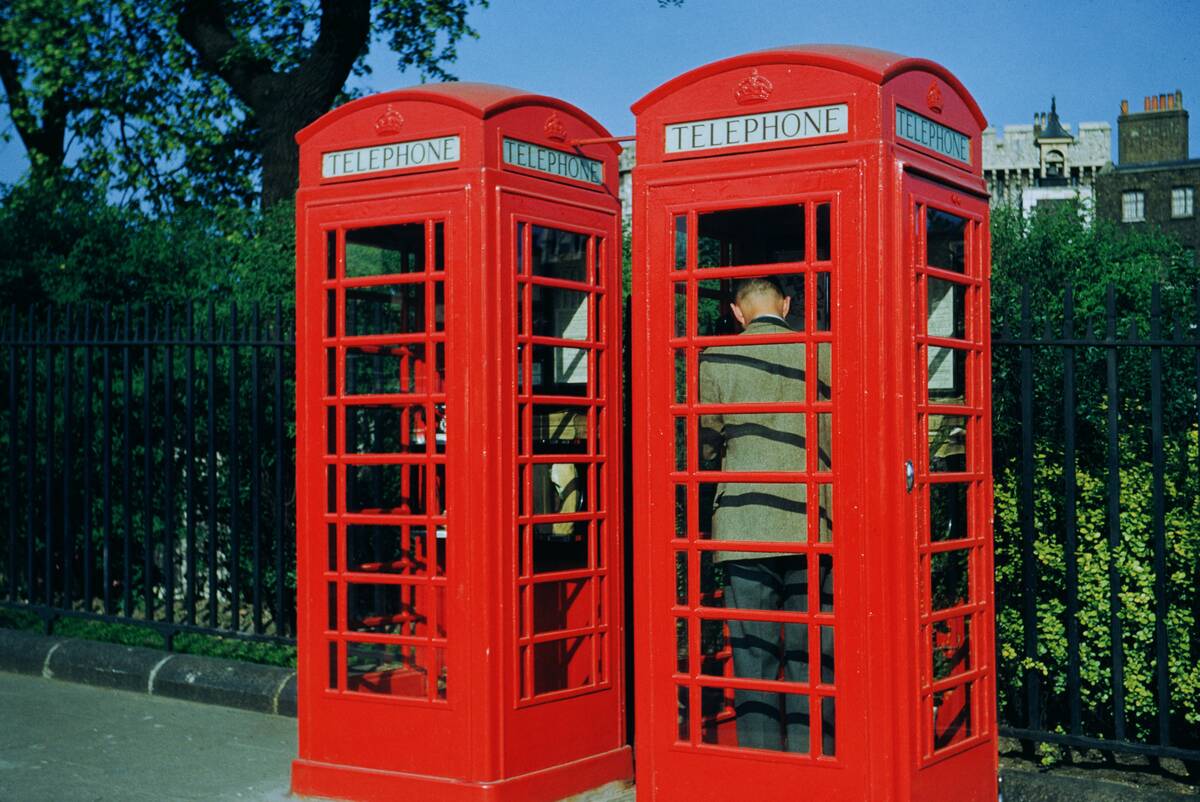
Before the ubiquity of cell phones, public phone booths were a vital part of urban landscapes, providing a way to make calls on the go. Introduced in the early 20th century, these booths offered privacy and convenience for travelers and those without home phones.
With the rise of mobile phones, public phone booths have become increasingly rare, though they still serve as iconic symbols in cities worldwide, often repurposed for other uses or preserved as historical artifacts.
The Steam Engine: Driving Industry Before Modern Engines
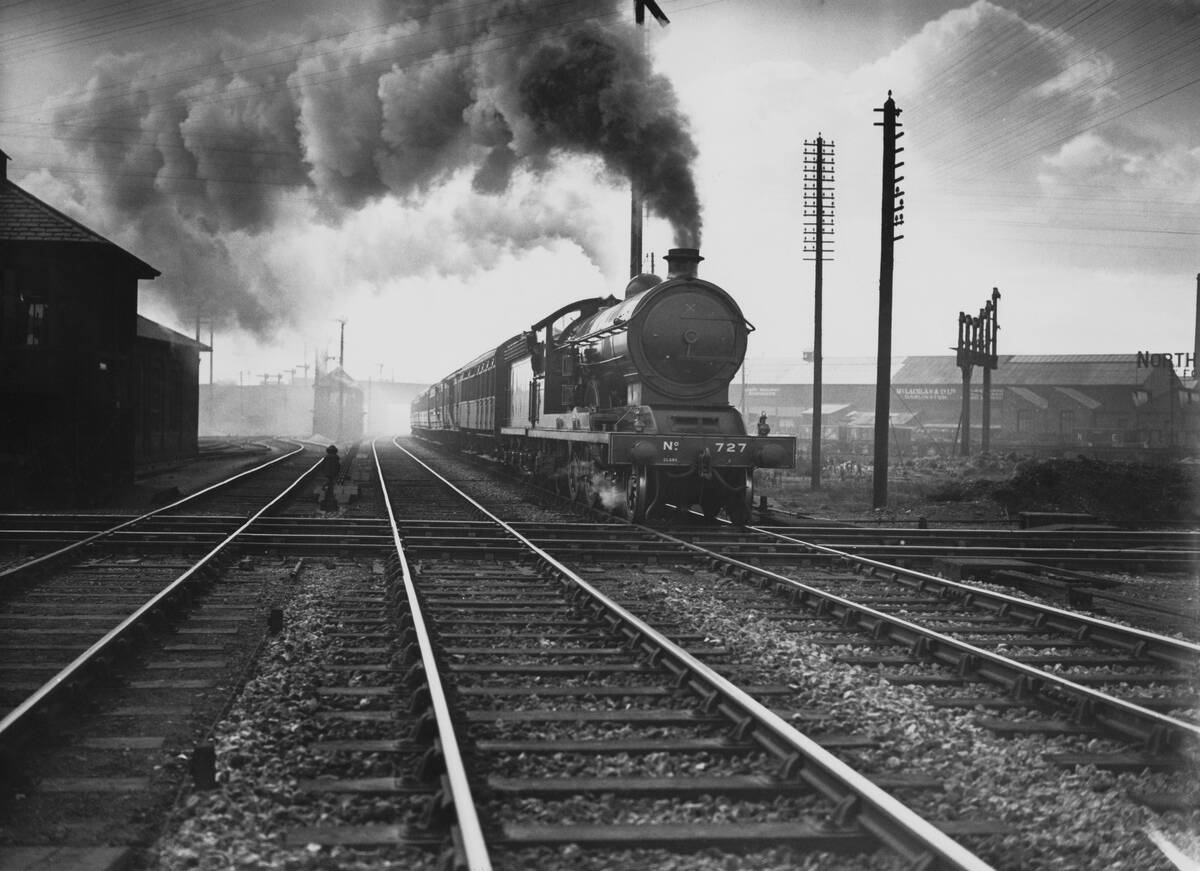
The steam engine was a driving force behind the Industrial Revolution, powering factories, trains, and ships. Invented in the 18th century, it converted steam pressure into mechanical energy, revolutionizing transportation and manufacturing.
Steam engines enabled mass production and the expansion of railroads, transforming economies and societies. While modern engines have largely replaced steam power, the steam engine’s impact on industrialization and its role in shaping the modern world cannot be overstated.
The Floppy Disk: Storing Data Before the Cloud
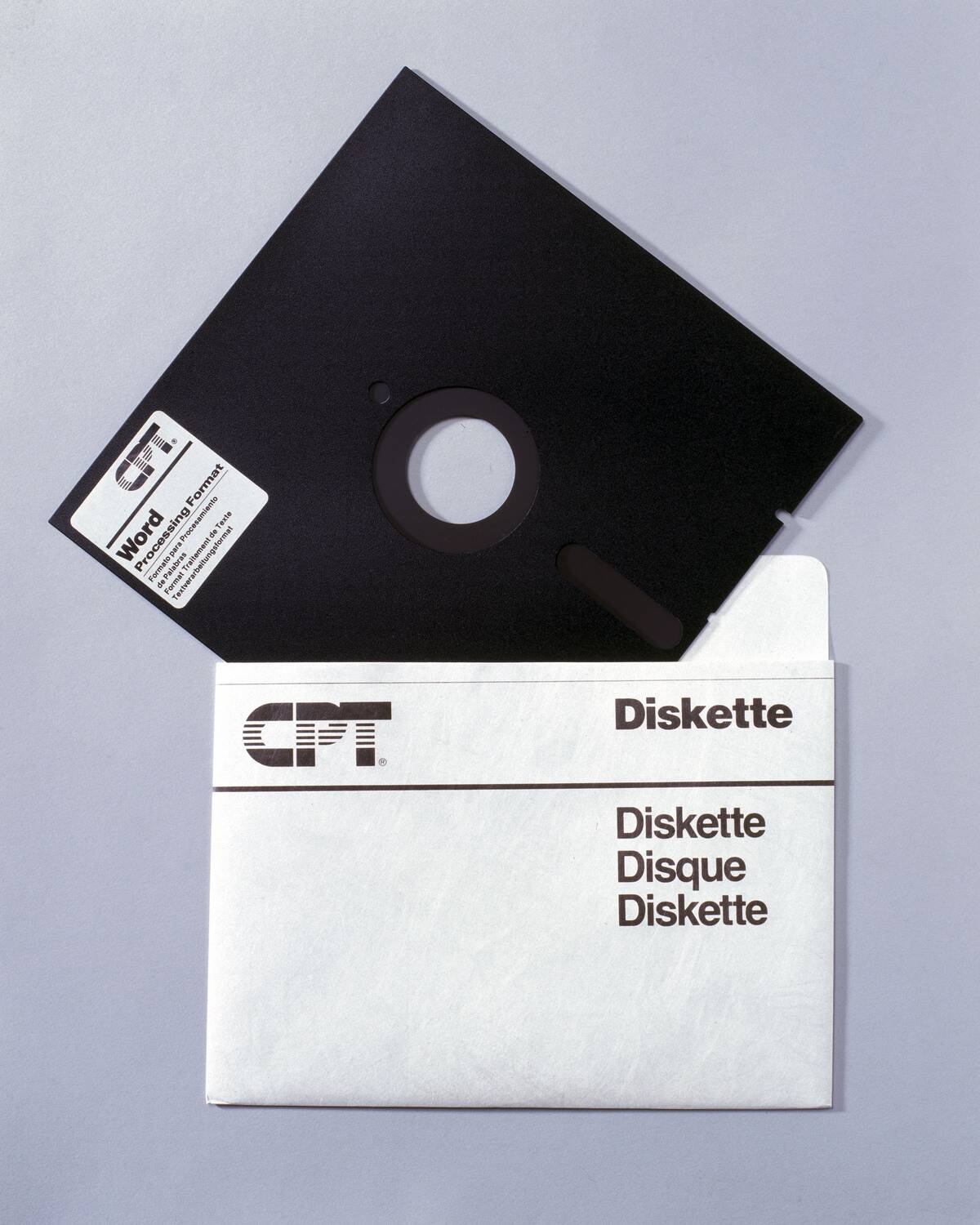
Before the cloud and USB drives, floppy disks were the standard for data storage and transfer. Introduced in the 1970s, these thin, flexible disks could store a modest amount of data, making them ideal for personal and business use.
Floppy disks were widely used for decades, despite their limited capacity and susceptibility to damage. As technology advanced, more reliable and higher-capacity storage solutions emerged, rendering the floppy disk a nostalgic relic of early computing.
The Rolodex: Organizing Contacts Before Smartphones
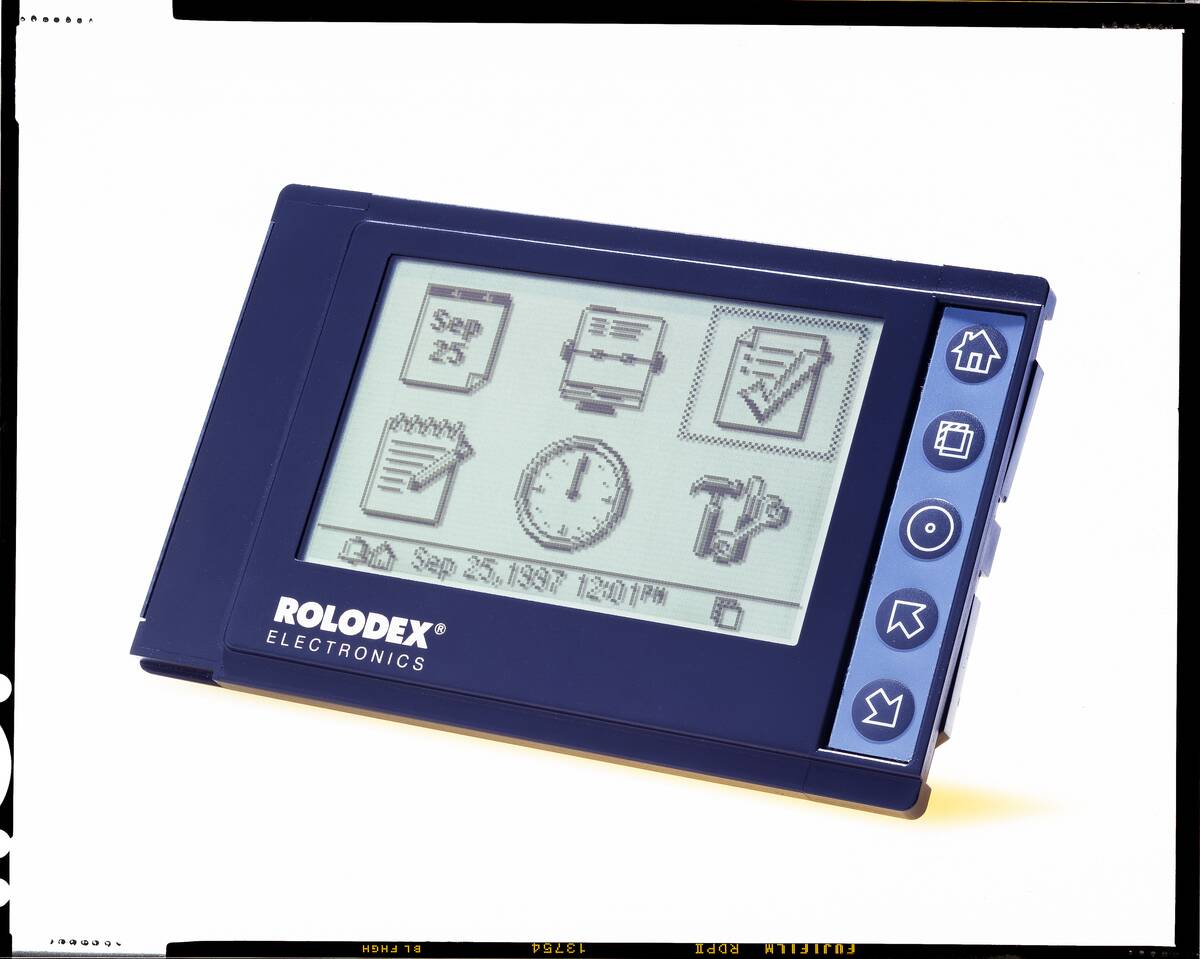
In the days before smartphones and digital contact lists, the Rolodex was an essential tool for organizing business contacts. This rotating file device, introduced in the 1950s, allowed users to store and easily access contact information on individual cards.
It became a staple of office desks worldwide, symbolizing professionalism and organization. While digital solutions have largely replaced the Rolodex, its legacy lives on as a symbol of the analog era of business communication.




