The rise of Barbie as a cultural icon
Barbie has been a beloved icon for over six decades, captivating the hearts of children and collectors alike. Her timeless appeal lies in her ability to adapt and evolve with the changing times, reflecting societal shifts and inspiring creativity.
From her stylish outfits to her myriad of careers, Barbie has become more than just a doll; she’s a cultural phenomenon that continues to spark joy and imagination across generations.
The Birth of Barbie: A Toy Revolution
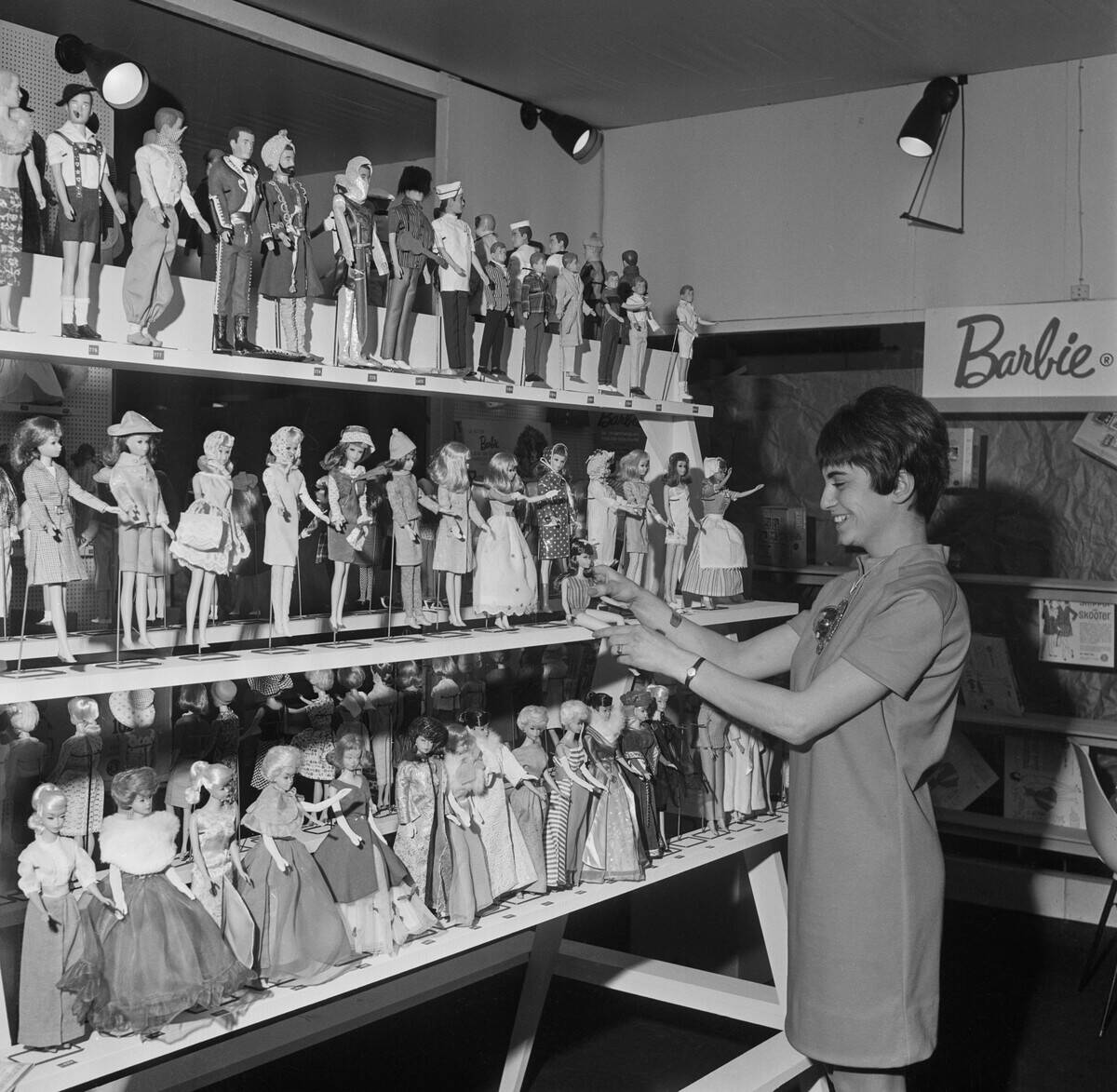
The introduction of Barbie marked a significant moment in the toy industry. Released by Mattel in 1959, Barbie was an adult-shaped fashion doll that differed from the baby dolls that were common at the time.
Although she was not the first adult-bodied doll, Barbie became one of the most successful and influential examples, allowing children to explore fashion, careers, and imaginative possibilities through play. The doll transformed the way children interacted with toys and became a cultural icon recognized around the world.
Ruth Handler: The Visionary Behind Barbie
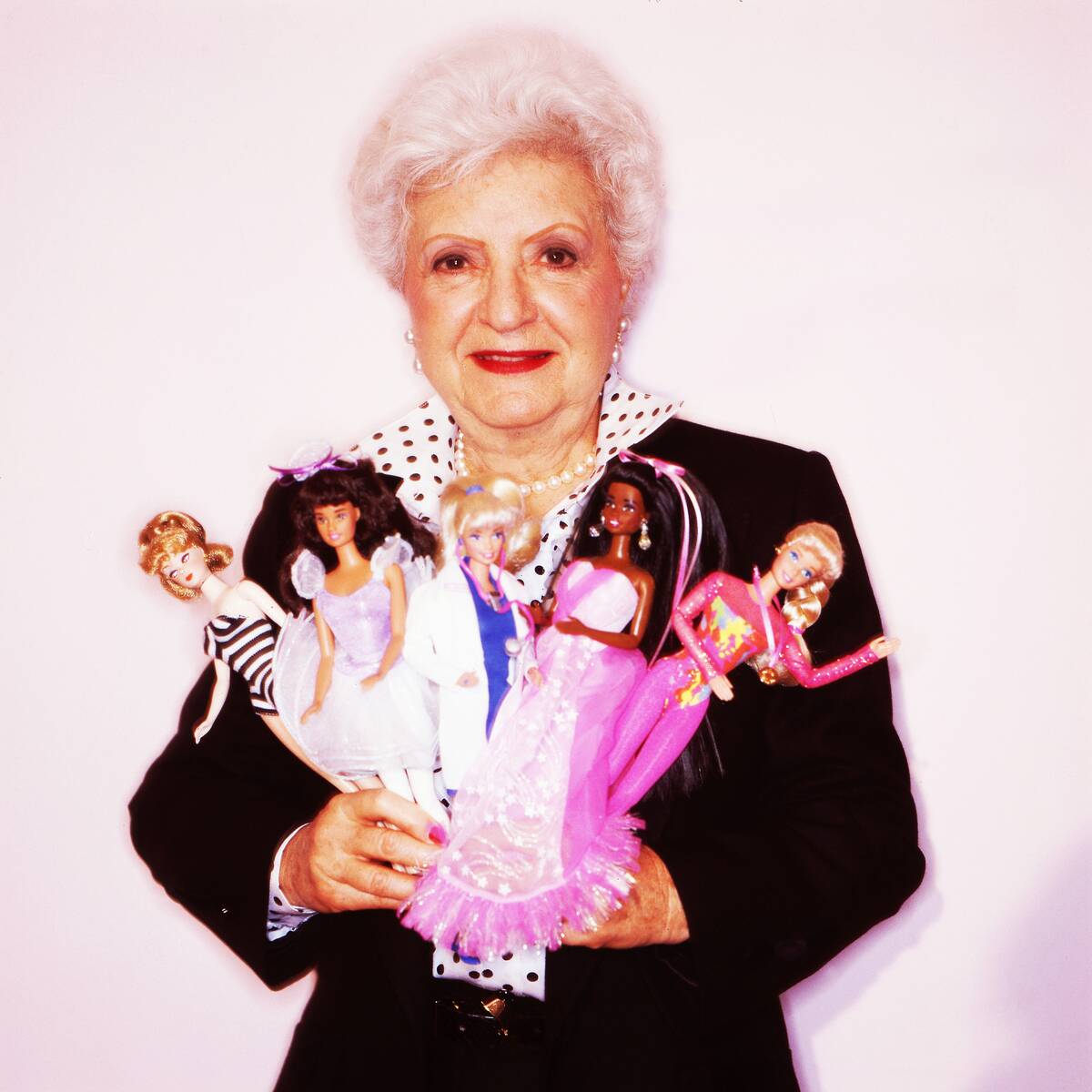
Ruth Handler, co-founder of Mattel, played a key role in creating Barbie and shaping the doll’s concept. Inspired by watching her daughter Barbara play with paper dolls representing adult women, Handler envisioned a three-dimensional doll that would allow girls to imagine different futures and roles.
Although some at Mattel initially questioned the idea of an adult-shaped doll, Handler continued to support the project, and Barbie made a successful debut in 1959. Her creativity and determination helped transform the toy industry and establish Barbie as one of the most influential dolls in history.
Barbie’s Debut: The 1959 American International Toy Fair
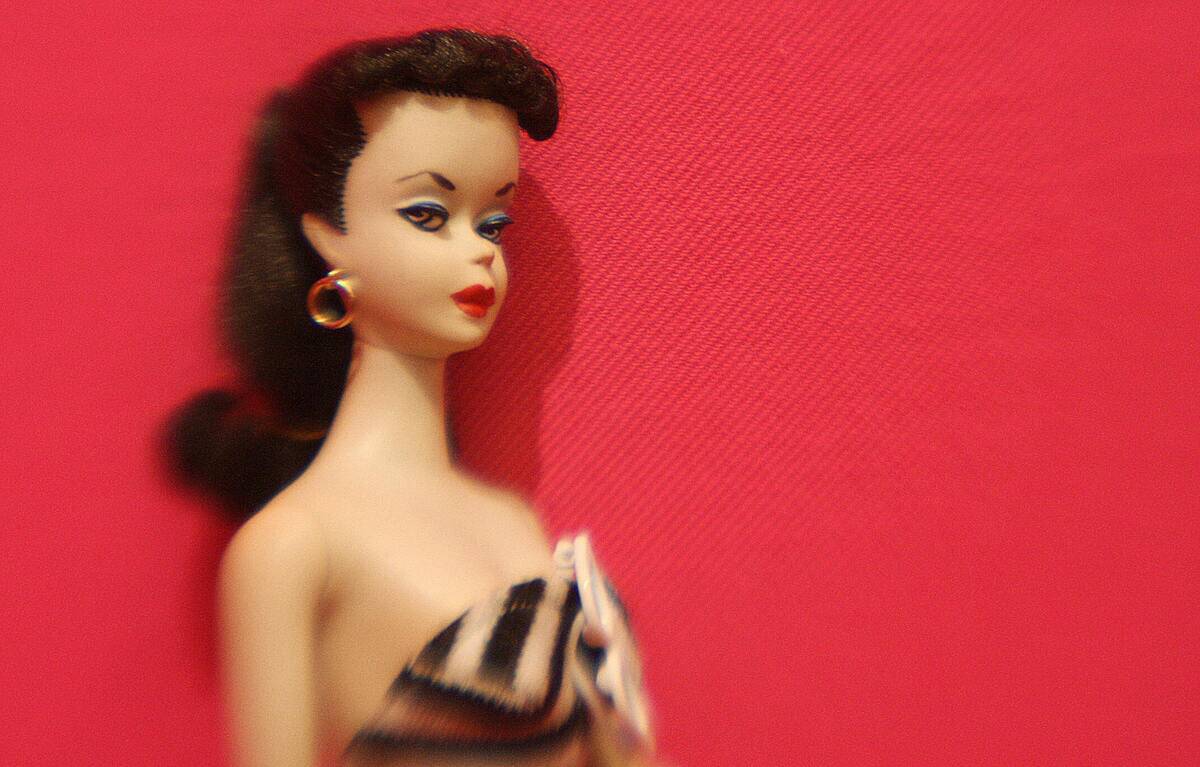
Barbie made her official debut on March 9, 1959, at the American International Toy Fair in New York City. Wearing her iconic black-and-white striped swimsuit, the doll stood out with her fashionable appearance and adult-inspired design.
The event introduced Barbie to toy industry buyers and marked the beginning of her journey as one of the world’s most recognizable dolls. Through successful marketing and an expanding range of products, Barbie grew from a new toy into a global cultural icon.
Breaking the Mold: Barbie’s Unique Design
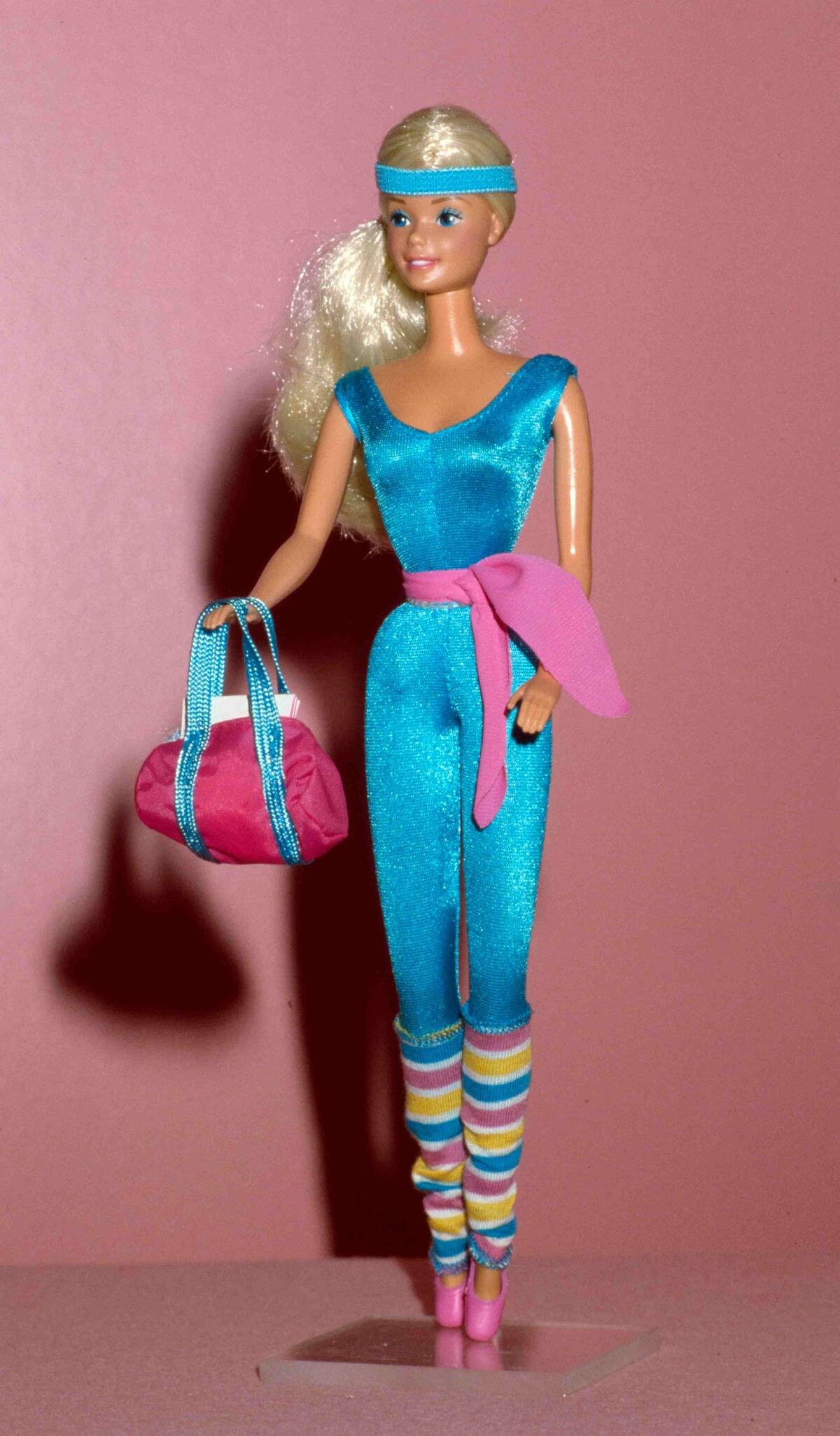
Barbie’s design represented a major shift in the toy industry, featuring an adult-shaped figure with movable limbs, fashionable clothing, and a wide range of accessories. Ruth Handler was inspired in part by the German Bild Lilli doll, which she encountered during a trip to Europe, though Mattel redesigned the concept to create Barbie’s distinct identity.
The ability to change Barbie’s outfits and imagine different roles encouraged creative play and helped make the doll a cultural phenomenon. Barbie’s innovative design influenced the development of fashion dolls and transformed the toy industry for generations.
Fashion Forward: Barbie’s Ever-Changing Wardrobe
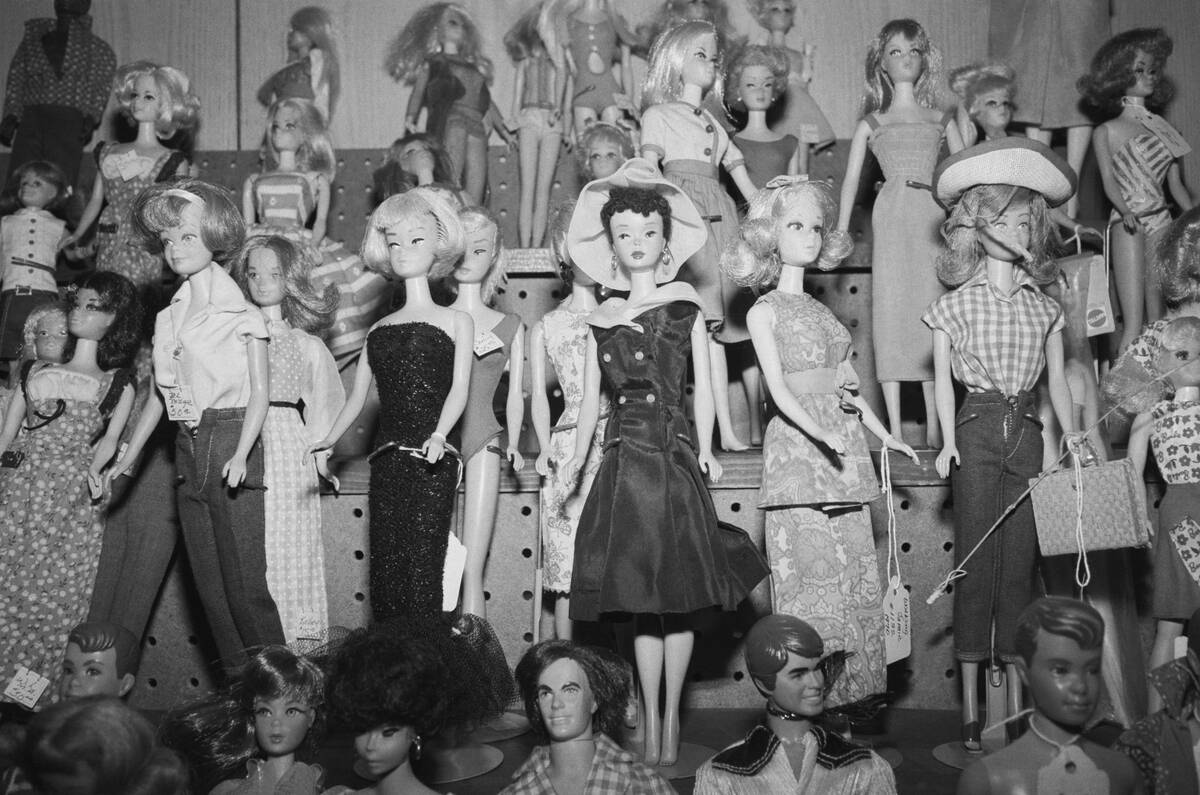
Barbie’s wardrobe has always been at the forefront of fashion, reflecting the latest trends and styles. From glamorous evening gowns to chic casual wear, Barbie’s outfits have evolved over the years, keeping her relevant and stylish.
Collaborations with renowned fashion designers have further cemented Barbie’s status as a fashion icon. Her ever-changing wardrobe allows children to explore their own fashion sense, making Barbie a timeless trendsetter.
Barbie’s Dreamhouse: A World of Imagination
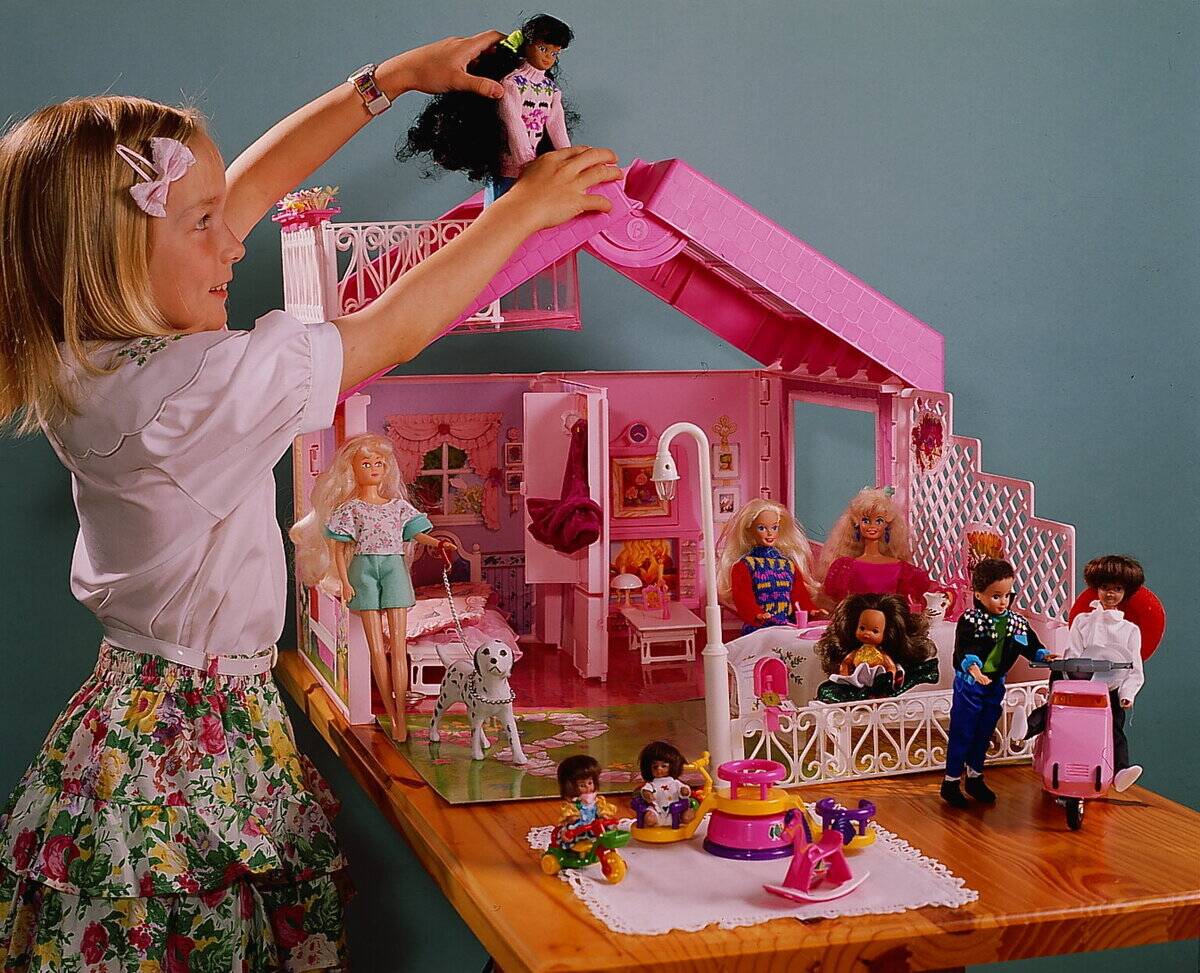
Barbie’s Dreamhouse has become one of the most iconic accessories in the Barbie universe, offering children a space for imaginative storytelling and creative play. First introduced in 1962 as a simple fold-out cardboard house, the Dreamhouse has been redesigned many times over the decades with increasingly elaborate features.
Modern versions have included elements such as elevators, pools, multiple rooms, interactive features, and contemporary technology. Through its many transformations, the Dreamhouse has remained a central part of Barbie play, providing a setting for generations of children to create their own adventures.
Barbie and Ken: The Ultimate Power Couple
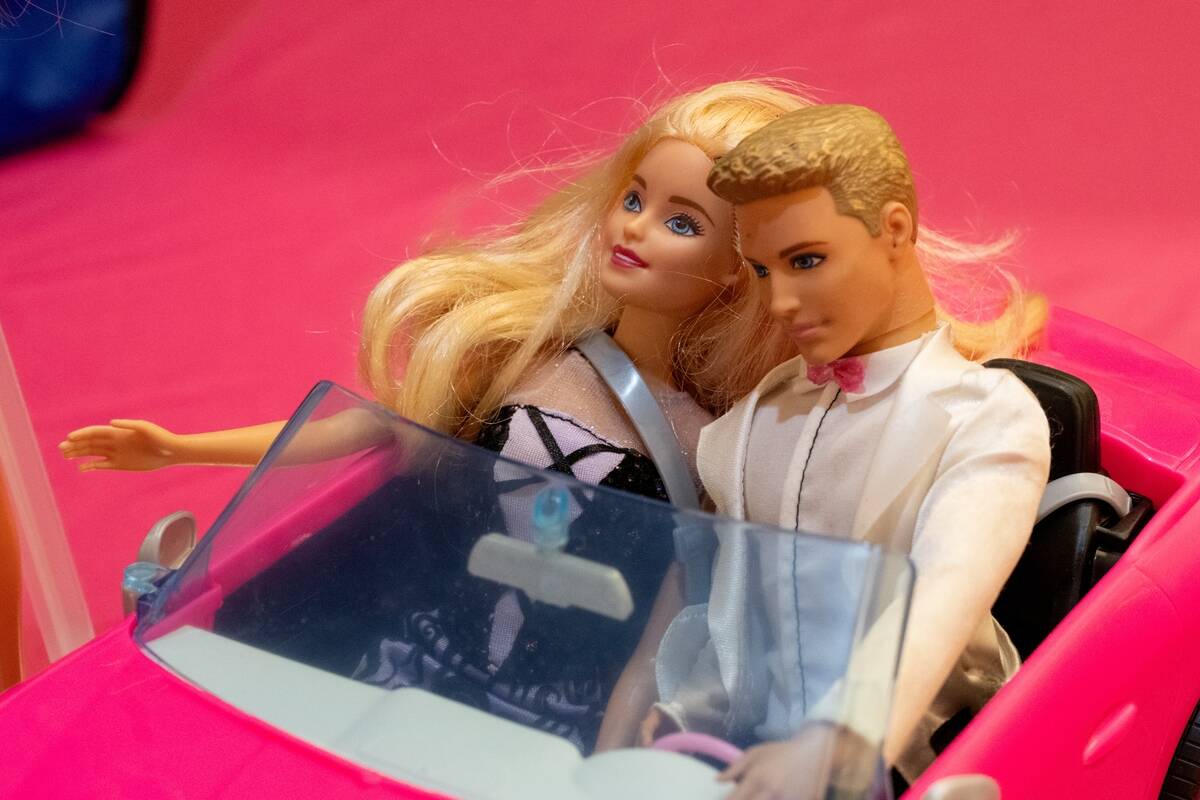
Barbie and Ken have been the ultimate power couple since Ken’s introduction in 1961. Their relationship has been a staple of Barbie’s story, capturing the imagination of fans worldwide. Ken, with his own evolving style and careers, complements Barbie’s dynamic persona. Together, they represent a partnership that has stood the test of time, inspiring countless stories of love and friendship in the world of play.
Barbie’s Diverse Careers: Inspiring Generations
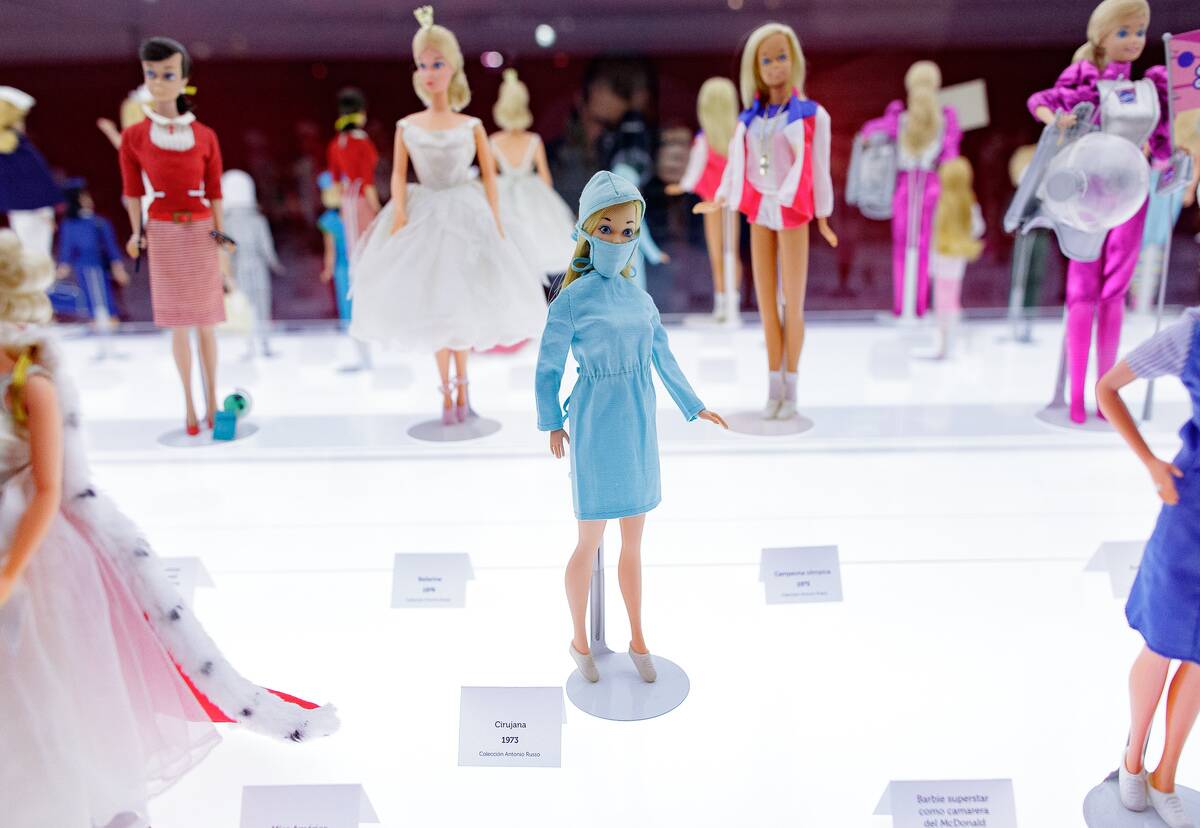
Barbie’s diverse careers have made her an influential figure in children’s play for generations. Since her introduction in 1959, Barbie has represented more than 200 professions, including astronaut, doctor, scientist, pilot, and engineer.
Her changing career choices have reflected social developments and encouraged children to imagine themselves in a variety of fields. Through her many roles and reinventions, Barbie has remained a symbol of creativity, ambition, and the importance of exploring different possibilities.
Criticism and Controversy: Barbie’s Complex Legacy
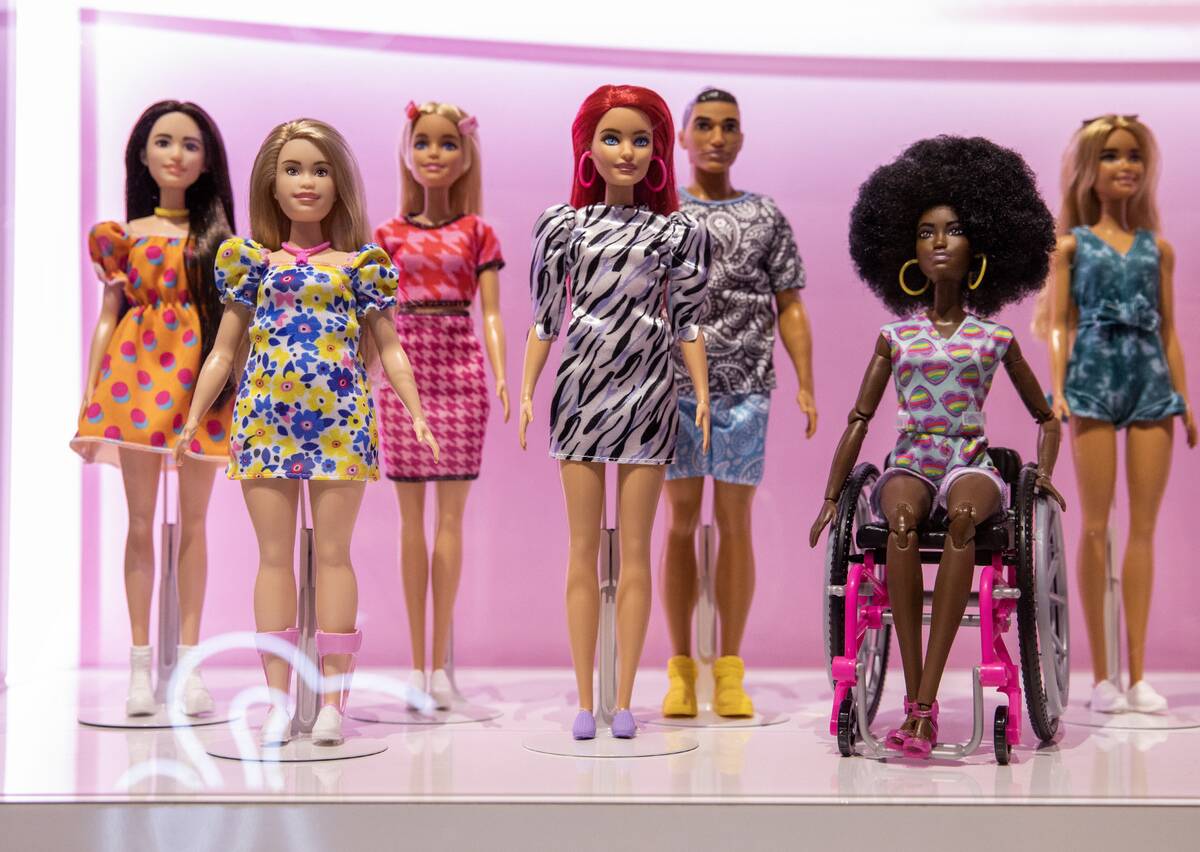
Despite her success, Barbie has faced criticism and controversy over the years. Critics have raised concerns about her unrealistic body proportions and the impact on body image. However, Mattel has responded by introducing more diverse and inclusive dolls, addressing these concerns.
Barbie’s complex legacy is a testament to her enduring influence, sparking important conversations about representation and self-image in the toy industry.
Barbie’s Global Influence: A Worldwide Phenomenon
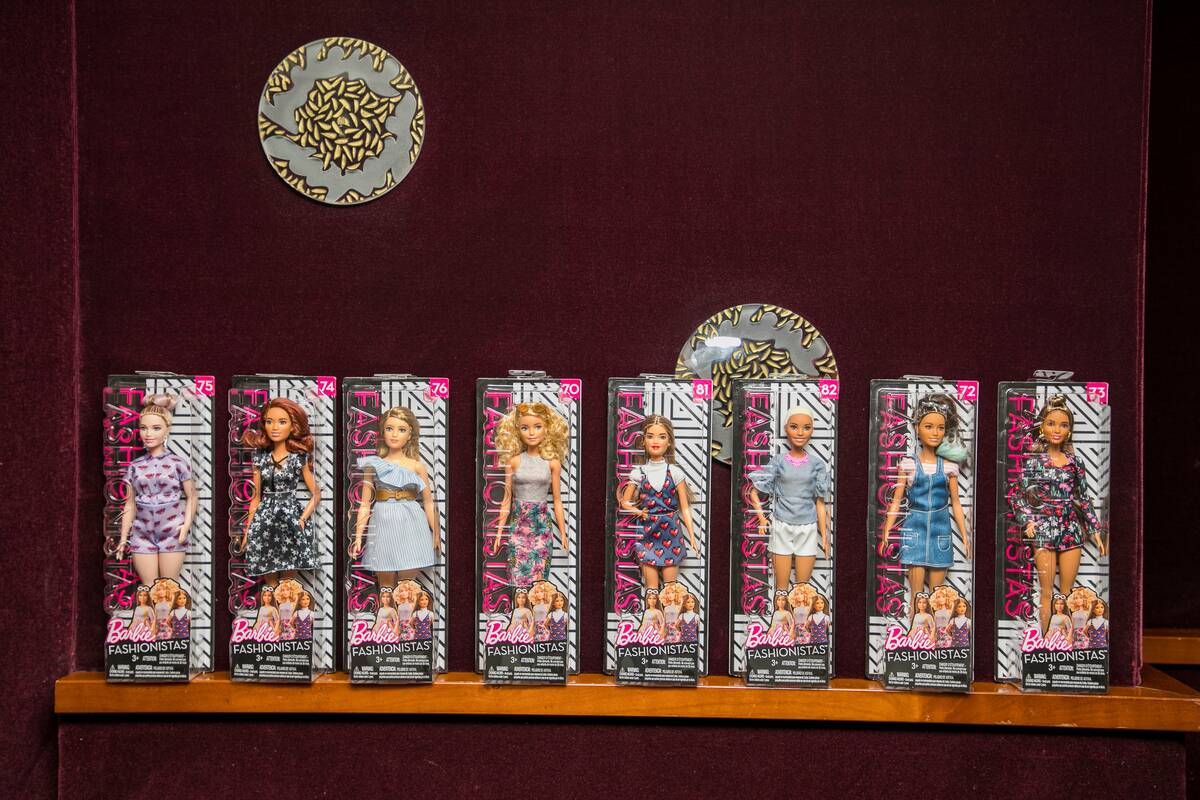
Barbie’s influence extends far beyond the United States, making her one of the world’s most recognizable toys. Available in more than 150 countries, Barbie has been adapted through different dolls, designs, and themes that reflect a variety of cultures, careers, and lifestyles.
Her international popularity has allowed generations of children around the world to engage with the brand in different ways. While discussions about representation and cultural accuracy continue, Barbie’s ability to remain relevant across cultures highlights her lasting global impact and cultural significance.
Barbie in Pop Culture: Movies, TV, and Music
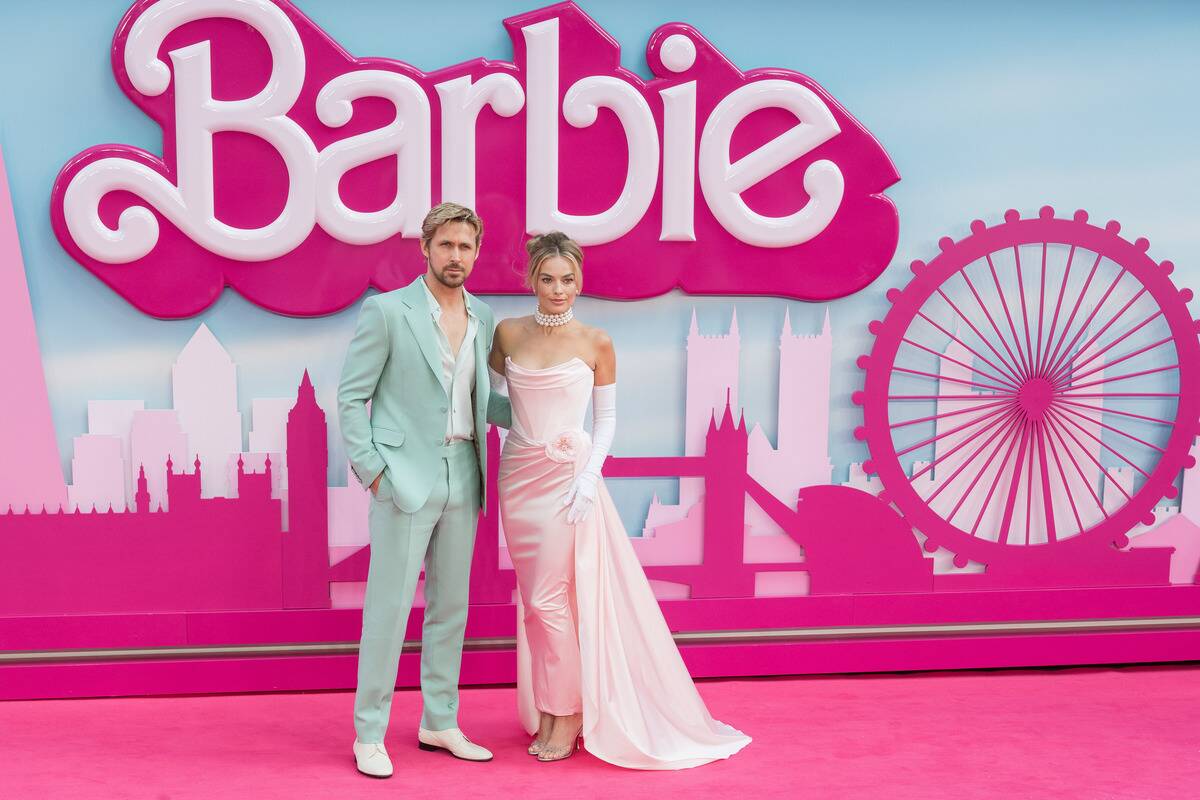
Barbie’s presence in popular culture has grown far beyond her origins as a fashion doll, with appearances in movies, television, music, and other forms of entertainment. Since the release of her first animated film in 2001, Barbie has starred in numerous films and series while also becoming a recognizable cultural reference.
Her image has inspired songs, collaborations, and creative projects around the world. Through these appearances and adaptations, Barbie has remained relevant across generations and cemented her status as one of the most influential icons in popular culture.
Barbie Collectors: A Passionate Community
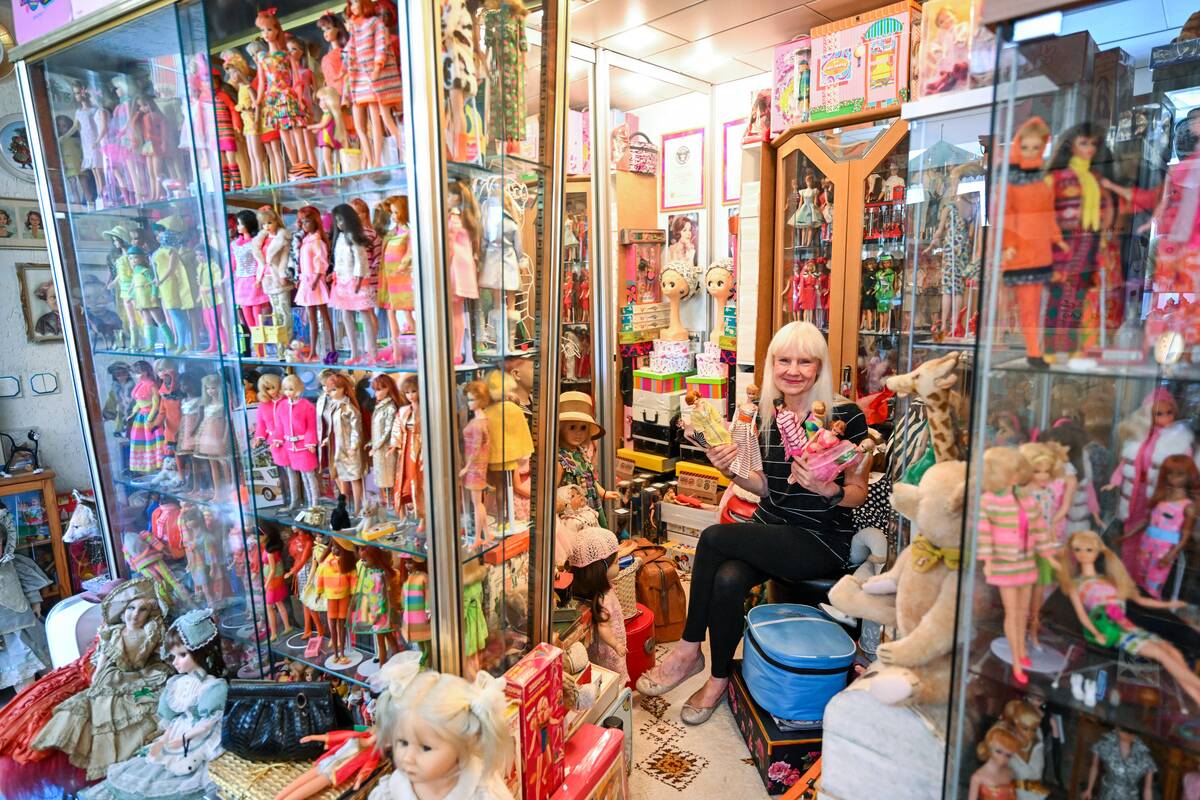
Barbie collectors form a dedicated community focused on preserving and celebrating the doll’s history and cultural impact. From rare vintage releases to limited-edition collaborations, collectors search for unique dolls and memorabilia to expand their collections.
Through conventions, trading events, and online communities, enthusiasts connect to share their passion and knowledge. The continued interest in collecting Barbie reflects the doll’s lasting influence as both a toy and an important part of popular culture.




