Vintage car accessories that seem so strange today
Modern cars are packed with features designed around navigation, entertainment, safety, and comfort, but drivers from earlier generations had a very different collection of accessories available to them. Some solved everyday problems of the time, while others now seem remarkably impractical.
In-car record players, accessories designed specifically for smokers, folding garages, and dedicated driving gear all appeared as manufacturers tried to make life behind the wheel more convenient. These vintage car accessories offer an unusual look at what automakers once thought drivers wanted.
Cars Were Catered Towards Smokers
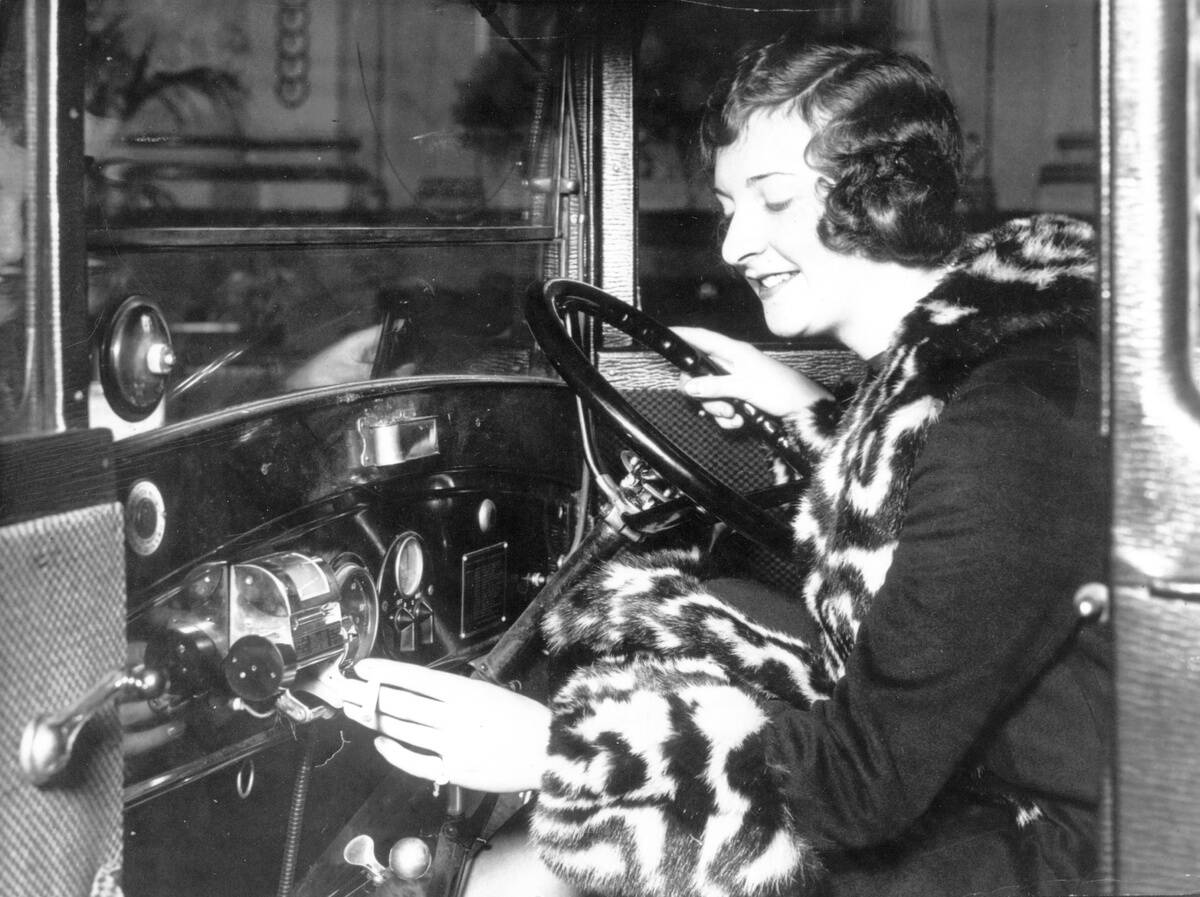
One of the most commonplace vintage car accessories that would make modern motorists shake their heads was the presence of cigarette ashtrays. These were present in virtually every car up until the ’80s, with each seat in the car having its own dedicated ashtray.
As smoking rates declined dramatically in the ’80s and ’90s, the utility of an accessory that only makes sense for smokers began to be questioned. While once common, ashtrays in cars have gone the way of the dodo.
If You Don’t Have A Garage, Get A Folding Garage
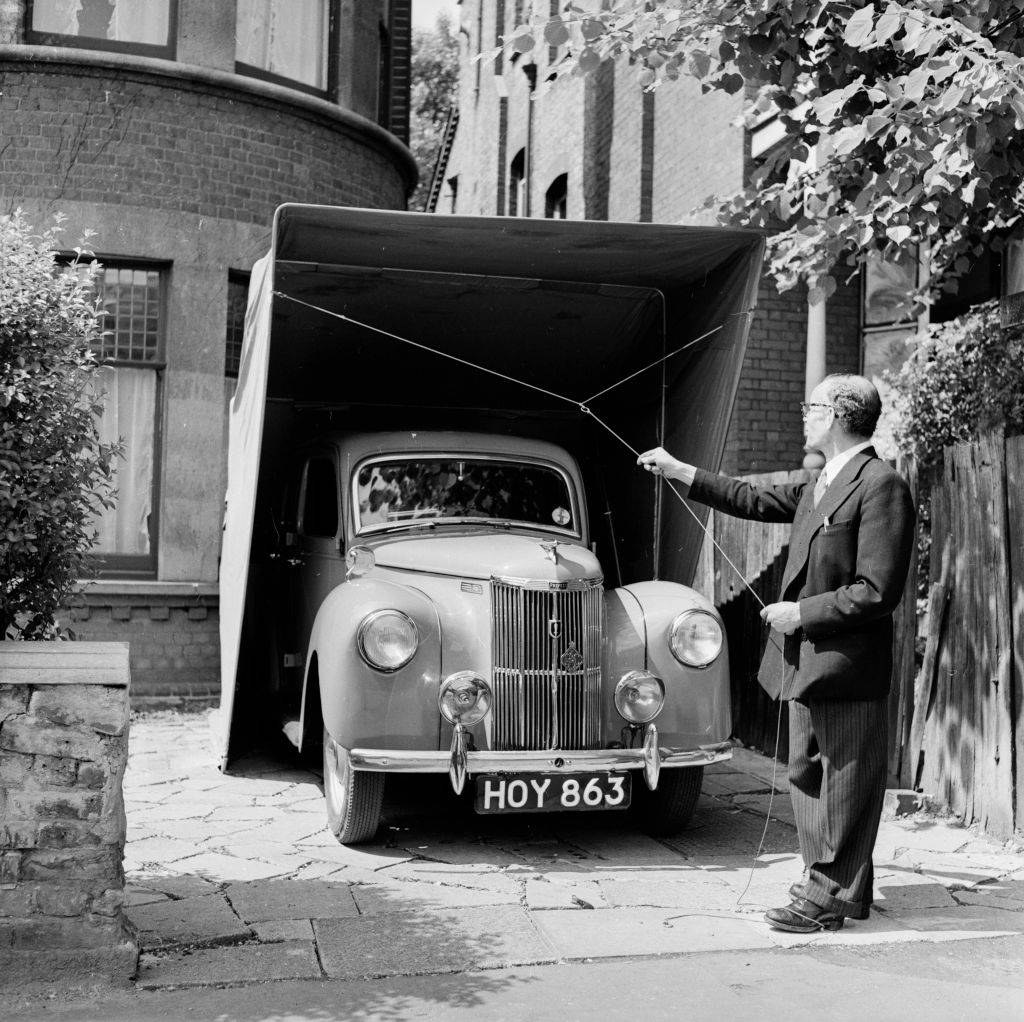
In the ’50s and ’60s, some motorists opted to buy a folding garage to cover and protect their vehicle alongside their house. During that time, not as many people had garages, and this was an option to keep their prized vehicles in good shape.
F.T. Keable & Sons designed a “water-proofed, lightweight, and easily carried” portable garage, according to their vintage ad. It was designed in seven different sizes and was so easy that “a child can operate it!”
First There Was The Car Radio Telephone
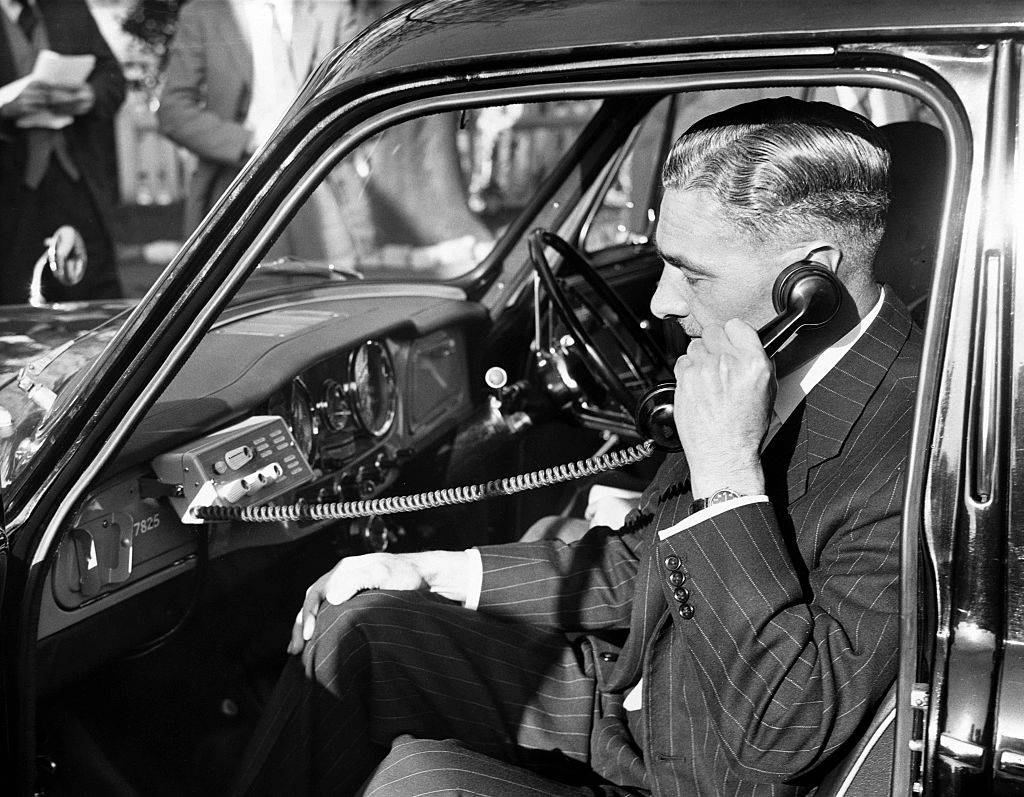
Before there were mobile phones, select cars had the option of including a radio telephone. The first once to come into existence was in London in 1959.
The trend continued throughout the ’60s. The phones operated using a public switched telephone network, with each motorist having their own designated telephone number. The phones were mounted on the car’s dash, while the radio telephone’s transceiver would be mounted in the trunk.
You Can See Why They Removed The Umbrella Compartment
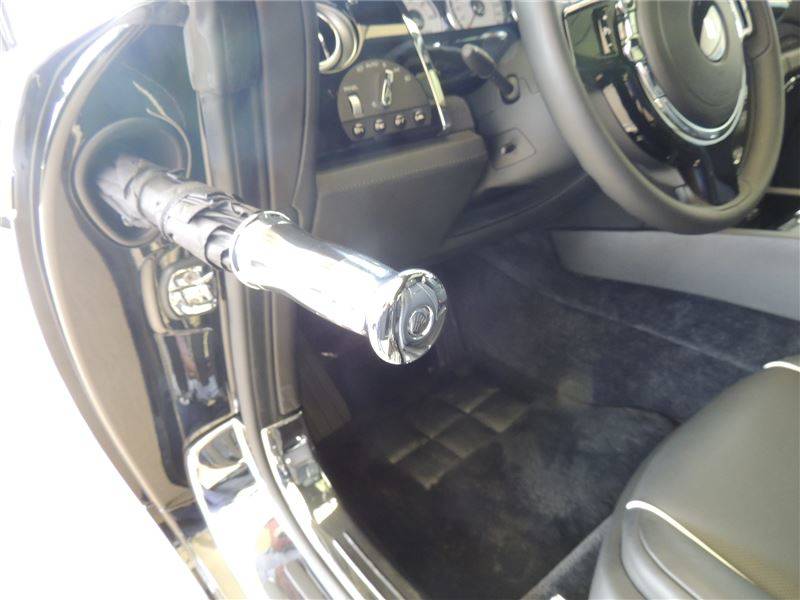
Believe it or not, Rolls Royces used to have a separate compartment for umbrellas. Assumedly this is so you don’t get the interior or your own clothes wet when you stow it away.
Even though these aren’t a thing anymore, this really wasn’t a bad idea. Hopefully the water was able to drip out and didn’t rust anything.
Motorists Could Buy Extra Dials To Pop Into Their Dash
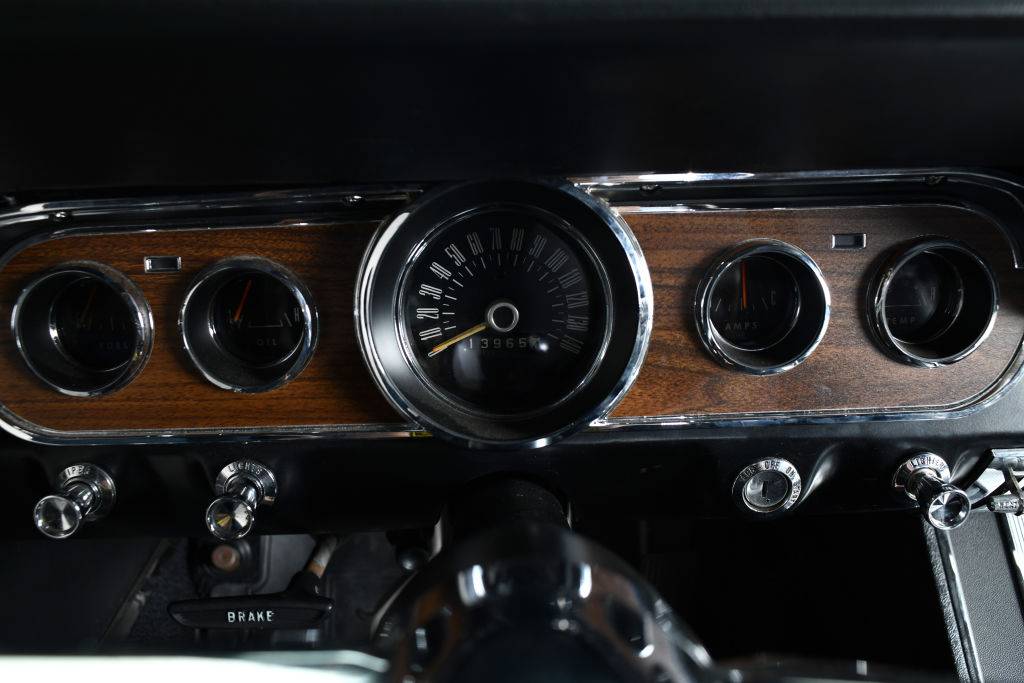
In the ’50s and ’60s, it was more common for cars to break down. Gauges didn’t always read properly and some cars had electrical issues. Often times, the dials would peter out long before other parts on the car.
That’s why some vehicles had the option of buying extra dials. Instead of bringing your car to a mechanic, car owners could swap out a faulty dial with a new one in their home garage.
Record Players In Cars Were A Thing
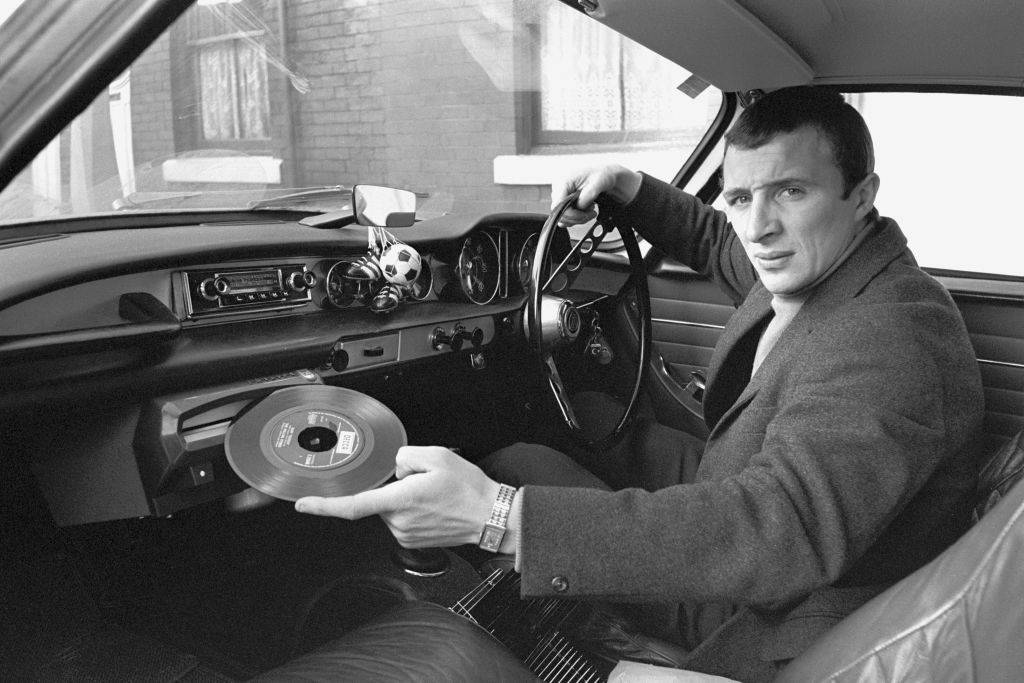
Aside from the radio, automakers in the 1950s thought drivers may want to listen to their favorite records while driving. This concept wasn’t entirely thought through.
Car record players were limited to 45rpm singles, requiring them to be turned over every three minutes to continue listening. This car accessory trend was short-lived in the U.S. but continued on in Europe into the 1960s.
Wood Paneling Everywhere.
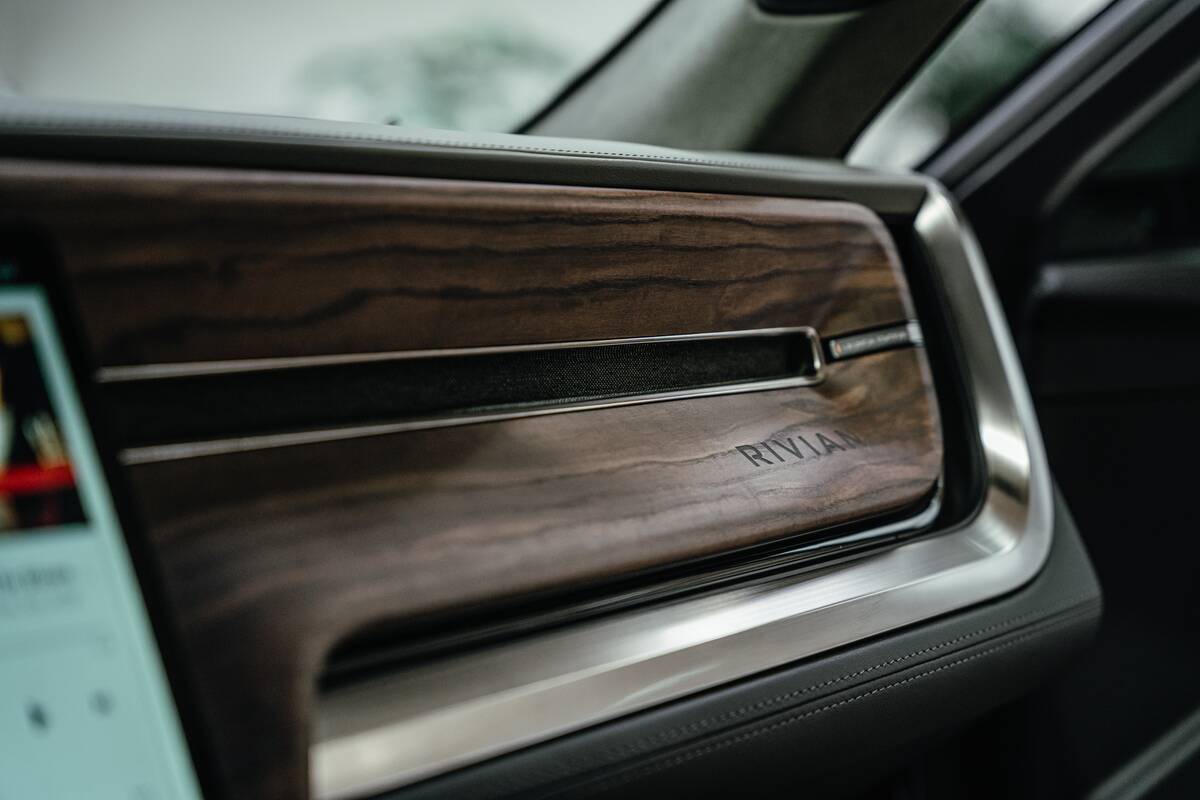
As automakers sought to make their vehicles stand out in the crowded automotive marketplace of the ’60s, they hit on an idea that became wildly popular: Wood panelling.
The idea was an offshoot of the wood panelling that was popular in rec rooms of the era. It seems an odd choice to take a sleek, metallic object like a car and slap fake wood on the side, but this fashion persisted up until the early ’90s or so.
Exterior Sun Visors Were Mostly Seen In The ’50s And ’60s
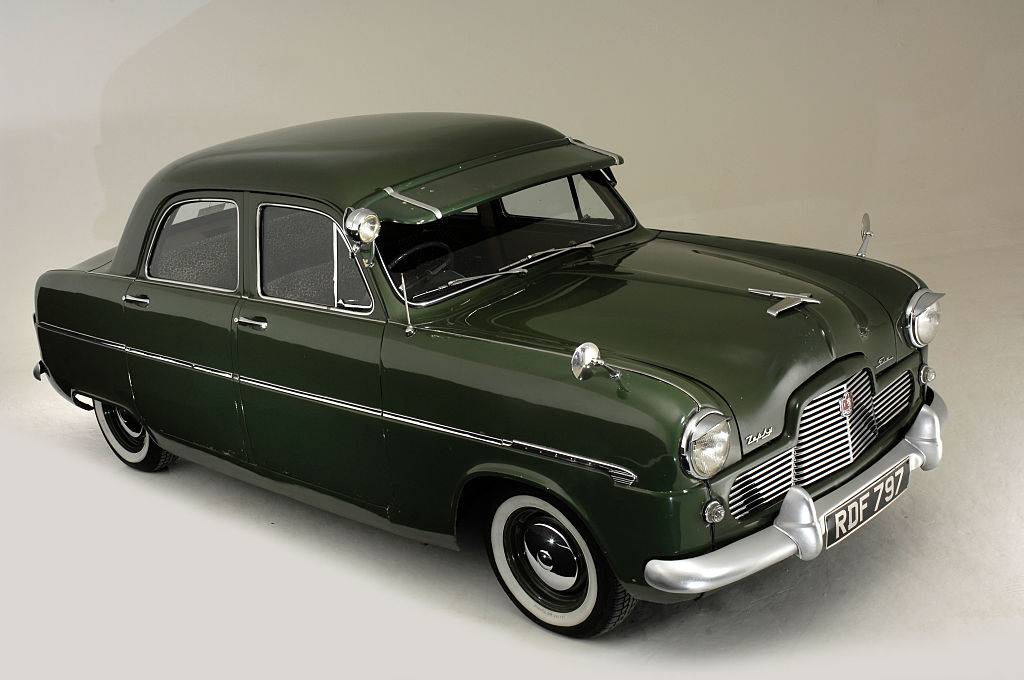
Today almost every vehicle is designed with interior sun visors that the driver and front passenger can pull down to block the sun. But as early as 1939, automakers were designing sun visors on the exterior of cars and trucks. Some drivers also described them as “awnings.”
The visors were an optional add-on for several auto brands, including Ford and Vauxhall. Today, many classic car owners keep the accessory on for style.
Picnics Were Popular
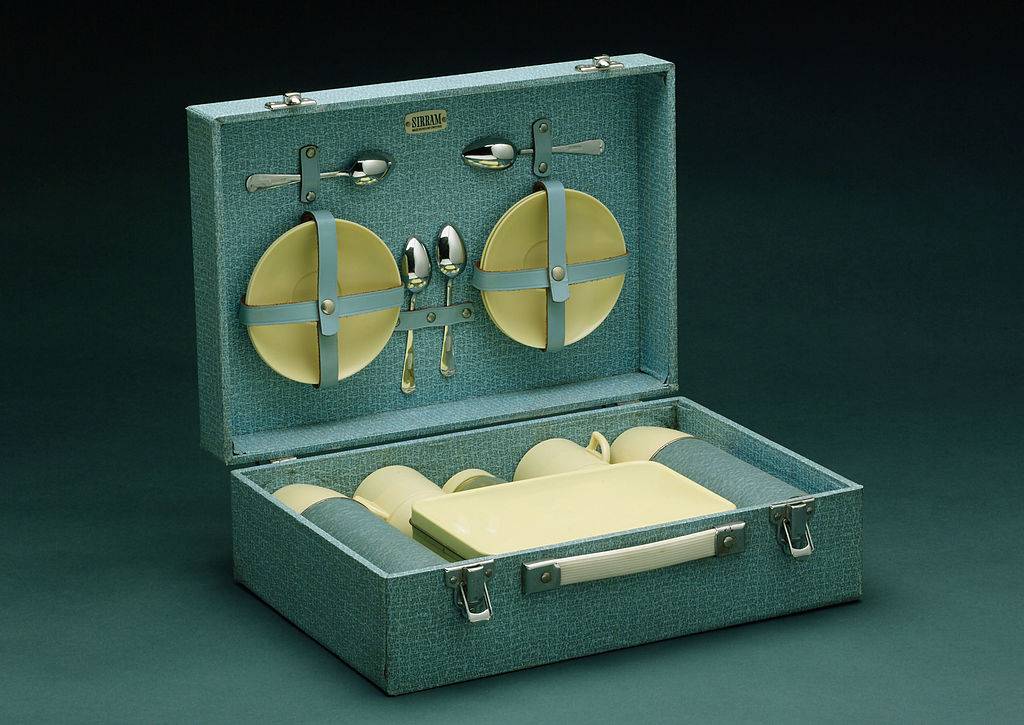
In the 1960s, going for a drive was something fun and relaxing to do on the weekends. Couples, friends, or families could pack up the car and hit the road. After enjoying the sites, it was common to find a park or a patch of grass to set-up a picnic.
Select car models had the option of adding a picnic basket that was made by the automaker. It had everything you needed for a relaxing afternoon outdoors.
Before Wheel Grip And Heat, Driving Gloves Were Common
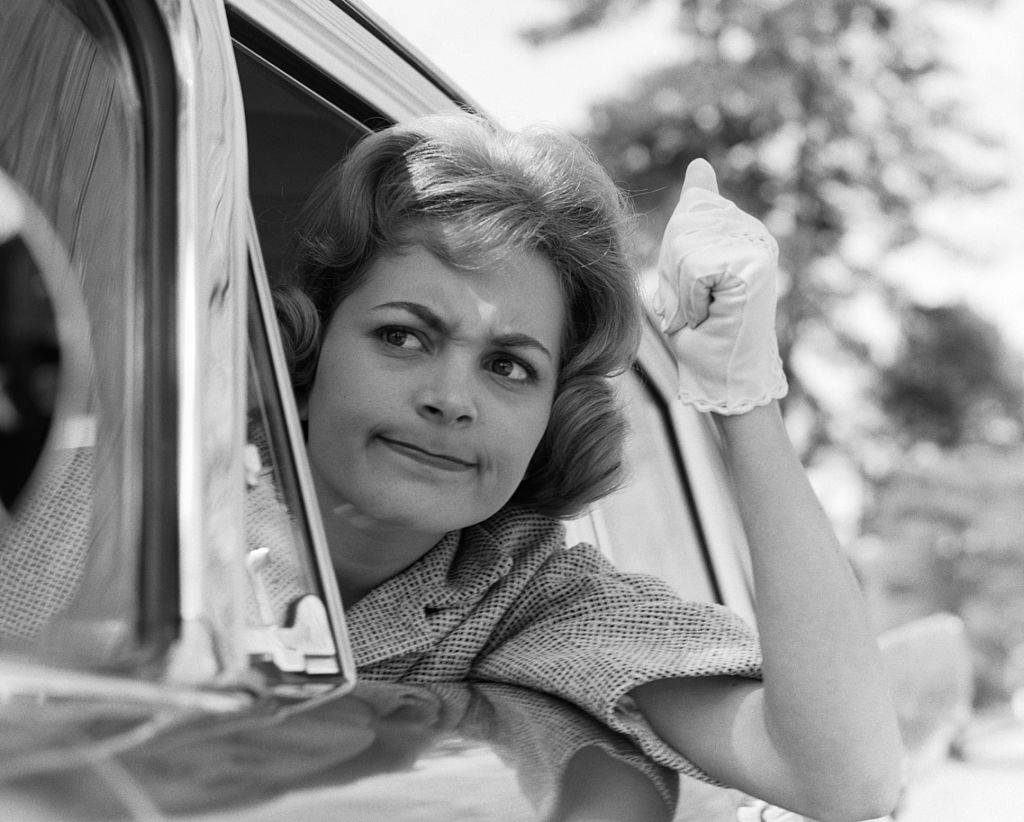
Up until the 1970s, it was common for motorists to wear driving gloves behind the wheel. It would be very odd today if your friend were to put on their driving gloves before starting the car, but that’s the way it once was!
Safety and warmth were the primary reasons that drivers wore gloves. But in the late ’60s, more cars were designed with efficient heating systems and steering wheels with proper grip, making this trend outdated and unnecessary.
Car Seats Weren’t Supportive, So There Was This
Another vintage car accessory for comfort was this “Sit-Rite Back Rest,” designed by KL. It promised to help alleviate fatigue and discomfort during long car rides, for either the driver or a passenger.
The Back Rest clipped onto the seat for easy use or removal. It makes sense that a company would market these in the ’50s and ’60s, as car seats weren’t designed with the type of lumbar support and cushioning that we have available today.




